Notes from the Inkpot
Writing, teaching, creating - one ink-stained idea at a time.



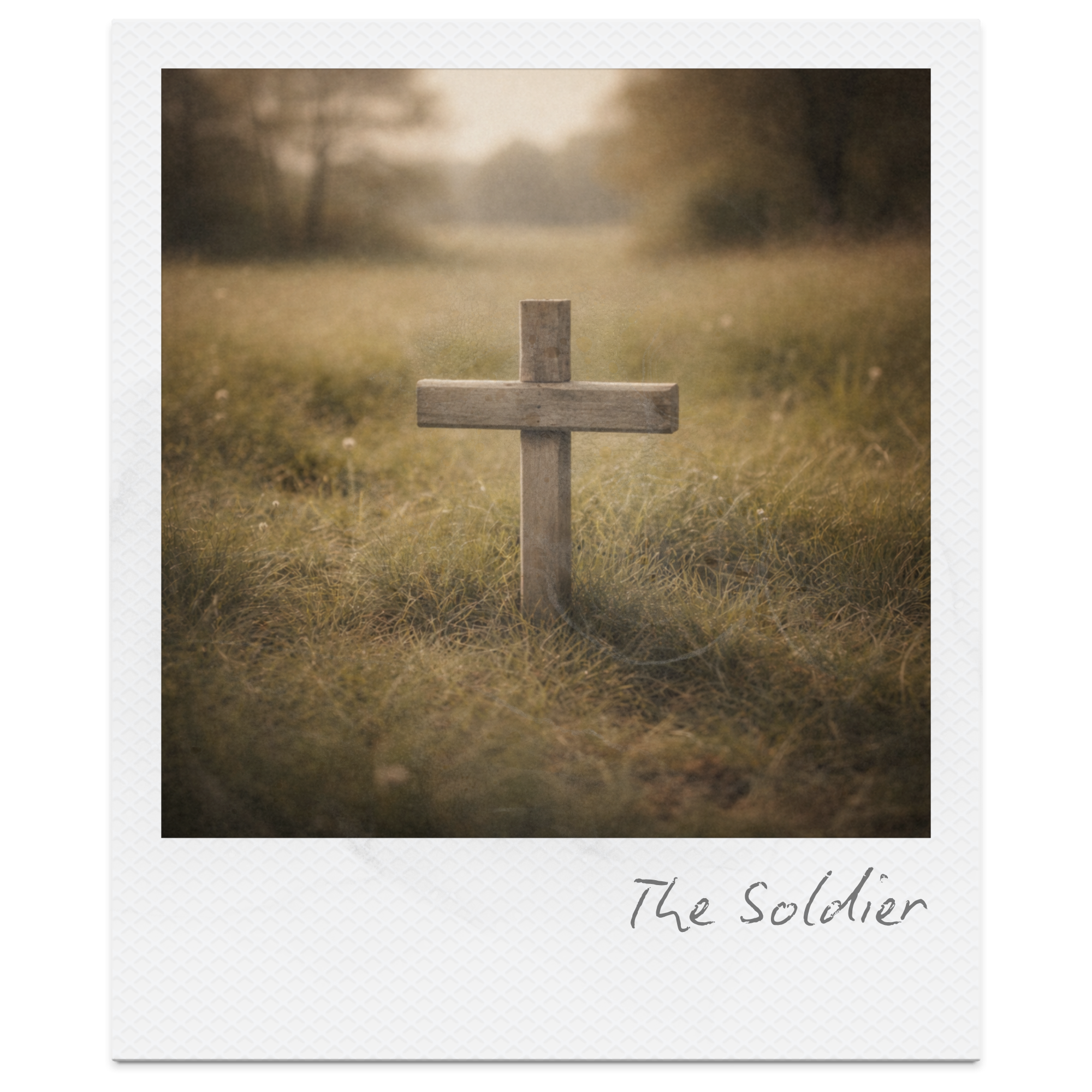
The Soldier by Rupert Brooke: Summary, Themes & Analysis
Explore Rupert Brooke's The Soldier with this comprehensive poetry analysis, examining its themes of patriotism, national identity, sacrifice and spiritual immortality. Discover how Brooke uses sonnet form, pastoral imagery, symbolism and religious language to transform the possibility of death in war into a vision of enduring belonging. Uncover the poem's historical context, key quotations, literary techniques and alternative interpretations, including its idealisation of England and romanticisation of military sacrifice. Explore detailed stanza-by-stanza analysis and thought-provoking teaching ideas to deepen your understanding of this iconic First World War poem. Perfect for students, teachers and literature enthusiasts, this guide also includes comparative poetry suggestions and downloadable classroom resources.

Futility by Wilfred Owen: Summary, Themes & Analysis
Explore Futility by Wilfred Owen with a detailed summary and analysis of its themes, symbolism, imagery, poetic techniques, structure and meaning. Discover how Owen uses the death of a soldier to question war, mortality, nature, faith and the purpose of human existence, with key quotations, alternative interpretations, poetry comparisons and teaching resources.
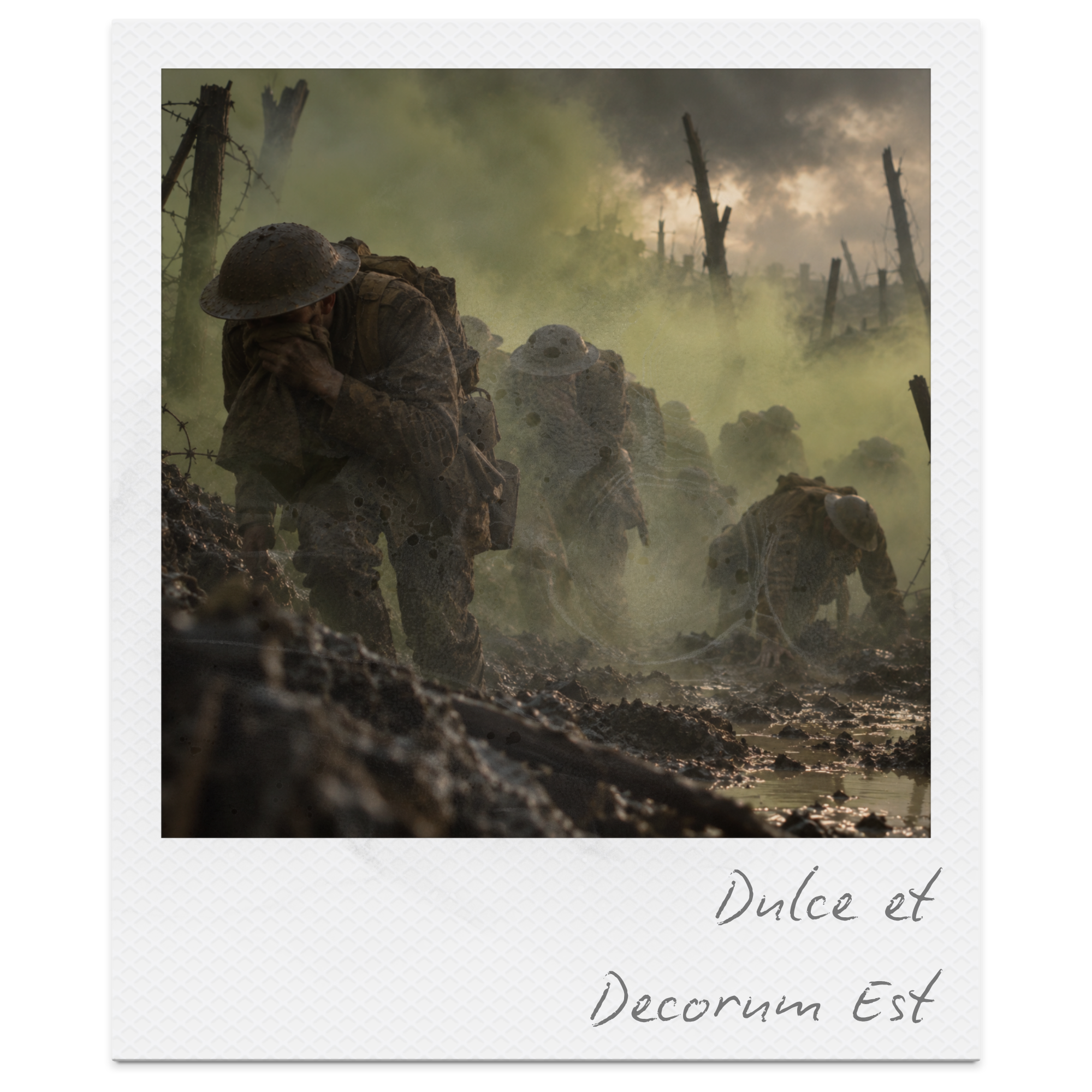
Dulce et Decorum Est by Wilfred Owen: Summary, Themes & Analysis
Explore Dulce et Decorum Est by Wilfred Owen with detailed analysis of its meaning, themes, form, structure, metre, symbolism, imagery and poetic techniques. Discover how Owen uses the horror of a gas attack and its traumatic aftermath to challenge patriotism, propaganda, glorious sacrifice and romanticised ideas of war.
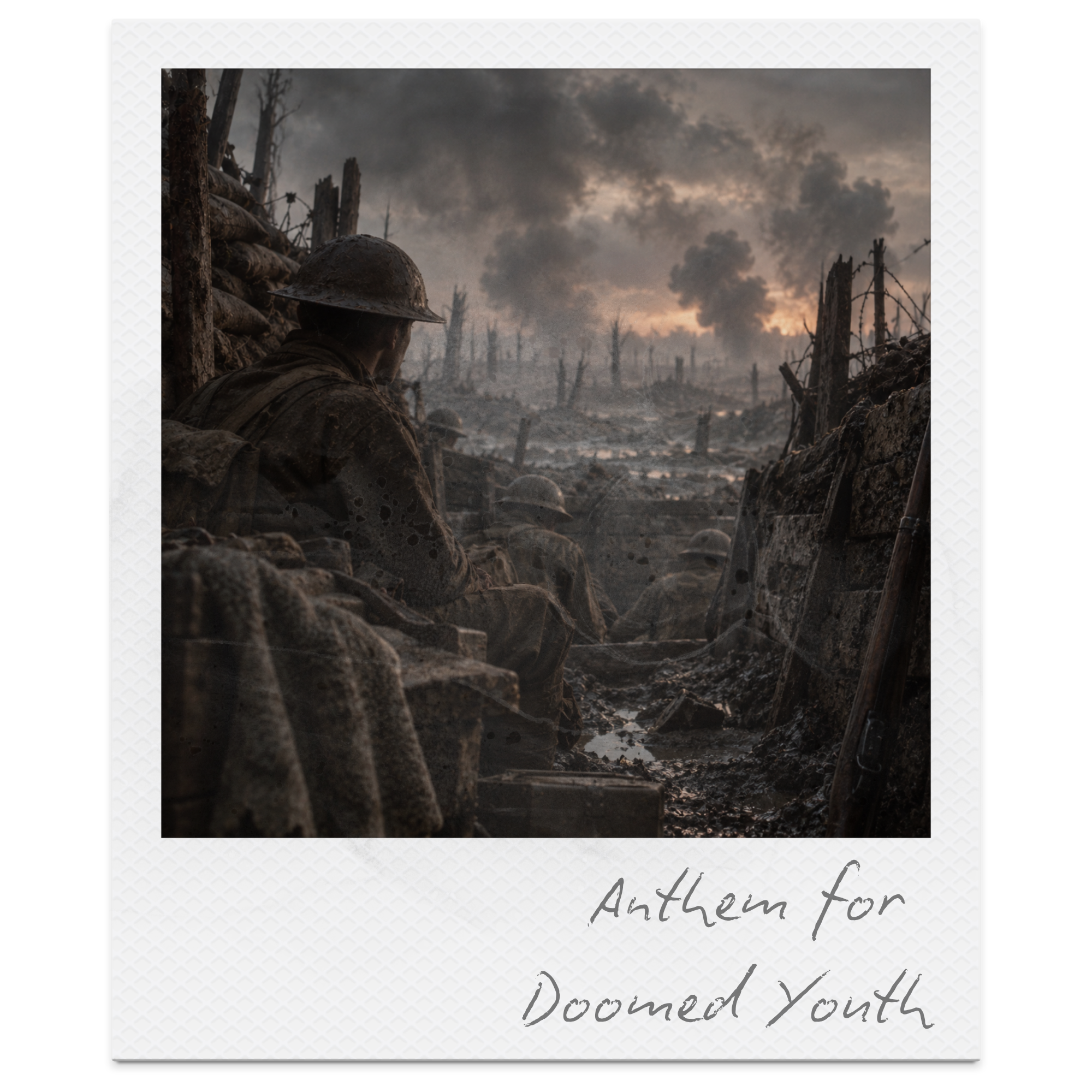
Anthem for Doomed Youth by Wilfred Owen: Summary, Themes & Analysis
Explore Anthem for Doomed Youth by Wilfred Owen with detailed analysis of its meaning, themes, form, structure, metre, symbolism, imagery and poetic techniques. Discover how Owen contrasts the brutal sounds of the battlefield with funeral rituals, private grief and remembrance to expose the human cost of the First World War.

For the Fallen by Laurence Binyon: Summary, Themes & Analysis
Explore Laurence Binyon’s For the Fallen with a detailed guide to its meaning, context, themes, symbolism, key quotes, poetic techniques, structure and alternative interpretations. Discover how Binyon transforms grief and wartime loss into an enduring meditation on youth, sacrifice, remembrance, national identity and memory.
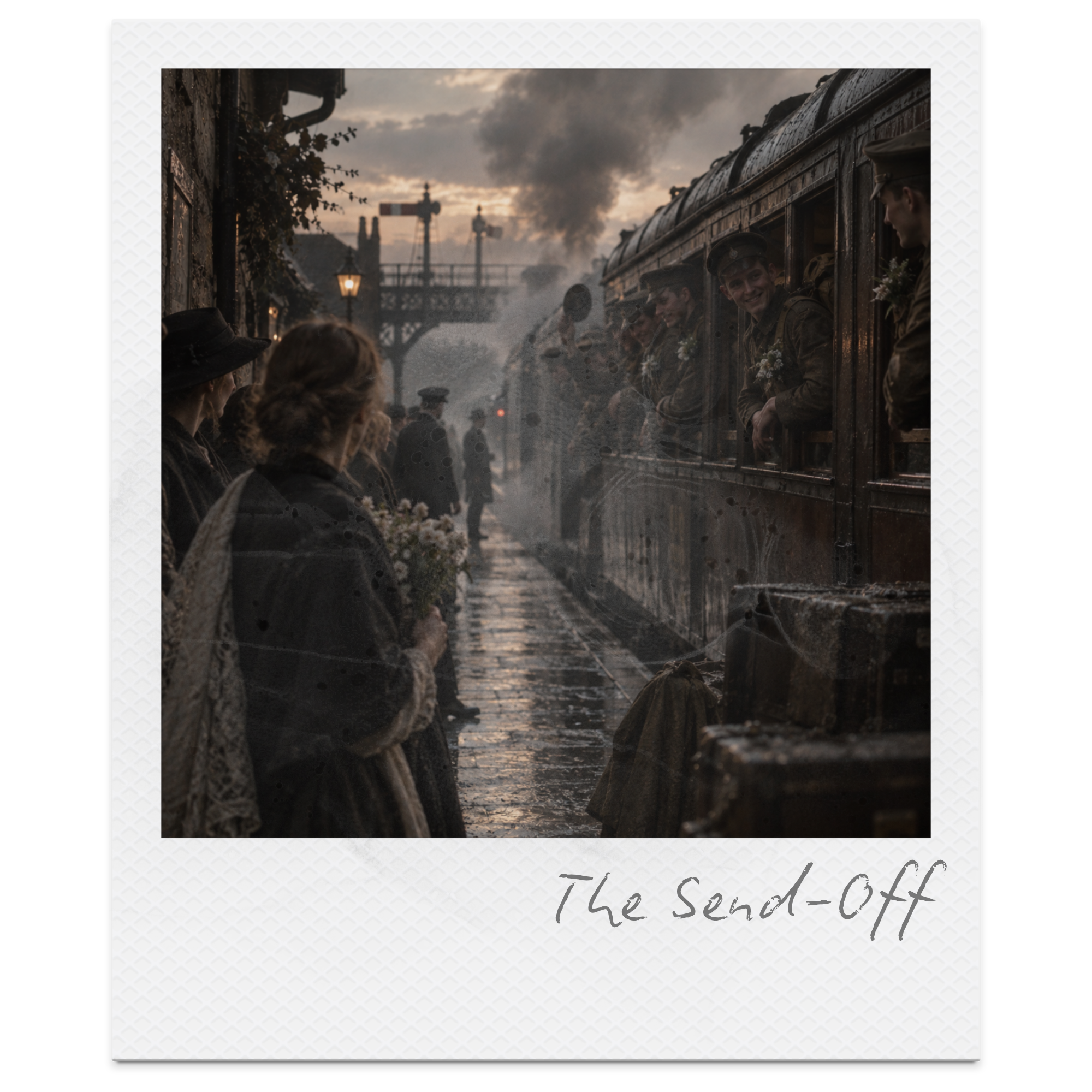
The Send-Off by Wilfred Owen: Summary, Themes & Analysis
Explore The Send-Off by Wilfred Owen with detailed analysis of its meaning, themes, form, structure, metre, symbolism, imagery and poetic techniques. Discover how Owen transforms a soldiers’ departure for war into an unsettling exploration of death, uncertainty, separation, loss and the possibility of returning home profoundly changed.

Jessie Pope: Context, War Poetry, and Literary Significance
Explore the life, historical context, poetry, and literary significance of Jessie Pope, one of the most controversial voices of First World War literature. Discover how patriotism, recruitment, propaganda, gender expectations, sporting imagery, and popular culture shaped her writing, and why reading Pope alongside poets such as Wilfred Owen and Siegfried Sassoon reveals the competing ways the First World War was represented through poetry.
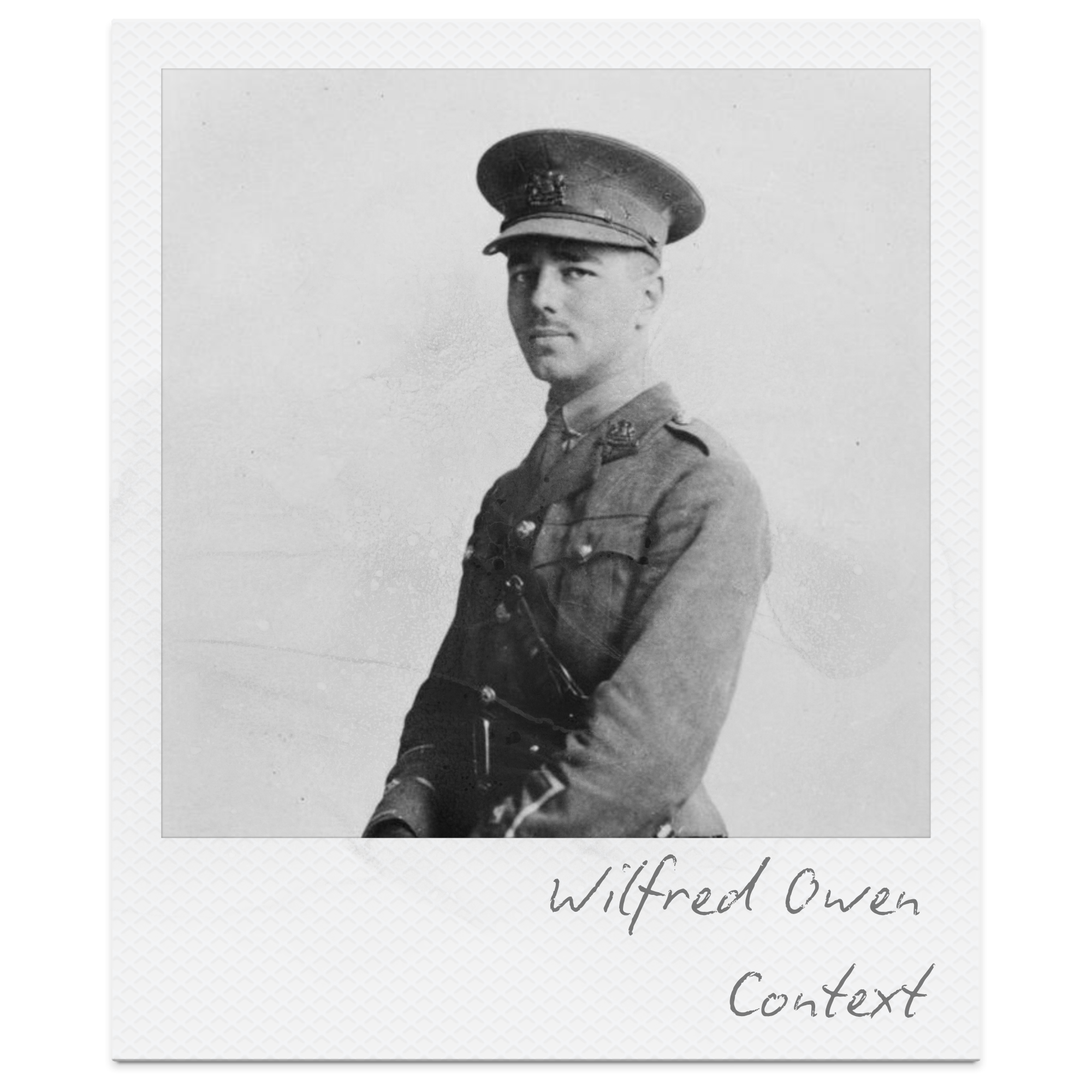
Wilfred Owen: Context, War Poetry, and Literary Significance
Explore the life, historical context, major themes, and literary significance of Wilfred Owen, one of the defining voices of First World War poetry. From patriotic ideas of King and Country to the brutal realities of trench warfare, shell shock, and mass loss, discover how Owen challenged romanticised representations of war and transformed the suffering of ordinary soldiers into some of the most powerful poetry of the twentieth century.
Themes in Suicide in the Trenches by Siegfried Sassoon
Suicide in the Trenches explores some of the most unsettling ideas in war poetry, from the erasure of individual lives to the moral responsibility of those who remain safely removed from conflict. Through restraint and contrast, Siegfried Sassoon exposes how innocence is worn away and suffering is quietly absorbed. This post examines the key themes in Suicide in the Trenches, including civilian complicity, loss of innocence, the reality of death, and the horrors of war. Designed for classroom use, it supports confident discussion and comparison while encouraging deeper, evidence-based interpretation.
Suicide in the Trenches: Overview, Context, Key Ideas & Teaching Approaches
Suicide in the Trenches is often introduced as a simple war poem, yet its power lies in what it refuses to explain. Through restraint, regularity, and plain language, Siegfried Sassoon presents suffering without consolation, exposing how easily individual lives are absorbed into silence. This pillar post brings together context, key ideas, interpretation, and teaching approaches for Suicide in the Trenches. It explores how meaning is shaped through tone, structure, and omission, and shows how the poem functions as both protest writing and a powerful gateway text for studying war poetry, responsibility, and moral judgement.