Notes from the Inkpot
Writing, teaching, creating - one ink-stained idea at a time.



How to Teach The Crucible: Context, Chaos, and Classroom Activities That Actually Work
Teaching The Crucible works best when you keep context manageable, lean into fear and reputation, and give students structured ways to talk before they write. In this post I’m sharing practical classroom strategies, discussion ideas, revision activities, and two resource bundles — plus a free set of Act 1 discussion cards to get you started.
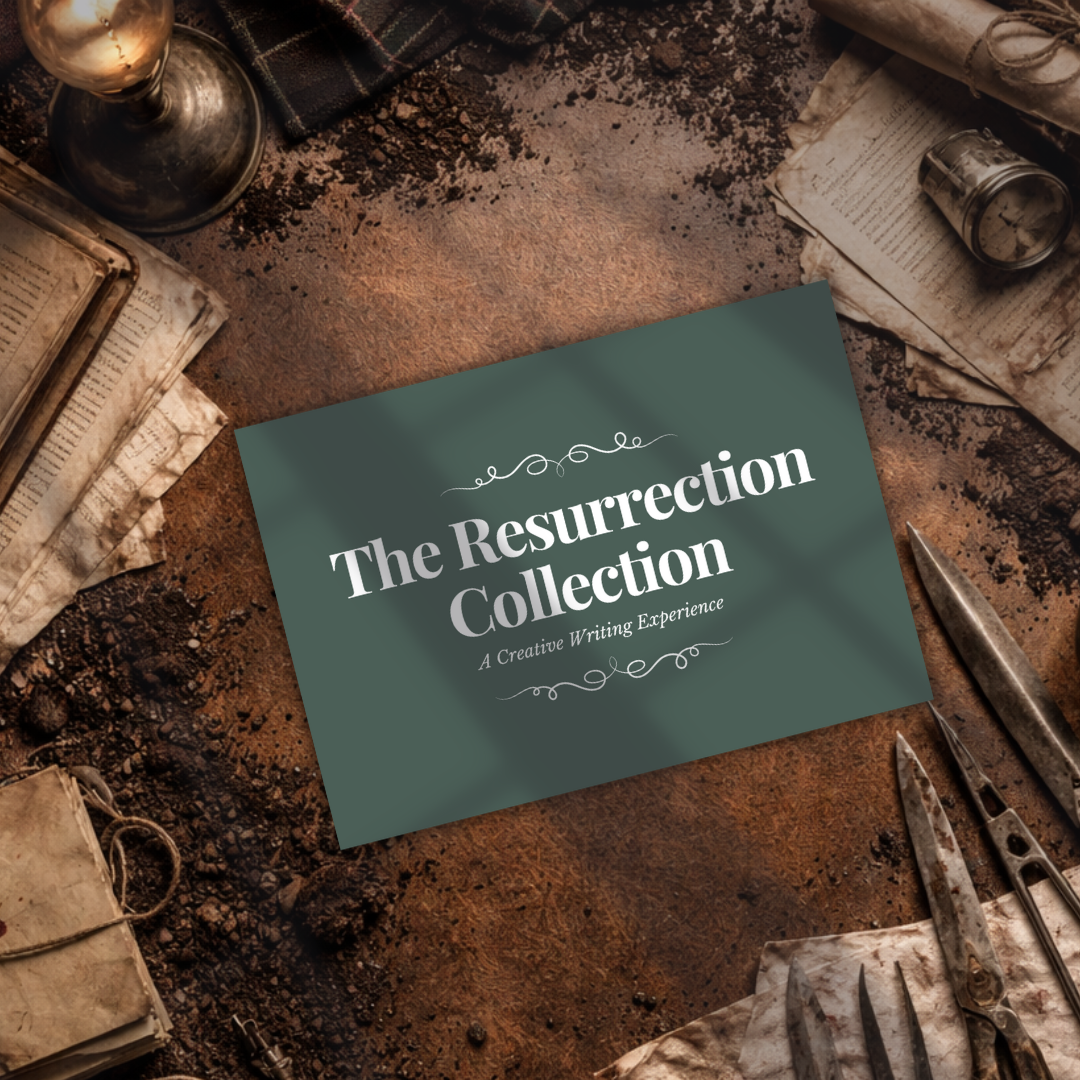
The Resurrection Collection: Writing Into the Dark History of Body Snatching
Edinburgh, 1828. Anatomy lectures are full. Graves are not staying closed. As medical knowledge advances, a quiet trade emerges in the shadows of churchyards and lecture rooms. Bodies are exhumed, sold, recorded, and forgotten — while institutions continue as normal. The Resurrection Collection is a document-led creative writing experience inspired by the real history of body snatching, anatomy, and institutional silence. Through fragmented records, personal writings, ledgers, adverts, and modern historical commentary, writers and students are invited to investigate what happened — and what was deliberately left unrecorded. This isn’t a single story or a guided prompt. It’s an archive. The documents don’t agree, some voices are missing, and the truth depends on what you choose to trust. Every reader uncovers a different version of events — shaped by inference, interpretation, and the uncomfortable spaces between evidence.

My Favourite Texts to Teach in March (Novels, Plays, Short Stories & Poems)
March is a turning point in the school year. Students are no longer settling in, but they’re not quite finished either — and that shift matters. This is the moment when texts about voice, power, and resistance begin to land differently. From novels and plays to short stories and poems, these are the texts I return to every March because they meet students exactly where they are: questioning, restless, and ready to think more deeply.