Notes from the Inkpot
Writing, teaching, creating - one ink-stained idea at a time.


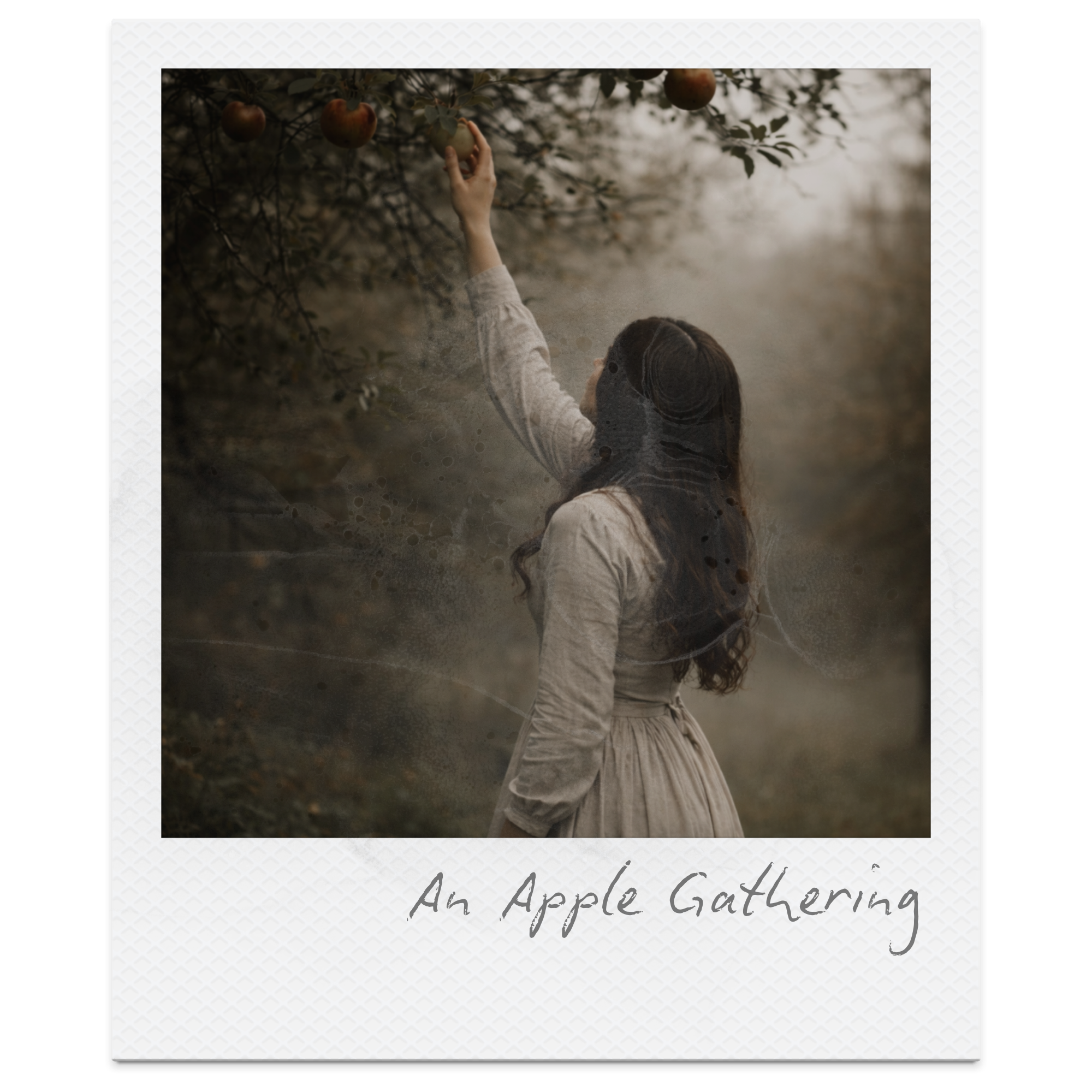
An Apple-Gathering by Christina Rossetti: Summary, Themes, and Detailed Analysis
Christina Rossetti’s An Apple-Gathering explores themes of lost opportunities, romantic regret, and emotional maturity through the powerful metaphor of an apple harvest. In this detailed analysis, we examine how Rossetti uses symbolism, structure, rhyme, and imagery to show how acting too quickly in love can prevent deeper fulfilment later in life. This guide includes a clear summary, stanza-by-stanza analysis, key quotations, themes, literary techniques, and teaching ideas, making it ideal for students studying poetry at GCSE or A-Level and teachers planning lessons on Rossetti’s work.
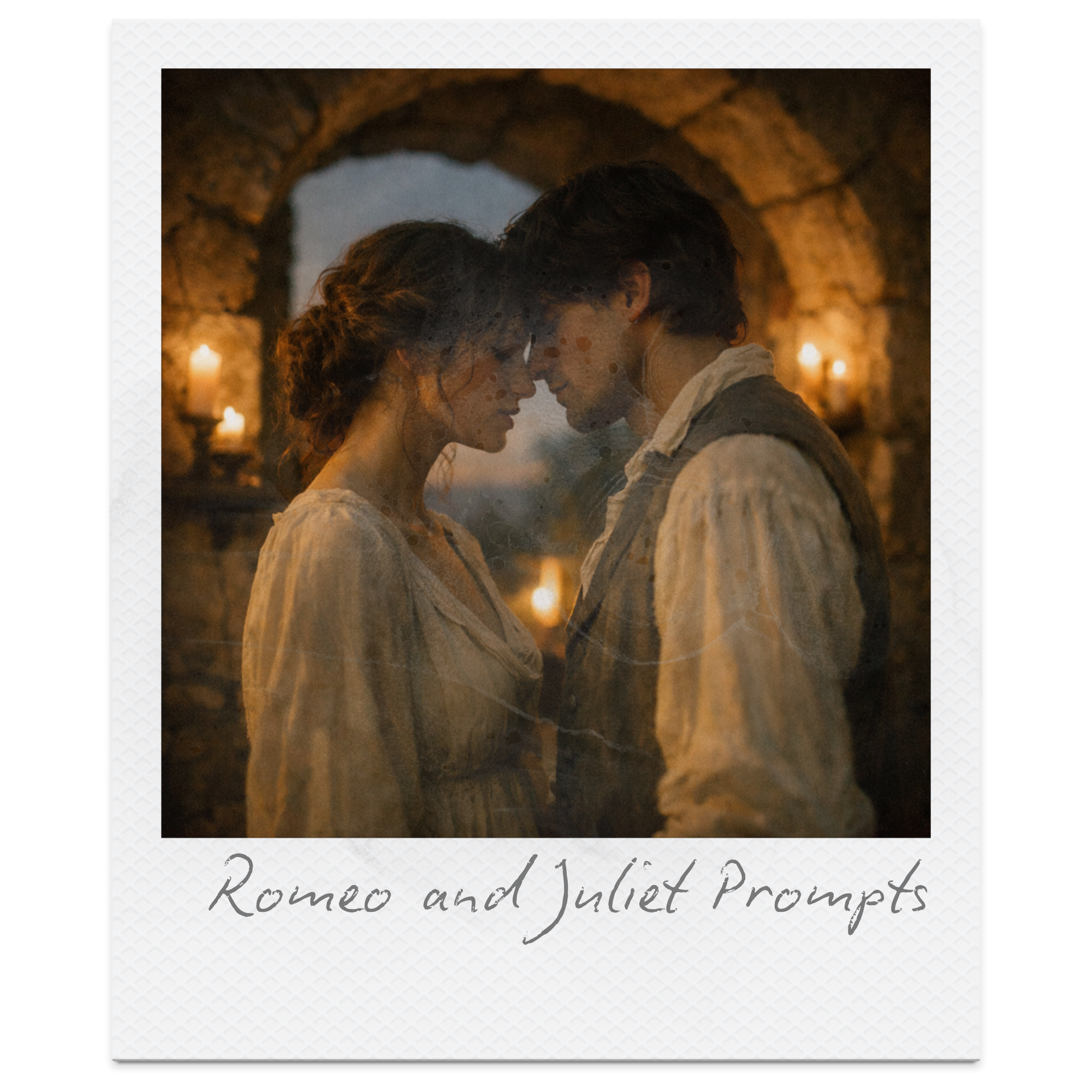
70 Creative Writing Prompts Inspired by Romeo and Juliet: Plot Hooks, Opening Lines, Characters & Visual Ideas
William Shakespeare’s Romeo and Juliet is more than a tragic love story — it is a play shaped by forbidden love, secrecy, and the dangerous speed of youthful decision-making. This collection of creative writing prompts inspired by Romeo and Juliet invites teen writers to explore impulsiveness, family conflict, and choice under pressure through original fiction and poetry, rather than retelling the plot. Designed for classroom use, writing clubs, and independent practice, these Romeo and Juliet–inspired writing prompts focus on atmosphere, voice, and moral tension. By working with character-driven ideas rooted in secrecy, loyalty, and consequence, students can engage with Shakespeare’s themes in a way that feels creative, accessible, and deeply connected to the play.

Why I Still Teach Romeo and Juliet (Even Though I Hate It) — And Why It Still Works in the Classroom
Why does Romeo and Juliet still earn its place in the English classroom, even when it’s so often misunderstood? This reflective teaching post explores why Shakespeare’s most over-romanticised play continues to work with students, examining impulsiveness, authority, and avoidable loss rather than idealised love. By reframing the play away from romance and towards consequence, Romeo and Juliet becomes far more relevant — and far more teachable. Drawing on classroom experience, this post explores how and why to teach Romeo and Juliet, from contextualising it within Shakespeare’s wider work to using discussion, creative writing, and debate to deepen understanding. It also shares classroom-tested strategies and resources designed to support meaningful engagement with the play across secondary English.