100 Creative Writing Prompts Sorted by Genre: A Go-To List for Students & Teachers
Every teacher and student knows the frustration of staring at a blank page, waiting for inspiration to strike. Creative writing prompts are one of the most effective ways to spark ideas, build confidence, and overcome writer’s block—especially in the classroom.
To make planning easier, I’ve curated 100 creative writing prompts for students and teens, carefully sorted by genre. Whether your class is exploring fantasy, mystery, gothic fiction, or realistic contemporary writing, this list offers a flexible, go-to resource you can return to again and again.
These creative writing prompts for students and teachers work equally well as lesson starters, independent writing tasks, homework, or creative warm-ups, helping writers develop voice, imagination, and confidence across the school year.
Explore the Creative Writing Archive
Alongside this list, you’ll find my growing Creative Writing Archive — a curated collection of writing prompts organised by genre, theme, season, and style. The archive is designed for students, teachers, and independent writers who want reliable inspiration without endless searching.
Each section in the archive focuses on a specific type of writing, from gothic fiction and personal narrative to poetry prompts, seasonal writing, and genre-based storytelling, making it easy to return whenever you need fresh ideas for lessons, workshops, or personal projects.
Fantasy Writing Prompts
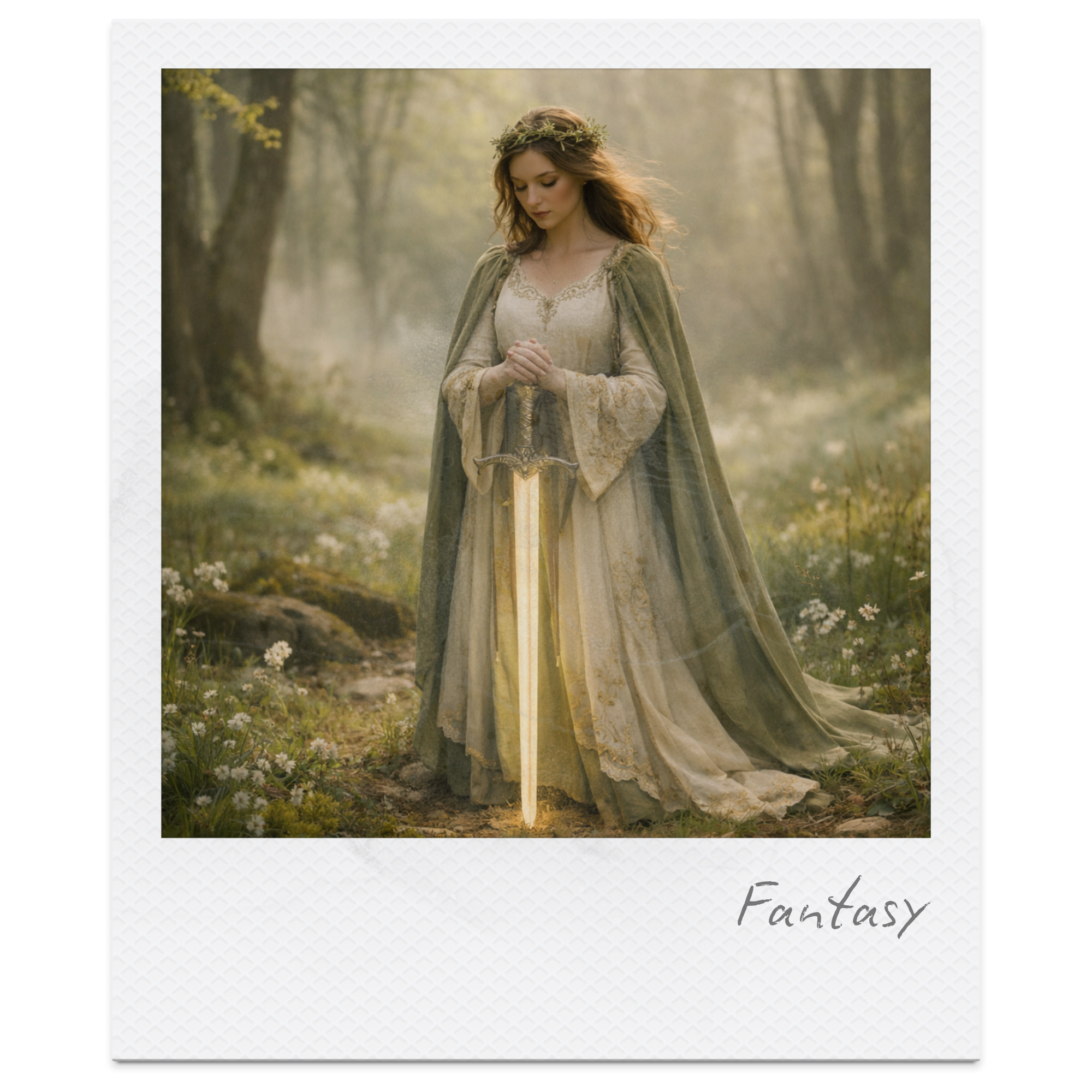
Fantasy writing prompts encourage students to create stories set beyond the limits of the real world, drawing on magic, myth, and imagined societies. Typical fantasy conventions include quest-based plots, defined systems of power or magic, conflict between good and evil, and richly developed world-building that shapes character choices and outcomes. This genre is particularly effective for strengthening descriptive language, narrative structure, and creative problem-solving in student writing.
If your students want to explore fantasy in more depth, you can get 70 Fantasy Writing Prompts, featuring plot hooks, title ideas, opening lines, closing lines, setting ideas, character prompts, and picture prompts designed for extended writing and classroom use here.
Write a story about a thief who accidentally steals a magical object that chooses its owner - and it’s chosen them.
Write a story featuring a healer who has the ability to take away pain but must endure the pain themselves.
Write a story set in a hidden library where books whisper forgotten secrets at night.
Write a story that begins with the line, "Magic wasn't supposed to run in families, but ours never played by the rules."
Write a story that ends with, "She watched as the stars rearranged themselves in the sky and realized her journey was only just beginning."
Write a story about a curse that causes every lie you tell to visibly appear on your skin as a tattoo.
Write a story about an exiled royal who secretly works as a blacksmith's apprentice to hide their magic.
Write a story set in a city built inside the enormous bones of an ancient, long-dead creature.
Write a story beginning with the sentence, "The dragon arrived just after midnight, but it wasn't here to burn the village; it needed help."
Write a story about a small village that disappears from all maps overnight, and you're the only person who remembers it ever existed.
Mystery and Thriller Prompts
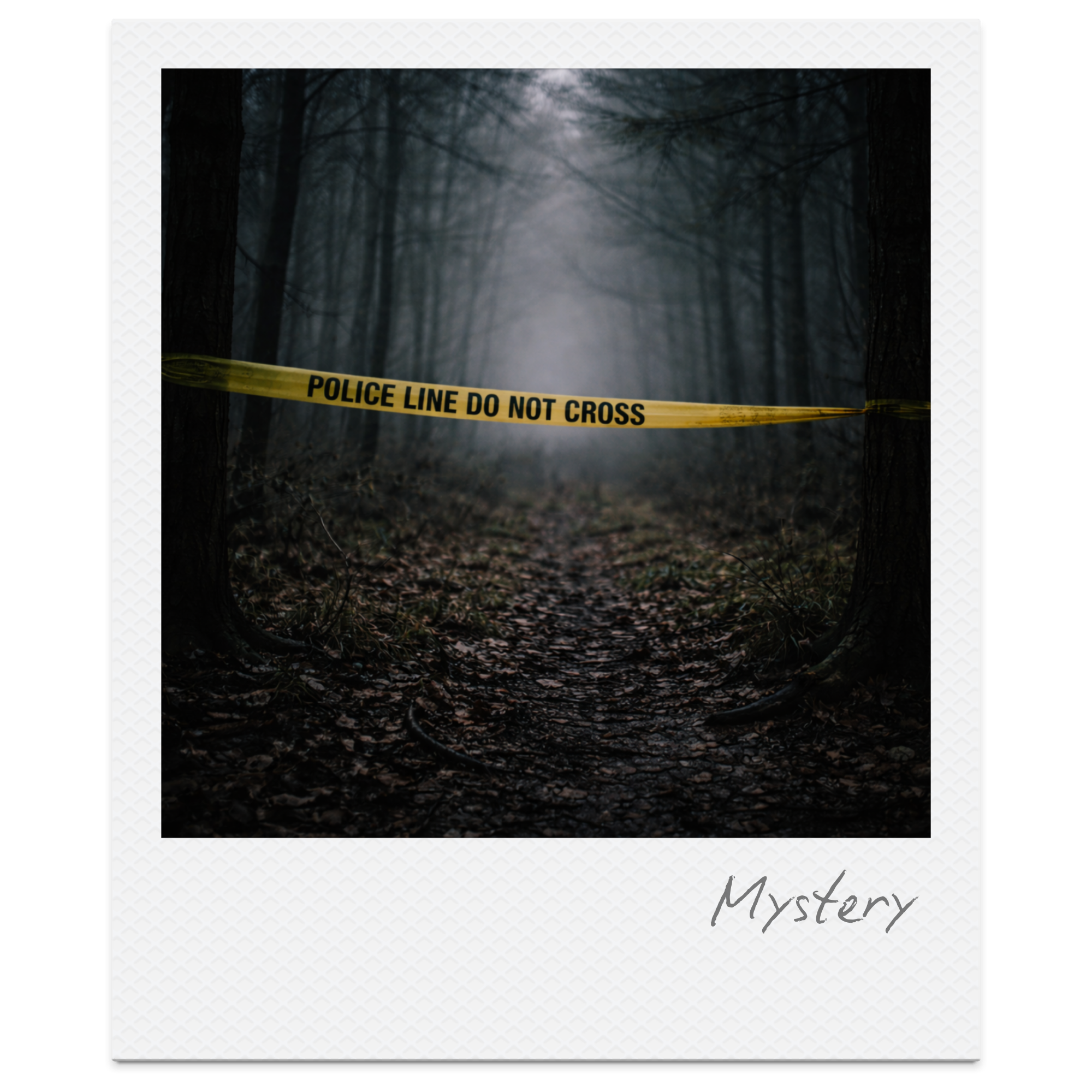
Mystery and thriller writing prompts challenge students to build stories around secrets, suspense, and unanswered questions. Key genre conventions include clues and red herrings, rising tension, high-stakes conflicts, and protagonists who must piece together the truth before time runs out. These genres are especially effective for teaching plot pacing, cause and effect, and logical narrative structure, as every detail must serve a purpose.
If students want to develop their ideas further, you can explore 70 Mystery Writing Prompts packed with plot hooks, title ideas, opening lines, closing lines, setting ideas, character prompts, and picture prompts — click here to find them.
Write a story set in a town where everyone wakes up one day to find anonymous notes taped to their doors, revealing their darkest secrets.
Write a story beginning with the sentence, "The detective realized too late that the witness was never really there."
Write a story about someone who receives a message from their own phone number, but it’s dated three days in the future.
Write a story that ends with, "The door locked behind her, and she finally understood she’d never been the one in control."
Write a story featuring a character who’s convinced their reflection in the mirror is slowly changing each day.
Write a story that begins with, "There were six guests at dinner, but one of them was already dead."
Write a story set in a remote hotel during a snowstorm, where guests mysteriously start to vanish one by one.
Write a story about a detective investigating a cold case who realizes the victim looks exactly like them.
Write a story that ends with the line, "As the lights flickered back on, everyone noticed the knife on the table was missing."
Write a story set on a luxury cruise ship where the passengers suddenly realize they’re all connected to the same unsolved crime.
Dystopian Writing Prompts
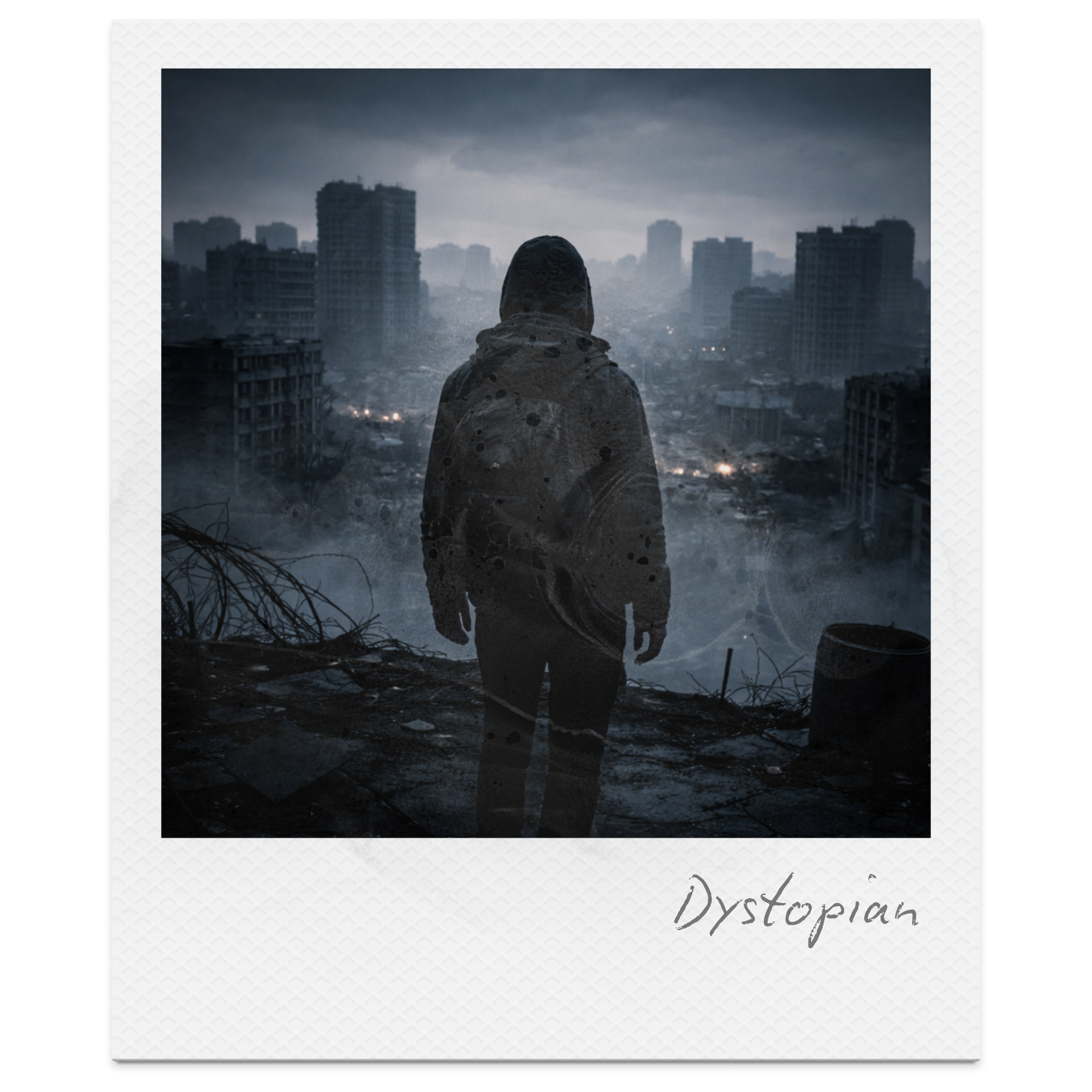
Dystopian writing prompts ask students to imagine societies shaped by control, surveillance, inequality, or the loss of individual freedom. Common dystopian conventions include authoritarian systems, restricted language or knowledge, rebellion against power, and worlds where everyday life is governed by rigid rules. This genre is particularly effective for developing theme, social commentary, and symbolism, encouraging students to explore how systems affect people and choices.
To explore these ideas in more depth, you can access 70 Dystopian Writing Prompts, featuring plot hooks, title ideas, opening lines, closing lines, setting ideas, character prompts, and picture prompts. Click here to explore them.
Write a story set in a world where people must buy words to speak them, and the price is rising fast.
Write a story that begins with the line, "Everyone receives the same message: 'Your memories will be erased at midnight.'"
Write a story about a society where your entire future is determined by a single test, but your character has discovered it's rigged.
Write a story set in a city that exists entirely underground because no one is permitted to return to the surface.
Write a story that ends with the sentence, "They watched silently as the wall, built to keep them safe, crumbled at last."
Write a story about a society where music is banned, and your character discovers an underground movement determined to bring it back.
Write a story set in a future where everyone’s emotions are regulated by mandatory pills, until your character stops taking theirs.
Write a story beginning with the line, "There hadn't been a sunrise in fifty years - until today."
Write a story set in a society where each person has their death-date tattooed on their wrist at birth, but your character’s date suddenly changes.
Write a story about a world where books have been outlawed, but your character finds a hidden library beneath their home.
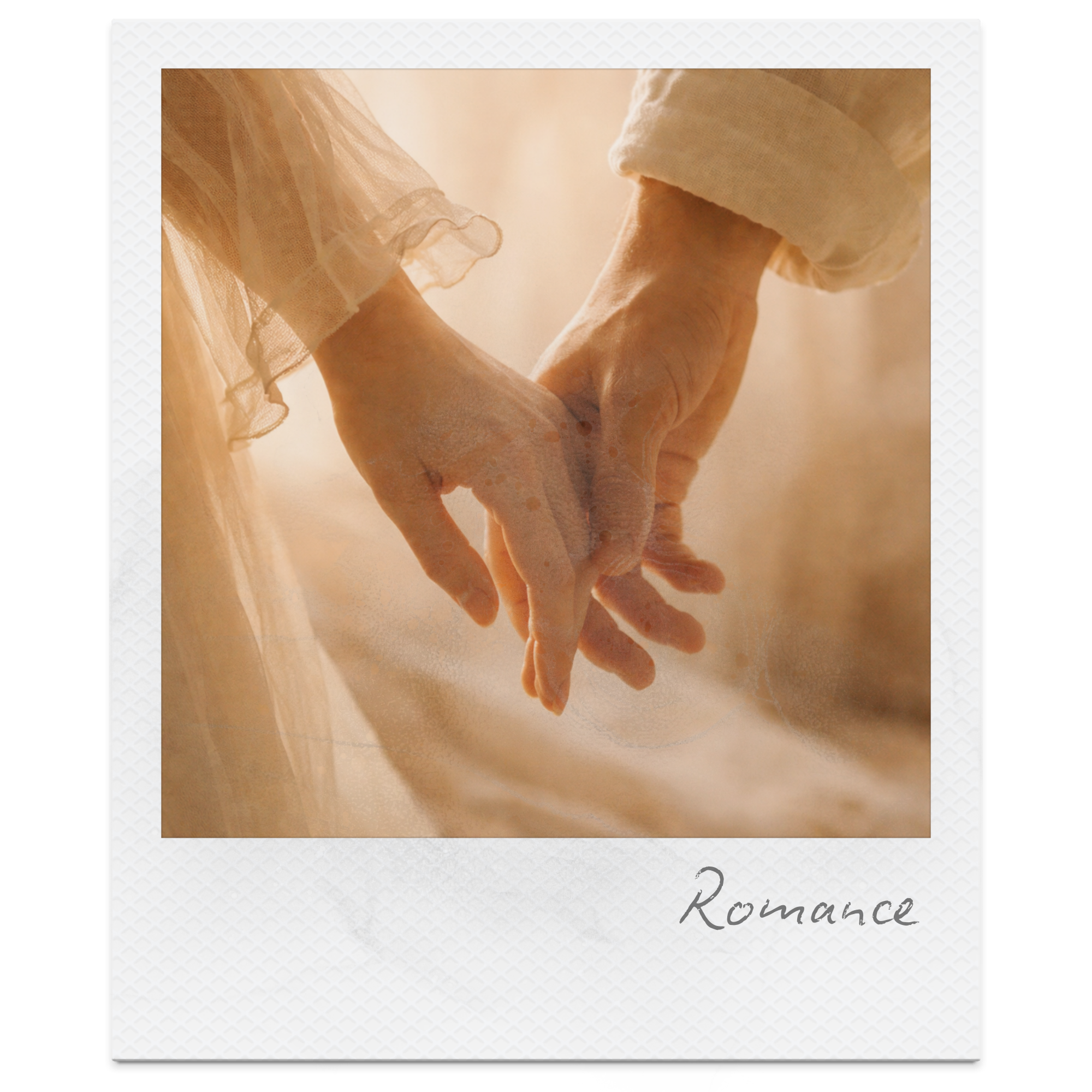
Romance Writing Prompts
Romance writing prompts focus on stories driven by relationships, emotional connection, and personal growth. Key romance conventions include developing chemistry, emotional conflict, misunderstandings or obstacles, and moments of vulnerability that force characters to confront their feelings. This genre works particularly well for exploring character development, internal conflict, and emotional realism in student writing.
If students want to explore relationship-driven storytelling in more depth, you can access 70 Romance Writing Prompts, including plot hooks, title ideas, opening lines, closing lines, setting ideas, character prompts, and picture prompts — the full collection can be found here.
Write a story about two classmates who team up to win a school talent show and discover feelings they didn’t expect.
Write a story that begins with, "I never thought I'd fall in love during detention."
Write a story about someone who accidentally texts their crush instead of their best friend.
Write a story set entirely during a school trip where everything seems to go wrong, but one thing goes right.
Write a story that ends with, "Standing beneath the fireworks, they both knew this was just the beginning."
Write a story about two characters who’ve been neighbors their whole lives but never really noticed each other until today.
Write a story beginning with, "The note I found in my locker said, 'Meet me at midnight.'"
Write a story set at a summer camp featuring two counselors who can't stand each other - at first.
Write a story about someone who finds an old diary filled with love letters and decides to track down the original writer.
Write a story ending with, "As the bus pulled away, I realized I'd forgotten to ask her name."
Write a story about two classmates who team up to win a school talent show and discover feelings they didn’t expect.
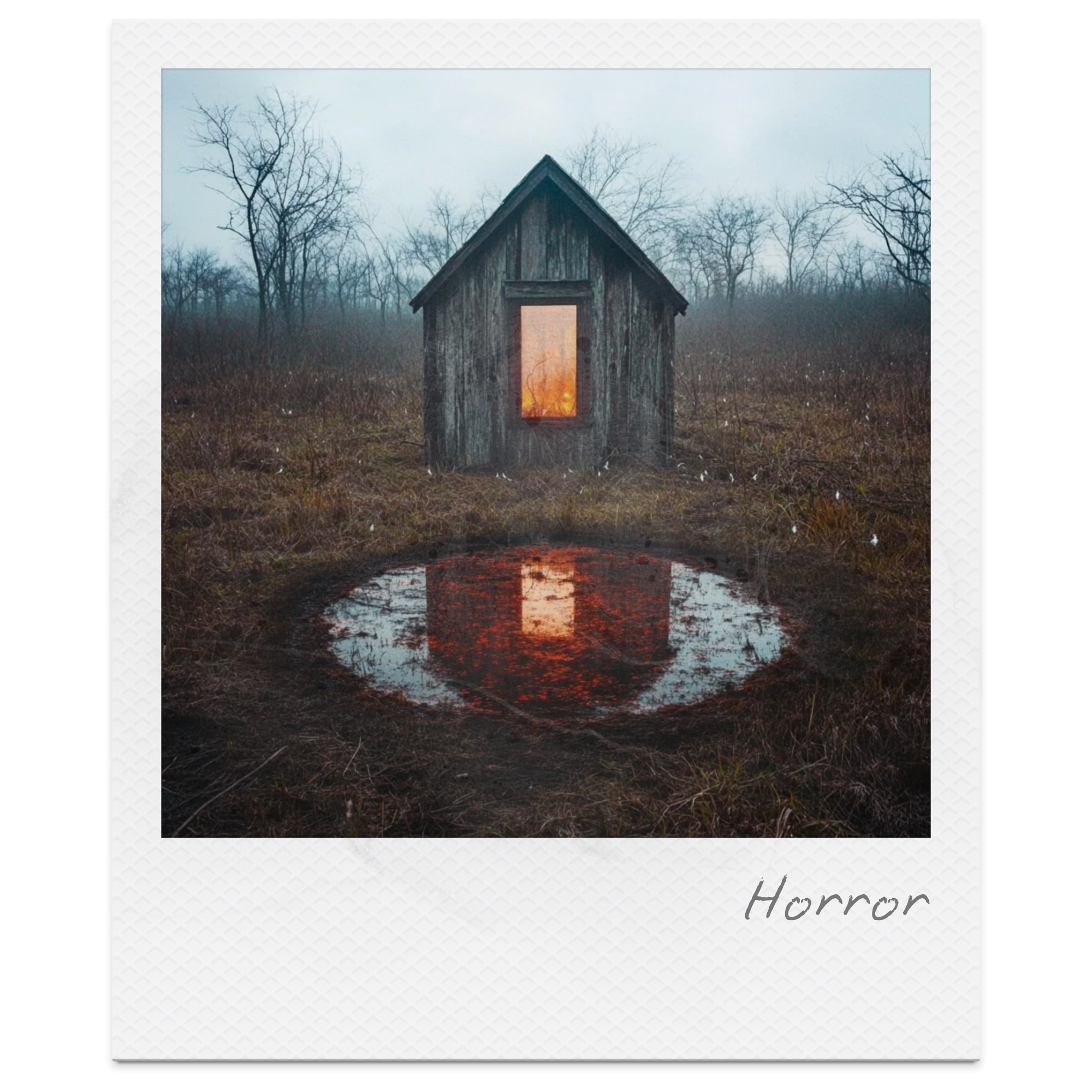
Horror and Gothic Writing Prompts
Horror and gothic writing prompts invite students to explore stories driven by fear, unease, and psychological tension. Common genre conventions include isolated or decaying settings, unreliable narrators, the uncanny, and moments where ordinary situations take on a disturbing edge. While horror often focuses on immediate threat or shock, gothic writing leans into atmosphere, repression, and inner conflict, making this genre ideal for teaching mood, symbolism, and subtext.
For students who want to push these ideas further, you can explore 70 Horror Writing Prompts, featuring plot hooks, title ideas, opening lines, closing lines, setting ideas, character prompts, and picture prompts - get them here.
Write a story set in an abandoned amusement park that mysteriously comes to life at midnight.
Write a story that begins with the line, "It wasn't until I looked at the photograph that I noticed someone standing behind me."
Write a story about a character who moves into an old house and finds messages written beneath the wallpaper.
Write a story set during a blackout, where every candle extinguishes itself simultaneously.
Write a story ending with the sentence, "As she stepped into the mirror, she realized too late it wasn't a reflection."
Write a story about someone who finds their name written on a tombstone dated tomorrow.
Write a story beginning with, "There was only one rule in the village: never open the gates after sundown."
Write a story about a music box that plays a different tune every night, predicting tomorrow's events.
Write a story set in an isolated lighthouse during a storm, where the keeper sees shadows moving inside the light itself.
Write a story ending with the line, "No matter how hard they tried, the footprints in the snow led back to their own front door."
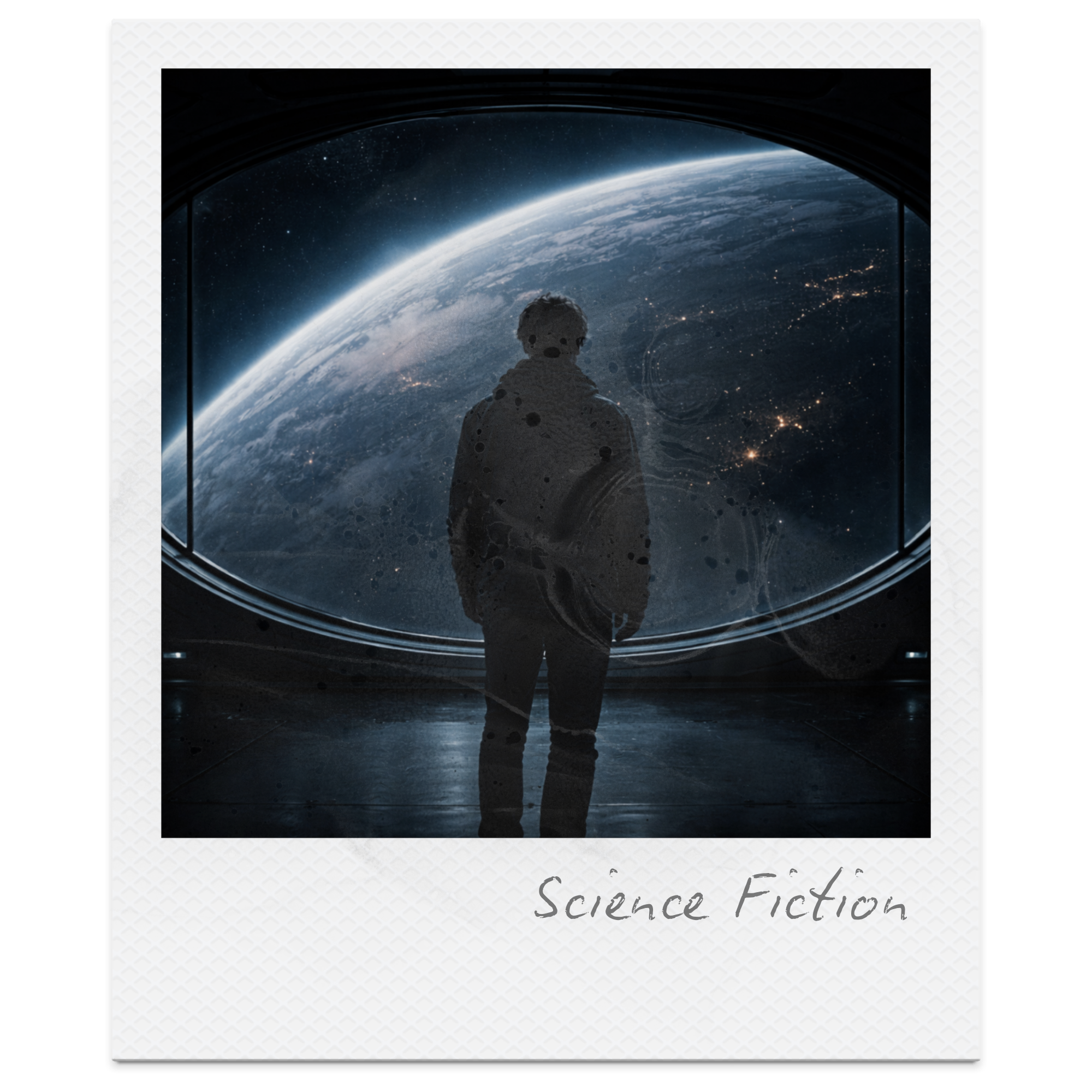
Science Fiction Prompts
Science fiction writing prompts encourage students to imagine futures shaped by technology, scientific advancement, and ethical change. Key science fiction conventions include speculative worlds, advanced or experimental technology, artificial intelligence, space exploration, and societies transformed by innovation. This genre is particularly effective for exploring cause and consequence, big ideas, and moral dilemmas, helping students connect imaginative storytelling with real-world concerns.
If students want to explore speculative storytelling in more depth, you can access 70 Science Fiction Writing Prompts, including plot hooks, title ideas, opening lines, closing lines, setting ideas, character prompts, and picture prompts. Explore them here.
Write a story about a world where dreams can be recorded and played back, but your character finds one that isn’t theirs.
Write a story that begins with, "My robot companion suddenly stopped, turned to me, and asked, ‘Do you trust me?’"
Write a story set in a colony on Mars, where the first plant begins to grow, but it isn't what anyone expected.
Write a story ending with the line, "As the spaceship left Earth behind, they knew they'd never return home."
Write a story about someone who discovers a secret city hidden beneath the surface of the moon.
Write a story beginning with, "Everyone on Earth heard the same voice at once: 'We have arrived.'"
Write a story set in a future where teleportation has replaced all forms of transport until one day, someone doesn't arrive at their destination.
Write a story about a teenager who builds a time machine but can only travel exactly 5 minutes into the future.
Write a story ending with the sentence, "When I looked up, the stars had disappeared."
Write a story set in a futuristic society where each person is paired with an AI companion at birth, but your character’s AI begins acting strangely.
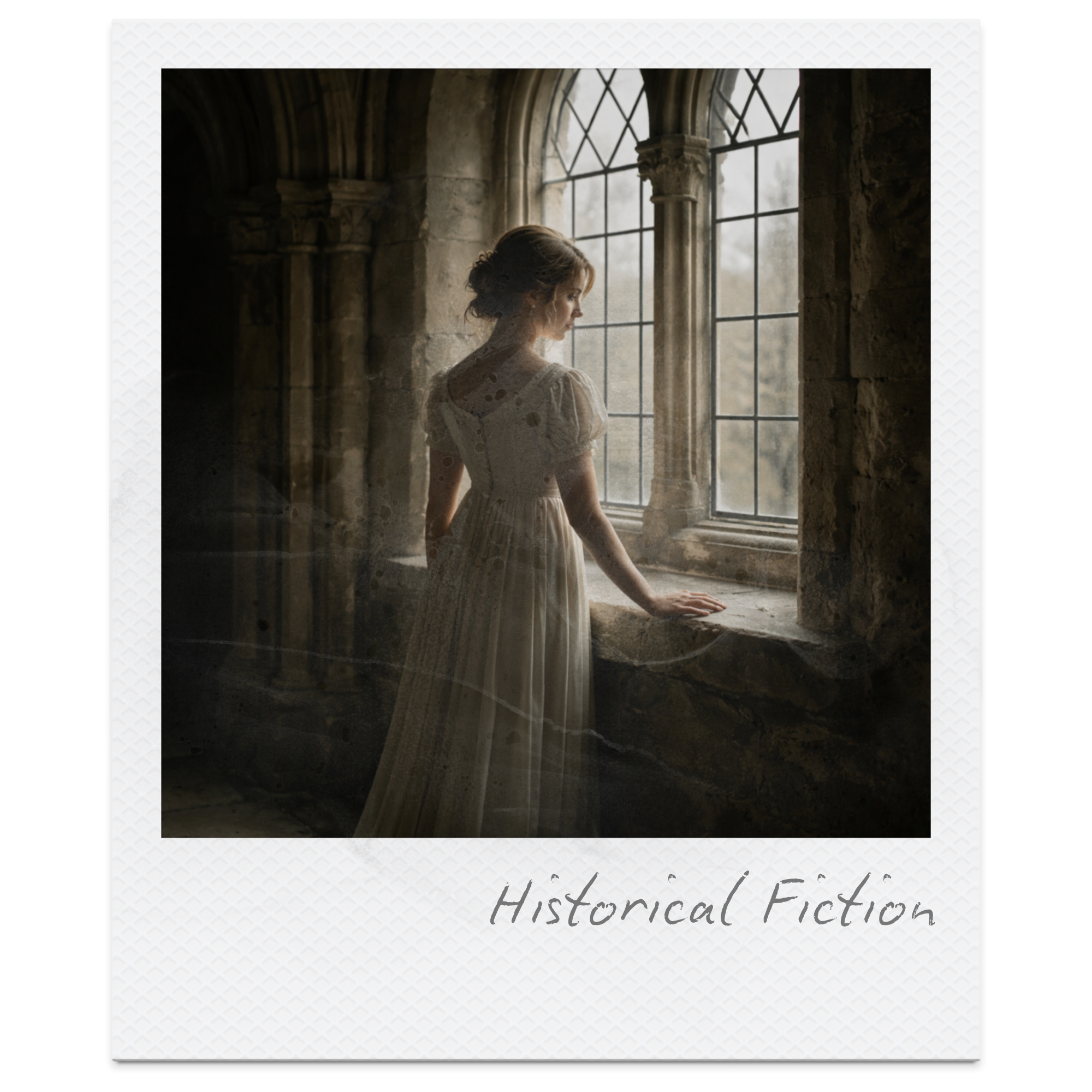
Historical Fiction Prompts
Historical fiction writing prompts ask students to step into the past and imagine stories shaped by real historical settings, events, and social norms. Common historical fiction conventions include period-accurate detail, authentic voice, and characters whose choices are limited by the values and structures of their time. This genre is especially useful for developing research skills, contextual understanding, and empathetic storytelling, as students blend imagination with historical realism.
To explore this genre in more depth, you can access 70 Historical Fiction Writing Prompts, featuring plot hooks, title ideas, opening lines, closing lines, setting ideas, character prompts, and picture prompts — you’ll find the full collection here.
Write a story set during the construction of an iconic landmark seen through the eyes of a young apprentice.
Write a story that begins with, "The telegram arrived on the coldest day of the year."
Write a story about someone working secretly as a messenger during wartime who accidentally delivers a letter to the wrong person.
Write a story set during a royal coronation, told from the perspective of someone hiding in the crowd.
Write a story ending with, "And as the soldiers marched away, silence returned to the village once more."
Write a story about a family uncovering a secret hidden in their home during World War II.
Write a story set in Ancient Rome, where a young character witnesses an important event or moment, but nobody believes them.
Write a story beginning with, "It was the first day of the new century, and everything felt possible."
Write a story about a character who accidentally influences a famous historical event without realizing it.
Write a story ending with, "As she boarded the ship bound for the New World, she knew life would never be the same."
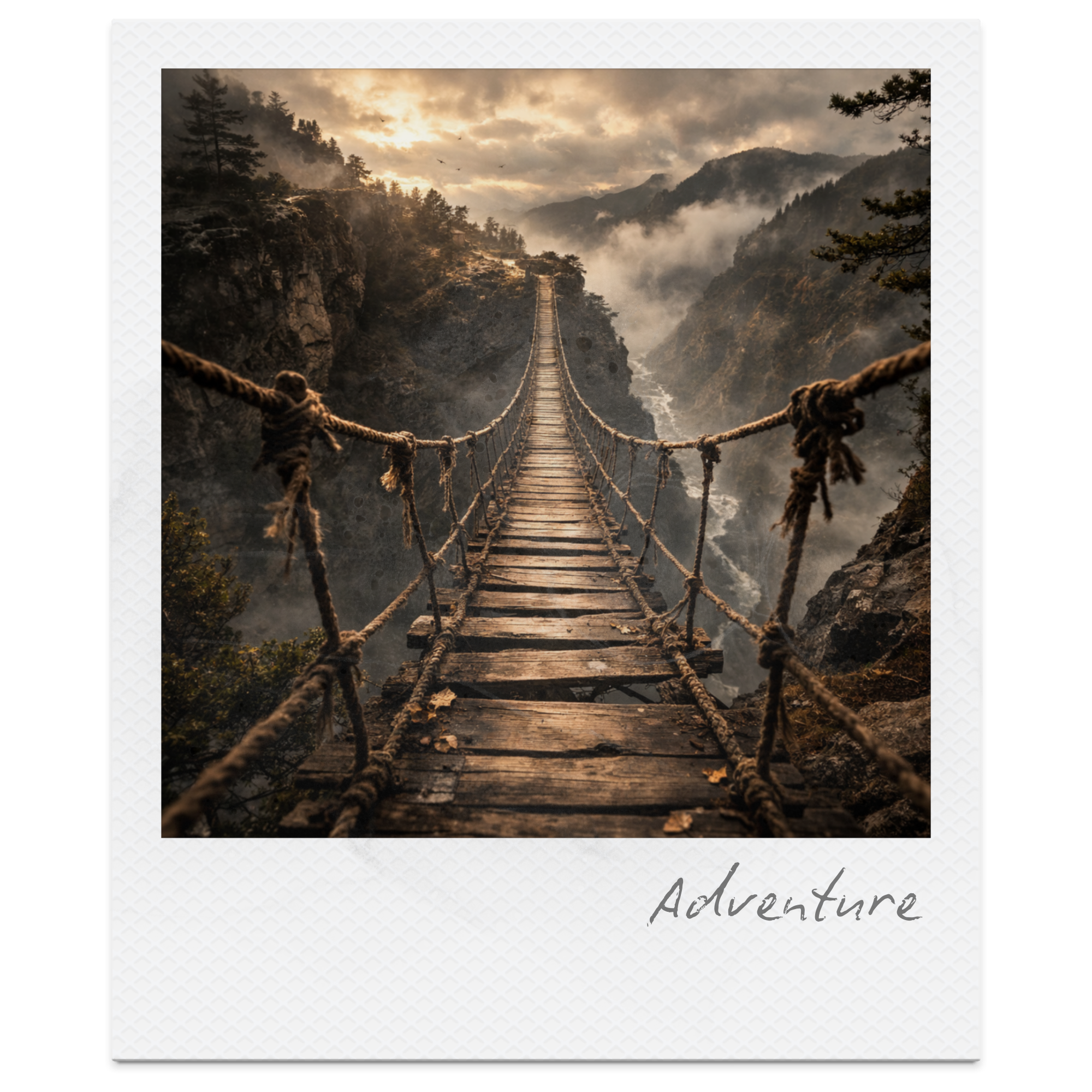
Action and Adventure Prompts
Action and adventure writing prompts focus on stories driven by movement, danger, and high-stakes challenges. Typical genre conventions include fast-paced plots, physical obstacles, journeys or quests, and protagonists who must make split-second decisions under pressure. This genre works particularly well for teaching pacing, tension, and clear cause-and-effect, helping students craft stories that keep readers turning the page.
If students want to build on these ideas, you can explore 70 Adventure Writing Prompts, including plot hooks, title ideas, opening lines, closing lines, setting ideas, character prompts, and picture prompts — the full set is available here.
Write a story about a group of teens who find a mysterious map hidden inside an old board game.
Write a story beginning with, "When the alarm sounded, I knew we had exactly five minutes to escape."
Write a story set on a deserted island where the characters discover they’re not alone.
Write a story ending with, "As the dust settled, we realized the treasure wasn't gold; it was a secret we could never reveal."
Write a story about a teenager who accidentally uncovers a hidden spy network in their town.
Write a story beginning with, "No one had ever returned from the mountain, but we didn't have a choice."
Write a story set entirely during a hot air balloon journey that goes wildly off course.
Write a story about friends who discover a secret underground city beneath their school.
Write a story ending with the line, "We looked back one last time, knowing we'd never speak about this again."
Write a story about a daring rescue mission set deep inside a cave system during a flood.
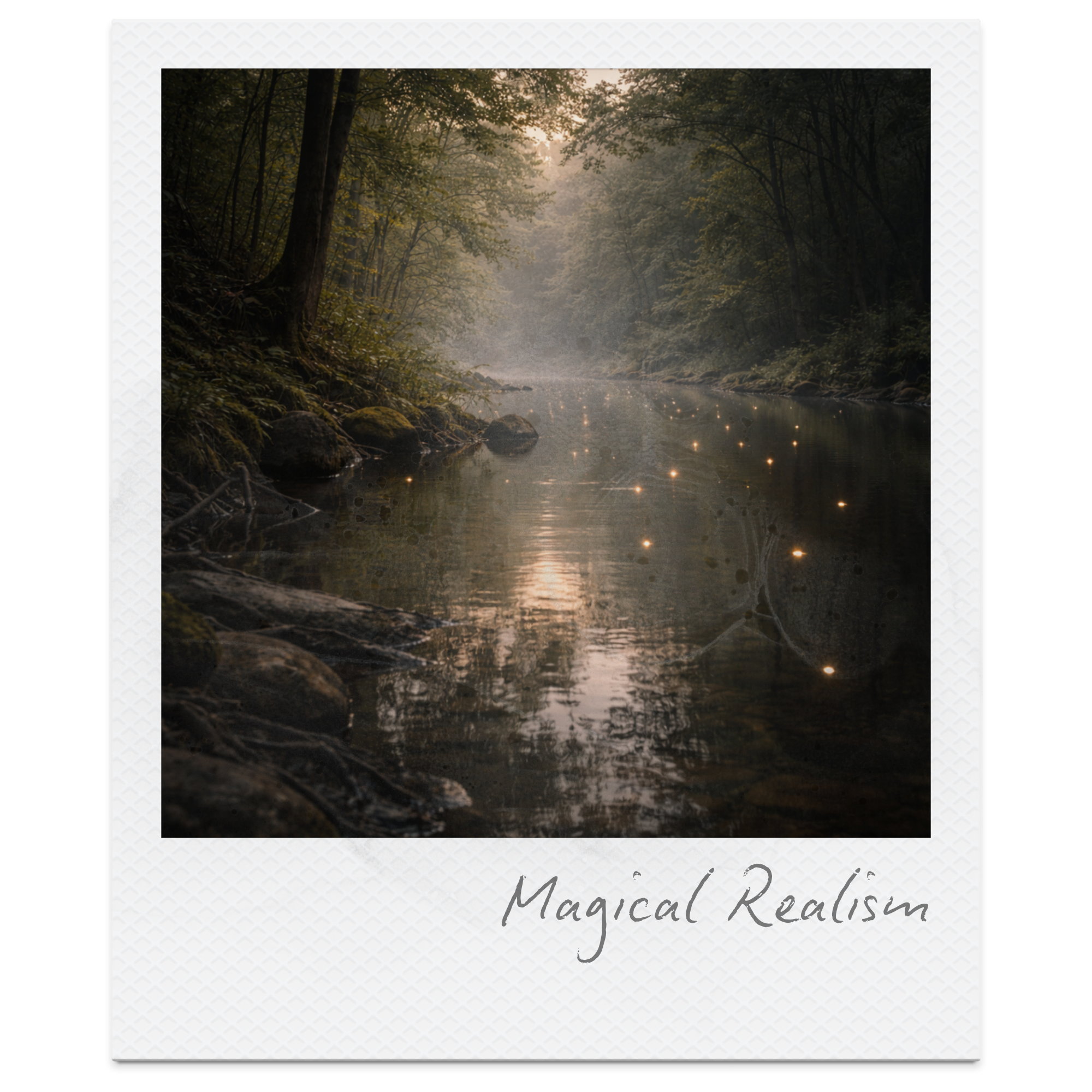
Magical Realism Writing Prompts
Magical realism writing prompts blend everyday realism with subtle, unexplained magic, treating extraordinary elements as part of ordinary life. Common genre conventions include familiar settings, emotionally grounded characters, and magical moments that are accepted rather than questioned. This genre is especially effective for exploring symbolism, theme, and emotional depth, allowing students to write stories where magic reflects inner truth rather than spectacle.
To explore this style further, you can access 70 Magical Realism Writing Prompts, featuring plot hooks, title ideas, opening lines, closing lines, setting ideas, character prompts, and picture prompts — you can dive deeper here.
Write a story about a town where people can hear each other's thoughts, but only during rainstorms.
Write a story beginning with, "My grandmother always said she kept the ocean in a bottle; I didn't believe her until today."
Write a story set in a café where each drink subtly changes a person's fate.
Write a story ending with, "As the clock struck midnight, every statue in town opened their eyes."
Write a story about someone whose shadow starts behaving differently from them.
Write a story beginning with, "The day the birds stopped singing was the day everything else started to talk."
Write a story set in a garden where flowers bloom to reflect the gardener’s emotions.
Write a story ending with, "She knew the book was magic because it finished writing itself."
Write a story about a teenager who discovers that the graffiti in their city is predicting the future.
Write a story set during a heatwave so intense that dreams begin spilling into reality.
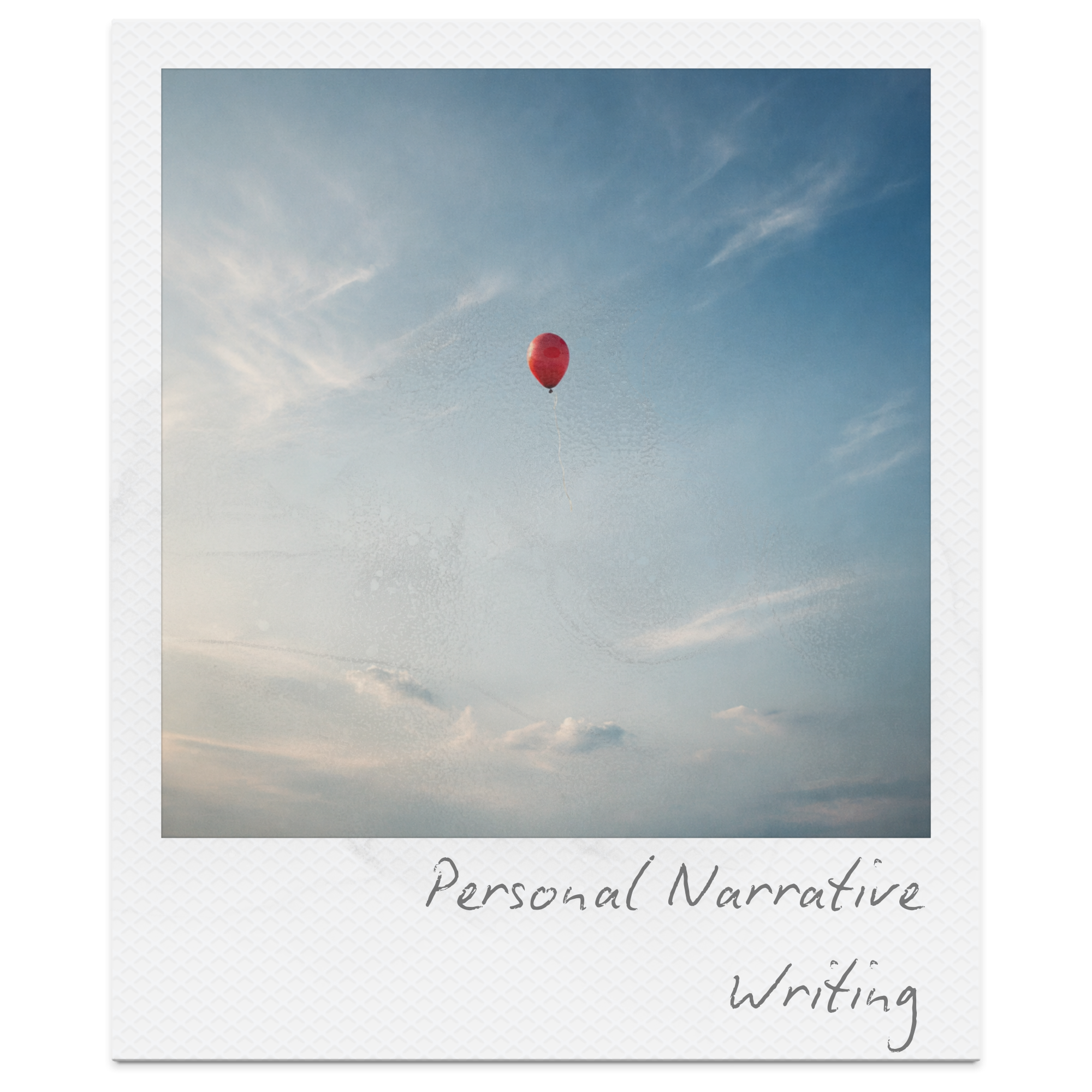
Personal Reflective and Contemporary Fiction Prompts
Personal, reflective, and contemporary fiction writing prompts encourage students to draw on memory, lived experience, and emotional truth. Common genre conventions include an authentic narrative voice, a focus on internal change, and stories shaped by ordinary moments rather than dramatic events. This genre is especially effective for developing voice, reflection, and emotional realism, helping students write with clarity and honesty.
To explore this style in more depth, you can access 70 Personal Narrative Writing Prompts, including opening lines, closing lines, places tied to memory, focus questions for shaping a piece, and prompts centred on important people — you can explore them here.
Write about a time you faced a fear and what you learned from the experience.
Write a story beginning with, "I didn't think saying goodbye would be so hard."
Write about a moment when you realized someone you admired wasn't who you thought they were.
Write a story set entirely during the last hour of school before summer break.
Write about an object from your childhood that you wish you still had and why.
Write a story ending with, "It was only after leaving that I realized how much it meant to me."
Write about a friendship that started in an unexpected way.
Write about a place where you feel completely yourself and explain why it matters.
Write a story beginning with, "If I could redo one moment from this year, it would be..."
Write about a decision that changed your life, even if you didn't realize it at the time.
Go Deeper into Genre-Based Writing Prompts
Once students have selected a prompt, there are several ways to deepen and extend the writing process. These strategies work well across different age groups, creative writing lessons, and independent writing tasks.
◆ Annotate the prompt first – identify key words, implied conflict, genre expectations, and possible directions before writing begins.
◆ Plan before writing – encourage students to sketch a brief story arc, character goal, or emotional shift linked to the prompt.
◆ Experiment with perspective – rewrite the same idea in first person, third person, or from a secondary character’s viewpoint.
◆ Focus on a single moment – challenge writers to zoom in on one scene rather than summarising events.
◆ Develop setting and atmosphere – use sensory detail and genre conventions to shape mood and tone.
◆ Use structured extensions – turn prompts into opening paragraphs, alternative endings, or standalone extracts.
◆ Reflect after writing – ask writers to explain one deliberate choice they made and how it supports the genre or theme.
Final Thoughts
Creative writing thrives on choice, variety, and regular practice. By offering prompts across a wide range of genres, students are able to experiment, take risks, and discover the styles of writing that suit them best. Whether used as quick starters or extended tasks, creative writing prompts provide a flexible foundation for confident, imaginative storytelling.
For more genre-specific ideas and longer collections, the Creative Writing Archive brings together prompts organised by genre, theme, and writing style, making it easy to return whenever new ideas are needed.
