Notes from the Inkpot
Writing, teaching, creating - one ink-stained idea at a time.



My Favourite Shakespeare Plays for the Classroom (And How I Teach Them)
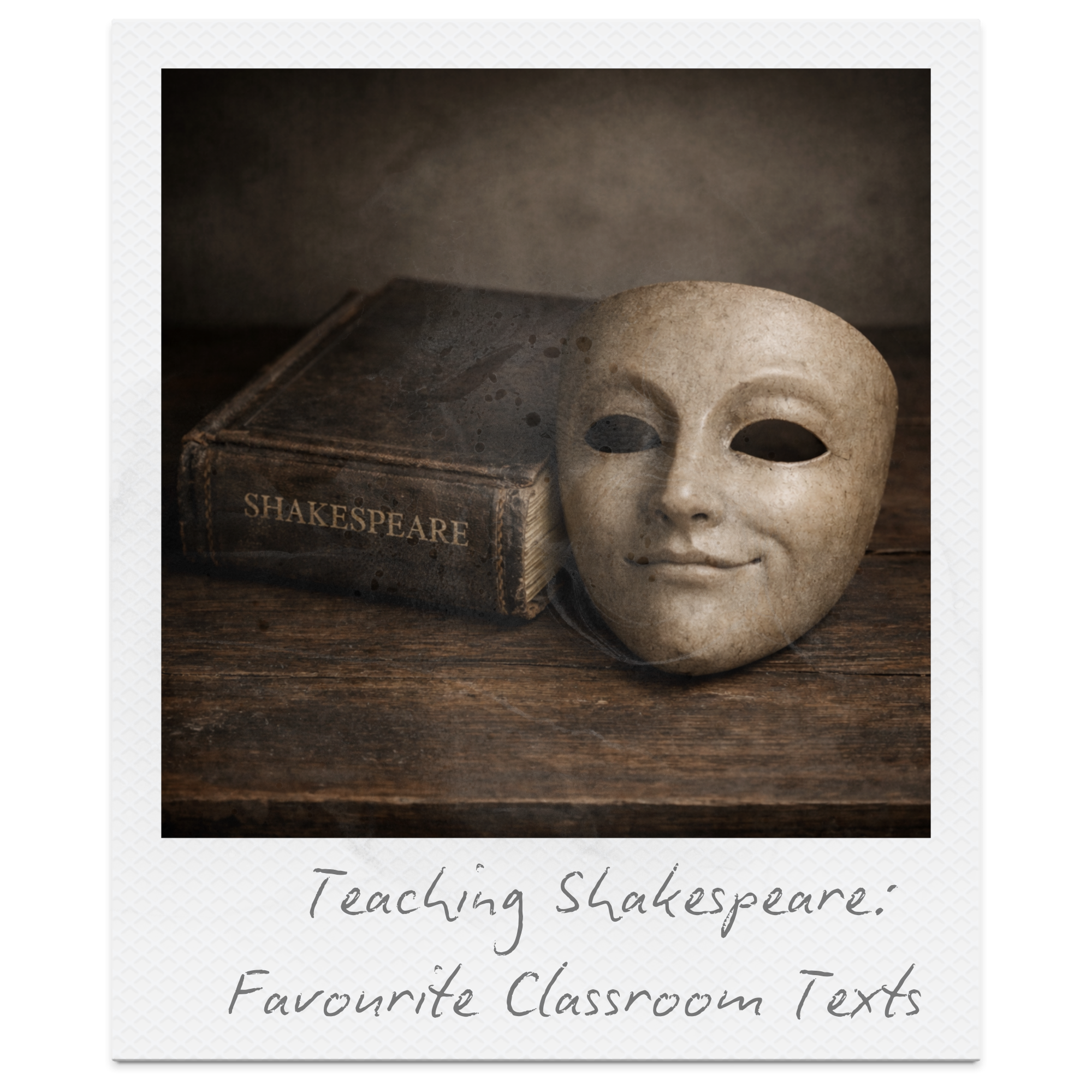
Shakespeare’s plays remain some of the most rewarding — and most challenging — texts to teach in the classroom. Rather than treating his work as a checklist of required plays, this post explores the Shakespeare plays that genuinely work in the classroom, focusing on discussion, interpretation, and moral complexity rather than memorisation. From tragedy and comedy to romance and sonnets, these are the texts that consistently engage students and reward close reading. Drawing on classroom experience, this guide groups Shakespeare plays for teaching around key themes such as power, identity, justice, love, and consequence. Each section explains why the play works, how it sparks discussion, and what students gain from studying it. Whether you’re choosing your next Shakespeare text or rethinking how you teach a familiar one, this post offers a thoughtful, practical starting point.

Why Of Mice and Men Still Matters: Context, Controversy, and the Classroom
Of Mice and Men remains one of the most powerful and challenging texts taught in the secondary English classroom. Despite ongoing debate around challenged books, controversial language, and classroom suitability, Steinbeck’s novella continues to resonate with students because it tackles enduring questions of power, loneliness, prejudice, and moral responsibility. Short, accessible, and deceptively complex, it invites discussion rather than delivering easy answers. This post explores why teachers still teach Of Mice and Men in 2026, examining its historical context, its place within modern classrooms, and the strategies that keep students engaged through creative writing, discussion-led learning, and reflective tasks. It also offers ideas for taking learning deeper once the final chapter is reached — supporting thoughtful, nuanced teaching of a text that refuses to be forgotten.
Christina Rossetti: Context, Themes, and Literary Significance
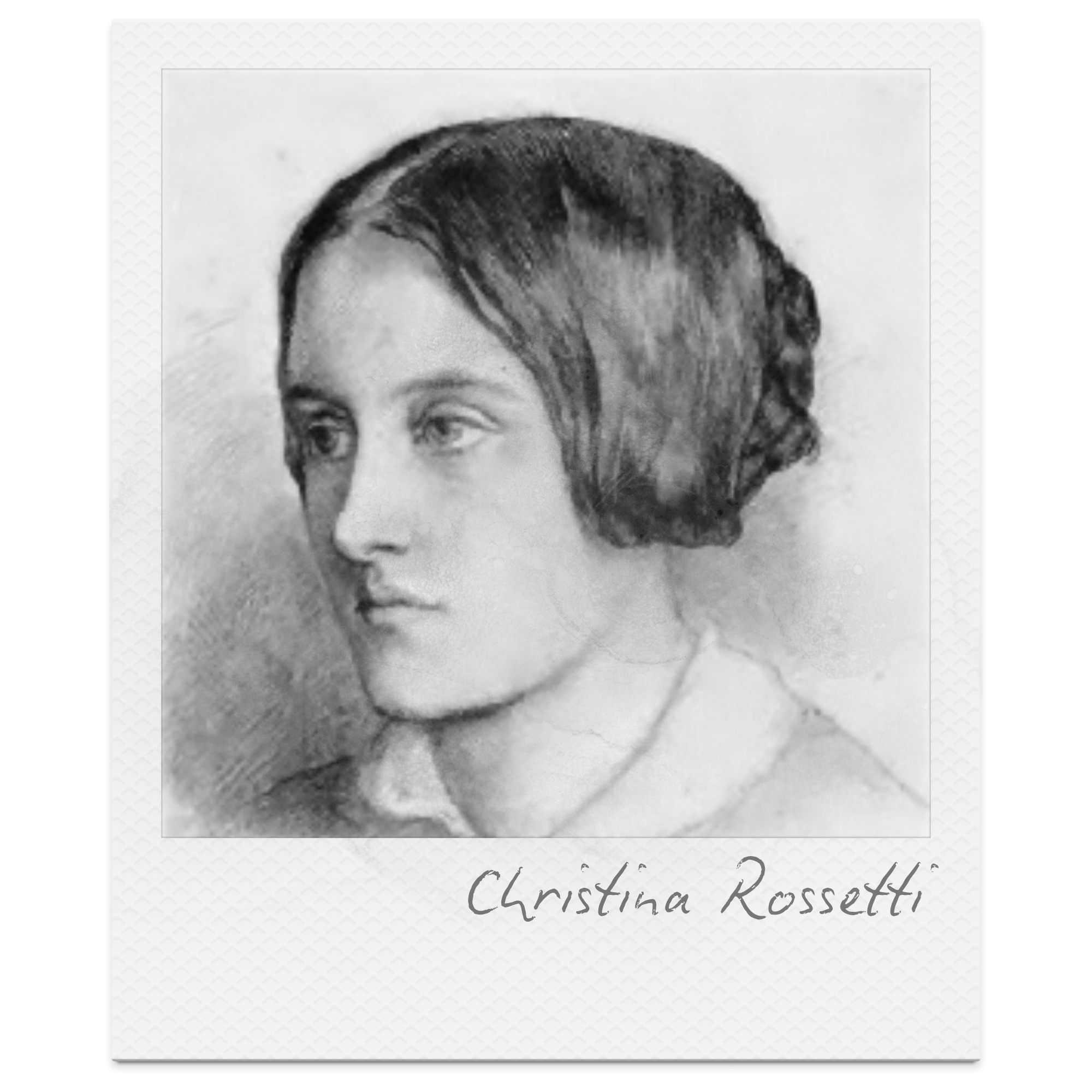
Christina Rossetti’s poetry is shaped by religious discipline, emotional restraint, and sustained psychological conflict. Writing within the pressures of Victorian gender norms and devotional expectation, Rossetti explores what happens when desire must be suppressed, faith demands self-surveillance, and feeling is carefully managed rather than released. Her poems rarely offer resolution, instead lingering in states of waiting, silence, and endurance, where emotional tension is contained beneath deceptively simple forms. Reading Rossetti in context reveals how her work engages with mental health, spiritual doubt, and the governance of emotion in nineteenth-century literature. Through repetition, restraint, and withheld voice, Rossetti constructs lyric speakers who negotiate authority internally, making her poetry particularly rich for close reading and thematic interpretation. This contextual overview provides a foundation for exploring Rossetti’s enduring significance across Victorian poetry, psychological realism, and modern critical debate.
Remember by Christina Rossetti: Summary, Meaning & Critical Analysis
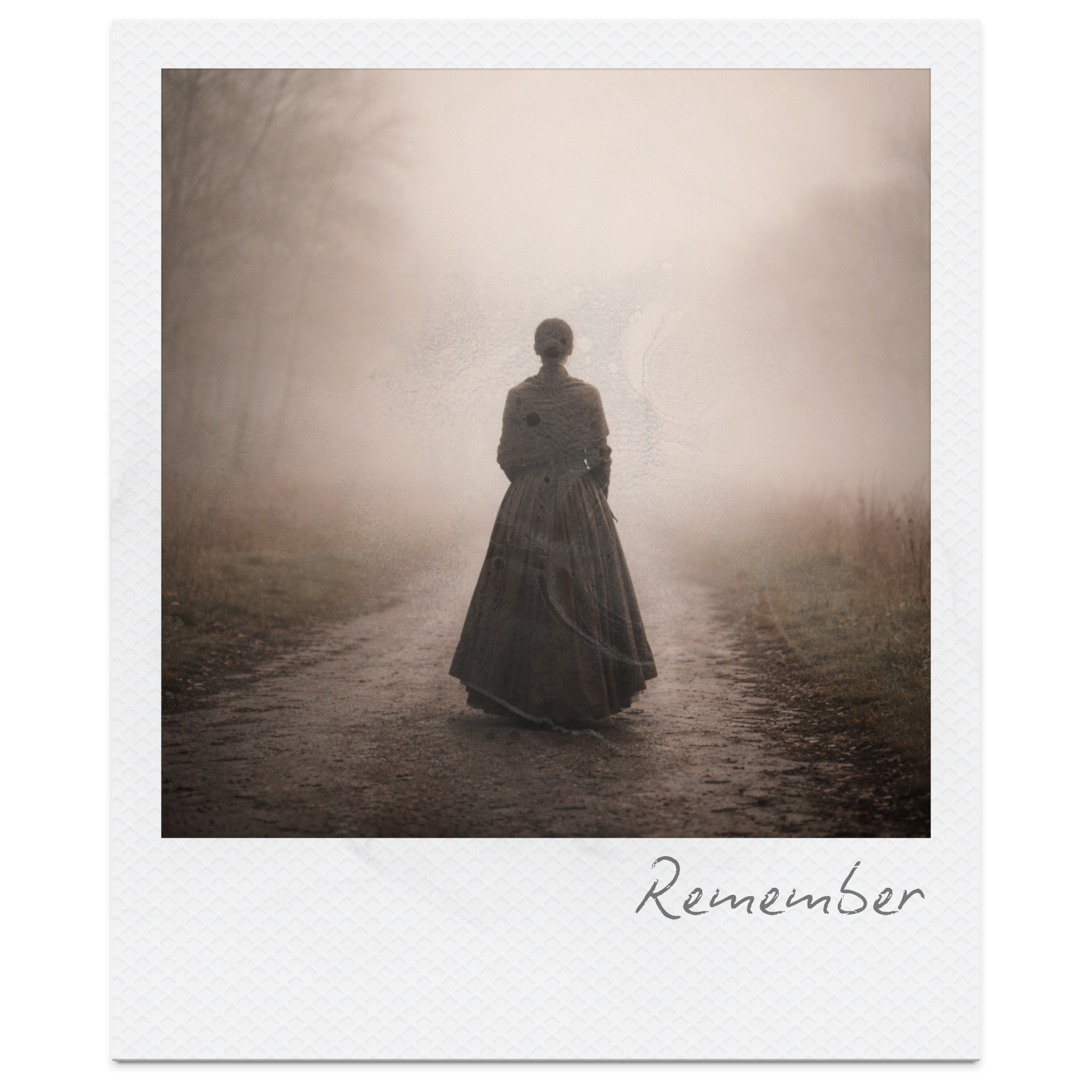
“Remember” by Christina Rossetti is a poem frequently taught at GCSE, AS, and A Level, yet its emotional restraint and moral complexity are often underestimated. At first glance, the poem appears to present a speaker asking to be remembered after death. However, as this Petrarchan sonnet unfolds, Rossetti complicates that request, transforming it into a meditation on love, memory, and loss that prioritises emotional responsibility over personal desire. Rather than offering consolation, the poem quietly interrogates whether remembrance is always an act of kindness. Written with careful control of form, tone, and structure, Remember traces a shift from quiet insistence to deliberate self-denial. Through subtle changes in voice and imagery, Rossetti reframes forgetting as a potential expression of love rather than betrayal. This critical analysis of “Remember” by Christina Rossetti explores the poem’s meaning, its treatment of death and remembrance, and the literary methods that make it one of Rossetti’s most ethically complex and quietly radical sonnets. If you’re teaching Remember in the classroom, keep scrolling for free essay questions on “Remember” by Christina Rossetti, along with discussion ideas and close-reading activities.