Notes from the Inkpot
Writing, teaching, creating - one ink-stained idea at a time.


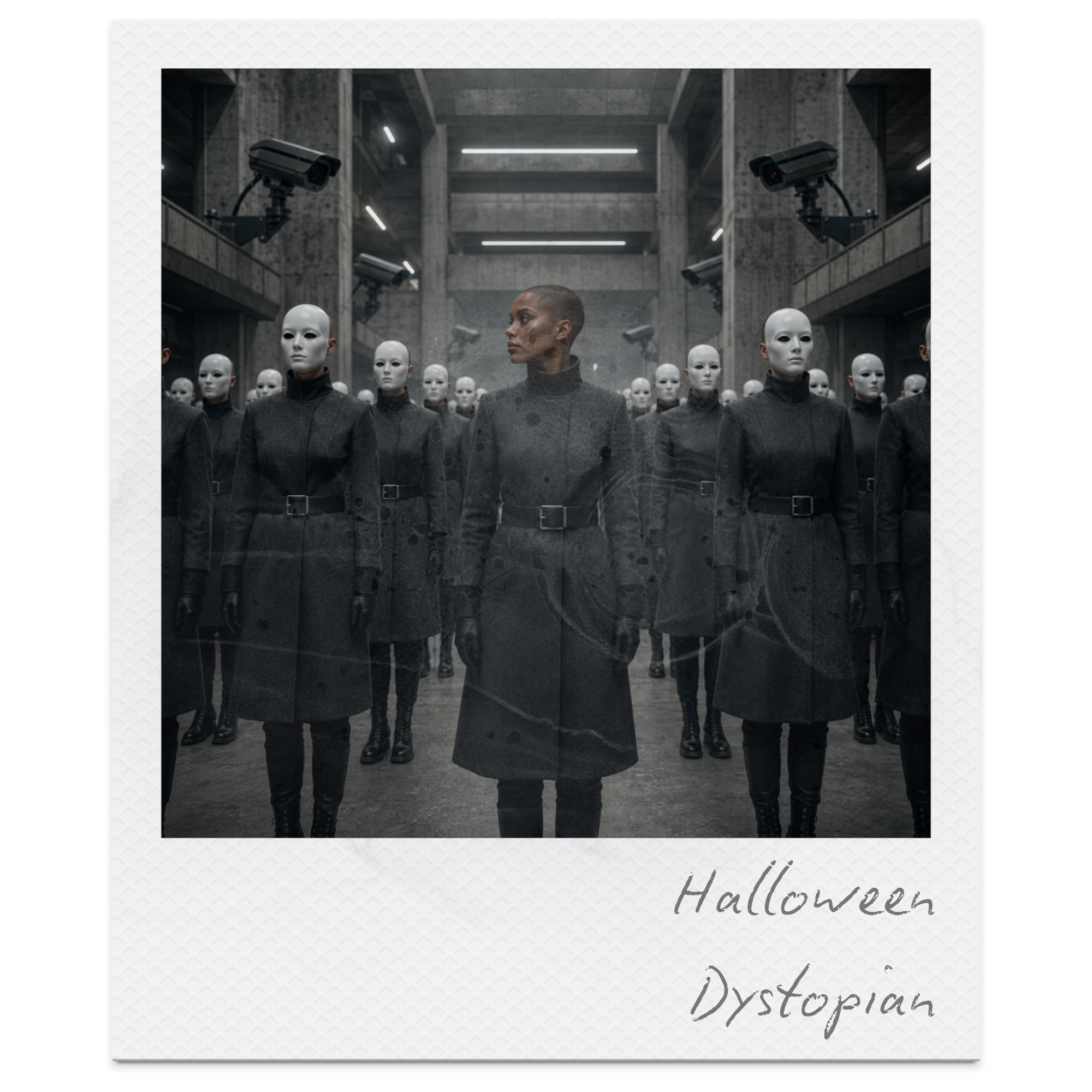
70 Halloween Dystopian Writing Prompts: Dark Futures, Control & Rebellion
Explore 70 Halloween Dystopian Writing Prompts featuring masked societies, government-controlled celebrations, surveillance, censorship and temporary freedom. Discover plot ideas, story titles, opening and closing lines, characters, unsettling settings and cinematic picture prompts exploring authoritarian futures where Halloween becomes a night of rebellion, hidden identities and dangerous choices.
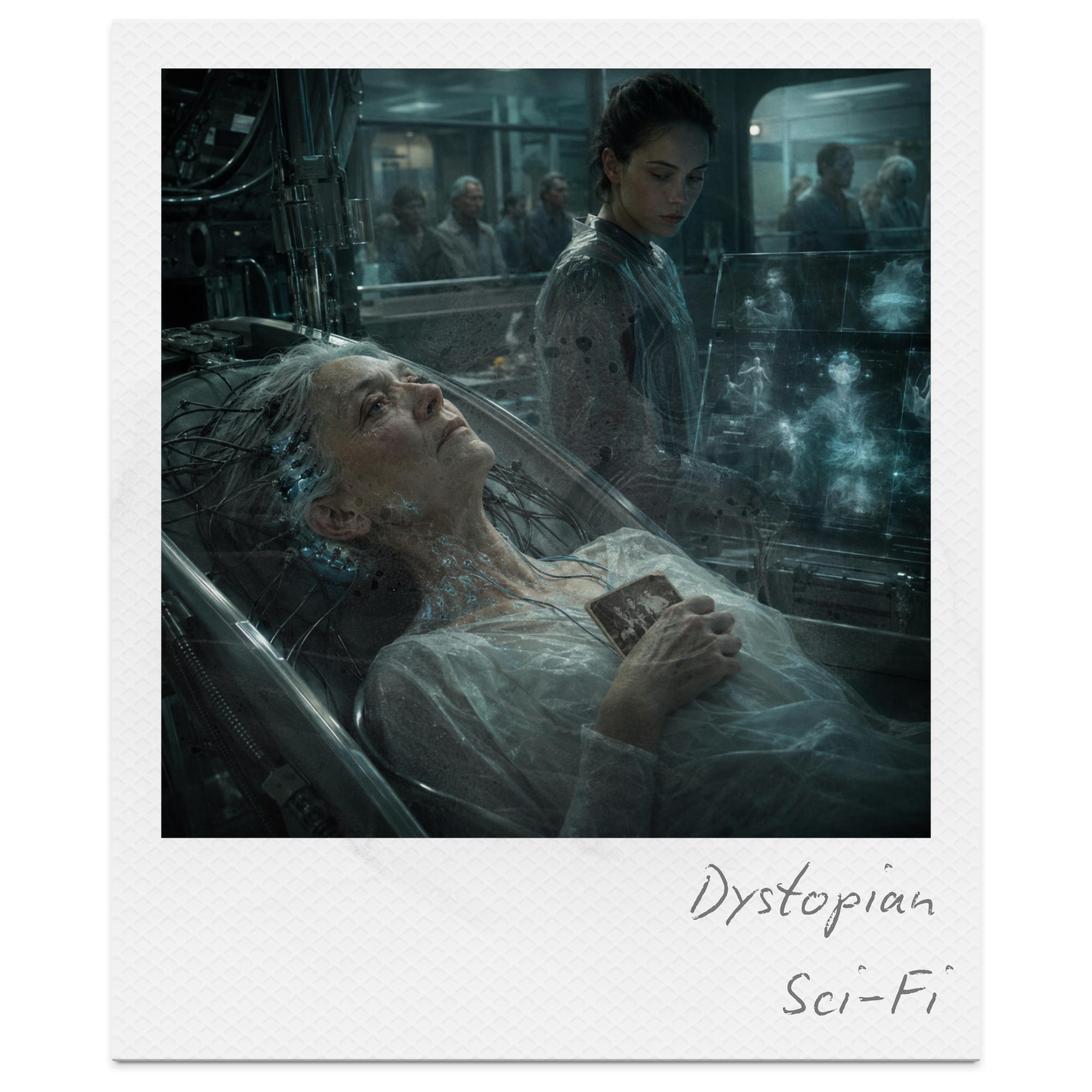
70 Dystopian Sci-Fi Writing Prompts: Dark Futures, Technology & Rebellion
Explore 70 Dystopian Sci-Fi Writing Prompts featuring dark futures, artificial intelligence, surveillance states, technological control and rebellion. Discover sci-fi plot ideas, story titles, opening and closing lines, futuristic characters, dystopian settings and cinematic picture prompts designed to inspire original stories. Perfect for writers exploring authoritarian societies, corporate power, dangerous technology and speculative futures where progress comes at a cost.
Alternative Interpretations of Suicide in the Trenches by Siegfried Sassoon
Suicide in the Trenches is often taught as a poem with a clear message about the horrors of war. Yet Sassoon’s restraint, ambiguity, and shifting focus invite multiple interpretations about responsibility, blame, and silence. This post explores alternative interpretations of Suicide in the Trenches, examining whether the poem functions as a moral accusation against civilians, a critique of systems, or an exposure of emotional numbness. Designed to support discussion and debate, it encourages students to move beyond surface readings and engage with interpretation as an active, evidence-based process.
Themes in Suicide in the Trenches by Siegfried Sassoon
Suicide in the Trenches explores some of the most unsettling ideas in war poetry, from the erasure of individual lives to the moral responsibility of those who remain safely removed from conflict. Through restraint and contrast, Siegfried Sassoon exposes how innocence is worn away and suffering is quietly absorbed. This post examines the key themes in Suicide in the Trenches, including civilian complicity, loss of innocence, the reality of death, and the horrors of war. Designed for classroom use, it supports confident discussion and comparison while encouraging deeper, evidence-based interpretation.
Teaching Remains by Simon Armitage: Poem Analysis, Context, Themes and Key Ideas
Remains by Simon Armitage is one of the most powerful poems studied in the GCSE Power and Conflict anthology, exploring the psychological impact of war and the way violence lingers long after the moment itself has passed. Rather than focusing on combat or heroism, the poem examines guilt, memory, and moral responsibility through the voice of a soldier haunted by a single act of killing. This post offers a clear, stanza-by-stanza analysis of Remains, exploring its context, form, imagery, and key ideas, alongside practical teaching strategies for secondary English classrooms. It also considers why the poem is so effective for studying power and conflict, and how it fits within wider conflict poetry, making it a useful guide for teachers and students alike.
The Real Point of A Christmas Carol: Meaning, Context, and Why We’re Still Missing It in the Classroom
A Christmas Carol is often taught as a simple story of personal redemption, but Charles Dickens wrote it as a fierce critique of poverty, inequality, and social responsibility. Beneath the familiar ghosts and festive imagery lies a political text that challenges readers to confront the systems that allow suffering to persist. This post explores the real meaning of A Christmas Carol in the classroom, examining Dickens’ purpose, key ideas, and modern relevance. With clear analysis, teaching insights, and discussion extensions, it shows how the novella works not just as a set text, but as a demand for action — making it more powerful, relevant, and challenging for students today.
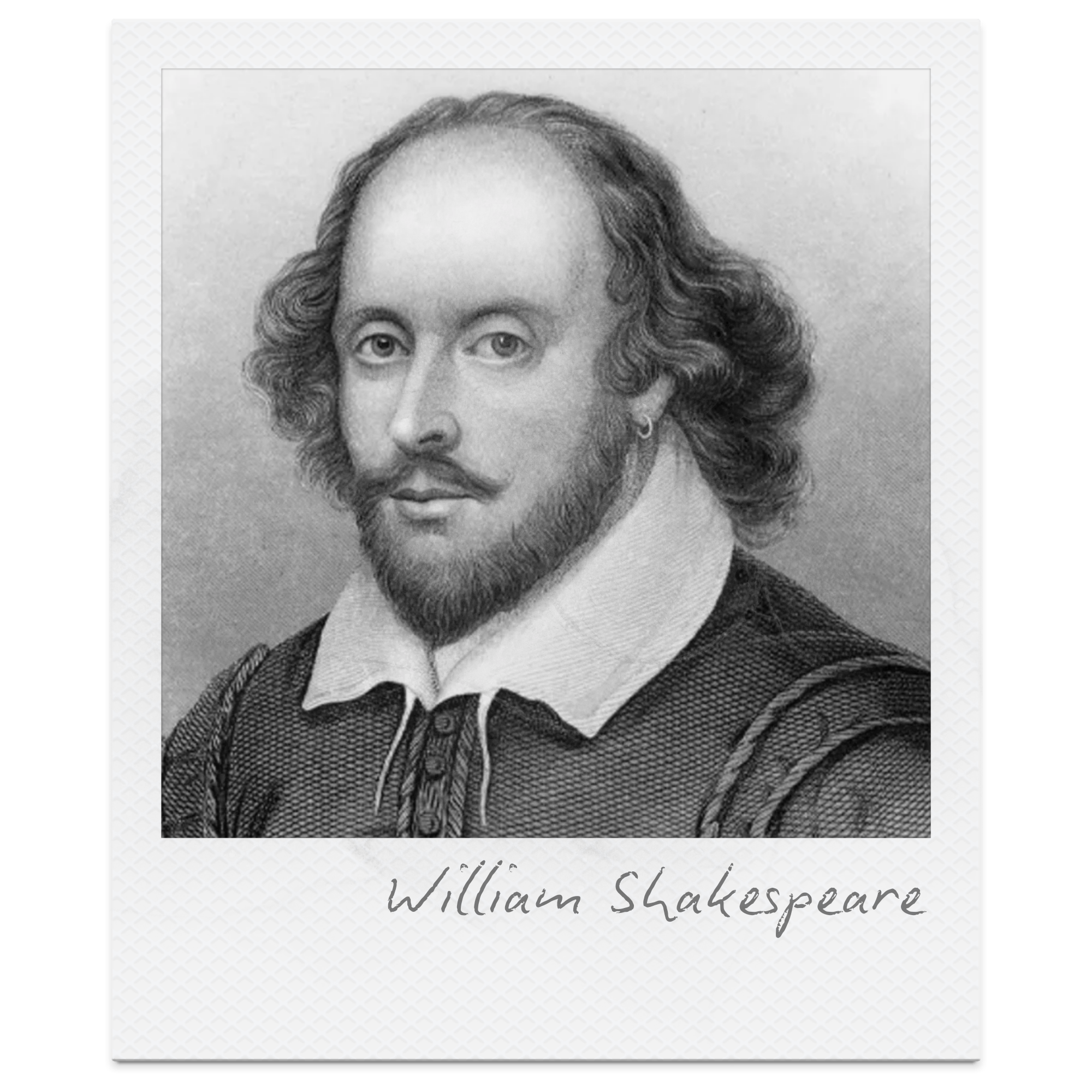
William Shakespeare: Context, Themes, Plays & Literary Significance
William Shakespeare is one of the most influential figures in English literature, yet his work is often approached without sufficient attention to historical and social context. Writing during the Elizabethan and Jacobean periods, Shakespeare explored enduring concerns around power, authority, identity, gender, violence, and moral responsibility, embedding these ideas within plays that continue to resist simple interpretation. This context post situates Shakespeare’s plays and poetry within the political, cultural, and theatrical conditions of early modern England, examining how genre, performance, and historical pressure shape meaning across his work. Rather than focusing on individual texts, it provides a framework for understanding Shakespeare’s literary significance, offering a foundation for deeper exploration of themes, genres, and plays across the wider Literature Library.