Notes from the Inkpot
Writing, teaching, creating - one ink-stained idea at a time.



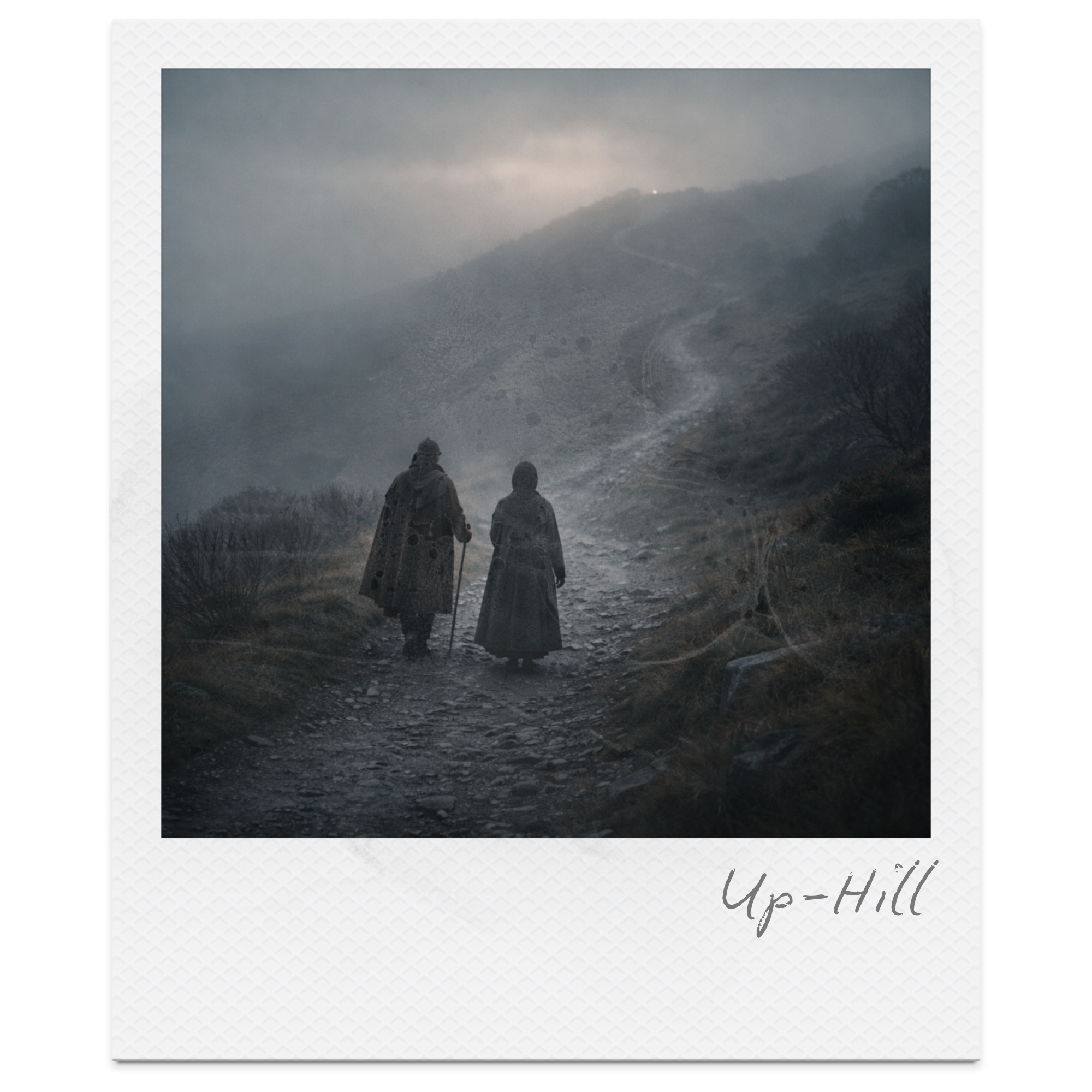
Up-Hill by Christina Rossetti: Summary, Meaning, Themes & Analysis
Christina Rossetti’s “Up-Hill” is a deceptively simple poem that explores life as a difficult journey toward spiritual rest. Structured as a dialogue between a questioning traveller and a reassuring guide, the poem addresses universal concerns about perseverance, faith, uncertainty, and the promise of belonging at the end of life’s struggles. Through its clear symbolism and steady rhythm, Rossetti transforms an ordinary travel scene into a powerful Christian allegory about endurance and salvation. This guide offers a detailed summary, meaning, themes, and analysis of Up-Hill, exploring Rossetti’s use of dialogue, metaphor, rhyme, and symbolism. It also examines how the poem reflects Victorian religious ideas about faith, perseverance, and eternal rest, while providing classroom-ready insights for students studying Rossetti’s poetry.
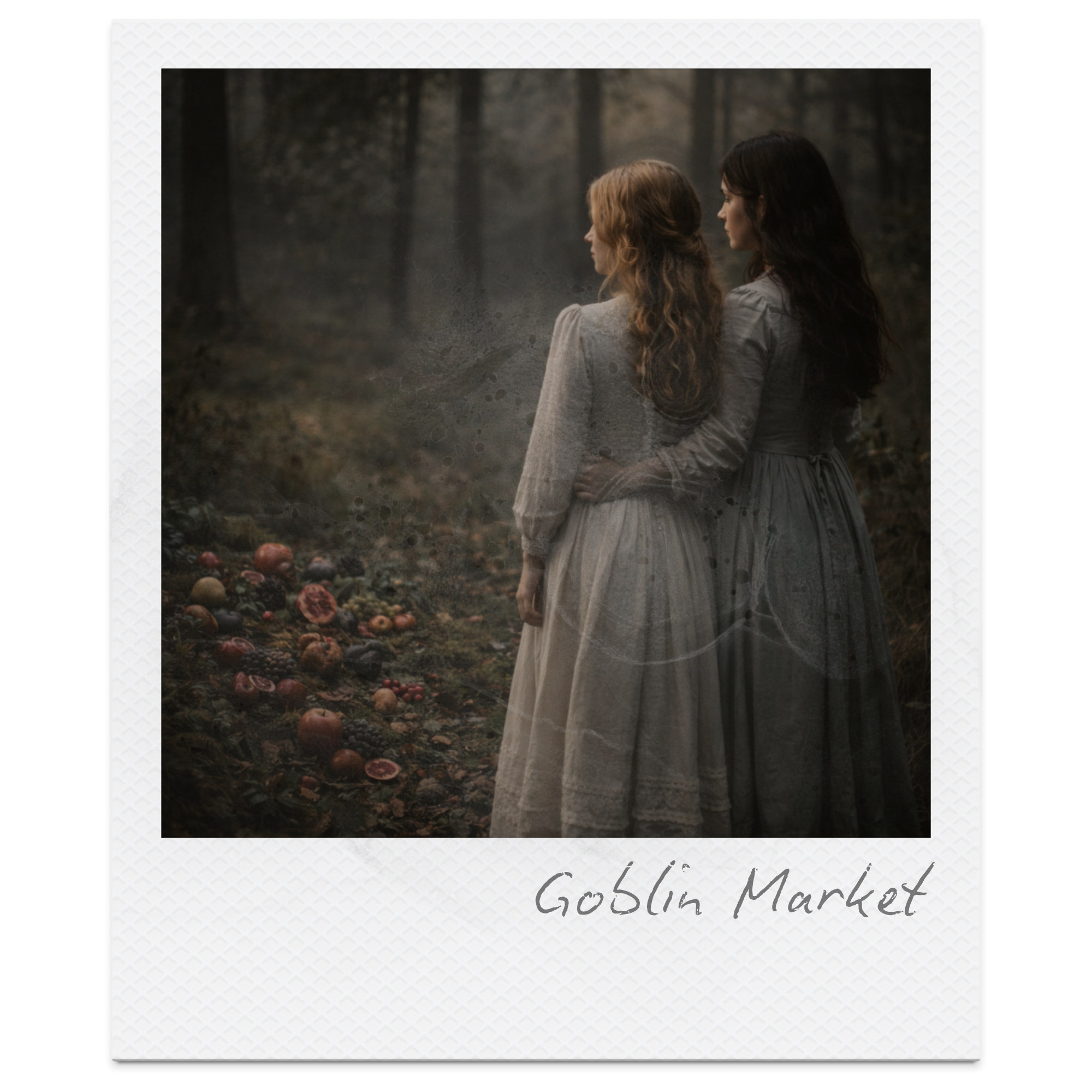
Goblin Market by Christina Rossetti: Summary, Themes, Symbolism & Detailed Analysis
Christina Rossetti’s Goblin Market is one of the most famous and debated Victorian poems, exploring powerful themes of temptation, desire, sisterhood, sacrifice, and redemption. Through the story of Laura and Lizzie and the mysterious goblin fruit merchants, Rossetti creates a richly symbolic narrative filled with sensory imagery, moral tension, and striking symbolism. The poem blends elements of fairy tale, religious allegory, and social commentary, making it one of Rossetti’s most complex works. This guide explores the poem’s summary, key quotations, themes, symbolism, and literary techniques, along with different critical interpretations including feminist, psychological, religious, and existential readings. Whether you are studying Goblin Market for literature courses or exploring Rossetti’s poetry more deeply, this analysis offers a clear and detailed introduction to one of the most enduring poems of the nineteenth century.
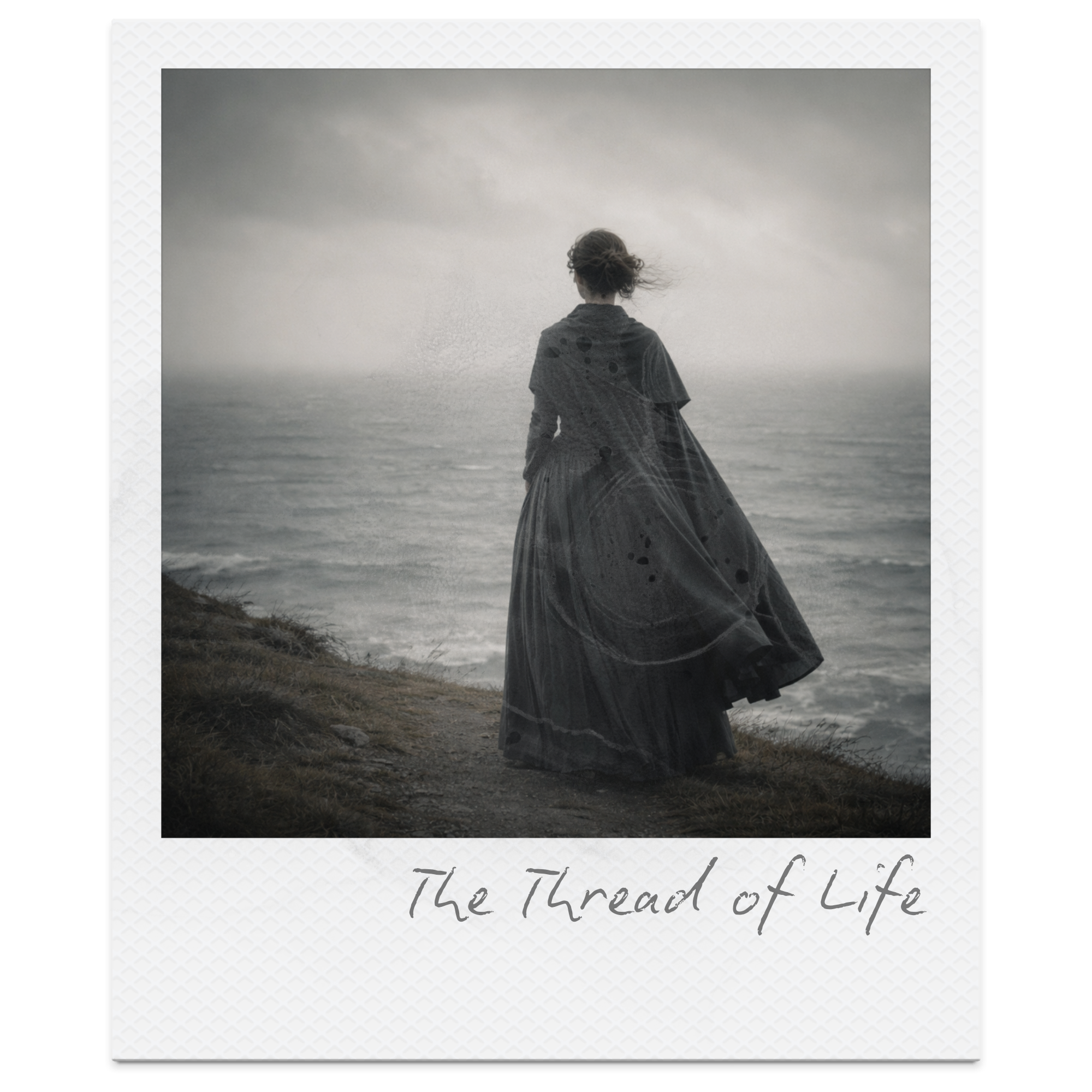
The Thread of Life by Christina Rossetti: Summary, Meaning & Analysis
Christina Rossetti’s The Thread of Life is a reflective sonnet sequence exploring identity, solitude, and spiritual purpose. Across three interconnected sonnets, Rossetti traces the speaker’s journey from a sense of emotional distance and inner isolation to a deeper understanding of the self as something both limiting and meaningful. Through imagery of separation, self-possession, and Christian redemption, the poem gradually transforms the idea of the self from a prison into a spiritual offering. This guide provides a clear summary, stanza-by-stanza analysis, key quotes, themes, and teaching ideas to help readers understand how Rossetti uses language, structure, and biblical allusion to develop her meditation on human identity. Whether you are studying Rossetti’s poetry, teaching the poem in the classroom, or exploring Victorian devotional literature, this analysis examines how The Thread of Life moves from psychological introspection toward spiritual resolution.
Dream Land by Christina Rossetti: Summary, Meaning & Critical Analysis
Christina Rossetti’s Dream Land is a poem of rest, withdrawal, and emotional stillness, where calm conceals a deeply unsettling vision of peace. Through controlled imagery, repetition, and restrained language, Rossetti presents a female figure who turns away from life, growth, and sensation, entering a state of charmed sleep that resists clear distinction between sleep, death, and chosen retreat. This analysis of Dream Land explores Rossetti’s use of form, imagery, and silence to construct peace as something achieved through absence rather than fulfilment. By examining language, structure, and alternative interpretations, the post invites readers to consider when rest becomes refuge — and when it becomes erasure — situating the poem within Rossetti’s wider preoccupation with restraint, renunciation, and emotional control.
Christina Rossetti: Context, Themes, and Literary Significance
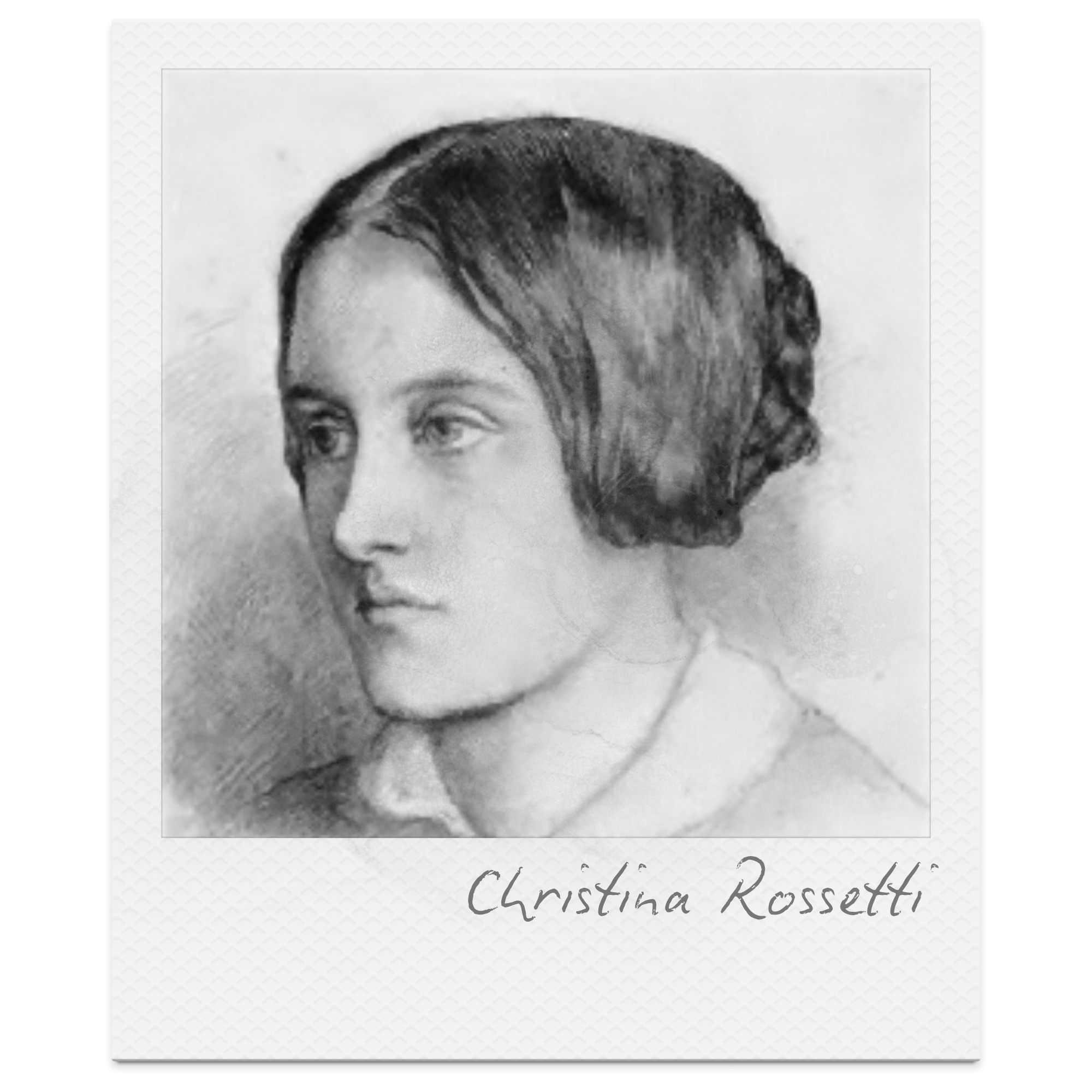
Christina Rossetti’s poetry is shaped by religious discipline, emotional restraint, and sustained psychological conflict. Writing within the pressures of Victorian gender norms and devotional expectation, Rossetti explores what happens when desire must be suppressed, faith demands self-surveillance, and feeling is carefully managed rather than released. Her poems rarely offer resolution, instead lingering in states of waiting, silence, and endurance, where emotional tension is contained beneath deceptively simple forms. Reading Rossetti in context reveals how her work engages with mental health, spiritual doubt, and the governance of emotion in nineteenth-century literature. Through repetition, restraint, and withheld voice, Rossetti constructs lyric speakers who negotiate authority internally, making her poetry particularly rich for close reading and thematic interpretation. This contextual overview provides a foundation for exploring Rossetti’s enduring significance across Victorian poetry, psychological realism, and modern critical debate.
Remember by Christina Rossetti: Summary, Meaning & Critical Analysis
“Remember” by Christina Rossetti is a poem frequently taught at GCSE, AS, and A Level, yet its emotional restraint and moral complexity are often underestimated. At first glance, the poem appears to present a speaker asking to be remembered after death. However, as this Petrarchan sonnet unfolds, Rossetti complicates that request, transforming it into a meditation on love, memory, and loss that prioritises emotional responsibility over personal desire. Rather than offering consolation, the poem quietly interrogates whether remembrance is always an act of kindness. Written with careful control of form, tone, and structure, Remember traces a shift from quiet insistence to deliberate self-denial. Through subtle changes in voice and imagery, Rossetti reframes forgetting as a potential expression of love rather than betrayal. This critical analysis of “Remember” by Christina Rossetti explores the poem’s meaning, its treatment of death and remembrance, and the literary methods that make it one of Rossetti’s most ethically complex and quietly radical sonnets. If you’re teaching Remember in the classroom, keep scrolling for free essay questions on “Remember” by Christina Rossetti, along with discussion ideas and close-reading activities.