Notes from the Inkpot
Writing, teaching, creating - one ink-stained idea at a time.


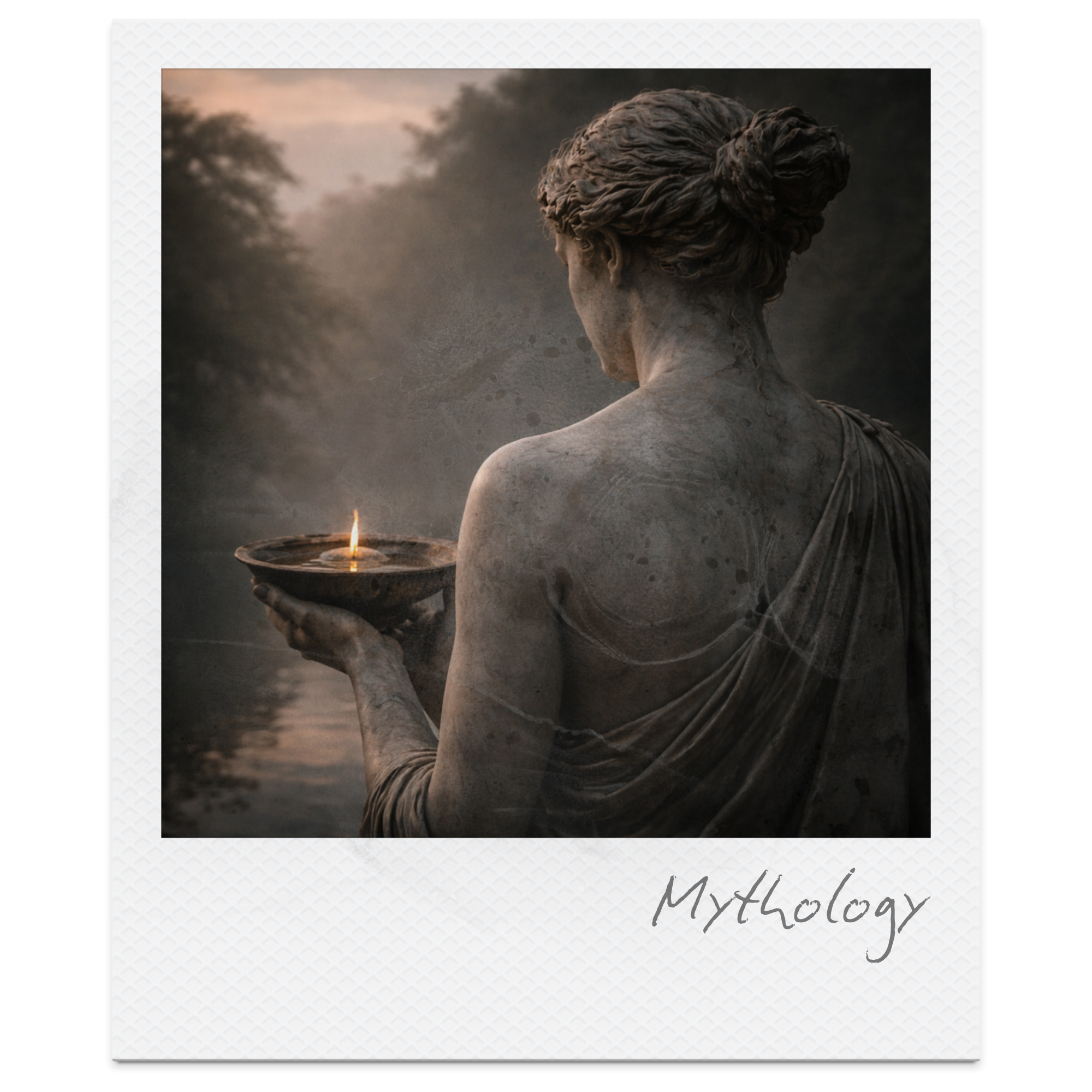
70 Mythology Writing Prompts for Teens: Story Starters, Titles, Characters, Settings & Visual Ideas
Mythology is shaped by fate, power, and the fragile boundary between mortals and gods — from ancient temples and cursed heroes to oracles, underworld journeys, and divine punishment. This collection of 70 mythology writing prompts for teens draws on Greek and Roman myths to explore epic storytelling through plot hooks, mythic titles, complex characters, symbolic settings, and evocative picture prompts inspired by classical mythology. Ideal for classrooms, creative writing clubs, or independent writers, these prompts encourage imaginative writing rooted in consequence, sacrifice, and timeless mythic themes.
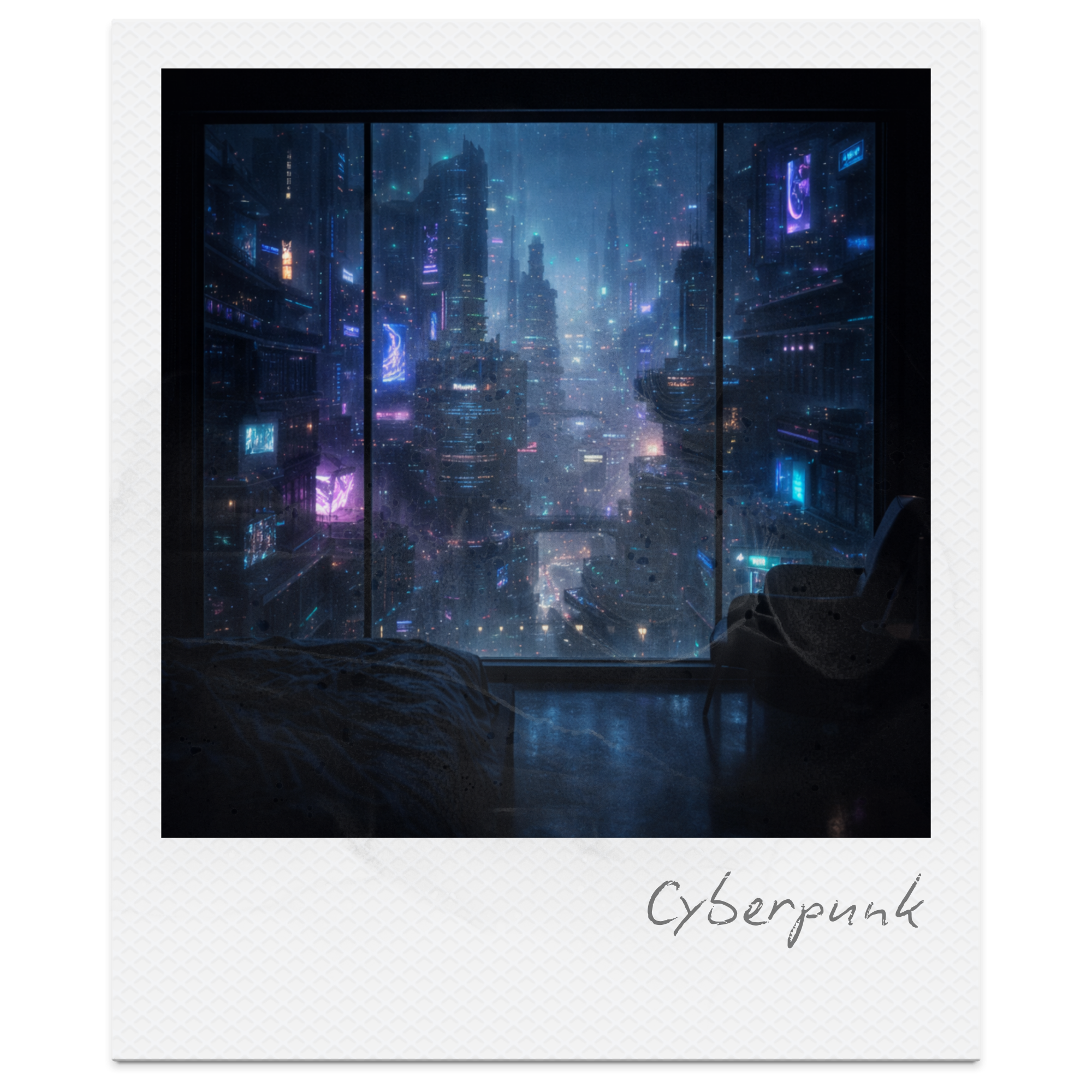
70 Cyberpunk Writing Prompts for Teens: Story Starters, Titles, Characters, Settings & Visual Ideas
Cyberpunk writing prompts for teens explore futures shaped by surveillance, megacorporations, and technology that controls as much as it empowers. Rooted in questions of power, identity, and resistance, cyberpunk fiction asks what happens when systems outgrow the people living inside them. This collection of 70 cyberpunk writing prompts includes plot hooks, story titles, opening and closing lines, character ideas, immersive settings, and picture prompts designed to support consequence-driven storytelling. From social credit systems and hacked identities to corporate control and digital rebellion, these prompts help teen writers build speculative worlds that feel unsettlingly plausible. Ideal for classroom creative writing, science fiction units, or independent projects, these cyberpunk prompts encourage ethical thinking, modern worldbuilding, and narrative tension — making them a powerful resource for teachers and young writers exploring contemporary speculative fiction.

10 Personal Reading Rules We Should Let Students Break
We tell students to read for pleasure — then load them up with rules that would put most adults off books too. Sit at a desk. Finish what you start. Only read “serious” texts. In this post, I share the 10 reading rules I think we should let students break, from rereading favourites to abandoning books that don’t fit. When reading feels personal, comfortable, and choice-driven, students don’t just read more — they actually enjoy it.
70 Ghost Story Prompts for Teens: Story Starters, Titles, Characters, Settings & Visual Ideas
Ghost stories are built on atmosphere, memory, and the unsettling sense that something has been left unresolved. This collection of 70 ghost story writing prompts for teens explores haunted places, lingering spirits, strange encounters, and the thin boundary between the living and the dead through eerie plot hooks, story titles, opening and closing lines, character ideas, settings, and atmospheric picture prompts. Ideal for classrooms, creative writing clubs, or independent writers, these prompts support suspenseful, emotion-driven storytelling without relying on shock or horror.
Teaching Edgar Allan Poe in the Secondary English Classroom
Edgar Allan Poe remains one of the most effective writers to teach in the secondary English classroom, offering short stories and poems that reward close reading, discussion, and interpretation. His work explores unreliable narrators, psychological tension, symbolism, and moral ambiguity, making it ideal for discussion-led lessons that move beyond plot and towards deeper literary thinking. In this post, Poe’s most commonly taught texts are organised by theme rather than chronology, allowing teachers to explore patterns around guilt, power, grief, atmosphere, and logic across both prose and poetry. With practical classroom ideas and links to complete teaching resources, this guide supports secondary English teachers looking to teach Edgar Allan Poe with depth, flexibility, and intellectual rigour.
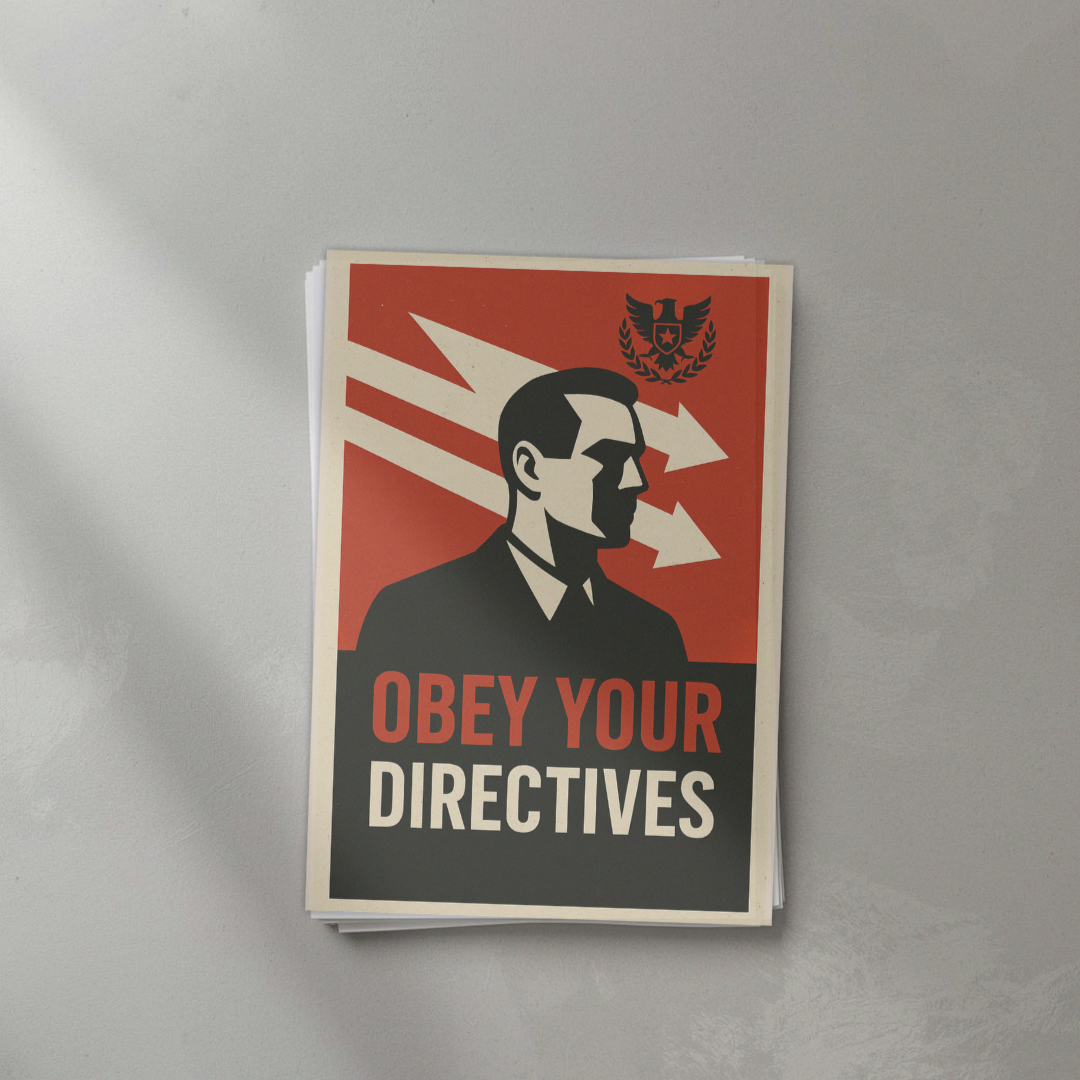
The Silent Directive: A Creative Writing Box Inspired by a World Without Sound
What if silence wasn’t a choice, but the law? In our latest writing boxThe Silent Directive, citizens live under a regime where sound itself is treason. Broadcasts, memos, detention registers, and propaganda leaflets reveal a world where silence is loyalty, silence is safety, and silence is survival. Unlike my other writing boxes, this one doesn’t whisper secrets — it issues orders in plain sight.
70 Back-to-School Themed Creative Writing Prompts for Teens: Story Starters, Titles, Characters, Settings & Visual Ideas
The start of the school year is full of story potential — new beginnings, old rivalries, unexpected friendships, and the drama of everyday life. These 70 back-to-school writing prompts include plot hooks, titles, characters, settings, and picture prompts to spark ideas for teen writers and keep creativity flowing all term.
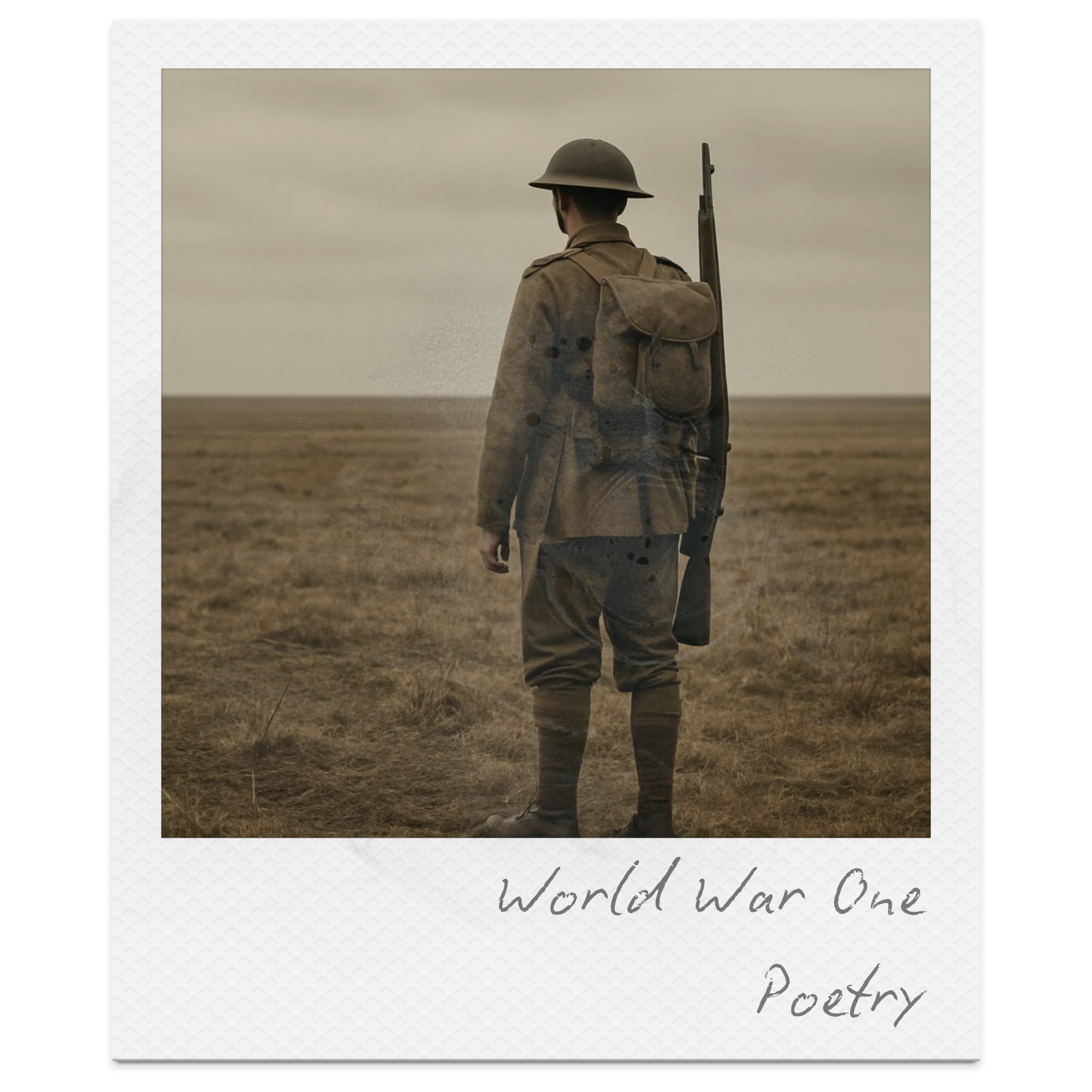
10 Best WWI Poems to Teach (And How to Teach Them)
World War One poetry is a powerful and enduring part of secondary English literature, offering students a direct literary response to war, trauma, memory, and loss. This post explores 10 of the best WWI poems to teach, with clear teaching focuses, classroom-ready ideas, and suggestions for discussion and creative response. The poems are grouped thematically to support comparative study and flexible unit planning. Designed for global classrooms, this guide supports close reading, empathy-building discussion, and analytical writing, while linking to deeper teaching resources and the wider Literature Library. Whether you’re planning a full World War One poetry unit or selecting individual poems to complement a wider literature course, this post offers practical guidance rooted in strong literary foundations.

Why I Swear by Picture Prompts for Teaching Literature (And How to Use Them)
Picture prompts aren’t just for creative writing units — they can transform the way students connect with literature. Whether you use them to spark predictions before reading or to inspire a fresh take after finishing a text, the right image can flip the switch from passive reader to active thinker. Here’s how I use picture prompts to teach language through literature, keep lessons fresh, and make analysis feel less like a chore.
70 Romance Writing Prompts for Teens: Story Starters, Titles, Characters, Settings & Visual Ideas
Romance writing prompts invite writers to explore emotional connection, tension, and the moments that sit between longing and choice. This collection of romance writing prompts for teens and writers is designed to spark meaningful stories — from first love and heartbreak to slow-burn relationships, quiet intimacy, and unresolved feelings. Whether you’re looking for creative writing inspiration, romance plot ideas, character-driven prompts, or scene writing prompts, these ideas help writers move beyond clichés and write romance with depth, authenticity, and emotional weight. Perfect for classrooms, independent writers, and creative writing warm-ups, these prompts support writing romance, developing characters, and building believable relationships through setting, dialogue, and atmosphere.
Why Silent Debates Might Be the Best Thing I Ever Did in an English Classroom
Silent debates are one of the most effective classroom discussion strategies for engaging every student — especially quieter learners who struggle with traditional whole-class discussion. By shifting debate into writing, silent debates create space for students to explore ideas, challenge interpretations, and respond to others without the pressure of speaking, leading to deeper and more thoughtful engagement with texts. This ultimate guide to silent debates in the English classroom explains what they are, why they work, and how to run them effectively before, during, and after reading. With practical steps, extension ideas, and clear links to essay writing and revision, it shows how silent debates build independent thinking, support strong analysis, and help students move beyond memorised responses.
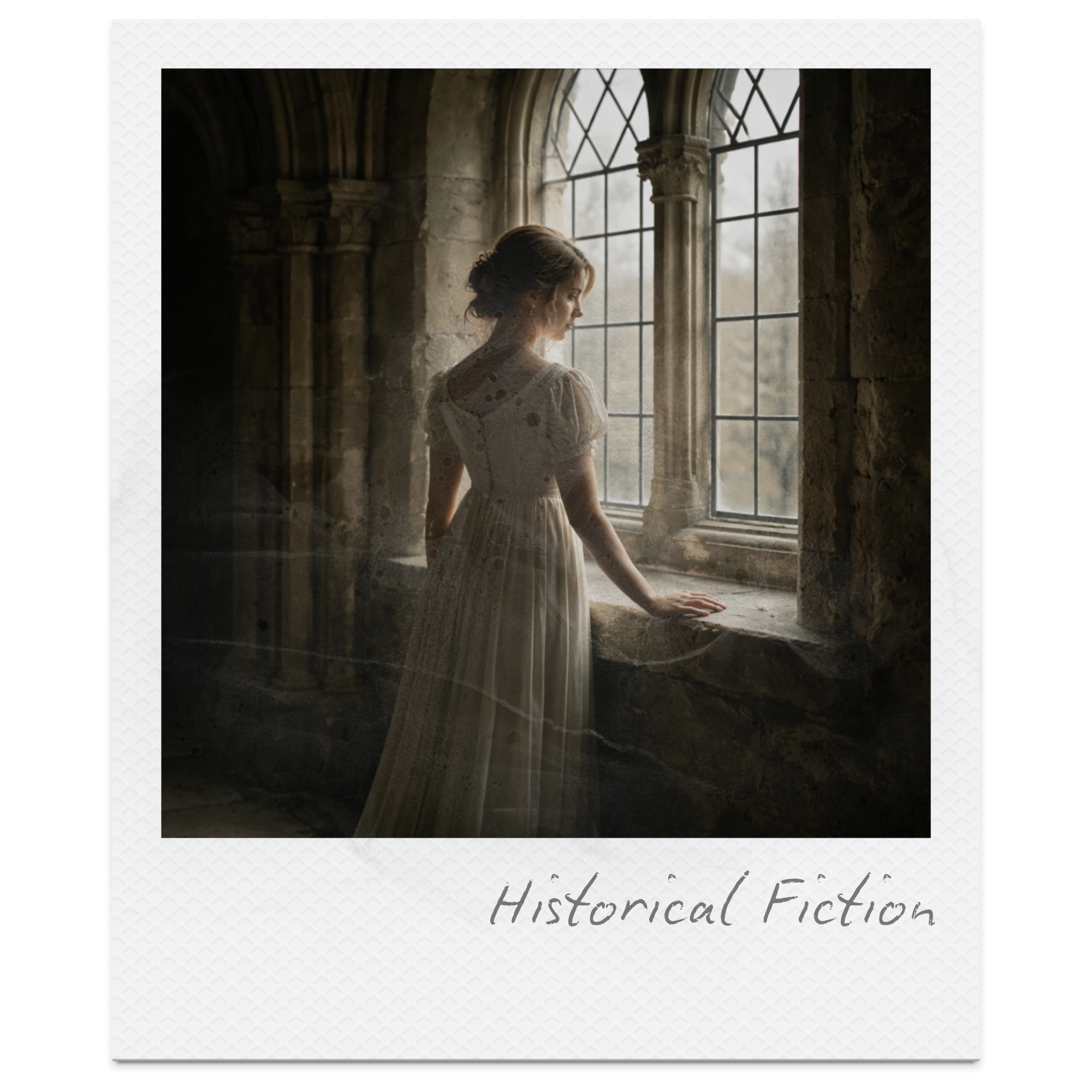
70 Historical Fiction Prompts for Teens: Story Hooks, Titles, and Characters Across the Ages
Historical fiction writing prompts for teens help young writers explore the lives behind the history books — from private rooms and working spaces to moments of quiet rebellion and social change. This curated collection of 70 historical fiction writing prompts includes plot hooks, titles, opening and closing lines, character ideas, immersive settings, and carefully designed picture prompts, offering teachers and teen writers a premium resource for developing historically grounded, emotionally rich stories.
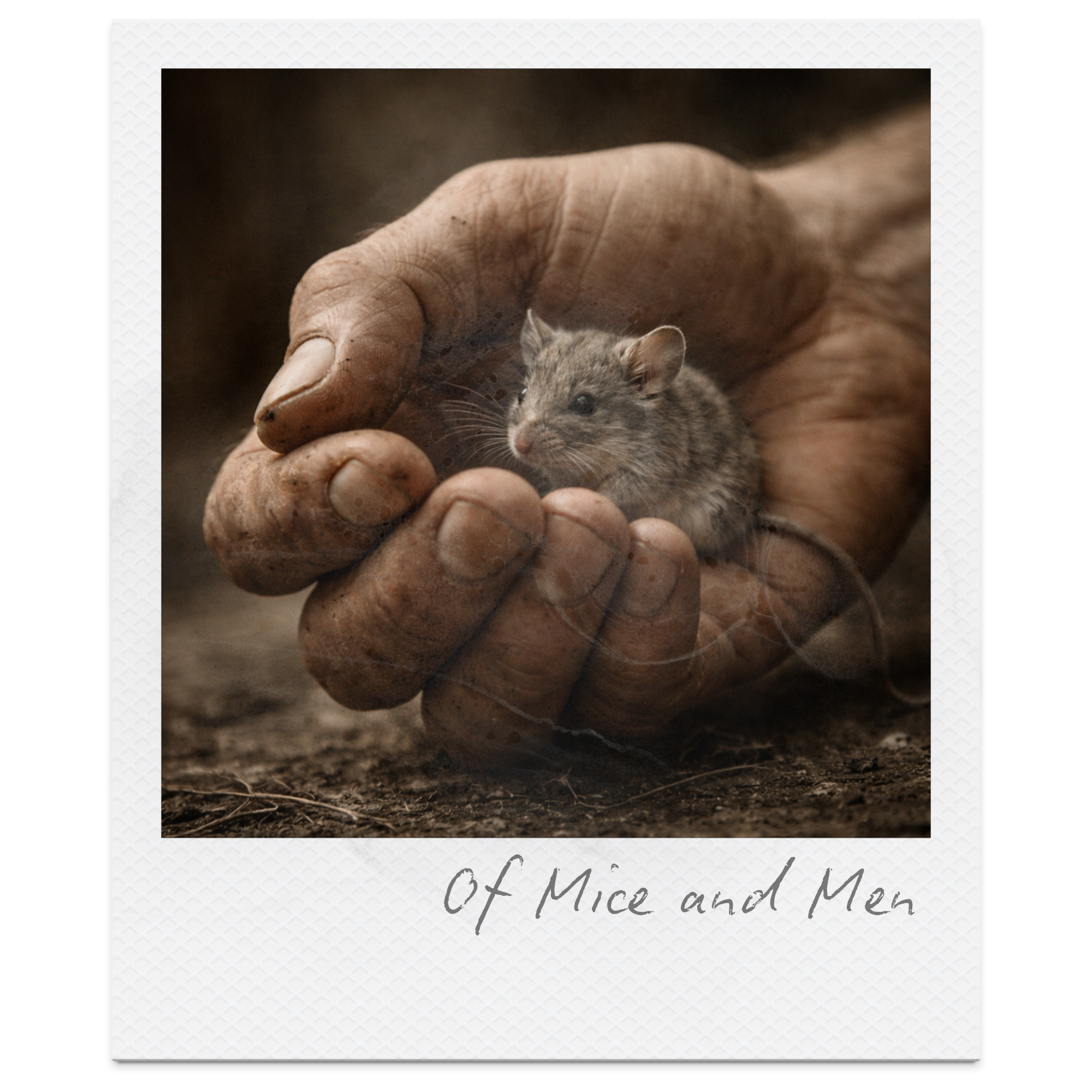
Why Of Mice and Men Still Matters: Context, Controversy, and the Classroom
Of Mice and Men remains one of the most powerful and challenging texts taught in the secondary English classroom. Despite ongoing debate around challenged books, controversial language, and classroom suitability, Steinbeck’s novella continues to resonate with students because it tackles enduring questions of power, loneliness, prejudice, and moral responsibility. Short, accessible, and deceptively complex, it invites discussion rather than delivering easy answers. This post explores why teachers still teach Of Mice and Men in 2026, examining its historical context, its place within modern classrooms, and the strategies that keep students engaged through creative writing, discussion-led learning, and reflective tasks. It also offers ideas for taking learning deeper once the final chapter is reached — supporting thoughtful, nuanced teaching of a text that refuses to be forgotten.
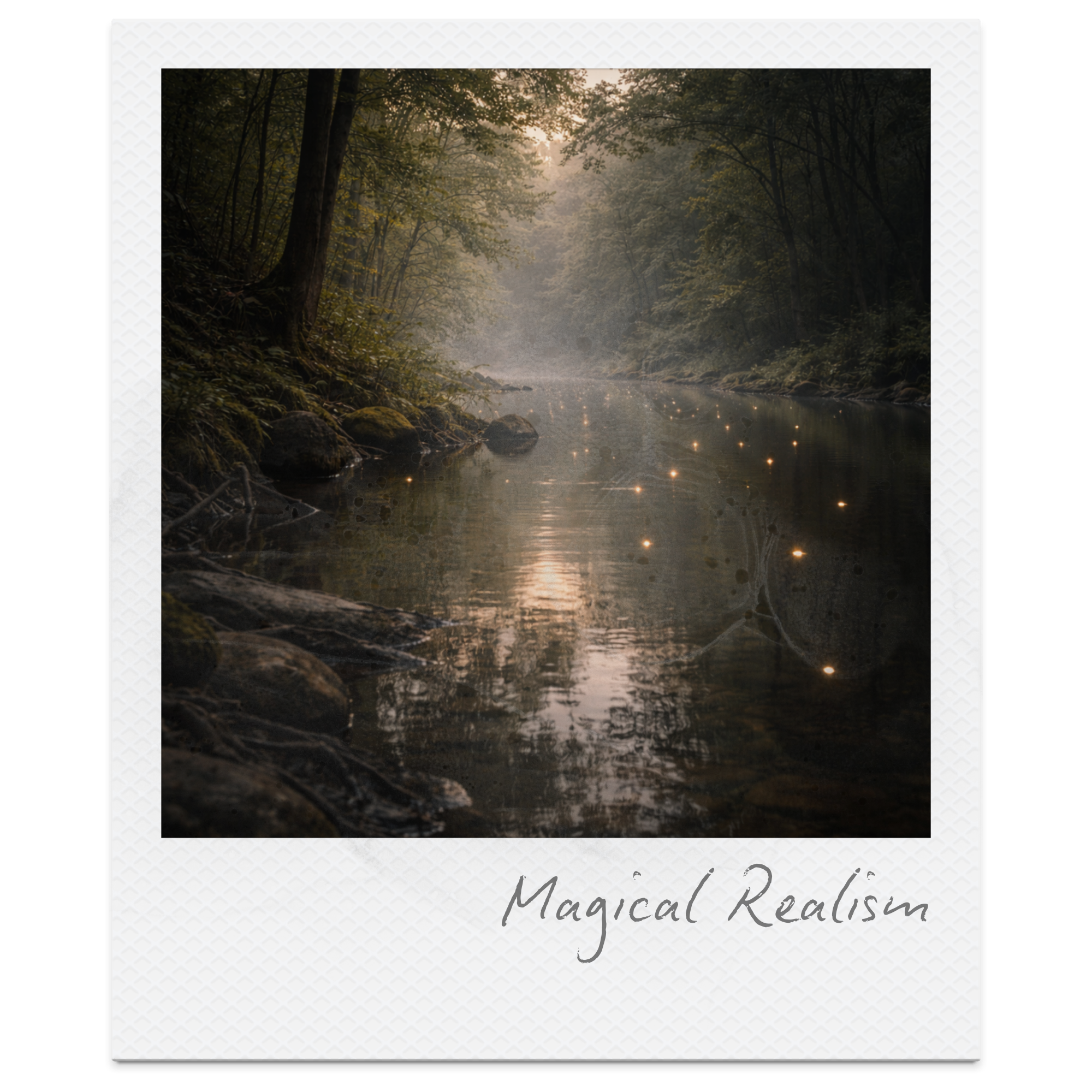
70 Magical Realism Writing Prompts for Teens: Ideas, Openings, and Visual Starters for the English Classroom
Magical realism writing prompts for teens blend the ordinary with the impossible, creating stories that feel grounded, symbolic, and emotionally rich. This curated collection of 70 magical realism writing prompts includes plot hooks, title ideas, opening and closing lines, character concepts, settings, and picture prompts designed for classroom use or independent creative writing. Ideal for KS3–KS4 students, these prompts help teen writers explore memory, identity, loss, and belonging through subtle magic and familiar worlds.
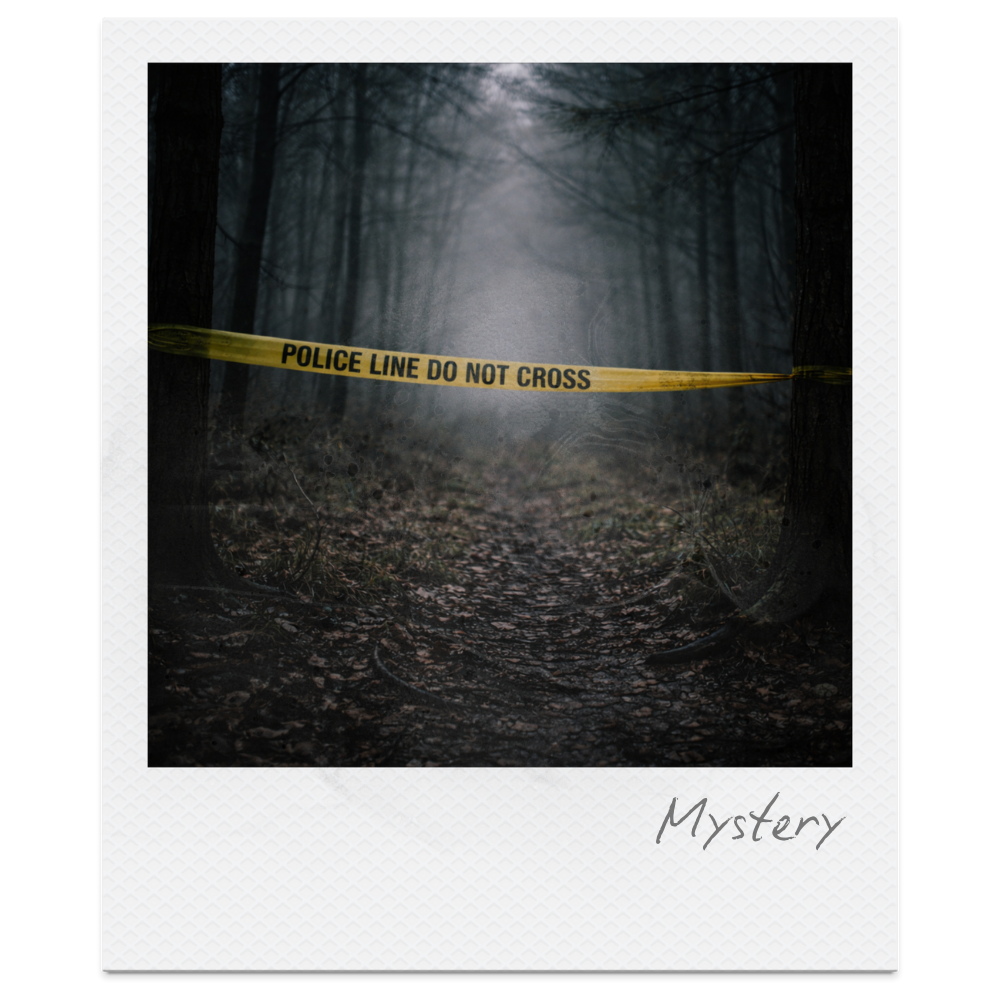
70 Mystery Writing Prompts for Teens: Ideas, Openings, and Visual Starters for the English Classroom
From eerie settings to twisty plot hooks, these 70 mystery writing prompts are built to spark curiosity and sharpen storytelling. Whether you're planning a full unit or just want a way to get students writing again, you'll find character ideas, opening lines, titles, and atmospheric visuals ready to use in the classroom.
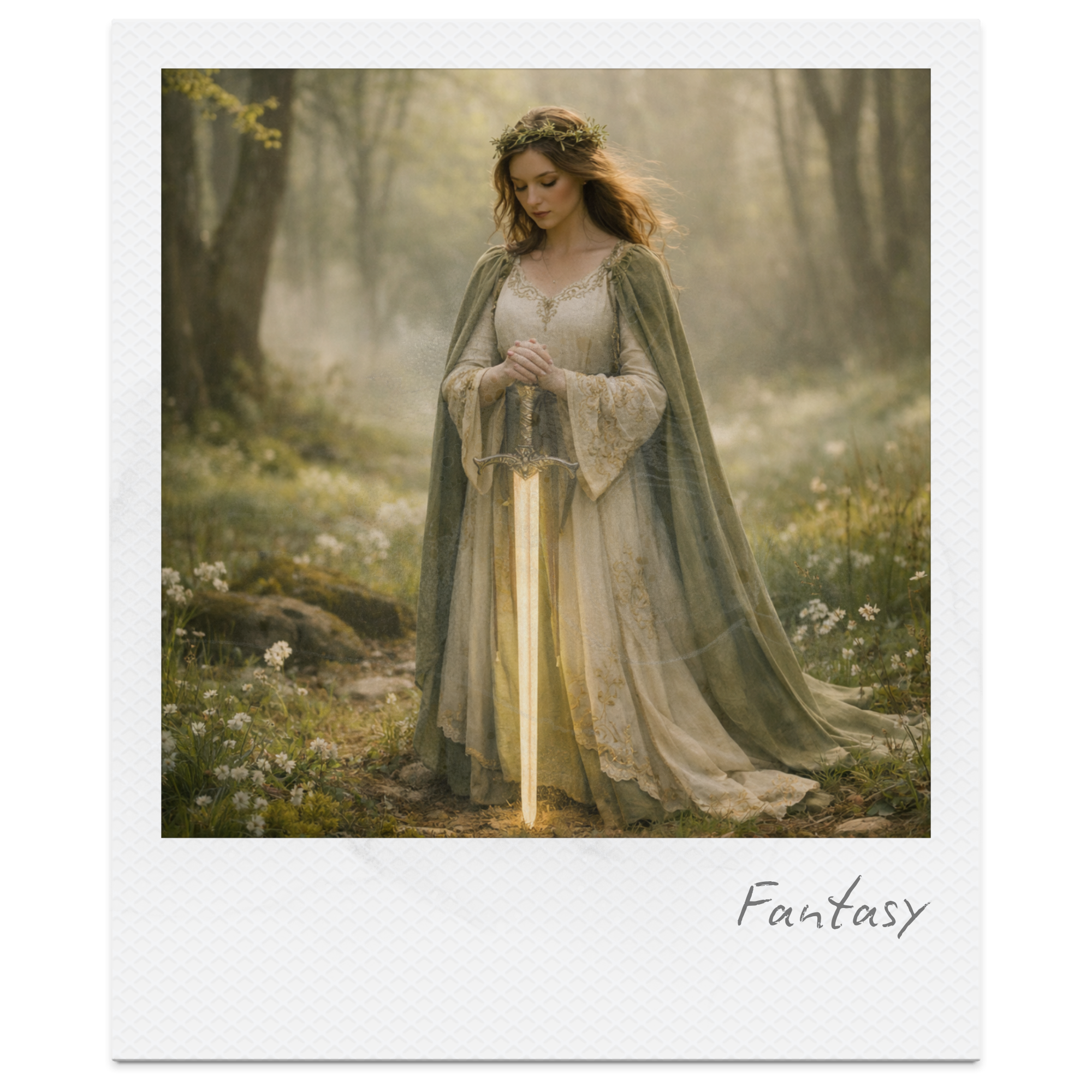
70 Fantasy Writing Prompts for Teens: Story Starters, Characters, Settings & Visual Ideas
Fantasy writing invites teen writers to imagine worlds beyond their own while exploring real questions about identity, power, and choice. This collection of 70 fantasy writing prompts for teens offers structured yet flexible inspiration through story starters, character ideas, settings, opening and closing lines, and visual prompts designed to support imaginative, emotionally grounded storytelling. Ideal for English lessons, creative writing units, writing clubs, and independent practice, these fantasy prompts help students develop worldbuilding, character voice, and narrative structure without relying on clichés or complex magic systems. Whether used for short stories or longer fantasy projects, the prompts encourage thoughtful creativity and meaningful exploration of imagined worlds.
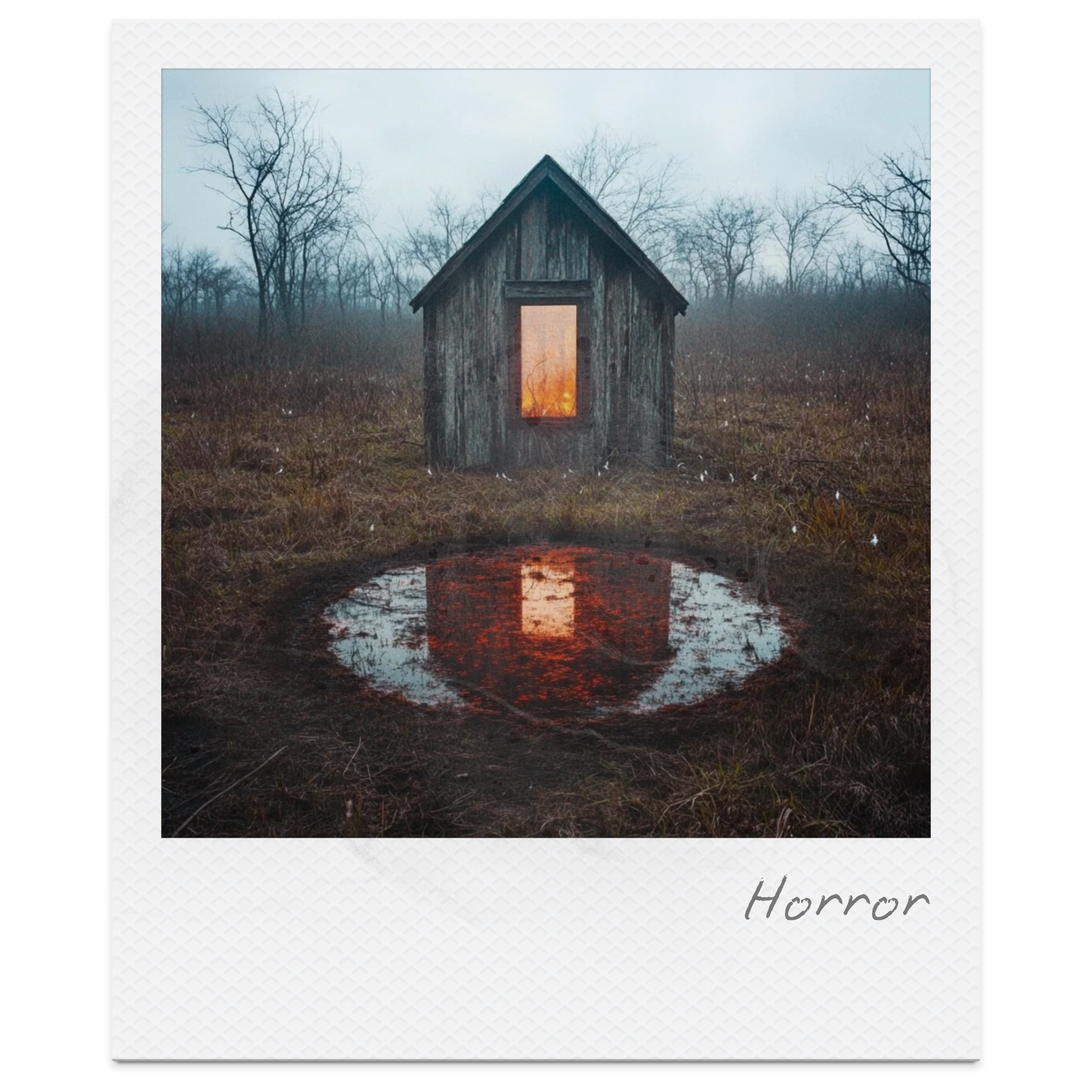
70 Horror Creative Writing Prompts for Teens: Story Starters, Titles, Characters, Settings & Visual Ideas
Explore 70 horror creative writing prompts for teens designed to build atmosphere, tension, and unsettling storytelling. This collection of horror writing prompts includes story starters, title ideas, eerie opening and closing lines, character concepts, unsettling settings, and image-based inspiration focused on psychological dread rather than jump scares. Ideal for classroom writing prompts, creative warm-ups, independent writing, or full horror writing units, these prompts help students practise voice, mood, and descriptive writing while exploring fear in a safe, creative way.

Creative Writing Lessons That Feel Like Time Travel: How I Use Writing Boxes in the Classroom
Tired of blank stares during creative writing lessons? These immersive story boxes turn students into detectives, poets, and storytellers. From séance invitations to village festivals with a secret, here’s how I use creative writing boxes to spark serious engagement (and save my sanity) in the classroom.
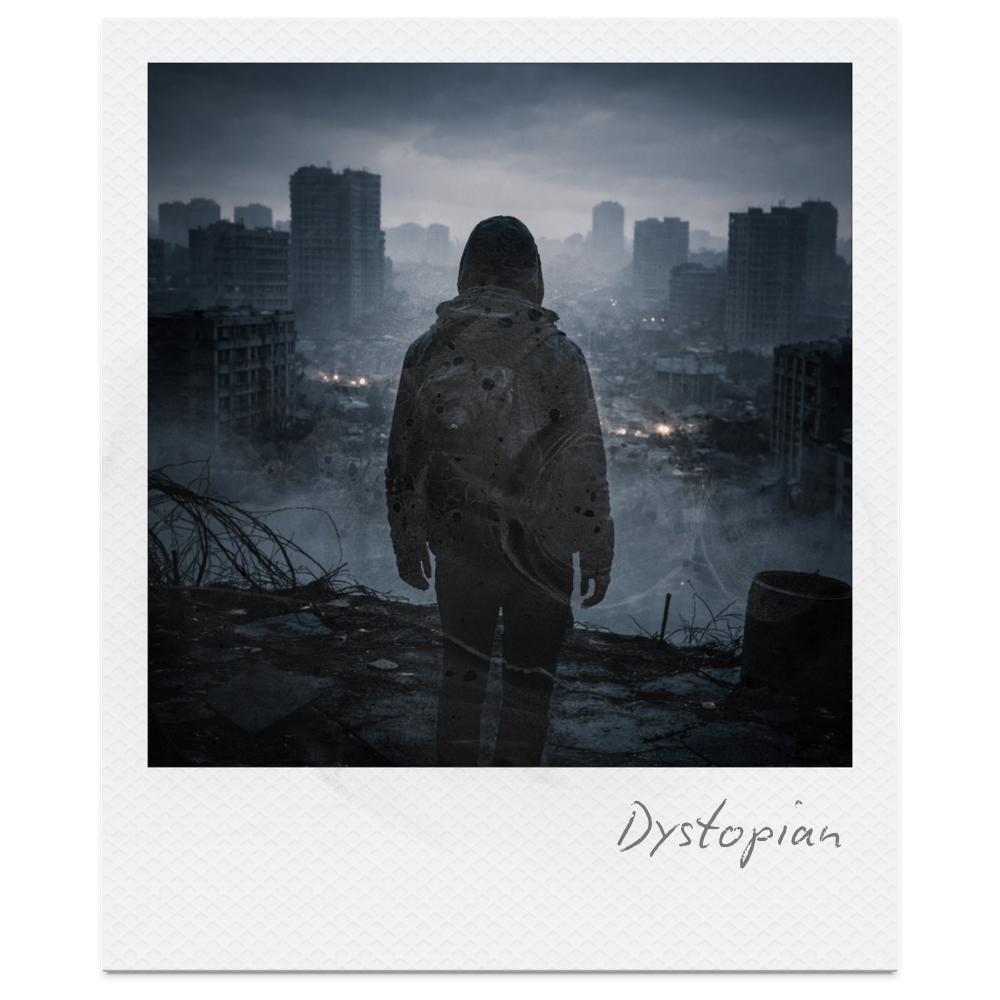
70 Dystopian Writing Prompts for Teen Writers
Dystopian writing prompts give teen writers a powerful way to explore control, resistance, survival, and imagined futures shaped by fear or authority. This collection of 70 dystopian story ideas includes picture prompts, opening lines, titles, and speculative scenarios designed to support creative writing lessons, independent writing, and classroom discussion. Ideal for students studying dystopian fiction or learning how to write a dystopian story, these prompts encourage critical thinking, worldbuilding, and meaningful storytelling.

Teacher Mental Health: What Helped When I Was Falling Apart
I was crying over emails, skipping meals, and burning out in silence, until I finally said, “I’m not okay.” This post isn’t a fix-all. It’s a look at what helped when I was falling apart: real boundaries, honest conversations, walking away from the pressure, and learning to build a life that fits me. If you’re in that dark place right now, you’re not alone.