70 Celtic Story Ideas: Druids, Fairy Mounds & Ancient Legends
Celtic myths and legends are filled with enchanted forests, sacred standing stones, hidden worlds, warrior heroes, powerful queens, magical creatures, and ancient prophecies. Unlike many mythological traditions, Celtic stories often blur the boundary between the ordinary and the supernatural, where rivers, hills, trees, and animals possess their own magic, and encounters with the Otherworld can change a person's fate forever.
These Celtic myths and legends writing prompts for teens draw inspiration from the rich storytelling traditions of Ireland, Scotland, Wales, Brittany, and the wider Celtic world. Inside this collection, you'll find myth-inspired plot hooks, atmospheric story titles, compelling opening lines, memorable endings, character ideas, legendary settings, and visual inspiration designed to help writers create original stories rooted in Celtic folklore while developing their own unique worlds and legends.
Whether you're inspired by brave warriors, druidic magic, fairy mounds, legendary kings, shape-shifting spirits, magical cauldrons, or mysterious lakes that conceal ancient powers, these prompts encourage imaginative storytelling while exploring timeless themes of courage, destiny, loyalty, sacrifice, and the enduring relationship between humanity and the natural world.
If you're looking to explore even more ancient legends and mythological traditions, visit the Mythology Writing Hub, or browse the Creative Writing Archive to discover hundreds of creative writing prompts across every genre.
1. Plot Hooks
Celtic myths and legends are filled with ancient prophecies, enchanted landscapes, magical bargains, heroic deeds, and mysterious encounters with the Otherworld. These plot hooks draw inspiration from Irish, Scottish, Welsh, Breton, and wider Celtic traditions, encouraging writers to create original stories shaped by nature, destiny, magic, and the enduring power of legend.
Write about a young druid whose sacred grove begins whispering warnings no living person can hear.
Write about a forgotten standing stone that opens a path into the Otherworld for one night every century.
Write about a warrior chosen to protect a magical cauldron capable of restoring life to the dead.
Write about a village where every newborn receives a prophecy—but one child is given none.
Write about a mysterious white stag that only appears before kingdoms are about to fall.
Write about a musician whose enchanted harp can calm monsters but slowly steals their memories.
Write about a healer forced to bargain with the fae to save their dying village.
Write about a queen who discovers her royal bloodline descends from an ancient lake spirit.
Write about two rival clans whose centuries-old feud was secretly started by supernatural beings.
Write about an ordinary shepherd who accidentally awakens a forgotten Celtic god beneath a lonely hill.
2. Story Titles
Celtic legends often carry titles filled with mystery, symbolism, and ancient landscapes. These titles are designed to inspire original stories rooted in enchanted forests, forgotten kingdoms, magical artefacts, and timeless folklore.
The King Beneath the Hill
The Last Druid's Oath
Where the White Stag Waits
Beneath the Standing Stones
The Queen of Hollow Lake
Ashes of the Fairy Court
The Oak That Remembered
Song of the Hidden Isles
The Raven's Prophecy
The Door to the Otherworld
3. Opening Lines
Many Celtic myths begin quietly before revealing extraordinary magic hidden within familiar landscapes. These opening lines place writers at the moment when the ordinary world begins giving way to ancient legends.
The standing stones had never moved before sunrise until the morning I touched them.
Grandmother always warned us never to follow music drifting across the moor after dusk.
Every child knew the hill was empty, but the lights beneath it told a different story.
The old oak whispered my name long before I knew who I truly was.
No map had ever shown the island that appeared beneath the full moon.
The white raven landed beside me carrying a crown woven from branches.
They said the lake granted only one wish every hundred years—and mine had just been answered.
The village bell rang without anyone touching it, announcing the return of a king who had died centuries ago.
My father told me never to accept gifts from strangers wearing green cloaks, but it was already too late.
The gateway into the Otherworld looked surprisingly ordinary until the mist began calling my name.
4. Closing Lines
Celtic stories rarely end with simple victories. Instead, they leave readers reflecting on sacrifice, destiny, memory, and the enduring presence of magic within the natural world. These closing lines encourage endings that feel both bittersweet and legendary.
The forest grew silent once more, keeping our secret for another generation.
Some still say the white stag appears whenever the old promise is broken.
I never returned to the Otherworld, though sometimes I hear its music on the wind.
The crown remained beneath the lake, waiting for the next soul worthy enough to find it.
They carved my story into stone, but the trees remembered it first.
Even now, travellers leave gifts beside the hill, hoping the old magic still listens.
The prophecy ended exactly as it had begun—with a choice no one expected.
The gods faded into legend, but their footprints never left the valley.
We closed the ancient gate, knowing it would never truly remain locked.
Every legend begins with someone brave enough to believe the impossible.
5. Character Ideas
Celtic myths are filled with memorable heroes, wise druids, magical beings, fearless queens, wandering storytellers, and mysterious guardians whose choices shape entire kingdoms. These character ideas encourage writers to create original figures inspired by the rich traditions of Celtic mythology.
A young druid whose connection to nature grows stronger each time an ancient tree falls.
A warrior destined to defeat a monster that has protected their homeland for centuries.
A wandering bard whose songs unknowingly reshape history.
A queen chosen by the land itself to restore balance after generations of conflict.
A blacksmith capable of forging weapons using fragments of fallen stars.
A child secretly raised by the fae who no longer knows which world they belong to.
An elderly storyteller whose forgotten tales begin coming to life.
A guardian sworn to protect the entrance to the Otherworld from human greed.
A healer whose magical gifts slowly transform them into something no longer entirely human.
A prince cursed to become a raven whenever he tells a lie.
6. Setting Ideas
The landscapes of Celtic mythology are alive with magic. Ancient forests, mist-covered hills, sacred lakes, and forgotten stone circles become places where the natural and supernatural exist side by side. These settings are designed to inspire stories rich in atmosphere and legend.
A circle of standing stones that reveals a different future at every solstice.
A sacred forest where no leaf has fallen for a thousand years.
A forgotten island that only appears when the sea mist is at its thickest.
A crystal-clear lake said to hide an entire kingdom beneath its surface.
A ruined hillfort reclaimed by magical creatures after the last king disappeared.
An ancient monastery built beside a gateway into the Otherworld.
A windswept coastline where enormous stone giants are said to sleep beneath the cliffs.
A mountain summit crowned by an eternal fire that has never gone out.
A hidden valley where every season exists at once.
A fairy mound that glows softly beneath every full moon.
7. Picture Prompts
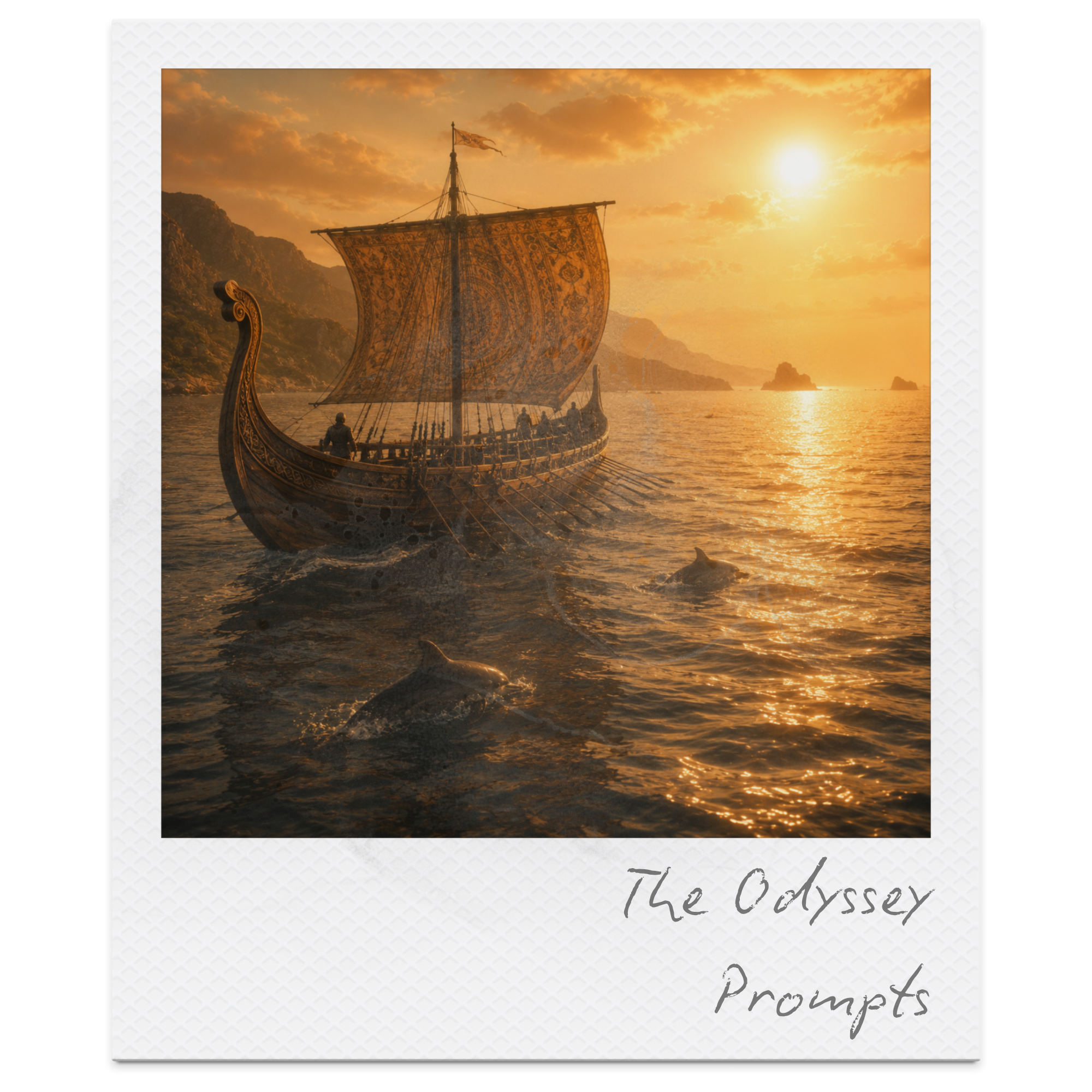
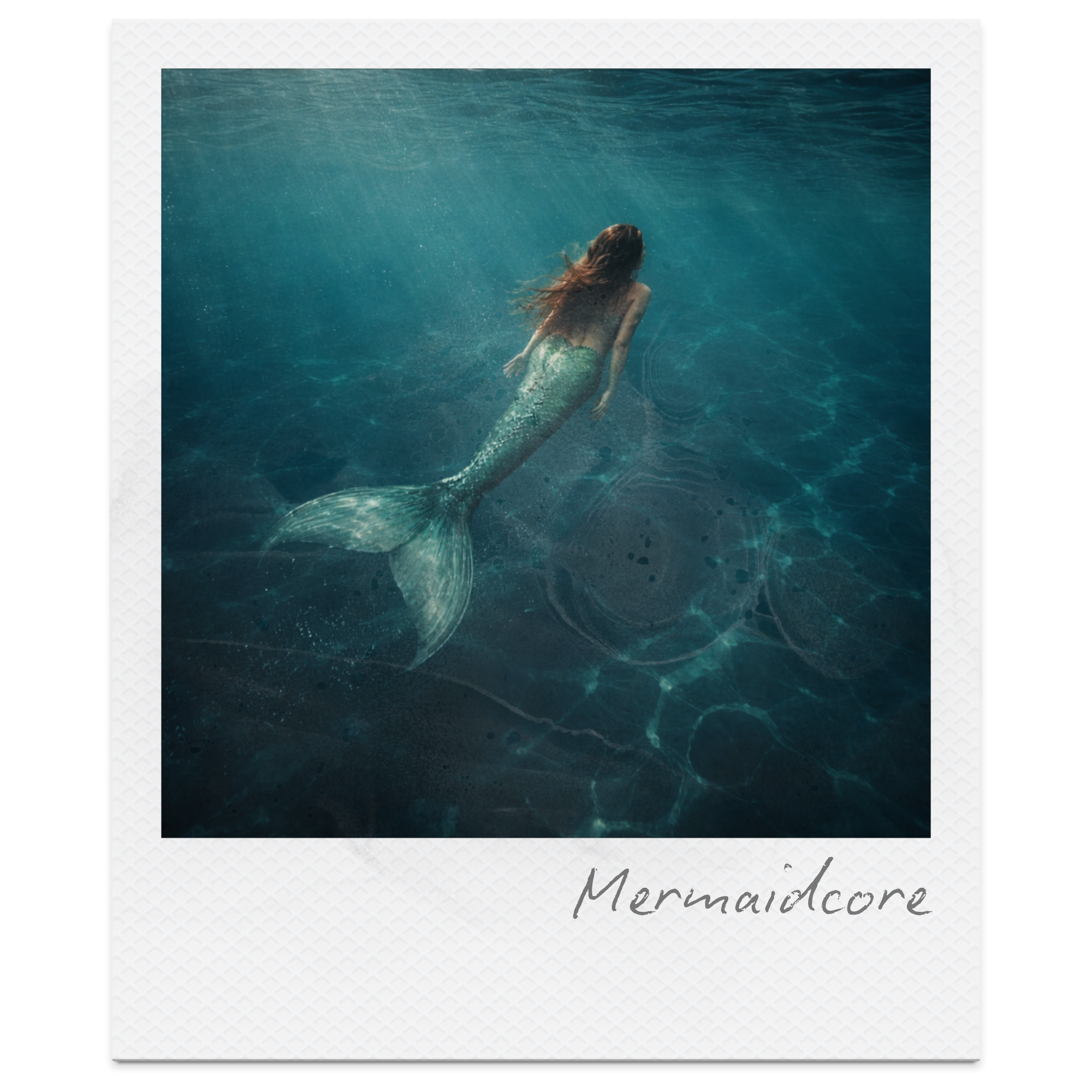
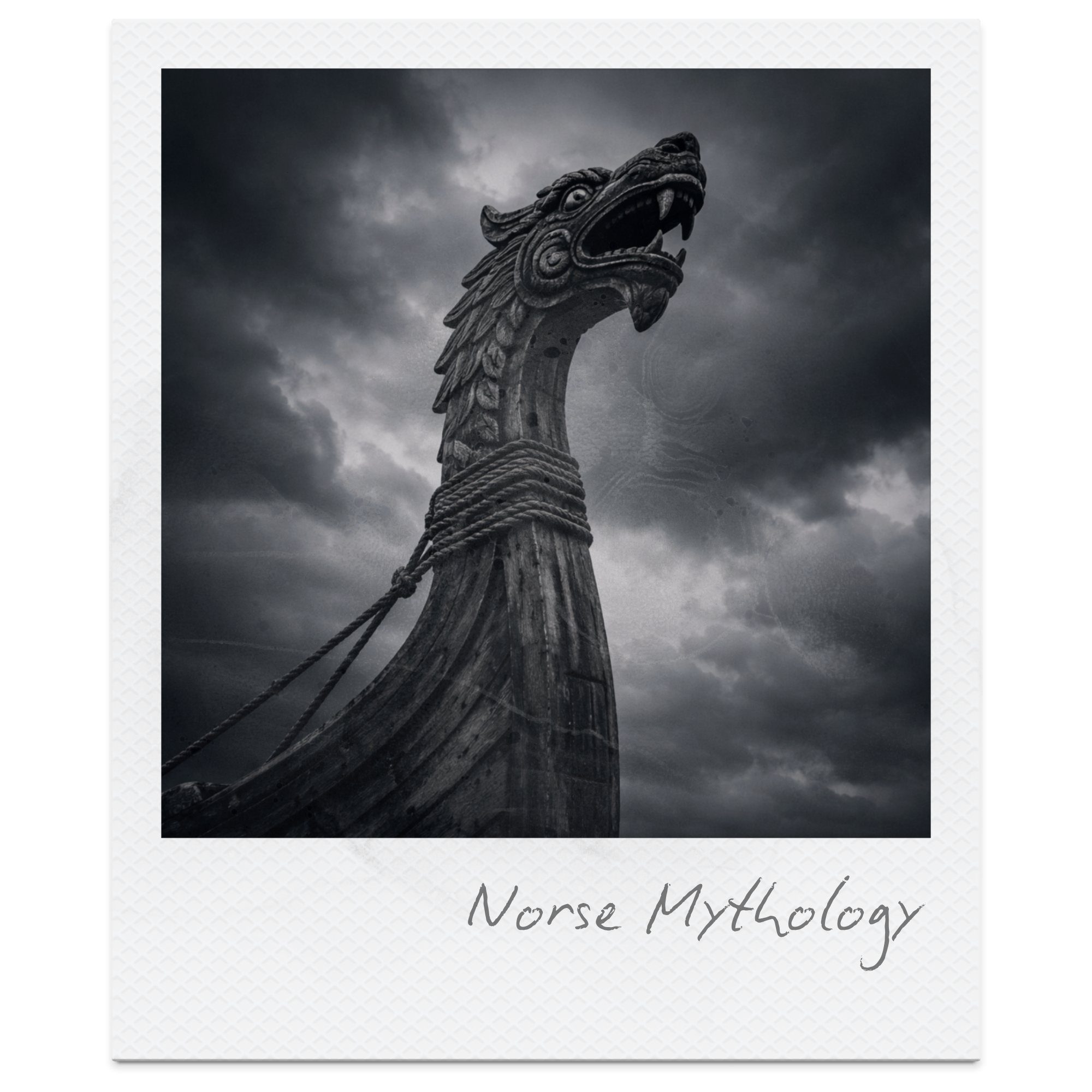
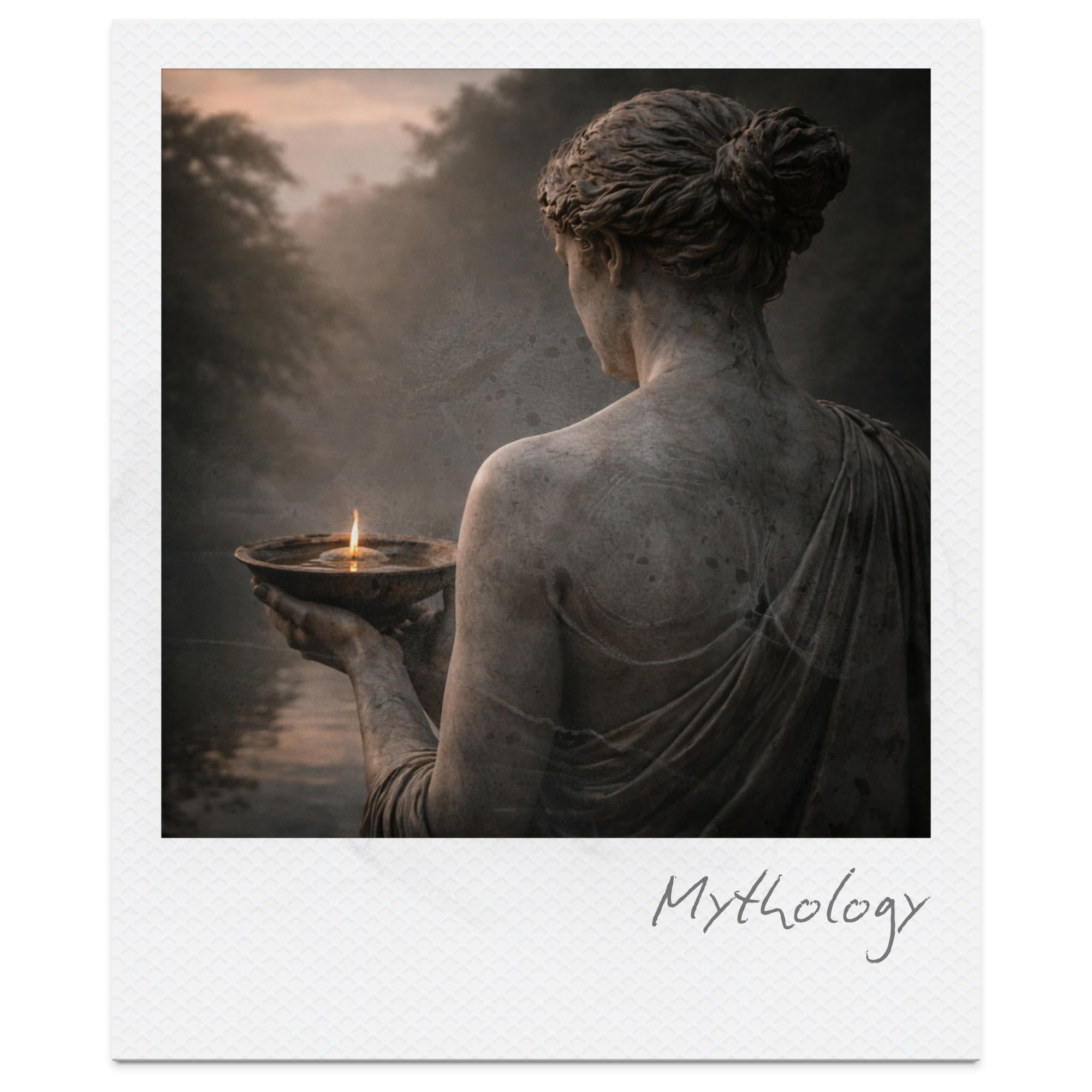
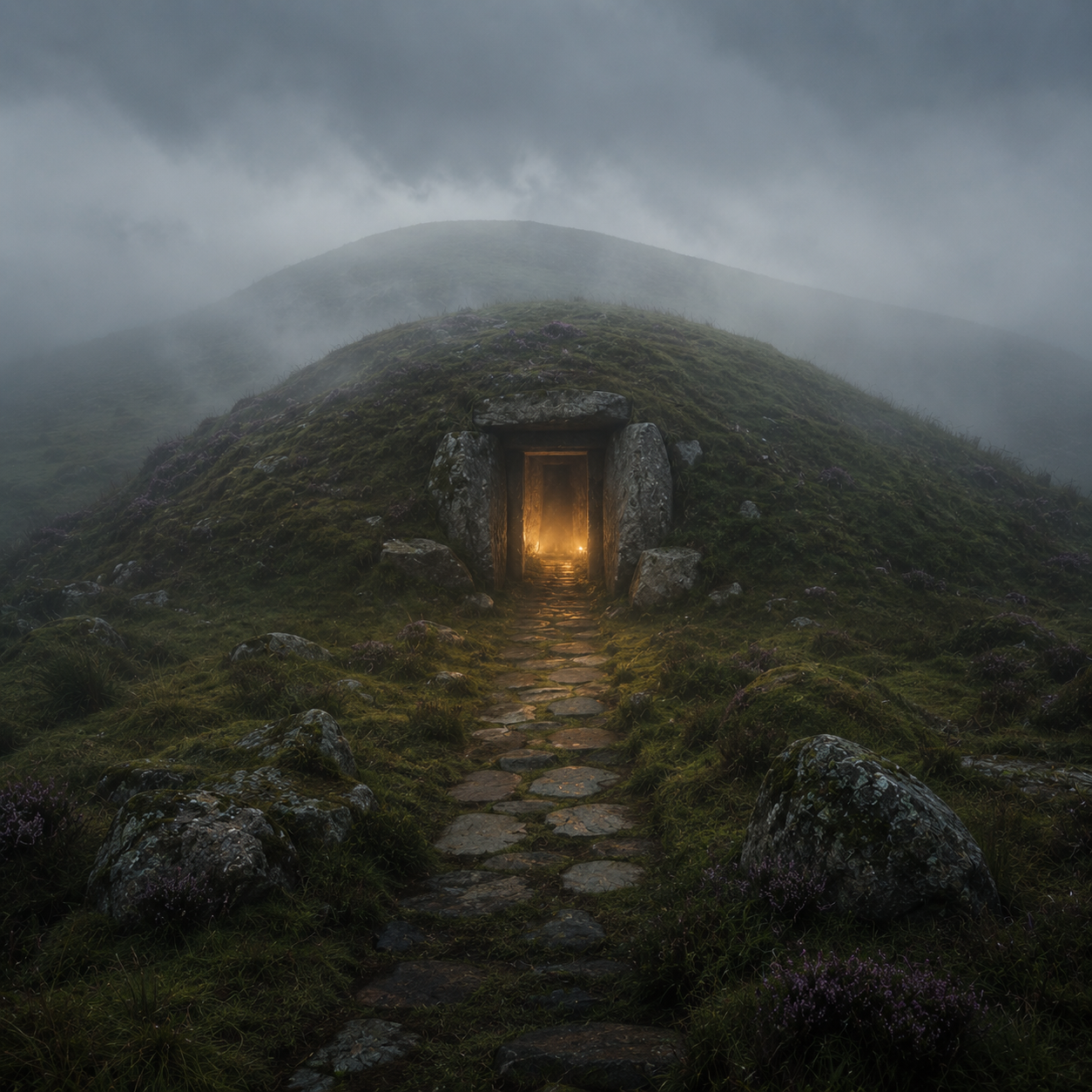
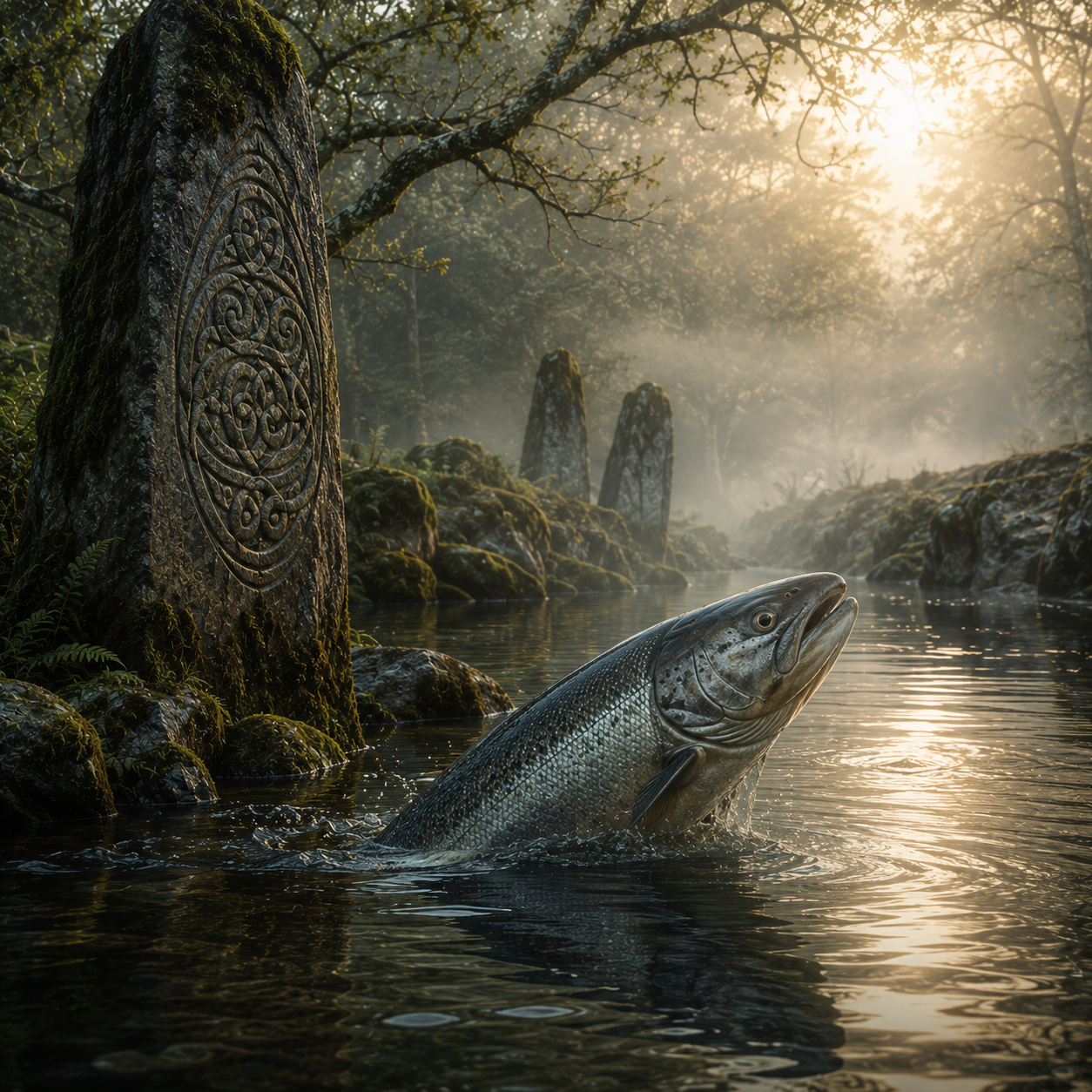
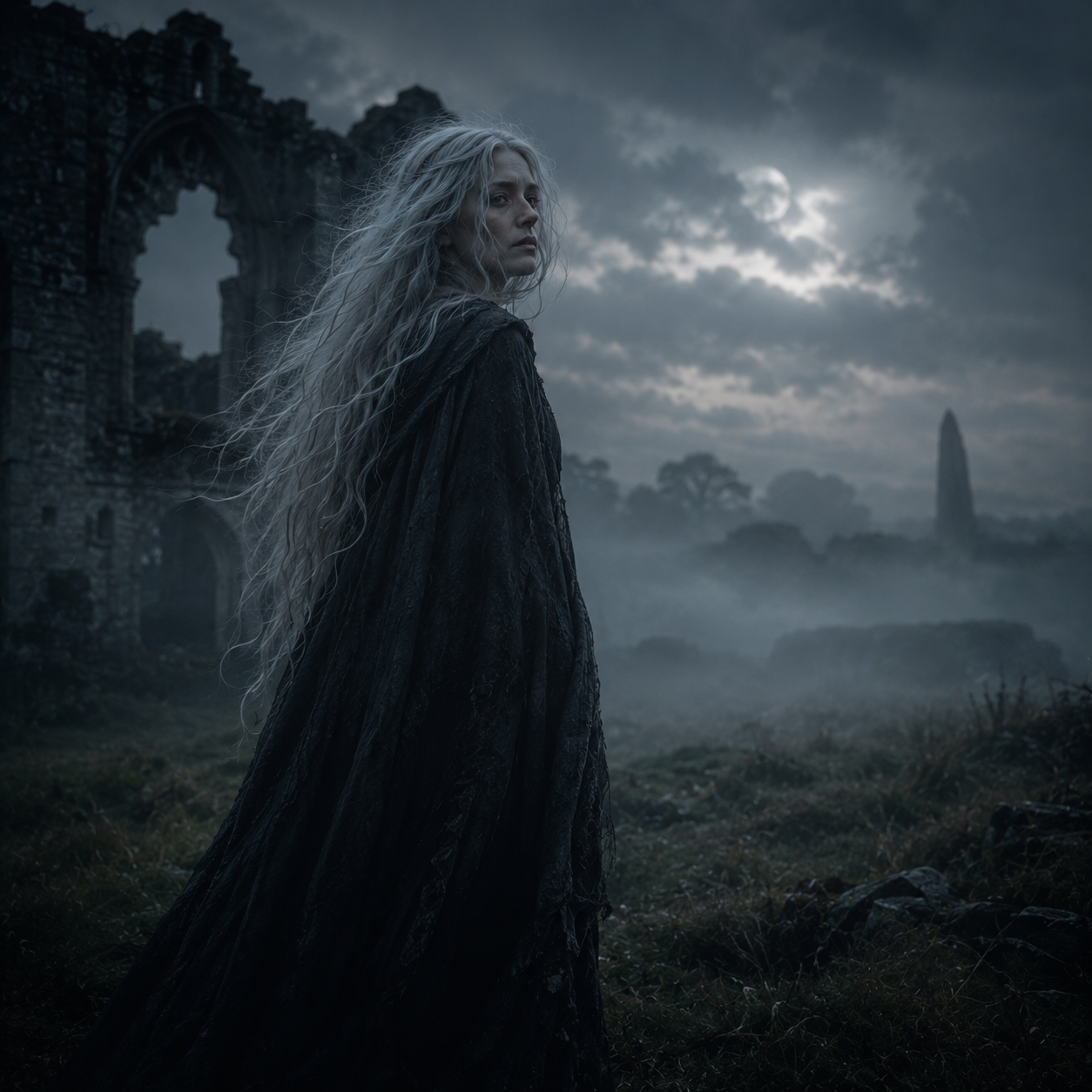
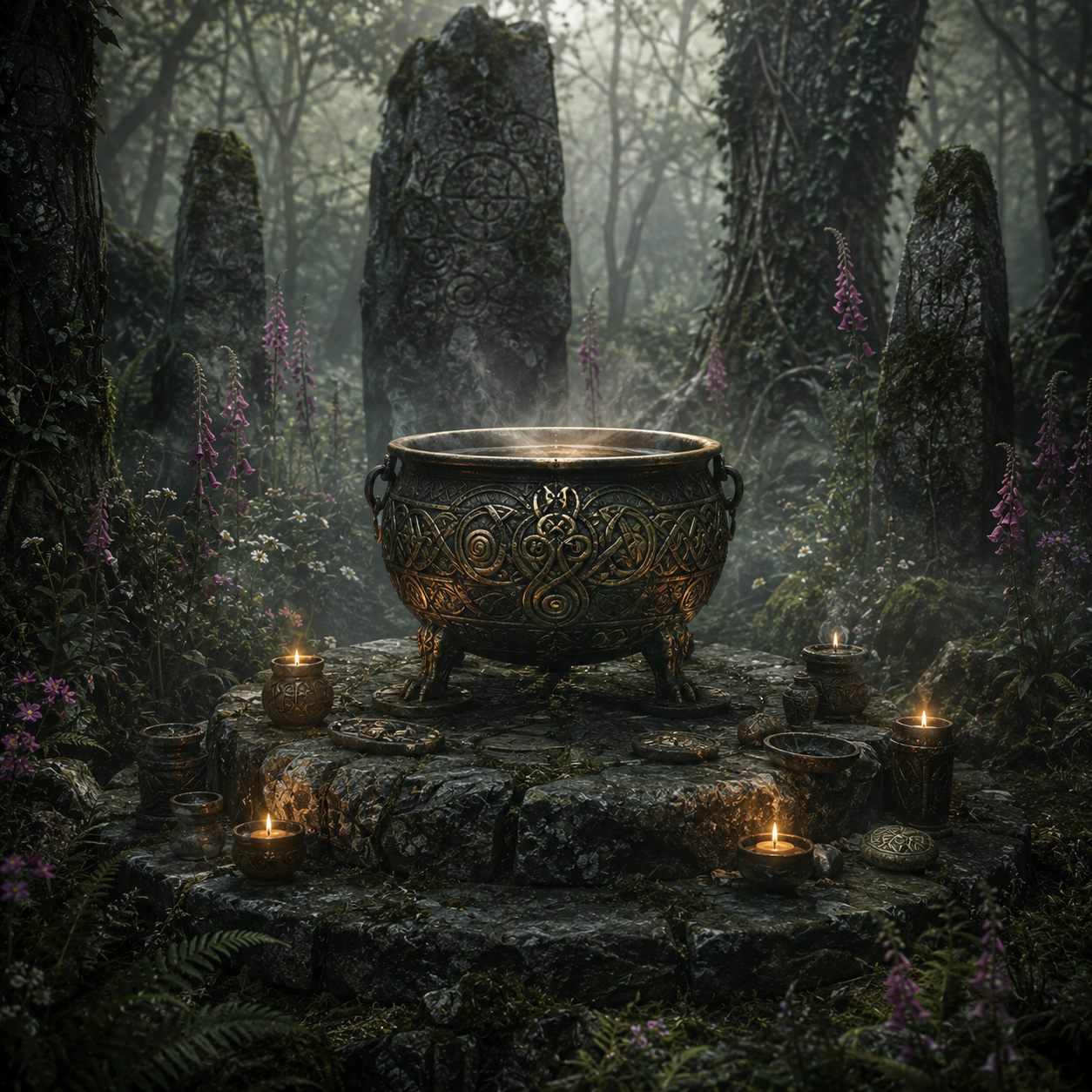
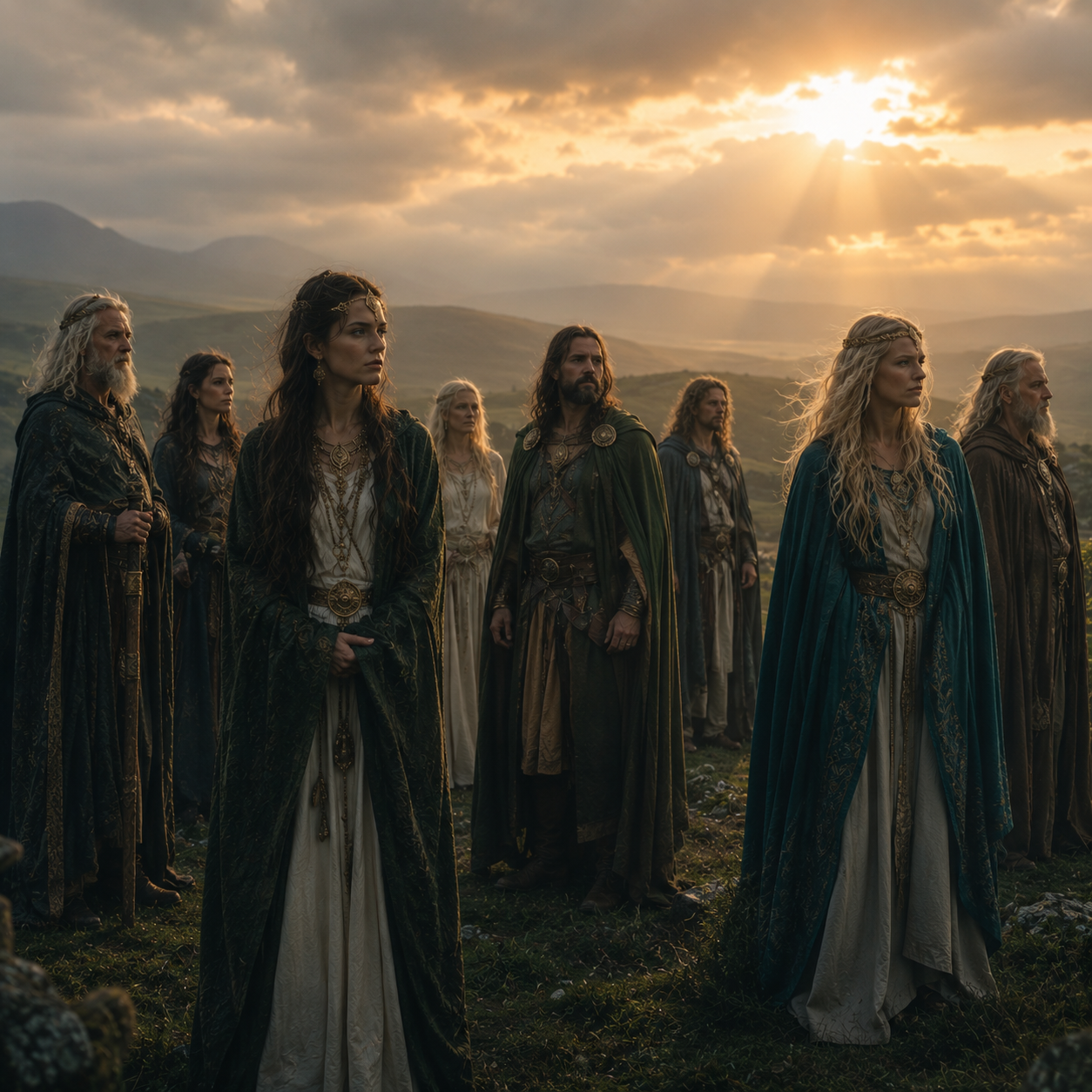
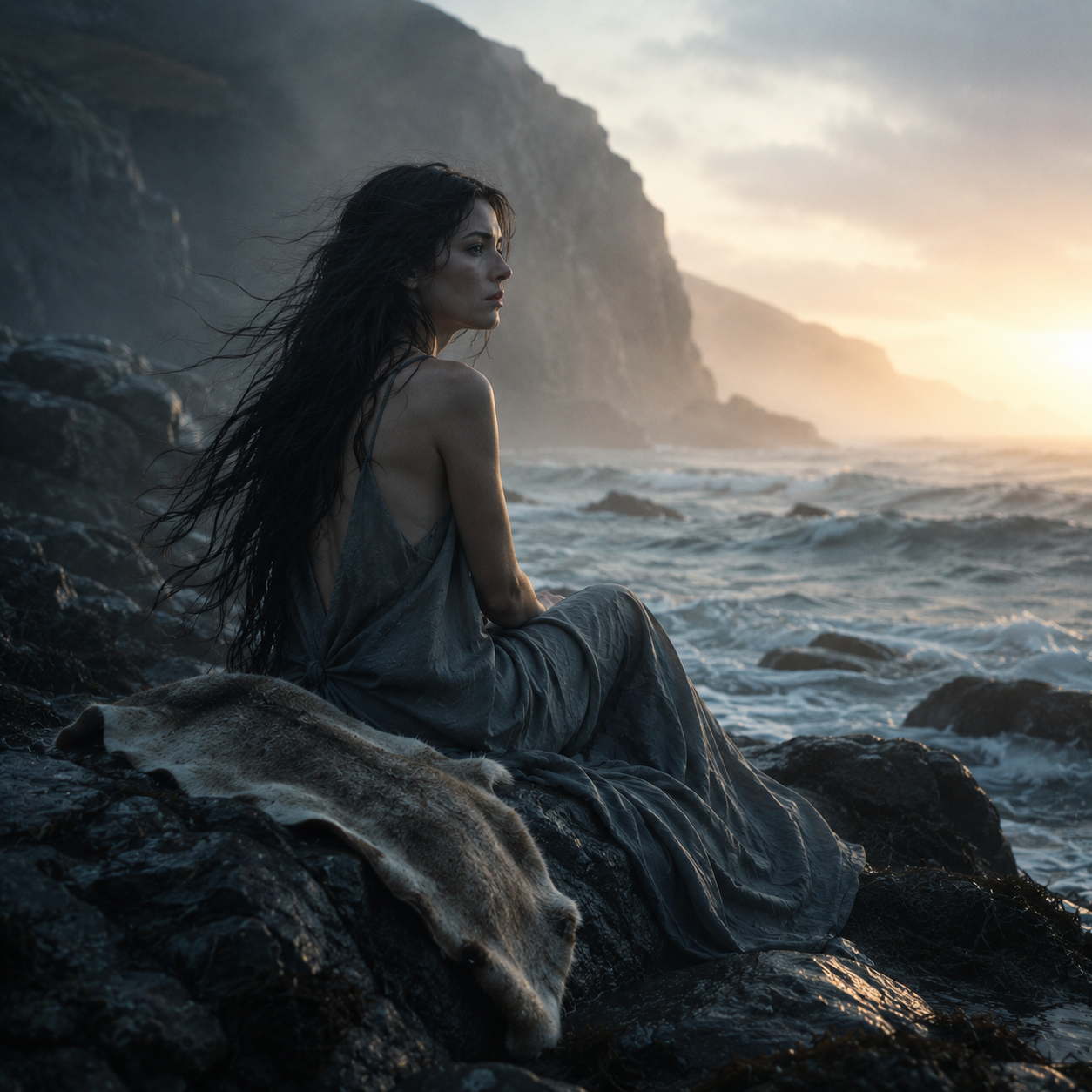
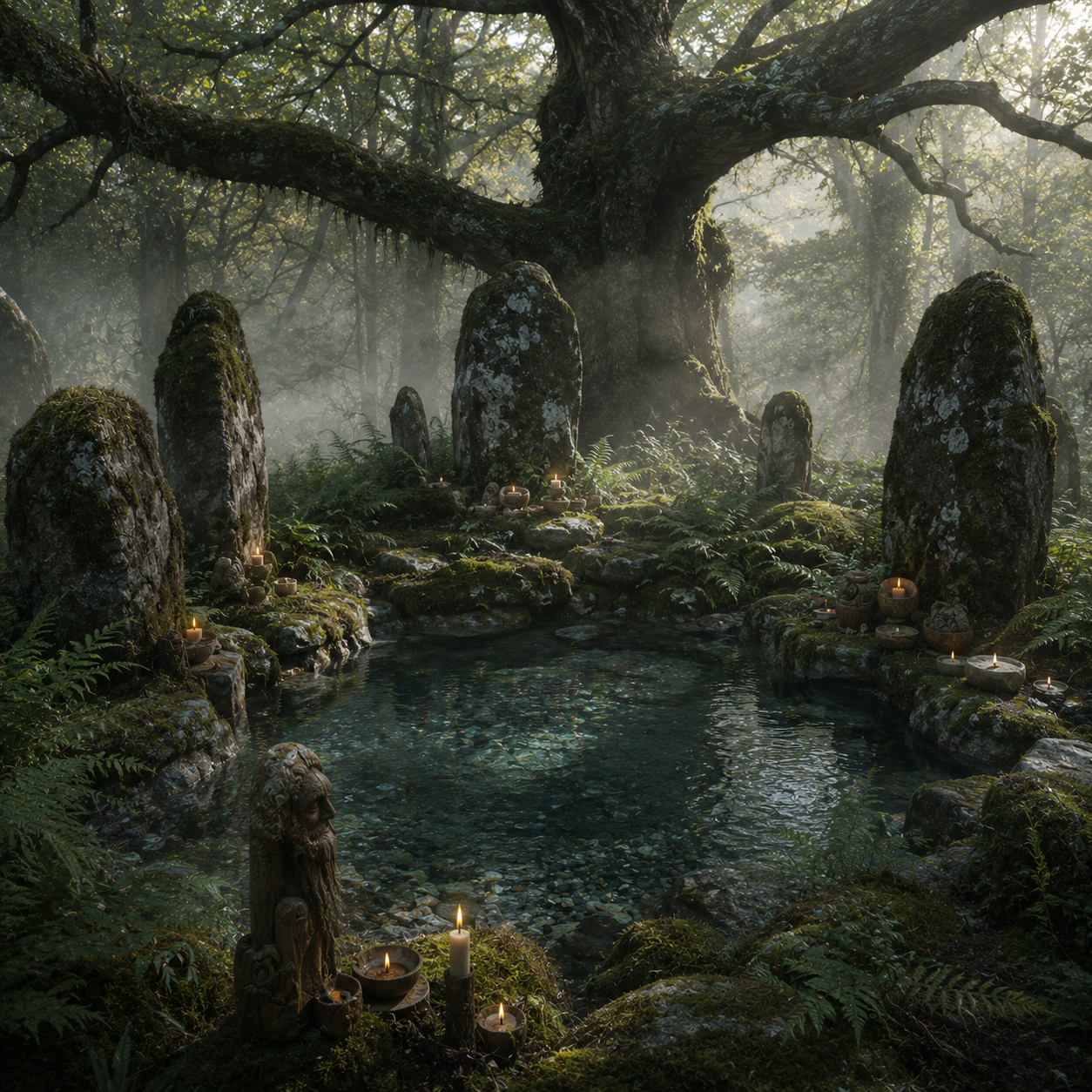
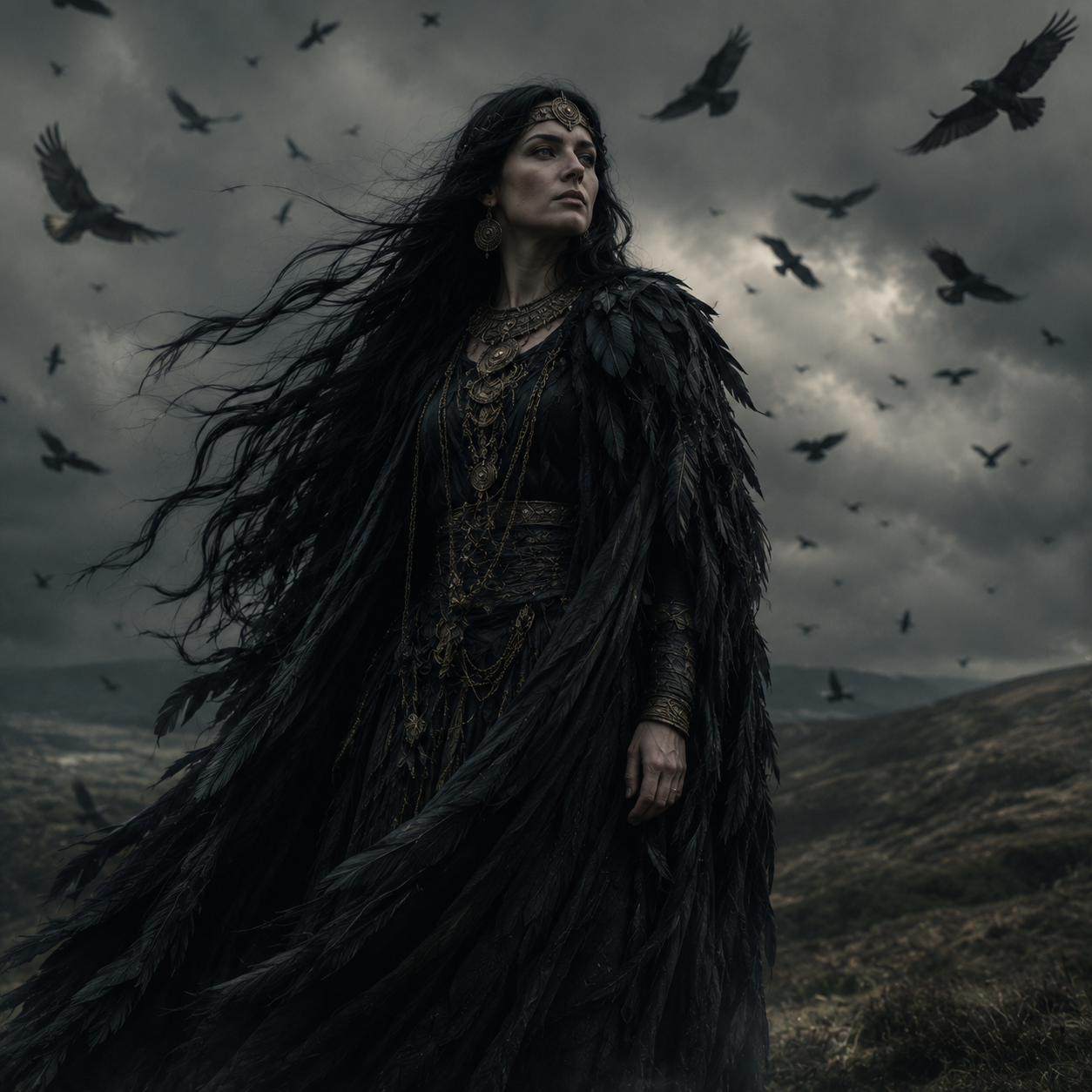
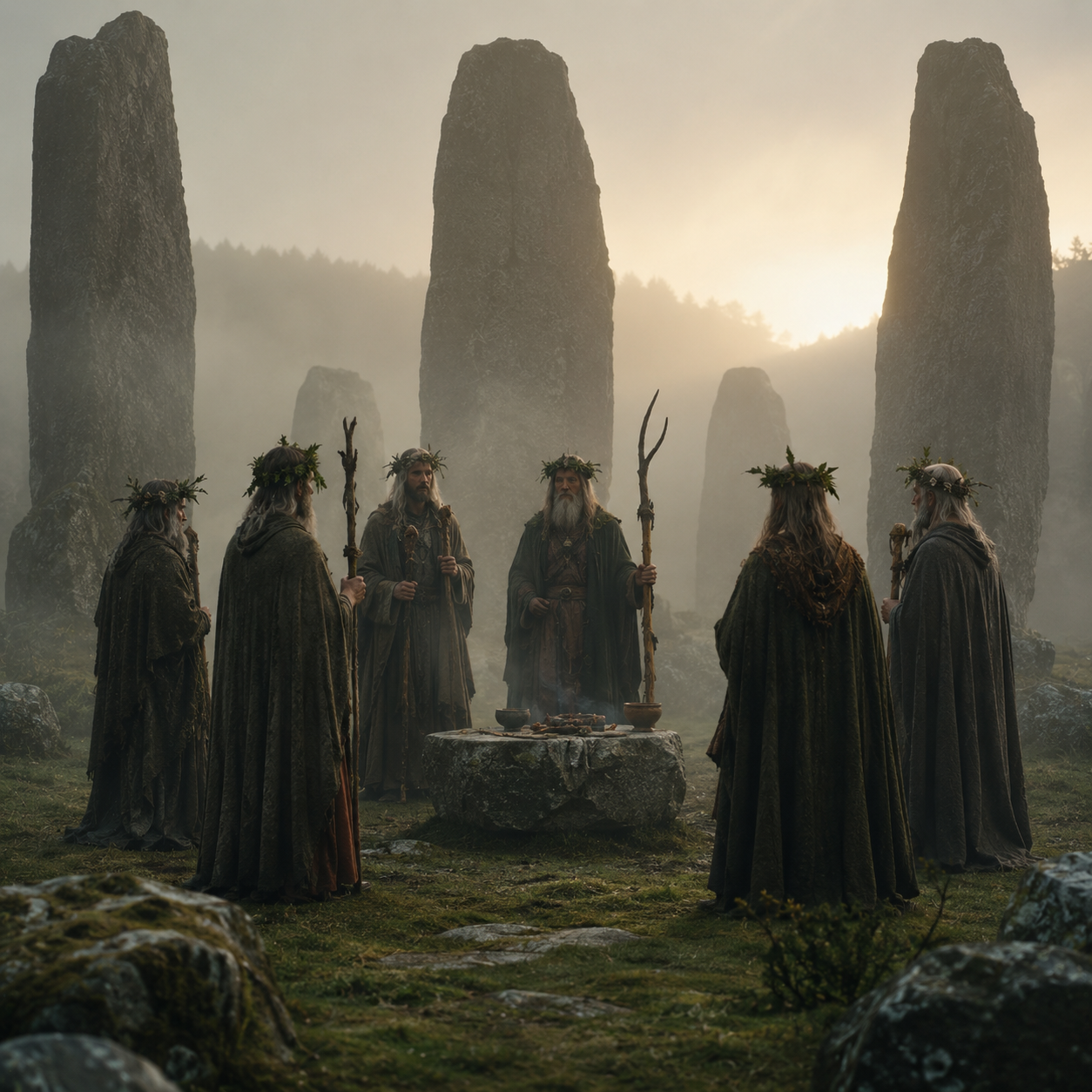
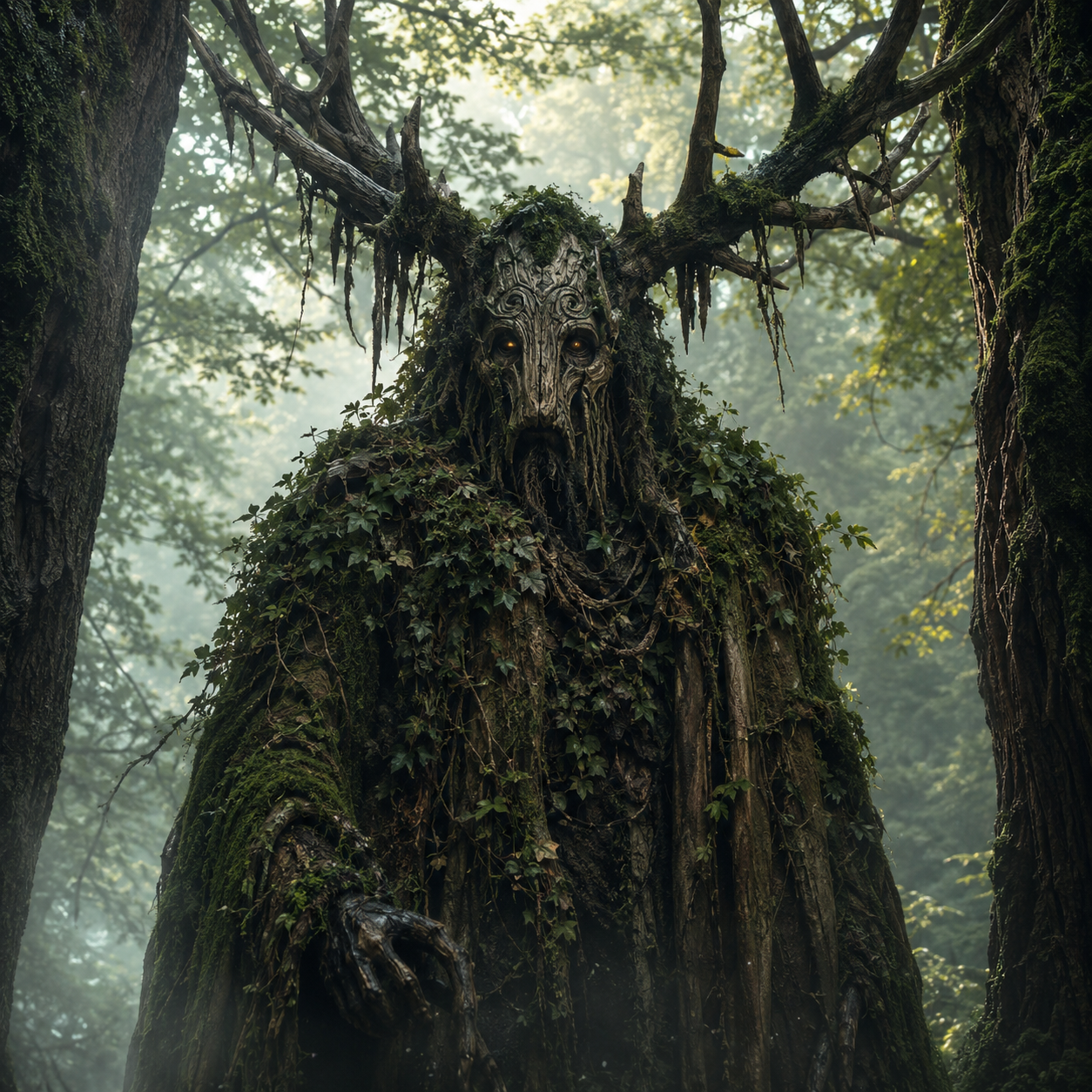
Celtic myths and legends are deeply rooted in landscape, symbolism, and atmosphere. Sacred groves, mist-covered lakes, ancient standing stones, enchanted forests, and forgotten kingdoms all carry stories waiting to be discovered. These picture prompts encourage writers to interpret mythological imagery, build rich descriptions, and imagine original legends inspired by the timeless magic of the Celtic world.
Go Deeper into Celtic Myths & Legends Writing
To develop Celtic mythology stories beyond familiar fantasy tropes, encourage writers to embrace the mystery, symbolism, and deep connection between people and the natural world that defines Celtic storytelling.
◆ Let the landscape become a character. Forests, rivers, standing stones, mountains, and lakes should shape the story, influencing emotions, decisions, and even destiny rather than serving as simple backdrops.
◆ Keep the boundary between the mortal world and the Otherworld uncertain. Magic often feels quiet and mysterious, appearing through dreams, music, changing seasons, hidden paths, or chance encounters rather than dramatic displays of power.
◆ Explore themes of honour, loyalty, sacrifice, and transformation. Celtic legends often ask what characters are willing to give up to protect their people, keep an oath, or fulfil a prophecy.
◆ Use symbolism drawn from nature. Ravens, white stags, ancient oaks, mist, sacred wells, and changing seasons can all carry deeper meaning while reinforcing the atmosphere of the story.
◆ Create morally complex characters. Heroes, rulers, druids, and magical beings should all possess strengths and flaws, making difficult choices where there are rarely perfect outcomes.
Final Thoughts
Celtic myths and legends have endured because they celebrate far more than heroic battles or magical creatures. They explore humanity's relationship with nature, the power of memory, the importance of community, and the belief that the world is filled with unseen mysteries waiting to be discovered. Their stories remind us that courage is often quiet, wisdom comes from listening, and the greatest journeys are not always measured by distance travelled.
These 70 Celtic Story Ideas are designed to help writers explore rich mythological traditions while creating original stories filled with wonder, atmosphere, and timeless adventure. Whether you're writing fantasy, historical fiction, magical realism, or an entirely new mythology-inspired world, these prompts encourage imaginative storytelling rooted in symbolism, folklore, and unforgettable settings.
If you're looking for even more inspiration, explore the Mythology Writing Hub for gods, heroes, legendary creatures, epic quests, and mythology-inspired writing prompts, or browse the Creative Writing Archive to discover hundreds of prompts, story ideas, picture prompts, character collections, and genre guides across every style of creative writing.
Choose Your Next Adventure