Notes from the Inkpot
Writing, teaching, creating - one ink-stained idea at a time.



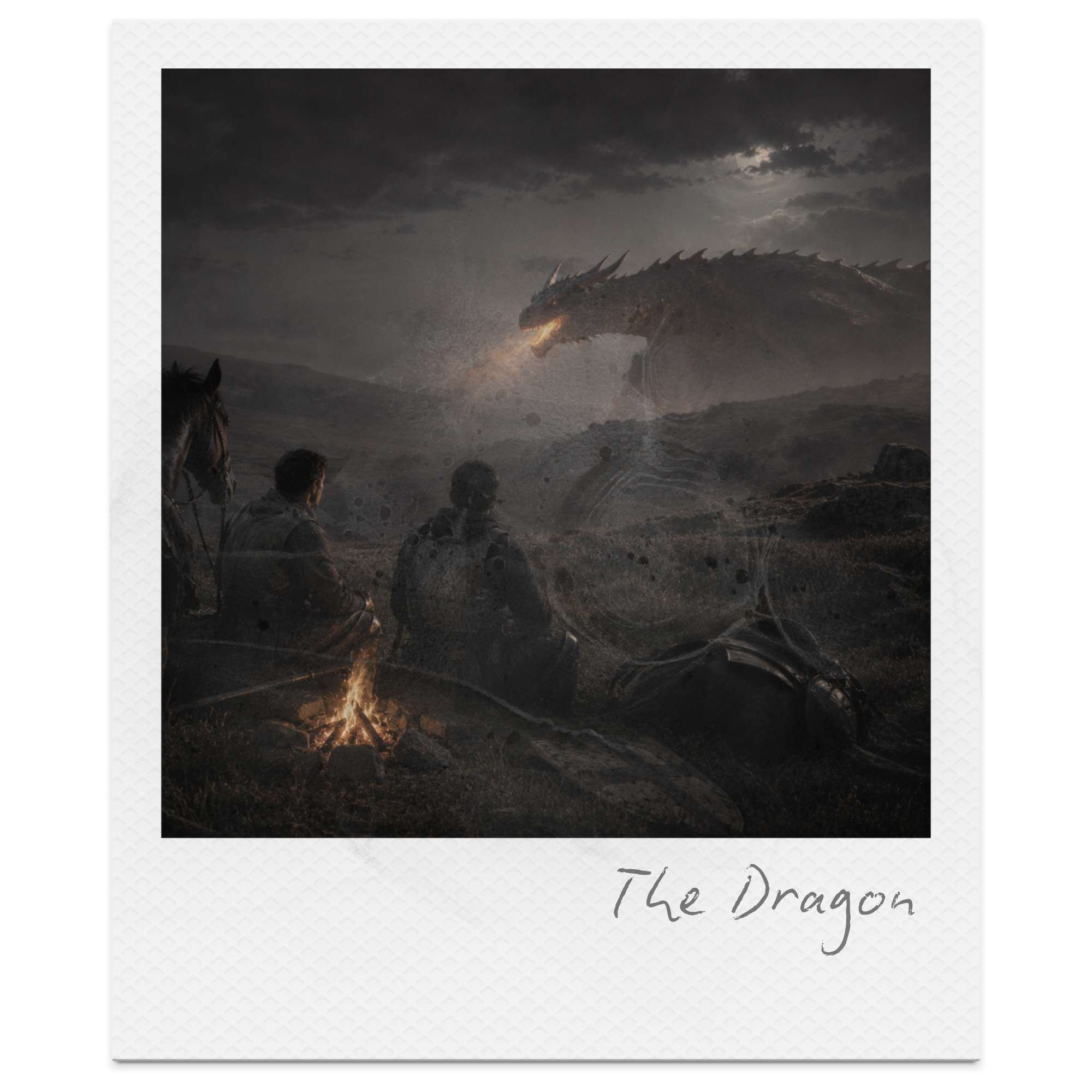
The Dragon by Ray Bradbury: Summary, Themes, Meaning & Analysis
Discover our complete analysis of The Dragon by Ray Bradbury, including a clear summary, detailed exploration of its themes, symbolism, characters, structure, narrative voice, and important quotes. Uncover how Bradbury uses a brilliant twist ending to examine perception, fear, time, technology, and the limits of human understanding, while exploring why this thought-provoking science fiction story continues to resonate with modern readers. You'll also find alternative interpretations, classroom teaching ideas, essay inspiration, and further reading to deepen your understanding of one of Bradbury's most ingenious short stories.
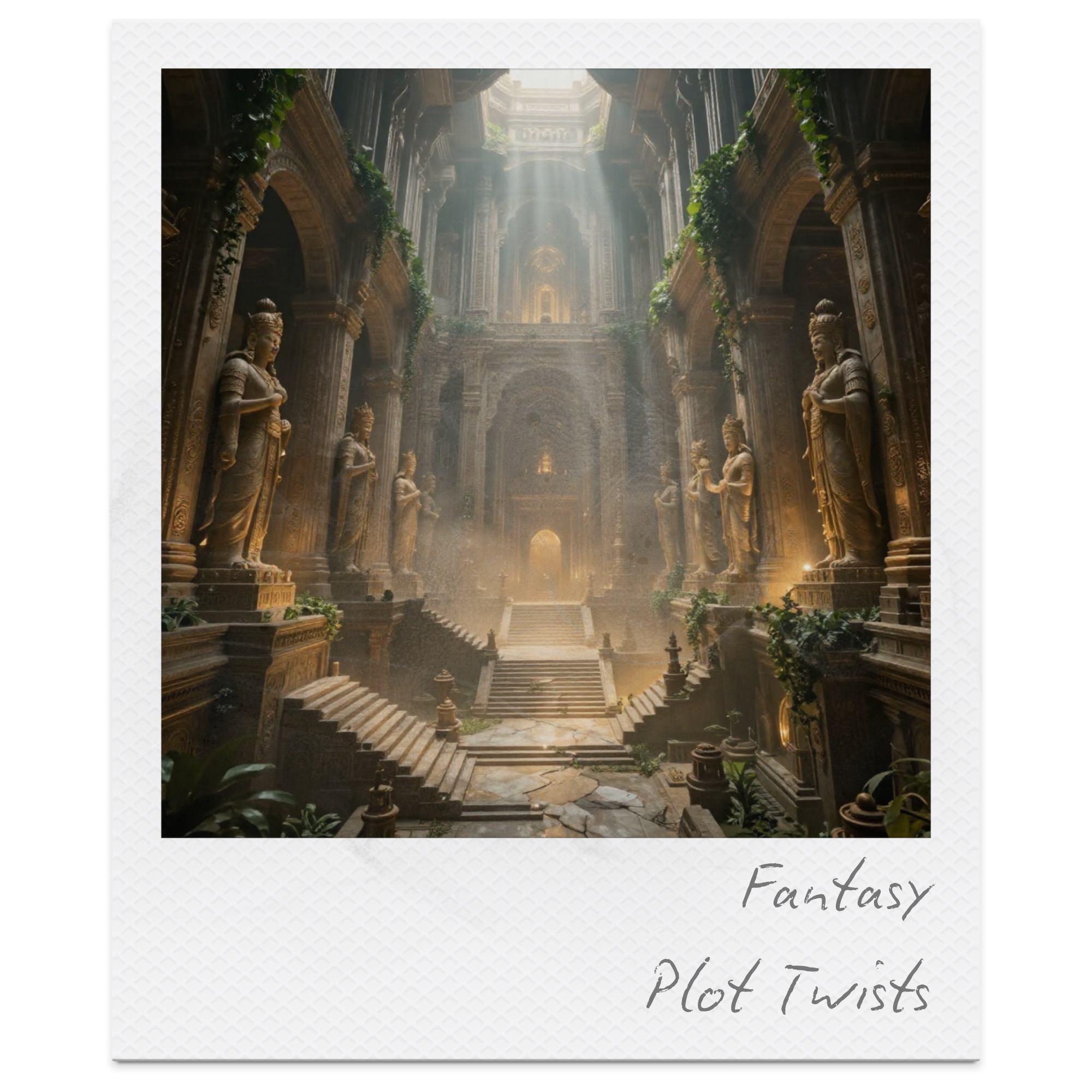
100 Fantasy Plot Twists to Surprise Your Readers and Transform Your Story
Whether you're writing an epic fantasy novel, a magical adventure, or a dark tale of ancient kingdoms and forgotten gods, a great plot twist can transform your story from predictable to unforgettable. This collection of 100 Fantasy Plot Twists is packed with hidden identities, misunderstood prophecies, magical secrets, political conspiracies, mythical creatures, ancient artefacts, and world-changing revelations to keep your readers guessing until the very last page. Whether you're outlining a novel, developing a campaign, or searching for fresh inspiration, these twists will help you create fantasy stories full of mystery, suspense, and unforgettable surprises.
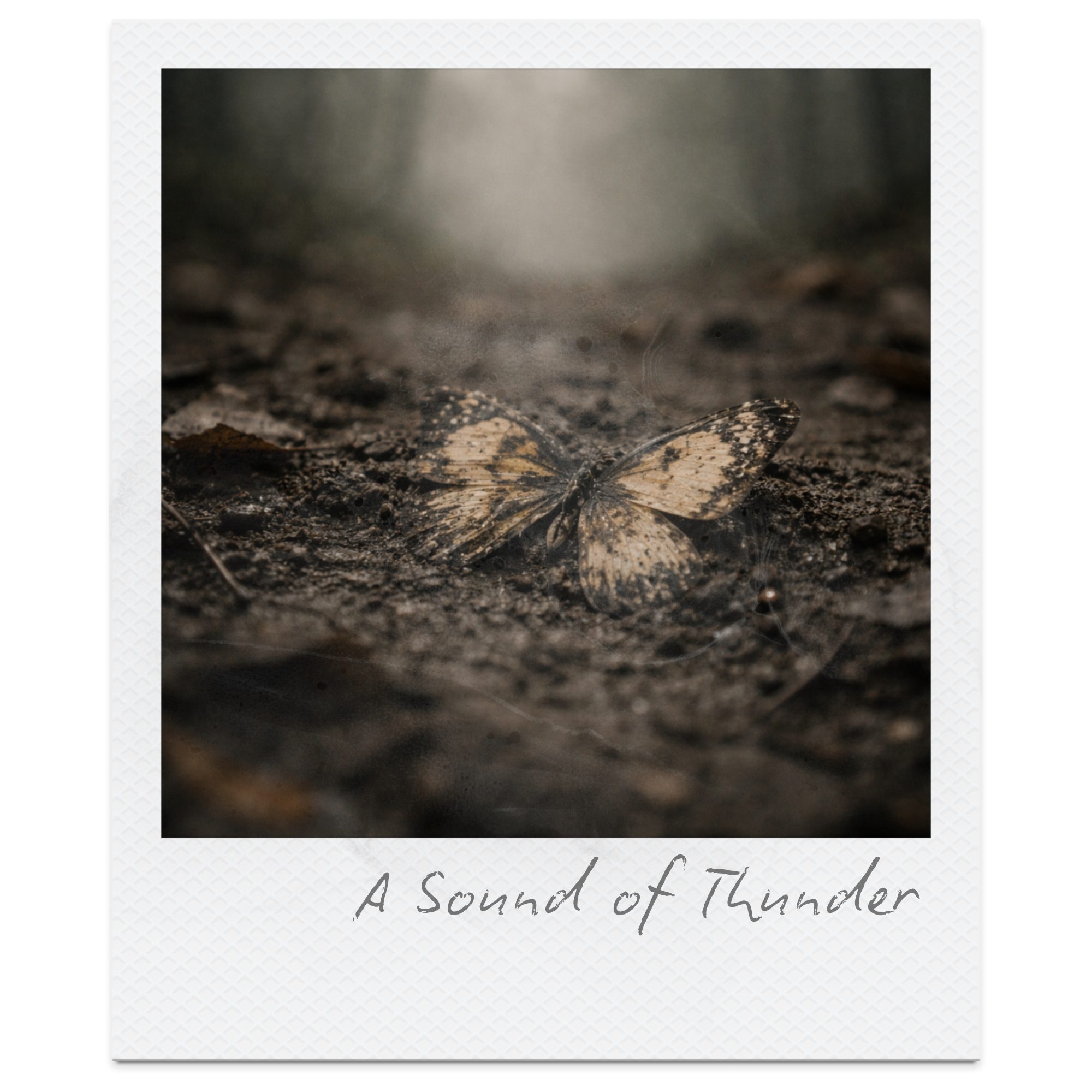
A Sound of Thunder by Ray Bradbury: Summary, Themes, Meaning & Analysis
A Sound of Thunder by Ray Bradbury is a gripping work of science fiction that explores the dangers of time travel, human interference, and unintended consequences. When a group of hunters travel back in time to kill a dinosaur, they are given one strict rule: stay on the Path. But when Eckels panics and steps off it, a seemingly small action triggers a chain reaction that alters the future in subtle but devastating ways. Through its famous exploration of the butterfly effect, the story reveals how fragile and interconnected reality truly is. Bradbury presents a powerful warning about cause and effect, responsibility, and the illusion of control, showing that even the smallest mistake can reshape entire systems. The story’s unsettling ending lingers long after reading, reminding us that once a choice is made, its consequences cannot be undone.
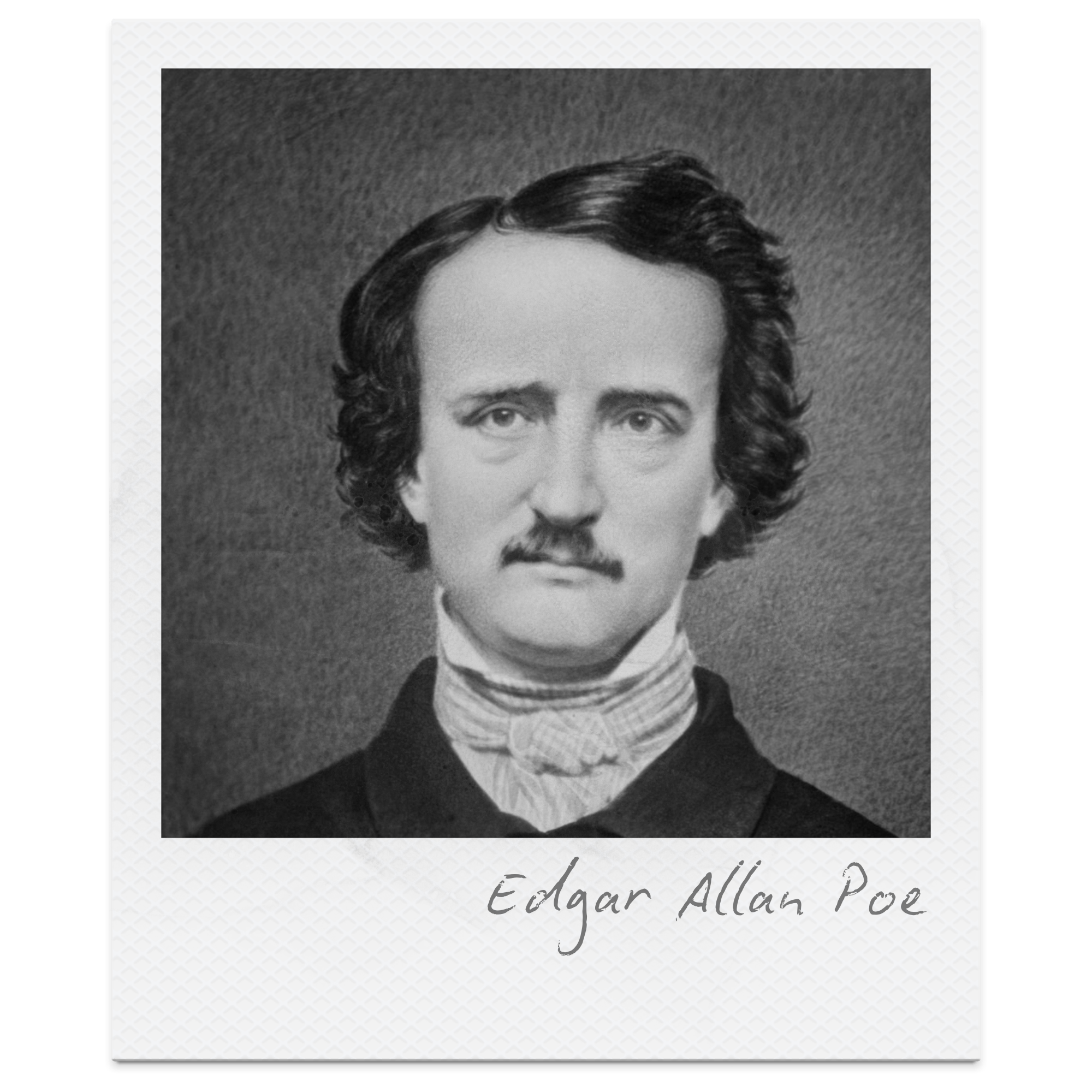
Edgar Allan Poe: Context, Themes, and Literary Significance
Edgar Allan Poe is one of the most widely taught American writers in the secondary English classroom, known for his Gothic fiction, psychological narratives, and influential detective stories. Writing in the early nineteenth century, Poe explored themes of unreliable narration, guilt, obsession, and moral ambiguity, using tightly controlled structure and atmosphere to shape reader interpretation. His work rewards close reading and discussion, making it particularly effective for developing analytical confidence. This guide explores Edgar Allan Poe’s historical context, recurring themes, and literary significance, offering a framework for understanding how his writing operates across poetry and short fiction. Rather than focusing on plot or biography, it examines how Poe uses voice, perspective, and implication to generate meaning, supporting discussion-led teaching and thematic study in the secondary English classroom.