Notes from the Inkpot
Writing, teaching, creating - one ink-stained idea at a time.


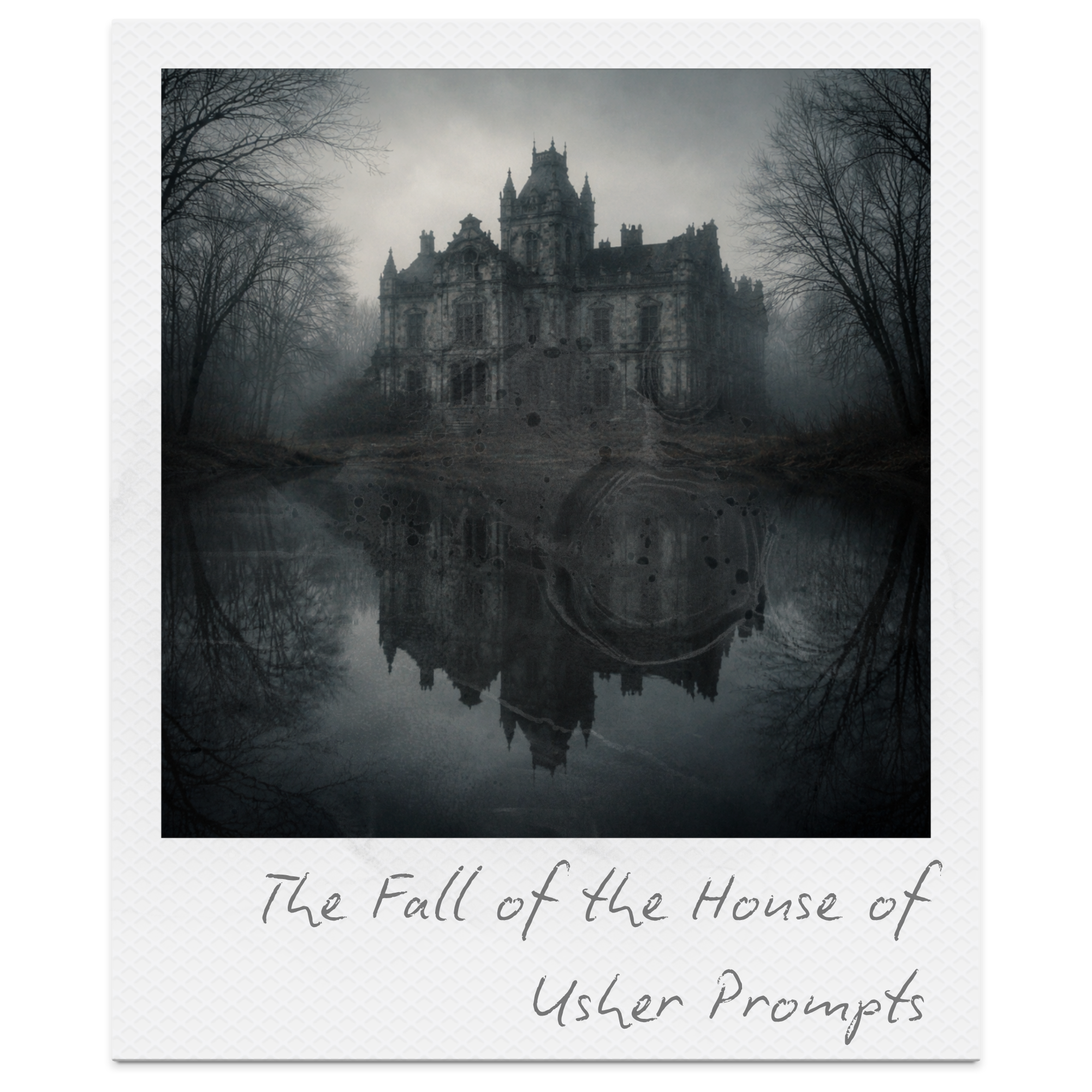
70 Creative Writing Prompts Inspired by The Fall of the House of Usher: Plot Hooks, Opening Lines, Characters & Visual Ideas
Explore 70 creative writing prompts inspired by The Fall of the House of Usher by Edgar Allan Poe. This collection draws on the story’s gothic atmosphere, psychological tension, and themes of madness, decay, and unreliable perception, helping students and writers craft original stories shaped by mood, setting, and symbolism rather than plot retelling. Ideal for classrooms, writing clubs, or independent practice, these prompts include plot hooks, opening lines, character ideas, and setting inspiration. They support both creative confidence and deeper understanding of Gothic fiction, making them a flexible tool for KS3–KS5 teaching, revision, and imaginative storytelling.
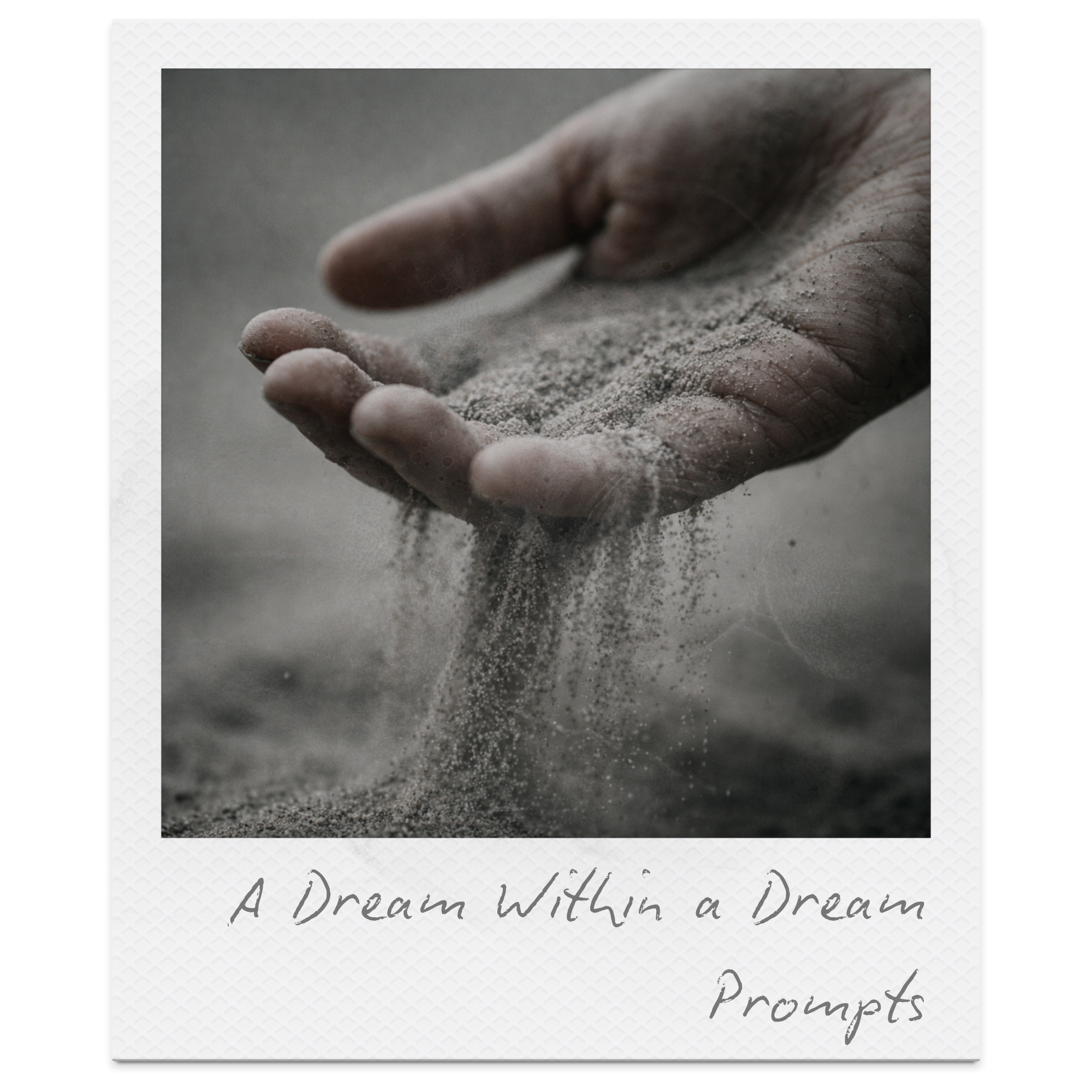
70 A Dream Within a Dream Writing Prompts: Reality, Time, Loss & Illusion
These A Dream Within a Dream writing prompts invite students to explore one of literature’s most unsettling questions: what if reality itself is uncertain? Inspired by A Dream Within a Dream, this collection focuses on illusion, time, memory, and the human desire to hold onto moments that are already slipping away. Rather than retelling the poem, these prompts encourage original storytelling shaped by atmosphere, symbolism, and emotional tension. Perfect for classrooms, writing clubs, or independent practice, these prompts help students experiment with reflective narration, dreamlike settings, and philosophical ideas about truth and perception. They can be used as quick starters or developed into longer pieces, making them a flexible tool for engaging with literature while building confidence in creative writing.
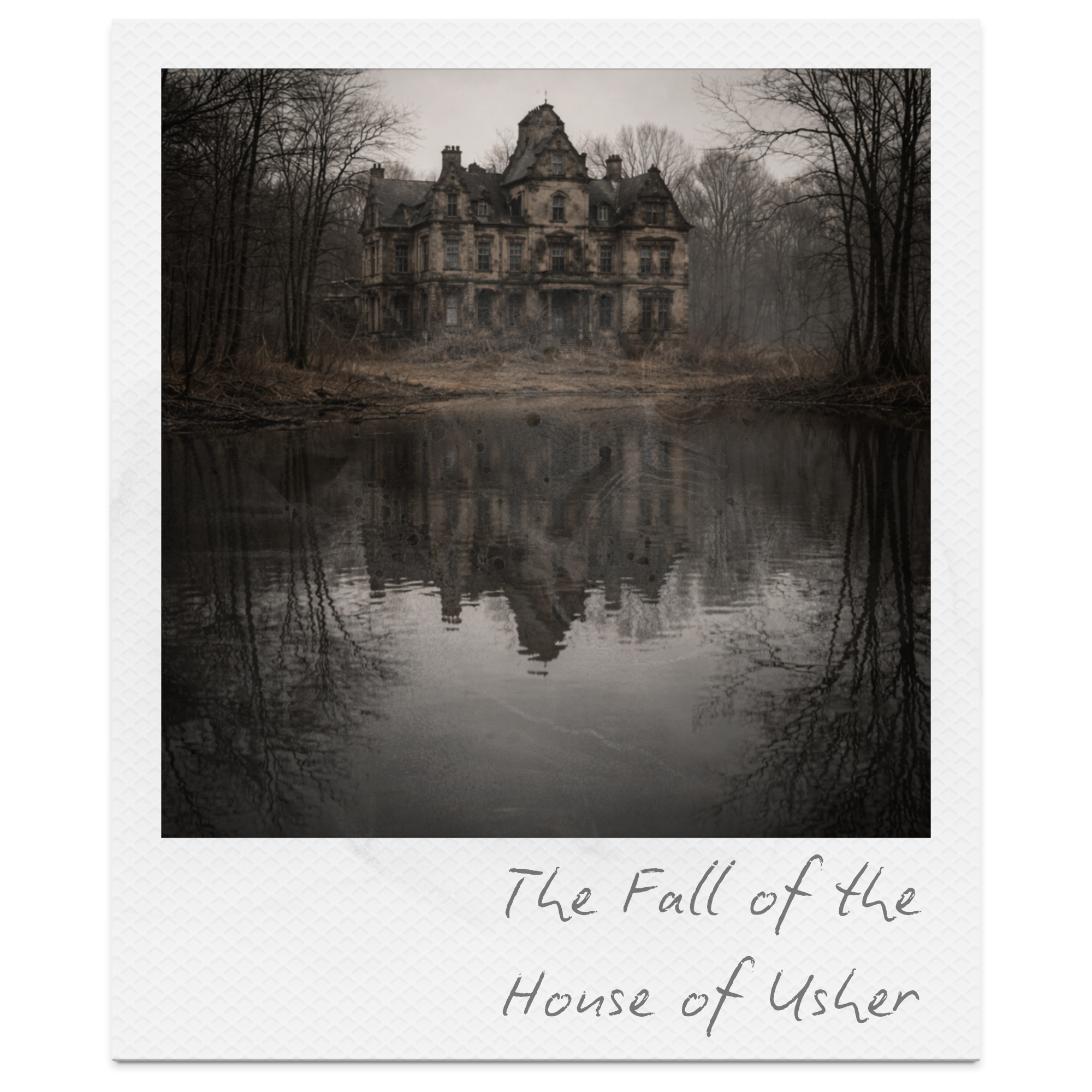
The Fall of the House of Usher by Edgar Allan Poe: Summary, Themes, Symbolism & Analysis
The Fall of the House of Usher is one of Edgar Allan Poe’s most famous Gothic short stories, exploring madness, isolation, fear, and the uneasy link between the human mind and its surroundings. This analysis examines the story’s plot, themes, symbolism, and literary techniques, showing how Poe transforms the decaying Usher mansion into a powerful reflection of psychological collapse and family decline. Ideal for students, teachers, and anyone revising Gothic fiction, this guide explores key ideas such as unreliable narration, family decay, premature burial, and the blurred boundary between reality and the supernatural. It also includes quotes, alternative interpretations, and teaching ideas to support deeper reading and classroom discussion.
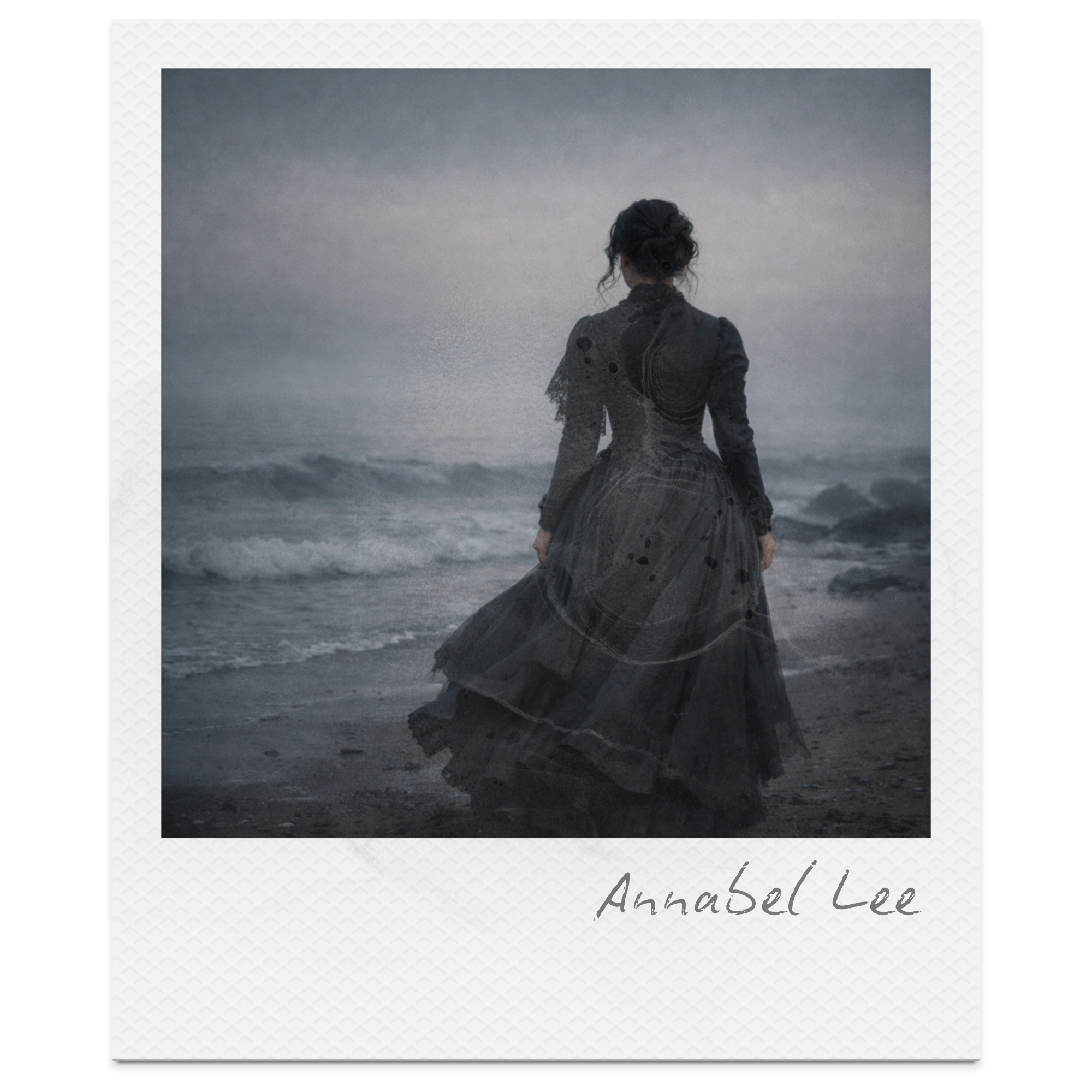
Annabel Lee by Edgar Allan Poe: Summary, Themes, Meaning & Analysis
Explore a clear and engaging analysis of Annabel Lee by Edgar Allan Poe, including summary, themes, symbolism, and key quotes. This guide explains the poem’s ideas about love and devotion beyond death, grief and mourning, romantic idealisation, and the persistence of memory, showing how Poe uses repetition, imagery, and ballad form to create one of his most haunting poems. This resource includes stanza-by-stanza analysis, key techniques, discussion ideas, and teaching activities, making it useful for middle and high school literature students and teachers worldwide. It is ideal for studying Poe’s gothic poetry and exploring how the poem presents love, loss, and emotional attachment.

A Dream Within a Dream by Edgar Allan Poe: Summary, Themes, Meaning & Analysis
Explore a clear and accessible analysis of A Dream Within a Dream by Edgar Allan Poe, including a summary, themes, symbolism, and key quotations. This guide explains the poem’s central ideas about reality vs illusion, the passage of time, loss, existential uncertainty, and the limits of human control, showing how Poe uses imagery and symbolism to express the fragility of human experience. This resource includes stanza-by-stanza analysis, key techniques, discussion questions, and creative writing ideas, making it useful for secondary literature students and teachers worldwide. It is particularly suitable for middle and high school poetry study and for readers exploring Poe’s philosophical and gothic poetry.
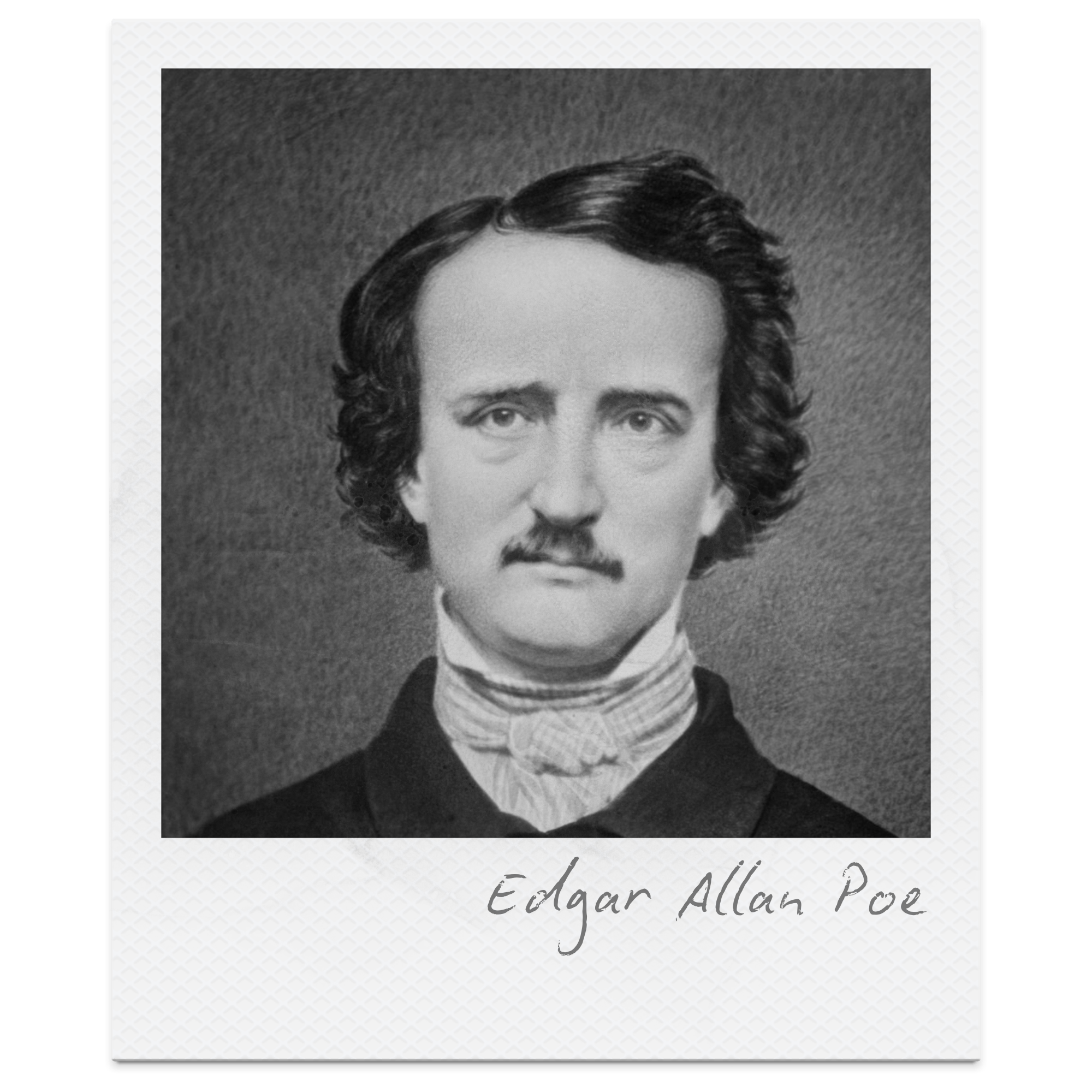
Edgar Allan Poe: Context, Themes, and Literary Significance
Edgar Allan Poe is one of the most widely taught American writers in the secondary English classroom, known for his Gothic fiction, psychological narratives, and influential detective stories. Writing in the early nineteenth century, Poe explored themes of unreliable narration, guilt, obsession, and moral ambiguity, using tightly controlled structure and atmosphere to shape reader interpretation. His work rewards close reading and discussion, making it particularly effective for developing analytical confidence. This guide explores Edgar Allan Poe’s historical context, recurring themes, and literary significance, offering a framework for understanding how his writing operates across poetry and short fiction. Rather than focusing on plot or biography, it examines how Poe uses voice, perspective, and implication to generate meaning, supporting discussion-led teaching and thematic study in the secondary English classroom.