Notes from the Inkpot
Writing, teaching, creating - one ink-stained idea at a time.



Why I Swear by Picture Prompts for Teaching Literature (And How to Use Them)
Picture prompts aren’t just for creative writing units — they can transform the way students connect with literature. Whether you use them to spark predictions before reading or to inspire a fresh take after finishing a text, the right image can flip the switch from passive reader to active thinker. Here’s how I use picture prompts to teach language through literature, keep lessons fresh, and make analysis feel less like a chore.
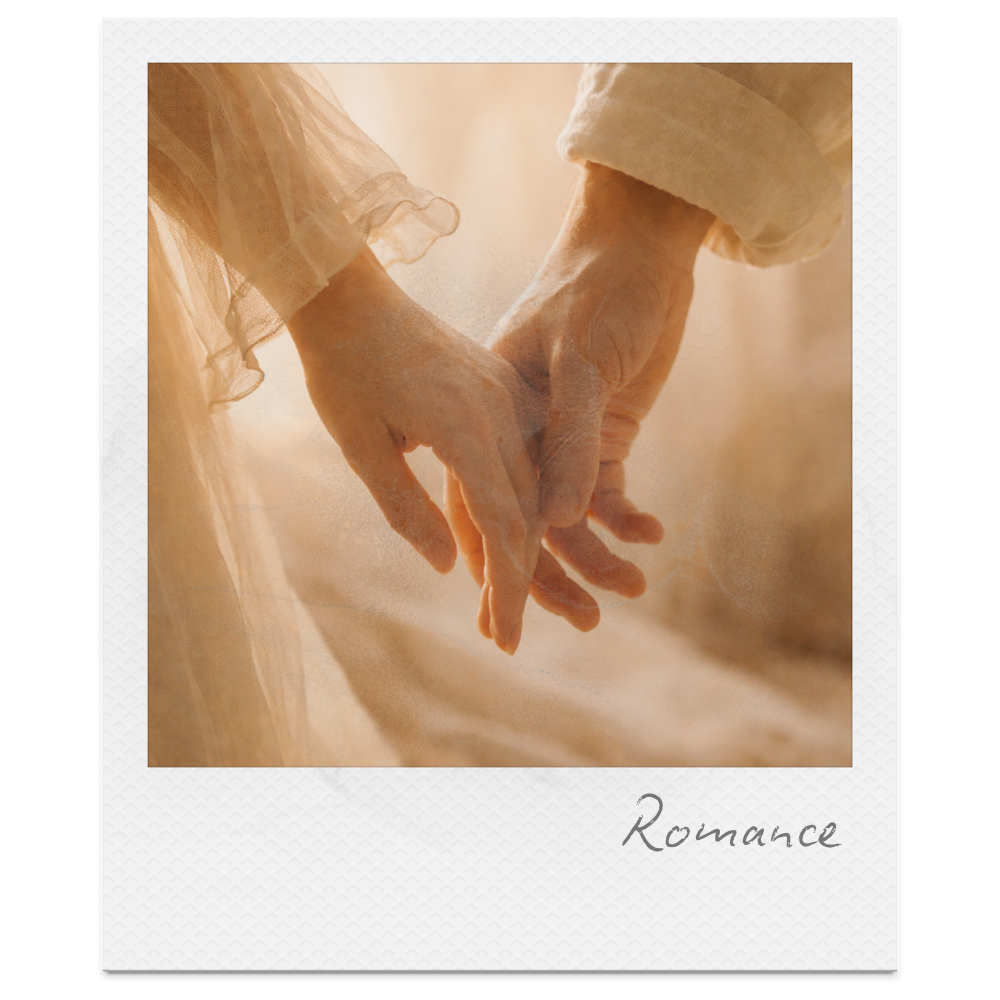
70 Romance Writing Prompts for Teens: Story Starters, Titles, Characters, Settings & Visual Ideas
Romance writing prompts invite writers to explore emotional connection, tension, and the moments that sit between longing and choice. This collection of romance writing prompts for teens and writers is designed to spark meaningful stories — from first love and heartbreak to slow-burn relationships, quiet intimacy, and unresolved feelings. Whether you’re looking for creative writing inspiration, romance plot ideas, character-driven prompts, or scene writing prompts, these ideas help writers move beyond clichés and write romance with depth, authenticity, and emotional weight. Perfect for classrooms, independent writers, and creative writing warm-ups, these prompts support writing romance, developing characters, and building believable relationships through setting, dialogue, and atmosphere.
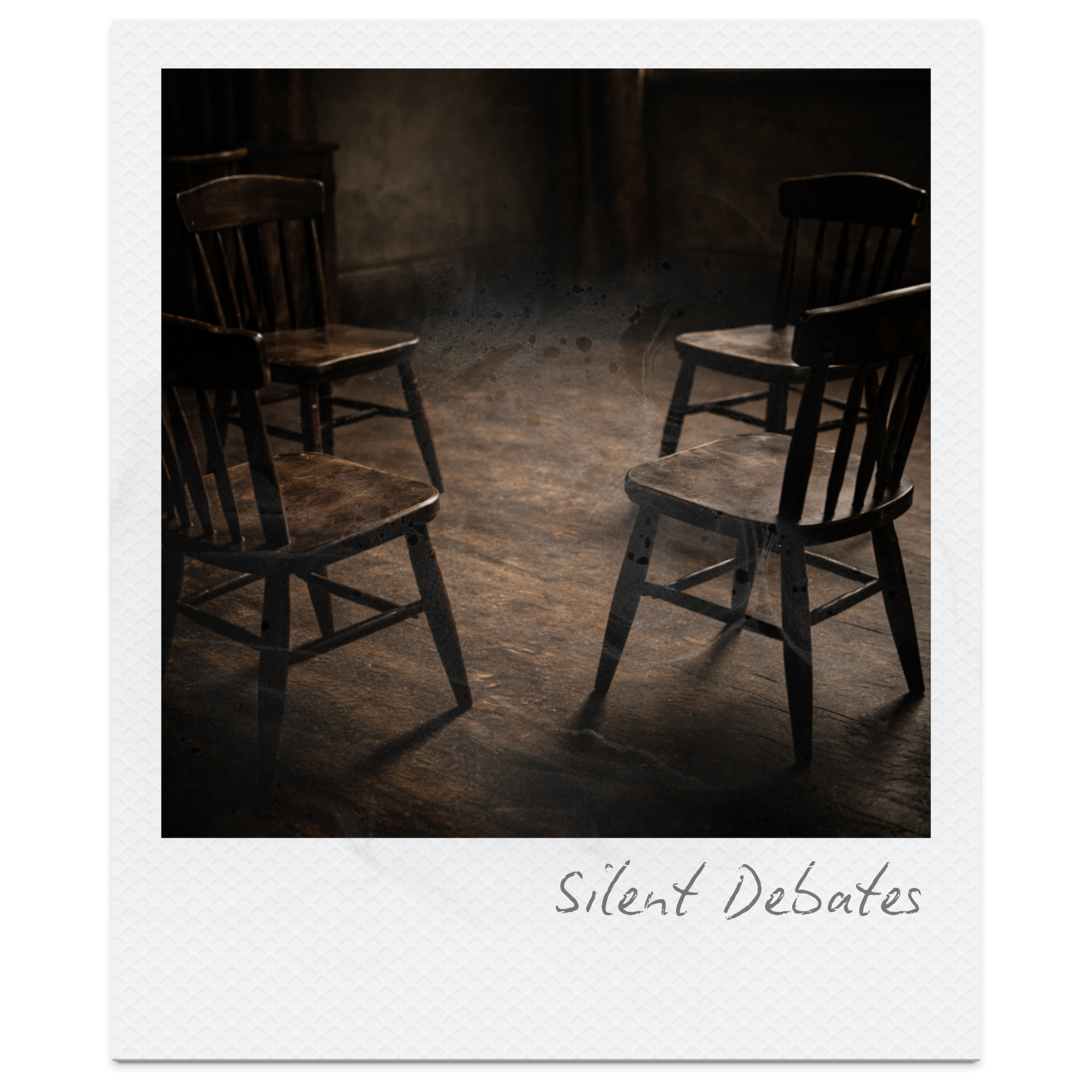
Why Silent Debates Might Be the Best Thing I Ever Did in an English Classroom
Silent debates are one of the most effective classroom discussion strategies for engaging every student — especially quieter learners who struggle with traditional whole-class discussion. By shifting debate into writing, silent debates create space for students to explore ideas, challenge interpretations, and respond to others without the pressure of speaking, leading to deeper and more thoughtful engagement with texts. This ultimate guide to silent debates in the English classroom explains what they are, why they work, and how to run them effectively before, during, and after reading. With practical steps, extension ideas, and clear links to essay writing and revision, it shows how silent debates build independent thinking, support strong analysis, and help students move beyond memorised responses.
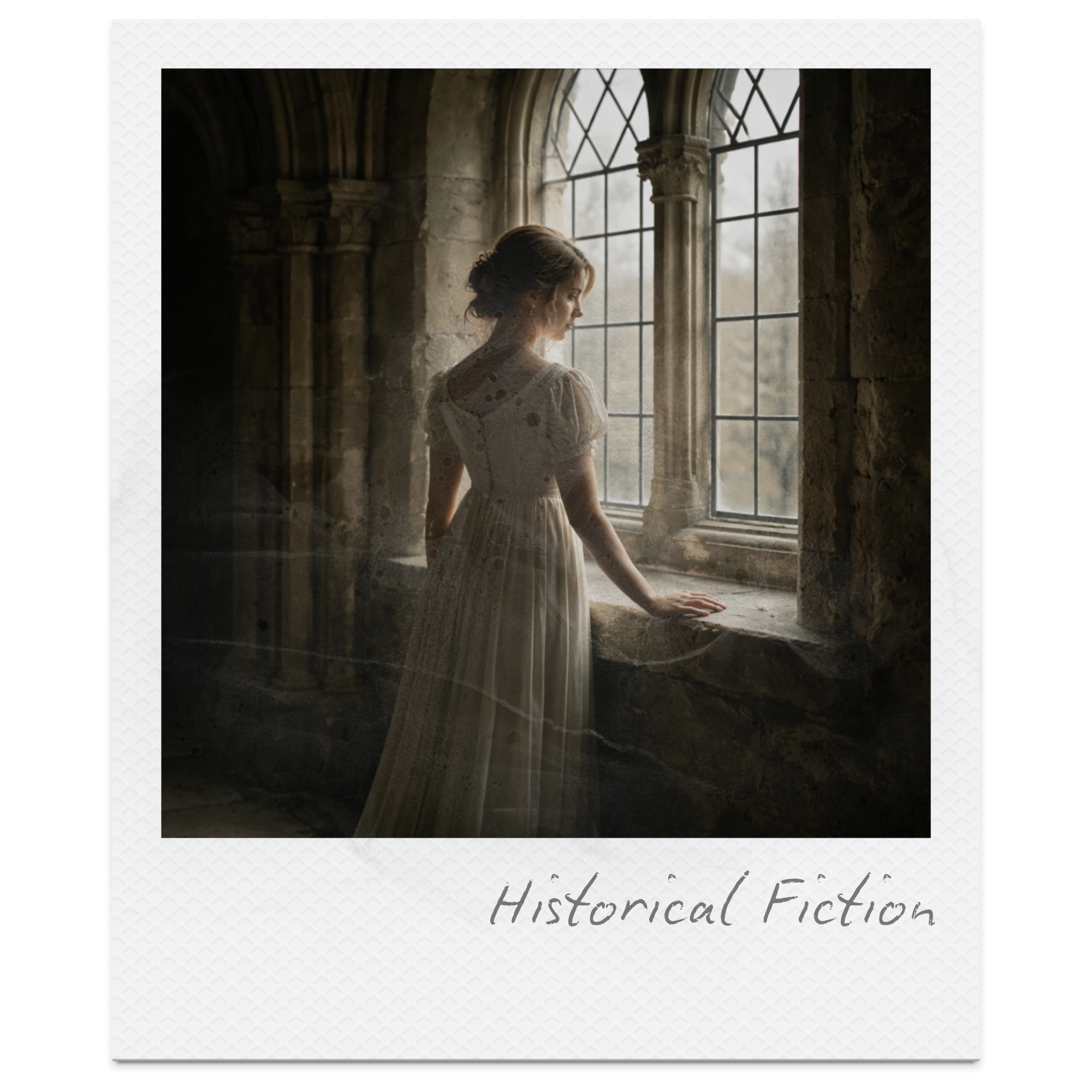
70 Historical Fiction Prompts for Teens: Story Hooks, Titles, and Characters Across the Ages
Historical fiction writing prompts for teens help young writers explore the lives behind the history books — from private rooms and working spaces to moments of quiet rebellion and social change. This curated collection of 70 historical fiction writing prompts includes plot hooks, titles, opening and closing lines, character ideas, immersive settings, and carefully designed picture prompts, offering teachers and teen writers a premium resource for developing historically grounded, emotionally rich stories.
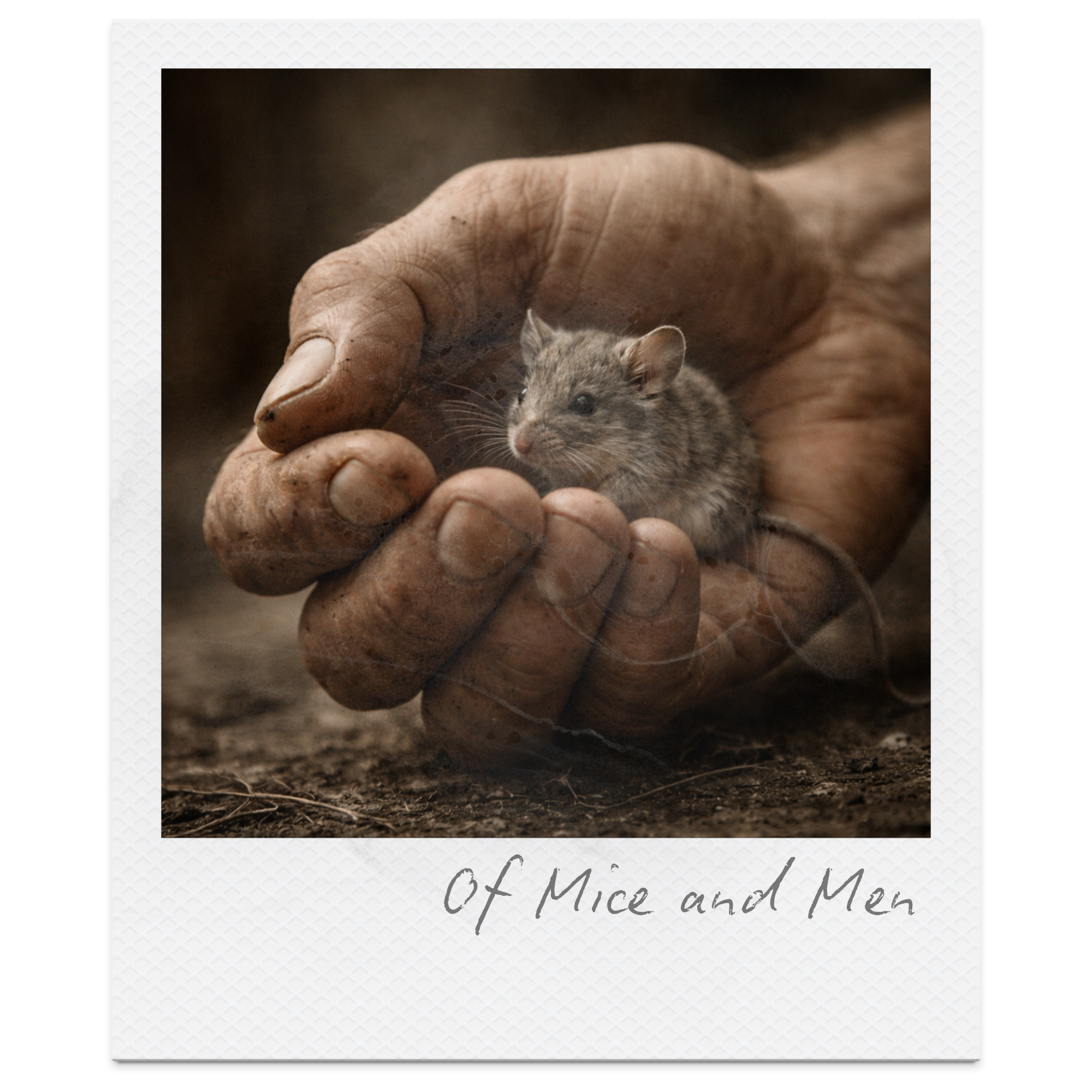
Why Of Mice and Men Still Matters: Context, Controversy, and the Classroom
Of Mice and Men remains one of the most powerful and challenging texts taught in the secondary English classroom. Despite ongoing debate around challenged books, controversial language, and classroom suitability, Steinbeck’s novella continues to resonate with students because it tackles enduring questions of power, loneliness, prejudice, and moral responsibility. Short, accessible, and deceptively complex, it invites discussion rather than delivering easy answers. This post explores why teachers still teach Of Mice and Men in 2026, examining its historical context, its place within modern classrooms, and the strategies that keep students engaged through creative writing, discussion-led learning, and reflective tasks. It also offers ideas for taking learning deeper once the final chapter is reached — supporting thoughtful, nuanced teaching of a text that refuses to be forgotten.
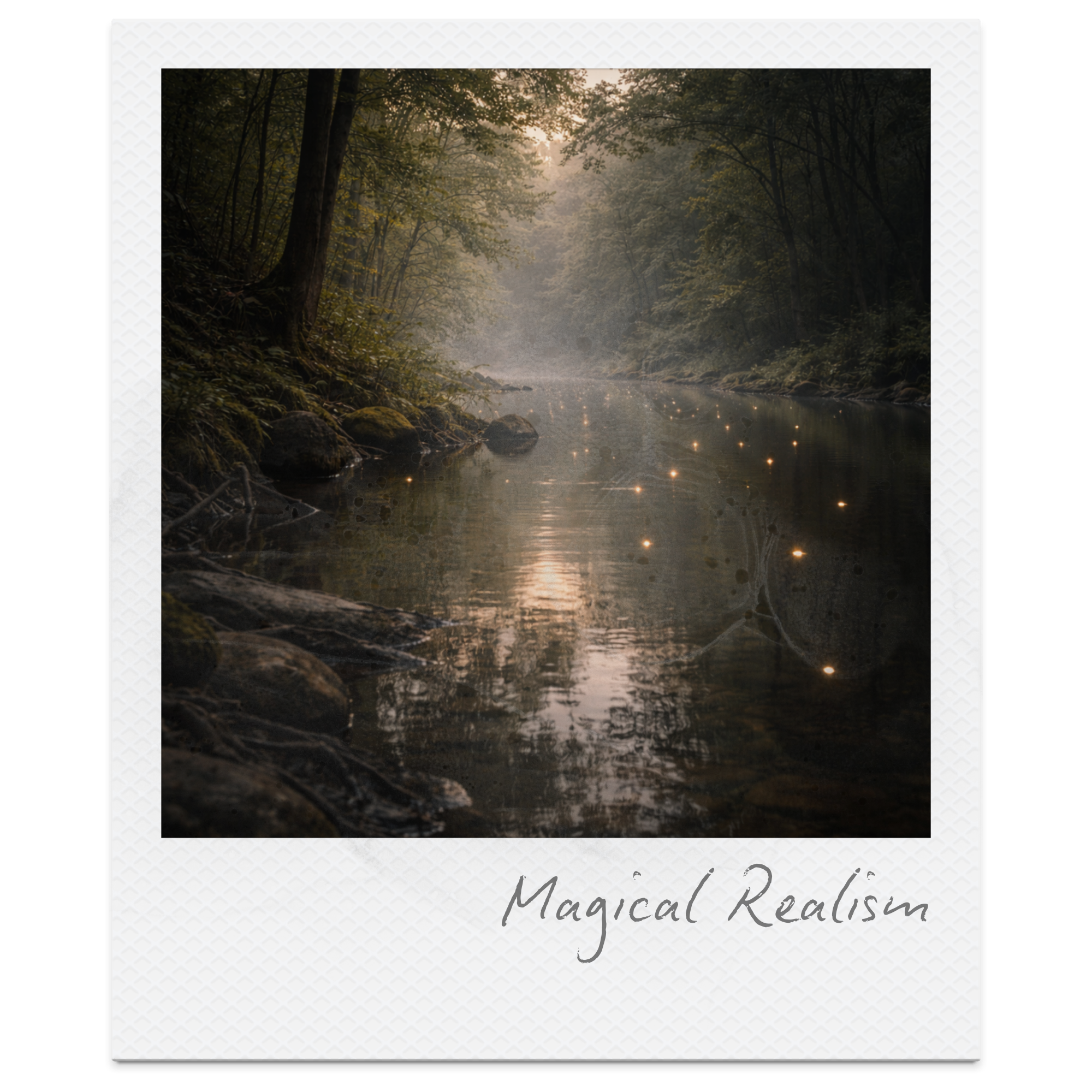
70 Magical Realism Writing Prompts for Teens: Ideas, Openings, and Visual Starters for the English Classroom
Magical realism writing prompts for teens blend the ordinary with the impossible, creating stories that feel grounded, symbolic, and emotionally rich. This curated collection of 70 magical realism writing prompts includes plot hooks, title ideas, opening and closing lines, character concepts, settings, and picture prompts designed for classroom use or independent creative writing. Ideal for KS3–KS4 students, these prompts help teen writers explore memory, identity, loss, and belonging through subtle magic and familiar worlds.
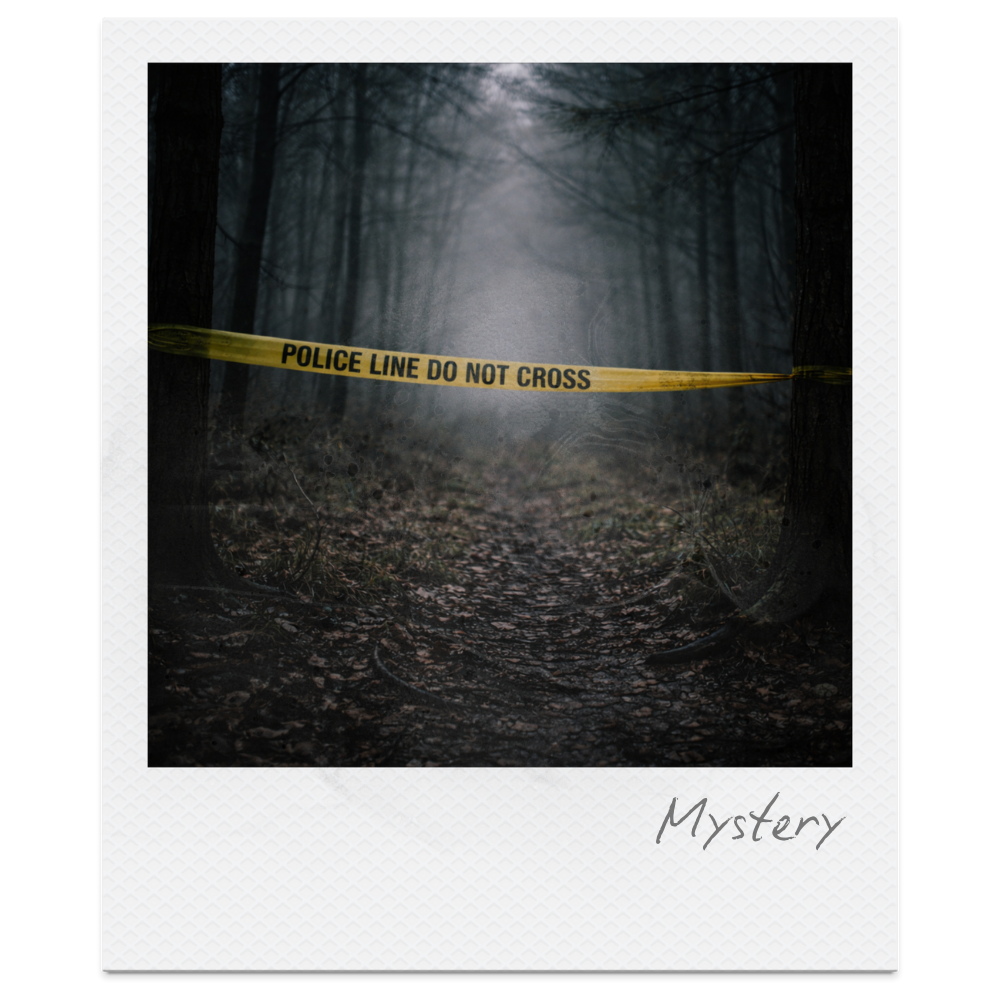
70 Mystery Writing Prompts for Teens: Ideas, Openings, and Visual Starters for the English Classroom
From eerie settings to twisty plot hooks, these 70 mystery writing prompts are built to spark curiosity and sharpen storytelling. Whether you're planning a full unit or just want a way to get students writing again, you'll find character ideas, opening lines, titles, and atmospheric visuals ready to use in the classroom.
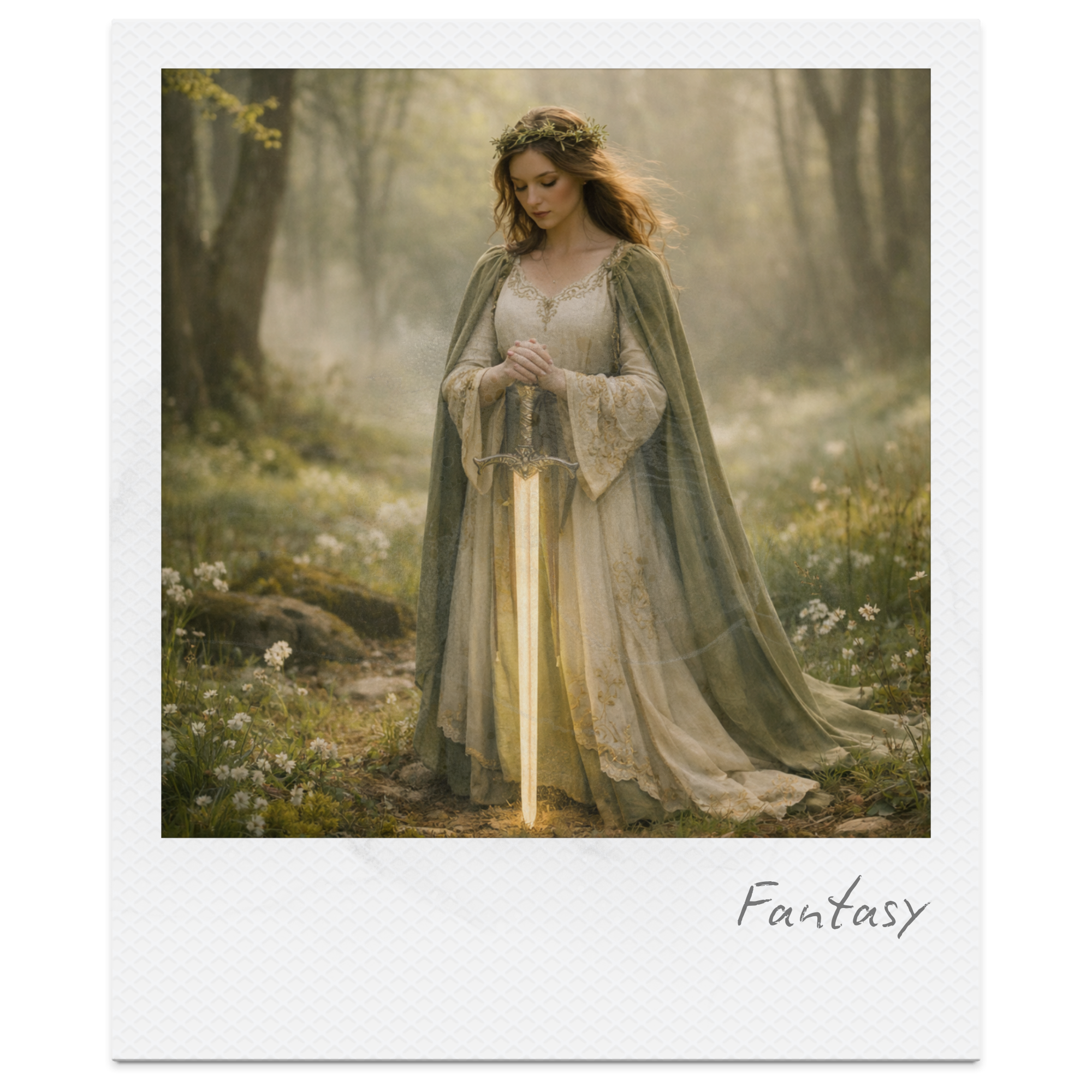
70 Fantasy Writing Prompts for Teens: Story Starters, Characters, Settings & Visual Ideas
Fantasy writing invites teen writers to imagine worlds beyond their own while exploring real questions about identity, power, and choice. This collection of 70 fantasy writing prompts for teens offers structured yet flexible inspiration through story starters, character ideas, settings, opening and closing lines, and visual prompts designed to support imaginative, emotionally grounded storytelling. Ideal for English lessons, creative writing units, writing clubs, and independent practice, these fantasy prompts help students develop worldbuilding, character voice, and narrative structure without relying on clichés or complex magic systems. Whether used for short stories or longer fantasy projects, the prompts encourage thoughtful creativity and meaningful exploration of imagined worlds.
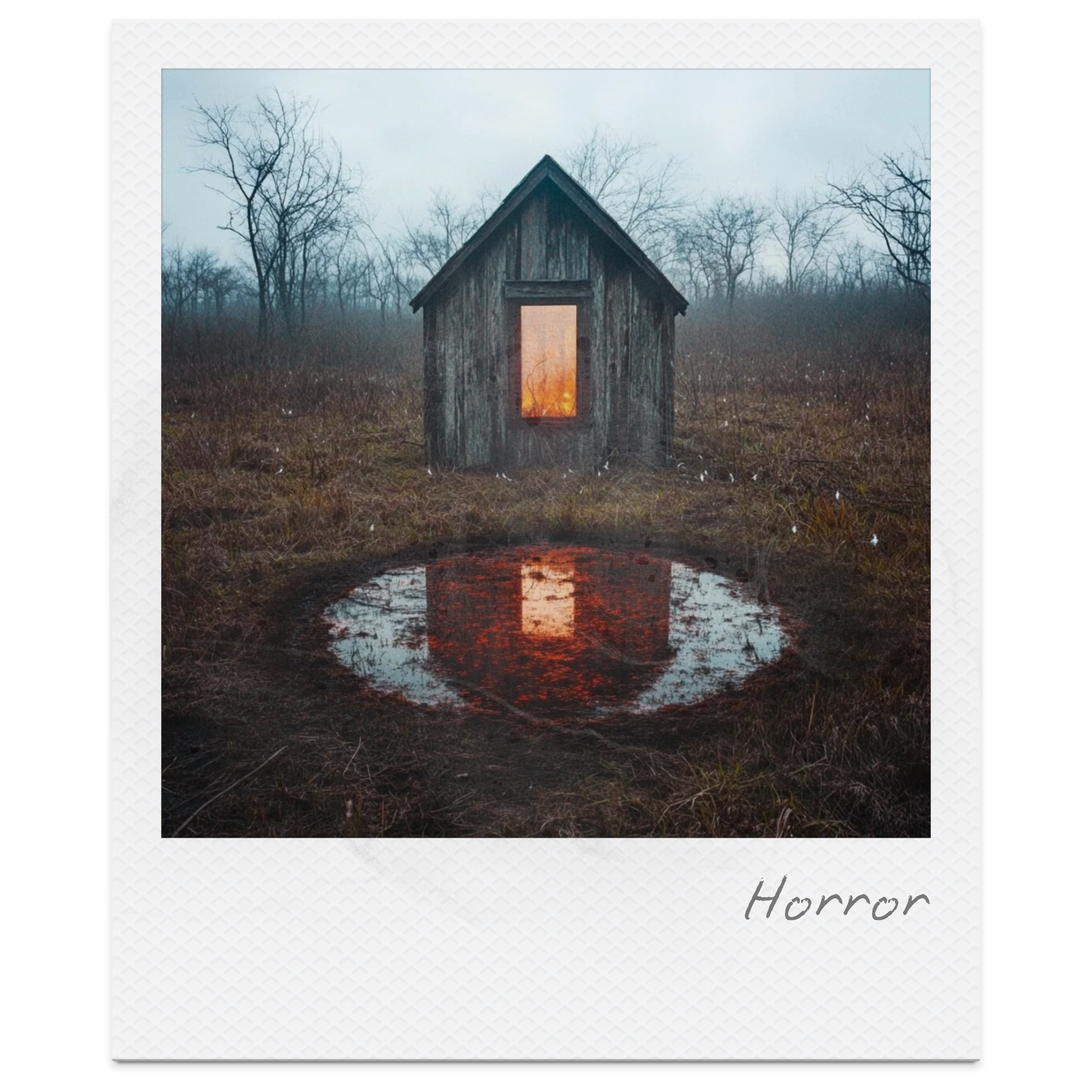
70 Horror Creative Writing Prompts for Teens: Story Starters, Titles, Characters, Settings & Visual Ideas
Explore 70 horror creative writing prompts for teens designed to build atmosphere, tension, and unsettling storytelling. This collection of horror writing prompts includes story starters, title ideas, eerie opening and closing lines, character concepts, unsettling settings, and image-based inspiration focused on psychological dread rather than jump scares. Ideal for classroom writing prompts, creative warm-ups, independent writing, or full horror writing units, these prompts help students practise voice, mood, and descriptive writing while exploring fear in a safe, creative way.

Creative Writing Lessons That Feel Like Time Travel: How I Use Writing Boxes in the Classroom
Tired of blank stares during creative writing lessons? These immersive story boxes turn students into detectives, poets, and storytellers. From séance invitations to village festivals with a secret, here’s how I use creative writing boxes to spark serious engagement (and save my sanity) in the classroom.
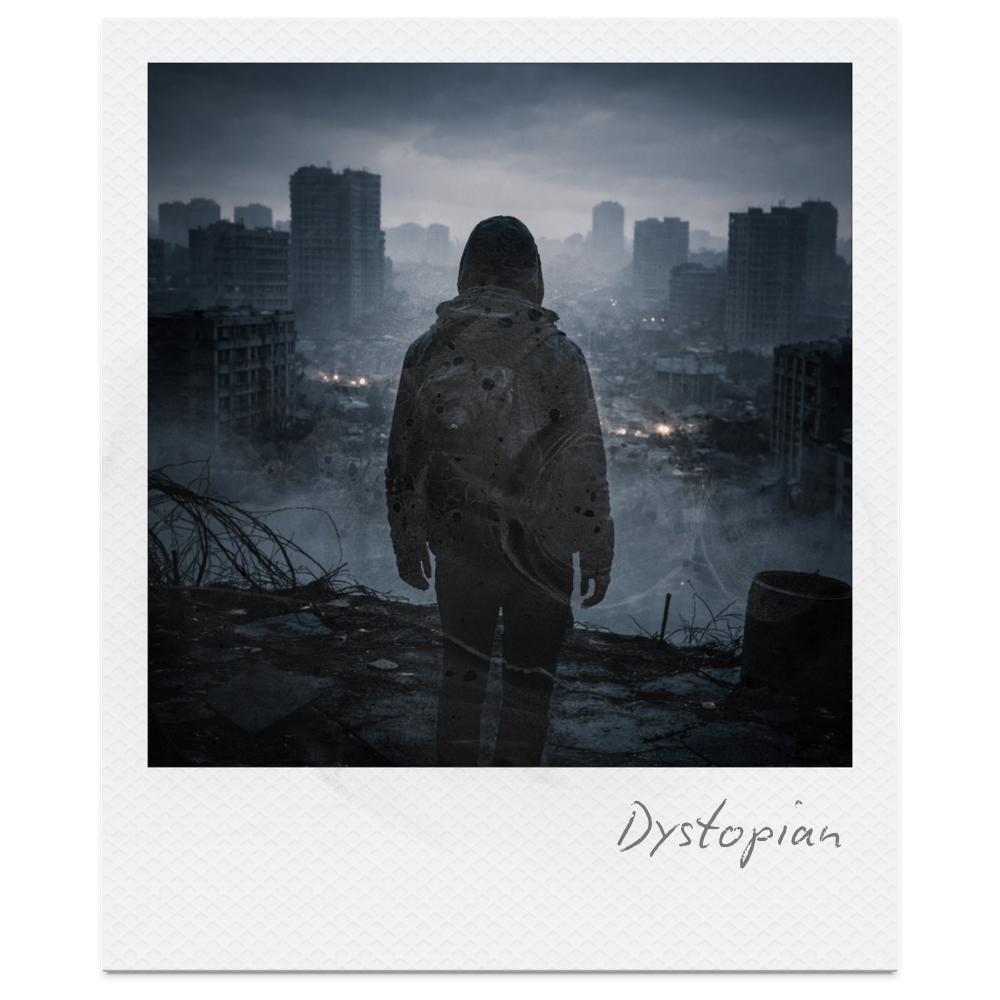
70 Dystopian Writing Prompts for Teen Writers
Dystopian writing prompts give teen writers a powerful way to explore control, resistance, survival, and imagined futures shaped by fear or authority. This collection of 70 dystopian story ideas includes picture prompts, opening lines, titles, and speculative scenarios designed to support creative writing lessons, independent writing, and classroom discussion. Ideal for students studying dystopian fiction or learning how to write a dystopian story, these prompts encourage critical thinking, worldbuilding, and meaningful storytelling.

Teacher Mental Health: What Helped When I Was Falling Apart
I was crying over emails, skipping meals, and burning out in silence, until I finally said, “I’m not okay.” This post isn’t a fix-all. It’s a look at what helped when I was falling apart: real boundaries, honest conversations, walking away from the pressure, and learning to build a life that fits me. If you’re in that dark place right now, you’re not alone.
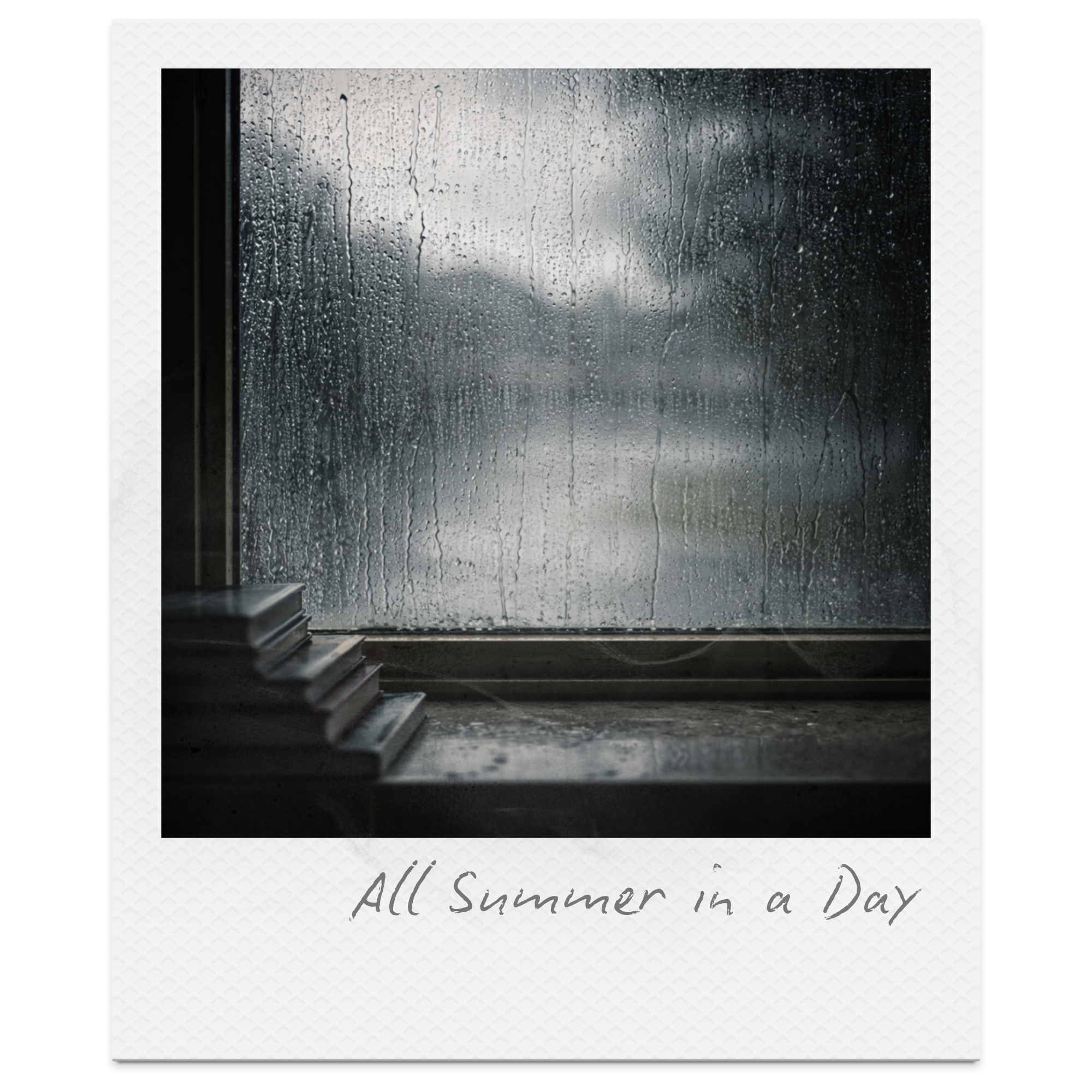
How to Teach All Summer in a Day (Including Discussion Ideas & Creative Writing Activities)
All Summer in a Day by Ray Bradbury is a powerful KS3 short story that explores conformity, bullying, empathy, and collective cruelty through a deceptively simple science-fiction setting. This classroom-focused guide shares practical teaching strategies, discussion ideas, and creative writing approaches to help students engage deeply with the text while encouraging thoughtful analysis and reflection. Drawing on literary context, lesson flow, and meaningful creative responses, this post shows how All Summer in a Day can be taught as more than a plot-driven story — and how it opens into wider conversations about responsibility, silence, and moral choice in both literature and the classroom.

The Back-to-School Writing Task That Helps Me Understand Every Student
One simple writing task. That’s all it takes to start building real relationships with your students. Here’s the first-week activity I always use to understand who’s in front of me, and why it works year after year.
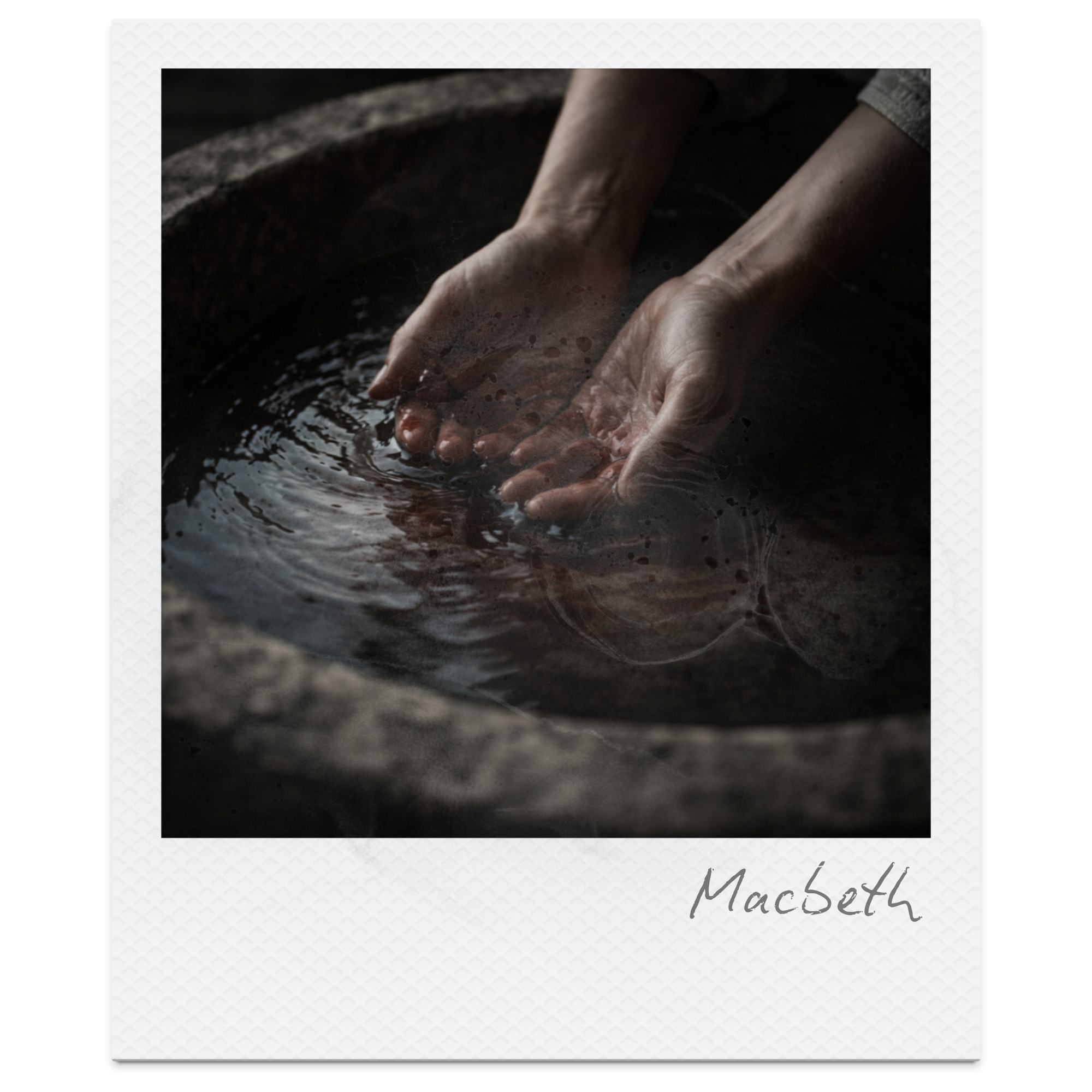
Why Macbeth Is the Only Shakespeare Play I’ll Never Get Sick Of (And Why It Works So Well in the Classroom)
Why is Macbeth still one of the most effective Shakespeare plays to teach? Because it refuses easy answers. Packed with ambition, power, guilt, and moral consequence, Macbeth invites students to interrogate responsibility, persuasion, and the slow erosion of ethical boundaries. Far from feeling dated, the play’s questions about decision-making and complicity remain deeply recognisable in modern classrooms. In this post, I explore why Macbeth continues to work so well with students, how its structure naturally invites debate and interpretation, and how creative and discussion-based approaches can deepen understanding without sacrificing rigour. I also share a free Macbeth classroom resource and explain how I use flexible, reusable teaching tools to support analysis, creative writing, and meaningful discussion across the play.
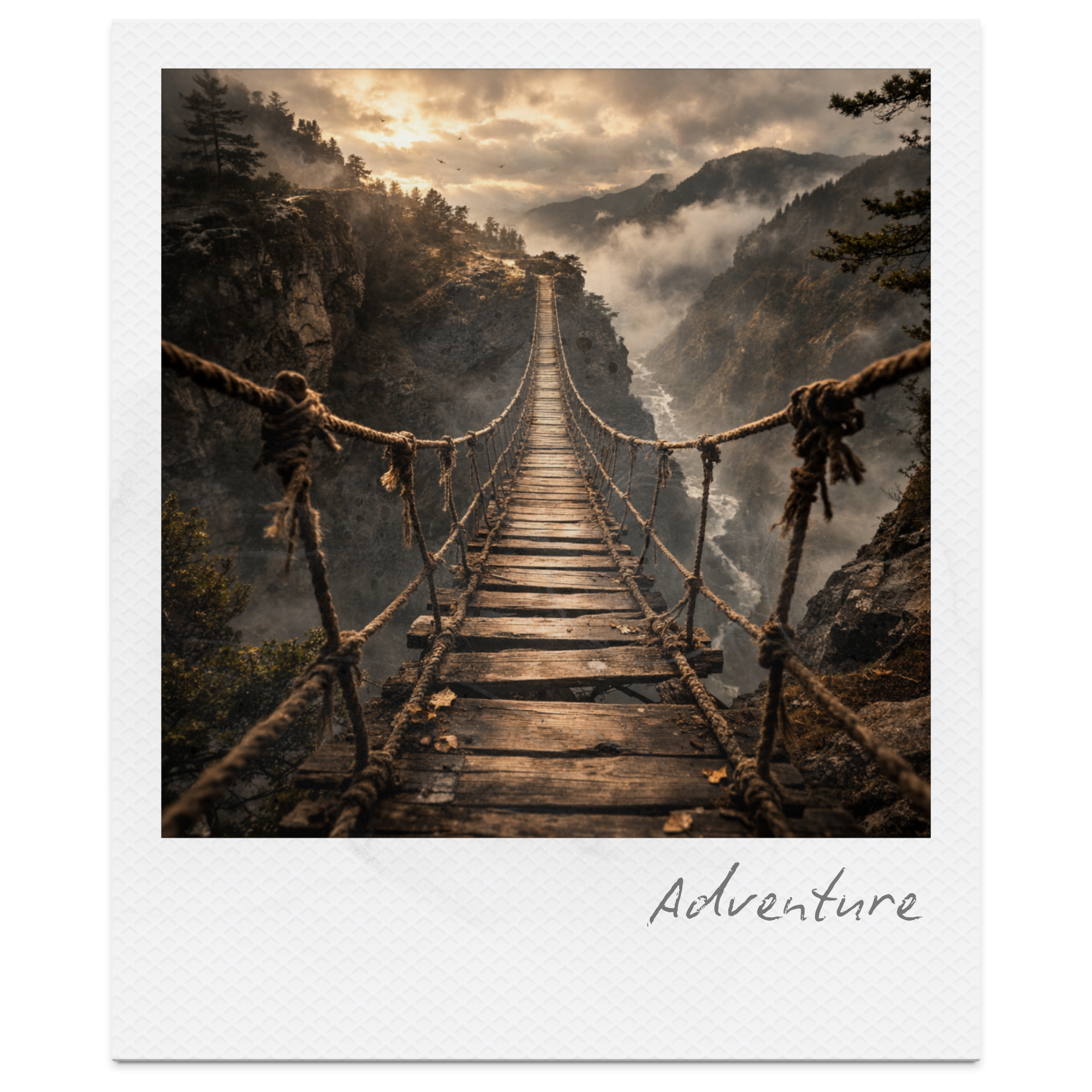
70 Adventure Writing Prompts for Teens: Plot Hooks, Characters, Settings & Story Starters
These adventure writing prompts for teens are designed to help students build exciting, purposeful stories driven by choice, risk, and consequence. This collection of 70 adventure writing prompts includes plot hooks, character ideas, settings, opening and closing lines, and picture prompts, giving writers structured support while still allowing creativity and originality. Suitable for middle and high school classrooms, these adventure writing prompts work well for creative writing lessons, warm-ups, independent projects, and extended narrative tasks. The prompts are flexible, classroom-safe, and ideal for developing story structure, tension, and character motivation across a wide range of adventure stories.
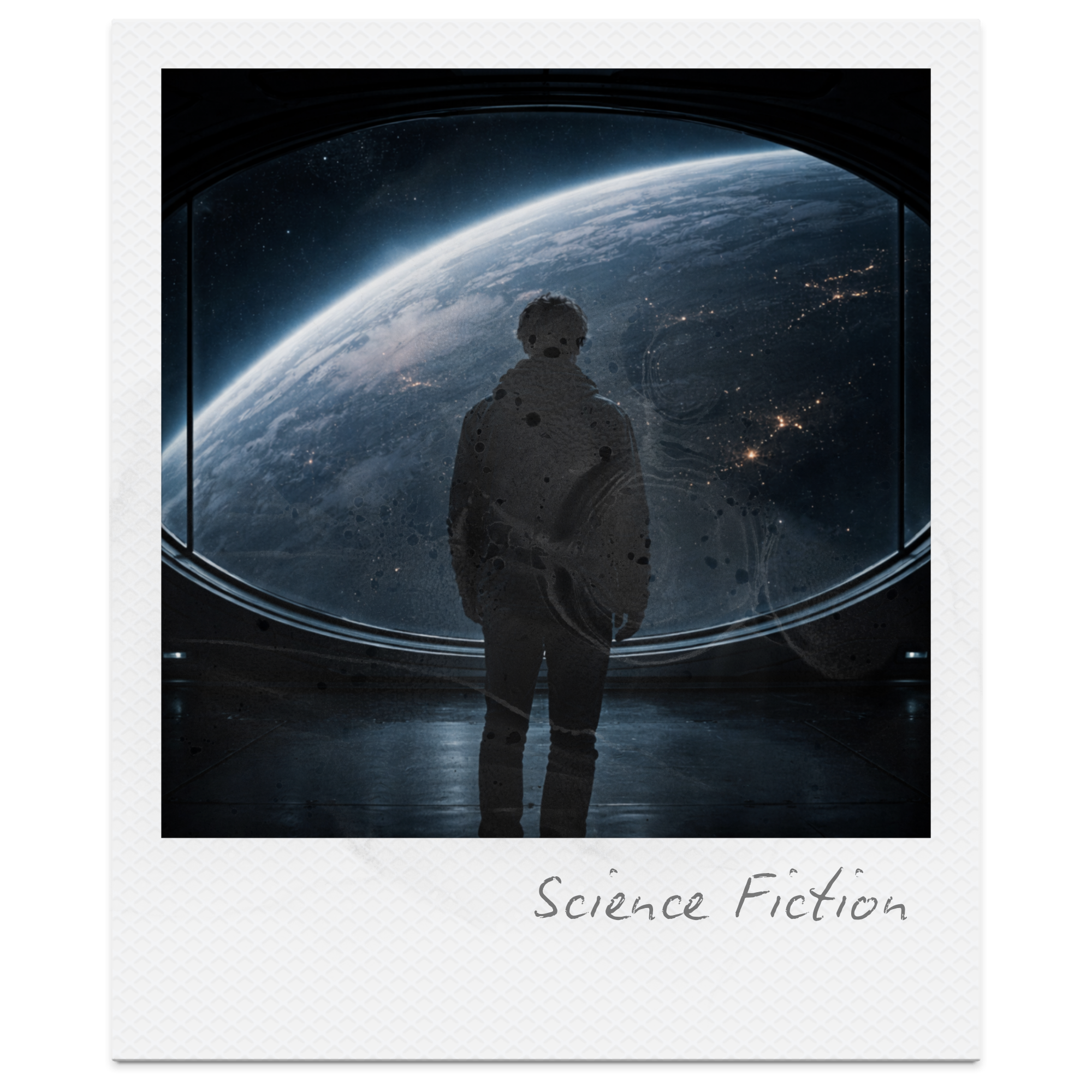
70 Sci-Fi Writing Prompts for Teens: Ideas, Openings, and Visual Starters for the English Classroom
Explore 70 science fiction writing prompts for teens designed to spark imagination, critical thinking, and original storytelling. This collection of science fiction creative writing prompts includes story starters, opening and closing lines, characters, settings, and visual prompts inspired by futures shaped by technology, power, and possibility. Ideal for classroom warm-ups, independent writing, creative clubs, and full sci-fi genre units, these prompts help students explore big ideas through engaging, age-appropriate science fiction stories.

7 Free English Classroom Resources I Actually Use (And Still Love)
Seven free English teaching resources I’ve actually used in real classrooms. From creative writing prompts to post-reading tasks, these are my go-to freebies that still hold up, and they’re all ready to download.

The Ashridge Collection: A Free Creative Writing Resource for Curious Students and Tired Teachers
Tired of worksheets? The Ashridge Collection is a free printable creative writing mystery designed for curious classrooms. Built from letters, diary entries, and eerie school documents, it invites students to step into a story, and shape it themselves.

What Writing Taught Me About My Own Emotions (And How It Can Help Students Too)
Writing has always helped me untangle what’s going on in my own head, and it can do the same for students. In this post, I’m sharing how I teach personal narrative early in the year, why it’s linked to SEL, and how writing has helped me understand myself better.