Notes from the Inkpot
Writing, teaching, creating - one ink-stained idea at a time.



7 Surprisingly Creative Ways English Teachers Can Use AI (That Don’t Involve Marking Essays)
Most AI-in-education advice focuses on grading and admin. But in the English classroom, that’s not always the issue that needs to be solved. This post shares 7 genuinely creative ways to use AI that support writing, analysis, differentiation, and reading, all designed to save time without losing your voice as a teacher.

How to Teach English Language Skills Using Literature Texts (Free Prompts Included)
Combine language and literature in a meaningful way with chapter-by-chapter creative writing prompts. This post explores how you can build writing skills while deepening students’ understanding of the texts you teach - plus, you’ll find lots of free resources to download and try right away.

10 Creative Writing Challenges to Stretch Your Imagination
Looking for ways to spark fresh ideas? These 10 creative writing challenges are perfect for classrooms, workshops, or solo writing sessions. From genre mashups to story reversals, each quick challenge helps stretch imagination, build skills, and unlock unexpected stories.

How to Teach 1984: Context, Classroom Activities, and Real-World Connections
George Orwell’s 1984 remains one of the most powerful texts for exploring power, surveillance, and truth in the classroom. This teaching guide examines the novel’s political context, the totalitarian system of Oceania, and the mechanisms of control that shape Orwell’s dystopian world — from language manipulation to constant observation. Blending classroom experience with practical teaching strategies, this post explores how 1984 can be taught thoughtfully through discussion, real-world connections, and creative responses. It also includes a classroom social experiment, guidance on why the novel is often banned or challenged, and ideas for extending learning beyond the text — making 1984 accessible, relevant, and deeply engaging for students.
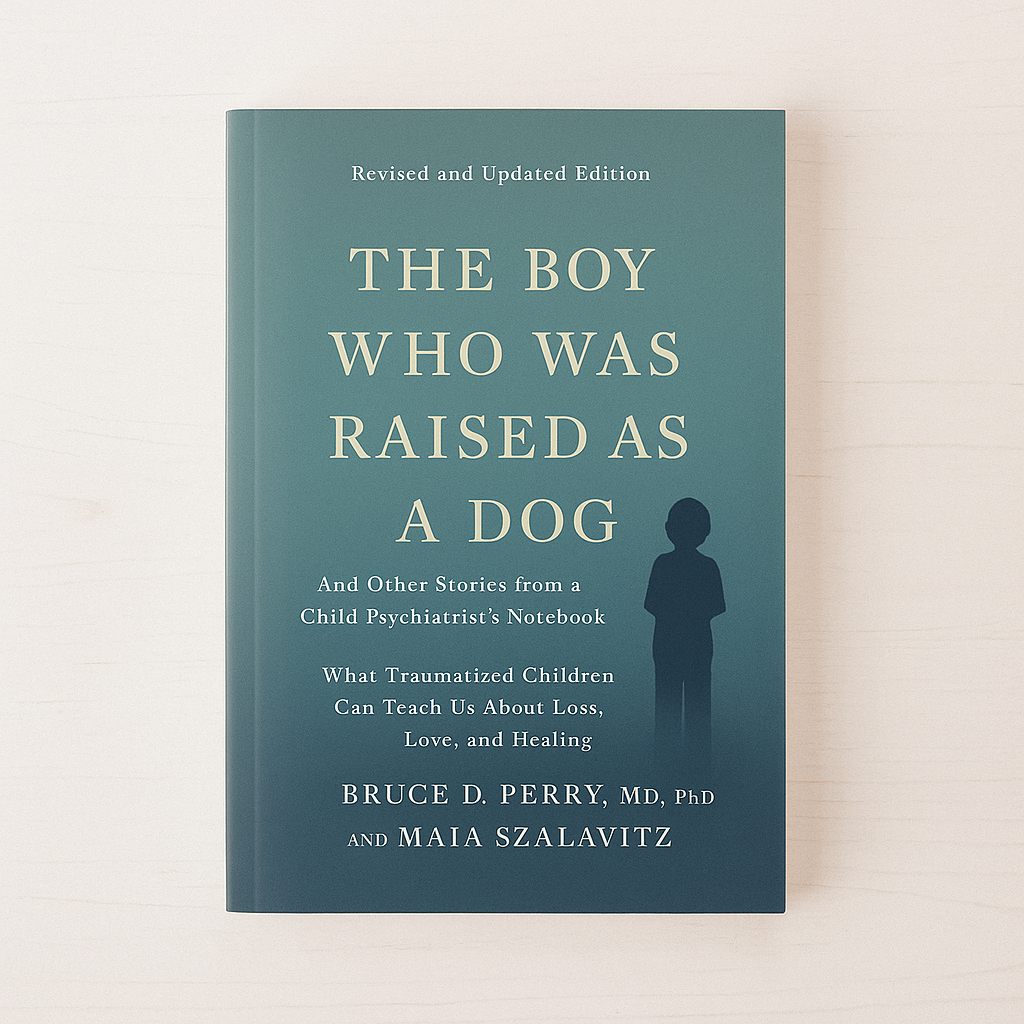
10 Books Every Teacher Should Read to Protect Mental Health and Prevent Burnout
Teaching is one of the most meaningful careers, but it can take a serious toll on mental health. In this post, I’m sharing 10 powerful books that every teacher should read to build resilience, protect their wellbeing, and reignite their passion for the classroom.
70 Forbidden Love Writing Prompts for Teens: Secret Relationships, Impossible Choices & Hidden Desire
Forbidden love stories explore what happens when desire collides with rules, expectations, or loyalty. Found throughout myth, folklore, and classic literature, this trope focuses less on romance itself and more on tension, secrecy, and consequence. Whether love is forbidden by family, duty, social boundaries, or unspoken rules, these narratives are shaped by restraint — what cannot be said, shown, or chosen without cost. This collection of 70 Forbidden Love Writing Prompts for Teens offers a structured set of story starters designed for classroom use, creative writing lessons, and independent writing. Combining plot hooks, opening and closing lines, character ideas, settings, and visual prompts, the collection encourages students to explore emotionally complex storytelling while remaining appropriate, thoughtful, and grounded in literary tradition.

Why Ray Bradbury Is the Original Black Mirror (and How to Teach Both in the Classroom)
Ray Bradbury might not have predicted Instagram likes or parental control implants, but his stories hold up like eerie reflections of our own tech-obsessed world. In this post, I pair classic Bradbury short stories with Black Mirror episodes to explore how both challenge our ideas about progress, power, and humanity. Perfect for teachers looking to spark meaningful discussions in the classroom.

Adolescence on Netflix: What It Reveals About Our Boys and Why Teachers Should Watch It
A gripping, real-time series, Adolescence doesn’t just tell a story, it forces us to confront one. Following the radicalisation of a 13-year-old boy who murders his classmate after she calls him an incel, this four-part drama explores how misogyny, isolation, and online influence can collide in devastating ways. In this post, I reflect on what the show gets right, how it mirrors the challenges in our schools, and why teachers should be paying close attention.
70 Court Intrigue Writing Prompts for Teens: Political Secrets, Power Struggles, Betrayal & Royal Schemes
Court intrigue stories explore power at its quietest and most dangerous. Set within royal courts, noble houses, councils, or controlled hierarchies, these narratives focus on secrecy, reputation, and moral compromise rather than open conflict. Authority is exercised through ceremony, silence, and strategy, where a single decision made behind closed doors can reshape lives far beyond the chamber walls. These court intrigue writing prompts invite teen writers to explore political tension across fantasy courts, dystopian regimes, and gothic power structures. Rather than relying on spectacle or violence, the prompts prioritise atmosphere, psychological pressure, and consequence-driven storytelling, making them ideal for classroom use, writing clubs, or longer YA projects rooted in restraint, ambiguity, and choice.
70 Personal Narrative Writing Prompts (With Images & Story Starters)
These personal narrative writing prompts are designed to help students shape real experiences into meaningful, reflective writing. Rather than focusing on journaling or simple recounts, this collection of 70 personal narrative prompts provides structured support through titles, opening lines, closing lines, settings, important people, and picture prompts, guiding writers toward clarity, purpose, and thoughtful reflection. Suitable for middle and high school students, as well as classroom use across KS3–KS5, these personal narrative writing prompts work well for creative writing lessons, exam-style tasks, bell ringers, and independent writing time. The prompts are flexible, classroom-safe, and designed to help writers develop voice, reflection, and narrative control while exploring memory, identity, and lived experience.

Famous First Lines as Writing Prompts: How to Spark Creativity Without Reinventing the Wheel
First lines are where everything begins -and for writers, they’re often the hardest part. That pressure to hook the reader immediately can be overwhelming. That’s exactly why I started collecting real first lines from published novels.
I use these with students to take the pressure off. Instead of staring at a blank screen, they start with something brilliant and build from there. It gives them structure and freedom all at once. It’s a reminder that writing isn’t about perfection. It’s about momentum.
Some lines are eerie. Some are emotional. Some are bold, jarring, or just weird enough to make you lean in. But the best ones all do the same thing: they open a door.
And that’s what these prompts are about. Opening the door, so the story can step through.
70 Creative Writing Prompts Inspired by Macbeth: Plot Hooks, Opening Lines, Characters & Visual Ideas
Explore 70 creative writing prompts inspired by Macbeth, designed to help teen writers engage with ambition, fate, guilt, and psychological conflict through original storytelling. This collection includes atmospheric plot hooks, book-style title ideas, opening and closing lines, character concepts, setting ideas, and visual prompt guidance — all inspired by Shakespeare’s play without retelling its plot. Ideal for classroom use, writing clubs, or independent creative practice, these Macbeth-inspired writing prompts encourage mood-driven, symbolic writing that builds confidence with voice, tone, and narrative structure. Writers can explore Shakespeare’s ideas creatively while developing skills in description, perspective, and thematic storytelling.
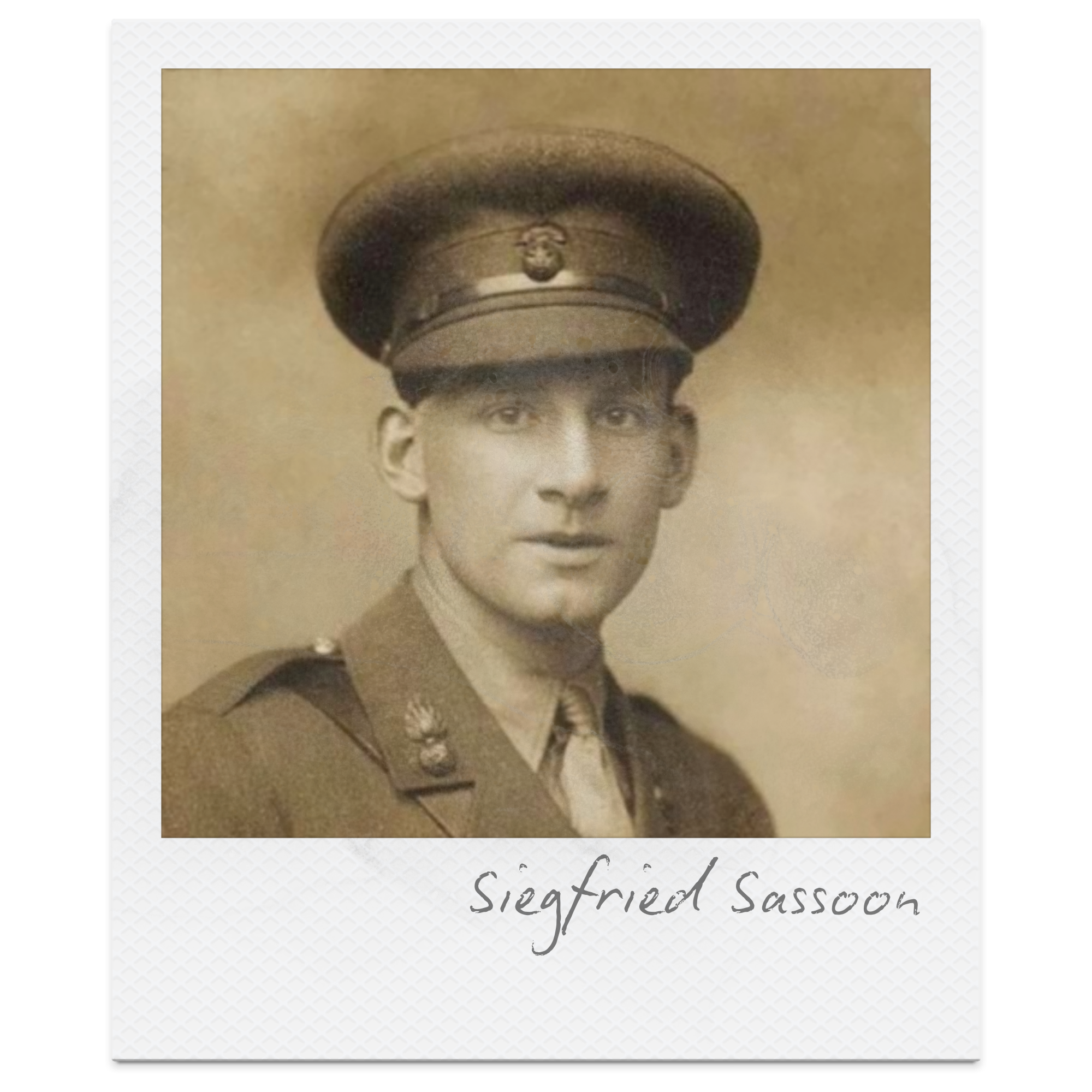
Siegfried Sassoon: Context, War Poetry, and Literary Significance
Siegfried Sassoon is one of the most important voices in First World War poetry, writing not from imagination but from direct experience of trench warfare. His poems expose the brutality, futility, and moral failure of modern war, challenging patriotic narratives that present suffering as noble or necessary. Through irony, anger, and controlled restraint, Sassoon forces readers to confront the gap between those who fight and those who authorise violence from a distance. Understanding Sassoon’s context is essential for reading poems such as “Suicide in the Trenches.” Shaped by frontline combat, public protest, and psychological trauma, his writing interrogates responsibility, authority, and the language used to justify mass death. Rather than offering comfort or heroic sacrifice, Sassoon’s war poetry demands ethical engagement, making it central to the study of WWI literature and modern protest writing.
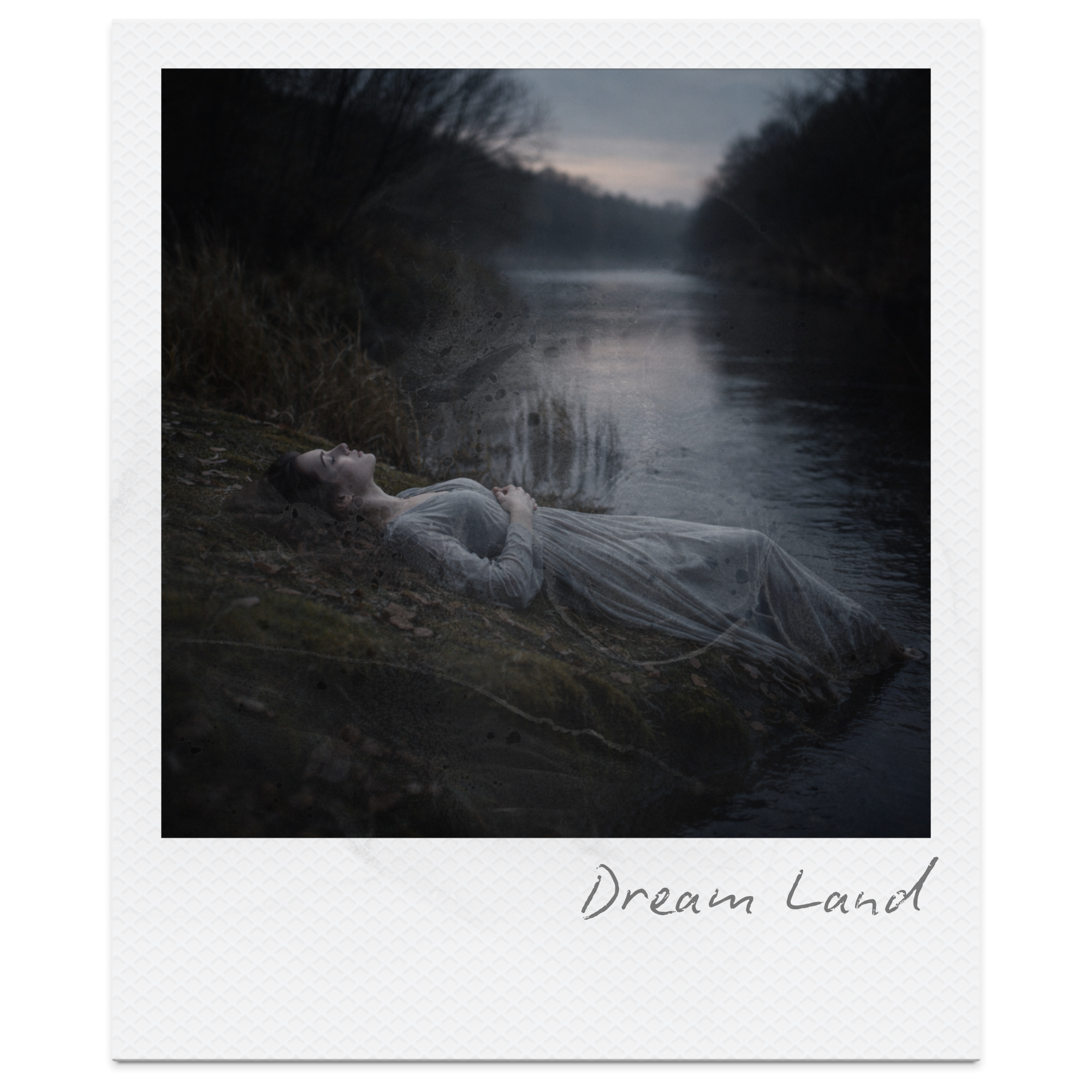
Dream Land by Christina Rossetti: Summary, Meaning & Critical Analysis
Christina Rossetti’s Dream Land is a poem of rest, withdrawal, and emotional stillness, where calm conceals a deeply unsettling vision of peace. Through controlled imagery, repetition, and restrained language, Rossetti presents a female figure who turns away from life, growth, and sensation, entering a state of charmed sleep that resists clear distinction between sleep, death, and chosen retreat. This analysis of Dream Land explores Rossetti’s use of form, imagery, and silence to construct peace as something achieved through absence rather than fulfilment. By examining language, structure, and alternative interpretations, the post invites readers to consider when rest becomes refuge — and when it becomes erasure — situating the poem within Rossetti’s wider preoccupation with restraint, renunciation, and emotional control.
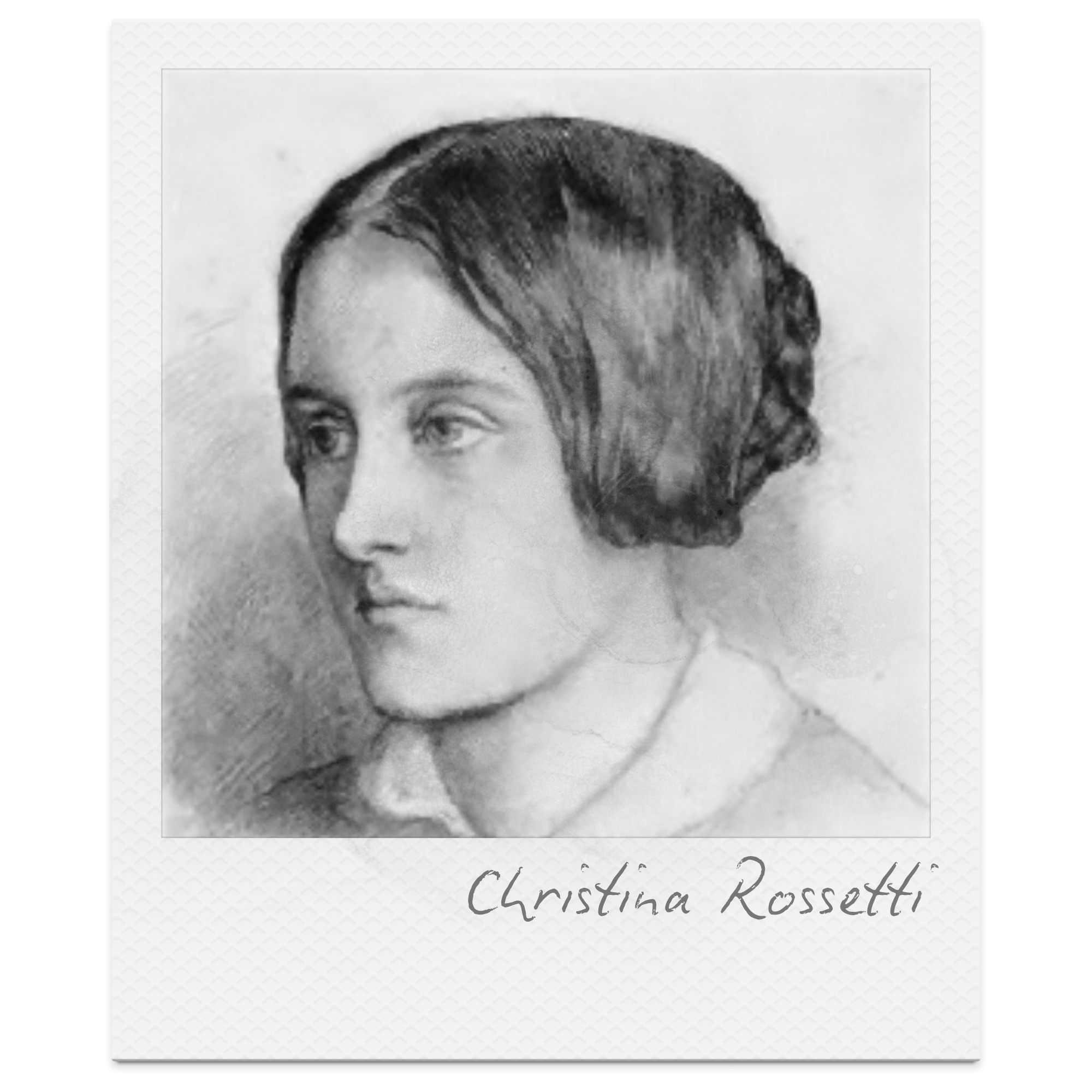
Christina Rossetti: Context, Themes, and Literary Significance
Christina Rossetti’s poetry is shaped by religious discipline, emotional restraint, and sustained psychological conflict. Writing within the pressures of Victorian gender norms and devotional expectation, Rossetti explores what happens when desire must be suppressed, faith demands self-surveillance, and feeling is carefully managed rather than released. Her poems rarely offer resolution, instead lingering in states of waiting, silence, and endurance, where emotional tension is contained beneath deceptively simple forms. Reading Rossetti in context reveals how her work engages with mental health, spiritual doubt, and the governance of emotion in nineteenth-century literature. Through repetition, restraint, and withheld voice, Rossetti constructs lyric speakers who negotiate authority internally, making her poetry particularly rich for close reading and thematic interpretation. This contextual overview provides a foundation for exploring Rossetti’s enduring significance across Victorian poetry, psychological realism, and modern critical debate.
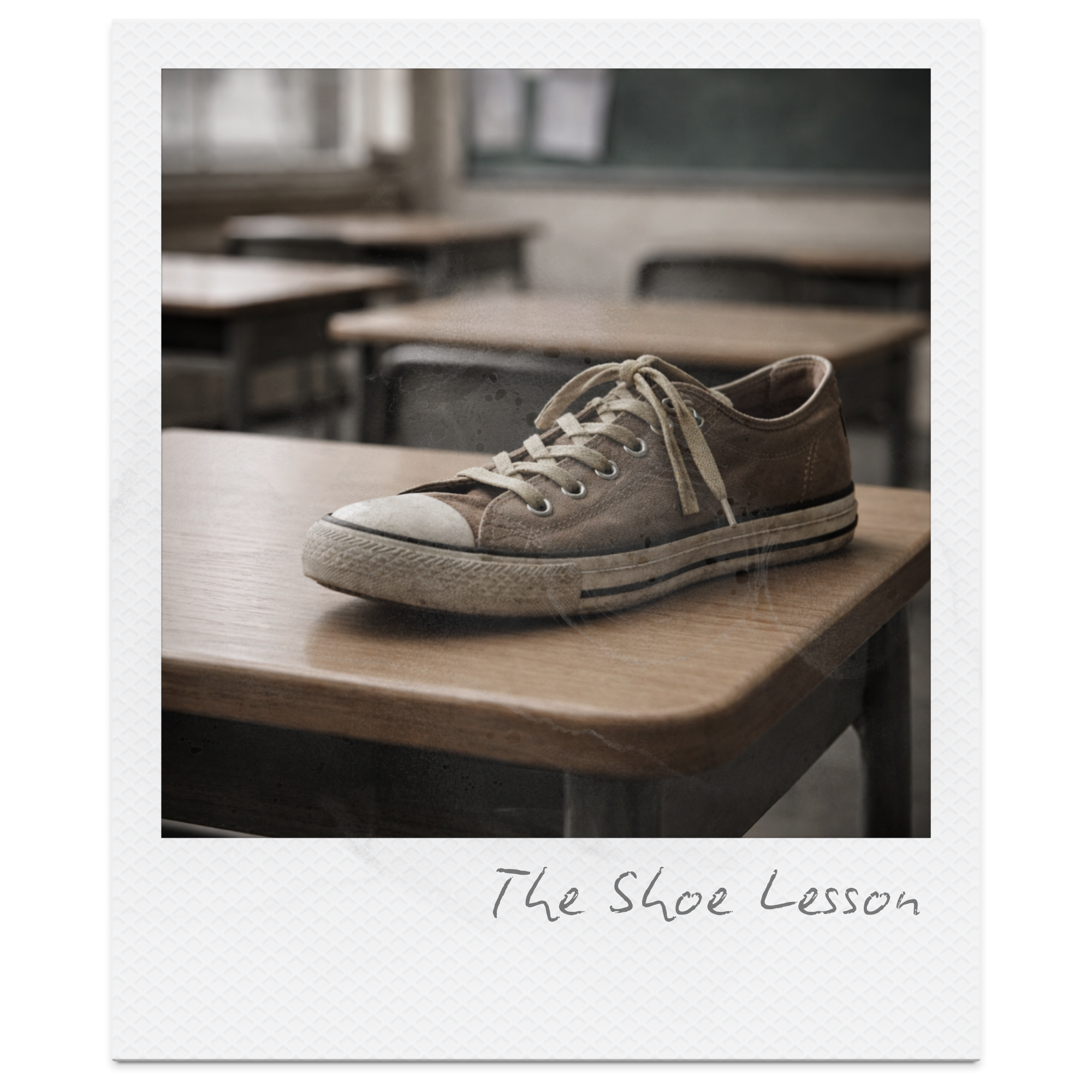
The Shoe Lesson: A Simple, Powerful Creative Writing Activity
The Shoe Lesson is a simple but powerful creative writing activity that helps students develop believable characters without the fear of the blank page. By giving students a single, ordinary object — a shoe — this lesson encourages close observation, inference, and thoughtful character development. It works particularly well in the secondary English classroom, where students often struggle to move beyond surface-level description or feel pressured to “be creative” on demand. Used at the start of a creative writing unit, the Shoe Lesson invites students to build characters from evidence rather than imagination alone. Scuffed soles, worn laces, and small details become clues to a life beyond the page, leading to writing that feels grounded, realistic, and human. It’s a low-stakes, high-impact approach that consistently engages even reluctant writers — and proves that the most powerful stories often begin with the most ordinary things.
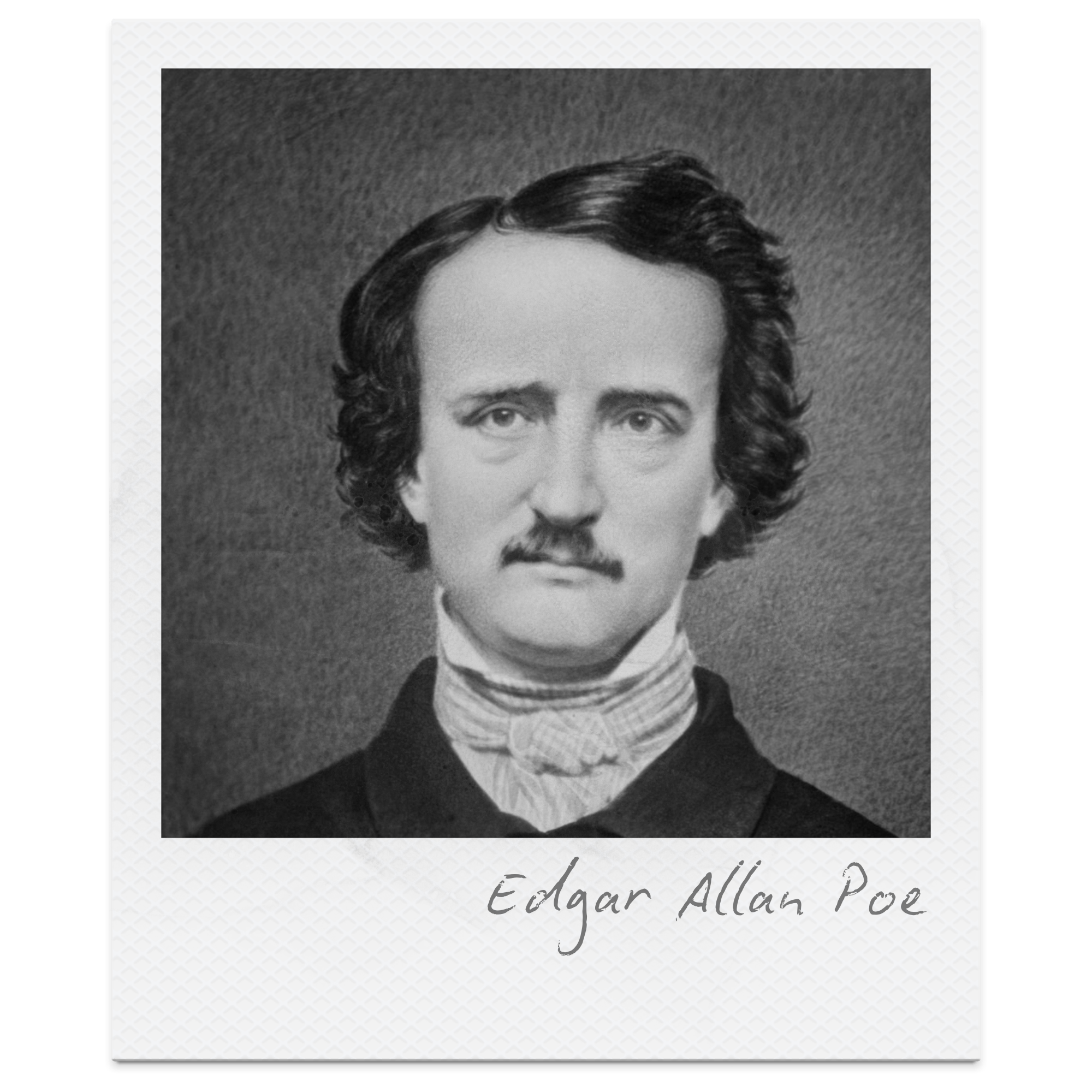
Edgar Allan Poe: Context, Themes, and Literary Significance
Edgar Allan Poe is one of the most widely taught American writers in the secondary English classroom, known for his Gothic fiction, psychological narratives, and influential detective stories. Writing in the early nineteenth century, Poe explored themes of unreliable narration, guilt, obsession, and moral ambiguity, using tightly controlled structure and atmosphere to shape reader interpretation. His work rewards close reading and discussion, making it particularly effective for developing analytical confidence. This guide explores Edgar Allan Poe’s historical context, recurring themes, and literary significance, offering a framework for understanding how his writing operates across poetry and short fiction. Rather than focusing on plot or biography, it examines how Poe uses voice, perspective, and implication to generate meaning, supporting discussion-led teaching and thematic study in the secondary English classroom.
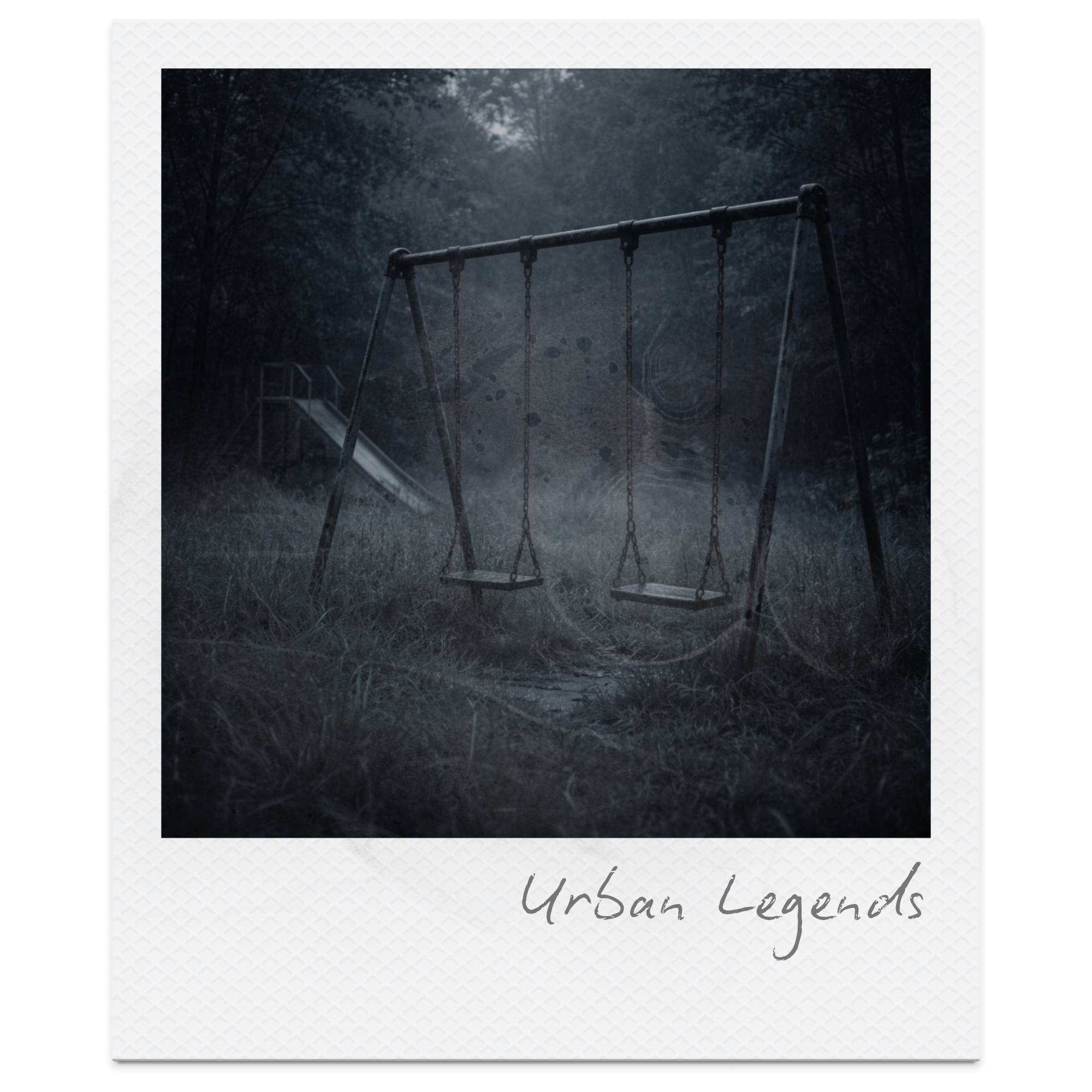
70 Urban Legend–Inspired Writing Prompts for Teens: Modern Folklore, Myths & Unseen Threats
Urban legends live in the space between belief and denial — stories passed quietly, rarely confirmed, and shaped by repetition rather than proof. Rooted in modern folklore, these narratives attach unease to ordinary places and routines, transforming roads, buildings, and shared habits into sources of quiet tension. This collection of 70 Urban Legend–Inspired Writing Prompts for Teens brings together plot hooks, opening and closing lines, character ideas, settings, and visual inspiration designed for atmosphere-driven storytelling. Ideal for creative writing lessons, classrooms, and independent projects, the prompts encourage writers to explore modern myths, uncertainty, and consequence with restraint rather than spectacle.
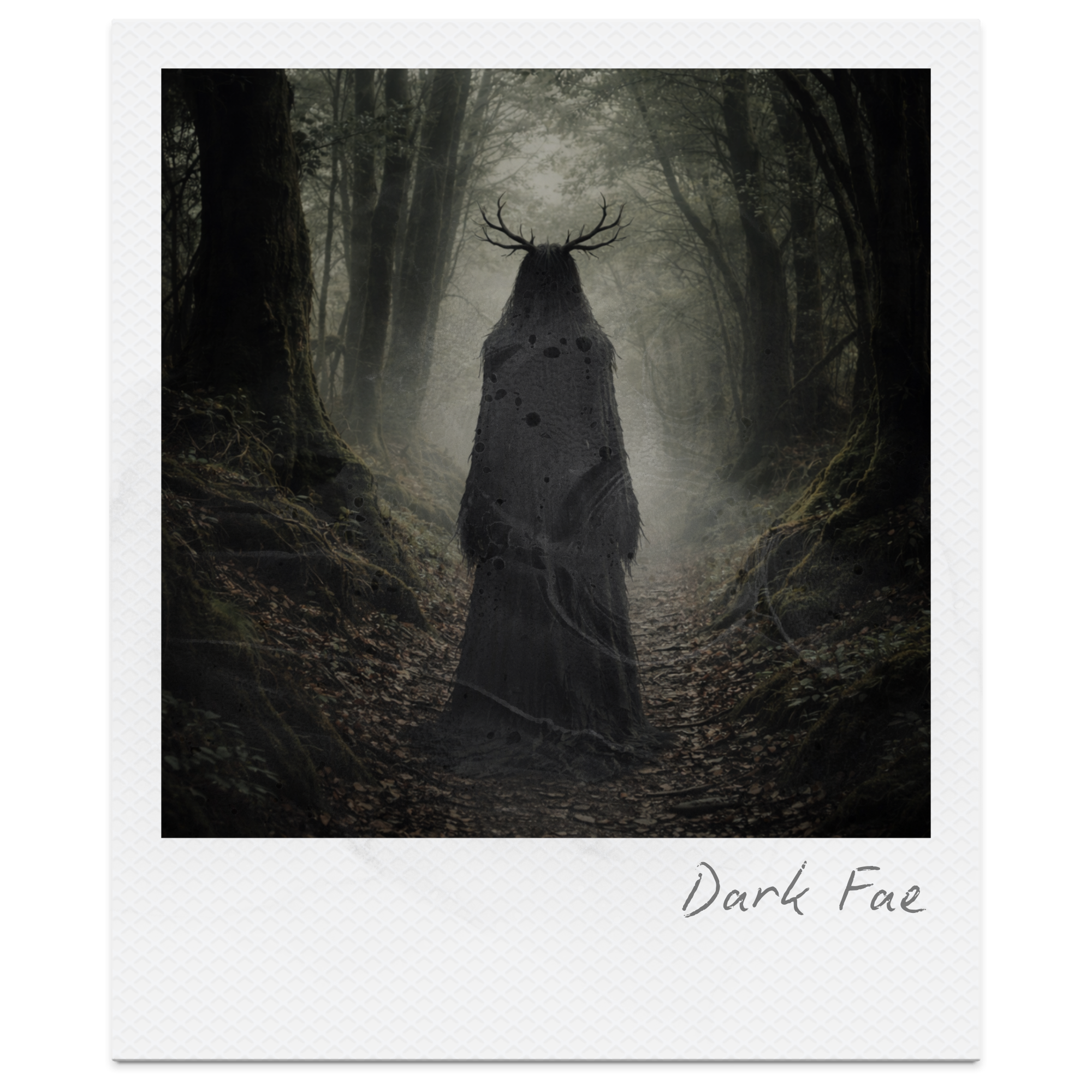
70 Dark Fae & Folklore Writing Prompts: Fantasy Story Starters, Characters, Settings & Visual Ideas
Dark fae and folklore stories sit at the uneasy edges of fantasy — where beauty conceals danger, bargains carry consequences, and the supernatural follows rules that do not bend for human comfort. Rooted in fae mythology, folklore traditions, and dark fantasy, these stories explore power, temptation, and survival through atmosphere and implication rather than spectacle. This collection of 70 Dark Fae & Folklore Writing Prompts for Teens offers a complete creative toolkit, combining plot hooks, opening and closing lines, character ideas, setting prompts, and visual inspiration. Designed for creative writing lessons, English classrooms, and independent writing, the prompts encourage young writers to explore folklore-inspired fantasy with depth, restraint, and narrative control.
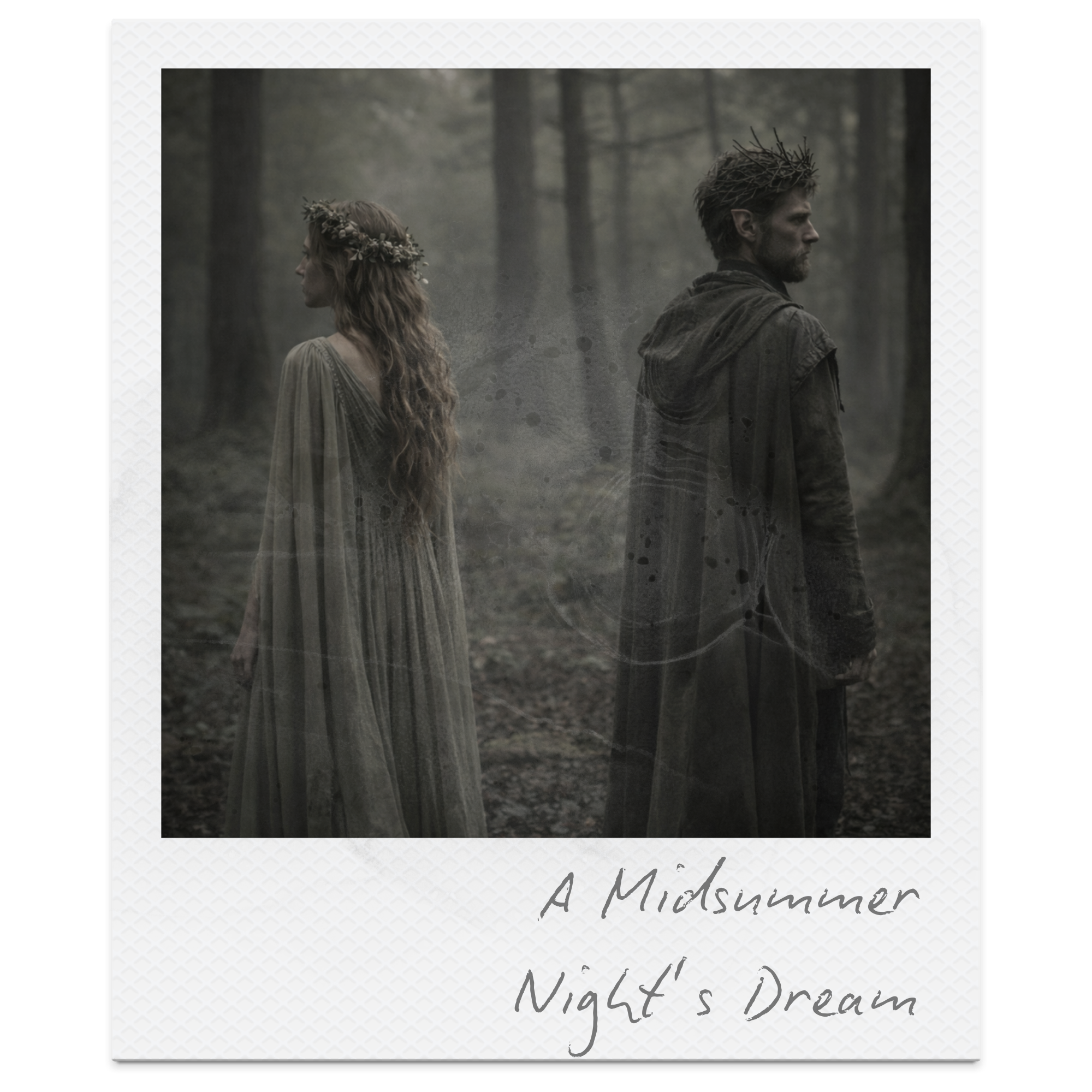
A Midsummer Night’s Dream: Overview, Context, Key Ideas & Teaching Approaches
A Midsummer Night’s Dream is often taught as one of William Shakespeare’s lightest comedies, yet beneath its enchantment and humour lies a complex exploration of power, desire, authority, and social control. Set between the rigid law of Athens and the destabilising freedom of the forest, the play uses comedy, magic, and mistaken identity to expose how easily order can fracture — and how carefully it must be restored. This context-led overview explores A Midsummer Night’s Dream through historical background, genre, and key ideas, before considering effective ways to teach the play through discussion, performance, and creative writing. Rather than offering close analysis of individual scenes, it provides a framework for understanding how the play operates as a whole, and why it continues to reward reinterpretation, classroom debate, and creative response.