Notes from the Inkpot
Writing, teaching, creating - one ink-stained idea at a time.


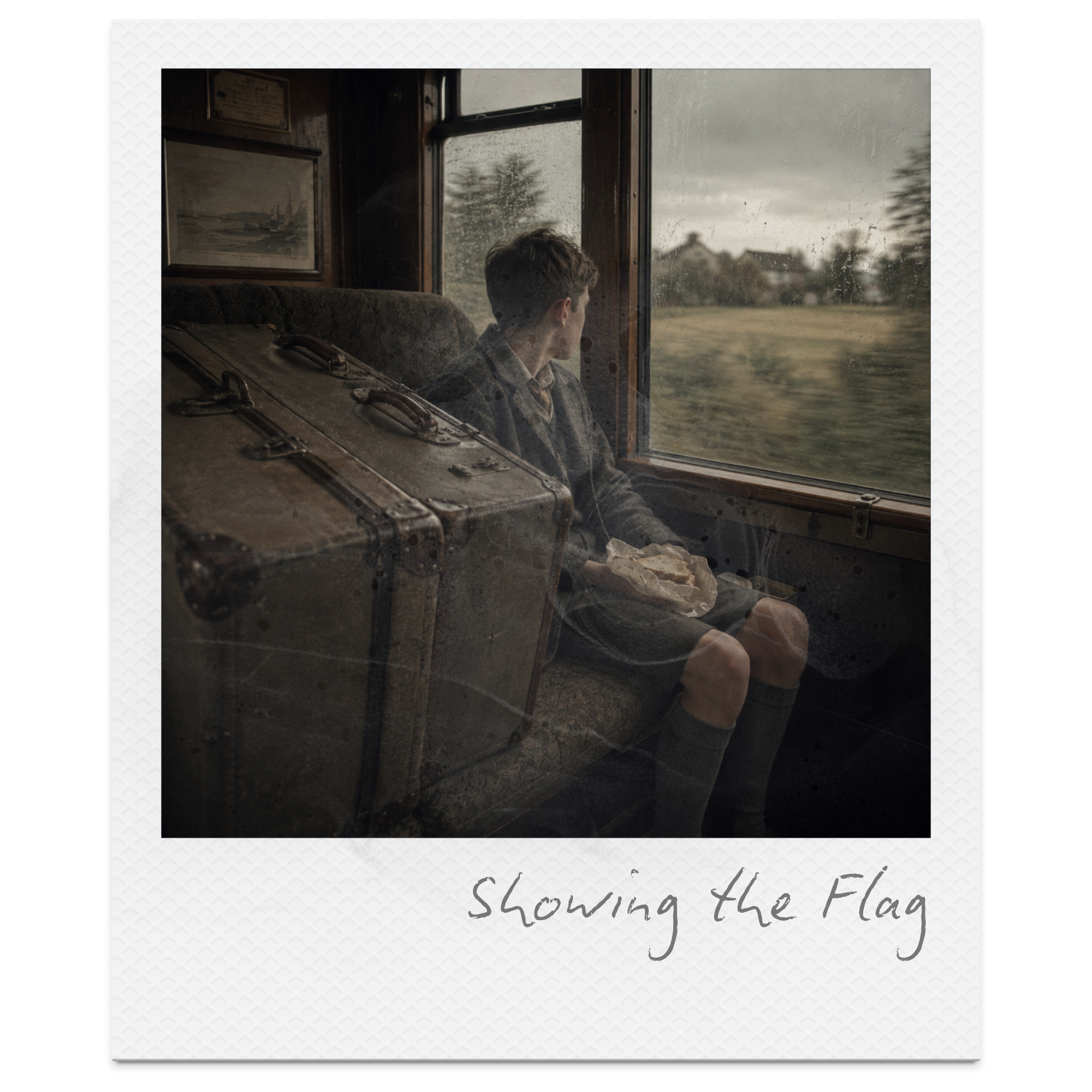
Showing the Flag by Jane Gardam: Summary, Themes & Analysis
Jane Gardam’s Showing the Flag is a psychologically rich short story exploring childhood insecurity, grief, emotional repression, and the fragile relationship between parents and children. Through Philip’s lonely journey from England to France shortly after his father’s death, Gardam reveals how fear and emotional misunderstanding can distort a child’s perception of love and belonging. This detailed analysis explores the story’s symbolism, themes, structure, narrative voice, key quotes, alternative interpretations, and exam-focused insights for CIE IGCSE English Literature (0475 & 0922), while examining how the seemingly simple image of a lost Union Jack becomes a powerful symbol of identity, emotional security, and hidden parental care.
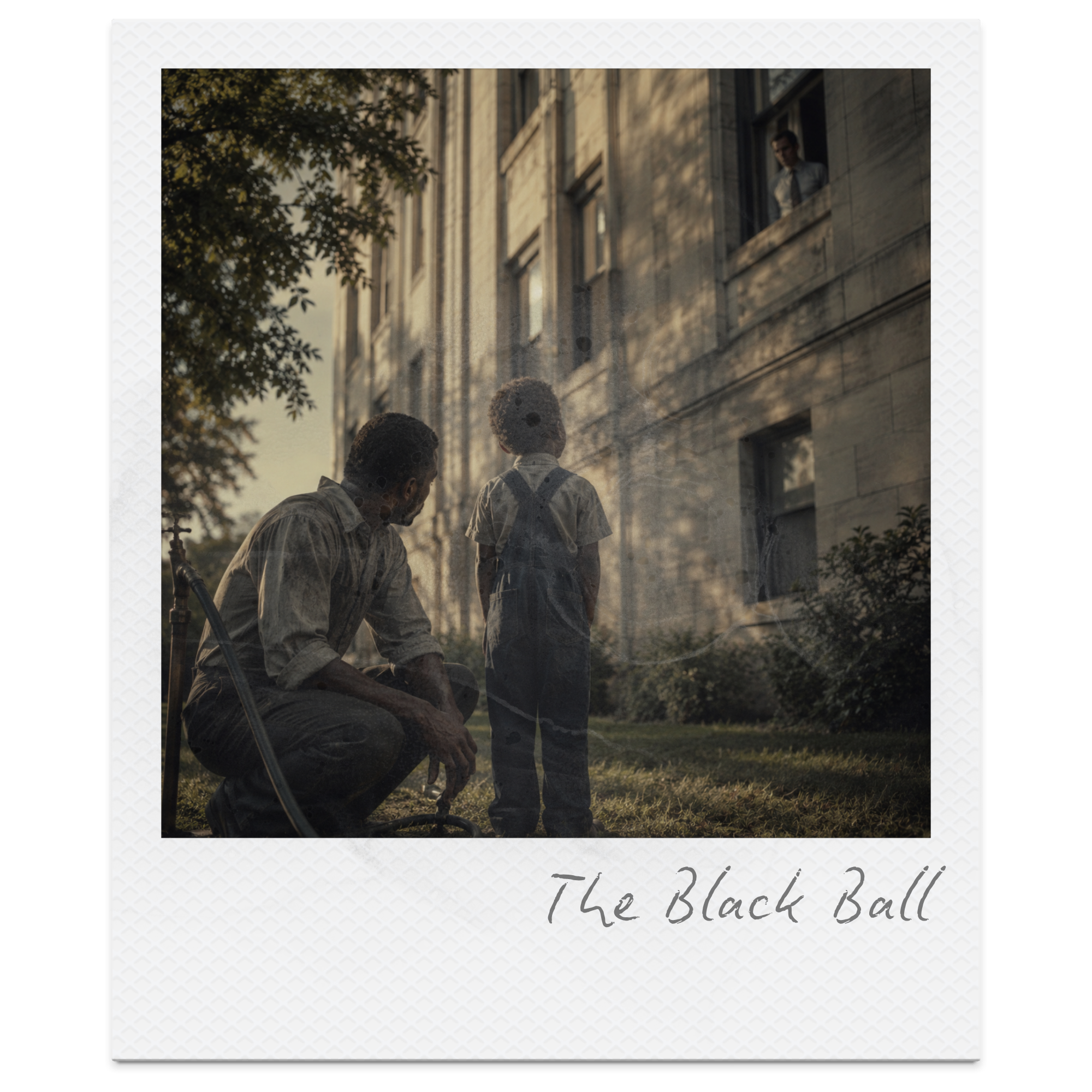
The Black Ball by Ralph Ellison: Summary, Themes & Analysis
Ralph Ellison’s The Black Ball is a powerful short story exploring racism, identity, fatherhood, and the painful loss of innocence within a deeply unequal society. Through the experiences of John and his young son, Ellison reveals how prejudice shapes ordinary daily life, using symbolism, dramatic irony, and reflective narration to expose the emotional pressure created by social inequality. This detailed analysis explores the story’s themes, characters, symbolism, structure, key quotes, and exam-focused interpretations for CIE IGCSE English Literature (0475 & 0922).

For Heidi With Blue Hair by Fleur Adcock: Summary, Themes & Analysis
Fleur Adcock’s For Heidi With Blue Hair explores individuality, authority, and conformity through a seemingly minor conflict that reveals deeper tensions between self-expression and institutional control. Through a conversational voice, irony, and narrative progression, the poem presents the school’s response as rigid and inconsistent, exposing how rules are interpreted to enforce conformity rather than fairness. The detailed imagery of Heidi’s hair emphasises deliberate self-expression, while the use of dialogue allows competing perspectives to emerge. As the poem develops, a subtle shift introduces emotional depth, as the reference to the mother’s death “shimmer[s] behind the arguments,” suggesting that the conflict is shaped by unspoken grief as well as institutional pressure. The resolution, marked by an act of solidarity, reframes the situation as one where authority is quietly undermined rather than directly confronted. This movement from surface conflict to deeper meaning reveals how identity, emotion, and power interact, giving the poem its lasting impact.
My Parents by Stephen Spender: Summary, Themes & Analysis
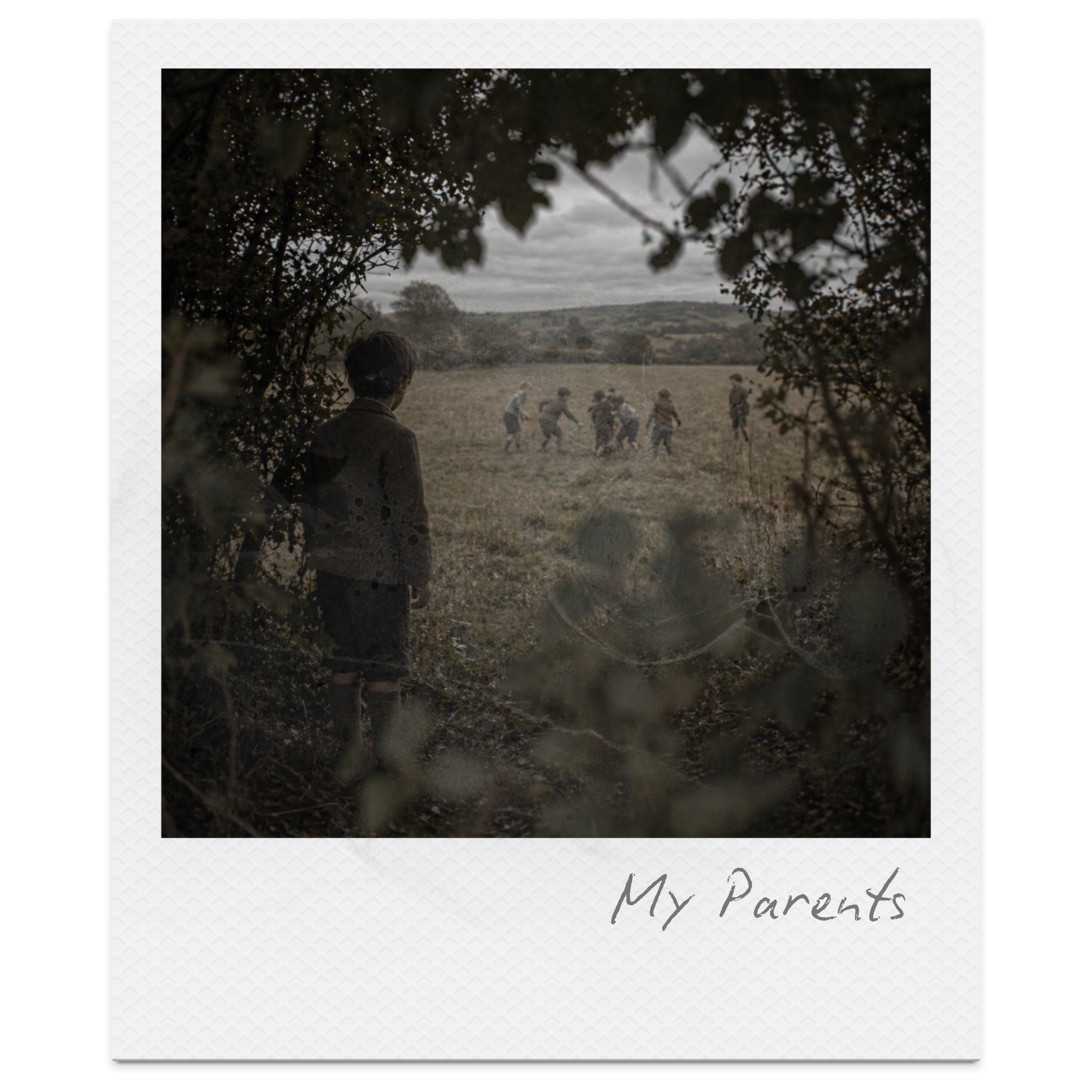
Stephen Spender’s My Parents explores childhood fear, class division, and social conditioning through a speaker who is both protected and isolated, shaped by the boundaries imposed on him. Through simile, animalistic imagery, and a reflective narrative voice, the poem presents the “rough” children as threatening and unpredictable, revealing how perception is constructed through upbringing rather than objective reality. The speaker’s fear is intensified by both physical imagery and social humiliation, particularly in moments where language becomes a form of attack. As the poem develops, a shift toward self-awareness and regret reframes the speaker’s experience, revealing that his fear was shaped as much by parental influence as by direct interaction. The final lines introduce a sense of missed empathy, suggesting that the speaker now recognises the limitations of his earlier perspective. This movement from fear to reflection transforms the poem into a powerful exploration of how memory, class division, and upbringing shape both experience and understanding.
Follower by Seamus Heaney: Summary, Themes & Analysis
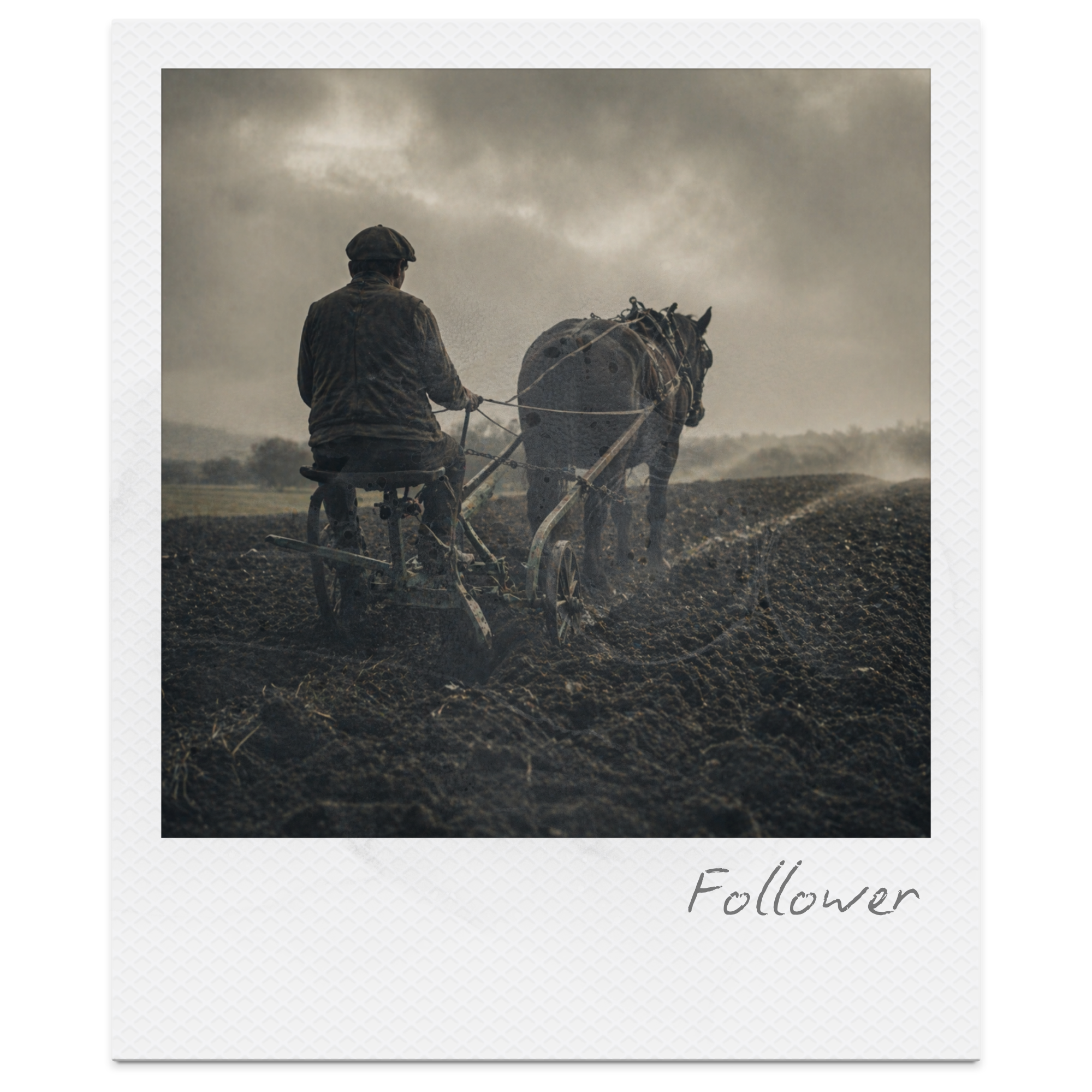
Seamus Heaney’s Follower explores admiration, identity, and the changing nature of family relationships through a reflective first-person voice. The poem presents the speaker’s father as a figure of strength, precision, and authority, using vivid imagery and controlled structure to elevate his skill as a ploughman. In contrast, the young speaker is portrayed as clumsy and dependent, creating a clear imbalance that reflects childhood hero-worship and the desire to imitate a parent. However, the poem’s meaning shifts in the final stanza, where Heaney introduces a subtle but powerful role reversal, revealing the father as the one who now “stumbles” behind the speaker. This transformation turns the poem into a reflection on time, ageing, and emotional complexity, as admiration gives way to a more unsettled awareness of changing roles. Through this contrast, Follower captures the tension between inheritance and independence, leaving the reader with a lasting sense of how relationships evolve over time.

Ray Bradbury: Context, Themes, Works & Literary Significance
Ray Bradbury’s fiction is often associated with dystopian futures and speculative technologies, but his work is best understood through the historical and cultural context in which it was written. Emerging in mid-twentieth-century America, Bradbury wrote during a period shaped by war, Cold War paranoia, mass media expansion, and growing anxieties about conformity and control. His stories use speculative settings not to predict the future, but to expose how fear, censorship, and emotional detachment operate within ordinary domestic and social spaces. This context-focused overview explores the key themes that define Ray Bradbury’s work, including technology versus humanity, media and passive living, parental responsibility, childhood and power, and moral failure. Rather than offering close analysis of individual texts, it provides a broader framework for understanding how Bradbury uses speculative fiction to examine human behaviour, ethical responsibility, and the consequences of choosing comfort over connection.