Notes from the Inkpot
Writing, teaching, creating - one ink-stained idea at a time.


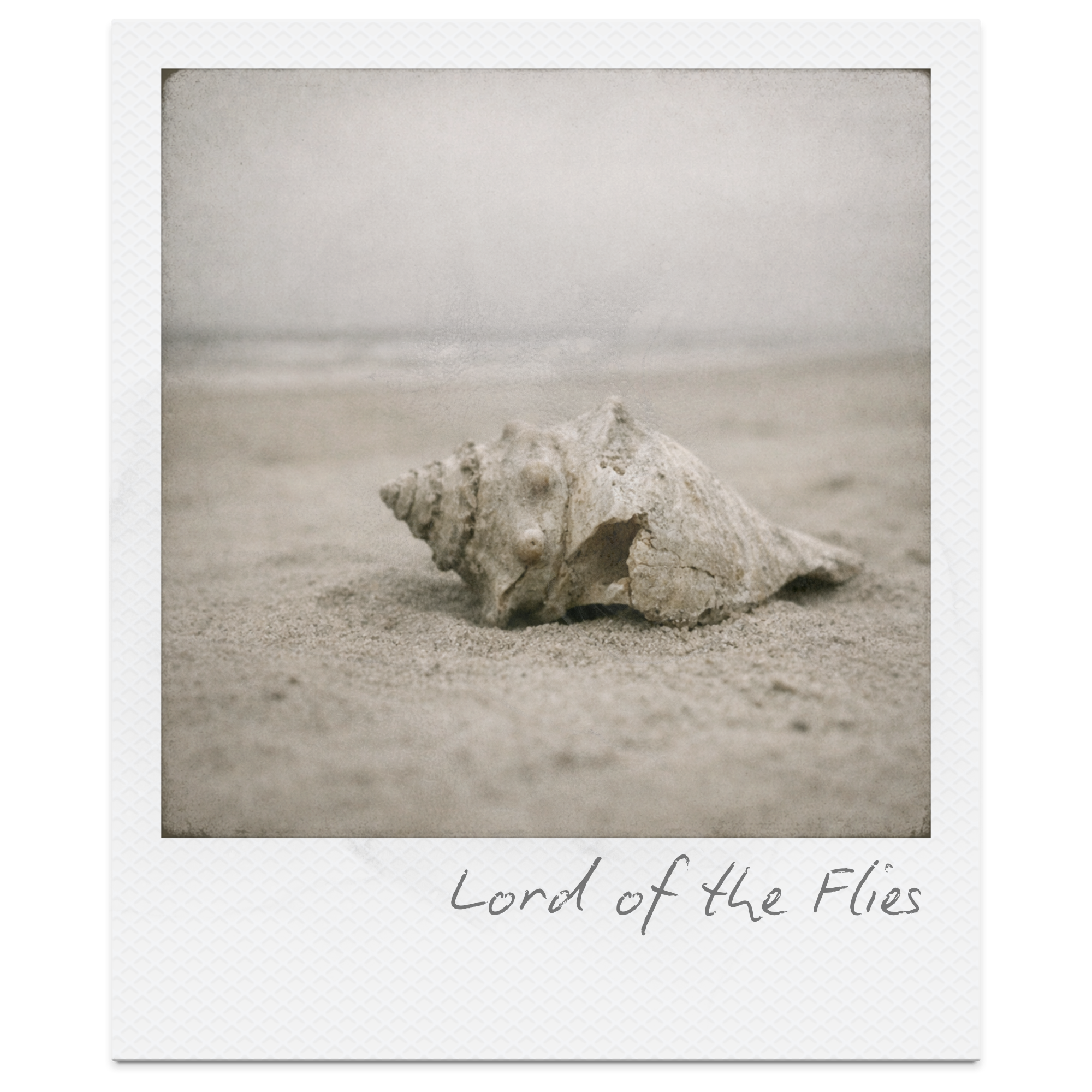
Lord of the Flies: Why Students Engage, and Why Teachers Need More Than a Summary Sheet
Lord of the Flies is a novel that consistently engages students, but teaching it well requires more than summary sheets and surface-level analysis. This post explores why Lord of the Flies works so powerfully in the classroom, how students instinctively respond to its themes of power, fear, and responsibility, and where lessons often begin to break down once discussion deepens. Written for teachers working across different classrooms and curricula, this guide focuses on how to teach Lord of the Flies effectively — from structuring discussion and securing recall to using creative writing as a way into deeper analysis. It also shares practical classroom strategies and introduces a comprehensive Lord of the Flies resource bundle designed to support discussion, analysis, and assessment without increasing planning workload.
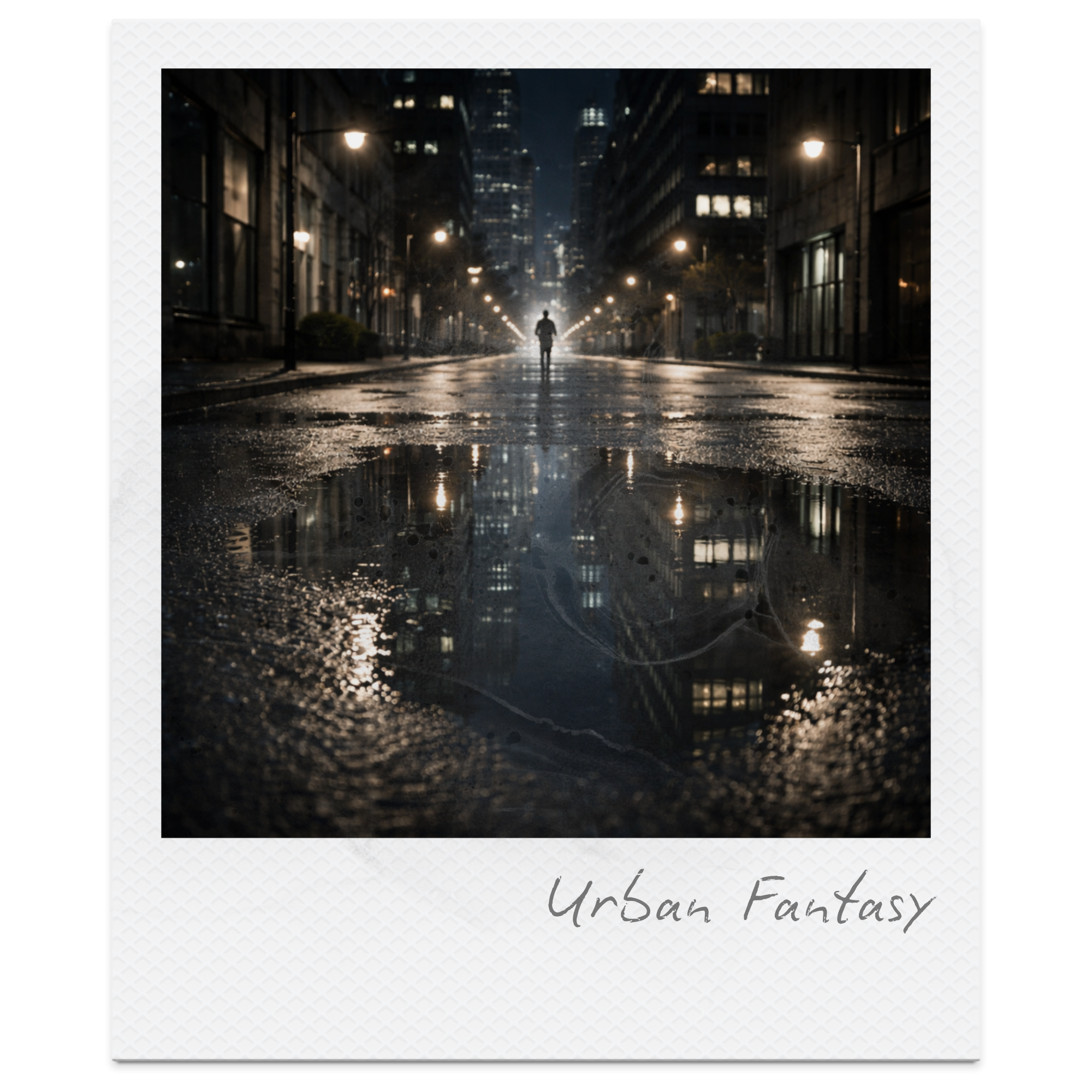
70 Urban Fantasy Writing Prompts for Teens: Story Starters, Characters, Settings & Visual Ideas
Explore 70 urban fantasy writing prompts for teens where magic collides with modern life. From hidden covens and enchanted transport to secret systems operating beneath the city, this collection includes plot hooks, opening and closing lines, character ideas, settings, and cinematic picture prompts. Ideal for creative writing lessons, quick writes, writing clubs, or longer YA urban fantasy projects rooted in secrecy, identity, and consequence.
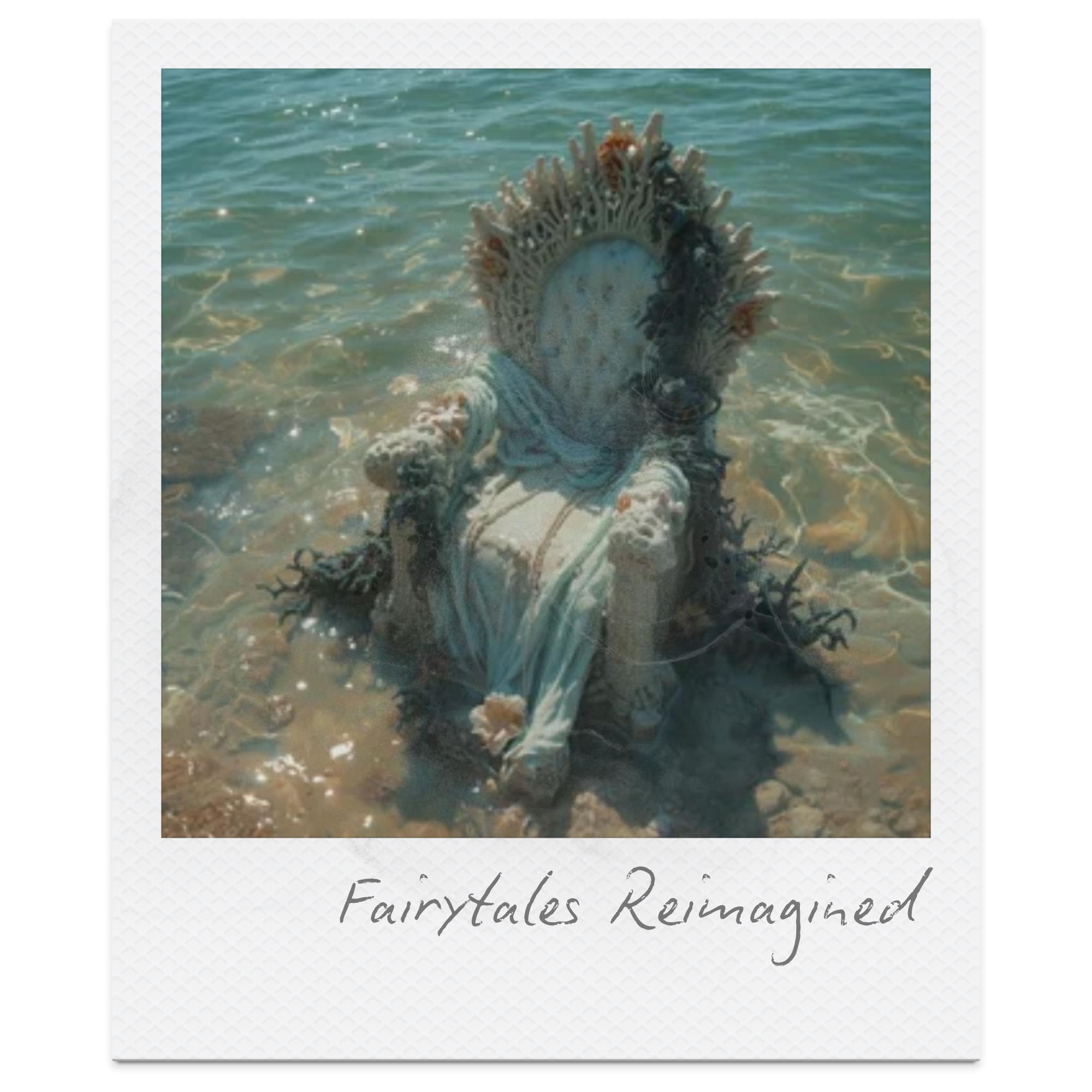
70 Fairytales Reimagined Writing Prompts for Teens: Story Starters, Characters, Settings & Visual Ideas
70 Fairytales Reimagined Writing Prompts for Teens is a premium creative writing collection designed to help young writers retell classic fairytales through modern, dystopian, and speculative lenses. Inspired by traditional folklore and contemporary YA retellings, these prompts explore how familiar stories change when power shifts, systems replace magic, and happily-ever-afters are no longer guaranteed. Featuring plot hooks, story titles, opening and closing lines, character ideas, reimagined settings, and atmospheric picture prompts, this collection is ideal for classroom creative writing, writing clubs, and independent teen writers who enjoy fairytale retellings with darker, smarter, or more modern twists.
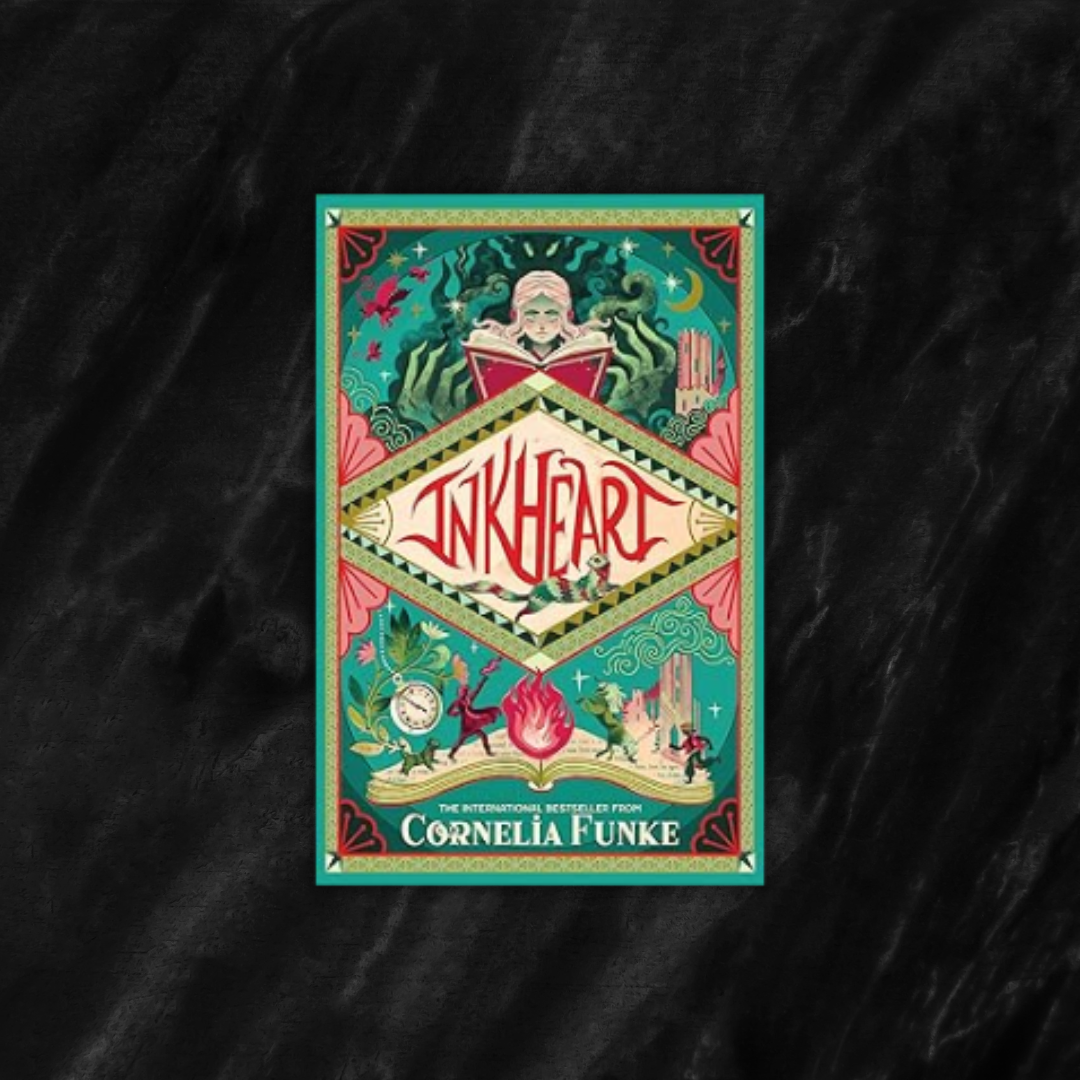
15 Best Fantasy Novels to Teach in the Classroom
Fantasy is one of the most powerful genres to teach — high-interest without being low-rigour. This post explores 15 of the best fantasy novels for the classroom, from classic texts to contemporary favourites, each chosen for their discussion potential, thematic depth, and ability to engage students in meaningful thinking and writing.

70 New Year Writing Prompts for Teens: Midnight Thresholds, Hidden Promises, and the Moment Between Years
This collection of 70 New Year writing prompts for teens explores the moment between years: when time turns, promises are made in secret, and the future feels both vast and unforgiving. Drawing on themes of Father Time, midnight thresholds, hidden resolutions, and cosmic consequence, these prompts invite writers into stories where celebration fades and meaning sharpens. Blending contemporary realism with magical realism, gothic atmosphere, and high-fantasy imagery, the prompts include plot hooks, story starters, character ideas, settings, and cinematic visual prompts — perfect for classrooms, writing clubs, or independent writers ready to explore what it really means to step into a new year.
20 Best Texts to Teach in January: Fresh Starts, New Beginnings, and Smart Classroom Momentum
January is one of the most important — and underestimated — teaching months of the year. After the break, students don’t need noise or novelty; they need texts that rebuild focus, invite reflection, and spark meaningful discussion. This curated list of 20 novels, short stories, poems, films, and podcasts offers flexible, high-impact texts that work across ages and formats, helping you reset classroom momentum without overloading your planning.

70 January Writing Prompts for Teens: New Beginnings, Aftermaths, and Turning Points
January is a month of quiet turning points — what comes after the celebrations, when routines return and choices begin to matter. This collection of 70 January writing prompts invites teen writers to explore aftermath, new beginnings, and moments of change through plot hooks, opening and closing lines, character ideas, settings, and visual prompts designed for classrooms or independent writing.

70 Christmas Writing Prompts for Teens: Story Starters, Characters, Settings & Visual Ideas
Christmas is a season full of contrasts — cozy fireplaces and glittering lights, but also mystery, magic, and the occasional bit of chaos. These prompts invite teen writers to explore the holiday across genres, from festive romance and fantasy adventures to gothic tales and eerie mysteries. With 70 story starters, titles, characters, settings, and picture prompts, this collection sparks creativity for classrooms or independent writing, offering fresh takes on the season that go far beyond the expected.

10 Best Christmas Poems to Teach (And How to Teach Them)
Christmas in the classroom is always a balancing act. You want something seasonal to capture the spirit of December, but it still needs the depth to justify lesson time. Poetry is the perfect answer. From Christina Rossetti’s wintry devotion to T. S. Eliot’s existential Nativity, these ten poems offer rich imagery, layered themes, and plenty of scope for creative writing.
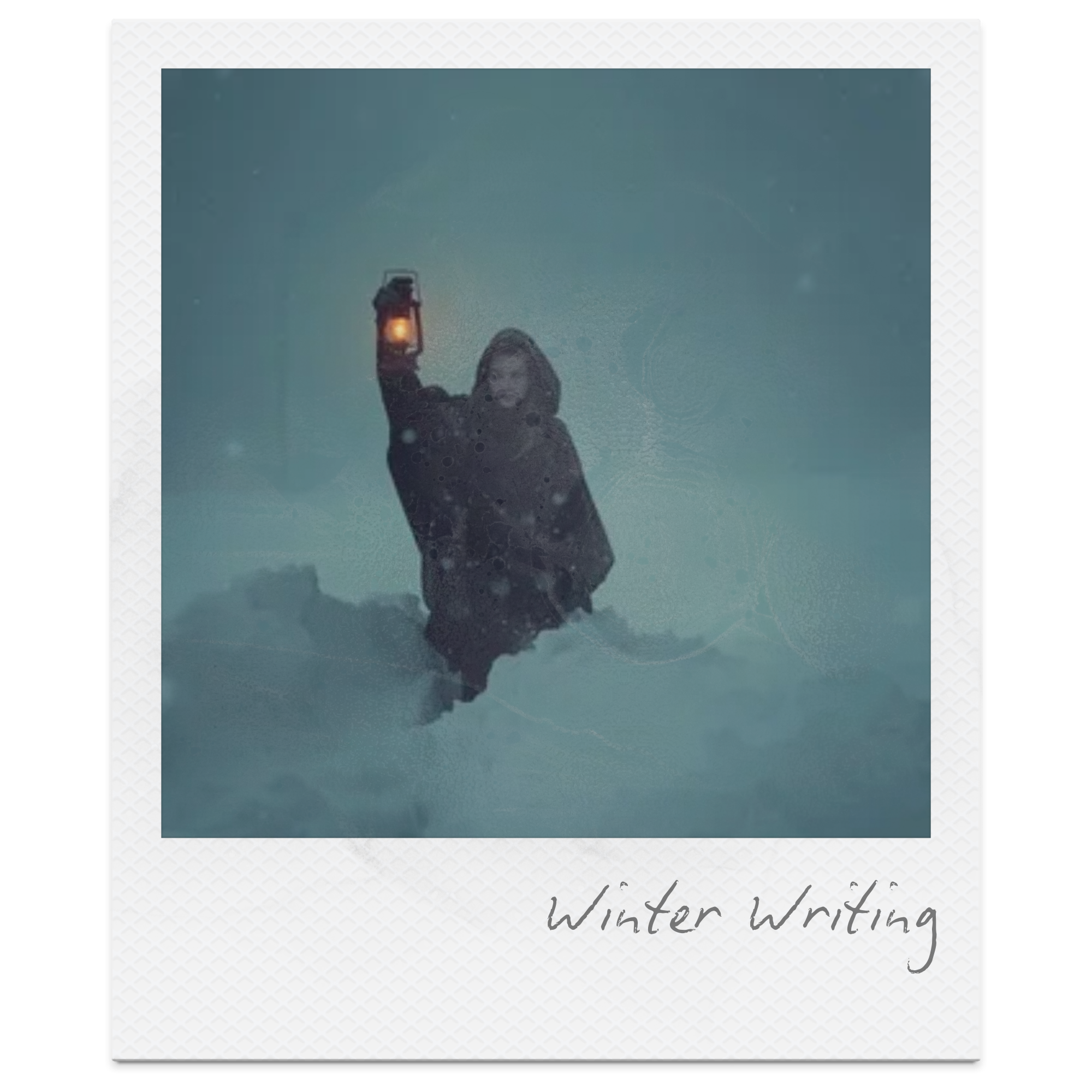
70 Winter Writing Prompts for Teens: Story Starters, Characters, Settings & Visual Ideas
Winter is a season of contrasts — beauty and danger, warmth and isolation, silence and storm. These 70 winter writing prompts invite teen writers to explore atmosphere-driven storytelling through snowbound settings, high-stakes survival, quiet unease, and emotional restraint. Designed for creative writing in secondary classrooms or independent projects, the prompts focus on winter itself rather than festive themes. Including plot hooks, opening and closing lines, character and setting ideas, and picture prompts, this collection supports confident creative writing across genres such as gothic, speculative fiction, realism, and romance. Whether used for short fiction, exam preparation, or extended writing tasks, these winter writing prompts help writers develop mood, tension, and narrative control.
20 Great Texts to Teach at Christmas (or during Winter)
Looking for meaningful texts to teach in December? These 20 Christmas and winter-themed classics — from short stories and poems to films and podcasts — offer rich discussion, creative writing opportunities, and seasonal engagement without sacrificing academic depth.
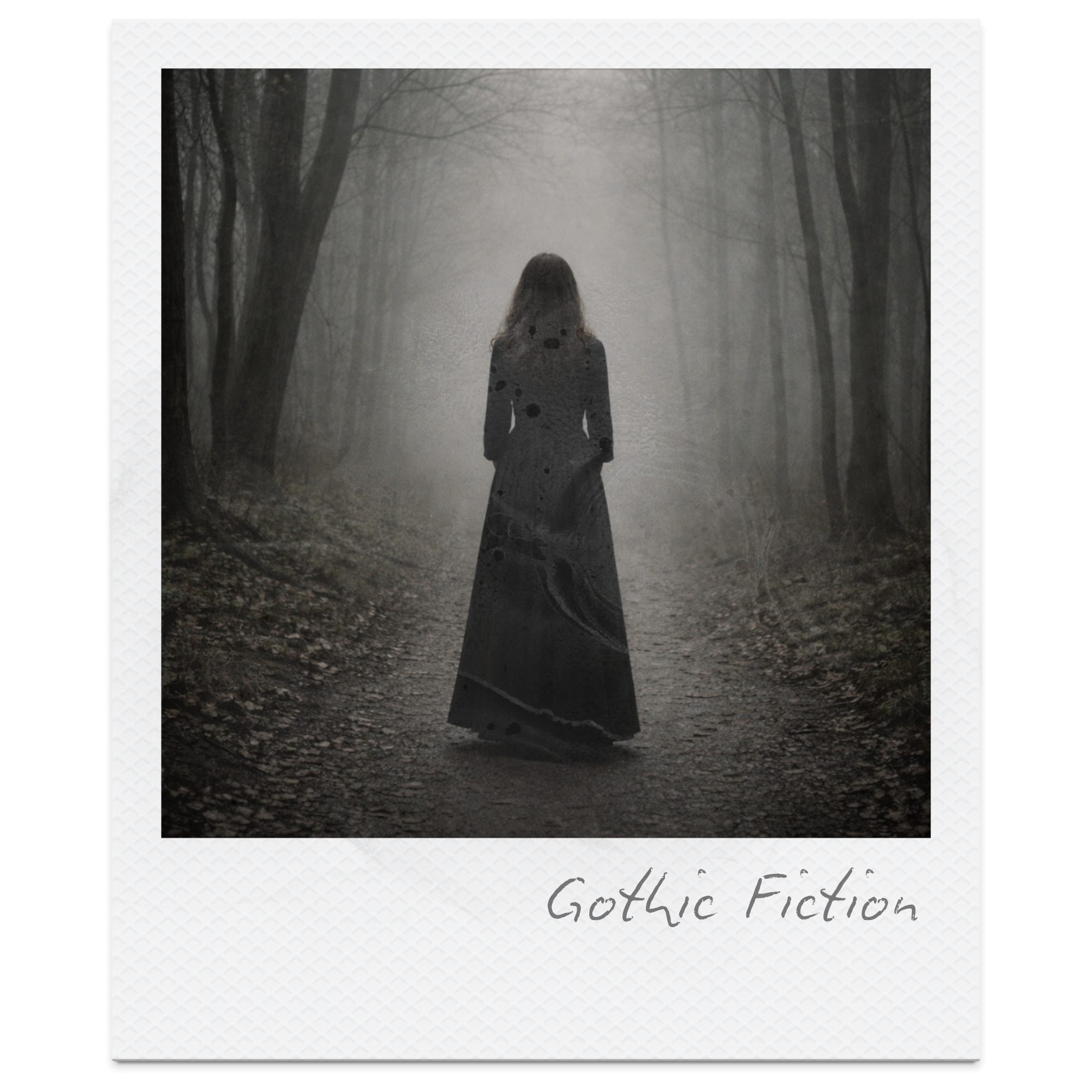
70 Gothic Writing Prompts for Teens: Story Starters, Characters, Settings & Visual Ideas
Gothic fiction is defined by atmosphere — haunted houses, storm-lashed castles, shadowed forests, and secrets that refuse to stay buried. This collection of 70 gothic writing prompts helps teen writers explore gothic fiction through eerie story starters, haunting titles, tragic characters, evocative settings, and atmospheric picture prompts inspired by classic and modern gothic literature. Ideal for classrooms, creative writing clubs, or independent writers, these prompts capture the beauty, tension, and unease at the heart of gothic storytelling.

12 Engaging Podcasts to Hook Teens and Deepen Classroom Analysis
Podcasts aren’t just background noise or Friday-afternoon filler. Used intentionally, they become rich texts for analysis, offering students access to real voices and real perspectives. From true crime to poetry to investigative journalism, podcasts allow students to explore ideas, examine viewpoint, and analyse how meaning is constructed through sound, structure, and tone. Here are twelve powerful podcast recommendations to transform listening into real learning.
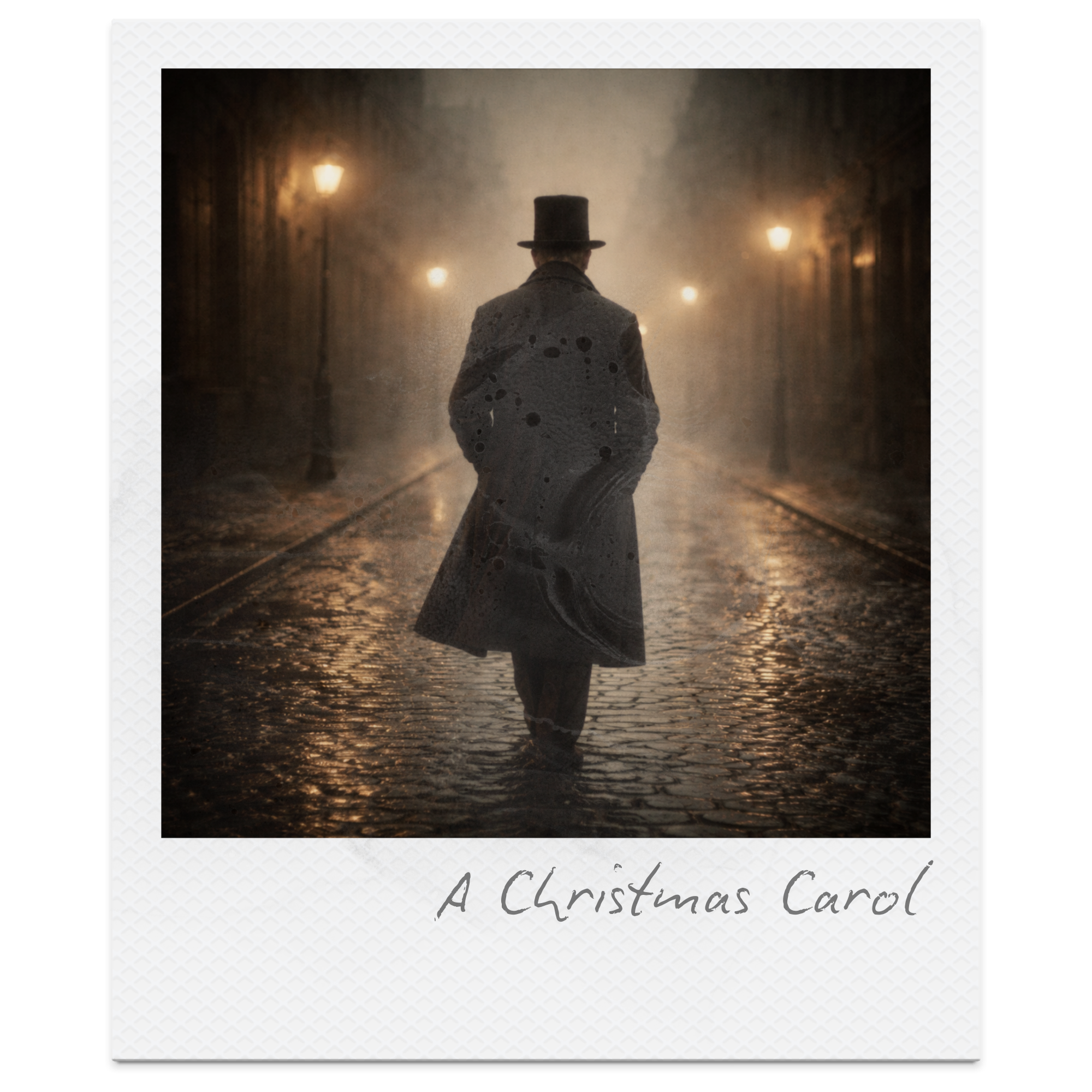
The Real Point of A Christmas Carol: Meaning, Context, and Why We’re Still Missing It in the Classroom
A Christmas Carol is often taught as a simple story of personal redemption, but Charles Dickens wrote it as a fierce critique of poverty, inequality, and social responsibility. Beneath the familiar ghosts and festive imagery lies a political text that challenges readers to confront the systems that allow suffering to persist. This post explores the real meaning of A Christmas Carol in the classroom, examining Dickens’ purpose, key ideas, and modern relevance. With clear analysis, teaching insights, and discussion extensions, it shows how the novella works not just as a set text, but as a demand for action — making it more powerful, relevant, and challenging for students today.
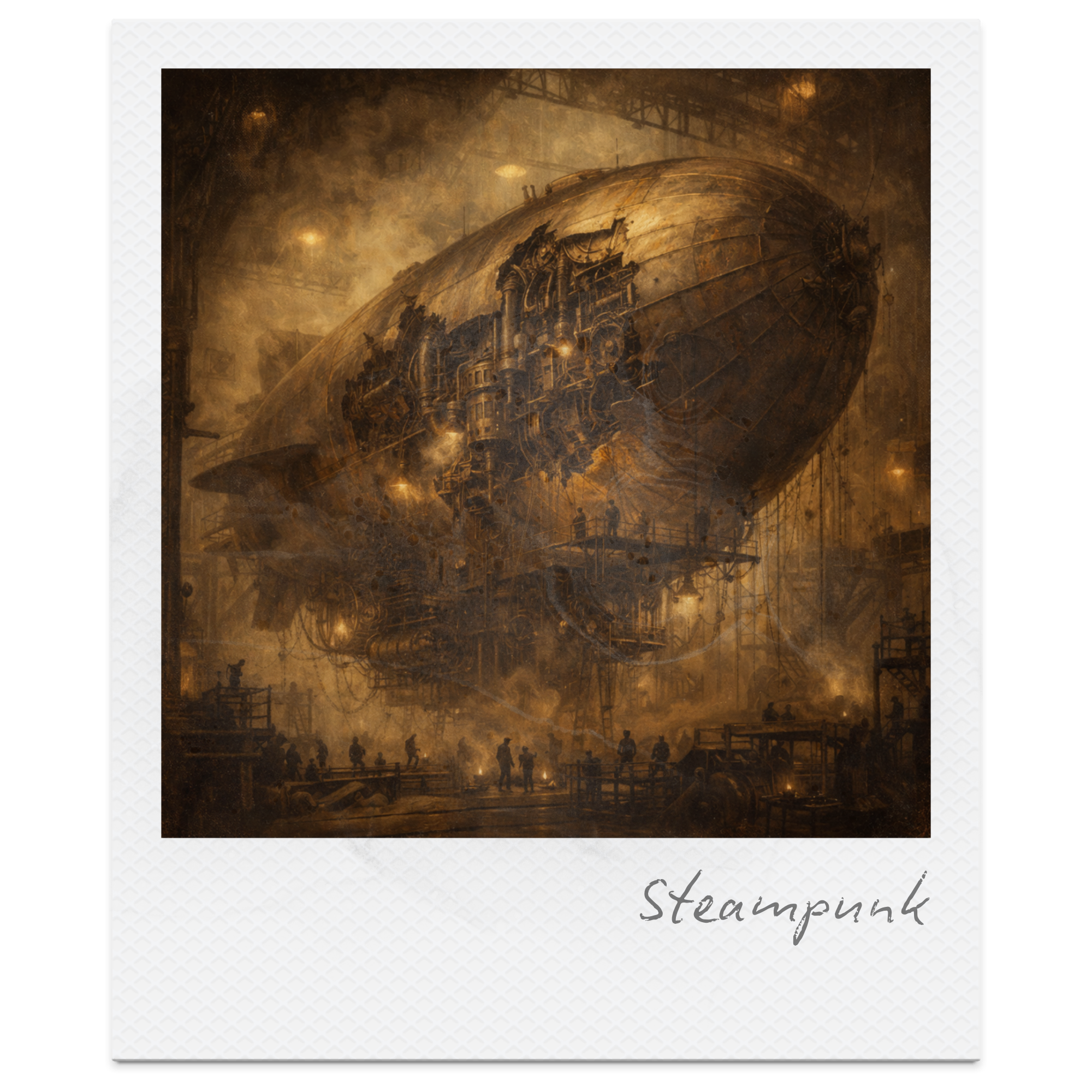
70 Steampunk Writing Prompts for Teens: Story Starters, Characters, Settings & Visual Ideas
Steampunk writing prompts for teens blend Victorian history with speculative invention, creating worlds shaped by steam power, machinery, and bold technological imagination. More than an aesthetic, steampunk explores systems of power, class, labour, and progress — asking what happens when innovation advances faster than ethics. This collection of 70 steampunk writing prompts is designed to help teen writers build rich, believable worlds through plot hooks, story titles, opening and closing lines, character ideas, immersive settings, and visual picture prompts. From inventors and rebels to airships, factories, and mechanical cities, these prompts encourage thoughtful, consequence-driven storytelling rather than surface-level genre tropes. Ideal for classroom creative writing, genre studies, or independent projects, these steampunk prompts support worldbuilding, narrative tension, and imaginative problem-solving — making them a powerful resource for teachers and young writers exploring speculative fiction.

10 Dystopian Texts to Teach Beyond 1984 (Classroom Ideas & Creative Writing)
Every time dystopian fiction comes up in the classroom, 1984 takes centre stage. And for good reason — it’s chilling, essential, and one of those texts I’ll always defend teaching. But Orwell isn’t the whole story. Dystopia is also about fear, climate collapse, isolation, memory, love, and the choices people make when systems fall apart. This post shares ten powerful texts that go beyond Orwell, each with themes, classroom ideas, and creative writing extensions you can use straight away.
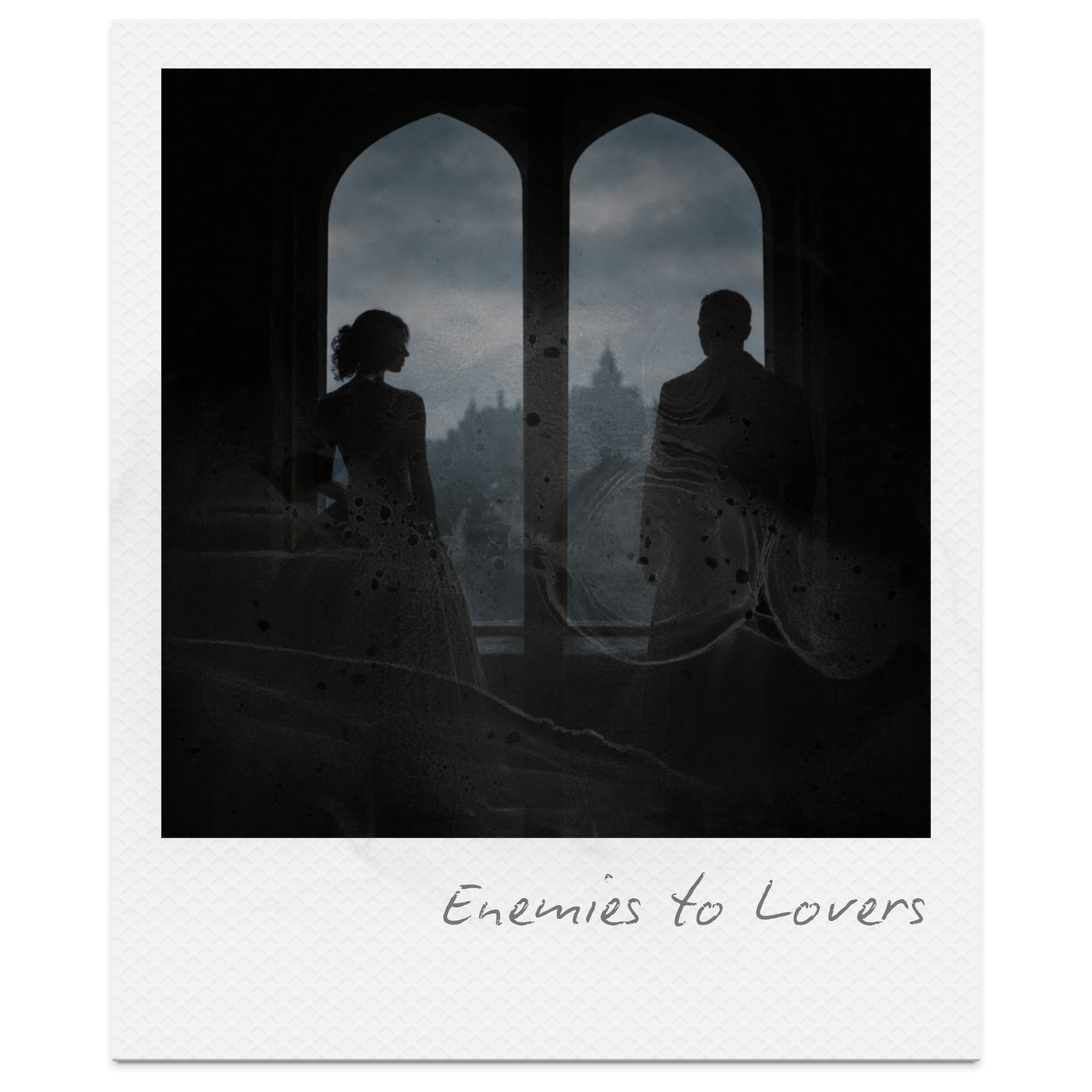
70 Enemies-to-Lovers Writing Prompts for Teens: Story Starters, Characters, Settings & Visual Ideas
70 Enemies-to-Lovers Writing Prompts for Teens is a premium creative writing collection designed to help young writers explore rivalry, conflict, banter, and slow-burn romance through character-driven storytelling. Featuring story hooks, opening and closing lines, character ideas, high-tension settings, and atmospheric picture prompts, this post shows teen writers how the enemies-to-lovers trope transforms opposition into emotional connection. Perfect for classroom use, creative writing warm-ups, or independent practice, these enemies-to-lovers writing prompts encourage teens to develop complex characters, believable conflict, and emotional arcs while experimenting with one of the most popular tropes in YA fiction.

The Best Netflix Shows and Films to Use in the Secondary Classroom
Streaming doesn’t have to mean “switching off.” Netflix is packed with series and films that open up rich discussions in the secondary English classroom — from dystopian cautionary tales like Black Mirror to tender coming-of-age stories like Heartstopper. Used thoughtfully, these titles can spark debate, connect literature to students’ lives, and bring themes like identity, grief, and power into focus. This guide rounds up some of the best options, with classroom pairings, creative activities, and cross-curricular links to help you use screen time as a powerful teaching tool.
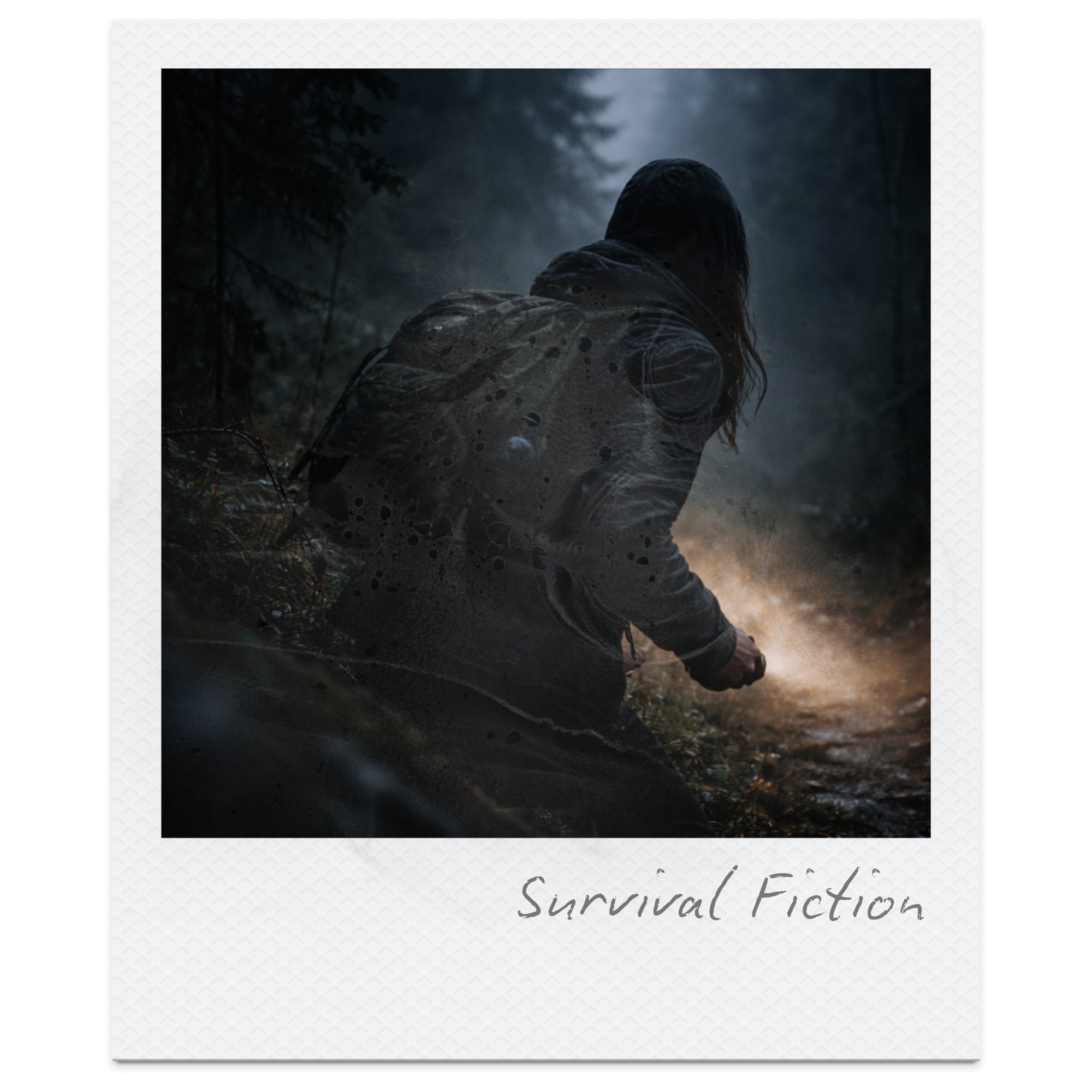
70 Survival Writing Prompts for Teens: Story Starters, Characters, Settings & Visual Ideas
Survival writing prompts for teens explore what happens when comfort, safety, and certainty disappear. Rooted in isolation, scarcity, and high-stakes decision-making, survival fiction reveals character under pressure and asks how far people are willing to go to endure. This collection of 70 survival writing prompts includes plot hooks, story titles, opening and closing lines, character ideas, immersive settings, and picture prompts designed to support realistic, tension-driven storytelling. From natural disasters and remote environments to moral dilemmas and fractured group dynamics, these prompts help young writers build stories focused on resilience, consequence, and human choice. Ideal for classroom creative writing, survival fiction units, or independent projects, these prompts encourage thoughtful exploration of endurance, leadership, and survival when there are no easy answers.
We Are Missing the Good Kids (And It’s Costing Us More Than We Think)
Every year, the loudest voices take centre stage — whether through disruption or achievement — while the quiet, steady students fade into the background. These “good kids” hand in work on time, follow every rule, and never demand attention, yet too often they go unseen. This post explores why our system overlooks them, what we lose in the process, and simple ways to make sure they’re not forgotten.