Notes from the Inkpot
Writing, teaching, creating - one ink-stained idea at a time.



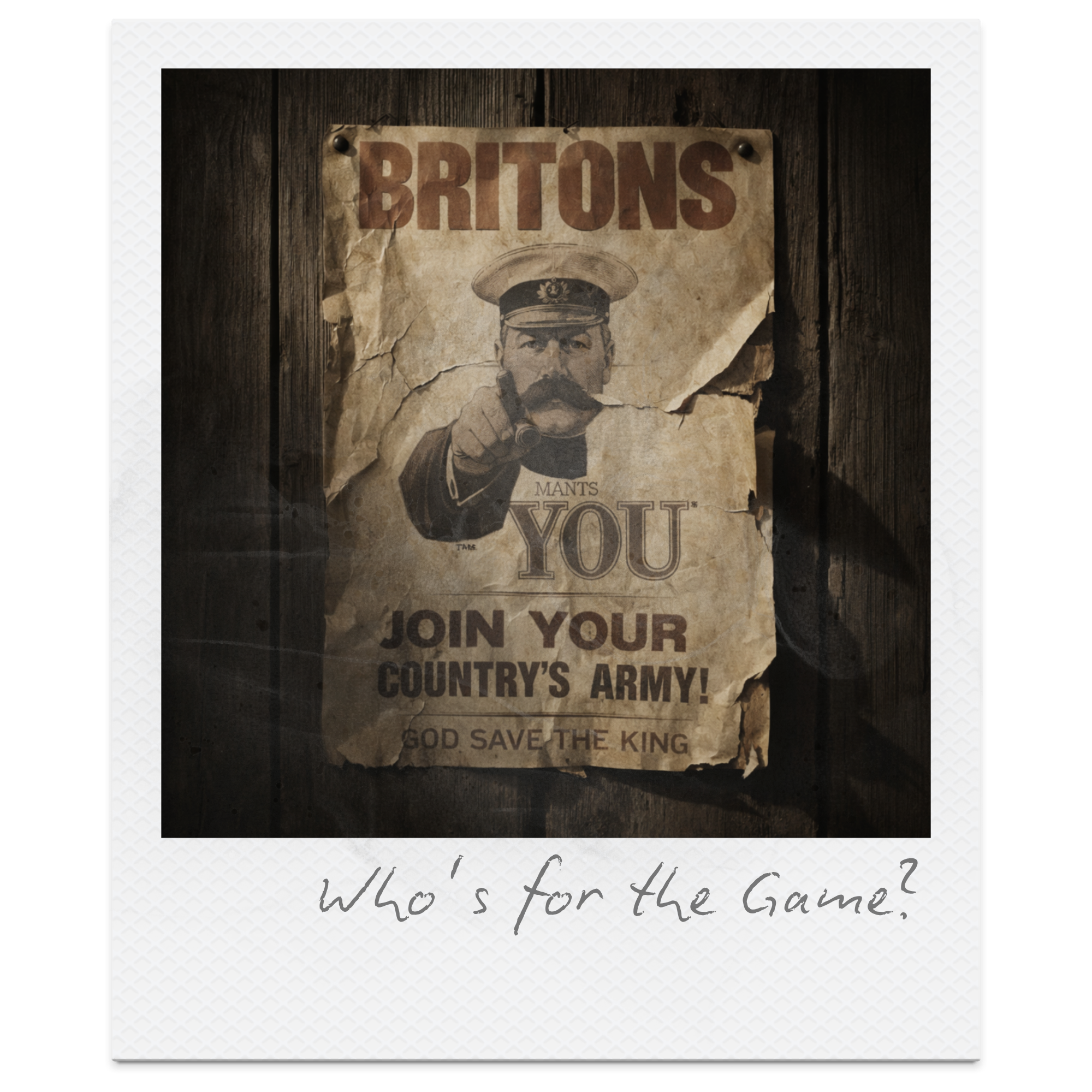
Who's for the Game? by Jessie Pope: Summary, Themes & Analysis
Jessie Pope’s Who’s for the Game? uses sporting imagery, rhetorical questions and direct appeals to patriotism to encourage young British men to enlist during the First World War. Explore how Pope transforms war into “the biggest” game, linking military service with masculinity, courage and national duty while using social pressure to make remaining at home increasingly difficult to defend.
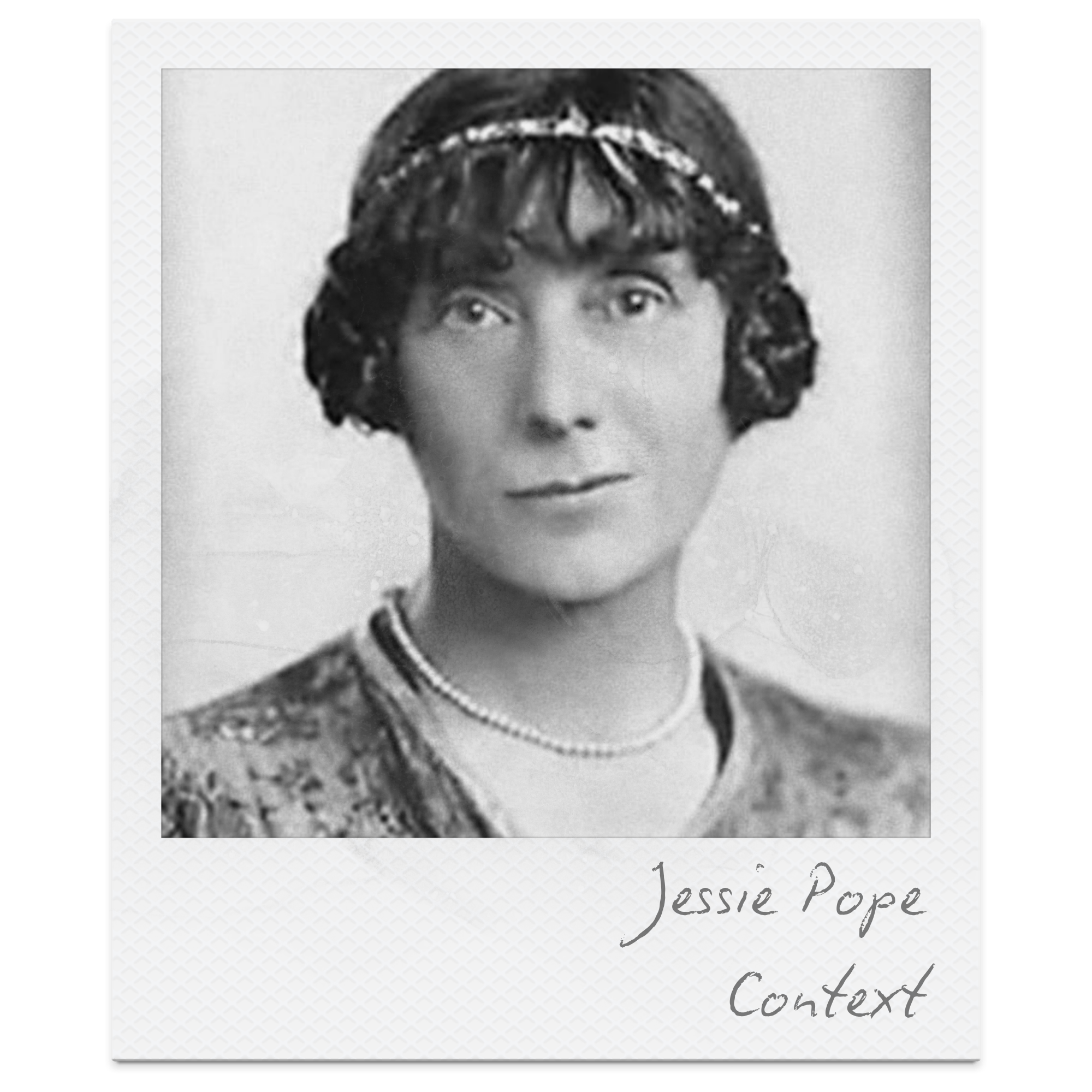
Jessie Pope: Context, War Poetry, and Literary Significance
Explore the life, historical context, poetry, and literary significance of Jessie Pope, one of the most controversial voices of First World War literature. Discover how patriotism, recruitment, propaganda, gender expectations, sporting imagery, and popular culture shaped her writing, and why reading Pope alongside poets such as Wilfred Owen and Siegfried Sassoon reveals the competing ways the First World War was represented through poetry.
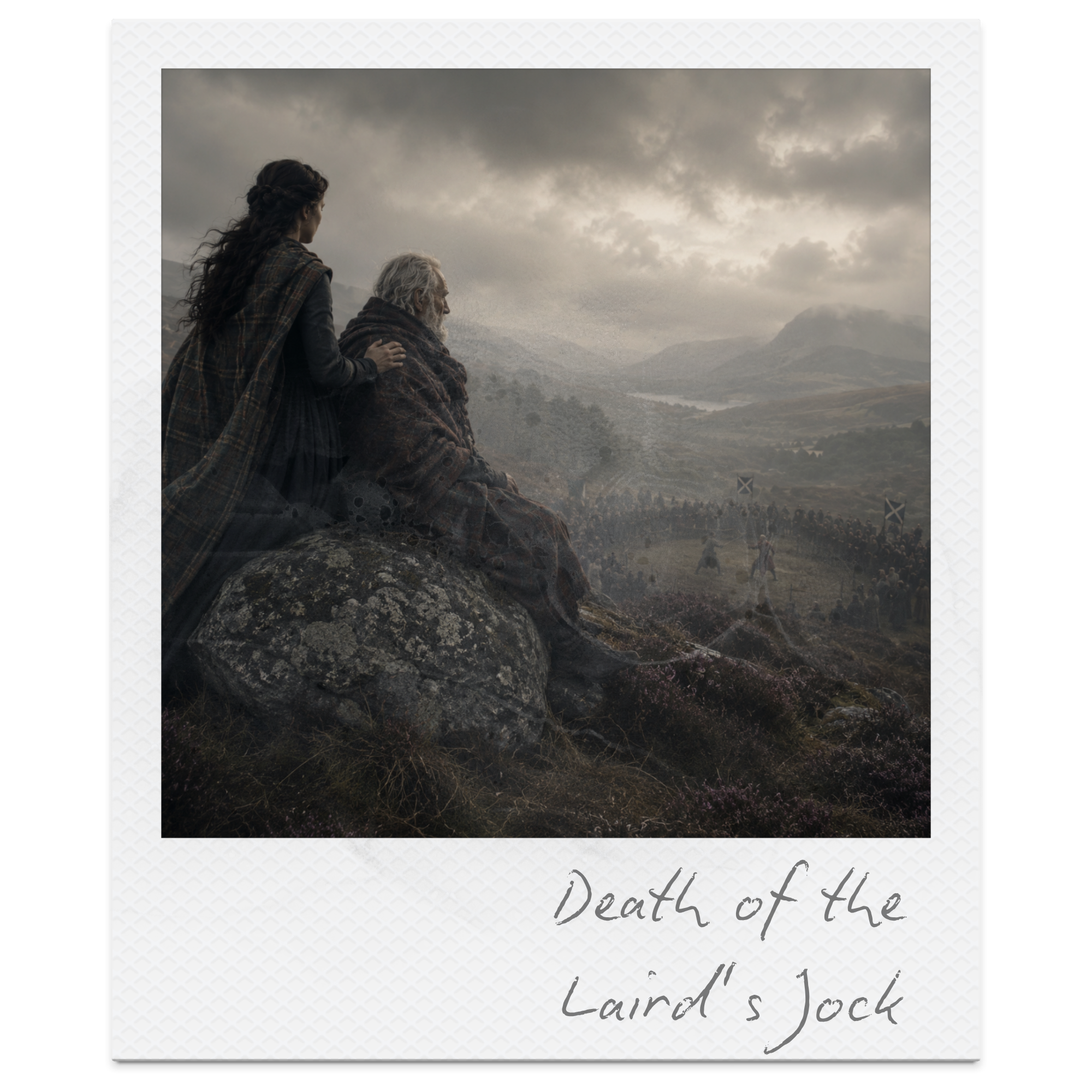
Death of the Laird’s Jock by Walter Scott: Summary, Themes & Analysis
Walter Scott’s Death of the Laird’s Jock is a dramatic historical short story from Stories of Ourselves Volume 2 which explores honour, masculinity, national identity, violence, and emotional collapse. Set in the Scottish Borders, the story follows the once-feared warrior known as the Laird’s Jock as he witnesses his son’s defeat in a public duel against an English champion. Through symbolism, dramatic imagery, and tragic contrast, Scott examines how identities built upon reputation and martial pride can become psychologically destructive. This analysis explores the story’s themes, symbolism, structure, narrative voice, and key quotations while focusing closely on Scott’s methods and their emotional impact. Designed for CIE IGCSE World Literature (0408) students and teachers, this guide offers revision-focused insights, analytical commentary, and classroom-ready interpretations to support deeper understanding of the text.
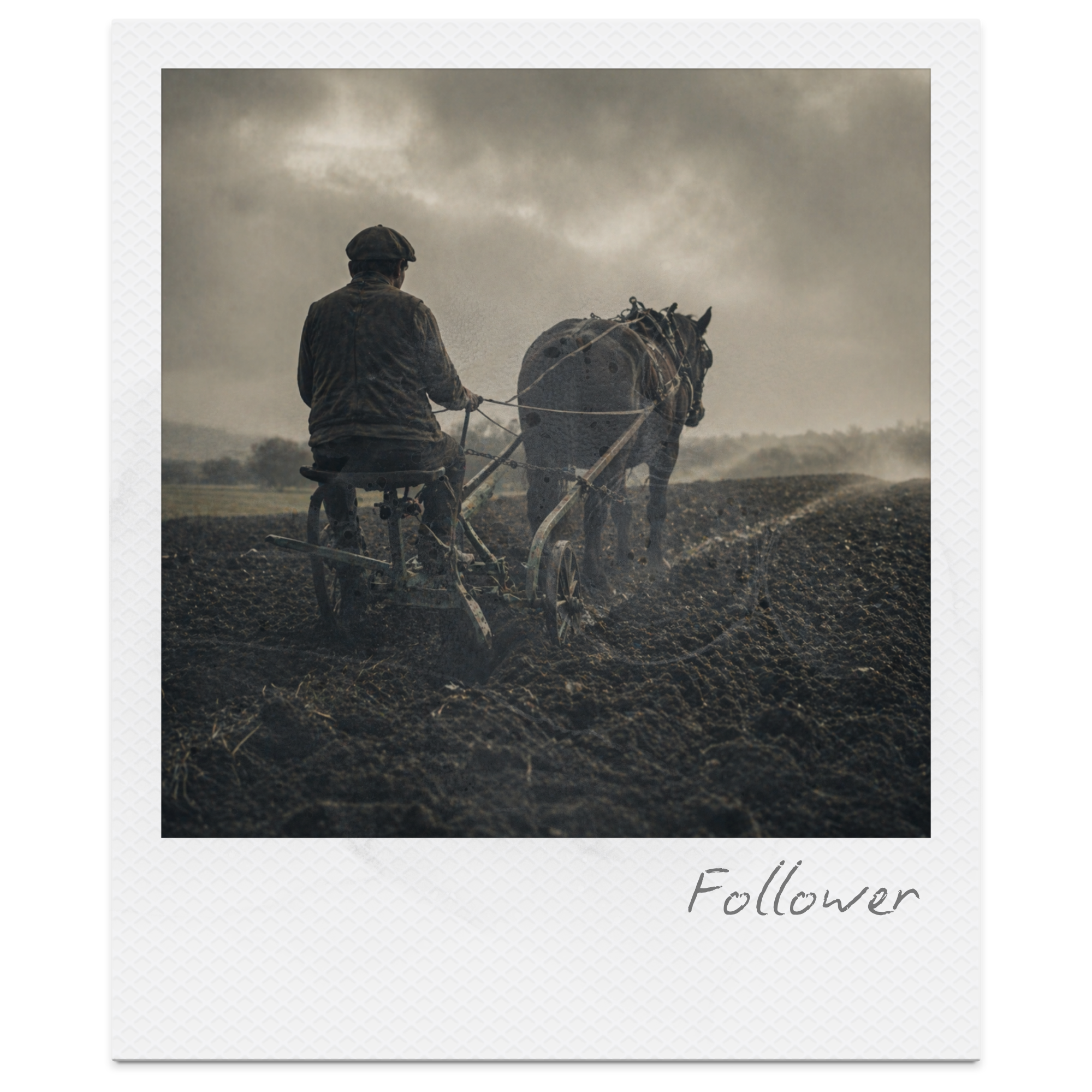
Follower by Seamus Heaney: Summary, Themes & Analysis
Seamus Heaney’s Follower explores admiration, identity, and the changing nature of family relationships through a reflective first-person voice. The poem presents the speaker’s father as a figure of strength, precision, and authority, using vivid imagery and controlled structure to elevate his skill as a ploughman. In contrast, the young speaker is portrayed as clumsy and dependent, creating a clear imbalance that reflects childhood hero-worship and the desire to imitate a parent. However, the poem’s meaning shifts in the final stanza, where Heaney introduces a subtle but powerful role reversal, revealing the father as the one who now “stumbles” behind the speaker. This transformation turns the poem into a reflection on time, ageing, and emotional complexity, as admiration gives way to a more unsettled awareness of changing roles. Through this contrast, Follower captures the tension between inheritance and independence, leaving the reader with a lasting sense of how relationships evolve over time.
Teaching Remains by Simon Armitage: Poem Analysis, Context, Themes and Key Ideas
Remains by Simon Armitage is one of the most powerful poems studied in the GCSE Power and Conflict anthology, exploring the psychological impact of war and the way violence lingers long after the moment itself has passed. Rather than focusing on combat or heroism, the poem examines guilt, memory, and moral responsibility through the voice of a soldier haunted by a single act of killing. This post offers a clear, stanza-by-stanza analysis of Remains, exploring its context, form, imagery, and key ideas, alongside practical teaching strategies for secondary English classrooms. It also considers why the poem is so effective for studying power and conflict, and how it fits within wider conflict poetry, making it a useful guide for teachers and students alike.
The Soldier by Rupert Brooke: Meaning, Themes, and How to Teach the Poem
The Soldier by Rupert Brooke is one of the most recognisable poems from the early years of the First World War, presenting death in war as meaningful, peaceful, and bound to ideas of home and national identity. Rather than depicting violence or trauma, the poem offers clarity and reassurance, reflecting the confidence and idealism that shaped early attitudes to conflict. This teaching-focused deep dive explores the meaning, themes, form, and structure of The Soldier, examining how patriotism, sacrifice, and legacy are constructed through language and sonnet form. Designed for classroom use, the post offers clear analysis, creative teaching approaches, and guidance on placing the poem within a wider study of conflict poetry.
Futility by Wilfred Owen: Meaning, Themes, and How to Teach the Poem
Futility by Wilfred Owen is one of the most quietly devastating poems in First World War poetry, challenging readers to confront loss, creation, and the possibility that meaning itself may fail under pressure. Rather than depicting the violence of battle, Owen focuses on a single, still moment after death, using restrained language and natural imagery to question whether life, care, and sacrifice were ever guaranteed purpose. This deep dive explores the meaning, themes, form, and structure of Futility, examining how tenderness, love between soldiers, and faith in nature gradually give way to philosophical doubt. Written for teachers, this post moves beyond summary to support classroom discussion, close analysis, and thoughtful teaching, showing why Futility remains one of the most challenging and powerful war poems to study at higher levels.
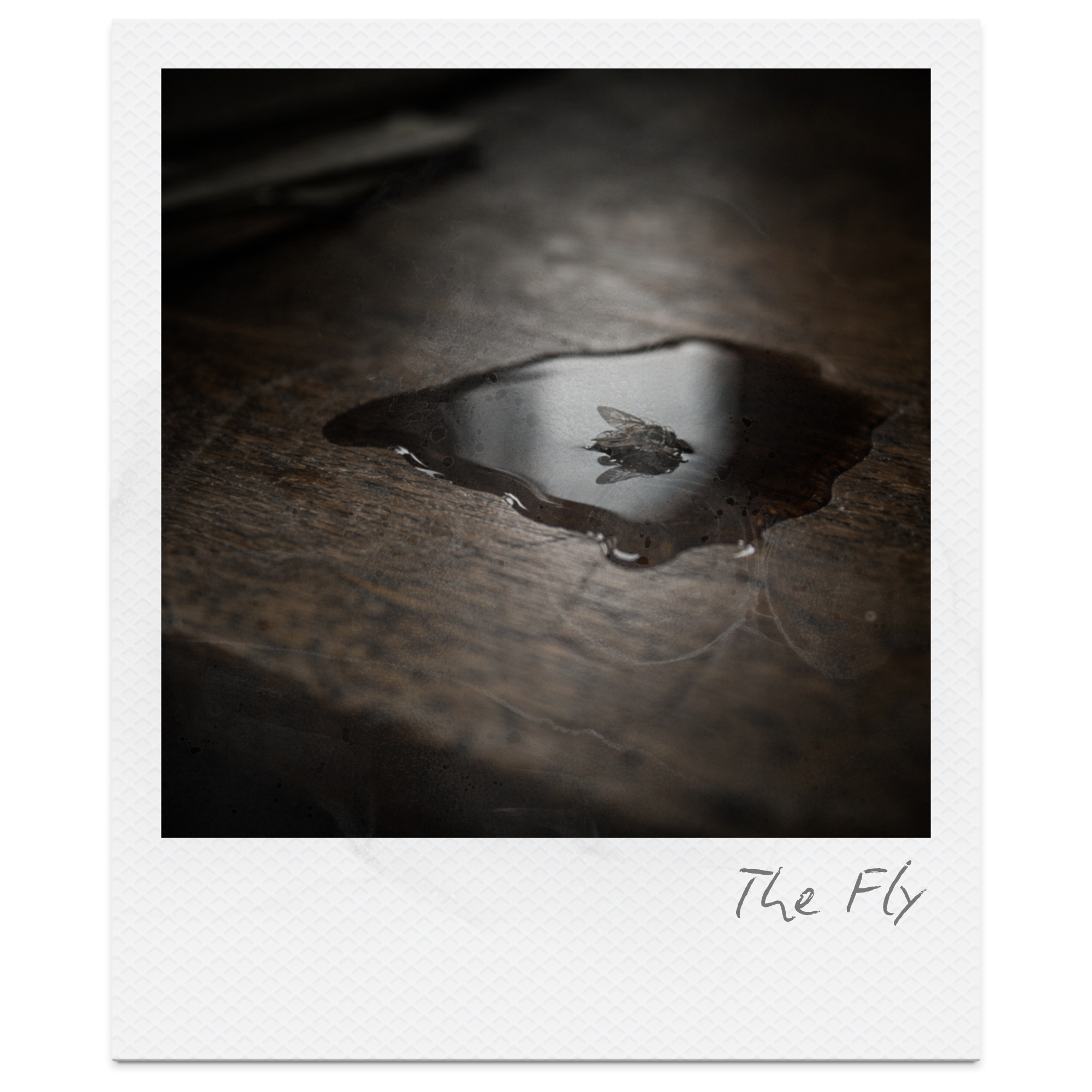
The Fly by Katherine Mansfield: Post-War Grief, Masculinity, and Trauma (For English Teachers)
The Fly by Katherine Mansfield is often taught as a short, symbolic story — but its real power lies in what it reveals about post-war grief, masculinity, and emotional repression. Written in the aftermath of the First World War, The Fly explores what happens when loss is expected to be over, yet trauma quietly persists beneath ordinary life. This post is designed for English teachers looking to bridge WW1 poetry and post-war prose, showing how lived experience shapes literature long after conflict has ended. It explores Mansfield’s personal connection to war, the symbolism of the fly as repeated trauma, and the story’s unsettling portrayal of power, control, and suppressed emotion. With classroom-ready activity ideas and links to wider conflict poetry, this deep dive helps teachers position The Fly as more than a standalone short story — but as part of a broader conversation about aftermath, memory, and the long shadow of war.
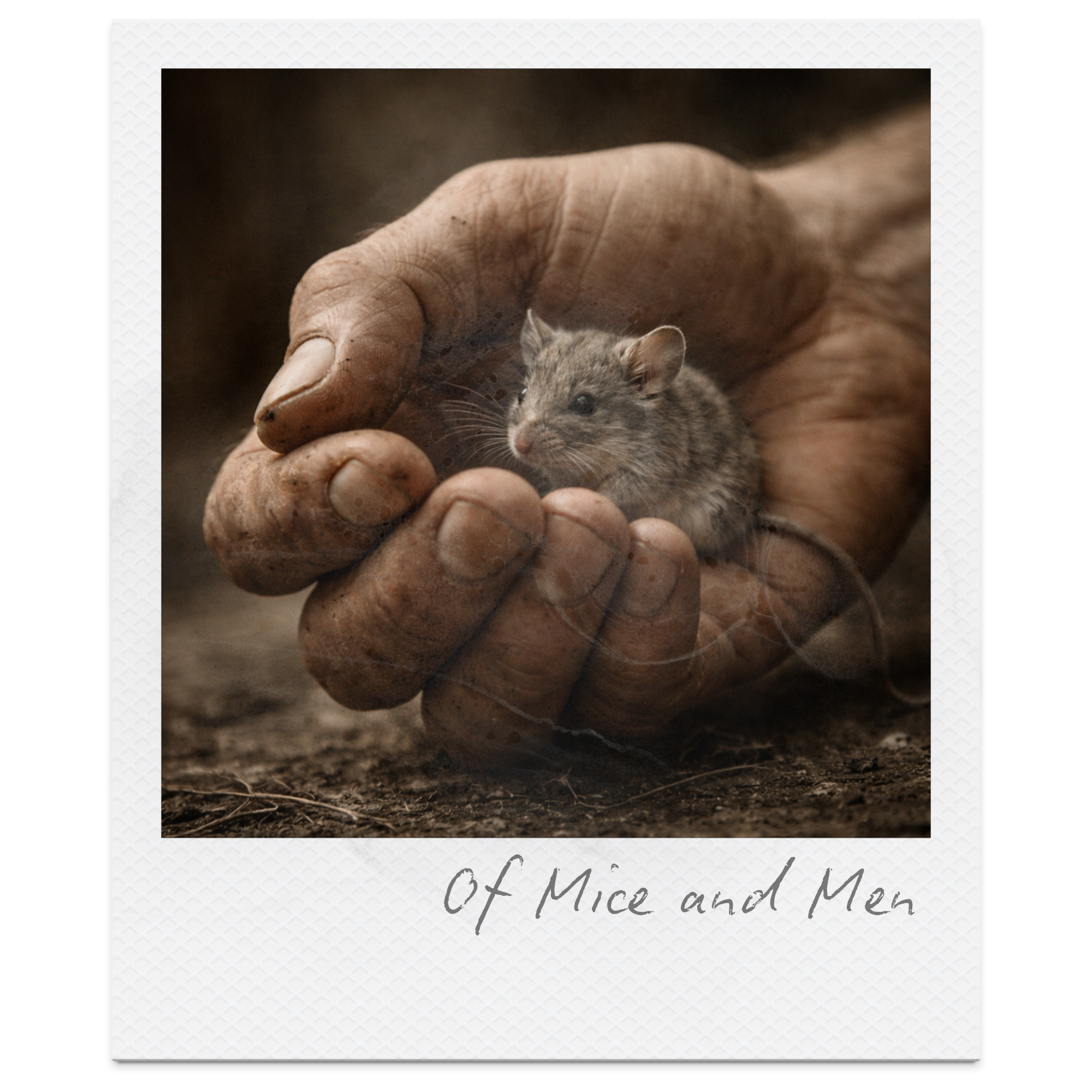
Why Of Mice and Men Still Matters: Context, Controversy, and the Classroom
Of Mice and Men remains one of the most powerful and challenging texts taught in the secondary English classroom. Despite ongoing debate around challenged books, controversial language, and classroom suitability, Steinbeck’s novella continues to resonate with students because it tackles enduring questions of power, loneliness, prejudice, and moral responsibility. Short, accessible, and deceptively complex, it invites discussion rather than delivering easy answers. This post explores why teachers still teach Of Mice and Men in 2026, examining its historical context, its place within modern classrooms, and the strategies that keep students engaged through creative writing, discussion-led learning, and reflective tasks. It also offers ideas for taking learning deeper once the final chapter is reached — supporting thoughtful, nuanced teaching of a text that refuses to be forgotten.