70 Viking Story Ideas: Longships, Sagas & Norse Legends
he Viking Age is one of history's most dramatic settings for historical fiction, offering rugged coastlines, towering fjords, windswept islands, bustling trading settlements, longships crossing dangerous seas, fierce warriors, skilled craftspeople, explorers, poets, and communities shaped by honour, kinship, and survival. From remote Scandinavian villages and royal halls to distant colonies, sacred groves, bustling marketplaces, and newly discovered shores, the Viking world provides endless opportunities for stories of adventure, ambition, loyalty, exploration, and legacy.
Far more than fearless raiders, the Vikings were traders, shipbuilders, navigators, farmers, storytellers, diplomats, explorers, and settlers whose influence stretched across Europe and beyond. Writers can explore family feuds, blood oaths, voyages into the unknown, political alliances, succession disputes, merchant expeditions, legendary discoveries, forbidden romance, justice assemblies, and conflicts between old beliefs and changing religions. Whether your protagonist is a shieldmaiden, jarl, skald, blacksmith, merchant, navigator, healer, thrall, or young explorer seeking glory, the Viking Age offers a rich and immersive backdrop for unforgettable historical fiction.
This collection of 70 Viking Story Ideas is designed as a complete creative toolkit, featuring plot prompts, title ideas, opening lines, closing lines, character ideas, setting prompts, and atmospheric picture prompts. Explore roaring longships, smoky longhouses, sacred forests, icy fjords, hidden coves, windswept cliffs, bustling trading ports, mountain passes, and stories where courage, honour, family, and fate shape every decision.
If you're looking for even more inspiration, explore the Historical Fiction Writing Hub for story ideas inspired by fascinating periods throughout history, or browse the Creative Writing Archive for hundreds of creative writing resources spanning historical fiction, fantasy, mystery, romance, gothic fiction, folklore, science fiction, and many more genres.
1. Plot Prompts
The Viking Age was shaped by exploration, family loyalty, political ambition, survival, and the pursuit of honour. These plot prompts draw inspiration from Norse society, long-distance voyages, settlement, law, and the lives of the people who crossed seas in search of opportunity, glory, and belonging.
A young navigator discovers an uncharted island whose inhabitants claim to have been abandoned by the gods.
A jarl's daughter must negotiate peace between two rival clans before a blood feud destroys both families.
A blacksmith forges an extraordinary sword, only to realise every powerful leader in the region wants to possess it.
A trader returning from distant lands brings home an object that quietly changes the balance of power within the village.
A skald uncovers evidence that the greatest hero of his generation built his reputation upon a carefully hidden lie.
A settlement preparing for winter receives unexpected visitors seeking refuge from an unknown threat across the sea.
A young warrior must choose between avenging a family member and honouring an oath sworn before witnesses.
During a voyage to establish a new colony, the crew discovers signs that another civilisation reached the island generations earlier.
A respected lawspeaker disappears on the eve of an important assembly, threatening to plunge several clans into conflict.
A healer accused of angering the old gods must uncover the true cause of a mysterious illness spreading through the settlement.
2. Title Ideas
Viking stories should evoke rugged landscapes, legendary voyages, family honour, and the enduring spirit of exploration.
Beneath Northern Skies
The Last Longship
The Jarl's Oath
Across the Frozen Sea
The Song of Ravens
The Hall of Ash and Oak
The Forgotten Fjord
Where the North Wind Calls
The Lawspeaker's Secret
Before the Northern Dawn
3. Opening Lines
The Viking world offers dramatic beginnings shaped by stormy seas, family loyalties, exploration, and the uncertainty of fate.
Every voyage begins long before the ship touches water.
My father measured a person's worth by the promises they kept.
The raven returned alone.
Winter arrived before the longships did.
No one questioned the lawspeaker until he vanished.
The sea had given us everything except peace.
I first saw the island beneath a sky filled with snow.
The feast ended the moment the messenger entered the hall.
We buried the sword before anyone could claim it.
The old skald said every family carries at least one dangerous story.
4. Closing Lines
Viking endings often reflect honour, legacy, family, and the stories that survive long after those who lived them.
The sea remembered our names even when history did not.
Honour outlived every battle.
The saga belonged to those willing to tell the whole truth.
Another longship disappeared beyond the horizon.
The old gods had remained silent, but the people had listened.
Our children inherited peace instead of revenge.
The fjord reflected only the northern sky.
Every voyage eventually becomes a story.
The hall stood empty, but the fire still burned.
Some legends begin after the battle is over.
5. Character Ideas
The Viking world was filled with explorers, traders, craftspeople, farmers, storytellers, and leaders whose lives extended far beyond warfare.
A navigator determined to chart waters no one from the village has ever crossed.
A shieldmaiden respected for her wisdom as much as her skill in battle.
A blacksmith whose craftsmanship makes them valuable to rival clans.
A skald preserving history while quietly deciding which truths deserve to survive.
A merchant travelling between Scandinavia, Britain, and distant European ports.
A healer balancing traditional knowledge with practical medicine during a harsh winter.
A young jarl inheriting leadership sooner than expected.
A lawspeaker responsible for settling disputes between powerful families.
A shipbuilder convinced his greatest creation will carry explorers farther than ever before.
A farmer whose quiet life becomes central to an unexpected political conflict.
6. Setting Ideas
The Viking Age offers dramatic natural landscapes alongside thriving settlements, trading ports, and places of assembly where community life unfolds.
A timber longhouse overlooking a snow-covered fjord.
A bustling coastal trading settlement filled with merchants from distant lands.
A sacred grove where community ceremonies have taken place for generations.
A windswept cliff where ships first appear on the horizon.
A remote island settlement surrounded by towering sea cliffs.
A mountain valley where rival clans gather for an annual assembly.
A shipyard alive with the sound of craftsmen building new longships.
A frozen river crossing during the depth of winter.
A royal hall preparing to welcome travellers from overseas.
A newly founded colony overlooking an unfamiliar coastline.
7. Picture Prompts
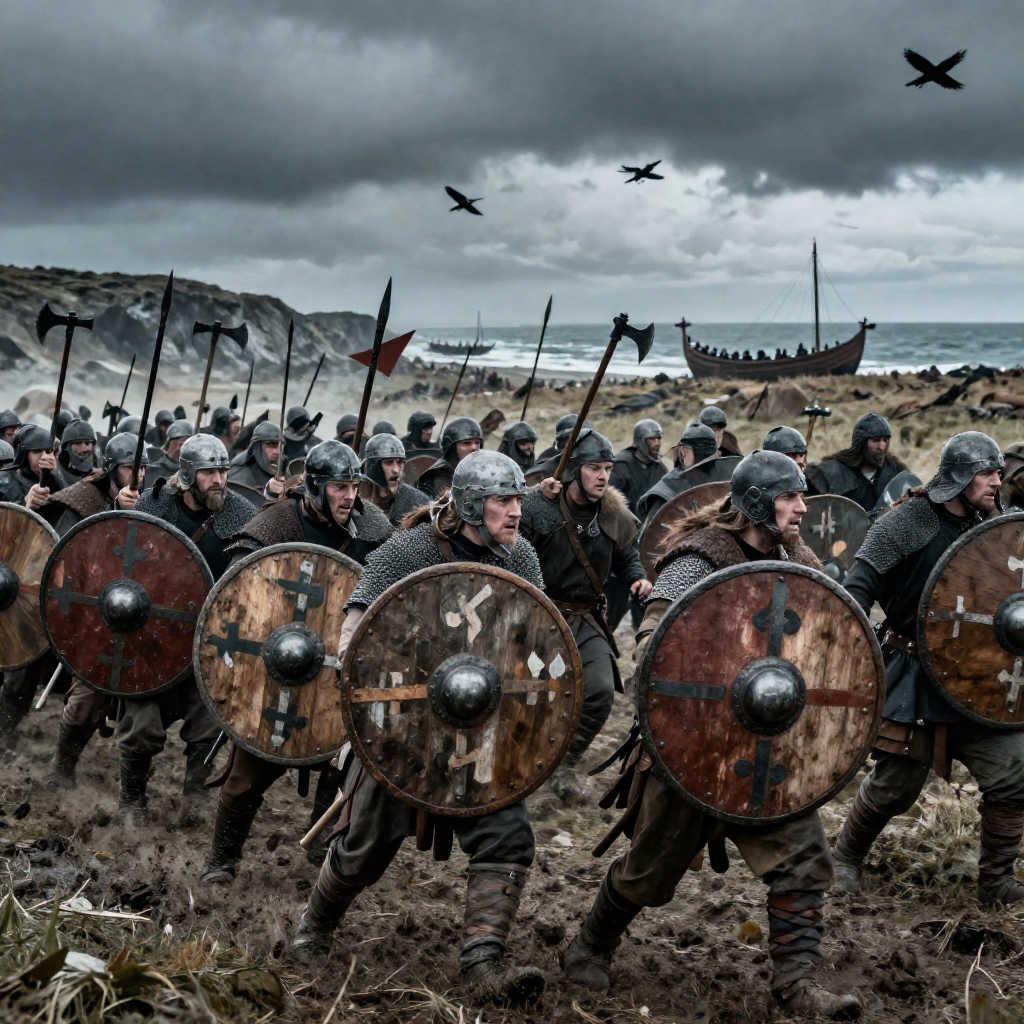
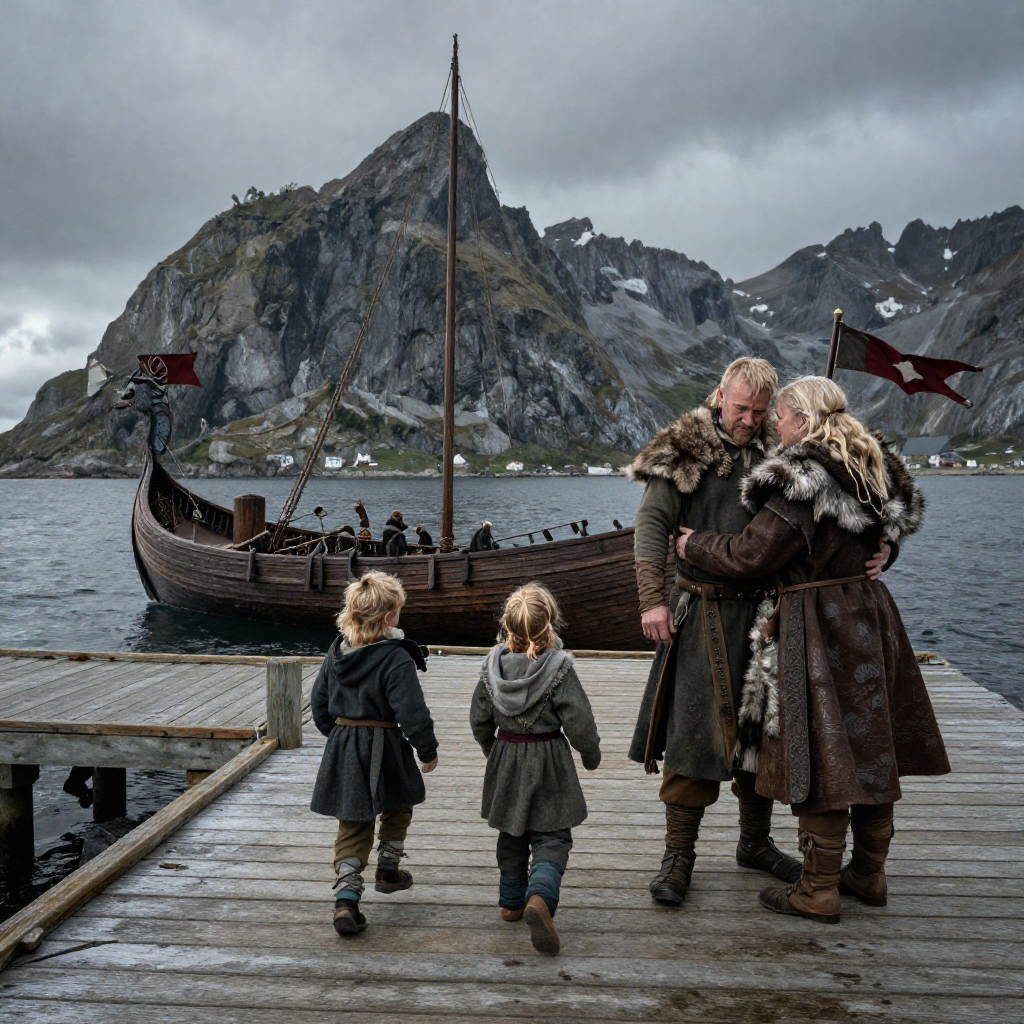
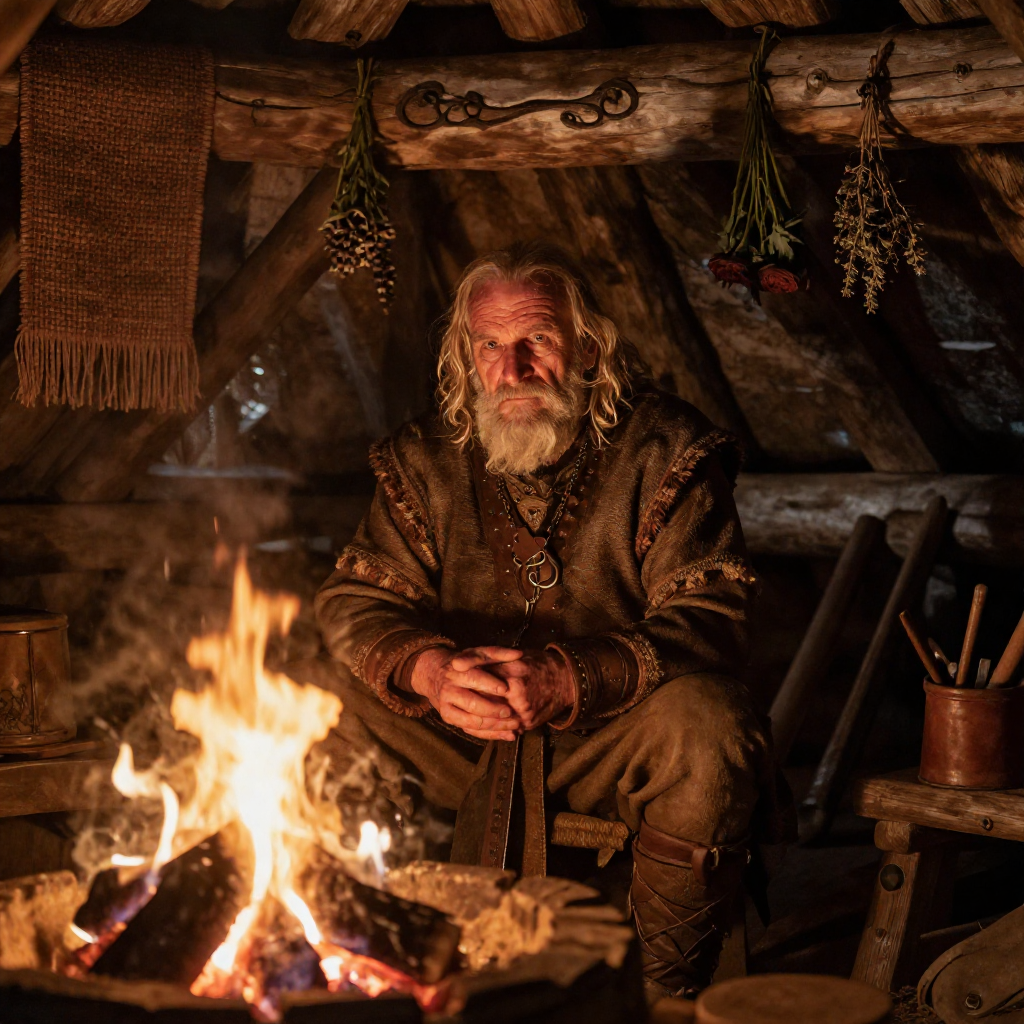
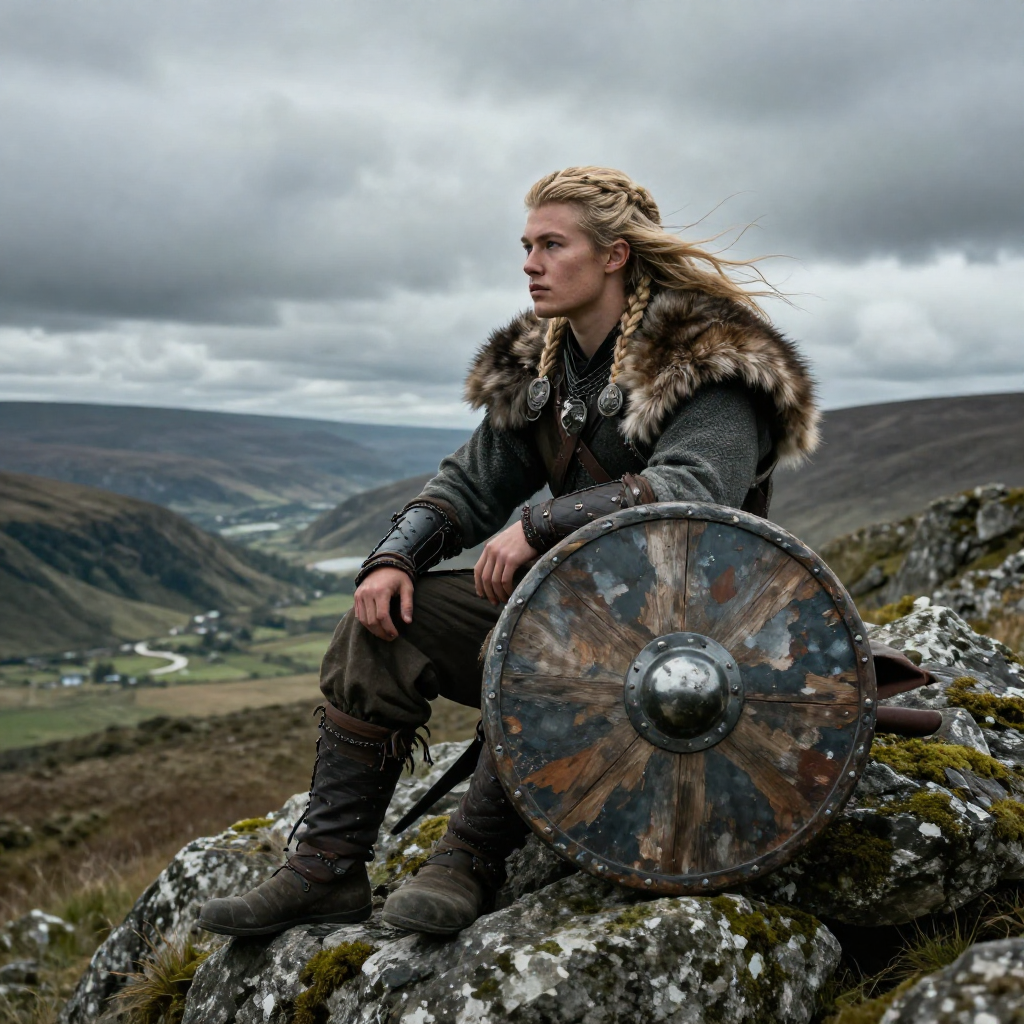
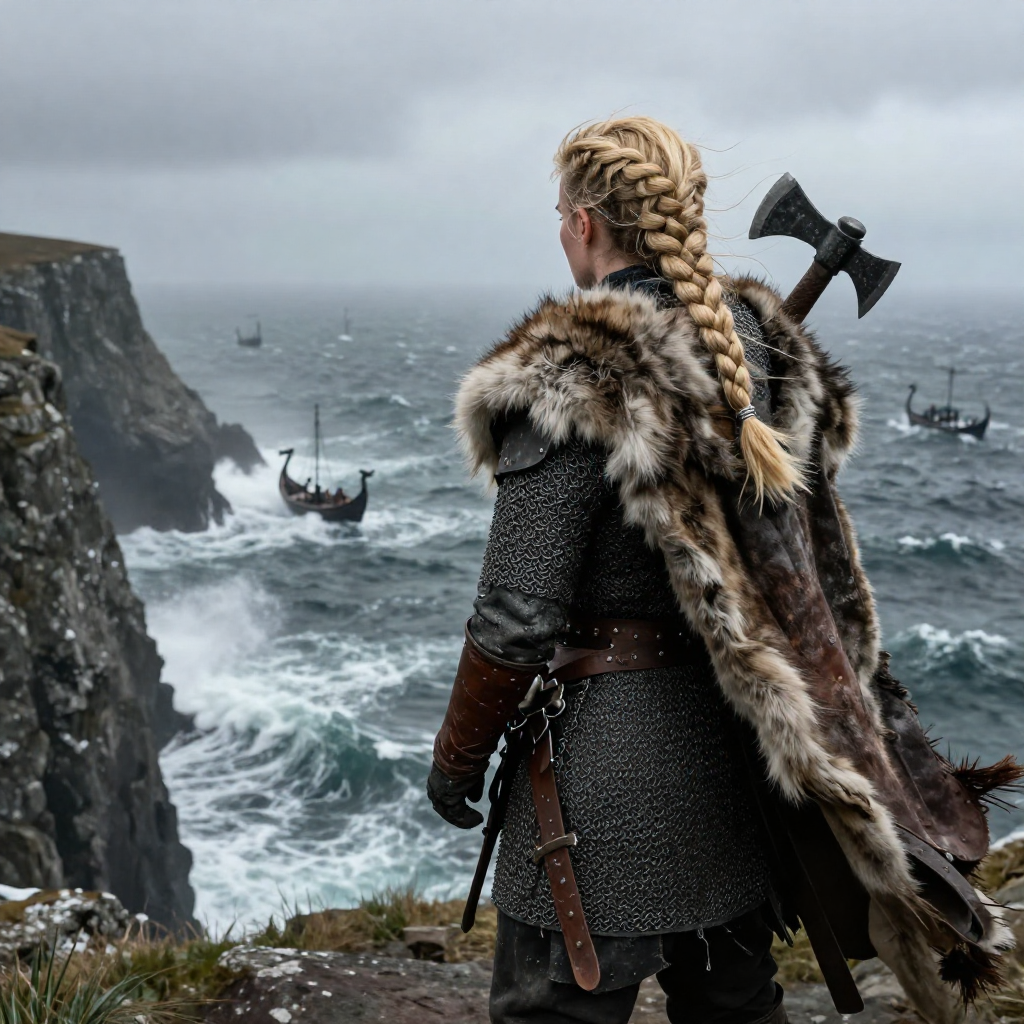
The Viking Age combines rugged natural beauty with extraordinary craftsmanship, exploration, and community. These scenes invite stories of honour, family, discovery, and the enduring spirit of the North.





Go Deeper into the Viking Age
The Viking Age offers writers a rich historical setting shaped by exploration, resilience, craftsmanship, trade, and community. While popular culture often focuses on raids and warfare, Viking society was far more complex. Families farmed the land, merchants travelled across Europe and beyond, shipbuilders perfected remarkable vessels, poets preserved history through oral tradition, and assemblies settled disputes according to carefully established laws. Stories set during this period can explore not only conflict, but also discovery, loyalty, ambition, identity, and the pursuit of a lasting legacy.
The Viking world stretched far beyond Scandinavia, connecting communities across Britain, Ireland, Iceland, Greenland, mainland Europe, and even North America through trade, exploration, and settlement. This expansive world allows writers to combine dramatic landscapes with political intrigue, cultural exchange, dangerous sea voyages, family sagas, and personal journeys of courage and transformation.
◆ Look beyond the image of the Viking warrior. Farmers, traders, shipbuilders, healers, blacksmiths, weavers, storytellers, navigators, craftspeople, and lawspeakers all played vital roles in Viking society and provide fresh perspectives for historical fiction.
◆ Let the landscape shape your story. Towering fjords, dense forests, windswept islands, volcanic coastlines, frozen rivers, rugged mountains, and open seas all influenced daily life and naturally create atmosphere, conflict, and adventure.
◆ Build stories around honour and reputation. Personal promises, family loyalty, hospitality, justice, and reputation were central to Viking society. Characters often face difficult choices between duty, ambition, revenge, forgiveness, and the wellbeing of their communities.
◆ Use exploration as a source of wonder. Viking voyages reached distant lands, opening opportunities for stories about navigation, settlement, diplomacy, unfamiliar cultures, dangerous seas, and the excitement of discovering places few people have ever seen.
◆ Draw inspiration from everyday life. Longhouses, seasonal farming, craft workshops, markets, shipyards, assemblies, feasts, marriages, and community celebrations all provide authentic settings that feel just as compelling as famous battles.
◆ Incorporate Norse beliefs thoughtfully. Festivals, storytelling, sacred groves, burial customs, symbols, and belief in fate shaped daily life. Whether mythology appears as genuine supernatural influence or simply through the beliefs of your characters, it can deepen the atmosphere without overwhelming the historical setting.
◆ Fill your stories with meaningful objects. Rune stones, carved drinking horns, iron swords, bronze brooches, woven cloaks, wooden shields, silver arm rings, navigation tools, decorated longships, and family heirlooms can all become symbols of loyalty, identity, and remembrance.
◆ Remember that the Viking Age was an era of change. Expanding trade networks, new settlements, political alliances, and the gradual spread of Christianity transformed Scandinavian society over time, creating fascinating opportunities for stories about tradition, adaptation, and competing beliefs.
Final Thoughts
The Viking Age continues to inspire writers because it combines breathtaking landscapes, remarkable exploration, close-knit communities, and timeless stories of courage, family, and ambition. Beyond the legendary longships and famous warriors lived people striving to protect their homes, build prosperous settlements, preserve their reputations, and secure a future for generations to come. Whether your story follows a navigator crossing unknown seas, a skilled shipbuilder, a young jarl, a travelling merchant, a healer, or a skald preserving history through song, the Viking world offers endless opportunities for immersive historical fiction.
These 70 Viking Story Ideas explore daring voyages, family rivalries, political alliances, trading expeditions, settlement, justice assemblies, hidden discoveries, forbidden romance, harsh winters, and the enduring bonds of kinship. Whether you're writing historical fiction, adventure, historical mystery, romance, mythology-inspired fiction, or sweeping family sagas, these ideas are designed to help you create memorable stories filled with atmosphere, conflict, and the spirit of exploration.
If you're looking for even more inspiration, explore the Historical Fiction Writing Hub for story ideas inspired by fascinating periods throughout history, or browse the Creative Writing Archive, where you'll discover hundreds of writing prompts, story ideas, characters, settings, and worldbuilding resources spanning fantasy, mystery, romance, gothic fiction, folklore, science fiction, and many more genres.
Choose Your Next Adventure