Notes from the Inkpot
Writing, teaching, creating - one ink-stained idea at a time.



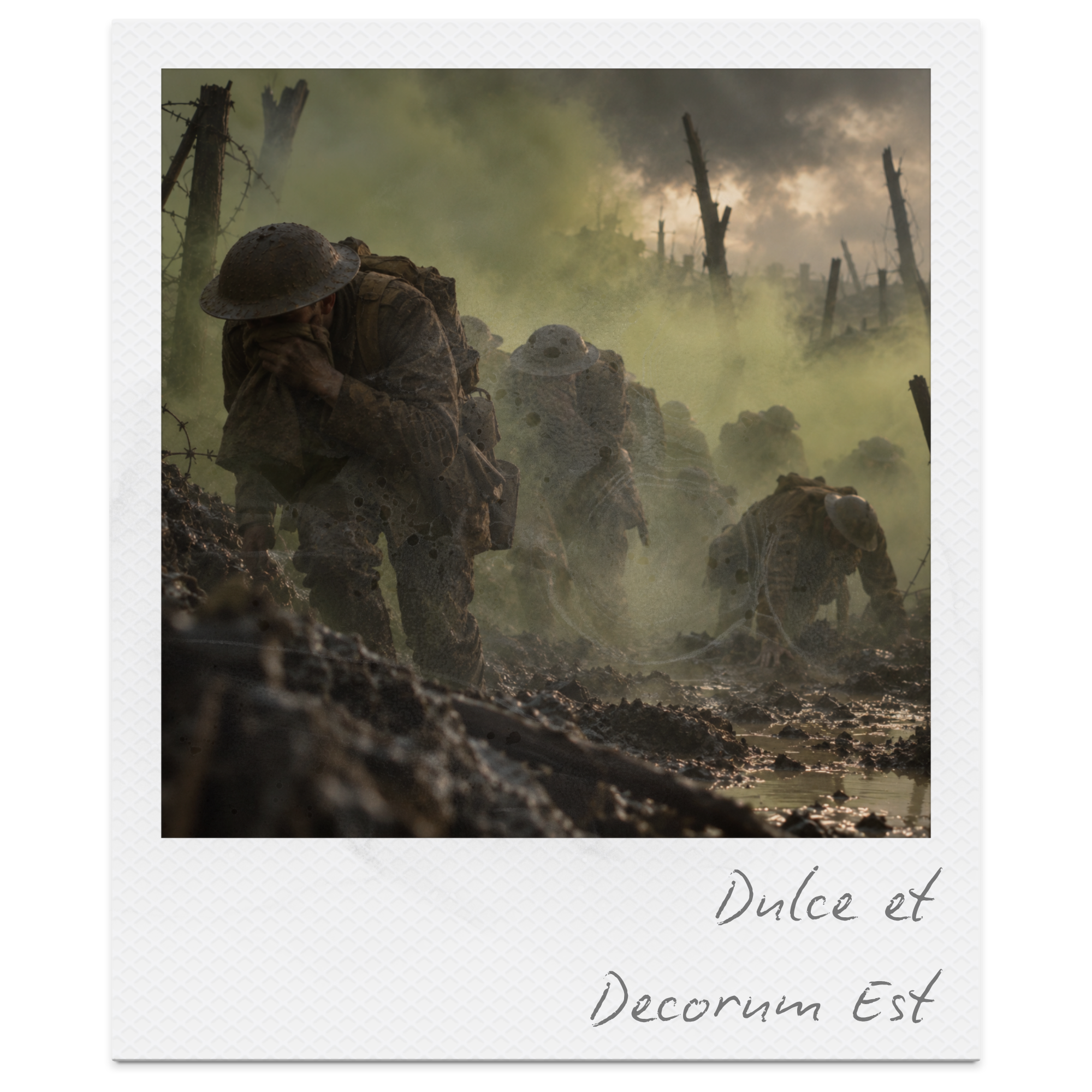
Dulce et Decorum Est by Wilfred Owen: Summary, Themes & Analysis
Explore Dulce et Decorum Est by Wilfred Owen with detailed analysis of its meaning, themes, form, structure, metre, symbolism, imagery and poetic techniques. Discover how Owen uses the horror of a gas attack and its traumatic aftermath to challenge patriotism, propaganda, glorious sacrifice and romanticised ideas of war.
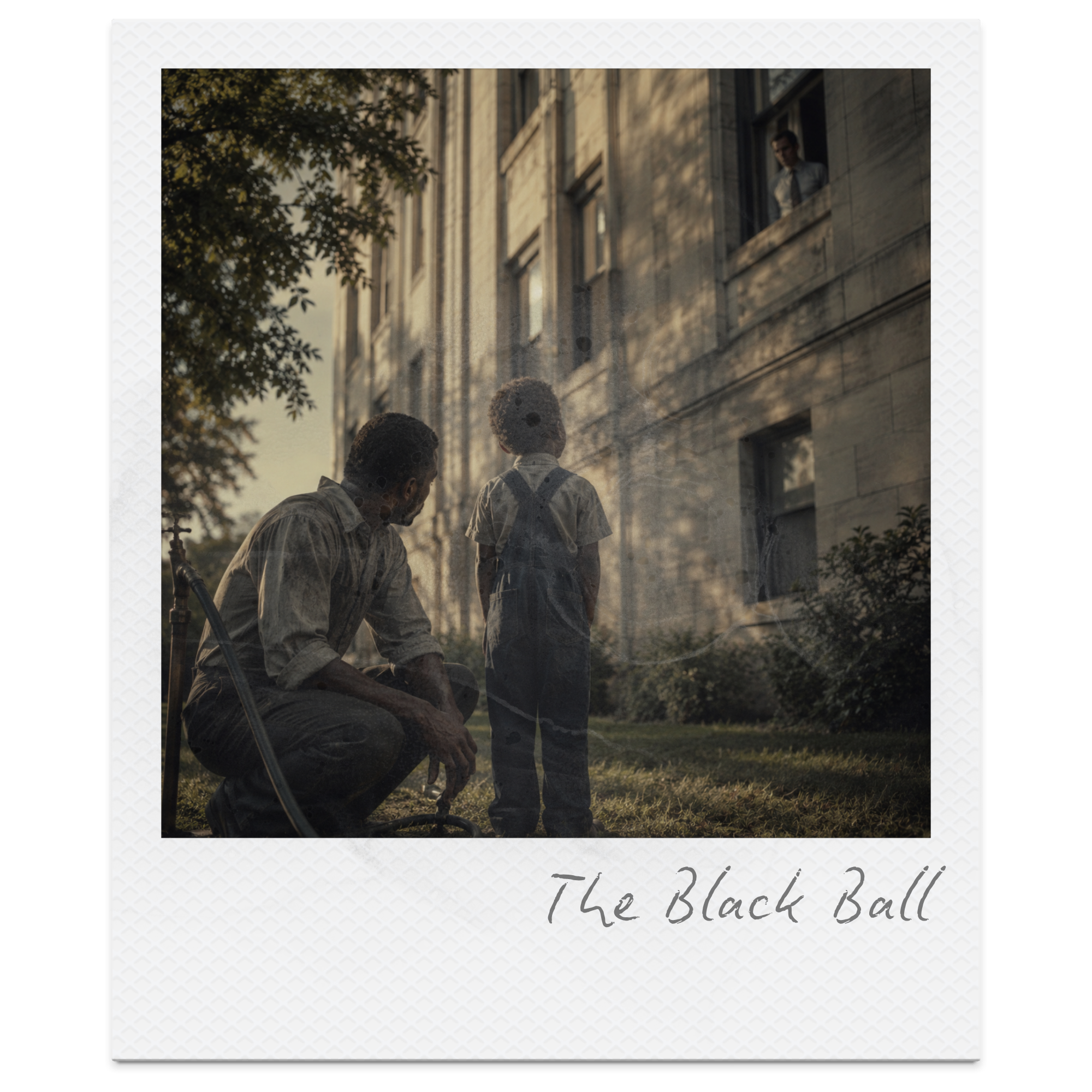
The Black Ball by Ralph Ellison: Summary, Themes & Analysis
Ralph Ellison’s The Black Ball is a powerful short story exploring racism, identity, fatherhood, and the painful loss of innocence within a deeply unequal society. Through the experiences of John and his young son, Ellison reveals how prejudice shapes ordinary daily life, using symbolism, dramatic irony, and reflective narration to expose the emotional pressure created by social inequality. This detailed analysis explores the story’s themes, characters, symbolism, structure, key quotes, and exam-focused interpretations for CIE IGCSE English Literature (0475 & 0922).
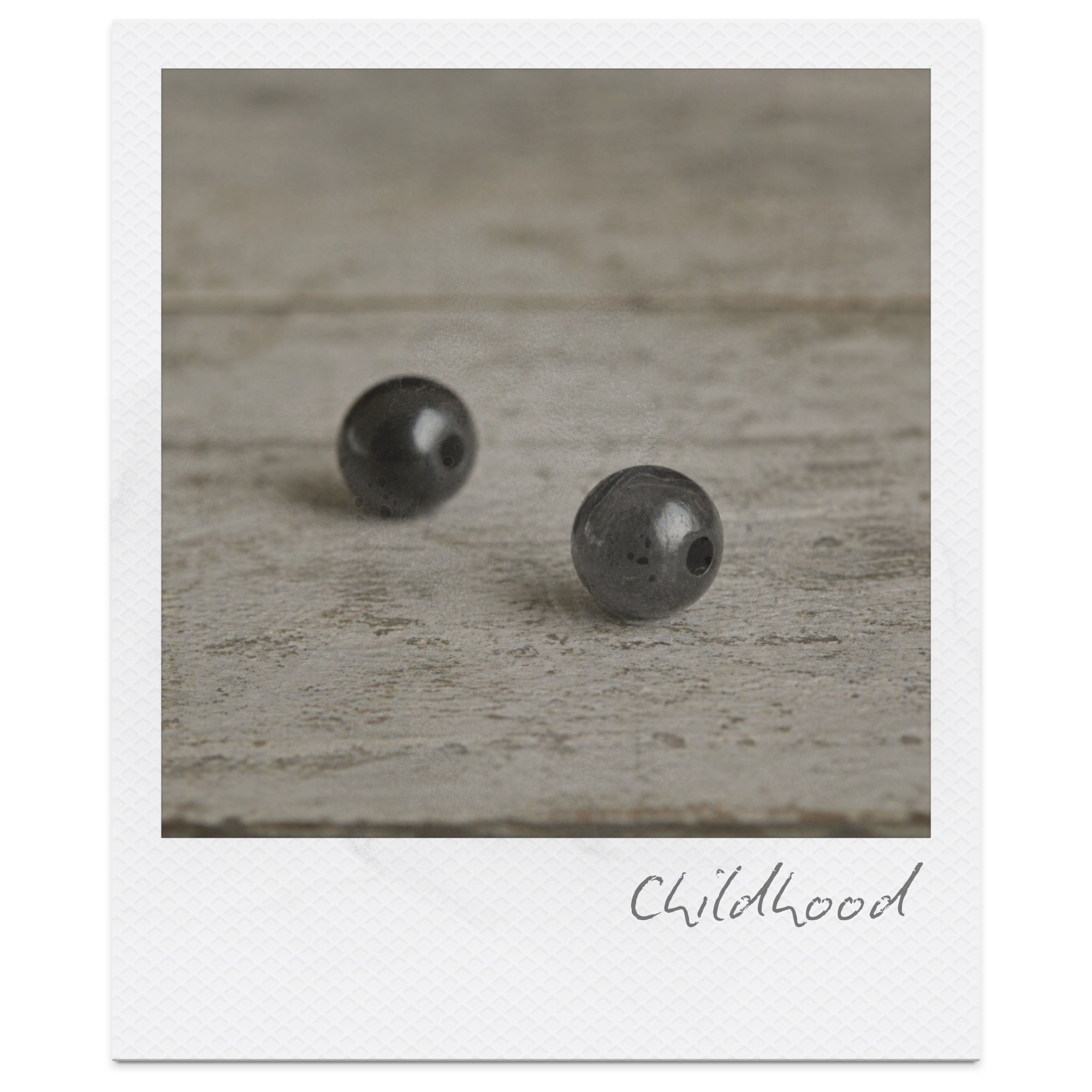
Childhood by Frances Cornford: Summary, Themes & Analysis
Frances Cornford’s Childhood explores innocence, perception, and the sudden recognition of human vulnerability, as a child’s confident assumptions about adulthood are quietly dismantled. Through contrast, imagery, and a reflective first-person voice, the poem captures the moment when a child realises that ageing is not chosen or controlled, but something inevitable and unsettling. By structuring the poem around a shift from belief to observation, Cornford reveals that both youth and old age are defined by helplessness, creating a balanced but uncomfortable insight into the human condition. This transformation is made particularly powerful through the symbolic image of the unstrung beads, which represents the collapse of order and control, leaving a lasting impression on both the speaker and the reader.
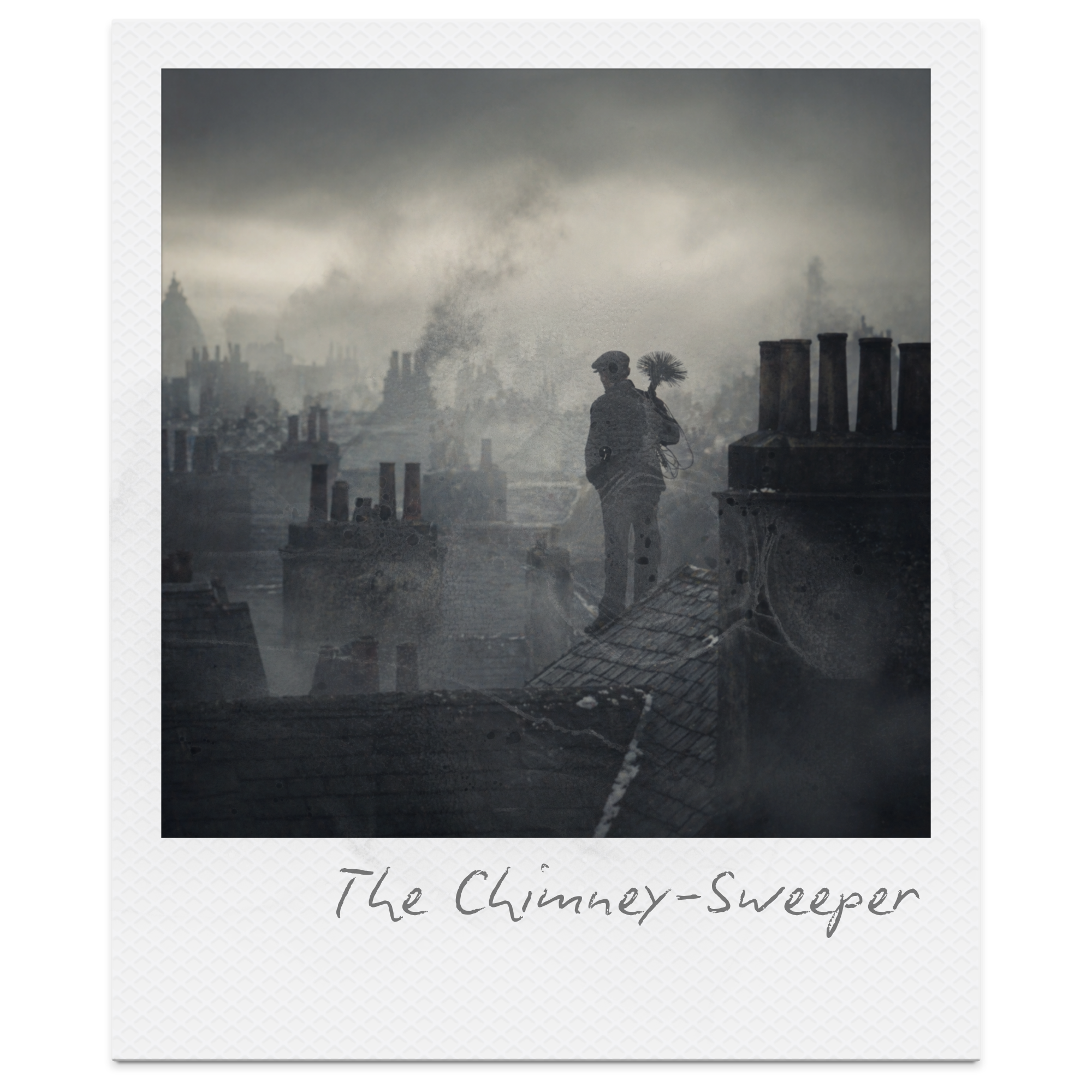
The Chimney Sweeper by William Blake: Summary, Themes & Analysis
The Chimney Sweeper by William Blake explores child exploitation, religious hypocrisy, and social injustice through the voice of a young chimney sweep. The poem contrasts innocence and experience, revealing how suffering is hidden behind appearances of happiness and morality. This analysis breaks down how Blake uses imagery, structure, sound, and irony to create meaning, helping students develop clear, method-focused responses for IGCSE Literature.

Zero Hour by Ray Bradbury: Summary, Themes, Meaning & Analysis
Ray Bradbury’s Zero Hour explores childhood innocence and hidden power, revealing how easily trust can be manipulated when adults underestimate what they do not understand. Through the children’s seemingly harmless game of “Invasion,” Bradbury presents a world where imagination becomes a vehicle for real danger, blurring the line between play and reality. As the story unfolds, this illusion collapses into something far more unsettling. The adults’ confidence in their own control gives way to panic as they realise too late that the threat has already taken hold. Bradbury exposes the dangers of complacency, misjudgement, and unseen influence, showing how quickly stability can be replaced by chaos when warning signs are ignored.
Alternative Interpretations of Suicide in the Trenches by Siegfried Sassoon
Suicide in the Trenches is often taught as a poem with a clear message about the horrors of war. Yet Sassoon’s restraint, ambiguity, and shifting focus invite multiple interpretations about responsibility, blame, and silence. This post explores alternative interpretations of Suicide in the Trenches, examining whether the poem functions as a moral accusation against civilians, a critique of systems, or an exposure of emotional numbness. Designed to support discussion and debate, it encourages students to move beyond surface readings and engage with interpretation as an active, evidence-based process.
Themes in Suicide in the Trenches by Siegfried Sassoon
Suicide in the Trenches explores some of the most unsettling ideas in war poetry, from the erasure of individual lives to the moral responsibility of those who remain safely removed from conflict. Through restraint and contrast, Siegfried Sassoon exposes how innocence is worn away and suffering is quietly absorbed. This post examines the key themes in Suicide in the Trenches, including civilian complicity, loss of innocence, the reality of death, and the horrors of war. Designed for classroom use, it supports confident discussion and comparison while encouraging deeper, evidence-based interpretation.