Notes from the Inkpot
Writing, teaching, creating - one ink-stained idea at a time.


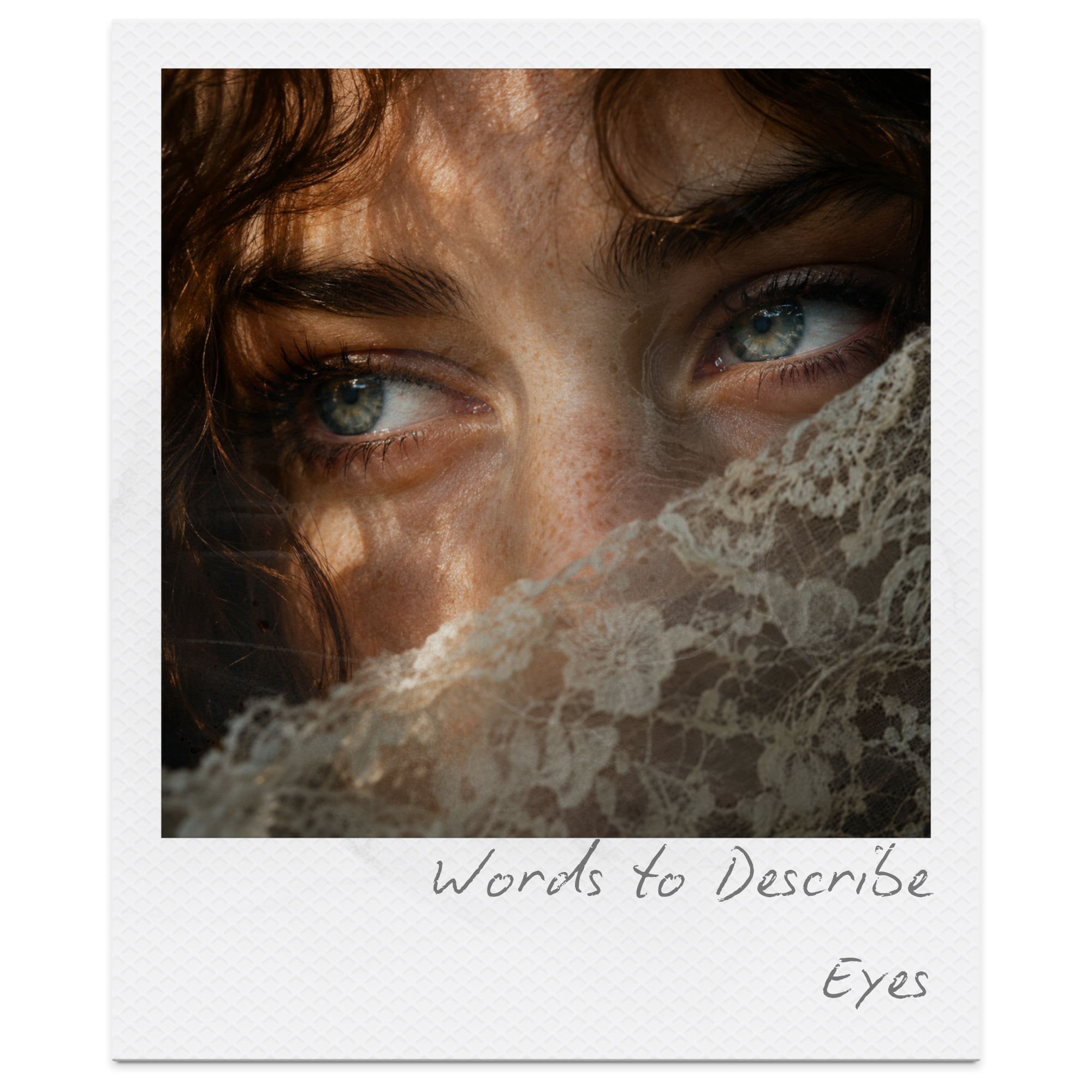
100 Words to Describe Eyes: Beautiful, Expressive & Atmospheric Vocabulary for Writers
Discover 100 beautiful, expressive and atmospheric words to describe eyes in creative writing, from striking colours and distinctive shapes to loving glances, sorrowful expressions and sinister stares. Explore ten carefully organised vocabulary collections, each featuring clear meanings, original example sentences and practical writing advice. Learn how to use eye contact, movement, metaphor and symbolism to reveal emotion, develop memorable characters and create vivid descriptions. Perfect for writers of fantasy, romance, Gothic fiction, poetry and literary fiction looking to bring greater depth and originality to their character descriptions.
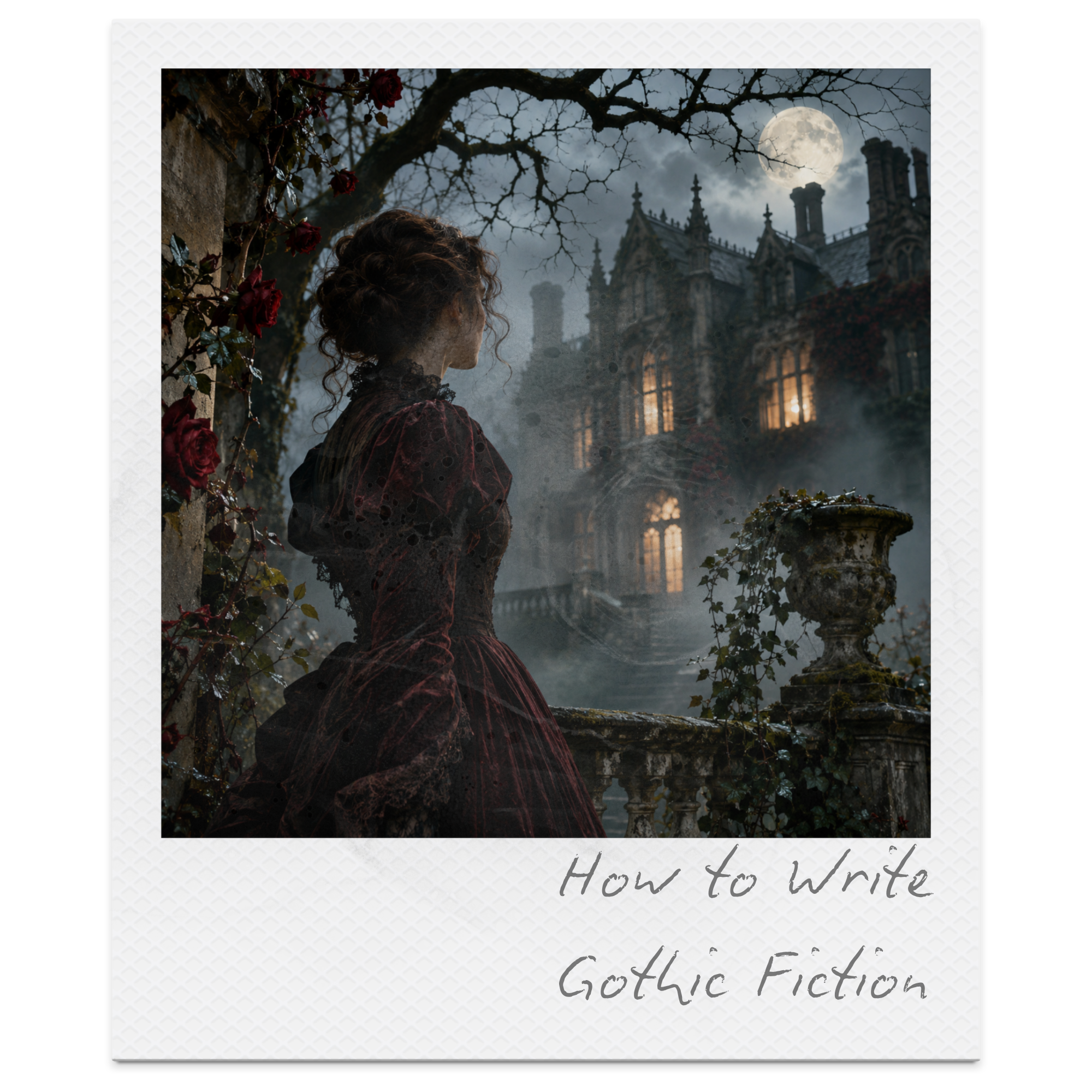
How to Write Gothic Fiction: A Complete Guide to Gothic Storytelling, Techniques & Examples
Discover how to write Gothic fiction with this complete guide to atmospheric storytelling, psychological suspense and dark literary techniques. Explore the essential elements of Gothic literature, from haunted settings and sinister characters to buried secrets, supernatural mysteries and the enduring influence of the past. Learn how to structure a Gothic story, create unsettling imagery, build tension and develop complex characters, with original writing examples and detailed analysis throughout. You'll also find practical Gothic writing exercises, common mistakes to avoid and inspiration from some of literature's greatest Gothic authors. Whether you're writing a Gothic short story, a supernatural mystery or a full-length novel, this guide will help you transform your darkest ideas into compelling fiction.
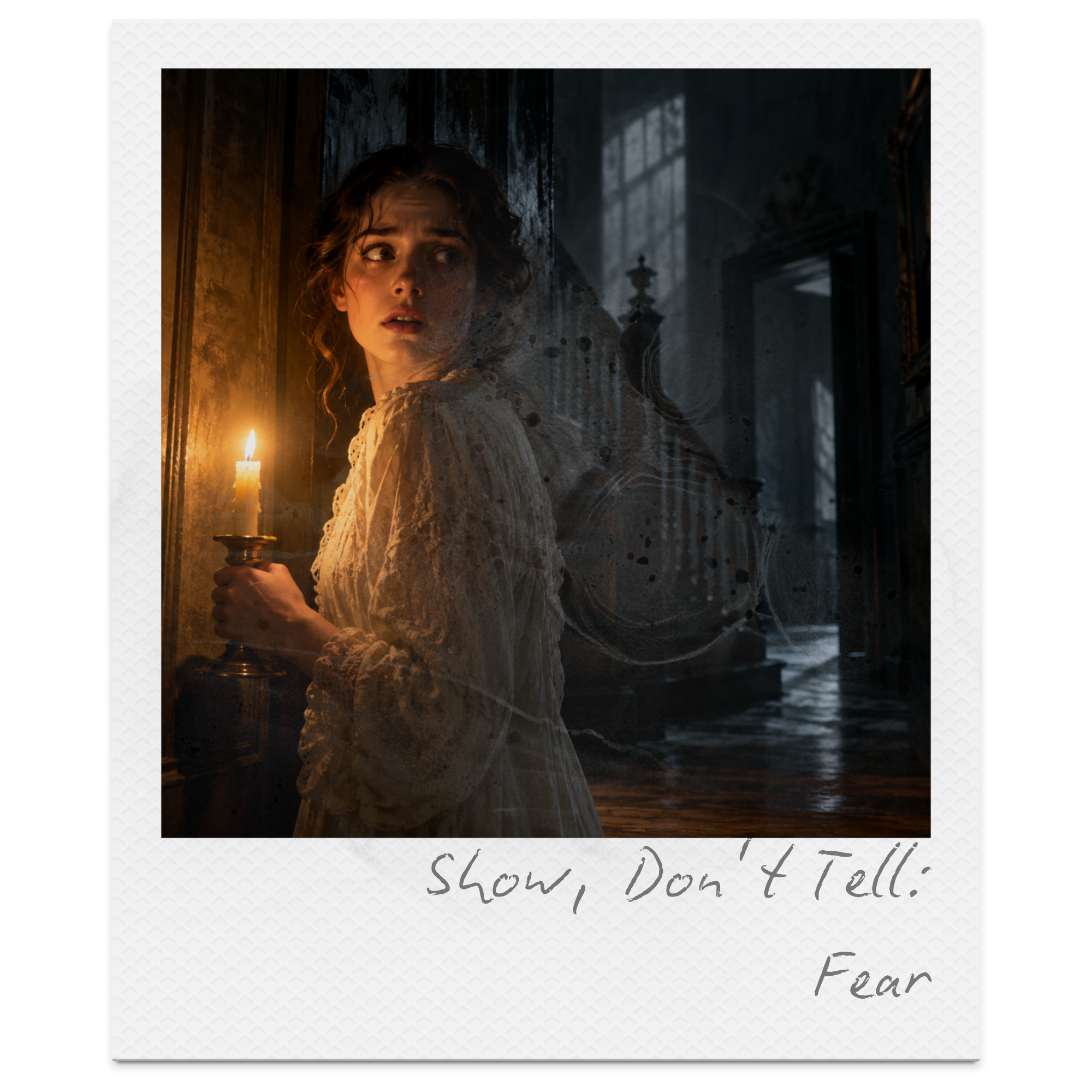
Show, Don't Tell: 50 Ways to Describe Fear in Creative Writing
Discover 50 powerful ways to show fear in creative writing through body language, facial expressions, psychological tension, dialogue and atmospheric sensory details. This comprehensive show, don't tell guide explores how to transform simple statements of fear into vivid, immersive descriptions that allow readers to experience every moment of uncertainty and dread. Explore original examples, before-and-after scene transformations, common writing mistakes and practical techniques for building believable emotion and suspense. With five creative writing exercises and further inspiration for gothic fiction, horror, thrillers and beyond, you'll learn how to make fear feel real without ever needing to name it.