70 Tudor Creative Writing Prompts: Intrigue, Court Politics & Life in Tudor England
The Tudor period remains one of the most fascinating settings for historical fiction, combining royal ambition, political intrigue, religious upheaval, exploration, and everyday life within one of England's most transformative eras. Spanning the reigns of monarchs from Henry VII to Elizabeth I, the period is filled with larger-than-life figures, shifting alliances, magnificent courts, dangerous conspiracies, and ordinary people navigating extraordinary times. Whether your story unfolds within the halls of Hampton Court Palace or a quiet village on the edge of a royal forest, Tudor England offers endless opportunities for compelling storytelling.
The period has inspired countless novels, including Hilary Mantel's Wolf Hall trilogy, Philippa Gregory's The Other Boleyn Girl, C. J. Sansom's Shardlake series, Alison Weir's historical fiction, and Jean Plaidy's Tudor novels. These stories explore everything from royal succession and court politics to religious conflict, espionage, family loyalty, forbidden love, and the daily lives of merchants, craftsmen, scholars, servants, and nobles. The richness of the historical record allows writers to blend authentic history with original characters and fictional plots.
Although Tudor fiction is often associated with kings, queens, and courtly drama, the era offers far more than royal intrigue. Bustling market towns, remote monasteries, merchant ships, village festivals, apothecaries, craftsmen's workshops, great estates, and timber-framed cottages all provide immersive settings for mysteries, romances, adventures, thrillers, and character-driven historical novels. The contrast between the splendour of the royal court and the realities of ordinary life creates endless opportunities for conflict, ambition, survival, and discovery.
This collection of 70 Tudor Writing Prompts is designed as a complete creative toolkit, combining plot hooks, title ideas, opening lines, closing lines, character ideas, setting prompts, and cinematic visual inspiration. These prompts explore court politics, secret correspondence, forbidden romance, religious tension, exploration, espionage, family rivalries, ambitious merchants, hidden conspiracies, and everyday life during one of the most dramatic periods in English history.
If you would like even more inspiration, explore the Historical Fiction Writing Hub or visit the Creative Writing Archive, where hundreds of additional prompts, characters, settings, genres, and story ideas are waiting to inspire your next historical novel or short story.
1. Plot Prompts
The Tudor period is filled with political intrigue, shifting loyalties, religious upheaval, exploration, and social change. These plot prompts explore life at every level of Tudor society, from magnificent royal courts to humble villages, offering inspiration for historical fiction across multiple genres.
Write about a young lady-in-waiting who uncovers a dangerous conspiracy against the Queen while serving at court.
Write about a village apothecary whose remedies attract the suspicion of local authorities during a period of religious unrest.
Write about a royal messenger carrying a sealed letter that could alter the future of the English throne.
Write about an ambitious merchant who risks everything by secretly trading with foreign powers despite royal restrictions.
Write about two siblings separated after the dissolution of a monastery who unknowingly spend years searching for one another.
Write about a court musician who overhears confidential conversations while performing for England's most powerful nobles.
Write about a young mapmaker commissioned to chart newly discovered lands while hiding secrets of their own.
Write about the daughter of a blacksmith who disguises herself as a man to work aboard a Tudor exploration voyage.
Write about a household servant who discovers hidden passages beneath a great manor after their master mysteriously disappears.
Write about an elderly scholar racing to preserve banned books before they are destroyed during religious reform.
2. Title Ideas
Tudor stories often combine themes of power, secrecy, ambition, loyalty, and survival against the backdrop of one of England's most dramatic historical periods.
Beneath the Tudor Crown
The Queen's Secret
Shadows at Hampton Court
The King's Messenger
The Last Monastery
Beneath the Rose Garden
The Keeper of Forgotten Letters
Before the Bell Tolled
The Falconer's Daughter
The House Beyond the Orchard
3. Opening Lines
Strong Tudor openings immediately immerse readers in the atmosphere of sixteenth-century England while hinting at secrets, danger, or life-changing events.
The letter arrived before sunrise, sealed with the royal crest.
Everyone in the village knew the monastery would not survive the winter.
The Queen smiled, but nobody at court trusted her silence.
The bells rang differently on the morning everything changed.
My father always said walls had ears inside the palace.
The falcon refused to return that afternoon.
They came for the books before they came for the people.
I first met the King from the shadows of the great hall.
The portrait was finished the day before its subject disappeared.
Nobody noticed the servant carrying the most dangerous document in England.
4. Closing Lines
Tudor endings often balance triumph with sacrifice, reminding readers that history is shaped as much by ordinary people as by kings and queens.
History remembered the crown, but never those who protected it.
The kingdom changed forever, though few knew why.
Some secrets were buried deeper than any grave.
The bells rang once more, this time for peace.
The letter had reached exactly who it was meant for.
Their names vanished from history, but their courage never did.
A new reign had begun.
The portrait remained, even after everyone else was gone.
England would remember the monarch, but I remembered the people.
Every great kingdom is built upon stories left untold.
5. Character Ideas
The Tudor world was shaped by people from every level of society. These characters provide inspiration for stories of ambition, loyalty, faith, discovery, and survival.
A royal physician balancing science with superstition.
A widowed noblewoman protecting her family's estate through political alliances.
A gifted young court painter documenting dangerous secrets within royal portraits.
A travelling merchant carrying forbidden books between towns.
A monastery librarian preserving priceless manuscripts.
A ship's navigator preparing for an expedition into unknown waters.
A lady-in-waiting caught between loyalty and conscience.
A master stonemason helping construct one of England's greatest houses.
A village herbalist respected by locals but feared by officials.
A loyal palace guard questioning where duty truly lies.
6. Setting Ideas
Tudor England offers a remarkable variety of locations, from magnificent royal residences to quiet villages where ordinary lives unfolded beneath the shadow of history.
A magnificent royal palace alive with political intrigue.
A timber-framed village surrounding an ancient parish church.
A secluded monastery shortly before its dissolution.
A bustling riverside dock filled with merchant ships.
A wealthy merchant's townhouse overlooking a busy marketplace.
A grand country manor surrounded by knot gardens and orchards.
A remote woodland hunting lodge visited by the royal court.
A candlelit scriptorium preserving handwritten manuscripts.
A windswept coastal fortress guarding England's shores.
A lively Tudor fair celebrating harvest beneath colourful banners.
7. Picture Prompts
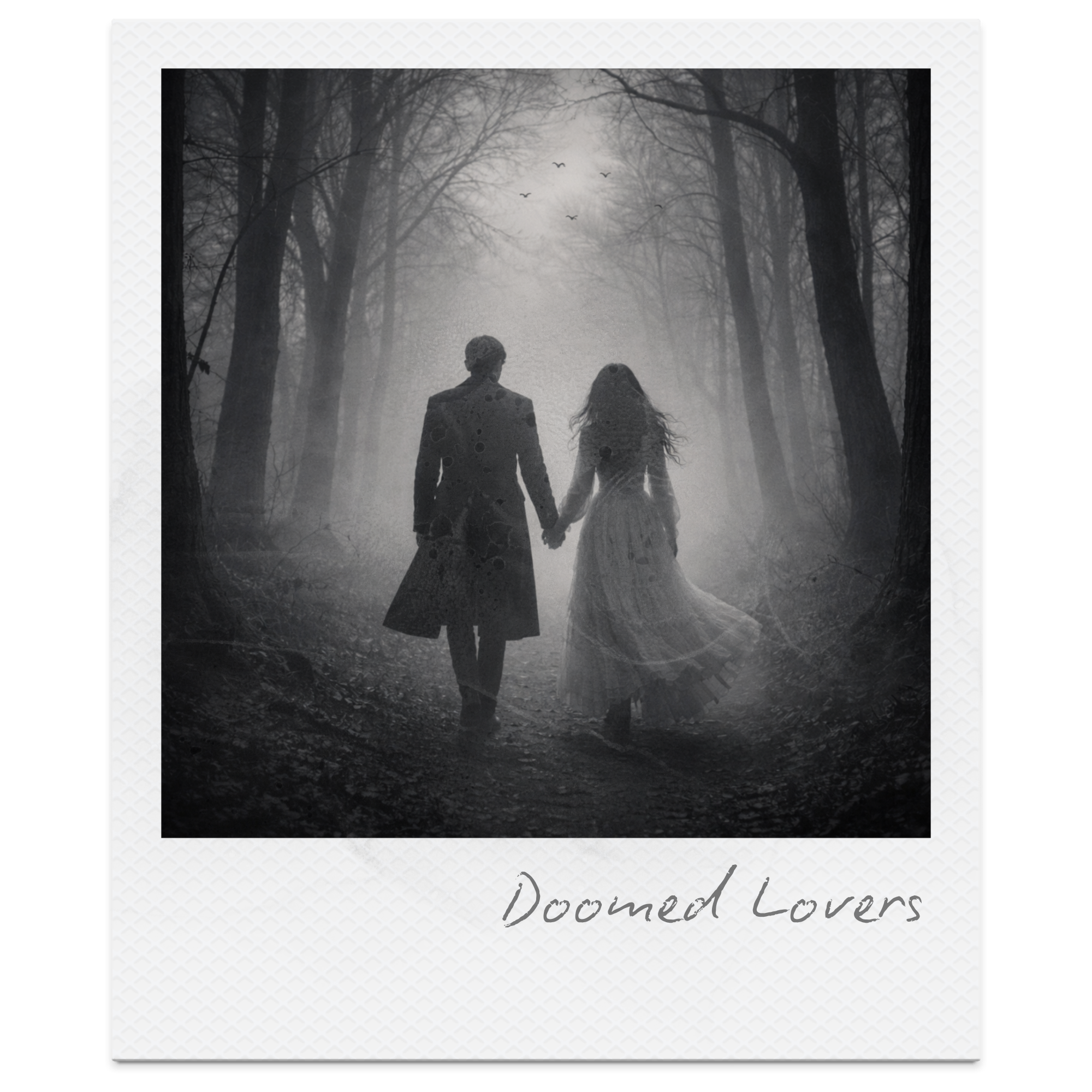
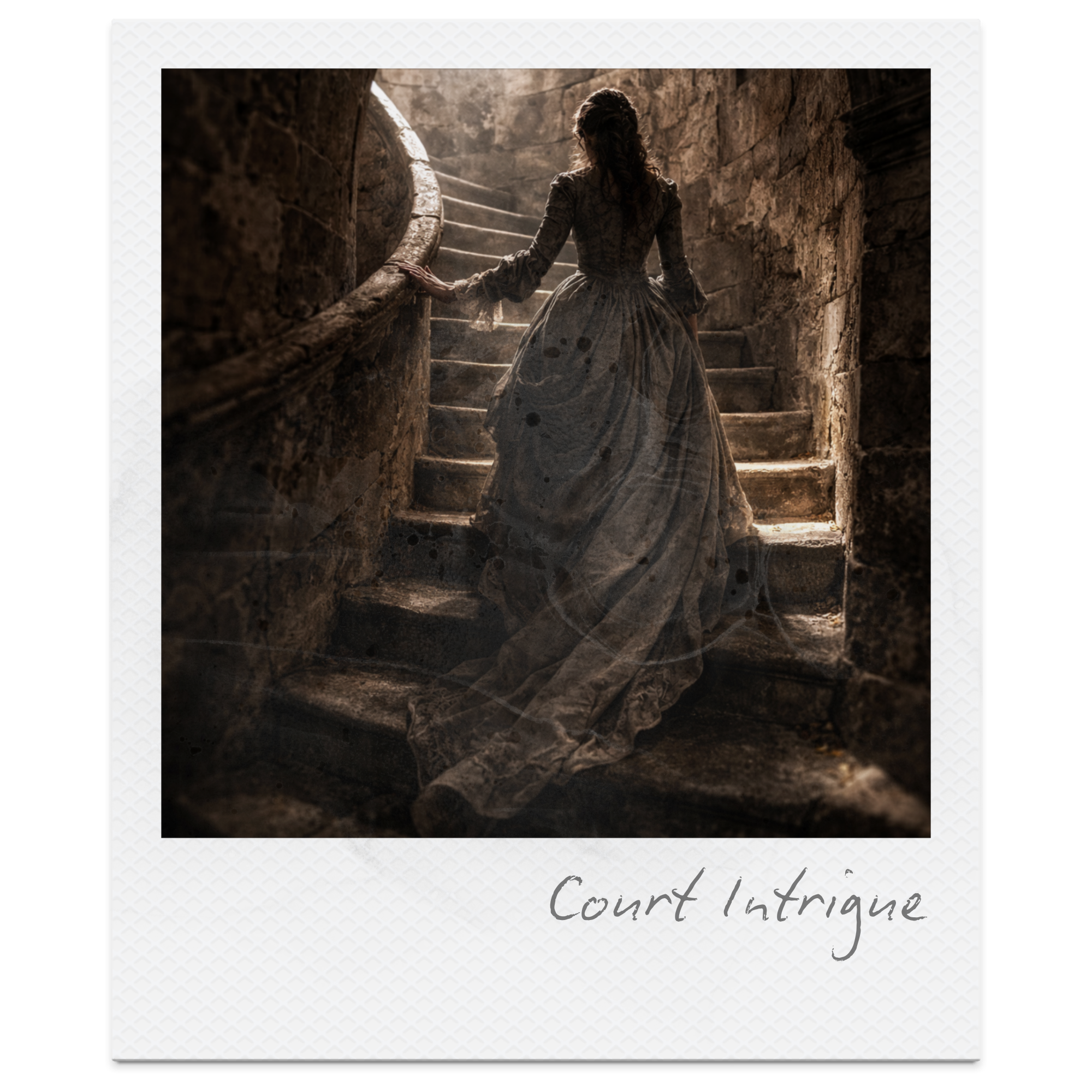
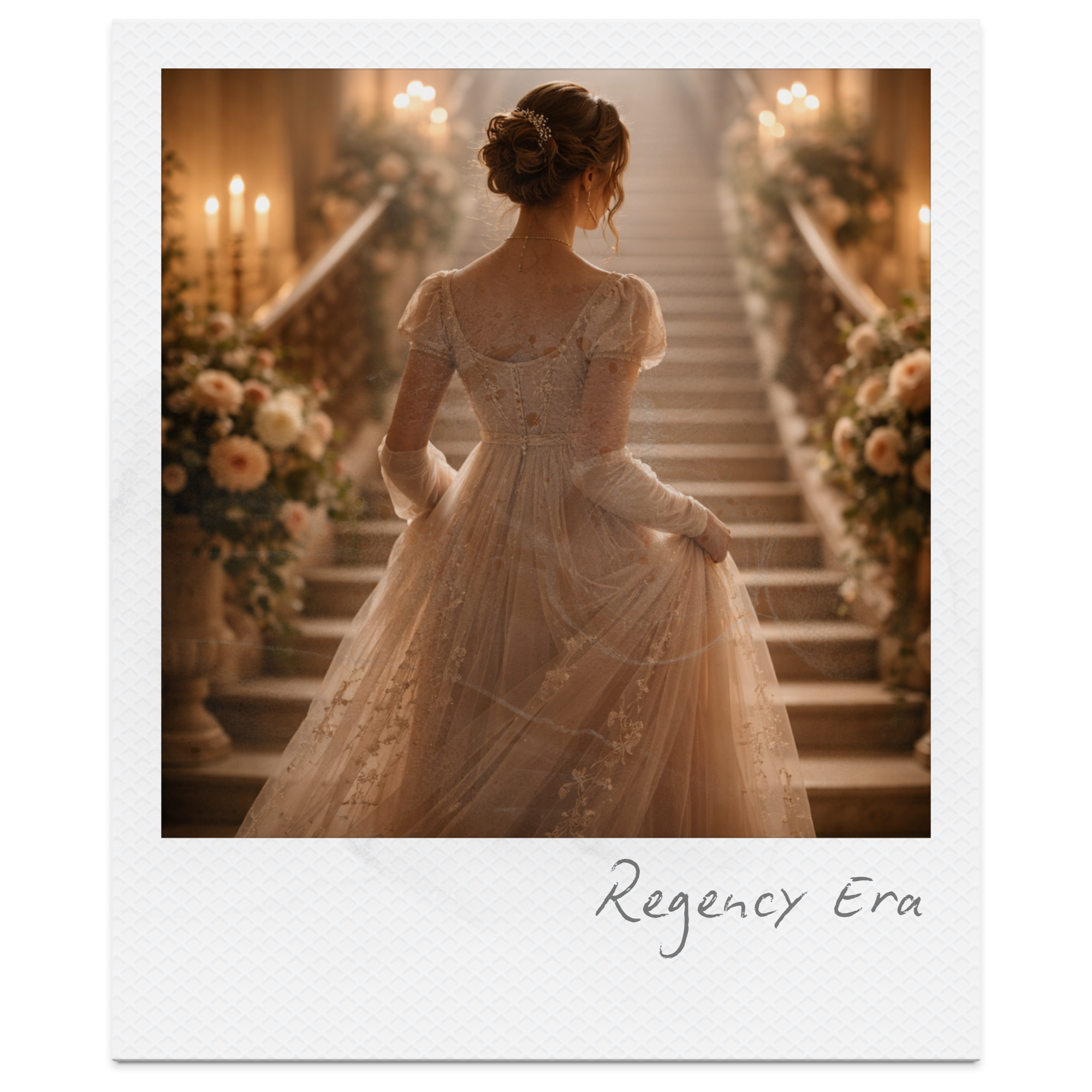
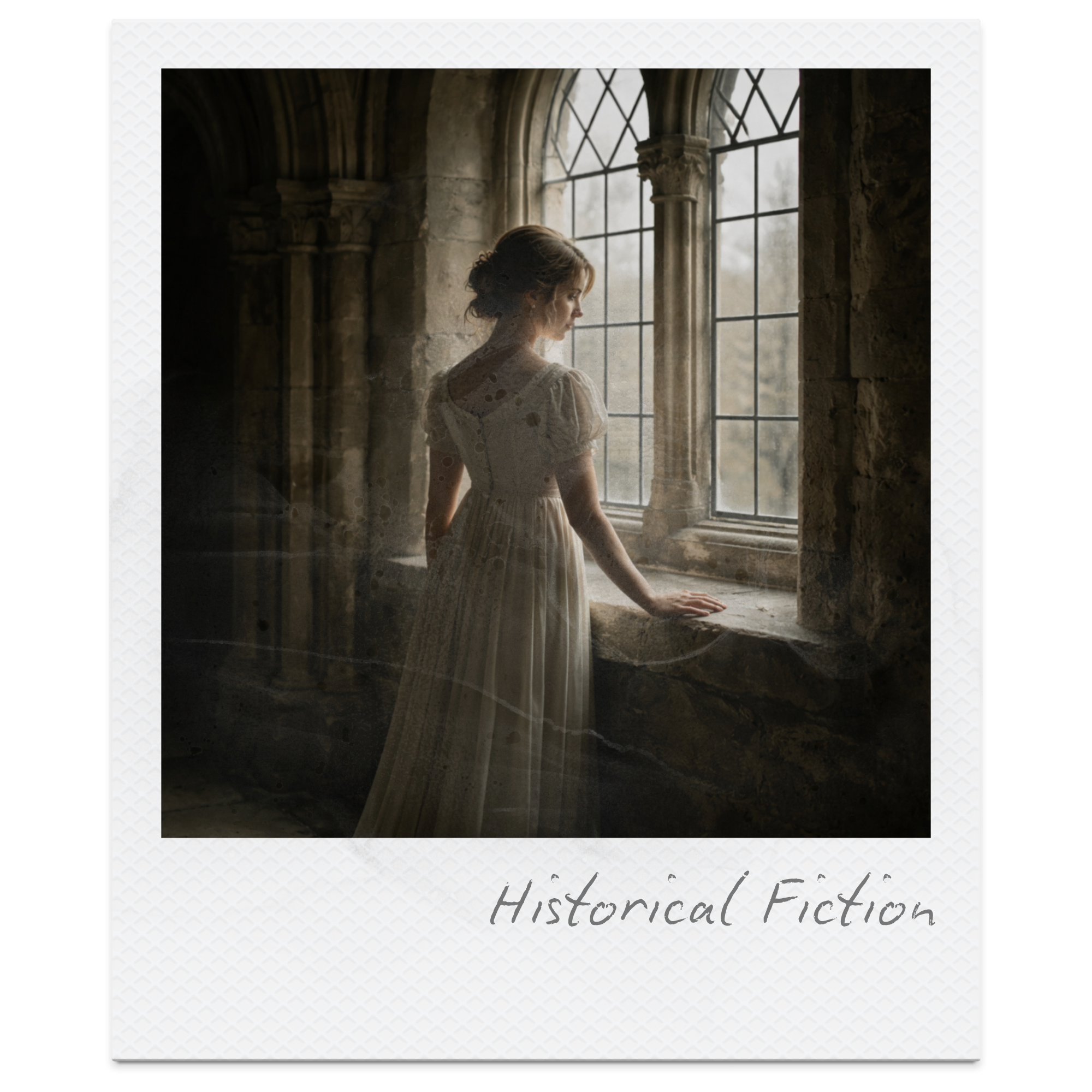
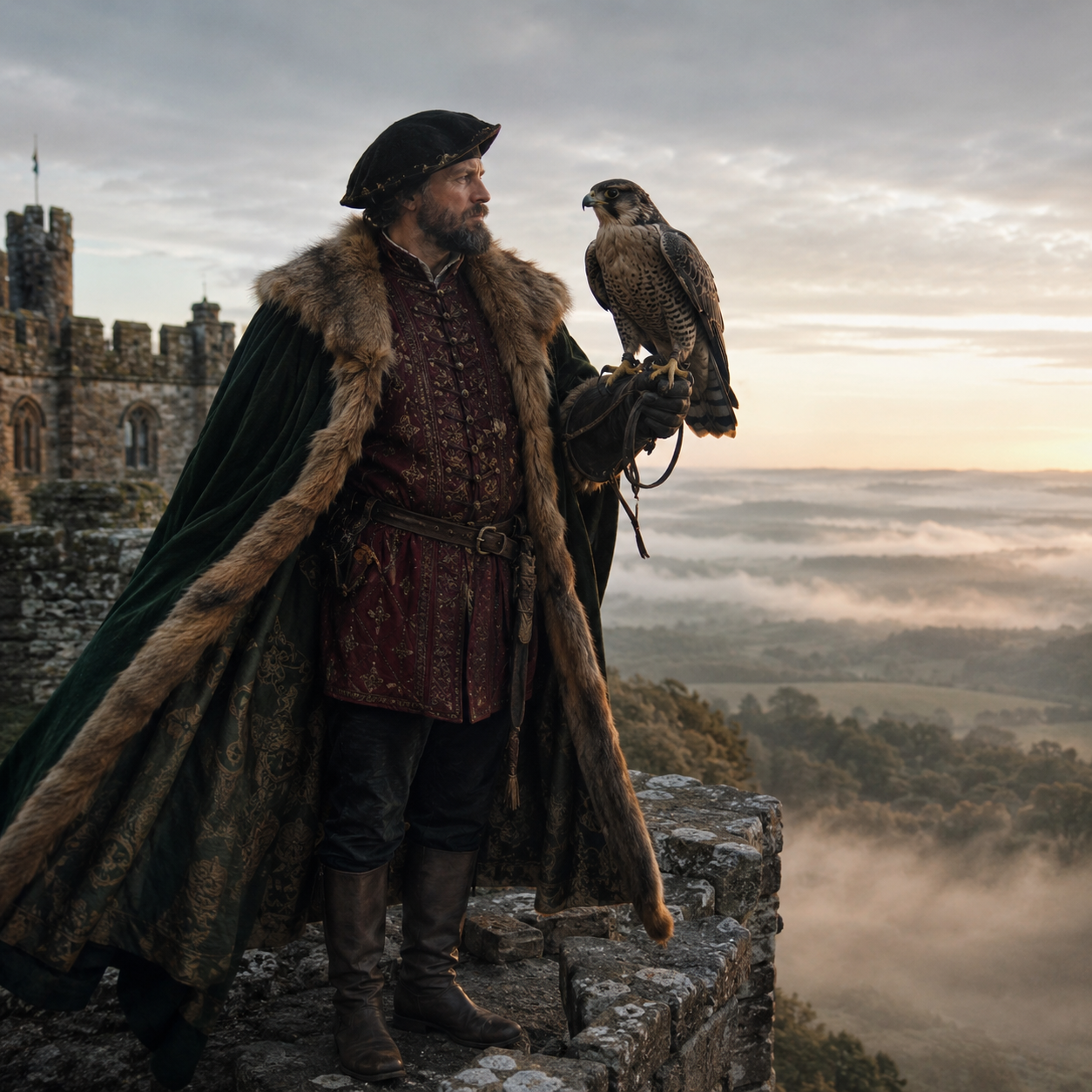
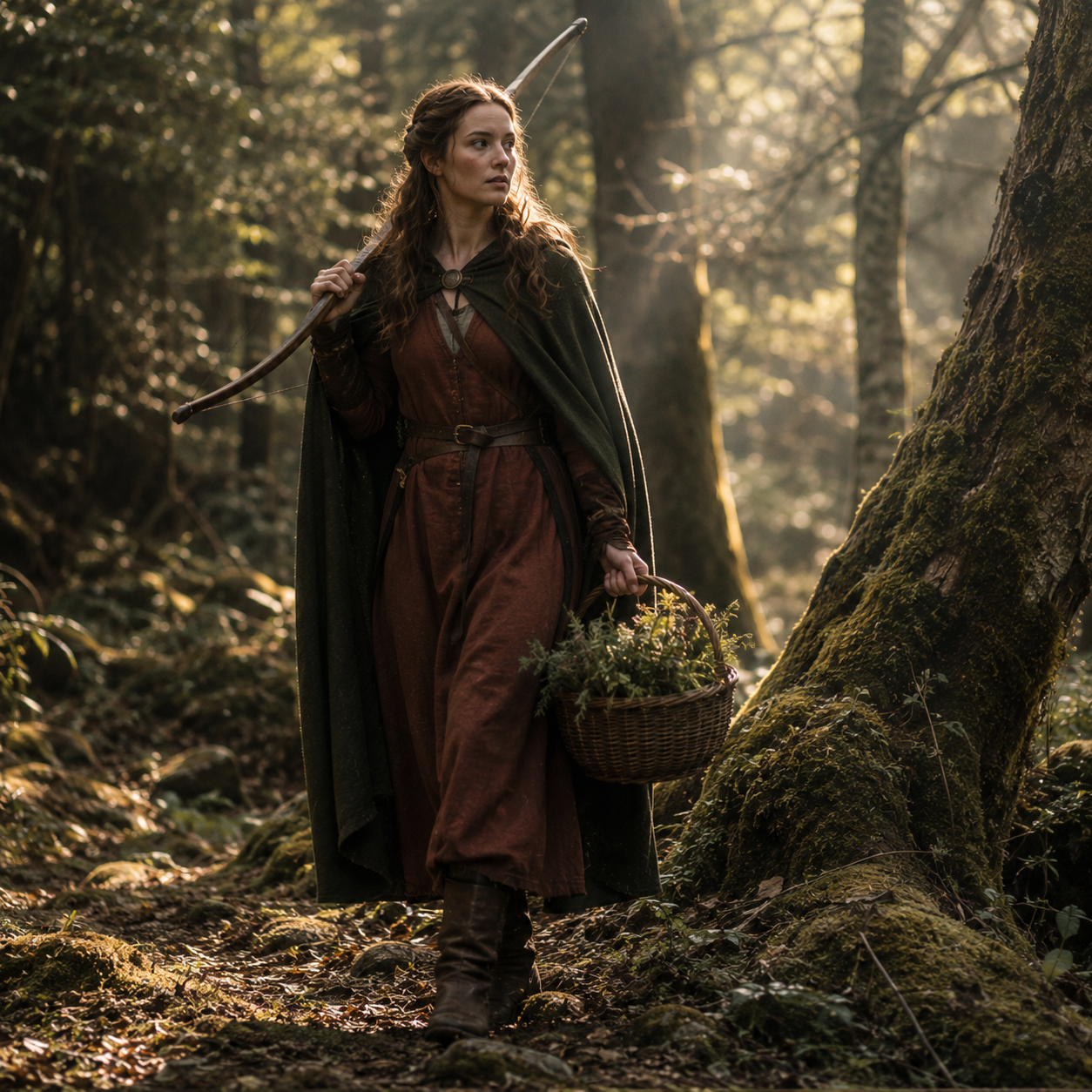
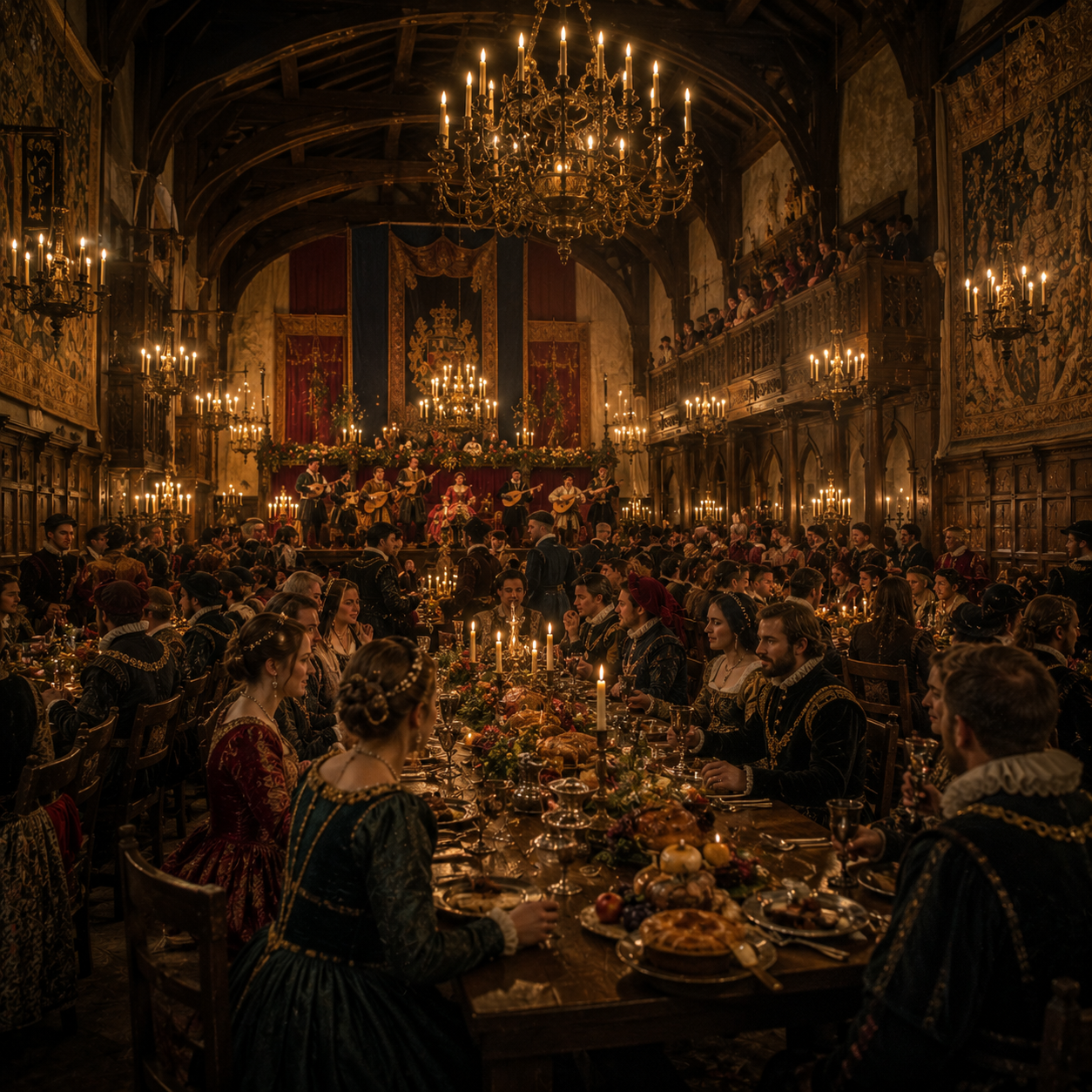
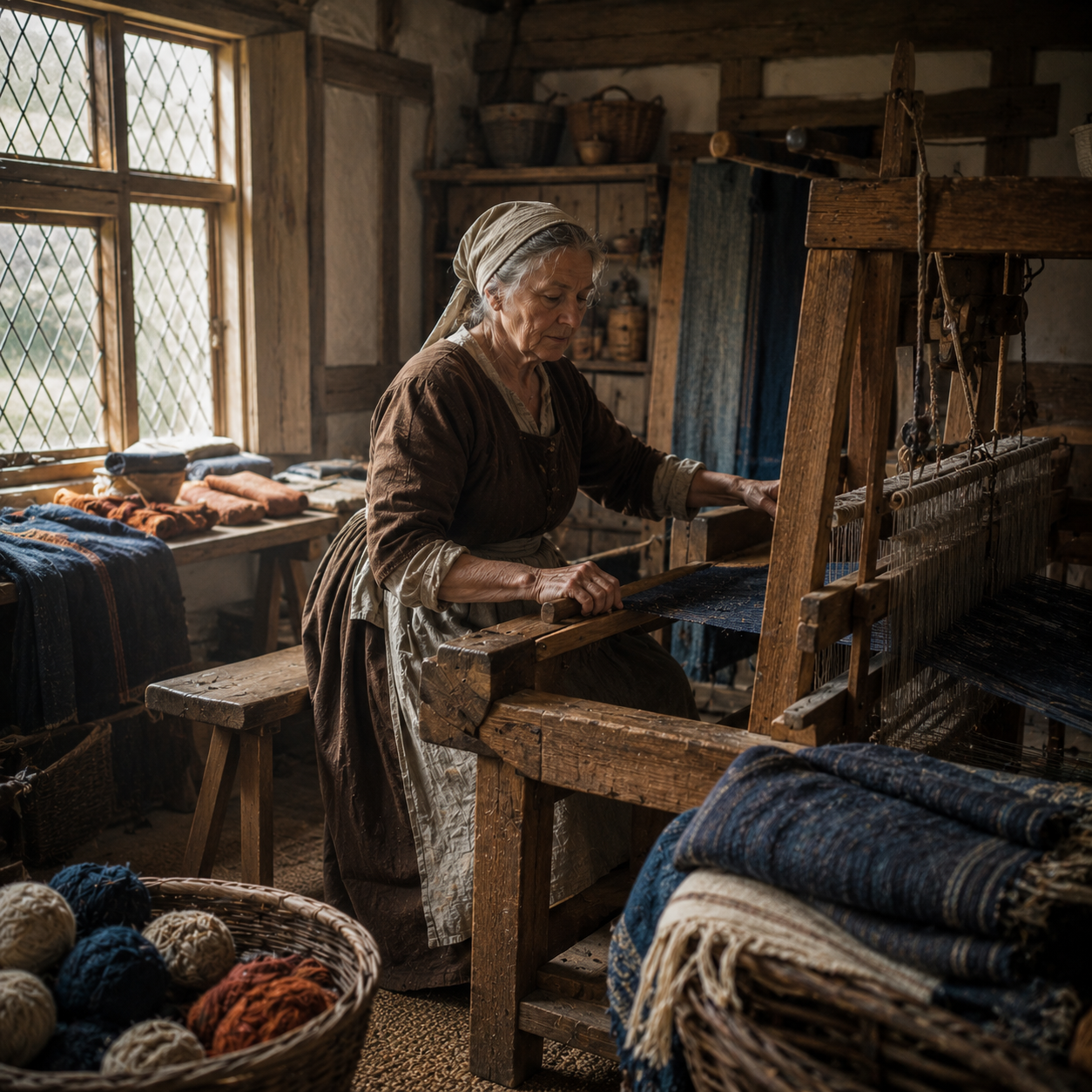
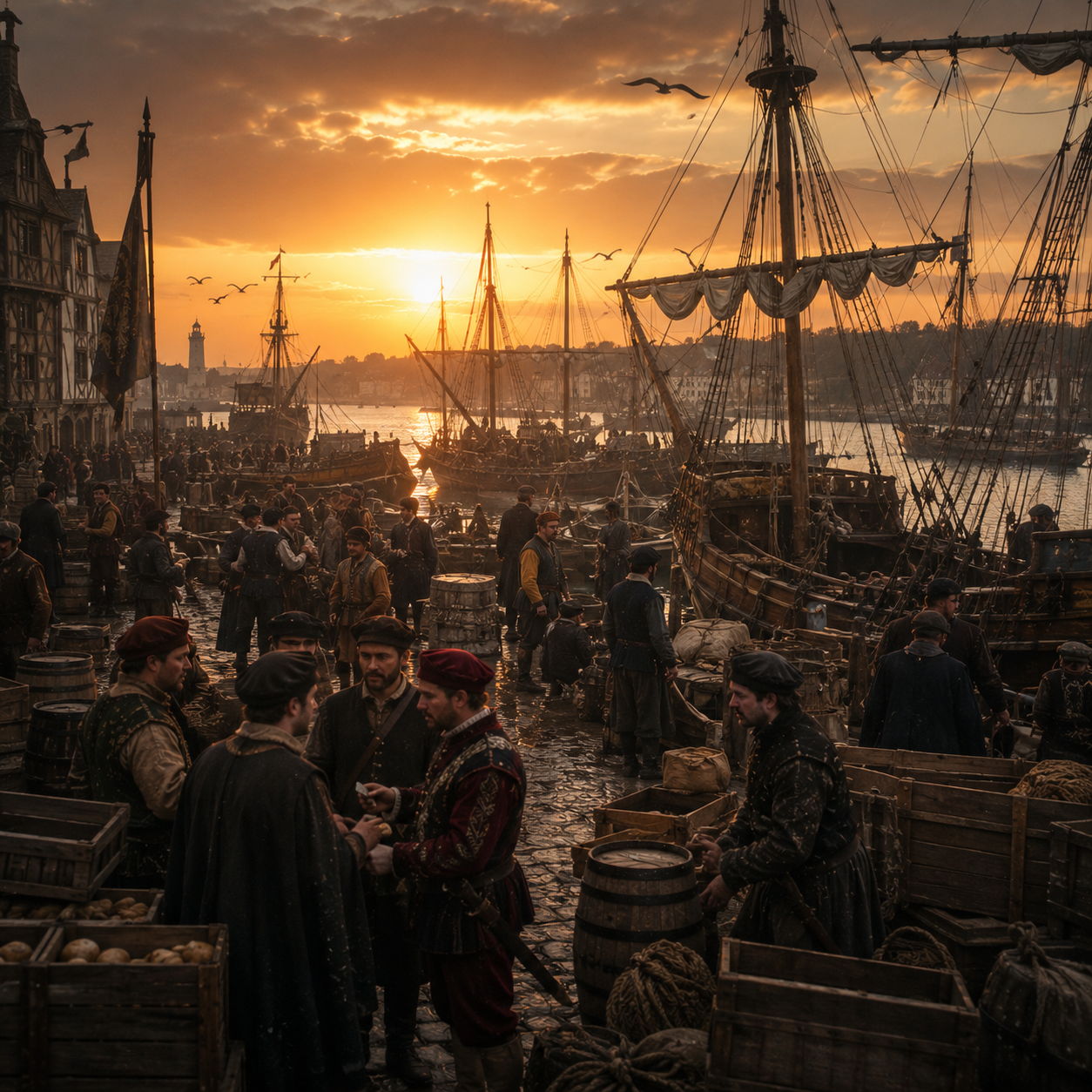
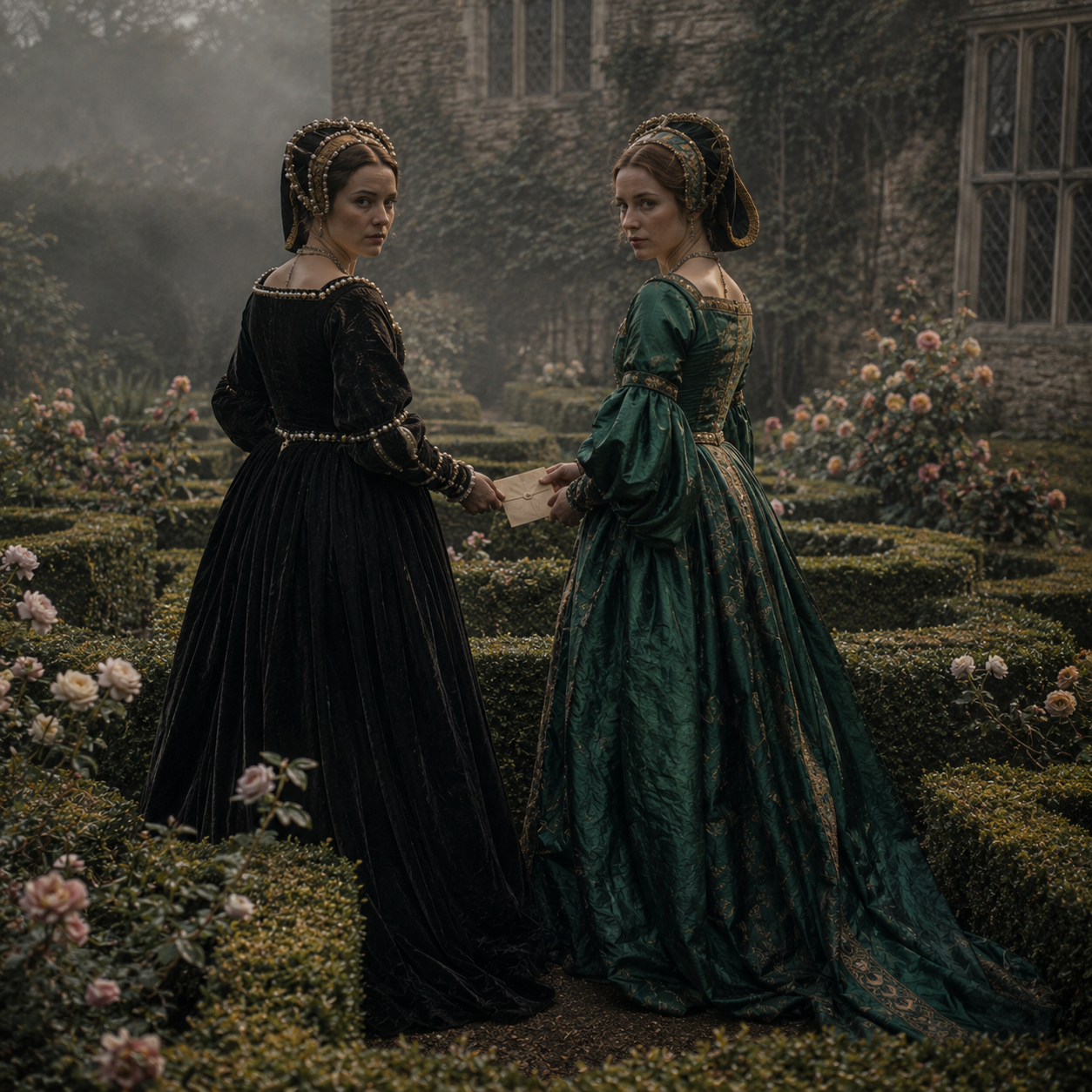
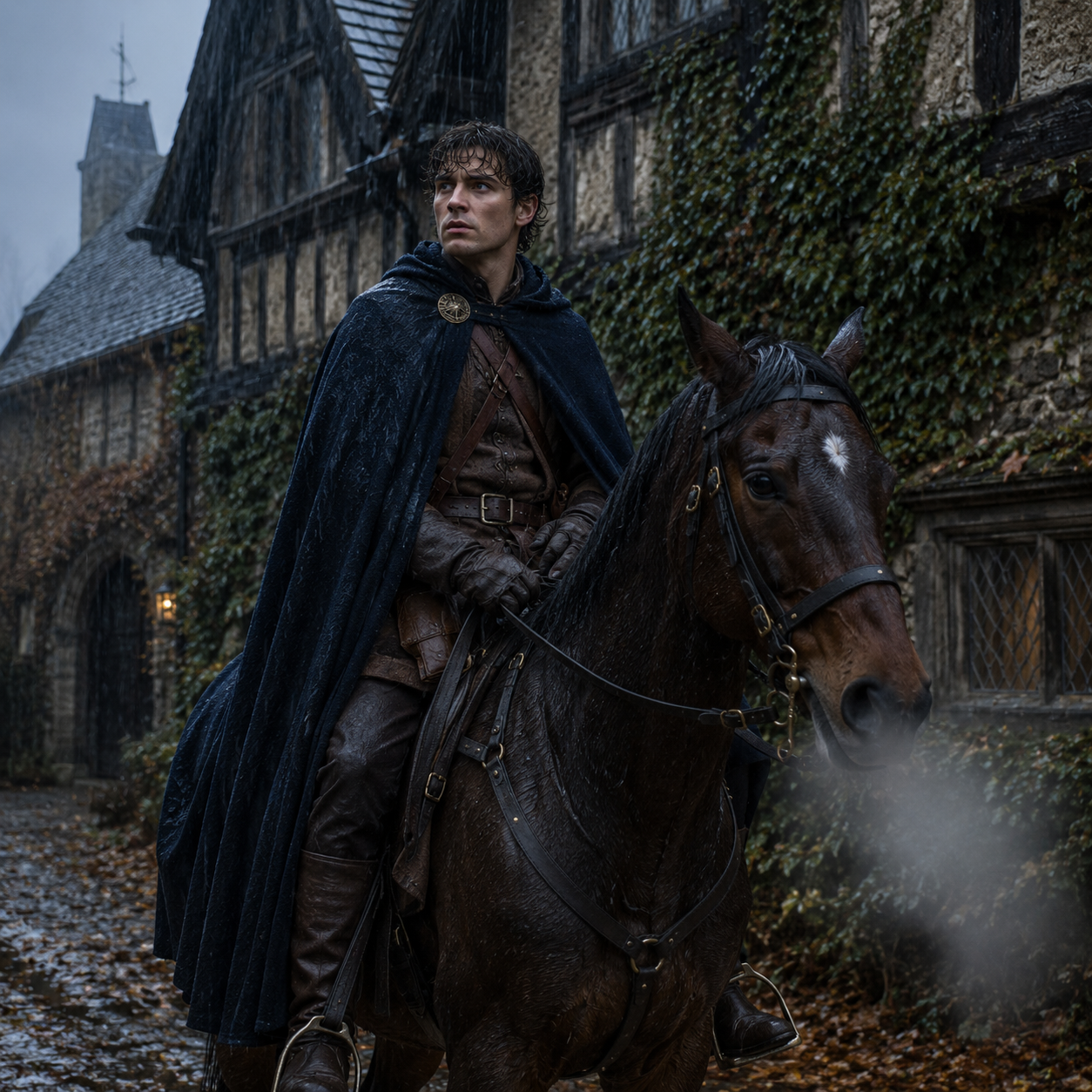
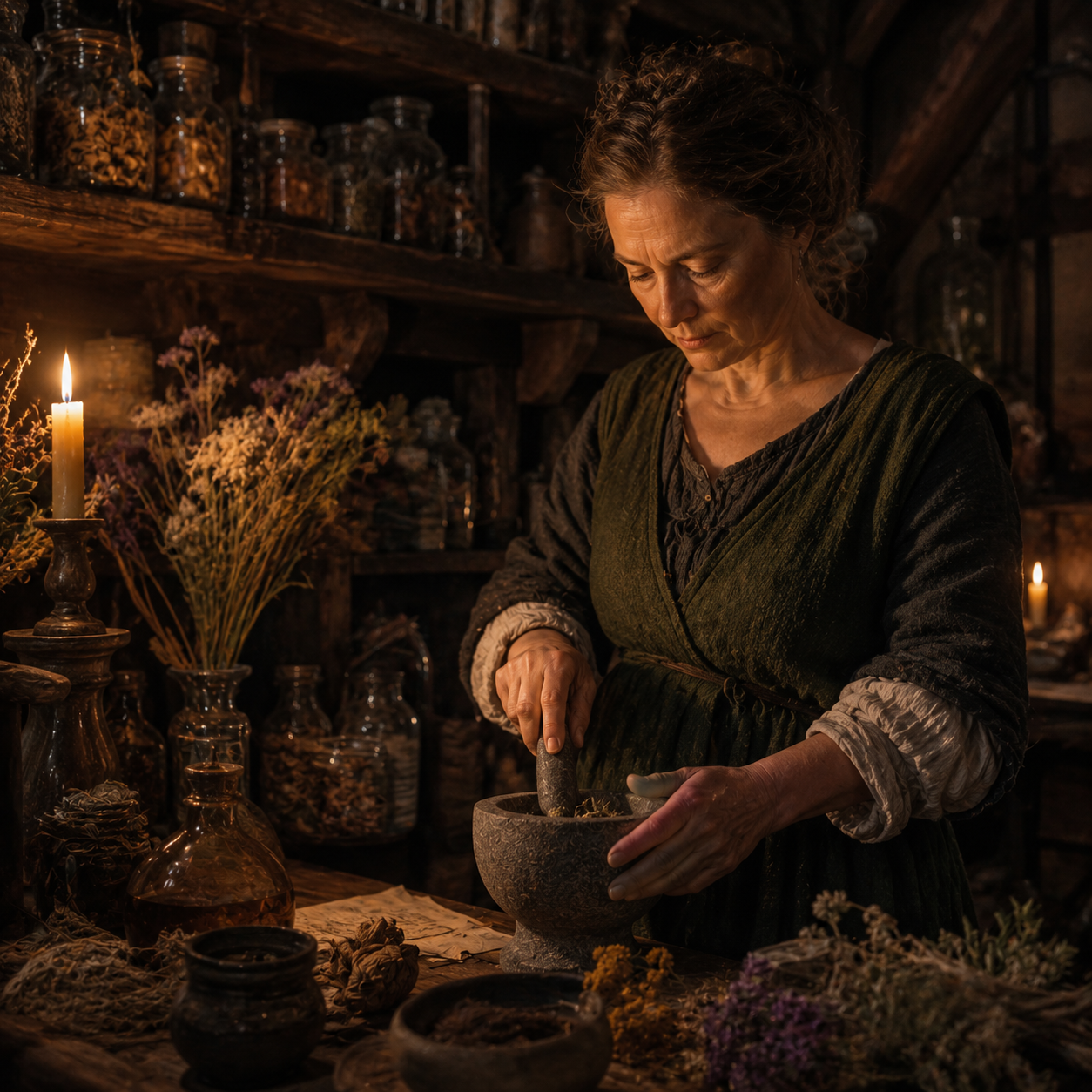
The Tudor period is filled with rich visual storytelling, from magnificent royal courts and candlelit libraries to bustling harbours and peaceful countryside. Use these scenes as inspiration for stories of ambition, faith, discovery, romance, mystery, and survival during one of England's most fascinating historical eras.


Go Deeper into Tudor Writing
The Tudor period offers far more than kings, queens, and famous historical events. It was an age of exploration, religious upheaval, scientific curiosity, political manoeuvring, and dramatic social change. While the royal court often dominates popular culture, some of the most compelling stories emerge from the lives of merchants, craftsmen, servants, scholars, sailors, physicians, and ordinary villagers whose experiences unfolded alongside the great events recorded in history.
Successful Tudor fiction balances historical authenticity with engaging storytelling. Rich details of clothing, architecture, food, customs, and language help immerse readers without overwhelming the narrative, while fictional characters can move naturally through real historical events, creating stories that feel both believable and original.
◆ Research everyday Tudor life as thoroughly as royal history, using ordinary people to reveal the period from fresh perspectives.
◆ Build atmosphere through authentic details such as timber-framed houses, candlelight, great halls, bustling markets, knot gardens, monasteries, and riverside docks.
◆ Explore the political and religious tensions of the era, considering how changes in power affected people from every social class.
◆ Use genuine Tudor occupations—including apothecaries, falconers, scribes, merchants, navigators, blacksmiths, and court musicians—to inspire distinctive characters.
◆ Let real historical events provide the backdrop while allowing fictional characters and personal stories to drive the narrative.
◆ Consider the importance of social hierarchy, reputation, loyalty, inheritance, and family alliances when creating conflicts and relationships.
◆ Remember that Tudor England was a period of discovery and innovation as well as danger, making it an ideal setting for mystery, romance, adventure, and historical drama.
◆ Balance historical accuracy with compelling storytelling, creating immersive worlds that encourage readers to feel as though they are living alongside your characters.
Final Thoughts
The Tudor period continues to inspire writers because it combines fascinating history with timeless human drama. From magnificent royal palaces and bustling market towns to remote monasteries and quiet village cottages, Tudor England provides an extraordinary backdrop for stories of ambition, loyalty, love, betrayal, faith, discovery, and survival. Whether your characters stand beside monarchs or live far from the royal court, every corner of this remarkable era offers opportunities for unforgettable storytelling.
These 70 Tudor Writing Prompts provide inspiration for historical novels, mysteries, romances, adventures, fantasies, and character-driven fiction rooted in one of England's most captivating periods. Whether you're developing a sweeping historical epic, crafting a short story, or simply searching for fresh creative ideas, these prompts will help bring the sights, sounds, and atmosphere of Tudor England vividly to life.
For even more inspiration, explore the Historical Fiction Writing Hub or visit the Creative Writing Archive, where you'll discover hundreds of additional prompts, characters, settings, genres, and story ideas to inspire your next historical fiction project.
Choose Your Next Adventure