70 Dystopian Fairytale Writing Prompts: Twisted Tales of Oppression, Survival & Rebellion
Fairytales have always reflected the fears, hopes, and values of the societies that created them. For centuries, stories such as Snow White, Cinderella, Little Red Riding Hood, Beauty and the Beast, and Hansel and Gretel have explored power, injustice, sacrifice, courage, and transformation through magical worlds and unforgettable characters. Dystopian fiction asks many of the same questions, but replaces enchanted kingdoms with authoritarian governments, surveillance states, environmental collapse, and societies built upon fear and control.
When these two genres combine, familiar stories take on entirely new meaning. The poisoned apple becomes government propaganda. The enchanted forest becomes a quarantined exclusion zone. Castles become surveillance towers, fairy godmothers become underground resistance networks, and happily-ever-afters become uncertain victories won through courage, sacrifice, and hope. By reimagining well-known tales within oppressive futures, writers can create stories that feel both recognisable and completely original.
Modern novels such as Cinder by Marissa Meyer, The Lunar Chronicles, Ash by Malinda Lo, The Hazel Wood by Melissa Albert, and The Book of Lost Things by John Connolly demonstrate how fairy tales can be transformed into darker, more complex narratives. Although not all are strictly dystopian, they show how familiar folklore can be reinvented through speculative fiction, allowing timeless archetypes to explore contemporary themes such as identity, technology, inequality, censorship, environmental collapse, and resistance.
This collection of 70 Dystopian Fairytale Writing Prompts is designed as a complete creative toolkit, combining plot hooks, title ideas, opening lines, closing lines, character ideas, setting prompts, and cinematic visual inspiration. These prompts explore authoritarian kingdoms, forbidden magic, surveillance forests, corrupted happily-ever-afters, fractured fairy kingdoms, oppressive rulers, hidden rebellions, and classic fairytale characters struggling to survive in worlds where hope has become an act of defiance.
If you would like even more inspiration, explore the Dystopian Writing Hub, browse the Fairytales & Folklore Writing Hub, or visit the Creative Writing Archive, where hundreds of additional prompts, characters, settings, genres, and story ideas are waiting to inspire your next project.
1. Plot Prompts
Dystopian fairytales take familiar stories and place them inside oppressive futures shaped by surveillance, censorship, environmental collapse, and authoritarian rule. These prompts reimagine classic fairy tale themes while exploring resistance, sacrifice, hope, and survival in worlds where magic has been replaced by technology—or forbidden entirely.
Write about the last surviving keeper of a forbidden apple orchard after genetically modified fruit becomes illegal under an authoritarian regime.
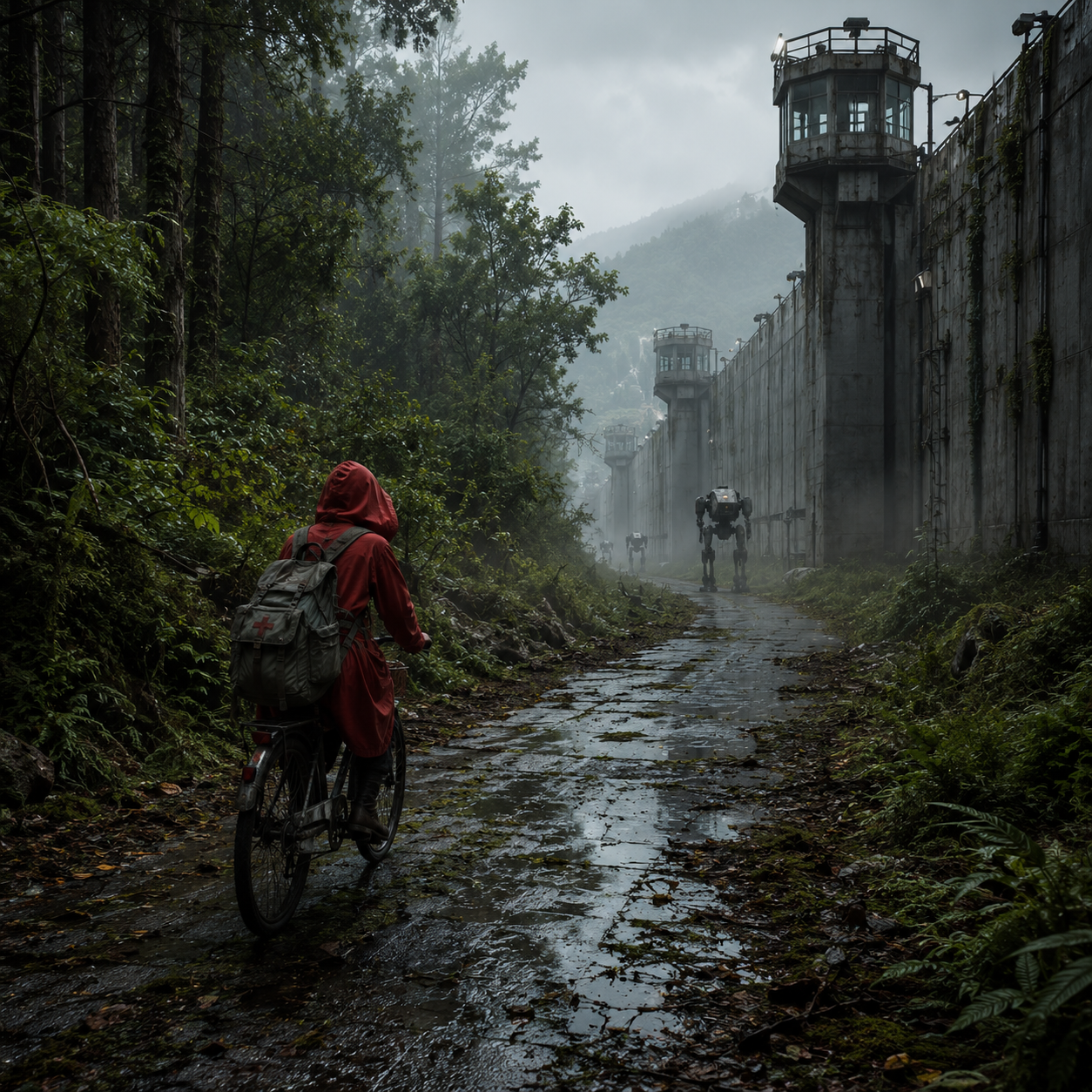
Write about a young courier in a crimson cloak who secretly transports medicine through government-controlled forests patrolled by autonomous drones.
Write about a girl forced to clean the luxurious home of the nation's ruling family who discovers a hidden resistance operating beneath the palace.
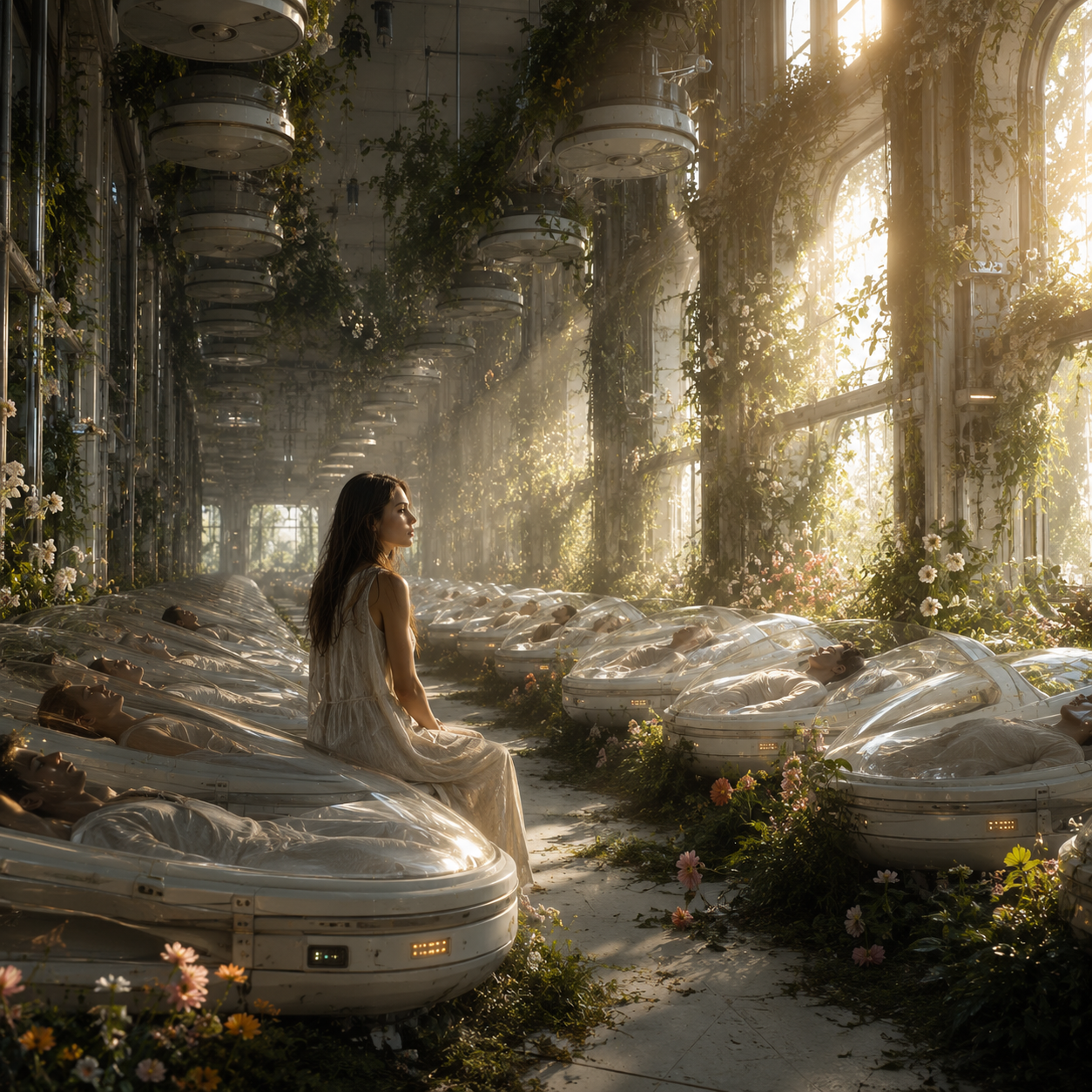
Write about a sleeping city kept permanently unconscious by a government claiming dreams are too dangerous to exist.
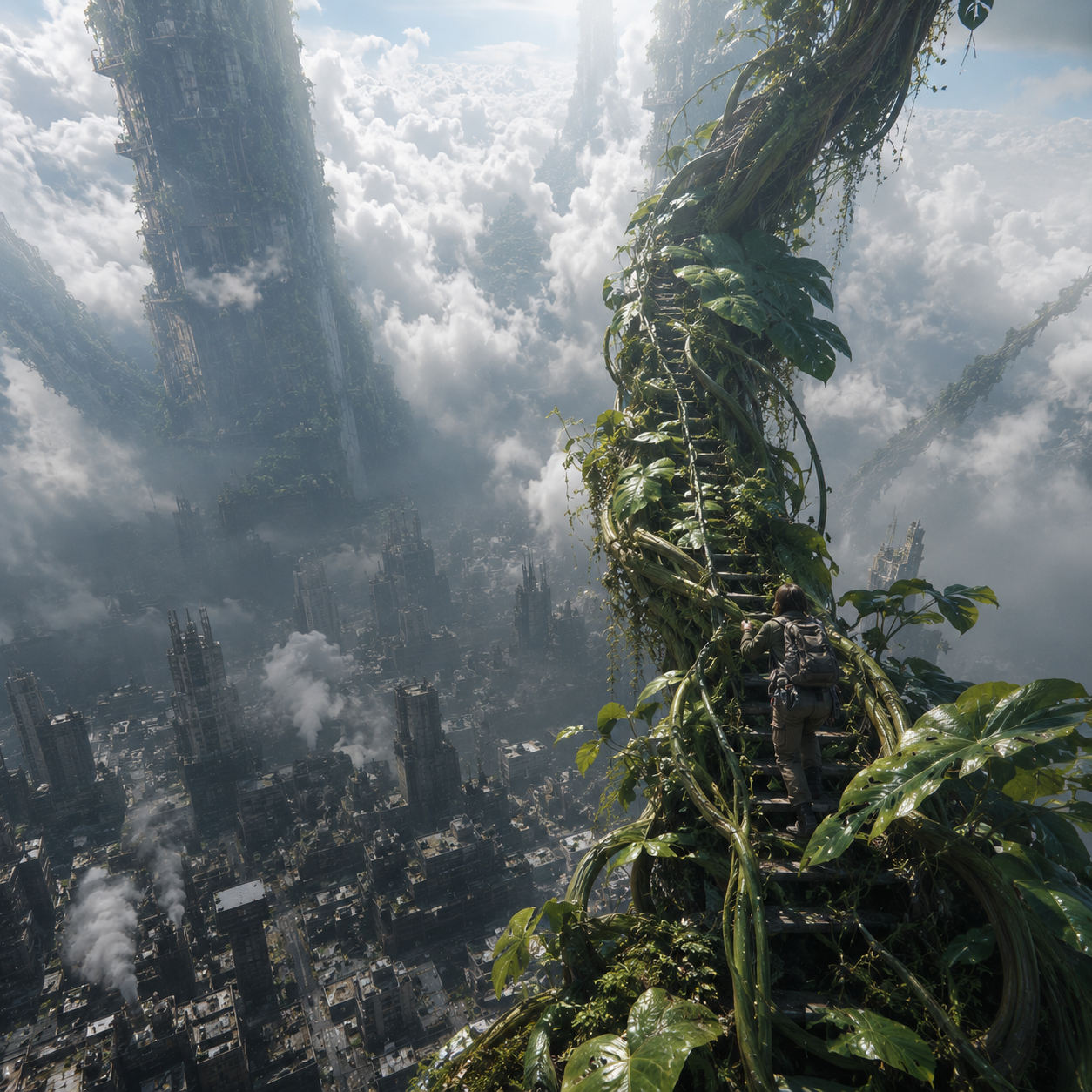
Write about a boy who discovers an enormous genetically engineered vine growing beyond the polluted atmosphere towards a forgotten civilisation above the clouds.
Write about two abandoned children searching for food who discover an apparently perfect settlement where nobody is ever allowed to leave.
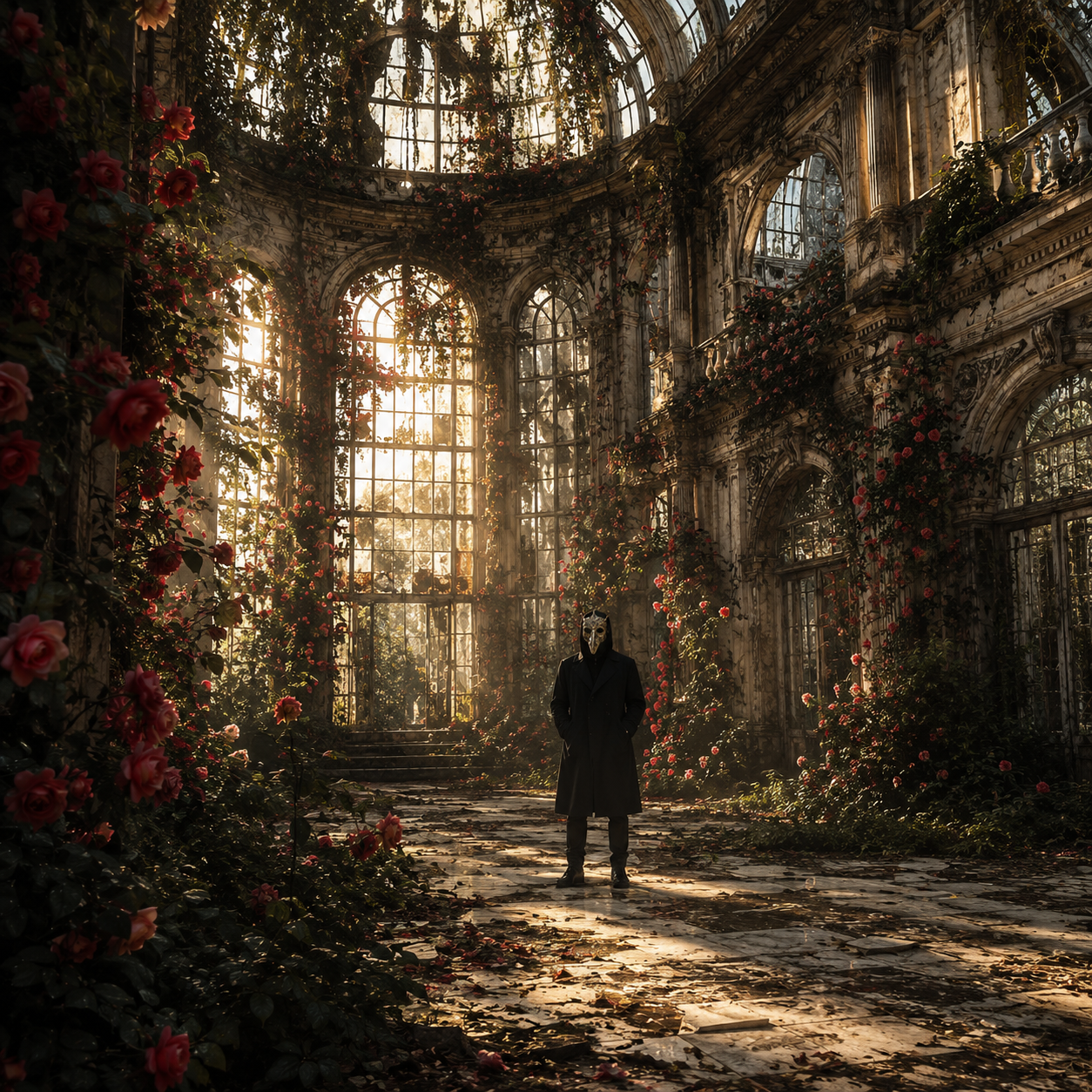
Write about a mysterious masked ruler imprisoned inside a magnificent botanical conservatory after a biological experiment transformed both the palace and its inhabitants.
Write about a kingdom where mirrors have become advanced surveillance devices capable of reporting every citizen's thoughts.
Write about a young woman who discovers her grandmother was one of the last people capable of performing real magic before it was outlawed.
Write about an underground resistance using forgotten fairy tales as coded messages to organise a revolution against the government.
2. Title Ideas
Dystopian fairytale titles combine familiar folklore with darker themes of oppression, survival, rebellion, and lost magic.
The Last Apple Tree
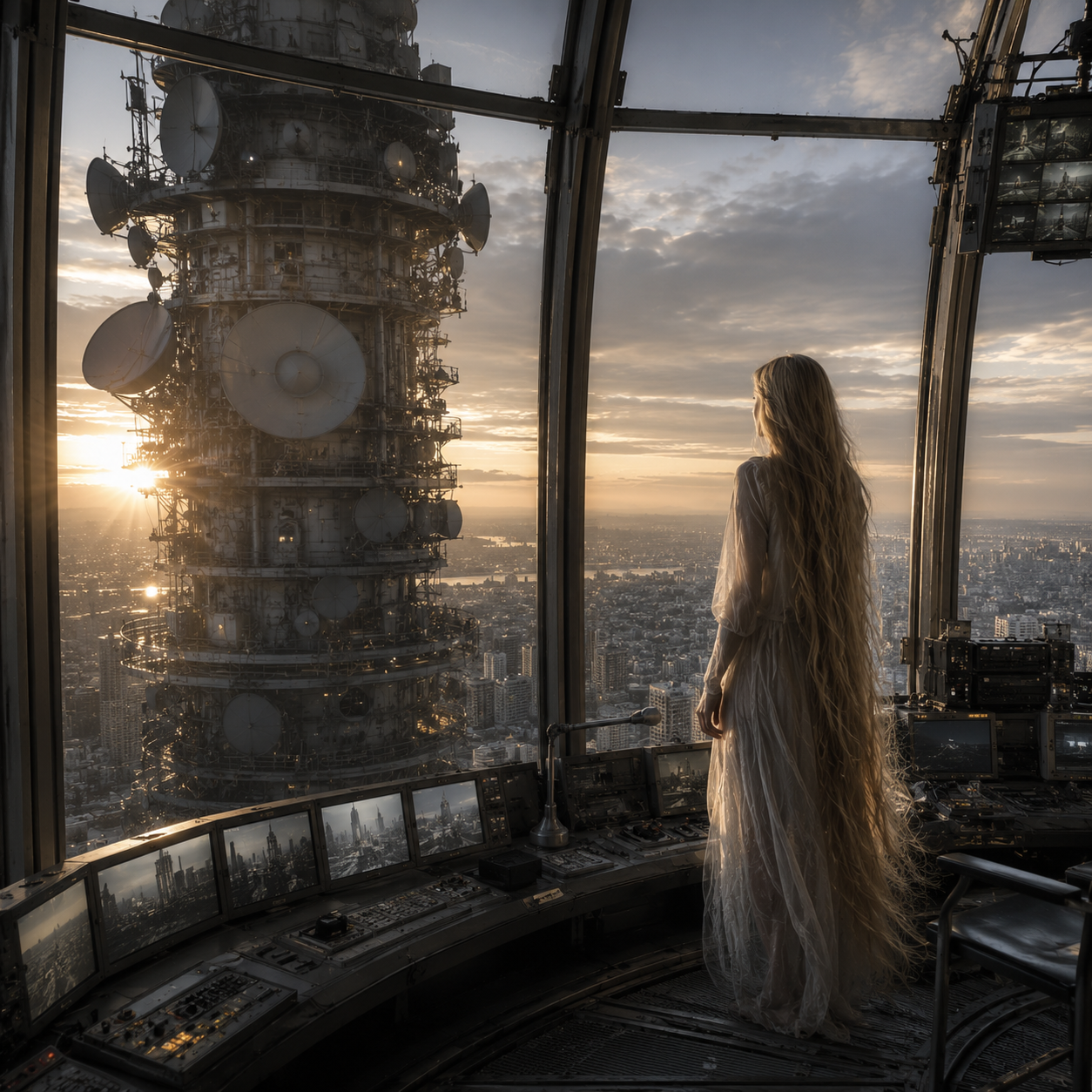
Beyond the Glass Tower
Once Upon a Regime
The Kingdom That Forgot Magic
Beneath the Iron Forest
The Sleeping Republic
Ashes of Ever After
The Girl in the Crimson Hood
The Forbidden Fairy Tale
When the Castle Fell Silent
3. Opening Lines
The strongest dystopian fairytales immediately establish both a familiar fairy tale atmosphere and the unsettling reality of a controlled world.
Fairy tales had been banned long before I was born.
Nobody questioned the mirrors anymore.
The last apple tree grew inside a military exclusion zone.
Every child knew the forest belonged to the government.
We were taught that happily ever after had never existed.
The tower wasn't built to keep me safe—it was built to keep everyone else out.
Midnight arrived with the sound of curfew sirens.
The wolves had disappeared years ago, but people still feared the woods.
They said magic caused the Collapse.
My grandmother left me only one inheritance: a story the government insisted was fiction.
4. Closing Lines
Hope remains at the heart of even the darkest fairytales, making their endings bittersweet, courageous, and quietly optimistic.
This time, the kingdom chose its own ending.
The first forbidden story was told aloud before sunrise.
The forest remembered us, even if the government did not.
Once again, children believed in magic.
The last tower finally opened its gates.
Every happily ever after begins with someone refusing to obey.
The mirror cracked before it could tell another lie.
We planted another apple tree where the walls had fallen.
Even broken kingdoms can learn to dream again.
Our story was never meant to end the way they wrote it.
5. Character Ideas
Dystopian fairytale protagonists often reinvent familiar archetypes, transforming princesses, witches, hunters, and storytellers into rebels, survivors, scientists, and leaders.
A former royal gardener secretly preserving extinct magical plants.
A government archivist collecting banned fairy tales before they are destroyed.
A young inventor creating mechanical birds capable of carrying secret messages.
A reclusive woman believed to be a witch because she still remembers the old world.
A palace servant secretly leading an underground rebellion.
A forest ranger protecting the last untouched wilderness beyond the government's borders.
A child whose unusual ability to dream has become a threat to the regime.
A travelling storyteller spreading coded messages disguised as bedtime stories.
A scientist searching for evidence that magic was never truly erased.
A reluctant heir determined to dismantle the kingdom they were born to rule.
6. Setting Ideas
Dystopian fairytale settings combine enchanted imagery with futuristic decay, creating worlds that feel simultaneously magical, oppressive, and strangely familiar.
A castle converted into the nation's central surveillance headquarters.
A poisoned forest surrounded by electrified security fences.
A magnificent greenhouse protecting the world's final magical plants.
A floating city where every citizen is constantly monitored by enchanted drones.
An abandoned amusement kingdom inspired by forgotten fairy tales.
A snow-covered capital where colour has been outlawed.
A vast underground library preserving banned folklore beneath the ruins of a palace.
A forgotten village hidden beneath an ancient enchanted forest.
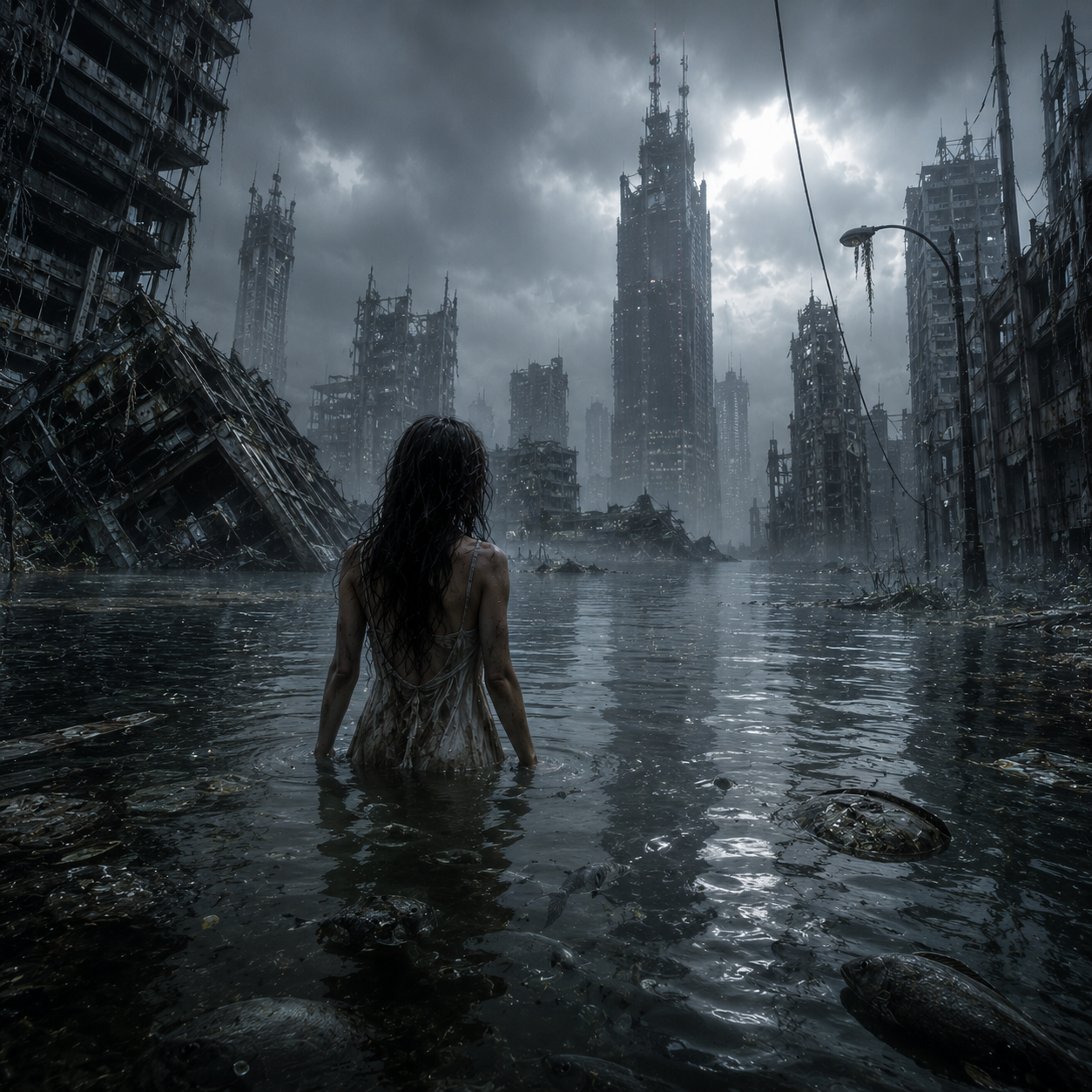
A flooded kingdom where castles rise from the sea like abandoned monuments.
A towering glass city built upon the ruins of an ancient fairy kingdom.
7. Picture Prompts
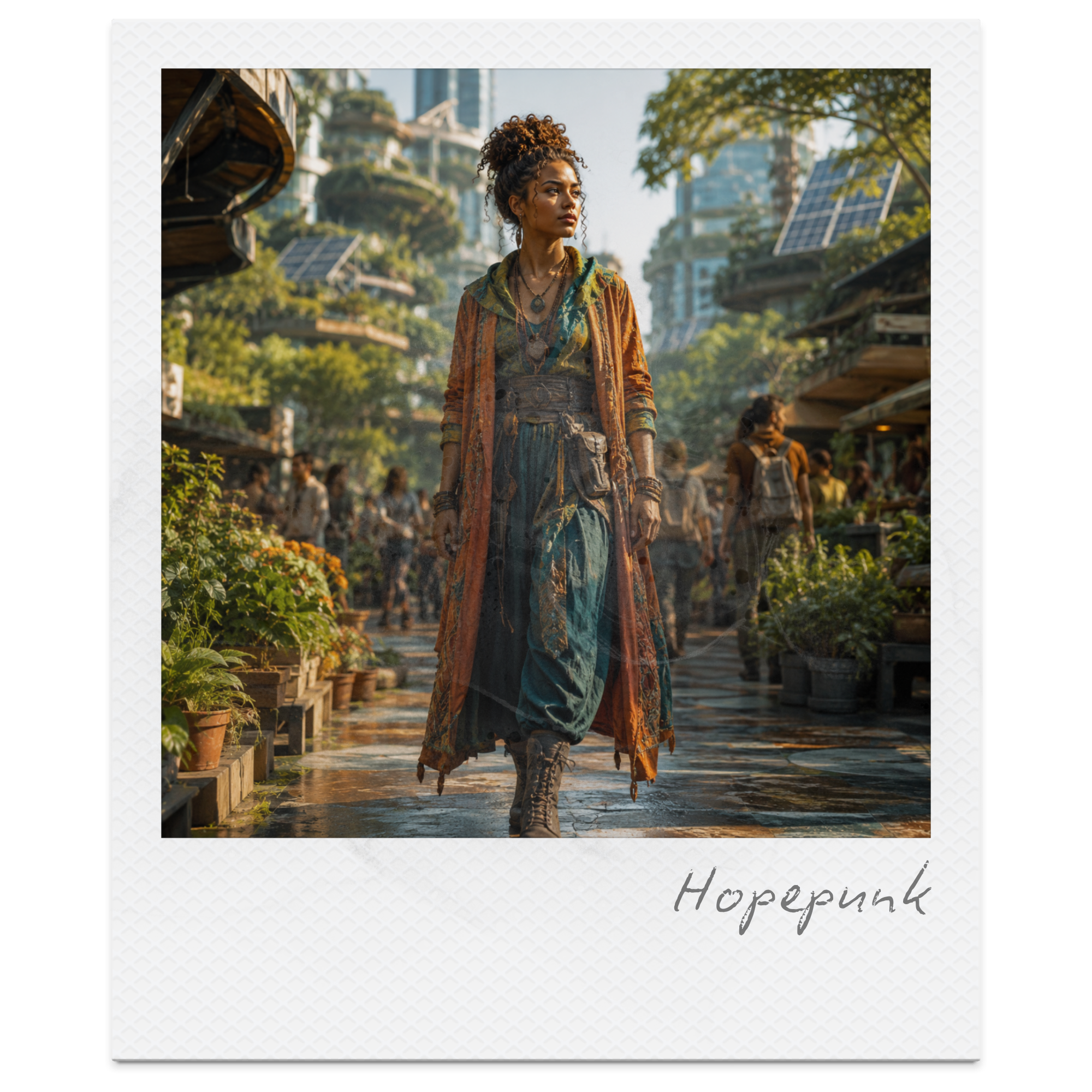
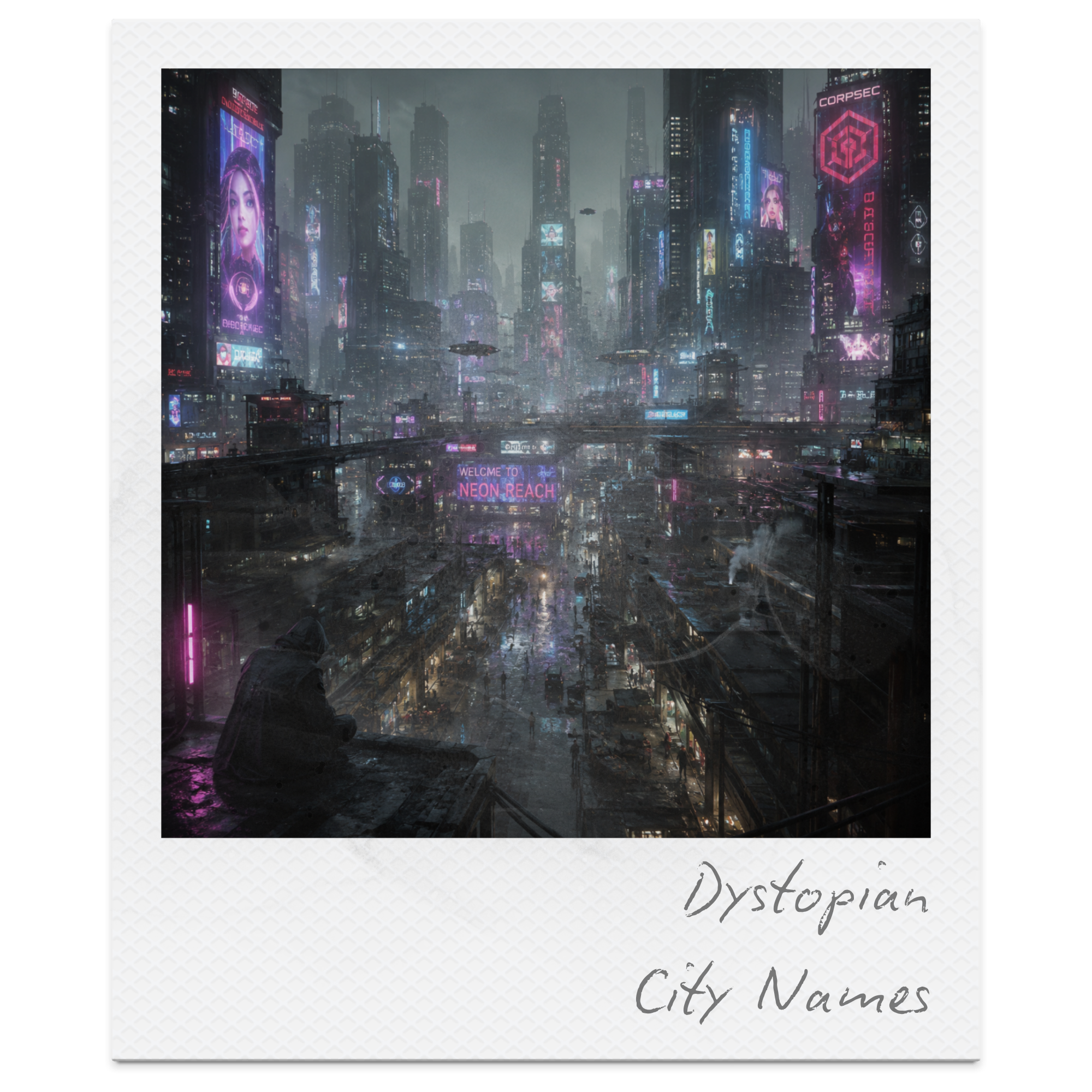
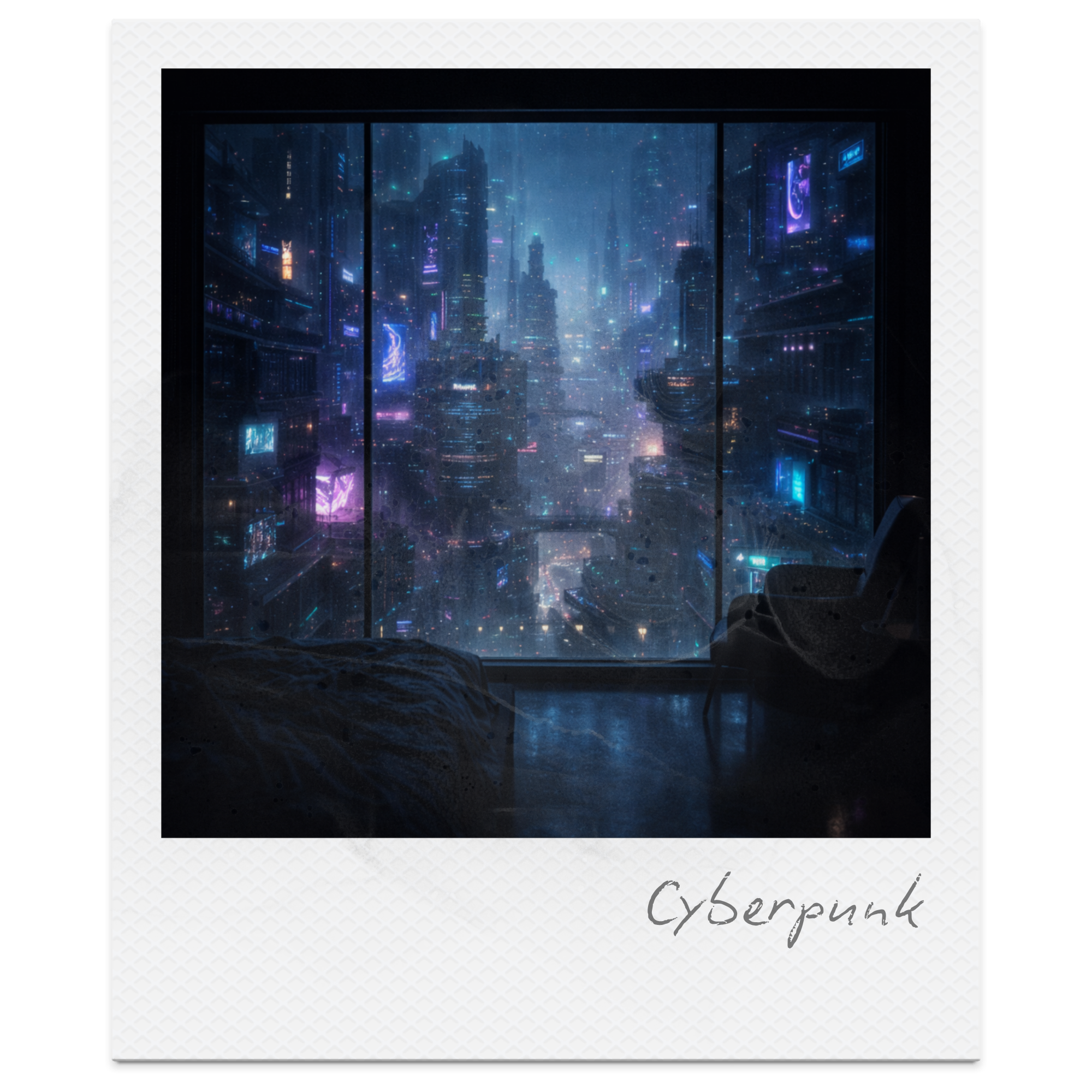
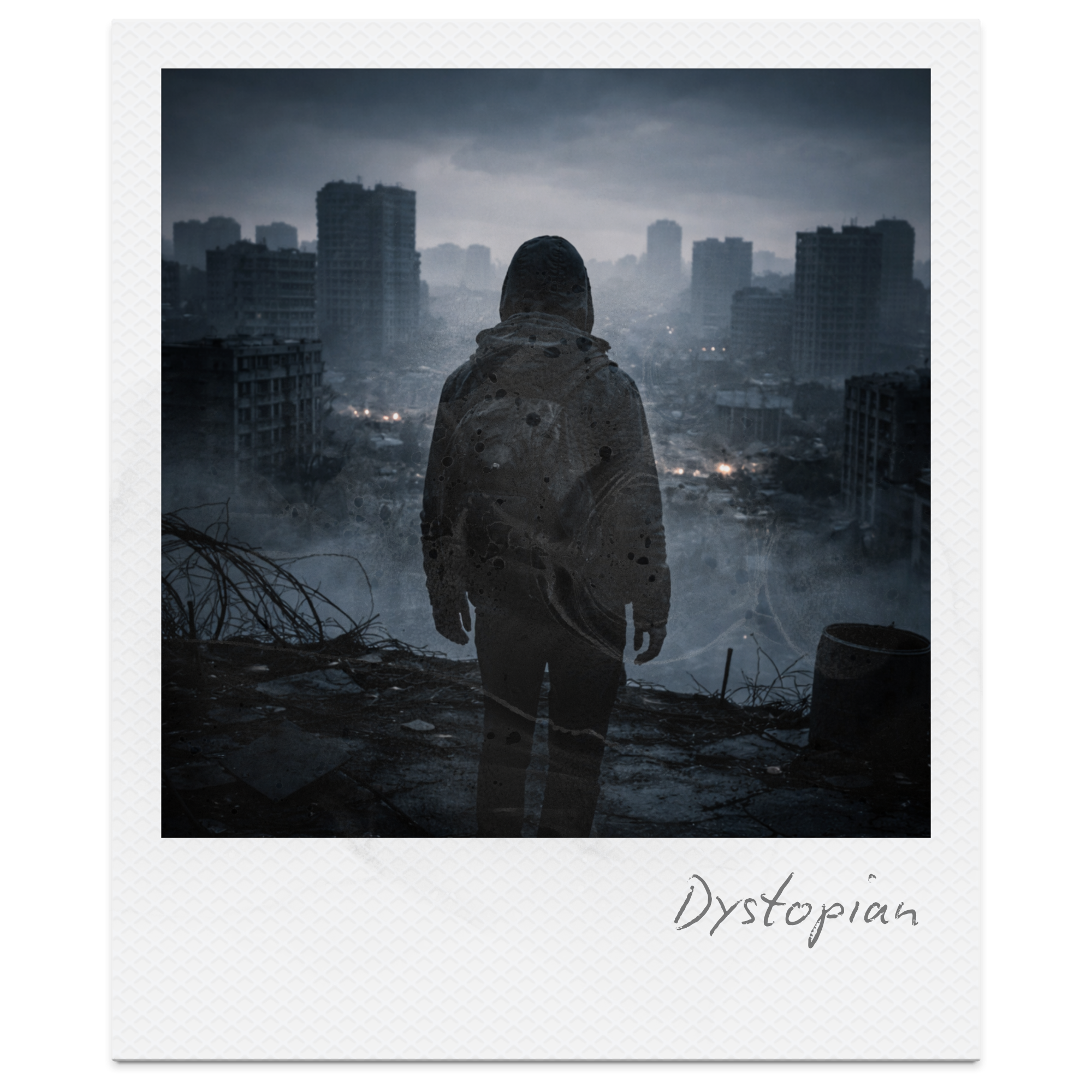
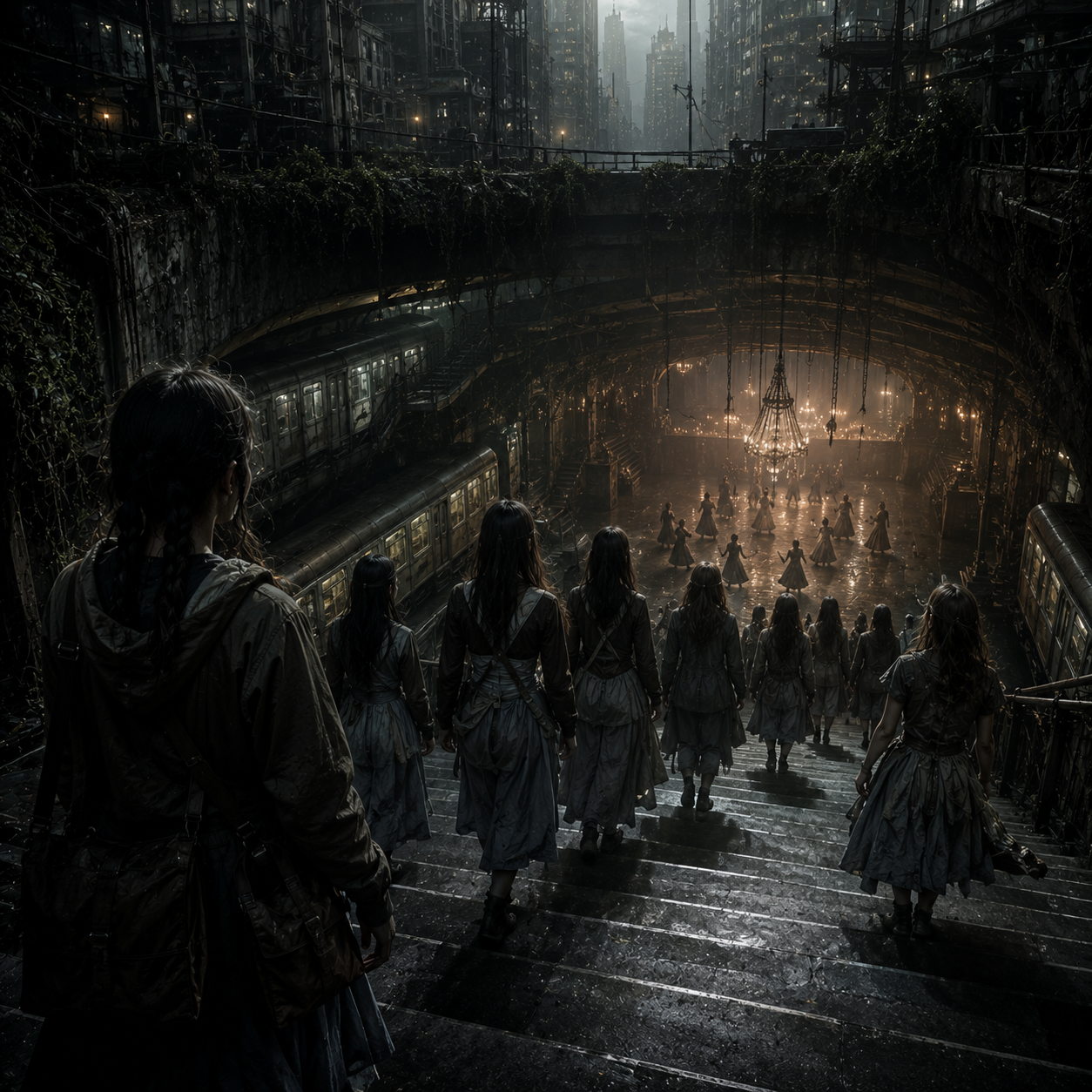
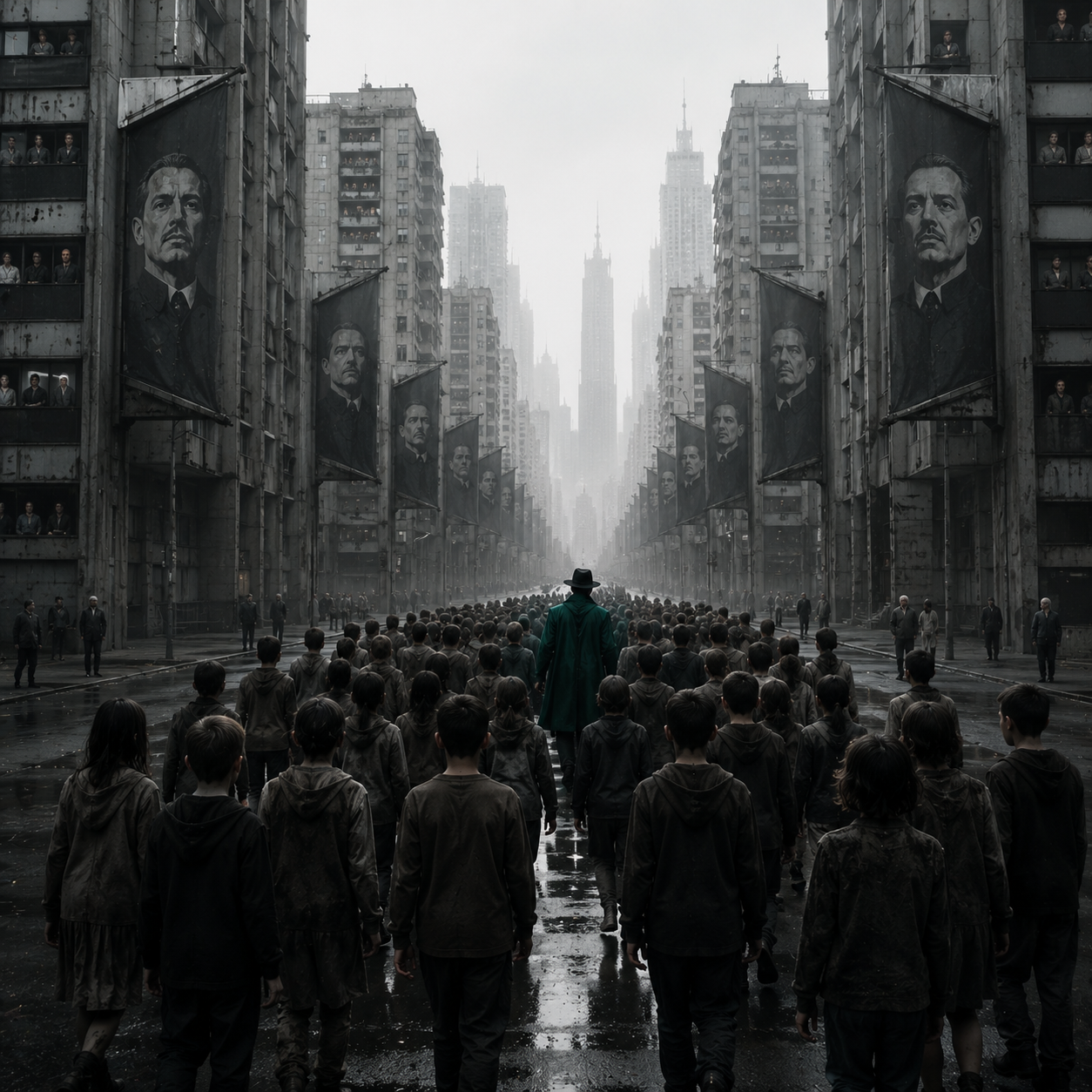
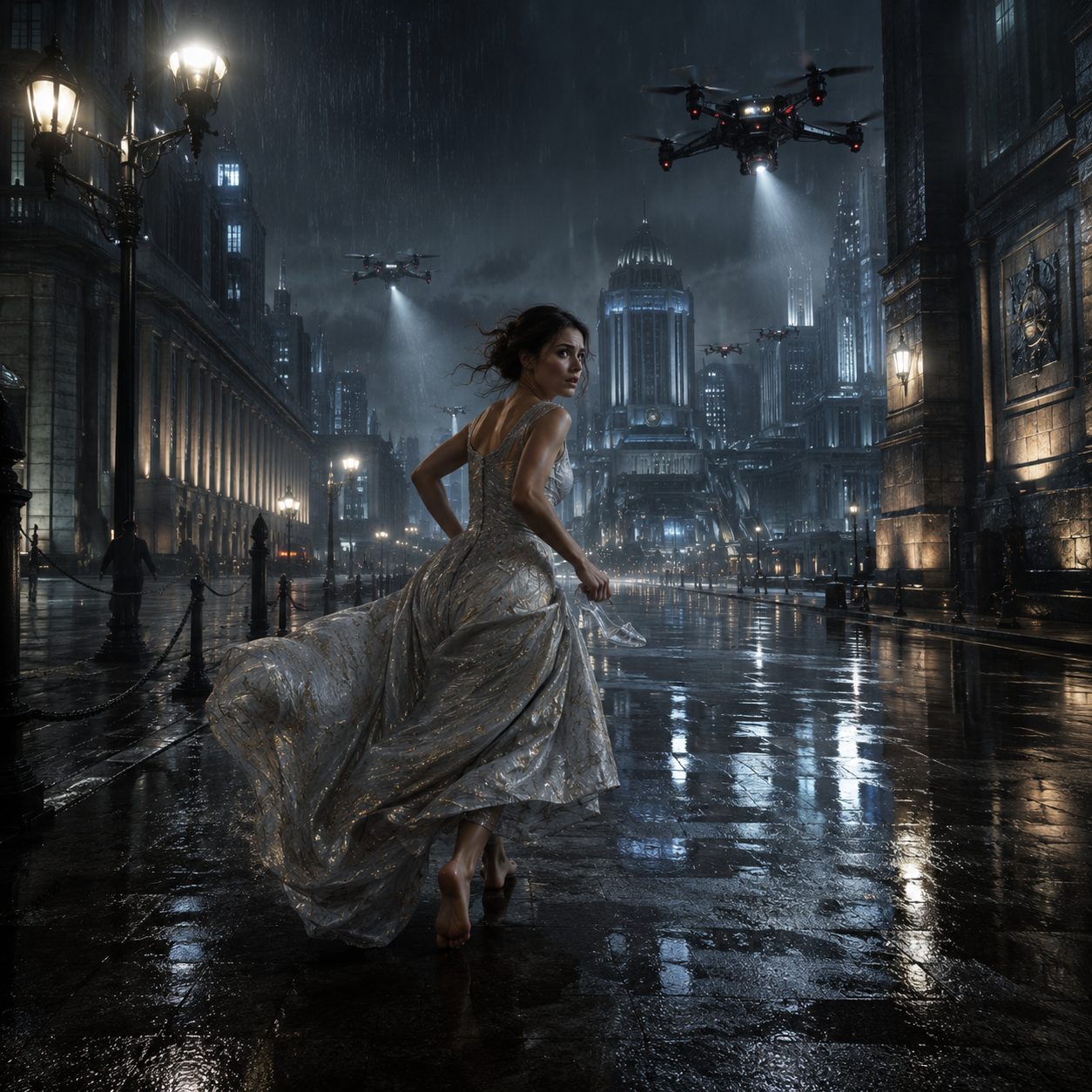
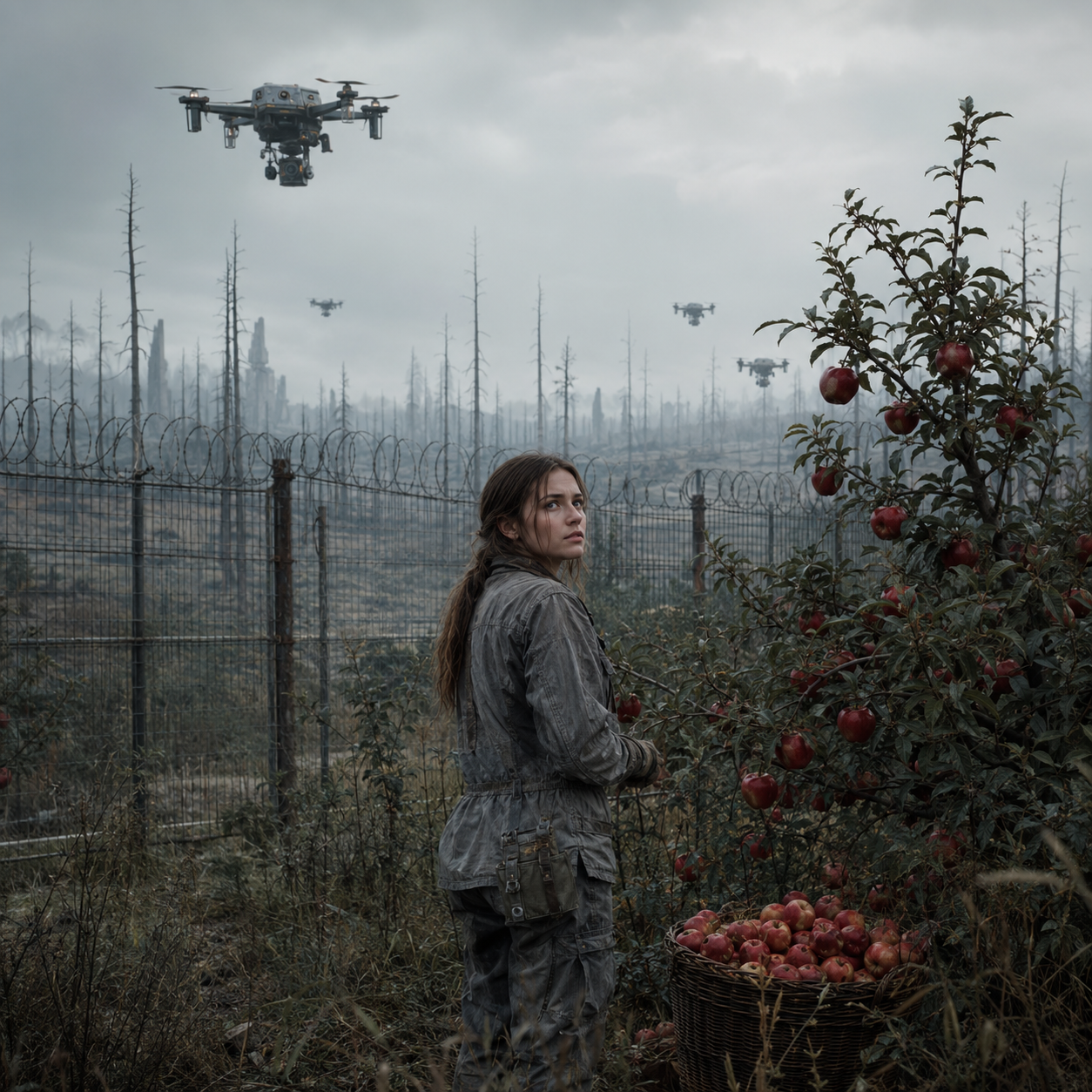
These dystopian fairytale scenes reimagine beloved stories through the lens of authoritarian futures, environmental collapse, and quiet rebellion. Use them as inspiration to explore familiar fairy tale symbols transformed into powerful speculative worlds where hope survives beneath oppression.
Go Deeper into Dystopian Fairytale Writing
The most compelling dystopian fairytales do more than place familiar characters into darker settings—they ask what happens when timeless stories are shaped by surveillance, oppression, environmental collapse, and the abuse of power. Readers recognise the original tale, but every symbol, character, and happily-ever-after is transformed to reflect a society where freedom has become fragile and hope is an act of rebellion.
The strongest stories preserve the emotional heart of the original fairytale while reimagining its world. A poisoned apple might become government propaganda. A magic mirror could become an advanced surveillance network. Towers become prisons, enchanted forests become quarantined exclusion zones, and mythical creatures evolve into the last survivors of a forgotten world. By balancing recognisable folklore with fresh speculative ideas, writers can create stories that feel both nostalgic and entirely original.
◆ Reimagine familiar fairy tale symbols by giving them dystopian meanings, such as surveillance mirrors, genetically engineered forests, or propaganda storybooks.
◆ Replace traditional magic with futuristic technology, scientific experimentation, or forbidden knowledge while preserving the sense of wonder.
◆ Explore how authoritarian governments manipulate myths, legends, and folklore to control history, identity, and public belief.
◆ Consider how ordinary fairy tale heroes become reluctant rebels, smugglers, archivists, scientists, or community leaders instead of royalty.
◆ Use environmental collapse, abandoned kingdoms, flooded castles, and reclaimed landscapes to create visually striking settings filled with symbolic meaning.
◆ Allow hope to survive alongside darkness, ensuring that courage, compassion, and resistance remain central to the story.
◆ Twist familiar endings by asking what happens after the "happily ever after" when oppression returns or history begins repeating itself.
◆ Preserve the emotional themes of the original fairytale while allowing your worldbuilding, conflicts, and characters to become entirely your own.
Final Thoughts
Dystopian fairytales combine the timeless symbolism of folklore with the urgent questions of speculative fiction. By reimagining familiar characters, enchanted objects, and legendary settings through the lens of authoritarian rule, environmental collapse, surveillance, and resistance, writers can create stories that feel both deeply familiar and startlingly original. The contrast between childhood tales and oppressive futures often produces some of the most memorable and thought-provoking speculative fiction.
These 70 Dystopian Fairytale Writing Prompts invite writers to transform classic fairy tales into stories of survival, rebellion, sacrifice, hidden magic, forbidden knowledge, and hope in the face of impossible odds. Whether you're planning a novel, writing a short story, developing a new world, or simply experimenting with genre mash-ups, these prompts offer countless opportunities to reinvent beloved tales for a new generation.
For even more inspiration, explore the Dystopian Writing Hub, browse the Fairytales & Folklore Writing Hub, or visit the Creative Writing Archive, where you'll discover hundreds of additional prompts, characters, settings, genres, and creative writing resources to inspire your next story.
Choose Your Next Adventure