100 Dystopian City Names (With Meanings and Story Ideas)
A city's name can reveal everything about the world it inhabits. In dystopian fiction, it can reflect the ideology of an authoritarian government, the ambitions of a powerful corporation, the scars of environmental collapse, or the false promise of a perfect society. Long before readers discover what lies within its walls, the right city name can establish atmosphere, history, and the themes that define your story.
Some dystopian cities celebrate order, unity, and progress, while others hint at surveillance, inequality, rebellion, or the consequences of unchecked technological advancement. Whether your setting is a sprawling cyberpunk megacity, a fortified capital ruled by an oppressive regime, an abandoned metropolis reclaimed by nature, or a remote colony struggling to survive on another world, a memorable city name helps make your world feel authentic and lived-in.
This collection of 100 dystopian city names has been designed to inspire writers across every corner of the genre, including classic dystopian fiction, cyberpunk, post-apocalyptic stories, climate fiction, speculative fiction, biopunk, and science fiction. Every name includes its symbolism along with story ideas to help you build richer settings and more immersive worlds.
If you're looking for more inspiration, explore the Dystopian Writing Hub for dystopian prompts, worldbuilding guides, character ideas, and setting inspiration. You can also browse the Creative Writing Archive for hundreds of creative writing prompts, story ideas, and writing resources across dystopian fiction, fantasy, science fiction, horror, mystery, romance, gothic fiction, and many other genres.
1. Government Capital Cities
Government capital cities are designed to project strength, order, and permanence. Their names often reinforce the ideology of the regime, emphasising unity, authority, and absolute control over the population.
1. Novaris
Novaris combines the idea of "new" with a refined, futuristic sound, making it ideal for a regime that claims to have built a better society. The name immediately suggests progress, innovation, and national renewal, even if those promises are little more than propaganda. It feels like a city designed to impress both citizens and foreign visitors. This would suit the gleaming capital of an authoritarian government where every building has been carefully constructed to project perfection while hiding widespread oppression.
2. Dominion
Dominion is a name that openly communicates authority, ownership, and absolute control. Rather than hiding its intentions, the city proudly embraces the language of power. It creates the impression of a place where obedience is expected and dissent is impossible. This would be an excellent capital for a military dictatorship or empire that rules through fear and unwavering discipline.
3. Sovereign Reach
The word "Sovereign" evokes supreme authority, while "Reach" suggests influence extending far beyond the city's borders. Together they create the image of a government whose control touches every aspect of society. The name sounds prestigious while quietly reinforcing ideas of political dominance. It would suit a capital where ministers, surveillance agencies, and national archives all operate from towering government districts.
4. Concord Prime
Concord traditionally represents peace and unity, while "Prime" suggests superiority and importance. The name is perfect for a regime that constantly speaks about harmony while suppressing anyone who challenges the official narrative. Citizens are encouraged to believe they live in the greatest city ever created. Beneath the carefully maintained image, resistance groups secretly work to expose the truth behind the government's slogans.
5. Centralis
Centralis immediately establishes itself as the heart of the nation. The name feels efficient, bureaucratic, and deliberately stripped of personality, reflecting a government that values systems over people. It suggests a city from which every decision is made and every citizen monitored. This would work particularly well in a surveillance dystopia where every transport route and communication network ultimately leads back to the capital.
6. Imperion
Imperion carries echoes of ancient empires while sounding futuristic enough for speculative fiction. It creates the impression of a civilisation obsessed with expansion, discipline, and hierarchy. The name feels grand without becoming overly fantastical. It would suit the seat of a government convinced it has the right to control neighbouring territories in the name of stability.
7. Unity Spire
Unity Spire sounds hopeful at first glance, encouraging citizens to believe they belong to something greater than themselves. The towering "Spire" symbolises aspiration, authority, and constant observation over the surrounding districts. It is exactly the kind of optimistic name an authoritarian regime would choose for propaganda purposes. The city's tallest tower could house both the government and the surveillance systems watching every citizen below.
8. Regalis
Derived from ideas of royalty and leadership, Regalis immediately conveys prestige and importance. The name feels elegant enough to hide the harsh realities beneath its polished exterior. It suggests ceremonies, government palaces, and carefully choreographed displays of national pride. This city would make an ideal capital where appearances matter more than truth.
9. Sentinel City
A sentinel stands watch, making this name synonymous with vigilance and protection. Citizens may be told the city's security systems exist to keep them safe, while in reality they monitor every movement. The name reinforces the belief that constant observation is both necessary and desirable. It would suit a capital filled with drones, security checkpoints, and enormous surveillance towers.
10. First Citadel
The word "First" implies superiority, while "Citadel" evokes strength and defence. Together they suggest the oldest, most important, and most heavily protected city in the nation. The name immediately creates an image of towering walls surrounding the government's most valuable institutions. This would suit the final stronghold of an authoritarian regime determined to survive at any cost.
2. Megacities & Urban Sprawls
Megacities are sprawling urban landscapes where millions of people live beneath towering skyscrapers, constant surveillance, and endless artificial light. These names evoke technology, overcrowding, ambition, and societies that never truly sleep.
1. Neon Reach
"Neon" immediately conjures images of glowing advertisements, holographic displays, and rain-soaked streets, while "Reach" suggests a city that stretches endlessly across the horizon. The name feels vibrant yet overwhelming, hinting at both technological progress and social inequality. It creates the impression of a place where wealth towers above poverty. This city would suit a cyberpunk dystopia where corporations own entire districts and citizens rarely see natural daylight.
2. Ironhaven
Ironhaven sounds reassuring at first, suggesting safety and stability. The word "Iron," however, introduces rigidity, control, and industrial power, creating an unsettling contrast. It feels like a city built to protect its citizens while quietly imprisoning them. This would make an excellent setting where enormous security walls keep danger out—and prevent people from leaving.
3. Skyline Nexus
Skyline Nexus evokes colossal skyscrapers linked by bridges, transit systems, and elevated highways. "Nexus" suggests connection, making the city feel like the centre of politics, technology, and commerce. The name reflects a place where everything converges under one controlling authority. It would suit a metropolis where every movement is tracked through interconnected AI systems.
4. Hyperion City
Hyperion carries associations with greatness and ambition, giving the city a prestigious reputation. It sounds like a place that markets itself as humanity's greatest achievement. Beneath its polished image, however, social divisions continue to widen. This city could be home to luxurious upper districts towering above neglected lower levels.
5. Vertex One
Vertex refers to the highest point, while "One" reinforces ideas of superiority and exclusivity. The name suggests the government's flagship city and the pinnacle of modern civilisation. It immediately creates an image of gleaming architecture and advanced technology. This would suit a city where only society's elite experience the promised utopia.
6. Blackglass
Blackglass combines elegance with unease, conjuring images of towering reflective skyscrapers that conceal everything happening inside. The name feels cold, corporate, and deliberately impersonal. It suggests a city where appearances matter more than transparency. This would suit a financial district dominated by powerful companies and hidden agendas.
7. Meridian East
Meridian suggests precision, navigation, and central importance. Adding "East" implies the existence of multiple sectors or interconnected megacities across the nation. The name feels bureaucratic while remaining believable. It would fit a carefully planned metropolis divided into strictly controlled administrative zones.
8. Gridpoint
Gridpoint immediately suggests order, structure, and complete organisation. Every street, building, and citizen appears to occupy a predetermined place within the system. The city feels efficient but entirely devoid of spontaneity. It would make an excellent setting where artificial intelligence manages every aspect of urban life.
9. Zenith Metro
Zenith represents the highest possible achievement, making it ideal for a city celebrated as the future of civilisation. Metro reinforces the sense of immense scale and constant movement. The name sounds optimistic while quietly encouraging citizens to believe nowhere else compares. This would suit a showcase city hiding significant inequality beneath its polished exterior.
10. Elevon
Elevon has a sleek, futuristic sound without feeling overly artificial. The name suggests progress, elevation, and technological advancement while remaining easy to remember. It feels like a city built entirely around innovation and efficiency. This would suit a smart city where every building, vehicle, and citizen is connected through a single digital network.
3. Corporate Cities
Corporate cities are owned, funded, and governed by powerful companies rather than traditional governments. Every street, service, and opportunity exists to increase productivity and profit, while branding replaces national identity.
1. Axiom City
An axiom is something accepted as unquestionably true, making this an ideal corporate name. It immediately creates the impression of confidence, certainty, and intellectual superiority. The city feels like a place where company values are treated as absolute law. This would suit the headquarters of a technology corporation that has quietly replaced the state.
2. Nexora
Nexora sounds sleek, futuristic, and carefully designed by a marketing department. The name feels aspirational while revealing very little about the city's true purpose. It suggests innovation, luxury, and endless opportunity. Beneath the polished branding lies a workforce expected to sacrifice everything for corporate success.
3. Helix Point
The double helix immediately evokes biotechnology and scientific advancement. The addition of "Point" gives the name a modern business aesthetic suited to corporate developments. It feels like a place built around research and innovation. This city could specialise in genetic engineering and pharmaceutical experimentation.
4. Genetek Plaza
Genetek instantly communicates advanced science while Plaza suggests wealth and prestige. The city feels carefully branded to attract investors and elite researchers. Every building appears designed to reinforce the corporation's reputation for innovation. This would suit a company town where employees rarely leave because every aspect of life belongs to the corporation.
5. Omnicore
Omnicore suggests centralisation, efficiency, and total integration. The name creates the impression that every essential service depends upon one organisation. It feels both impressive and slightly threatening. This city would work well in a world where a single corporation controls food, healthcare, housing, and communication.
6. Argent District
Argent references silver, wealth, and prestige without sounding overly obvious. District gives the impression of a carefully planned commercial centre rather than a traditional city. The name feels elegant and exclusive. It would suit a financial capital reserved for executives, investors, and political allies.
7. Novatek
Novatek blends ideas of innovation and technology into a believable corporate identity. The name immediately feels familiar, as though it belongs to a multinational company. It projects confidence while avoiding unnecessary complexity. This city would be ideal for a corporation pioneering robotics and artificial intelligence.
8. Virexon
Virexon has a sharp, memorable sound associated with pharmaceuticals, biotechnology, or advanced manufacturing. The name feels intentionally modern and globally recognisable. It suggests a corporation whose influence extends well beyond business. This would suit a city where scientific progress consistently overrides ethical concerns.
9. Polaris Exchange
Polaris symbolises guidance and leadership, while Exchange connects the city with finance and international commerce. Together they create the impression of a global economic powerhouse. The name sounds trustworthy despite the enormous influence it represents. This city would house the world's largest financial institutions and digital marketplaces.
10. Eclipse Holdings
"Eclipse" suggests one force overshadowing everything else. Holdings reinforces the image of a corporation owning vast industries rather than producing a single product. The name quietly implies monopoly and limitless influence. This would suit the headquarters of a company that has become more powerful than any elected government.
4. Industrial Cities
Industrial cities exist to manufacture, refine, mine, and produce whatever the regime demands. They are defined by towering smokestacks, relentless labour, and communities built around heavy industry.
1. Ironworks
Ironworks is direct, practical, and immediately establishes the city's purpose. It feels like a settlement where industry shapes every aspect of daily life. The name suggests strength but also exhausting physical labour. This would suit a city producing machinery for an expanding authoritarian state.
2. Coalbridge
Coalbridge combines traditional industry with infrastructure, creating a believable working city. The name hints at generations of miners and factory workers supporting the wider nation. It feels historic while remaining adaptable to speculative fiction. This city could become the birthplace of a growing workers' rebellion.
3. Furnace Row
The word furnace immediately creates imagery of heat, smoke, and relentless production. "Row" suggests long streets lined with identical factories and workers' housing. The city feels harsh and unforgiving. It would suit a dystopian world where productivity determines social status.
4. Steelmarch
Steelmarch combines industrial power with military purpose. The name suggests a city constantly producing weapons, vehicles, and infrastructure for the government. It feels disciplined and relentless. This would make an ideal location where civilians unknowingly support an endless war.
5. Ashport
Ashport evokes smoke-covered docks and skies permanently darkened by industry. The name feels atmospheric while remaining believable. It hints at prosperity built upon environmental destruction. This city would suit a polluted harbour where cargo ships arrive around the clock.
6. Cinder Basin
Cinder Basin immediately creates imagery of scorched landscapes and abandoned quarries. The basin suggests the city sits within a vast industrial depression surrounded by factories. The name feels bleak without becoming unrealistic. It would suit a settlement where natural landscapes disappeared generations ago.
7. Foundry Reach
Foundry Reach suggests industry extending across enormous distances. The name balances craftsmanship with large-scale manufacturing. It creates the impression of a city constantly expanding to meet government demands. This would suit a national production centre employing millions of workers.
8. Blackforge
Blackforge sounds powerful, intimidating, and deeply industrial. It immediately evokes heavy machinery, molten metal, and smoke-filled skylines. The name carries both historical and futuristic qualities. This city would be ideal for producing military technology under constant government supervision.
9. Millhaven
Millhaven contrasts comfort with relentless industry, creating subtle irony. The name suggests a company town promising stability while offering little personal freedom. It feels grounded and believable. This would suit a community where generations of families have worked for the same factories.
10. Ember Junction
Embers symbolise both industry and the possibility of renewal. Junction implies transport, logistics, and constant movement between production centres. Together they create a city that never truly rests. It would make an excellent setting where underground resistance members secretly sabotage the nation's railway network.
5. Walled & Fortress Cities
Surrounded by enormous barriers and heavily defended checkpoints, these cities promise protection from the dangers outside. Their names emphasise security, endurance, and survival while raising questions about whether the walls keep danger out—or keep citizens in.
1. Bastion
Bastion immediately conveys strength and defence. The name reassures citizens that they live in the safest place remaining in the world. It also suggests a society built around fear of everything beyond the walls. This city would suit the final refuge of a collapsing civilisation.
2. Highwall
Highwall is simple, memorable, and instantly descriptive. The enormous barrier becomes the city's defining feature rather than its people or culture. The name reinforces ideas of separation and isolation. This would suit a fortress where few citizens have ever seen the world outside.
3. Iron Gate
Iron Gate suggests controlled access, military authority, and constant inspection. The city immediately feels secure but deeply restrictive. Every arrival and departure would be carefully monitored. This would be an excellent setting for a story about someone attempting to escape the regime.
4. Fort Resolis
Fort Resolis sounds historic while remaining futuristic enough for speculative fiction. The name suggests resilience, order, and disciplined leadership. It feels like a military stronghold that gradually grew into a major city. This would suit a capital originally built during a devastating war.
5. Bulwark
A bulwark is a defensive structure designed to resist attack. The name projects confidence and stability while implying that conflict is always expected. Citizens are constantly reminded that survival depends upon remaining inside the walls. This city would make an ideal setting for stories exploring fear, propaganda, and isolation.
6. The Inner Ring
The Inner Ring implies multiple defensive layers protecting society's most important citizens. The name feels mysterious while reinforcing strict social hierarchy. It immediately raises questions about what lies beyond each successive barrier. This would suit a city where only the privileged are permitted to live at the centre.
7. Grey Bastille
Grey Bastille evokes imposing stone walls and overwhelming authority. The name hints that the city itself has become a prison disguised as protection. It feels oppressive before the story even begins. This would suit an authoritarian capital where citizens rarely question the walls surrounding them.
8. Stonewatch
Stonewatch combines permanence with vigilance, creating the impression of an ancient defensive settlement. The city appears built to survive generations of conflict. The name suggests towers, sentries, and constant observation. It would work well in a post-apocalyptic world where danger genuinely exists beyond the walls.
9. Shieldhold
Shieldhold immediately suggests refuge and collective defence. The name feels hopeful while still acknowledging the harsh realities outside its borders. It creates the impression of a community united through necessity rather than choice. This city could hide political corruption beneath its image of safety.
10. Last Haven
Last Haven carries both hope and desperation. The name suggests that every other city has fallen, making this humanity's final sanctuary. It immediately raises the stakes of the world and encourages readers to question whether the legend is actually true. This would be an excellent setting where the greatest threat ultimately comes from within the walls rather than outside them.
6. Ruined & Abandoned Cities
Once thriving centres of civilisation, these cities now stand silent. Their names hint at forgotten disasters, abandoned streets, and the lingering echoes of lives interrupted by war, disease, environmental collapse, or political catastrophe.
1. Hollowpoint
Hollowpoint immediately suggests emptiness and loss, creating the image of a city stripped of its former life. The name feels unsettling without revealing exactly what happened there. It invites curiosity while maintaining an atmosphere of mystery. This would suit a quarantined city where rumours claim something still moves among the abandoned streets.
2. Greyfall
Greyfall evokes ash, dust, and slow decline rather than sudden destruction. The name feels melancholy, suggesting a city that faded over decades instead of collapsing overnight. It creates a powerful sense of forgotten history. This would suit a once-great capital slowly reclaimed by nature after its citizens mysteriously disappeared.
3. Ash Hollow
Ash Hollow combines destruction with silence, painting a picture of burnt buildings surrounded by empty landscapes. The name feels atmospheric and grounded. It suggests tragedy without becoming overly dramatic. This city could hide evidence that the official version of history was carefully rewritten.
4. Red Junction
Red Junction hints at violence, conflict, or disaster while remaining open to interpretation. The name immediately raises questions about what caused the city to fall. It feels like a place avoided by travellers for generations. This would suit an abandoned transport hub where every train stopped running on the same night.
5. Blackmere
Blackmere sounds ancient and foreboding, evoking dark waters surrounding abandoned buildings. The name creates a haunting atmosphere before readers even enter the city. It feels perfect for environmental or supernatural dystopias. This would suit a flooded settlement where only rooftops remain above the waterline.
6. Silent Crossing
Silent Crossing suggests roads once crowded with travellers that now stand completely deserted. The contrast between movement and silence creates immediate tension. The name feels cinematic and memorable. This city could become the setting for survivors searching for evidence of what really happened.
7. Dusthaven
Dusthaven carries a strange irony, combining refuge with decay. The name implies a place where survival once seemed possible before everything slowly fell apart. It feels believable within post-apocalyptic fiction. This city would suit a settlement whose abandoned libraries contain dangerous forgotten knowledge.
8. Broken Crest
Broken Crest suggests the fall of a once-proud civilisation. The name evokes ruined monuments, collapsed government buildings, and shattered symbols of power. It immediately communicates decline and failure. This would suit a city where revolution succeeded but left nothing capable of replacing the old regime.
9. Cinder Vale
Cinder Vale paints a vivid picture of ash-covered streets stretching through a deserted valley. The name balances beauty with devastation, making it emotionally compelling. It hints that life once flourished there before disaster struck. This city could become home to scattered communities secretly rebuilding civilisation.
10. Echo Reach
Echo Reach suggests that memories linger longer than people. The name feels lonely, encouraging readers to imagine empty streets where voices still seem to carry through abandoned buildings. It creates an immediate sense of atmosphere. This would suit a city preserved exactly as it was on the day its population vanished.
7. Underground & Hidden Cities
Hidden beneath mountains, forests, deserts, or the ruins of older civilisations, these cities exist beyond the reach of oppressive governments. Some were built to survive catastrophe, while others were founded by those determined to live beyond the regime's control.
1. Deepgate
Deepgate suggests a hidden entrance leading into an enormous underground settlement. The name immediately creates curiosity while remaining believable. It feels practical rather than mythical. This would suit a resistance city concealed beneath abandoned subway tunnels.
2. Underreach
Underreach evokes a vast settlement stretching beneath the surface far beyond what anyone expects. The name hints at secret communities connected by forgotten passageways. It suggests both safety and confinement. This city would become a refuge for political dissidents escaping government surveillance.
3. Stoneveil
Stoneveil combines protection with secrecy, creating the impression of a city hidden behind layers of rock and carefully guarded entrances. The name feels elegant without losing realism. It immediately suggests mystery and resilience. This would suit an ancient underground civilisation rediscovered centuries after disappearing.
4. Ember Vault
Ember Vault suggests warmth, preservation, and survival beneath the earth. The name feels hopeful despite its hidden location. It creates an image of humanity safeguarding its future beneath ruined landscapes. This city could house the last functioning seed banks and historical archives.
5. Haven Below
Haven Below is simple yet evocative, immediately communicating sanctuary beneath the surface. The contrast between hope and concealment makes the name memorable. It feels like somewhere people whisper about rather than openly discuss. This would suit a legendary refuge whose existence the government denies.
6. Iron Hollow
Iron Hollow suggests a city carved into abandoned mines or industrial tunnels. The name feels rugged and practical, reflecting a settlement built through necessity rather than luxury. It conveys resilience and determination. This city could become the headquarters of a growing underground rebellion.
7. Shadow Basin
Shadow Basin creates an immediate sense of secrecy and protection. The name implies an enormous hidden cavern untouched by the world above. It feels atmospheric without becoming overly fantastical. This would suit a city illuminated entirely by artificial sunlight and underground rivers.
8. Vault One
Vault One sounds functional, bureaucratic, and slightly unsettling. The numbered designation hints that multiple hidden cities may exist elsewhere. It immediately raises questions about what happened to the others. This would suit the first emergency shelter built before civilisation collapsed.
9. Burrow Nine
Burrow Nine feels grounded while retaining a futuristic edge. The numerical suffix suggests systematic expansion beneath the surface. The name implies generations of careful planning. This city could be one of several interconnected underground settlements linked by high-speed tunnels.
10. Rift Sanctuary
Rift Sanctuary suggests protection within a vast geological fracture hidden from the outside world. The name balances danger with hope, creating strong narrative potential. It immediately evokes dramatic landscapes beneath the earth. This would suit a hidden civilisation surviving between towering underground cliffs.
8. Coastal & Flooded Cities
As sea levels rise and coastlines disappear, humanity adapts by rebuilding on higher ground, floating platforms, or partially submerged ruins. These names evoke resilience, environmental collapse, and the uneasy relationship between civilisation and the ocean.
1. Tidewatch
Tidewatch suggests a city where every decision depends upon the sea. The name feels practical while hinting at constant danger. It immediately creates an image of seawalls and observation towers. This would suit a settlement constantly preparing for the next devastating storm surge.
2. Breakwater
Breakwater conveys strength, engineering, and determination against overwhelming natural forces. The name feels believable and memorable. It suggests survival through innovation rather than luck. This city could become the last major port remaining after global flooding.
3. Saltspire
Saltspire evokes towering buildings rising above flooded streets. The name combines harsh environmental imagery with ambitious architecture. It creates a distinctive visual identity. This would suit a vertical city where people travel primarily by boat between lower districts.
4. Harbour Nine
Harbour Nine suggests organised reconstruction following environmental catastrophe. The numerical designation implies several earlier settlements may already have been lost. The name feels both hopeful and fragile. This city could become the centre of maritime trade in a flooded world.
5. Seabreak
Seabreak carries an optimistic tone despite the dangers surrounding it. The name suggests humanity carving out a future along unstable coastlines. It feels modern without becoming overly stylised. This would suit a floating city built from recycled industrial platforms.
6. Driftpoint
Driftpoint evokes movement, uncertainty, and adaptation. The name suggests a city slowly changing alongside the ocean itself. It creates immediate atmosphere through a single word. This would suit a settlement whose neighbourhoods gradually shift as tides reshape the landscape.
7. Blue Barrier
Blue Barrier reflects humanity's determination to resist rising seas. The name sounds almost governmental, reinforcing themes of engineered survival. It immediately creates an image of colossal seawalls protecting millions of people. This city could become the centre of climate engineering efforts.
8. Floodgate
Floodgate has an ominous quality that hints at disaster while remaining believable. The name suggests a place permanently balancing survival against catastrophe. It feels ideal for climate fiction. This city would suit a settlement where flood defences fail more frequently each year.
9. New Anchorage
New Anchorage implies resilience after the destruction of an older coastal city. The name feels hopeful while acknowledging loss. It immediately establishes a connection between past and future. This city could become humanity's most important shipping hub after environmental collapse.
10. Horizon Quay
Horizon Quay combines optimism with maritime imagery. The name suggests a city forever looking toward the future despite the challenges surrounding it. It feels aspirational without becoming unrealistic. This would suit a prosperous harbour built upon floating platforms stretching toward the open sea.
9. Colony & Frontier Cities
Built on distant planets, moons, orbital stations, or the edge of explored space, these settlements represent humanity's attempt to begin again. Their names reflect ambition, exploration, and the struggle to survive far from Earth.
1. New Horizon
New Horizon immediately symbolises hope and fresh beginnings. The name feels optimistic while hinting that humanity may be trying to escape its past mistakes. It creates an inspiring first impression. This city would suit the first permanent colony established beyond Earth.
2. Frontier One
Frontier One suggests humanity's earliest settlement in unexplored territory. The numerical designation reinforces the idea that more colonies will eventually follow. The name feels practical and believable. This city could become the political centre of an expanding planetary civilisation.
3. Helios Station
Helios references the sun, giving the city a scientific yet aspirational identity. The name feels appropriate for an orbital habitat powered entirely by solar energy. It conveys innovation and exploration. This would suit a thriving research colony balancing survival with discovery.
4. Red Colony
Simple and direct, Red Colony immediately establishes a connection with Mars or another hostile planet. The name feels like something early settlers would realistically choose. It emphasises function over symbolism. This city could become humanity's first self-sustaining off-world civilisation.
5. Polaris Base
Named after the North Star, Polaris Base symbolises guidance and navigation. The name feels dependable and optimistic. It suggests a settlement serving as a gateway to deeper space. This city could coordinate exploration missions beyond known space.
6. Zenith Outpost
Zenith Outpost combines ambition with practicality. The name suggests the highest point of human expansion. It feels isolated while remaining hopeful. This city would suit a frontier settlement struggling to survive on the edge of explored space.
7. Nova Reach
Nova Reach evokes explosive growth and limitless possibility. The name feels energetic and futuristic without becoming implausible. It immediately suggests expansion into unknown regions. This city could become the commercial heart of a newly colonised star system.
8. Ascension Port
Ascension Port suggests humanity leaving one world behind to build another. The name carries strong symbolic meaning while remaining believable. It creates a sense of progress and discovery. This city would serve as the primary arrival point for new settlers.
9. Eden Crater
Eden Crater balances paradise with harsh environmental realities. The contrast immediately creates narrative tension. The name suggests humanity attempting to build perfection in an imperfect environment. This city would suit a biodome settlement hidden within an ancient impact crater.
10. Pioneer Reach
Pioneer Reach celebrates exploration and resilience. The name immediately honours those willing to travel beyond civilisation. It feels inspiring while acknowledging the hardships of frontier life. This city would become the birthplace of humanity's next great era of expansion.
10. Symbolic Dystopian City Names
Some cities are named to embody an idea rather than a location. Whether representing hope, obedience, surveillance, or propaganda, these names become symbols of the societies that built them.
1. Harmony
Harmony sounds peaceful, welcoming, and reassuring. That makes it especially effective for a dystopian setting where genuine harmony does not exist. The name becomes a tool of propaganda rather than a reflection of reality. This city would suit a regime that insists conflict has been eliminated while ruthlessly suppressing dissent.
2. Prosperity
Prosperity promises wealth and opportunity for everyone. In reality, the city's success may benefit only a privileged elite. The contrast between name and reality creates immediate irony. This would suit a gleaming metropolis built upon exploitation.
3. Unity
Unity reinforces ideas of collective purpose and national identity. It encourages citizens to value conformity above individuality. The name feels deliberately chosen by an authoritarian government. This city could become the symbolic heart of a regime built on compulsory obedience.
4. Vigil
Vigil suggests constant awareness and watchfulness. The name quietly reinforces surveillance as something admirable rather than invasive. It immediately creates an atmosphere of unease. This city would suit a society where every citizen is expected to monitor everyone else.
5. Ascension
Ascension symbolises progress, improvement, and the promise of a brighter future. The name encourages people to believe sacrifice today will create perfection tomorrow. It feels hopeful while masking authoritarian control. This city would become the centrepiece of an ambitious social experiment.
6. Resolve
Resolve conveys determination, endurance, and unwavering commitment. The name reinforces the belief that hardship is both necessary and noble. It feels especially effective in wartime dystopias. This city could become famous for demanding extraordinary sacrifices from its citizens.
7. Everlight
Everlight suggests a city free from darkness in both a literal and symbolic sense. The promise of constant illumination becomes deeply ironic when surveillance never sleeps. The name feels optimistic while quietly unsettling. This city would suit a technologically advanced society where privacy has disappeared completely.
8. Liberty Heights
Liberty Heights deliberately presents freedom as the city's defining characteristic. The contradiction becomes obvious once readers discover how tightly controlled everyday life really is. The name highlights the gap between propaganda and reality. This would suit a regime obsessed with controlling language as well as behaviour.
9. Renewal
Renewal promises a fresh beginning after disaster or conflict. The name implies that society has learned from past mistakes. It creates hope while encouraging people to forget uncomfortable history. This city could hide evidence that the old regime never truly disappeared.
10. Tomorrow
Tomorrow symbolises endless progress and optimism. Citizens are constantly encouraged to sacrifice for a better future that never quite arrives. The name becomes both inspirational and tragic. This city would be an ideal setting for stories exploring hope, propaganda, and the cost of blind faith in progress.
Explore the Cities Hidden Behind the Propaganda
If you enjoy creating dystopian cities, designing oppressive societies, and imagining worlds shaped by surveillance, propaganda, and authoritarian rule, you may enjoy The Silent Directive.
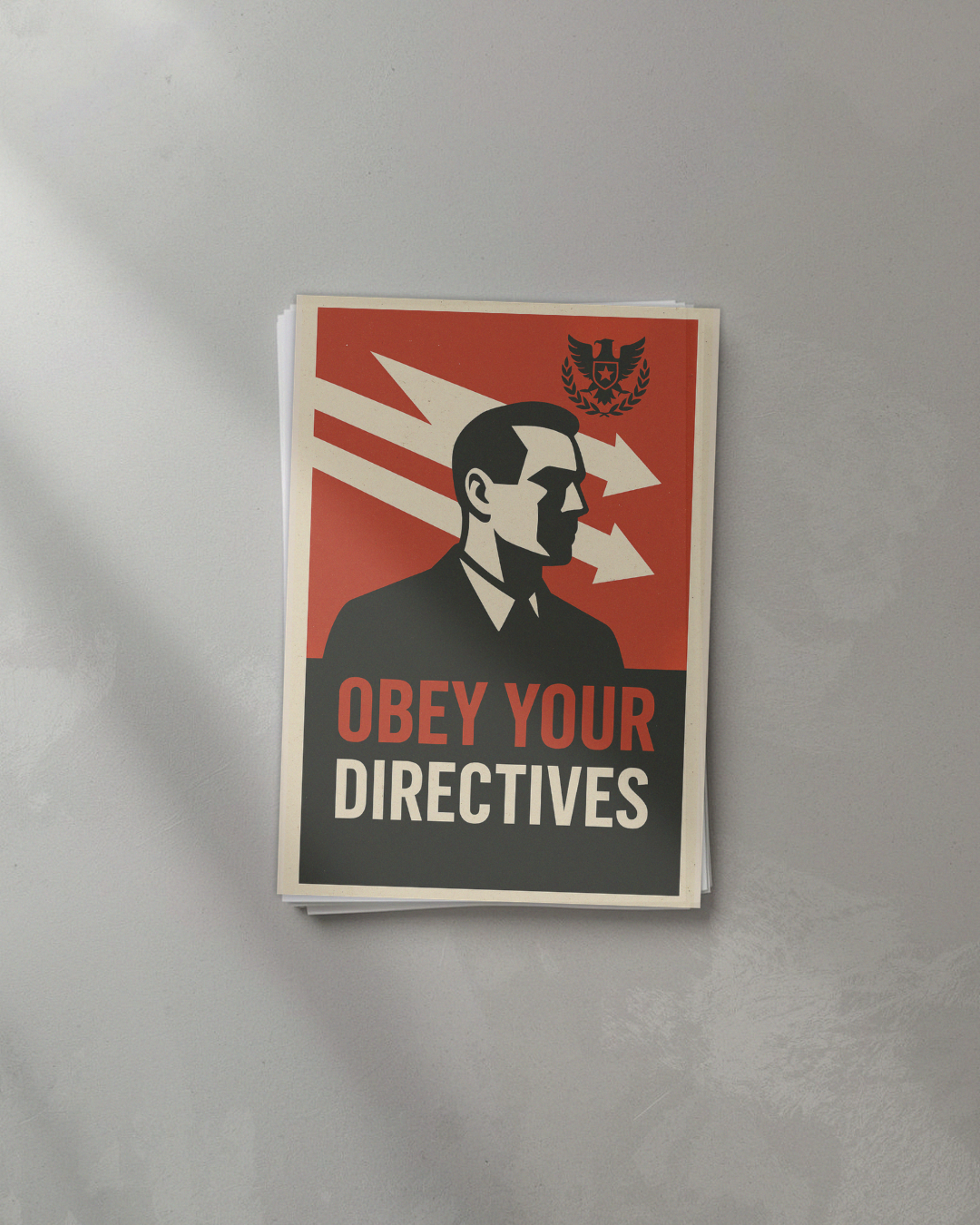
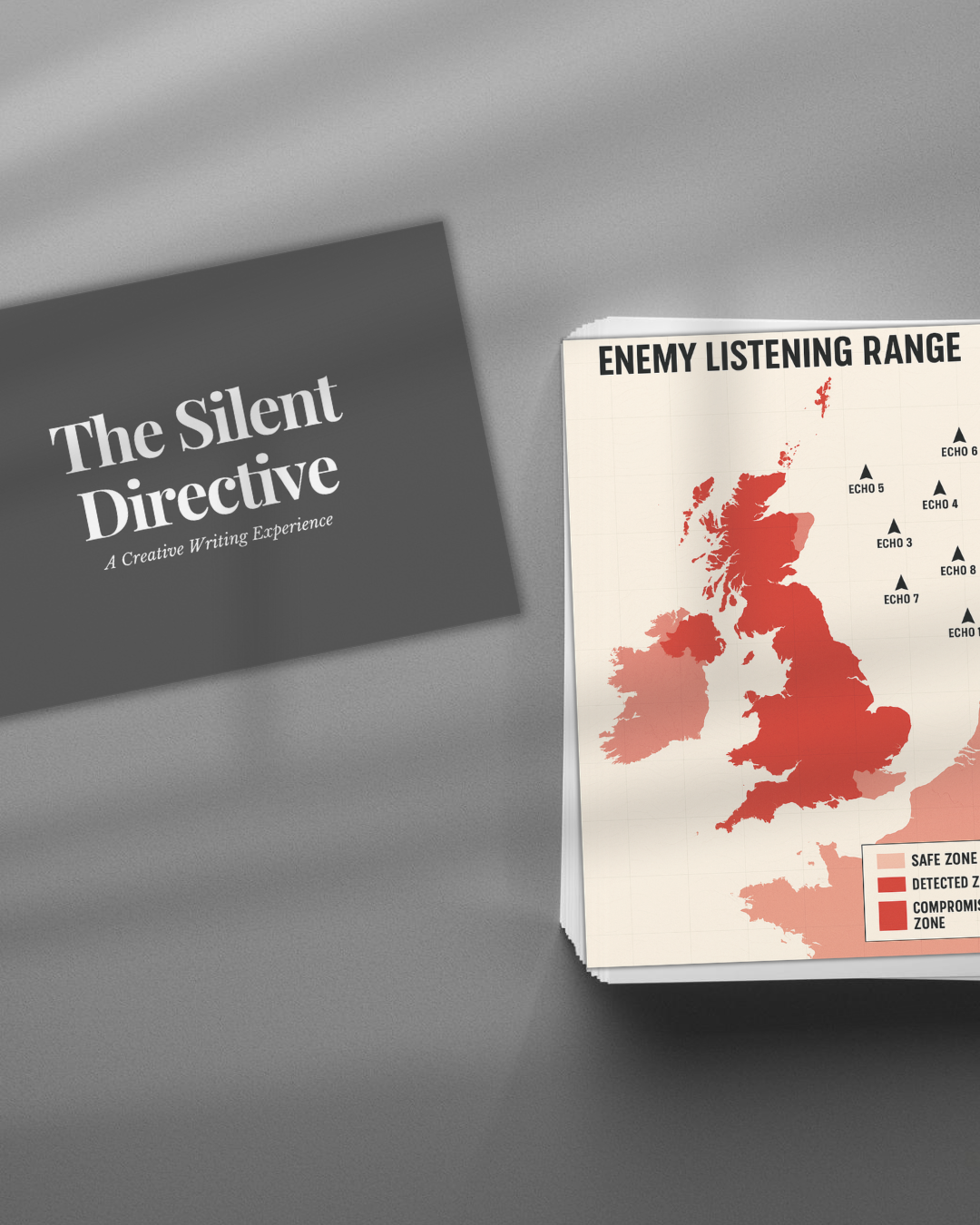
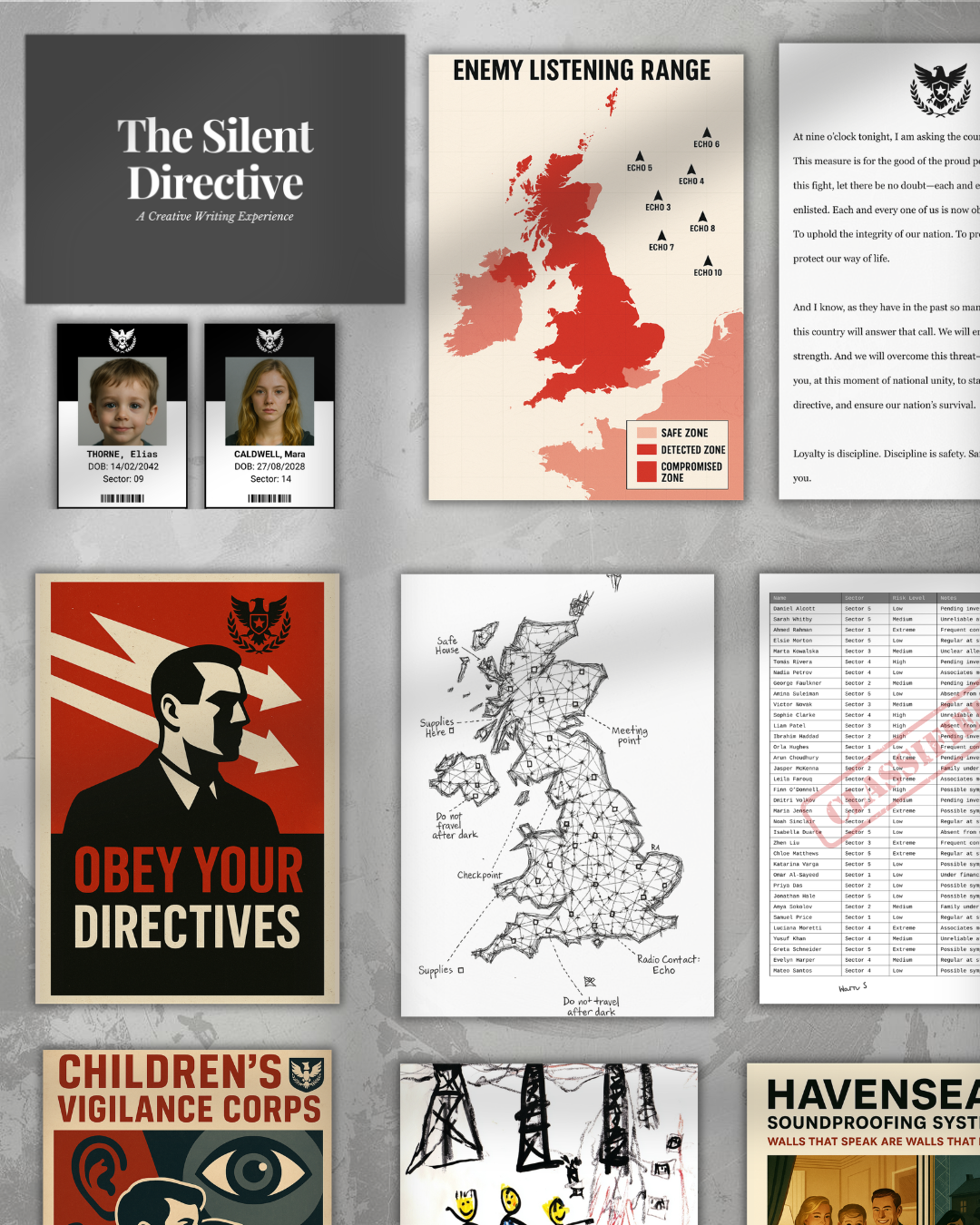
Set inside a nation where every city is watched, every street is monitored, and every public space exists to reinforce obedience, The Silent Directive invites you to explore a world through classified government files, propaganda posters, newspaper articles, confiscated letters, witness testimonies, photographs, and other surviving fragments from a society built on carefully controlled information.
Rather than exploring the world through maps or traditional chapters, you'll discover the regime through the places it created.
A capital designed to inspire loyalty.
A neighbourhood that no longer appears on official records.
A government building where citizens quietly disappear.
A forgotten district hidden behind layers of bureaucracy.
Some locations appear prosperous, orderly, and secure.
Others reveal the cracks beneath the government's carefully constructed image.
Perfect for writers, worldbuilders, teachers, students, dystopian fiction fans, and anyone fascinated by speculative fiction, censorship, surveillance, resistance, and immersive storytelling, The Silent Directive offers a different way to experience worldbuilding—not through descriptions, but through the documents left behind.
Because every city tells a story.
And every street hides a secret.
Go Deeper into Creating Dystopian Cities
The best dystopian cities are far more than impressive skylines or memorable names. They become characters in their own right, shaping the lives of everyone who lives within them. Once you've chosen a city name, think about the society it represents and the stories hidden beneath its streets.
◆ Who built the city, and why was it created? Was it founded after a global catastrophe, constructed by a powerful corporation, or deliberately designed by an authoritarian government to control its population?
◆ What does the city's name reveal about its purpose? Is it intended to inspire hope, project strength, reinforce propaganda, or hide a much darker reality?
◆ How is the city divided? Consider wealthy districts, industrial zones, abandoned neighbourhoods, restricted government sectors, underground settlements, or forgotten ruins hidden beneath the streets.
◆ How does the government or ruling power maintain control? Think about surveillance systems, checkpoints, drones, curfews, propaganda, social ranking systems, or artificial intelligence monitoring every aspect of daily life.
◆ What everyday sights define the city? Propaganda posters, enormous digital billboards, abandoned transport networks, towering walls, ration queues, rooftop gardens, polluted skylines, or crowds moving beneath constant observation can all make your setting feel believable.
◆ What secrets lie beneath the official version of the city? Hidden archives, abandoned laboratories, underground resistance headquarters, erased neighbourhoods, or forgotten tunnels can all become powerful story locations.
◆ How do ordinary citizens experience life there? Does the city offer comfort and stability, or does every street remind them that someone is always watching?
◆ How does the city reflect the central themes of your story? Whether you're exploring censorship, environmental collapse, inequality, technology, rebellion, identity, or hope, your setting should reinforce those ideas at every opportunity.
The most memorable dystopian cities feel alive because they have history. Every district, landmark, and abandoned building should hint at events that happened long before your story begins, giving readers the sense that the world extends far beyond the page.
Final Thoughts
A strong dystopian city name does more than identify a location—it establishes atmosphere, history, and the values of the society that built it. Whether your story takes place in a gleaming capital filled with propaganda, a polluted industrial settlement, a flooded coastal metropolis, an underground refuge, or a forgotten city reclaimed by nature, the right name can immediately immerse readers in your world.
As you build your setting, think about the stories hidden behind every skyline, government building, abandoned district, and city wall. Consider who holds power, who has been forgotten, and how the environment itself shapes the lives of your characters. The most compelling dystopian worlds aren't defined by futuristic technology alone, but by the people who struggle to survive within the cities they call home.
If you're looking for more inspiration, explore the Dystopian Writing Hub for worldbuilding guides, prompts, and creative writing ideas, or browse the Creative Writing Archive for hundreds of resources covering dystopian fiction, fantasy, science fiction, horror, mystery, romance, gothic fiction, and many other genres.
Choose Your Next Adventure