70 Fairytale Ball Writing Prompts: Enchanted Dances, Masquerades & Royal Secrets
Fairytale balls are never just parties.
They are places where identities change, promises are made and the wrong dance can alter the future of an entire kingdom. A mysterious stranger arrives without an invitation. A prince dances with someone whose name nobody knows. A princess disappears before midnight. Masks hide more than faces, musicians play songs nobody remembers requesting and somewhere beyond the ballroom doors, a spell is counting down.
Sometimes, the magic is obvious.
Crystal chandeliers float above the dancers. Dresses transform as their wearers enter the room. Guests arrive from kingdoms that disappeared centuries ago. An enchanted orchestra plays without musicians, or a magnificent ballroom appears for only one night each year.
Other times, the danger is hidden beneath silk gloves, polished floors and perfect court manners.
These 70 fairytale ball writing prompts explore enchanted dances, royal celebrations, masquerades, mysterious guests, magical gowns, secret identities, midnight deadlines and ballroom encounters that could change everything. The collection is divided into plot hooks, title ideas, opening lines, closing lines, character ideas, setting ideas and picture prompts, giving you plenty of different ways to step into the ballroom.
Use them to inspire traditional fairytales, fractured tales, retellings, romantic adventures or completely original enchanted stories. Your ball might celebrate a royal engagement, choose the kingdom's next ruler, conceal an assassination attempt or exist for a reason none of the guests understand until the clock begins striking twelve.
For more enchanted kingdoms, magical traditions and folklore-inspired storytelling, explore the Fairytales & Folklore Hub. You can also visit Fairytale Story Sparks for more fairytale writing prompts and story ideas, or browse the Creative Writing Archive for character inspiration, magical settings, worldbuilding resources and creative writing prompts across every genre.
So light the chandeliers.
Open the palace gates.
And pay close attention to the stranger standing at the top of the staircase.
Because in a fairytale, nobody goes to a ball simply to dance.
1. Plot Hooks
A fairytale ball creates the perfect setting for secrets to collide. Hundreds of people gather beneath one roof, appearances matter enormously and magic can transform an ordinary evening into something impossible. These plot hooks put the ball itself at the centre of the story, whether the invitation carries a hidden price, the dancing conceals an enchantment or something unexpected happens when the clock strikes midnight.
Every unmarried person in the kingdom receives an invitation to the prince's ball — including a young woman who died seven years ago. Her invitation is delivered to her younger sister, along with instructions for bringing her to the palace.
A royal ball is held every winter, but guests are forbidden from dancing with the same person twice. When a princess accidentally accepts a second dance from a masked stranger, the entire ballroom falls silent.
A poor dressmaker secretly attends the palace ball wearing a gown enchanted by an elderly customer. With every dance, however, the dress reveals one secret belonging to her partner — and the king has just asked her onto the floor.
At midnight, everyone attending the queen's magnificent masquerade must remove their masks. One guest refuses, and when the guards finally corner them, they discover there is no face underneath.
A prince is expected to choose a bride at the kingdom's midsummer ball. Instead, he announces that he will marry whoever can explain why the same mysterious woman has appeared in every royal ball portrait painted during the last three hundred years.
Twelve princesses secretly leave their locked bedrooms each night to dance at an enchanted ball beneath the earth. One morning, they discover a thirteenth pair of ruined dancing shoes beside their beds.
A palace ball is interrupted when every candle suddenly goes out. When the lights return, one hundred guests have vanished from the ballroom — and one unfamiliar woman is sitting on the empty throne.
Anyone may attend the Fairy Queen's ball if they can find the hidden entrance before sunset. A young baker succeeds and enjoys the most extraordinary night of her life, only to discover at dawn that fifty years have passed outside.
A king holds an enormous ball to celebrate the end of a curse that has plagued his family for generations. At the first stroke of midnight, every guest except the youngest princess turns to stone.
A mysterious palace appears in the forest once every hundred years and hosts a magnificent ball for anyone brave enough to enter. This year, a village girl attends and discovers that every other guest has been waiting there since the previous ball.
2. Title Ideas
Fairytale balls are filled with imagery that lends itself naturally to intriguing titles: masks, midnight, music, glass slippers, secret dances and magnificent rooms full of strangers. Choose a title that immediately raises a question, then imagine the celebration — or disaster — hiding behind it.
The Midnight Ball
The Girl in the Silver Mask
Twelve Dances Before Dawn
When the Music Stopped
The Last Guest at the Winter Ball
Masquerade
An Invitation Written in Gold
The Prince Who Danced with a Ghost
Before the Twelfth Bell
Nobody Remembered Inviting Her
3. Opening Lines
A ballroom gives you hundreds of ways to begin a fairytale. Your character might be arriving somewhere they should never have been invited, watching an impossible stranger descend the staircase or realising halfway through a dance that something is terribly wrong. These opening lines begin at the moment an ordinary celebration starts becoming a story.
The invitation arrived exactly twelve years after Eliza had been declared dead.
Nobody noticed the thirteenth princess enter the ballroom until the orchestra began playing a song that had been forbidden for a hundred years.
There were three rules at the Fairy Queen's ball, and Clara had broken the first before she finished her opening dance.
The prince had danced with two hundred and six young women when the girl without a shadow stepped onto the ballroom floor.
At eleven minutes before midnight, every clock in the palace stopped.
Mara knew she should not have come to the ball when her reflection refused to follow her into the ballroom.
The king had invited every eligible maiden in the kingdom, every neighbouring princess and, unfortunately, one witch.
The stranger in the golden mask danced beautifully for someone who had been turned to stone three hundred years earlier.
No one at the midsummer ball knew that the palace would disappear at sunrise.
The first person to vanish was dancing with the queen.
4. Closing Lines
A fairytale ball can end with a lost slipper and a promise of reunion, but it can also end with a vanished palace, a broken enchantment or a mystery that survives long after the musicians stop playing. Choose a closing line and work backwards to discover what happened during the dance.
The clock struck twelve, but this time she stayed.
By sunrise, nothing remained of the palace except a single golden invitation lying among the trees.
He found the glass slipper exactly where she had left it and quietly threw it into the sea.
The musicians played the final note, and three hundred years passed before anyone danced in that ballroom again.
She removed her mask, and the king finally understood why she had seemed familiar.
Nobody ever discovered where the thirteenth dancer came from.
The prince had spent his entire life searching for the woman from the ball; he had never considered that she might be searching for him too.
As the palace doors closed behind her, the orchestra began playing next year's song.
They had entered the ballroom as strangers and left it as the last two people in the kingdom.
Years later, children still left invitations beside the forest path whenever the moon was full.
5. Character Ideas
A fairytale ball brings together people who might otherwise never meet: royalty and servants, witches and courtiers, mysterious strangers and guests who have travelled from impossible places. Give each character a reason for attending — and perhaps another reason they would rather nobody knew about.
A palace servant has watched hundreds of magnificent balls from behind the ballroom doors but has never been allowed to attend. One night, an enchanted gown appears folded neatly on her bed with an invitation addressed in her own handwriting.
A prince is famous for never dancing at his family's royal balls. Nobody knows that the first person he dances with will inherit an ancient curse carried by his bloodline.
A young mask-maker creates enchanted disguises for the kingdom's annual masquerade. This year, one customer asks her to make a mask capable of fooling Death.
A mysterious elderly woman attends every royal ball wearing the same dress and dancing alone. The palace servants whisper that she has not aged since the king's grandfather was a child.
A princess secretly works as one of the musicians at her own engagement ball because she wants to hear what the guests say when they believe no member of the royal family is listening.
A fairy godmother has spent centuries helping deserving young people attend magnificent balls. She finally decides that she would quite like to attend one herself.
A palace dancing master discovers that certain forgotten dances are actually spells. When the royal family demands that he teach one for the princess's wedding ball, he must decide whether to reveal what the final movement will do.
A young thief attends a masquerade intending to steal the queen's famous diamond necklace. Halfway through the evening, she discovers that somebody else has already stolen something considerably more important from the palace.
A prince from a forgotten kingdom arrives uninvited at the midsummer ball. His clothes are decades out of fashion, nobody recognises his coat of arms and he insists that the palace once belonged to his family.
A girl has been forbidden from dancing because flowers grow wherever her feet touch the ground. When she secretly attends the winter ball, roses begin breaking through the marble floor with every step.
6. Setting Ideas
The ballroom itself can transform an ordinary royal celebration into something unmistakably fairytale. Think beyond polished floors and chandeliers: let the setting change with the music, exist somewhere impossible or contain clues about every ball held there before. These settings can become complete locations or provide individual details for a ballroom of your own.
A vast glass ballroom built over a frozen lake, where dancers can see enormous silver fish swimming beneath their feet. At midnight, a staircase becomes visible beneath the ice.
A hidden ballroom in the heart of an enchanted forest, illuminated by thousands of fireflies and chandeliers hanging inexplicably from ancient branches. Humans who dance there must leave before the birds begin singing.
A magnificent palace ballroom where the ceiling shows the night sky exactly one year in the future. Most guests admire the stars without realising that one constellation has disappeared.
A ballroom at the bottom of the sea, enclosed inside a enormous pearl. Merfolk, drowned sailors and mysterious ocean royalty dance beneath chandeliers made from glowing jellyfish.
A forgotten ballroom sealed inside an abandoned castle. The room is covered in dust during the day, but every night the candles relight, the orchestra begins playing and ghostly dancers appear exactly as they did centuries ago.
A winter ballroom carved entirely from ice, with frozen roses decorating the walls and a floor that never melts beneath hundreds of dancing feet. Guests are warned never to touch the blue door behind the orchestra.
A tiny ballroom hidden inside an elaborate doll's house belonging to a princess. Every midnight, miniature guests arrive in carriages no larger than walnuts and dance until dawn.
A moonlit ballroom on the roof of a palace, surrounded by silver trees growing from enormous pots. There are no walls, and dancers occasionally notice figures watching from among the stars.
An enchanted ballroom that changes to match whoever is dancing at its centre. One couple finds themselves beneath summer roses, another beneath falling snow, while the arrival of a mysterious stranger causes the entire room to become a dark forest.
A magnificent circular ballroom with twelve doors, each opening onto a different kingdom. During the annual royal ball, guests can dance across borders simply by crossing the room.
7. Picture Prompts
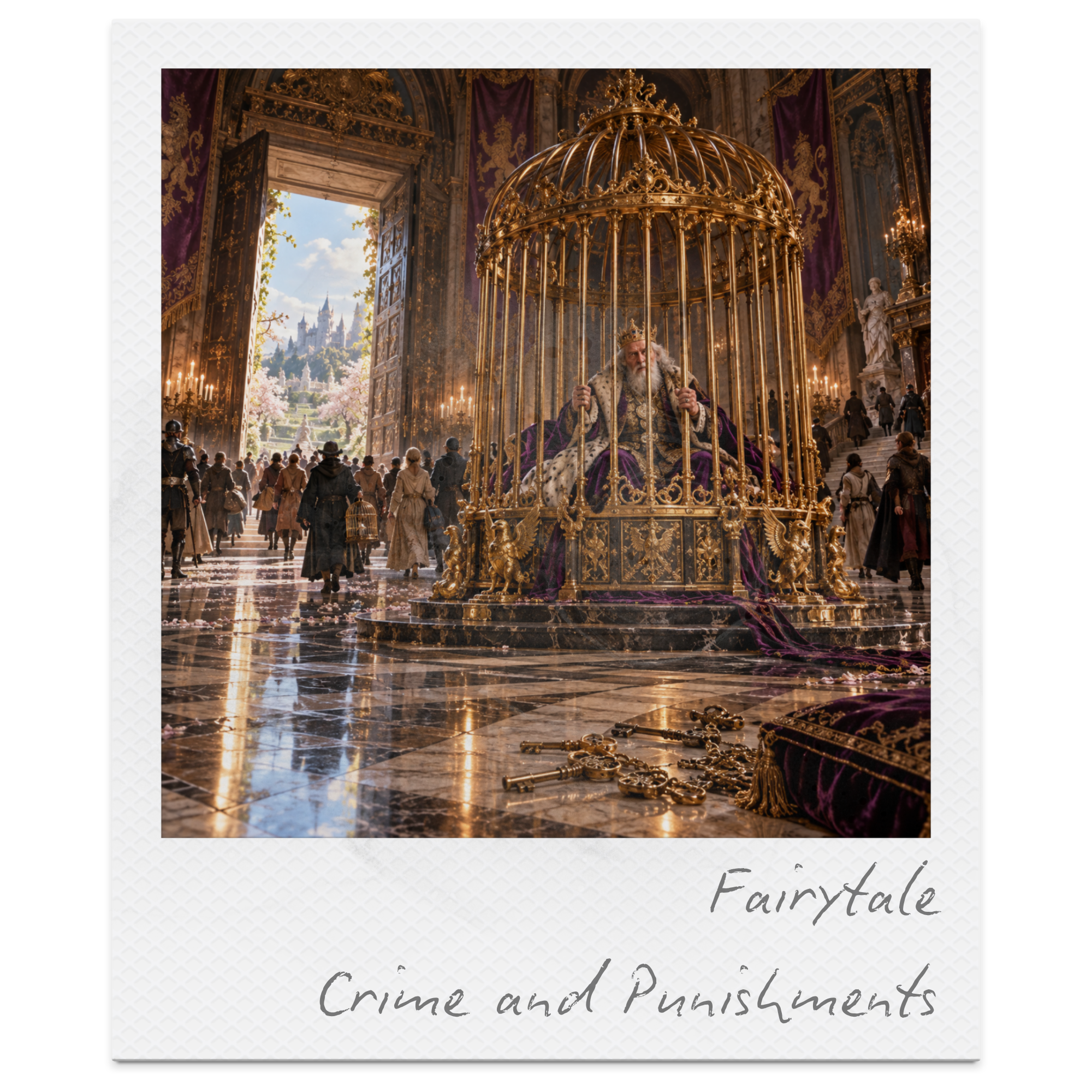
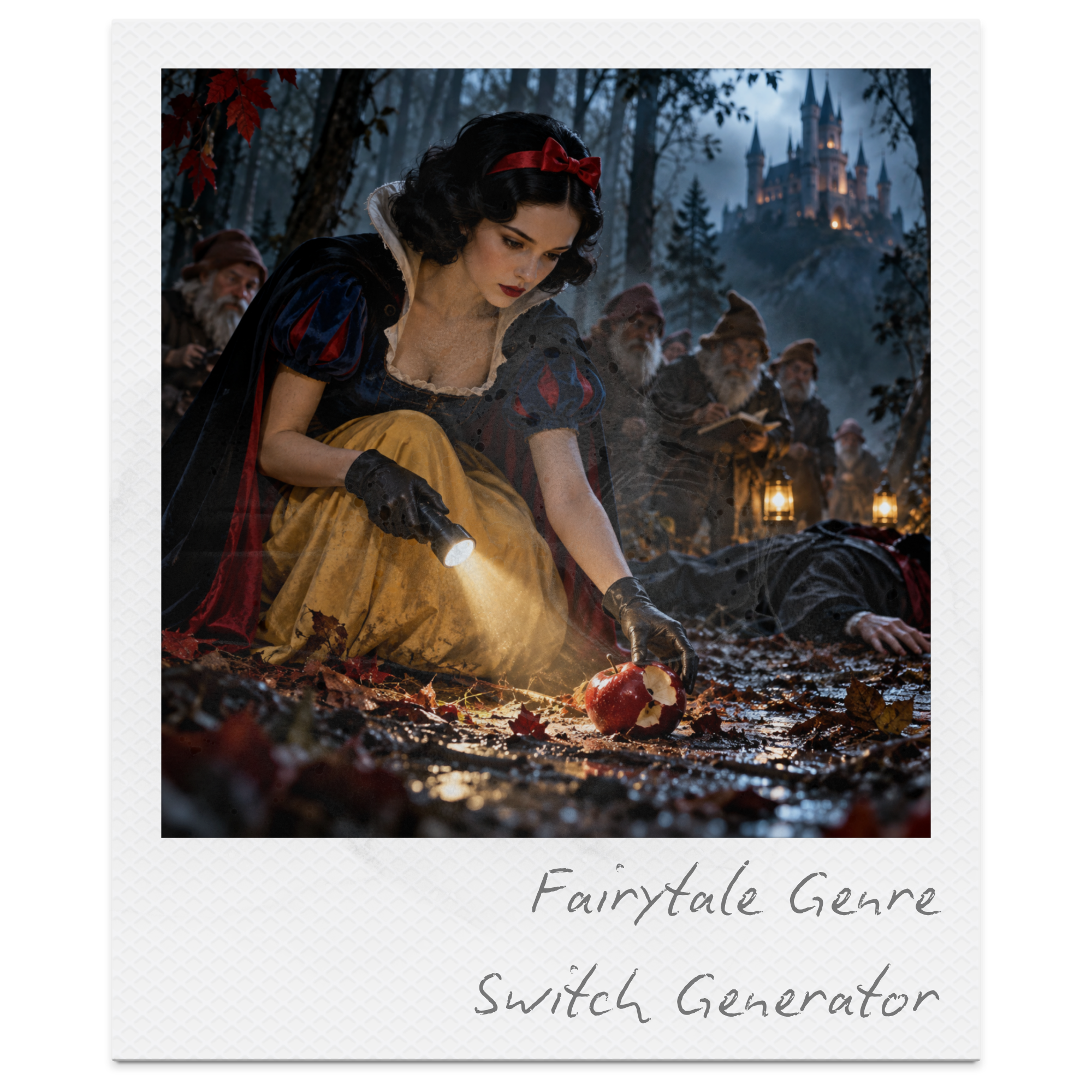
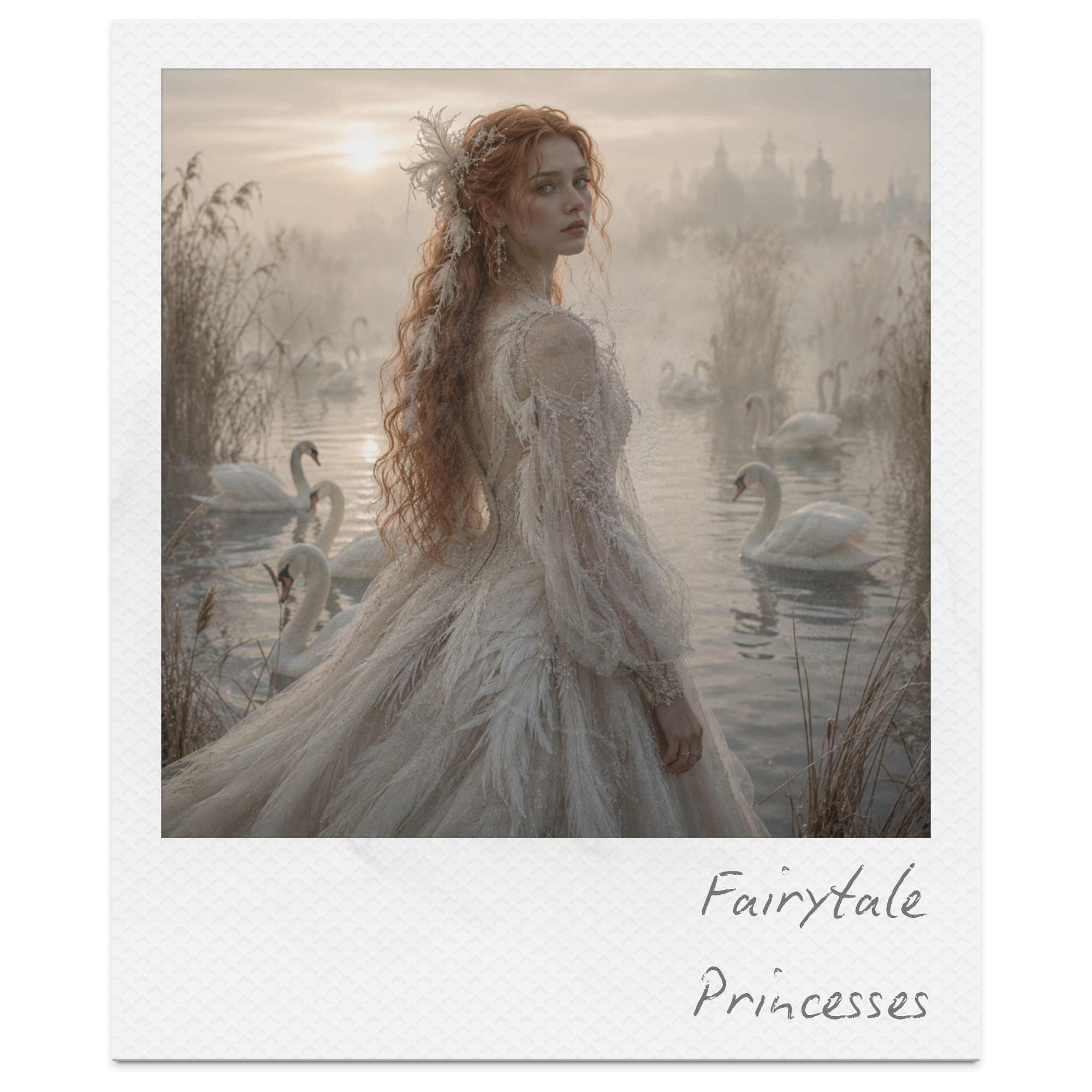
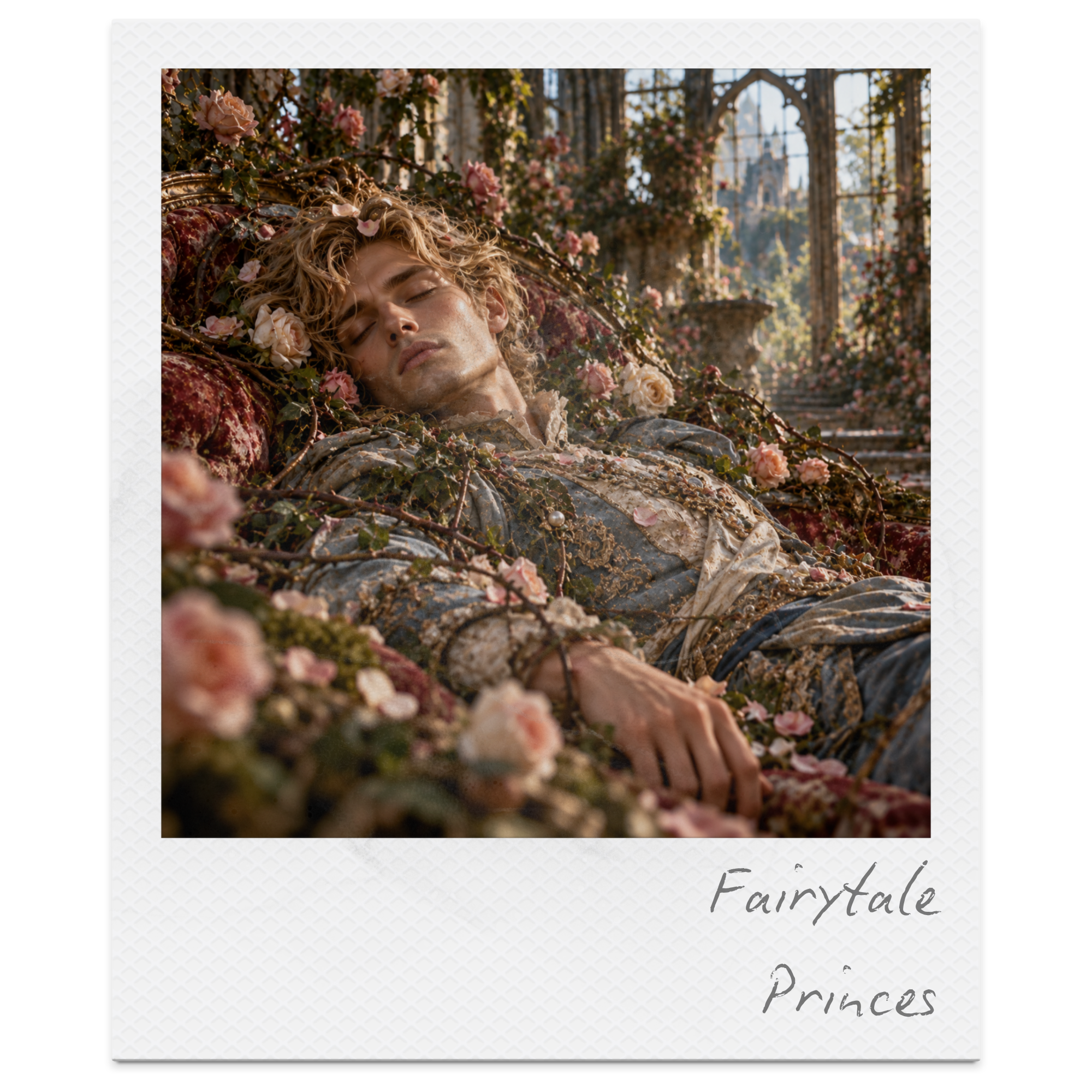
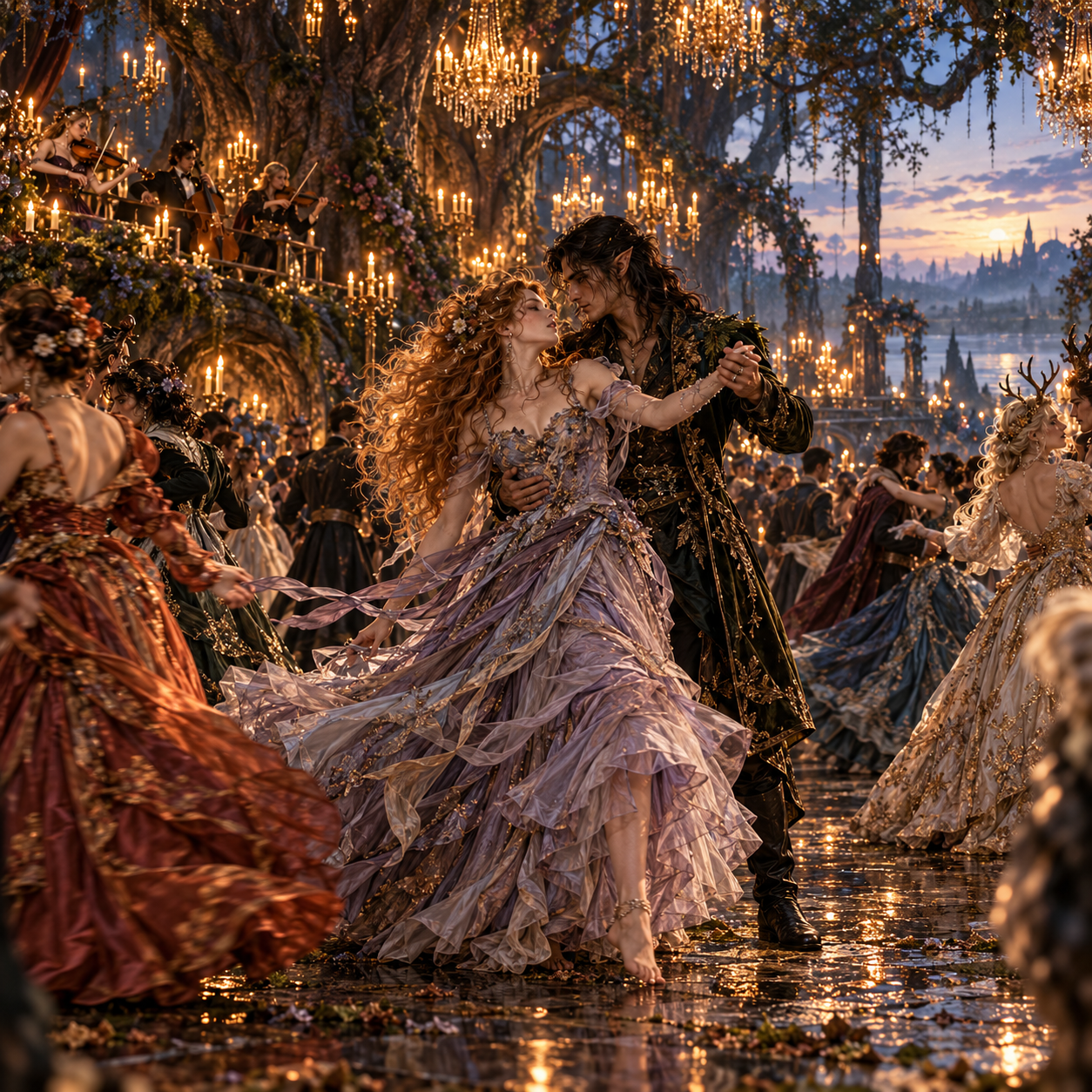
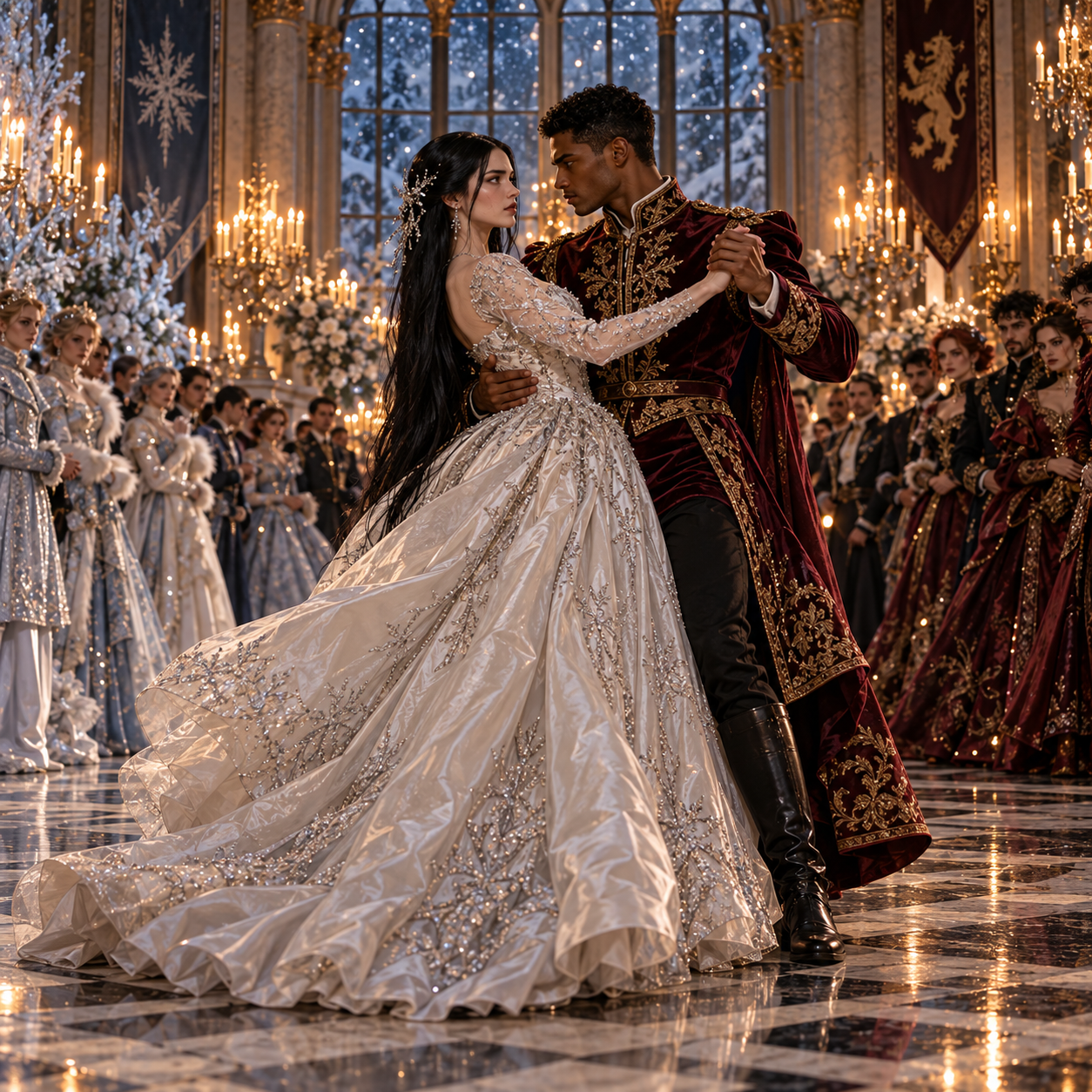
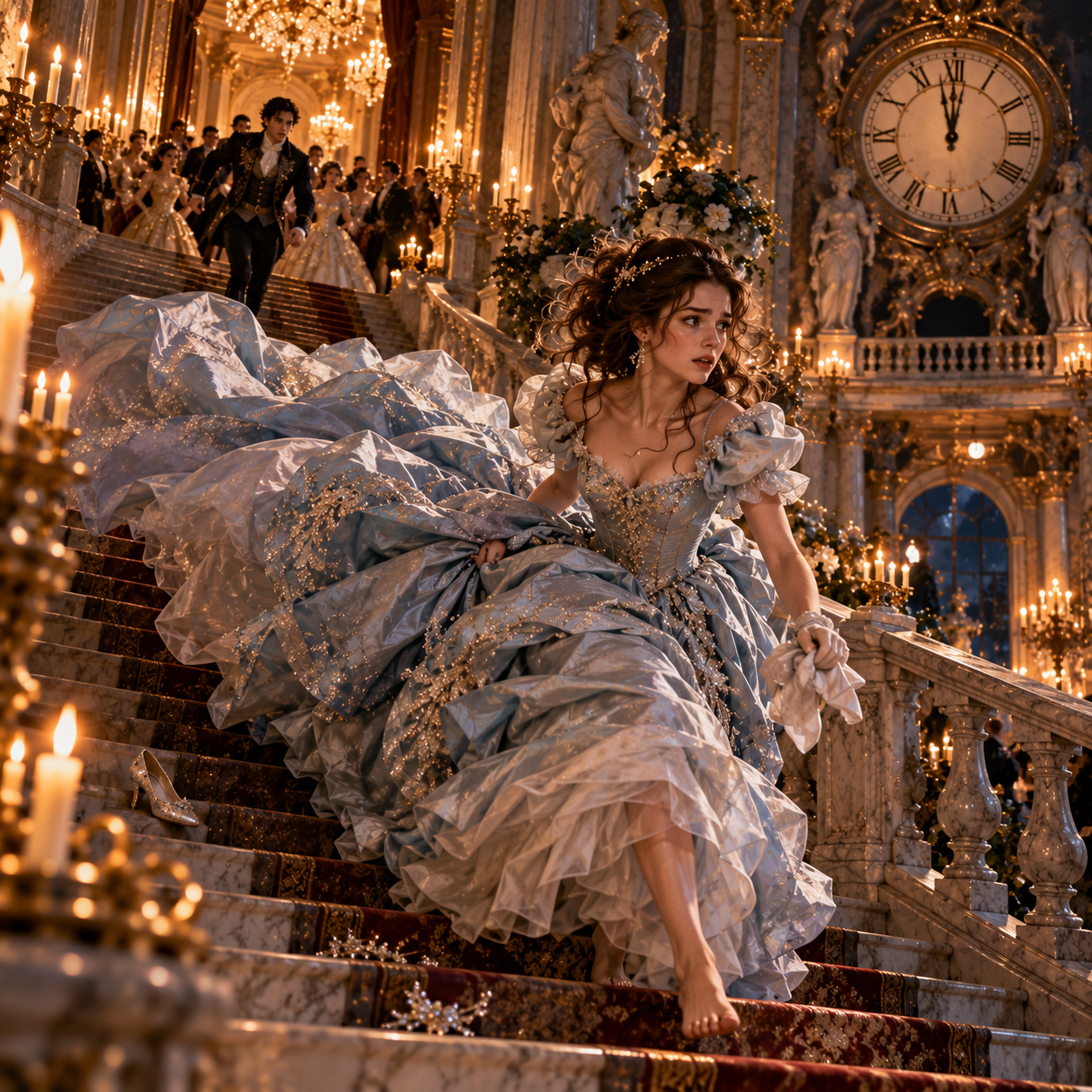
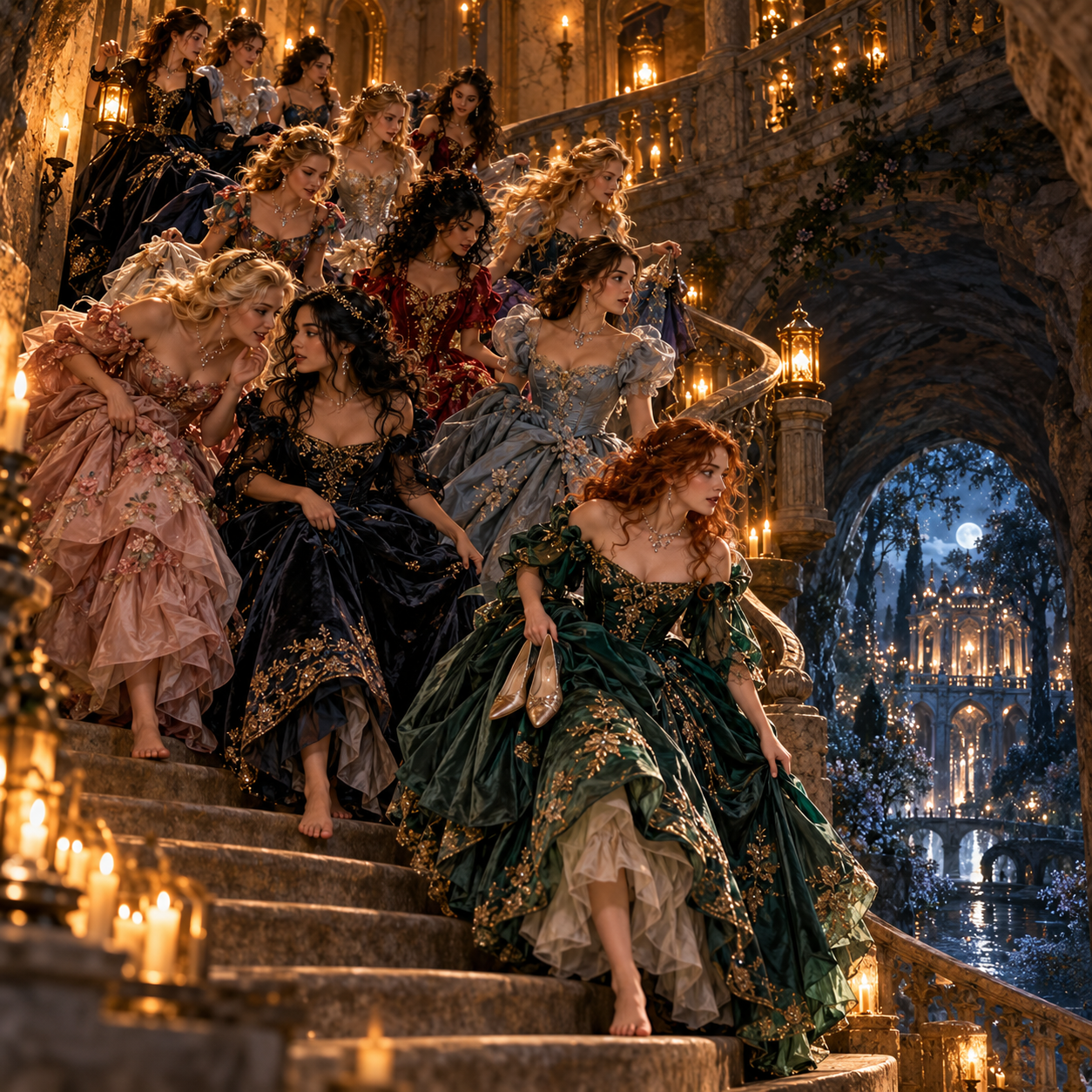
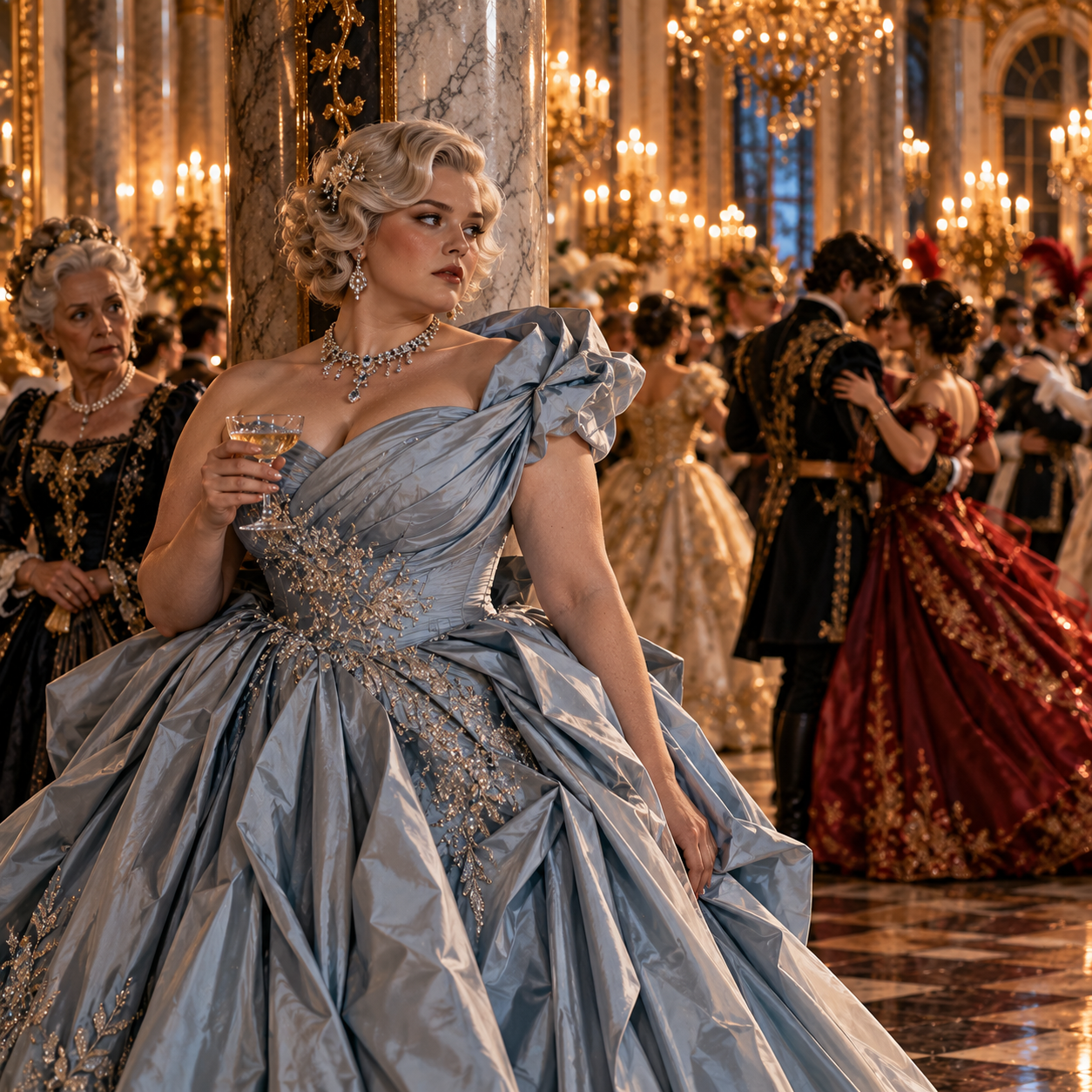
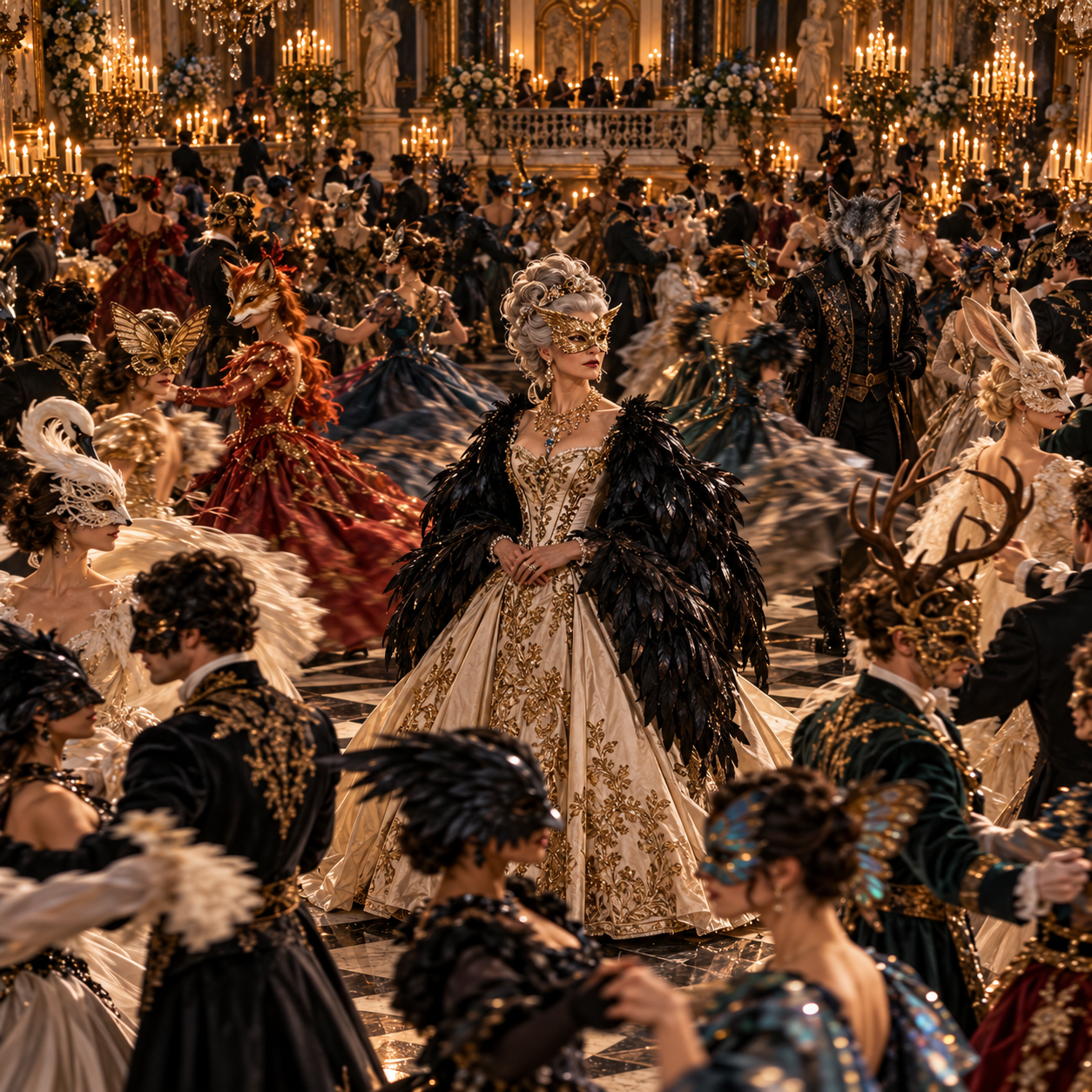
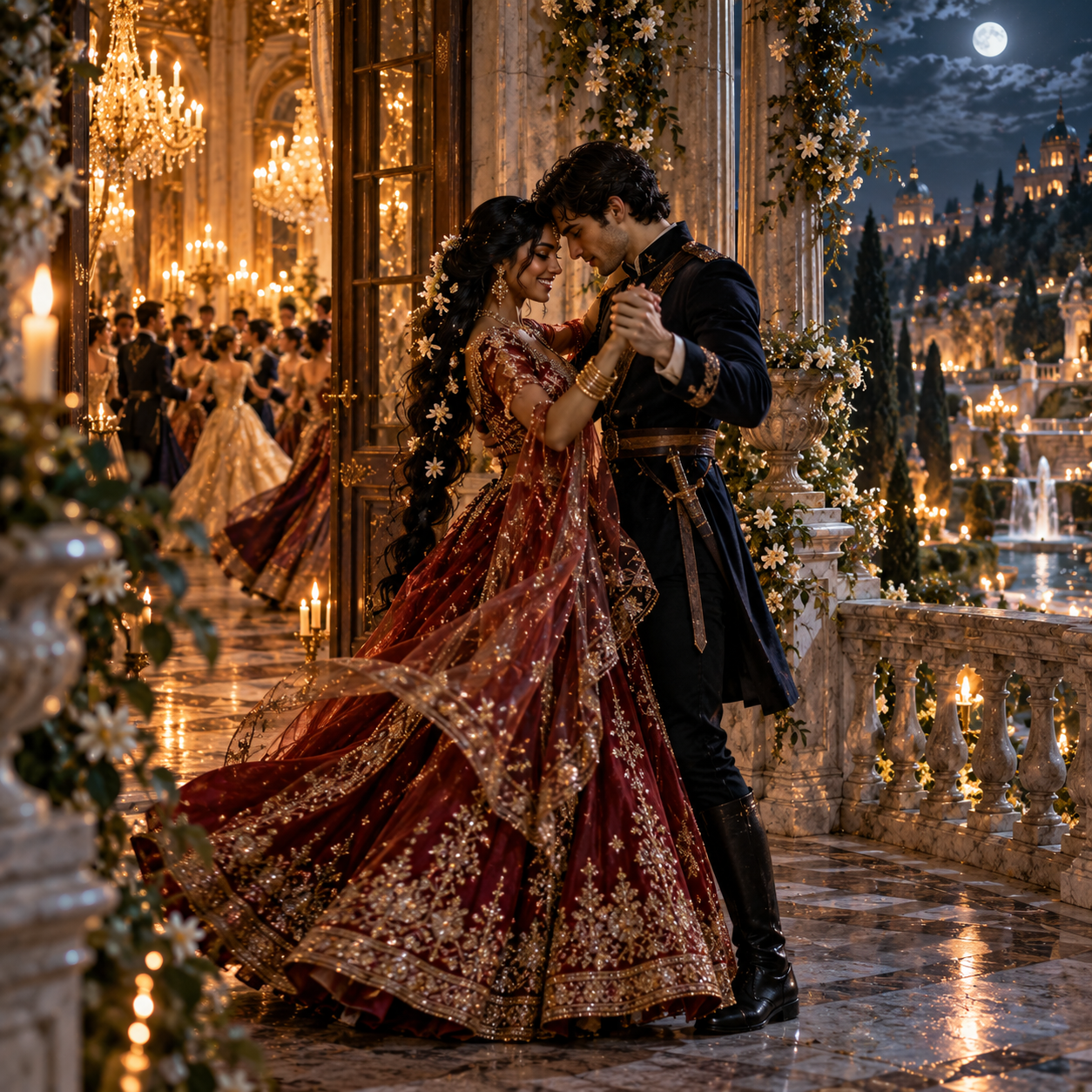
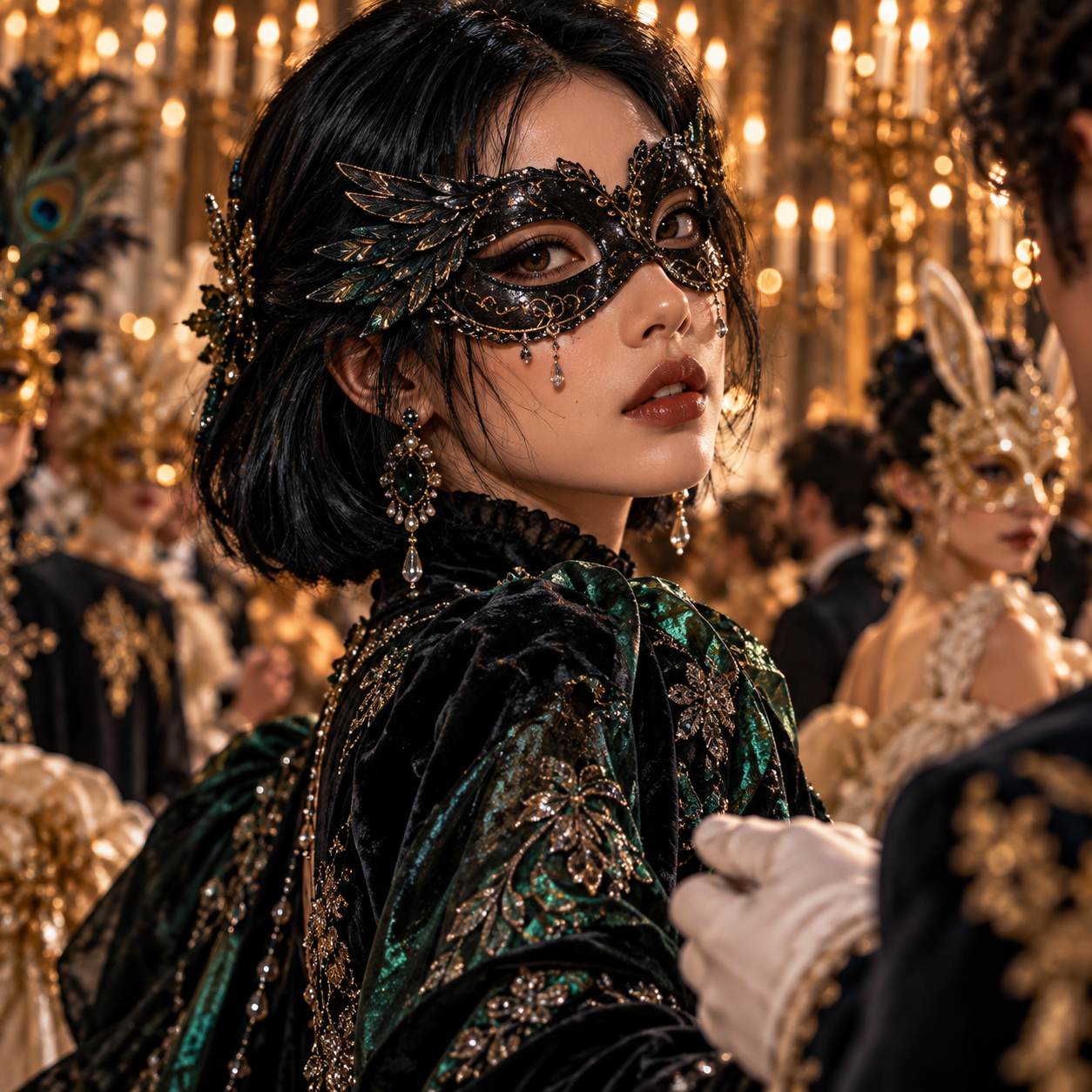
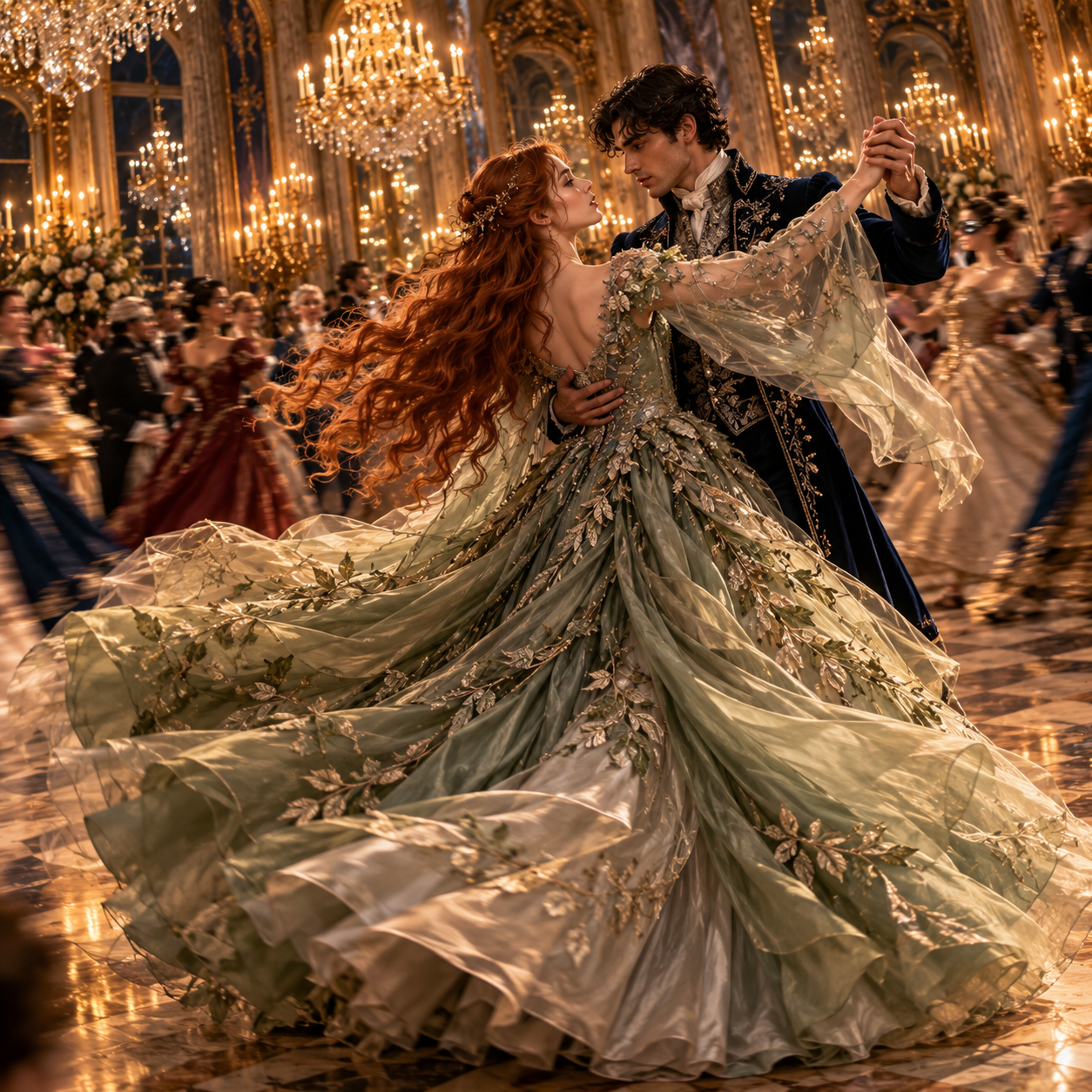
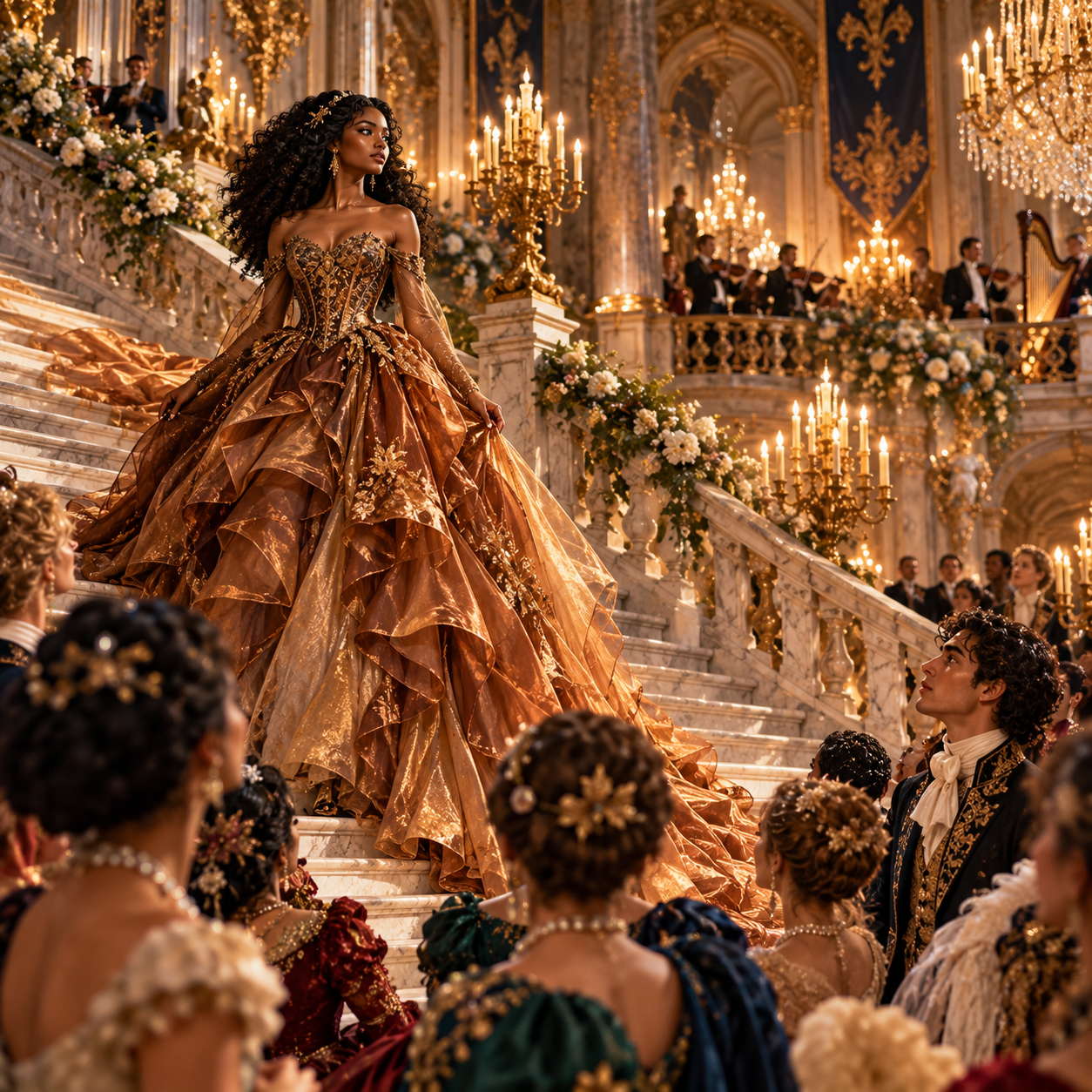
A fairytale ball image can contain the beginning of an entire story. Look beyond the beautiful gowns, chandeliers and dancing couples and search for the detail that does not quite belong. Perhaps one guest has no reflection. Someone is watching from a forbidden balcony. A woman is running towards the doors while everyone else continues dancing. The musicians are not human, flowers are growing through the ballroom floor or a masked stranger appears to recognise someone they should never have met.
Use each picture as a moment rather than simply a setting. Decide what happened immediately before the scene, what will happen when the music stops and which apparently insignificant detail will eventually become important. Most importantly, ask why these particular people have gathered for this particular ball — and what will have changed by the time the final dance ends.
Go Deeper Into Writing Fairytale Balls
A fairytale ball becomes much more interesting when something is happening beneath the music, beautiful clothes and elaborate court manners. Think about why the ball is being held, who desperately wants to attend, who should never have been invited and what will be different when the final dance ends.
◆ Give the ball a purpose. It might celebrate a coronation, announce an engagement, choose a royal bride or groom, welcome foreign royalty, mark the end of a curse or honour a tradition nobody remembers beginning.
◆ Decide who receives an invitation — and who does not. Being deliberately excluded can provide just as much story potential as receiving a mysterious golden invitation.
◆ Make attendance difficult. Your character might need an enchanted gown, magical disguise, impossible invitation or fairy helper simply to get through the palace doors.
◆ Give the invitation rules. Perhaps it cannot be transferred, disappears at midnight, admits only one person or contains instructions the guest must follow once inside.
◆ Use transformation. Pumpkins and mice are only the beginning. Clothes, appearances, identities, animals, buildings or even the entire ballroom might exist in one form only while the celebration lasts.
◆ Create a deadline. Midnight is traditional for a reason, but your magic could end at sunrise, after the seventh dance, when the orchestra stops playing or the moment the final candle burns out.
◆ Make the deadline matter. Do not simply tell your character they must leave before midnight — decide exactly what will happen if they stay.
◆ Give someone a secret identity. Masks, enchanted disguises and borrowed clothes allow servants to appear royal, royalty to disappear among ordinary guests and magical beings to walk unnoticed through human courts.
◆ Think about recognition. A character may disguise their face perfectly but be recognised by their voice, dancing, jewellery, unusual scar or knowledge they should not possess.
◆ Use dancing to move the plot. A dance can provide a private conversation, exchange of information, secret warning, accidental confession or opportunity to place something in another character's pocket.
◆ Give particular dances rules of their own. The first dance might belong to the royal family, the seventh reveal a person's true form or the final dance bind two people to a magical promise.
◆ Let the music matter. An enchanted orchestra could compel guests to dance, reveal memories, summon ghosts or play a forbidden song capable of awakening something beneath the palace.
◆ Make the ballroom magical. Allow the floor to reflect another world, the ceiling to reveal the future, the walls to disappear during certain dances or the room itself to change according to whoever stands at its centre.
◆ Hide clues among the decorations. An unfamiliar crest, portrait of a mysterious guest, missing statue or flowers that should not bloom in that season can hint that something is wrong before anyone notices.
◆ Think about what happens beyond the ballroom. Servants, musicians, guards, cooks, coachmen and uninvited guests may be having an entirely different adventure elsewhere in the palace.
◆ Use the crowd. Hundreds of masked guests make it easy for somebody to disappear, exchange identities, overhear secrets or commit a crime without anyone knowing exactly who was standing where.
◆ Introduce someone who does not belong. A witch, ghost, fairy, forgotten prince, escaped prisoner or stranger from another kingdom can transform an ordinary royal celebration into a fairytale.
◆ Give the ball consequences for the kingdom. A marriage announced during one dance could create an alliance, start a war, break an ancient agreement or change who will inherit the throne.
◆ Turn familiar Cinderella imagery in a different direction. Keep the lost shoe, midnight deadline or mysterious guest, but change what those elements mean within your story.
◆ Ask what is being hidden beneath the glamour. The magnificent palace may be bankrupt, the royal family cursed, the guests enchanted or the celebration deliberately distracting everyone from something happening elsewhere.
◆ Decide what your character wants before entering the ballroom. Finding love is only one possibility. They might want to steal something, uncover a secret, meet the king, rescue someone, deliver a warning or simply experience one extraordinary night.
◆ Make leaving as important as arriving. A character may lose something on the way out, discover the gates have vanished, realise another guest has followed them or decide that they no longer want to return to the life waiting outside.
◆ Think about the morning after. Who remembers what happened? What remains of the magic? A glass slipper, wilted flower, unfamiliar ring or invitation that should have disappeared can prove that the extraordinary night was real.
Final Thoughts
There is something wonderfully useful about a fairytale ball.
Put hundreds of characters in their finest clothes, hide half their faces behind masks, introduce a little magic and give everyone until midnight before something terrible happens.
Then start the music.
Your ball can embrace everything we recognise from traditional fairytales — magnificent gowns, palace staircases, royal dances, mysterious strangers and desperate races against the clock — without simply recreating Cinderella. Change the reason for the celebration. Change who needs to escape before midnight. Change what the slipper proves. Or let your character stay for the final stroke of twelve and discover exactly why everyone else was told to leave.
Most importantly, make the ball change something.
A character can arrive hoping to marry a prince and leave determined never to see him again. A servant might enter disguised as a princess and accidentally uncover a royal secret. Two enemies can share a dance. A lost heir can be recognised. A witch can arrive without an invitation. A kingdom can gain a ruler, lose one or discover that its entire royal family has disappeared somewhere between the first dance and the last.
For more enchanted celebrations, magical kingdoms, traditional story motifs and folklore-inspired ideas, explore the Fairytales & Folklore Hub. You can also visit Fairytale Story Sparks for more fairytale writing prompts and story ideas, or browse the Creative Writing Archive for character inspiration, magical settings, worldbuilding resources and creative writing prompts across every genre.
So give your characters beautiful clothes.
Give them a magnificent ballroom.
Give them one perfect night.
Then give them a reason to run when the clock begins to strike twelve.
Choose Your Next Adventure