Looking for a fun, imaginative way to get students writing without spending hours preparing resources? This free interactive Roll a Story generator transforms creative writing into a game of chance, combining digital dice, unexpected characters, intriguing settings and unusual problems to create original story ideas in seconds. Whether you're planning a quick English lesson starter, a collaborative storytelling challenge or an independent creative writing activity, all you need to do is choose a genre, roll the dice and see where the story takes you.
Unlike traditional Roll a Story worksheets, this interactive generator features 12 different storytelling genres, including fantasy, fairytales, dystopian fiction, science fiction, mystery, horror, ghost stories, historical fiction and more. Each genre includes its own collection of characters, settings, problems and plot twists, allowing students to experiment with different fictional worlds and narrative possibilities. Feeling adventurous? Select a random genre or combine elements from different genres to create something completely unexpected.
Teachers and students can roll individual dice or generate an entire story starter with a single click, with optional plot twists and writing challenges to develop their ideas further. There's also a printable Roll a Story grid for every genre, making it easy to switch between interactive whiteboards, independent writing activities, paired challenges and traditional classroom dice games. With countless possible combinations, students can return to the generator again and again without encountering the same story.
If you're looking for even more inspiration, explore the Creative Writing Archive for writing prompts, storytelling techniques and practical creative writing activities, or discover the Creative Writing Generators Hub for more free interactive tools, story starters and imaginative writing challenges.
Ready to create your next story? Choose a genre, roll the dice and let the storytelling begin!
Roll a Story
Choose a genre, roll the dice and discover your next story. Use the digital dice or the classroom grid with your own dice.
1. Choose your story genre
Each genre has its own characters, settings, problems and plot twists.
Fantasy Roll a Story
2. Classroom Roll a Story Grid
Roll a six-sided die for each column and match the number to the corresponding row.
How to Play Roll a Story
The Roll a Story generator makes it easy to turn a few random story elements into an original piece of creative writing. Students can use the interactive dice to build their story online or print a genre-specific grid and play using ordinary six-sided dice.
Here's how to get started.
Step 1: Choose Your Story Genre
Begin by selecting one of the 12 available genres: Fantasy, Fairytales, Dystopian, Science Fiction, Mystery, Paranormal, Horror, Ghost Stories, Adventure, Historical Fiction, Realistic Fiction or Comedy.
Each genre has its own collection of characters, settings, problems and plot twists. For example, a fantasy story might involve a reluctant dragon in a floating castle, while a dystopian story could follow a memory technician living in a city divided into numbered zones.
Not sure which genre to choose? Select Random Genre and let the generator decide, or try Mixed Genres to combine unexpected elements from different fictional worlds.
Step 2: Roll the Story Dice
Once you've selected a genre, click Roll All Dice to generate three essential ingredients for your story:
Character: Who will your story follow?
Setting: Where will the events take place?
Problem: What challenge, mystery or conflict must the character face?
Each roll produces a new combination of storytelling possibilities. Students can use the results exactly as they appear or adapt them to suit their own ideas.
Alternatively, roll each die individually to build the story one element at a time. This works particularly well for whole-class activities, where students can discuss each result before discovering the next.
Step 3: Add a Plot Twist or Writing Challenge
Want to make the story more complicated? Tick Include Plot Twist to introduce an unexpected revelation, reversal or discovery.
You can also select Include Writing Challenge to add a specific writing technique or constraint. Students might be asked to begin with dialogue, write from an unusual perspective, include a flashback or create atmosphere through pathetic fallacy.
These optional features are particularly useful for older students, confident writers and lessons focused on developing narrative techniques.
Step 4: Write Your Story
Once the dice have been rolled, students can use their generated character, setting and problem to plan or write an original story.
They might write a dramatic opening paragraph, develop a complete short story, create a dialogue exchange or produce a detailed story plan.
Encourage students to think beyond the individual results. How does the setting influence the character's decisions? Why is the problem difficult to solve? What might happen if the character makes the wrong choice?
The random elements provide the starting point, but the creative decisions belong to the writer.
Step 5: Reroll, Copy or Print Your Results
Not happy with one of your story elements? Use the individual Reroll buttons to change it without losing the rest of your idea.
You can also copy your generated story starter, reset the dice for a completely new combination or open the Classroom Roll a Story Grid to view and print the available options for your chosen genre.
For an offline activity, simply print the grid, provide students with dice and ask them to roll once for each column.
Explore the 12 Roll a Story Genres
One of the biggest advantages of this interactive Roll a Story game is the variety of genres available. Rather than relying on a single collection of characters and settings, students can explore different fictional worlds, experiment with genre conventions and discover how storytelling changes depending on the type of story they're creating.
Each genre contains six possible characters, six settings, six problems and six plot twists, providing plenty of opportunities for original combinations.
The table below introduces all 12 genres and the storytelling skills they can help students practise.
| Story Genre | Storytelling Possibilities |
|---|---|
| Fantasy | Magical kingdoms, enchanted locations, mythical creatures, quests and ancient curses. |
| Fairytales | Familiar fairytale conventions, magical bargains, unusual wishes, curses and twisted happy endings. |
| Dystopian | Oppressive societies, surveillance, forbidden knowledge, rebellion and moral dilemmas. |
| Science Fiction | Space exploration, futuristic technology, artificial intelligence, time travel and scientific mysteries. |
| Mystery | Suspicious characters, missing objects, hidden clues, investigations and unexpected revelations. |
| Paranormal | Unexplained abilities, strange phenomena, mysterious visions and impossible discoveries. |
| Horror | Threatening environments, unsettling events, suspense, fear and escalating danger. |
| Ghost Stories | Haunted locations, restless spirits, supernatural mysteries and unfinished business. |
| Adventure | Dangerous journeys, exploration, hidden treasures, physical obstacles and daring decisions. |
| Historical Fiction | Period settings, historical conflicts, secret messages, social expectations and personal loyalties. |
| Realistic Fiction | Friendship, family relationships, identity, misunderstandings and believable everyday conflicts. |
| Comedy | Absurd situations, mistaken identities, misunderstandings, comic timing and unexpected consequences. |
Experiment with Mixed Genres
Students don't have to remain within a single genre. The Mixed Genres option combines characters, settings, problems and plot twists from different story worlds, creating unusual combinations that challenge conventional storytelling expectations.
Imagine a medieval castle servant investigating a mysterious signal aboard a spaceship, or an unlucky magician discovering that every citizen in a futuristic city has received the same warning.
These combinations encourage students to think creatively about genre conventions. Which elements belong together naturally? Which combinations feel deliberately strange? How can a writer make an unlikely situation believable?
For an additional challenge, ask students to identify the genres represented in their generated story and decide which conventions they will preserve, combine or subvert.
5 Ways to Use Roll a Story in the Classroom
A Roll a Story writing activity can be much more than a quick game with dice. With the right approach, it becomes a flexible teaching resource for practising narrative structure, developing characters, exploring genres and building students' confidence as creative writers.
Here are five ways to incorporate the generator into English lessons, creative writing workshops and independent learning.
1. Five-Minute Story Starters
Best for: Bell ringers, Do Now activities and creative writing warm-ups
Display the Roll a Story generator on your interactive whiteboard and select a genre connected to your current teaching topic.
Roll the character, setting and problem dice, then give students five minutes to write an opening paragraph based on the results.
Encourage them to establish the setting, introduce their protagonist and hint at the central conflict without explaining everything immediately.
For example, a mystery roll might produce a museum night guard, a deserted railway station and a mysterious letter without a sender. Students could use these ingredients to create very different openings, from atmospheric descriptions to dramatic discoveries.
After five minutes, invite a few students to read their openings aloud and discuss how different writers approached the same starting point.
Extension: Ask students to begin in medias res, opening their story at the most dramatic moment rather than introducing the setting first.
2. Build a Story Through Collaborative Writing
Best for: Paired writing, group activities and collaborative storytelling
Divide students into small groups and ask each group to generate a character, setting and problem.
Instead of writing independently, students must work together to develop a coherent story.
One student might establish the setting, another introduce the protagonist, and a third develop the central conflict. The group can then decide how their character will respond to the problem.
Once their initial story is taking shape, introduce an optional plot twist and ask students to reconsider their original plan.
Does the twist change the character's motivation? Does it reveal something unexpected about the setting? Could it force the protagonist to make a difficult decision?
This activity helps students understand that a successful narrative depends on the relationships between characters, events and consequences, rather than a collection of disconnected ideas.
Extension: Give each group the same generated elements and compare how differently their stories develop.
3. Explore Genre Conventions and Expectations
Best for: Genre studies, narrative analysis and creative writing lessons
Use the generator to investigate how different genres create particular expectations for readers.
Begin by selecting a genre such as horror, dystopian fiction or fairytales. Roll the dice and ask students to identify which elements are typical of that genre.
For example, a dystopian story might feature a secret librarian, a city divided into numbered zones and a society where books have been banned.
Students could discuss why these elements suggest dystopian fiction, what conflicts might emerge and which themes the story could explore.
Next, select Mixed Genres and generate a new combination.
Challenge students to adapt the results into a convincing story that combines conventions from two or more genres. A ghost story might become a historical mystery, while a fantasy adventure could incorporate elements of science fiction.
Extension: Ask students to rewrite the same story premise in two contrasting genres, changing the atmosphere, language and narrative expectations.
4. Practise Plot Development and Unexpected Twists
Best for: Narrative structure, conflict, suspense and story planning
Start by generating a character, setting and problem without selecting the optional plot twist.
Ask students to develop a short story plan that includes an introduction, rising action, a significant complication and a possible resolution.
Once their plans are complete, activate Include Plot Twist and roll the additional die.
Students must now reconsider their narrative.
Perhaps the apparent villain is innocent, the protagonist has misunderstood the central conflict, or an important discovery changes everything the reader thought they knew.
Encourage students to consider how the twist could be foreshadowed earlier in the story. Rather than introducing a completely unrelated surprise, can they plant clues that make the revelation satisfying?
This is an excellent opportunity to explore cause and effect, foreshadowing, narrative tension and the difference between a surprising twist and an unconvincing one.
Extension: Ask students to write two alternative endings: one that follows their original plan and another that incorporates the plot twist.
5. Create a Printable Roll a Story Writing Challenge
Best for: Offline lessons, cover work, homework and independent writing
Although the digital dice are ideal for interactive whiteboards, the generator also includes printable Roll a Story grids for every genre.
Select your chosen genre, open the Classroom Roll a Story Grid and click Print Grid to create a classroom-ready activity.
Students can then use ordinary six-sided dice to select their characters, settings and problems.
For a simple independent writing task, ask students to roll three times and write a story using all three results.
For a more demanding challenge, include the plot twist and writing challenge columns, requiring students to incorporate both an unexpected narrative development and a specific writing technique.
You could also turn the activity into a classroom competition, awarding recognition for originality, effective description, believable characters or particularly imaginative interpretations of the generated elements.
Extension: Invite students to design their own Roll a Story grids, creating six characters, settings, problems and plot twists for a genre of their choice. They can then exchange grids with classmates and test each other's storytelling ideas.
Create Your Own Roll a Story Game
Want to take the activity a step further? Our Build Your Own Roll a Story Generator lets you create a completely personalised version of the game by entering your own categories and options.
Instead of choosing from the prewritten genres, you can design a Roll a Story activity around virtually any topic. Create your own characters, locations, conflicts and plot twists, or replace the traditional storytelling categories with something entirely different.
For example, you could create a Shakespeare-inspired writing challenge using characters, settings and dramatic conflicts from a play, develop a Gothic fiction activity featuring sinister locations and supernatural discoveries, or design a historical fiction generator connected to a particular period of study.
Teachers can use the customisable generator to create activities that reinforce specific lesson objectives, while students can experiment with designing their own writing games and challenging classmates to complete them.
Try these classroom ideas:
Novel studies: Build a story generator using the characters, settings and conflicts from a class text.
Genre challenges: Create a Gothic, dystopian, fantasy or mystery writing game with your own original options.
Character development: Replace the standard categories with personality traits, motivations, secrets and internal conflicts.
Cross-curricular writing: Design a generator around a historical period, geographical location or scientific discovery.
Student-created games: Challenge students to invent their own categories and options before exchanging activities with their classmates.
Whether you're adapting the game for a particular class or experimenting with an entirely new storytelling format, the Build Your Own Roll a Story Generator gives you greater control over the creative possibilities.
Tips for Getting the Most Out of Roll a Story
The random nature of a dice game makes it exciting, but a little structure can help students transform their results into more developed pieces of writing.
Encourage interpretation rather than literal responses. A generated character or setting should inspire the story, not restrict every creative decision. Students can add details, develop backstories and adapt the premise as their writing progresses.
Connect the activity to a clear writing objective. If you're teaching characterisation, focus on how students introduce their protagonists. If you're exploring suspense, challenge them to establish tension through atmosphere, pacing and carefully selected details.
Use the writing challenge option for differentiation. Students who need a straightforward starting point can work with a character, setting and problem, while confident writers can incorporate additional techniques, narrative restrictions or plot twists.
Make time for reflection. After writing, ask students which generated element had the greatest influence on their story, what they changed and how their narrative developed beyond the original dice rolls.
Most importantly, remind students that the generator isn't supposed to write their stories for them. Its purpose is to provide the unexpected ingredients that make original storytelling possible.
Go Deeper: More Creative Writing Games, Story Generators & Writing Prompts
Rolled the dice and discovered a story idea worth exploring? Your character, setting and problem are only the beginning. Once students have their initial premise, they can develop more complex characters, experiment with different genres, introduce unexpected complications or practise the writing techniques that bring their stories to life.
The Creative Writing Generators Hub includes free interactive tools for building stories, developing fictional worlds and discovering new writing possibilities. Whether you're planning another classroom writing challenge or looking for inspiration for a longer piece of fiction, these resources offer plenty of ways to continue.
Develop Your Story Idea
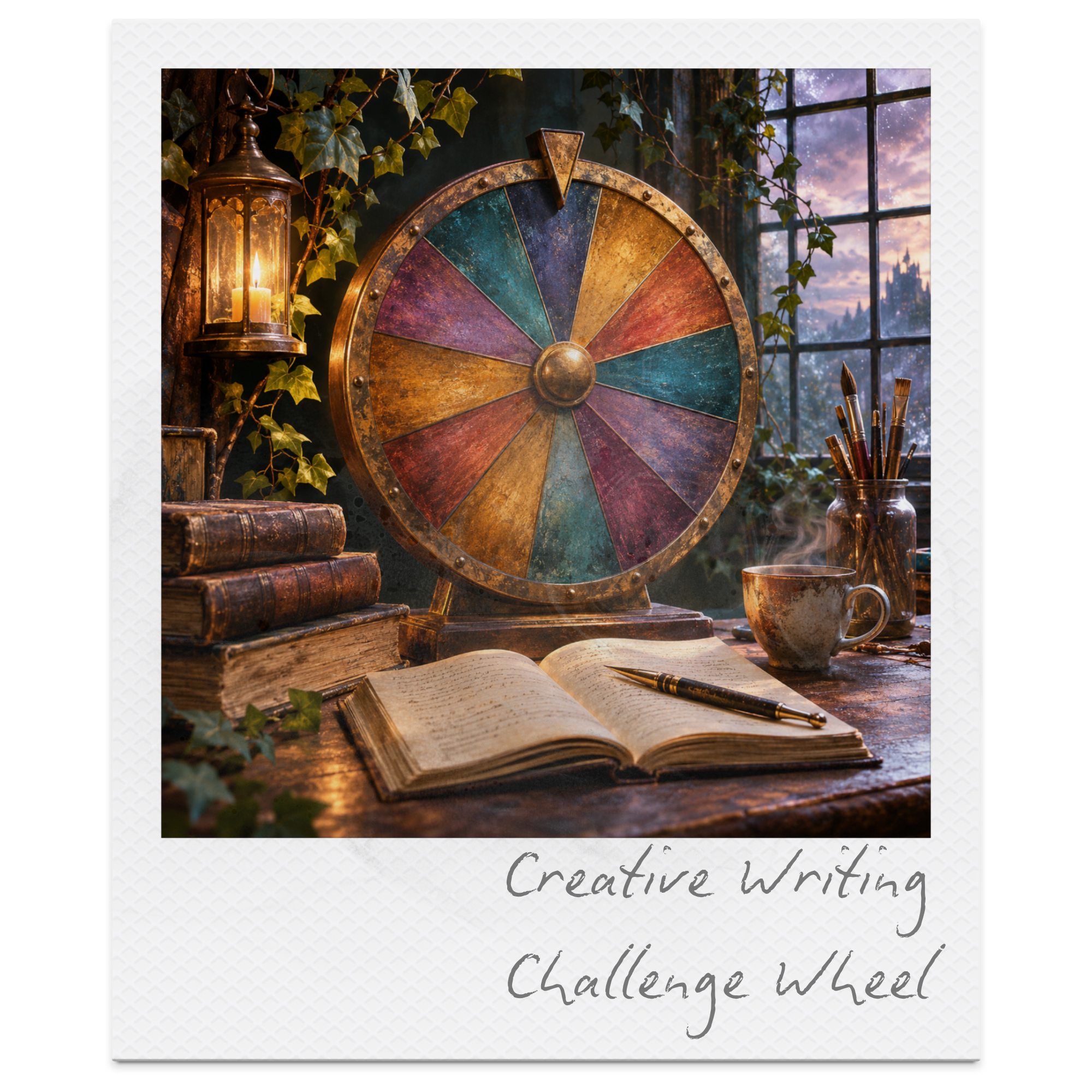
Creative Writing Challenge Wheel
Once students have rolled their story ingredients, why not spin the wheel to decide how they must write? With 200 challenges across 10 categories, the Creative Writing Challenge Wheel helps students practise dialogue, description, suspense, figurative language, narrative perspective, opening lines and more.
It's particularly effective as a follow-up to Roll a Story: generate a premise using the dice, then spin the wheel to introduce an additional writing requirement.
For students who want to develop a more detailed fantasy narrative, the Fantasy Story Generator creates a complete story idea with a title, protagonist, setting, central conflict, plot twist, opening line and closing line. It's a useful next step for exploring how separate story elements can develop into a structured narrative.
A memorable story needs more than an interesting situation. Use the Fantasy Character Generator to explore character names, occupations, appearances, personalities, powers, secrets, flaws and motivations. Students can use the results to add depth to a character from their Roll a Story activity or create someone entirely new.
Experiment with Different Story Genres
If students enjoyed the horror, mystery or ghost story dice, the Gothic Story Generator offers another opportunity to explore atmospheric fiction. Generate an unsettling setting, central character, dark secret, supernatural or psychological threat, mysterious discovery and haunting plot twist, then use the results to practise suspense and Gothic conventions.
Turn a simple Roll a Story premise into a more complicated investigation with Mystery Story Sparks. Explore suspects, clues, red herrings, motives, alibis, hidden secrets and unexpected revelations to help students understand how mystery writers construct intrigue and gradually reveal information.
Take the science fiction dice further with ideas involving futuristic societies, artificial intelligence, alien worlds, space exploration, strange technologies and mysterious discoveries. Students can use these prompts to develop speculative conflicts and explore how scientific possibilities influence fictional worlds.
For students exploring dystopian fiction, this generator provides inspiration for oppressive societies, unusual laws, surveillance systems, forbidden activities, resistance movements and unsettling discoveries. It works particularly well for writing tasks focused on worldbuilding, social commentary and conflict.
Strengthen Description and Atmosphere
Sometimes students know what happens in their story but struggle to make the scene vivid. Descriptive Writing Sparks offers challenges involving landscapes, interiors, objects, weather, sounds, textures, light, movement and atmosphere, helping writers transform a basic setting into a convincing fictional environment.
Try combining a Roll a Story setting with a descriptive writing challenge. Instead of simply stating where the character is, students must establish the atmosphere through carefully selected sensory details.
Discover Even More Writing Inspiration
These are just a few of the tools available in the Creative Writing Generators Hub, where you'll find free generators for fantasy, fairytales, folklore, Gothic fiction, horror, romance, mystery, science fiction, dystopian fiction, paranormal stories, mythology, historical fiction and more.
You can also explore the Creative Writing Archive for additional story prompts, creative writing exercises, character ideas and resources to support your next writing project or English lesson.
Whether you're rolling dice, spinning a wheel or combining unexpected story elements, the aim is the same: to turn a small spark of inspiration into a story that only you could write.
Final Thoughts: Roll the Dice and Let the Story Begin
Sometimes, the hardest part of creative writing is deciding where to begin. A blank page can feel intimidating, particularly when students are expected to invent a character, imagine a setting and develop an interesting conflict all at once. Roll a Story removes that initial obstacle, offering a playful starting point that leaves plenty of room for individual creativity.
With 12 storytelling genres, interactive dice, optional plot twists, writing challenges and printable classroom grids, this free Roll a Story generator can be adapted to everything from five-minute writing warm-ups to extended storytelling projects. Students can explore unfamiliar genres, experiment with narrative techniques and discover how the same combination of story elements can inspire entirely different pieces of writing.
And that's what makes the activity so useful: the dice provide the ingredients, but the writer creates the story. A strange character, an unexpected location or an impossible problem might be all it takes to inspire something extraordinary.
So whether you're a teacher looking for your next creative writing lesson starter, a student searching for inspiration or a writer ready to experiment with something new, give the dice another roll.
Your next story could begin with a single click.
Choose Your Next Adventure