Notes from the Inkpot
Writing, teaching, creating - one ink-stained idea at a time.




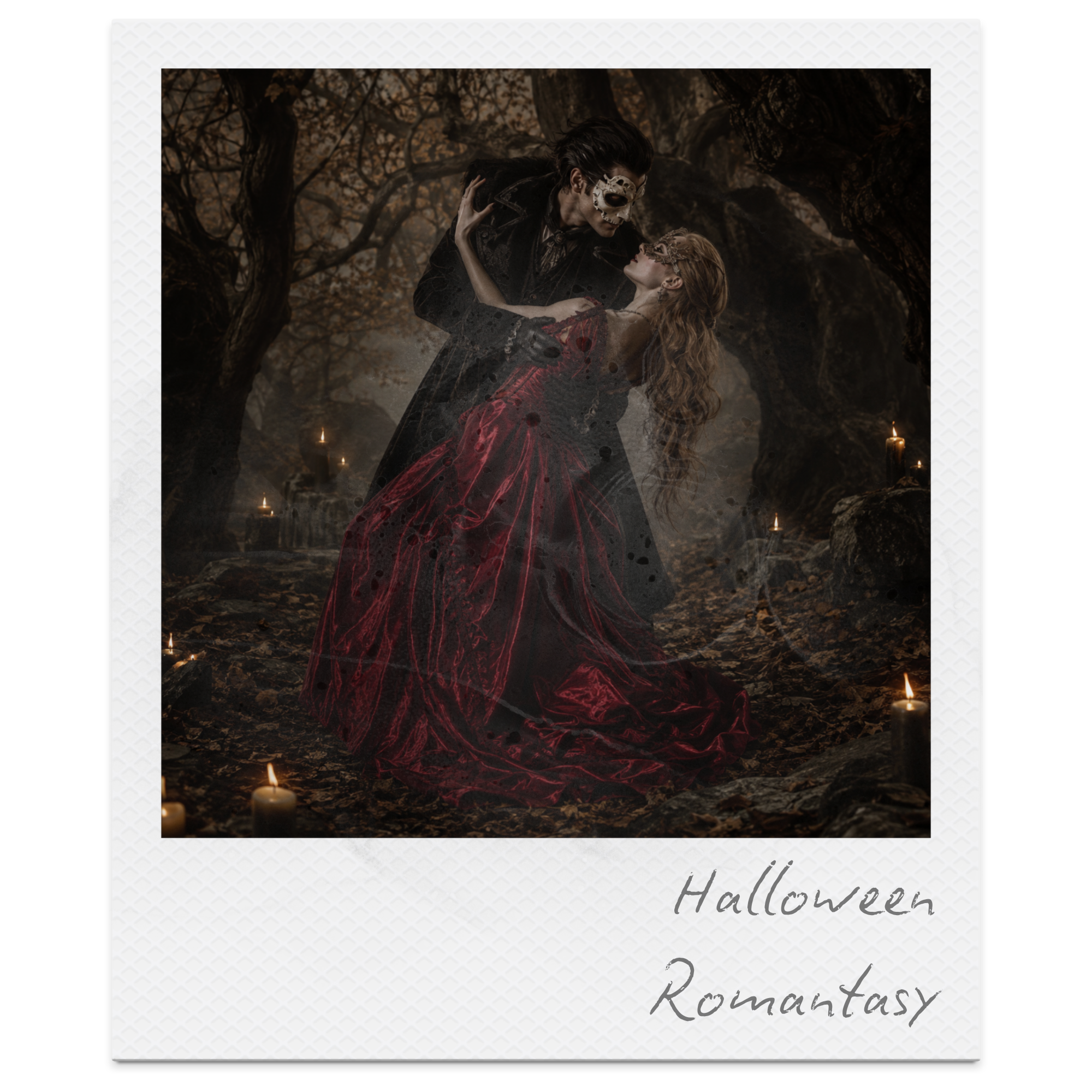
70 Halloween Romantasy Writing Prompts: Magic, Romance & Dark Autumn Nights
Explore 70 Halloween Romantasy Writing Prompts filled with forbidden romance, autumn magic, witches, fae, supernatural bargains and dangerous curses. Discover plot ideas, story titles, opening and closing lines, romantic characters, enchanted settings and cinematic picture prompts featuring masked balls, haunted castles, magical festivals and lovers separated by the veil between worlds. Perfect for writers looking for atmospheric Halloween fantasy romance story ideas with plenty of magic, mystery and yearning.
2000+ Creative Writing Prompts for Teens (Ultimate Master List by Genre, Trope, Season & Month)
Explore more than 2000 creative writing prompts for teens in this growing master list. Each themed collection includes 70 original prompts designed to spark imagination, build storytelling confidence, and support daily writing habits. Browse by genre, trope, holiday, season or month to find the right ideas for fiction writing, journaling or creative warm-ups. New collections are added every Friday, making this resource ideal for teen writers, creative writing clubs, homeschool and classroom activities. Bookmark this page and return as the list expands.
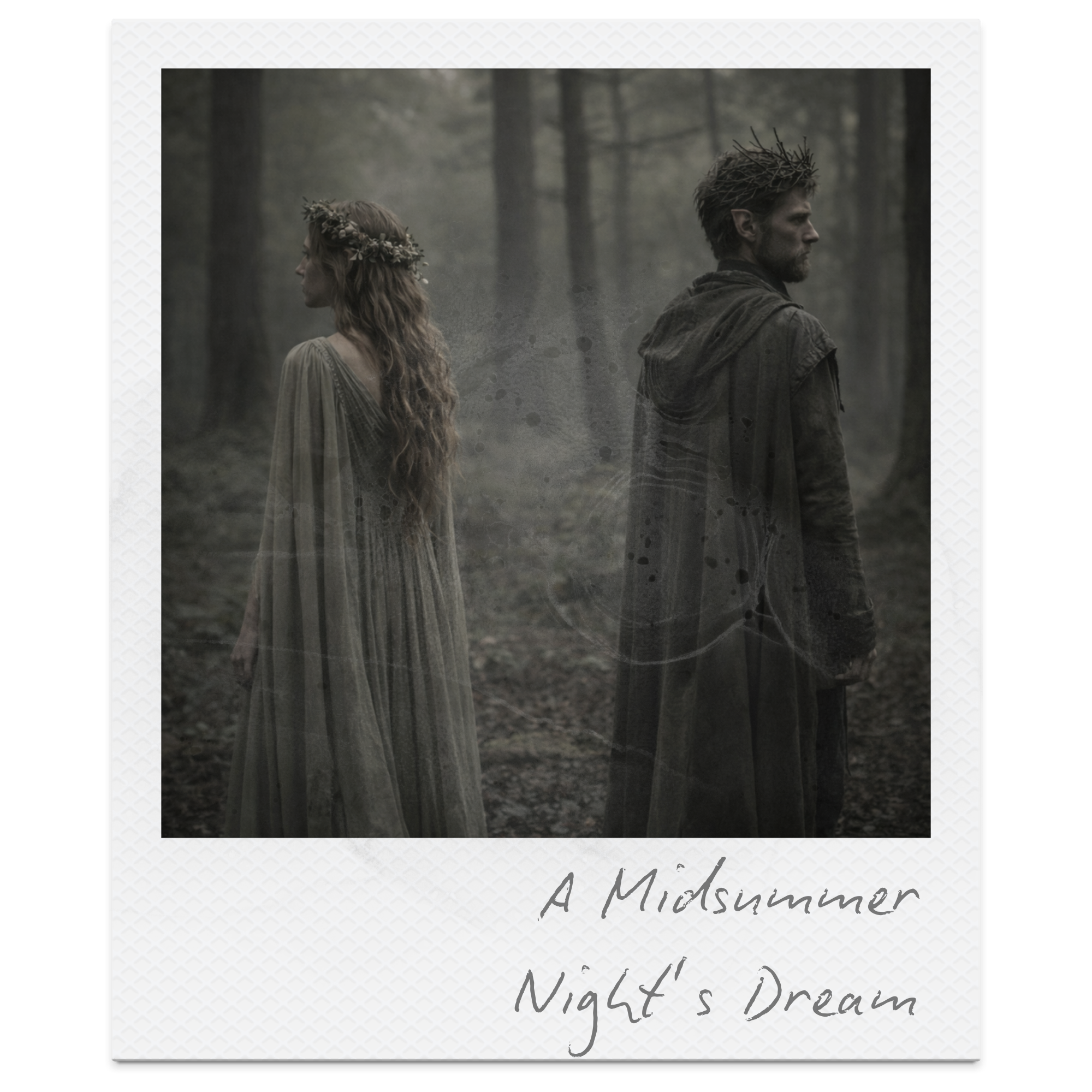
A Midsummer Night’s Dream: Overview, Context, Key Ideas & Teaching Approaches
A Midsummer Night’s Dream is often taught as one of William Shakespeare’s lightest comedies, yet beneath its enchantment and humour lies a complex exploration of power, desire, authority, and social control. Set between the rigid law of Athens and the destabilising freedom of the forest, the play uses comedy, magic, and mistaken identity to expose how easily order can fracture — and how carefully it must be restored. This context-led overview explores A Midsummer Night’s Dream through historical background, genre, and key ideas, before considering effective ways to teach the play through discussion, performance, and creative writing. Rather than offering close analysis of individual scenes, it provides a framework for understanding how the play operates as a whole, and why it continues to reward reinterpretation, classroom debate, and creative response.