Notes from the Inkpot
Writing, teaching, creating - one ink-stained idea at a time.


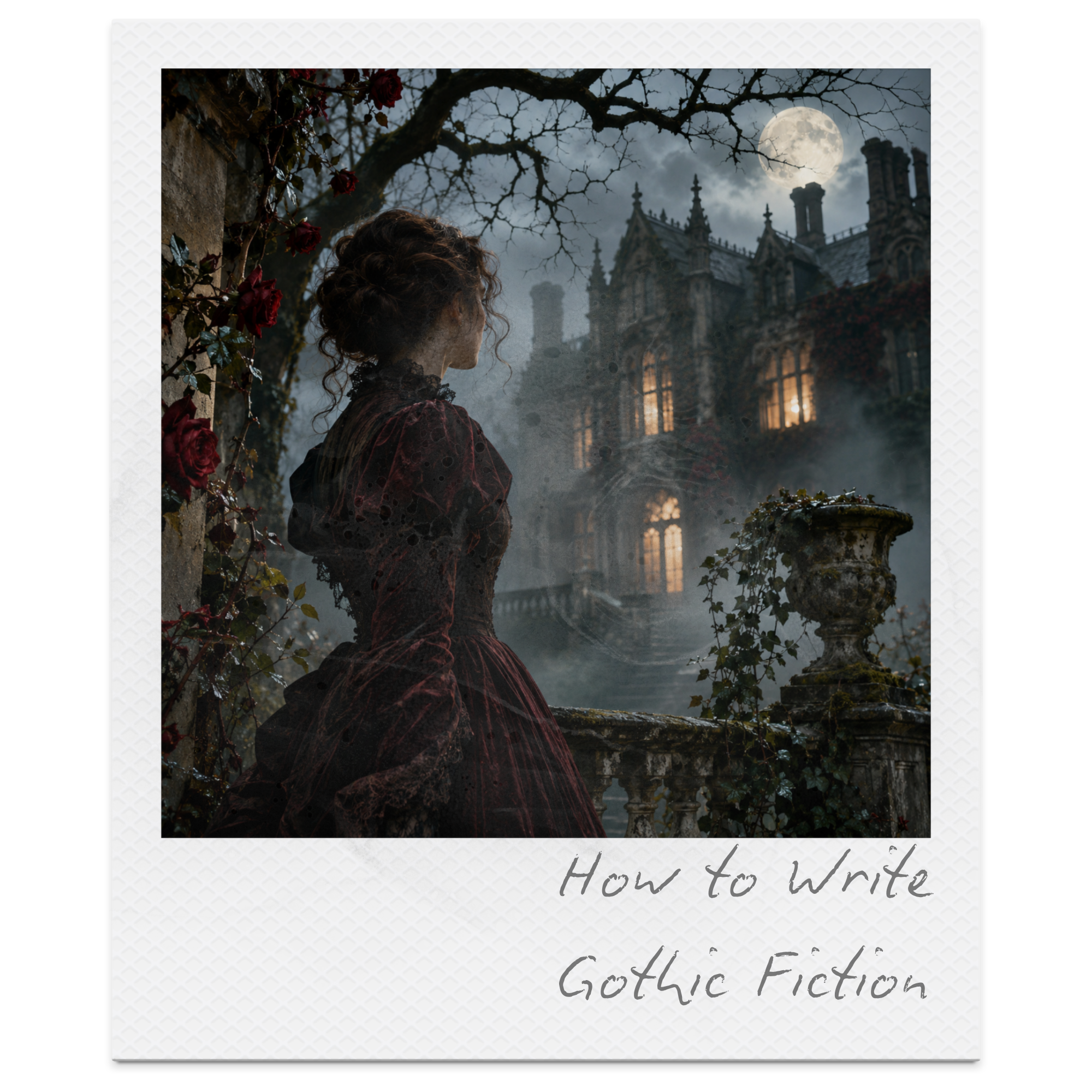
How to Write Gothic Fiction: A Complete Guide to Gothic Storytelling, Techniques & Examples
Discover how to write Gothic fiction with this complete guide to atmospheric storytelling, psychological suspense and dark literary techniques. Explore the essential elements of Gothic literature, from haunted settings and sinister characters to buried secrets, supernatural mysteries and the enduring influence of the past. Learn how to structure a Gothic story, create unsettling imagery, build tension and develop complex characters, with original writing examples and detailed analysis throughout. You'll also find practical Gothic writing exercises, common mistakes to avoid and inspiration from some of literature's greatest Gothic authors. Whether you're writing a Gothic short story, a supernatural mystery or a full-length novel, this guide will help you transform your darkest ideas into compelling fiction.
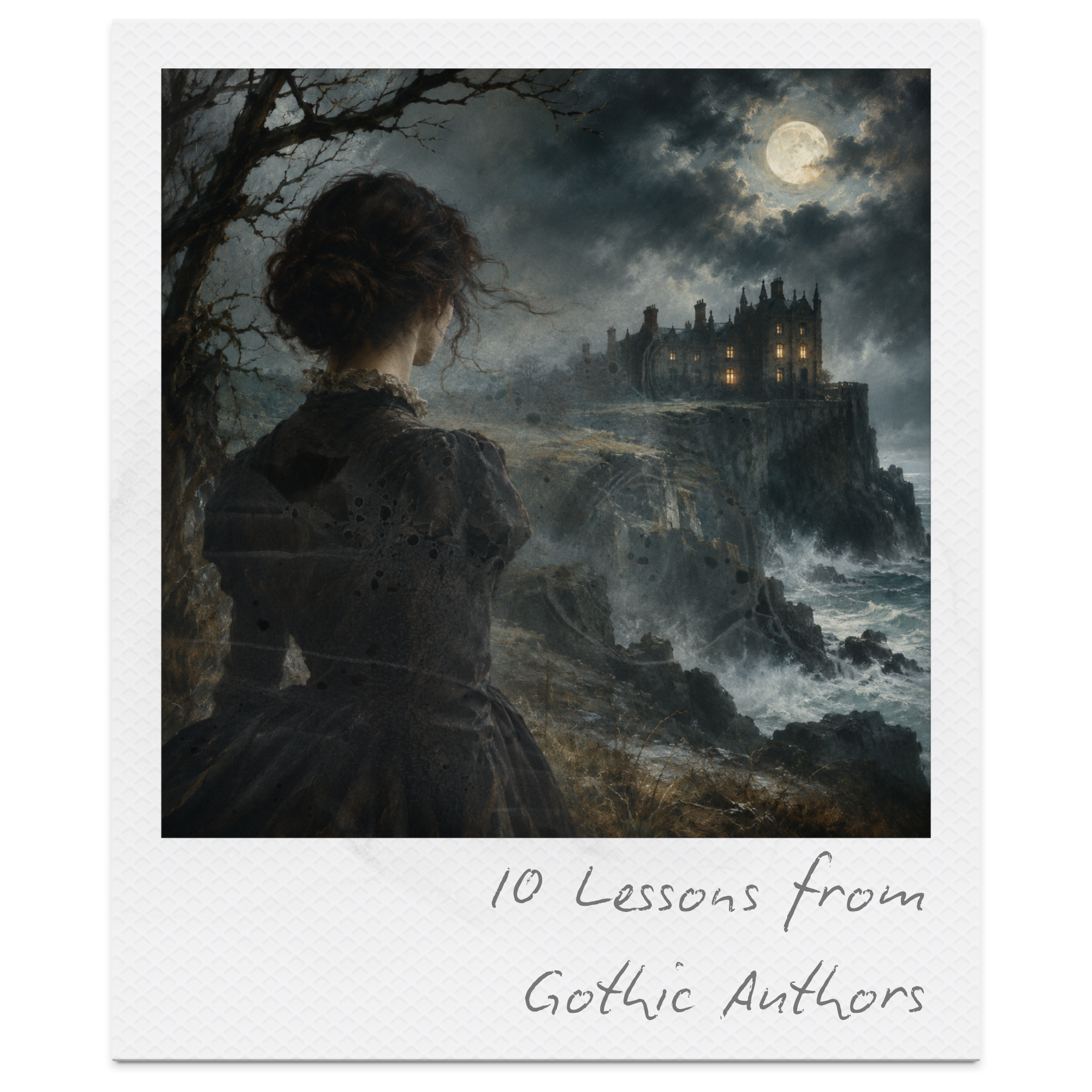
10 Lessons Every Writer Can Learn from Gothic Authors: Mastering Atmosphere, Suspense and Psychological Horror
Discover 10 essential Gothic writing lessons from literary masters including Mary Shelley, Edgar Allan Poe, Bram Stoker, Shirley Jackson and Angela Carter. Explore how these influential authors use atmospheric settings, psychological horror, unreliable narrators, symbolism and suspense to create unforgettable stories. With detailed literary analysis, practical writing techniques and creative exercises, this guide will help you bring greater depth, darkness and originality to your own Gothic fiction.
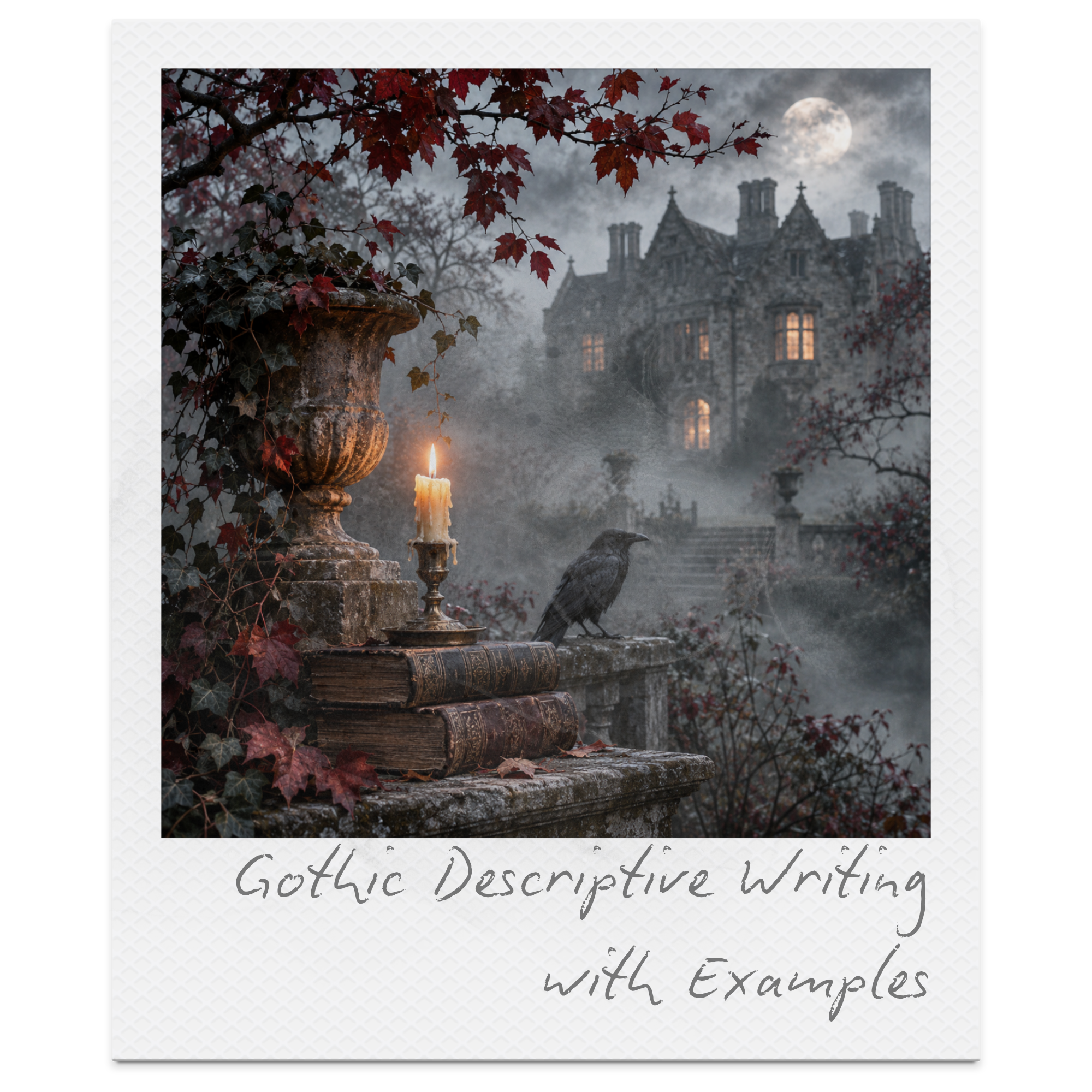
Gothic Descriptive Writing: 30 Atmospheric Examples with Analysis
Discover 30 atmospheric Gothic descriptive writing examples exploring haunted architecture, mist-shrouded landscapes, sinister characters, mysterious objects, unsettling interiors and supernatural encounters. Each original passage includes detailed analysis revealing how sensory imagery, personification, symbolism, psychological tension and carefully chosen details create powerful Gothic atmosphere. Explore 10 essential Gothic writing techniques, learn how to transform ordinary settings into haunting scenes, and develop your own descriptive style through five practical creative writing exercises. Whether you're writing Gothic horror, dark fantasy, supernatural fiction or a psychological mystery, this comprehensive guide will help you create vivid, evocative descriptions that linger long after the final sentence.
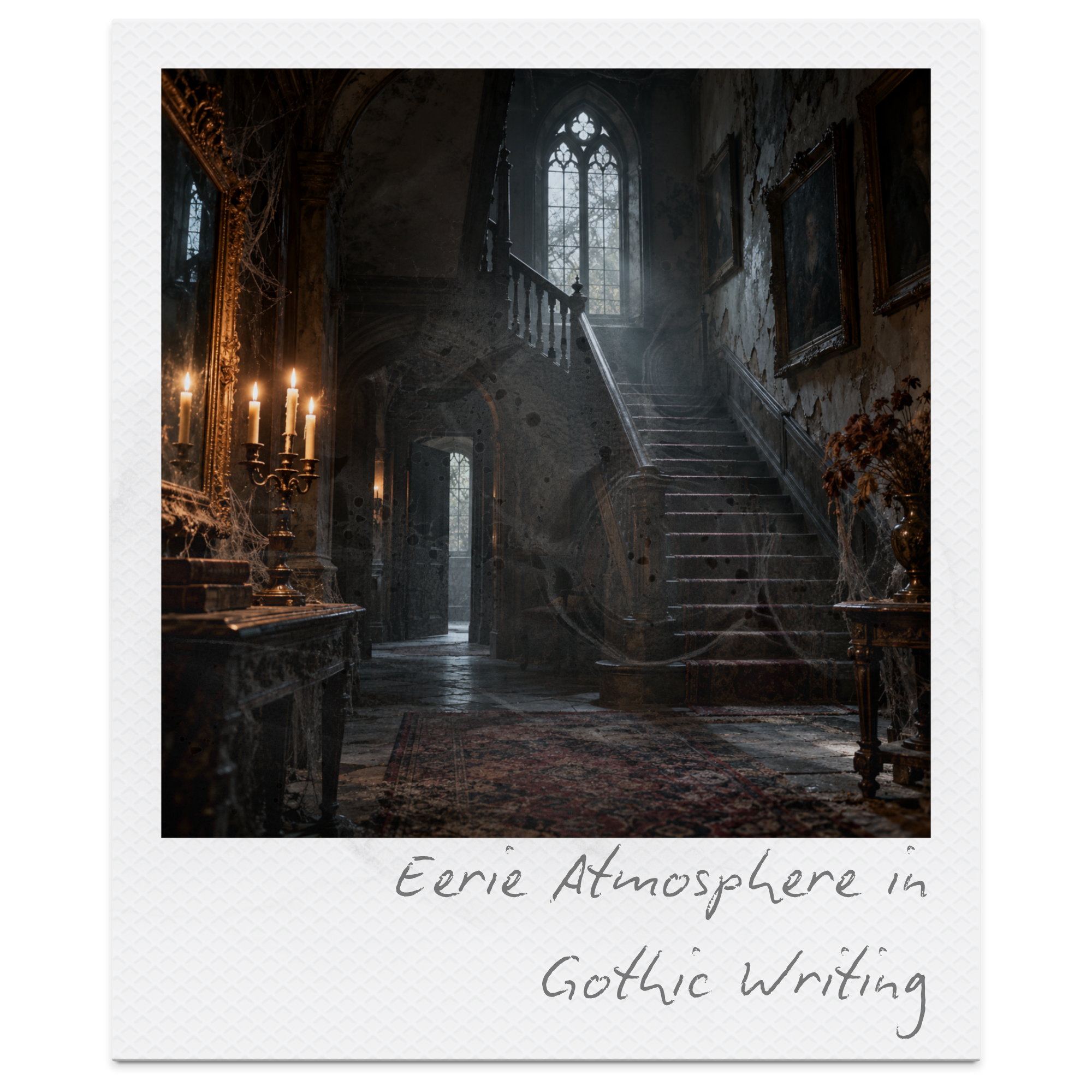
How to Create an Eerie Atmosphere in Gothic Writing: 10 Techniques with Examples
What makes an empty room feel watched, a familiar corridor strangely unfamiliar, or an ordinary sound deeply unsettling? Discover how to create an eerie atmosphere in Gothic writing with 10 powerful techniques exploring unnatural silence, unseen presences, shifting shadows, decaying settings and inexplicable disturbances. Featuring original Gothic descriptive writing examples, practical analysis and five atmospheric writing exercises, this comprehensive guide shows you how to build psychological unease, manipulate sensory details and create haunting scenes without relying on obvious horror. Explore how classic Gothic authors use suggestion, uncertainty and the uncanny to transform ordinary places into disturbing fictional worlds. Whether you're writing a ghost story, Gothic mystery or psychological horror, learn how to create an atmosphere that lingers long after the final sentence.