Notes from the Inkpot
Writing, teaching, creating - one ink-stained idea at a time.


20 Conflict Poems to Teach: A Timeline from WW1 to Modern Warfare
Looking for conflict poems to teach? This teacher-friendly guide brings together 20 powerful poems about war and conflict, spanning World War One, Vietnam, modern warfare, and media-driven violence. Each poem includes a brief overview and practical classroom ideas, making it easy to dip in and out when planning lessons on ethics, trauma, protest, responsibility, and witnessing conflict from afar.
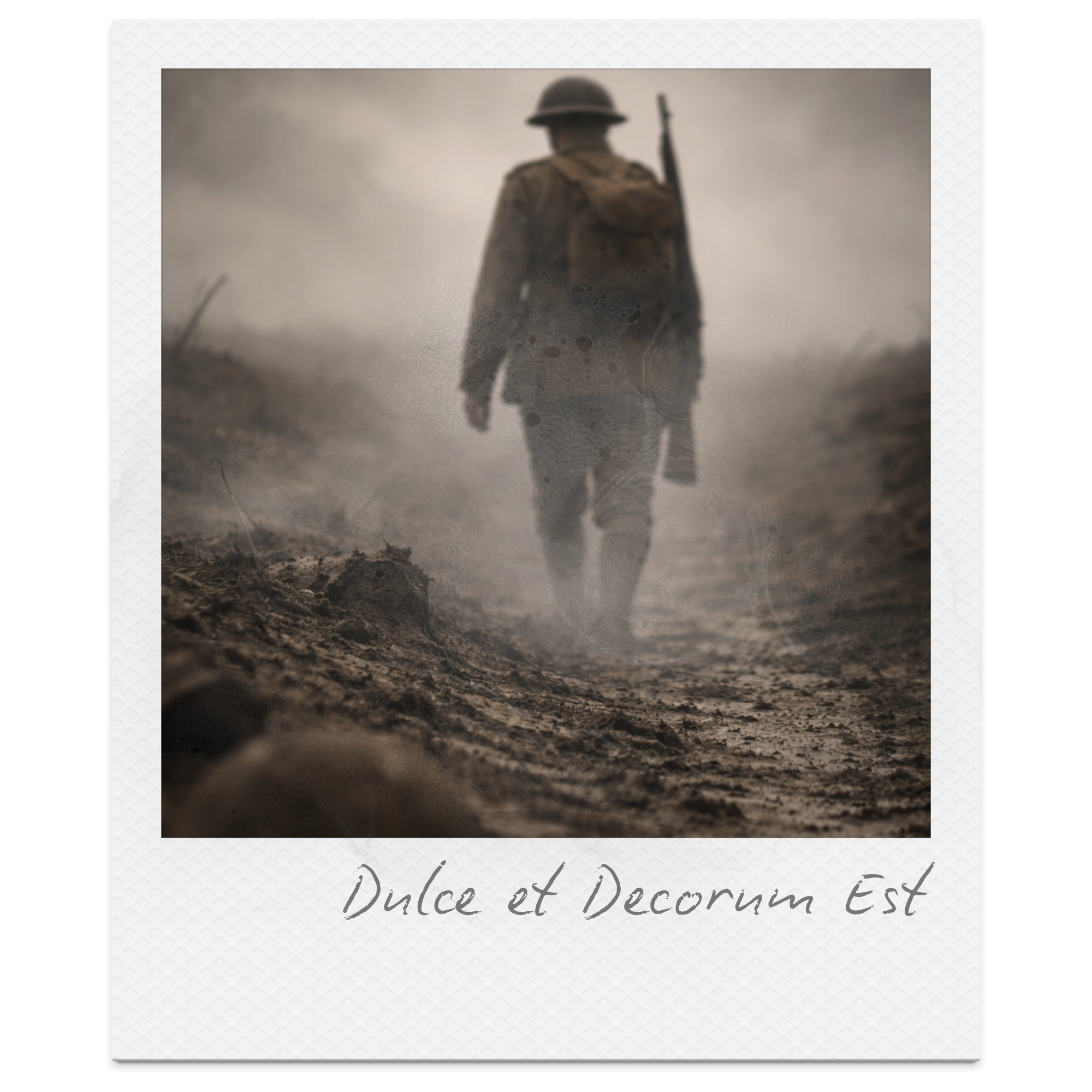
How and Why to Teach Dulce et Decorum Est: Context, Meaning, and Classroom Approach
Dulce et Decorum Est is one of the most widely taught and frequently misunderstood poems of the First World War. This in-depth guide explores how and why to teach Wilfred Owen’s war poem through historical context, changing attitudes to war, and thoughtful classroom practice. From first encounters with the poem to assessment and common teaching pitfalls, this post offers a clear, purposeful approach to teaching Dulce et Decorum Est as more than an exam text — but as a powerful challenge to the language used to glorify war.
The Distance Fragments: A Free Poetry Writing Experience for Blackout & Erasure Poetry
The Distance Fragments is a free poetry writing experience designed for slower, more reflective writing. Built around blackout poetry, erasure, images, and fragment-led prompts, the collection invites writers to work through removal rather than expansion — noticing what remains once language is pared back. This resource acts as a taster for a new series of fragment-led poetry prompt collections, offering open-ended materials that can be used independently, combined, or revisited over time. Ideal for writers, teachers, and classrooms exploring blackout poetry or contemplative creative writing, The Distance Fragments prioritises space, restraint, and return over speed or completion.
Ekphrastic Writing for the Classroom: Art, Photo & Science Prompts for English Teachers
This comprehensive guide to ekphrastic writing in the classroom brings together image-based writing prompts using art, photography, sculpture, science imagery, and AI-generated visuals. Designed for secondary English teachers, the post includes practical ways to use ekphrasis across poetry, prose, monologue, and creative nonfiction, alongside adaptable classroom activities and cross-curricular ideas. Whether you’re planning a poetry unit, setting low-prep bell-ringers, or encouraging close observation and voice-driven writing, these ekphrastic writing prompts for students support inference, imagery, and creative confidence. With clear guidance, differentiated approaches, and links to ongoing writing resources, this post is built for real classroom use.

The Ultimate Guide to Ekphrasis (for Secondary Classrooms)
Bring art and writing together with this in-depth guide to ekphrasis — from Homer to high school. Includes examples of famous and classroom-ready poems, student-friendly activities for poetry and prose, and creative ideas for cross-curricular work with Art. Bookmarkable and ready to use.
100 Poetry Prompts for the Classroom: Teen-Friendly and Teacher-Tested
Explore 100 poetry writing prompts designed for teens, classrooms, and creative practice. This collection includes imagery-driven prompts, identity and memory poems, surreal writing ideas, social and political poetry, and form-based exercises to help students develop voice, imagery, and poetic language. Ideal for National Poetry Month, creative writing units, journaling, and daily poetry practice.
Poetry Writing Activities for the Classroom
Bring poetry to life with these 10 creative writing activities for middle and high school students. Low-prep, flexible, and classroom-tested — perfect for National Poetry Month or any time of year.

10 Best Christmas Poems to Teach (And How to Teach Them)
Christmas in the classroom is always a balancing act. You want something seasonal to capture the spirit of December, but it still needs the depth to justify lesson time. Poetry is the perfect answer. From Christina Rossetti’s wintry devotion to T. S. Eliot’s existential Nativity, these ten poems offer rich imagery, layered themes, and plenty of scope for creative writing.

10 Haunting Poems to Teach This Halloween (That Aren’t Just The Raven)
Halloween isn’t just for spooky short stories — poetry can be just as haunting. From Poe’s The Raven to eerie ballads like The Unquiet Grave, these poems bring atmosphere, symbolism, and Gothic chills into the classroom. Perfect for middle and high school, this list offers ten haunting poems that make October lessons both literary and seasonal.
Teaching Edgar Allan Poe in the Secondary English Classroom
Edgar Allan Poe remains one of the most effective writers to teach in the secondary English classroom, offering short stories and poems that reward close reading, discussion, and interpretation. His work explores unreliable narrators, psychological tension, symbolism, and moral ambiguity, making it ideal for discussion-led lessons that move beyond plot and towards deeper literary thinking. In this post, Poe’s most commonly taught texts are organised by theme rather than chronology, allowing teachers to explore patterns around guilt, power, grief, atmosphere, and logic across both prose and poetry. With practical classroom ideas and links to complete teaching resources, this guide supports secondary English teachers looking to teach Edgar Allan Poe with depth, flexibility, and intellectual rigour.
10 Best WWI Poems to Teach (And How to Teach Them)
World War One poetry is a powerful and enduring part of secondary English literature, offering students a direct literary response to war, trauma, memory, and loss. This post explores 10 of the best WWI poems to teach, with clear teaching focuses, classroom-ready ideas, and suggestions for discussion and creative response. The poems are grouped thematically to support comparative study and flexible unit planning. Designed for global classrooms, this guide supports close reading, empathy-building discussion, and analytical writing, while linking to deeper teaching resources and the wider Literature Library. Whether you’re planning a full World War One poetry unit or selecting individual poems to complement a wider literature course, this post offers practical guidance rooted in strong literary foundations.
Dream Land by Christina Rossetti: Summary, Meaning & Critical Analysis
Christina Rossetti’s Dream Land is a poem of rest, withdrawal, and emotional stillness, where calm conceals a deeply unsettling vision of peace. Through controlled imagery, repetition, and restrained language, Rossetti presents a female figure who turns away from life, growth, and sensation, entering a state of charmed sleep that resists clear distinction between sleep, death, and chosen retreat. This analysis of Dream Land explores Rossetti’s use of form, imagery, and silence to construct peace as something achieved through absence rather than fulfilment. By examining language, structure, and alternative interpretations, the post invites readers to consider when rest becomes refuge — and when it becomes erasure — situating the poem within Rossetti’s wider preoccupation with restraint, renunciation, and emotional control.
Remember by Christina Rossetti: Summary, Meaning & Critical Analysis
“Remember” by Christina Rossetti is a poem frequently taught at GCSE, AS, and A Level, yet its emotional restraint and moral complexity are often underestimated. At first glance, the poem appears to present a speaker asking to be remembered after death. However, as this Petrarchan sonnet unfolds, Rossetti complicates that request, transforming it into a meditation on love, memory, and loss that prioritises emotional responsibility over personal desire. Rather than offering consolation, the poem quietly interrogates whether remembrance is always an act of kindness. Written with careful control of form, tone, and structure, Remember traces a shift from quiet insistence to deliberate self-denial. Through subtle changes in voice and imagery, Rossetti reframes forgetting as a potential expression of love rather than betrayal. This critical analysis of “Remember” by Christina Rossetti explores the poem’s meaning, its treatment of death and remembrance, and the literary methods that make it one of Rossetti’s most ethically complex and quietly radical sonnets. If you’re teaching Remember in the classroom, keep scrolling for free essay questions on “Remember” by Christina Rossetti, along with discussion ideas and close-reading activities.