100 Fairytale Magical Object Worldbuilding Questions: Enchanted Treasures, Ancient Relics & Cursed Artefacts
In fairytales, even the most ordinary objects can possess extraordinary magic.
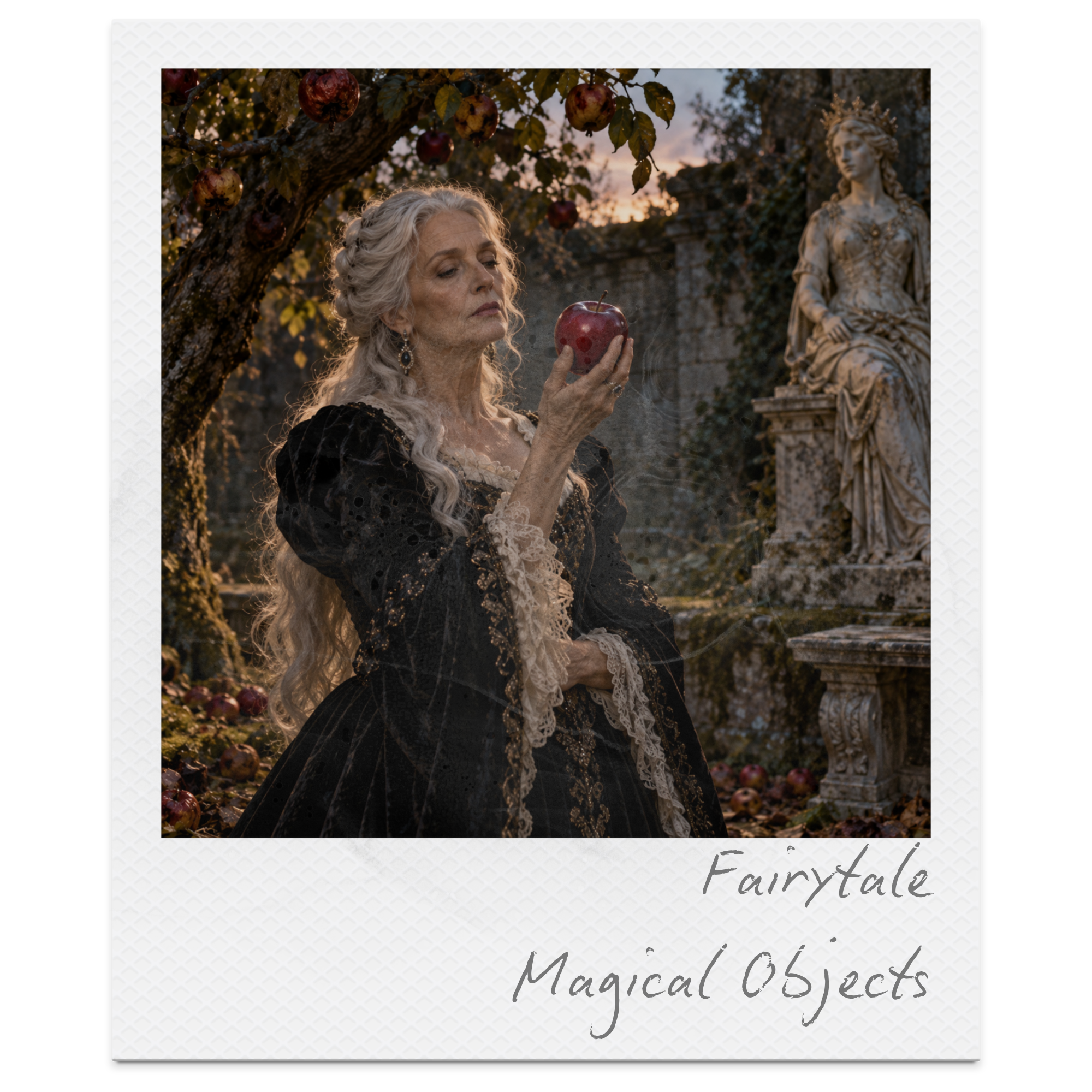
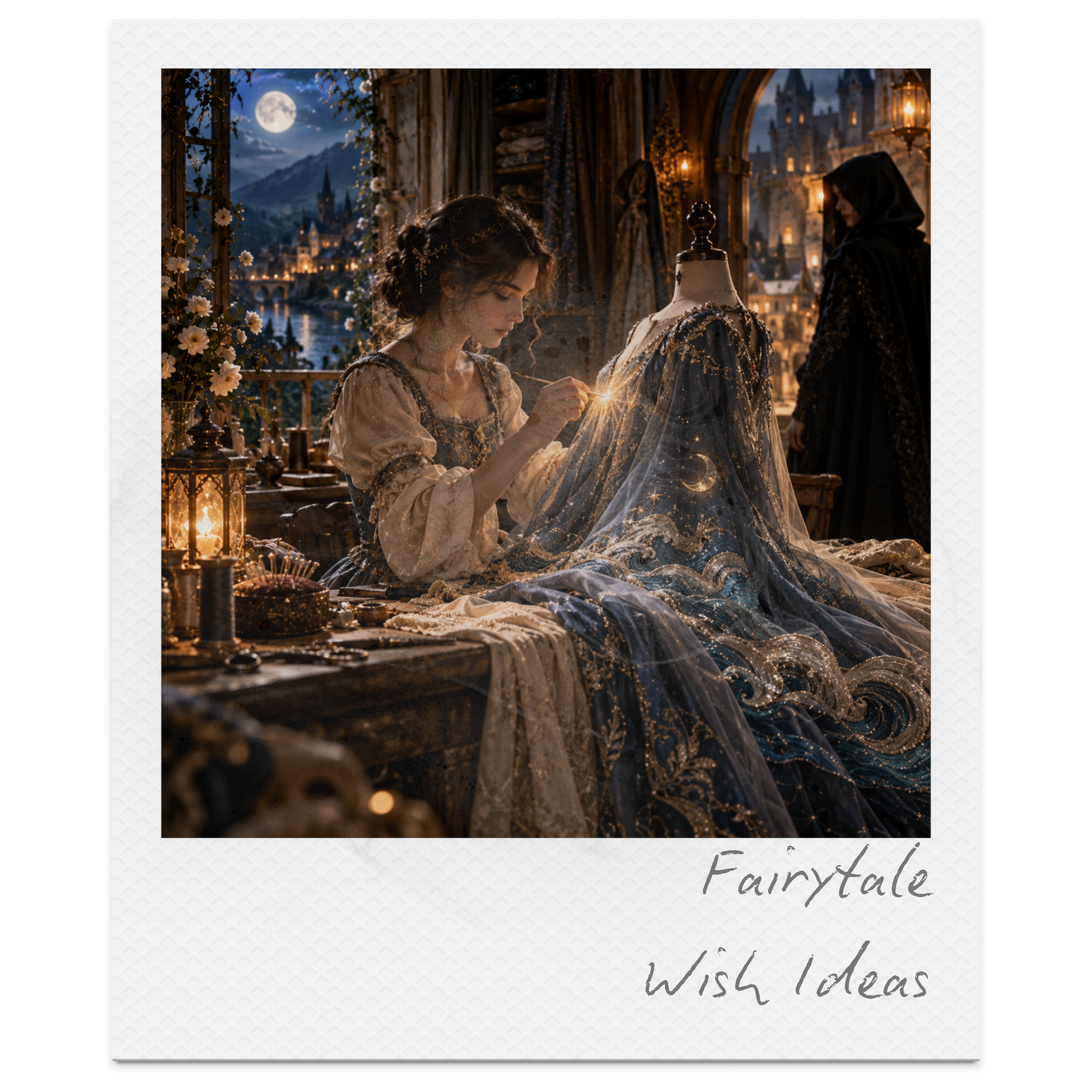
A golden crown whispers the secrets of forgotten kings. A silver needle stitches dreams into beautiful gowns. Deep beneath an abandoned castle, a mysterious mirror reveals the faces of people who have not yet been born.
From enchanted jewellery and magical weapons to cursed heirlooms, talking books and ancient treasures, magical objects can shape the history, traditions and power structures of entire fairytale kingdoms. Some are gifts from benevolent fairies, while others are dangerous relics created by witches, forgotten gods or mysterious craftspeople.
But where does their magic come from? Who creates these extraordinary objects, and who is permitted to own them? Can their powers be inherited, stolen or destroyed? And what happens when an enchanted possession falls into the wrong hands?
The most compelling magical objects have distinctive origins, rules, limitations and histories that make them feel like natural parts of the worlds they inhabit.
These 100 Fairytale Magical Object Worldbuilding Questions will help you explore enchanted treasures, magical craftsmanship, ancient artefacts, powerful curses, ownership, trade and the role of magical possessions in everyday fairytale life.
Whether you're creating a whimsical storybook kingdom, a dark folklore-inspired setting or an intricate fantasy world, these questions will help you develop magical objects that feel mysterious, meaningful and unforgettable.
For more inspiration, explore our Fairytales and Folklore Hub, discover hundreds of creative ideas in our Fairytale Story Sparks collection, or browse the Creative Writing Archive for more writing prompts, story ideas and worldbuilding resources.
So, imagine discovering a beautiful golden key that has remained hidden for centuries.
What does it unlock, who created it, and why was it never meant to be found?
1. Origins & History of Fairytale Magical Objects
Every enchanted object has a story, whether it was created by an ancient sorceress, discovered beneath a ruined kingdom or passed down through generations of a royal family. The origins of magical objects can reveal forgotten histories, legendary figures and the events that shaped your fairytale world. Consider how these extraordinary possessions came into existence, what they were originally intended to do and how their significance has changed over time.
1. Where do magical objects originally come from in your fairytale world?
Are enchanted possessions created deliberately, or can ordinary objects become magical through unusual circumstances? Perhaps the tears of a grieving queen transform her jewellery into powerful relics, or objects left beneath the light of a particular moon acquire extraordinary properties.
Things to Consider:
Whether magical objects are crafted, discovered, gifted or naturally occurring.
The role of fairies, witches, spirits and other supernatural beings in their origins.
Whether particular locations or events can transform ordinary possessions.
How different kingdoms explain the existence of magical objects.
2. What is the oldest known magical object in your world?
Imagine an enchanted treasure so ancient that nobody remembers who created it or why. It might be a crown belonging to the first ruler of a forgotten kingdom, a stone mirror discovered beneath a mountain or a golden spindle that predates the arrival of humanity.
Things to Consider:
The object's estimated age, appearance and original purpose.
Whether its creator or first owner is remembered in historical records.
The legends, prophecies and superstitions surrounding its existence.
What its discovery might reveal about your world's forgotten past.
3. Which historical events have been shaped by magical objects?
An enchanted sword might have secured a kingdom's independence, while a cursed goblet could have ended an entire royal dynasty. Consider whether magical possessions have influenced wars, marriages, succession disputes or the rise and fall of powerful families.
Things to Consider:
Famous battles, coronations or betrayals involving enchanted possessions.
Whether historical accounts exaggerate or conceal the objects' powers.
How magical objects have changed political boundaries or royal bloodlines.
Whether any important historical event remains unexplained without magic.
4. Who created the first enchanted objects?
Perhaps the earliest magical artefacts were forged by giants, woven by moonlit fairies or carved by a civilisation that disappeared thousands of years ago. Their creators might be celebrated as legendary craftspeople or feared for introducing dangerous magic into the mortal world.
Things to Consider:
The identity, abilities and motivations of the earliest magical craftspeople.
Whether the knowledge of their techniques has survived.
How their creations differ from more recently enchanted possessions.
Whether anyone is attempting to rediscover their forgotten methods.
5. How have magical objects changed over the centuries?
An enchanted mirror once used to communicate with distant kingdoms might now be regarded as a dangerous instrument of prophecy. Consider how magical objects evolve as societies change, especially when their original purposes are forgotten or misunderstood.
Things to Consider:
Whether ancient objects possess powers that modern enchantments cannot reproduce.
How changing beliefs influence the treatment of magical possessions.
Whether objects physically deteriorate, strengthen or transform with age.
Which magical traditions have disappeared or become obsolete.
6. Are magical objects associated with particular kingdoms or cultures?
One kingdom might be famous for its enchanted crowns, while another produces beautiful glass bottles capable of capturing dreams. Magical objects can become expressions of regional identity, reflecting the landscapes, resources, traditions and beliefs of the people who create them.
Things to Consider:
The distinctive magical artefacts associated with different regions.
Whether local materials influence the appearance or abilities of objects.
How magical craftsmanship reflects cultural traditions and values.
Whether rival kingdoms compete to produce the most powerful enchantments.
7. What famous magical objects have been lost throughout history?
Some treasures disappear during wars, others are deliberately hidden, and a few simply vanish without explanation. A missing royal sceptre might become the subject of centuries of treasure hunts, while an enchanted necklace could remain concealed inside an ordinary cottage.
Things to Consider:
The circumstances surrounding the disappearance of legendary artefacts.
Whether their locations are recorded in maps, songs or riddles.
The individuals or organisations searching for these treasures.
What might happen if a supposedly lost object suddenly reappears.
8. Do magical objects preserve memories of their previous owners?
An enchanted ring might remember every promise made while it was worn, while a silver comb could retain the voices of the women who once owned it. Consider whether magical objects carry traces of their histories and how those memories might be revealed.
Things to Consider:
Whether objects record emotions, conversations, visions or physical events.
How a new owner might access memories from earlier generations.
Whether objects can conceal, distort or deliberately alter their histories.
The consequences of discovering a long-forgotten secret through an artefact.
9. Have any magical objects been deliberately destroyed or erased from history?
Perhaps a king ordered every enchanted mirror shattered after receiving a terrible prophecy, or a religious order burned magical books to prevent forbidden knowledge from spreading. Consider why powerful objects might become so feared that societies attempt to eliminate them entirely.
Things to Consider:
Historical attempts to ban, confiscate or destroy enchanted possessions.
Whether certain magical objects are considered too dangerous to exist.
The methods required to permanently destroy powerful artefacts.
Whether supposedly destroyed objects have secretly survived.
10. How are the histories of magical objects recorded and remembered?
The stories of enchanted treasures might survive through royal chronicles, travelling storytellers, illuminated manuscripts or songs passed between generations. However, the truth may be difficult to separate from exaggeration, superstition and deliberate deception.
Things to Consider:
The historians, scholars and storytellers responsible for preserving magical lore.
Whether magical objects are catalogued in libraries or royal archives.
How legends differ from the objects' actual histories.
Which powerful individuals might benefit from rewriting the past.
2. Creation & Craftsmanship of Fairytale Magical Objects
Behind every enchanted treasure might be a remarkable craftsperson, a mysterious ritual or a material found nowhere else in the world. Some magical objects are painstakingly created by skilled witches, fairy artisans and royal goldsmiths, while others emerge from bargains, accidents or extraordinary acts of love and sacrifice. Exploring how these possessions are made will help establish the relationship between magic, craftsmanship and everyday life in your fairytale kingdom.
11. Who has the ability to create magical objects?
Can any sufficiently talented craftsperson learn to enchant their creations, or is this ability restricted to witches, fairies and individuals born with unusual gifts? Perhaps the finest magical objects are made by ordinary people who unknowingly possess a rare talent.
Things to Consider:
Whether magical craftsmanship requires inherited ability, training or supernatural assistance.
The different types of people and creatures capable of enchanting objects.
Whether certain enchantments are restricted to particular magical beings.
How society treats individuals who possess the ability to create magical artefacts.
12. What materials are needed to craft enchanted objects?
A magical crown might require gold collected from a river guarded by dragons, while an enchanted cloak could be woven from spider silk gathered beneath a full moon. Consider how rare materials influence the appearance, properties and value of magical possessions.
Things to Consider:
The metals, gemstones, plants and supernatural materials used in enchantments.
Where these materials are found and who controls access to them.
Whether particular substances naturally contain magical properties.
The dangers or sacrifices involved in gathering rare ingredients.
13. How is magic transferred into an ordinary object?
Does a witch whisper an enchantment over a silver necklace, or must a goldsmith work beneath the light of seven consecutive full moons? The process of creating magical objects can involve specialised rituals, intricate craftsmanship or mysterious conditions that cannot easily be reproduced.
Things to Consider:
The spells, ceremonies or techniques used to enchant possessions.
Whether magic must be transferred from a living being or supernatural source.
The importance of timing, location and intention during creation.
What happens when an enchantment is interrupted or performed incorrectly.
14. Can magical objects be created accidentally?
An ordinary sewing needle might become enchanted after being used to mend a fairy's wings, while a wooden cradle could acquire protective powers through a mother's desperate wish. Consider whether powerful emotions, unusual events or unexpected encounters can produce magic without deliberate spellcasting.
Things to Consider:
The circumstances that might accidentally enchant an ordinary possession.
Whether love, grief, jealousy or fear can influence magical transformations.
How accidental enchantments differ from carefully crafted spells.
Whether anyone can deliberately recreate an accidental magical event.
15. Are there specialist workshops or guilds dedicated to magical craftsmanship?
Imagine a hidden street of enchanted workshops where glassblowers capture moonlight in bottles, tailors sew protective spells into wedding gowns and jewellers create rings that reveal hidden truths. Consider whether magical craftsmanship operates as an established profession within your fairytale society.
Things to Consider:
The organisation, traditions and locations of magical workshops.
Whether apprenticeships, guild memberships or royal licences are required.
How craftspeople protect their techniques from competitors.
Whether magical artisans serve ordinary customers or wealthy patrons.
16. How long does it take to create a magical object?
A simple enchanted button might be produced in an afternoon, while a crown capable of controlling the seasons could require decades of careful preparation. Consider whether the complexity of an enchantment determines how much time, skill and patience its creation demands.
Things to Consider:
The time required to produce different categories of magical objects.
Whether powerful enchantments demand years of preparation or repeated rituals.
How deadlines, interruptions or rushed craftsmanship affect the finished object.
Whether some artefacts can only be completed during rare celestial events.
17. Can multiple craftspeople contribute to a single enchanted object?
A magical sword might require a blacksmith to forge its blade, a witch to enchant its metal and a fairy to bind its powers to a chosen owner. Consider whether magical craftsmanship is an individual art or a collaborative process involving different talents and supernatural traditions.
Things to Consider:
The specialised roles involved in creating complex magical possessions.
Whether different forms of magic can coexist within one object.
How disagreements between craftspeople might influence an enchantment.
Who is recognised as the true creator of a collaboratively made artefact.
18. What happens when a magical object is created imperfectly?
An enchanted pair of shoes intended to carry its wearer home might instead return them to the place they fear most. A mirror designed to reveal the truth could show only fragments of possible futures. Consider how mistakes in magical craftsmanship create unpredictable and potentially dangerous results.
Things to Consider:
The causes of flawed, unstable or incomplete enchantments.
Whether imperfect objects are destroyed, repaired or sold at reduced prices.
How magical defects might remain hidden until an object is used.
Whether flawed creations sometimes develop extraordinary unexpected abilities.
19. Can magical objects be repaired, altered or given new enchantments?
A cracked enchanted mirror might lose its ability to reveal distant places, while a damaged royal crown could retain only fragments of its original powers. Consider whether magical possessions can be restored and whether changing their physical form also changes their enchantments.
Things to Consider:
The craftspeople or magical beings capable of repairing enchanted artefacts.
Whether repairs require the original creator, materials or spells.
The risks of adding new enchantments to an existing magical object.
Whether broken objects can acquire different powers after restoration.
20. What makes a magical object a masterpiece?
Perhaps the finest enchanted treasures combine extraordinary beauty with powerful, perfectly balanced magic. An object might be celebrated for the complexity of its enchantment, the rarity of its materials or the remarkable story behind its creation.
Things to Consider:
The qualities that distinguish legendary artefacts from ordinary enchanted possessions.
Whether beauty, usefulness, magical strength or originality determines craftsmanship.
The famous artisans whose creations are sought by royalty and collectors.
Whether a seemingly humble object could be more remarkable than the grandest royal treasure.
3. Powers & Enchantments of Fairytale Magical Objects
From mirrors that reveal distant kingdoms to golden apples that grant extraordinary gifts, magical objects can possess an astonishing variety of powers. Some enchantments are practical, helping people complete everyday tasks, while others are capable of transforming lives, altering destinies or changing the course of history. Consider what magical objects can accomplish in your fairytale world, how their abilities are activated and what makes each enchantment distinctive.
21. What kinds of powers can magical objects possess?
Can enchanted objects transform people into animals, reveal hidden truths, control the weather or grant wishes? Perhaps certain artefacts specialise in protection and healing, while others manipulate memories, emotions or the passage of time. The range of possible enchantments can help establish the boundaries of magic within your world.
Things to Consider:
The different categories of powers available to enchanted possessions.
Whether particular objects are naturally suited to certain forms of magic.
How common practical enchantments differ from extraordinary legendary powers.
Whether any magical abilities are considered impossible, forbidden or lost.
22. How are the powers of magical objects activated?
A golden ring might grant its wearer invisibility when turned three times, while an enchanted book could reveal its secrets only when opened beneath moonlight. Consider whether magical objects respond to spoken commands, physical gestures, emotional states or specific circumstances.
Things to Consider:
The words, actions or conditions required to activate an enchantment.
Whether an object responds automatically or must be deliberately commanded.
How an inexperienced owner discovers the correct method of activation.
What happens when someone activates an object accidentally.
23. Can a single magical object possess several different powers?
An enchanted crown might protect its wearer from poison, reveal approaching danger and allow communication with ancestral spirits. Alternatively, a magical object could contain several enchantments that become available only after particular conditions are fulfilled.
Things to Consider:
Whether objects typically possess one power or several related abilities.
How different enchantments interact within the same possession.
Whether additional powers can remain dormant or undiscovered.
The advantages and dangers of combining several powerful enchantments.
24. Do magical objects behave differently depending on who uses them?
A magical mirror might show a kind-hearted person their happiest future while revealing a cruel ruler's greatest fear. Consider whether enchanted objects respond to the personality, intentions, emotions or moral character of their owners.
Things to Consider:
Whether an object's powers change according to its user's intentions.
The influence of courage, kindness, greed or jealousy on enchantments.
Whether magical objects recognise particular bloodlines or chosen individuals.
How the same artefact might produce different results for different characters.
25. Can magical objects transform their owners or other living beings?
An enchanted cloak might allow its wearer to become a raven, while a silver comb could restore a person's youth at the cost of their memories. Transformation magic can be especially significant in fairytales, where changes in appearance often reveal deeper questions about identity and desire.
Things to Consider:
The physical, emotional or supernatural transformations objects can cause.
Whether transformations are temporary, permanent or reversible.
How transformed individuals retain or lose aspects of their original identities.
Whether objects can transform animals, plants or entire communities.
26. Can magical objects communicate with their owners?
A talking sword might offer advice before battle, while an enchanted portrait could whisper warnings about approaching danger. Some magical possessions might contain spirits, memories or fragments of their creators' personalities, allowing them to interact with the people who use them.
Things to Consider:
Whether objects communicate through speech, visions, dreams or sensations.
The personalities, intelligence and motivations of sentient artefacts.
Whether magical objects can lie, misunderstand instructions or keep secrets.
How relationships develop between enchanted possessions and their owners.
27. Can magical objects influence dreams, memories or emotions?
A silver locket might preserve the memory of a lost loved one, while an enchanted pillow could transport its owner into another person's dreams. Consider whether magical objects can affect the inner lives of characters as easily as they transform the physical world.
Things to Consider:
Whether objects can create, restore, conceal or remove memories.
How enchanted possessions influence love, fear, courage or happiness.
Whether dream-based magic reveals truths or creates convincing illusions.
The ethical consequences of using magic to alter another person's thoughts.
28. Can magical objects affect time, distance or physical space?
Imagine a wooden door that opens into a different kingdom each morning, a pocket watch that pauses time or a pair of silver slippers capable of carrying their wearer across oceans. Such enchantments can transform the geography and possibilities of your fairytale world.
Things to Consider:
Whether magical objects allow teleportation, time manipulation or impossible journeys.
The conditions governing travel between distant or supernatural locations.
Whether objects can create hidden rooms, expanded spaces or miniature worlds.
How these powers influence trade, communication, warfare and exploration.
29. Do magical objects possess powers that remain hidden until certain events occur?
A royal sceptre might appear entirely ordinary until its rightful heir takes the throne, while a forgotten necklace could awaken during a rare celestial event. Consider whether enchanted objects contain dormant abilities that emerge only when particular circumstances are fulfilled.
Things to Consider:
The events, people or conditions capable of awakening hidden enchantments.
Whether an object's full abilities are known to its creator or original owner.
How dormant powers might be mistaken for the absence of magic.
Whether activating a hidden ability permanently changes the object.
30. How do magical objects interact with other forms of magic?
An enchanted shield might absorb spells cast by witches, while a magical gemstone could strengthen the abilities of nearby fairies. Consider whether enchanted possessions operate independently or interact with spells, supernatural creatures and the magical properties of particular places.
Things to Consider:
Whether magical objects amplify, resist, redirect or cancel other enchantments.
How different magical traditions influence the same artefact.
Whether powerful objects interfere with nearby spells or supernatural beings.
The consequences of bringing several enchanted possessions together.
4. Rules & Limitations of Fairytale Magical Objects
Even the most extraordinary magical objects become more interesting when their powers are governed by distinctive rules. A golden lamp might grant only three wishes, an enchanted carriage could lose its magic at midnight, or a silver key might open every door except the one its owner most desperately wishes to unlock. Establishing limitations creates consistency, introduces meaningful choices and prevents magical possessions from solving every problem too easily.
31. What limits the power of magical objects?
Can an enchanted object perform its magic indefinitely, or does every use consume a finite resource? Perhaps a magical ring works only once each day, while a golden harp gradually loses its enchantment whenever its strings are played.
Things to Consider:
Whether magical objects have limited uses, energy or available enchantments.
The relationship between an object's power and the strength of its creator.
Whether certain abilities are more demanding than others.
How owners recognise when an object's magic is becoming exhausted.
32. Are magical objects governed by specific conditions or rules?
A pair of enchanted shoes might carry their wearer anywhere they wish, provided they never travel after sunset. Consider whether magical objects operate according to precise conditions that must be understood and obeyed.
Things to Consider:
The spoken promises, rituals or behaviours required to use an object safely.
Whether rules are established during creation or emerge naturally from the magic.
How owners learn about restrictions that are not immediately apparent.
What happens when someone deliberately or accidentally breaks a magical rule.
33. Does using a magical object require a personal sacrifice?
An enchanted mirror might reveal the future in exchange for a cherished memory, while a magical needle could produce magnificent clothing only when its owner gives away something valuable. Consider whether an object's powers demand payment beyond the effort required to activate them.
Things to Consider:
The physical, emotional or material costs associated with enchantments.
Whether sacrifices must be made before, during or after using an object.
How the required payment changes according to the power requested.
Whether someone else can willingly or unwillingly bear the cost.
34. Can magical objects lose their powers over time?
A centuries-old enchanted crown might gradually weaken as its royal bloodline disappears, while a protective charm could lose its magic when separated from its original home. Consider whether enchantments are permanent or vulnerable to age, neglect and changing circumstances.
Things to Consider:
Whether magical power naturally fades, deteriorates or becomes unstable.
The conditions necessary to preserve an object's enchantment.
Whether unused objects retain their powers longer than frequently used ones.
How fading magic affects the appearance, behaviour or reliability of an artefact.
35. Are there places where magical objects cannot function?
An enchanted sword might become an ordinary weapon inside a sacred temple, while a magical mirror could lose its visions whenever it crosses running water. Consider whether particular environments interfere with enchantments or prevent them from operating entirely.
Things to Consider:
The landscapes, buildings or supernatural boundaries that suppress magic.
Whether iron, salt, running water or other substances affect enchanted objects.
How magical restrictions differ between kingdoms or realms.
Whether protected locations are deliberately constructed to neutralise artefacts.
36. Can magical objects refuse to obey their owners?
A sentient sword might refuse to harm an innocent person, while an enchanted crown could reject someone who seized the throne through betrayal. Consider whether magical objects possess their own conditions of loyalty or can exercise independent judgement.
Things to Consider:
Whether objects recognise rightful owners or evaluate their intentions.
The circumstances under which an enchantment might refuse to activate.
Whether disobedient objects can be persuaded, deceived or forced to cooperate.
How an object's refusal might expose secrets about its owner.
37. Can the powers of magical objects be transferred or shared?
An enchanted necklace might protect only the person who wears it, while a magical lantern could illuminate an entire village. Consider whether the benefits of an artefact can be extended to others and whether its power changes when shared.
Things to Consider:
Whether magical effects apply to individuals, groups or entire locations.
The conditions required to transfer an enchantment between owners.
Whether sharing magical power weakens or strengthens its effects.
How possession, permission and physical contact influence an object's abilities.
38. What happens when two magical objects have conflicting powers?
An enchanted sword might be capable of cutting through anything, while a legendary shield is said to be completely indestructible. Consider what happens when contradictory enchantments meet and whether your world's magic follows a consistent hierarchy of power.
Things to Consider:
How conflicting magical rules are resolved.
Whether older, stronger or more carefully crafted enchantments take precedence.
The possibility of magical interference, unexpected transformations or destruction.
Whether legendary rival artefacts were deliberately created to oppose one another.
39. Can magical objects be used in ways their creators never intended?
A magical comb designed to untangle hair might also unravel enchanted ropes, while a silver bell intended to summon servants could accidentally awaken sleeping spirits. Consider whether imaginative owners can discover unexpected applications for familiar enchantments.
Things to Consider:
The difference between an object's intended purpose and its actual capabilities.
Whether magical rules allow creative interpretations or unexpected loopholes.
How clever characters might overcome obstacles using limited enchantments.
Whether unconventional uses create risks that the original creator never anticipated.
40. What happens when the rules of a magical object are permanently broken?
Perhaps an enchanted mirror shatters when asked to reveal a forbidden truth, or a magical ring loses its powers after its owner breaks a sacred promise. Consider whether violating an object's fundamental conditions destroys its enchantment or transforms it into something entirely different.
Things to Consider:
The consequences of breaking an object's most important magical restriction.
Whether damaged enchantments can be repaired, renewed or replaced.
How broken rules might release trapped spirits or previously contained magic.
Whether some objects become more dangerous after their original limitations are removed.
5. Curses & Consequences of Fairytale Magical Objects
Not every enchanted treasure is a blessing. A beautiful golden necklace might bring extraordinary wealth while slowly stealing its owner's happiness, and an ancient silver mirror could reveal the truth at the cost of something precious. In fairytales, cursed objects often carry warnings about greed, vanity, jealousy and the dangers of seeking power without understanding its consequences. Consider how curses become attached to magical possessions, what makes them dangerous and whether their enchantments can ever be broken.
41. How do ordinary objects become cursed?
A golden ring might be cursed by a betrayed witch, while a beautiful wedding gown could absorb the grief of a bride abandoned at the altar. Consider whether curses must be deliberately cast or whether powerful emotions, terrible events and broken promises can transform ordinary possessions into dangerous artefacts.
Things to Consider:
Whether curses originate from spells, supernatural beings or emotional suffering.
The events and circumstances capable of transforming possessions into cursed objects.
Whether certain materials or objects are particularly vulnerable to curses.
How deliberate curses differ from enchantments created accidentally.
42. What kinds of misfortune can cursed objects bring?
An enchanted comb might gradually turn its owner's hair to silver, while a cursed crown could cause every ruler who wears it to distrust their closest companions. Consider whether curses produce immediate supernatural consequences or slowly influence the circumstances surrounding their owners.
Things to Consider:
Whether curses cause physical transformations, emotional suffering or misfortune.
The difference between obvious supernatural effects and subtle consequences.
Whether a curse targets an individual, family, household or entire kingdom.
How the severity of a curse relates to the circumstances of its creation.
43. Can a magical object appear beneficial while secretly carrying a curse?
A pair of enchanted shoes might allow their wearer to dance beautifully but gradually prevent them from standing still. A golden goblet could grant perfect health while transferring every illness to someone the owner loves. Consider how apparently wonderful gifts might conceal dangerous conditions.
Things to Consider:
The desirable powers that disguise an object's harmful enchantments.
Whether the curse is activated immediately or after repeated use.
How owners discover the connection between a magical benefit and its consequences.
Whether someone deliberately conceals a curse to encourage others to use an object.
44. Can cursed objects influence their owners' personalities or decisions?
A beautiful emerald ring might gradually encourage jealousy, while an enchanted sword could fill its wielder with an overwhelming desire for battle. Consider whether cursed possessions manipulate their owners directly or simply amplify emotions and ambitions that already exist.
Things to Consider:
Whether curses influence thoughts, emotions, desires or moral judgement.
How quickly changes in personality become noticeable to other characters.
Whether affected individuals remain aware of their altered behaviour.
How responsibility is understood when someone commits harmful acts under a curse.
45. Can curses be passed between owners or inherited through families?
An ancestral necklace might bring misfortune to every eldest daughter who inherits it, while a cursed royal crown could condemn successive monarchs to the same tragic fate. Consider whether curses remain attached to physical objects or follow the people and bloodlines associated with them.
Things to Consider:
Whether curses transfer through ownership, inheritance, gifting or physical contact.
The circumstances that allow someone to escape an inherited enchantment.
Whether descendants understand the origins of their family's misfortune.
How generations of suffering influence attitudes towards ancestral treasures.
46. Are some magical objects deliberately created as instruments of punishment?
A wicked queen might commission a mirror that reveals a person's greatest regret, while a fairy could enchant a miser's purse so that every stolen coin transforms into a stone. Consider whether cursed objects are used to enforce justice, deliver revenge or teach moral lessons.
Things to Consider:
The individuals or supernatural beings authorised to create punitive enchantments.
Whether magical punishments are proportionate to the offences committed.
How curses distinguish between guilt, innocence and misunderstanding.
Whether society regards enchanted punishments as justice or cruelty.
47. Can a curse remain dormant until a particular condition is fulfilled?
A golden apple might remain harmless until someone takes a bite without permission, while an enchanted bridal veil could awaken its curse only when worn during a dishonest marriage. Consider how conditional curses create uncertainty and allow dangerous objects to remain undiscovered for generations.
Things to Consider:
The actions, dates, emotions or events that activate dormant curses.
Whether warnings about these conditions survive in folklore or family traditions.
How someone might accidentally fulfil the requirements of an ancient curse.
Whether a dormant curse can be detected or removed before activation.
48. Can cursed objects spread their enchantments to other possessions or places?
A cursed tapestry might cause every portrait in a castle to change overnight, while a poisoned golden chalice could gradually corrupt the magical treasures stored beside it. Consider whether curses remain contained within individual objects or spread through contact, proximity and repeated use.
Things to Consider:
Whether curses can affect nearby objects, buildings, animals or people.
The conditions that allow harmful enchantments to spread.
How communities recognise and contain magical contamination.
Whether an expanding curse can eventually transform an entire kingdom.
49. What must someone do to break a curse attached to a magical object?
An enchanted necklace might lose its curse when its owner performs an act of genuine kindness, while a cursed sword could require the descendants of two rival families to make peace. Consider whether breaking curses demands specialised magic, personal sacrifice or the resolution of an ancient injustice.
Things to Consider:
The rituals, sacrifices or moral conditions required to lift curses.
Whether the original caster must participate in breaking an enchantment.
How characters discover the true conditions of a curse's removal.
Whether lifting a curse restores the object or destroys its magic entirely.
50. Can cursed objects ever become sources of protection or good fortune?
A ring originally created to punish a cruel monarch might protect a compassionate ruler from betrayal, while a cursed mirror could become an invaluable source of knowledge for someone willing to confront its unsettling truths. Consider whether the nature of an enchantment can change through ownership, intention or extraordinary circumstances.
Things to Consider:
Whether curses can be transformed, redirected or used for beneficial purposes.
How an owner's character influences the consequences of a harmful enchantment.
Whether the history of a cursed object prevents people from trusting it.
What must change for a feared artefact to become a treasured possession.
6. Ownership & Inheritance of Fairytale Magical Objects
Who owns a magical object can be just as important as what it does. A golden crown might establish a monarch's right to rule, while an enchanted necklace could represent a family's most treasured inheritance. Other magical possessions might be stolen, gifted, exchanged through marriage or discovered by people who have no idea of their significance. Exploring ownership and inheritance will help you develop the relationships, laws, traditions and conflicts surrounding enchanted treasures in your fairytale world.
51. Who is legally permitted to own magical objects?
In one kingdom, enchanted possessions might be freely owned by anyone who can afford them, while another reserves powerful artefacts for royalty, licensed witches or religious authorities. Consider how laws governing magical ownership reflect the political and social structures of your fairytale society.
Things to Consider:
Whether ownership is restricted by social class, occupation, age or magical ability.
The laws governing possession, registration and use of enchanted objects.
Whether different categories of artefacts are subject to different restrictions.
How ordinary people respond to laws that prevent them from owning magic.
52. How are magical objects passed down through generations?
A silver comb might traditionally pass from mother to daughter, while a royal sword could be inherited by whichever child demonstrates the greatest courage. Consider whether enchanted possessions follow ordinary inheritance laws or are governed by unusual magical traditions.
Things to Consider:
The family customs and legal rules surrounding enchanted heirlooms.
Whether objects are inherited by eldest children, chosen successors or particular bloodlines.
How magical possessions are divided when an owner has several heirs.
Whether inheritance requires ceremonies, oaths or supernatural recognition.
53. Can magical objects choose their own owners?
An enchanted crown might refuse to rest upon the head of an unworthy ruler, while a magical harp could remain silent until touched by someone with a particular gift. Consider whether ownership depends on physical possession or an object's willingness to recognise its rightful keeper.
Things to Consider:
The qualities or circumstances that allow an object to recognise an owner.
Whether magical possessions can reject heirs, purchasers or thieves.
How an object communicates its acceptance or refusal.
What happens when an artefact chooses someone society considers unsuitable.
54. What happens when someone steals a magical object?
A stolen ring might lose its powers, while an enchanted necklace could continue protecting its original owner even from a great distance. Consider whether magical objects distinguish between rightful possession and theft, and how this affects their value to thieves and rival kingdoms.
Things to Consider:
Whether enchantments remain active when objects are stolen.
The magical protections used to prevent theft or identify stolen artefacts.
How disputes over rightful ownership are investigated and resolved.
Whether stolen objects can eventually accept new owners.
55. Can magical objects be given as gifts, rewards or tokens of affection?
A fairy godmother might present an enchanted gown to a young woman attending her first royal ball, while a prince could offer a magical ring as a promise of everlasting devotion. Consider the emotional, social and political significance of giving enchanted possessions.
Things to Consider:
The occasions on which magical objects are traditionally exchanged.
Whether enchanted gifts create obligations, promises or supernatural bonds.
How the value of a magical gift reflects the relationship between giver and recipient.
Whether accepting or refusing an enchanted present carries special meaning.
56. Do magical objects play a role in royal marriages and political alliances?
An enchanted crown might form part of a princess's dowry, while a legendary sword could be exchanged to seal a treaty between rival kingdoms. Consider how powerful artefacts influence marriages, diplomatic negotiations and the relationships between noble families.
Things to Consider:
Whether magical treasures are included in dowries, marriage contracts or treaties.
How possession of an artefact affects the political influence of a family.
Whether royal marriages are arranged to unite particular magical heirlooms.
What happens when a promised enchanted object is lost, stolen or withheld.
57. Can ownership of a magical object establish someone's right to rule?
Perhaps the rightful monarch is identified by their ability to awaken an ancient golden sceptre, or a kingdom recognises whoever possesses a legendary crown as its sovereign. Consider whether magical objects serve as symbols of legitimate authority or possess powers that make their owners difficult to challenge.
Things to Consider:
The connection between royal artefacts, succession and political legitimacy.
Whether an object's magic can verify ancestry or recognise a chosen ruler.
How rival claimants attempt to obtain or counterfeit symbols of authority.
Whether a kingdom would accept an unexpected commoner chosen by a magical object.
58. What happens to magical possessions when their owners die?
An enchanted mirror might lose its powers when its creator dies, while a silver ring could preserve the voice of its previous owner for generations. Consider whether death changes an object's enchantment and how magical possessions are treated during funerals, mourning and inheritance.
Things to Consider:
Whether objects remain magical after the deaths of their owners.
The traditions surrounding burial, inheritance or destruction of enchanted possessions.
Whether magical objects retain connections to deceased individuals.
How families resolve disputes over treasured artefacts left without clear heirs.
59. Can magical objects belong to communities rather than individuals?
A village might share an enchanted bell that warns of approaching danger, while a kingdom could maintain a magical fountain whose waters heal the sick. Consider whether some enchanted possessions are regarded as communal treasures that must never become private property.
Things to Consider:
The magical objects owned collectively by villages, guilds or entire kingdoms.
Who is responsible for protecting, maintaining and using shared artefacts.
Whether everyone has equal access to the benefits of communal magic.
How communities respond when someone attempts to claim a shared treasure.
60. What happens when several people claim the same magical object?
Two royal siblings might each believe they have inherited their mother's enchanted necklace, while neighbouring kingdoms could dispute ownership of a legendary sword discovered near their shared border. Consider how competing claims create conflicts that cannot always be resolved through ordinary laws.
Things to Consider:
The evidence used to establish rightful ownership of magical possessions.
Whether courts, monarchs or supernatural beings settle disputes over artefacts.
How competing claims influence family relationships and political alliances.
Whether an object might reveal a surprising truth about its rightful owner.
7. Trade, Value & Rarity of Fairytale Magical Objects
In a world where enchanted possessions can heal illnesses, reveal secrets or transform ordinary materials into gold, magical objects are likely to possess extraordinary value. Some might be sold openly in bustling marketplaces, while others are exchanged through secret bargains, royal auctions or dangerous journeys into enchanted forests. Exploring the trade and rarity of magical objects can reveal fascinating details about your fairytale kingdom's economy, social divisions and relationships with supernatural beings.
61. How common are magical objects in your fairytale world?
Are enchanted possessions everyday conveniences, or are they extraordinary treasures that most people will never encounter? Perhaps wealthy households own magical mirrors and self-sweeping brooms, while legendary artefacts remain so rare that their existence is questioned.
Things to Consider:
Whether magical objects are common, uncommon or almost entirely legendary.
How their availability differs between wealthy cities and isolated villages.
Whether practical enchantments are more widespread than powerful magical treasures.
How the rarity of magic influences people's expectations and beliefs.
62. How is the value of a magical object determined?
An enchanted necklace might be worth more than a castle, while a humble wooden spoon capable of feeding an entire village could be considered priceless. Consider whether magical possessions are valued according to their powers, craftsmanship, age, rarity or historical significance.
Things to Consider:
Whether magical strength, usefulness, beauty or rarity determines an object's price.
How historical associations and famous previous owners influence value.
Whether enchanted possessions can be accurately appraised before purchase.
How different cultures value the same magical artefact.
63. Where are magical objects bought and sold?
Imagine a moonlit market where witches sell bottled dreams, travelling merchants offer enchanted jewellery and mysterious traders exchange ancient relics for unusual promises. Consider whether magical commerce takes place in ordinary shops, specialised markets or locations accessible only under particular conditions.
Things to Consider:
The shops, fairs, auctions and secret markets where enchanted possessions are traded.
Whether magical marketplaces operate openly or remain hidden from ordinary society.
The rules governing transactions between humans and supernatural merchants.
Whether particular markets appear only on certain nights or in enchanted locations.
64. What forms of payment are accepted for magical objects?
A royal goldsmith might demand an enormous sum of money for an enchanted crown, while a fairy could offer the same treasure in exchange for a person's happiest memory. Consider whether magical commerce operates through ordinary currency or requires more unusual forms of payment.
Things to Consider:
Whether magical objects are purchased with coins, gemstones, services or favours.
The supernatural payments demanded by fairies, witches and other magical beings.
Whether memories, names, years of life or promises possess recognised value.
How buyers protect themselves from bargains with unexpected consequences.
65. Who controls the trade in powerful magical artefacts?
A royal family might claim exclusive rights to enchanted weapons, while a powerful guild could regulate the sale of magical jewellery and protective charms. Consider whether the trade in enchanted possessions is controlled by governments, wealthy merchants, supernatural beings or secret organisations.
Things to Consider:
The authorities responsible for licensing and regulating magical commerce.
Whether certain artefacts are restricted to royalty, nobles or trained practitioners.
How monopolies influence the availability and price of enchanted objects.
Whether traders must pay taxes, obtain permits or surrender dangerous possessions.
66. Are counterfeit or fraudulent magical objects a problem?
A dishonest merchant might sell ordinary glass as enchanted crystal, while a clever witch could create convincing imitations of legendary royal treasures. Consider how buyers distinguish genuine magical objects from elaborate fakes and whether deception is common within the enchanted marketplace.
Things to Consider:
The methods used to imitate or falsely advertise magical possessions.
Whether specialist appraisers can identify genuine enchantments.
How fraudulent traders exploit superstition, desperation or ignorance.
What legal or supernatural consequences await those who sell counterfeit artefacts.
67. Are there dangerous or illegal markets for cursed and forbidden objects?
Beneath an ordinary city market, secret traders might exchange cursed rings, stolen royal heirlooms and magical weapons banned centuries earlier. Consider whether restrictions on particular enchantments encourage smuggling, theft and the development of underground magical economies.
Things to Consider:
The categories of magical objects prohibited from ordinary trade.
The smugglers, collectors and criminal organisations involved in forbidden commerce.
How illegal artefacts are transported, concealed and exchanged.
Whether authorities secretly purchase dangerous objects to keep them out of circulation.
68. How does the trade in magical objects influence relationships between kingdoms?
One kingdom might possess the only mines producing enchantable silver, while another controls a forest where rare magical ingredients can be gathered. Consider whether enchanted objects and their materials create valuable trade routes, political alliances or bitter rivalries.
Things to Consider:
The regions that specialise in producing particular magical objects or materials.
Whether kingdoms depend on imported enchantments for essential services.
How tariffs, trade agreements and embargoes influence magical commerce.
Whether competition for rare artefacts has caused diplomatic disputes or wars.
69. Can magical objects be rented, borrowed or exchanged temporarily?
An enchanted carriage might be hired for a royal wedding, while a travelling healer could lend protective charms to villagers during a dangerous winter. Consider whether magical possessions must be purchased outright or whether temporary access creates opportunities for ordinary people.
Things to Consider:
Whether enchanted objects can be rented, borrowed, pledged or shared.
The agreements and safeguards used to ensure valuable artefacts are returned.
Whether an object's magic changes when used by temporary owners.
What happens when someone loses, damages or refuses to return a borrowed treasure.
70. Which magical objects are considered priceless, and why?
A golden harp might be the last surviving creation of an ancient fairy civilisation, while a small wooden cradle could contain an enchantment that nobody has ever successfully recreated. Consider whether some possessions are so rare, powerful or culturally significant that their owners refuse to assign them a monetary value.
Things to Consider:
The qualities that make particular artefacts impossible to replace.
Whether priceless objects are preserved in royal treasuries, temples or museums.
How individuals and kingdoms attempt to acquire treasures that cannot be purchased.
Whether an apparently worthless object might secretly possess greater value than any royal jewel.
8. Society, Beliefs & Traditions Surrounding Fairytale Magical Objects
Magical objects can influence far more than the lives of the individuals who possess them. An enchanted bell might mark the beginning of every royal coronation, while a village could believe that hanging silver keys above its doors protects children from wandering fairies. Across your fairytale world, enchanted possessions might shape religious ceremonies, social customs, celebrations, superstitions and everyday routines. Consider how different communities understand magic and the traditions that have developed around extraordinary objects.
71. How do ordinary people feel about magical objects?
In one village, enchanted possessions might be welcomed as useful gifts, while neighbouring communities regard them with suspicion and fear. Consider whether attitudes towards magical objects depend on personal experience, religious beliefs, family traditions or stories passed down through generations.
Things to Consider:
Whether enchanted possessions inspire admiration, curiosity, jealousy or distrust.
How attitudes differ between social classes, generations and regions.
Whether ordinary people distinguish between beneficial and dangerous enchantments.
How personal experiences with magical objects influence community beliefs.
72. Do magical objects play a role in religious or spiritual practices?
A sacred chalice might be believed to contain water from a divine spring, while an enchanted lantern could be carried during ceremonies honouring ancestral spirits. Consider whether magical possessions are treated as religious relics, supernatural gifts or objects that connect the mortal world with powerful unseen beings.
Things to Consider:
The enchanted objects associated with temples, shrines and sacred ceremonies.
Whether religious authorities approve of or condemn magical possessions.
How sacred artefacts are protected, displayed and used during worship.
Whether competing religious traditions interpret the same object's powers differently.
73. What superstitions surround particular magical objects?
A silver mirror might be covered whenever someone dies, while a golden key found beside a river could be considered a warning of approaching misfortune. Consider how stories, coincidences and unexplained events give rise to beliefs about the proper treatment of enchanted possessions.
Things to Consider:
The signs of good or bad fortune associated with particular magical objects.
Whether touching, breaking, gifting or discovering an artefact carries special meaning.
The rituals people perform to avoid attracting unwanted enchantments.
How superstitions differ from the actual rules governing magical objects.
74. Are magical objects exchanged during important life events?
An enchanted bracelet might be presented to a child at birth, while newly married couples could exchange rings that glow whenever they speak the truth. Consider whether magical possessions feature in ceremonies marking birth, adulthood, marriage, parenthood and death.
Things to Consider:
The enchanted gifts associated with major milestones in a person's life.
Whether particular objects symbolise protection, fertility, loyalty or prosperity.
How customs differ between wealthy families and ordinary households.
Whether refusing or losing a traditional magical gift is considered significant.
75. How are magical objects used during festivals and celebrations?
A royal festival might feature enchanted lanterns that float above the streets, while villagers could gather around a magical tree whose golden fruit appears only once each year. Consider whether magical possessions help communities celebrate seasonal changes, historical events or supernatural traditions.
Things to Consider:
The enchanted decorations, instruments and ceremonial objects used during festivals.
Whether celebrations commemorate the creation or discovery of famous artefacts.
How magical objects influence music, dancing, feasting and public entertainment.
Whether particular festivals require dangerous, rare or highly regulated enchantments.
76. Do magical objects influence fashion, beauty and social status?
An enchanted gown might change colour according to its wearer's mood, while a golden hairpin could identify membership of an ancient noble family. Consider whether magical accessories are expressions of personal taste, fashionable luxuries or symbols of wealth and political influence.
Things to Consider:
The enchanted clothing, jewellery and accessories favoured by different social groups.
Whether magical fashions change between generations or royal courts.
How expensive enchantments reinforce distinctions between wealthy and poor citizens.
Whether certain magical possessions are reserved for particular ranks or occupations.
77. How do magical objects influence everyday household life?
An enchanted kettle might boil water without fire, while a wooden broom could sweep a cottage whenever its owner sings a particular song. Consider whether ordinary families rely on practical enchantments and how magical conveniences influence domestic routines.
Things to Consider:
The household objects most commonly enchanted for practical purposes.
Whether magical conveniences are affordable to ordinary families.
How enchanted possessions change cooking, cleaning, childcare and household maintenance.
Whether traditional crafts and occupations are threatened by magical alternatives.
78. Are there professions built around the care and use of magical objects?
A royal household might employ a keeper of enchanted mirrors, while travelling specialists could repair protective charms or investigate mysterious artefacts. Consider whether magical possessions have created professions beyond the craftspeople who originally make them.
Things to Consider:
The specialists responsible for identifying, maintaining and repairing enchanted possessions.
Whether magical objects require trained attendants or regular supervision.
How individuals learn the skills necessary to work safely with artefacts.
Whether particular professions possess secret knowledge about rare enchantments.
79. Are children taught how to recognise and handle magical objects?
A child might be warned never to accept a golden apple from a stranger, while young apprentices could learn how to identify enchanted jewellery before entering a marketplace. Consider whether knowledge of magical objects forms part of ordinary education, family upbringing or specialised training.
Things to Consider:
The warnings and practical lessons children receive about enchanted possessions.
Whether schools teach the history, identification and safe use of magical objects.
How fairytales, nursery rhymes and cautionary stories preserve magical knowledge.
Whether children are permitted to own or use enchanted objects without supervision.
80. How do magical objects influence the traditions and identity of entire communities?
A coastal village might be famous for a bell that protects its fishing boats, while a mountain kingdom could celebrate an ancient crown believed to preserve the winter snows. Consider whether particular enchanted possessions become inseparable from the histories, customs and identities of the communities that treasure them.
Things to Consider:
The magical objects regarded as symbols of local or national identity.
Whether communities organise ceremonies around the protection of important artefacts.
How stories about enchanted possessions are passed between generations.
What happens to a community's traditions if its most treasured magical object is lost or destroyed.
9. Secrets, Protection & Discovery of Fairytale Magical Objects
Some of the most powerful magical objects are also the most carefully concealed. An enchanted mirror might be hidden behind a false wall in an abandoned palace, while a golden key could remain buried beneath the roots of an ancient tree for centuries. Other treasures are protected by riddles, supernatural guardians or enchantments designed to prevent them from falling into the wrong hands. Exploring how magical objects are hidden, protected and discovered can introduce mystery, adventure and intrigue into your fairytale world.
81. Where are powerful magical objects hidden or concealed?
A legendary crown might be locked inside a forgotten royal crypt, while a magical spindle could be disguised as an ordinary household possession. Consider whether enchanted treasures are hidden in remote locations, protected buildings or places so familiar that nobody thinks to search them.
Things to Consider:
The castles, forests, caves, temples and secret chambers used to conceal artefacts.
Whether magical objects are hidden deliberately or simply forgotten over time.
How an object's hiding place reflects its history, powers or original owner.
Whether ordinary locations can conceal extraordinary magical treasures.
82. What magical protections guard valuable enchanted objects?
An ancient sword might be protected by a dragon that never sleeps, while a silver mirror could be surrounded by illusions that lead intruders endlessly through the same corridor. Consider how the most valuable possessions are defended against thieves, treasure hunters and rival kingdoms.
Things to Consider:
The supernatural creatures, spells and physical barriers used to protect artefacts.
Whether guardians are loyal servants, enchanted beings or unwilling prisoners.
How protective enchantments distinguish authorised visitors from intruders.
What happens when a guardian dies, disappears or abandons its responsibility.
83. Can magical objects disguise their true appearance or nature?
A magnificent golden crown might resemble a tarnished cooking pot until touched by its rightful owner, while an enchanted gemstone could appear to be an ordinary pebble. Consider whether magical objects conceal themselves deliberately or are disguised by protective spells.
Things to Consider:
Whether objects can alter their appearance, size, weight or magical presence.
The conditions required to reveal an artefact's true form.
Whether disguises are created by craftspeople or emerge from the objects themselves.
How disguised treasures might pass unnoticed through generations of ordinary owners.
84. How do people discover the existence of forgotten magical objects?
An apprentice might uncover a mysterious silver ring while repairing an old fireplace, while a scholar could discover references to an enchanted book in a damaged manuscript. Consider how magical treasures enter the lives of people who never expected to encounter them.
Things to Consider:
Whether discoveries occur through accidents, research, exploration or supernatural guidance.
The clues that suggest an ordinary-looking possession might be enchanted.
How legends, maps, dreams and family stories lead people towards hidden artefacts.
Whether certain magical objects actively encourage particular individuals to find them.
85. Are there riddles or trials that must be completed to obtain magical objects?
A fairy might surrender a golden harp only to someone who answers three impossible questions, while an enchanted sword could remain embedded in stone until a particular promise is fulfilled. Consider whether obtaining powerful objects requires more than simply finding their locations.
Things to Consider:
The riddles, puzzles, challenges and moral tests protecting enchanted treasures.
Whether trials measure intelligence, courage, compassion or personal sacrifice.
How the difficulty of a challenge relates to the power of its reward.
Whether characters can overcome trials through cleverness rather than following their intended solutions.
86. Can magical objects protect themselves from being discovered or stolen?
An enchanted necklace might vanish whenever a thief approaches, while a mysterious book could rearrange its pages to conceal its most dangerous spells. Consider whether powerful artefacts possess defensive abilities independent of their owners or guardians.
Things to Consider:
Whether objects can disappear, transform, move or create illusions to avoid capture.
How an artefact distinguishes between curiosity, danger and malicious intentions.
Whether defensive enchantments operate automatically or require activation.
What happens when an object becomes determined never to be found.
87. Who is responsible for locating and recovering dangerous magical objects?
A royal court might employ specialist treasure hunters to retrieve stolen artefacts, while an ancient order of witches could dedicate itself to collecting cursed possessions. Consider whether organised groups search for magical objects to protect society, preserve knowledge or increase their own power.
Things to Consider:
The scholars, adventurers, royal agents and supernatural beings who recover artefacts.
Whether magical retrieval is considered a respected profession or a dangerous obsession.
The methods used to identify, track and safely transport enchanted possessions.
How rival organisations compete over newly discovered treasures.
88. Are there secret collections or archives of magical objects?
Deep beneath a royal palace, a hidden treasury might contain hundreds of enchanted objects confiscated from previous rulers. Elsewhere, an elderly witch could maintain a private collection of cursed jewellery, forgotten magical instruments and mysterious relics whose powers remain unknown.
Things to Consider:
The libraries, museums, treasuries and private collections devoted to enchanted possessions.
Whether objects are organised according to age, origin, power or danger.
Who is permitted to examine or use artefacts held in secret collections.
Whether collectors conceal particularly valuable objects from rulers and scholars.
89. Can magical objects reveal secrets that their owners would rather keep hidden?
A silver mirror might expose a royal family's forgotten ancestry, while an enchanted quill could record conversations that took place centuries earlier. Consider whether certain artefacts possess knowledge capable of threatening powerful individuals or overturning accepted histories.
Things to Consider:
The hidden truths, memories and historical events preserved within magical objects.
Whether powerful families or institutions deliberately suppress dangerous revelations.
How characters distinguish genuine magical knowledge from deception.
What happens when an artefact exposes a secret that could transform an entire kingdom.
90. What happens when a magical object is discovered by someone who does not understand its powers?
A young shepherd might mistake an enchanted flute for an ordinary instrument, while a village child could unknowingly wear a ring belonging to an ancient sorceress. Consider how accidental discoveries create opportunities for wonder, danger and unexpected changes in fortune.
Things to Consider:
Whether inexperienced owners activate magical powers without understanding them.
How ordinary people react when familiar possessions reveal extraordinary abilities.
Whether knowledgeable individuals attempt to help, exploit or deceive new owners.
How the discovery of a powerful artefact changes a character's place in society.
10. Legends, Conflicts & Destiny of Fairytale Magical Objects
The most memorable enchanted treasures often become inseparable from the legends and destinies of the people who possess them. A golden crown might be destined to restore a forgotten kingdom, while a cursed sword could bring ruin to every family that attempts to claim it. Some magical objects inspire heroic quests, others provoke wars and betrayals, and a few possess powers capable of changing the very nature of the world. Consider how enchanted artefacts influence prophecy, ambition, conflict and the extraordinary stories told throughout your fairytale kingdom.
91. Which magical objects feature in your world's most famous legends?
A silver harp might have soothed an ancient dragon to sleep, while a golden apple could be credited with restoring life to a dying kingdom. Consider which enchanted possessions appear in the stories that children, travellers and royal historians have repeated for generations.
Things to Consider:
The legendary deeds and supernatural events associated with famous artefacts.
Whether different cultures tell conflicting versions of the same magical story.
How legends exaggerate, conceal or misunderstand an object's true powers.
Whether any supposedly mythical treasures still exist somewhere in your world.
92. Are any magical objects connected to ancient prophecies?
A forgotten crown might be destined to return when the rightful heir is born, while an enchanted sword could be foretold to bring an end to a centuries-old conflict. Consider whether magical possessions are central to predictions about future rulers, disasters or extraordinary transformations.
Things to Consider:
The prophecies that mention particular enchanted objects.
Whether predictions describe an object's owner, powers or eventual fate.
How characters interpret ambiguous or incomplete prophetic warnings.
Whether attempts to fulfil or prevent a prophecy influence the artefact's destiny.
93. Have kingdoms ever gone to war over magical objects?
Two neighbouring kingdoms might fight for possession of an enchanted sceptre capable of controlling storms, while rival royal families could dispute ownership of a crown believed to grant legitimate authority. Consider whether powerful artefacts have become causes of military conflict, political instability or generations of resentment.
Things to Consider:
The magical treasures valuable enough to provoke wars or rebellions.
Whether artefacts offer genuine military advantages or merely symbolic authority.
How rulers justify violence committed in pursuit of enchanted possessions.
Whether conflicts end when an object is captured, destroyed or revealed to be powerless.
94. Can magical objects create rivalries between individuals or families?
Two sisters might compete to inherit their grandmother's enchanted necklace, while rival apprentices could spend years attempting to claim a legendary wand. Consider how the desire to possess magical objects influences ambition, jealousy, loyalty and betrayal.
Things to Consider:
Whether competition arises from an object's power, beauty, history or prestige.
How enchanted possessions influence relationships between relatives and friends.
Whether rival claimants believe they deserve ownership for different reasons.
How a dispute might continue long after the original object has disappeared.
95. Are there magical objects capable of destroying entire kingdoms?
An enchanted bell might awaken a sleeping mountain, while a black gemstone could release a plague of shadows across the land. Consider whether some artefacts possess powers so destructive that their existence threatens the stability of your fairytale world.
Things to Consider:
The catastrophic abilities associated with particularly dangerous objects.
Whether destructive powers were deliberately created or emerged accidentally.
The precautions taken to prevent legendary artefacts from being activated.
Whether an object capable of terrible destruction could also save a kingdom.
96. Can magical objects restore something that has been lost?
A golden needle might repair a shattered kingdom's protective enchantments, while a silver chalice could return water to a river that dried up centuries earlier. Consider whether magical possessions can reverse ancient disasters, recover forgotten knowledge or restore things believed to be gone forever.
Things to Consider:
Whether objects can restore ruined places, lost memories, broken enchantments or vanished treasures.
The limitations governing what can genuinely be recovered.
Whether restoration requires sacrifices or creates unexpected consequences.
How different characters disagree about whether the past should be restored.
97. Do magical objects play a role in heroic quests and extraordinary journeys?
A young heroine might be sent to retrieve a stolen crown from a giant's fortress, while a wandering prince could spend years searching for a magical feather capable of breaking his sister's curse. Consider whether enchanted possessions are the goals of quests, essential tools for completing them or unexpected discoveries made along the way.
Things to Consider:
The reasons characters undertake dangerous journeys in search of magical artefacts.
Whether objects must be collected, delivered, destroyed or returned to their creators.
How enchanted possessions help travellers overcome obstacles.
Whether obtaining an object changes the hero's original purpose or understanding of the quest.
98. Can magical objects determine the fate of particular characters?
An enchanted spindle might be connected to a princess's destiny, while a mysterious ring could appear repeatedly throughout the life of someone destined to become a great ruler. Consider whether certain possessions are bound to individuals through prophecy, ancestral magic or supernatural intervention.
Things to Consider:
Whether magical objects are linked to individuals before their births.
How artefacts influence important decisions, relationships and turning points.
Whether characters can reject destinies associated with enchanted possessions.
What happens when an object reaches someone other than its intended owner.
99. Are there legendary magical objects that everyone believes are impossible to obtain?
A golden crown might rest upon the head of an immortal queen, while an enchanted pearl could lie at the bottom of a sea that no mortal has ever crossed. Consider whether some treasures are so inaccessible that searching for them is regarded as foolish, dangerous or hopeless.
Things to Consider:
The impossible locations and supernatural guardians associated with legendary artefacts.
Whether the difficulty of obtaining an object contributes to its reputation.
The adventurers, rulers and scholars who have failed to recover these treasures.
Whether an apparently impossible quest conceals a simple but overlooked solution.
100. Which magical object could change the future of your entire fairytale world?
Imagine an ancient treasure whose discovery could end a centuries-old curse, overthrow a powerful dynasty or restore magic to a kingdom where enchantments have almost disappeared. Consider whether one extraordinary object holds the potential to transform the lives of countless characters.
Things to Consider:
The powers that make a particular artefact capable of changing an entire world.
The individuals, kingdoms or supernatural beings determined to control it.
Whether using the object would bring salvation, destruction or an uncertain mixture of both.
How your fairytale world's future might differ depending on who ultimately possesses the treasure.
Go Deeper into Fairytale Magical Object Worldbuilding
Creating memorable magical objects involves more than deciding what extraordinary powers they possess. The most compelling enchanted treasures have histories, limitations and consequences that connect them to the wider world of your fairytale. As you develop your magical objects, consider the following:
◆ Give every magical object a history. Think about who created it, why it was made and how it passed between different owners. Even an ordinary-looking silver key can become fascinating when it has survived three royal dynasties and disappeared during a mysterious betrayal.
◆ Establish meaningful rules and limitations. An enchanted mirror that reveals the future becomes more interesting if it shows only one possible outcome, while a magical ring that grants invisibility might work only until its wearer speaks. Restrictions encourage creativity and introduce opportunities for conflict.
◆ Connect magical objects to your world's society. Consider how enchanted possessions influence trade, inheritance, religious traditions and political power. A kingdom where magical objects are restricted to royalty will develop very differently from one where enchanted household items are commonplace.
◆ Explore the relationship between objects and their owners. Think about whether an artefact recognises its rightful owner, changes its powers according to someone's intentions or carries memories of previous generations. Magical possessions can reveal a great deal about the personalities, ambitions and secrets of your characters.
◆ Consider the consequences of powerful magic. Every extraordinary enchantment has the potential to change someone's life. An object that grants wishes might inspire greed, while a legendary crown could provoke rival claims to the throne. Ask yourself what happens when magical possessions are lost, stolen, misused or discovered by someone who was never meant to find them.
Final Thoughts
From enchanted mirrors and golden crowns to mysterious keys, cursed jewellery and forgotten royal heirlooms, magical objects are an essential part of fairytale storytelling.
They can preserve the secrets of ancient kingdoms, establish the rules of extraordinary enchantments, influence everyday traditions and inspire adventures that change the destinies of entire families. Even the smallest magical possession can become significant when its origins, powers and consequences are thoughtfully developed.
These 100 Fairytale Magical Object Worldbuilding Questions are designed to help you create enchanted treasures that feel like meaningful parts of your fictional world rather than convenient solutions to your characters' problems.
You might begin with a single mysterious object and gradually uncover its history, or develop an entire system of magical craftsmanship, ownership and trade that shapes your kingdom's society.
For more creative inspiration, explore the Fairytales and Folklore Hub, discover new story possibilities with Fairytale Story Sparks, or browse the Creative Writing Archive for more writing prompts, worldbuilding questions and imaginative resources.
And remember, the most extraordinary magical object doesn't always have to be the most powerful.
Sometimes, a simple wooden comb, a tarnished silver ring or a forgotten key can hold the secret that changes an entire fairytale kingdom forever.
Choose Your Next Adventure