100 Fairytale Magic Worldbuilding Questions for Writers
Magic lies at the heart of every unforgettable fairytale. It transforms ordinary objects into extraordinary treasures, allows impossible wishes to come true, and turns familiar forests, castles and villages into places where anything might happen. But the most enchanting fairytale worlds are not simply filled with spells and supernatural powers. Their magic has a character of its own, shaped by ancient traditions, mysterious rules, hidden dangers and extraordinary possibilities. Whether it comes from a whispered incantation, a bargain with a mysterious stranger or a gift bestowed at birth, magic can influence everything from the fate of a kingdom to the smallest details of everyday life.
These 100 Fairytale Magic Worldbuilding Questions will help you explore the origins, powers, rules and consequences of magic in your fictional world. You'll consider who possesses magical abilities, how enchantments work, what limits supernatural powers, and how ordinary people respond to the extraordinary. Perhaps magic is inherited through royal bloodlines, gathered from moonlit rivers or borrowed from creatures that demand something precious in return. Perhaps every spell carries an unexpected consequence, or the most powerful enchantments are hidden in objects so ordinary that nobody thinks to look twice. Each question is designed to inspire imaginative possibilities, develop richer settings and help you create a distinctive magical world that feels both wondrous and believable.
Whether you're writing a traditional fairytale, a dark folklore-inspired fantasy or an entirely original enchanted kingdom, use these questions to uncover the magical foundations of your story. You can explore more inspiration in our Fairytales and Folklore Writing Hub, discover unexpected characters, settings and adventures with our Fairytale Story Sparks, or browse our Creative Writing Archive for hundreds of additional prompts, ideas and worldbuilding resources. You don't need to answer every question or establish a complicated system of magical laws. Sometimes, a single intriguing rule, an impossible transformation or a mysterious power nobody fully understands is enough to bring an entire fairytale world to life.
Explore Fairytale Magic
Choose a topic to explore the magic of your fairytale world.
1. The Origins & Nature of Magic
Every fairytale world has its own relationship with magic. In some, enchantment is as ancient and natural as the changing seasons, flowing through forests, rivers and mountains without anyone knowing where it began. In others, magic was bestowed upon mortals by powerful beings, stolen from another realm or awakened by an event that changed the world forever. Deciding where magic comes from, what form it takes and why it exists can help you create a fairytale setting with its own distinctive atmosphere, history and sense of wonder. These first ten fairytale magic worldbuilding questions explore the foundations of enchantment and the mysterious forces that shape your fictional world.
1. Where does magic originally come from in your fairytale world?
Consider whether magic is a natural force woven into the fabric of existence or something introduced by an extraordinary event. Perhaps it first appeared when a star fell into an ancient forest, when a sleeping goddess wept into the sea or when the first human made a promise to the creatures beneath the hills. Magic might originate from the sun, moon, earth or stars, or flow from an invisible realm that exists alongside the mortal world. Alternatively, nobody knows its true origins, and different kingdoms preserve conflicting legends about how enchantment began. Think about whether discovering the source of magic could become an important part of your story.
2. Has magic always existed, or did it enter the world at a particular moment?
Imagine a world where magic appeared suddenly, transforming ordinary landscapes and changing the course of history. Perhaps a thousand years ago, seven enchanted bells rang simultaneously, awakening powers that had never existed before. An ancient queen might have opened a doorway to another realm, allowing magical creatures and supernatural forces to cross into the mortal world. Alternatively, magic may have existed long before humanity, with ancient forests, mountains and rivers retaining memories of an age when the world belonged entirely to supernatural beings. Consider how the arrival or ancient presence of magic influences your world's history, legends and traditions.
3. Is magic a living force with its own desires, intentions or personality?
Magic does not necessarily have to behave like an impersonal source of power. In your fairytale world, it might possess a mysterious awareness, responding differently depending on the person who attempts to use it. Perhaps enchantment favours the kind-hearted, delights in tricking the arrogant or refuses to serve anyone who has broken a promise. Magic might become restless during particular seasons, withdraw from places where terrible deeds have occurred or deliberately lead travellers towards unexpected destinies. Consider whether magic has its own personality, whether people can communicate with it and what happens when its desires conflict with those of the characters attempting to control it.
4. Does magic exist everywhere, or is it concentrated in particular places?
Think about the magical geography of your fairytale world. Perhaps enchantment is strongest beneath ancient trees, beside sacred springs or within kingdoms hidden beyond the mortal realm. Certain mountains might contain powerful magical stones, while particular rivers grant prophetic dreams to anyone who drinks from them. A forgotten village could be the only place where wishes come true, or a mysterious island might appear once every hundred years when the moon turns silver. Consider why these places possess unusual powers, whether their magic can be transported elsewhere and how their existence influences settlement, travel, trade and conflict.
Check out our Enchanted Forest Worldbuilding Guide for more inspiration creating magical landscapes, hidden woodland kingdoms and extraordinary places shaped by ancient enchantments.
5. Is magic visible, or does it operate through subtle and almost imperceptible changes?
Not every enchantment needs to announce itself with dazzling lights or spectacular transformations. Perhaps magic manifests through frost appearing on windows in midsummer, flowers blooming whenever someone tells the truth or shadows moving independently of their owners. A powerful spell might be accompanied by the distant sound of bells, an unfamiliar fragrance or a sudden silence among the birds. Alternatively, magic could be completely invisible until its consequences become apparent. Consider the sensory qualities of enchantment in your world, including how it looks, sounds, smells and feels, and whether different forms of magic leave recognisable traces.
6. Are there different kinds of magic, and do they come from the same source?
Your fairytale world might contain several distinct magical traditions, each governed by different principles. Woodland magic could depend upon ancient agreements with trees and animals, while royal enchantments are inherited through particular bloodlines. Sea witches might draw power from tides and storms, whereas fairy godmothers use gifts bestowed by supernatural beings. Perhaps all these abilities originate from the same mysterious force, or different kinds of magic belong to rival powers with conflicting interests. Consider how these traditions interact, whether their practitioners recognise one another's abilities and what happens when two incompatible forms of enchantment are brought together.
7. Does magic change with the seasons, the weather or the passage of time?
Imagine enchantment that follows the rhythms of the natural world. Spring might awaken healing powers, summer could strengthen transformations, autumn might allow communication with spirits and winter could preserve ancient curses beneath the snow. Perhaps spells cast beneath a full moon behave differently from those performed at sunrise, or certain magical abilities disappear completely during thunderstorms. An enchanted kingdom might experience a hundred-year cycle in which magic gradually strengthens before vanishing for an entire generation. Think about how these patterns influence festivals, journeys, magical rituals and the decisions characters make throughout your story.
8. Can magic grow stronger, weaken or disappear entirely?
Consider whether the amount of magic in your fairytale world remains constant or changes over time. Perhaps enchantment is gradually fading because ancient forests are being destroyed, magical creatures are disappearing or the last guardians of a sacred spring have abandoned their duties. Alternatively, magic might be growing dangerously powerful, causing ordinary objects to develop strange abilities and forgotten enchantments to awaken unexpectedly. An entire kingdom could depend upon a single magical source that is slowly running dry. Explore what causes these changes, whether anyone understands them and how people respond when the supernatural forces they have always relied upon begin to behave differently.
9. Do different cultures, kingdoms or communities understand magic in different ways?
The same magical phenomenon might inspire completely different beliefs across your fairytale world. One kingdom could regard magic as a sacred gift that must be protected, while another considers it a dangerous temptation that should never be trusted. Woodland communities might honour supernatural beings through seasonal offerings, whereas royal courts attempt to classify, regulate and control enchantment. Perhaps neighbouring villages disagree about whether a particular spring is blessed or cursed, or whether a mysterious creature brings good fortune or disaster. Consider how folklore, religion, superstition, history and local experience shape attitudes towards magic, and how these differences create tension between communities.
Explore our Folklore Story Ideas for inspiration developing local legends, mysterious rituals, ancient superstitions and communities shaped by supernatural beliefs.
10. What is the greatest mystery surrounding magic in your fairytale world?
Every enchanted world can benefit from at least one question that nobody has successfully answered. Perhaps nobody knows why the stars disappear whenever a particular spell is cast, why the oldest forest refuses to allow anyone born in winter to enter, or why a ruined palace continues to produce fresh roses centuries after its inhabitants vanished. An ancient prophecy might suggest that magic has a hidden purpose, or a forbidden manuscript could reveal that the world's most powerful enchantments were created to conceal a terrible secret. Consider what scholars, witches, rulers and ordinary villagers believe about this mystery, and whether uncovering the truth could transform everything your characters understand about their world.
2. Magical Powers & Abilities
The magical abilities found in fairytales can be wonderfully strange, ranging from extraordinary transformations and prophetic visions to the power to speak with animals, command the weather or bring impossible objects into existence. Some powers are spectacular enough to change the fate of an entire kingdom, while others seem almost insignificant until the right character discovers their true potential. When developing magic for your fairytale world, consider not only what supernatural abilities exist, but how they work, what makes them distinctive and how they might influence the lives of those who possess them. These ten fairytale magic worldbuilding questions will help you explore the different forms of magical power and the extraordinary possibilities they create.
11. What are the most common magical abilities in your fairytale world?
Consider which supernatural powers people are most likely to encounter. Perhaps village witches regularly brew healing potions, woodland fairies can make flowers bloom with a touch, and travelling enchantresses specialise in disguises and illusions. In another world, speaking with animals might be an ordinary childhood ability that disappears with age, while transforming objects requires years of practice. Think about whether certain powers are widespread enough to become part of everyday life or whether even the simplest enchantment remains a source of astonishment. The prevalence of different abilities will help establish what your characters consider ordinary, remarkable or impossible.
12. What is the rarest or most extraordinary magical power anyone can possess?
Every fairytale world might contain an ability so unusual that most people believe it exists only in legends. Perhaps one person in a thousand years is born able to reverse time, restore forgotten memories or summon the souls of vanished kingdoms. A child might possess the extraordinary gift of making imaginary creatures real, while an ancient sorceress can remove a person's name from the world, causing everyone to forget they ever existed. Consider why this power is so rare, whether anyone understands its limitations and how rulers, witches or supernatural beings might react to someone who possesses it. Such an ability could inspire reverence, jealousy, fear or an entire quest.
13. Can magic transform living creatures into entirely different forms?
Transformation is one of the most recognisable elements of traditional fairytales, but its possibilities extend far beyond princes becoming frogs or people turning into animals. Perhaps a jealous queen can transform her rivals into marble statues, an enchanted forest turns trespassers into trees, or a witch disguises herself as a harmless songbird to spy upon the royal court. Consider whether transformations affect a person's thoughts, memories and personality as well as their appearance. Does a human transformed into a wolf gradually develop animal instincts? Can a person trapped inside a tree still hear the voices of passing travellers? Explore whether these changes are temporary, reversible or capable of becoming permanent.
14. Can magical abilities influence thoughts, emotions, dreams or memories?
Not all powerful enchantments alter the physical world. Some might operate within the mind, allowing characters to enter dreams, remove painful memories, inspire overwhelming love or reveal a person's deepest fears. Perhaps a fairy can place a beautiful dream inside a sleeping child's mind, while a dangerous enchantress steals memories and stores them inside glass bottles. An entire village might unknowingly share the same dream every winter, or a royal family could be protected by a spell that prevents its members from remembering a terrible event. Consider whether mental enchantments are regarded as helpful gifts, dangerous violations or forbidden forms of magic.
15. Can magic control or communicate with the natural world?
Explore the relationship between magical abilities and the landscapes, plants and animals of your fairytale setting. Perhaps woodland guardians can persuade ancient trees to move, river witches command currents, and mountain sorcerers summon storms by striking enchanted bells. A humble gardener might possess the rare ability to hear flowers whispering about events they have witnessed, while a shepherd can ask the wind to carry messages across distant kingdoms. Consider whether nature willingly responds to magical requests or whether such powers impose a person's desires upon the natural world. What happens when the forest refuses to cooperate, or when a storm summoned by magic becomes impossible to control?
Check out our Enchanted Forest Worldbuilding Guide for more inspiration creating magical woodlands, supernatural landscapes and mysterious forces connected to the natural world.
16. Can magical powers reveal the past, predict the future or uncover hidden truths?
Prophecy and supernatural knowledge can introduce fascinating possibilities into a fairytale world. Perhaps certain witches can glimpse the future in bowls of water, royal seers interpret visions hidden inside gemstones, or elderly storytellers possess the ability to witness events that occurred centuries before their birth. A magical mirror might reveal the truth behind every lie, while a mysterious child can see the final moments of objects that have been destroyed. Consider whether these abilities provide accurate information or reveal only fragments that characters must interpret. Could a prophecy change when someone learns about it? Might discovering a hidden truth create more problems than remaining ignorant?
17. Can magical abilities create objects, food, wealth or other material things?
Imagine the consequences of magic that can produce something from nothing. Perhaps a fairy godmother can transform pumpkins into carriages, a miller's daughter possesses the power to spin straw into gold, or an enchanted table produces a magnificent feast whenever someone speaks the correct words. Consider whether magically created objects are permanent or disappear when the enchantment ends. Does conjured gold possess the same value as ordinary gold? Can magical food satisfy hunger, or does it leave those who eat it longing for something they cannot name? Think about how such abilities might influence wealth, poverty, trade and the balance of power between ordinary people and magical practitioners.
Explore our Magical Objects for Fairytales for inspiration developing enchanted treasures, extraordinary artefacts and objects with unusual supernatural properties.
18. Are magical abilities inherited, learned, gifted or acquired through extraordinary circumstances?
Consider the different ways characters might come to possess supernatural powers. Perhaps certain abilities pass through generations of witches, while others must be learned from ancient manuscripts or earned through difficult trials. A child might receive a magical gift from a fairy godmother at birth, an ordinary baker could acquire extraordinary powers after helping a mysterious stranger, or a young princess might discover that her abilities awaken only when she enters an enchanted forest. Think about whether different origins produce different kinds of magic. Are inherited powers considered more legitimate than acquired abilities? Could someone steal, exchange or surrender a magical gift?
Explore our Fairy Godmothers writing prompts for inspiration creating magical benefactors, unusual gifts, troublesome enchantments and supernatural helpers with their own mysterious intentions.
19. Can magical powers combine to create entirely new or unexpected effects?
Consider what happens when two or more supernatural abilities interact. Perhaps a witch who controls dreams and a fairy who can alter memories accidentally create a spell that changes the past. A magical singer might be able to awaken sleeping mountains when accompanied by an enchanted instrument, while two royal siblings discover that their individual powers become extraordinarily strong when used together. Alternatively, certain forms of magic might cancel one another out, producing strange consequences when their practitioners attempt to cooperate. Think about whether magical combinations are understood, carefully regulated or so unpredictable that even experienced sorcerers refuse to experiment with them.
20. What magical ability would completely transform the balance of power in your fairytale world?
Imagine a supernatural gift capable of changing the political, social or magical order of an entire kingdom. Perhaps a servant discovers the power to break every royal enchantment, a forgotten princess can command the loyalty of dragons, or an ordinary child possesses the ability to grant wishes without requiring anything in return. A kingdom dependent upon magical barriers might be threatened by someone who can walk through any enchantment, while an immortal queen could fear the arrival of a person capable of reversing her powers. Consider who would attempt to control, protect or destroy the individual possessing such an ability, and how its existence might become the beginning of a much larger fairytale adventure.
3. Who Can Use Magic?
In fairytales, magical power is rarely distributed equally. Some characters inherit extraordinary gifts through ancient bloodlines, while others spend their lives studying forgotten spells, making dangerous bargains or searching for supernatural beings willing to share their secrets. A humble village girl might possess greater magical abilities than the most powerful royal sorcerer, while an ancient fairy queen could command enchantments that ordinary mortals cannot even comprehend. Deciding who can use magic, how they acquire their powers and what responsibilities accompany those abilities can shape the social structures, conflicts and relationships within your fairytale world. These ten fairytale magic worldbuilding questions explore the people and creatures who practise enchantment, the traditions surrounding their abilities and the consequences of possessing extraordinary power.
21. Who is naturally born with magical abilities in your fairytale world?
Consider whether certain people inherit supernatural gifts simply because of who they are. Perhaps every seventh daughter possesses the ability to communicate with woodland spirits, children born during a winter eclipse can see invisible creatures, or descendants of an ancient queen inherit the power to command enchanted mirrors. Magical abilities might appear unpredictably within ordinary families, or particular bloodlines could preserve their powers through generations of carefully arranged marriages. Think about whether these gifts become apparent at birth, emerge during childhood or remain dormant until a significant event. How do families respond when a child develops abilities nobody else possesses, and what expectations might accompany such an extraordinary inheritance?
22. Can ordinary people learn to practise magic, or must they possess an inborn gift?
Imagine a world where anyone with sufficient patience can learn simple enchantments, regardless of their family background or social position. Village healers might study herbal spells, travelling merchants could learn protective charms, and palace servants might secretly practise small acts of household magic. Alternatively, magical knowledge may be useless without a natural gift, leaving ordinary people dependent upon witches, fairies and other supernatural practitioners. Consider whether learning magic requires intelligence, discipline, imagination or a particular understanding of the natural world. Could an ordinary person become more powerful than someone born with extraordinary abilities through determination, ingenuity and years of practice?
23. Are certain magical powers restricted to particular families, bloodlines or royal houses?
In some fairytale kingdoms, magical abilities might be closely connected to ancestry and inheritance. Perhaps the ruling dynasty possesses the exclusive power to awaken sleeping castles, while an ancient family of witches can summon storms through songs passed down from mother to daughter. A royal house might claim that its authority comes from a supernatural gift bestowed upon its founder centuries earlier. Consider whether these inherited powers influence marriage, succession and political alliances. What happens when a supposedly extinct magical bloodline reappears, an illegitimate heir inherits a forbidden ability or an ordinary child demonstrates powers believed to belong exclusively to royalty?
Explore our Fairytale Queens writing prompts for inspiration creating enchanted monarchs, powerful royal families and rulers whose magical abilities influence the fate of their kingdoms.
24. Can magical abilities be granted by fairies, witches, spirits or other supernatural beings?
Consider whether characters can receive magic as a gift rather than inheriting or learning it. Perhaps a fairy godmother bestows the ability to understand animals upon a kind-hearted child, an ancient river spirit grants a fisherman control over the tides, or a mysterious woodland creature rewards a stranger with the power to find anything that has been lost. Such gifts might be freely given, offered in exchange for a service or accompanied by conditions the recipient does not immediately understand. Think about why supernatural beings share their powers, whether they can reclaim them and how receiving a magical gift might permanently change a character's life.
25. Do witches, wizards, enchantresses and sorcerers practise different kinds of magic?
Your fairytale world might distinguish between magical practitioners according to their abilities, traditions or relationships with supernatural forces. Perhaps witches specialise in potions, curses and household enchantments, while royal sorcerers study ancient spells and magical protections. Enchantresses might possess powers of illusion and transformation, whereas village wise women communicate with spirits and preserve knowledge of healing herbs. Alternatively, these titles could reflect social prejudice rather than genuine differences in magical ability. Consider who decides what practitioners are called, whether particular traditions command greater respect and how rival magical communities might disagree about the proper use of enchantment.
Check out our Fairytale Witches writing prompts for inspiration developing mysterious healers, forest witches, powerful enchantresses and magical characters with secrets of their own.
26. Can children use magic, and are their abilities different from those of adults?
Imagine a fairytale world where childhood possesses a special relationship with enchantment. Perhaps young children can see fairies that become invisible as they grow older, speak to enchanted toys or enter magical kingdoms through doors adults cannot perceive. A child's wishes might be unusually powerful because they have not yet learned to doubt impossible things. Alternatively, magical abilities could emerge unpredictably during adolescence, creating dangerous situations for children who cannot control their powers. Consider whether young practitioners require guidance, whether their abilities fade or strengthen with age and how families protect children from supernatural forces they do not yet understand.
27. Do magical creatures possess abilities that humans can never learn?
Fairytale worlds often contain supernatural beings whose powers are fundamentally different from those of mortals. Perhaps mermaids can command the memories held within seawater, giants understand the language of mountains, and ancient fairies can step between moments of time. A human sorcerer might spend a lifetime attempting to imitate an ability that a woodland creature possesses naturally. Consider whether magical beings regard human enchantments as impressive, amusing or dangerously primitive. Can mortals borrow these extraordinary powers through bargains or enchanted objects, or are certain abilities permanently beyond human understanding?
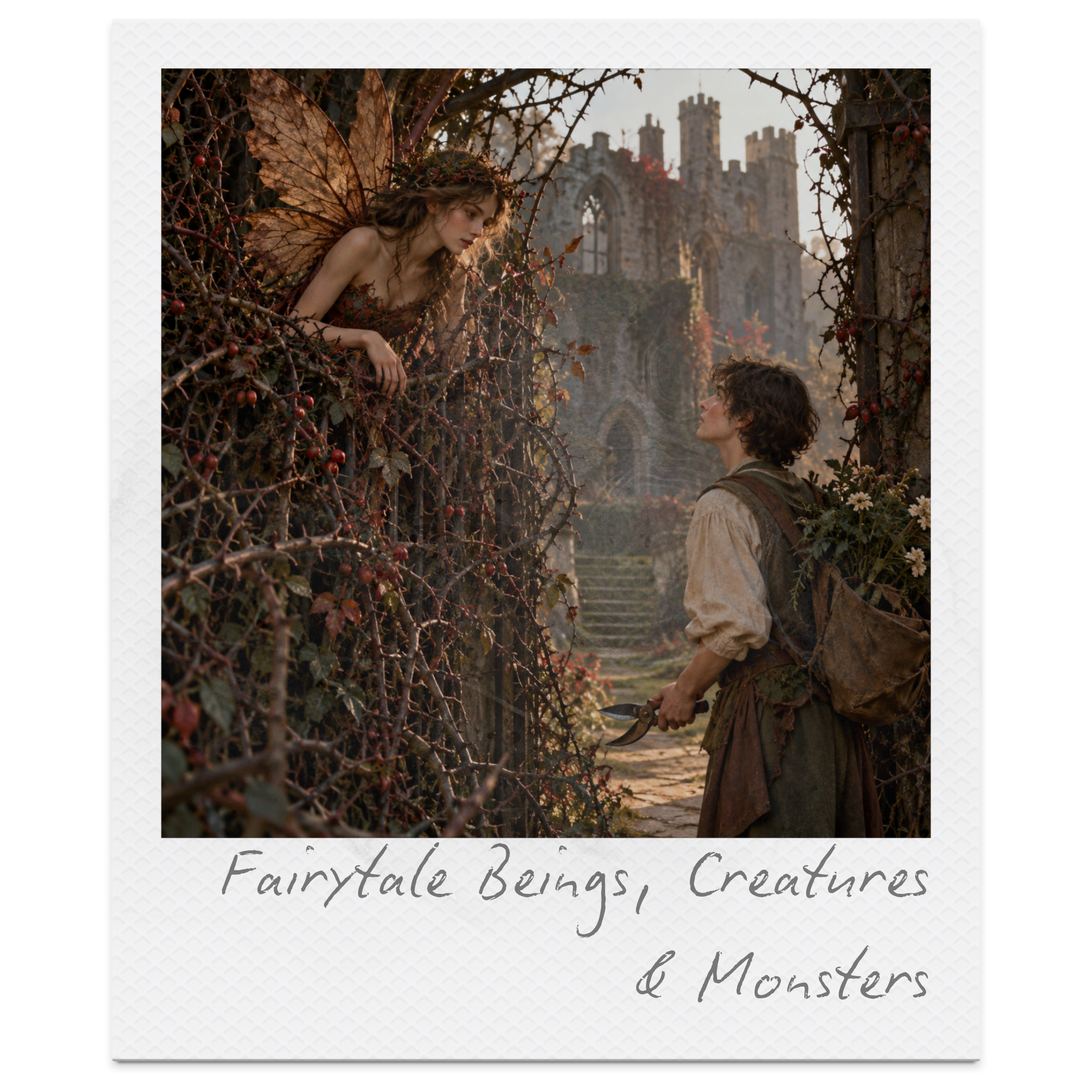
Explore our Fairytale Creatures & Monsters for inspiration creating extraordinary beings, supernatural inhabitants and magical creatures with distinctive abilities.
28. Are there magical teachers, apprenticeships, secret societies or schools of enchantment?
Consider how magical knowledge is preserved and passed between generations. Perhaps village witches train their successors through traditional apprenticeships, royal sorcerers study within enormous palace libraries, or travelling enchantresses accept a single pupil every hundred years. A secret society might protect dangerous spells from falling into the wrong hands, while an ancient magical academy could admit only students who successfully complete an impossible task. Think about what apprentices must learn, how their abilities are tested and whether magical education involves practical spells, ancient languages, supernatural history or lessons in dealing with mysterious beings. Could a student discover that their teacher has deliberately concealed the most important secret of all?
29. How are people with magical abilities treated by ordinary society?
The presence of magic can create admiration, suspicion, inequality or fear within a fairytale community. Perhaps witches are respected as healers and advisers in one kingdom but hunted as dangerous criminals in another. A village might celebrate the birth of a magical child, while a neighbouring settlement considers the same event a terrible omen. Powerful enchantresses could occupy prestigious positions at royal courts, whereas ordinary people with minor supernatural gifts are expected to conceal their abilities. Consider whether magical practitioners enjoy special privileges, face restrictions or live separately from the rest of society. How might these attitudes change following a disastrous spell, a royal decree or an act of extraordinary kindness?
30. Can someone lose, surrender, steal or transfer their magical abilities?
Imagine a world where supernatural power is not necessarily permanent. Perhaps a witch can surrender her abilities to save someone she loves, an ancient fairy can steal a person's magical gift by discovering their true name, or a dying sorcerer must pass his powers to a chosen successor before midnight. A magical ability might disappear when its owner breaks a promise, loses faith in themselves or crosses the boundary into a forbidden kingdom. Consider whether lost powers can be restored, whether stolen magic behaves differently in unfamiliar hands and what happens when someone who has relied upon enchantment all their life must suddenly survive without it. The transfer of a single magical gift could become the foundation of an extraordinary fairytale adventure.
4. Magical Rules & Limitations
The most memorable fairytale magic often comes with rules that cannot be ignored. A magnificent enchantment might last only until midnight, a forbidden spell could require the sacrifice of something precious, or a powerful fairy might be unable to break a promise made centuries ago. These limitations give supernatural abilities their distinctive character, transforming seemingly simple wishes, spells and magical gifts into sources of tension, mystery and unexpected consequences. Unlike the carefully explained systems found in some fantasy novels, fairytale magic can follow strange, symbolic or seemingly arbitrary laws that characters must discover through experience. These ten fairytale magic worldbuilding questions will help you establish the boundaries of enchantment, explore the conditions governing supernatural powers and create magical rules that generate compelling stories.
31. What are the fundamental rules that all magic must obey in your fairytale world?
Consider whether every supernatural ability is governed by a small collection of ancient, unbreakable laws. Perhaps magic cannot create true love, restore someone who has willingly entered the realm of the dead or alter a promise spoken beneath the full moon. An enchantment might require something to be exchanged rather than created, meaning that every transformation takes an equivalent quality from somewhere else. Alternatively, different magical traditions could follow separate rules, with woodland enchantments behaving differently from royal spells or fairy bargains. Think about who established these laws, whether anyone understands their origins and what happens when a character discovers an apparent exception.
32. Does every spell require a particular ingredient, object, gesture or spoken phrase?
Imagine a world where magic depends upon precise actions and carefully chosen materials. Perhaps a transformation spell requires a silver needle, seven drops of morning dew and a word spoken backwards, while a protective charm can only be completed by tying three knots in a length of red thread. Some enchantments might require elaborate rituals, whereas others depend upon an ordinary gesture performed with extraordinary intention. Consider whether ingredients possess magical properties of their own or simply help practitioners direct supernatural power. What happens when an ingredient is substituted, a word is mispronounced or an ancient spell is performed by someone who does not understand its purpose?
33. Are there certain things that magic can never accomplish?
Even the most powerful fairytale enchantments might possess absolute limitations. Perhaps no spell can bring back the dead, change a person's true nature or create something that has never existed before. A fairy queen might command the seasons but remain unable to prevent her own ageing, while an immortal sorcerer can transform entire kingdoms yet cannot undo a single decision made in anger. Consider whether these restrictions are universally understood or discovered only when someone attempts the impossible. What lengths might a desperate character go to when confronted with a magical law that prevents them from achieving their deepest desire?
34. Does using magic require a sacrifice, payment or exchange?
In your fairytale world, supernatural power might never be entirely free. Perhaps a witch must surrender a treasured memory whenever she casts a powerful spell, a fairy demands a promise in exchange for granting a wish, or an enchanted mirror reveals the future only when someone gives up a secret. The required payment might be material, emotional or symbolic, ranging from a lock of hair to a person's voice, shadow or remaining years of life. Consider whether the cost is always known beforehand, whether different spells demand different sacrifices and what happens when someone attempts to escape payment. Could a seemingly insignificant exchange prove more devastating than the character initially imagined?
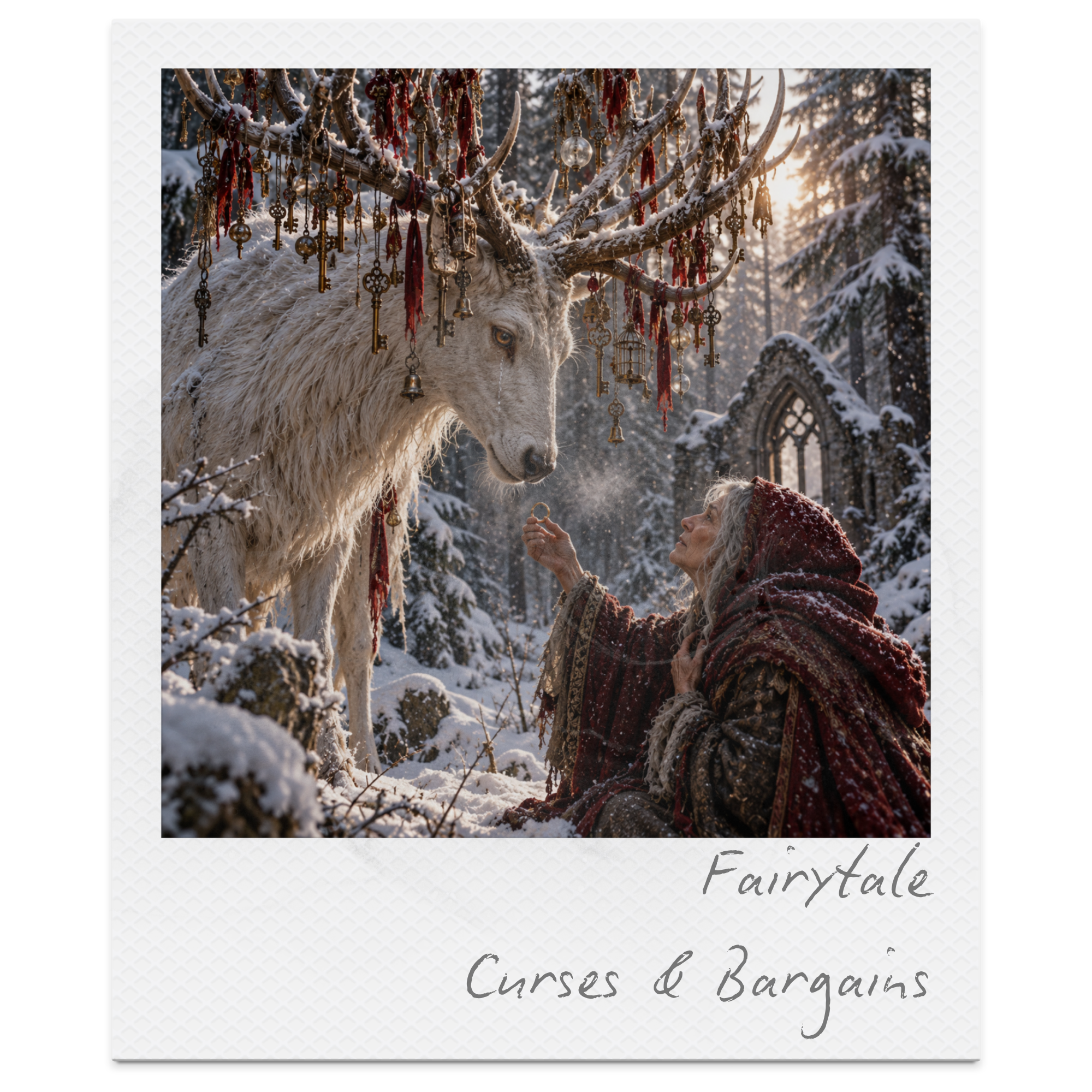
Explore our Fairytale Curses & Bargains writing prompts for inspiration creating dangerous magical agreements, hidden conditions, impossible sacrifices and enchantments with unexpected consequences.
35. Do magical spells have time limits, deadlines or conditions that cause them to expire?
Time can become one of the most powerful restrictions in a fairytale magic system. Perhaps an enchanted disguise disappears at the twelfth stroke of midnight, a sleeping curse lasts until the first snowfall of spring, or a magical doorway opens for only seven minutes every hundred years. Some enchantments might remain active until a particular promise is fulfilled, an object is destroyed or a seemingly impossible event occurs. Consider whether characters can extend these deadlines, whether magical time behaves differently from ordinary time and what happens when a spell expires at the worst possible moment. A single approaching deadline could transform an ordinary magical adventure into a desperate race against time.
36. Are there places where magic becomes weaker, stronger or completely powerless?
Consider whether supernatural abilities are affected by physical boundaries. Perhaps witches cannot cast spells inside a church bell's shadow, fairies lose their powers when crossing running water, or enchantments disappear within the walls of a particular castle. An ancient kingdom might be surrounded by protective stones that prevent outsiders from using magic, while a forgotten woodland clearing could amplify even the weakest spell. Think about why these restrictions exist and whether they apply equally to every magical practitioner. Could a powerful sorceress become helpless upon entering an ordinary village, or might a seemingly powerless character discover extraordinary abilities in a place where magic behaves differently?
37. Can magical rules be broken, bent or exploited through clever interpretation?
Fairytale characters frequently succeed not by possessing greater power but by understanding the precise wording of supernatural conditions. Perhaps an enchantment states that a princess cannot leave her tower until she receives a gift from someone who has never seen the sun, allowing an ingenious servant to discover an unexpected solution. A magical bargain might forbid a character from speaking a particular name without preventing them from writing it, while a curse could be broken through an action its creator never anticipated. Consider whether magical laws respond to literal wording, underlying intention or the interpretation of the supernatural being enforcing them. How might clever characters use these distinctions to overcome apparently impossible obstacles?
38. What happens when two magical rules contradict one another?
Imagine the consequences of enchantments that demand incompatible outcomes. Perhaps a fairy has sworn never to harm a royal child, yet an ancient curse requires that the same child fall into an enchanted sleep. A magical sword might be destined to protect its owner while another spell commands it to destroy anyone who enters a forbidden forest. Consider whether one rule takes precedence, whether the enchantments cancel each other out or whether their conflict creates an entirely new supernatural effect. Such contradictions could expose weaknesses in an established magical system, produce unexpected transformations or reveal that the world's most ancient magical laws are not as reliable as everyone believes.
39. Are magical promises, oaths and spoken words automatically binding?
In some fairytale worlds, words possess extraordinary power, particularly when spoken under unusual circumstances. Perhaps any promise made beside an enchanted well becomes impossible to break, a vow exchanged beneath an ancient oak binds two people for life, or a person's true name allows a supernatural being to command them. An ordinary conversation might become dangerous if certain phrases carry magical significance, while a careless promise could awaken an enchantment that has remained dormant for centuries. Consider whether magical oaths require witnesses, whether they can be made accidentally and what consequences follow when someone attempts to break their word. Could silence, deception or carefully chosen language offer protection against such powers?
Check out our Fairytale Crime & Punishment writing prompts for inspiration exploring magical laws, broken promises, strange trials and the consequences of violating the rules of an enchanted kingdom.
40. What is the one magical rule that everyone knows must never be broken?
Every fairytale world can benefit from a mysterious prohibition that generations of characters have learned to respect. Perhaps nobody may enter the royal orchard after sunset, speak to their reflection on the longest night of the year or accept a third gift from a stranger dressed in green. The rule might originate from a forgotten tragedy, an ancient agreement with supernatural beings or a warning whose original meaning has been lost. Consider how the prohibition is taught, whether anyone still understands its purpose and what stories are told about those who disobeyed it. Most importantly, imagine what happens when a curious, desperate or unusually brave character decides to break the rule and discovers why it existed in the first place.
5. Spells, Enchantments & Transformations
Spells and enchantments are among the most recognisable elements of fairytale magic, capable of turning pumpkins into carriages, placing entire kingdoms into enchanted sleep or transforming ordinary people into extraordinary creatures. Yet the most memorable spells often possess an unexpected complication: a transformation that cannot be reversed, an enchantment that conceals a dangerous secret or a seemingly harmless charm that changes someone's destiny. When creating spells for your fairytale world, consider how they are performed, what makes them distinctive and how their effects influence characters long after the magic has been cast. These ten fairytale magic worldbuilding questions will help you develop imaginative enchantments, unusual magical rituals and transformations that create opportunities for wonder, conflict and unforgettable storytelling.
41. How are magical spells performed in your fairytale world?
Consider the different methods characters use to create supernatural effects. Perhaps witches whisper ancient rhymes over bubbling cauldrons, fairy godmothers trace invisible symbols through the air, or royal enchantresses weave spells into elaborate tapestries. Some magic might require spoken incantations, carefully arranged objects or ritual movements, while other enchantments respond to music, dancing, storytelling or silent concentration. A village healer could perform magic through ordinary domestic tasks, such as kneading bread or stitching clothing, without anyone recognising the supernatural forces involved. Think about whether different magical traditions require different techniques and how the method of casting a spell reflects the culture, personality or intentions of its practitioner.
42. Are spells written down, memorised or passed between generations through oral traditions?
Magical knowledge might be preserved in ancient spellbooks, secret family manuscripts or songs remembered by generations of witches. Perhaps a powerful enchantment exists only as a nursery rhyme whose true meaning has been forgotten, while another spell is embroidered into a royal wedding gown and passed from mother to daughter. A village might preserve protective magic through traditional dances performed at harvest festivals, or a travelling storyteller could unknowingly carry the last surviving words of an extraordinary spell. Consider whether magical knowledge can be lost, deliberately concealed or misunderstood over time. What happens when a character discovers that a familiar childhood story contains instructions for an enchantment nobody has performed in centuries?
43. Can spells be cast accidentally through wishes, emotions or careless words?
Imagine a fairytale world where magic does not always require deliberate action. Perhaps a furious princess transforms her reflection into a living rival, a lonely child accidentally brings a wooden toy to life, or a jealous sister speaks a curse without realising that her words possess supernatural power. Strong emotions might awaken dormant abilities, while particular phrases could trigger enchantments when spoken in the wrong place. Consider whether accidental spells are weaker, stronger or more unpredictable than carefully prepared magic. Could an ordinary character spend years searching for the source of an enchantment they unknowingly created themselves?
44. What kinds of transformation spells exist, and what makes them distinctive?
Explore the extraordinary possibilities of magical transformation beyond familiar changes of appearance. Perhaps a witch can turn a person's shadow into a separate creature, an enchanted river transforms anyone who crosses it into their greatest fear, or a mysterious fairy gives travellers the ability to become whatever animal they most resemble in spirit. Some spells might transform living creatures into objects, while others change age, size, voice or identity. Consider whether transformations preserve memories and personalities or gradually alter the character's understanding of themselves. A prince transformed into a raven might begin to prefer the freedom of flight, while a girl turned into a rose could discover that the garden contains secrets invisible to human eyes.
45. Can enchantments place people, creatures or entire places into magical sleep?
Sleeping enchantments offer possibilities that extend far beyond a single princess awaiting rescue. Perhaps an entire village falls asleep whenever its church bells ring, a giant beneath the mountains must remain dreaming to prevent an ancient disaster, or a royal court has been frozen in enchanted slumber for three hundred years. Consider whether sleeping characters dream, age or remain aware of the world around them. Does time continue normally beyond the enchantment, or does the sleeping kingdom exist outside ordinary history? Think about what conditions might awaken those affected and whether breaking the spell could release something more dangerous than the original enchantment.
46. Can spells disguise appearances, conceal identities or create convincing illusions?
In your fairytale world, magical appearances might be impossible to distinguish from reality. Perhaps a wicked queen disguises herself as a kindly traveller, an enchanted castle appears to outsiders as a ruined cottage, or a mysterious prince conceals his true form beneath the appearance of a beggar. Illusions could alter what people see, hear or remember, creating opportunities for deception, protection and extraordinary misunderstandings. Consider whether magical disguises can fool supernatural creatures as easily as ordinary humans, and whether particular objects or abilities reveal the truth. Could an entire kingdom be living beneath an illusion so ancient that nobody remembers what the world originally looked like?
Explore our Fairytale Story Ideas for inspiration developing enchanted identities, magical disguises, mysterious transformations and unexpected fairytale adventures.
47. Can enchantments be woven into clothing, jewellery, buildings or ordinary possessions?
Some of the most intriguing fairytale spells are hidden inside objects that appear completely ordinary. Perhaps a seamstress stitches protective enchantments into children's coats, a royal jeweller creates rings that reveal dishonesty, or an elderly carpenter builds doors that open onto places their owners most desire to visit. An enchanted gown might change colour according to its wearer's emotions, while a palace staircase could rearrange itself whenever someone tells a lie. Consider whether these enchantments remain active indefinitely, require regular renewal or depend upon the actions of the person using them. What happens when a magical object is inherited by someone who has no idea what it can do?
Check out our Magical Objects for Fairytales for more inspiration creating enchanted jewellery, mysterious keys, magical books, cursed treasures and extraordinary everyday objects.
48. Can spells be reversed, transferred or broken by someone other than the original caster?
Consider whether every enchantment possesses a possible solution, even when its creator insists otherwise. Perhaps a transformation can be reversed only by someone who genuinely recognises the person beneath the spell, while a sleeping curse requires the destruction of an object hidden in a distant kingdom. An ancient enchantment might transfer from one person to another through an act of sacrifice, or a clever character could discover that its conditions contain an overlooked exception. Think about whether breaking spells requires greater magical power, specialised knowledge or qualities such as courage, compassion and ingenuity. Could removing one enchantment accidentally awaken several others that depended upon it?
49. Do magical spells leave permanent traces after their effects have disappeared?
Even temporary enchantments might change the world in lasting ways. Perhaps a forest transformed into a magnificent palace retains fragments of marble among its roots, or someone who spent seven years as a swan can never entirely forget the language of birds. A broken curse might leave silver marks upon its former victim, while an enchanted village continues to experience strange dreams long after the spell has ended. Consider whether these traces are physical, emotional or supernatural. Could experienced witches recognise the remnants of ancient magic, or might ordinary people mistake them for natural phenomena? Such details can give your fairytale world a sense of magical history and suggest that enchantments have consequences beyond their immediate purpose.
50. What is the most famous or feared enchantment in your fairytale world's history?
Imagine a legendary spell whose consequences have shaped entire generations. Perhaps a powerful sorceress once transformed a royal army into a forest of blackthorn trees, an ancient king enchanted the moon to remain motionless for seven nights, or a forgotten fairy placed a curse upon every firstborn child in a particular kingdom. The enchantment might have been broken centuries ago, remain active in a distant place or survive only through contradictory legends. Consider who originally cast the spell, what motivated them and how its consequences influenced the world's history. Could a character discover that the famous enchantment was misunderstood, that its creator was attempting to prevent something worse or that the spell is beginning to awaken once again?
Explore our Fairytale Curses & Bargains writing prompts for inspiration creating ancient curses, dangerous enchantments, hidden conditions and supernatural consequences that shape entire kingdoms.
6. Magical Objects & Ingredients
Some of the most extraordinary magic in fairytales is hidden inside the most ordinary things. A tarnished key might unlock a kingdom that disappeared centuries ago, a golden apple could grant immortality, or a seemingly worthless spinning wheel might possess the power to change someone's destiny. Magical objects and ingredients give enchantment a tangible presence within your fictional world, allowing characters to discover, inherit, steal, trade and sometimes accidentally awaken supernatural powers. From ancient royal treasures and mysterious spellbooks to enchanted herbs, impossible materials and everyday possessions transformed by magic, these ten fairytale magic worldbuilding questions will help you create memorable artefacts, explore their origins and establish the role magical objects play in your enchanted world.
51. What are the most common magical objects found throughout your fairytale world?
Consider which enchanted possessions ordinary people might recognise or occasionally encounter. Perhaps village households keep protective charms above their doors, travelling merchants sell candles that never burn out, and elderly women preserve magical needles capable of mending anything that has been broken. Some objects might possess simple, practical enchantments, while others are treasured because their abilities are exceptionally rare. A magical mirror could be a familiar household luxury in one kingdom but an object of extraordinary power in another. Think about how these items are created, whether their magic eventually fades and how their availability influences everyday life. Are enchanted objects valuable commodities, treasured family heirlooms or ordinary possessions that people barely consider remarkable?
52. What is the most powerful or legendary magical artefact in your fairytale world's history?
Imagine an extraordinary object whose existence has inspired centuries of legends, quests and conflict. Perhaps an ancient crown allows its wearer to command the loyalty of every enchanted creature, a silver spindle can unravel the threads of destiny, or a forgotten book contains the true names of every magical being ever born. The artefact might have disappeared during a great war, been divided into several pieces or remain hidden somewhere nobody would think to search. Consider who originally created it, why it possesses such remarkable abilities and what prevents someone from using it freely. Could the object's reputation be exaggerated, or might its true power be far more dangerous than the stories suggest?
53. How are magical objects created, enchanted or brought into existence?
Explore the different ways ordinary materials become extraordinary possessions. Perhaps a witch must forge a magical ring beneath a particular constellation, an enchanted mirror can only be made from silver collected during a lunar eclipse, or a fairy godmother transforms everyday objects through a simple gesture. Some artefacts might emerge naturally from supernatural places, such as pearls formed inside the shells of ancient sea creatures or stones discovered beneath the roots of enchanted trees. Others could acquire magical properties after witnessing extraordinary events. Consider whether creating enchanted objects requires specialised knowledge, rare ingredients or personal sacrifice. Can anyone learn the craft, or are the greatest magical treasures impossible to reproduce?
Explore our Magical Objects for Fairytales for inspiration creating enchanted crowns, mysterious keys, magical mirrors, powerful relics and extraordinary treasures with stories of their own.
54. What unusual plants, flowers, herbs or natural ingredients possess magical properties?
Your fairytale world might contain extraordinary ingredients hidden within familiar landscapes. Perhaps moonflowers bloom only when someone nearby is telling the truth, golden mushrooms allow travellers to understand the language of animals, or a particular variety of rose produces petals capable of revealing forgotten memories. An ancient forest might contain trees whose sap preserves youth, while flowers growing beside a cursed castle could be essential ingredients in transformation spells. Consider whether these plants can be cultivated, whether their powers change with the seasons and what dangers accompany their collection. Could a rare magical herb become so valuable that kingdoms compete to control the only place where it grows?
55. Can magical ingredients come from supernatural creatures or otherworldly beings?
Consider whether certain enchantments depend upon materials associated with fairies, dragons, mermaids or other magical inhabitants. Perhaps a dragon's discarded scale can protect someone from fire, a mermaid's tears reveal hidden truths, or feathers voluntarily given by an enchanted swan allow their owner to travel between worlds. Some ingredients might be harmlessly collected, while others can only be obtained through dangerous bargains or acts of cruelty. Think about whether supernatural creatures willingly share these materials, whether the ingredients retain a connection to their original owners and how their use affects relationships between humans and magical beings. Could an apparently ordinary potion contain something that its creator had no right to take?
Check out our Fairytale Creatures & Monsters for inspiration developing dragons, enchanted animals, mythical beings and other supernatural inhabitants whose abilities shape the magic of your world.
56. Do magical objects choose their owners, or can anyone use them?
Imagine an enchanted sword that refuses to be drawn by anyone who has broken a promise, a golden crown that becomes unbearably heavy upon the head of an unworthy ruler, or a magical key that opens doors only for those who have nowhere else to go. Some objects might respond to particular bloodlines, personal qualities or hidden destinies, while others possess an awareness that allows them to accept or reject potential owners. Consider whether a chosen owner can surrender an artefact, whether the object can change its allegiance and what happens when someone attempts to use it against its wishes. Could an apparently powerless character discover that a legendary treasure has been waiting specifically for them?
57. Can magical objects become damaged, corrupted, exhausted or lose their enchantments?
Even extraordinary artefacts might possess weaknesses. Perhaps an enchanted mirror gradually loses its ability to reveal the truth, a protective amulet cracks each time it prevents a disaster, or a magical lantern grows dim whenever its owner breaks a promise. An ancient treasure could become corrupted after centuries of misuse, transforming a once-beneficial enchantment into something dangerous. Consider whether magical objects can be repaired, whether restoring their powers requires rare ingredients and what happens when an artefact fails at a crucial moment. A kingdom dependent upon a single enchanted object might face catastrophe when its magic begins to disappear.
58. Are magical objects bought, sold, inherited, stolen or exchanged through unusual bargains?
Think about how enchanted possessions move between people and communities. Perhaps travelling merchants sell minor magical curiosities at village fairs, wealthy collectors compete for ancient relics, and royal families preserve powerful artefacts as symbols of their authority. A mysterious market might appear once every seven years, allowing visitors to purchase extraordinary objects using memories, promises or years of their lives instead of money. Some treasures could be passed down through generations, while others must be won through impossible challenges. Consider whether magical objects have recognised monetary values, whether their sale is regulated and what happens when an unsuspecting character acquires something far more powerful than they realise.
59. Are there magical objects that appear ordinary until a particular condition is fulfilled?
Some of the most memorable fairytale treasures might conceal their powers beneath unremarkable appearances. Perhaps a cracked teacup grants wishes only when filled with rainwater collected on the first day of spring, a wooden comb reveals hidden doorways when used beneath moonlight, or a pair of worn boots allows their owner to travel impossible distances after an act of kindness. An enchanted object might remain dormant until its rightful owner appears, a forgotten phrase is spoken or an ancient prophecy begins to unfold. Consider whether the activation conditions are known, hidden within riddles or discovered entirely by accident. Could generations of people have used an extraordinary magical object without ever recognising its true purpose?
60. What magical object or ingredient could become the centre of an unforgettable fairytale quest?
Imagine a rare artefact or supernatural material that several characters desperately need for different reasons. Perhaps the last golden feather of a legendary bird can awaken a sleeping kingdom, a stolen pearl contains the final breath of an ancient sea queen, or a mysterious silver seed can restore magic to a dying forest. One character might seek the object to save someone they love, while another intends to use it to claim a throne or undo a centuries-old curse. Consider where the object is hidden, who protects it and what sacrifices are required to obtain it. Most importantly, think about whether possessing the treasure will actually solve the characters' problems or reveal an entirely unexpected complication.
Explore our Fairytale Story Sparks for inspiration combining enchanted objects, mysterious discoveries, impossible quests and unexpected plot twists into original fairytale adventures.
7. Magic in Everyday Life
Not every fairytale enchantment needs to involve a wicked witch, a sleeping princess or a kingdom threatened by an ancient curse. Sometimes, the most memorable magic is found in the smallest details of ordinary life: bread that rises when someone sings, a cottage that tidies itself, or a village well that offers advice to anyone willing to listen. Exploring how supernatural forces influence everyday routines can make your fairytale world feel richer, more believable and wonderfully distinctive. From magical occupations and enchanted marketplaces to seasonal celebrations, household traditions and the relationship between wealth and supernatural power, these ten fairytale magic worldbuilding questions will help you imagine what it actually means to live in a world where enchantment is part of daily existence.
61. How do ordinary people use magic in their homes and daily routines?
Imagine the small enchantments that might make everyday life easier, stranger or more unpredictable. Perhaps kitchen fires light themselves when someone begins preparing supper, enchanted brooms sweep cottage floors, or a family's oldest teapot always produces enough tea for one unexpected guest. A grandmother might use a charm to keep moths away from her woollen blankets, while village children leave bowls of milk beside the hearth for household spirits that mend broken objects overnight. Consider whether these domestic enchantments are common conveniences or treasured luxuries. What happens when a household spell stops working, develops a personality of its own or begins performing tasks nobody requested?
62. What magical occupations, trades and professions exist in your fairytale world?
Consider how supernatural abilities might influence the kinds of work people perform. Perhaps enchanted seamstresses create dresses that change with the seasons, magical blacksmiths forge horseshoes that protect travellers from dangerous creatures, or professional curse-breakers travel between villages removing troublesome enchantments. A royal court might employ dream interpreters, spell historians and specialists who maintain protective wards around the palace. Ordinary trades could also acquire magical complications: a baker whose pastries inspire prophetic dreams, a gardener responsible for cultivating singing roses, or a locksmith who repairs doors leading to impossible places. Think about which occupations are respected, which are poorly paid and whether magical workers compete with ordinary craftspeople.
Explore our Fairytale Jobs & Occupations for inspiration creating traditional trades, unusual magical careers, enchanted workplaces and memorable characters whose professions shape their stories.
63. How does magic influence farming, gardening and the production of food?
In an enchanted kingdom, agriculture might depend upon far more than sunshine, rainfall and fertile soil. Perhaps farmers plant silver seeds beneath the full moon, orchards produce fruit that changes flavour according to the eater's mood, or village gardeners negotiate with woodland spirits to protect their crops. Certain fields might yield enormous harvests after a blessing, while others remain barren because of an ancient curse. Consider whether magical agriculture eliminates hunger or creates new inequalities between communities. Could a kingdom become dependent upon a single enchanted harvest, or might a humble farmer discover that their ordinary crops possess powers nobody else understands?
64. Are there magical markets, travelling merchants or unusual forms of supernatural trade?
Imagine marketplaces where enchanted goods are bought and sold alongside ordinary bread, cloth and vegetables. Perhaps a travelling merchant arrives every spring with bottled moonlight, self-mending shoes and maps that reveal roads only when their owners become lost. A secret market might open beneath the roots of an ancient tree, where fairies exchange forgotten memories, impossible promises and objects that have not yet been invented. Consider who controls these markets, what forms of payment are accepted and whether magical goods are subject to laws or restrictions. Could an ordinary villager accidentally purchase an object intended for someone far more powerful, or discover that a seemingly generous bargain carries an extraordinary hidden price?
65. How does magic influence travel, transport and communication?
Consider whether enchantment allows characters to move through their world in unusual ways. Perhaps travelling cloaks carry their wearers across enormous distances, enchanted bridges appear only for those with honest intentions, or certain woodland paths shorten journeys when travellers leave appropriate offerings. Messages might be delivered by talking birds, whispered into seashells or written upon leaves that find their intended recipients. A royal messenger could travel between distant kingdoms using a pair of magical boots, while ordinary villagers depend upon traditional roads and horses. Think about whether supernatural travel is reliable, expensive or dangerous, and how its existence influences trade, exploration and relationships between distant communities.
66. What role does magic play in celebrations, festivals, weddings and other important traditions?
Fairytale communities might incorporate enchantment into their most meaningful ceremonies. Perhaps every royal wedding concludes with a blessing from seven magical beings, village harvest festivals include dances that encourage the following year's crops, or newborn children receive protective charms beneath the first full moon after their birth. An enchanted kingdom might celebrate the anniversary of a great spell, while a remote settlement holds an annual feast to honour the mysterious creature that protects its inhabitants. Consider whether these traditions are joyful, solemn or tinged with superstition. What happens when an important ritual is interrupted, a supernatural guest is deliberately excluded or a forgotten ceremonial rule is broken?
Check out our Fairytale Balls writing prompts for inspiration creating enchanted celebrations, mysterious guests, royal festivities and magical events where extraordinary things can happen.
67. How does access to magic influence wealth, poverty and social class?
Consider whether supernatural abilities make life easier for everyone or primarily benefit those who can afford them. Perhaps wealthy families employ household enchantresses, purchase expensive protective charms and commission magical clothing, while poorer villagers rely upon traditional remedies and occasional assistance from local witches. A royal family might control the only source of powerful healing magic, or an enchanted marketplace could charge extraordinary prices for spells that would transform ordinary lives. Alternatively, magic might offer opportunities for social mobility, allowing a talented village child to become more influential than a noble born into privilege. Think about whether access to enchantment reinforces existing inequalities or challenges the established social order.
68. How do ordinary people protect themselves from unwanted magic?
Even in a relatively peaceful fairytale world, supernatural forces might require caution. Perhaps villagers hang iron keys above their doors to discourage troublesome fairies, scatter salt across thresholds to prevent wandering spirits from entering, or wear red ribbons when travelling through enchanted forests. Parents might teach children never to accept food from strangers after sunset, while farmers place protective symbols around their fields to keep mischievous creatures away from the harvest. Consider whether these precautions genuinely work or survive mainly through superstition and tradition. Could a protective custom become so familiar that nobody remembers the danger it was originally intended to prevent?
Explore our Folklore Story Sparks for inspiration developing supernatural warnings, local superstitions, mysterious rituals and unusual customs passed down through generations.
69. How does magic influence medicine, healing and the treatment of illness?
Imagine a fairytale world where magical remedies exist alongside ordinary medical knowledge. Perhaps village healers prepare potions from enchanted herbs, fairy godmothers can remove certain illnesses with a blessing, or a sacred spring possesses the power to restore strength to anyone who drinks from it. However, supernatural healing might come with limitations or unexpected consequences. A potion could cure a fever but temporarily erase someone's memories, while a powerful spell might transfer an illness from one person to another rather than removing it entirely. Consider who has access to magical treatment, whether healers are trusted and what happens when an illness cannot be cured through ordinary or supernatural means.
70. What ordinary aspect of daily life becomes extraordinary because magic exists?
Think about a familiar activity that could acquire an entirely different meaning within your enchanted world. Perhaps washing clothes becomes a dangerous task because the village river occasionally returns garments belonging to people who have not yet been born. A baker might discover that the shape of tomorrow's bread predicts important events, or a town's clocks could run backwards whenever someone nearby tells a particularly convincing lie. An ordinary post office might deliver letters to forgotten kingdoms, while a village school teaches children how to recognise enchanted strangers before they learn to read. Consider how one imaginative magical detail could transform the atmosphere of an entire community, inspire unusual traditions or become the starting point for an unforgettable fairytale story.
8. Magical Creatures & Otherworldly Beings
Fairytale magic does not belong exclusively to witches, wizards and enchanted objects. Some of the most extraordinary supernatural powers are possessed by the mysterious creatures that inhabit forests, mountains, rivers, oceans and hidden kingdoms beyond the mortal world. From ancient fairy queens and mischievous woodland spirits to powerful dragons, mysterious mermaids and animals capable of granting impossible wishes, magical beings can shape the very foundations of an enchanted world. Their abilities may be instinctive rather than learned, governed by ancient customs or connected to places that ordinary humans cannot enter. These ten fairytale magic worldbuilding questions will help you explore the supernatural creatures that inhabit your fictional world, their relationships with magic and the extraordinary ways their existence influences human lives.
71. Which magical creatures and supernatural beings inhabit your fairytale world?
Consider the extraordinary inhabitants of your enchanted landscapes. Perhaps ancient fairies govern the deepest forests, mermaids inhabit magnificent underwater kingdoms, and giants sleep beneath mountains that ordinary travellers mistake for natural formations. Your world might contain familiar creatures such as dragons, trolls and talking animals alongside entirely original beings with unusual powers and mysterious origins. Think about whether these creatures live openly among humans or remain hidden within enchanted territories. Are certain species common enough to appear in village folklore, while others are so rare that even experienced witches doubt their existence? Consider how the presence of different magical beings influences the atmosphere, history and supernatural traditions of your world.
Explore our Fairytale Creatures & Monsters for inspiration developing dragons, giants, trolls, fairies, enchanted animals and extraordinary supernatural inhabitants.
72. Do magical creatures possess powers that are fundamentally different from human magic?
Imagine supernatural beings whose abilities cannot be reproduced through spells, potions or magical study. Perhaps woodland fairies can alter the passage of time simply by dancing, mermaids hear conversations carried through distant oceans, or ancient giants possess the ability to remember events that occurred before the world was formed. A dragon might breathe fire that reveals hidden truths rather than destroying objects, while a mysterious river spirit can remove someone's reflection and preserve it beneath the water. Consider whether these powers arise naturally from each creature's existence or depend upon their connection to particular environments. Could human practitioners attempt to imitate these abilities, and what consequences might follow?
73. Are magical creatures connected to particular landscapes, seasons or natural forces?
Consider whether supernatural beings draw their powers from the places they inhabit. Perhaps forest spirits become stronger as ancient trees grow, water fairies can travel only along connected rivers, and mountain giants lose their strength when they descend into the lowlands. Winter fae might possess extraordinary powers during the coldest months but become almost powerless beneath the summer sun. A mermaid could be unable to leave the sea without surrendering her voice, while an enchanted woodland creature might gradually turn to stone if separated from its forest. Think about whether these connections are sources of strength, limitations or essential parts of each creature's identity.
Check out our Water Fairies writing prompts for inspiration creating supernatural beings connected to sacred springs, enchanted rivers, hidden lakes and mysterious underwater realms.
74. Do fairies and other supernatural beings follow their own magical laws and traditions?
The inhabitants of an otherworldly kingdom might obey rules that appear strange or unreasonable to mortals. Perhaps fairies cannot tell direct lies but delight in misleading travellers through carefully chosen words, or an ancient fae court considers accepting a gift equivalent to entering a lifelong agreement. A supernatural ruler might be forbidden from entering a human home without an invitation, while certain creatures are bound to honour promises made beneath particular trees. Consider whether these laws are enforced by magical power, social custom or ancient agreements. What happens when a human accidentally violates a rule they did not know existed, or when a supernatural being discovers a way to exploit its own traditions?
Explore our Seelies and Unseelies writing prompts for inspiration developing enchanted fae courts, immortal rulers, dangerous bargains and supernatural societies governed by ancient customs.
75. Can magical creatures grant wishes, bestow gifts or place enchantments upon humans?
Imagine the extraordinary consequences of receiving a supernatural gift. Perhaps a grateful fairy grants a young shepherd the ability to understand birds, a mysterious golden fish offers three wishes to anyone who releases it, or an ancient woodland guardian rewards an act of kindness with a blessing that passes through generations. Not every gift needs to be entirely beneficial. A fairy might bestow extraordinary beauty upon a child without considering the jealousy it will inspire, while a dragon could grant immortality to someone who desperately wishes to grow old alongside their family. Consider why magical beings offer gifts, whether their powers have limitations and how the recipient's interpretation of the gift might differ from the giver's intentions.
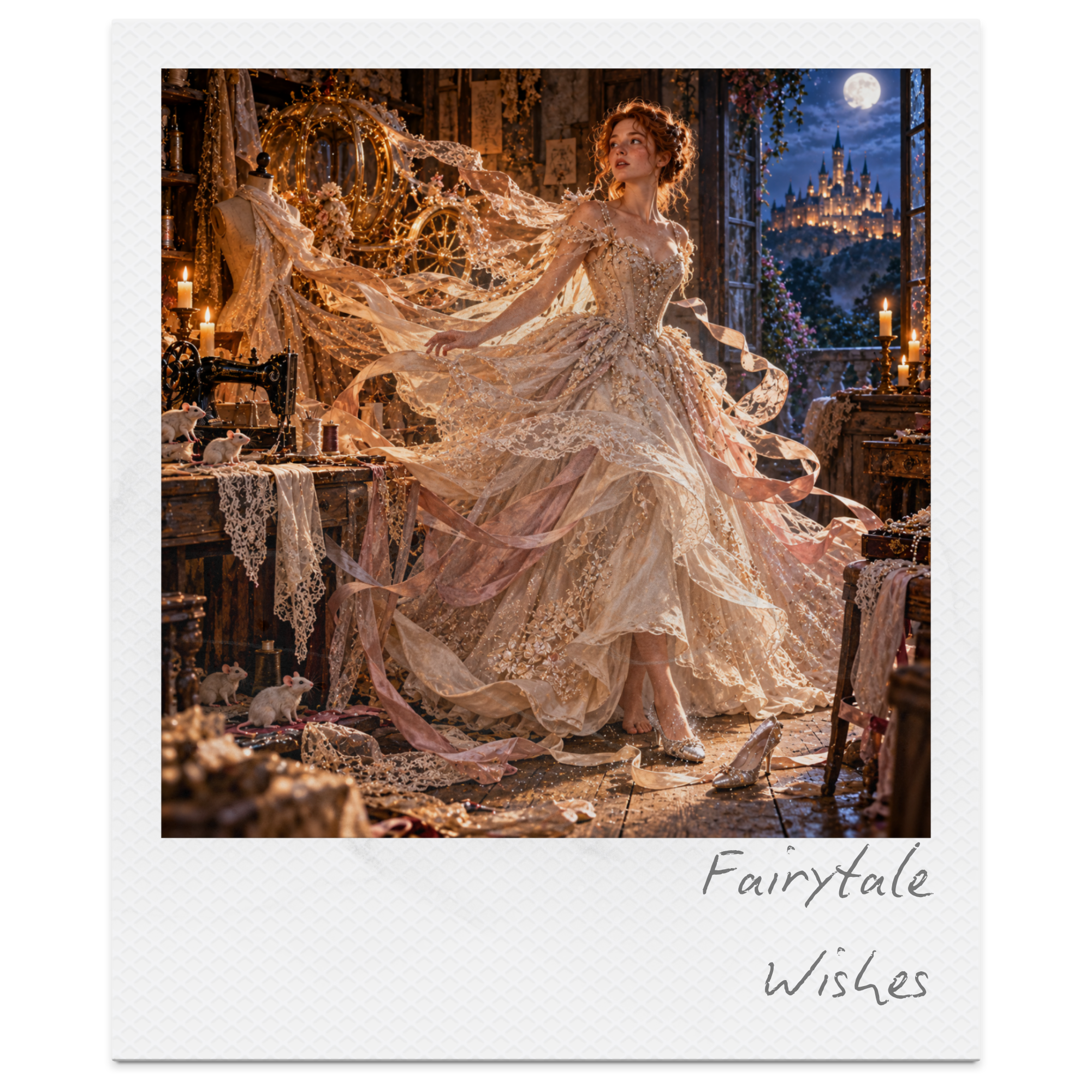
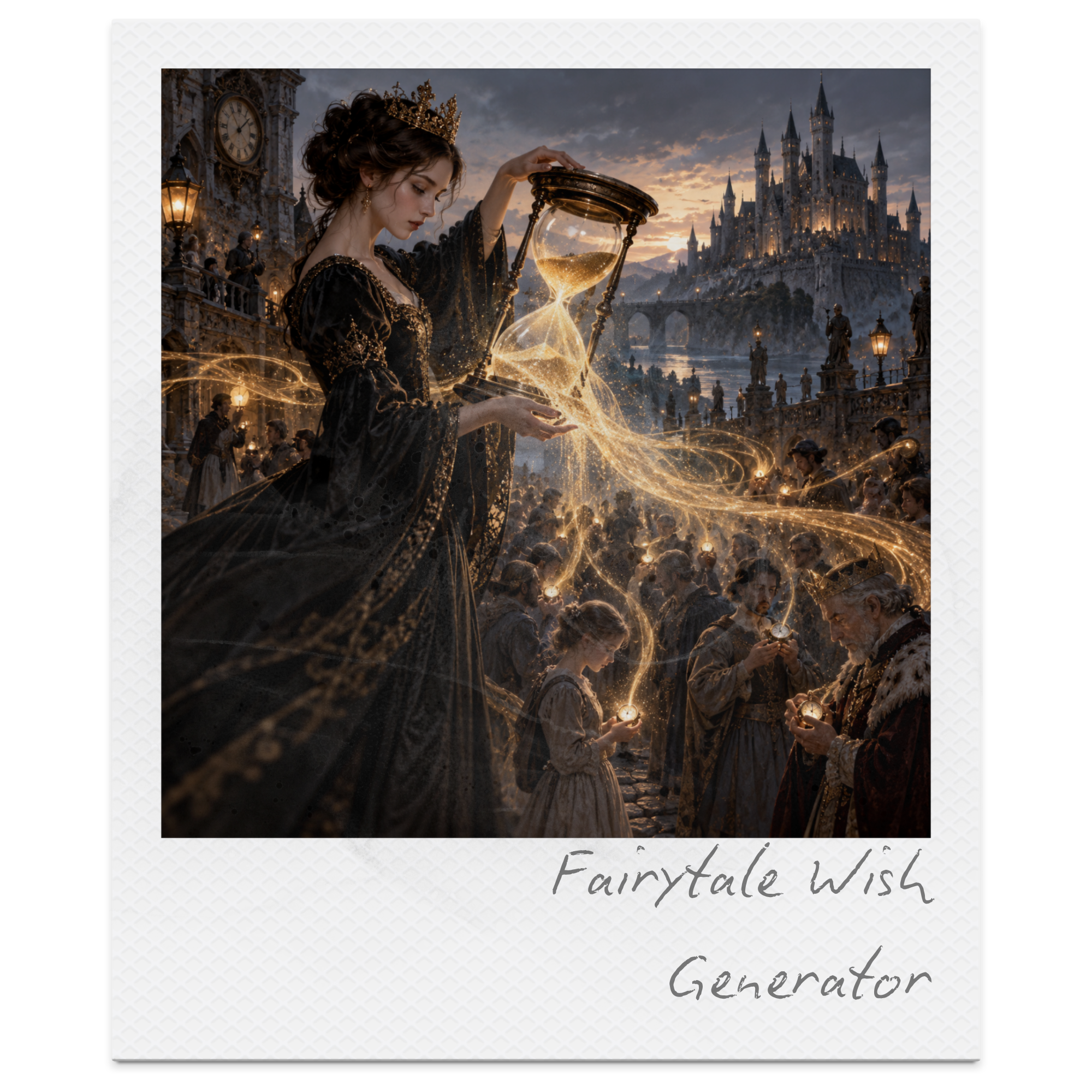
Explore our Fairytale Three Wishes Generator for inspiration developing magical wishes, supernatural gifts, impossible desires and unexpected consequences.
76. Can humans communicate, negotiate or form lasting relationships with magical creatures?
Consider how ordinary people interact with the supernatural inhabitants of their world. Perhaps villagers leave offerings for woodland spirits in exchange for protection, royal families maintain ancient alliances with fairy courts, or fishermen negotiate with mermaids to ensure safe passage through dangerous waters. Some magical creatures might understand human languages, while others communicate through dreams, music, gestures or mysterious signs in the natural world. Think about whether these relationships are based upon friendship, fear, mutual benefit or inherited obligations. Could a human child be raised among supernatural beings, or might an ancient friendship between a family and a magical creature survive for centuries?
77. Are there magical creatures that can disguise themselves as humans or transform into other beings?
Shapeshifting creatures can introduce uncertainty and intrigue into even the most familiar fairytale settings. Perhaps a mysterious stranger at the village market is actually a fairy queen, a travelling musician conceals the identity of an ancient dragon, or a beautiful woman living beside the sea returns to her true form whenever the tide rises. Some creatures might transform freely, while others depend upon enchanted clothing, stolen objects or particular phases of the moon. Consider whether their disguises are perfect or accompanied by subtle clues, such as an unusual shadow, an inability to speak certain words or a reflection that reveals their true appearance. What motivates these transformations, and what happens when a creature becomes trapped in a form that does not belong to it?
Check out our Changelings writing prompts for inspiration exploring hidden identities, faerie exchanges, mysterious children and the unsettling boundary between human and supernatural worlds.
78. Do magical creatures have their own kingdoms, communities, hierarchies or rivalries?
Your fairytale world might contain entire supernatural civilisations hidden from ordinary human knowledge. Perhaps rival fairy courts compete for control of the seasons, underwater kingdoms are ruled by ancient mermaid dynasties, or giants gather once every hundred years to settle disputes concerning the mountains they inhabit. Some creatures might live in small, isolated communities, while others belong to elaborate societies with their own rulers, traditions and political conflicts. Consider how magical power influences status within these groups. Are the oldest creatures always the most powerful, or can an unusually gifted young fairy challenge an immortal queen? Could rivalries between supernatural kingdoms spill into the mortal world?
Explore our Fairy Kingdom Names for inspiration creating hidden fae realms, enchanted courts, woodland kingdoms and extraordinary supernatural territories.
79. Can magical creatures lose their powers, become corrupted or disappear from the world?
Consider whether supernatural beings are vulnerable to changes in the magical environment. Perhaps fairies gradually lose their abilities when humans stop believing in them, ancient dragons fall into enchanted sleep as their mountain homes are destroyed, or river spirits vanish when the waterways they protect become polluted. A powerful creature might become corrupted by a broken promise, an ancient curse or an attempt to possess magic that does not belong to it. Alternatively, entire species could have disappeared centuries ago, leaving behind mysterious ruins, enchanted objects and contradictory legends. Think about how the loss of magical creatures affects the wider world and whether their disappearance could signal a greater supernatural catastrophe.
80. What is the oldest, most mysterious or most powerful magical being in your fairytale world?
Imagine a legendary creature whose existence predates the kingdoms, forests and traditions familiar to your characters. Perhaps an enormous white stag wanders between worlds, carrying the memories of every person who has ever lived, or an ancient sea queen sleeps beneath the deepest ocean, dreaming the tides into existence. A forgotten fairy might possess the power to alter destiny but refuse to interfere in mortal affairs, while a dragon older than the mountains remembers the true origins of magic itself. Consider whether this being is worshipped, feared, forgotten or believed to be nothing more than a story. What would persuade such an extraordinary creature to become involved in the lives of ordinary characters, and what might happen if it finally awakened?
9. Forbidden Magic, Dangers & Consequences
Not all fairytale magic is beautiful, benevolent or safe. Behind the enchanted castles, miraculous transformations and extraordinary gifts of traditional fairytales often lie darker supernatural forces: curses that endure for generations, bargains that demand terrible sacrifices, and forbidden spells capable of destroying everything their creators hoped to protect. Some magical practices are prohibited because they are genuinely dangerous, while others have been outlawed by rulers, religious authorities or powerful supernatural beings determined to preserve their own influence. Exploring the darker side of enchantment can introduce moral complexity, compelling conflicts and unsettling mysteries into your fictional world. These ten fairytale magic worldbuilding questions will help you develop forbidden powers, dangerous magical traditions and the unexpected consequences that arise when characters attempt to control forces they do not fully understand.
81. What kinds of magic are forbidden in your fairytale world, and who decided they should be outlawed?
Consider whether certain supernatural practices are prohibited throughout your enchanted kingdom. Perhaps spells that alter memories are forbidden because they can destroy a person's identity, while transformations involving living creatures are permitted only under extraordinary circumstances. An ancient royal decree might outlaw communication with the dead, or a powerful fairy court could prohibit mortals from learning particular enchantments. Think about who established these restrictions and whether their motivations were genuinely protective. Perhaps the ruling dynasty has forbidden a harmless form of magic because it threatens their authority, or an ancient prohibition conceals knowledge of a catastrophe that occurred centuries ago. How are these laws enforced, and what happens when someone discovers that a forbidden spell might be the only way to save someone they love?
82. Are there magical spells so dangerous that even powerful witches and sorcerers refuse to use them?
Imagine enchantments whose consequences are feared by the most experienced magical practitioners. Perhaps a spell can restore a destroyed kingdom but requires another kingdom to vanish in its place, or an ancient ritual allows someone to command the dead at the cost of gradually losing their own memories. A forgotten incantation might summon a supernatural being that cannot be dismissed, while a powerful transformation could permanently alter the natural laws of the surrounding landscape. Consider how knowledge of these spells survives if nobody dares perform them. Are they preserved in sealed manuscripts, passed down through whispered warnings or hidden within seemingly harmless fairytales? What circumstances might persuade a desperate character to attempt an enchantment that generations of witches have sworn never to cast?
83. Can using powerful magic gradually corrupt, transform or destroy its practitioner?
In your fairytale world, supernatural power might change those who use it too frequently or recklessly. Perhaps every curse a witch casts causes a black thorn to grow beneath her skin, a sorcerer who manipulates time gradually loses the ability to remember his own past, or an enchantress who steals beauty from others becomes unable to recognise her reflection. Magical corruption might affect a person's appearance, emotions, memories or moral judgement. Alternatively, the danger could be more subtle, with powerful practitioners gradually losing their capacity for ordinary human experiences. Consider whether these changes are inevitable, reversible or dependent upon the intentions behind the magic. Could a character begin using forbidden enchantments for compassionate reasons, only to discover that the power itself is transforming them into someone they no longer recognise?
84. What happens when a magical curse is passed down through generations?
Some of the most haunting fairytale enchantments do not end with the person who originally received them. Perhaps every firstborn daughter of a royal family loses her voice on her eighteenth birthday, the descendants of a dishonest merchant are unable to cross running water, or a village remains trapped beneath a curse because of a promise broken hundreds of years earlier. Consider whether inherited curses affect every generation equally or change as time passes. Do families conceal their supernatural afflictions, develop elaborate traditions to manage them or search desperately for ways to break the enchantment? A character might discover that their family's curse was originally intended as a blessing, or that an ancestor deliberately accepted it to protect future generations from something far worse.
Explore our Fairytale Curses & Bargains writing prompts for inspiration developing inherited curses, dangerous promises, hidden conditions and supernatural consequences that shape families and kingdoms.
85. Can magical bargains trap characters in agreements they do not fully understand?
Imagine a world where supernatural contracts are enforced by powers far older than human law. Perhaps a fairy offers a struggling farmer seven years of prosperity in exchange for something he does not yet possess, or a mysterious stranger grants a princess her freedom on the condition that she never speaks her true name again. Some bargains might be deliberately deceptive, while others become dangerous because their consequences are impossible to predict. Consider whether magical agreements must be written, spoken or sealed through symbolic actions. Can their conditions be renegotiated, transferred or fulfilled through unexpected interpretations? What happens when a character discovers that a bargain made by someone else has bound them to an obligation they never agreed to accept?
86. Are there forbidden places where dangerous or corrupted magic has permanently changed the landscape?
Consider whether certain locations have become supernatural warnings against the misuse of enchantment. Perhaps an ancient battlefield remains covered in black roses because two rival sorceresses unleashed incompatible spells, or a ruined kingdom exists beneath a perpetual twilight after its ruler attempted to prevent the sun from setting. A forgotten forest might rearrange itself around travellers, while a cursed lake reflects events that have not yet occurred. Think about whether these places are avoided, guarded or secretly visited by people seeking unusual magical powers. Could their dangers be misunderstood, or might the strange conditions conceal evidence of an ancient magical disaster? Consider how the surrounding communities explain these landscapes and what happens when someone ventures into a place everyone has been taught to fear.
Check out our Folklore Setting Ideas for inspiration creating mysterious landscapes, sacred places, forgotten ruins and supernatural locations shaped by ancient legends.
87. Can magical experiments, failed spells or broken enchantments create dangerous supernatural consequences?
Not every magical disaster needs to result from deliberate cruelty. Perhaps an inexperienced apprentice accidentally gives an entire village the ability to hear one another's thoughts, a royal sorcerer attempting to cure an illness transforms the palace gardens into a dangerous living maze, or a broken protective spell releases creatures that have been imprisoned for centuries. Some failed enchantments might produce immediate chaos, while others create subtle disturbances that take generations to recognise. Consider whether magical practitioners understand the risks of experimentation and whether particular spells are tested before being used. Could an apparently unsuccessful enchantment remain dormant for years before revealing its true effects? What responsibility does a practitioner bear when a well-intentioned spell causes extraordinary harm?
88. How does your fairytale world punish people who misuse or practise forbidden magic?
Explore the consequences faced by characters who violate supernatural or royal laws. Perhaps witches convicted of casting harmful spells are stripped of their magical abilities, while sorcerers who break ancient agreements are exiled to a kingdom where enchantments cannot function. A fairy court might impose symbolic punishments, transforming dishonest practitioners into creatures that can speak only the truth or forcing those who steal memories to experience the lives of their victims. Consider whether these punishments are imposed by human authorities, supernatural rulers or magic itself. Are they proportionate to the offence, or do powerful individuals manipulate magical justice to protect their own interests? Could a character be punished for using forbidden magic to prevent a greater catastrophe?
Explore our Fairytale Crime & Punishment writing prompts for inspiration developing magical laws, strange trials, supernatural justice and extraordinary consequences for breaking the rules of an enchanted kingdom.
89. Can forbidden magic be used for good, or does its nature inevitably cause harm?
Consider whether your fairytale world distinguishes between dangerous magical methods and the intentions of those who use them. Perhaps a spell capable of stealing memories could also remove a devastating supernatural affliction, or an enchantment designed to control shadows might allow someone to rescue children trapped within a cursed forest. A forbidden ritual could be the only way to awaken a sleeping kingdom, even though performing it requires a terrible sacrifice. Think about whether certain forms of magic are inherently destructive or become dangerous through misuse. Would a compassionate witch be justified in breaking an ancient prohibition to save an innocent person? Could an apparently benevolent magical tradition cause more suffering than the forbidden practices it condemns?
90. What terrible magical secret could threaten the entire fairytale world if it were discovered?
Imagine a truth so dangerous that generations of rulers, witches or supernatural beings have worked to conceal it. Perhaps the kingdom's protective enchantments are powered by the dreams of imprisoned children, the world's oldest fairy queen has been stealing magic from the land to preserve her immortality, or every wish granted by an ancient magical object weakens the barrier separating the mortal world from something terrible. A forbidden manuscript might reveal that the kingdom's most celebrated enchantment was actually responsible for an ancient catastrophe. Consider who knows the truth, why it has remained hidden and what might happen if an ordinary character uncovers it. Could revealing the secret destroy the foundations of the magical world, or might it offer the only opportunity to free that world from an enchantment nobody remembers agreeing to?
10. Ancient Magic, Lost Secrets & Story Possibilities
Every enchanted world has a history, and some of its greatest mysteries may lie buried beneath forgotten kingdoms, hidden within ancient spellbooks or preserved in stories passed down through generations. Perhaps the magic practised by modern witches is only a fragment of the extraordinary powers once possessed by an ancient civilisation, or a seemingly harmless village tradition conceals the final traces of an enchantment powerful enough to transform the world. Lost spells, mysterious prophecies, forgotten magical beings and supernatural discoveries can give your fairytale setting a sense of depth while providing the foundations for extraordinary adventures. These final ten fairytale magic worldbuilding questions will help you explore the ancient secrets of your enchanted world, uncover the mysteries that shape its present and develop compelling story possibilities rooted in its magical history.
91. Was magic more powerful, widespread or mysterious in the distant past?
Consider whether your fairytale world once experienced a golden age of enchantment. Perhaps ancient sorcerers could move mountains, entire kingdoms travelled between worlds, or ordinary people possessed magical abilities that have gradually disappeared over the centuries. Magnificent enchanted cities might have existed where modern villages now stand, while ancient forests could preserve the last remnants of powers nobody remembers how to use. Alternatively, magic might be stronger in the present, with old legends describing a time when supernatural abilities were feared and poorly understood. Think about what caused these changes, how much of the past survives in historical records and whether characters might discover that the world's magical history is very different from what they have been taught.
92. Did an ancient magical civilisation disappear, leaving behind extraordinary ruins and forgotten enchantments?
Imagine a powerful civilisation whose inhabitants possessed supernatural knowledge far beyond that of modern witches and sorcerers. Perhaps an enchanted kingdom vanished overnight, leaving its castles suspended above the clouds, or an ancient city lies beneath a forest whose trees have grown around magnificent towers of silver and glass. The ruins might contain magical machinery, mysterious inscriptions or objects that continue performing their original functions centuries after their creators disappeared. Consider what happened to this civilisation and whether its destruction resulted from war, magical experimentation, a broken agreement or an extraordinary act of sacrifice. Could descendants of its inhabitants still exist, unaware of their connection to a forgotten magical empire?
Explore our Fairytale Kingdom Names for inspiration developing ancient enchanted realms, forgotten kingdoms and magical civilisations with extraordinary histories.
93. What powerful spells, magical traditions or supernatural abilities have been lost to history?
Consider whether certain forms of enchantment have disappeared because their practitioners died, their knowledge was deliberately destroyed or the conditions required to perform them no longer exist. Perhaps ancient witches once knew how to weave moonlight into protective clothing, royal sorcerers could speak directly with the stars, or village healers possessed songs capable of awakening enchanted forests. A forgotten spell might survive only as a fragment of poetry, a peculiar symbol carved into a castle wall or a ritual performed without understanding its original purpose. Think about whether these lost abilities could be rediscovered and what might happen if someone attempted to revive a magical tradition that disappeared for a very good reason.
94. Are there ancient prophecies that predict the return, disappearance or transformation of magic?
Prophecies can give your fairytale world a sense of destiny while introducing uncertainty about the future. Perhaps an ancient prediction claims that magic will disappear when the last dragon dies, that a forgotten kingdom will awaken when three moons appear in the sky, or that an ordinary child will inherit the power to rewrite the laws of enchantment. Consider who originally delivered these prophecies and how their words have been interpreted across generations. Different kingdoms might preserve contradictory versions, while powerful rulers could manipulate prophetic traditions to justify their authority. What happens when an apparently impossible prediction begins to come true, or when a character discovers that the prophecy has been misunderstood for centuries?
95. Do ancient magical objects, buildings or landscapes preserve memories of the past?
Imagine a world where enchantment allows history to survive in extraordinary forms. Perhaps an ancient mirror reveals the faces of everyone who has ever looked into it, a ruined palace repeats the final conversation of its vanished inhabitants each winter, or a forest remembers the names of kingdoms that disappeared before humanity existed. An enchanted tapestry might change its images to depict forgotten events, while a mysterious river could carry voices from centuries earlier. Consider whether these memories are accurate, fragmented or influenced by the magic preserving them. Could a character uncover a terrible historical secret by listening to an ancient tree, or discover that a celebrated hero was responsible for the catastrophe everyone believed they prevented?
Check out our Fairytale Castles writing prompts for inspiration creating enchanted palaces, forgotten strongholds, mysterious chambers and magical buildings that conceal extraordinary histories.
96. Are there secret guardians responsible for protecting ancient magical knowledge?
Some supernatural secrets might be too powerful to leave unprotected. Perhaps an immortal order of witches guards the last surviving spellbook of an ancient civilisation, a mysterious dragon watches over a library hidden beneath a mountain, or a family of ordinary-looking villagers has spent generations protecting a doorway to a forgotten magical realm. Guardians might be chosen through bloodlines, appointed by supernatural beings or bound to their duties through ancient enchantments. Consider whether they understand the knowledge they protect or simply follow instructions passed down through centuries. What happens when the final guardian dies without naming a successor, or when someone entrusted with protecting a magical secret begins to question whether it should remain hidden?
97. Can ancient magic be awakened by an ordinary person who has no supernatural abilities?
Imagine a humble character accidentally discovering powers that the greatest sorcerers have spent centuries attempting to recover. Perhaps a shepherd's daughter awakens an enchanted mountain by singing a forgotten lullaby, a young baker discovers that an ordinary family recipe contains the instructions for an ancient spell, or a village servant opens a magical doorway simply by showing kindness to a mysterious stranger. The character might possess no magical abilities of their own, yet their actions fulfil conditions established long before they were born. Consider why ancient magic responds to this particular individual and whether powerful practitioners would understand, fear or attempt to exploit the discovery. Could an ordinary person's compassion, curiosity or ingenuity succeed where generations of magical study have failed?
Explore our Ordinary Fairytale Hero & Heroine Story Ideas for inspiration creating unlikely protagonists, humble villagers and overlooked characters whose extraordinary adventures begin with seemingly ordinary decisions.
98. What happens when a forgotten magical power returns to a world that no longer understands it?
Consider the consequences of ancient enchantments suddenly becoming active again. Perhaps a kingdom that has existed without magic for centuries begins experiencing impossible transformations, ancient creatures emerge from enchanted sleep, or forgotten spells awaken within ordinary household objects. People might initially celebrate the return of supernatural wonders before discovering that the old magic follows rules nobody remembers. A powerful fairy court could reclaim territories that have become human settlements, while an ancient protective enchantment might mistake modern inhabitants for intruders. Think about how rulers, witches, scholars and ordinary villagers respond to these changes. Could the return of magic create new opportunities for wonder and prosperity, or might it threaten the foundations of the society that developed during its absence?
99. What magical discovery could completely change everything your characters believe about their world?
Imagine a revelation capable of overturning centuries of accepted knowledge. Perhaps witches discover that their powers originate from an imprisoned supernatural being, or an ancient manuscript reveals that the mortal world was created through an enchantment that is slowly coming undone. A mysterious traveller might prove that magic exists beyond the boundaries of the known kingdoms, while a forgotten fairy could reveal that humans once possessed abilities greater than those of any supernatural creature. Consider how different characters would respond to such a discovery. Would rulers attempt to suppress the truth, magical practitioners seek to exploit it or ordinary people begin questioning the traditions that have shaped their lives? Think about how the revelation might transform not only your world's magical system but its history, politics, relationships and future.
100. What single magical mystery, secret or impossible event could become the foundation of your entire fairytale story?
Bring together everything you have explored about the origins, abilities, rules and consequences of magic in your fictional world. Perhaps an ordinary girl discovers that every enchantment in her kingdom is gradually reversing, a forgotten fairy returns to reclaim the wishes she granted centuries earlier, or a mysterious child is born with the ability to hear a voice speaking from the heart of the world's oldest forest. An ancient magical object might begin behaving in ways nobody can explain, while a powerful queen could discover that the laws governing her kingdom's enchantments were deliberately invented to conceal an extraordinary truth. Consider which magical mystery would most profoundly affect your characters and what they might risk to uncover its secrets. The most compelling fairytale adventures often begin with a single impossible question, a seemingly insignificant discovery or a moment when the familiar rules of an enchanted world suddenly cease to apply.
Explore our Fairytale Title Ideas for inspiration turning magical mysteries, forgotten kingdoms, ancient enchantments and extraordinary discoveries into original fairytale stories.
Go Deeper into Fairytale Magic Worldbuilding
Creating a memorable fairytale magic system involves more than deciding which spells your characters can cast. The most enchanting fictional worlds have magic that feels deeply connected to their history, traditions, landscapes and people. Use these five tips to develop your ideas further and transform your answers into a rich, distinctive fairytale setting.
◆ Give your magic a history. Consider how enchantment has changed over centuries. Perhaps ancient kingdoms possessed extraordinary powers that modern witches can no longer reproduce, or a forgotten magical disaster explains why certain spells are now forbidden. Even small details about lost traditions, legendary practitioners and ancient artefacts can make your world feel as though it existed long before your story began.
◆ Make magical rules matter to your characters. Rather than creating limitations simply to prevent characters from becoming too powerful, think about how those restrictions influence their choices. A spell that requires a precious memory, a transformation that lasts only until sunrise or a wish that cannot be reversed creates opportunities for difficult decisions, emotional consequences and compelling conflicts.
◆ Explore the ordinary consequences of extraordinary magic. Ask how enchantment changes everyday life beyond the main storyline. Do villagers purchase protective charms at markets? Are royal weddings governed by supernatural traditions? Can wealthy families afford magical healing that poorer households cannot? These practical details help make your fairytale world feel believable and lived-in.
◆ Use contradictions to create magical mysteries. Perhaps everyone believes that fairies cannot lie, yet a character discovers evidence of a broken supernatural promise. A legendary artefact might behave differently from the stories describing it, or a supposedly powerless villager could perform an enchantment that experienced witches consider impossible. Contradictions between established magical knowledge and unexpected discoveries provide excellent foundations for mysteries, quests and plot twists.
◆ Build your story around the consequences of magic. Choose one magical rule, object, bargain or secret from your worldbuilding answers and imagine what happens when it becomes a problem your protagonist cannot ignore. A stolen enchanted crown might threaten an entire kingdom, a forgotten curse could awaken after centuries of silence, or a seemingly harmless wish might change the lives of everyone in a village. The strongest fairytale magic is not simply decorative: it creates the circumstances, choices and consequences that drive your story forward.
Final Thoughts
Magic lies at the heart of the most unforgettable fairytales, but what makes an enchanted world truly compelling is the way its supernatural wonders shape the lives of those who inhabit it. From ancient spells and mysterious magical objects to dangerous bargains, extraordinary creatures and forgotten enchantments, every detail offers an opportunity to create a world filled with wonder, mystery and possibility.
As you work through these 100 fairytale magic worldbuilding questions, remember that you don't need to answer every question or develop an elaborate magical system before you begin writing. Start with the ideas that excite you most, explore their consequences and allow your world's magic to grow naturally alongside your characters and stories.
For more inspiration, explore our Fairytales & Folklore Writing Hub, where you'll find worldbuilding guides, writing prompts and creative resources to help you develop your enchanted setting. You can also discover unexpected characters, magical mysteries and imaginative plot ideas in our Fairytale Story Sparks, or browse our Creative Writing Archive for even more inspiration across a wide range of genres.
Above all, remember that the most memorable fairytale magic isn't always the most powerful. Sometimes, all it takes is a mysterious key, a whispered promise or a single impossible wish to change an entire world.