70 Water Fairy Writing Prompts: Rivers, Magic & Enchanted Waters
Water has always been a natural home for magic. A perfectly still lake, a river disappearing into an ancient forest, a spring bubbling from beneath the roots of an old tree or a waterfall hiding a secret entrance can all become places where the ordinary world brushes against something stranger. Water fairies and water fae bring that magic to life, inhabiting the places where land and water meet and transforming familiar landscapes into settings filled with beauty, danger and possibility.
Your water fairy might be the guardian of a sacred spring, the heir to a court hidden beneath a lake, a mischievous river spirit who bargains with travellers or an ancient creature who emerges only when the water reaches its highest point. Some might command currents, storms or rain; others might collect objects lost beneath the surface, protect drowned ruins, carry messages along rivers or enforce old agreements between humans and the inhabitants of enchanted waters.
These 70 Water Fairy Writing Prompts explore water fae through plot prompts, story titles, opening lines, closing lines, characters, settings and picture prompts, giving you different ways to begin building a story. You can use a single prompt as the foundation for an entire tale, combine several ideas or simply borrow a character, location or piece of magic that catches your imagination.
For more magical creatures, enchanted places and folklore-inspired story ideas, explore the Fairytale & Folklore Writing Hub, or browse the Creative Writing Archive to discover prompts, ideas and resources across fantasy, fairytales, folklore, gothic fiction and more.
1. Plot Prompts
Water fairies can transform rivers, lakes, wells and waterfalls into places of danger, possibility and hidden magic. These plot prompts explore bargains, disappearing waters, rival courts, ancient agreements and the consequences of crossing into places where humans were never meant to belong.
Every hundred years, the water fairies of an ancient lake choose one human to enter their submerged court and renew the agreement that keeps the surrounding valley fertile. This time, the chosen human refuses to go.
A drought causes a river to shrink for the first time in living memory, revealing hundreds of tiny doors carved into its banks. By sunset, the water fairies who once lived behind them have begun returning.
A young water fairy discovers that someone upstream is poisoning the river that gives her people their magic. Following the contamination towards its source takes her beyond the boundaries she has been forbidden to cross.
A fisherman rescues a wounded fairy tangled in his nets. In exchange, she promises that he will never return from the water empty-handed, but neither of them understands exactly what the promise will bring him.
Two rival water-fae courts control opposite banks of the same river and have maintained an uneasy peace for centuries. When the river unexpectedly changes course, both courts claim the newly formed land as their own.
Every child in a lakeside village is warned never to answer when someone calls their name from beneath the water. One evening, a girl hears the voice of her missing brother.
A water fairy tasked with collecting objects lost in a sacred lake discovers a crown at the bottom. The moment she touches it, every magical creature in the lake recognises her as their new ruler.
A waterfall has concealed the entrance to a faerie kingdom for centuries. When an earthquake diverts the river and the waterfall disappears, the hidden kingdom is suddenly exposed to the human world.
A traveller accepts a water fairy's offer to ferry them safely across a flooded river. Halfway across, the fairy reveals that payment must be made with a memory rather than money.
Once each spring, water fairies travel inland with the floodwaters to renew the magic of wells, ponds and streams. This year, the floods never arrive, and one fairy decides to discover who has stolen them.
2. Title Ideas
A title can capture the beauty of an enchanted river, hint at something sinister beneath a lake or suggest an entire forgotten world in only a few words. Use these titles exactly as they are or adapt them to inspire your own water-fairy story.
Undertow
Riverborn
The Drowned Court
Where the Water Remembers
Ripple
The Girl Beneath the Weir
Waterbound
A Crown Made from River Pearls
Confluence
The Things We Promised at the Water's Edge
3. Opening Lines
Opening lines can plunge a reader immediately into an encounter with the fae or quietly suggest that something about the water is not quite right. Choose one as the beginning of a story and discover where it takes you.
The first fairy appeared in the well three days after the village ran out of water.
Everyone knew not to cross the river after sunset, but nobody had ever told Mara what would happen if she did.
On the morning of his eighteenth birthday, Rowan found a girl sleeping beneath the surface of the millpond.
The river had been flowing backwards for six hours before anyone thought to ask the fairies why.
There were seven rules for entering the Lake Court, and I had already broken three of them.
The creature caught in Elian's fishing net had silver eyes, webbed fingers and a knife strapped to her ankle.
By midsummer, every well in the kingdom had gone dry except one.
My grandmother always left a saucer of honey beside the stream, although she refused to tell me what would happen if she stopped.
The waterfall opened at midnight.
Nobody noticed the river fairy sitting among the wedding guests until water began pooling beneath her chair.
4. Closing Lines
A final line might reveal the true cost of a bargain, return a character to the place where their story began or leave something unexplained beneath the surface. Start with the ending and work backwards to discover the story that leads to it.
By morning, the river was flowing again, and nobody remembered there had ever been a girl living beneath it.
She placed the crown among the reeds and walked towards the water for the final time.
Somewhere beneath the bridge, something laughed.
I still leave the window open when it rains, just in case she decides to come home.
The lake kept every secret we gave it except one.
When the last drop touched his palm, he finally understood what the fairy had meant by forever.
They rebuilt the village farther from the river, but every spring the water came looking for them.
For the first time in three hundred years, the gates beneath the waterfall remained open.
She had spent her whole life dreaming of the world beyond the lake; now, standing on its shore, she realised she wanted to go back.
Beneath the perfectly still water, ten thousand lights began to wake.
5. Character Ideas
Water fairies do not have to be mysterious creatures glimpsed briefly beside a river. They can be rulers, craftspeople, travellers, guardians, rebels and ordinary inhabitants of extraordinary worlds. Use these characters as protagonists, antagonists or inspiration for creating your own water fae.
A young water-fae prince expected to inherit guardianship of a vast river system, despite secretly being terrified of deep water.
A solitary fairy who collects everything dropped into her lake and has constructed an underwater home from keys, jewellery, coins, letters and other human belongings.
A powerful fairy blamed whenever the river bursts its banks, although the floods may actually be protecting the valley from something worse.
A tiny fairy who has lived inside the same village well for centuries and knows the secrets of every family that has drawn water from it.
An artisan who creates enchanted jewellery from river pearls, each capable of holding a single memory.
A once-powerful water fairy forbidden from entering any natural body of water and forced to survive by travelling from fountain to fountain.
An elderly marsh fairy who weaves reeds into charms capable of redirecting streams, calling rain and revealing where someone crossed the water.
A cheerful young fae who operates a tiny boat across a seemingly ordinary river but decides the price of every crossing according to the passenger.
A fairy from a mountain spring whose magic is strongest in winter and slowly disappears as summer approaches.
A travelling water fairy who maps every river, stream and hidden waterway in the faerie world and discovers that an entire river has vanished from every map.
6. Setting Ideas
Rivers can become roads and borders, lakes can conceal entire civilisations and even an old village well can provide an entrance to somewhere impossible. Use these settings as the backdrop for a story or as inspiration for building a larger water-fae world.
A sprawling faerie palace beneath an ancient lake, built from pale stone, freshwater pearls and living reeds and visible from the shore only when moonlight strikes the water at exactly the right angle.
A floating marketplace that appears on a river at dawn once a month, where water fae arrive in boats to trade bottled rain, enchanted fish, river pearls, memories and maps of waterways that no longer exist.
A huge waterfall concealing a doorway into another realm, guarded by fairies who demand that every visitor leave something behind before entering.
A human village flooded centuries ago and now inhabited by water fairies who have transformed its houses, church tower and streets into an underwater community.
A miniature faerie realm hidden far beneath an old wishing well, where every coin dropped from above arrives carrying a fragment of the wish attached to it.
A vast wetland where narrow wooden paths rearrange themselves each night and pale lights guide travellers either towards safety or deeper into faerie territory.
Seven magical springs scattered through a forest, each belonging to a different water-fae family and granting a different gift to anyone permitted to drink.
A prosperous faerie city built where three enchanted rivers meet, populated by creatures, merchants and travellers arriving from three completely different magical territories.
A mountain lake so clear that its submerged towers can be seen from the surface, although anyone who dives towards them discovers they are much farther below than they appear.
A magical river that changes its course every year, carrying an entire travelling water-fae court with it.
7. Picture Prompts
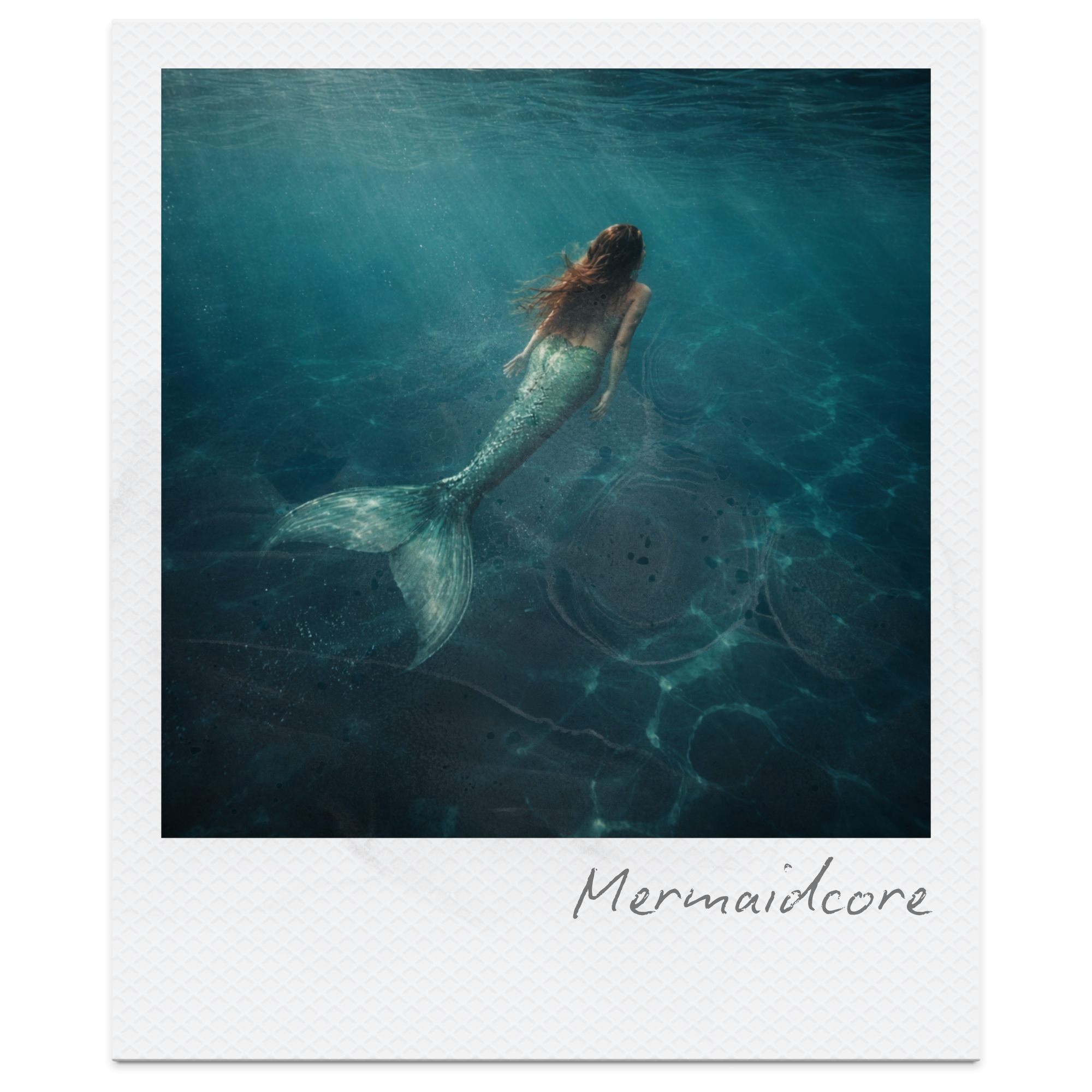
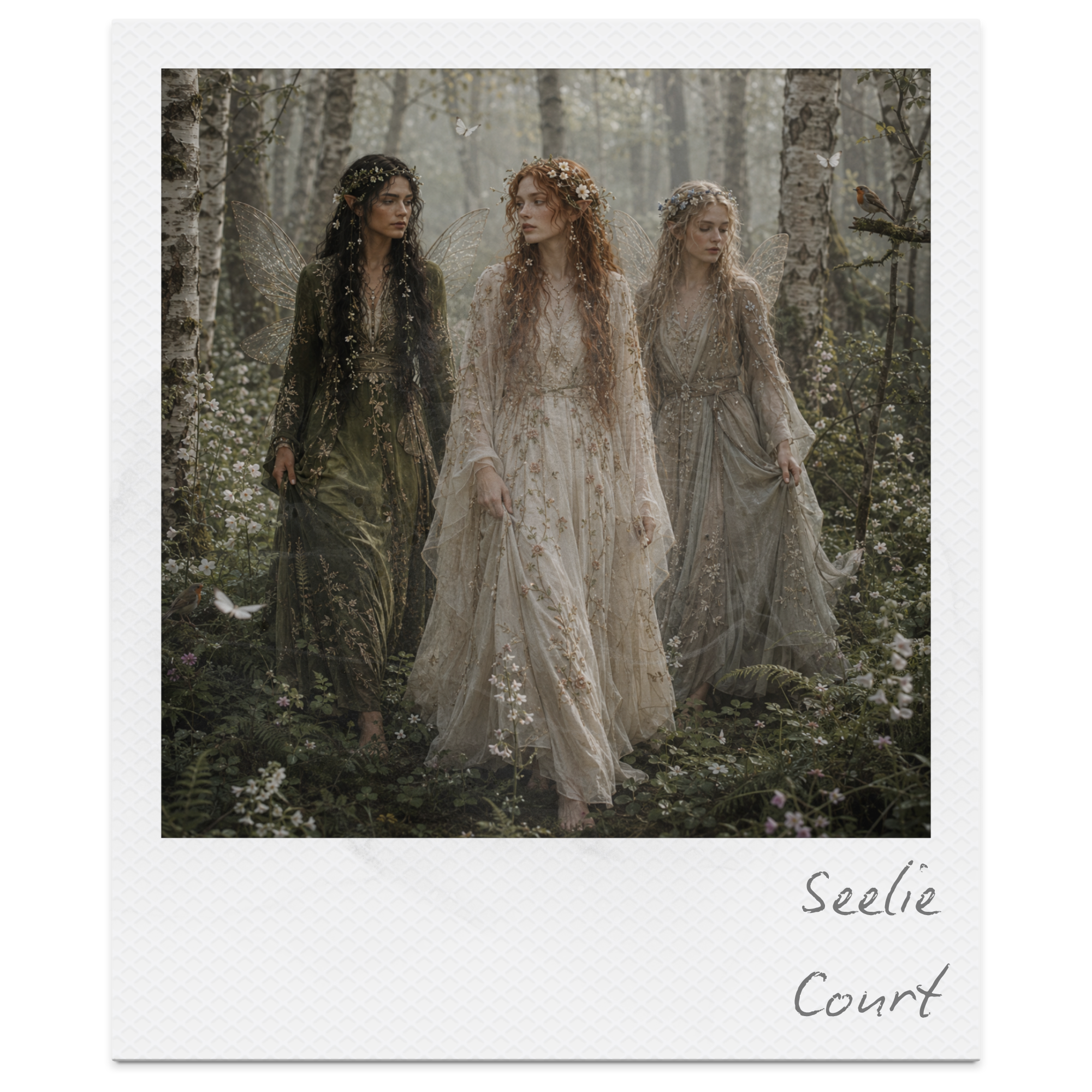
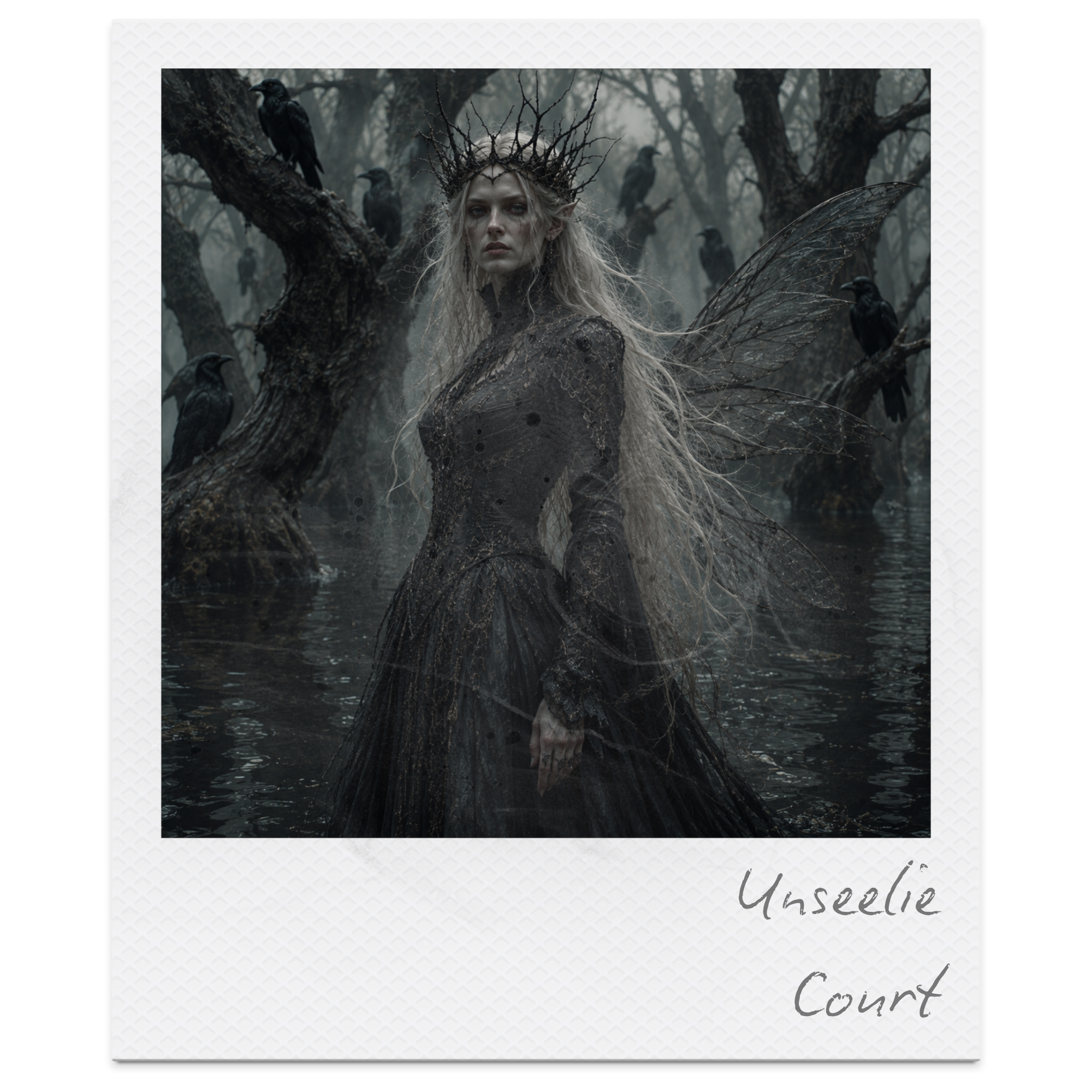
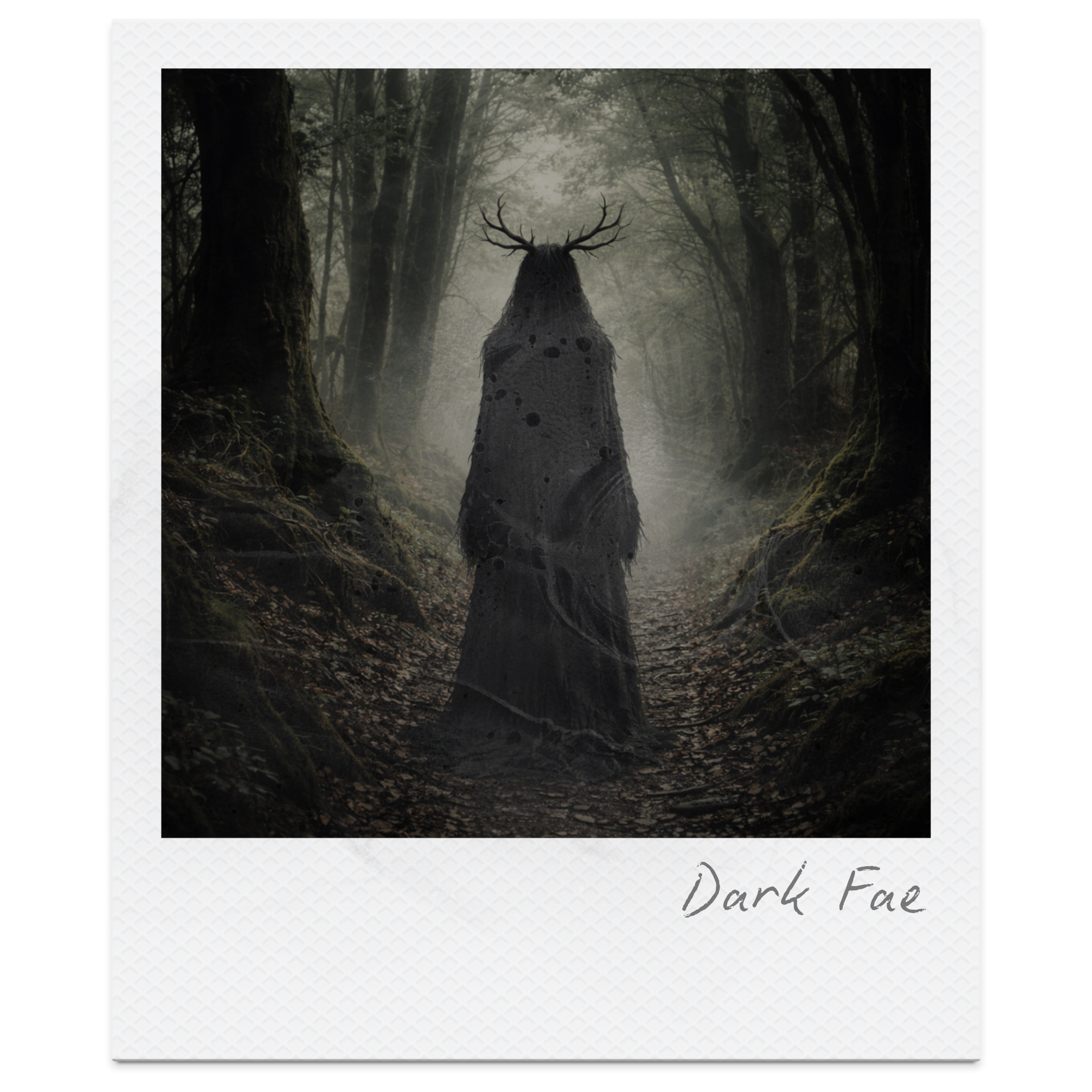
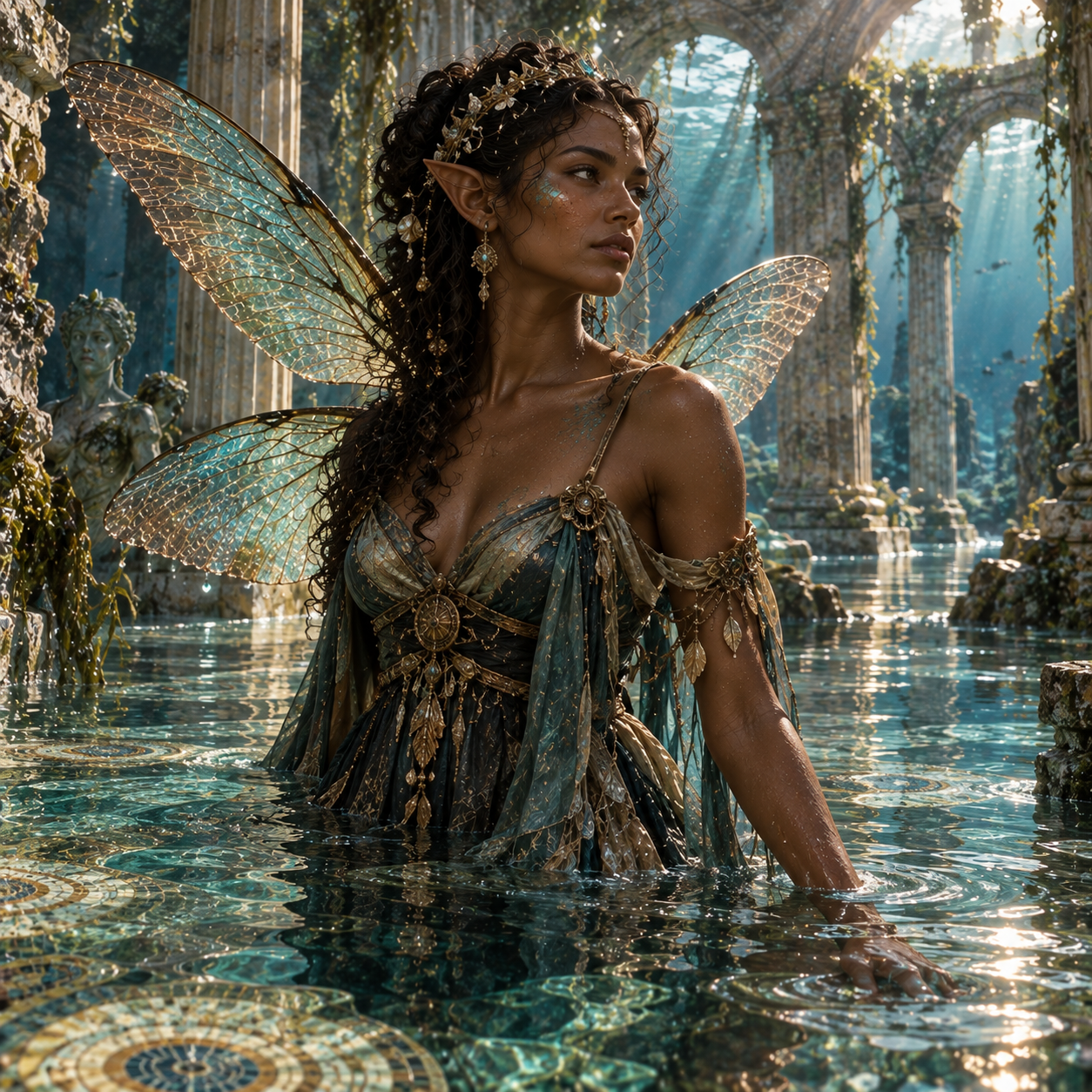
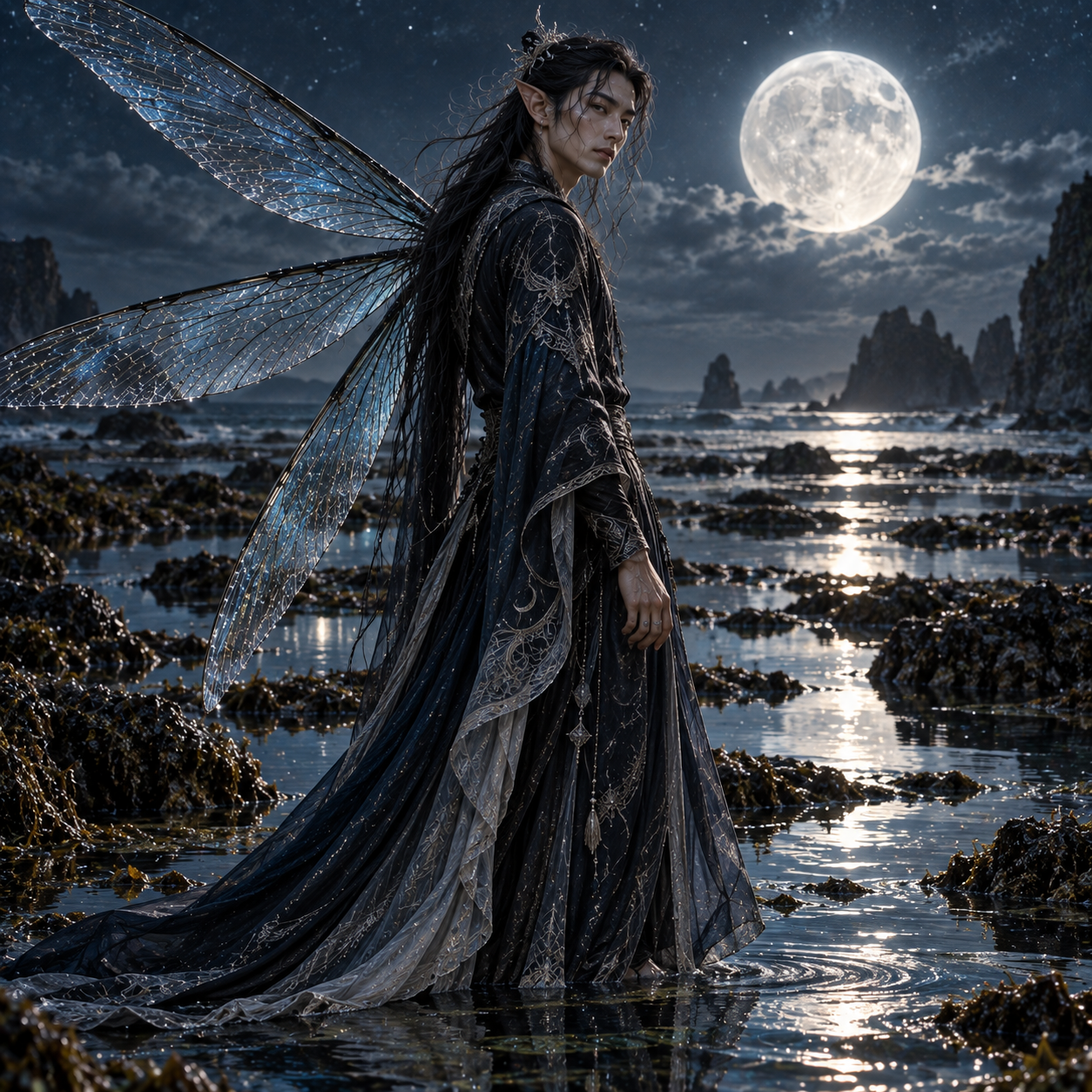
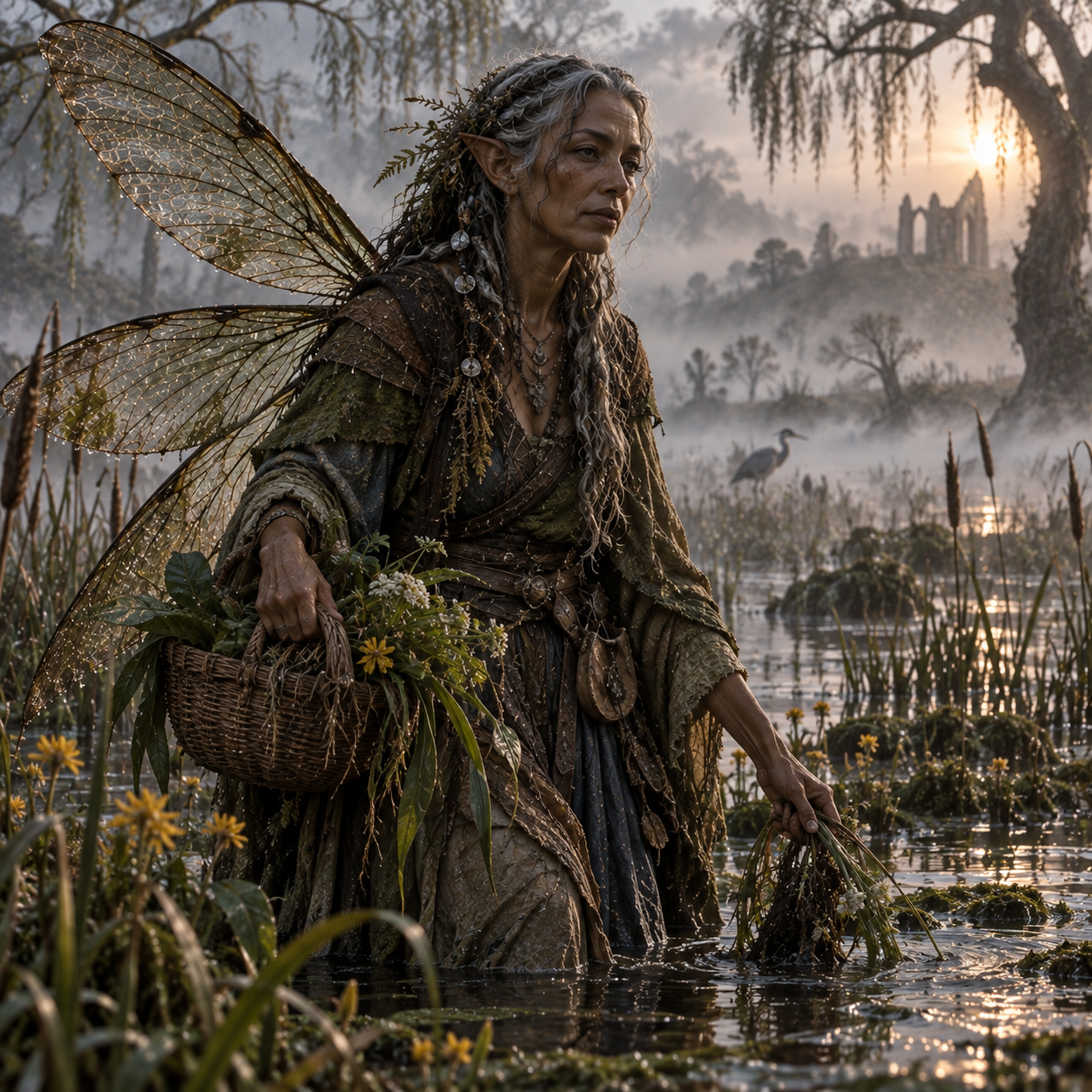
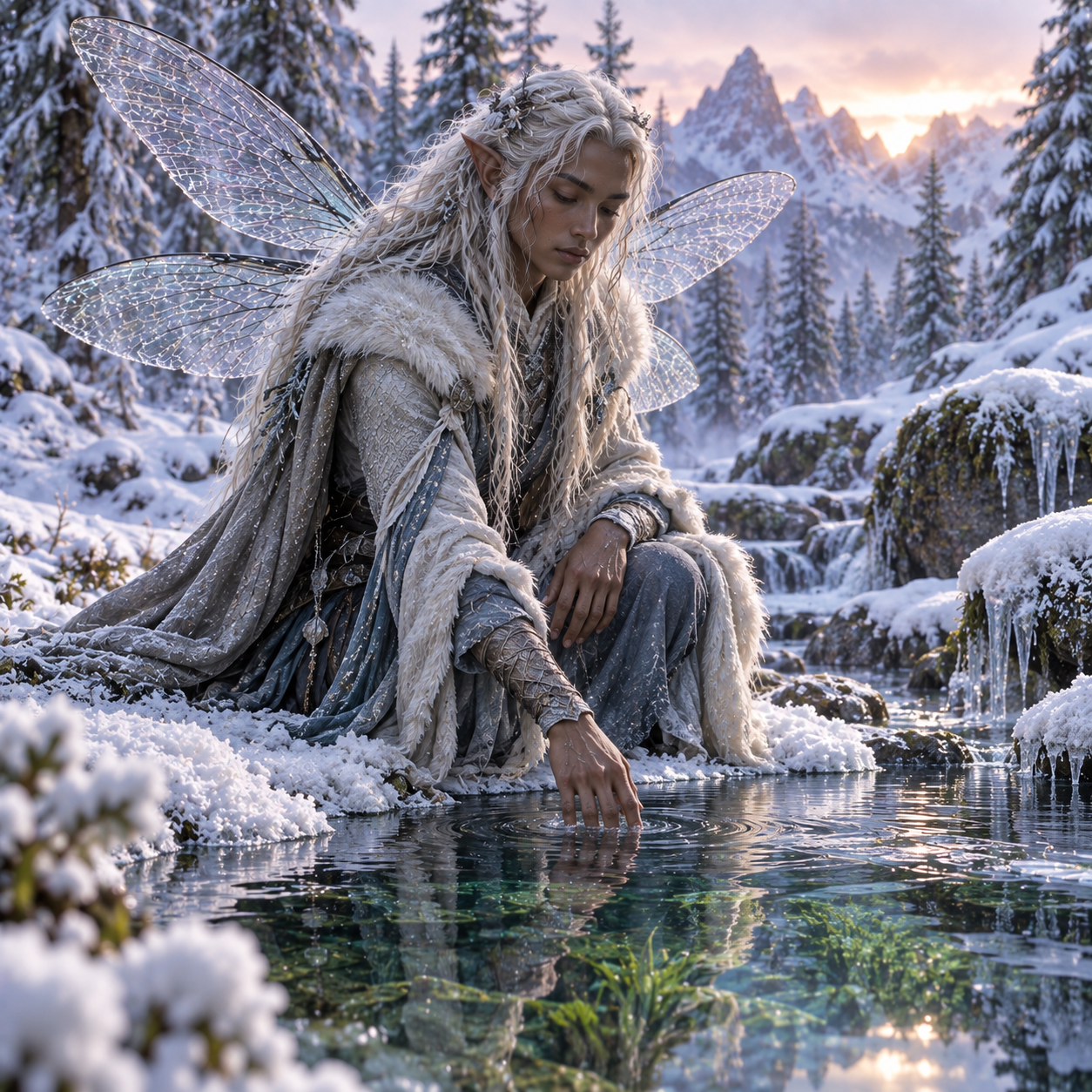
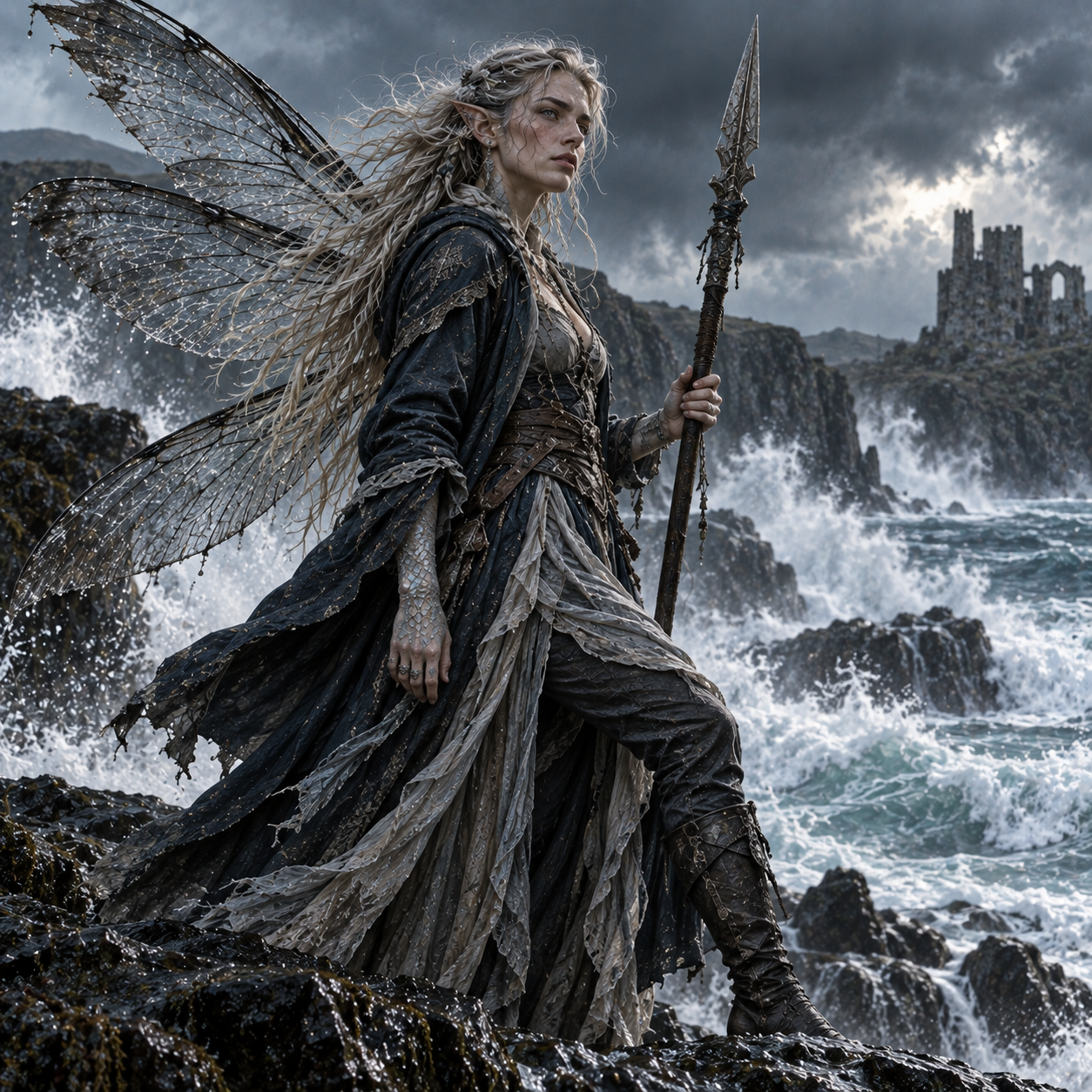
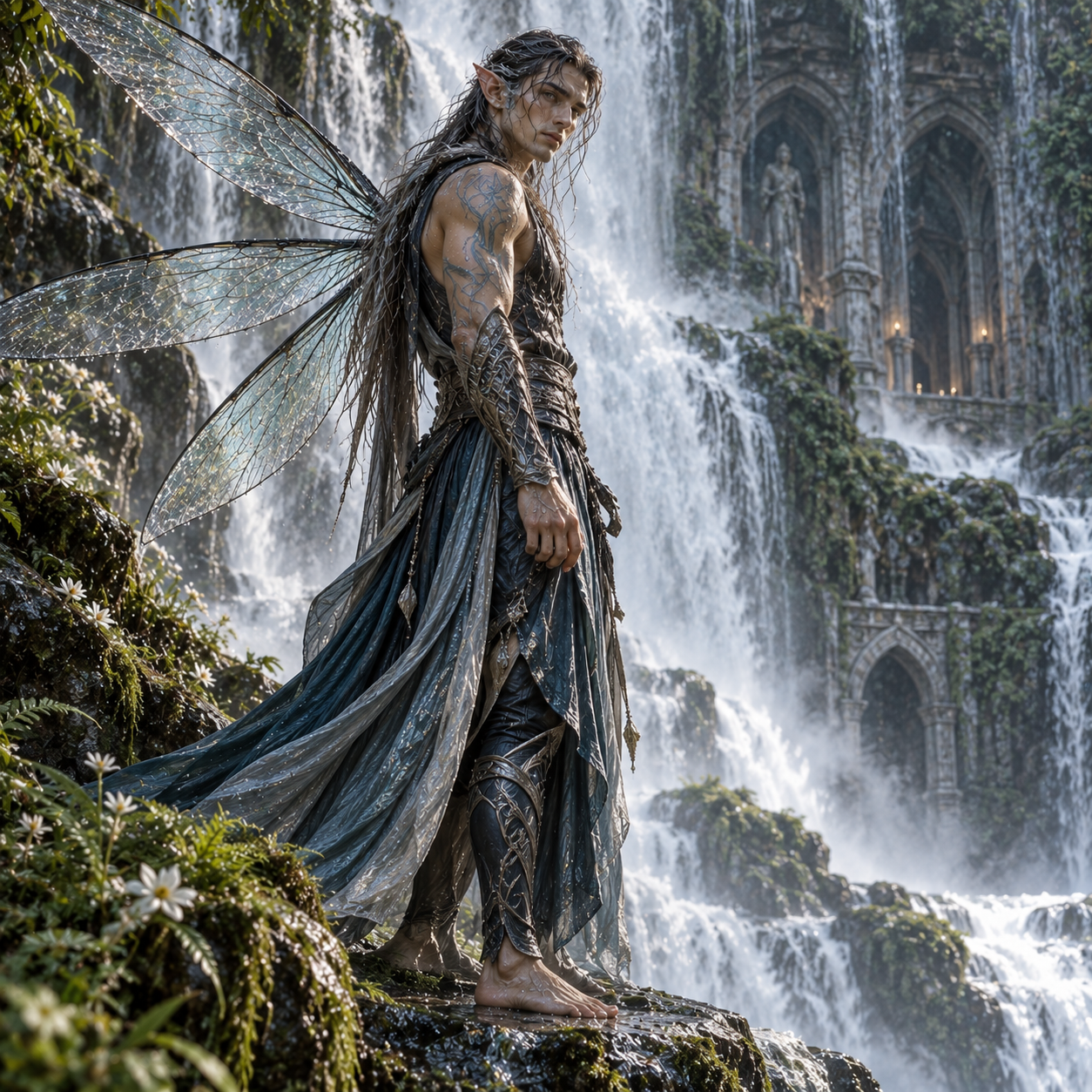
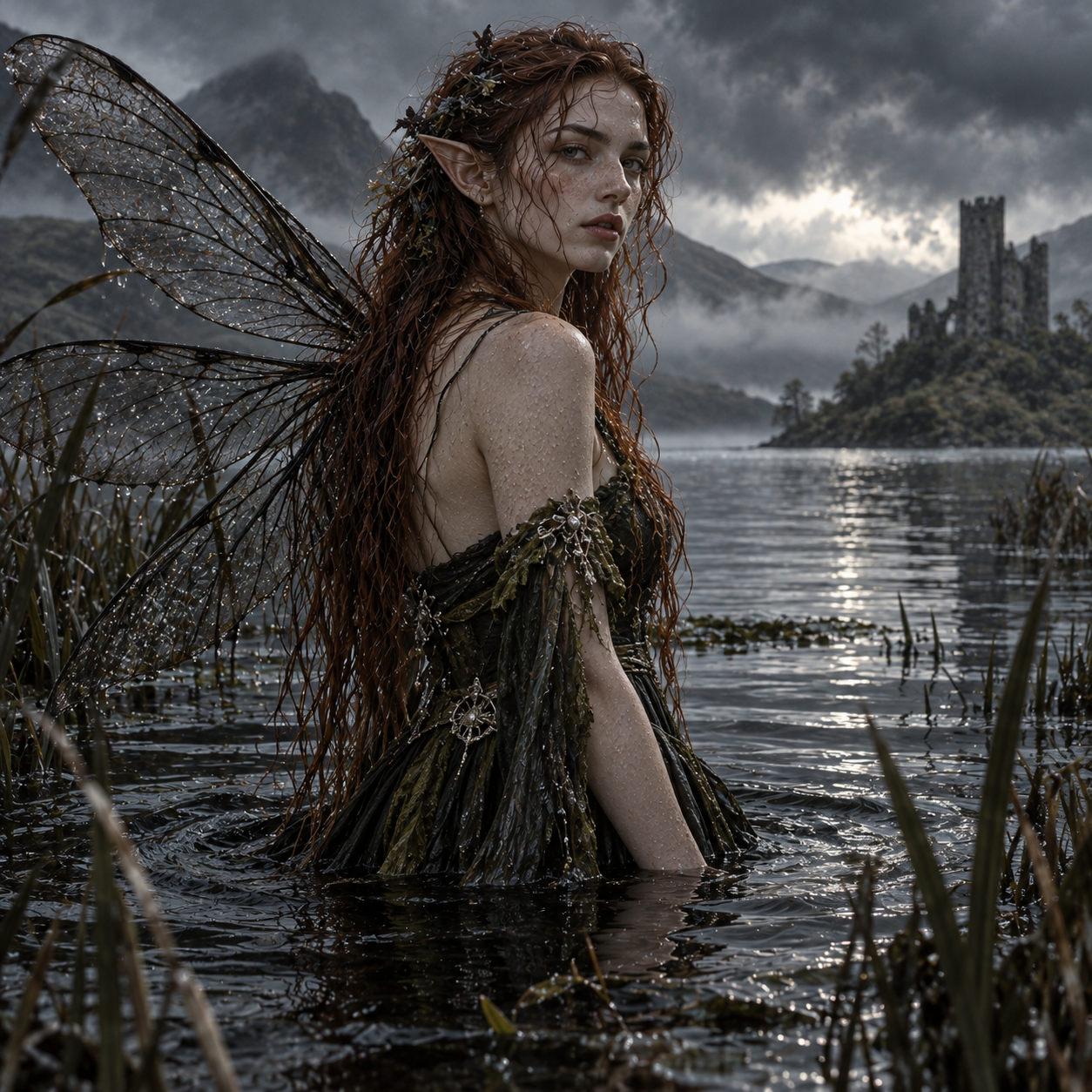
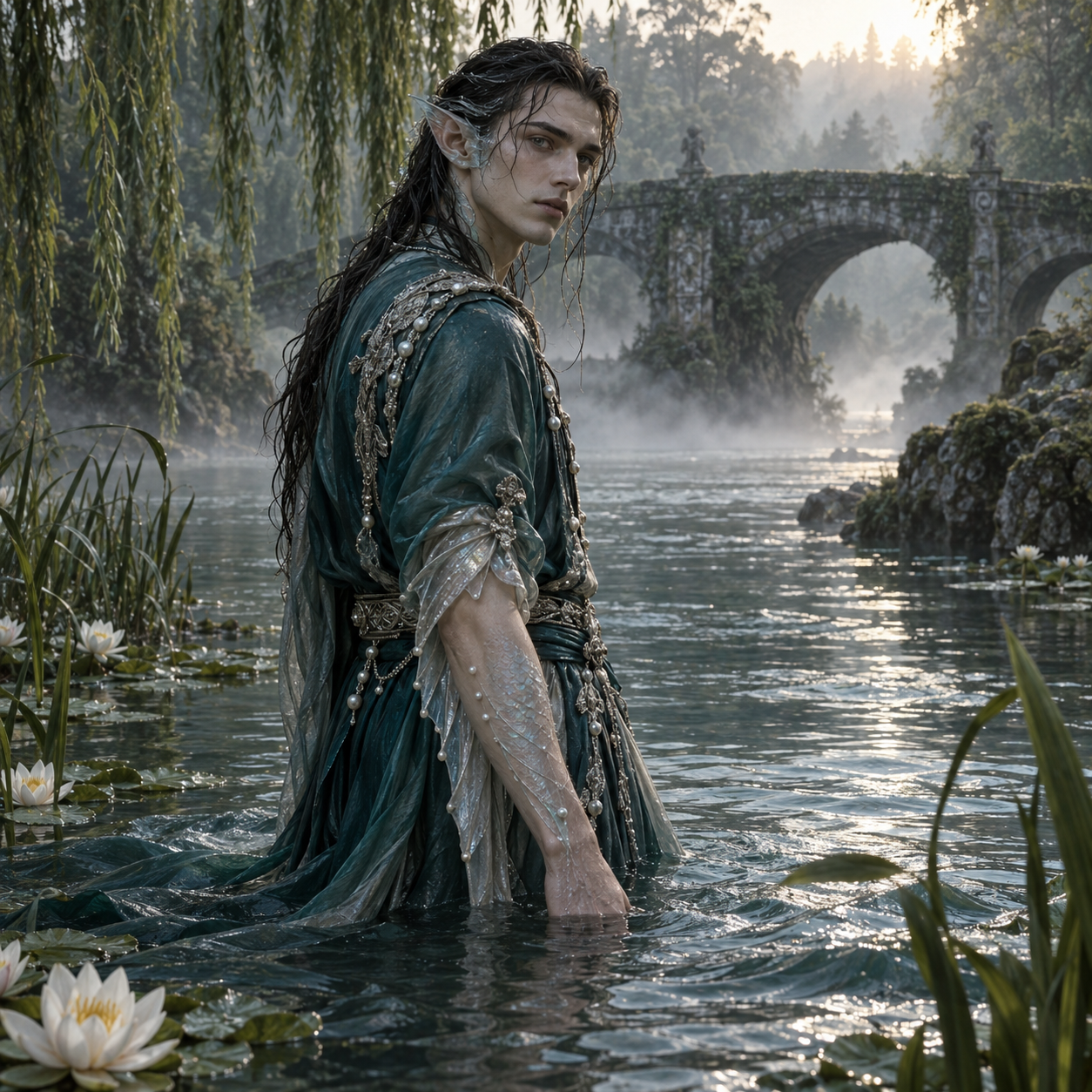
Picture prompts begin with a moment rather than an explanation. Imagine each scene as an illustration or photograph and look for the beginnings of a story within it. Consider who the characters are, what happened immediately before this moment and what might be waiting just beyond the edge of the image.

Go Deeper into Water Fairy Writing
Water fairies become much more interesting when the water itself shapes the story. A river is constantly moving, a lake can conceal an entire world beneath an apparently peaceful surface, a spring has a source, a marsh exists somewhere between land and water, and the sea changes with tides and storms. Think about what kind of water your fae belongs to and allow that environment to influence their personality, culture, magic and relationship with the wider world.
◆ Let the water shape the fae. A fairy belonging to a fast mountain river might be restless, territorial and impossible to contain, while one inhabiting an ancient lake could be patient, secretive and deeply connected to everything that has happened along its shores. Consider how different environments create different kinds of water fae rather than treating them as a single species.
◆ Give the water rules. Perhaps a river fairy cannot travel beyond the banks of their river, a lake fairy can only leave when someone carries water from their home, or a well fairy must grant something in exchange for every offering dropped into the water. Restrictions make magic feel more believable and create natural opportunities for conflict.
◆ Think about ownership and territory. Humans build bridges, dams, mills, reservoirs and settlements around water, but your fae may have occupied those places long before them. A seemingly ordinary construction project could become an invasion of ancient territory, while an agreement made centuries ago might determine who is permitted to fish, cross a river or draw water from a particular spring.
◆ Use the surface as a boundary. Water naturally creates a divide between what can be seen and what remains hidden. A beautiful lake might conceal a ruined city, a thriving court or something imprisoned beneath it. Reflections can reveal things that are invisible in the real world, while crossing beneath the surface can become the equivalent of entering another realm.
◆ Make bargains connected to water. Instead of asking for gold, your water fae might demand a memory, a secret, a promise, a treasured object or something that must be returned to the river years later. The bargain might seem insignificant when it is made but become increasingly difficult to honour as the character's life changes.
◆ Remember that water moves. Rivers connect distant places, rain falls far from where it eventually reaches the sea, and floods temporarily erase familiar boundaries. Water fae could use these connections to travel, communicate or trade, creating networks of magical communities stretching across an entire landscape.
◆ Use ordinary water as well as spectacular settings. Not every water-fairy story needs an enormous underwater palace. Wells, fountains, millponds, canals, streams, drainage tunnels, village pumps and rain-filled hollows can become equally magical settings. Placing the extraordinary somewhere familiar can make the discovery of a faerie presence feel even stranger.
◆ Decide what humans believe about them. A village might leave offerings beside the river without remembering why, children might be warned never to swim in one particular lake, or an old local story might contain fragments of a genuine agreement between humans and fae. Let folklore preserve pieces of the truth without necessarily explaining everything correctly.
◆ Give beauty a consequence. Glittering water, silver fish, pearl-covered palaces and impossibly beautiful fae can make an enchanted water realm irresistible, but beauty does not have to mean safety. The most memorable magical places often tempt characters closer before they understand the rules governing them.
◆ Leave something beneath the surface. You do not need to explain every element of your water-fae world. A bell heard beneath a lake, a doorway visible only during drought, an object repeatedly returned by the tide or a fairy who refuses to cross one particular bridge can suggest a much larger history without revealing it completely.
Final Thoughts
Water fairy stories can begin almost anywhere water gathers. A forgotten wishing well, a river winding through a forest, a flooded ruin, a mountain spring or a perfectly ordinary village pond can become the boundary between the familiar world and something much older. Whether your water fae are playful, regal, dangerous, lonely or completely unknowable, let their environment shape the magic surrounding them.
Use these prompts as starting points rather than rules. Combine a character with a different setting, take an opening line in an unexpected direction, turn a picture prompt into an entire world or use one small idea to create your own folklore. The same water fairy prompt could become a whimsical fairytale, a dark folk story, a fantasy adventure, a mystery or something entirely different.
For more enchanted creatures, magical places and folklore-inspired story ideas, explore the Fairytale & Folklore Writing Hub, where you'll find more prompts, characters, settings and story inspiration rooted in fairytales and folklore.
You can also browse the Creative Writing Archive to discover hundreds of writing prompts, picture prompts, character ideas, settings, story starters and creative writing resources across fantasy, folklore, gothic fiction, horror, romance, science fiction and more.
Choose Your Next Adventure