70 High Fae Writing Prompts: Immortal Courts, Ancient Magic & Fae Royalty
High Fae belong to the grandest and most dangerous corners of the faerie world. They might rule glittering courts hidden beyond the mortal realm, inherit kingdoms older than human civilisation or move through ordinary society disguised as impossibly beautiful strangers. Powerful, long-lived and bound by traditions that mortals rarely understand, High Fae can bring politics, romance, rivalry, ancient magic and intrigue into almost any fantasy story.
Your High Fae might be an immortal monarch struggling to hold together a divided court, a young heir discovering that their family's power comes with a terrible price, an ambassador sent to negotiate with humans or a disgraced noble determined to reclaim their place among the fae. Their worlds might be shaped by elaborate hierarchies, magical bloodlines, seasonal courts, ancient oaths, political marriages, rival houses or laws established thousands of years before the story begins.
These 70 High Fae Writing Prompts explore powerful fae through plot prompts, title ideas, opening lines, closing lines, characters, settings and picture prompts, giving you different ways to begin a story or develop a larger faerie world. Use a single prompt as your starting point, combine several ideas or take a character, court, conflict or piece of magic and transform it into something entirely your own.
For more enchanted creatures, magical places and folklore-inspired story ideas, explore the Fairytale & Folklore Writing Hub, or browse the Creative Writing Archive for more prompts, characters, settings and worldbuilding inspiration.
1. Plot Prompts
High Fae stories are perfect for exploring powerful families, immortal rivalries, dangerous court politics and magical laws that have existed for centuries. These plot prompts place characters inside worlds where a single promise can alter a kingdom and conflicts begun generations ago are still waiting to be resolved.
A High Fae heir is summoned home after a century abroad to discover that their younger sibling has been crowned in their absence and has no intention of surrendering the throne.
Every High Fae ruler must surrender one year of their immortality whenever they break an oath. When an ancient queen suddenly begins ageing, her court becomes desperate to discover which promise she has broken.
A human ambassador arrives at a High Fae court to negotiate the return of land taken from the mortal world centuries ago. The fae agree to return it on one condition: the ambassador must first discover why the land was stolen.
Seven High Fae families have shared control of an enchanted kingdom for thousands of years. When one family's ancestral magic suddenly disappears, the remaining houses begin competing to claim its territory before anyone discovers what caused the loss.
A young High Fae discovers that their extraordinary magical abilities do not come from their prestigious bloodline but from an unknown ancestor whose name has been deliberately erased from every family record.
Once every hundred years, the High Fae courts gather beneath an ancient tree to renew the agreements that prevent war between their kingdoms. This year, one court fails to arrive.
A disgraced High Fae noble is offered the chance to return to court if they can retrieve a stolen crown from the mortal world. Unfortunately, the human currently wearing it has unknowingly awakened its magic.
A High Fae princess has spent decades preparing for a political marriage intended to unite two rival kingdoms. On the morning of the ceremony, she discovers that the ancient magical bond connecting the kingdoms has already chosen someone else.
High Fae are forbidden from interfering directly in mortal wars. When an immortal commander discovers that a human kingdom is being secretly supplied with faerie weapons, they must determine which court has broken the law without starting a conflict between the fae themselves.
An ancient High Fae ruler announces that they intend to surrender their immortality and abdicate the throne. Before they can explain why, they disappear, leaving seven possible heirs and no recognised successor.
2. Title Ideas
High Fae stories can feel regal, mysterious, romantic or dangerous, and a title can immediately suggest the kind of faerie world waiting beyond the page. Use these titles exactly as they are or take a word, image or idea from them to inspire something new.
Evercrowned
The Immortal Houses
Thornblood
A Court of Silver and Rowan
Oathbound
The Last Heir of Summer
Gilded
When the Immortal King Fell
Seven Houses Beneath the Hawthorn
What the Fae Remember
3. Opening Lines
A High Fae story might begin with an invitation to court, the breaking of an ancient law or the discovery that immortality carries consequences of its own. Use one of these opening lines to enter a world of powerful families, elaborate traditions and magic older than anyone remembers.
The invitation arrived folded inside a hawthorn leaf and sealed with the crest of a family that had been dead for three hundred years.
There were nine High Fae houses when my grandmother took the throne; by the night of my coronation, only four remained.
The immortal queen began to age at precisely twelve minutes past midnight.
Everyone at court knew Prince Caelan had murdered his brother, although nobody had yet found a law proving that murder was forbidden.
I had spent twenty-seven years believing I was human before a woman wearing an antler crown appeared at my door and called me Your Highness.
The High Fae never apologised, which was why the letter waiting on my pillow frightened me more than any threat could have done.
On the first night of the midsummer gathering, somebody stole the king's shadow.
My mother had warned me about three things before sending me to the High Fae court: never accept a gift, never reveal my full name and never dance with the prince.
The palace had stood unchanged for four thousand years, so when a new door appeared in the eastern corridor, the entire court noticed.
The first sign that our immortality was failing was the grey hair my sister found at her temple.
4. Closing Lines
High Fae stories can end with crowns surrendered, bargains fulfilled, old kingdoms transformed or the discovery that immortality was never quite what it seemed. Begin with one of these final lines and imagine everything that would have to happen for your characters to reach it.
She left the crown beneath the hawthorn tree and walked into the mortal world without looking back.
For the first time in five thousand years, the High Fae began to grow old.
The throne remained empty, exactly as we had intended.
Somewhere beyond the palace walls, the bells of seven rival courts began ringing at once.
I had entered the faerie realm searching for my brother and left it carrying the name of its next queen.
When the final oath broke, the mountains moved back to where they had stood before the High Fae arrived.
He smiled as the gates closed between us, knowing that in another hundred years I would have the chance to find him again.
The historians would later call it the end of the Immortal Age, although none of us understood that yet.
She had spent her entire life fighting for the throne; in the end, her greatest victory was destroying it.
The old stories claimed that the High Fae had disappeared forever, but every midsummer someone still left a crown of flowers outside my door.
5. Character Ideas
High Fae can be rulers and heirs, but their courts also need diplomats, historians, soldiers, craftspeople, rebels and guardians. Think beyond beautiful immortal royalty and consider how centuries of life, inherited magic and complicated social hierarchies might shape the people who inhabit your faerie world.
A High Fae prince who has been raised from birth to inherit the throne but would rather spend his immortality mapping the unexplored regions beyond his family's kingdom.
An immortal court historian who remembers events that official records insist never happened and has secretly maintained a second history of the faerie realm.
A young High Fae noble whose family can control fire but who was inexplicably born with the ability to summon snow.
A celebrated diplomat who has prevented wars between rival faerie courts for centuries but has quietly begun engineering a conflict of their own.
The final surviving member of a disgraced High Fae house who lives anonymously among humans while searching for proof that their family was falsely accused of treason.
An elderly-looking High Fae gardener who deliberately surrendered centuries of immortality to keep the magical forest surrounding the royal palace alive.
A High Fae princess renowned for her beauty and perfect court manners who secretly operates a network helping servants, lesser fae and political prisoners escape oppressive courts.
A royal jeweller who creates crowns capable of strengthening the wearer's magic and discovers that the newest crown is slowly developing a will of its own.
A half-human High Fae heir whose short mortal lifespan makes them an object of pity at court until everyone realises they are ageing quickly enough to inherit knowledge and abilities that normally take centuries to develop.
An immortal knight who swore to protect a royal bloodline and has remained bound to the oath long after the kingdom, palace and descendants they were supposed to defend disappeared.
6. Setting Ideas
High Fae settings can reflect the wealth and power of their inhabitants while revealing the ancient magic beneath the beauty. Palaces might grow from living forests, entire cities could exist outside mortal time and borders may be enforced by magical agreements rather than walls.
An enormous High Fae palace grown from a grove of ancient silver-barked trees, where branches form corridors, roots create underground chambers and new rooms appear whenever another member is born into the royal family.
A glittering capital built around the base of a mountain containing the sleeping ancestor of the ruling High Fae dynasty, whose dreams influence the weather across the kingdom.
Seven neighbouring High Fae estates surrounding an enchanted lake, each belonging to a rival noble house and connected by bridges that appear or disappear according to the alliances between them.
A ruined palace abandoned after its royal family vanished centuries ago, perfectly preserved by magic and still preparing banquets, lighting fires and opening doors for inhabitants who never return.
A High Fae city where time passes differently in every district, allowing visitors to cross a single street and discover that years have passed elsewhere in the kingdom.
A vast ceremonial forest where every High Fae ruler must plant a tree at their coronation, creating a living record of thousands of years of faerie monarchs.
A palace suspended behind the northern lights and accessible only on winter nights when a particular constellation appears above the horizon.
A prosperous border city where humans, High Fae and other magical beings are permitted to trade under strict laws enforced by an ancient neutral court.
A hidden valley containing the ancestral homes of the oldest High Fae families, where abandoned estates reveal how many powerful bloodlines have disappeared over the centuries.
A magnificent court built around a colossal hawthorn tree whose roots extend beneath every High Fae kingdom and carry messages, secrets and magic between distant realms.
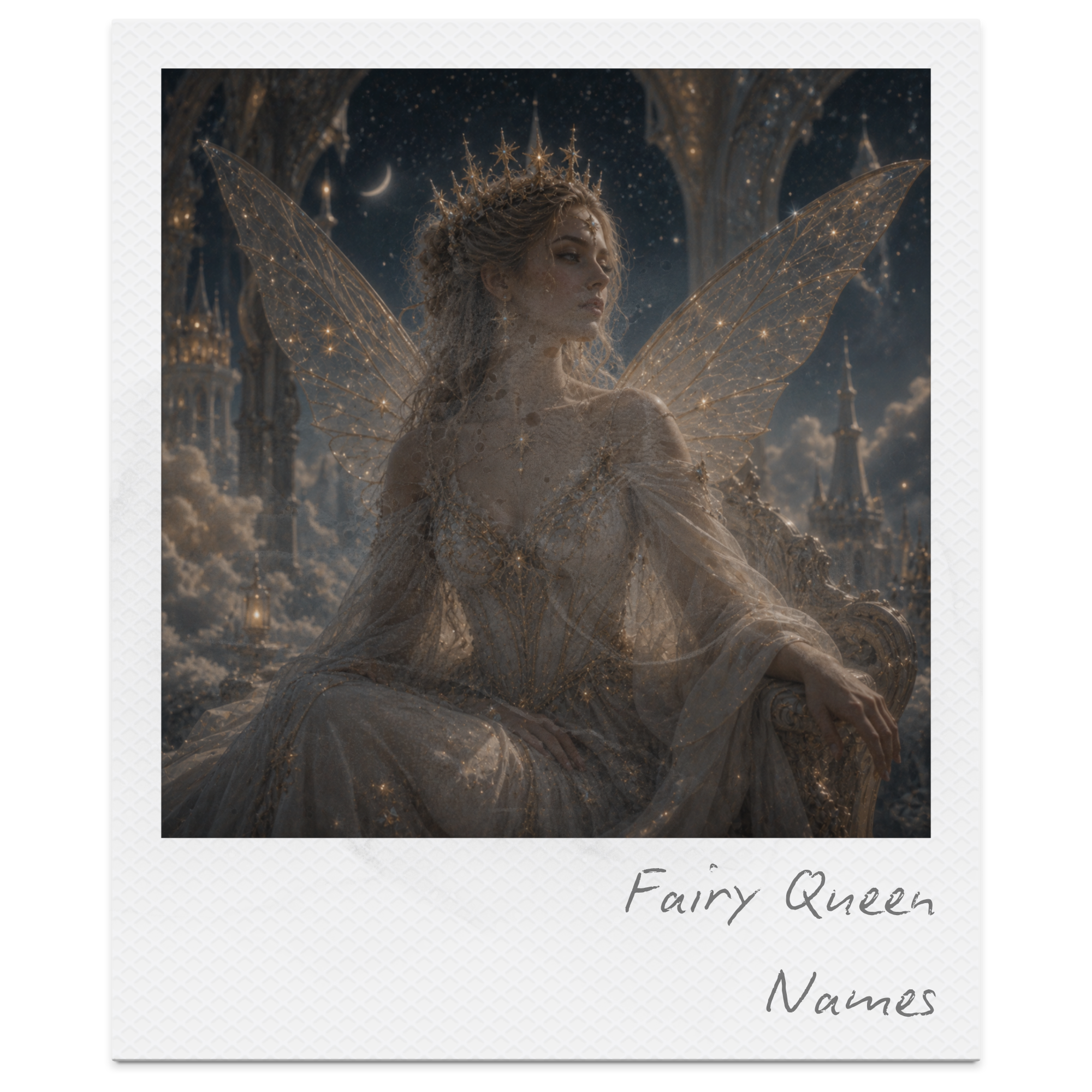
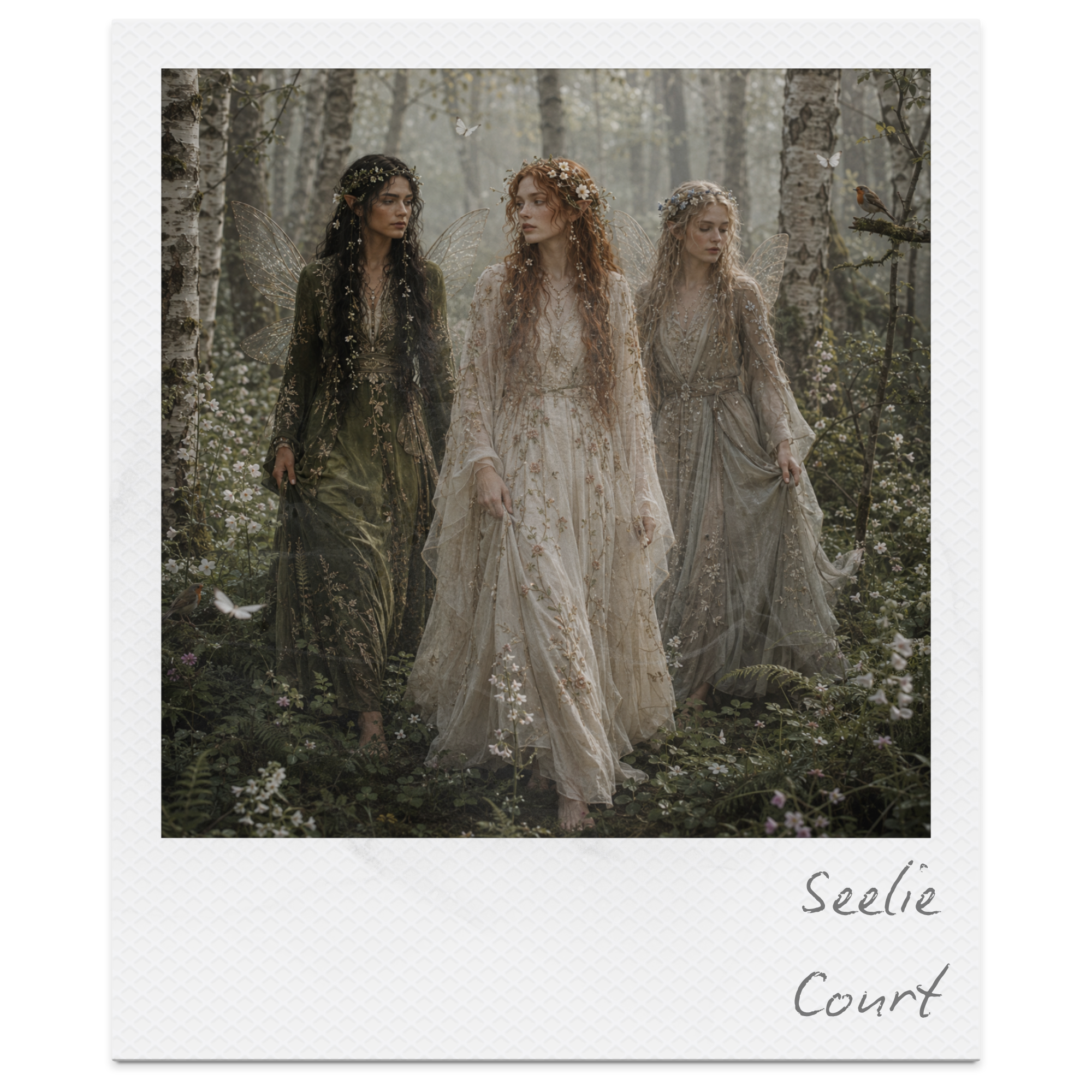
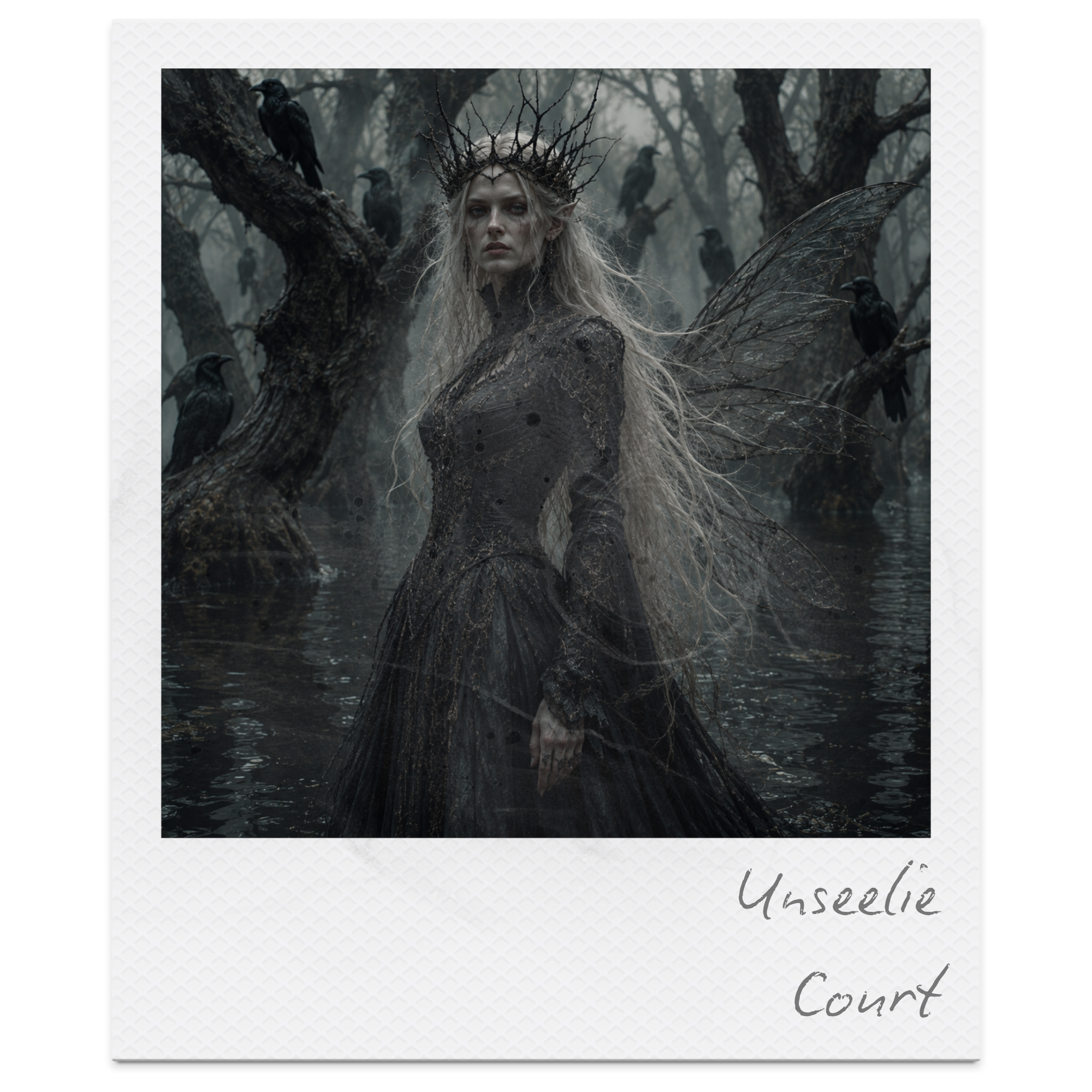
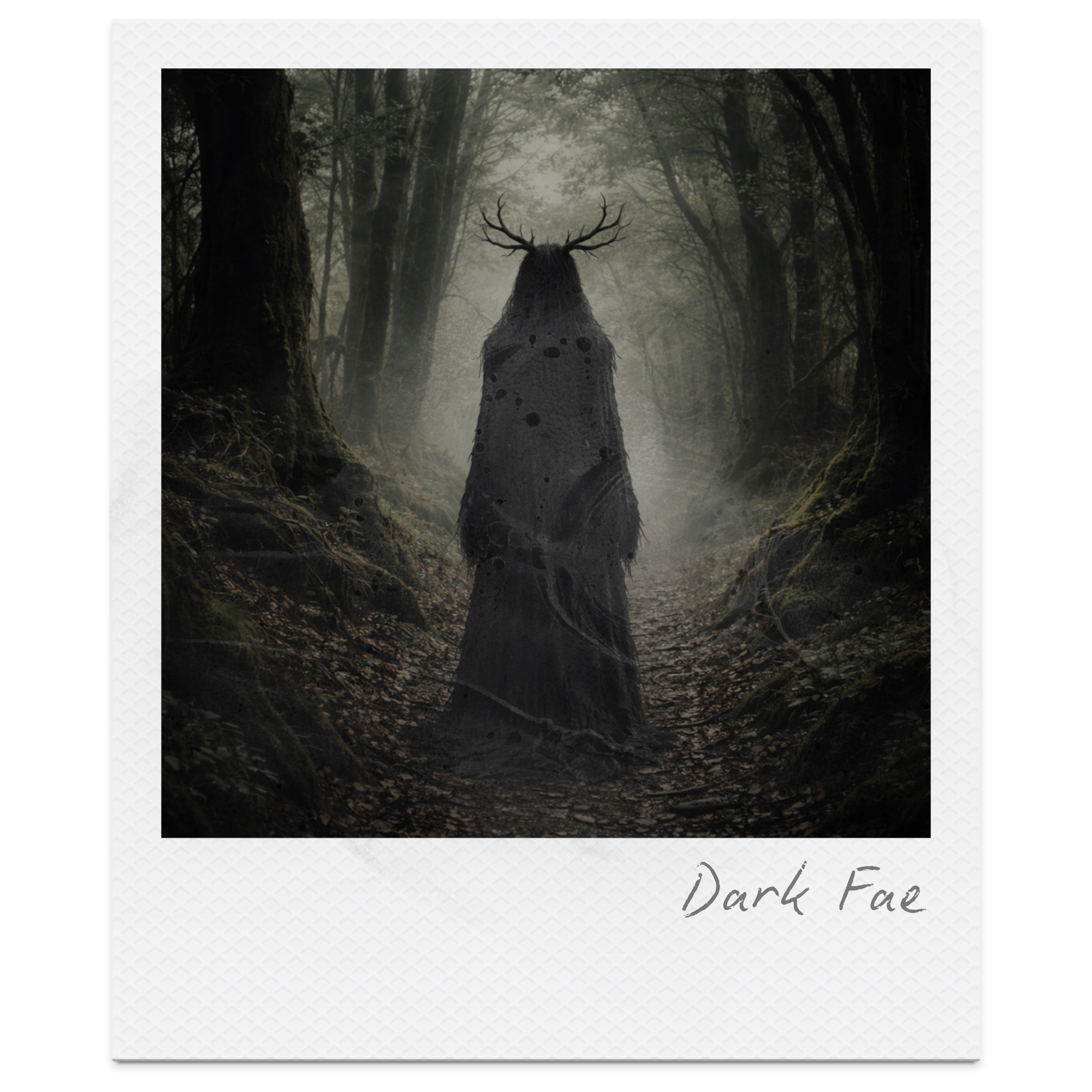
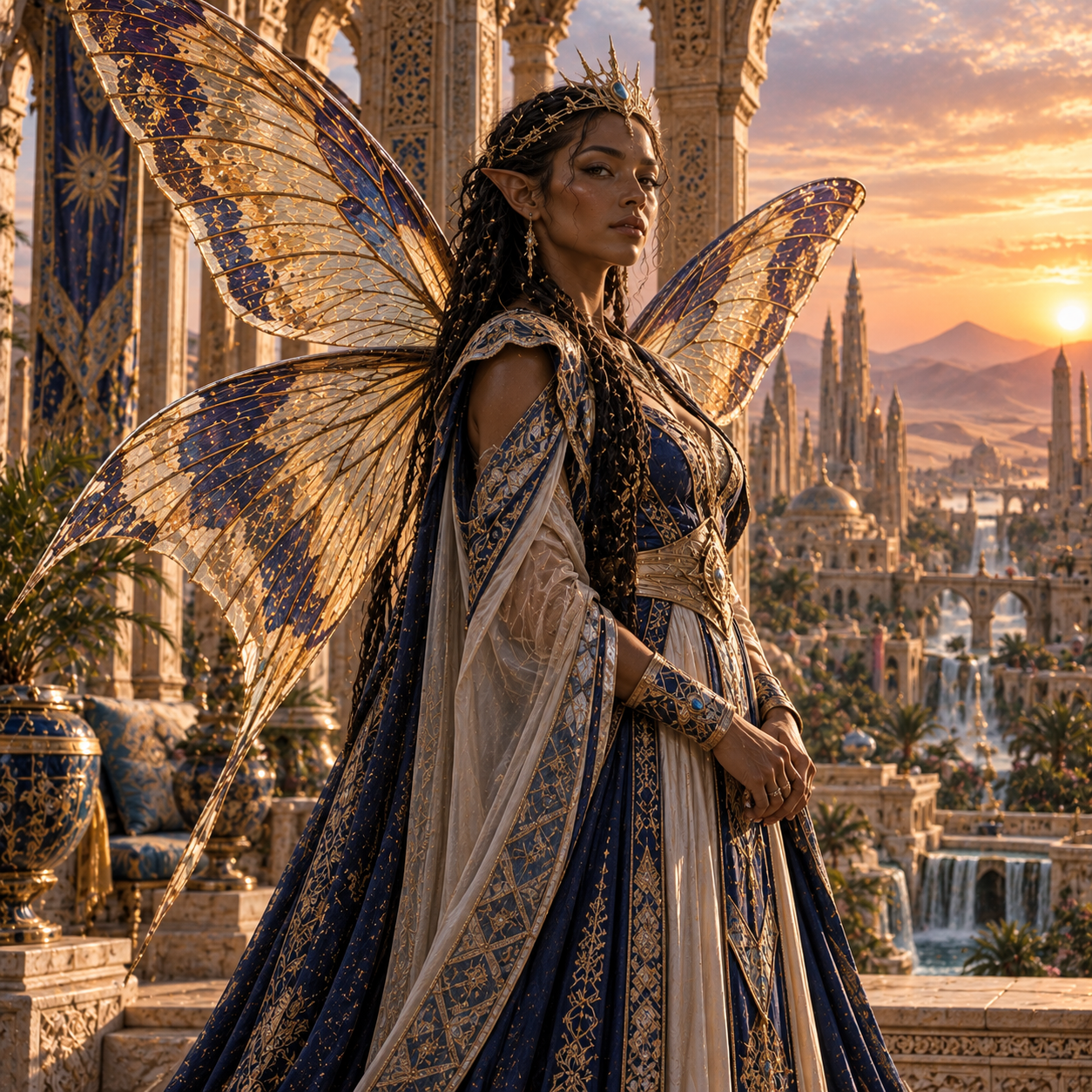
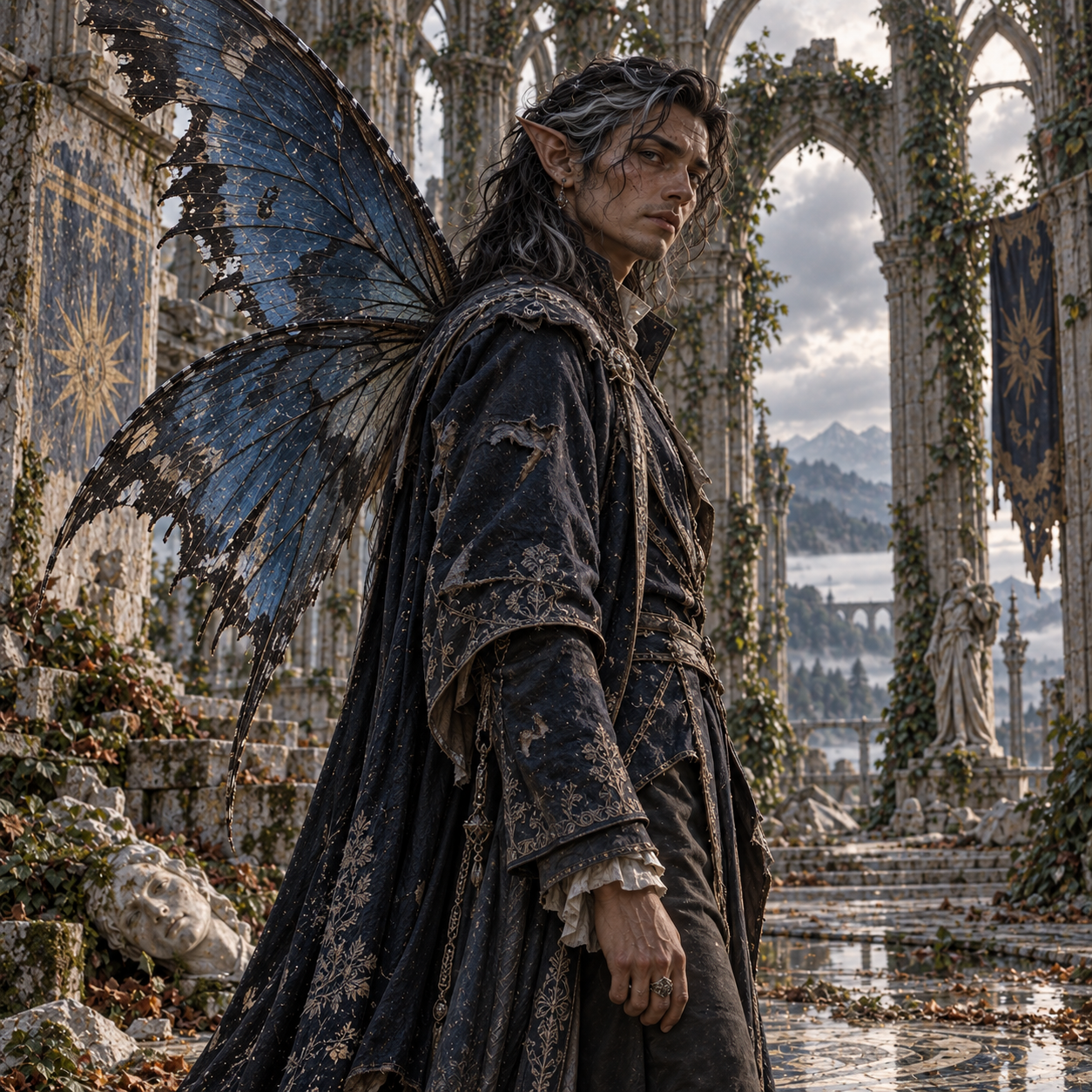
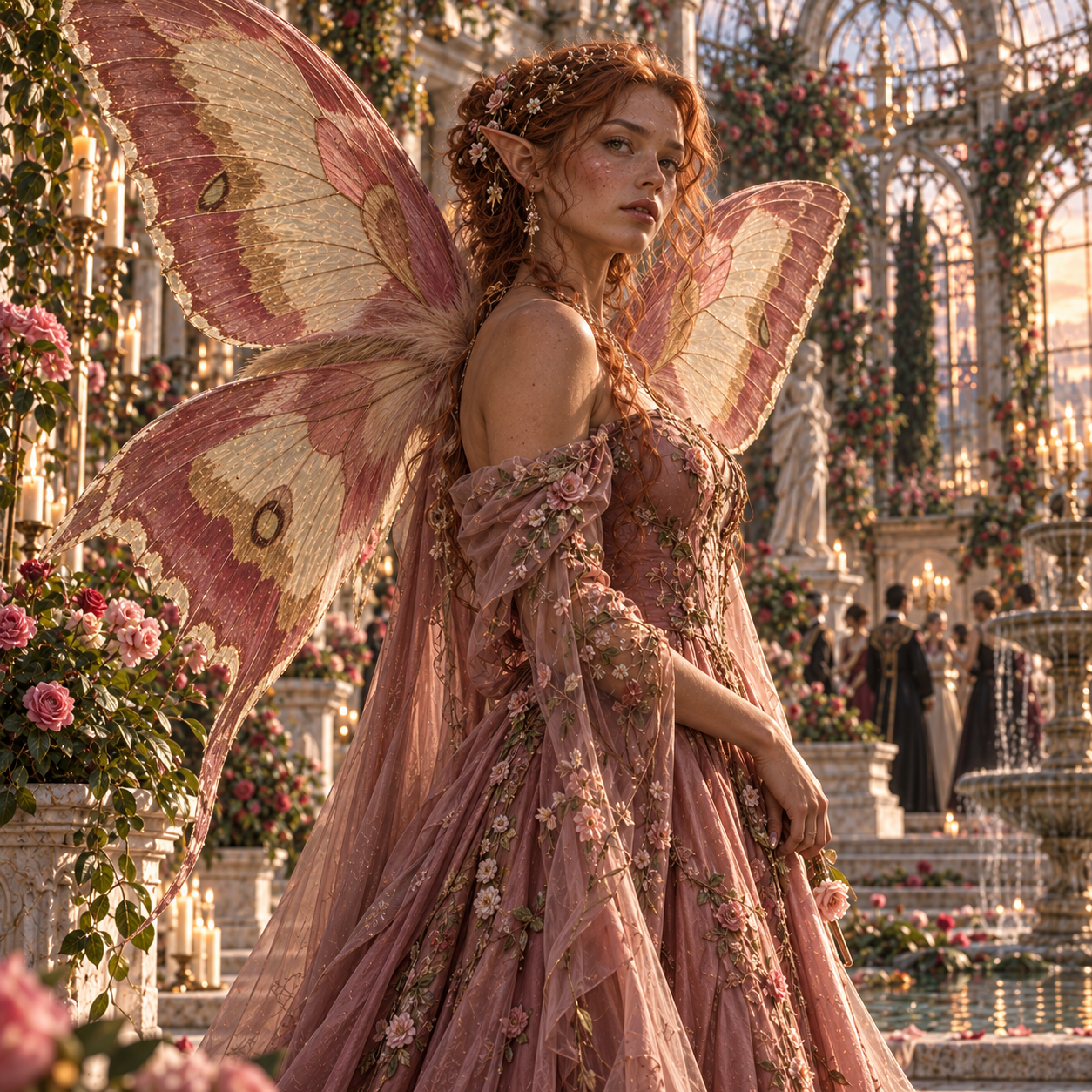
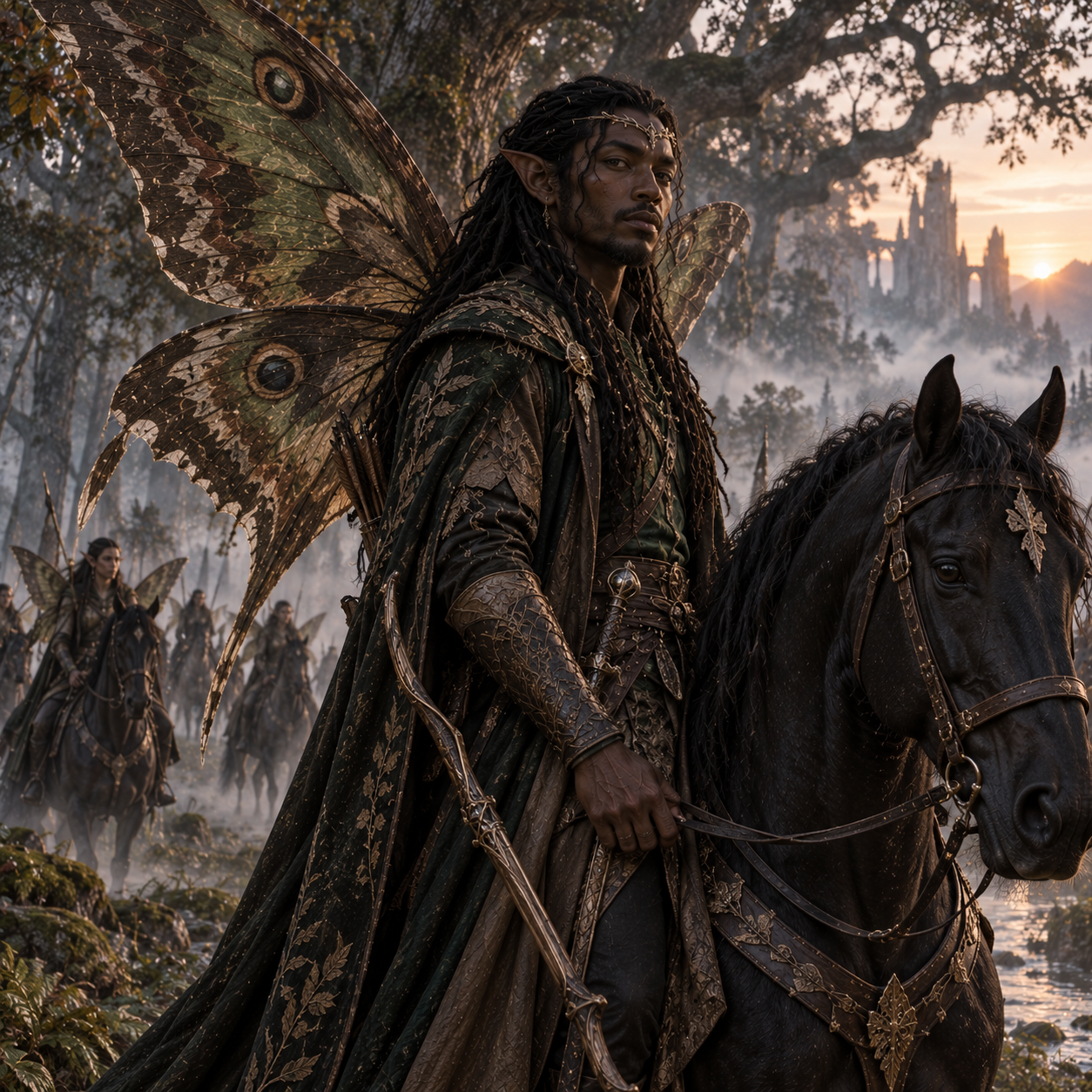
7. Picture Prompts
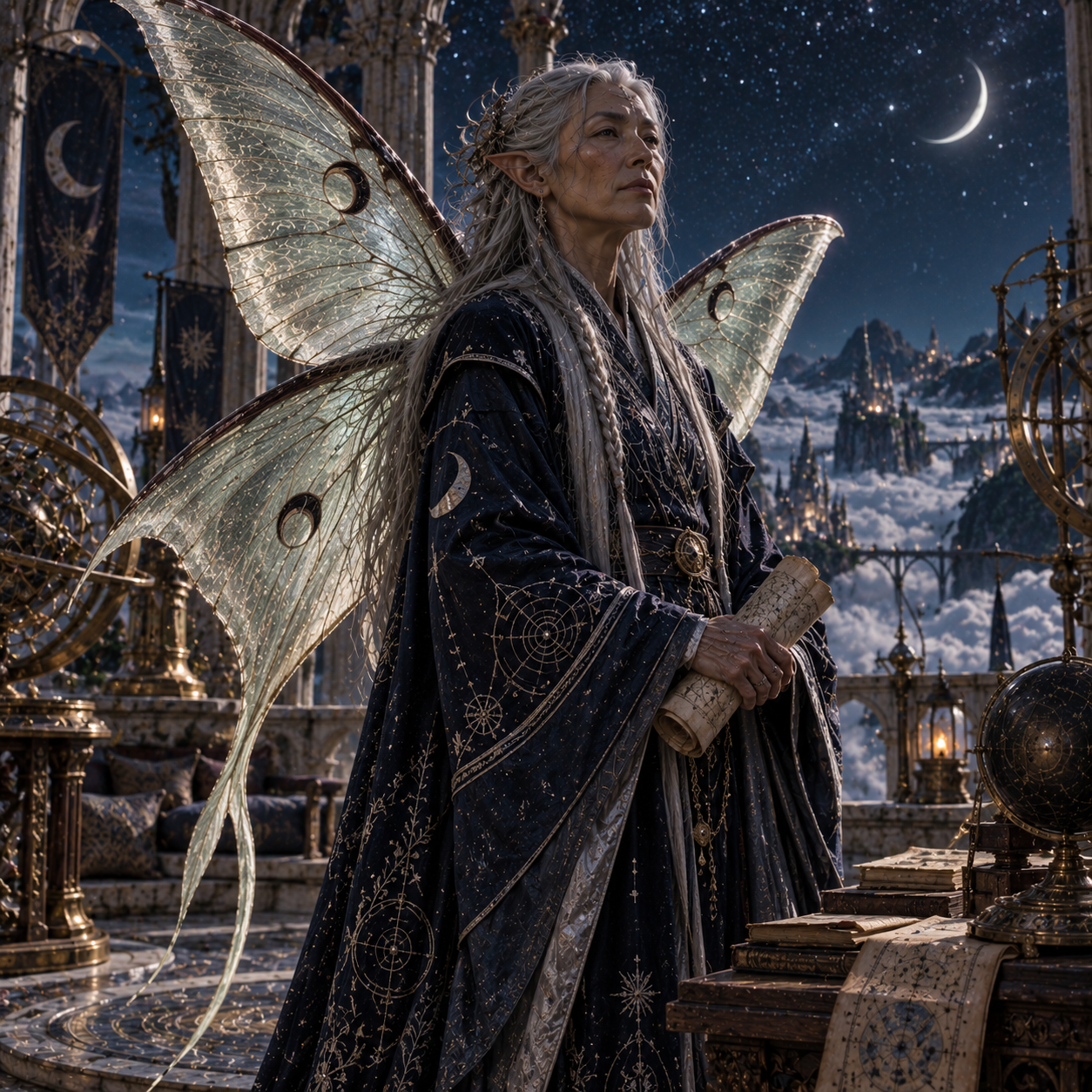
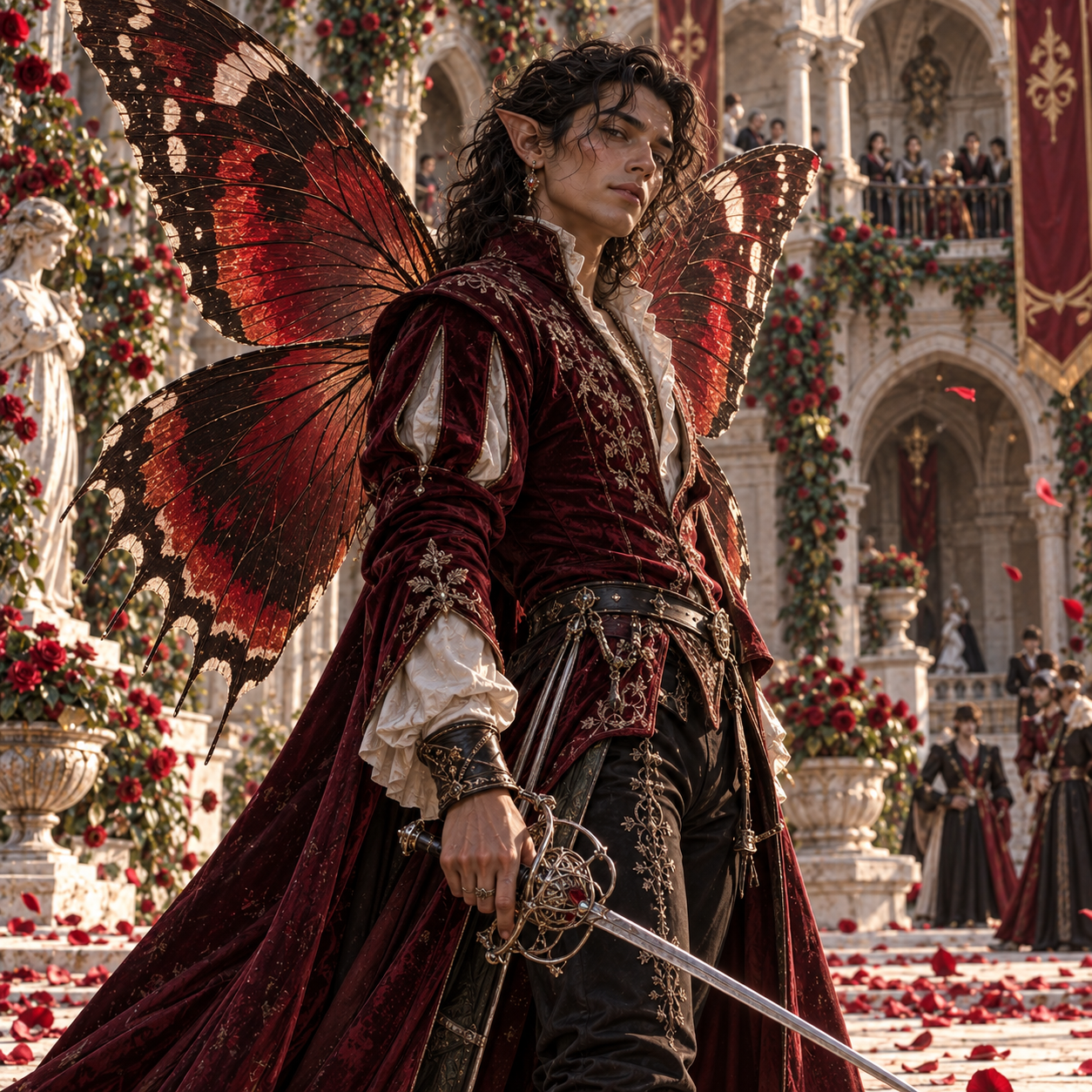
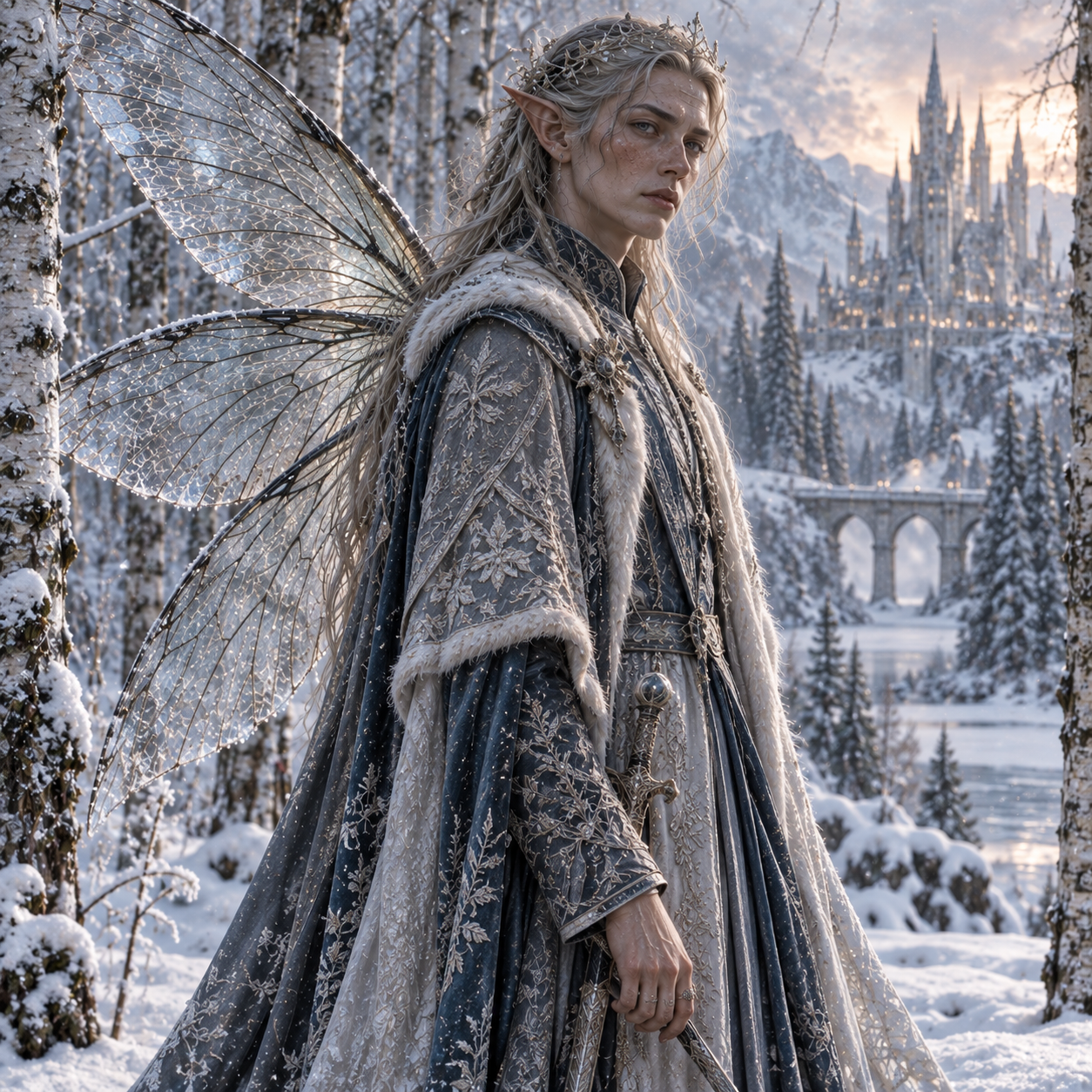
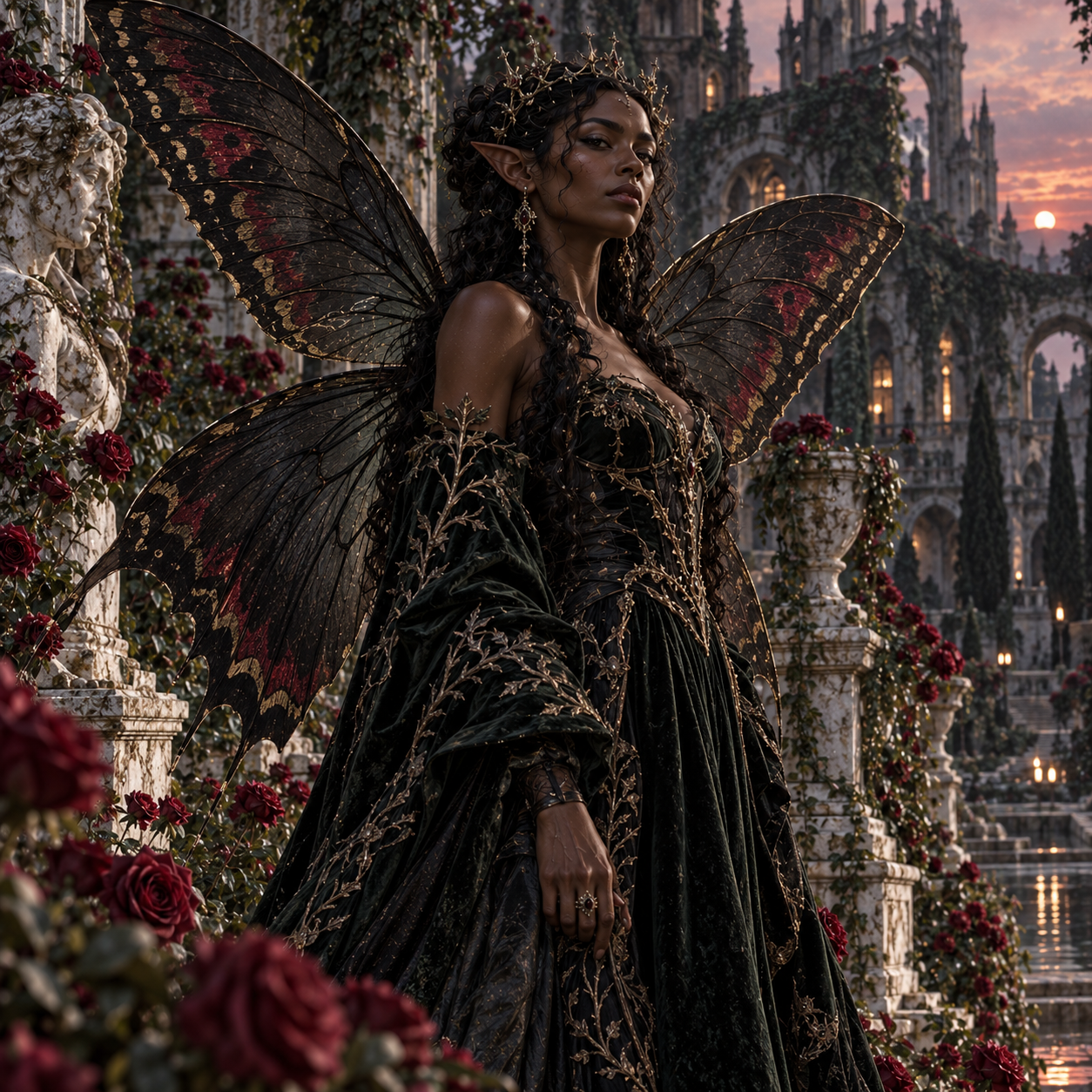
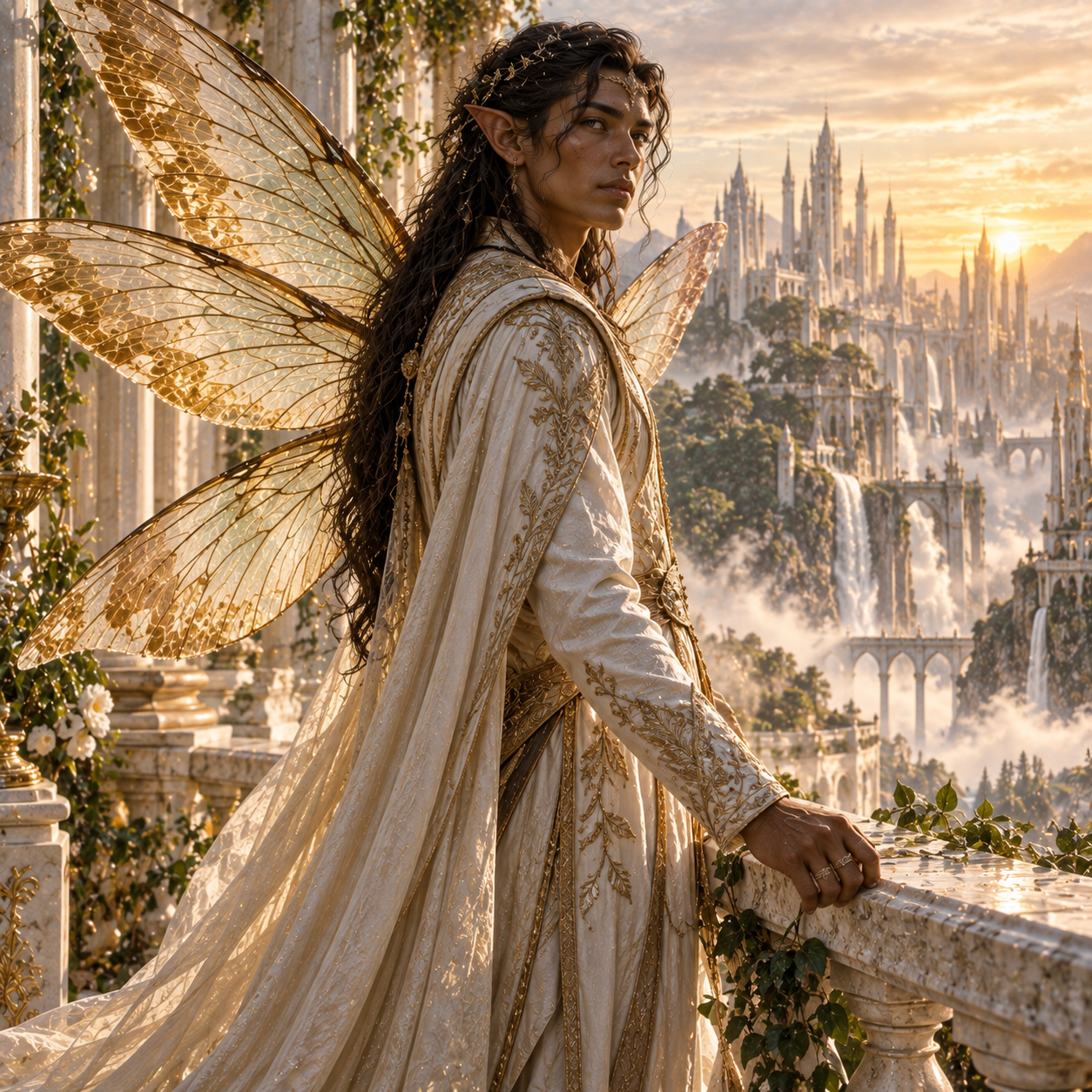
Picture prompts begin with a single visual moment and leave the story surrounding it unexplained. Look closely at the characters, objects and setting, then imagine what happened immediately before the scene, what might happen next and which details are more important than they first appear.
Go Deeper into High Fae Writing
High Fae become more compelling when their beauty and power are only the surface of a much larger culture. If your characters can live for centuries, inherit ancient magic and belong to societies older than human kingdoms, think about how that history shapes everything from family relationships to political grudges.
◆ Decide what makes someone High Fae. Is it a species, a magical distinction, a social class, an inherited title or something a fae can become? Perhaps High Fae possess stronger magic than other fae, belong to particular bloodlines or simply descend from the families that established the first courts. Deciding where their status comes from can reveal inequalities and tensions within your faerie world.
◆ Build a hierarchy beyond kings and queens. Royal families might sit at the top of society, but beneath them could be noble houses, courtiers, diplomats, military orders, scholars, magical advisers and powerful families without royal titles. Consider who actually holds influence and whether official rank always reflects real power.
◆ Let immortality change your characters. Someone who has lived for eight hundred years should experience time differently from a human. A disagreement lasting fifty years might feel temporary, while a promise made centuries ago could still be considered binding. Think about what your High Fae remember, what they forget and whether immortality makes them patient, reckless, nostalgic or afraid of change.
◆ Give powerful magic limitations. High Fae can be extraordinarily magical without being able to solve every problem. Their abilities might depend upon territory, ancestry, seasons, objects, promises or particular natural forces. Powerful magic becomes more interesting when characters understand exactly what it cannot do.
◆ Create traditions with history behind them. Coronations, court gatherings, dances, marriages, duels, gift-giving and seasonal celebrations can all have rules established generations ago. Ask why each tradition began. A beautiful ceremony might commemorate an ancient victory, conceal an old sacrifice or continue an agreement nobody dares to break.
◆ Make bloodlines matter without making them simple. Different High Fae families could inherit distinctive forms of magic, physical characteristics, responsibilities or curses. A prestigious family might be losing its power while an obscure bloodline suddenly produces an extraordinarily powerful heir. Family history can become both a source of privilege and a burden characters are desperate to escape.
◆ Think about the relationship between courts. High Fae kingdoms do not need to exist independently from one another. They might trade, intermarry, exchange ambassadors, dispute borders or maintain alliances established thousands of years ago. One broken engagement, disputed inheritance or vanished heir could destabilise relationships between several courts at once.
◆ Decide how High Fae interact with other fae. If High Fae occupy the highest levels of faerie society, what does that mean for everyone else? Other fae might admire them, fear them, resent them or reject their authority completely. A court that appears magnificent from the throne room may look very different to those expected to serve it.
◆ Use immortality to create ancient consequences. High Fae characters can personally remember wars, betrayals and bargains that humans know only through legend. Your protagonist might encounter the person who cursed their family centuries ago or discover that the ruler celebrated in modern history was responsible for something terrible that surviving fae still remember.
◆ Look beyond the palace. High Fae worlds can include ancient estates, border territories, sacred forests, abandoned courts, diplomatic cities, ruined kingdoms and places where faerie authority has begun to collapse. Showing what exists beyond the glittering centre of power can make the entire world feel larger and more believable.
Final Thoughts
High Fae offer far more possibilities than beautiful immortal rulers sitting inside enchanted palaces. They can belong to complicated families, inherit responsibilities they never wanted, become trapped by promises made centuries earlier or discover that the traditions holding their society together are beginning to fail. Their long lives allow personal stories and ancient history to overlap in ways that are difficult to create with mortal characters.
Use these prompts to experiment with different versions of the High Fae rather than feeling tied to a single interpretation. Combine a character with a setting, build an entire court around one opening line or take a small detail from a picture prompt and turn it into the history of an immortal dynasty. The more rules, traditions, rivalries and consequences you give your faerie world, the more distinctive your High Fae can become.
For more faerie courts, magical creatures and folklore-inspired story ideas, explore the Fairytale & Folklore Writing Hub, where you'll find more prompts, characters, settings and inspiration for building enchanted stories and worlds.
You can also browse the Creative Writing Archive for hundreds of writing prompts, picture prompts, story ideas, characters, settings and creative writing resources across fantasy, fairytales, folklore and more.
Choose Your Next Adventure