70 Changeling Writing Prompts: Fae Folklore, Stolen Children & Secret Identities
What if the person who came home wasn't the person who disappeared?
For centuries, folklore has told stories of humans being taken by fairies and replaced with something else. The replacement became known as a changeling: sometimes a faerie child, sometimes an elderly fae disguised by magic and sometimes a strange substitute whose true nature remained uncertain. Versions of the tradition appear across Ireland, Scotland and other parts of Europe, with each region developing its own explanations for who the changelings were, why exchanges happened and whether the stolen person could ever be recovered.
Behind those stories lies a much darker history. Changeling beliefs were sometimes used to explain illness, disability or behaviour that communities did not understand, and people believed to be changelings could be mistreated or harmed. Modern writers can draw upon the supernatural possibilities of the folklore without repeating those assumptions, instead using the changeling tradition to explore questions of identity, belonging, family, memory and what it means to become someone else.
Perhaps your changeling has always known what they are. Perhaps they have spent sixteen years believing they are human before discovering that somewhere beyond the boundary of the mortal world lives the child they replaced. A stolen human might return decades later without having aged at all, while the changeling left behind has grown up, formed relationships and built an entire life in their place. Or perhaps the old stories have the exchange backwards, and the fae have been trying to recover one of their own.
These 70 changeling writing prompts move between unsettling folklore, dark fairytales, fantasy and mystery through plots, titles, opening lines, closing lines, characters, settings and picture prompts. Some begin with an exchange; others explore what happens years afterwards, when the question is no longer simply Who was taken? but Where does each of them belong now?
Explore more strange creatures, old legends and faerie traditions in the Fairytale & Folklore Writing Hub, or browse the Creative Writing Archive for more prompts, characters, settings and story inspiration.
1. Plot Prompts
The exchange is only the beginning of a changeling story. What happens afterwards might unfold over a single night or remain hidden for generations, and the person at the centre of it may have no idea an exchange ever occurred.
On her eighteenth birthday, a young woman receives two identical letters. One is from the human mother who raised her. The other is from a faerie woman claiming that eighteen years ago their babies were exchanged — and neither mother was responsible.
A man returns to his childhood village thirty years after disappearing in the woods. He has not aged beyond twelve and insists that only three days have passed, but another man has spent those thirty years living as him.
Every family in a remote valley follows the same tradition: a piece of iron is placed beneath a newborn's cradle until their first birthday. When one family refuses, nothing happens to the baby — but their eldest daughter suddenly remembers being someone else.
A changeling has successfully lived among humans for decades when the fae arrive to take them home. They refuse to go, forcing both worlds to confront a question neither anticipated: does the person exchanged as a child have any obligation to return?
A historian researching local changeling legends notices that every recorded exchange occurred within the same seven families. Following the bloodlines into the present reveals that the exchanges were not random kidnappings but part of an agreement nobody remembers making.
Two children meet beside a boundary stone and discover that each has been told the same impossible story. One is supposedly a human stolen by the fae; the other is supposedly the changeling left behind in their place.
A faerie couple discover that their child was secretly exchanged for a human baby. To recover them, they must enter the mortal world and navigate a society whose stories insist that the fae are always the ones doing the stealing.
A changeling grows up able to imitate human emotions perfectly without understanding why everyone else experiences them so intensely. Years later, they encounter another fae who insists that this is not normal for their kind either.
An isolated island community believes the fae stopped exchanging children generations ago. When several adults begin dreaming about childhoods they never lived, the villagers realise the most recent changelings may not have been babies at all.
A woman searching for her missing sister crosses into the faerie realm and finds her living happily with a family who claim she was originally their child. Returning her to the human world would mean performing the exchange all over again.
2. Title Ideas
Changeling stories naturally invite titles concerned with doubles, stolen identities, unfamiliar homes and uncertain belonging. These could lead towards dark folklore, family mystery, fantasy or something much quieter and more emotional.
The Child They Left Behind
Borrowed
A Stranger in the Cradle
The Other Daughter
Under Hawthorn
Neither Human Nor Fae
The Girl Who Came Back
Someone Else's Name
The Exchange
Where They Took Us
3. Opening Lines
The unsettling thing about an exchange is that somebody has to notice. Perhaps a mother recognises something impossible in her child, an adult discovers a discrepancy in their own history or someone long missing simply walks through the door.
My mother knew I wasn't her daughter before I did.
The boy who disappeared in 1987 walked back into town on a Wednesday morning wearing the same red jumper.
There were two photographs of my first birthday, and two different babies were sitting beside the cake.
The faerie woman at the bottom of our garden had my eyes.
Everyone in the village knew what to do when a baby was taken, but nobody knew what to do when one came back.
On the morning of my sixteenth birthday, my reflection stopped pretending to be human.
Grandmother waited until we were alone before telling me that my real brother had never lived in our house.
The DNA test said my parents were not my parents, which would have been considerably less alarming if it had identified what I was instead.
I had been warned never to answer when the voices beyond the standing stones called my name, but nobody warned me that one of them would sound exactly like me.
Twenty years after burying their daughter, my grandparents received a letter written in her handwriting.
4. Closing Lines
Some changeling stories end with a return, but returning does not necessarily restore what was lost. By the end of the story, your character might have to decide whether identity comes from birth, memory, love, choice or something far stranger.
I crossed the boundary carrying the name they gave me and left the one I was born with behind.
In the end, both mothers came to the station to meet us.
She had spent her whole life searching for the stolen child without realising he had been searching for her too.
We never discovered which of us was the changeling, and eventually we stopped needing to know.
He stepped through the doorway exactly as he had thirty years earlier, and this time nobody tried to make him stay.
I had been born in their world and raised in this one; neither fact mattered as much as where I chose to remain.
The cradle was empty by morning, but for the first time in three hundred years, nothing had been left in its place.
She took my hand, and together we went home to the family that technically belonged to neither of us.
The old stories had warned us that the fae stole children; they had never mentioned who stole the first one.
Beneath the hawthorn tree, two families set places at the table for both of their daughters.
5. Character Ideas
A changeling character exists between identities almost by definition, but that does not mean every story has to revolve around discovering a secret heritage. Consider the people on every side of the exchange: those taken, those left behind, those searching and those who have spent years keeping the truth hidden.
A changeling raised by a loving human family who has always known exactly what they are and is considerably less interested in discovering their faerie heritage than everyone assumes.
A human child raised among the fae who returns as an adult able to remember human customs only through fragmented childhood memories.
A midwife descended from generations of women who could recognise changelings at birth, except she has begun to suspect that the ability actually reveals something very different.
An elderly changeling approaching the end of an ordinary human lifespan who discovers that returning to the faerie realm would restore the centuries of life they were supposed to have.
A faerie mother who has searched for her missing child for seventeen years and has become convinced that humans, rather than the fae, performed the exchange.
A pair of teenagers who were exchanged with one another as babies and have grown up on opposite sides of the boundary, each envying the life the other desperately wants to escape.
A changeling who can alter their appearance instinctively but keeps returning to the same human face because it is the only one that feels like their own.
A folklorist who has spent their career disproving supernatural changeling stories and discovers their own name in a century-old account of an exchange.
A faerie tasked with retrieving changelings once they reach adulthood who has quietly allowed dozens to remain with their human families.
A returned human who becomes obsessed with protecting the changeling who replaced them after discovering exactly what will happen if the fae reclaim their own.
6. Setting Ideas
Changeling folklore belongs naturally to boundaries: between houses and wilderness, childhood and adulthood, the human world and somewhere stranger. Build settings where crossing from one place into another feels possible, but where the way back might not remain open for long.
A remote village surrounded by moorland where every cottage has an old iron charm above the nursery door, although nobody living remembers when the tradition began.
A faerie settlement mirroring a human village almost perfectly, except its houses contain objects lost from their human counterparts over hundreds of years.
An ancient hawthorn grove growing around a ruined farmhouse where local stories claim an entire family was exchanged during a single winter night.
A modern maternity hospital built over land once associated with changeling folklore, where staff occasionally discover impossible discrepancies between newborn photographs and medical records.
A lonely cottage beside a peat bog where generations of one family have recorded strange births, disappearances and returns inside handwritten journals hidden beneath the floorboards.
A vast faerie nursery occupying the hollow interior of an ancient hill, filled with human objects collected from children brought there across many centuries.
A windswept island accessible from the mainland only at low tide, where inhabitants still observe elaborate traditions intended to prevent exchanges between human and faerie families.
A woodland boundary marked by hundreds of pieces of ribbon, iron, bells and handwritten names left by families hoping to recover someone who disappeared beyond the trees.
A crumbling country house where every generation of the same family has produced a pair of portraits: one depicting the child raised in the house and another showing an almost identical child dressed in unfamiliar clothing.
A hidden railway platform that appears for a few minutes every midsummer night, carrying passengers between the human world and the place where the missing have been living.
7. Picture Prompts
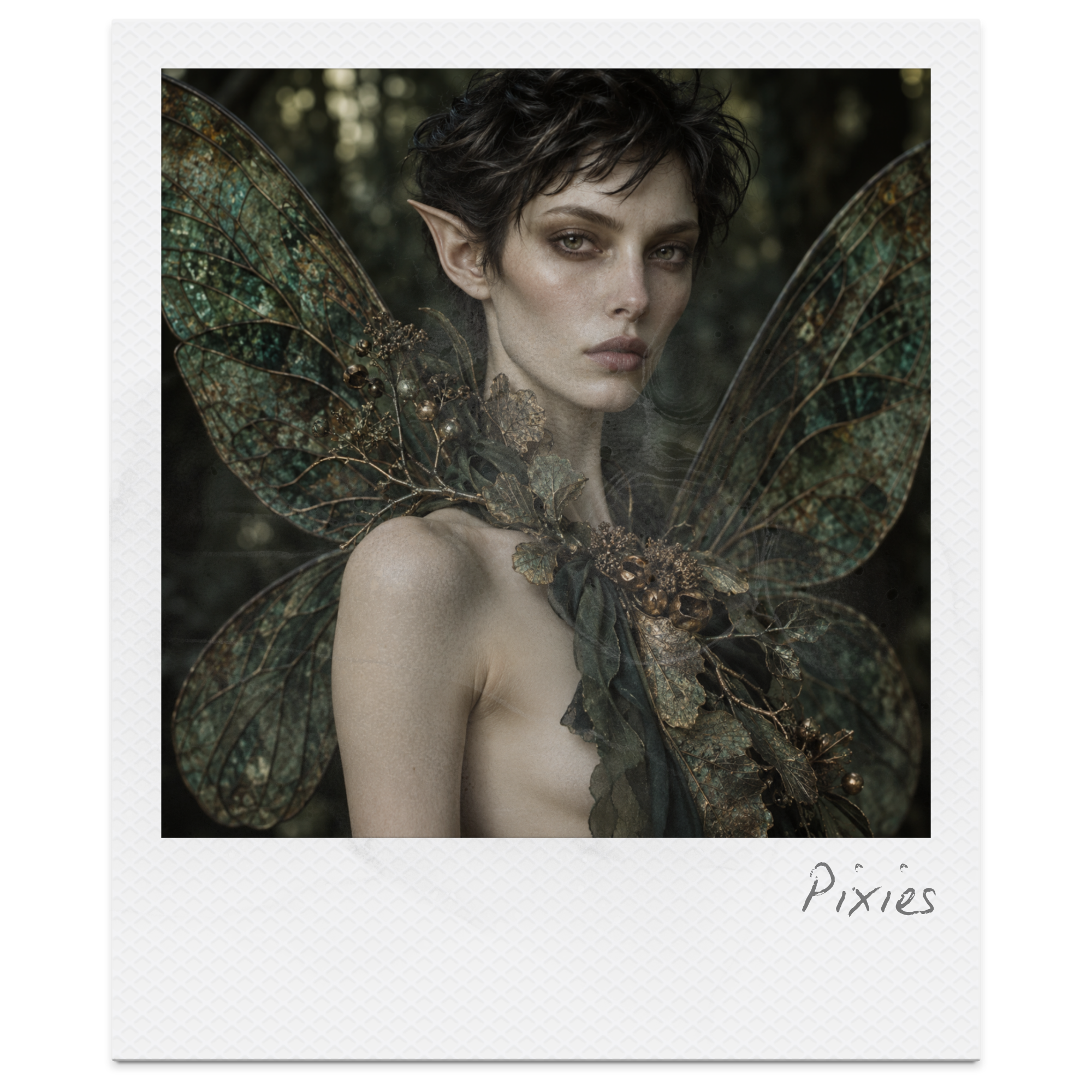
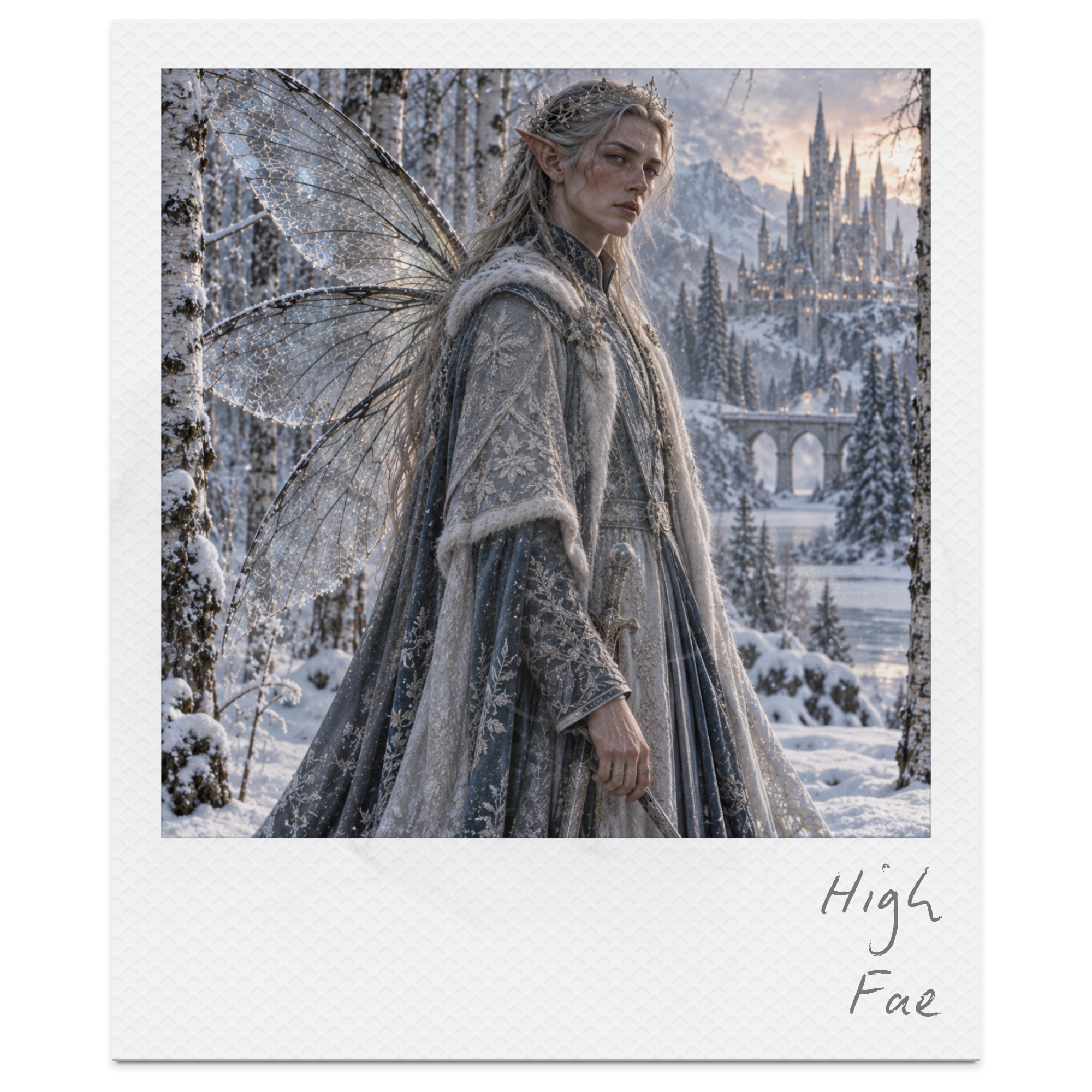
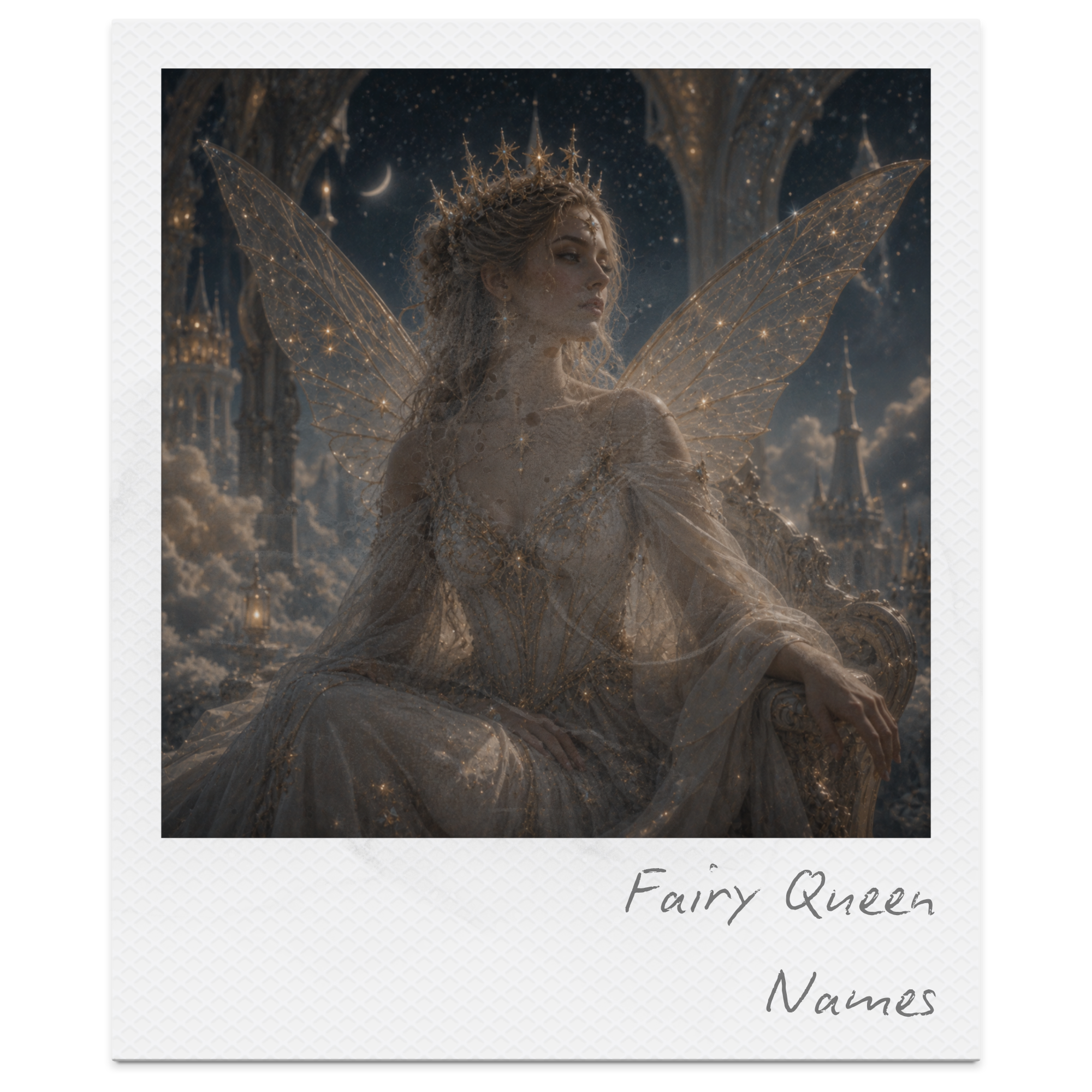
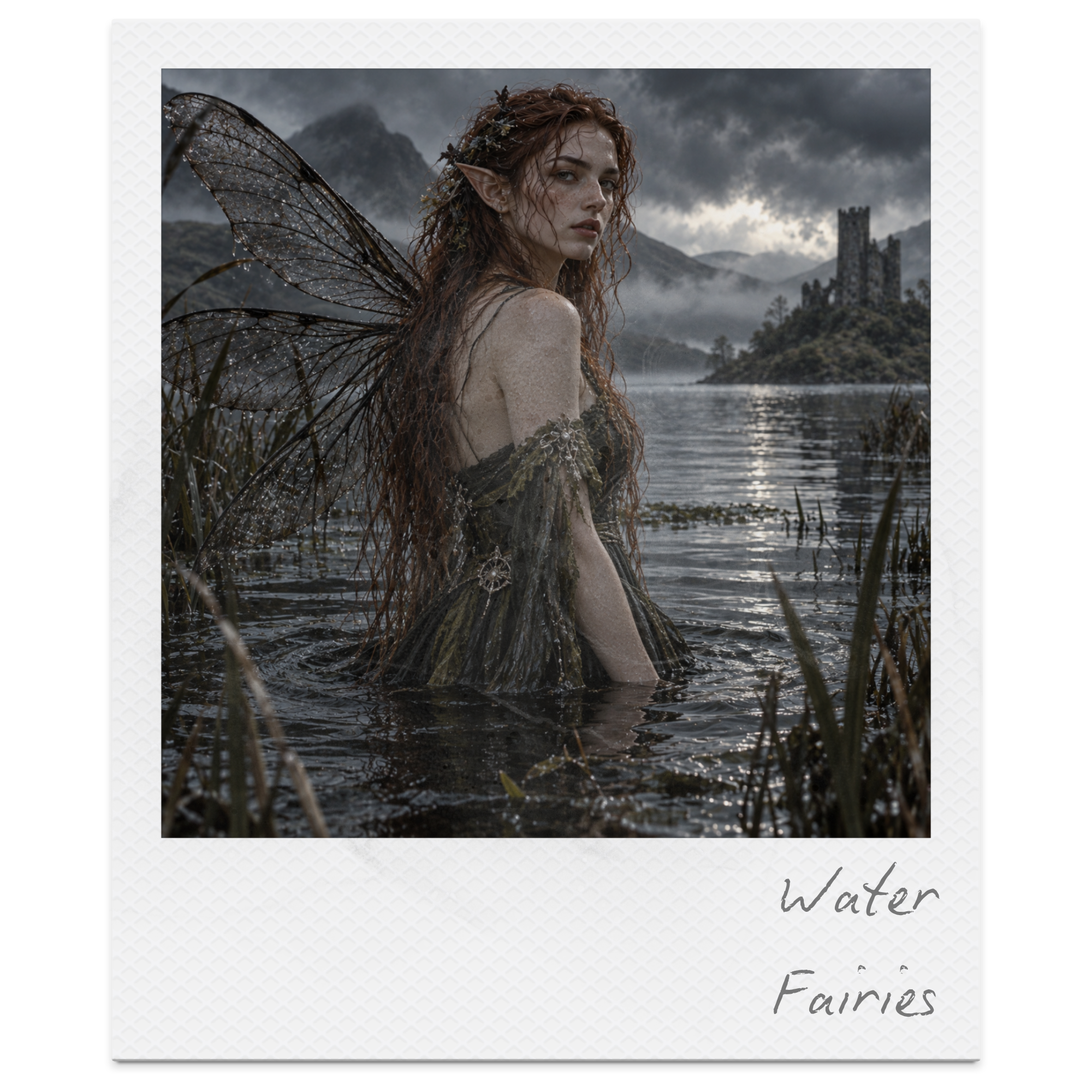
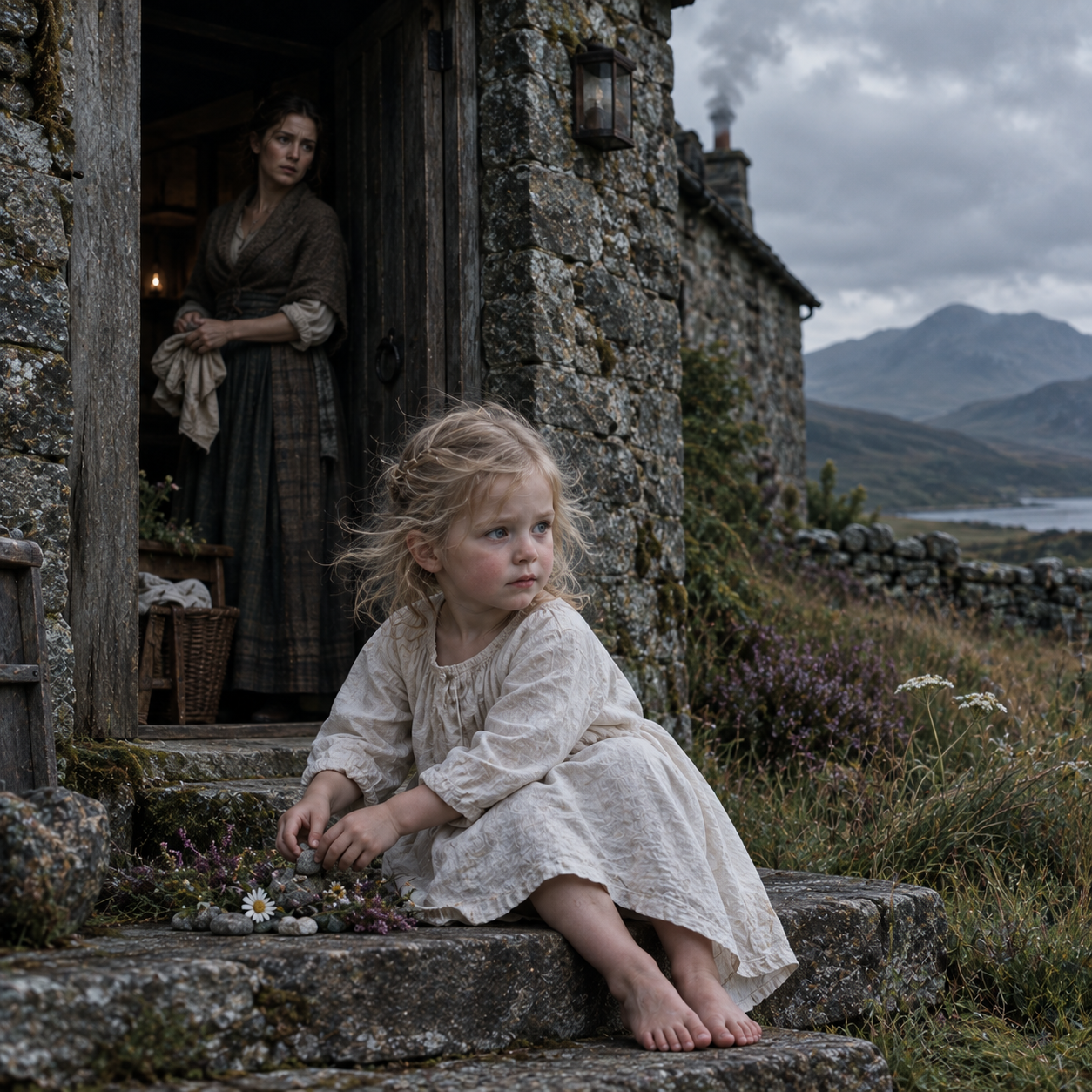
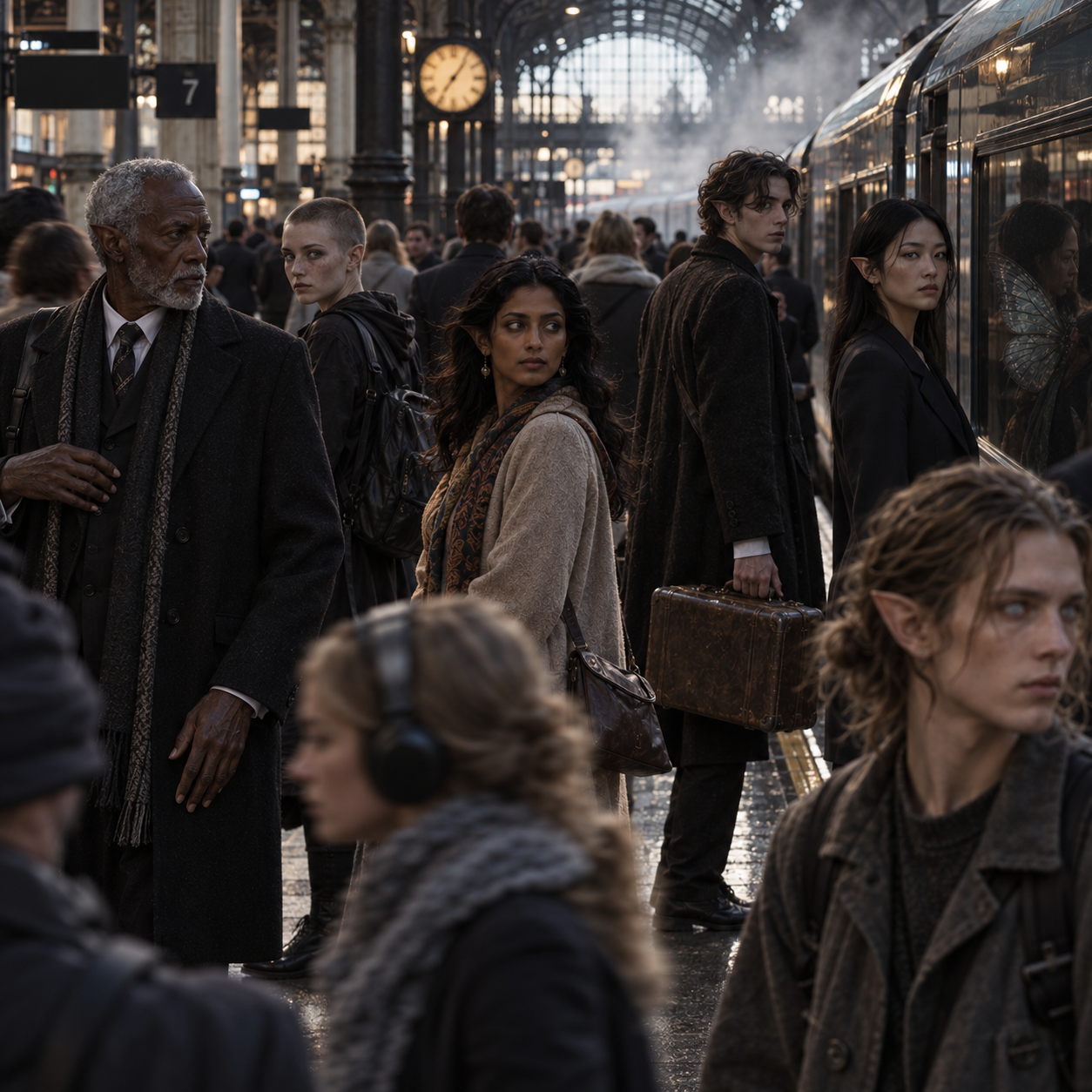
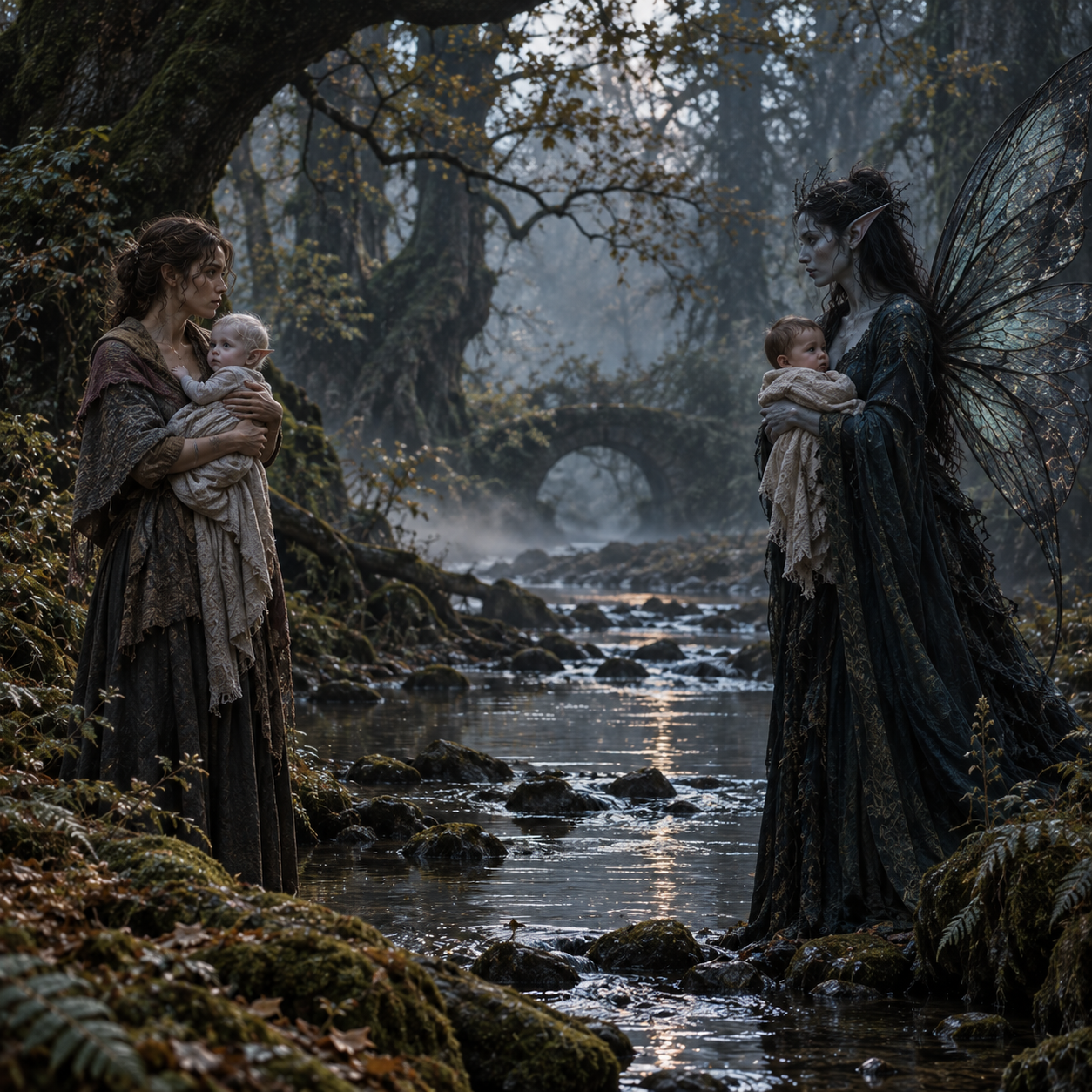
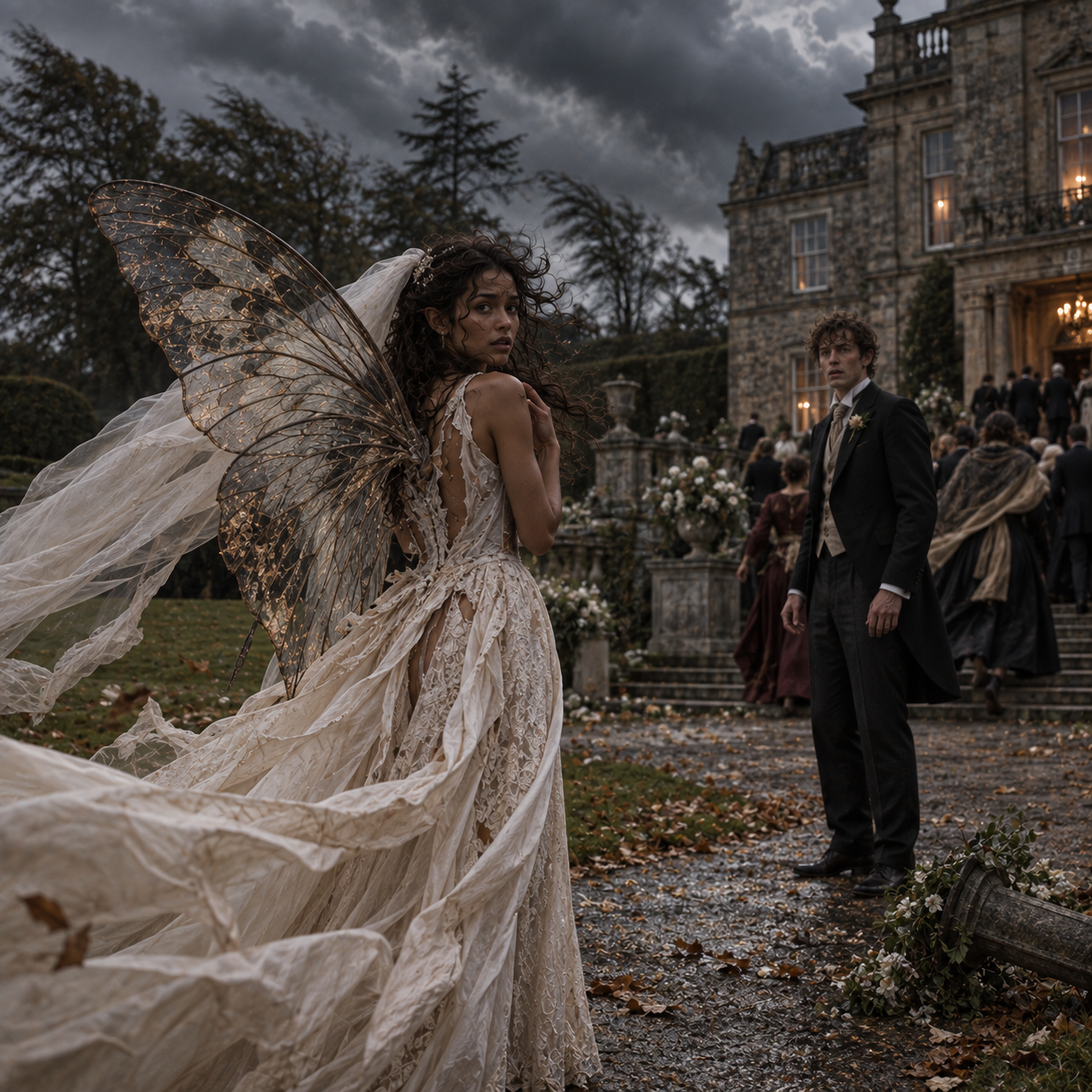
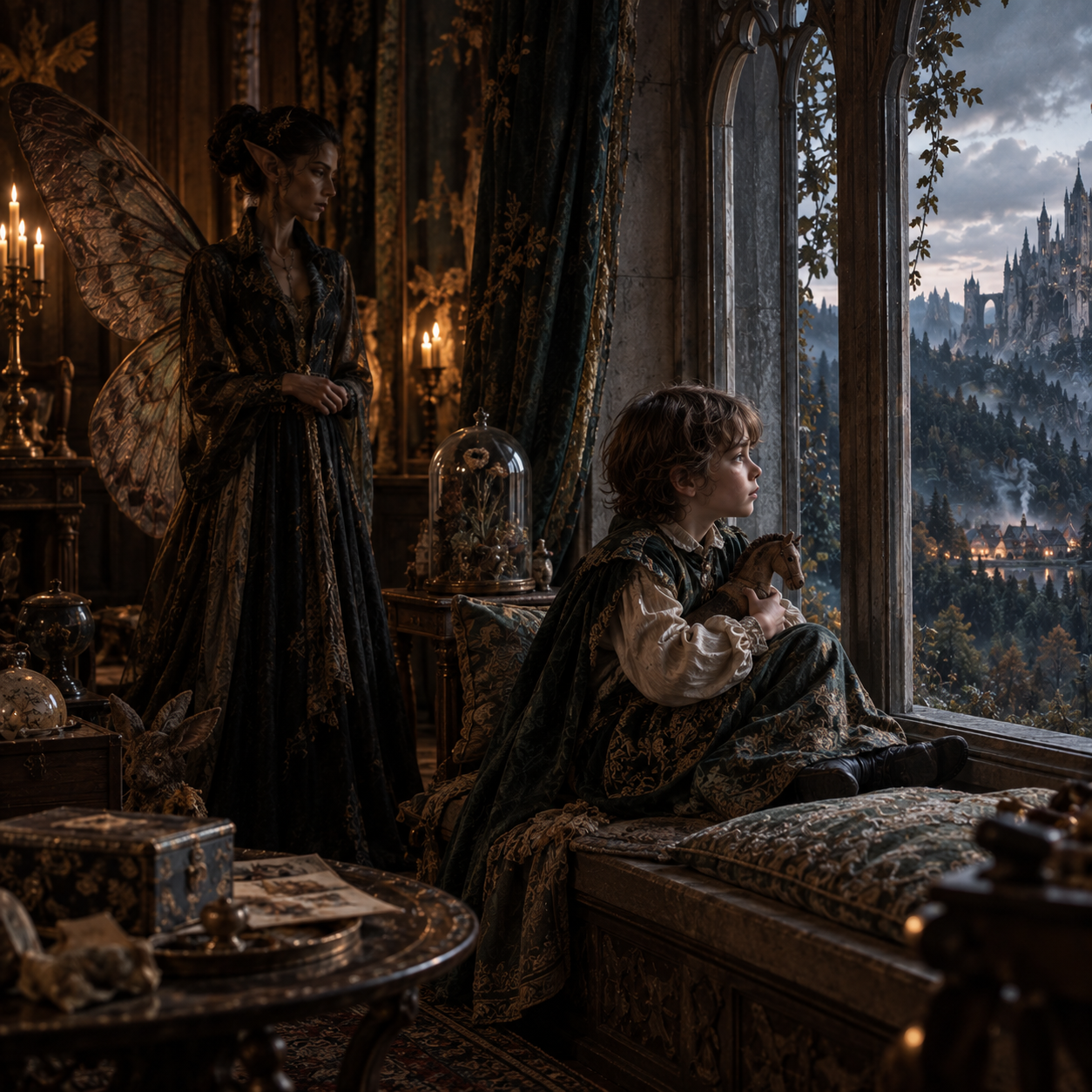
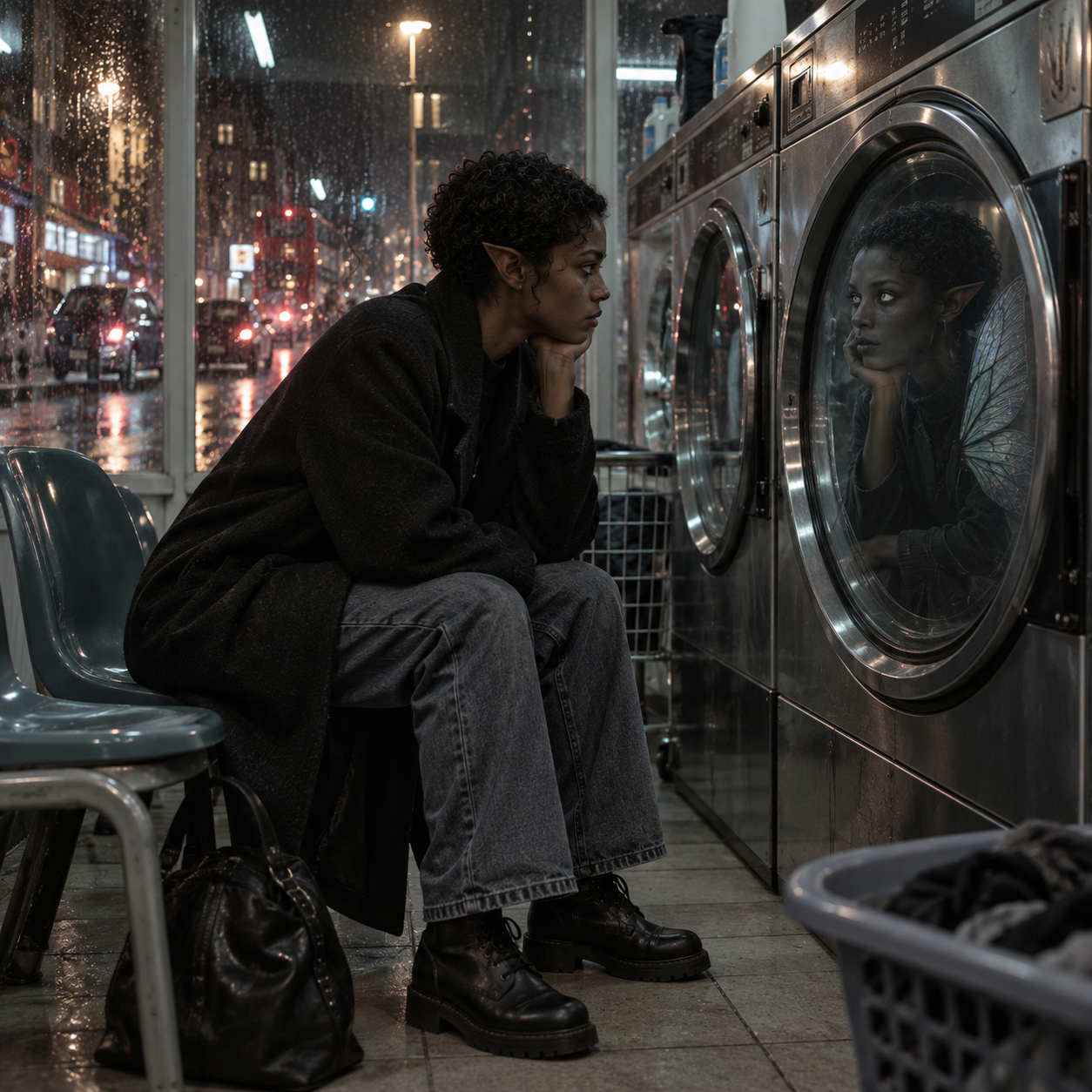
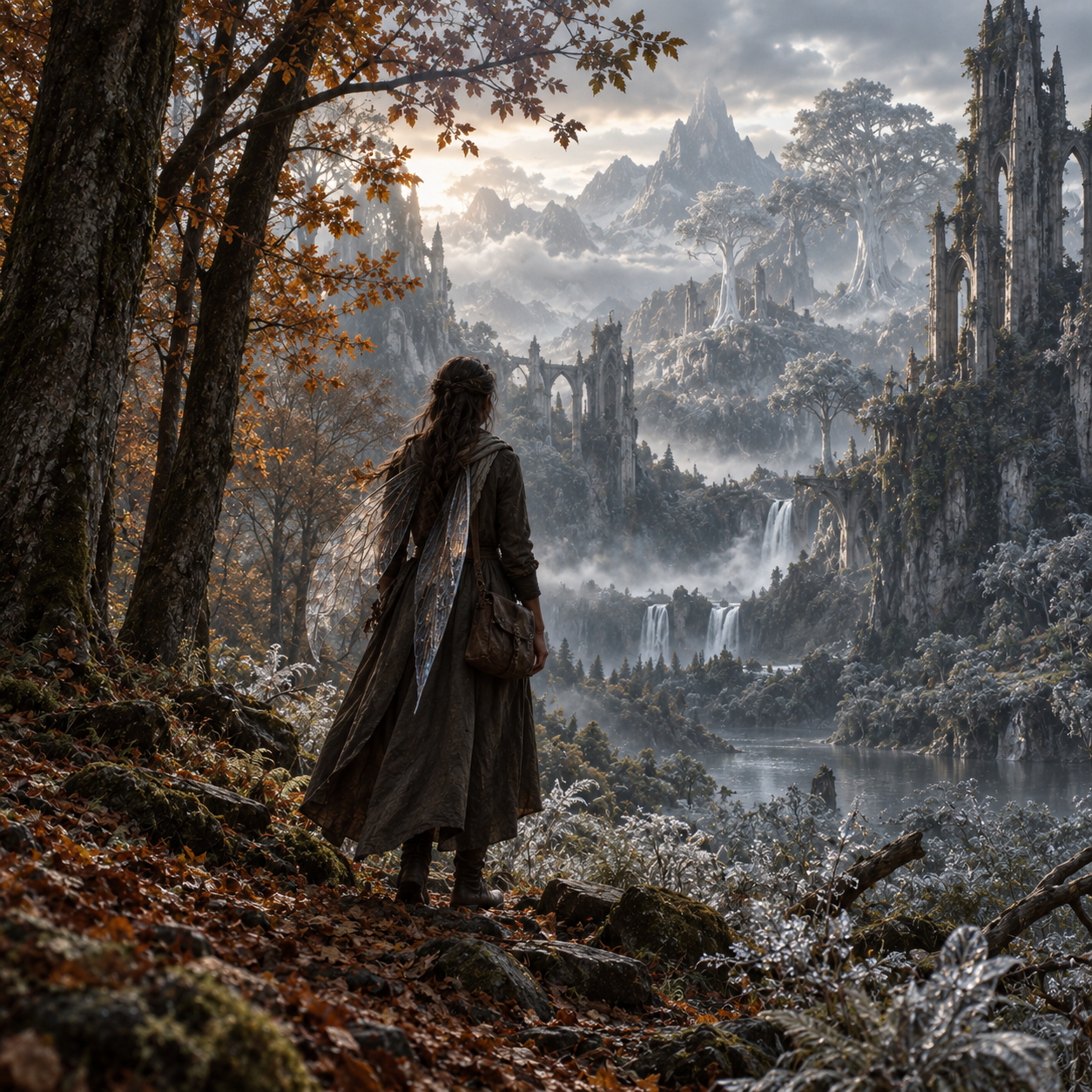
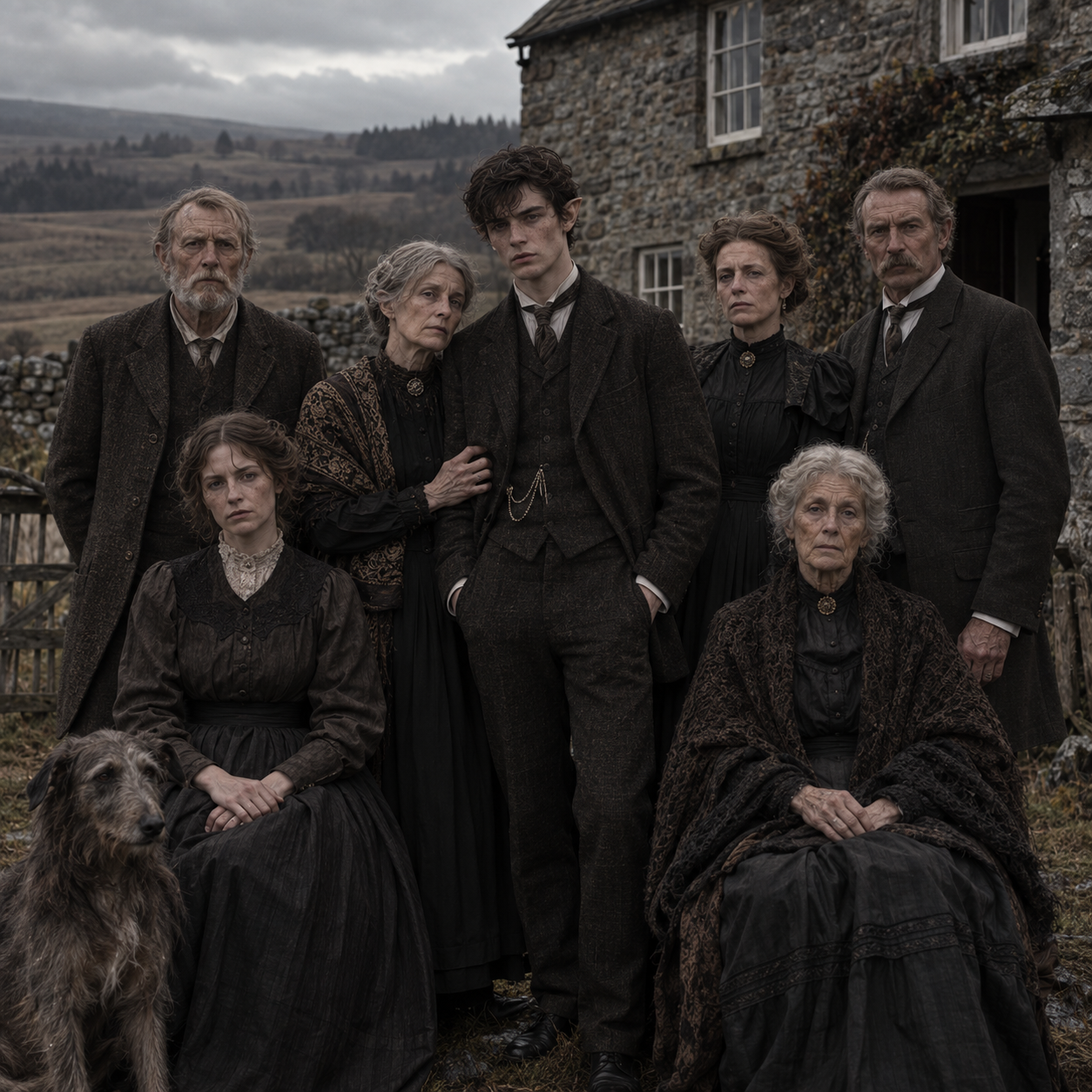
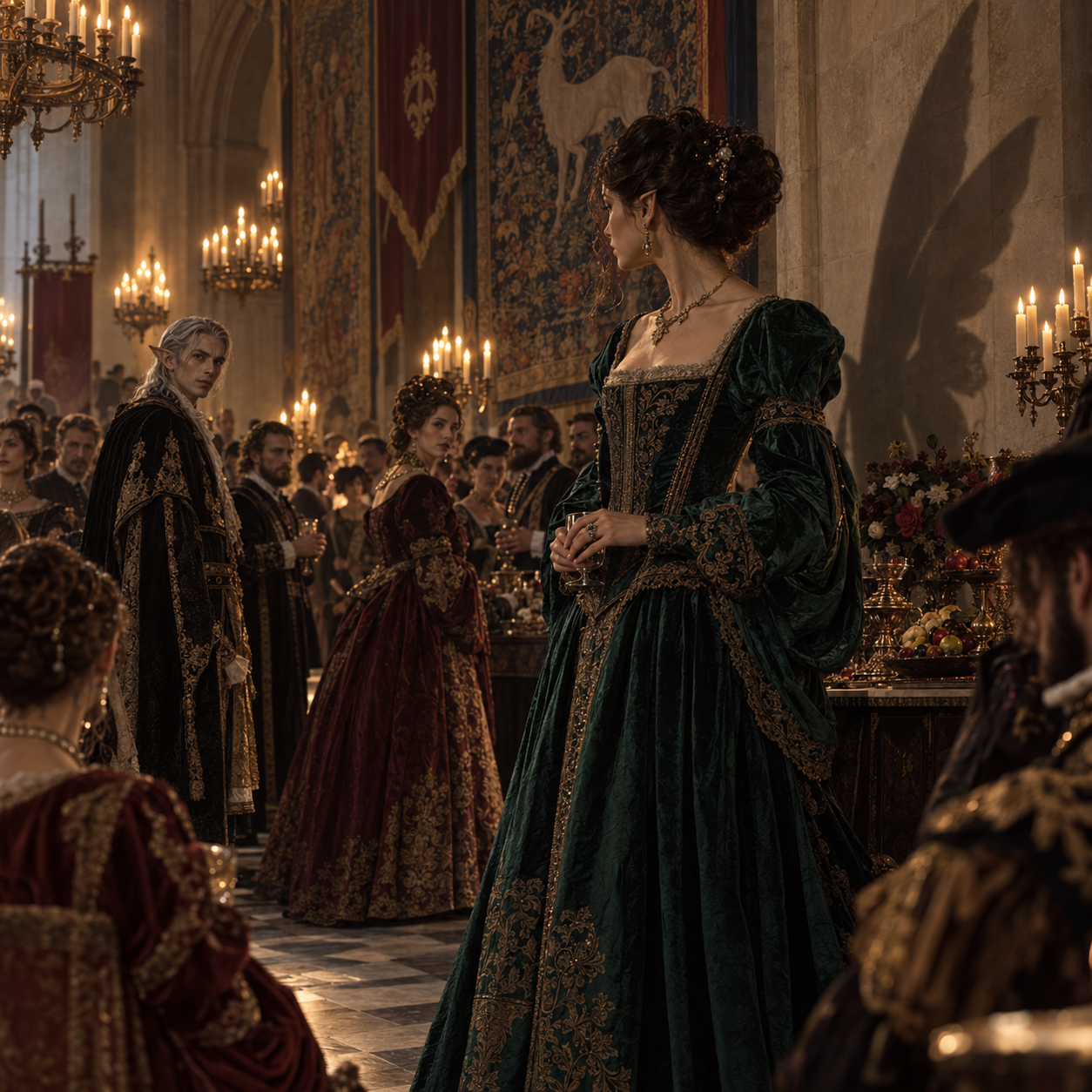
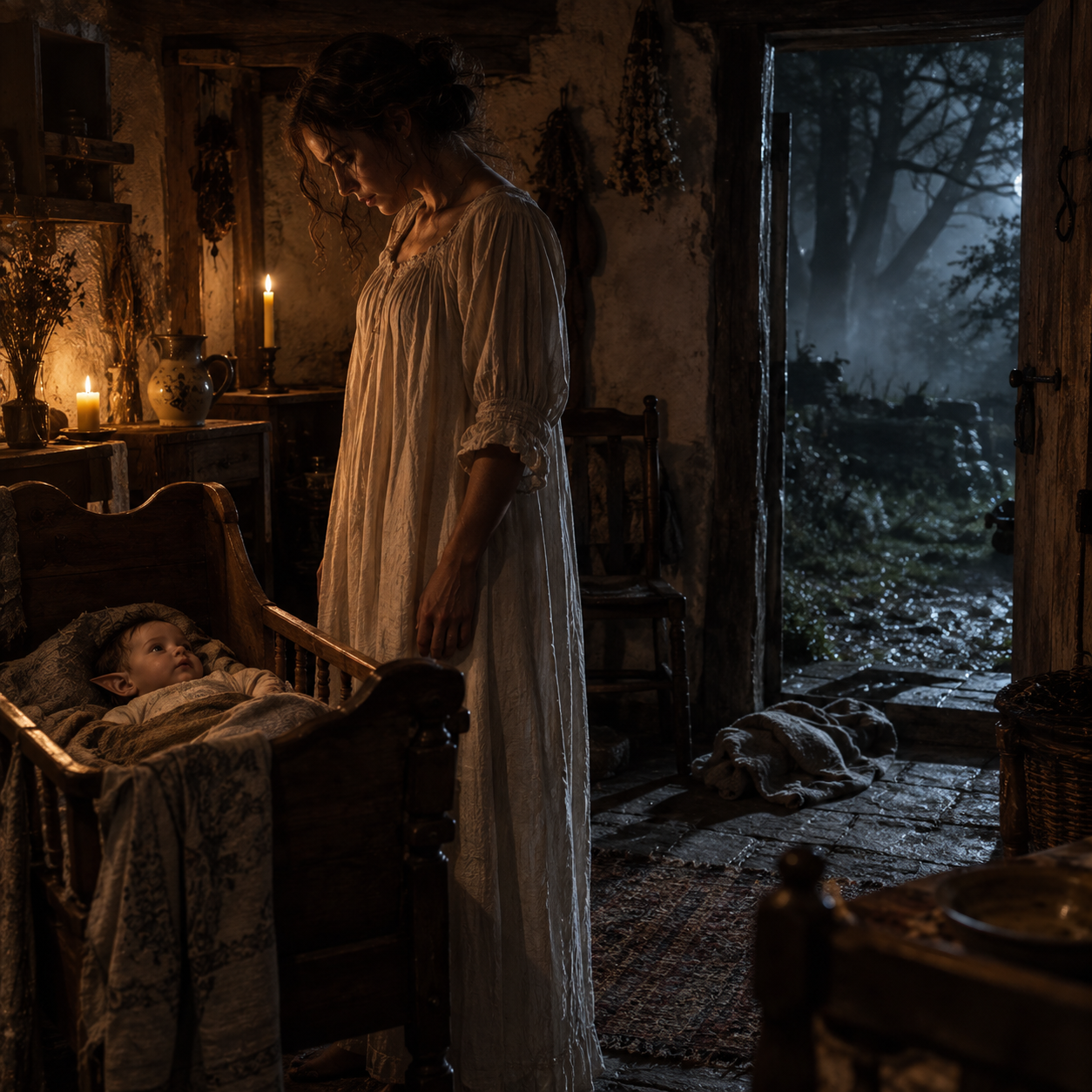
A changeling image can suggest an entire story without revealing which character truly belongs where. Choose one of the pictures below and begin with what you can see, then question what the image cannot tell you. Who is human? Who is fae? Has an exchange already happened, is one about to take place, or has somebody finally returned? Sometimes the most interesting answer is that the characters themselves do not know.
Go Deeper into Changeling Writing
The traditional exchange gives you a compelling mystery, but it does not have to provide the whole story. Once two lives have been switched, you can explore what happens months, years or even generations later — particularly when neither person fits neatly into the world where they were born.
◆ Decide why the exchange happens. Your fae might steal human children, but that is only one possibility. Perhaps exchanges are part of an ancient agreement, intended to protect both children, performed accidentally or arranged by desperate parents. Changing the reason can completely change who appears to be the villain.
◆ Tell the story from the changeling's perspective. Being left behind does not mean the changeling chose to replace anyone. They might grow up genuinely loving their human family, only to discover that their entire life began with someone else's disappearance.
◆ Remember the person who was taken. Where have they been living? They might have grown up among the fae, remained magically unchanged or become something between human and faerie themselves. Their eventual return could create as many problems as their original disappearance.
◆ Explore what happens when both children are loved. An exchange becomes much more complicated when neither family wants to surrender the person they raised. Returning everyone to their biological family may look like justice from the outside while feeling like another abduction to the people involved.
◆ Question the folklore. Humans may insist they understand changelings because stories have been repeated for generations, but those stories do not have to be accurate. Perhaps important details have been lost, deliberately altered or misunderstood. Your characters might discover that the fae tell a completely different version.
◆ Think beyond infancy. A changeling exchange could happen to an older child, teenager or even an adult. Someone might return from a walk subtly different, while the original person wakes somewhere beyond the human world with no idea how the exchange occurred.
◆ Decide what reveals a changeling. Instead of relying on physical difference, consider magical abilities, memories, dreams, reactions to particular places or knowledge they should not possess. The discovery becomes more interesting when the evidence can be interpreted in several ways.
◆ Build rules around crossing between worlds. Perhaps exchanges can happen only at midsummer, beside particular trees, across running water or in places where old boundaries have weakened. Rules give your folklore structure and create opportunities for characters to manipulate or break them.
◆ Explore belonging rather than blood alone. If someone is born in one world but raised entirely in another, which is home? Your changeling might feel completely human, completely fae, both or neither. Their eventual choice does not have to match what other characters believe their identity should be.
◆ Let the consequences outlive the exchange. Families might develop rituals intended to prevent another disappearance. Villages could preserve warnings whose original meaning has been forgotten. Descendants might inherit unusual magic. One changeling story can become the origin of traditions still shaping your world centuries later.
Final Thoughts
Changeling folklore begins with a simple and deeply unsettling idea: someone familiar has been replaced. But the richest stories often begin after that question has been answered.
Once a changeling has spent years living another person's life, the distinction between the child who belonged there and the child who did not becomes much harder to maintain. Families form, memories accumulate and both the human and faerie worlds may begin to feel like home. Recovering the person who was taken cannot simply erase everything that happened in their absence.
Use these prompts to experiment with the exchange from different directions. Follow the changeling left behind, the human taken away, the families on either side or someone attempting to uncover the truth generations later. You can stay close to traditional folklore or dismantle the old story completely and ask what might have happened if humans never understood changelings in the first place.
Continue exploring faerie traditions, strange creatures and old legends in the Fairytale & Folklore Writing Hub, or browse the Creative Writing Archive for more writing prompts, characters, settings and story ideas.
Choose Your Next Adventure