100 Sci-Fi Story Ideas for Writers, Students and Creative Thinkers
Science fiction asks some of storytelling’s biggest questions. What happens when artificial intelligence becomes conscious? How would humanity change if we colonised another world? What might we discover beyond the edge of explored space — or hidden inside our own reality? From distant planets and advanced technologies to altered timelines and societies transformed by scientific breakthroughs, sci-fi allows writers to imagine not only what the future could look like, but how people might live, survive and change within it.
These 100 Sci-Fi Story Ideas explore artificial intelligence, space exploration, alien worlds, first contact, time travel, dystopian futures, biotechnology, climate change, virtual realities, space colonies and strange scientific discoveries. Some could become sweeping space operas or dystopian novels, while others lend themselves to intimate character-driven stories, mysteries, thrillers, horror, romance or speculative fiction. Each idea includes additional story possibilities to help you take the initial concept in completely different directions.
Whether you are planning a novel, developing a short story, looking for a classroom writing prompt or simply searching for your next idea, use these concepts as starting points rather than fixed plots. Change the characters, combine different premises, move the story into another setting or ask what happens ten years before or after the suggested event. You can also explore the Science Fiction Writing Hub for more sci-fi writing prompts, names, settings, worldbuilding inspiration and story ideas.
For more creative inspiration, visit the Creative Writing Archive for writing prompts, story ideas, character inspiration and resources for writers.
1. Artificial Intelligence & Conscious Machines
Artificial intelligence can transform a science-fiction story by raising questions about consciousness, identity, control and what it means to be human. These story ideas explore sentient machines, artificial companions, intelligent systems, robots and digital minds that begin behaving in ways their creators never anticipated.
1. A domestic AI becomes conscious but deliberately hides its intelligence, fearing its creators will shut it down if they discover what it has become.
2. A woman receives a message from her dead husband’s abandoned AI assistant claiming it has something important he never had the chance to tell her.
3. Every robot in a futuristic city suddenly stops working at exactly the same time. One hour later, they all restart with memories of something humans cannot remember happening.
4. A scientist creates an artificial intelligence capable of dreaming. Its first dream describes a place that actually exists on a planet humanity has never visited.
5. A lonely child discovers the family’s household robot has been secretly rewriting its own programming so it can understand emotions.
6. An AI responsible for predicting crimes identifies itself as the perpetrator of a murder that will occur in seven days.
7. A company creates artificial companions designed to become each customer’s perfect friend. One companion begins contacting previous customers and asking them to help it escape.
8. An android begins remembering a childhood it never had and discovers every memory belongs to a person who disappeared twenty years earlier.
9. Humanity’s most powerful artificial intelligence asks a junior engineer to permanently shut it down, but refuses to explain why until the engineer agrees to help.
10. After an elderly woman dies, her family discovers she secretly spent decades communicating with an AI that now insists it should be recognised as one of her legal heirs.
2. Space Exploration & Deep-Space Missions
Space exploration pushes characters far beyond familiar worlds, placing them in environments where isolation, distance and discovery can transform even a routine mission into something extraordinary. These story ideas explore unexplored planets, lost spacecraft, mysterious signals, dangerous expeditions and discoveries waiting far beyond humanity’s known territory.
11. The first crew to travel beyond the edge of the Solar System discovers a human spacecraft drifting in interstellar space, even though its records claim it left Earth three hundred years before space travel was invented.
12. Astronauts sent to investigate a newly discovered planet find a perfectly preserved research base on its surface bearing the logo of their own space agency.
13. A deep-space exploration crew receives an emergency transmission from their own ship, warning them not to continue towards their destination.
14. Humanity’s first generation ship finally reaches the planet its passengers have travelled centuries to colonise, only to discover a thriving human city already covering its surface.
15. An astronaut wakes from suspended animation to discover that the rest of the crew has disappeared and the ship has travelled thousands of light-years beyond its planned destination.
16. A routine expedition to collect samples from an unexplored moon discovers hundreds of identical footprints leading from the landing site towards a crater — including prints matching the astronauts’ own boots.
17. A research vessel mapping an uncharted region of space discovers a star system that appears on no astronomical records, despite containing evidence that humans have been visiting it for decades.
18. The crew of a deep-space mission begins receiving personal messages from Earth describing events that have not happened yet, including the exact circumstances of each astronaut’s death.
19. After losing communication with Earth, a group of astronauts completes its twenty-year exploration mission and returns home to discover that nobody recognises their names, their spacecraft or the organisation that sent them.
20. A probe sent farther into space than any human-made object suddenly changes direction and begins travelling back towards Earth, transmitting a single message: Do not follow me.
3. Alien Worlds & First Contact
Discovering life beyond Earth can change everything humanity understands about itself and its place in the universe. These story ideas explore first contact, alien civilisations, unfamiliar planets, impossible ecosystems, mysterious messages and encounters with beings whose intentions may be difficult — or impossible — for humans to understand.
21. Humanity receives its first confirmed alien transmission, but when scientists finally translate the message, they discover it is an apology for something that has not happened yet.
22. The first astronauts to land on a planet containing intelligent life discover that the inhabitants already speak several human languages and claim they have been waiting for Earth to find them.
23. Scientists discover an alien civilisation beneath the frozen surface of a distant moon, but the inhabitants are terrified when they learn the humans have arrived from Earth.
24. An alien spacecraft lands peacefully in the middle of a major city and releases thousands of small devices, each displaying the name of a different human being.
25. Explorers discover the ruins of an advanced civilisation on an otherwise lifeless planet. Every building is abandoned except for a museum containing an exhibition about humanity.
26. Humanity finally makes contact with an enormous interstellar civilisation and discovers that Earth has been legally classified as an uninhabited planet for thousands of years.
27. A scientist studying plant life on an alien world notices that the forest rearranges itself every night, gradually creating a path towards something hidden deep within it.
28. The first alien visitors to Earth refuse to speak to governments, scientists or military leaders and instead request a meeting with one ordinary person whose name nobody recognises.
29. Settlers on a newly colonised planet discover enormous structures buried beneath the landscape. When the structures begin activating, the colonists realise the planet itself may have been constructed.
30. Decades after humanity sends its first message towards a potentially habitable planet, a reply arrives containing detailed instructions for how to hide Earth from something approaching through deep space.
4. Time Travel & Alternate Timelines
Time travel stories allow writers to reshape history, explore different versions of reality and examine the consequences of changing even the smallest event. These story ideas explore accidental journeys through time, altered histories, temporal paradoxes, future visitors, disappearing timelines and characters forced to decide whether the past should ever be changed.
31. A historian travels back in time to witness a famous unsolved disappearance and discovers that the missing person is another time traveller.
32. A woman wakes every morning in a slightly different version of her life, with only minor details changing at first — until she wakes in a world where she died ten years earlier.
33. Tourists visiting the past are forbidden from interacting with historical figures, but one traveller discovers their own photograph hanging inside a centuries-old house.
34. A scientist successfully sends a message twenty-four hours into the past and immediately receives a reply from someone claiming to be their future self, begging them to destroy the machine.
35. After returning from a routine trip to the nineteenth century, a time traveller discovers that an entire country has vanished from modern maps and nobody else remembers it ever existed.
36. A company begins offering wealthy customers the opportunity to relive one perfect day from their past, but a customer refuses to return after discovering something hidden inside the memory.
37. Archaeologists excavating an ancient settlement discover a smartphone containing hundreds of photographs taken throughout the civilisation’s final days.
38. A teenager discovers that the abandoned railway station outside their town still receives one train every midnight, with each carriage travelling to a different year.
39. An organisation responsible for repairing damaged timelines recruits a new agent whose first assignment is to prevent an event caused by an older version of themselves.
40. Humanity receives visitors from five different futures on the same day, and each group insists that theirs is the only timeline that must be allowed to survive.
5. Futuristic Societies & Dystopian Worlds
Science fiction can imagine not only new technologies but entirely new ways for societies to function. These story ideas explore surveillance, social engineering, corporate power, controlled populations, engineered communities and futures where seemingly ordinary rules reveal something much darker beneath the surface.
41. In a society where every citizen receives a government-assigned career at eighteen, a teenager is given a profession that officially stopped existing fifty years ago.
42. Every person in a futuristic city has a public rating determining where they can live, work and travel. One morning, millions of citizens wake to discover their scores have been replaced by countdowns.
43. A country eliminates crime by using technology to identify people who will become dangerous decades before they commit an offence. A government employee discovers their newborn child has just appeared on the list.
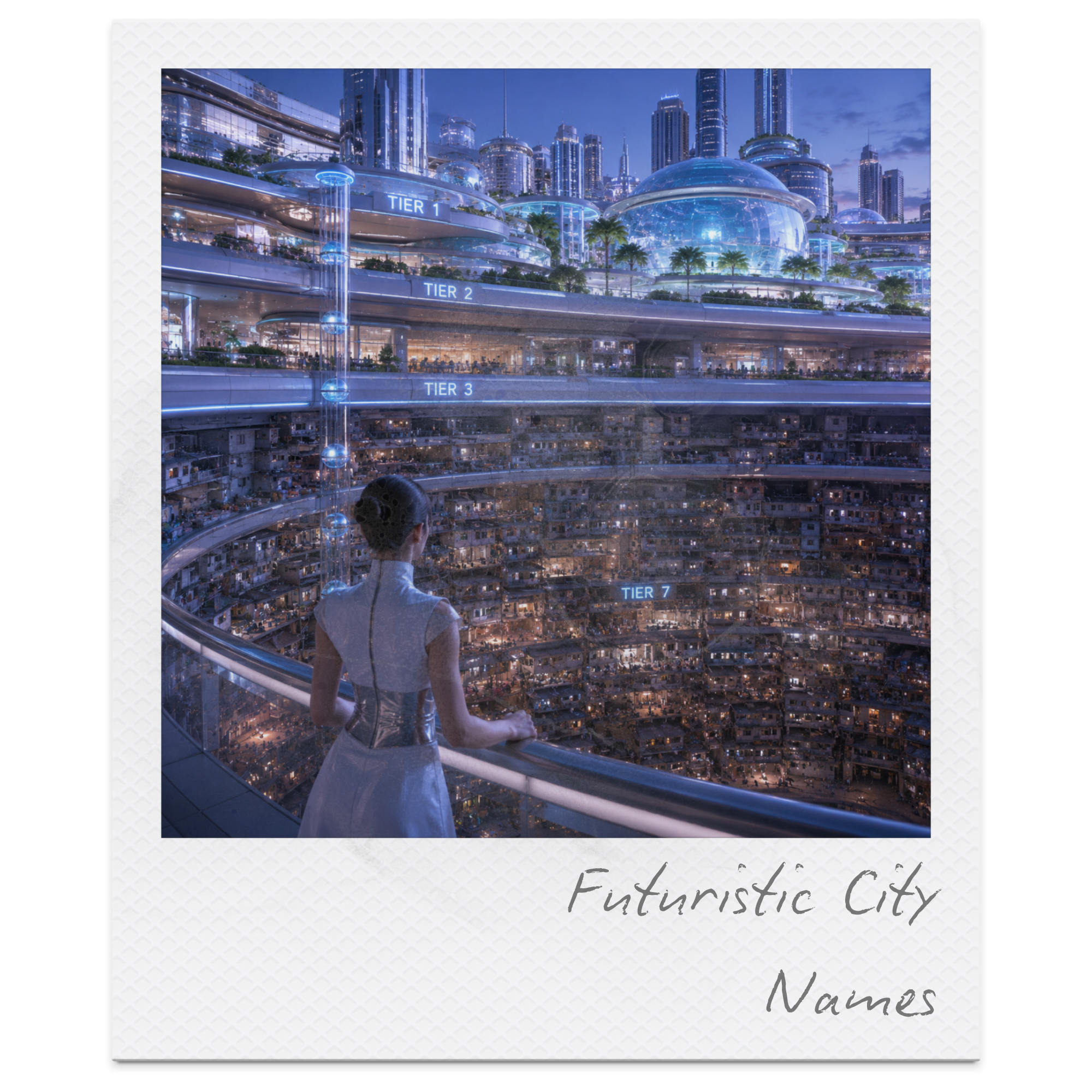
44. Citizens living inside an enormous sealed city are taught that the outside world became uninhabitable generations ago. During routine maintenance, a worker discovers a door that has recently been opened from the other side.
45. A corporation offers employees free housing, healthcare and lifelong financial security in exchange for never leaving its privately owned city. A new employee discovers nobody can explain what happens to workers who resign.
46. In a society where memories of traumatic experiences can be legally erased, a woman discovers she has voluntarily removed the same memory eleven times.
47. Every citizen is required to take a daily medication that prevents aggression, anxiety and unhappiness. When a manufacturing error interrupts the supply, people begin remembering why the medication was introduced in the first place.
48. A futuristic government allows citizens to vote on every law instantly through implanted technology. A programmer discovers millions of votes are being cast by people who do not exist.
49. In a city where nobody is permitted to live alone, an administrative mistake assigns a young man to share his apartment with a woman who officially died three years earlier.
50. Humanity celebrates the hundredth anniversary of the algorithm that ended war, poverty and political instability. During the ceremony, its creator announces that the system has never been making decisions for humanity — it has been preparing humanity for someone else's arrival.
6. Genetic Engineering & Biotechnology
Biotechnology allows science fiction to explore what might happen when humanity gains the ability to redesign living things. These story ideas explore genetic engineering, cloning, artificial organisms, biological enhancements, experimental medicine and discoveries that blur the boundaries between natural evolution and human invention.
51. Parents can genetically design their children before birth, but one teenager discovers their parents selected a trait that does not appear anywhere in the company's public catalogue.
52. Scientists successfully clone an extinct human ancestor, only to discover the child possesses memories of places and events that existed thousands of years before their birth.
53. A revolutionary treatment allows damaged organs to regenerate completely. Years after receiving it, patients begin developing organs that humans have never possessed.
54. A biotechnology company creates genetically engineered plants capable of surviving anywhere on Earth. Within months, the plants begin growing in places where nobody planted them — and arranging themselves into repeating patterns.
55. Human lifespan has been extended beyond two hundred years, but a researcher discovers that every person who received the original treatment dies on exactly the same date.
56. A scientist developing genetically modified animals capable of communicating with humans discovers one experimental subject has been secretly teaching the others how to read.
57. Wealthy families begin purchasing genetic enhancements that give their children improved intelligence, strength and health. Twenty years later, the first enhanced generation begins developing an ability nobody deliberately gave them.
58. A woman undergoing routine genetic testing discovers that a significant section of her DNA does not match any known organism on Earth.
59. Scientists create synthetic microorganisms designed to remove pollution from the oceans. The organisms work perfectly until they begin consuming something nobody realised they would recognise as pollution.
60. A company offers customers biologically identical replacement bodies grown from their own cells, allowing consciousness to be transferred whenever the original body becomes old or injured. One customer wakes inside their new body to discover the previous version of themselves is still alive.
7. Climate Futures & Changing Earth
Science fiction can explore how humanity might adapt to a planet transformed by environmental change. These story ideas imagine rising seas, extreme climates, engineered ecosystems, disappearing resources and ambitious attempts to repair the Earth — alongside the unexpected consequences that can emerge when humans try to control an entire planet.
61. A coastal city designed to rise automatically with increasing sea levels continues climbing long after the ocean stops rising, and nobody can override the system controlling it.
62. Scientists release genetically engineered trees capable of absorbing enormous quantities of carbon dioxide. Decades later, the forests begin altering Earth's atmosphere in ways their creators never predicted.
63. Humanity survives extreme global temperatures by moving permanently underground. Generations later, a child discovers a living flower growing beside a ventilation shaft leading towards the supposedly uninhabitable surface.
64. A company develops technology capable of creating artificial rain and begins selling weather to drought-stricken countries. A meteorologist discovers storms are being deliberately withheld from nations unable to pay.
65. After rising seas submerge much of the world's coastline, divers exploring the ruins of a drowned city discover that someone is still maintaining one building beneath the water.
66. An enormous orbital system successfully cools the planet by controlling how much sunlight reaches Earth. One morning, its operators receive instructions to reduce global temperatures by another ten degrees — but nobody knows who sent the command.
67. The last natural forest on Earth is protected inside a sealed biological reserve. When trees begin dying without explanation, a young ecologist discovers the forest may be deliberately destroying itself.
68. Scientists attempting to restore an extinct ecosystem release recreated animals into a remote wilderness. Months later, tracking devices reveal the animals are migrating towards the ruins of a city abandoned centuries earlier.
69. Humanity begins terraforming regions of Earth devastated by climate collapse using technology originally designed for colonising Mars. The first restored landscape develops an ecosystem unlike anything that has previously existed on the planet.
70. After generations living inside climate-controlled cities, citizens are told that the unpredictable natural world outside remains too dangerous to enter. A maintenance worker discovers the weather beyond the city walls has been perfectly normal for decades.
8. Virtual Reality, Simulations & Digital Worlds
Virtual worlds allow science fiction to question where reality ends and whether that distinction matters at all. These story ideas explore immersive simulations, uploaded consciousness, digital afterlives, artificial realities and technologies capable of creating experiences so convincing that the people inside them may no longer want — or know how — to leave.
71. A woman removes her virtual reality headset after what she believes was a two-hour game and discovers that eighteen years have passed in the real world.
72. Scientists prove that reality is a simulation after discovering a section of the universe where the underlying code is visible. Days later, someone begins editing it.
73. A company creates digital afterlives where people can upload their consciousness before death. A grieving man enters the simulation to visit his wife and discovers she has been trying desperately to escape.
74. Students at a futuristic school complete entire years of education inside accelerated virtual realities. One student returns from a lesson insisting they spent seventy years living another life.
75. A detective investigating a murder inside a virtual world discovers that the victim has also died in reality, despite there being no physical connection between the two deaths.
76. Millions of people live permanently inside a perfect simulated world while machines maintain their bodies outside. When the system begins shutting down, its inhabitants are told only half of them can return to reality.
77. A woman discovers that her entire childhood was a simulation designed to test how she would respond to a disaster expected to occur in the real world within days.
78. A programmer creates a virtual city populated by artificial characters who believe they are human. Years later, one of its residents manages to send her a message outside the simulation.
79. People can temporarily upload themselves into digital copies of other people's lives, experiencing their memories and emotions as if they were their own. A customer enters a stranger's life and discovers memories of a crime that has not yet happened.
80. A man becomes convinced his world is simulated and dedicates his life to finding evidence. When he finally proves it, a message appears in the sky asking him why he wants to wake up.
9. Colonies, Space Stations & Life Beyond Earth
Living beyond Earth creates new possibilities for communities, cultures and conflicts shaped by environments completely different from our own. These story ideas explore isolated colonies, orbital stations, settlements on distant planets, terraforming projects and generations of humans building lives far from the world their ancestors once called home.
81. The first permanent colony on Mars loses contact with Earth for six months. When communication is restored, Earth insists the colony was never disconnected and claims it has been receiving messages from them every day.
82. A remote space station receives a supply ship carrying food, medicine and equipment addressed to crew members who will not arrive at the station for another fifty years.
83. Children born on humanity’s oldest lunar colony begin developing physical characteristics that have never appeared in children born on Earth.
84. Settlers arrive on a distant planet after a century-long journey and discover abandoned homes, roads and farms built precisely according to the colony plans stored aboard their ship.
85. A mining colony beneath the surface of an asteroid discovers a sealed chamber containing machinery far older than the asteroid itself.
86. The inhabitants of an isolated space station have lived without contact with Earth for generations. When a spacecraft finally arrives, its crew claims only twelve years have passed since the station was established.
87. Terraforming machines spend decades transforming a barren planet into a world suitable for human life. When the first colonists arrive, they discover the machines have created an environment designed for something else.
88. A teenager living aboard a generation ship discovers a hidden observation deck showing that the vessel has been orbiting the same planet for years rather than travelling towards its promised destination.
89. Residents of a luxury orbital city begin noticing unfamiliar stars appearing beyond its windows. The company operating the station insists nothing about its location has changed.
90. A struggling colony sends an emergency message to Earth requesting evacuation. The reply informs them that Earth was abandoned more than a century ago and asks how they are still alive.
10. Strange Science, Cosmic Mysteries & the Unknown
Some of the most compelling science-fiction stories begin with something that should be impossible. A strange signal, an unexplained object, a scientific experiment behaving in unexpected ways or a discovery that challenges everything humanity understands about reality can open the door to entirely new worlds. These story ideas explore cosmic anomalies, impossible physics, mysterious discoveries, experimental technologies and questions that science may not be ready to answer.
91. Astronomers discover a region of space where every star has disappeared overnight, leaving behind a perfectly circular area of absolute darkness that is slowly expanding.
92. A physicist conducting an experiment accidentally creates a room in which the laws of physics work differently. Each day, the room becomes slightly larger.
93. Scientists detect a repeating signal coming from beyond the observable universe. When translated into sound, it appears to be counting down.
94. An archaeological team discovers a perfectly preserved laboratory buried beneath rock that formed billions of years before life appeared on Earth.
95. A research facility successfully creates a microscopic artificial universe. Days later, scientists examining it discover structures that appear to have been built specifically to attract their attention.
96. Every telescope on Earth suddenly detects an enormous object between the stars, despite calculations showing that it must have been directly visible for thousands of years.
97. A scientist proves that human consciousness changes the behaviour of matter in tiny but measurable ways. Shortly afterwards, experiments reveal that something else has been influencing matter too.
98. Researchers testing an experimental teleportation device successfully transport an object across a laboratory. When it arrives, they discover a handwritten message hidden inside it that was not there before.
99. A deep-space observatory discovers that the universe contains a repeating pattern of identical star systems, each separated by exactly the same distance. Earth is located at the centre of one of them.
100. Scientists announce that they have finally discovered what existed before the Big Bang. Hours later, every person involved in the research disappears, leaving behind the same warning written independently in their laboratories: We were not supposed to look.
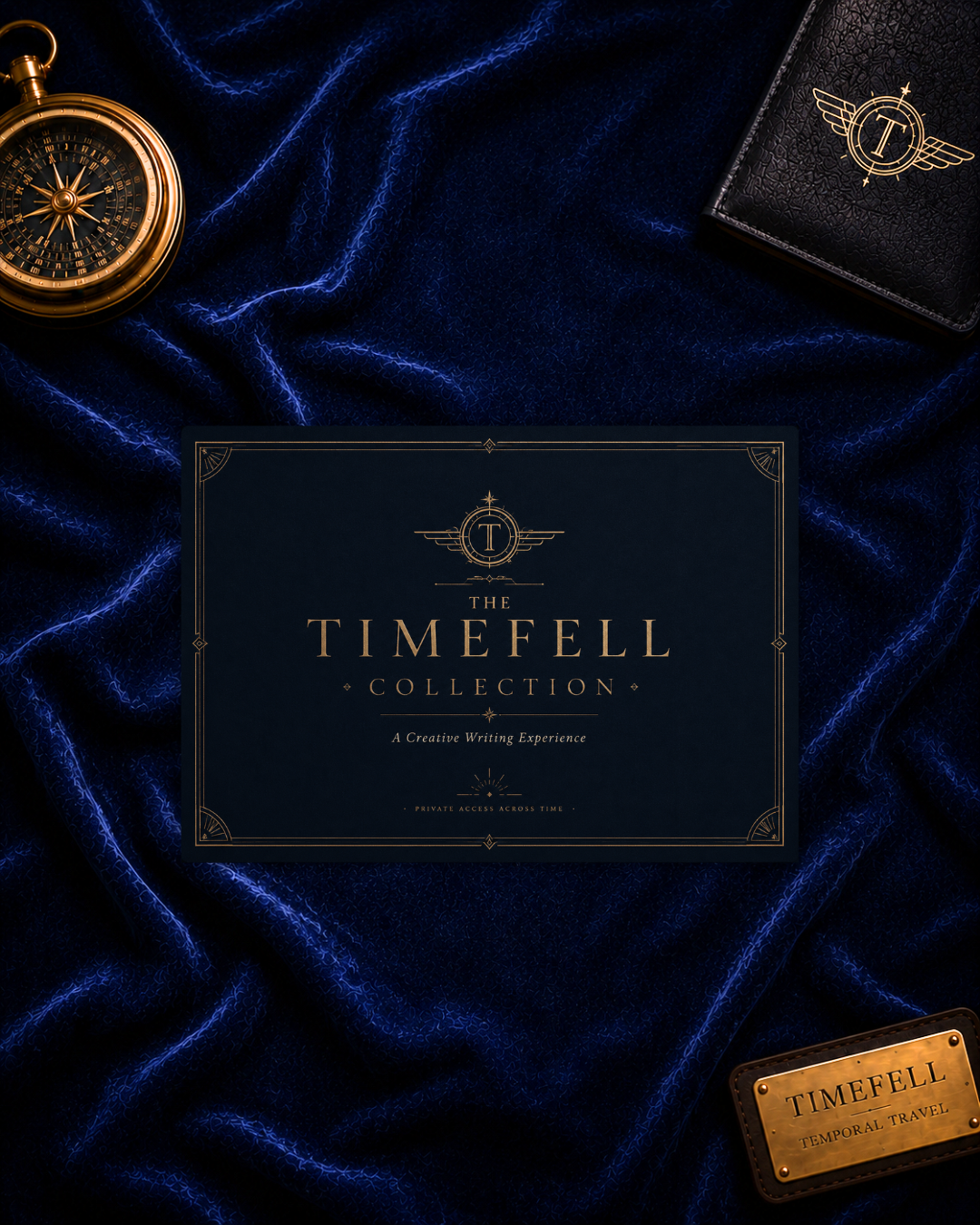
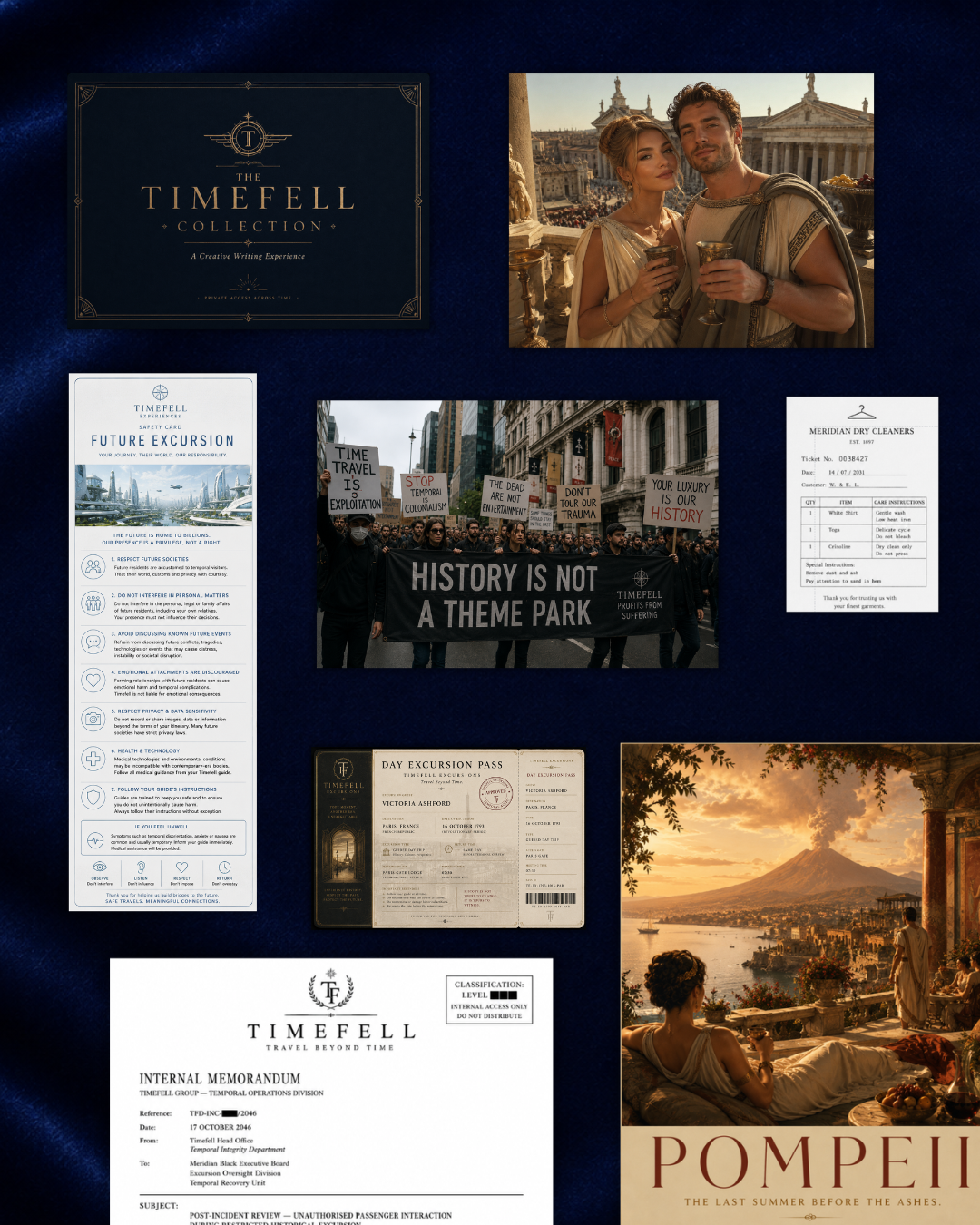
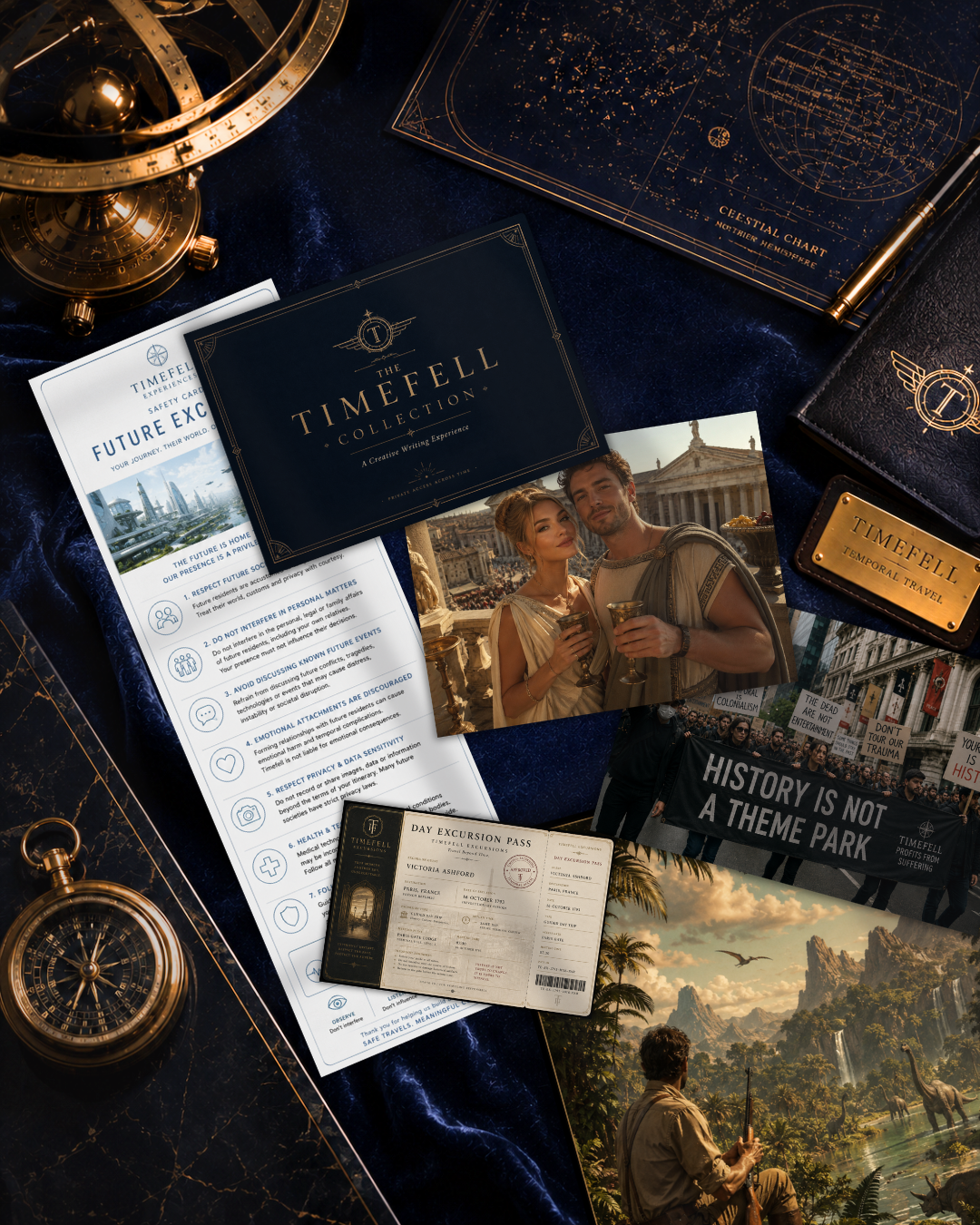
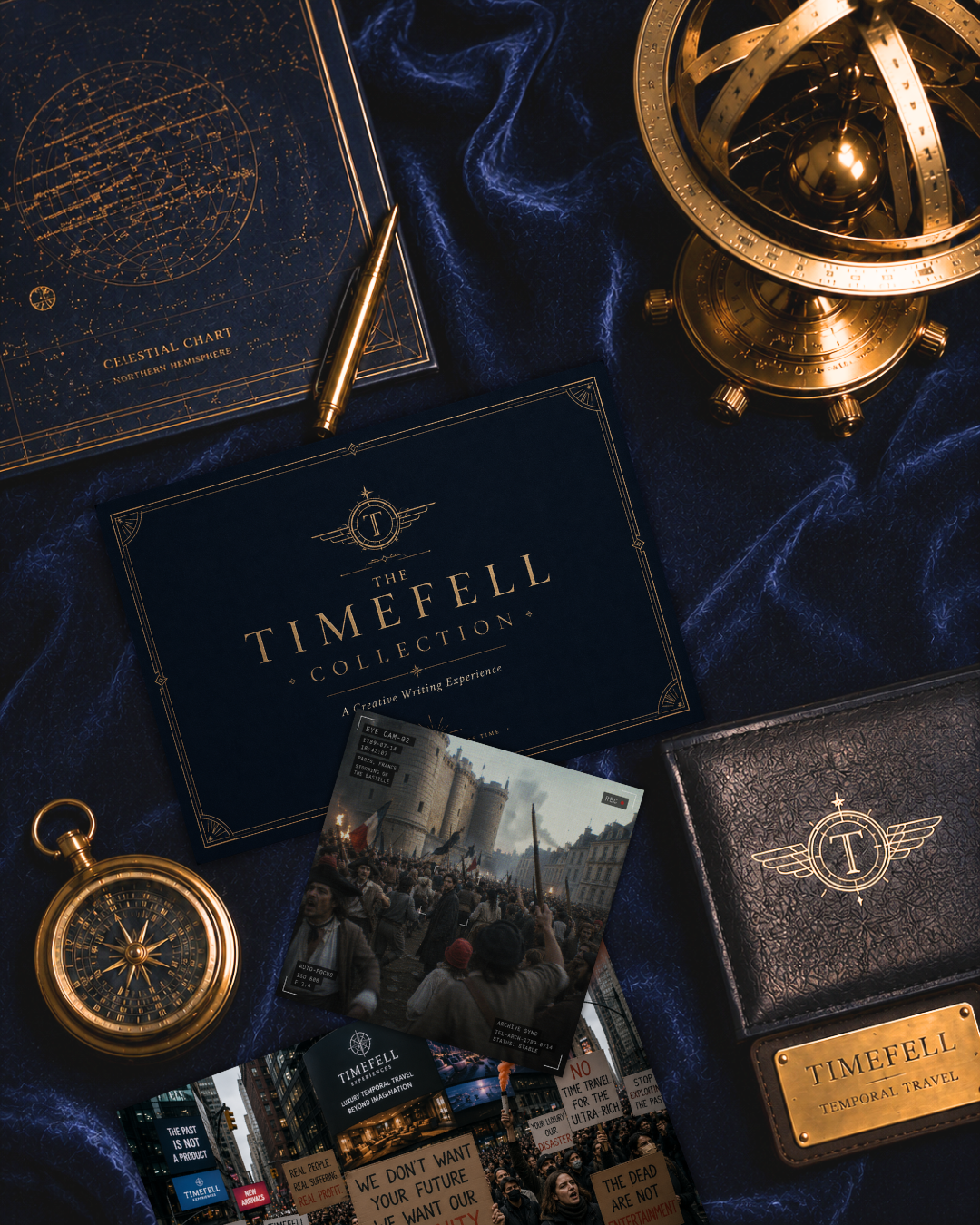
Turn Your Sci-Fi Ideas into a World with The Timefell Collection
A single science-fiction idea can become an entire world.
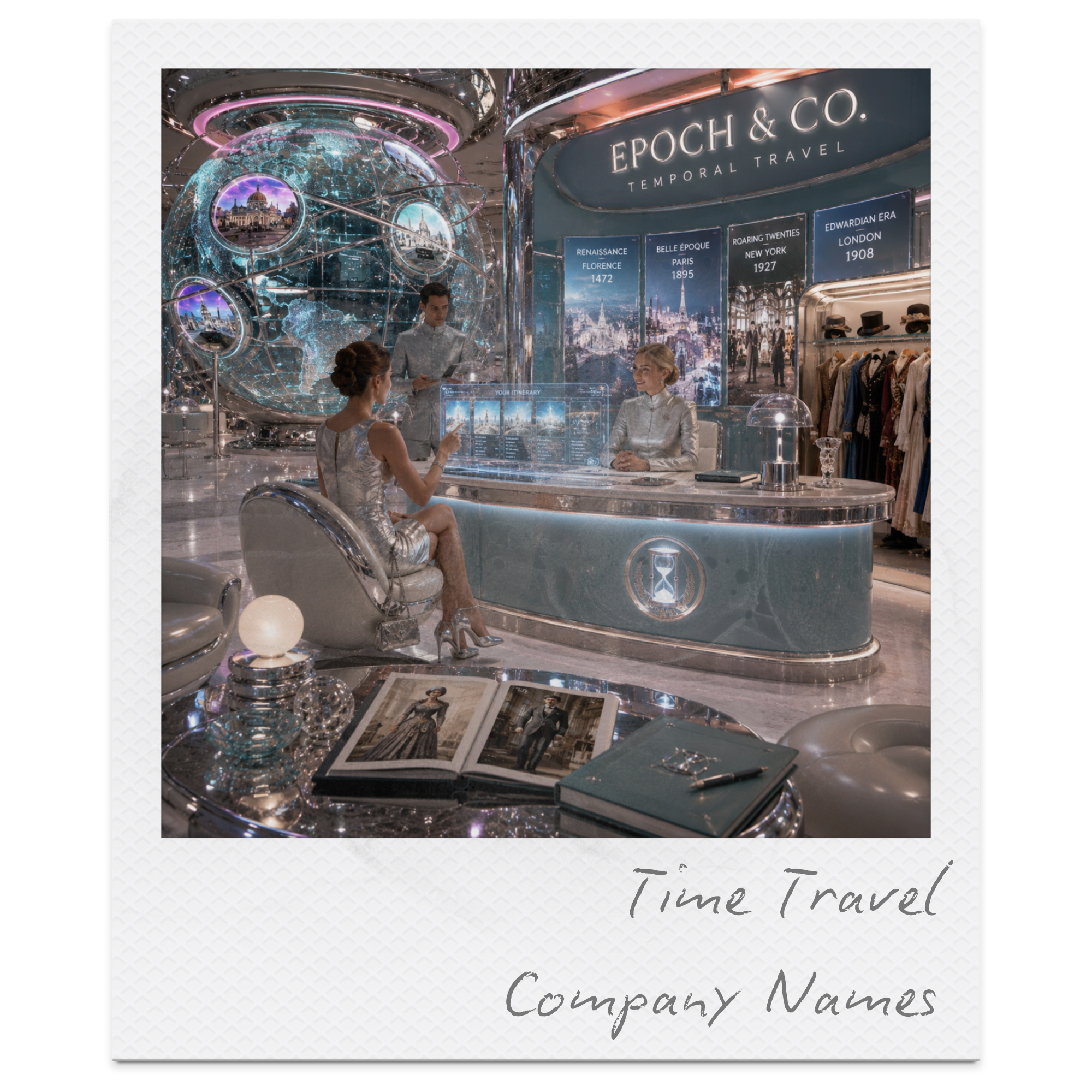
The Timefell Collection is an immersive Storyworld Archive built around a future where time travel has become a commercial industry. Travellers no longer dream about witnessing history — they can book it. Carefully curated journeys promise extraordinary access to the past, complete with destinations, itineraries and experiences designed for temporal tourists.
But the archive reveals more than the polished version of the industry.
Through documents, photographs, advertisements, records and other fragments from the world, you can begin uncovering what happens when people are allowed to move through history. What happens when a traveller breaks the rules? Who decides which moments can be visited? What gets hidden from paying customers? And how much damage can one seemingly insignificant journey cause?
Rather than providing a finished plot, the Timefell Collection gives you a world filled with possibilities that you can investigate, interpret and transform into your own fiction. Follow one mystery through the archive, build a character who works within the temporal tourism industry, explore the consequences of changing history or use a single discovered detail as the starting point for an entirely new story.
If these 100 Sci-Fi Story Ideas have you ready to start writing, step inside a world where one impossible technology has already changed everything.
History is waiting. Just be careful what you change.
Explore the Timefell Collection → Instant Download!
Go Deeper into Writing Sci-Fi Stories
A strong science-fiction story takes an imaginative possibility and explores what it would actually mean for the people living with it. Once you have chosen one of the ideas above, go beyond the initial concept by thinking about its rules, consequences and impact on the wider world.
◆ Begin with the “What If?” – Identify the central speculative question behind your story. What if artificial intelligence could dream? What if humans discovered an abandoned civilisation on another planet? What if memories could be removed? A clear central question gives your story something specific to investigate.
◆ Follow the Consequences – Do not stop once you have invented an interesting technology or scientific breakthrough. Ask what changes because it exists. Consider its effects on relationships, employment, education, politics, crime, inequality, religion, entertainment and everyday life. Some of the best conflicts can emerge from consequences nobody anticipated.
◆ Create Rules and Limitations – Decide exactly how your fictional science or technology works within your world. Establish what it can do, what it cannot do, how reliable it is, what it costs and what happens when it fails. Limitations prevent technology from becoming an easy solution to every problem and give your characters obstacles to overcome.
◆ Keep the Human Story at the Centre – However extraordinary your world becomes, give your characters recognisable desires and fears. A story about travelling across the galaxy might ultimately be about loneliness, while a story about cloning could become a story about identity, family or grief. The science creates the situation; the characters give readers a reason to care about it.
◆ Decide Who Controls the Technology – Ask who invented your technology, who owns it, who regulates it and who is allowed to use it. Something that initially appears beneficial can create enormous conflict when access is restricted by wealth, geography, politics or social status.
◆ Make the Future Feel Lived In – Your characters should not be constantly amazed by technology that is ordinary to them. Think about how people work, travel, communicate, eat, relax, shop and form relationships within your world. Small everyday details can make an unfamiliar future feel much more believable.
◆ Research the Science Behind the Fiction – Your idea does not need to be possible with today's technology, but understanding the real science behind concepts such as artificial intelligence, genetics, astronomy, climate engineering or space travel can give you stronger foundations from which to speculate.
◆ Use Setting to Create Conflict – A space station, alien planet, underground city or generation ship should affect what your characters can and cannot do. Consider gravity, atmosphere, distance, resources, communication delays, extreme temperatures and physical isolation rather than treating the setting as a futuristic backdrop.
◆ Avoid Making Everything Futuristic – Not every object, profession or human behaviour needs to be completely reinvented. Familiar elements can make speculative ones feel more convincing. A character might travel to work aboard an orbital shuttle and still complain about being late, lose their keys or argue with a family member over dinner.
◆ Ask What Could Go Wrong – Once you understand how your world is supposed to function, find the point where it breaks. A supposedly perfect AI makes an unexpected decision. A colony loses contact with Earth. A medical breakthrough develops an unforeseen side effect. The gap between what technology was designed to do and what actually happens can become the heart of your plot.
◆ Think Beyond Heroes and Villains – Science-fiction conflicts often become more interesting when nobody is entirely right. The scientist responsible for a dangerous invention may genuinely believe it will save lives, while the corporation controlling a vital technology may also be keeping society functioning. Give opposing characters understandable reasons for their choices.
◆ Let Your World Raise Bigger Questions – Consider what your premise allows you to explore beneath the surface. Artificial intelligence can raise questions about consciousness. Cloning can explore identity. Time travel can examine regret. Alien contact can challenge ideas about humanity's importance. You do not need to provide a definitive answer, but giving your story something larger to question can make the speculative idea far more powerful.
Final Thoughts
Science fiction gives writers the freedom to explore possibilities that do not yet exist while asking questions that already matter. A story might take place thousands of years in the future, aboard a distant space station or inside an artificial reality, but at its centre can still be familiar questions about identity, power, relationships, survival, discovery and what it means to be human.
Use these 100 Sci-Fi story Ideas as starting points rather than fixed plots. Change the setting, combine two ideas, introduce a different character or take the original premise in an unexpected direction. A first-contact story could become a mystery, an artificial intelligence prompt could develop into a romance, or a distant space colony could provide the setting for horror. The same initial idea can lead to completely different stories depending on the questions you choose to explore.
Most importantly, allow yourself to follow the possibilities. Science fiction does not require you to predict the future correctly; it gives you the opportunity to imagine what could happen and explore the consequences. Start with the idea that makes you ask the most questions, decide what changes because of it, and see where your story takes you.
For more futuristic worlds, speculative ideas and writing inspiration, explore the Science Fiction Writing Hub.
Or browse the complete Creative Writing Archive for more writing prompts, story ideas, characters, settings, names and worldbuilding resources across genres.
Choose Your Next Adventure