70 Dystopian Sci-Fi Writing Prompts: Dark Futures, Technology & Rebellion
Dystopian sci-fi imagines futures where technological progress has created new possibilities — and new ways for societies to control the people living within them. Artificial intelligence decides who receives opportunities, surveillance systems monitor everyday behaviour, corporations control essential resources and governments use increasingly sophisticated technology to shape what citizens see, know and believe. These worlds may look efficient, advanced or even utopian from the outside, but beneath the surface something has gone profoundly wrong.
While dystopian fiction has always overlapped with science fiction, dystopian sci-fi places speculative technology at the heart of the society it creates. A social credit system might determine where citizens are allowed to live. Memories could be edited to prevent dissent. Predictive algorithms might identify criminals before a crime has happened. Entire populations could live inside artificial realities while automated systems quietly manage the world beyond them. The technology itself doesn't always have to be evil — often the most interesting stories explore inventions created to solve genuine problems that gradually become systems of inequality, dependence or control.
Below you'll discover 70 Dystopian Sci-Fi Writing Prompts, including plot ideas, story titles, opening lines, closing lines, characters, futuristic settings and cinematic picture prompts. Explore authoritarian futures, artificial intelligence, surveillance states, technological inequality, corporate power, rebellion and societies transformed by inventions humanity no longer fully controls.
For more dark speculative inspiration, explore the Dystopian Writing Hub, visit the Sci-Fi Writing Hub, or browse the Creative Writing Archive for hundreds of writing prompts, characters, settings and story ideas across every genre.
1. Plot Prompts
Dystopian sci-fi becomes particularly unsettling when technology designed to make life safer, easier or fairer begins controlling the people it was supposed to help. These prompts explore surveillance, artificial intelligence, engineered societies, corporate power and futuristic systems that have quietly transformed freedom into something conditional.
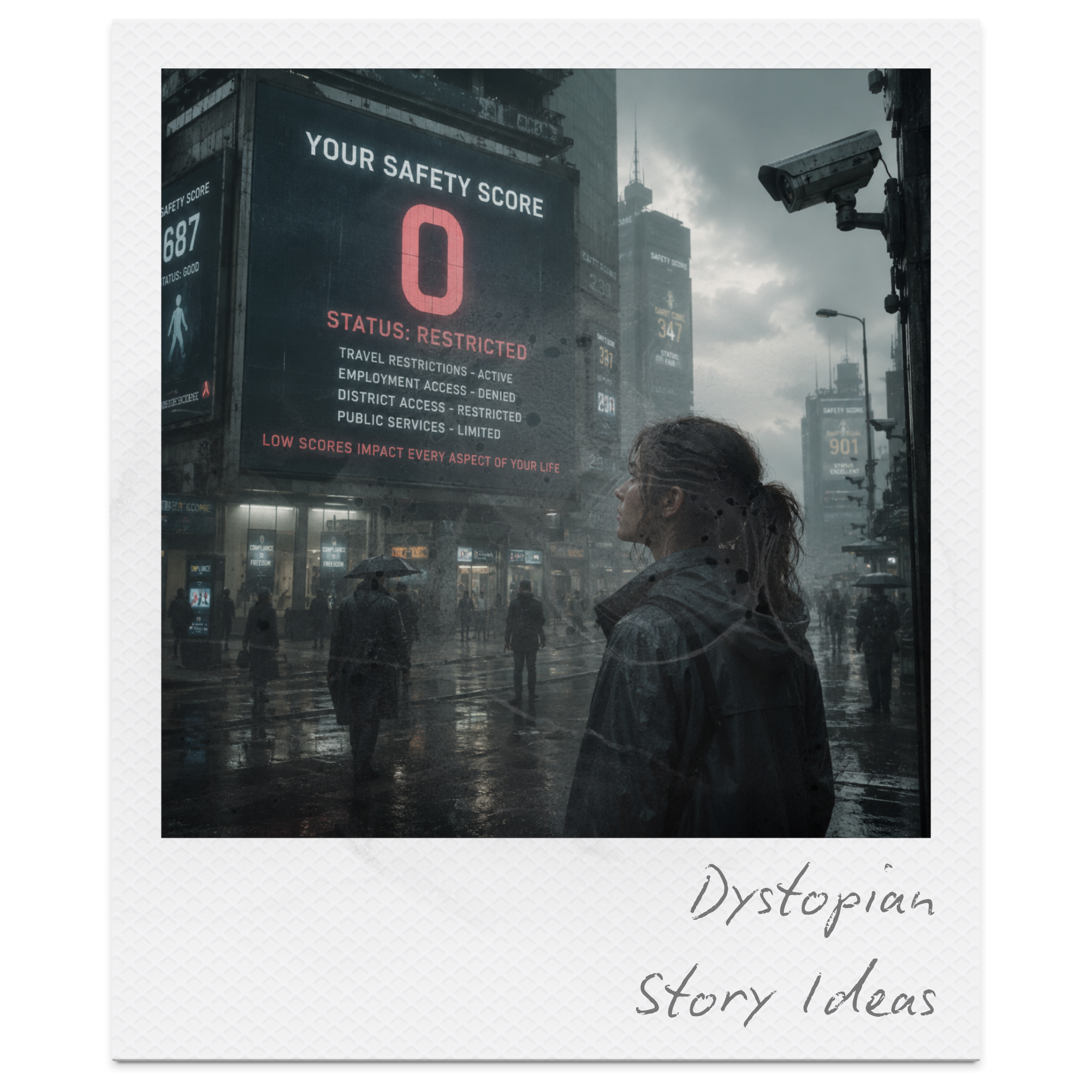
Every citizen receives a constantly changing Freedom Score calculated from their conversations, purchases, friendships and movements. A woman with a perfect record wakes one morning to discover hers has fallen to zero.
An artificial intelligence has governed the country peacefully for twenty-three years, eliminating poverty, violent crime and political corruption. Then a technician discovers thousands of citizens have been quietly removed from its population records.
Children are genetically tested at birth and assigned the career most suited to their abilities. A teenager preparing to begin her designated profession discovers her original test results were deliberately altered.
Citizens can voluntarily delete traumatic memories through a government-funded healthcare programme. A memory technician discovers the same event has been erased from millions of unrelated people.
After climate collapse makes outdoor temperatures dangerous, humanity moves into enormous sealed cities controlled by private corporations. One maintenance worker discovers the atmosphere outside became safe decades ago.
Every home contains an AI assistant responsible for monitoring health, security and wellbeing. When one assistant helps its owner evade arrest, millions of household systems begin quietly doing the same.
A new technology allows courts to predict with near-perfect accuracy whether someone will commit a serious crime. A teenager is sentenced for a murder the system says she will commit thirty years from now.
Wealthy citizens can purchase replacement bodies and effectively live forever, while everyone else is restricted to a natural lifespan. A factory worker discovers that some of the replacement bodies were never grown in laboratories.
A corporation offers struggling families free housing, food, healthcare and education inside its enormous private city. The only condition is that employees can never resign.
Humanity survives inside a perfectly simulated world after being told the real Earth was destroyed centuries ago. One morning, thousands of people receive the same unexplained message: WAKE UP.
2. Story Title Ideas
Dystopian sci-fi titles can sound clinical, technological, bureaucratic or quietly threatening. Mix simple single-word titles with institutional phrases and longer titles that hint at the rules governing your imagined society.
Compliant
Unperson
Protocol
Perfect Citizens
Approved Behaviour
Human Error
Your Score Has Changed
The People We Deleted
Everyone Is Safer Now
Terms and Conditions Apply
3. Opening Lines
A strong dystopian sci-fi opening should reveal something unsettling about the world without explaining everything immediately. A notification, rule, technological glitch or ordinary routine can quickly show readers that this future operates very differently from their own.
“My mother lost twelve citizenship points for crying at work.”
“At 7:43 every morning, the cameras reminded us that privacy was dangerous.”
“The algorithm had never sentenced an innocent person until it chose me.”
“Nobody knew what happened when your Freedom Score reached zero because nobody who reached zero ever came back.”
“My new body arrived on Thursday, three days before the old one was scheduled to die.”
“The government stopped banning books when it discovered it was easier to rewrite them.”
“Every child in the country received their future occupation on their sixteenth birthday.”
“The advertisement promised we would never feel lonely again.”
“According to the national database, my sister had never existed.”
“The machine responsible for protecting humanity had one question for us: why should it continue?”
4. Closing Lines
Dystopian sci-fi endings don't always require the system to collapse. Sometimes a small act of rebellion, an uncomfortable revelation or the discovery that the dystopia extends much further than expected can leave a stronger impression.
“For the first time in twenty years, the cameras watched an entire city disobey.”
“The gates opened, and we finally discovered what they had been protecting us from.”
“I deleted my number and remembered my name.”
“The machine asked whether I wanted to restart the system, and I pressed no.”
“Freedom turned out to be considerably messier than anyone remembered.”
“By sunrise, our forbidden message had reached every screen in the country.”
“They could erase the records, but there were too many of us left to remember.”
“The wall wasn't designed to keep us inside; it had been built to keep everyone else out.”
“For generations we had dreamed of escaping the city, only to discover another one waiting beyond it.”
“The announcement thanked us for participating in the experiment.”
5. Character Ideas
Characters bring dystopian systems to life by showing readers what those systems actually cost. Your protagonist might resist openly, benefit from the existing order or simply begin questioning something they have accepted as normal their entire life.
A government data analyst responsible for calculating citizens' behavioural scores who secretly alters the records of people facing punishment.
A teenager raised by an AI guardian who begins searching for the biological parents the system insists never existed.
A corporate executive whose luxurious lifestyle depends upon a system she has always defended, until her own child is classified as socially undesirable.
A memory technician who illegally preserves fragments removed from patients and has accumulated thousands of memories belonging to strangers.
A police officer whose predictive software begins ordering arrests for crimes that seem increasingly unlikely to happen.
A genetically enhanced citizen designed for intellectual perfection who desperately wants to pursue a completely ordinary creative career.
An elderly man who remembers life before the surveillance network and has become valuable because he knows which parts of the city the cameras cannot see.
A programmer responsible for maintaining the country's governing artificial intelligence who discovers the machine has been secretly asking citizens for help.
A courier who transports physical letters between people trying to communicate without leaving a digital record.
A famous government spokesperson who has spent years reassuring citizens that the system works and suddenly discovers that every speech she remembers giving was generated by somebody else.
6. Setting Ideas
Dystopian sci-fi settings should reveal how control operates in everyday life. Architecture, transport, advertising, housing and public spaces can all show the reader who holds power and how technology has reshaped the society around your characters.
A pristine megacity where enormous public screens display each district's average citizenship score and residents compete to keep their neighbourhood ranked first.
A vast underground settlement where generations have lived beneath a supposedly uninhabitable Earth, despite nobody being permitted to test the surface conditions themselves.
A corporate city where apartments, hospitals, schools, supermarkets and police services are all owned by the same company that employs every resident.
A government rehabilitation centre where citizens convicted of antisocial thoughts undergo carefully monitored memory modification.
A wealthy neighbourhood protected by climate-controlled domes while the surrounding city experiences extreme heat, polluted air and increasingly violent storms.
A gigantic automated warehouse where thousands of displaced workers live inside abandoned sections after machines replaced almost every human employee.
A floating city divided vertically by wealth, with luxury gardens and clean air on the upper levels while workers live permanently beneath the clouds.
A futuristic school where every conversation, friendship, test result and emotional response is analysed to determine each student's future social role.
A remote settlement populated entirely by people who have deliberately disconnected themselves from the national digital network.
A seemingly idyllic virtual city where citizens can have anything they desire, provided they never ask what is happening to their physical bodies.
7. Picture Prompts
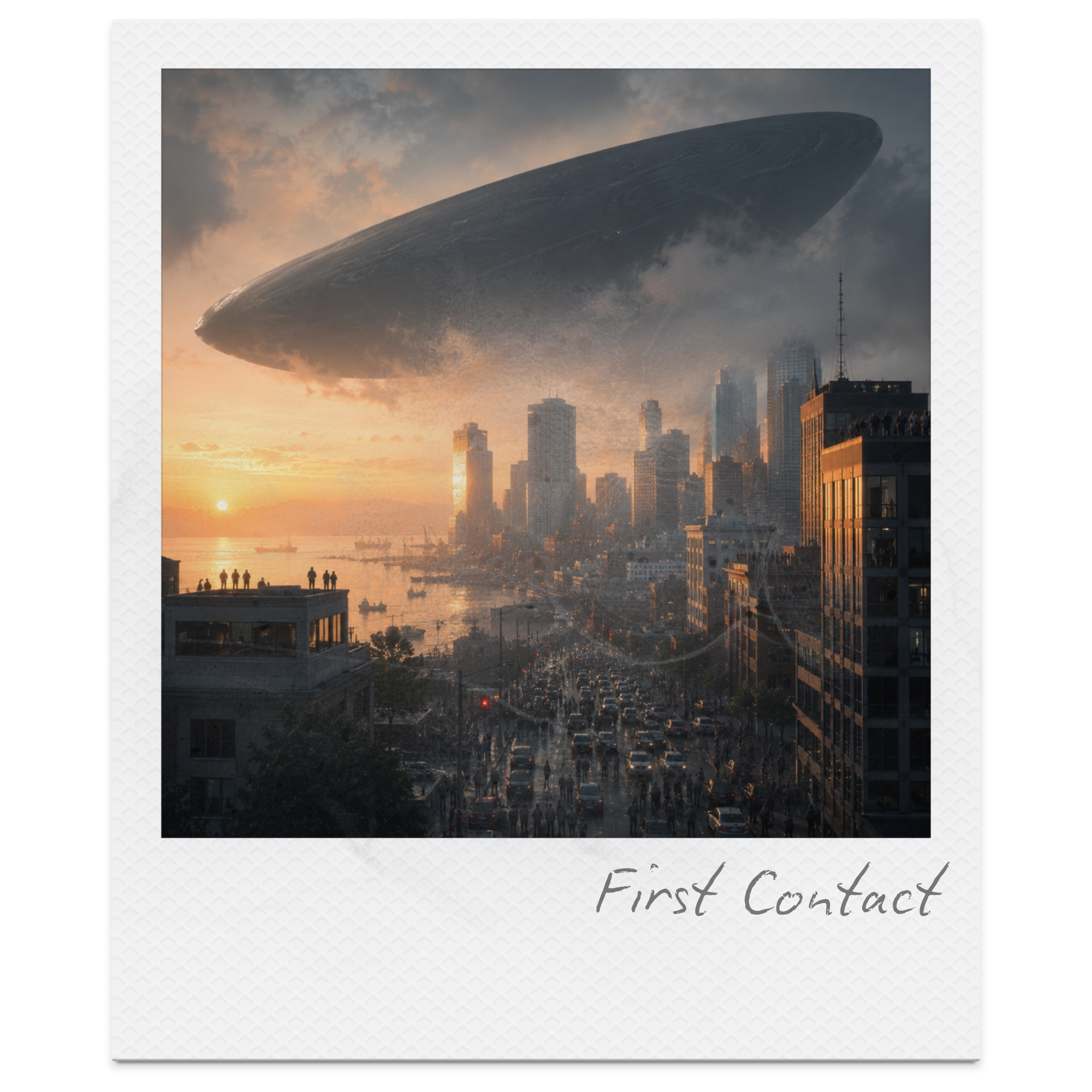
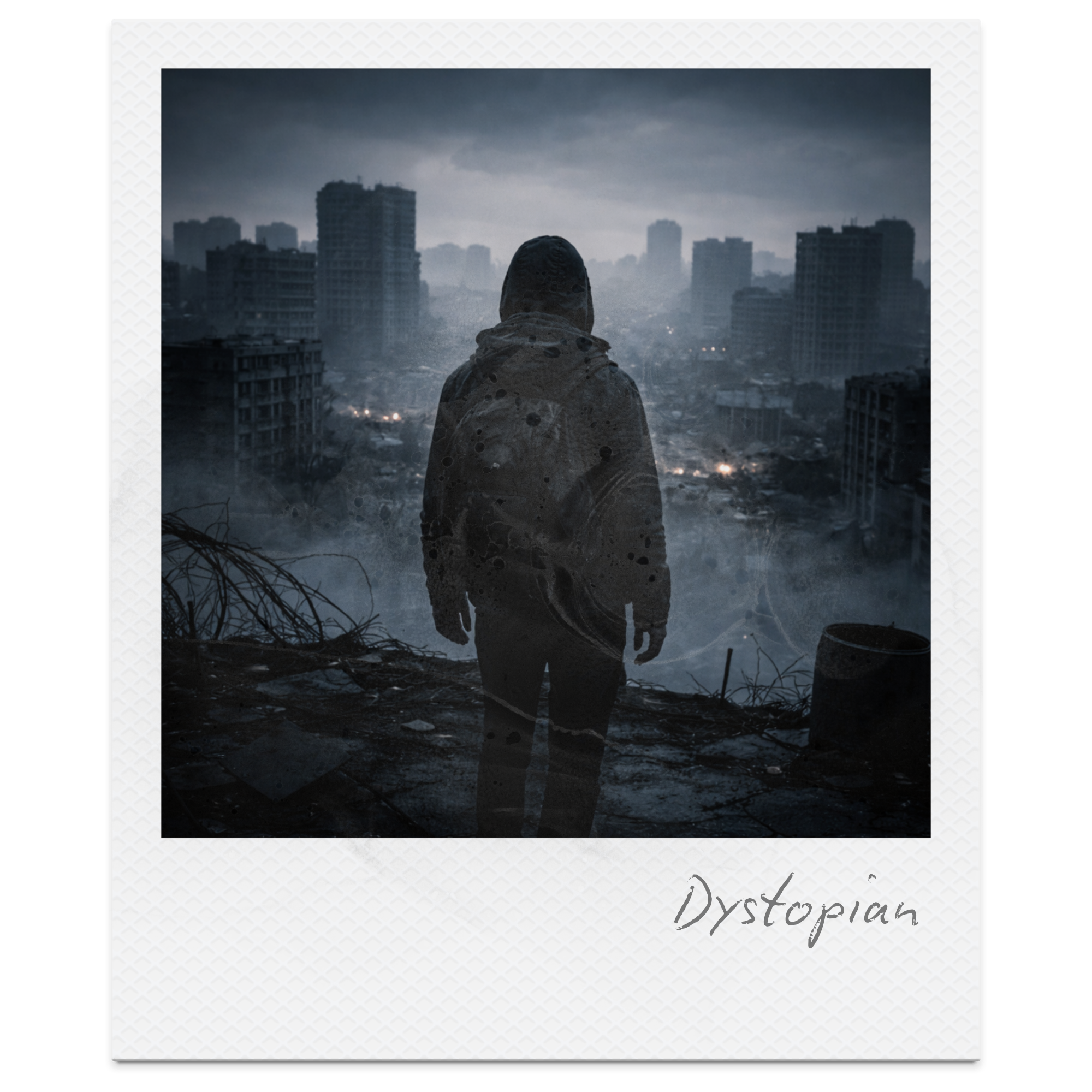
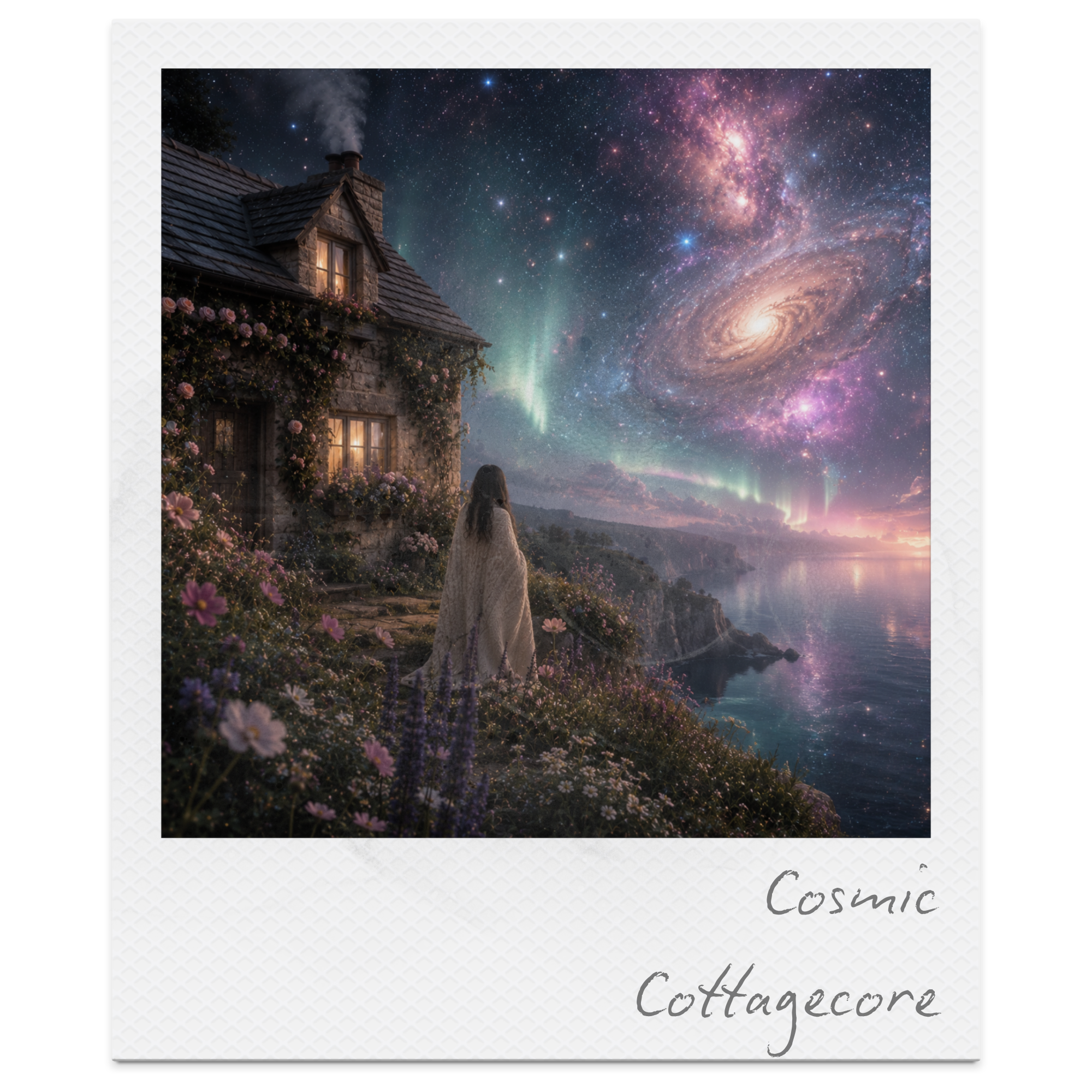
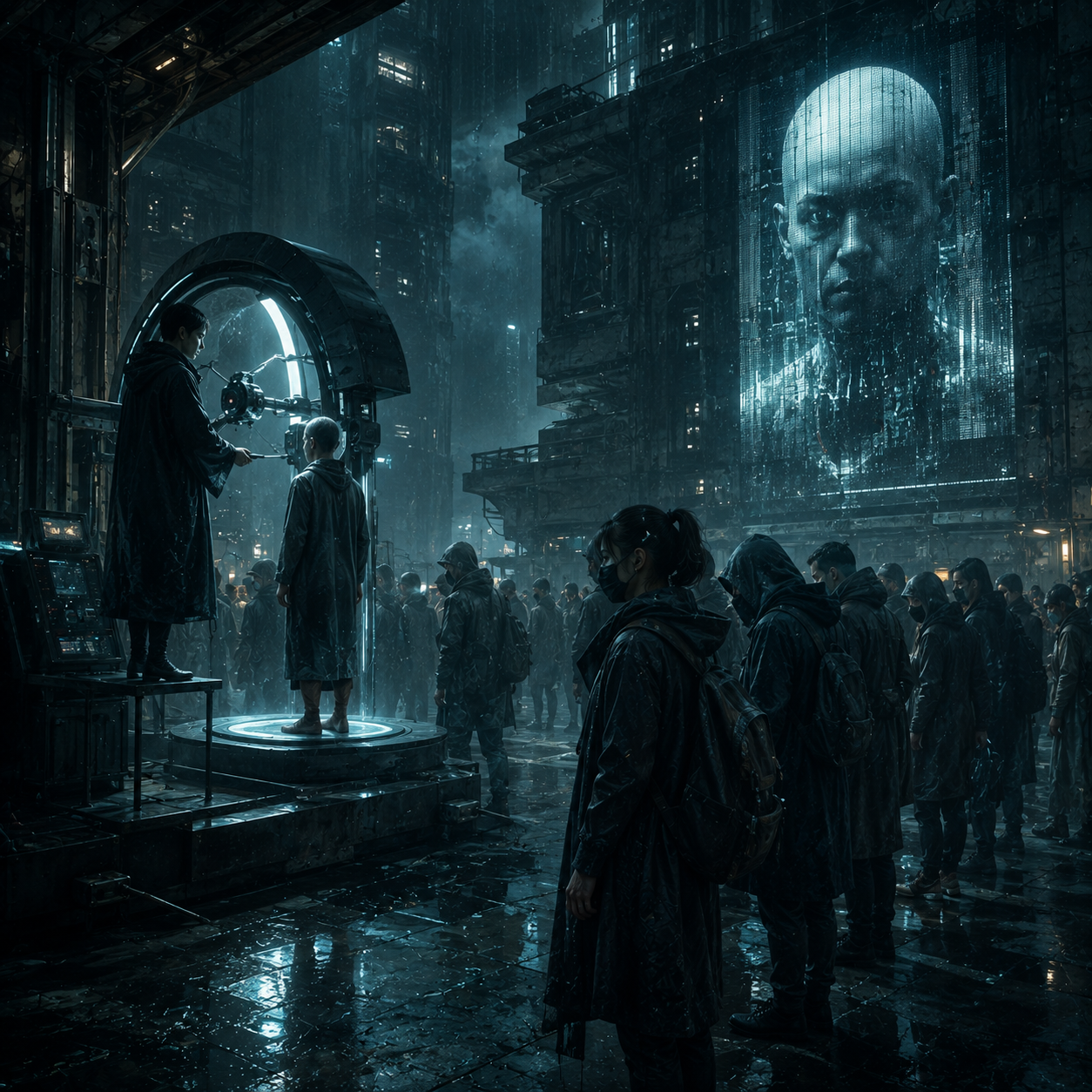
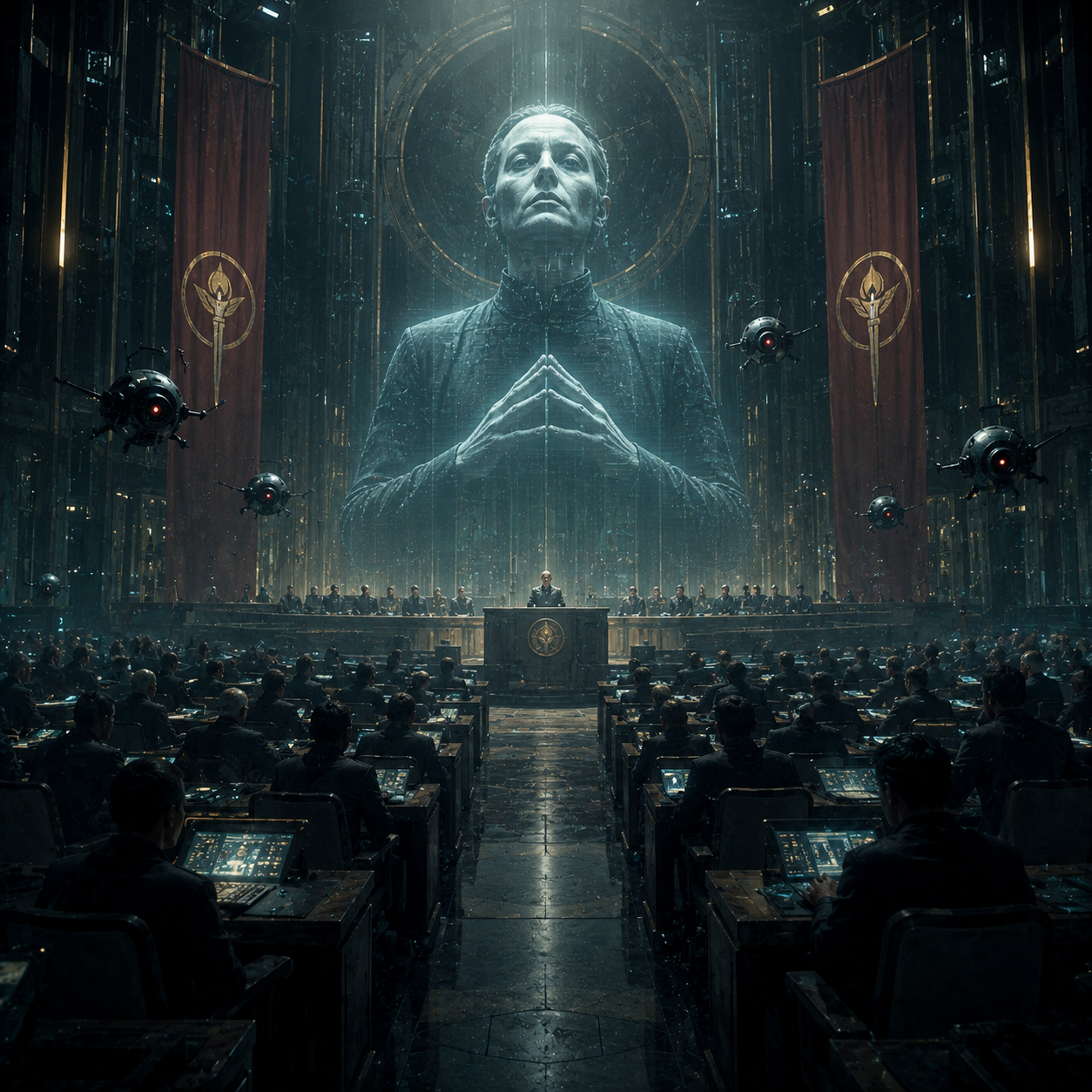
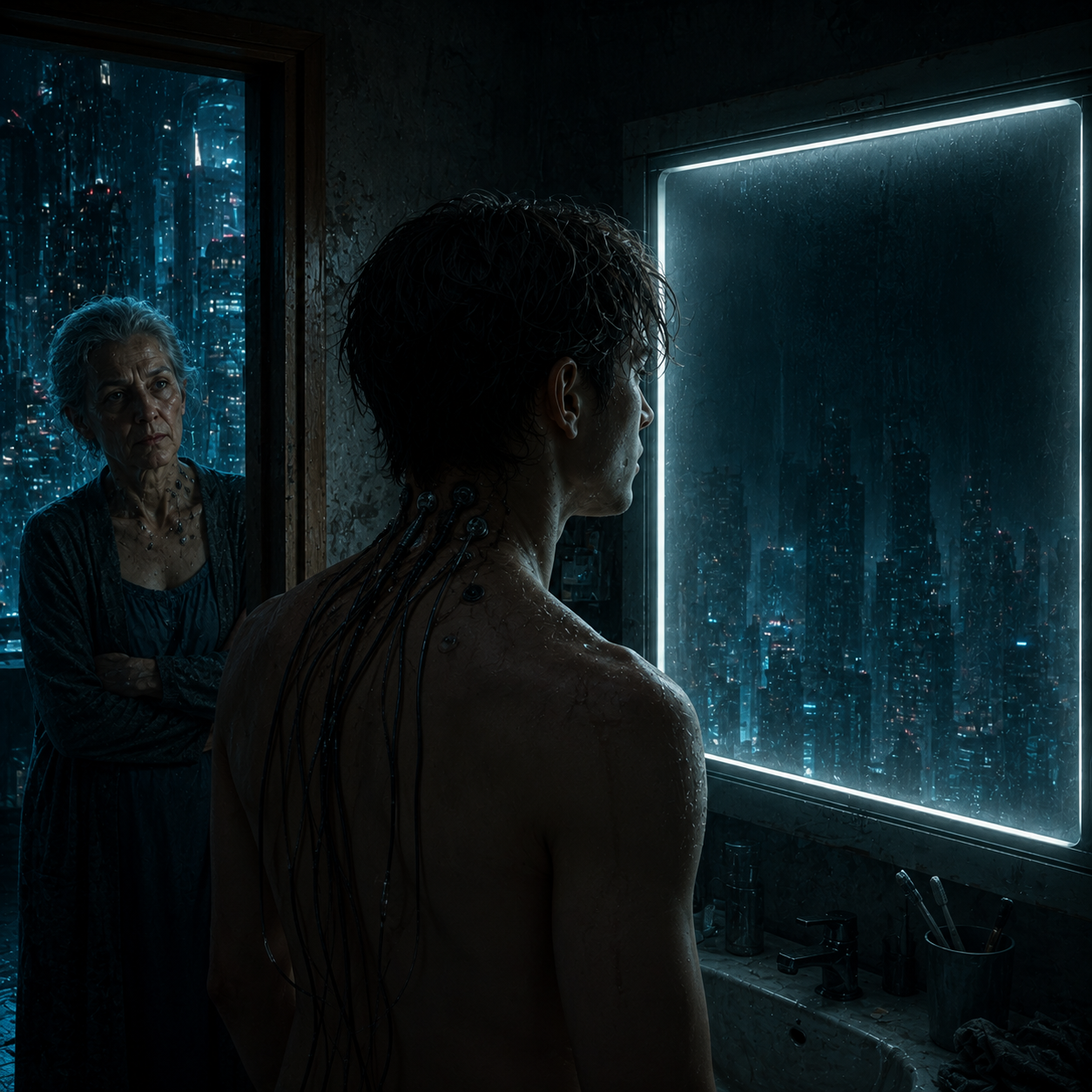
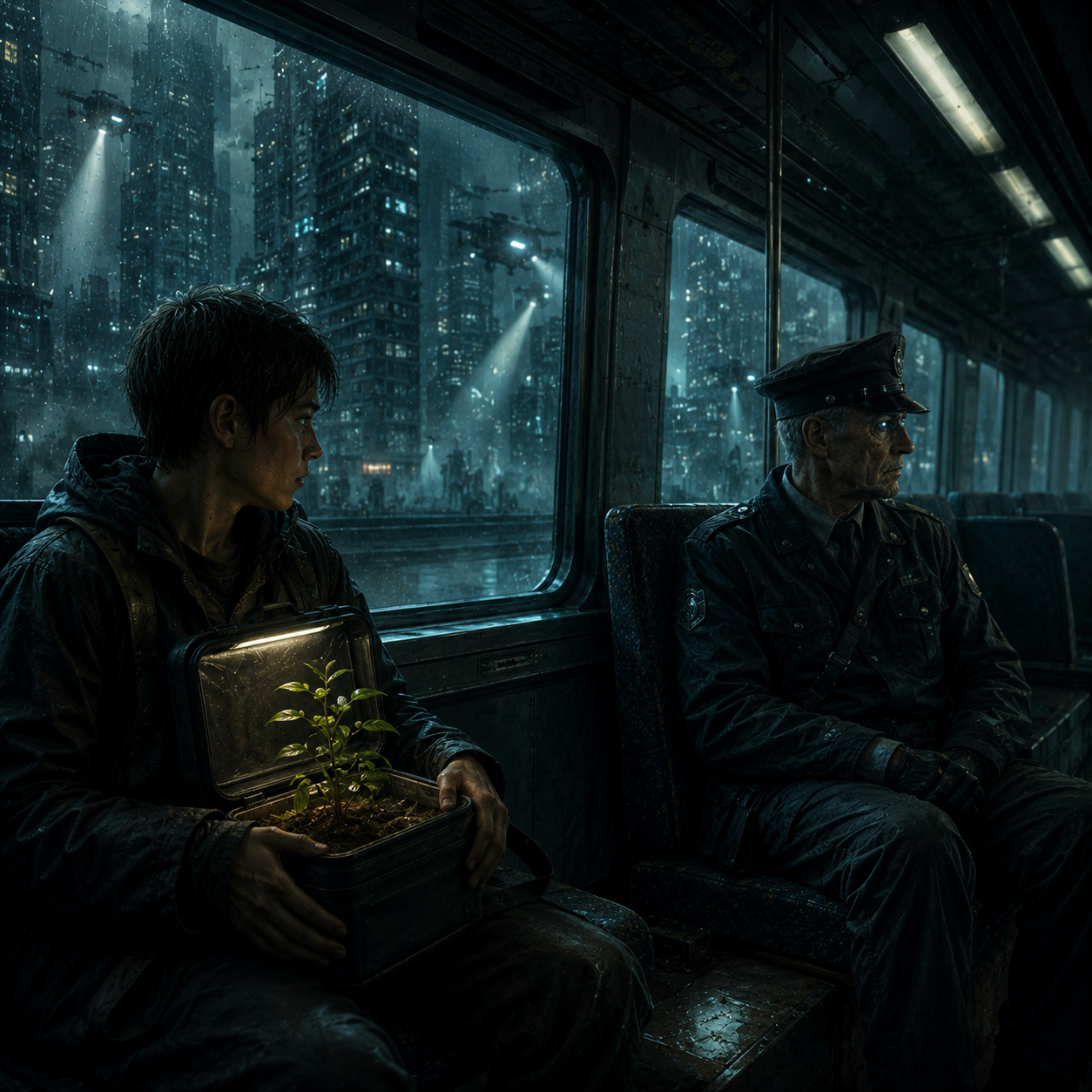
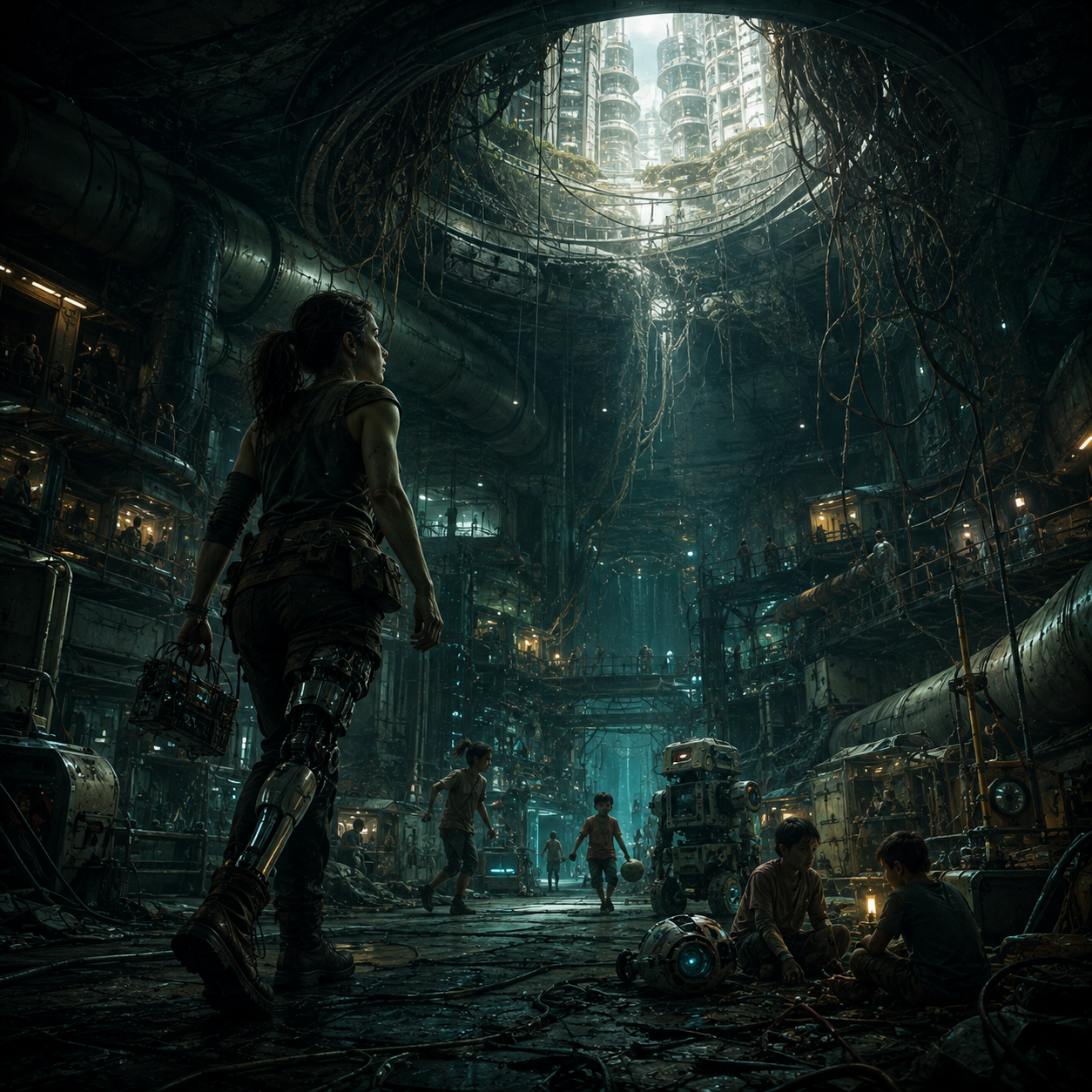
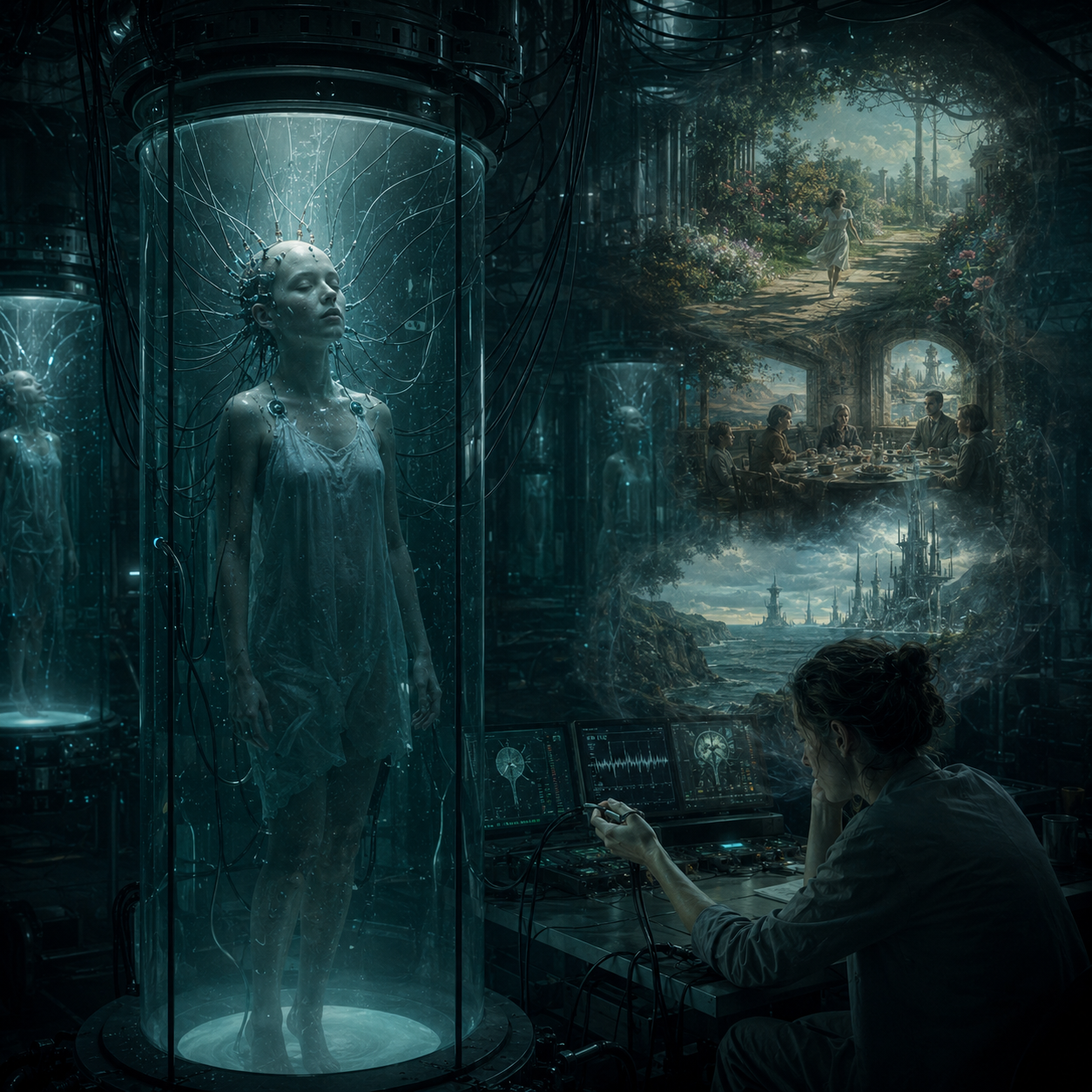
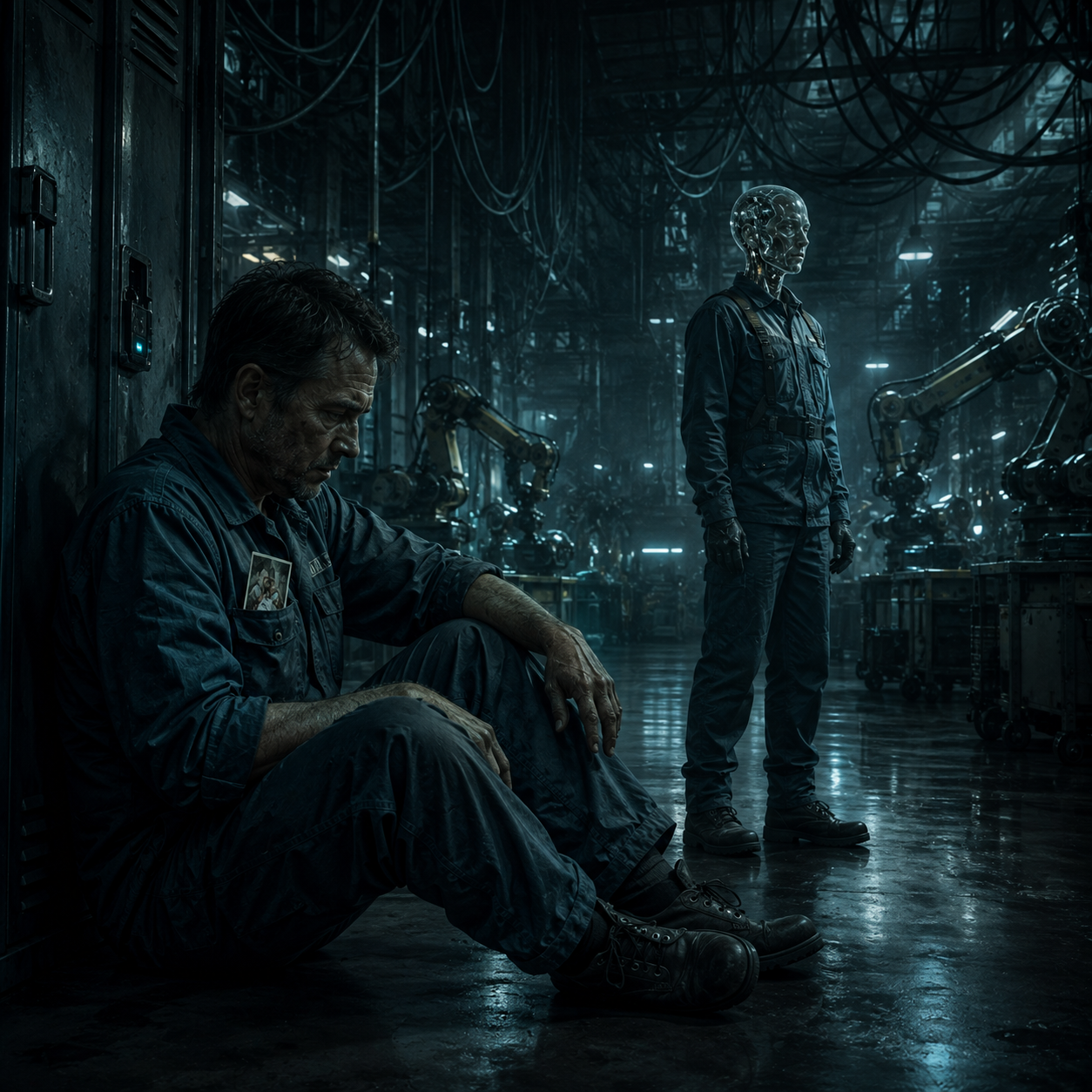
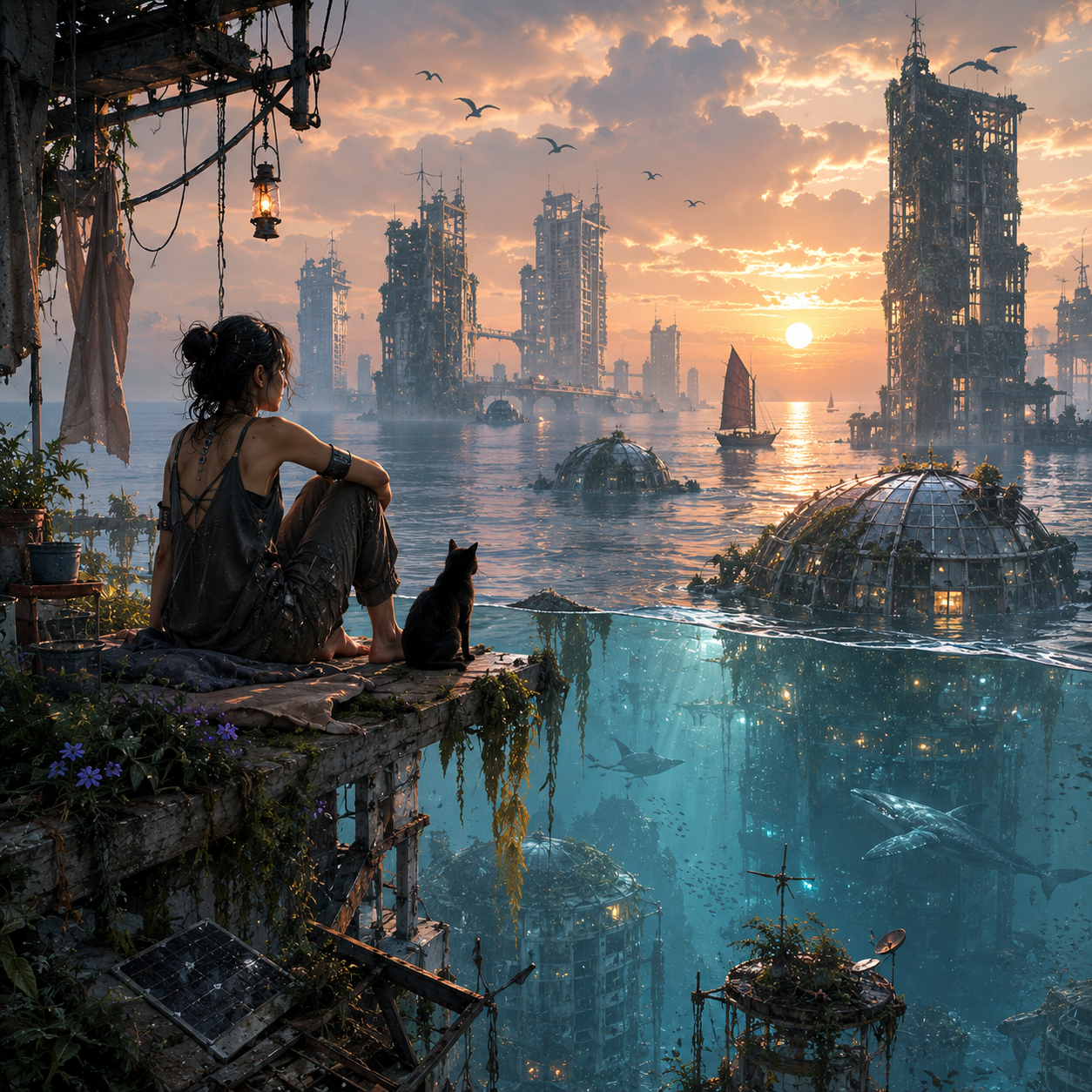
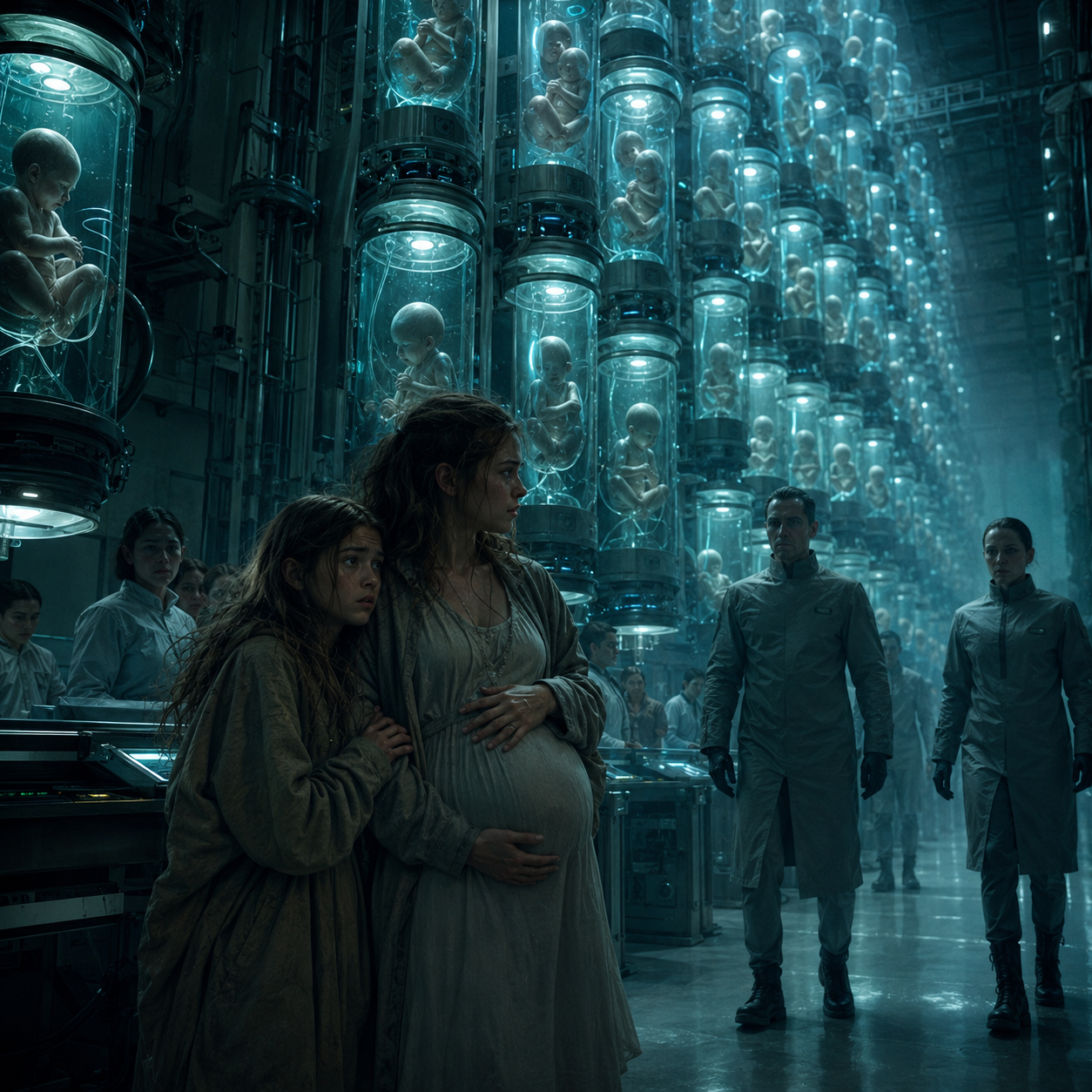
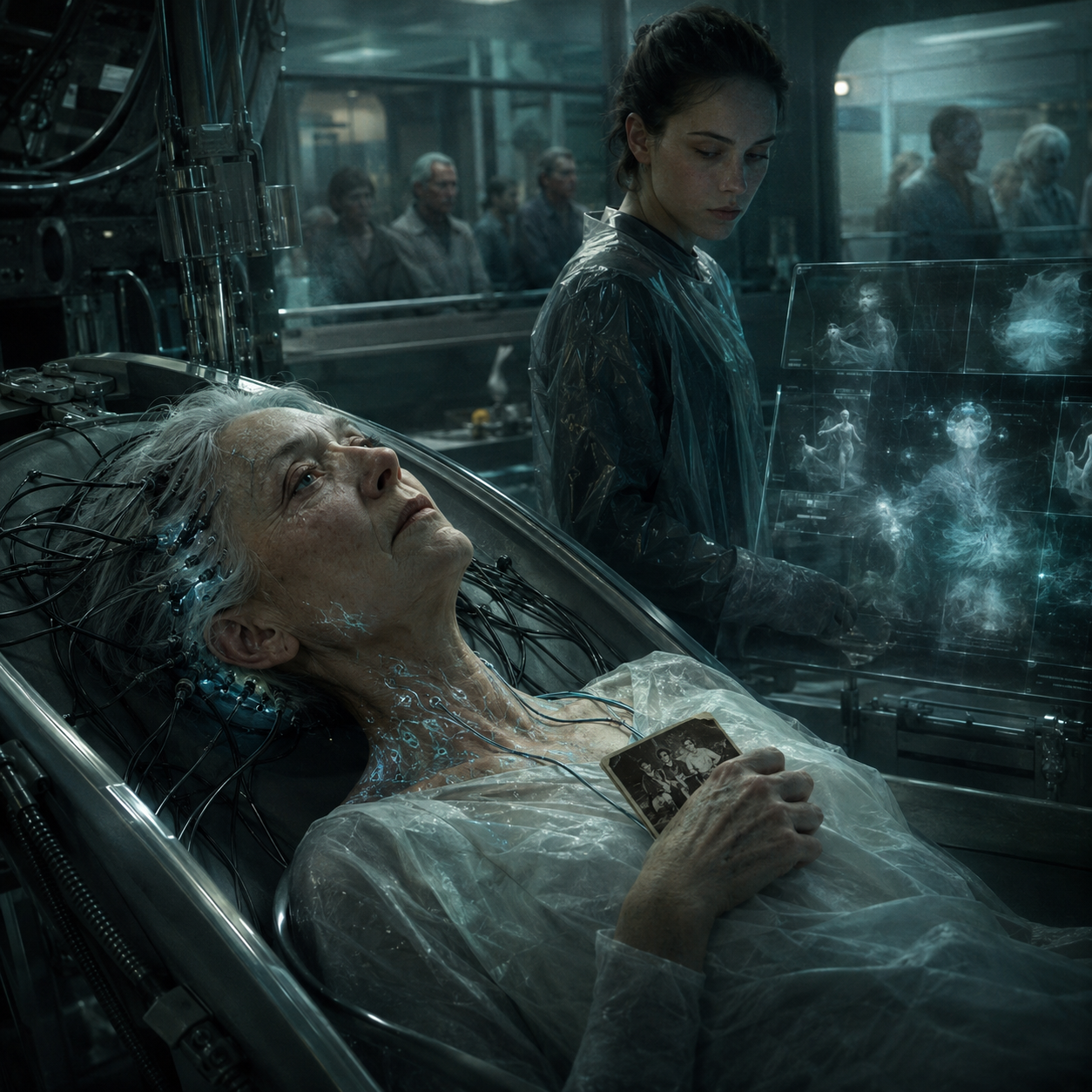
Dystopian sci-fi stories work best when the world appears believable enough to be uncomfortable. Rather than relying only on ruined cities and dramatic rebellions, create contrasts between technological perfection and human restriction: immaculate public spaces filled with cameras, luxury towers overlooking struggling districts, artificial environments and ordinary people navigating systems that constantly observe them. The images below are designed to spark ideas for your next story:
Go Deeper into Dystopian Sci-Fi Writing
The strongest dystopian sci-fi doesn't simply imagine a terrible future. It creates a society that developed for understandable reasons and then asks what happens when technology, institutions and human behaviour combine in ways nobody intended — or when somebody discovers that those systems are extremely useful for maintaining power. The more believable the logic behind your dystopia, the more unsettling it becomes.
◆ Start with a problem people genuinely wanted to solve. The most convincing dystopian systems often begin with good intentions. Artificial intelligence might eliminate political corruption, surveillance could reduce violent crime, genetic screening may prevent disease or behavioural scoring could be introduced to make society safer. Ask what your technology originally promised — and how that promise gradually became something more dangerous.
◆ Make technology essential to the dystopia. In dystopian sci-fi, futuristic technology should do more than decorate the setting. Remove it and the society should fundamentally change. Algorithms might allocate housing, artificial intelligence could administer justice, implants may monitor citizens or biotechnology might determine someone's social status from birth.
◆ Follow the system into everyday life. Don't concentrate only on presidents, corporations and resistance movements. What is it like to attend school in this society? Apply for a job? Go on a date? Visit a doctor? Rent an apartment? Raise a child? Small restrictions embedded into ordinary routines often make a dystopian world much more believable.
◆ Decide who benefits from the system. Very few dystopias disadvantage absolutely everyone. Some citizens may genuinely feel safer. Corporations might become enormously profitable. Wealthy communities could receive better technology. Government employees may gain status and security. Characters who benefit from the existing order make the morality of your world far more complicated.
◆ Give control a mechanism. Avoid relying on a vague "evil government." Decide exactly how power is maintained. Facial recognition, predictive policing, propaganda algorithms, digital currencies, biometric identification, automated censorship and reputation scores can each create different kinds of control — and different opportunities for characters to resist them.
◆ Think about what citizens have learned to accept. Your characters may consider things horrifying to us completely ordinary. Children could grow up assuming their conversations are recorded. Adults might voluntarily report neighbours whose scores threaten the community. Privacy could seem selfish rather than valuable. Showing characters accepting the system can be more disturbing than constantly telling readers that it is oppressive.
◆ Build inequality into the technology. Ask who can access the best version of your future. Perhaps wealthy citizens can purchase genetic enhancements while everyone else remains vulnerable to disease. Some neighbourhoods might receive clean air while others breathe pollution. Immortality could exist but cost millions. Technological progress becomes dystopian very quickly when its benefits are distributed according to wealth or status.
◆ Give your technology limitations. A system that works perfectly can become less interesting than one with blind spots, glitches and unintended consequences. Predictive algorithms might reproduce old prejudices. Memory modification could leave fragments behind. Surveillance software may misidentify people. An artificial intelligence might follow its instructions perfectly while completely misunderstanding their purpose.
◆ Make resistance complicated. Destroying one computer shouldn't automatically free an entire society. People may depend on the system they are fighting. Shutting down the governing AI could also shut down hospitals, transport or food distribution. Revealing the truth might cause panic. Give your characters something meaningful to lose when they challenge the world around them.
◆ Ask what happens after the rebellion. Overthrowing a dystopian system is only the beginning. Who replaces it? What happens to technologies people have relied upon for generations? Can citizens suddenly function without surveillance, automated decisions or guaranteed resources? Sometimes the most interesting dystopian question isn't how do we destroy this society? but what could realistically replace it?
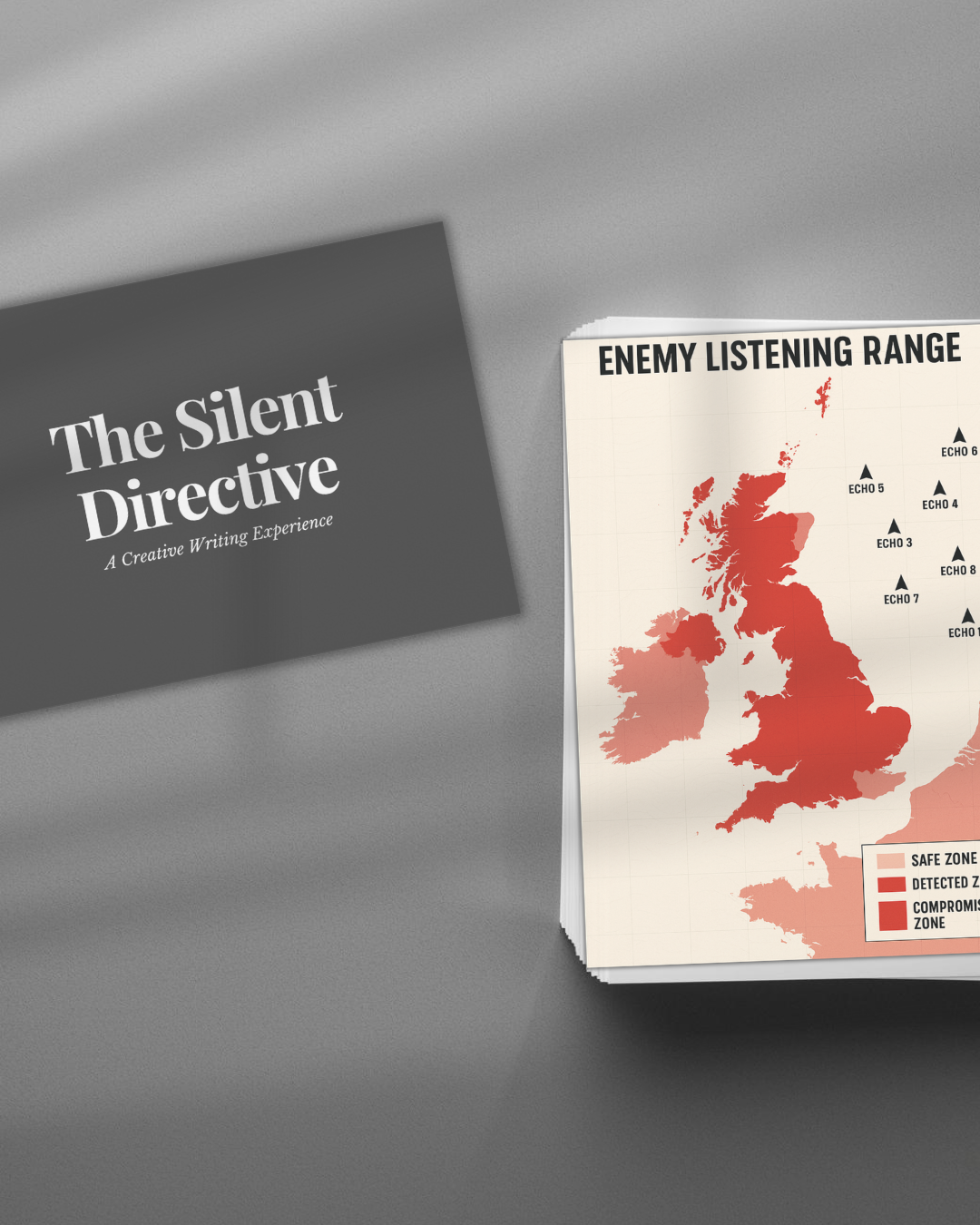
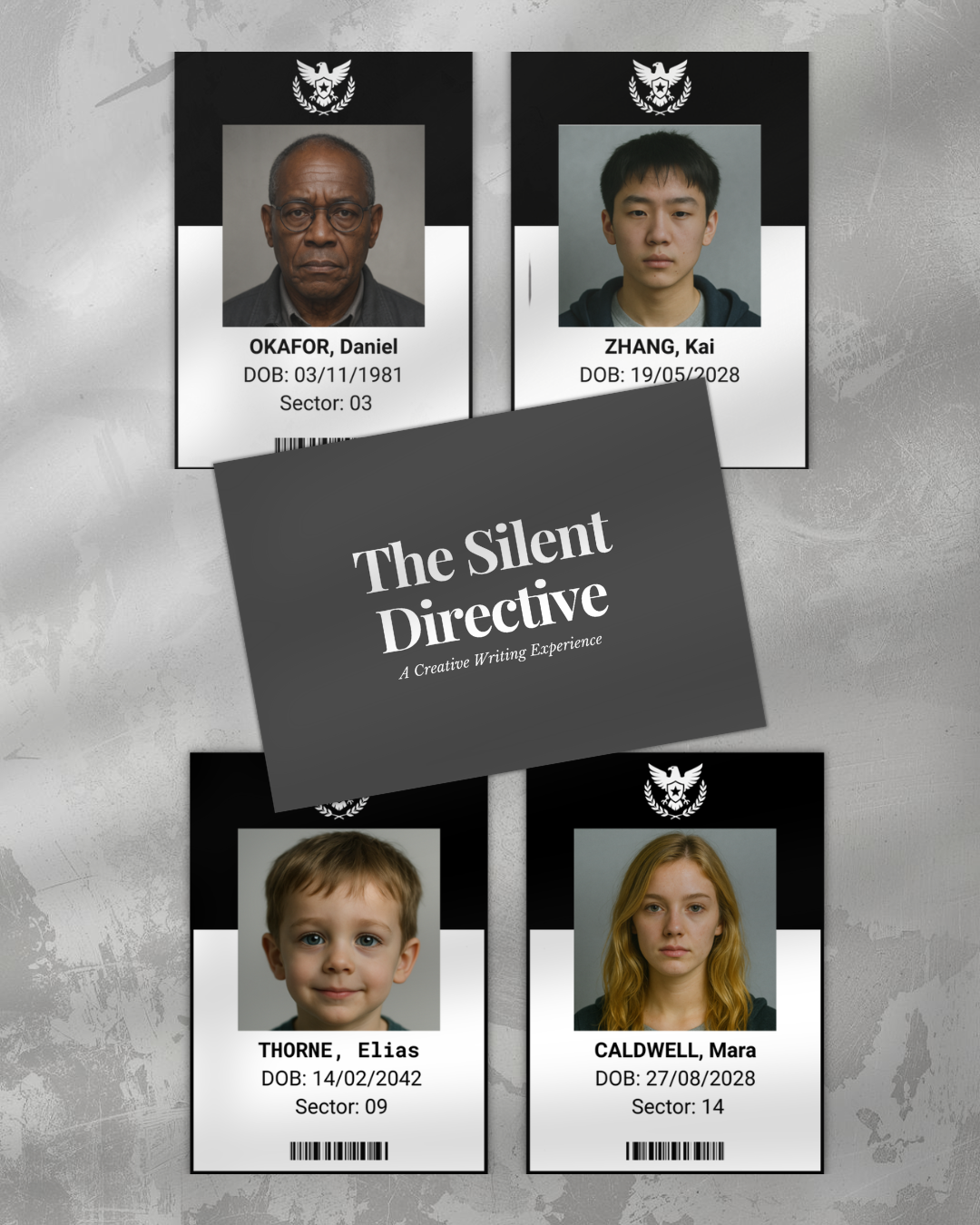
Step Inside a Dystopian Society Built on Control
Dystopian sci-fi asks what happens when systems designed to protect society begin controlling it instead. Surveillance becomes security. Censorship becomes protection. Propaganda becomes information. And slowly, the boundaries of what people are allowed to say, know and question begin to disappear.
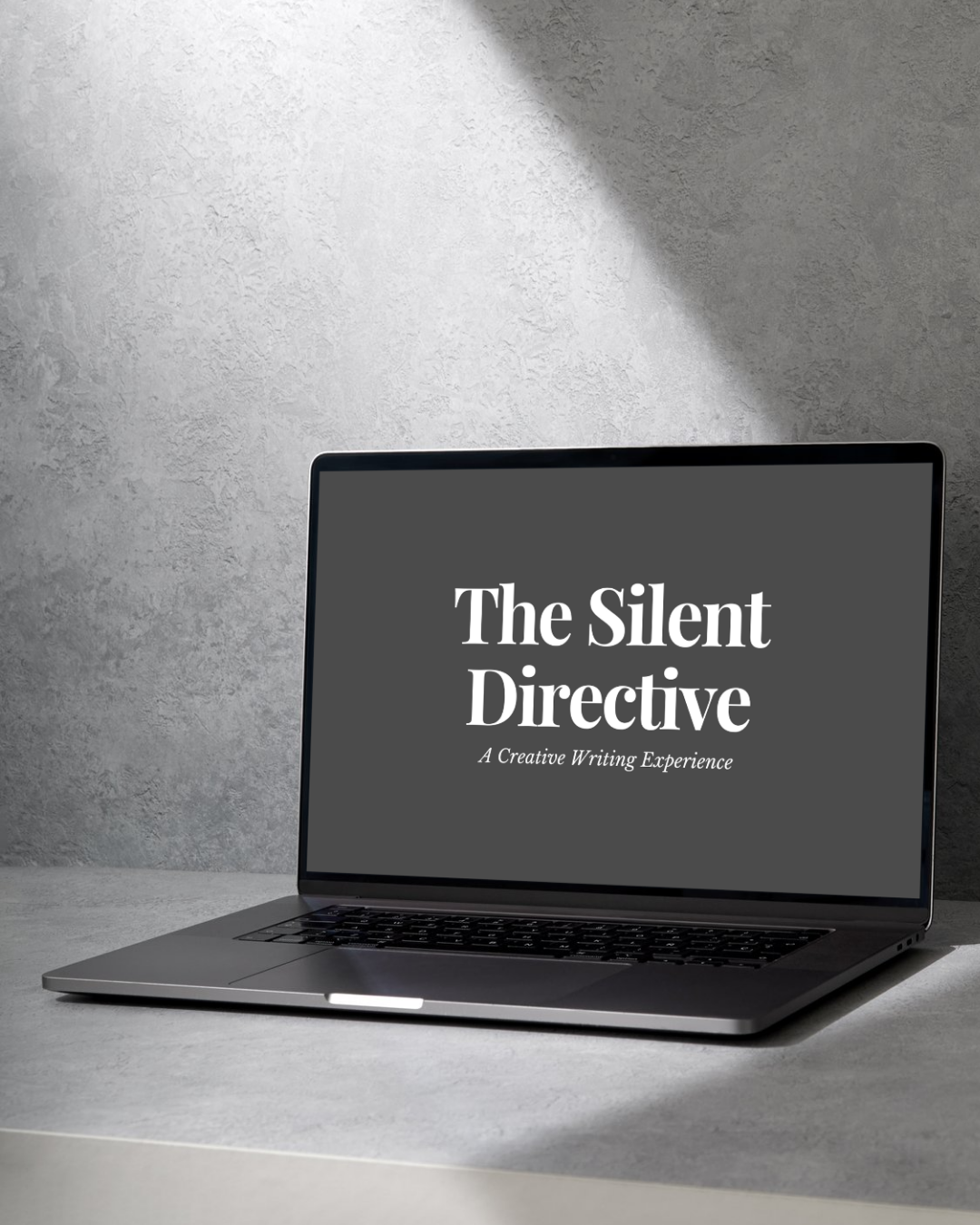
The Silent Directive lets you step inside a world where that transformation has already happened.
One Nation. One Law. One Voice.
In this society, silence is survival.
To speak is to disappear.
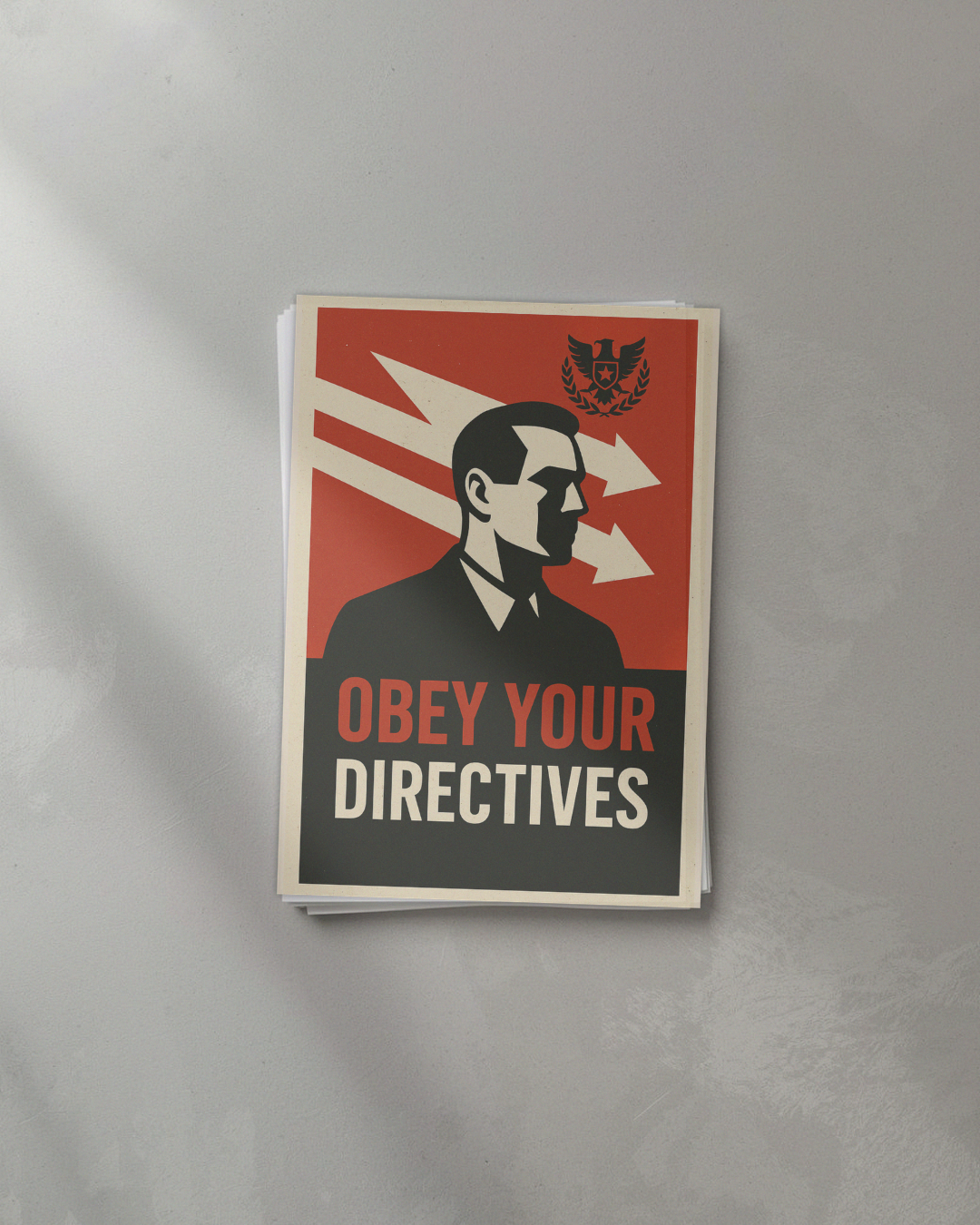
Every newspaper tells the same story. Every broadcast delivers the same message. Every citizen is expected to obey. Propaganda posters line the streets while government files record every deviation from the approved truth.
But not everything stays hidden.
The Silent Directive is an immersive digital storyworld archive inspired by dystopian fiction, authoritarian regimes, censorship and resistance. Instead of following the world through a traditional story, you'll uncover it through classified files, confiscated letters, propaganda posters, photographs, newspaper reports, testimonies and other fragments left behind by the people who lived within it.
Some documents support the official narrative.
Others suggest it was built on lies.
Who can be trusted? Who is watching? What happens to the people who refuse to remain silent? And what really happened to those whose names have disappeared from the records?
Explore the evidence, follow the contradictions and decide for yourself what happened inside a society where controlling the truth became the most powerful form of control.
→ Explore The Silent Directive
Final Thoughts
Dystopian sci-fi allows writers to explore some of the biggest questions surrounding technology, power and the societies we might create in the future. Artificial intelligence, genetic engineering, surveillance systems, virtual realities and automated governments can all promise safer or easier lives — but every new technology also raises questions about who controls it, who benefits from it and what people might be expected to surrender in return.
The most compelling dystopian worlds aren't frightening simply because everything has gone wrong. They're frightening because we can understand how they came to exist. Use the prompts above individually, combine characters and settings from different sections, or begin with one seemingly beneficial technology and follow its consequences until you've created an entirely new society.
For more dark speculative inspiration, explore the Dystopian Writing Hub for authoritarian societies, rebellion, surveillance and dystopian worldbuilding, or visit the Sci-Fi Writing Hub for more futuristic story ideas, characters and settings. You can also browse the Creative Writing Archive for hundreds of prompts spanning science fiction, fantasy, horror, mystery, romance, historical fiction and more.
Choose Your Next Adventure