Notes from the Inkpot
Writing, teaching, creating - one ink-stained idea at a time.



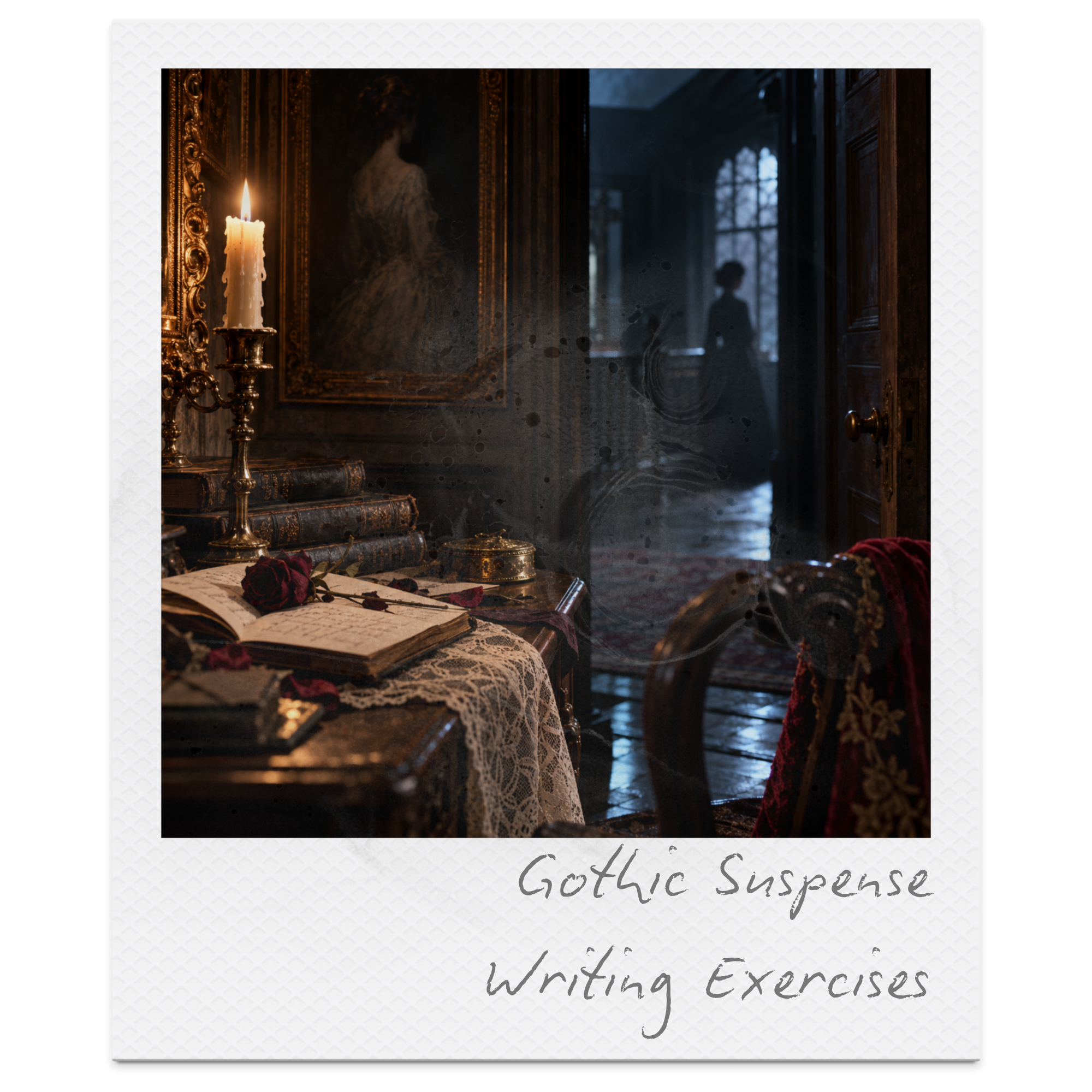
10 Gothic Suspense Writing Exercises: How to Build Dread, Tension & Psychological Unease
Discover 10 Gothic suspense writing exercises designed to help you build dread, psychological tension and an atmosphere of creeping unease. From shifting corridors and mysterious letters to unreliable reflections, unseen presences and doors that should never be opened, each exercise includes an original atmospheric example, practical writing challenge and techniques for keeping readers on edge. Explore how Gothic masters Daphne du Maurier, Henry James and Ann Radcliffe use secrets, isolation, unreliable perception and delayed revelations to sustain suspense. Whether you're writing a haunted-house mystery, Victorian Gothic tale or psychological horror story, this guide will help you transform ordinary moments into unsettling scenes that leave readers desperate to discover what happens next.
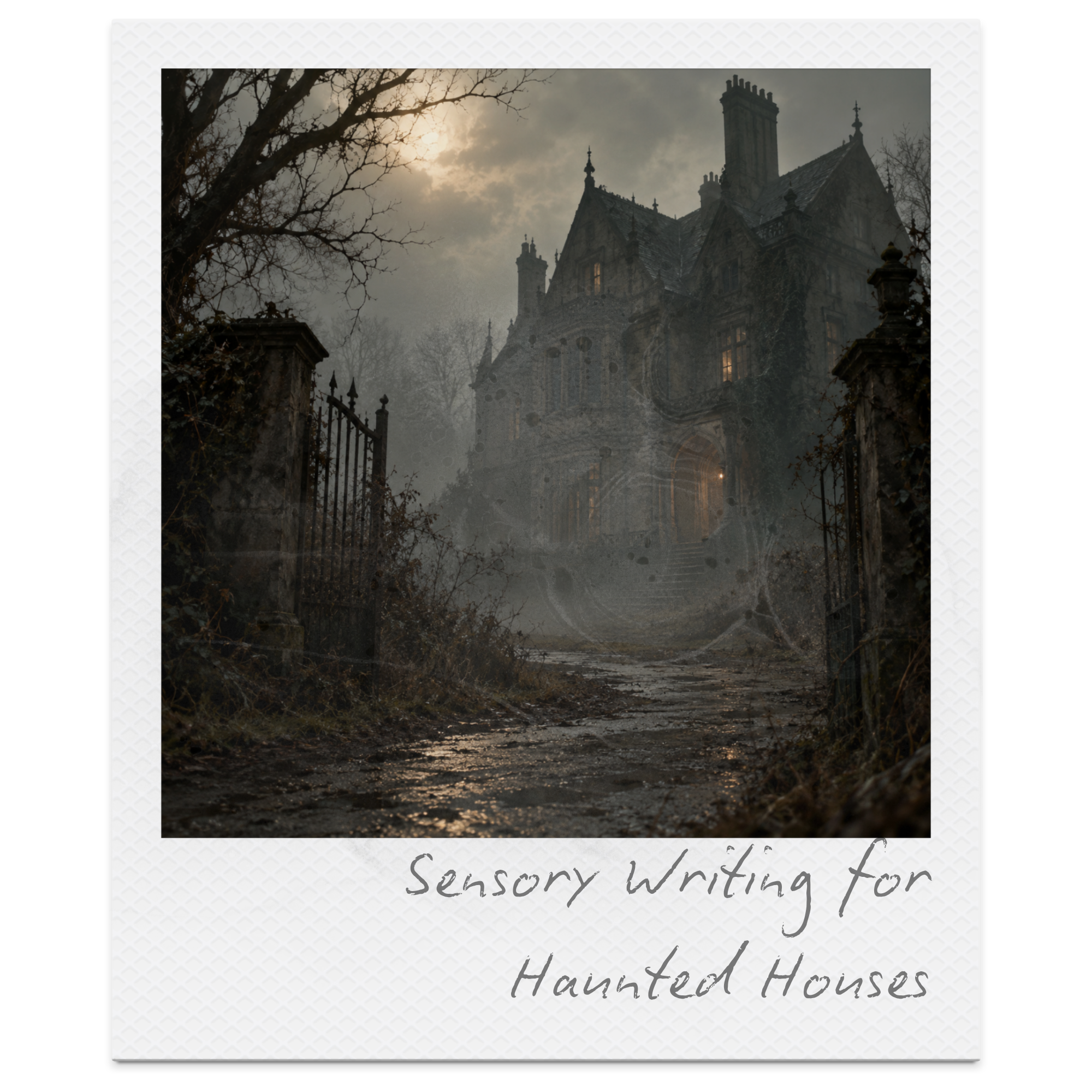
Sensory Writing: How to Describe a Haunted House with Atmospheric Examples & Gothic Writing Techniques
Discover how to describe a haunted house using vivid sensory imagery, atmospheric Gothic language and carefully crafted descriptive writing techniques. Explore 25 original sensory description examples, practical exercises and expert insights from Shirley Jackson's The Haunting of Hill House, Edgar Allan Poe's The Fall of the House of Usher and Susan Hill's The Woman in Black. Learn how to transform abandoned corridors, decaying mansions, unsettling sounds and mysterious rooms into immersive settings filled with psychological tension and supernatural dread. Whether you're writing Gothic fiction, ghost stories or atmospheric horror, this comprehensive guide will help you create haunted houses that linger in your readers' imaginations.