Notes from the Inkpot
Writing, teaching, creating - one ink-stained idea at a time.



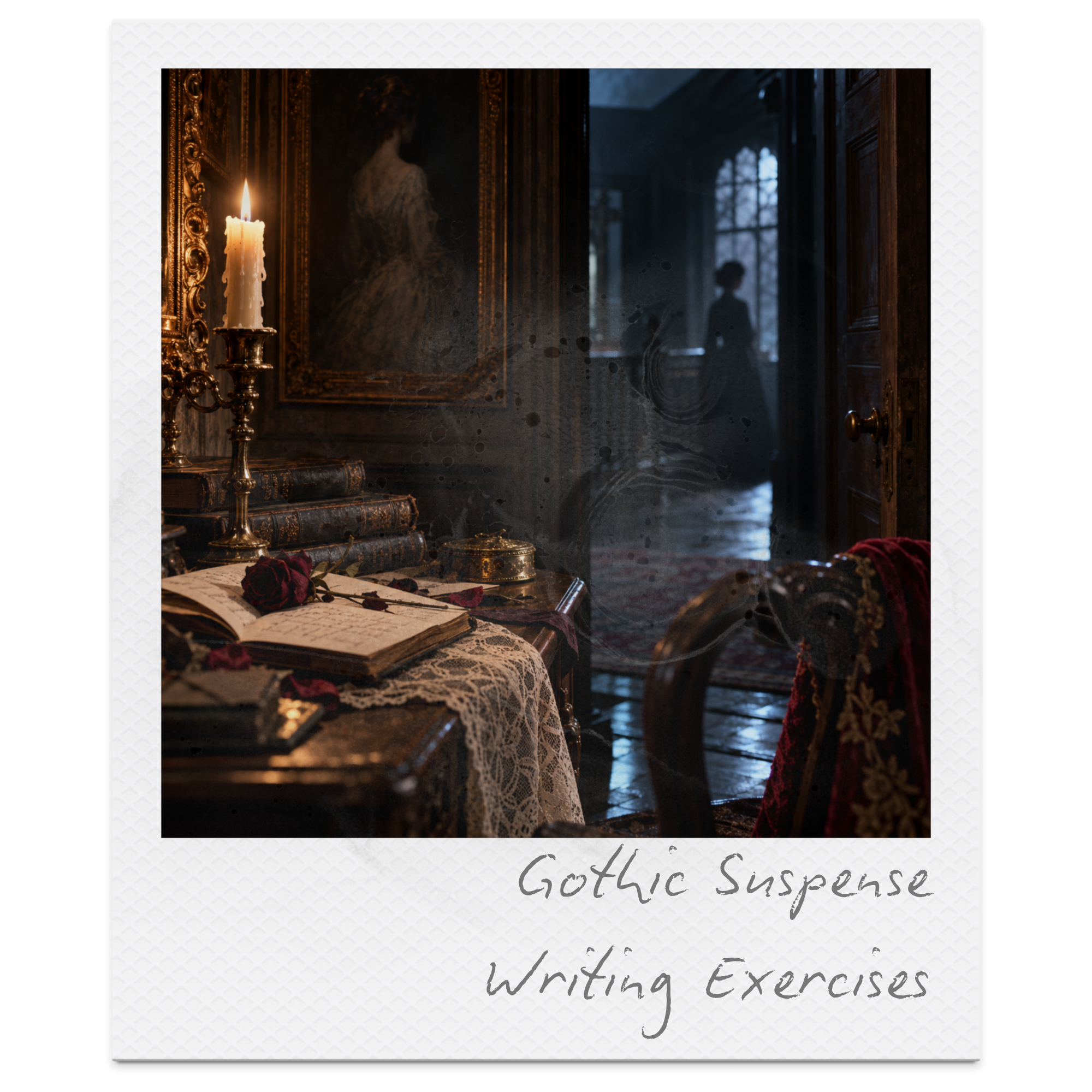
10 Gothic Suspense Writing Exercises: How to Build Dread, Tension & Psychological Unease
Discover 10 Gothic suspense writing exercises designed to help you build dread, psychological tension and an atmosphere of creeping unease. From shifting corridors and mysterious letters to unreliable reflections, unseen presences and doors that should never be opened, each exercise includes an original atmospheric example, practical writing challenge and techniques for keeping readers on edge. Explore how Gothic masters Daphne du Maurier, Henry James and Ann Radcliffe use secrets, isolation, unreliable perception and delayed revelations to sustain suspense. Whether you're writing a haunted-house mystery, Victorian Gothic tale or psychological horror story, this guide will help you transform ordinary moments into unsettling scenes that leave readers desperate to discover what happens next.

Tiger in the Menagerie by Emma Jones: Analysis of Captivity, Transformation and Identity
Emma Jones’s Tiger in the Menagerie is a surreal and psychologically unsettling poem that explores captivity, identity, and the fragile boundary between civilisation and instinct. Through shifting imagery, dreamlike transformations, and symbolic ambiguity, Jones gradually dissolves the distinction between the tiger and the cage itself, creating a world where reality becomes unstable and impossible to fully control. The poem’s recurring focus on observation, fear, and transformation allows the tiger to become both a literal creature and a haunting symbolic presence. This detailed analysis of Tiger in the Menagerie explores the poem’s structure, symbolism, surreal imagery, and emotional tension, alongside its exploration of psychological fear and unstable identity. It includes close stanza analysis, key quotations, literary techniques, alternative interpretations, anthology comparisons, and exam-ready insights.