Notes from the Inkpot
Writing, teaching, creating - one ink-stained idea at a time.




The Thread of Life by Christina Rossetti: Summary, Meaning & Analysis
Christina Rossetti’s The Thread of Life is a reflective sonnet sequence exploring identity, solitude, and spiritual purpose. Across three interconnected sonnets, Rossetti traces the speaker’s journey from a sense of emotional distance and inner isolation to a deeper understanding of the self as something both limiting and meaningful. Through imagery of separation, self-possession, and Christian redemption, the poem gradually transforms the idea of the self from a prison into a spiritual offering. This guide provides a clear summary, stanza-by-stanza analysis, key quotes, themes, and teaching ideas to help readers understand how Rossetti uses language, structure, and biblical allusion to develop her meditation on human identity. Whether you are studying Rossetti’s poetry, teaching the poem in the classroom, or exploring Victorian devotional literature, this analysis examines how The Thread of Life moves from psychological introspection toward spiritual resolution.
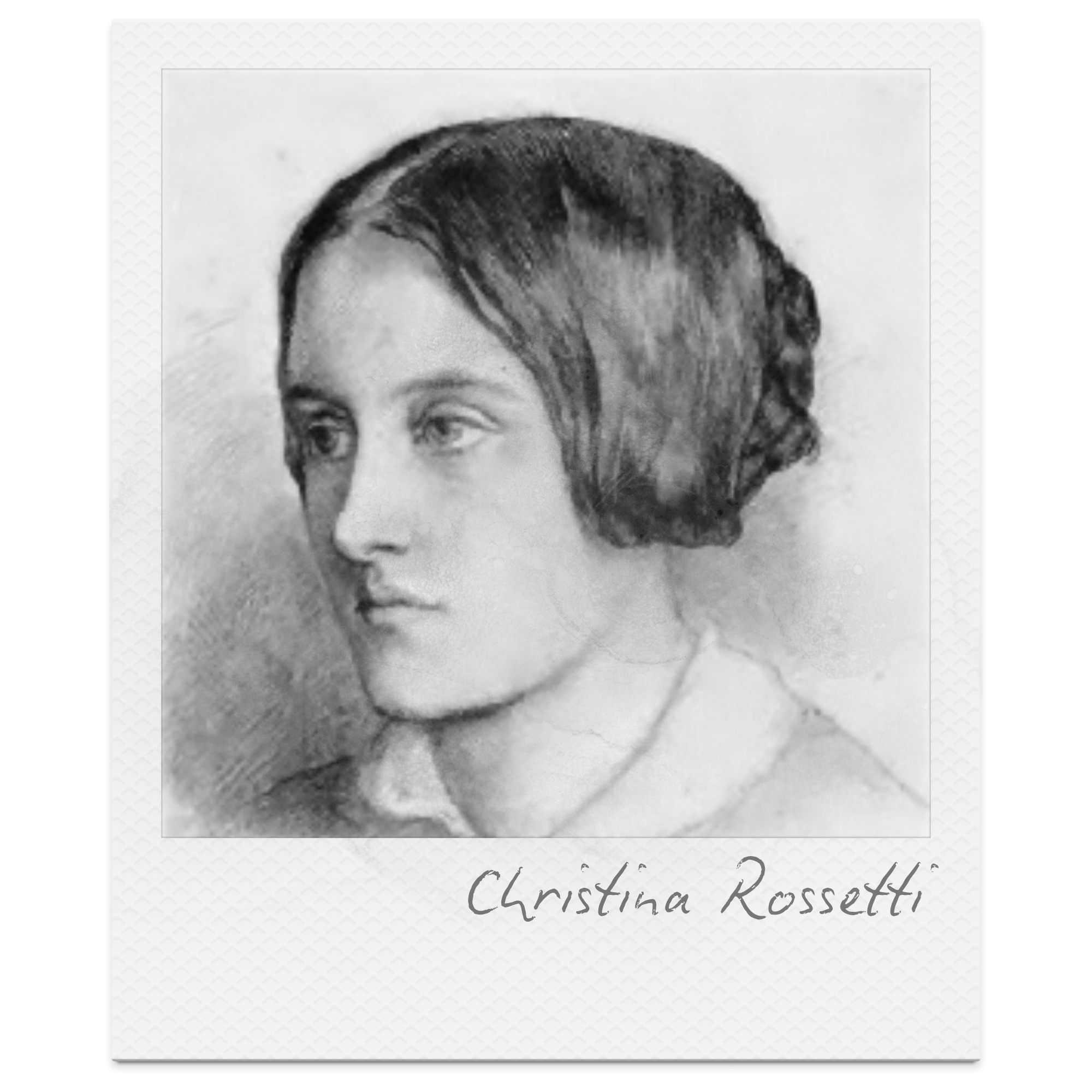
Christina Rossetti: Context, Themes, and Literary Significance
Christina Rossetti’s poetry is shaped by religious discipline, emotional restraint, and sustained psychological conflict. Writing within the pressures of Victorian gender norms and devotional expectation, Rossetti explores what happens when desire must be suppressed, faith demands self-surveillance, and feeling is carefully managed rather than released. Her poems rarely offer resolution, instead lingering in states of waiting, silence, and endurance, where emotional tension is contained beneath deceptively simple forms. Reading Rossetti in context reveals how her work engages with mental health, spiritual doubt, and the governance of emotion in nineteenth-century literature. Through repetition, restraint, and withheld voice, Rossetti constructs lyric speakers who negotiate authority internally, making her poetry particularly rich for close reading and thematic interpretation. This contextual overview provides a foundation for exploring Rossetti’s enduring significance across Victorian poetry, psychological realism, and modern critical debate.