Notes from the Inkpot
Writing, teaching, creating - one ink-stained idea at a time.


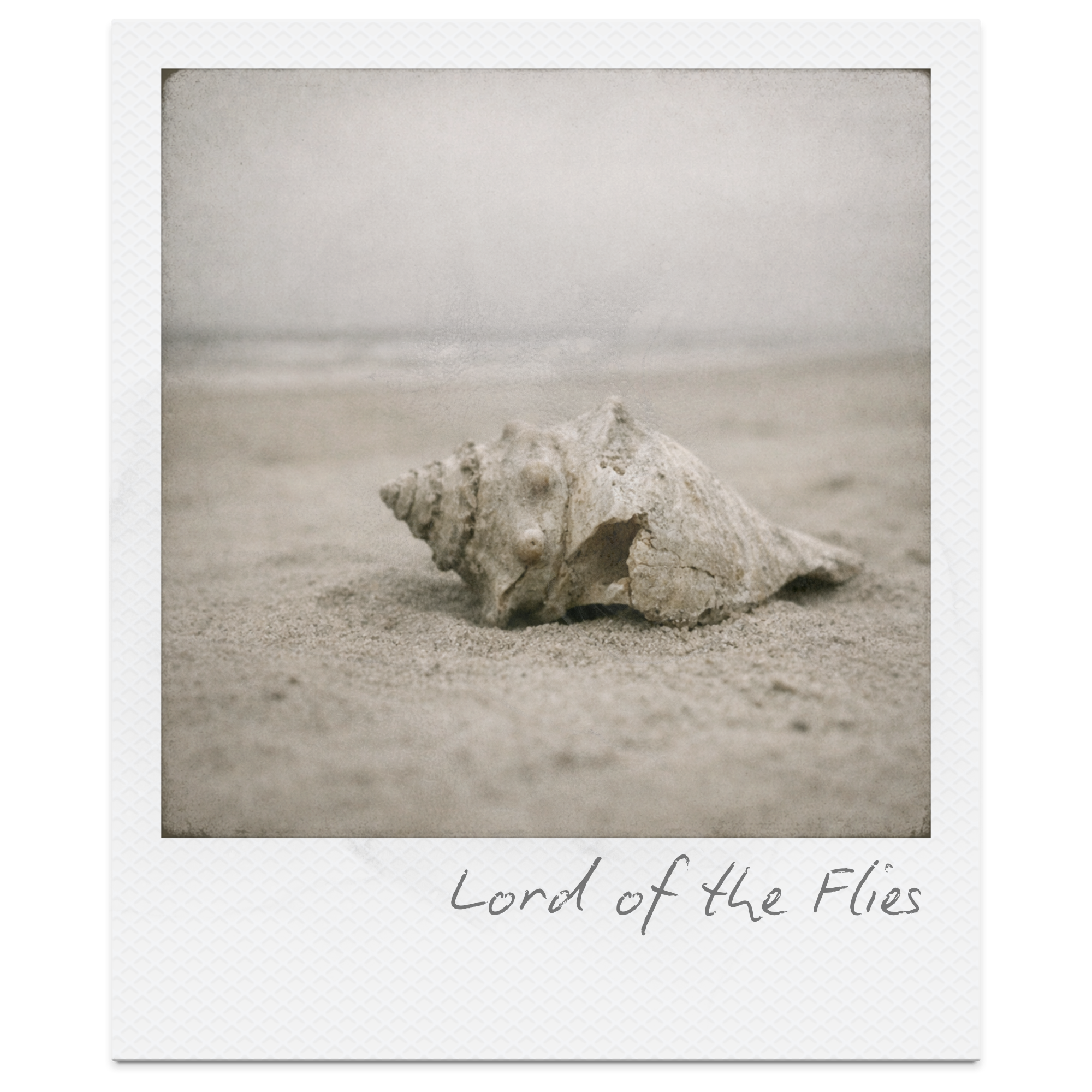
Lord of the Flies: Why Students Engage, and Why Teachers Need More Than a Summary Sheet
Lord of the Flies is a novel that consistently engages students, but teaching it well requires more than summary sheets and surface-level analysis. This post explores why Lord of the Flies works so powerfully in the classroom, how students instinctively respond to its themes of power, fear, and responsibility, and where lessons often begin to break down once discussion deepens. Written for teachers working across different classrooms and curricula, this guide focuses on how to teach Lord of the Flies effectively — from structuring discussion and securing recall to using creative writing as a way into deeper analysis. It also shares practical classroom strategies and introduces a comprehensive Lord of the Flies resource bundle designed to support discussion, analysis, and assessment without increasing planning workload.
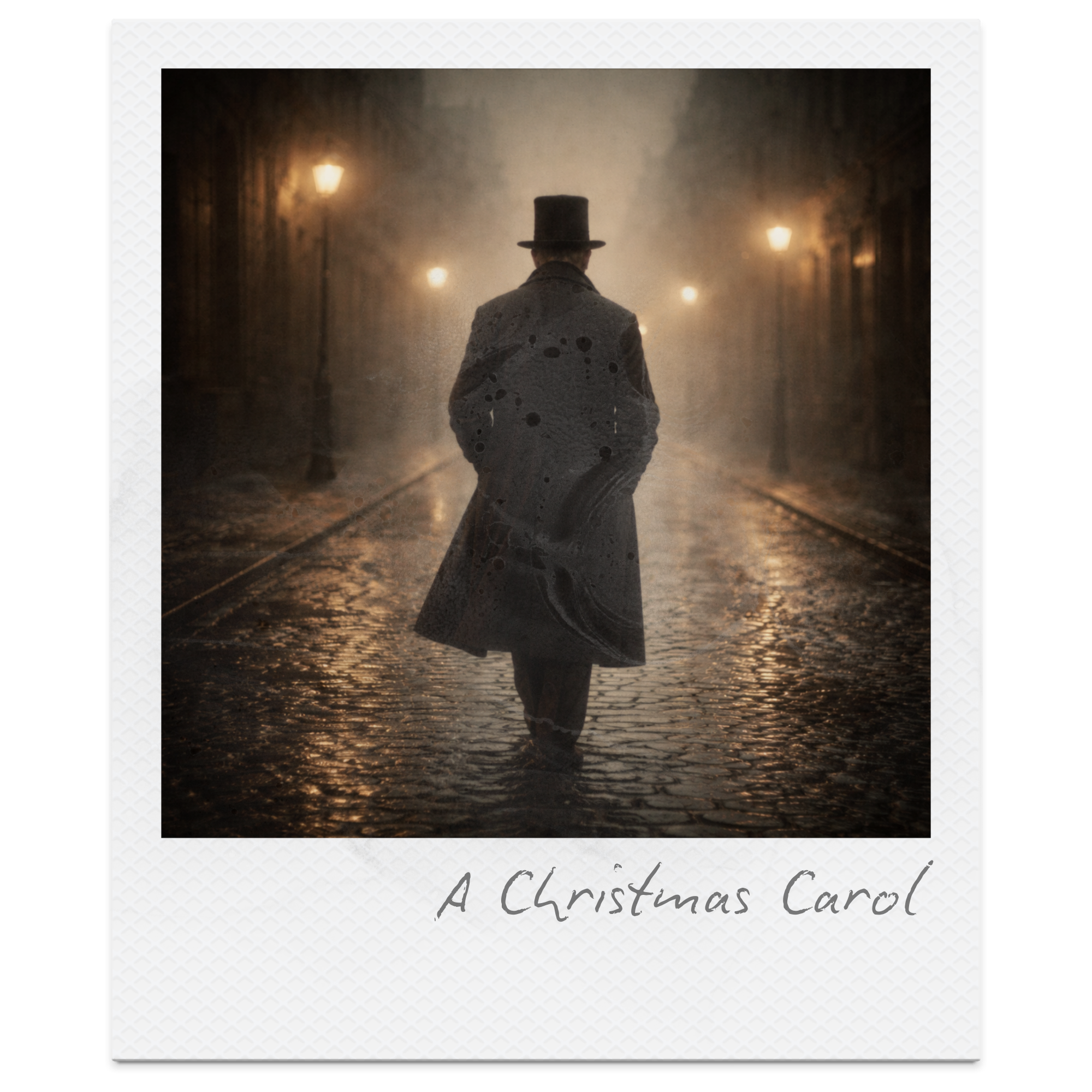
The Real Point of A Christmas Carol: Meaning, Context, and Why We’re Still Missing It in the Classroom
A Christmas Carol is often taught as a simple story of personal redemption, but Charles Dickens wrote it as a fierce critique of poverty, inequality, and social responsibility. Beneath the familiar ghosts and festive imagery lies a political text that challenges readers to confront the systems that allow suffering to persist. This post explores the real meaning of A Christmas Carol in the classroom, examining Dickens’ purpose, key ideas, and modern relevance. With clear analysis, teaching insights, and discussion extensions, it shows how the novella works not just as a set text, but as a demand for action — making it more powerful, relevant, and challenging for students today.
Teaching Edgar Allan Poe in the Secondary English Classroom
Edgar Allan Poe remains one of the most effective writers to teach in the secondary English classroom, offering short stories and poems that reward close reading, discussion, and interpretation. His work explores unreliable narrators, psychological tension, symbolism, and moral ambiguity, making it ideal for discussion-led lessons that move beyond plot and towards deeper literary thinking. In this post, Poe’s most commonly taught texts are organised by theme rather than chronology, allowing teachers to explore patterns around guilt, power, grief, atmosphere, and logic across both prose and poetry. With practical classroom ideas and links to complete teaching resources, this guide supports secondary English teachers looking to teach Edgar Allan Poe with depth, flexibility, and intellectual rigour.
10 Best WWI Poems to Teach (And How to Teach Them)
World War One poetry is a powerful and enduring part of secondary English literature, offering students a direct literary response to war, trauma, memory, and loss. This post explores 10 of the best WWI poems to teach, with clear teaching focuses, classroom-ready ideas, and suggestions for discussion and creative response. The poems are grouped thematically to support comparative study and flexible unit planning. Designed for global classrooms, this guide supports close reading, empathy-building discussion, and analytical writing, while linking to deeper teaching resources and the wider Literature Library. Whether you’re planning a full World War One poetry unit or selecting individual poems to complement a wider literature course, this post offers practical guidance rooted in strong literary foundations.

Why Of Mice and Men Still Matters: Context, Controversy, and the Classroom
Of Mice and Men remains one of the most powerful and challenging texts taught in the secondary English classroom. Despite ongoing debate around challenged books, controversial language, and classroom suitability, Steinbeck’s novella continues to resonate with students because it tackles enduring questions of power, loneliness, prejudice, and moral responsibility. Short, accessible, and deceptively complex, it invites discussion rather than delivering easy answers. This post explores why teachers still teach Of Mice and Men in 2026, examining its historical context, its place within modern classrooms, and the strategies that keep students engaged through creative writing, discussion-led learning, and reflective tasks. It also offers ideas for taking learning deeper once the final chapter is reached — supporting thoughtful, nuanced teaching of a text that refuses to be forgotten.
How to Teach All Summer in a Day (Including Discussion Ideas & Creative Writing Activities)
All Summer in a Day by Ray Bradbury is a powerful KS3 short story that explores conformity, bullying, empathy, and collective cruelty through a deceptively simple science-fiction setting. This classroom-focused guide shares practical teaching strategies, discussion ideas, and creative writing approaches to help students engage deeply with the text while encouraging thoughtful analysis and reflection. Drawing on literary context, lesson flow, and meaningful creative responses, this post shows how All Summer in a Day can be taught as more than a plot-driven story — and how it opens into wider conversations about responsibility, silence, and moral choice in both literature and the classroom.

Why Macbeth Is the Only Shakespeare Play I’ll Never Get Sick Of (And Why It Works So Well in the Classroom)
Why is Macbeth still one of the most effective Shakespeare plays to teach? Because it refuses easy answers. Packed with ambition, power, guilt, and moral consequence, Macbeth invites students to interrogate responsibility, persuasion, and the slow erosion of ethical boundaries. Far from feeling dated, the play’s questions about decision-making and complicity remain deeply recognisable in modern classrooms. In this post, I explore why Macbeth continues to work so well with students, how its structure naturally invites debate and interpretation, and how creative and discussion-based approaches can deepen understanding without sacrificing rigour. I also share a free Macbeth classroom resource and explain how I use flexible, reusable teaching tools to support analysis, creative writing, and meaningful discussion across the play.

How to Teach 1984: Context, Classroom Activities, and Real-World Connections
George Orwell’s 1984 remains one of the most powerful texts for exploring power, surveillance, and truth in the classroom. This teaching guide examines the novel’s political context, the totalitarian system of Oceania, and the mechanisms of control that shape Orwell’s dystopian world — from language manipulation to constant observation. Blending classroom experience with practical teaching strategies, this post explores how 1984 can be taught thoughtfully through discussion, real-world connections, and creative responses. It also includes a classroom social experiment, guidance on why the novel is often banned or challenged, and ideas for extending learning beyond the text — making 1984 accessible, relevant, and deeply engaging for students.
Siegfried Sassoon: Context, War Poetry, and Literary Significance
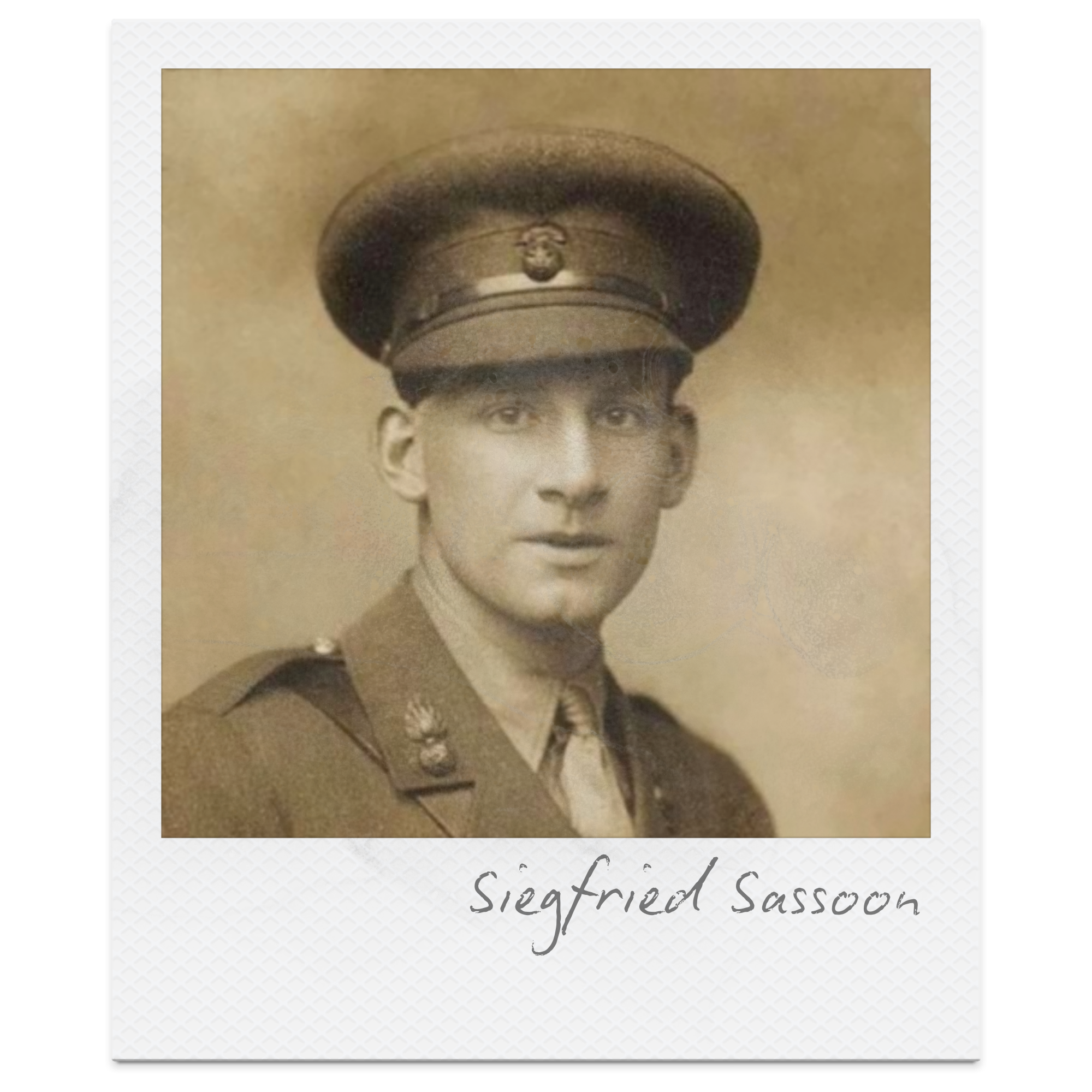
Siegfried Sassoon is one of the most important voices in First World War poetry, writing not from imagination but from direct experience of trench warfare. His poems expose the brutality, futility, and moral failure of modern war, challenging patriotic narratives that present suffering as noble or necessary. Through irony, anger, and controlled restraint, Sassoon forces readers to confront the gap between those who fight and those who authorise violence from a distance. Understanding Sassoon’s context is essential for reading poems such as “Suicide in the Trenches.” Shaped by frontline combat, public protest, and psychological trauma, his writing interrogates responsibility, authority, and the language used to justify mass death. Rather than offering comfort or heroic sacrifice, Sassoon’s war poetry demands ethical engagement, making it central to the study of WWI literature and modern protest writing.
Dream Land by Christina Rossetti: Summary, Meaning & Critical Analysis
Christina Rossetti’s Dream Land is a poem of rest, withdrawal, and emotional stillness, where calm conceals a deeply unsettling vision of peace. Through controlled imagery, repetition, and restrained language, Rossetti presents a female figure who turns away from life, growth, and sensation, entering a state of charmed sleep that resists clear distinction between sleep, death, and chosen retreat. This analysis of Dream Land explores Rossetti’s use of form, imagery, and silence to construct peace as something achieved through absence rather than fulfilment. By examining language, structure, and alternative interpretations, the post invites readers to consider when rest becomes refuge — and when it becomes erasure — situating the poem within Rossetti’s wider preoccupation with restraint, renunciation, and emotional control.
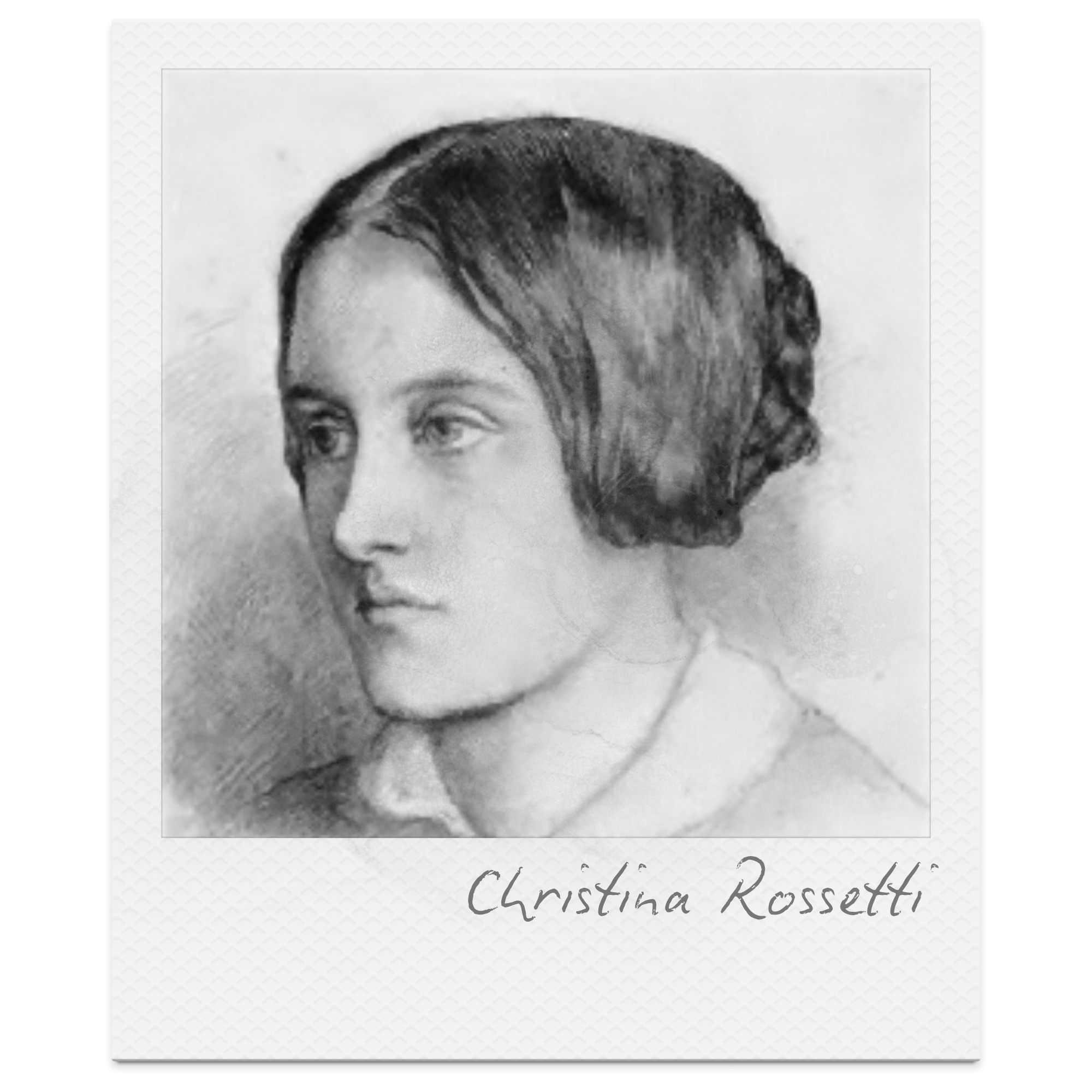
Christina Rossetti: Context, Themes, and Literary Significance
Christina Rossetti’s poetry is shaped by religious discipline, emotional restraint, and sustained psychological conflict. Writing within the pressures of Victorian gender norms and devotional expectation, Rossetti explores what happens when desire must be suppressed, faith demands self-surveillance, and feeling is carefully managed rather than released. Her poems rarely offer resolution, instead lingering in states of waiting, silence, and endurance, where emotional tension is contained beneath deceptively simple forms. Reading Rossetti in context reveals how her work engages with mental health, spiritual doubt, and the governance of emotion in nineteenth-century literature. Through repetition, restraint, and withheld voice, Rossetti constructs lyric speakers who negotiate authority internally, making her poetry particularly rich for close reading and thematic interpretation. This contextual overview provides a foundation for exploring Rossetti’s enduring significance across Victorian poetry, psychological realism, and modern critical debate.
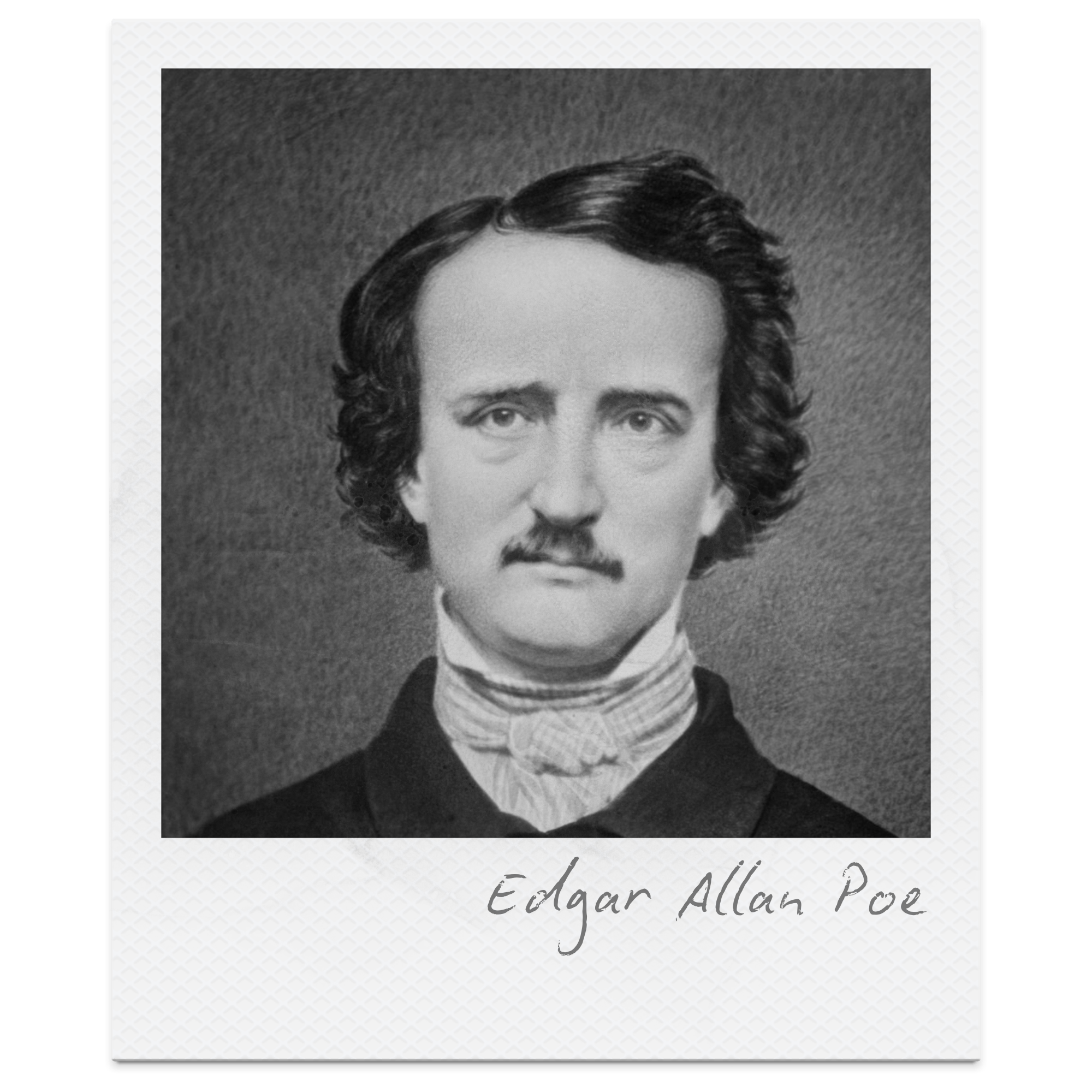
Edgar Allan Poe: Context, Themes, and Literary Significance
Edgar Allan Poe is one of the most widely taught American writers in the secondary English classroom, known for his Gothic fiction, psychological narratives, and influential detective stories. Writing in the early nineteenth century, Poe explored themes of unreliable narration, guilt, obsession, and moral ambiguity, using tightly controlled structure and atmosphere to shape reader interpretation. His work rewards close reading and discussion, making it particularly effective for developing analytical confidence. This guide explores Edgar Allan Poe’s historical context, recurring themes, and literary significance, offering a framework for understanding how his writing operates across poetry and short fiction. Rather than focusing on plot or biography, it examines how Poe uses voice, perspective, and implication to generate meaning, supporting discussion-led teaching and thematic study in the secondary English classroom.
A Midsummer Night’s Dream: Overview, Context, Key Ideas & Teaching Approaches
A Midsummer Night’s Dream is often taught as one of William Shakespeare’s lightest comedies, yet beneath its enchantment and humour lies a complex exploration of power, desire, authority, and social control. Set between the rigid law of Athens and the destabilising freedom of the forest, the play uses comedy, magic, and mistaken identity to expose how easily order can fracture — and how carefully it must be restored. This context-led overview explores A Midsummer Night’s Dream through historical background, genre, and key ideas, before considering effective ways to teach the play through discussion, performance, and creative writing. Rather than offering close analysis of individual scenes, it provides a framework for understanding how the play operates as a whole, and why it continues to reward reinterpretation, classroom debate, and creative response.
Ray Bradbury: Context, Themes, Works & Literary Significance
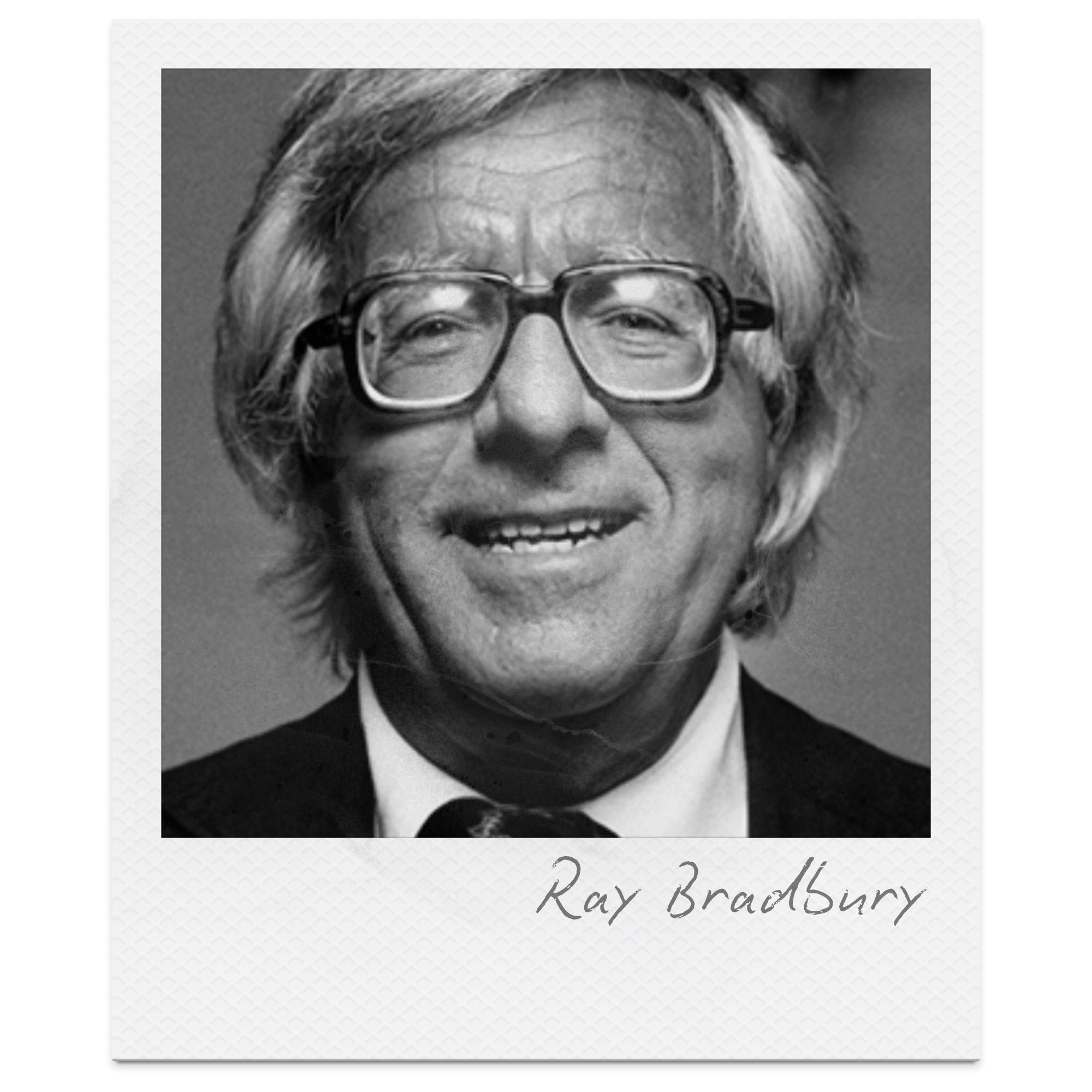
Ray Bradbury’s fiction is often associated with dystopian futures and speculative technologies, but his work is best understood through the historical and cultural context in which it was written. Emerging in mid-twentieth-century America, Bradbury wrote during a period shaped by war, Cold War paranoia, mass media expansion, and growing anxieties about conformity and control. His stories use speculative settings not to predict the future, but to expose how fear, censorship, and emotional detachment operate within ordinary domestic and social spaces. This context-focused overview explores the key themes that define Ray Bradbury’s work, including technology versus humanity, media and passive living, parental responsibility, childhood and power, and moral failure. Rather than offering close analysis of individual texts, it provides a broader framework for understanding how Bradbury uses speculative fiction to examine human behaviour, ethical responsibility, and the consequences of choosing comfort over connection.

William Shakespeare: Context, Themes, Plays & Literary Significance
William Shakespeare is one of the most influential figures in English literature, yet his work is often approached without sufficient attention to historical and social context. Writing during the Elizabethan and Jacobean periods, Shakespeare explored enduring concerns around power, authority, identity, gender, violence, and moral responsibility, embedding these ideas within plays that continue to resist simple interpretation. This context post situates Shakespeare’s plays and poetry within the political, cultural, and theatrical conditions of early modern England, examining how genre, performance, and historical pressure shape meaning across his work. Rather than focusing on individual texts, it provides a framework for understanding Shakespeare’s literary significance, offering a foundation for deeper exploration of themes, genres, and plays across the wider Literature Library.
Why I Still Teach Romeo and Juliet (Even Though I Hate It) — And Why It Still Works in the Classroom
Why does Romeo and Juliet still earn its place in the English classroom, even when it’s so often misunderstood? This reflective teaching post explores why Shakespeare’s most over-romanticised play continues to work with students, examining impulsiveness, authority, and avoidable loss rather than idealised love. By reframing the play away from romance and towards consequence, Romeo and Juliet becomes far more relevant — and far more teachable. Drawing on classroom experience, this post explores how and why to teach Romeo and Juliet, from contextualising it within Shakespeare’s wider work to using discussion, creative writing, and debate to deepen understanding. It also shares classroom-tested strategies and resources designed to support meaningful engagement with the play across secondary English.
Remember by Christina Rossetti: Summary, Meaning & Critical Analysis
“Remember” by Christina Rossetti is a poem frequently taught at GCSE, AS, and A Level, yet its emotional restraint and moral complexity are often underestimated. At first glance, the poem appears to present a speaker asking to be remembered after death. However, as this Petrarchan sonnet unfolds, Rossetti complicates that request, transforming it into a meditation on love, memory, and loss that prioritises emotional responsibility over personal desire. Rather than offering consolation, the poem quietly interrogates whether remembrance is always an act of kindness. Written with careful control of form, tone, and structure, Remember traces a shift from quiet insistence to deliberate self-denial. Through subtle changes in voice and imagery, Rossetti reframes forgetting as a potential expression of love rather than betrayal. This critical analysis of “Remember” by Christina Rossetti explores the poem’s meaning, its treatment of death and remembrance, and the literary methods that make it one of Rossetti’s most ethically complex and quietly radical sonnets. If you’re teaching Remember in the classroom, keep scrolling for free essay questions on “Remember” by Christina Rossetti, along with discussion ideas and close-reading activities.