Beyond Writing Prompts: Creative Writing Inspiration Through Storyworld Archives
Every story begins somewhere. A forgotten photograph, a mysterious letter, an overheard conversation, or a question that refuses to leave your imagination. Sometimes, the smallest detail can become the beginning of an extraordinary fictional world.
For writers searching for creative writing inspiration, traditional writing prompts and story ideas can be wonderful starting points. But what if, instead of being given a sentence to complete or a scenario to develop, you were invited to explore an entire world and discover its stories for yourself?
Imagine finding a collection of letters from a kingdom on the brink of civil war, a traveller's journal describing places that shouldn't exist, or a series of photographs revealing fragments of a forgotten mystery. Every document raises questions. Every artefact suggests another possibility. And every reader might discover an entirely different story.
This is the idea behind Storyworld Archives: immersive collections of fictional documents, photographs, maps, journals and mysterious artefacts designed to inspire creative writing, imaginative worldbuilding and storytelling.
There are no predetermined plots to follow, no official solutions to uncover and no single correct interpretation. Instead, you're given the fragments of a world and the freedom to decide what they mean.
A million stories. One download. Entire worlds to lose yourself in.
What Are Storyworld Archives?
Storyworld Archives are immersive creative writing and worldbuilding collections that invite you to explore fictional worlds through the objects, documents and stories left behind by their inhabitants. Rather than providing a finished narrative or a conventional list of writing prompts, each archive presents a collection of interconnected artefacts that suggest a much larger world waiting to be discovered.
Inside a Storyworld Archive, you might encounter handwritten letters exchanged between mysterious correspondents, photographs of people whose identities have been forgotten, ancient maps marked with unexplained locations, newspaper reports describing extraordinary events, or diary entries that contradict the official version of history.
Some documents reveal important details about the world and its inhabitants. Others introduce new mysteries, offer conflicting accounts or lead you towards questions that have no obvious answers. And occasionally, something that appears entirely insignificant might become the inspiration for a story of its own.
The archives draw inspiration from the idea of found documents and ephemera — the fragments of everyday life through which we piece together our understanding of the past. Just as a historian might examine letters, photographs and personal belongings to reconstruct a forgotten life, writers can explore these fictional collections to imagine the people, places and events that exist beyond the pages.
But unlike a traditional mystery game, there is no hidden answer you are expected to discover. A suspicious letter might suggest betrayal, a secret romance, a political conspiracy or something entirely different. Two writers examining the same collection could develop completely different characters, plots and fictional histories.
That freedom is at the heart of every Storyworld Archive.
You are not simply reading about an imaginary world. You are exploring it, interpreting it and discovering the stories it inspires.
Whether you're a novelist developing your next fantasy kingdom, a short story writer searching for an unusual premise, or someone who simply enjoys imaginative storytelling, these collections offer a different approach to finding creative writing inspiration.
Each archive provides the fragments. What you make of them is entirely up to you.
How to Use Storyworld Archives for Creative Writing
One of the most exciting things about Storyworld Archives is that there is no prescribed way to explore them. You can examine a single artefact, follow a trail of mysterious documents, develop an original character or use an entire collection as the foundation for a fictional world.
Whether you're looking for creative writing inspiration, worldbuilding ideas or imaginative writing exercises, the archives offer countless possibilities.
Here are seven ways to turn the fragments of a fictional world into stories of your own.
1. Turn a Mysterious Artefact into a Story
Every object has a history, even an imaginary one. A faded photograph, an unsigned letter, a broken piece of jewellery or an old newspaper clipping might contain the beginnings of an entire story.
Choose one artefact from an archive and examine it closely. Consider who created it, why it was preserved and what might have happened before or after it came into existence.
A letter warning someone not to attend a royal wedding, for example, might suggest a forbidden romance, an assassination plot, a supernatural curse or a desperate attempt to prevent a political alliance.
Try this: Choose an artefact and write the story of the person who last held it. What did they know that nobody else did?
2. Build a Fictional World from Its Fragments
Traditional worldbuilding often begins with broad questions about geography, government, religion, history and culture. Storyworld Archives offer another approach: discovering a world through the evidence of the people who inhabit it.
A royal decree might reveal the laws of a kingdom. A religious manuscript could suggest its beliefs and rituals. A merchant's account book might expose its economy, while a traveller's map could reveal dangerous borders, forgotten settlements and unexplored territories.
Rather than inventing every detail before beginning your story, you can allow the world to emerge gradually through its artefacts.
Try this: Select five documents from an archive and use them to reconstruct the society that produced them. What do they reveal about its customs, conflicts, values and everyday life?
3. Create Characters Who Exist Beyond the Page
Some of the most intriguing fictional characters are those we never meet directly.
Imagine discovering someone through the letters they wrote, the possessions they treasured, the accusations made against them and the memories of people who knew them. Each fragment might reveal a different side of their personality.
An individual described as a beloved ruler in one document might appear as a ruthless tyrant in another. A supposedly wicked witch might have been a misunderstood healer, while a celebrated hero could have carefully concealed an act of betrayal.
These contradictions offer opportunities for character development, unreliable narration and complex relationships.
Try this: Choose a person mentioned in an archive and write three short accounts of their life: one from someone who loved them, one from someone who feared them and one from the character themselves.
4. Follow the Clues to Develop a Plot
A mysterious document rarely exists in isolation. A name mentioned in one letter might appear in a newspaper report. A location marked on a map could correspond to a photograph. Two accounts of the same event might disagree about an important detail.
Following these connections can help writers develop plots involving secrets, betrayals, discoveries and unexpected consequences.
You might begin with a missing person, only to uncover a political conspiracy. A strange object could lead to a forgotten family history, while an apparently insignificant diary entry might suggest that an entire kingdom has been deceived.
There is no requirement to discover a particular answer. The connections you choose to follow, and the explanations you invent, become the foundations of your own narrative.
Try this: Find three artefacts that appear to be connected. Write a short story explaining how they came to exist and what secret might unite them.
5. Experiment with Different Perspectives and Genres
The same fictional artefact can inspire entirely different stories depending on the writer examining it.
Consider a photograph showing a mysterious figure standing at the window of an abandoned house.
A horror writer might imagine a ghost trapped between worlds. A mystery writer could see evidence of a long-forgotten crime. A fantasy writer might invent a doorway into another kingdom, while a science fiction writer could interpret the figure as a visitor from another timeline.
The artefact remains the same, but its meaning changes with the genre, perspective and imagination of the writer.
Try this: Choose one artefact and develop three different story premises inspired by it. Make each belong to a different genre.
6. Write Stories Through Letters, Diaries and Found Documents
Not every story needs a conventional narrator.
Epistolary fiction tells stories through letters, diary entries, messages and other written records. Storyworld Archives provide a natural starting point for experimenting with this form of storytelling.
You could write a series of increasingly desperate letters between separated lovers, a scientist's research notes documenting an impossible discovery, or the final diary entries of an explorer who never returned.
You might even create an entirely new collection of fictional documents that expands the world beyond the original archive.
Try this: Select an existing document and write the response that was never sent. What does the recipient know that the original writer does not?
7. Discover the Story Nobody Else Sees
Perhaps the greatest creative possibility offered by Storyworld Archives is the freedom to disagree with the evidence.
A royal proclamation might tell one version of history, while a private letter suggests another. A witness could be mistaken, deliberately dishonest or protecting someone they love. An apparent supernatural event might have an entirely ordinary explanation — or something far stranger.
You can accept the documents at face value, question their reliability or invent a completely unexpected interpretation.
There are no official solutions to discover and no predetermined endings to reach. The archive provides the fragments, but the story belongs to you.
Try this: Find an artefact that appears to explain an important event. Now imagine that everything it claims is false. What really happened?
Explore the Storyworld Archives: A World for Every Writer
Every fictional world has its own secrets. Some are hidden in the corridors of ancient castles, others beneath the streets of forgotten cities, in abandoned laboratories or among the possessions of people who have mysteriously disappeared.
The Storyworld Archives span a variety of genres, each offering a different atmosphere, setting and collection of artefacts to explore. Whether you're drawn to political intrigue, supernatural mysteries, unsettling fairytales or speculative futures, there's a world waiting to inspire your next story.
Fantasy Storyworld Archives
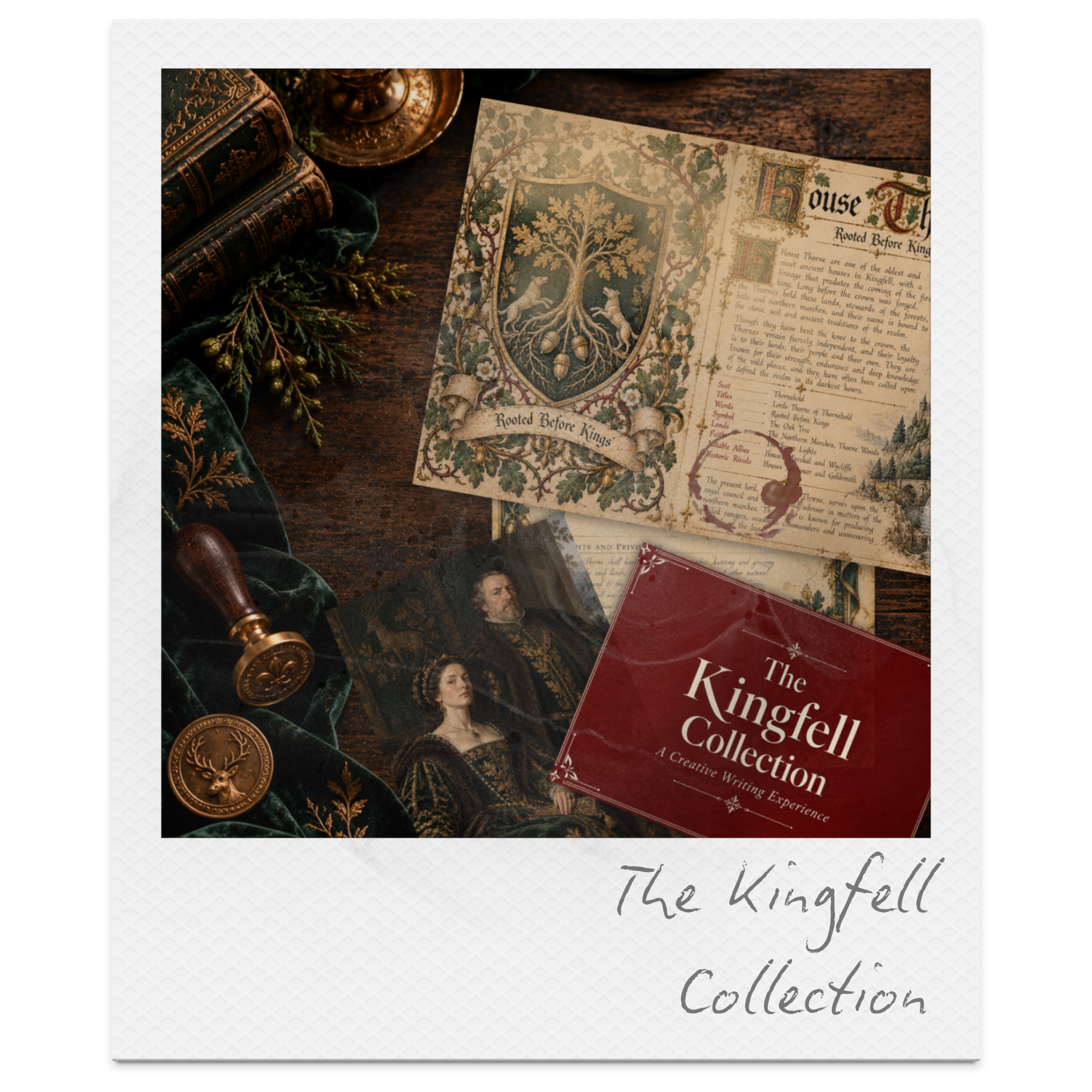
Step into kingdoms shaped by ancient rivalries, dangerous alliances, forbidden magic and disputed histories. Explore royal proclamations, family genealogies, mysterious prophecies, maps and private correspondence that reveal the tensions beneath the surface of an imaginary world.
Fantasy archives offer inspiration for fantasy writing, character development and worldbuilding, inviting you to explore the lives of rulers, rebels, travellers and ordinary people caught in extraordinary events.
Gothic and Dark Fairytale Archives
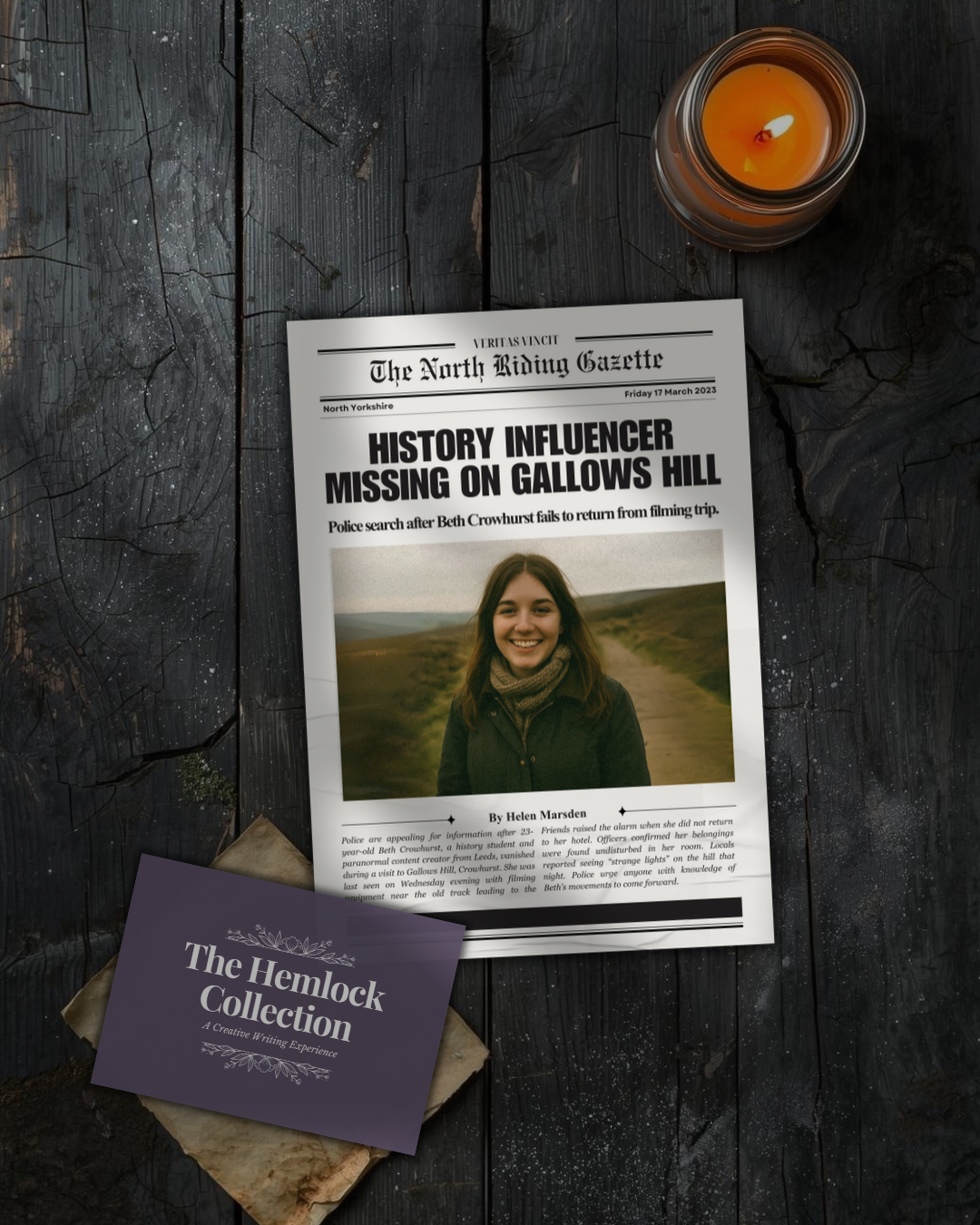
Behind the doors of crumbling mansions and deep within enchanted forests lie stories that were never meant to be forgotten.
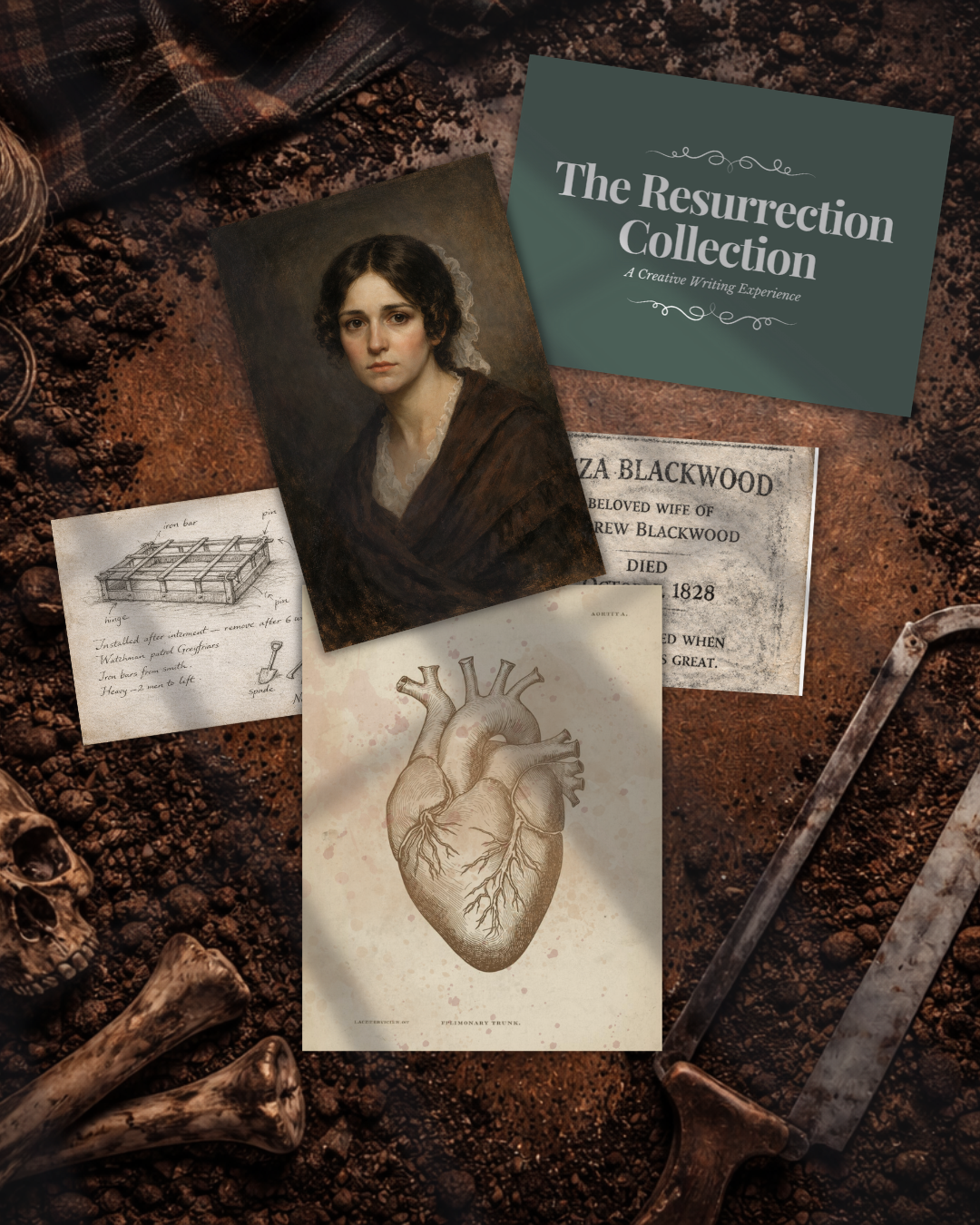
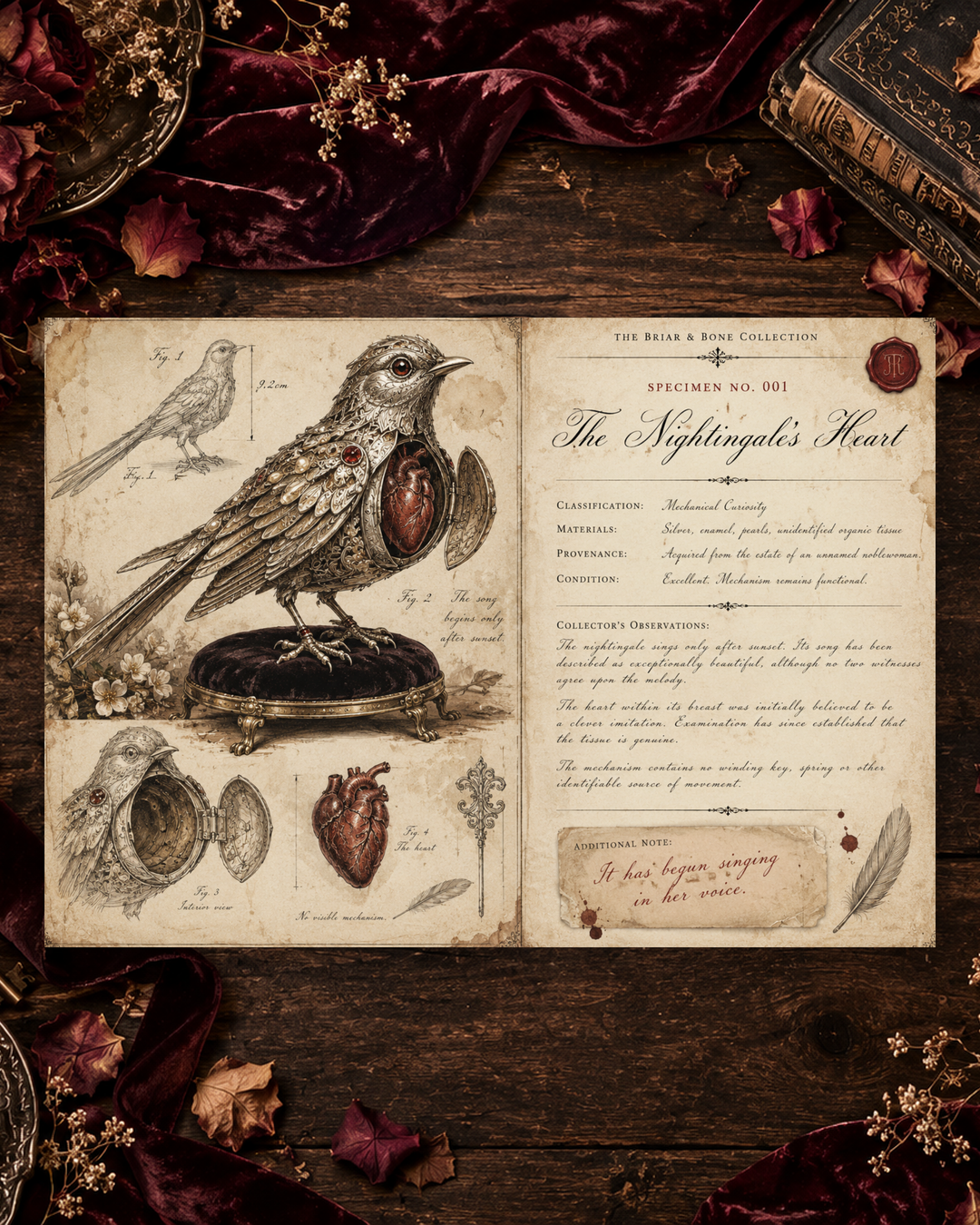
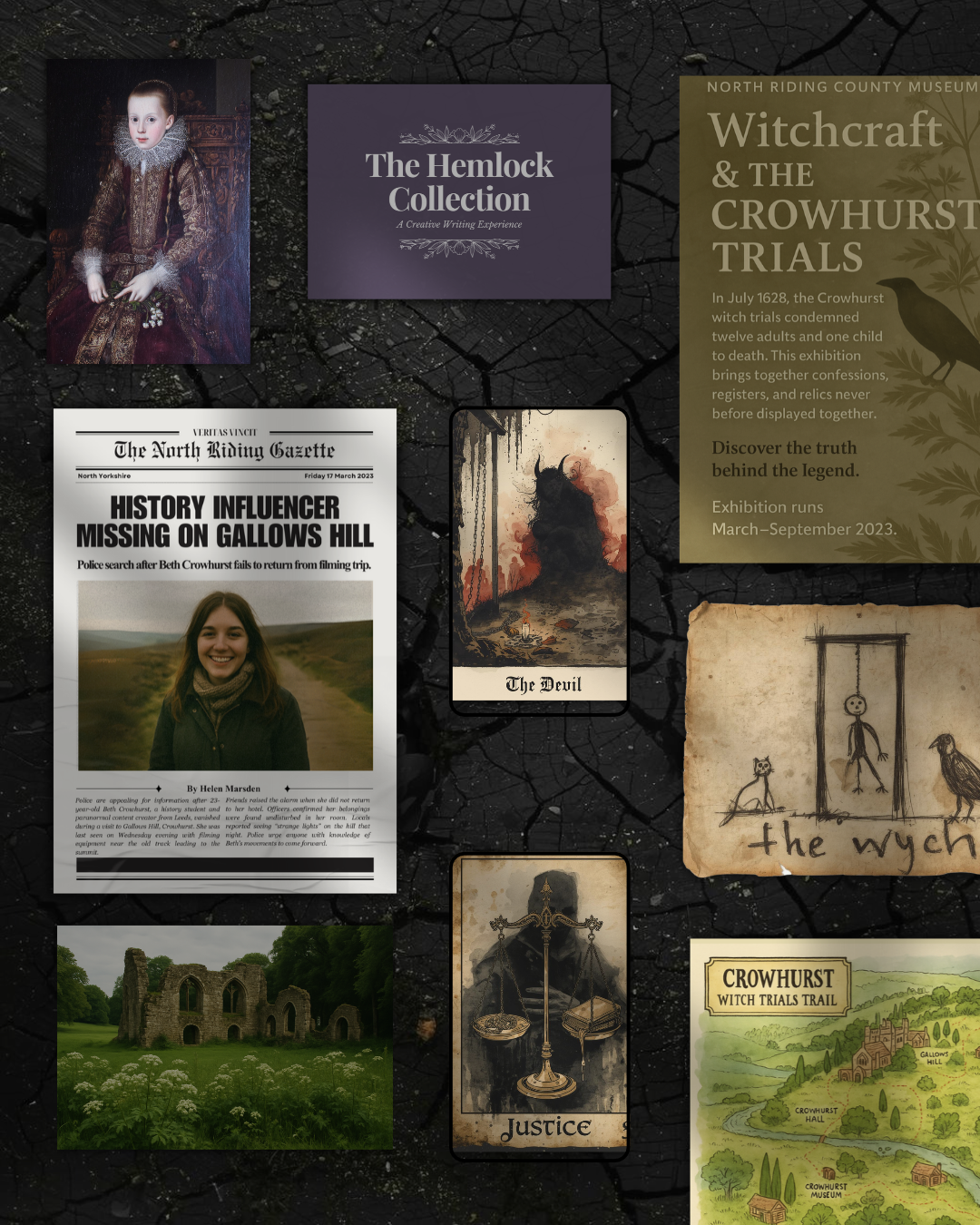
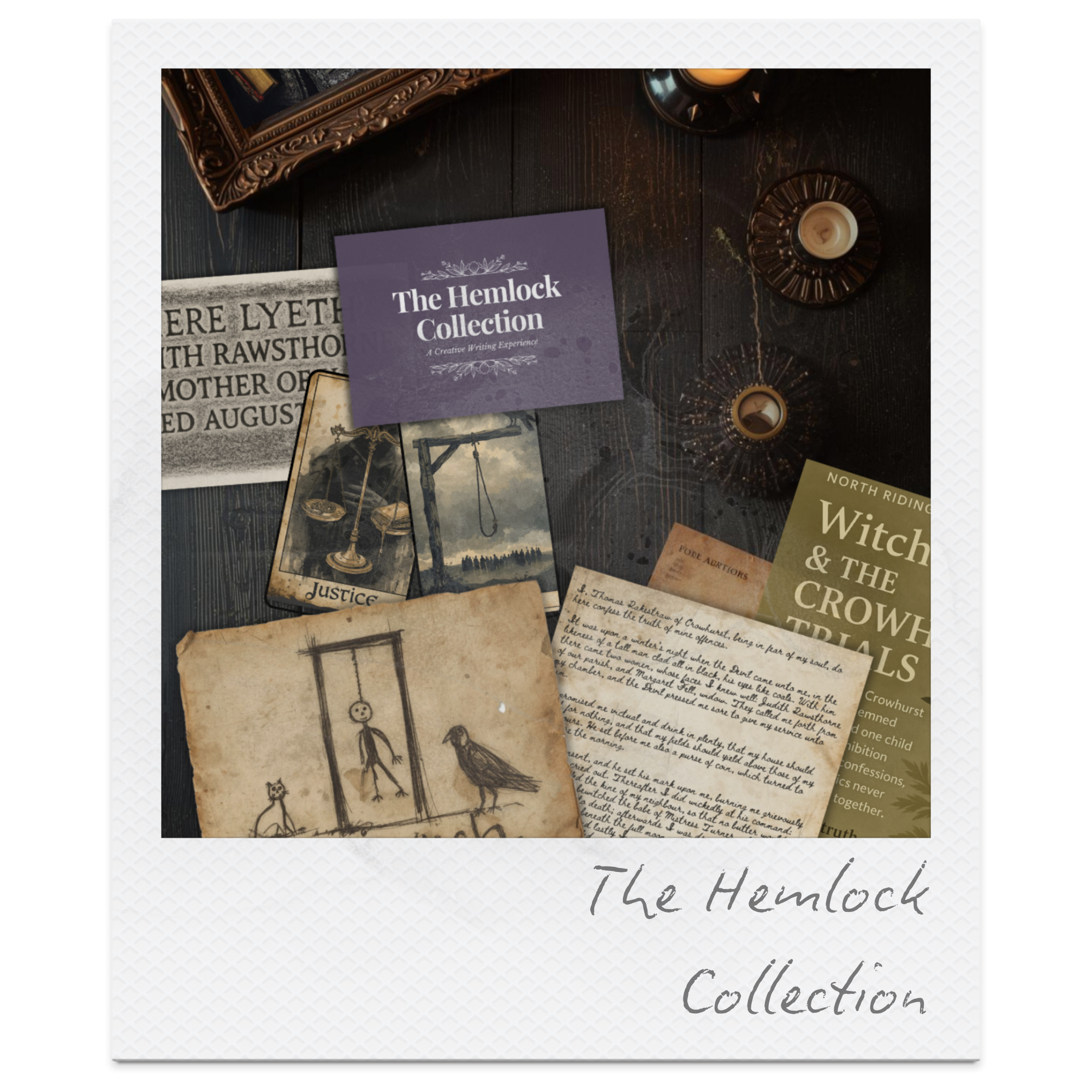
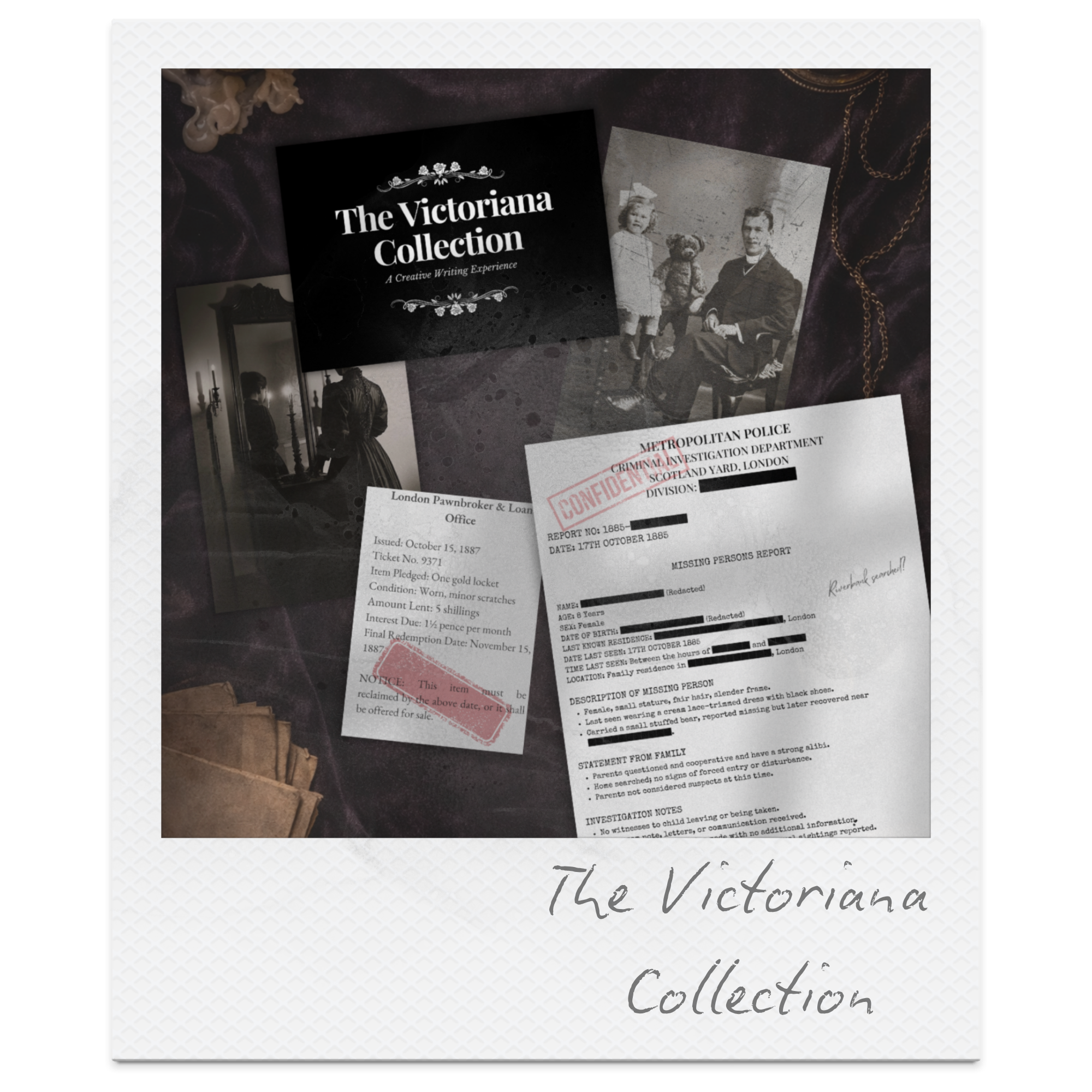
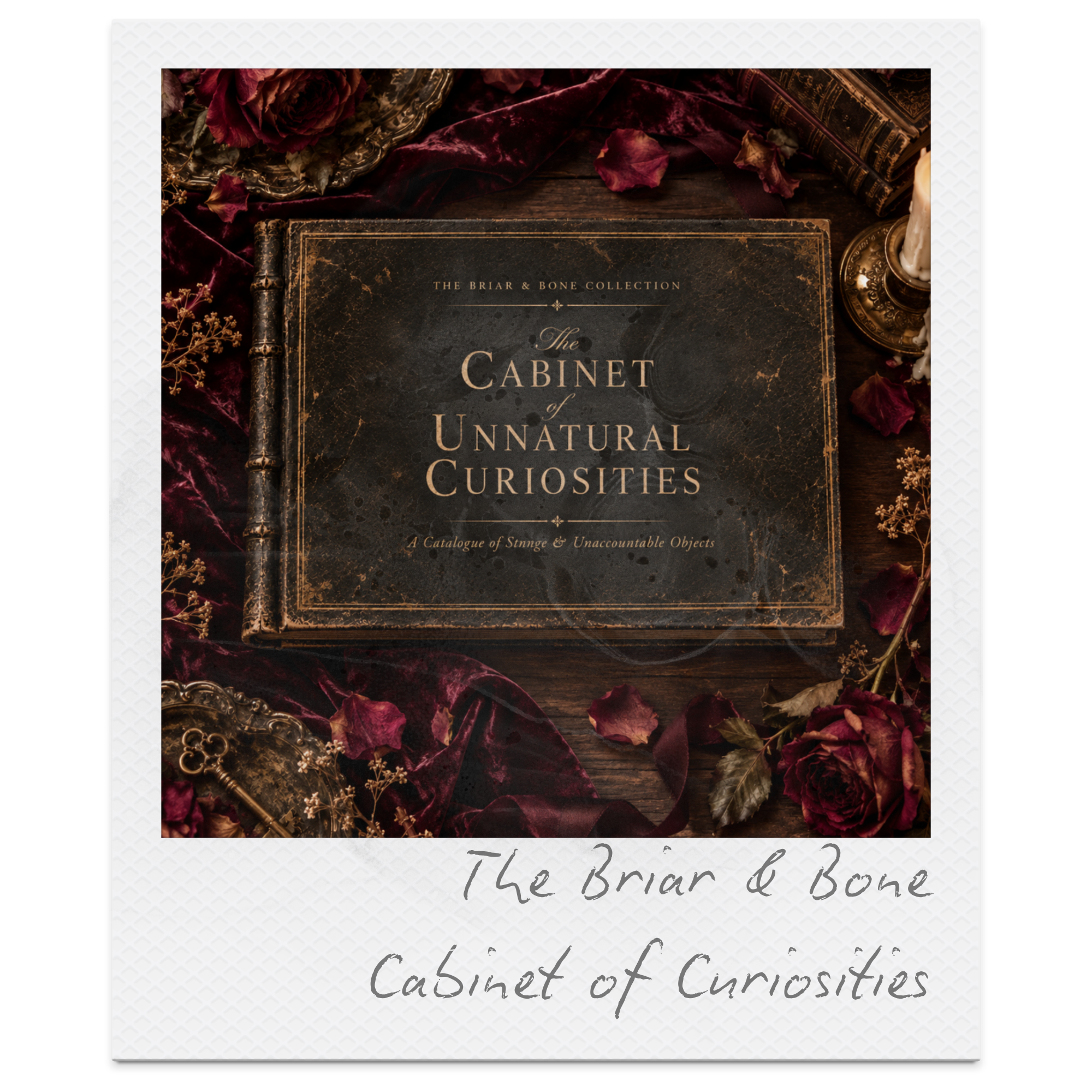
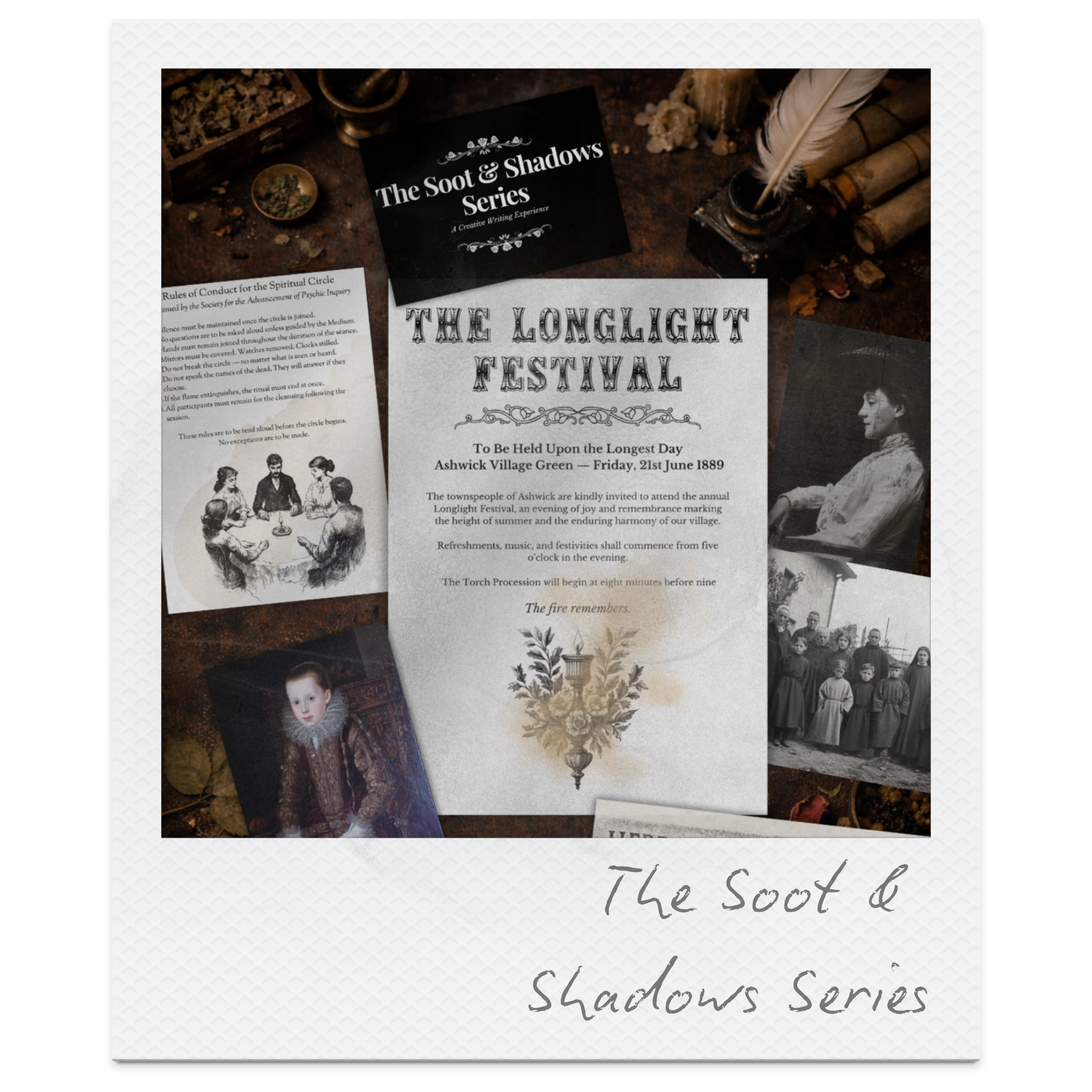
Discover unsettling portraits, strange family heirlooms, handwritten warnings, curious objects and fragments of old tales. Some suggest curses or supernatural forces; others hint at human cruelty, obsession, jealousy and revenge.
These collections are particularly suited to writers interested in gothic fiction, dark fantasy, horror and twisted fairytales, where the truth is rarely as simple as it first appears.
Mystery and Historical-Inspired Archives
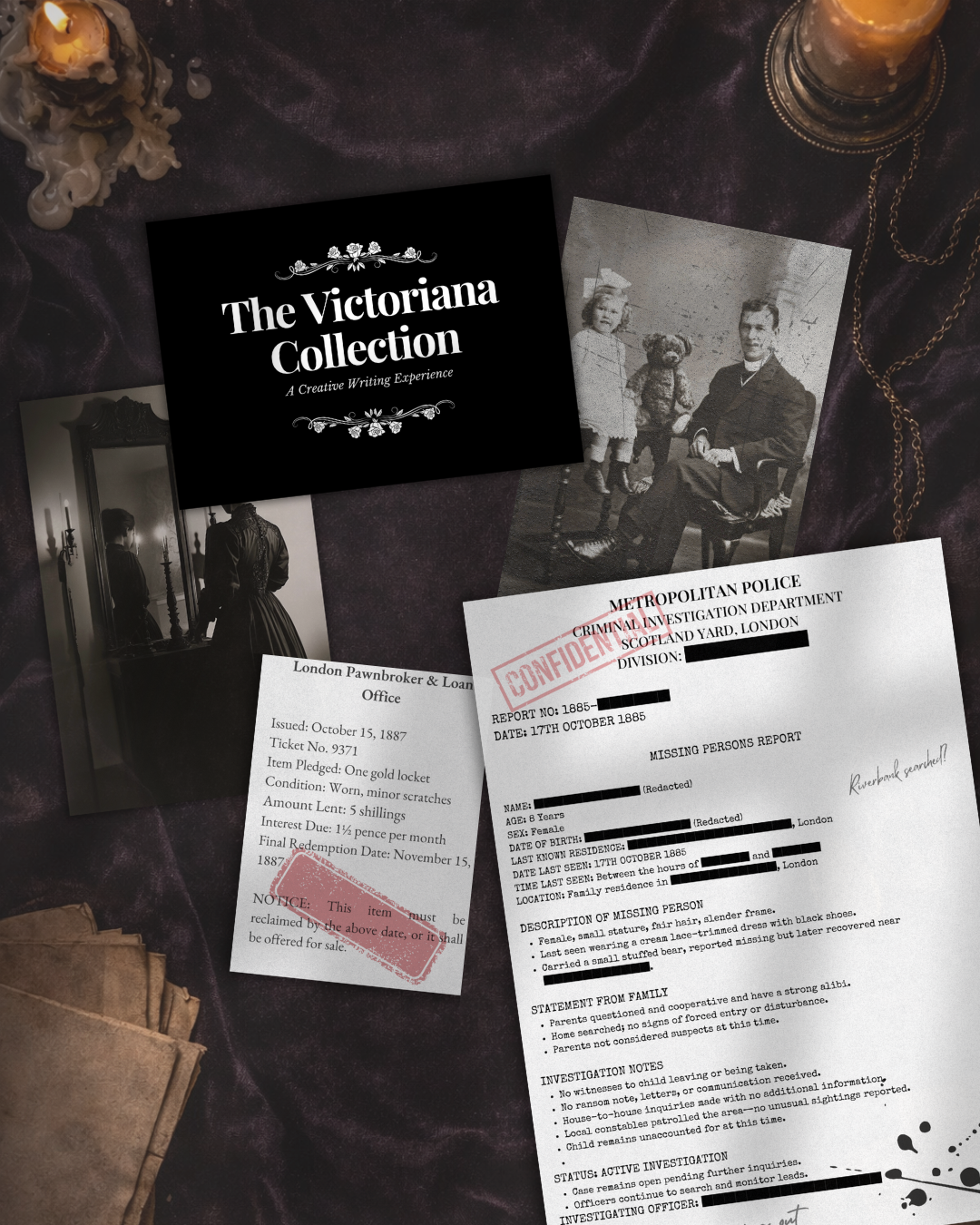
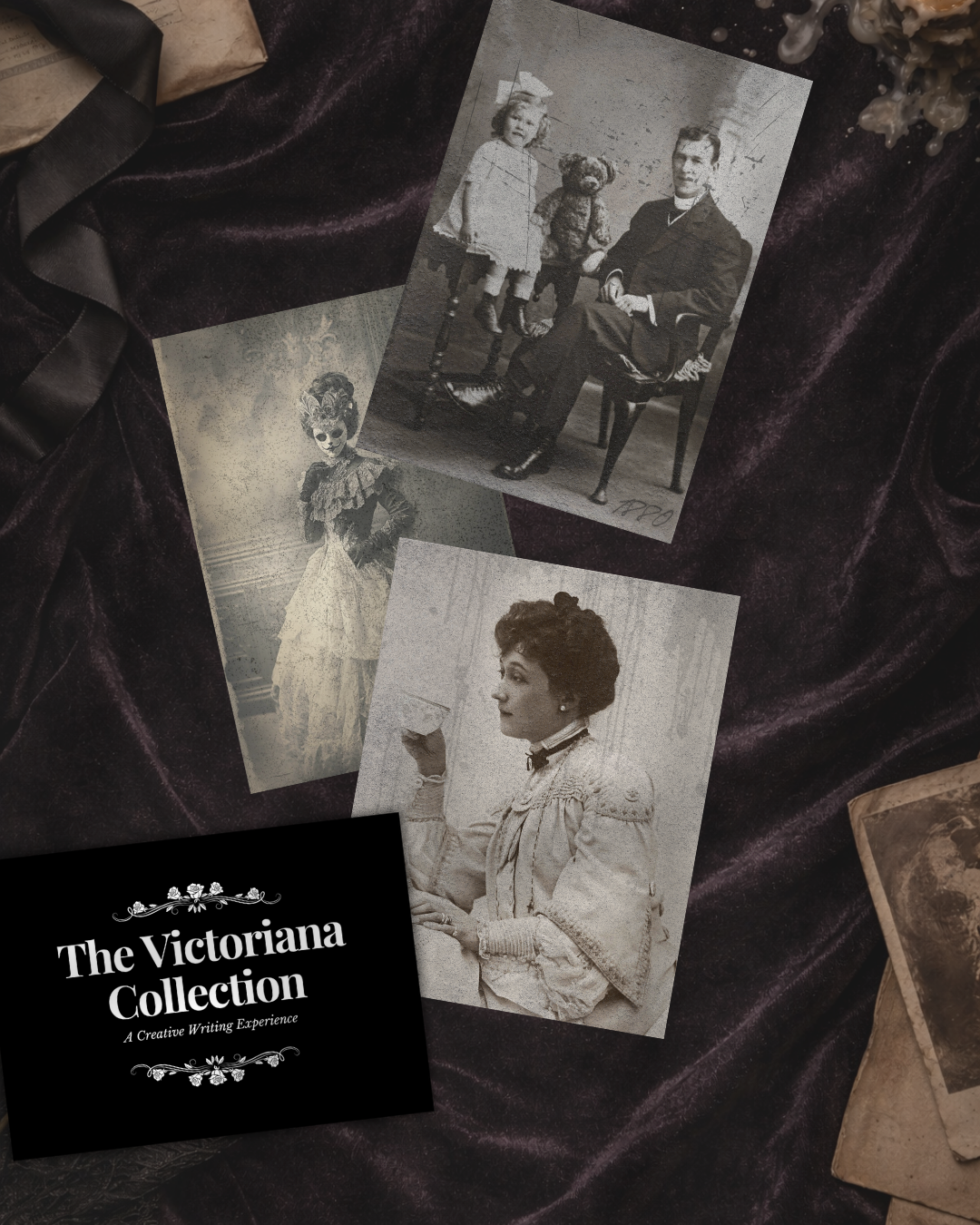
History is rarely preserved perfectly. Letters disappear, witnesses contradict one another and official accounts sometimes conceal as much as they reveal.
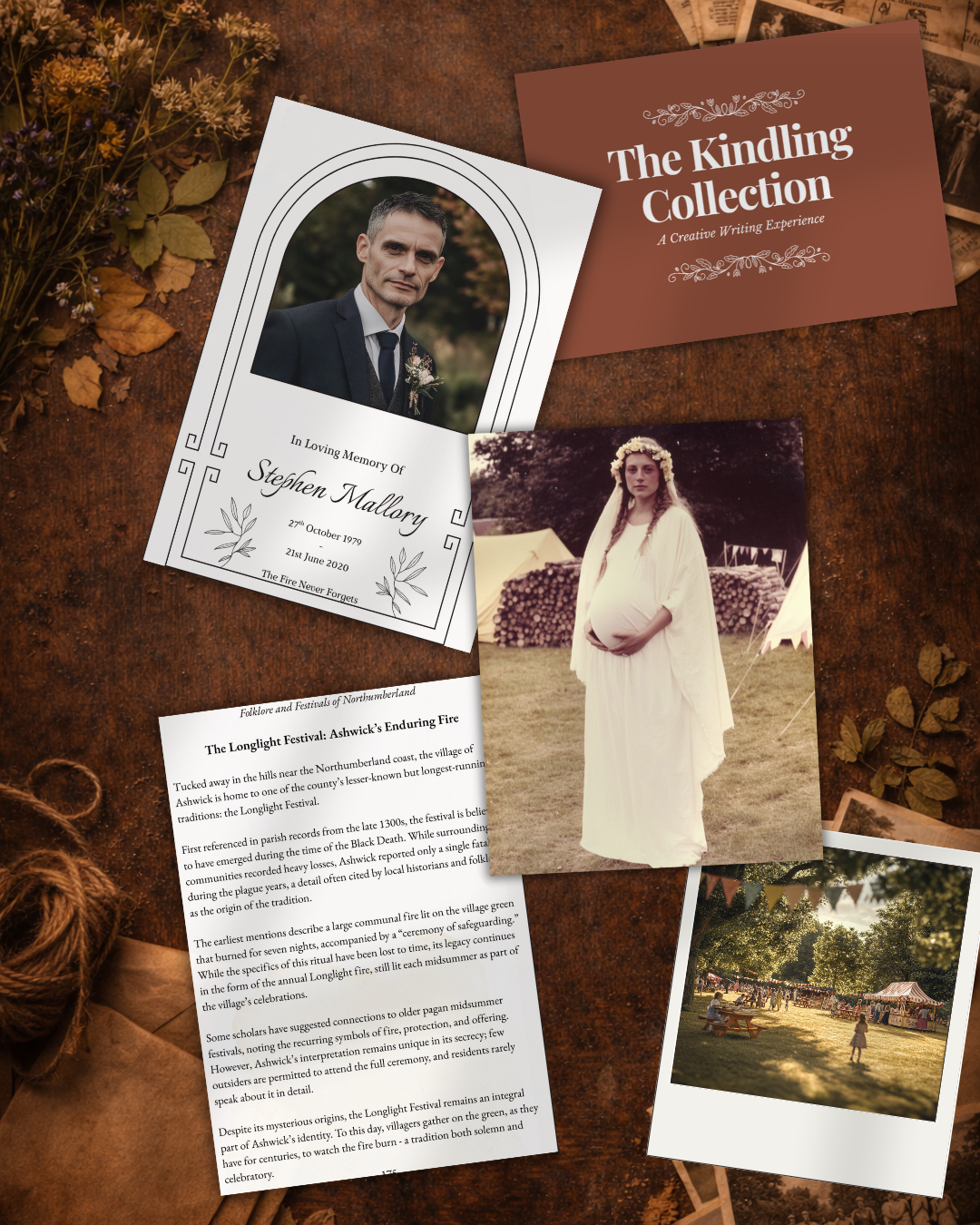
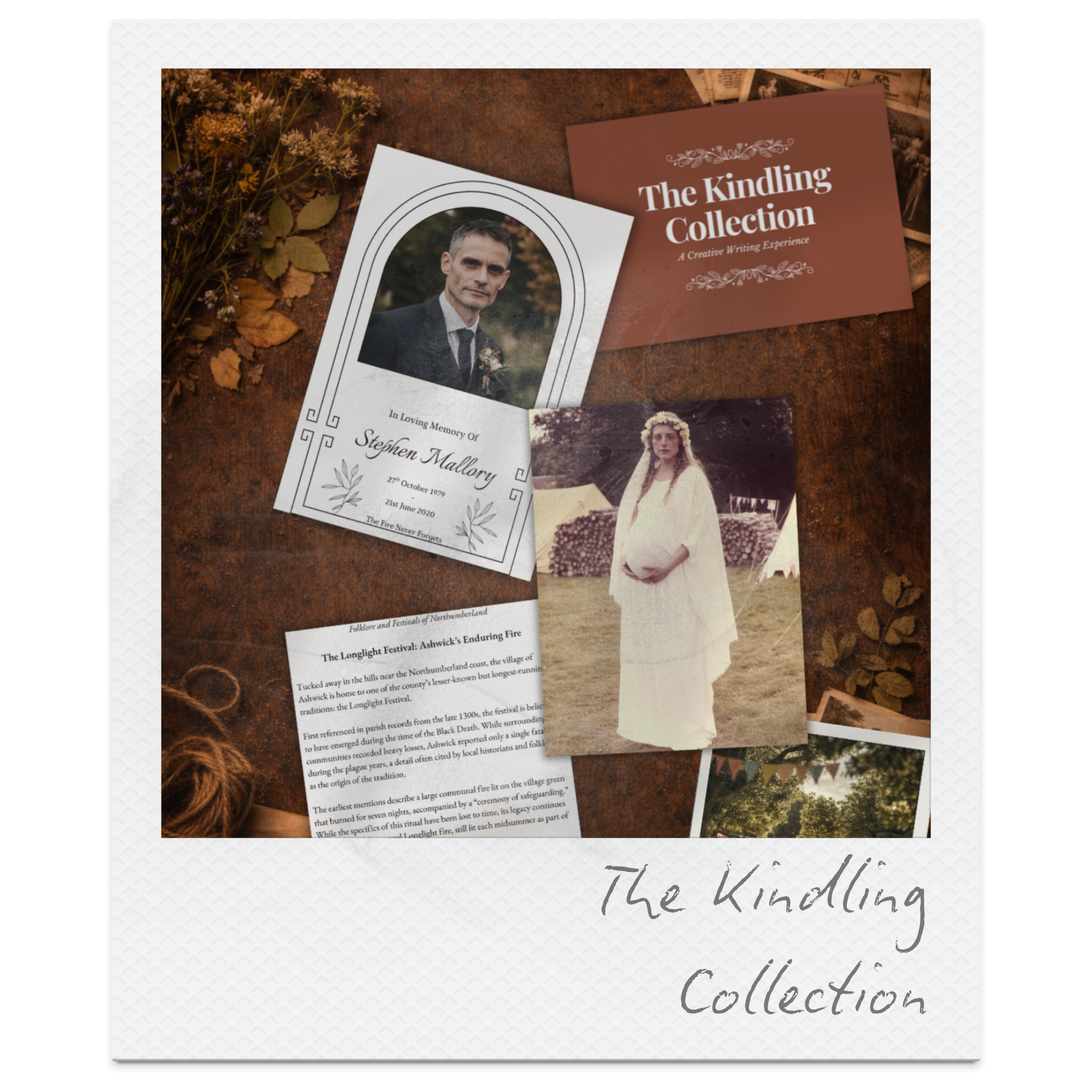
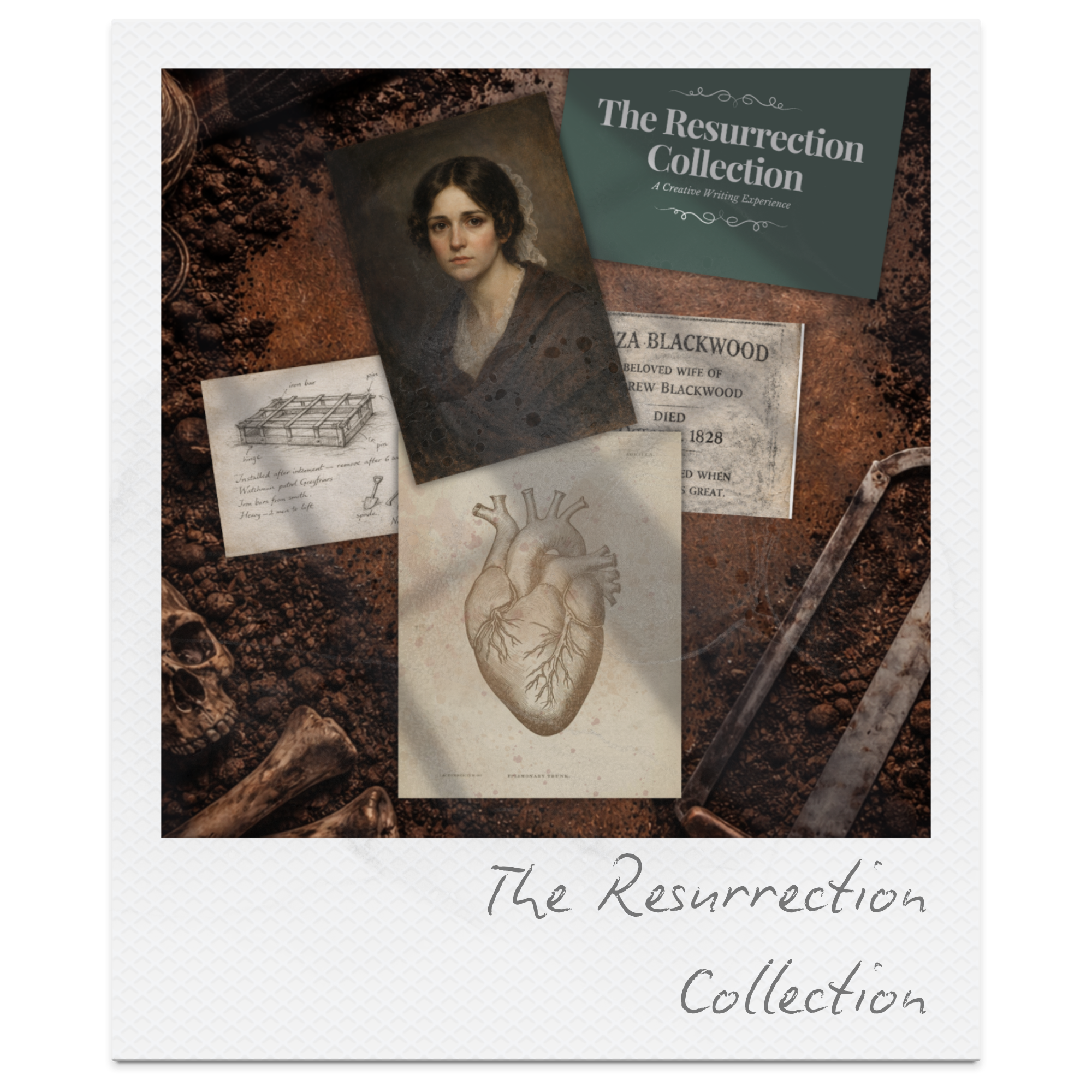
Through fictional correspondence, photographs, newspaper clippings, personal journals and archival records, writers can reconstruct forgotten events, investigate suspicious circumstances and imagine the private lives behind public histories.
These archives offer inspiration for mystery writing, historical fiction, family sagas and stories told through unreliable narrators.
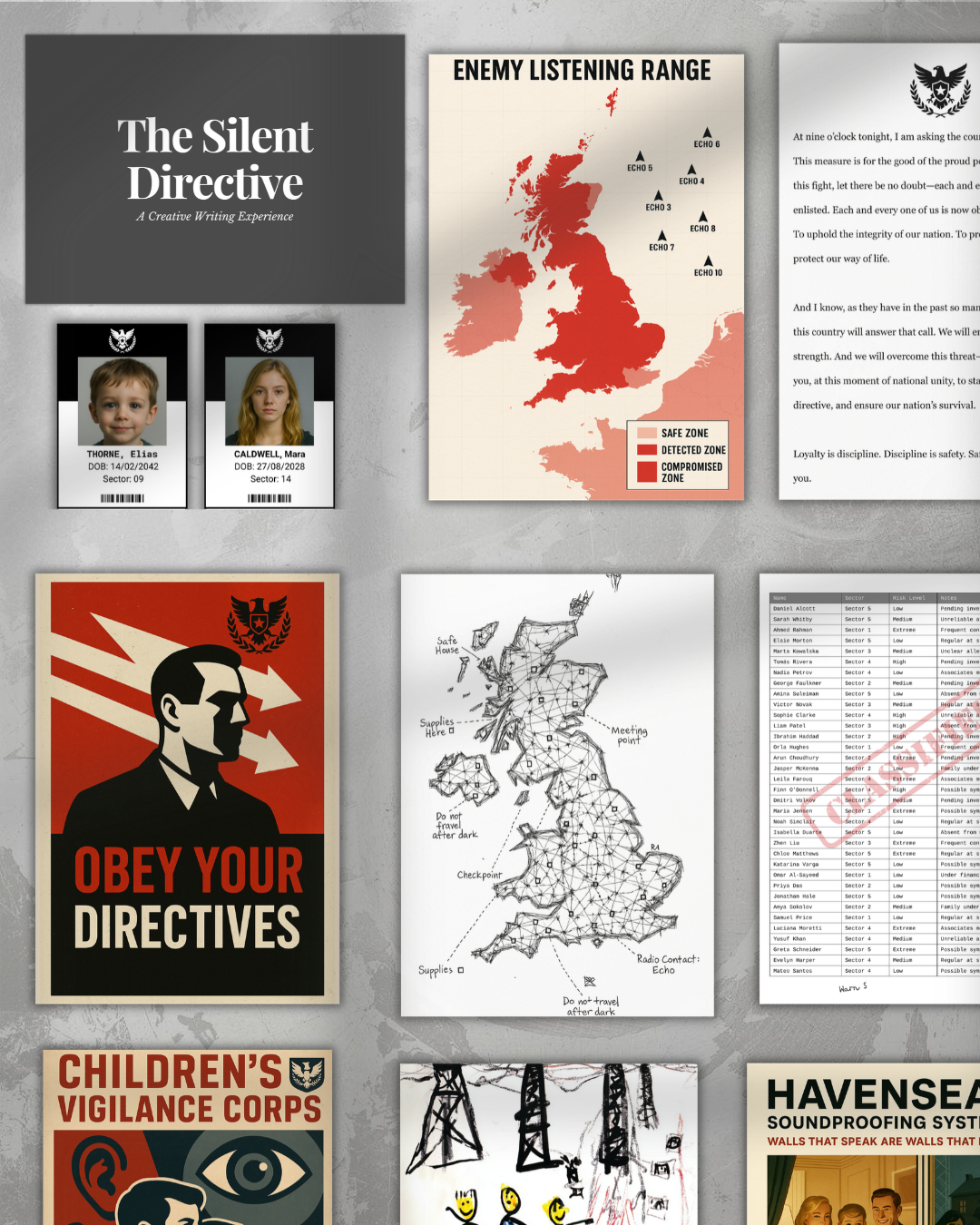
Science Fiction and Speculative Archives
What might future generations discover about our world? What evidence would remain of a failed experiment, an abandoned civilisation or a journey through time?
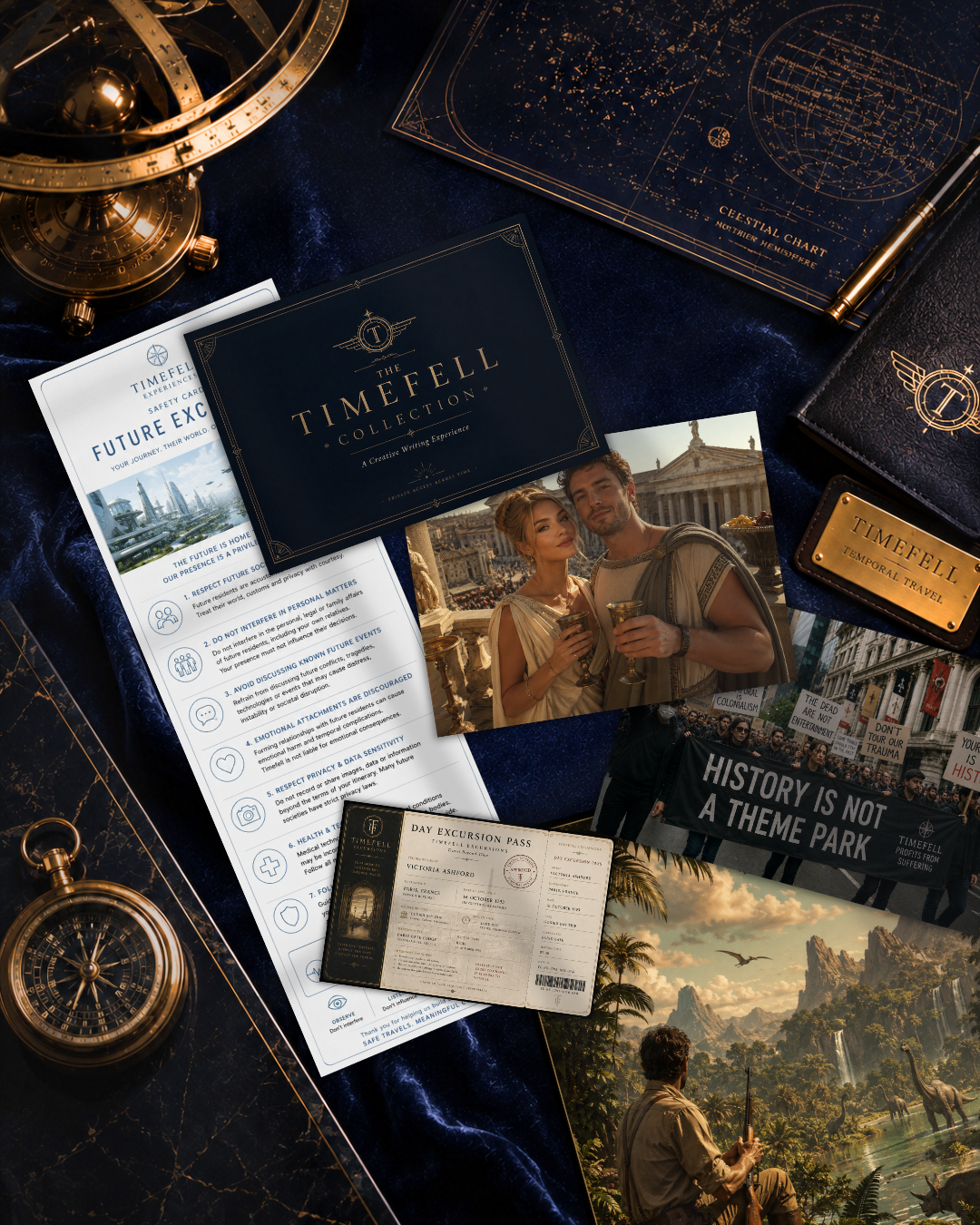
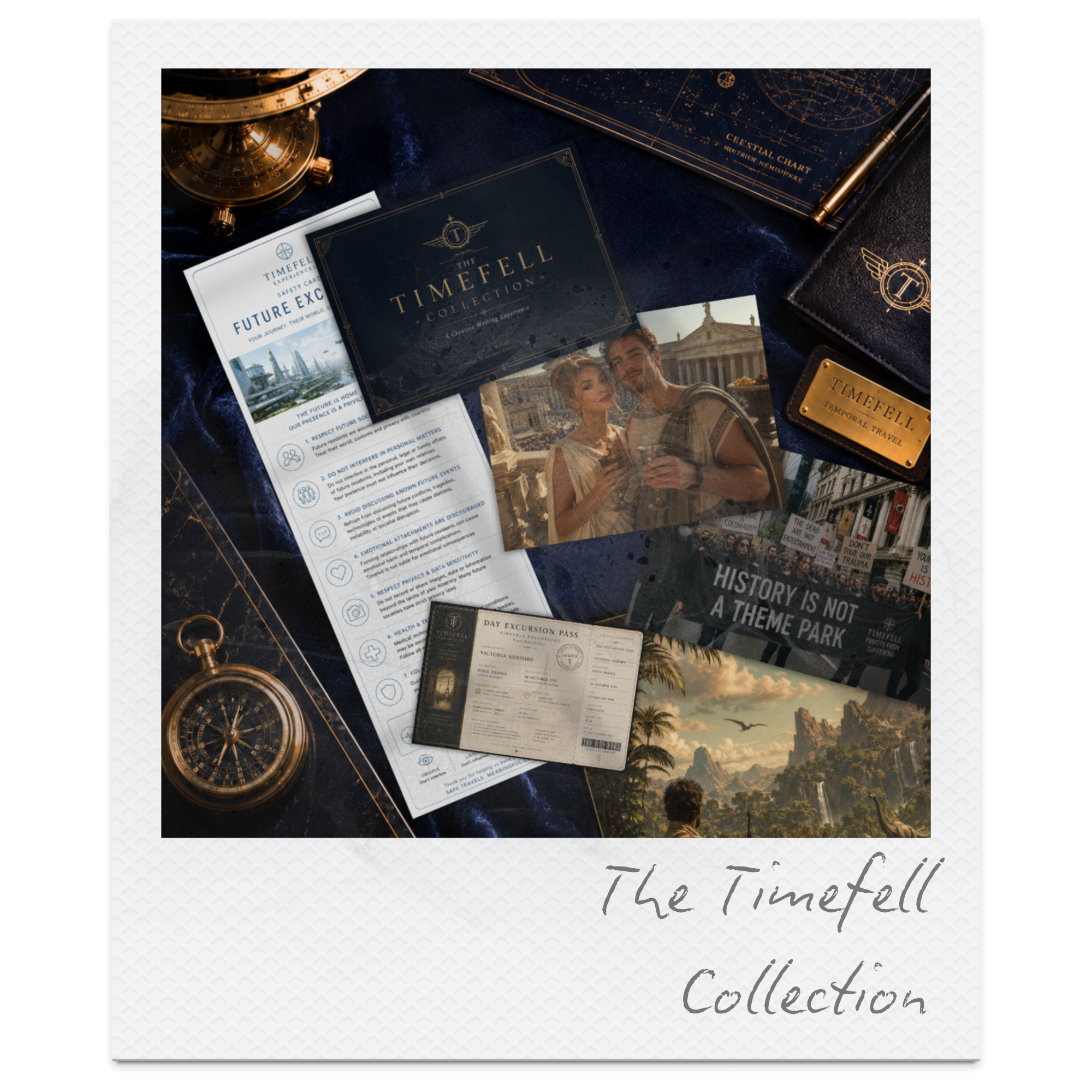
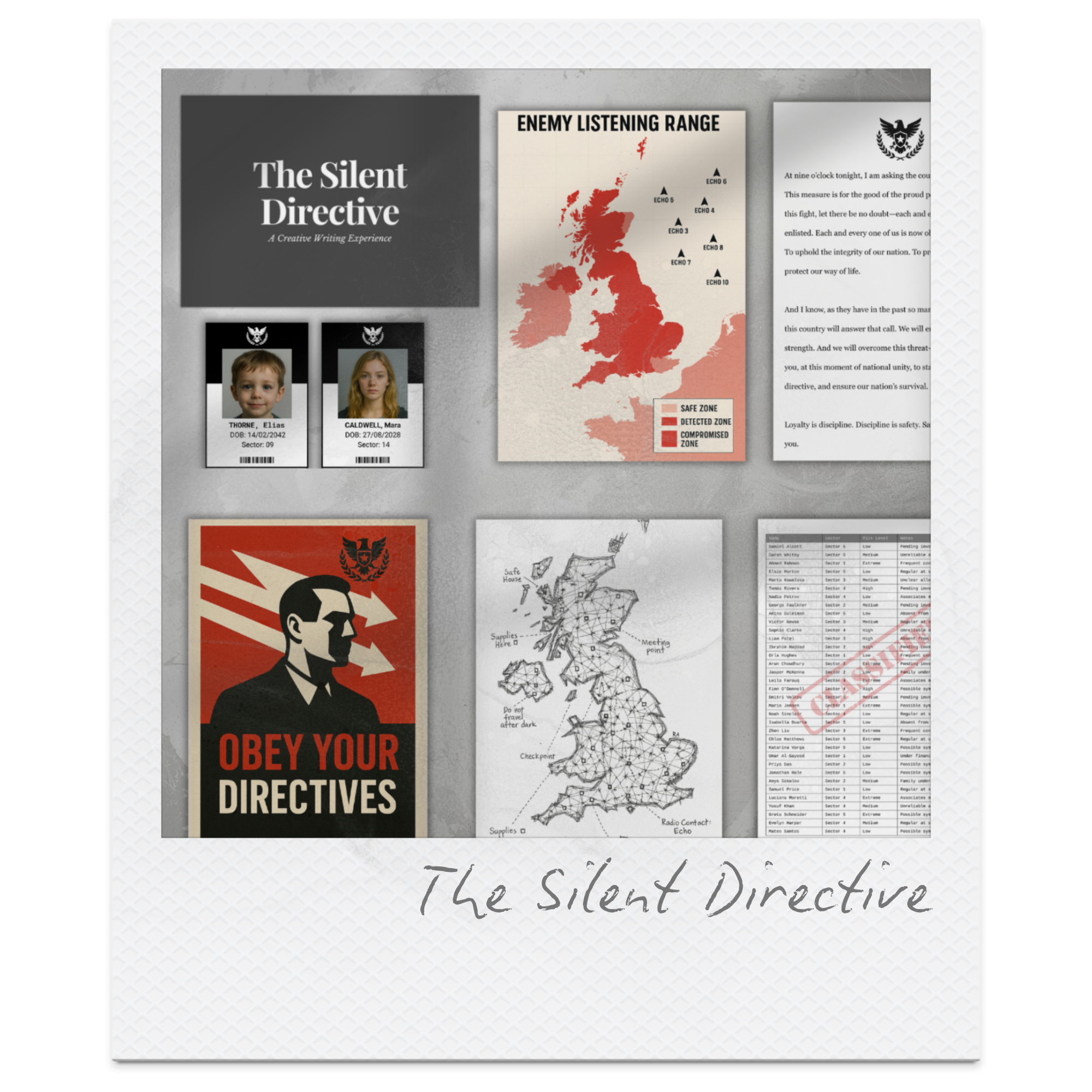
Science fiction archives invite writers to explore unfamiliar technologies, imagined futures, alternative histories and extraordinary discoveries through the documents and objects left behind.
From scientific records and technical diagrams to personal messages and mysterious photographs, these collections offer starting points for science fiction writing, speculative worldbuilding and stories that question the boundaries of possibility.
Find the World That Inspires You
You don't need to explore every document or solve every mystery. Sometimes, a single image, an unfamiliar name or a few handwritten words are enough to inspire an entirely new story.
Explore the Storyworld Archives and discover where your imagination takes you next.
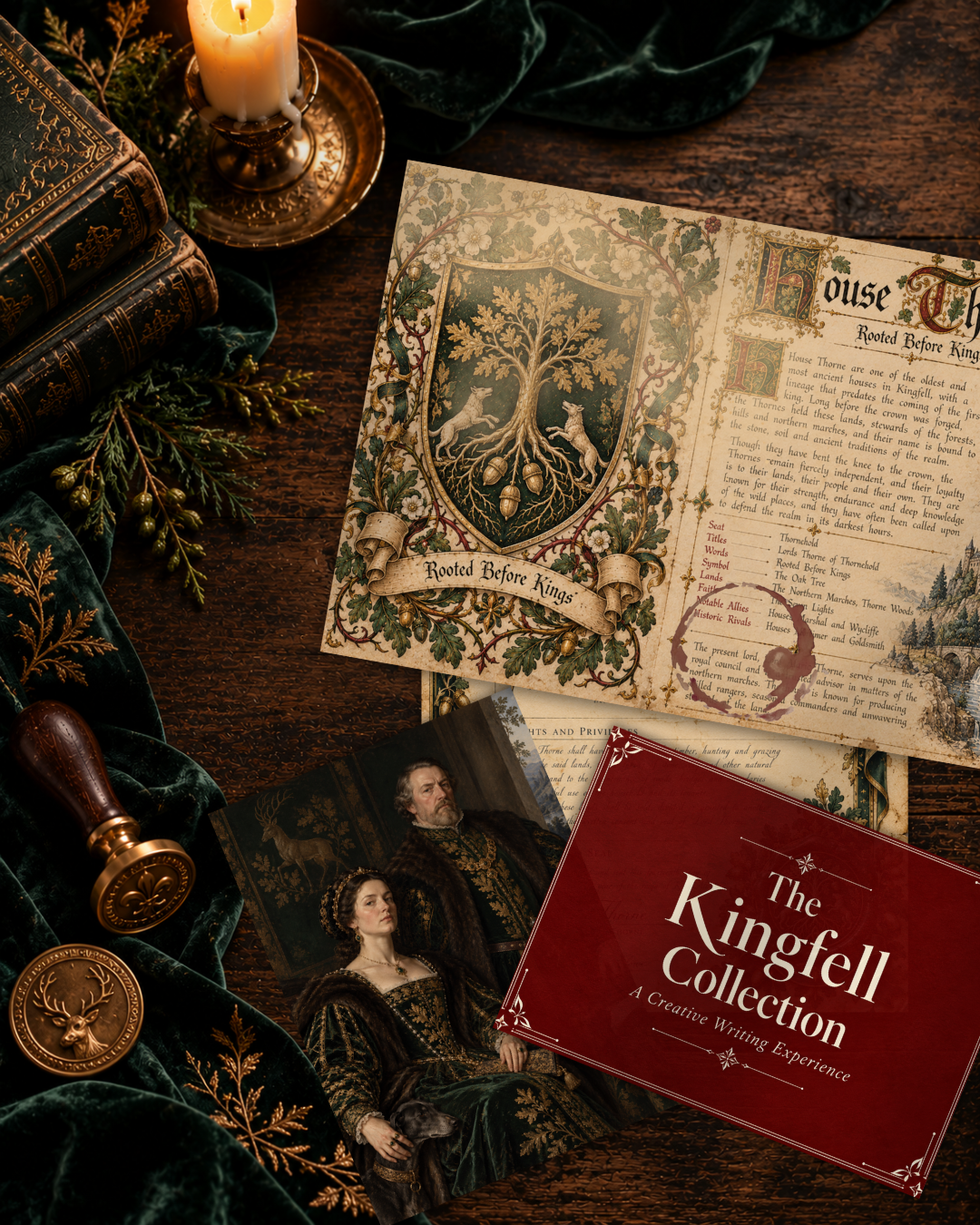
Start Exploring: Seven Free Artefacts from The Kingfell Collection
Curious about Storyworld Archives but not sure where to begin? Your first journey into an imaginary world is on us.
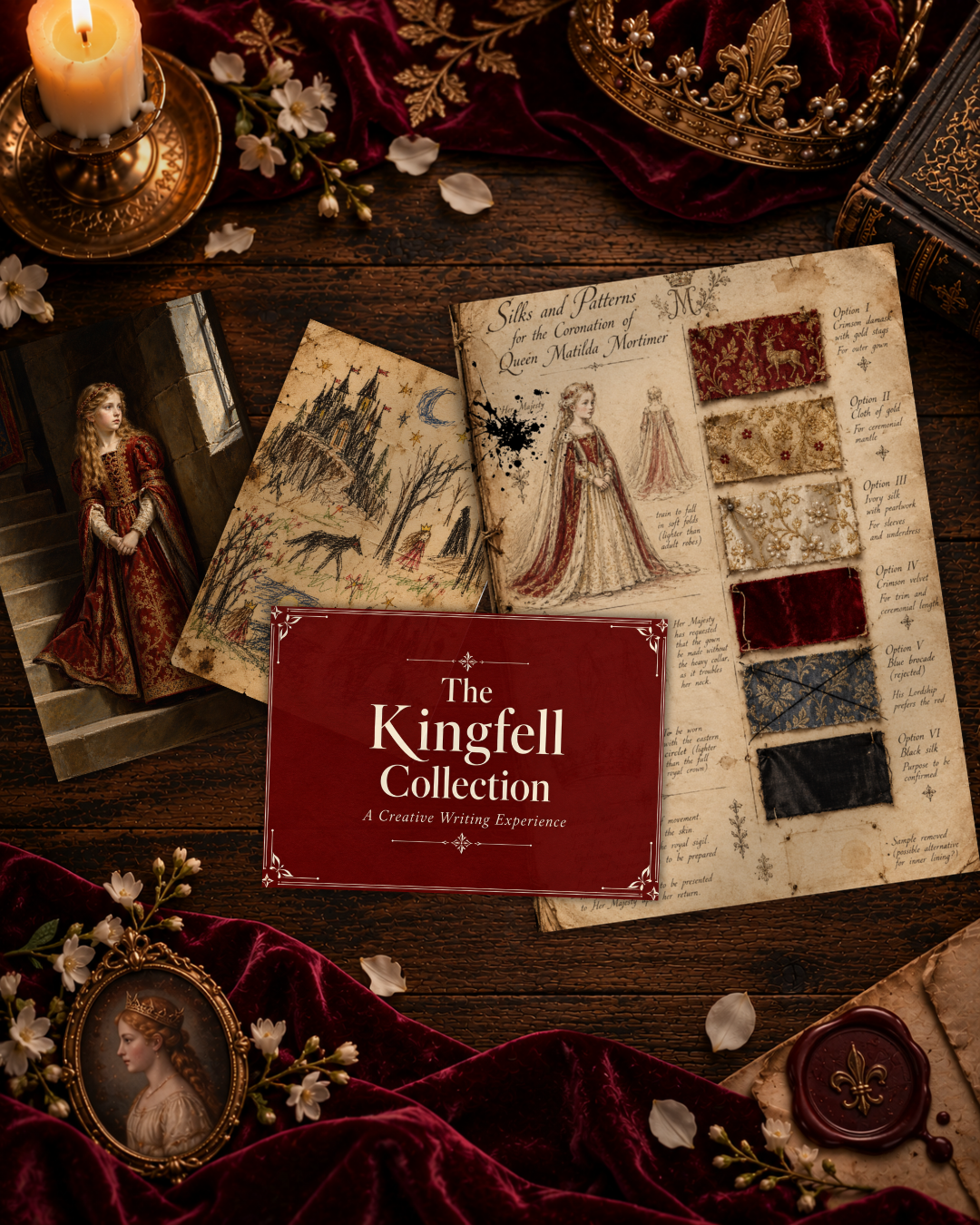
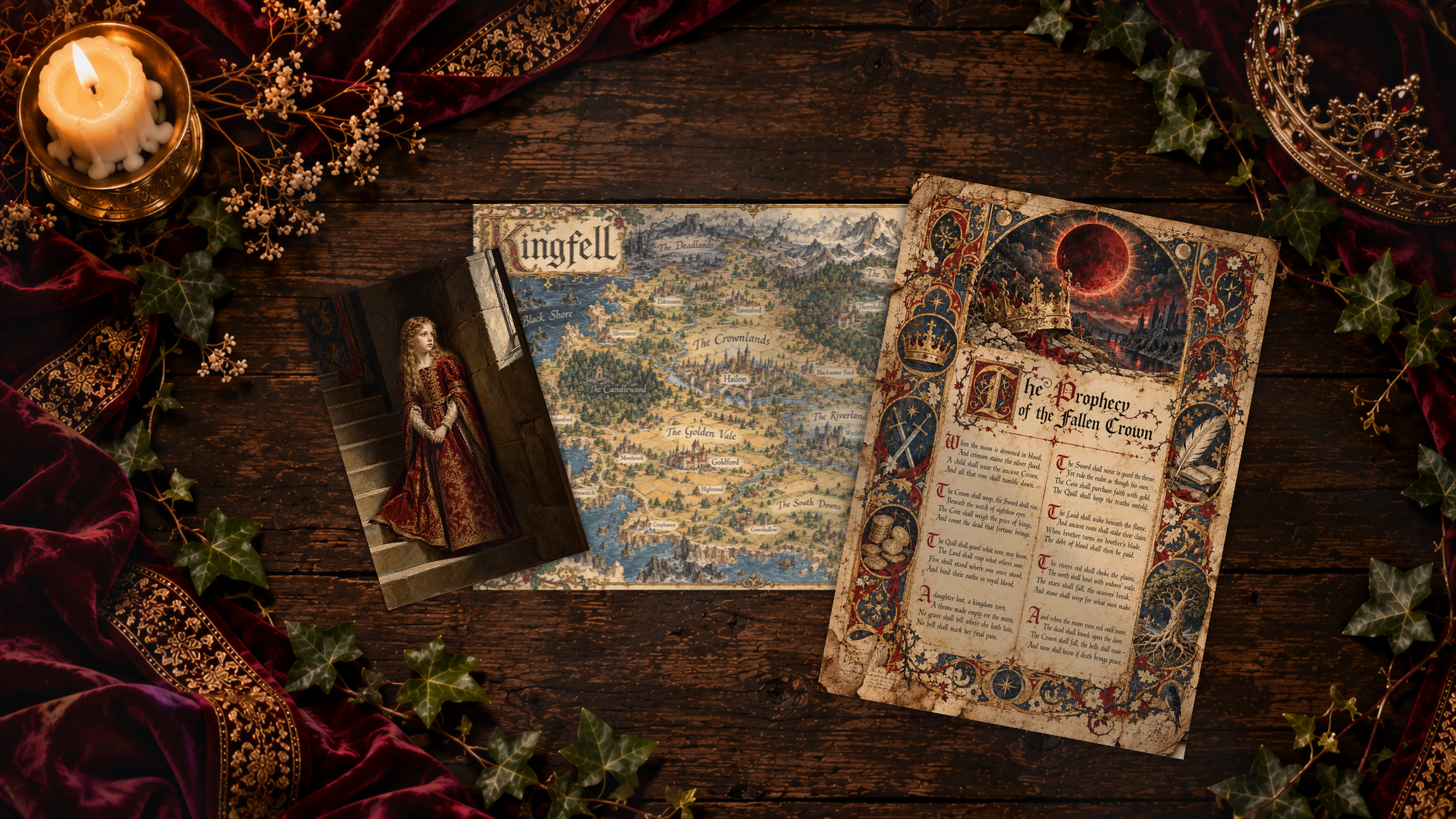
Download seven free fictional artefacts from The Kingfell Collection and step into a fantasy kingdom where the king is dead, his eight-year-old daughter has inherited the throne, and the powerful families of the realm are preparing for a struggle that could tear the kingdom apart.
When the young queen mysteriously disappears, rumours begin to spread. Was she kidnapped? Hidden away for her own protection? Betrayed by someone she trusted? Or is something far stranger unfolding behind the palace walls?
Through fragments of the kingdom's history, you'll begin to discover a world of political intrigue, ancient rivalries, whispered prophecies and unanswered questions.
Your free mini-archive offers a glimpse into Kingfell and the immersive storytelling experience behind the Storyworld Archives.
Use the artefacts to inspire a short story, develop an original character, imagine a secret conspiracy or begin building a fantasy world of your own.
There are no official answers. No predetermined endings. Just seven artefacts and countless possibilities.
Your First Story Is Waiting
Enter the world of Kingfell with your free seven-artefact mini-archive, delivered digitally when you subscribe.
Download Your 7 Free Fantasy Artefacts
And if you find yourself wanting to explore further, the complete Kingfell Collection is available to discover, with more documents, mysteries and fragments of a kingdom on the brink of civil war.
Final Thoughts: A Million Stories Waiting to Be Discovered
Creative writing inspiration can come from the most unexpected places. A forgotten letter, an unfamiliar face in an old photograph, a strange object tucked away in a drawer or a map of somewhere that has never existed.
Sometimes, all it takes is one intriguing detail to set an entire story in motion.
Storyworld Archives are built around that possibility. Rather than telling you what to write, they invite you to explore, question, imagine and discover. Every document offers another perspective, every artefact raises new questions, and every collection contains the beginnings of stories that have yet to be told.
Whether you're developing a fantasy kingdom, experimenting with gothic fiction, creating complex characters or simply searching for your next creative writing idea, there's no limit to where these imaginary worlds might take you.
And the most wonderful part? Two writers can explore exactly the same archive and emerge with entirely different stories.
The worlds are waiting. The stories are yours to tell.
Ready to begin? Explore the Storyworld Archives and discover a collection that sparks your imagination.
A million stories. One download. Entire worlds to lose yourself in.
