Notes from the Inkpot
Writing, teaching, creating - one ink-stained idea at a time.


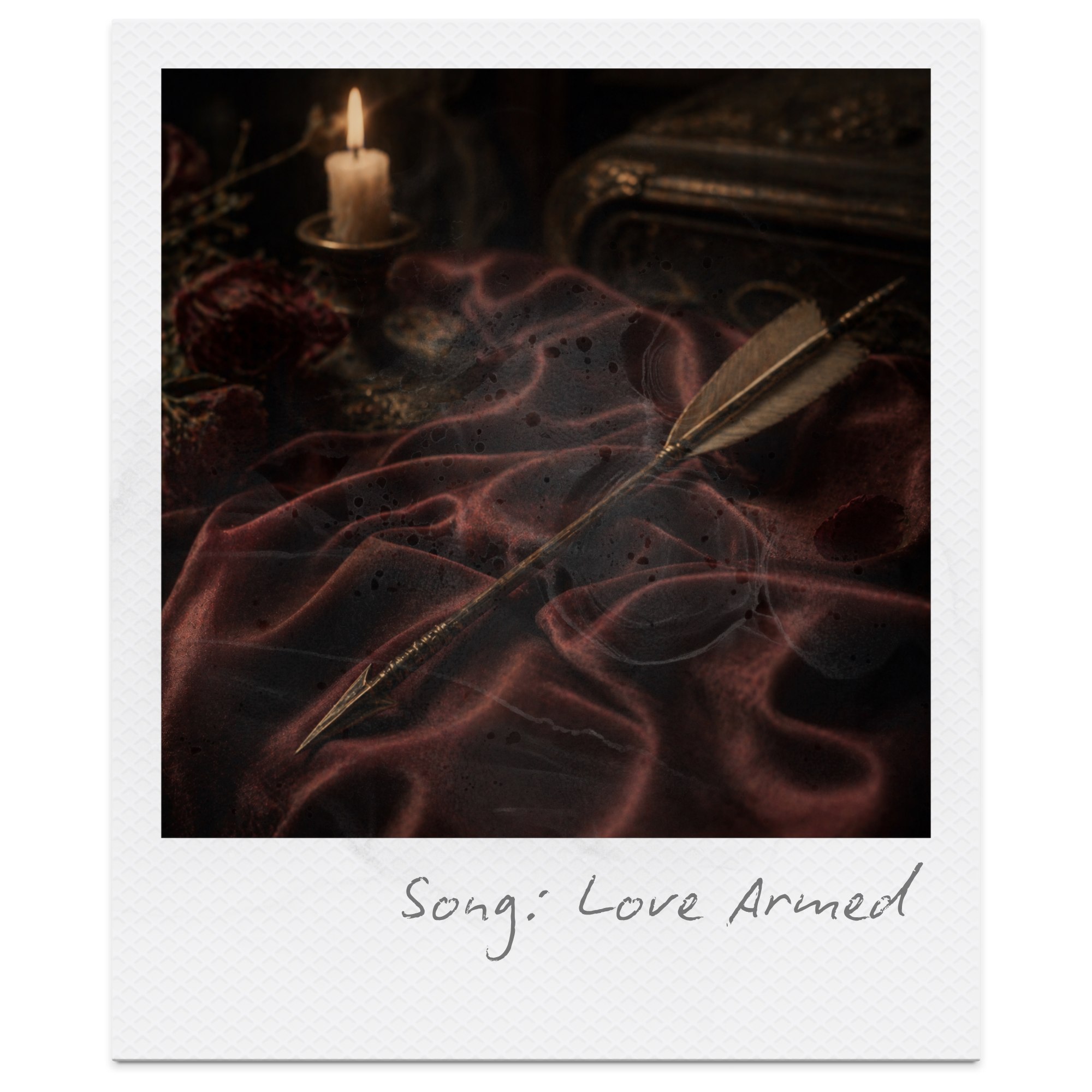
Song: Love Armed by Aphra Behn: Summary, Themes & Analysis
Aphra Behn’s Song: Love Armed explores love as power, presenting it as a force shaped by emotional imbalance, vulnerability, and control. Through the extended metaphor of Cupid as a tyrannical ruler, alongside vivid violent imagery and structural contrast, the poem reveals how love is constructed through unequal contributions—where one lover provides desire and feeling, while the other exerts dominance and cruelty. This analysis examines how Behn uses language, structure, and voice to create meaning, offering a clear breakdown of key themes, techniques, and effects. Designed for IGCSE Literature, it supports students in developing method-focused analysis and building strong, conceptual responses for exam success.
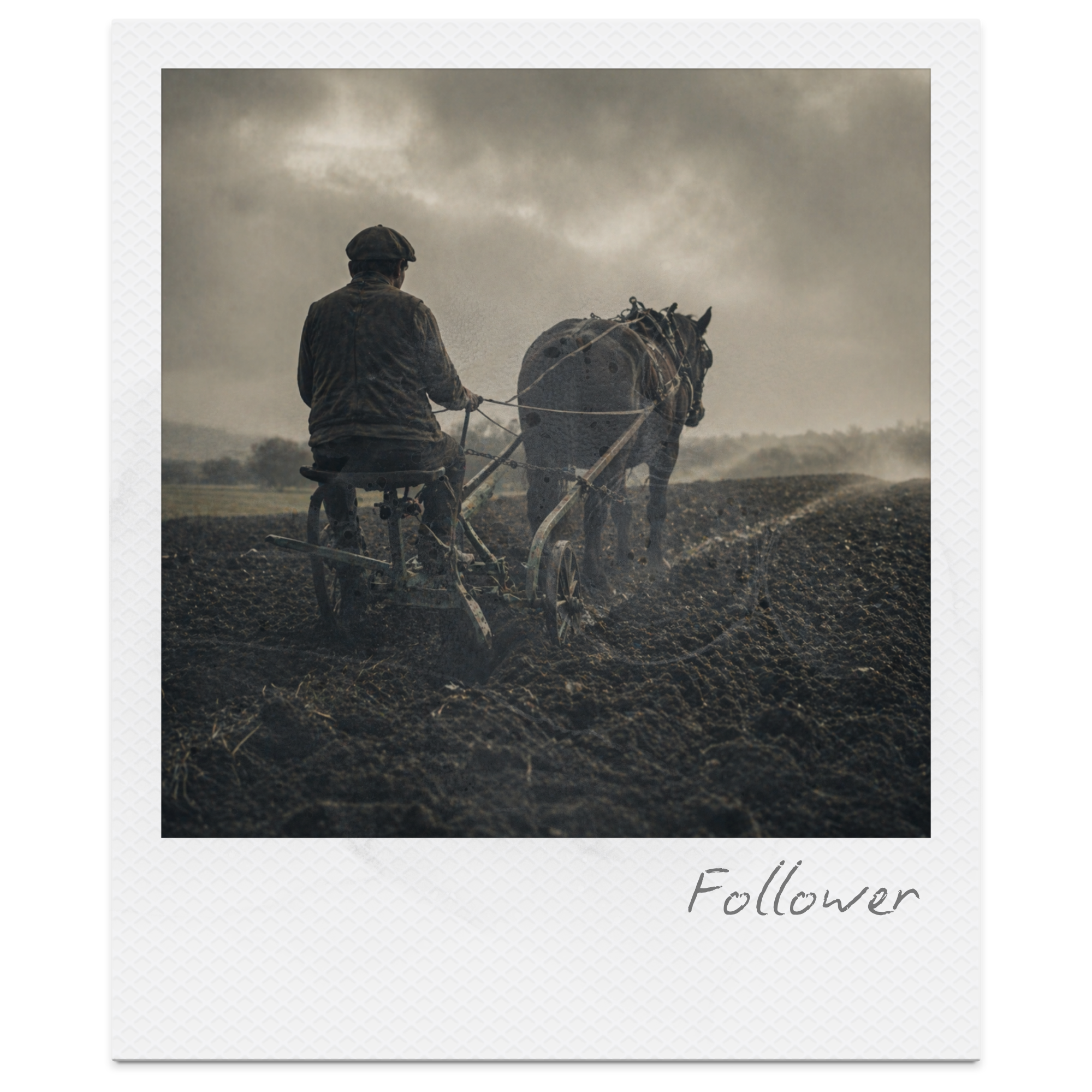
Follower by Seamus Heaney: Summary, Themes & Analysis
Seamus Heaney’s Follower explores admiration, identity, and the changing nature of family relationships through a reflective first-person voice. The poem presents the speaker’s father as a figure of strength, precision, and authority, using vivid imagery and controlled structure to elevate his skill as a ploughman. In contrast, the young speaker is portrayed as clumsy and dependent, creating a clear imbalance that reflects childhood hero-worship and the desire to imitate a parent. However, the poem’s meaning shifts in the final stanza, where Heaney introduces a subtle but powerful role reversal, revealing the father as the one who now “stumbles” behind the speaker. This transformation turns the poem into a reflection on time, ageing, and emotional complexity, as admiration gives way to a more unsettled awareness of changing roles. Through this contrast, Follower captures the tension between inheritance and independence, leaving the reader with a lasting sense of how relationships evolve over time.
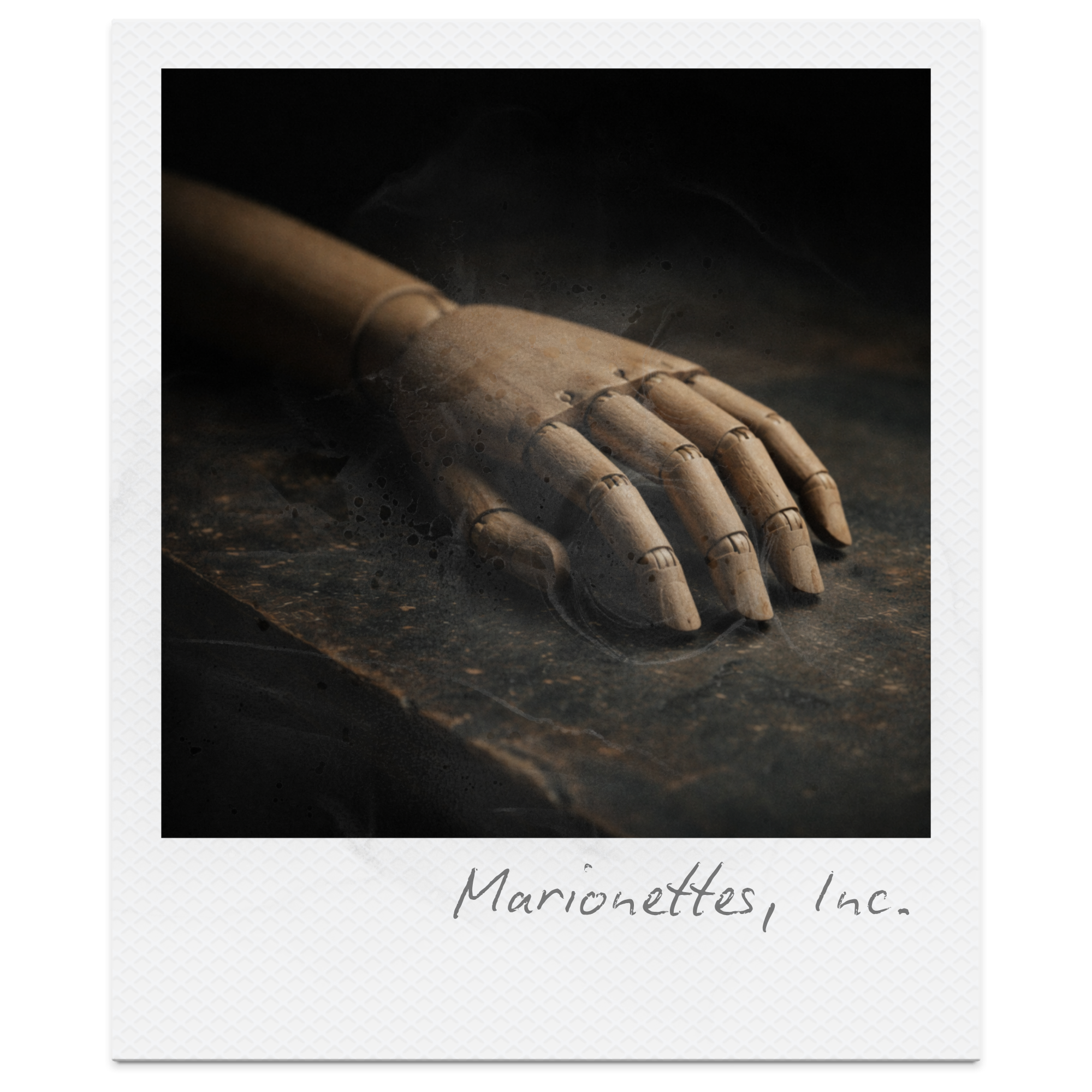
Marionettes, Inc. by Ray Bradbury: Summary, Themes, Meaning & Analysis
Ray Bradbury’s Marionettes, Inc. explores identity, control, and the illusion of freedom through a chilling science fiction premise: what if you could replace yourself with a perfect duplicate and escape your life without consequence? As Braling reveals his plan to use a mechanical double to maintain his marriage while he travels to Rio, the story initially presents technology as a convenient solution to human dissatisfaction. However, this illusion quickly unravels as the boundaries between real and artificial begin to collapse. As both Braling and Smith attempt to use duplication to manage their relationships, Bradbury exposes the dangers of outsourcing identity, showing how easily control can shift and how quickly the self can be replaced, erased, and forgotten.
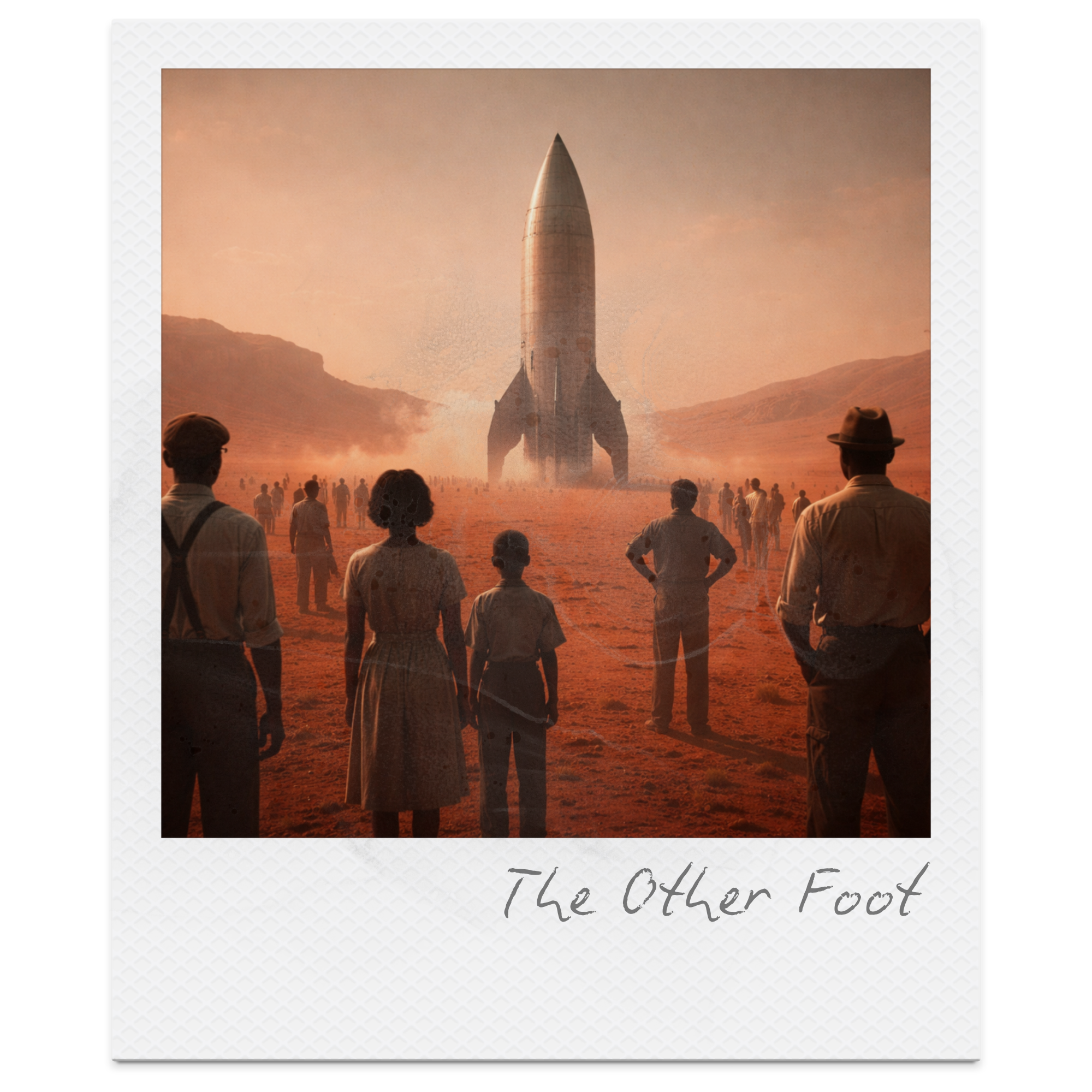
The Other Foot by Ray Bradbury: Summary, Themes, Symbolism & Analysis
The Other Foot by Ray Bradbury is a powerful work of speculative fiction that explores racism, revenge, and the possibility of moral transformation through a striking reversal of power. Set on a Martian colony built by Black settlers who fled Earth, the story imagines what happens when the oppressed are given the chance to become the oppressors. As news spreads of a white survivor arriving from a devastated Earth, long-buried memories of violence and segregation resurface, pushing the community toward retaliation. However, Bradbury complicates this desire for revenge by revealing the complete destruction of Earth and the collapse of the very systems the characters seek to punish. In doing so, the story shifts from anger to reflection, asking whether true justice lies in reversal or in breaking the cycle altogether. Through its tense narrative and powerful moral turning point, The Other Foot challenges readers to reconsider what equality, responsibility, and humanity really mean.