Notes from the Inkpot
Writing, teaching, creating - one ink-stained idea at a time.


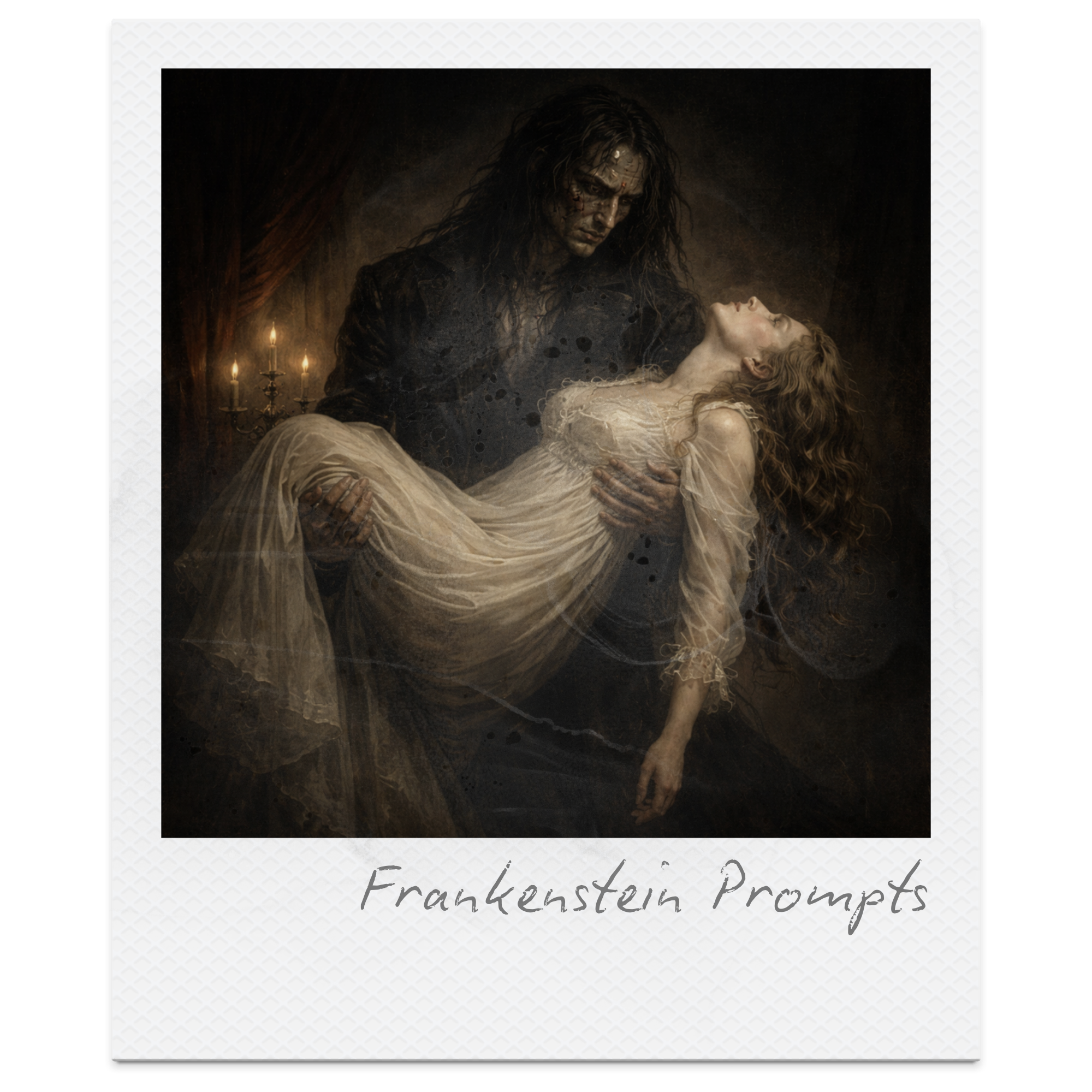
70 Creative Writing Prompts Inspired by Frankenstein: Creation, Isolation and the Consequences of Ambition
Mary Shelley’s Frankenstein remains one of the most influential gothic novels ever written, exploring ambition, scientific discovery and the moral consequences of creating life. These creative writing prompts draw inspiration from the novel’s atmosphere, characters and philosophical questions, encouraging writers to explore themes such as responsibility, isolation, obsession and the dangers of pushing knowledge too far. This collection of 70 Frankenstein-inspired writing prompts includes plot hooks, opening lines, closing lines, character ideas, settings and visual prompts designed to spark original storytelling. Perfect for classroom use or independent writing practice, the prompts invite writers to experiment with perspective, voice and atmosphere while engaging with the gothic tension and moral complexity that make Frankenstein such a powerful literary work.
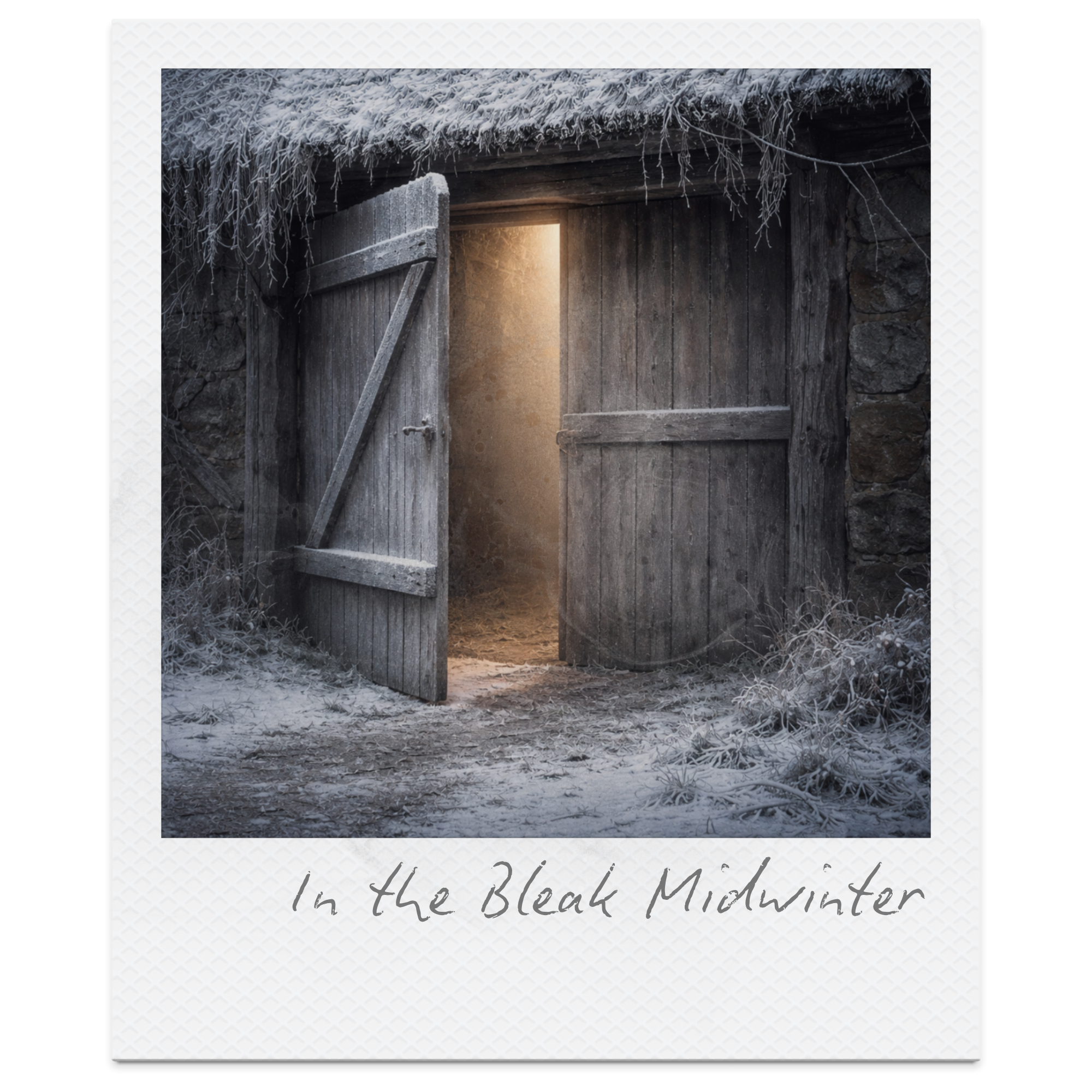
In the Bleak Midwinter by Christina Rossetti: Summary, Themes, Symbolism & Analysis
Christina Rossetti’s In the Bleak Midwinter is a devotional lyric that reflects on the Nativity through the stark imagery of a frozen winter landscape. The poem contrasts the vast power of God with the humility of Christ’s birth in a simple stable, using quiet, hymn-like language to explore themes of faith, humility, and divine incarnation. As the poem progresses, Rossetti shifts from describing the sacred scene to asking a deeply personal question: what can an ordinary person offer to the divine? The poem ultimately suggests that material gifts are less important than sincere spiritual devotion, concluding that the most meaningful offering is the gift of the heart.
Cousin Kate by Christina Rossetti: Analysis, Themes, Structure & Meaning
Cousin Kate by Christina Rossetti is a dramatic narrative poem that explores female reputation, class power, and sexual double standards in Victorian society. Through the voice of a rural woman seduced and abandoned by a wealthy lord, Rossetti reveals how social judgement falls disproportionately on women while men maintain their status and authority. This analysis explores the poem’s themes, symbolism, and narrative structure, examining how Rossetti critiques Victorian morality while giving the speaker a powerful voice of reflection and resilience. It also considers how the poem’s final twist transforms the speaker’s shame into a form of unexpected power.
Heart’s Chill Between by Christina Rossetti: Analysis, Summary, Themes & Meaning
lost love, revealing how grief, memory, and emotional repression continue to shape the speaker’s inner life long after a relationship has ended. Through restrained language and reflective imagery, the poem shows how outward composure can conceal deeper psychological suffering. This analysis examines the poem’s themes, symbolism, structure, and key quotations, offering a detailed exploration of Rossetti’s portrayal of emotional restraint and unresolved grief. Ideal for GCSE and A Level literature study, the guide also includes teaching ideas and comparisons with other Rossetti poems.
Babylon the Great by Christina Rossetti: Summary, Themes, Symbolism & Analysis
Christina Rossetti’s Babylon the Great is a powerful sonnet that draws on imagery from the Book of Revelation to explore themes of temptation, spiritual corruption, and divine judgement. Through vivid symbolism and prophetic warnings, the poem presents Babylon as a seductive yet destructive figure whose outward splendour conceals profound moral decay. This detailed analysis explores the poem’s structure, imagery, symbolism, key quotations, and themes, alongside alternative interpretations and classroom teaching ideas. This guide helps readers understand how Rossetti transforms biblical imagery into a striking poetic warning about the dangers of fascination and moral deception.
70 Creative Writing Prompts Inspired by Dracula: Gothic Horror, Letters & Unseen Shadows
Bram Stoker’s Dracula remains one of the most influential works of gothic fiction, blending eerie landscapes, secret diaries, unsettling discoveries and the slow realisation that something ancient is moving through the modern world. This collection of 70 creative writing prompts inspired by Dracula explores the novel’s atmosphere of creeping dread through plot hooks, opening lines, closing lines, characters, settings and visual prompts designed to spark dark and suspenseful storytelling. Whether you are teaching gothic literature or looking for atmospheric story ideas, these prompts draw on the themes and narrative techniques that make Dracula so powerful. Writers can experiment with epistolary storytelling, mysterious journeys, haunted locations and unsettling discoveries while developing their own gothic horror stories inspired by one of the genre’s most enduring novels.
A Birthday by Christina Rossetti: Summary, Themes, Symbolism & Analysis
Christina Rossetti’s A Birthday celebrates the arrival of love through rich imagery, musical language, and powerful symbolism. In this detailed analysis, the poem is explored through its themes of romantic fulfilment, emotional rebirth, abundance, and devotion, showing how Rossetti transforms a moment of love into a joyful declaration that life itself has begun anew. This guide examines the poem’s structure, imagery, key quotations, techniques, and themes, alongside alternative interpretations and classroom teaching ideas. Ideal for GCSE, IGCSE, and A Level literature study, the analysis helps readers understand how Rossetti uses poetic form and symbolism to present love as a moment of profound emotional transformation.
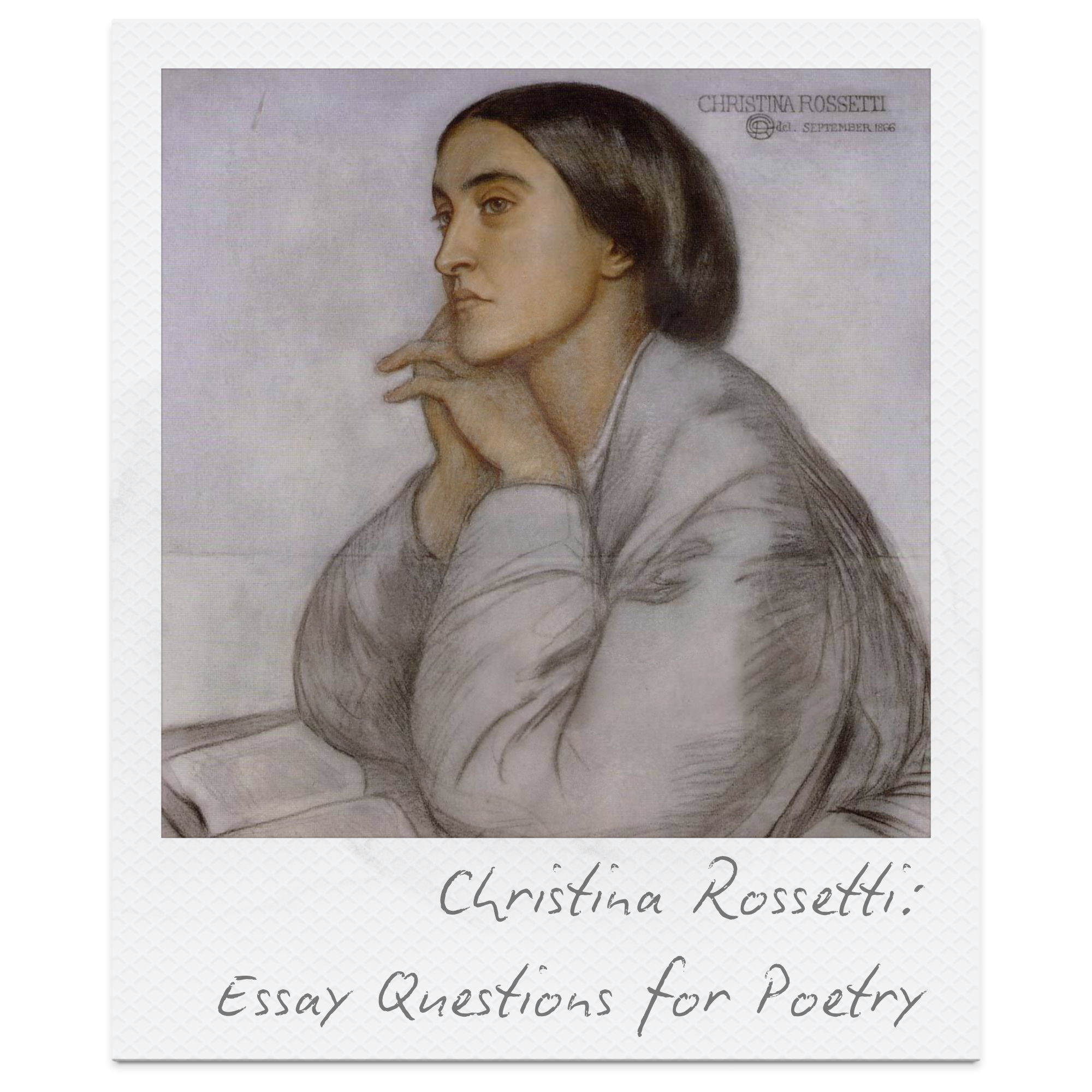
Christina Rossetti Essay Questions for Key Poems: Remember, After Death, Goblin Market & More
This collection of Christina Rossetti essay questions is designed to help students explore the themes, imagery, and ideas that shape Rossetti’s poetry. The questions cover a wide range of poems, encouraging close reading and thoughtful interpretation of topics such as love, faith, memory, temptation, and spiritual struggle. Each section focuses on a specific poem and offers prompts suitable for class discussion, essay planning, and exam preparation. The questions are suitable for GCSE, IGCSE, A Level, and IB literature courses, and can be adapted for different levels of study. Teachers can use them for essay practice, revision activities, silent debates, or shared writing tasks, helping students develop stronger analytical responses to Rossetti’s work while gaining confidence in literary essay writing.
Confluents by Christina Rossetti: Summary, Themes, Symbolism & Analysis
Christina Rossetti’s Confluents explores spiritual longing, devotion, and the desire for union through a series of natural comparisons. Rivers flowing toward the sea, roses opening to sunlight, and dew rising into the air all reflect the speaker’s belief that the soul instinctively seeks connection with something greater than itself. This analysis examines the poem’s imagery, symbolism, structure, and key quotations, showing how Rossetti uses natural processes to represent emotional and spiritual yearning. It also explores the poem’s themes of faith, distance, and hope, offering interpretations and teaching ideas suitable for GCSE, A Level, and secondary English literature study.
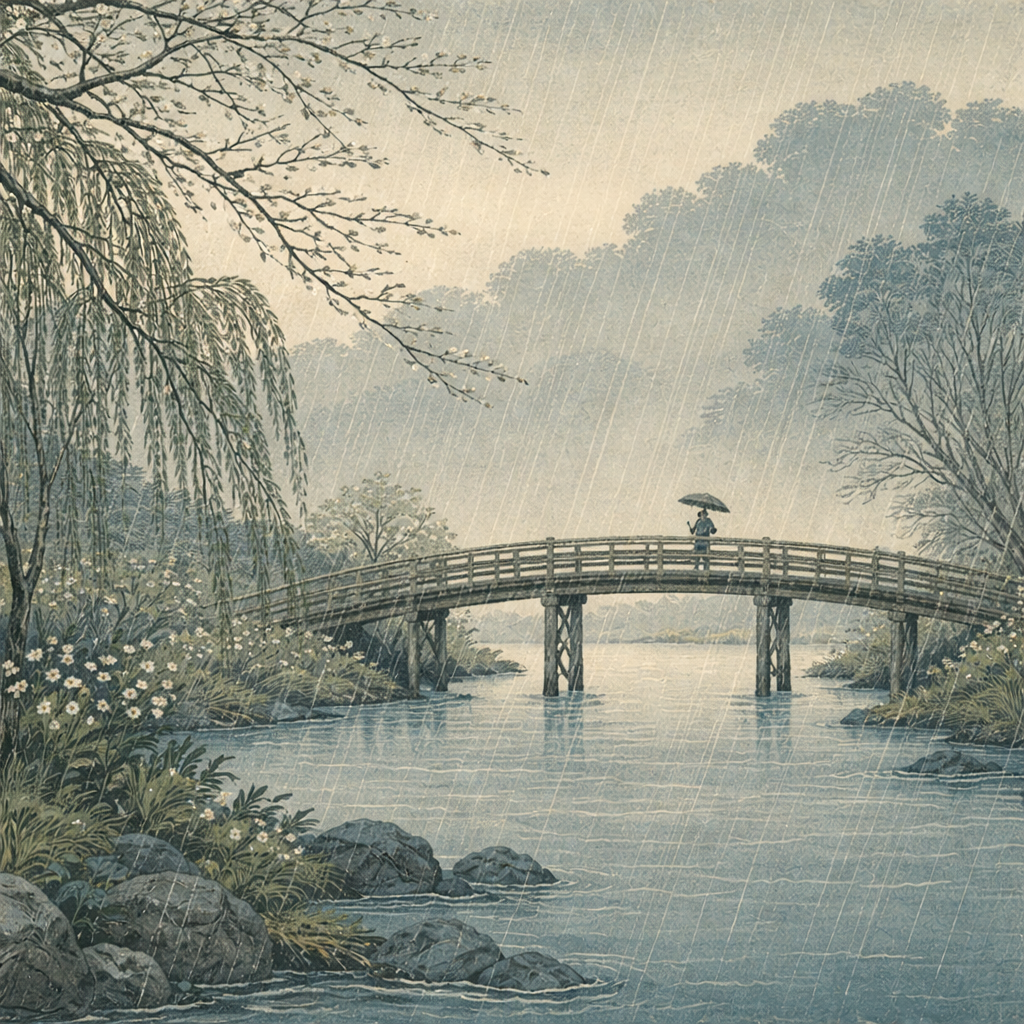
50 Spring Poetry Writing Prompts for Teens: Titles, Images, Forms, Voice & Technique
Spring poetry invites writers to slow down and look more closely — not just at nature, but at how change is represented through image, style, and mood. From quiet moments of emergence to unsettled transitions, spring offers rich material for thoughtful, craft-focused poetry. This collection of 50 spring poetry writing prompts for teens draws on a range of visual styles, symbolic imagery, and poetic techniques. Designed for older students, the prompts encourage ekphrastic responses, careful language choices, and exploration of form, voice, and meaning rather than surface description.
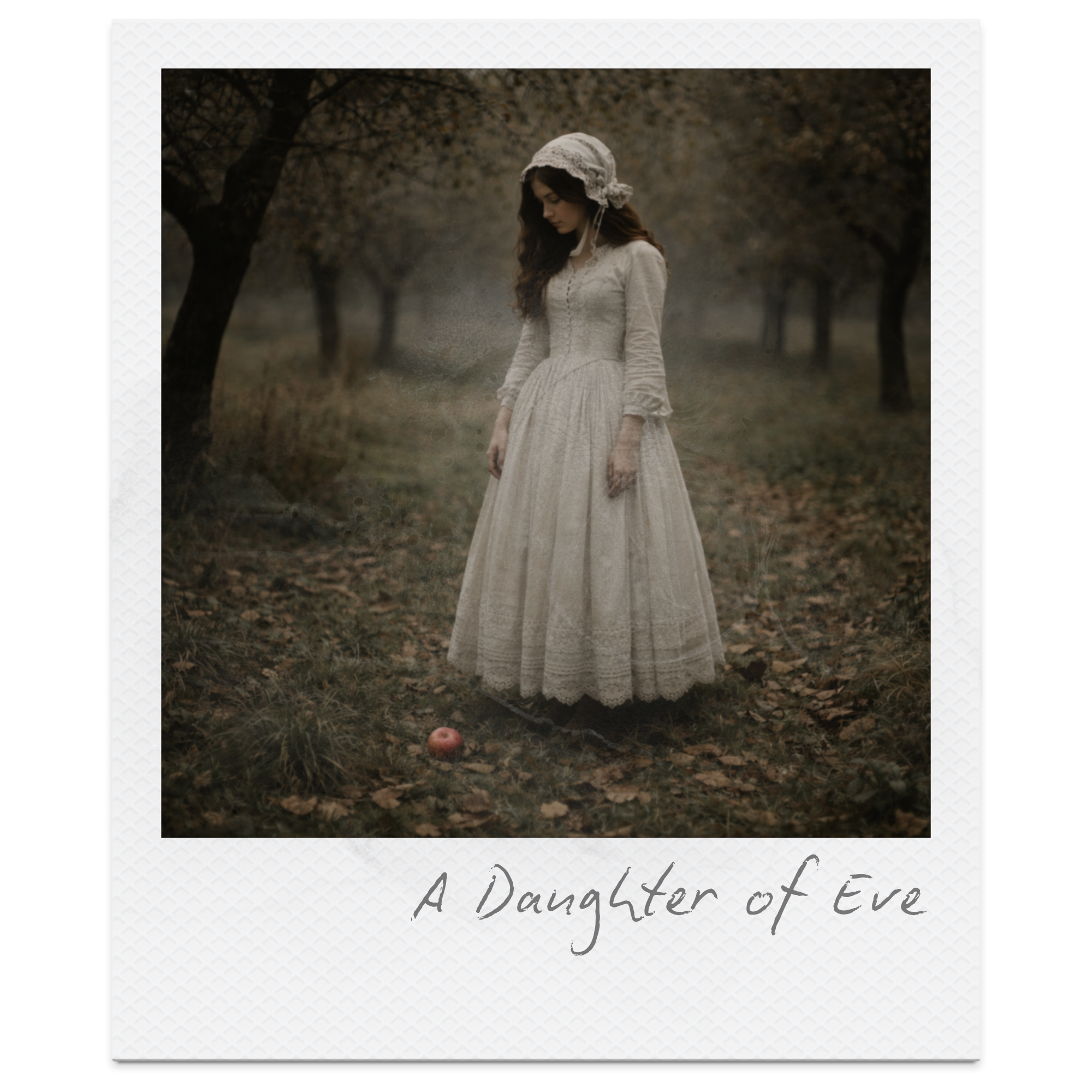
A Daughter of Eve by Christina Rossetti: Summary, Themes, Symbolism & Analysis
Christina Rossetti’s A Daughter of Eve explores regret, lost opportunity, and moral self-awareness through the voice of a speaker who realises too late the consequences of her past choices. Using powerful imagery of flowers, gardens, and seasonal change, the poem reflects on how moments of possibility can pass unnoticed until they are gone. This analysis examines the poem’s symbolism, structure, themes, and key quotations, exploring how Rossetti presents the painful recognition of missed chances and emotional loss. It also considers wider interpretations of the poem, including religious symbolism, psychological reflection, and Victorian ideas about responsibility and innocence.
10 Supernatural Gothic Poetry Prompts for Teens & Adults: Presence, Memory, and the Unseen
Supernatural gothic poetry explores the uneasy boundary between the living world and something just beyond it. Rather than relying on overt horror, these poems build atmosphere through suggestion — a voice heard in an empty room, a shadow that moves where it shouldn’t, or the quiet feeling that the past has not entirely disappeared. In many gothic poems, the supernatural is never fully explained, allowing memory, grief, and imagination to blur together. These supernatural gothic poetry prompts are designed to help writers explore atmosphere, symbolism, and emotional tension through carefully crafted imagery. Whether used in classrooms, writing groups, or independent practice, the prompts encourage poets to focus on mood, voice, and suggestion — capturing moments where something unseen lingers just beneath the surface.
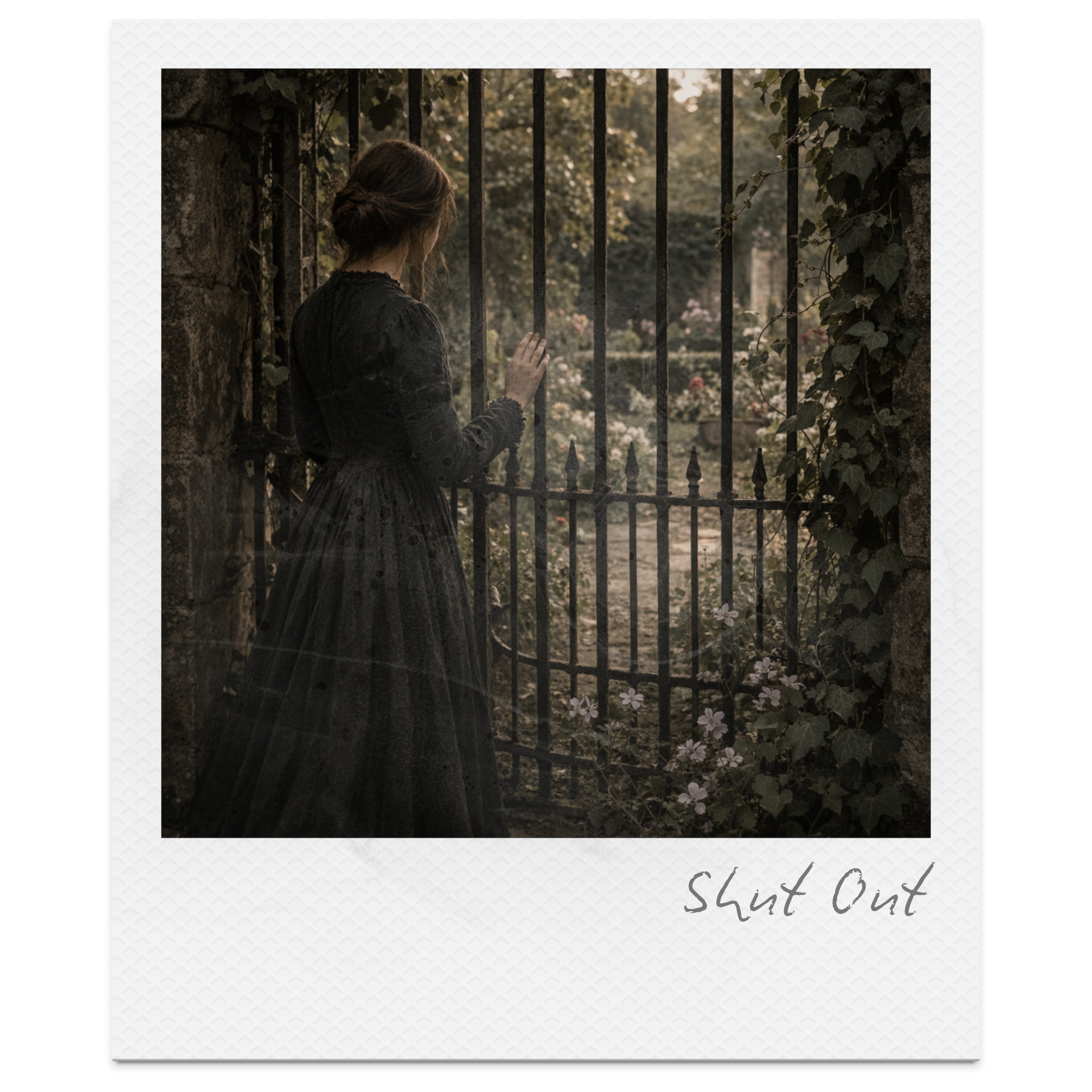
Shut Out by Christina Rossetti: Summary, Themes, Symbolism & Analysis
Shut Out explores the painful experience of being separated from something that once brought joy and belonging. The speaker stands outside a garden that was once their own, looking through iron bars at a place filled with flowers, birds, and life. As the poem unfolds, the speaker’s attempts to regain even the smallest connection to this lost space are denied, and the barrier between the speaker and the garden becomes permanent. Through the powerful symbolism of the closed garden, Rossetti reflects on themes of exclusion, loss of innocence, spiritual exile, and longing for the past. Even when new beauty appears nearby, it cannot replace what has been lost, revealing how memory can make the present world feel diminished in comparison to a cherished past.
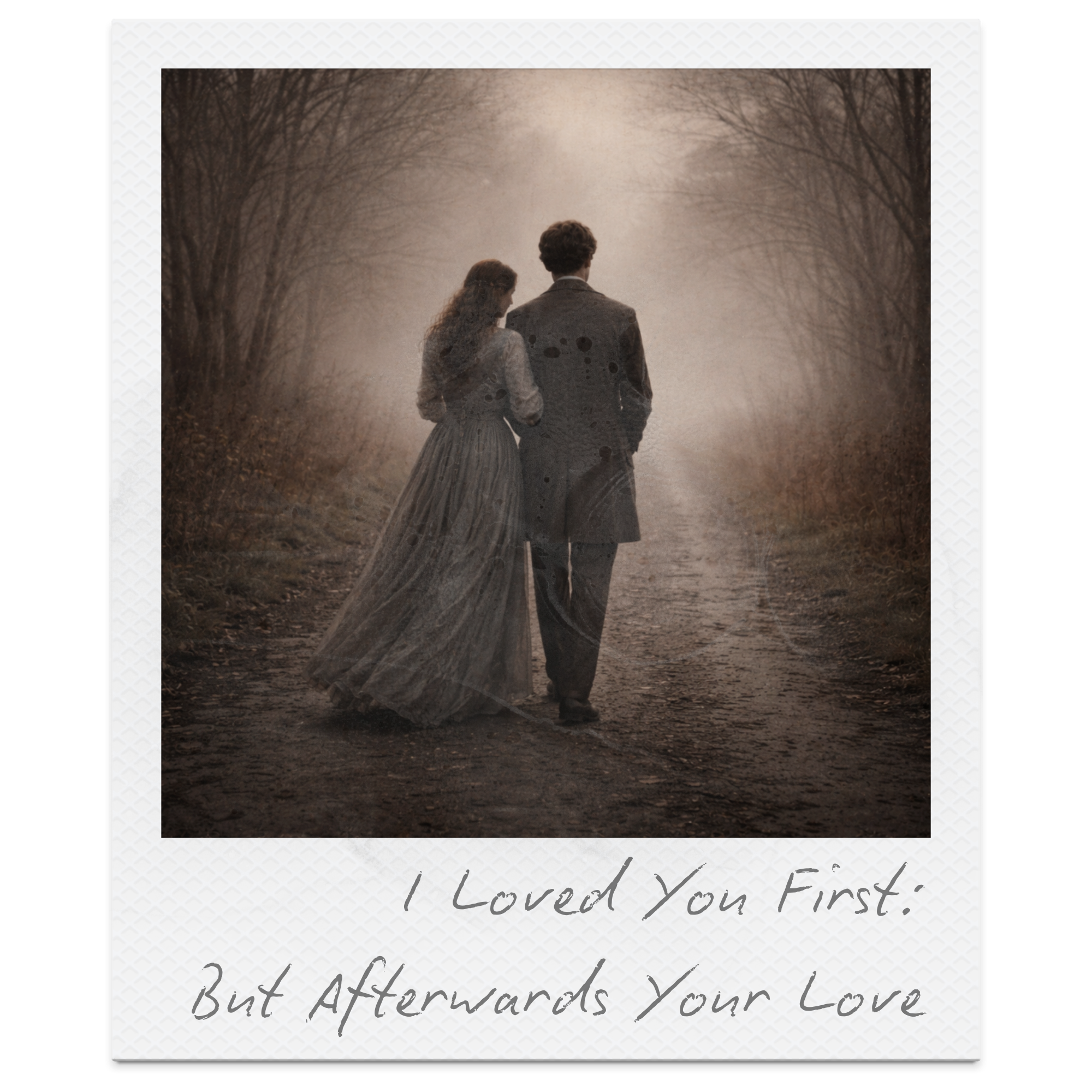
I Loved You First: But Afterwards Your Love by Christina Rossetti: Summary, Themes, Symbolism & Analysis
I Loved You First: But Afterwards Your Love explores the complex balance between two lovers as the speaker reflects on who loved first and whose devotion might be greater. What begins as a quiet claim of emotional precedence quickly becomes a deeper meditation on mutual love, emotional reciprocity, and the difficulty of measuring affection between two people. As the sonnet unfolds, the speaker gradually abandons the language of comparison and calculation. Instead, the poem moves toward a philosophical conclusion: genuine love dissolves the boundaries between individuals, replacing ideas of “mine” and “thine” with a shared emotional identity in which both lovers participate equally.
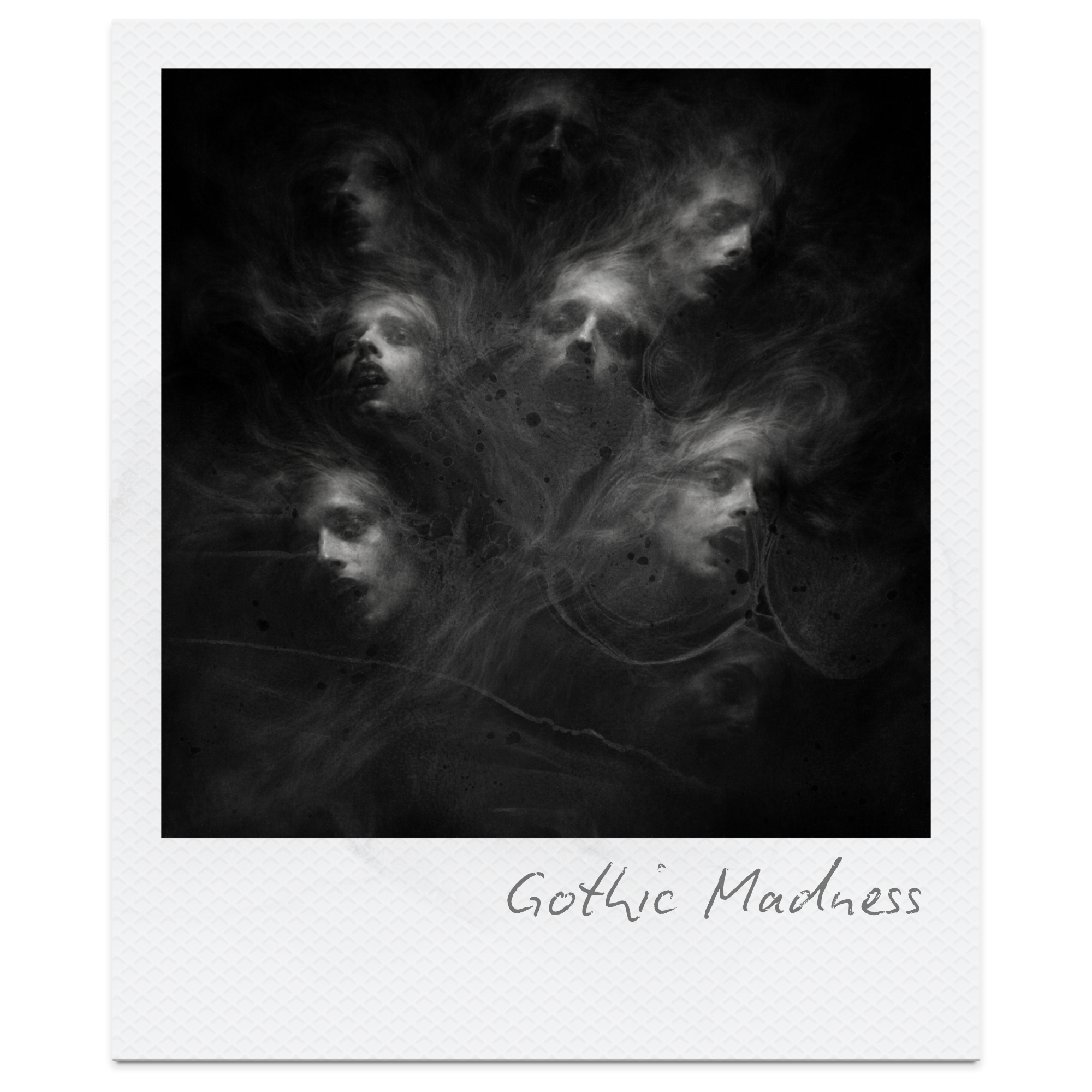
70 Gothic Madness Writing Prompts: Unreliable Minds, Haunted Thoughts & Story Starters
Madness has long been one of the most compelling themes in gothic fiction, where the line between reason and obsession is often disturbingly fragile. Many gothic narratives explore characters who slowly lose trust in their memories, perceptions, or sense of self, creating stories where the greatest danger may come from the mind itself rather than any external monster. These gothic madness writing prompts explore psychological tension, unreliable narrators, and distorted reality through atmosphere-driven storytelling. Drawing on classic psychological gothic elements such as isolation, paranoia, and the slow erosion of certainty, the prompts encourage writers to experiment with ambiguity, perception, and the unsettling possibility that truth may never be fully understood.
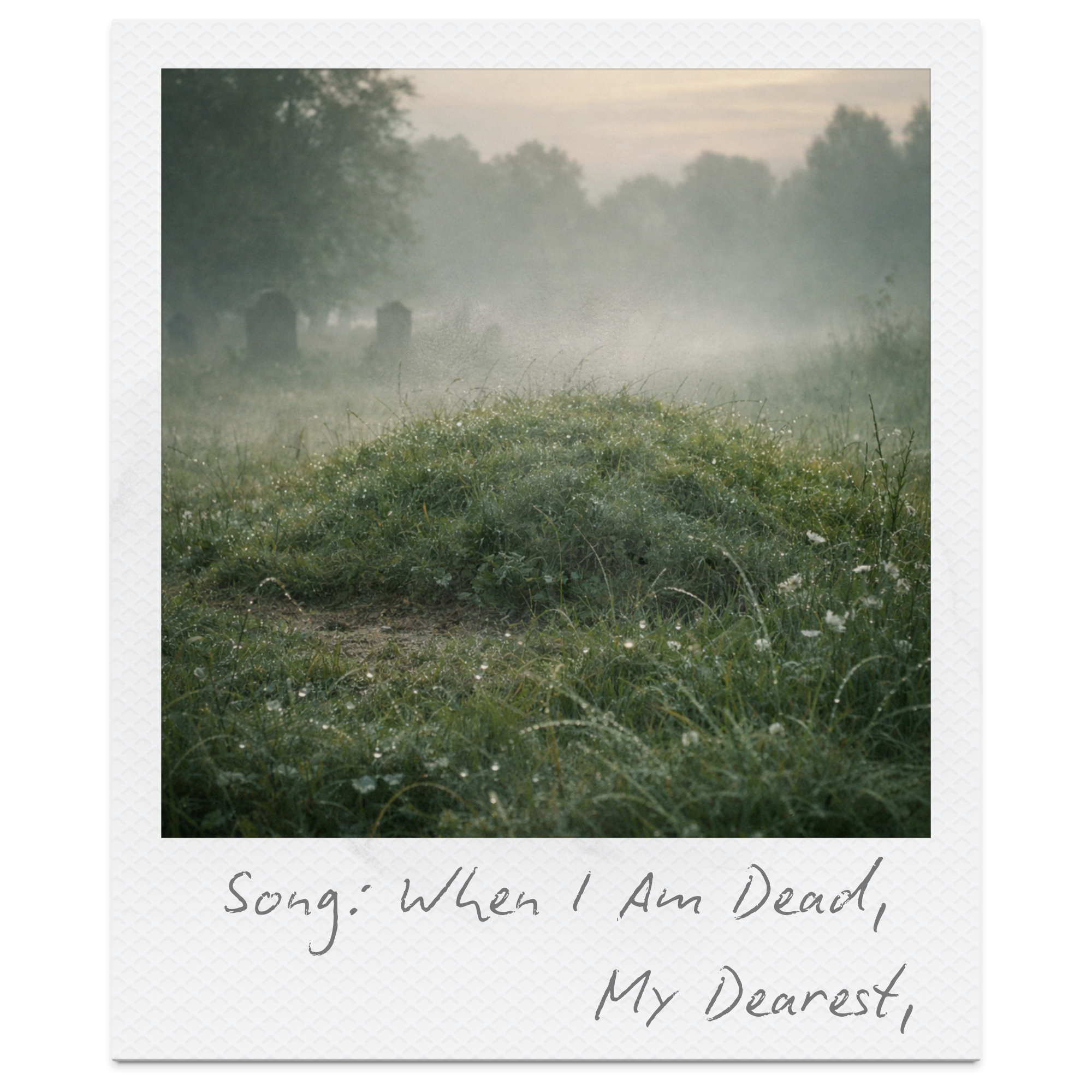
Song: When I Am Dead, My Dearest by Christina Rossetti: Meaning, Themes & Analysis
This guide offers a clear analysis of Song: When I Am Dead, My Dearest by Christina Rossetti, exploring the poem’s themes, structure, imagery, and tone. The article provides a detailed summary alongside stanza-by-stanza analysis, helping readers understand how Rossetti presents death with calm acceptance while questioning the importance of remembrance. You’ll also find explanations of key quotations, literary techniques, and alternative interpretations of the poem, making this guide useful for GCSE and A Level literature study. The analysis explores Rossetti’s ideas about memory, emotional detachment, and the limits of mourning, while linking the poem to wider themes in her poetry.
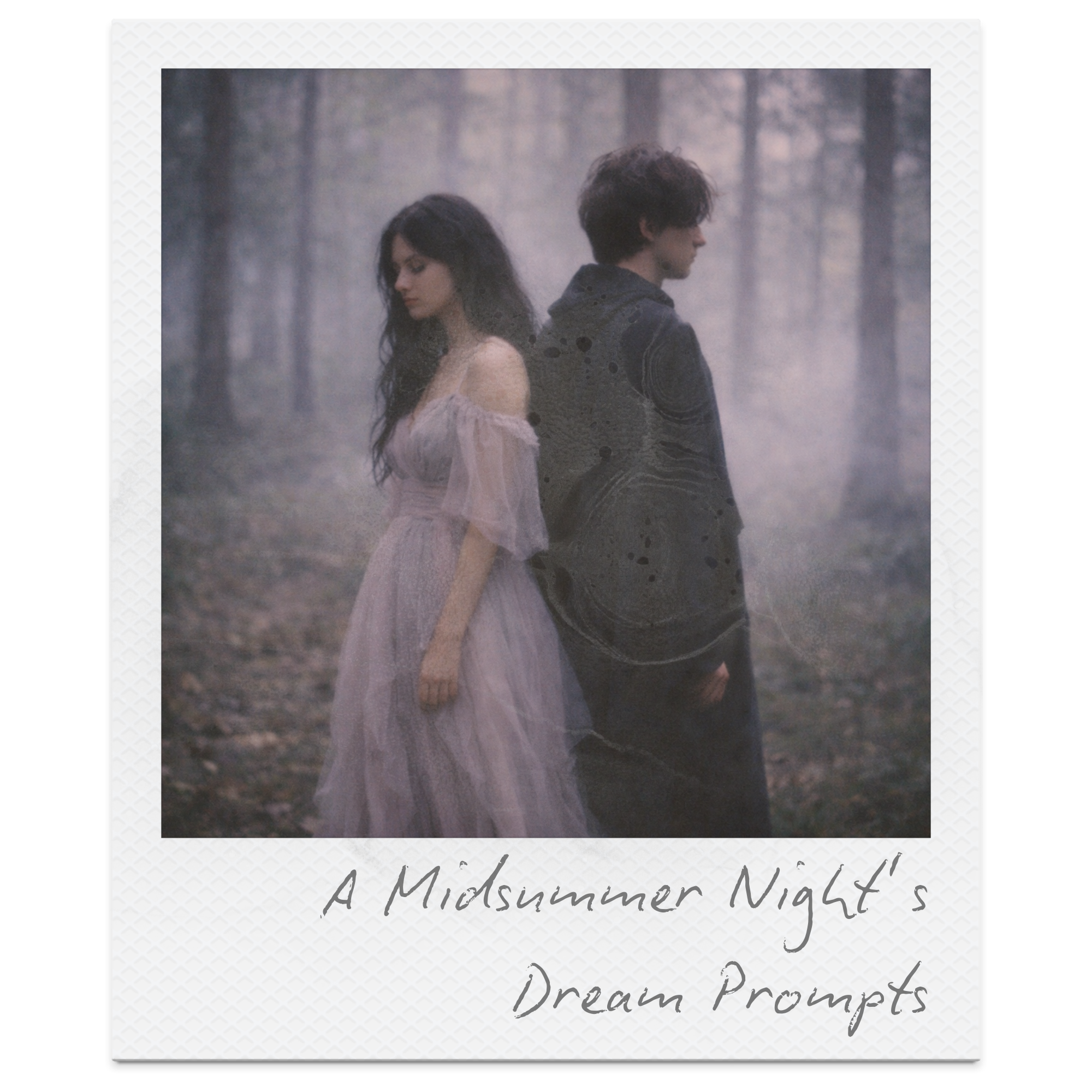
70 Creative Writing Prompts Inspired by A Midsummer Night’s Dream: Plot Hooks, Opening Lines, Characters & Visual Ideas
William Shakespeare’s A Midsummer Night’s Dream is a story where ordinary rules collapse under the influence of magic, imagination, and emotional confusion. Set between the ordered world of the city and the unpredictable freedom of the forest, the play explores how love, identity, and misunderstanding can shift when people step into unfamiliar spaces. Its mixture of enchantment, comedy, and transformation makes it an ideal starting point for creative writing. This collection of 70 creative writing prompts inspired by A Midsummer Night’s Dream invites young writers to explore enchanted forests, mischievous magic, mistaken identity, and dreamlike settings through original stories and poetry. Designed for classroom use, writing clubs, and independent practice, the prompts encourage students to experiment with atmosphere, character perspective, and imaginative storytelling while drawing inspiration from Shakespeare’s playful and magical world.
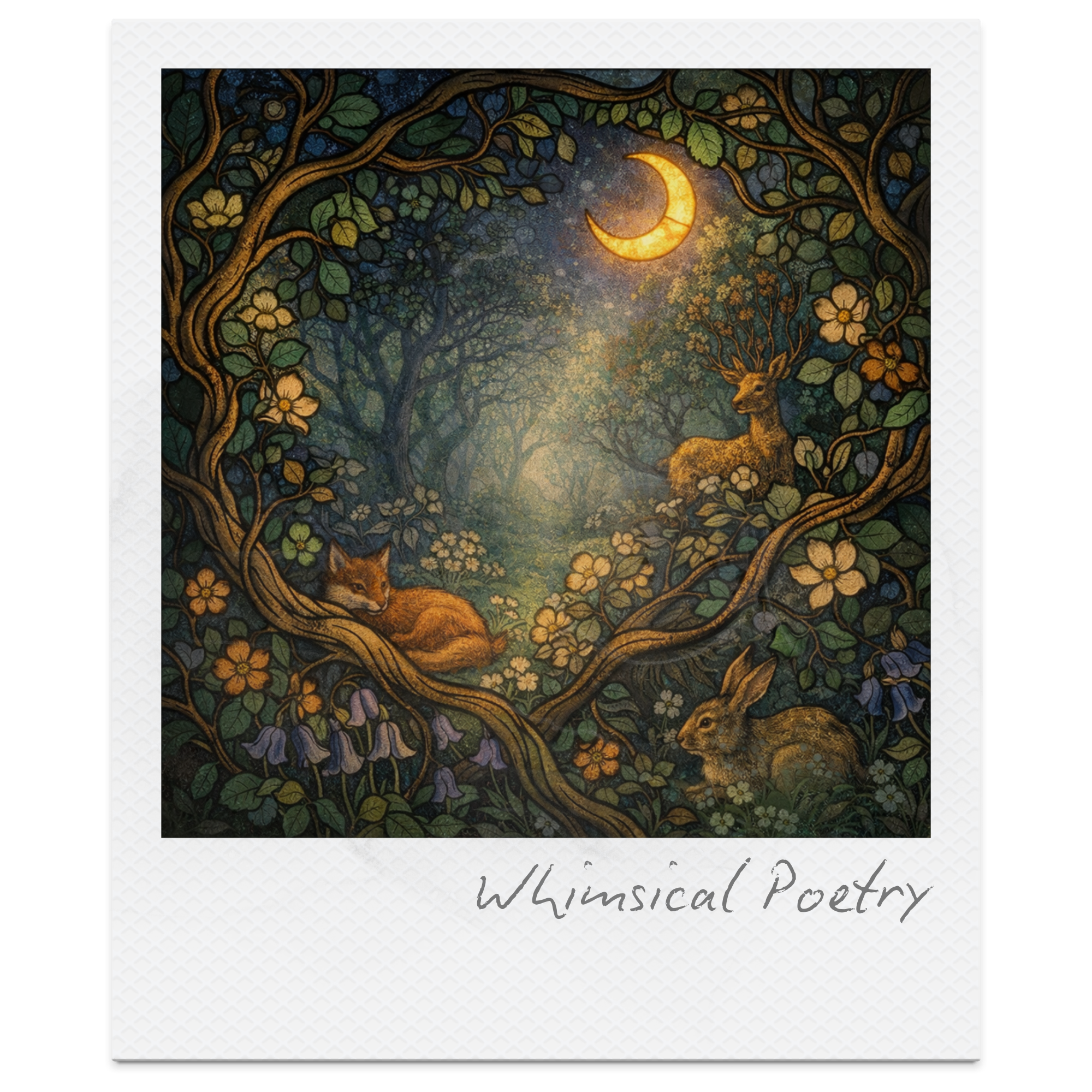
10 Whimsical Poetry Prompts for Teens & Adults: Imagination, Lightness, and Wonder
Whimsical poetry prompts invite writers to explore imagination, curiosity, and playful perspective through carefully crafted imagery and voice. Rather than relying on nonsense or randomness, whimsical poetry transforms ordinary moments into surprising possibilities — giving voice to objects, bending the rules of nature, or observing the world from unexpected angles. These 10 whimsical poetry prompts for teens and adults are designed for classrooms, creative writing practice, and independent writers. Each prompt focuses on craft techniques such as personification, imaginative metaphor, narrative voice, and gentle absurdity, helping writers develop imaginative poems that remain clear, thoughtful, and controlled.
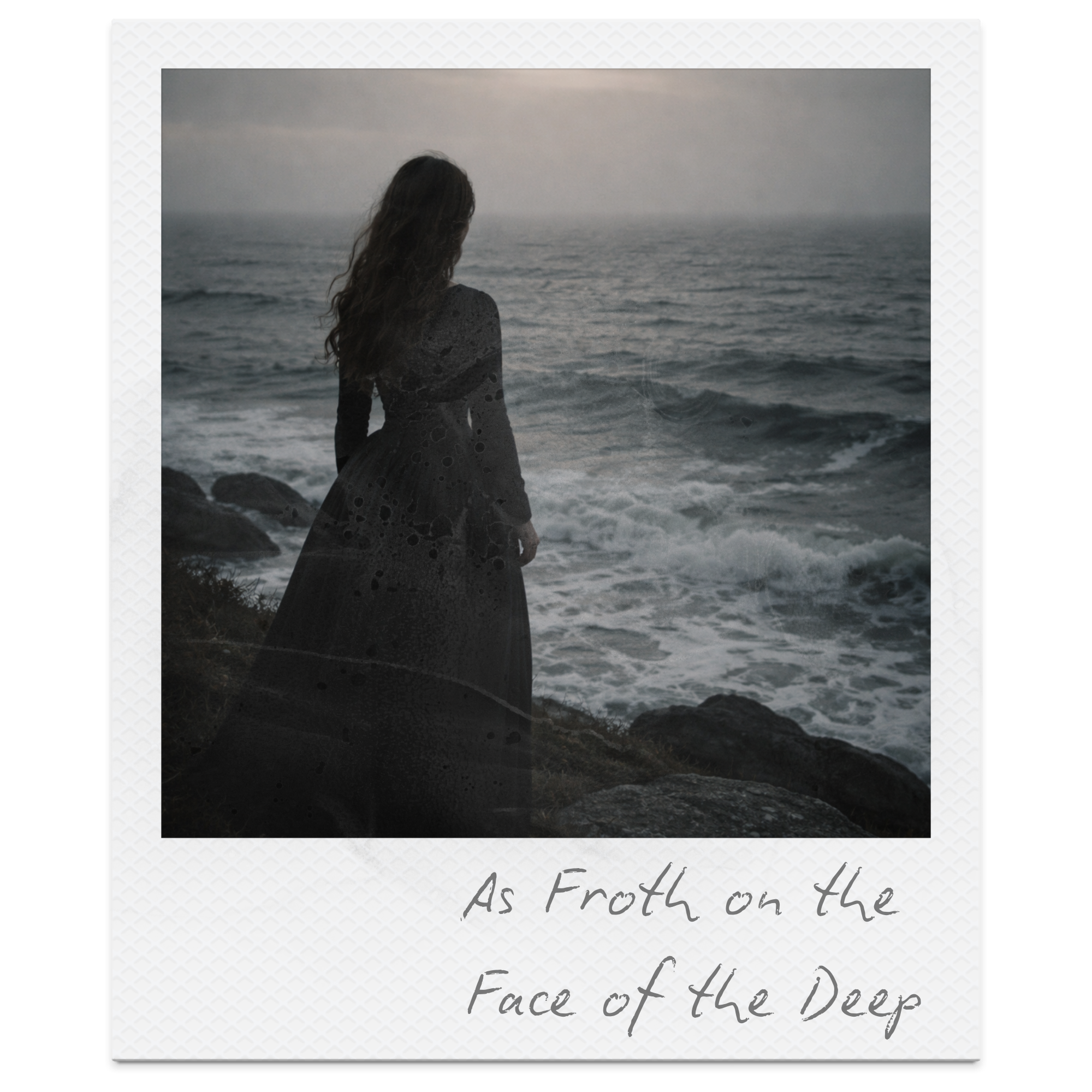
As Froth on the Face of the Deep by Christina Rossetti: Summary, Themes, Symbolism & Analysis
Christina Rossetti’s As Froth on the Face of the Deep is a reflective poem that explores the fragility and brevity of human life. Through the striking metaphor of foam appearing briefly on the surface of the ocean, the poem presents existence as something temporary and delicate when compared with the vast forces of nature. This analysis examines the poem’s imagery, symbolism, structure, and themes, exploring how Rossetti uses simple natural comparisons to reflect on mortality, impermanence, and spiritual perspective. The poem invites readers to consider the fleeting nature of human existence and the wider philosophical questions that arise from recognising life’s limited span.
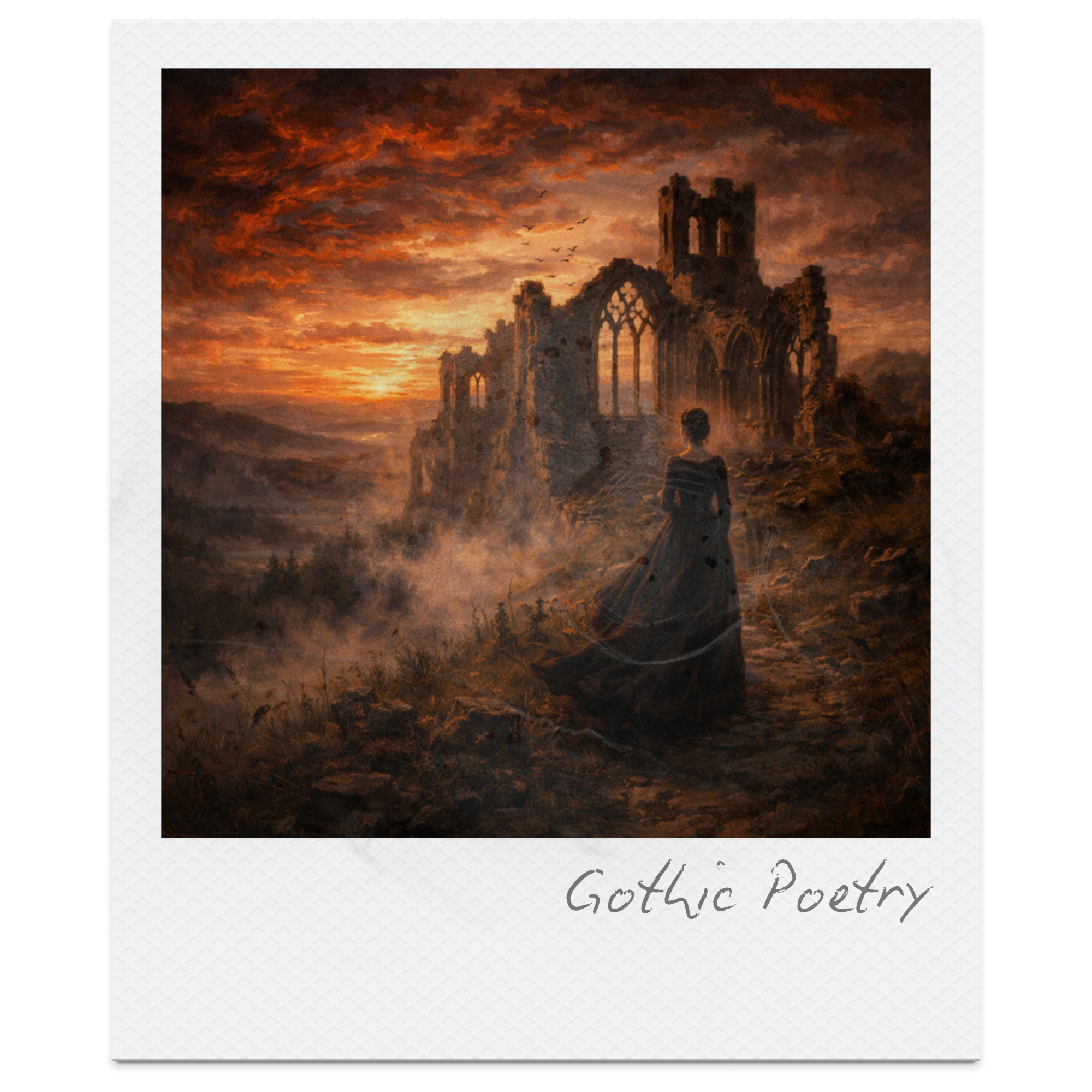
10 Gothic Poetry Prompts for Teens & Adults: Atmosphere, Obsession, and the Unseen
Gothic poetry explores atmosphere, memory, obsession, and the uneasy boundary between beauty and decay. Rather than relying on dramatic horror, many gothic poems build tension through symbolism, landscape, emotional restraint, and suggestion, allowing meaning to emerge slowly through image and voice. This collection of gothic poetry prompts for teens and adults encourages writers to experiment with mood, setting, and ambiguity while developing confidence in poetic craft. Each prompt includes a title, opening line, and craft focus designed to support creative writing in classrooms, writing groups, and independent practice. Whether you’re teaching gothic literature, exploring dark poetry themes, or looking for atmospheric poetry prompts, these ideas help writers move beyond the blank page and begin with imagery, atmosphere, and emotional depth.