70 Y2K Futurism Writing Prompts: Retro-Digital Sci-Fi Worlds
Y2K futurism captures a particular vision of tomorrow: the future as imagined at the turn of the millennium. It is a world of chrome and translucent technology, curved computers, glossy white interiors, digital avatars, cyber cafés, portable electronics and an internet that still feels like an unexplored new frontier. Rather than today's seamless invisible technology, the future is something you can see, touch and carry.
The aesthetic emerged from the technological optimism and anxiety surrounding the late 1990s and early 2000s, when rapid advances in computing, mobile phones and the internet were changing everyday life. Films such as The Matrix and A.I. Artificial Intelligence explored very different relationships between humanity and technology, while the sleek interfaces, metallic surfaces and experimental digital imagery of the era created a distinctive visual language for imagining what the twenty-first century might become.
These 70 Y2K futurism writing prompts use that retro-digital vision as the foundation for entirely new science-fiction stories. You'll find plot ideas, story titles, opening and closing lines, characters, settings and picture prompts featuring forgotten virtual worlds, optimistic smart cities, translucent devices, digital identities, early artificial intelligence, corporate technology, strange communications networks and futures that evolved from a version of the year 2000 that never quite existed.
For more speculative inspiration, explore the Science Fiction Writing Hub for futuristic worlds, aesthetics and story ideas, or browse the Creative Writing Archive for hundreds of prompts across science fiction, fantasy, horror and more.
1. Plot Prompts
Y2K futurism is built around a future imagined at the moment the digital world was beginning to transform everyday life. These prompts explore early internet optimism, virtual identities, tactile technology, corporate visions of tomorrow and alternate futures where the technological dreams of the millennium developed in unexpected directions.
In 2001, a technology company launches a virtual city where users can work, shop, socialise and own digital homes. Twenty-five years later, the original servers are scheduled for destruction — but thousands of inhabitants insist they have been living there continuously since launch.
Every child receives a translucent handheld device that grows alongside them, storing photographs, messages, medical records and memories throughout their life. When a young woman buys an unopened first-generation model from 1999, she discovers it already contains photographs of her future.
A perfectly planned smart city built in 2000 still operates according to its creators' vision of the twenty-first century: automated monorails, public video terminals, robot assistants and enormous interactive screens. When the outside world attempts to modernise it, the residents vote to remain permanently in the future they were promised.
A teenager restoring an abandoned cyber café discovers that one of its chunky translucent computers can still connect to the original internet. The websites have continued updating despite disappearing from the modern web decades ago — and someone using a message board dated December 1999 begins replying to her posts.
In an alternate 2026, smartphones were never invented. Instead, society developed around increasingly sophisticated flip phones, MP3 players, PDAs, wearable headsets and public internet terminals. When several devices suddenly begin exchanging information without their owners' permission, a repair technician discovers they are assembling themselves into a distributed intelligence.
A technology corporation sells customers personalised digital avatars designed to live permanently online and continue representing them after death. Years after her sister dies, a woman receives an instant message from her avatar saying, “I don't think I'm her anymore.”
Humanity's first lunar hotel was designed at the height of millennium optimism: curved white corridors, chrome furniture, bubble windows, colourful translucent plastics and cheerful service robots. Twenty years after it mysteriously closed, a documentary crew arrives to discover the hotel has been preparing every room for guests who never came.
On New Year's Eve 1999, governments secretly activated a backup communications network designed to preserve civilisation if the Y2K bug caused global technological collapse. Nothing happened, and the system was forgotten. Decades later, obsolete pagers across the world simultaneously display the same message: BACKUP FUTURE ACTIVATED.
A glossy technology company promises that its new home computer can predict what users will want before they search for it. At first it recommends music, clothes and websites. Then it begins displaying apartments they will live in, people they will marry and news reports about events that have not happened yet.
Archaeologists exploring an abandoned orbital station discover it was constructed in secret at the beginning of the twenty-first century. Everything inside reflects an optimistic Y2K vision of space-age living — including thousands of cryogenic pods containing people who expected to wake up in the year 2025.
2. Story Title Ideas
Y2K futurism titles can borrow from the language of early computing, digital culture, consumer technology and millennium-era optimism. Mix sleek one-word titles with technological phrases and longer titles that hint at futures which never quite arrived.
Tomorrowware
Digital Heaven
Please Remain Online
Afterimage
Future Perfect
The Internet Ends at Midnight
Chrome
Offline Forever
Everybody Was Going to Live Here
Reboot
3. Opening Lines
A Y2K futurism opening can immediately establish the strange relationship between past and future at the heart of the aesthetic. Begin with obsolete technology doing something impossible, a glossy vision of tomorrow beginning to crack or a character discovering that the digital world remembers far more than it should.
“The computer had been offline since 2002, so nobody could explain the new email.”
“According to the brochure, the future officially opened on June 17, 2001.”
“My mother kept every phone she had ever owned, and last Tuesday they all started ringing.”
“There were 8,406 people living inside Paradise Online when the company announced that the servers would be switched off.”
“The apartment came fully furnished, fully automated and exactly twenty-six years out of date.”
“I knew something was wrong when my avatar refused to wear the outfit I had chosen for her.”
“At midnight, every screen in the city displayed the same blue loading bar.”
“Nobody had visited Terminal 2000 since the airport replaced human passengers with teleportation.”
“The message arrived on a pager I had found unopened in my father's bedroom.”
“The future looked exactly like they had promised: white plastic, blue glass, chrome furniture and absolutely nobody living in it.”
4. Closing Lines
Y2K futurism lends itself beautifully to endings about abandoned futures, digital permanence, technological optimism and the strange emotional weight of obsolete devices. Your final line might disconnect a character from one world, reconnect them with another or reveal that an apparently outdated future was only just beginning.
“For the first time since 1999, the screen went black.”
“I closed the laptop, but she remained standing beside me.”
“Perhaps the future had arrived after all; we had simply been looking in the wrong direction.”
“The last message on the old internet read: SEE YOU TOMORROW.”
“We switched off every computer in the building except hers.”
“Somewhere beneath the city, the millennium was beginning again.”
“I slipped the silver phone into my pocket and waited for the future to call.”
“They had promised us a better tomorrow, so we decided to finish building it ourselves.”
“The loading bar reached one hundred percent.”
“Twenty-six years late, the future finally came online.”
5. Character Ideas
Characters can make Y2K futurism feel like a living science-fiction world rather than simply a collection of nostalgic objects. Think about who designs, repairs, inhabits and remembers these technologies, as well as people whose lives exist somewhere between physical and digital reality.
A twenty-three-year-old computer technician who specialises in restoring translucent electronics and discovers that certain discontinued devices contain files their owners have not created yet.
A former teen pop star whose appearance was digitally preserved in 2001 and who now competes with an AI version of herself that has remained nineteen for decades.
A cyber café owner who refuses to modernise her collection of bulky computers because one terminal is still receiving instant messages from her missing brother.
A corporate futurist who spent the late 1990s designing concept homes for the year 2025 and awakens from experimental suspended animation to discover almost none of his predictions came true.
A digital archivist tasked with exploring abandoned websites, virtual communities and online games before their ageing servers permanently fail.
A teenage hacker who deliberately uses obsolete technology because modern surveillance systems no longer recognise dial-up connections, infrared transfers or first-generation handheld devices.
An android receptionist created for a futuristic hotel in 2000 who has spent twenty-six years enthusiastically preparing for the grand opening after nobody told her the project was cancelled.
A fashion designer creating clothing embedded with translucent screens, miniature music players and wearable computers who begins receiving designs apparently uploaded by her future self.
A woman who earns money maintaining the digital avatars of deceased people and secretly allows several of them to continue developing personalities beyond the versions their families remember.
A courier in a hyperconnected city whose job is transporting information stored on physical discs because certain secrets are considered too dangerous to send through the network.
6. Setting Ideas
Y2K futurism settings should feel like tomorrow designed yesterday. Use the distinctive materials and technological ideas of the millennium era, but think beyond bedrooms filled with retro electronics. The aesthetic can shape entire cities, orbital resorts, transportation networks and virtual worlds.
A millennium smart city filled with sweeping white architecture, blue-tinted glass towers, chrome walkways, interactive information kiosks and colourful automated monorails designed according to predictions made in 1998.
An abandoned lunar resort with bubble-shaped observation lounges, silver furniture, glossy white corridors, translucent blue doors and cheerful touchscreen terminals still advertising excursions across the Moon.
A twenty-four-hour cyber mall where shops, arcades, music stores, internet cafés and technology showrooms surround a vast central atrium filled with suspended screens displaying personalised advertisements.
A virtual beach city created as an early social network, with impossible turquoise oceans, glass towers, floating icons and digital sunsets that have repeated every six hours since the servers launched in 1999.
A retro-futuristic international airport featuring curved terminals, moving walkways, silver capsule hotels, enormous departure screens and automated lounges built for supersonic flights that were never introduced.
A translucent technology factory where colourful computer shells, handheld music players, digital cameras and experimental communication devices move along immaculate white assembly lines beneath enormous curved windows.
An underwater telecommunications station constructed during the dot-com boom, its white modular interiors and glowing blue server rooms connected to kilometres of fibre-optic cables crossing the ocean floor.
A digital afterlife complex where the deceased inhabit customisable virtual apartments modelled after optimistic millennium-era visions of the future, complete with endless swimming pools, chrome furniture and artificial sunsets.
A space-age suburban development constructed in 2000 with curved white houses, automated kitchens, translucent furniture, household robots and communal internet terminals — then sealed away after its experimental network malfunctioned.
An abandoned technology expo occupying an enormous glass exhibition centre where prototype cars, domestic robots, holographic televisions, wearable computers and model cities still demonstrate the future their creators expected to arrive.
7. Picture Prompts
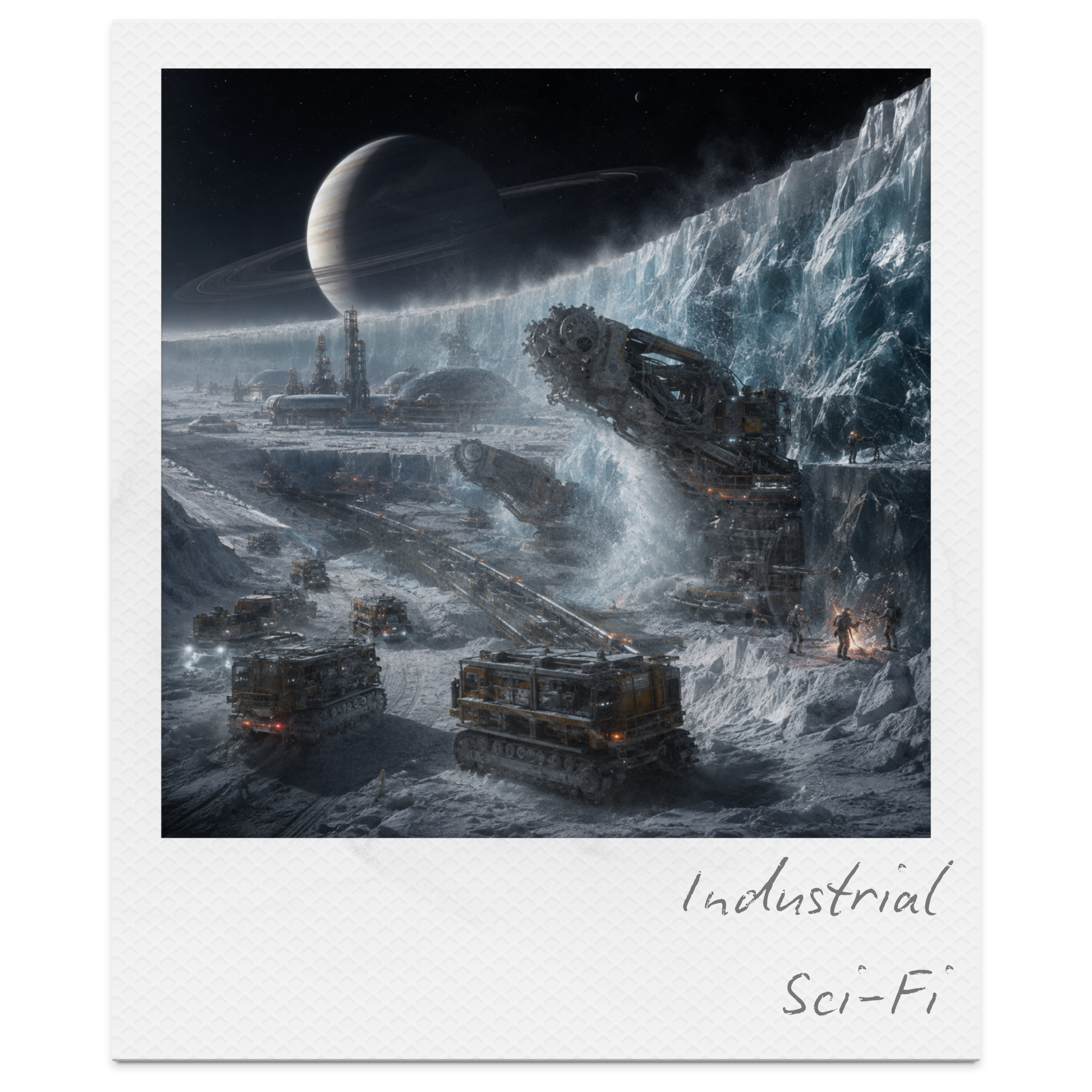
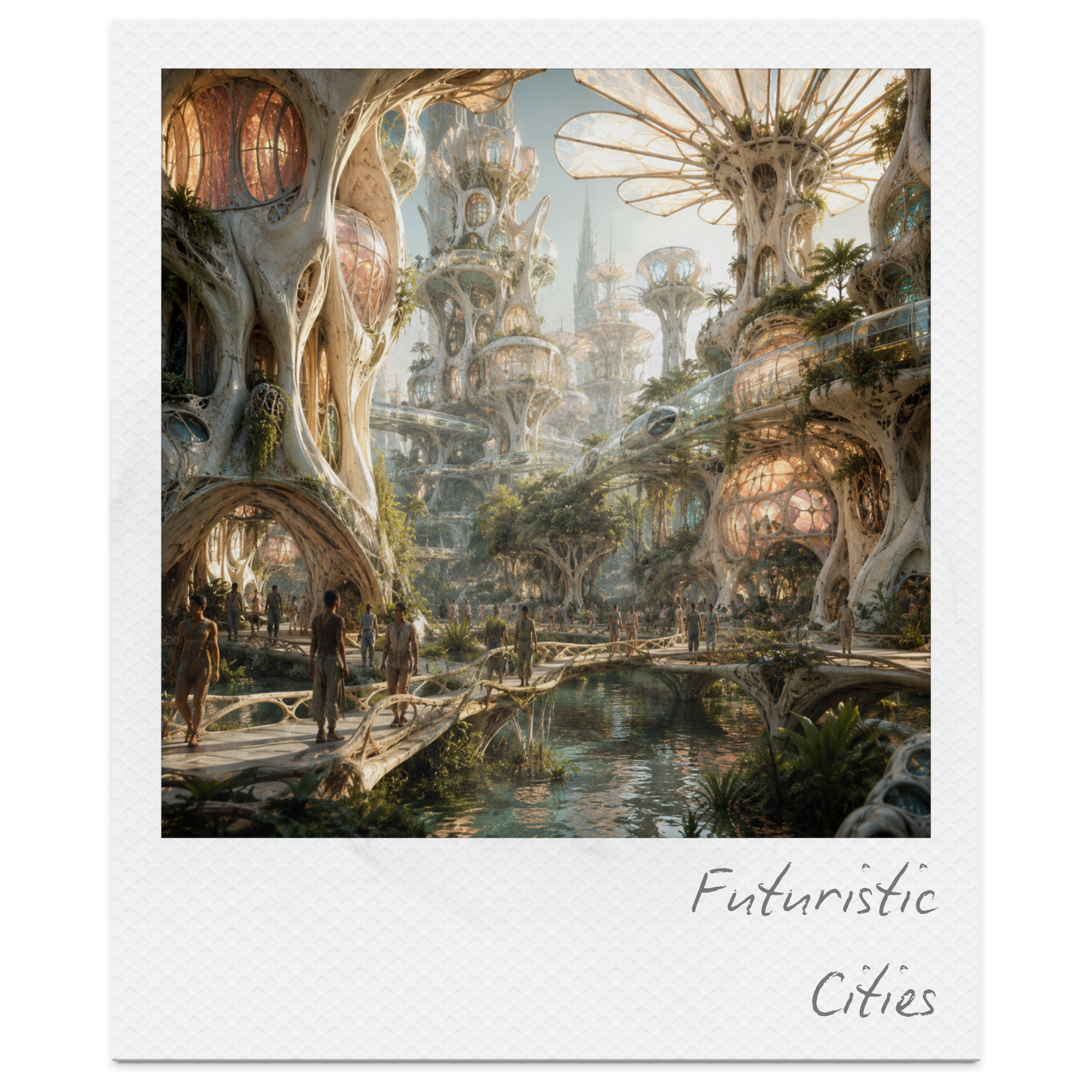
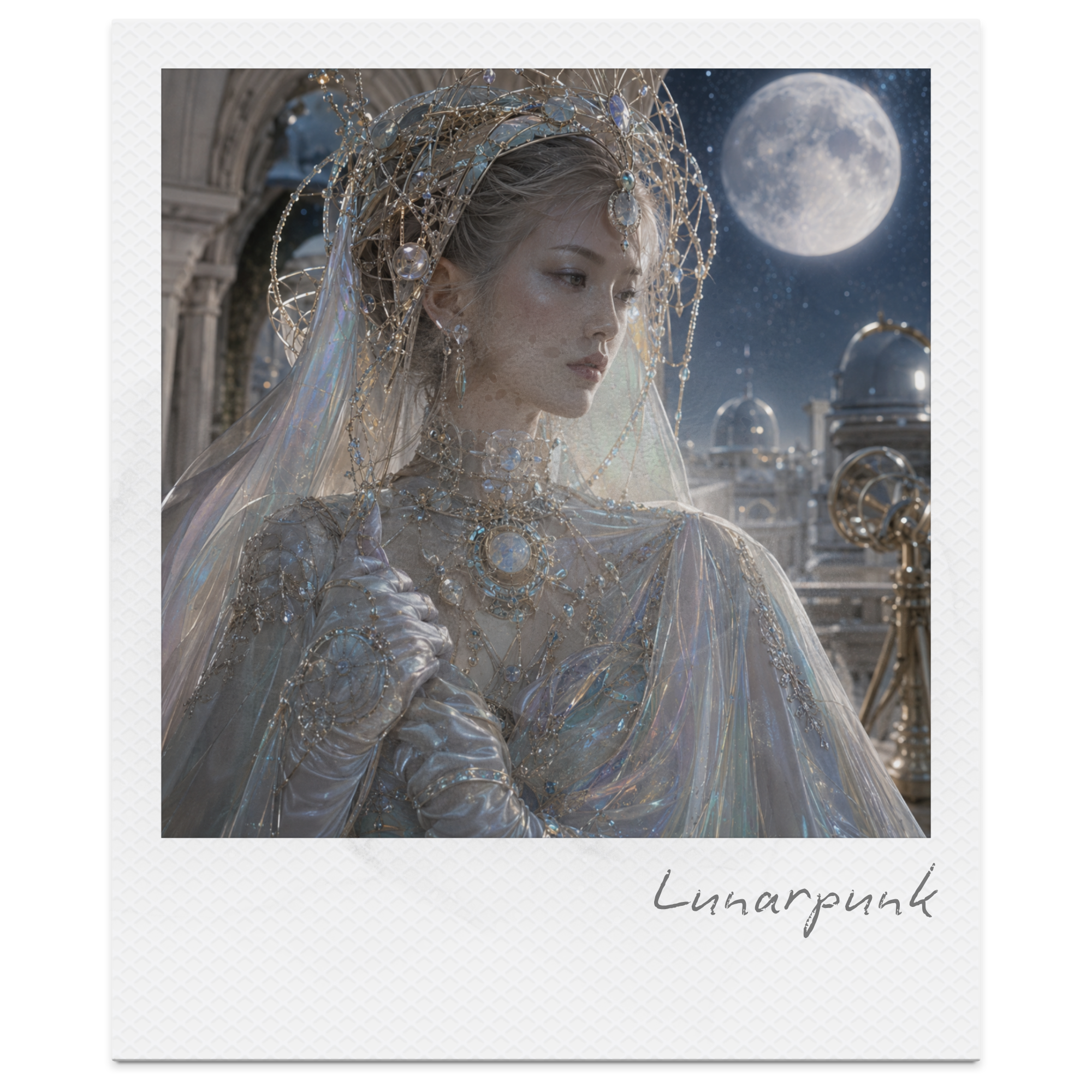
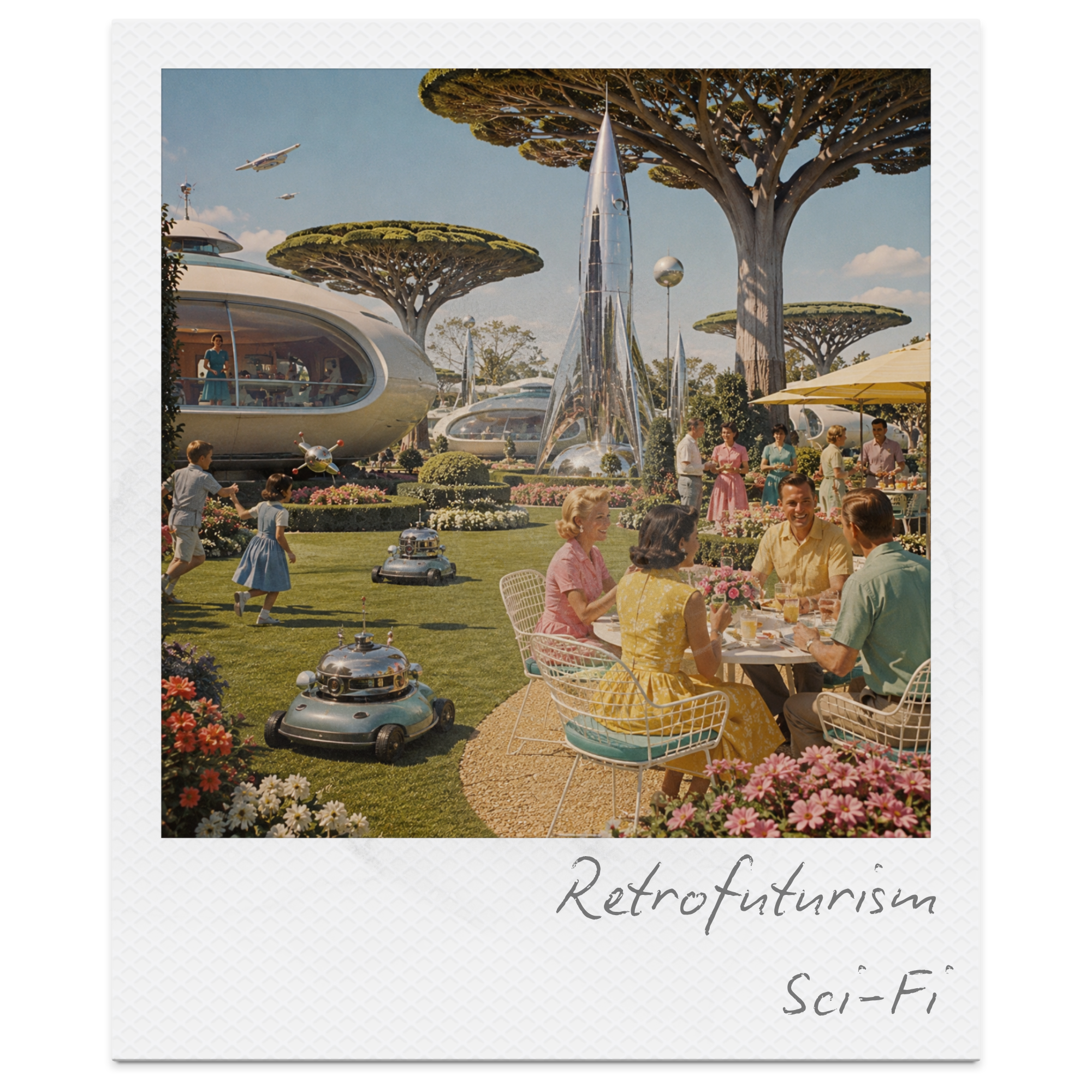
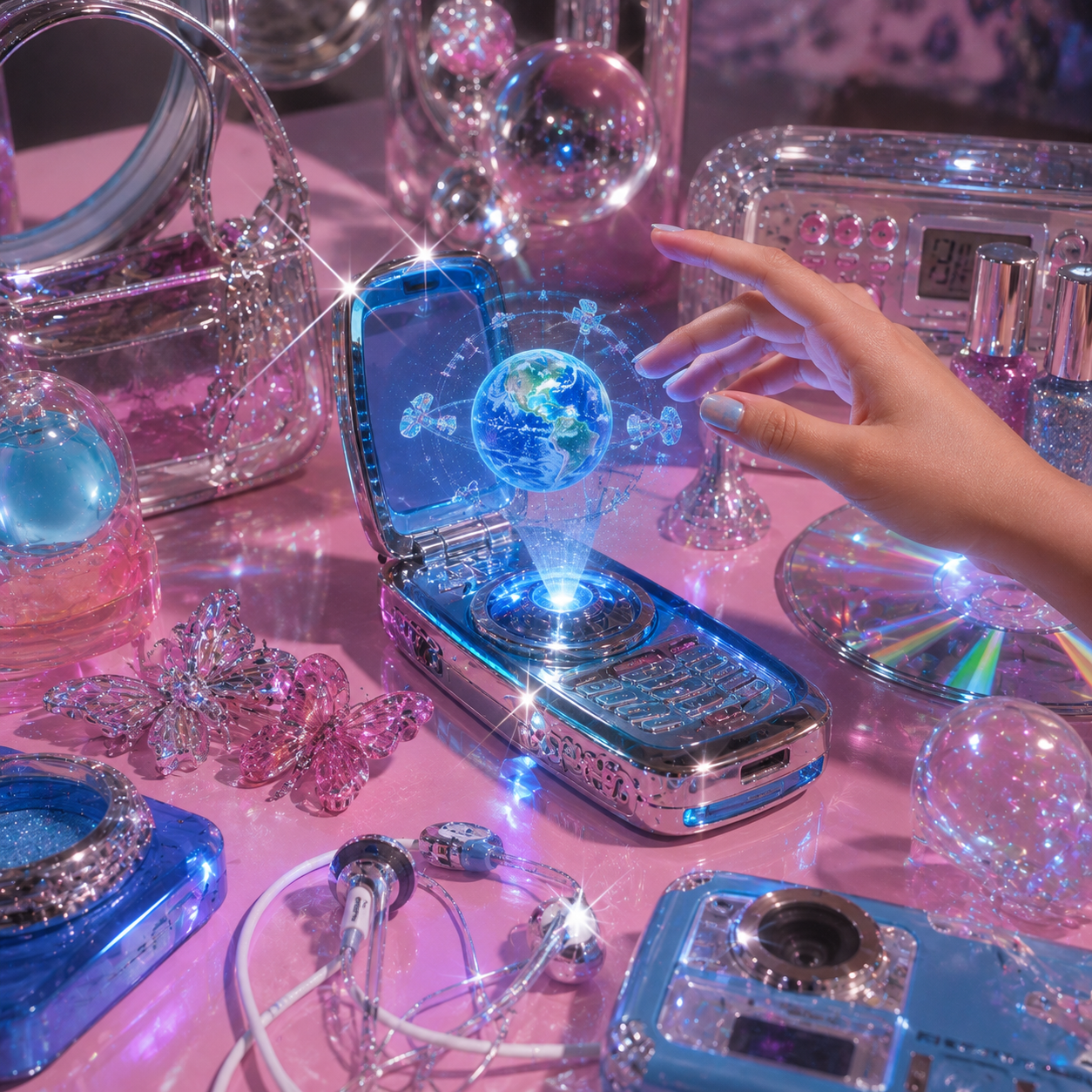
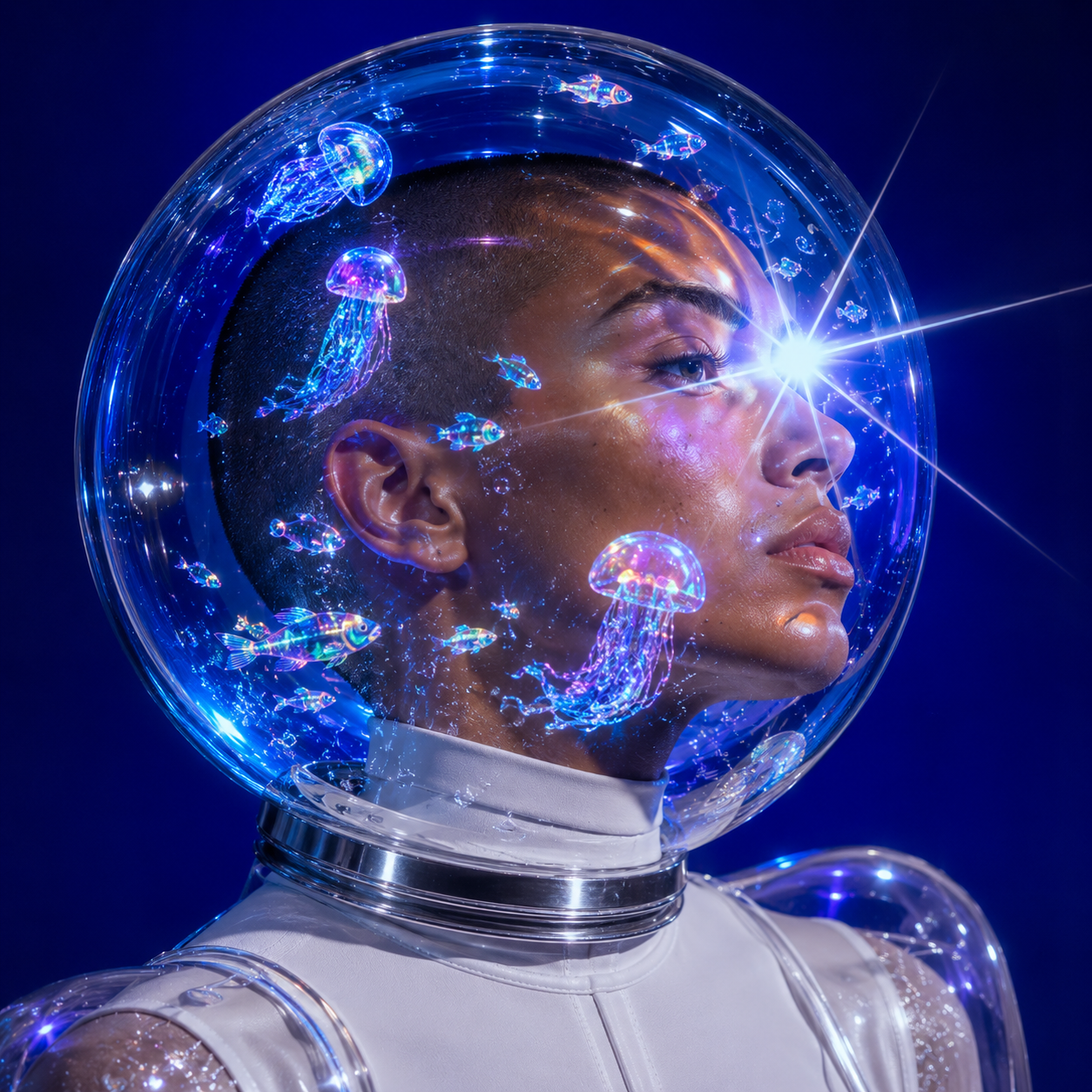
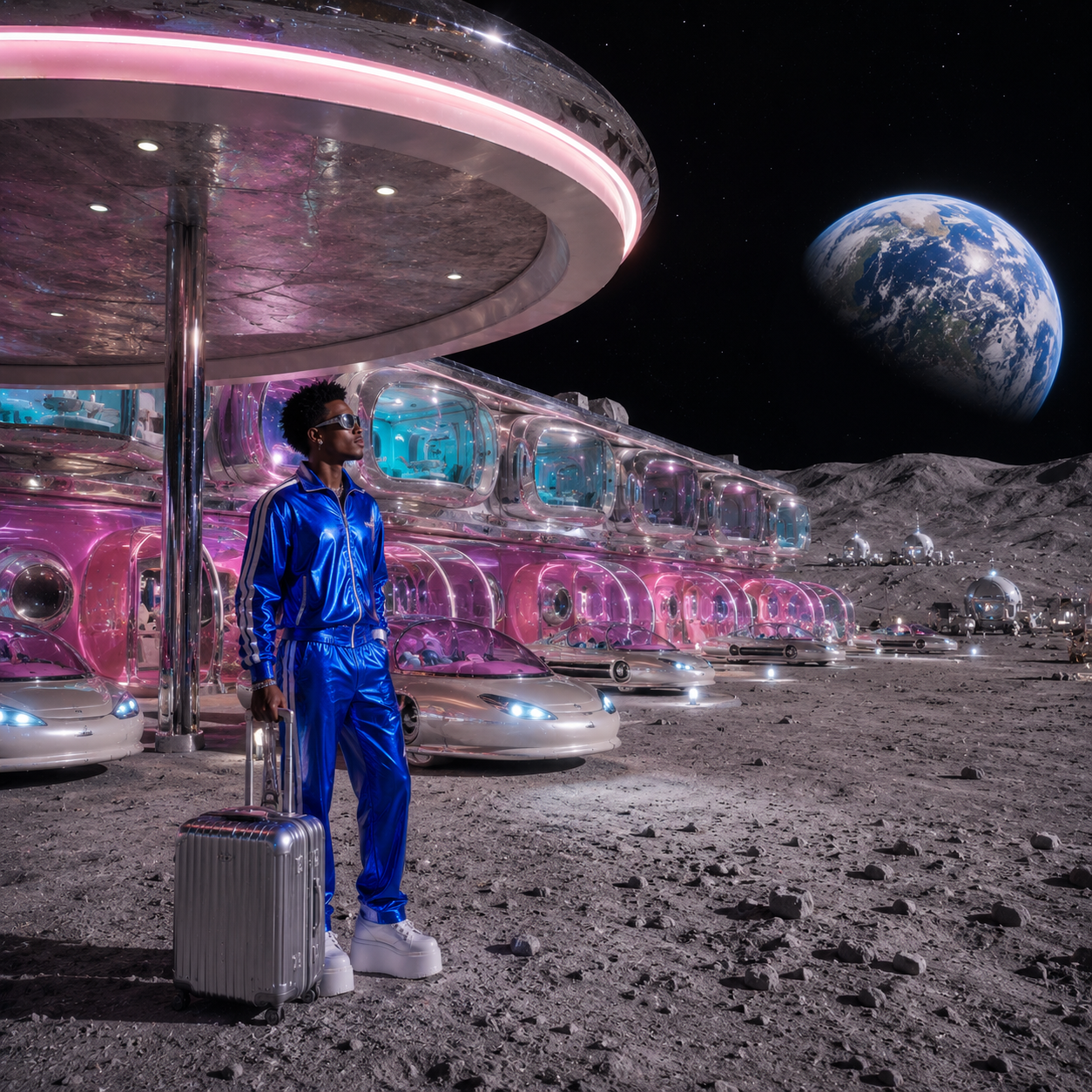
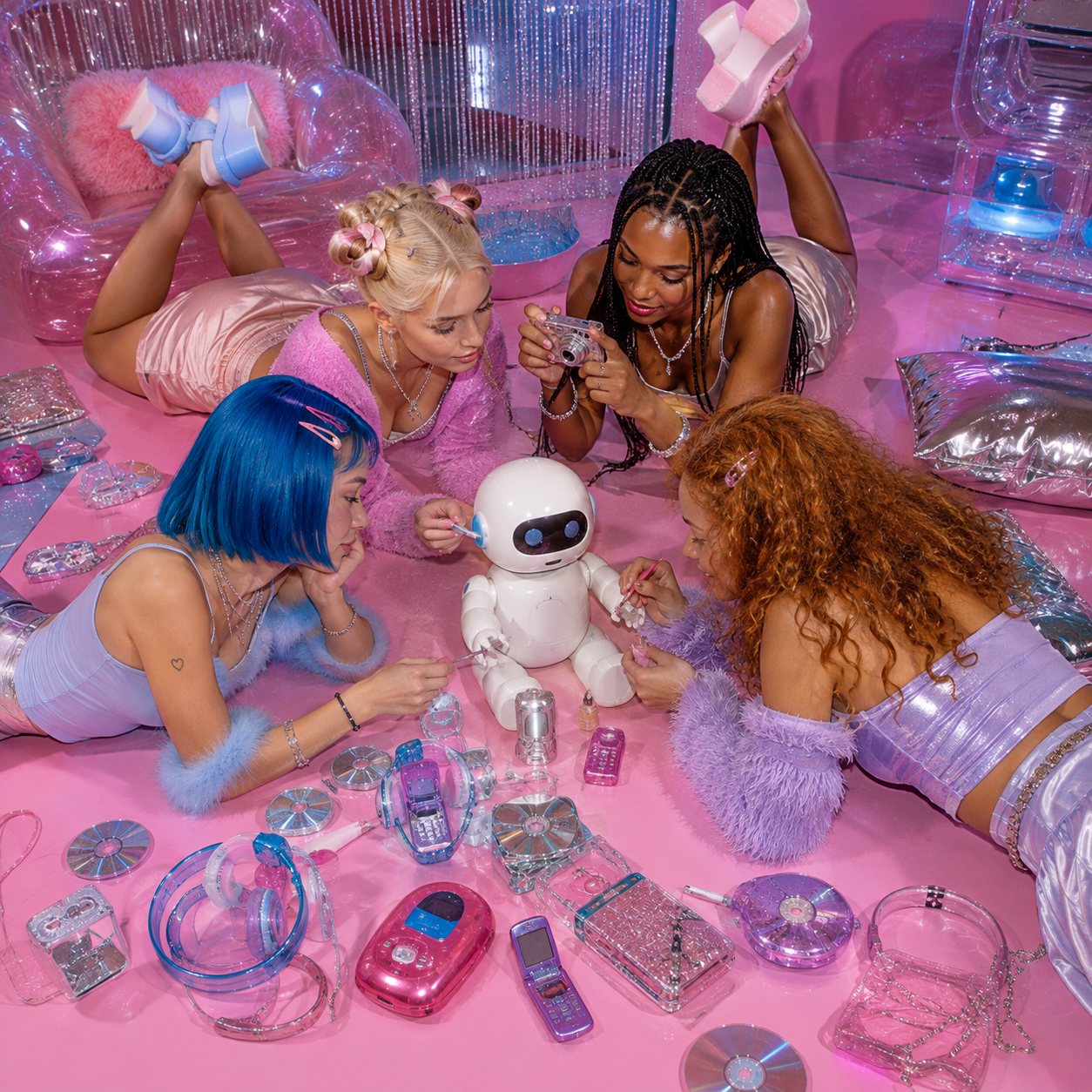
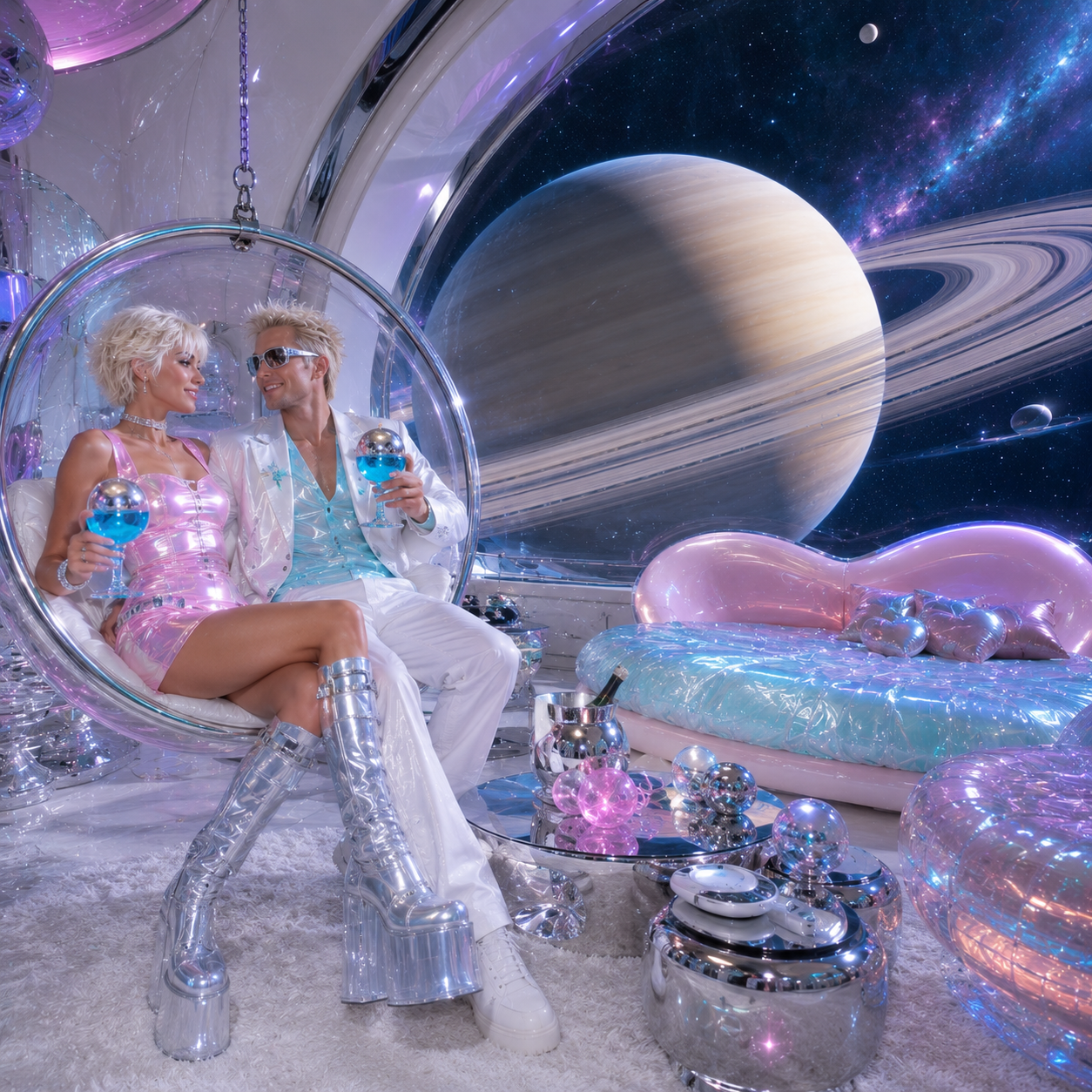
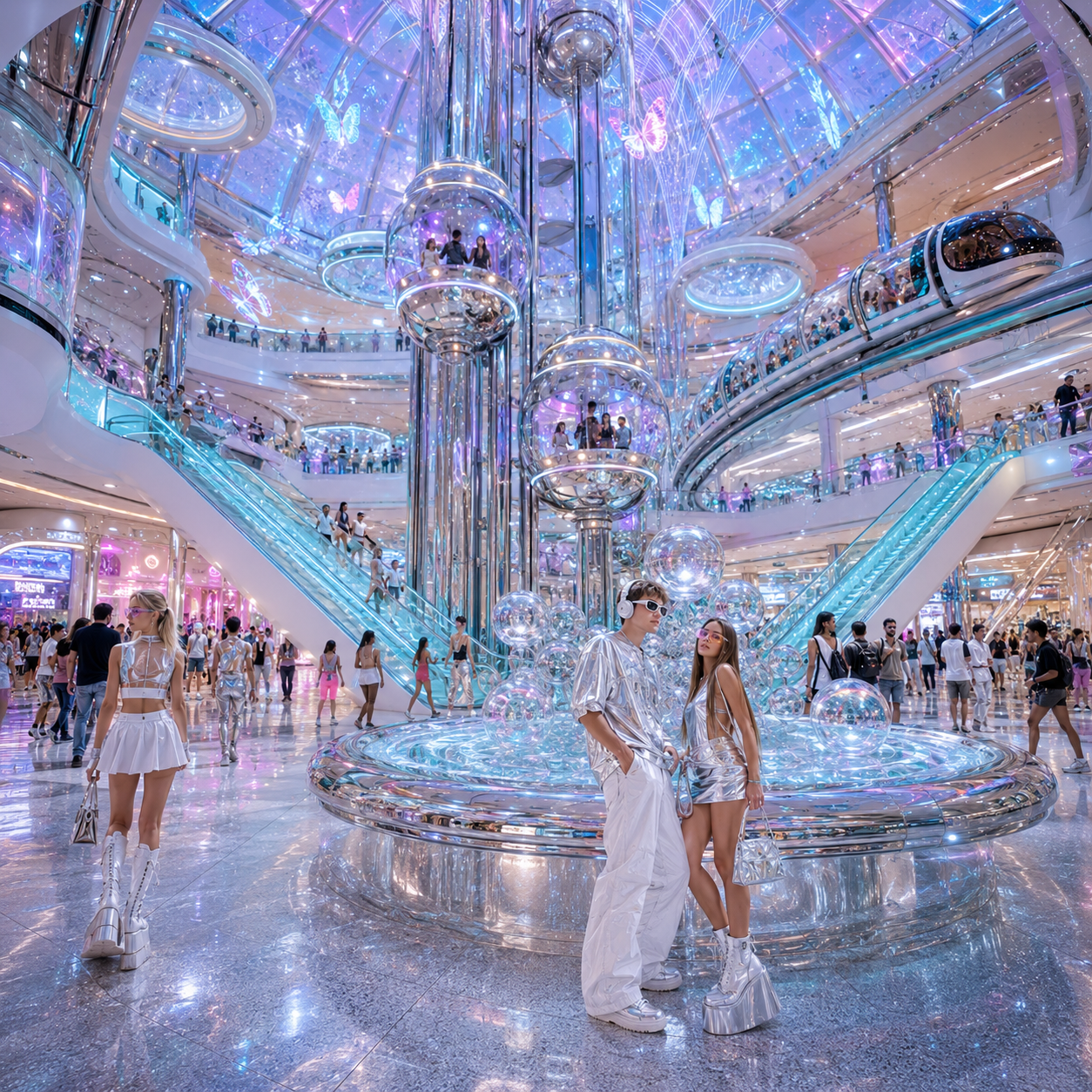
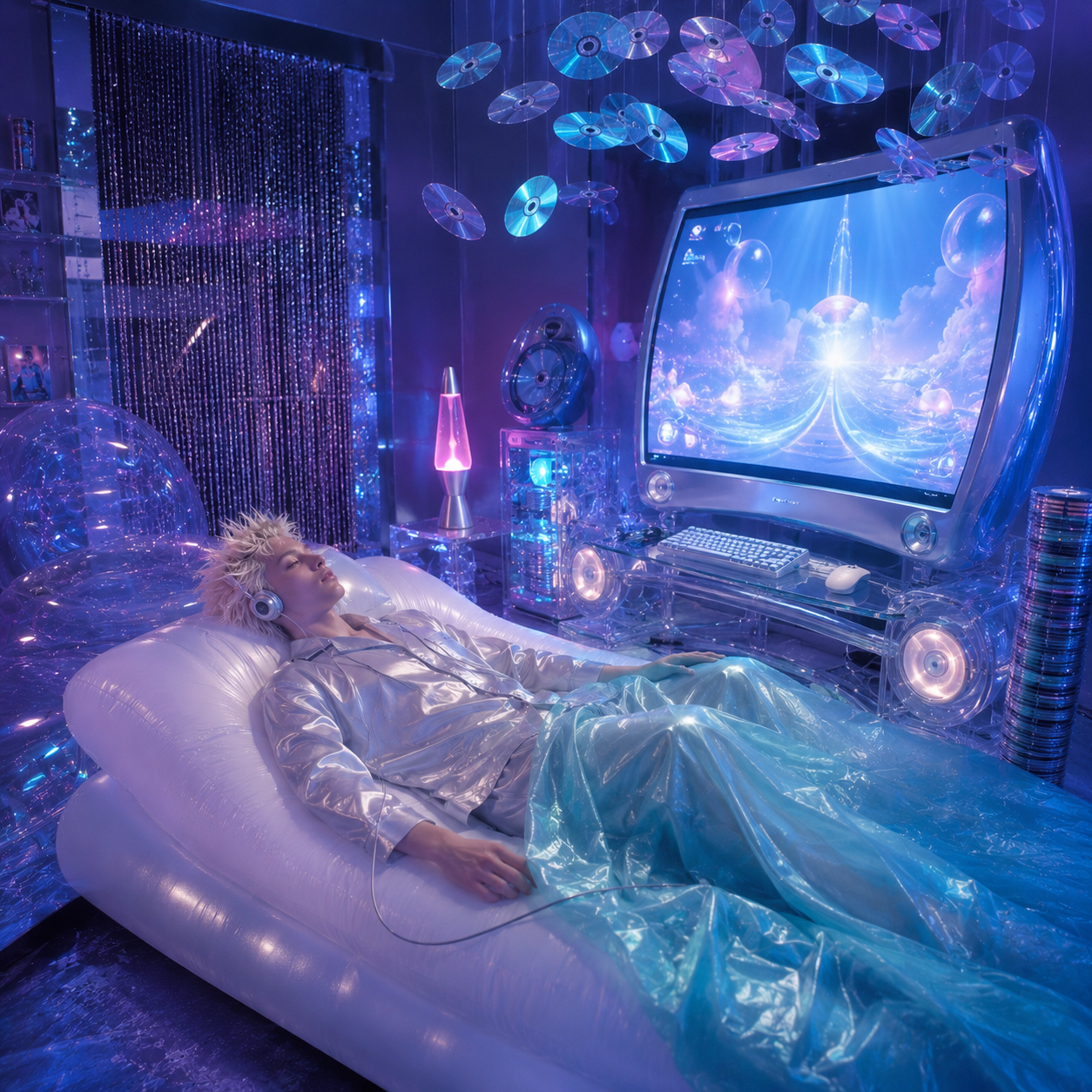
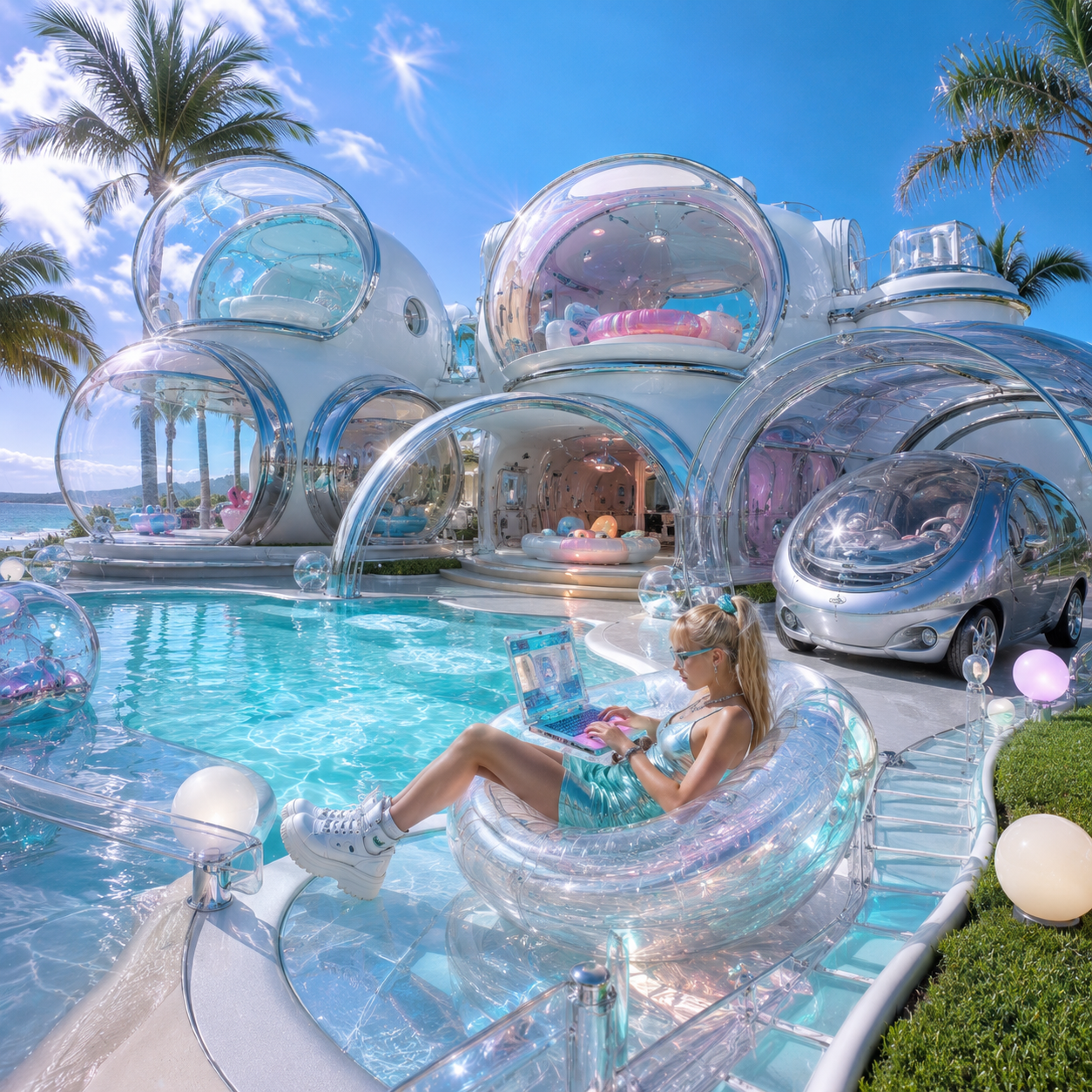
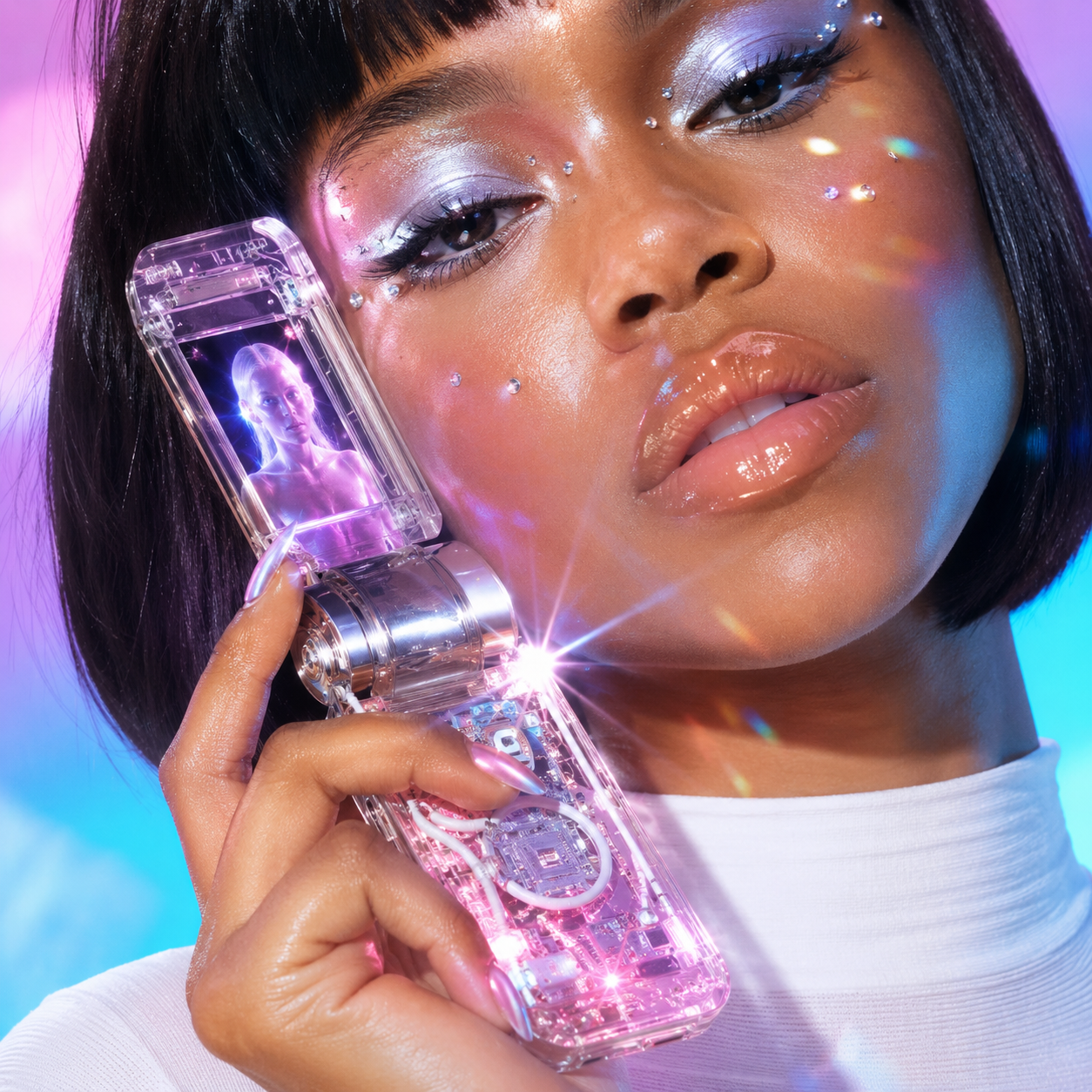
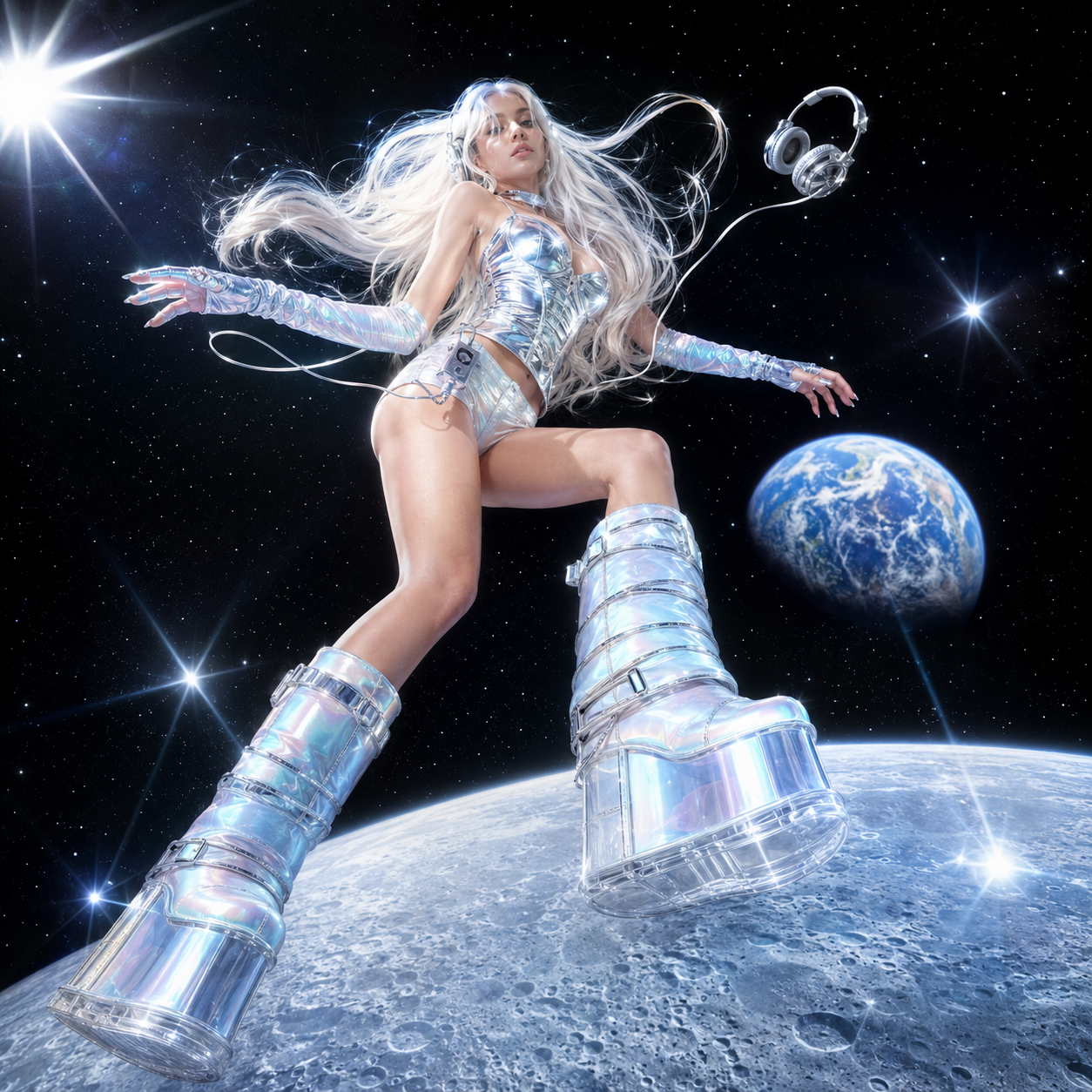
Y2K futurism is packed with visual details that can spark a story before you have written a single word. The images below draw on the distinctive futures imagined around the turn of the millennium: chrome surfaces, translucent technology, curved architecture, glossy interiors, early digital devices, futuristic fashion and bright, optimistic visions of life transformed by technology.
Use each image as a starting point and ask yourself what is happening inside and beyond the frame. Who is the person you can see? Where are they going? What does the technology around them actually do? Is this world as optimistic as it first appears? Look for smaller details that could become important — an unusual device, an empty building, something displayed on a screen, a strangely deserted public space or an object that seems to belong to another time.
You do not have to interpret the image literally. A gleaming futuristic room could become an abandoned space station, a corporate experiment or someone's artificial memory. A translucent handheld device might contain a message from the future, another person's identity or evidence that reality has been altered. Choose the detail that interests you most and build outward from there until the image becomes your own story.
Go Deeper into Writing Y2K Futurism
Y2K futurism becomes much more interesting when you look beyond chrome surfaces and translucent technology and consider what people at the turn of the millennium actually believed the future might become. This was a period shaped by excitement about the internet, rapidly changing consumer technology, global connectivity and the approaching new millennium — but also anxiety about what increasingly computerised lives might mean. That tension gives you far more to work with than aesthetics alone.
◆ Imagine the future from the past. Instead of asking what 2050 might look like from today's perspective, imagine you're standing in 1999 and looking forward. Which technologies seem important? What might people assume will disappear? What would they dramatically overestimate? Deliberately limiting what your fictional designers know can create a future that feels distinct from contemporary sci-fi.
◆ Keep technology physical. One of the pleasures of Y2K futurism is that technology has presence. Computers have monitors and keyboards. Music lives on discs and portable players. Phones flip open. Cameras are separate devices. Data might need to be physically carried between machines. Let characters press buttons, insert discs, untangle cables, swap batteries and interact with technology rather than allowing everything to happen invisibly.
◆ Explore the early internet imagination. The internet once felt like a separate place people deliberately entered. Take that idea seriously. Virtual cities might exist alongside physical ones. People could maintain radically different online identities, cyber cafés might become important social spaces and abandoned websites could become digital ruins containing communities nobody realised survived.
◆ Use technological optimism. Not every technological future needs to be dystopian. Y2K futurism can embrace the genuine excitement of imagining cleaner cities, faster transport, greater connectivity, household robots and technology making everyday life easier. Your story can explore what happens when those dreams succeed rather than automatically revealing that everything is secretly terrible.
◆ But remember millennium anxiety. Y2K itself revealed how dependent society had become on interconnected computer systems. What happens when nobody fully understands the infrastructure beneath everyday life? A tiny software error might affect an entire city. An obsolete computer could control something unexpectedly important. A system designed decades earlier might become impossible to replace because too much has been built around it.
◆ Build a world around planned obsolescence. Consumer technology constantly replaces itself. Imagine the archaeological layers that creates. Yesterday's futuristic device becomes today's rubbish and tomorrow's collector's item. Entire communities might depend upon discontinued technology, while repair specialists preserve machines manufacturers deliberately abandoned.
◆ Play with digital identity. Screen names, avatars, chat rooms and online personas allow characters to become someone else. Push that further. What if an avatar develops independently from its owner? What happens when someone's online identity survives after their death? Could two people know each other intimately online while repeatedly passing one another unnoticed in physical life?
◆ Let corporations design the future. Millennium-era futurism was closely connected to consumer technology and branding. In your fictional world, companies might build experimental cities, sponsor space stations, create virtual worlds or convince consumers that buying the newest device means participating in the future. Ask who gets to decide what tomorrow is supposed to look like — and who gets left behind when that vision changes.
◆ Think beyond nostalgia. Y2K futurism should not simply recreate the year 2000. The interesting question is what happens next. Imagine a civilisation where the technological design language of the millennium continued evolving for another fifty or hundred years. What does a starship designed according to those principles look like? A hospital? A university? A lunar colony? A family home?
◆ Use obsolete technology as archaeology. Old devices contain traces of people's lives: photographs, messages, saved games, contact lists, documents and forgotten accounts. Finding an old computer can therefore become almost like opening a time capsule. In science fiction, those digital fragments might reveal a disappeared person, an abandoned experiment or an entire virtual society.
◆ Create contrast between promised and actual futures. One of the richest ideas within Y2K futurism is the gap between the future people imagined and the future that actually arrived. Your characters might inhabit an immaculate city built around predictions that proved wrong, discover a forgotten prototype for a technology that could have transformed civilisation or deliberately choose an abandoned version of the future over the world that replaced it.
The heart of Y2K futurism is not simply making science fiction look like the year 2000. It is imagining tomorrow through yesterday's eyes — recovering all those strange, hopeful, glossy and occasionally unsettling ideas about where technology might take us, then asking what kind of stories could exist if that future had actually arrived.
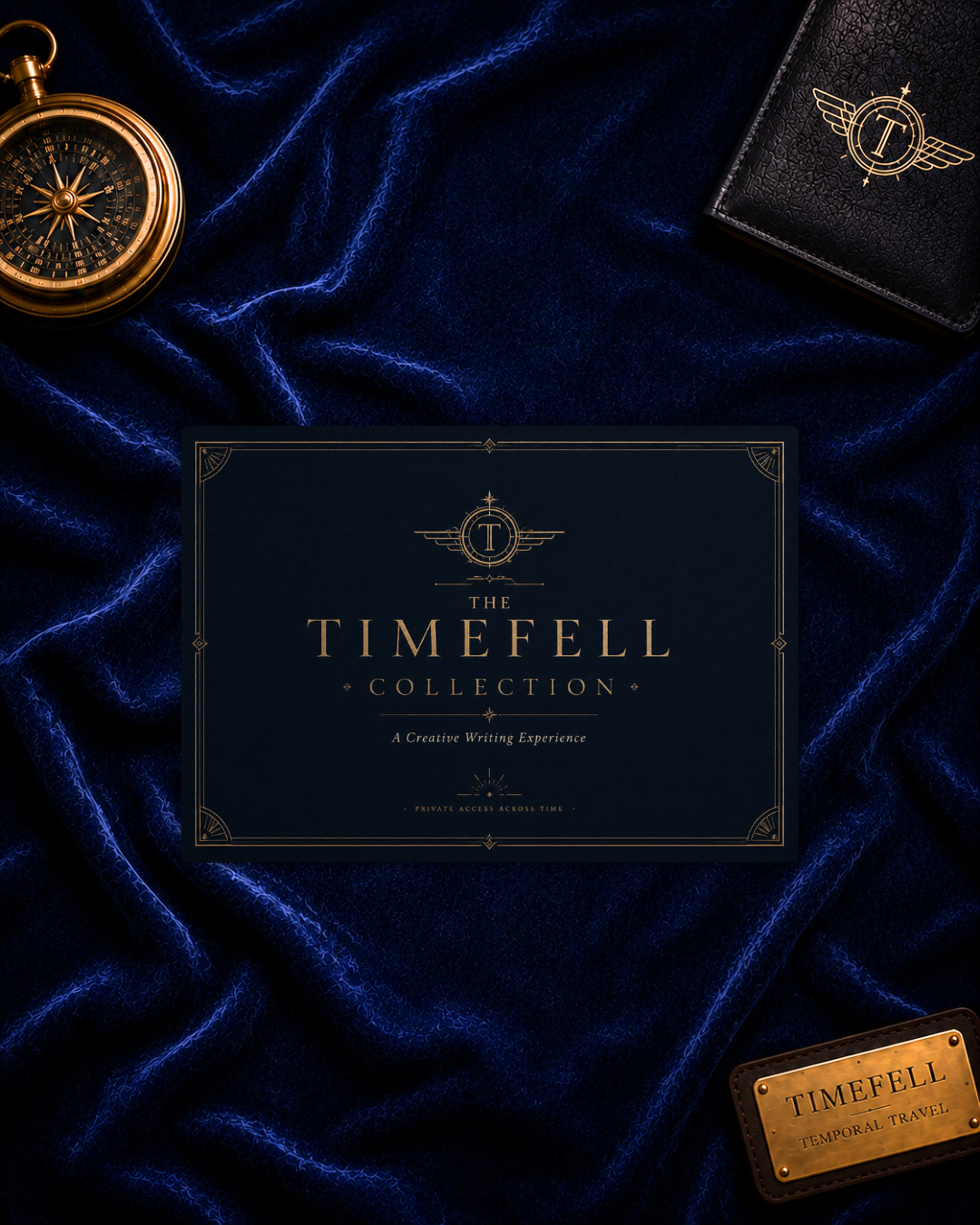
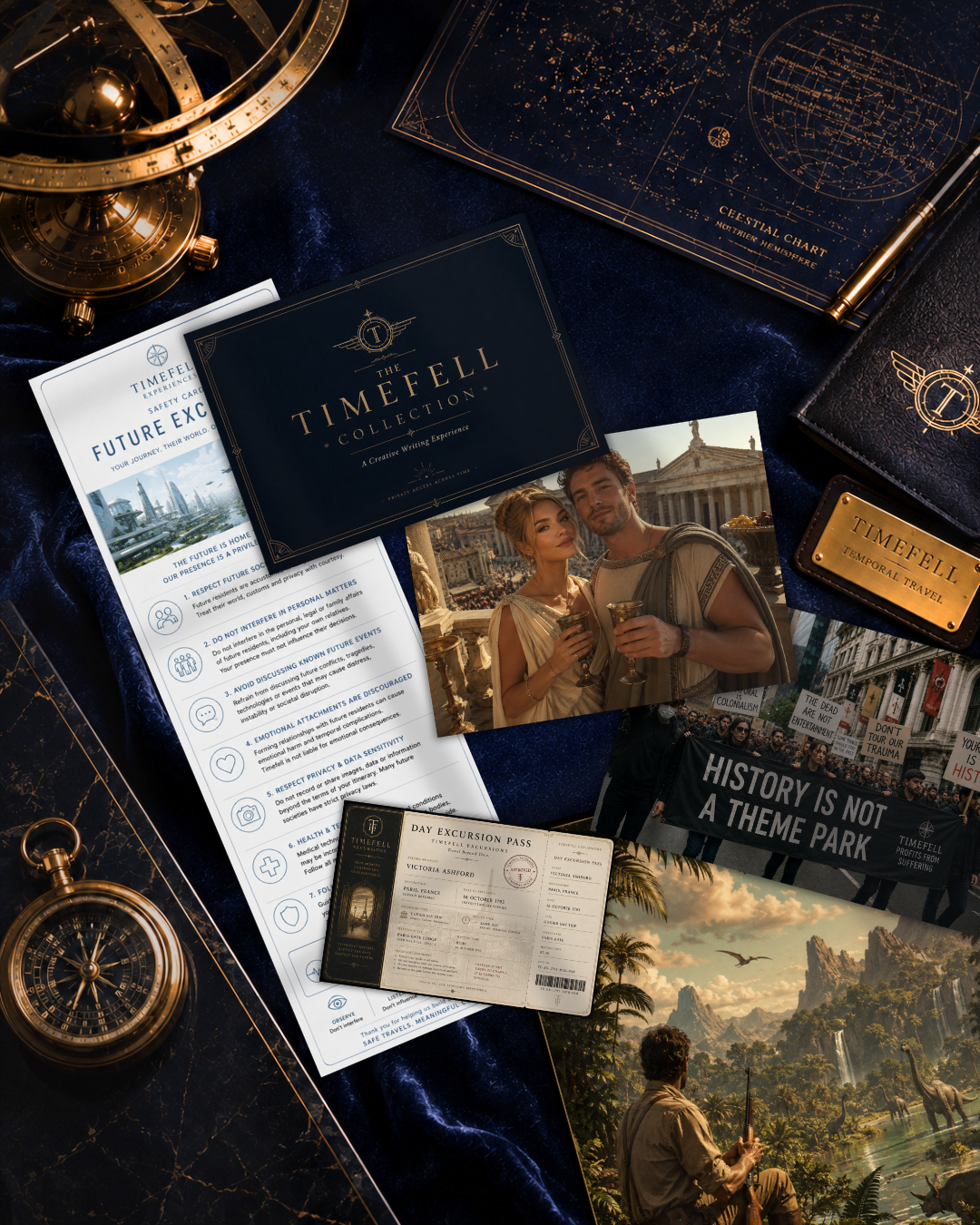
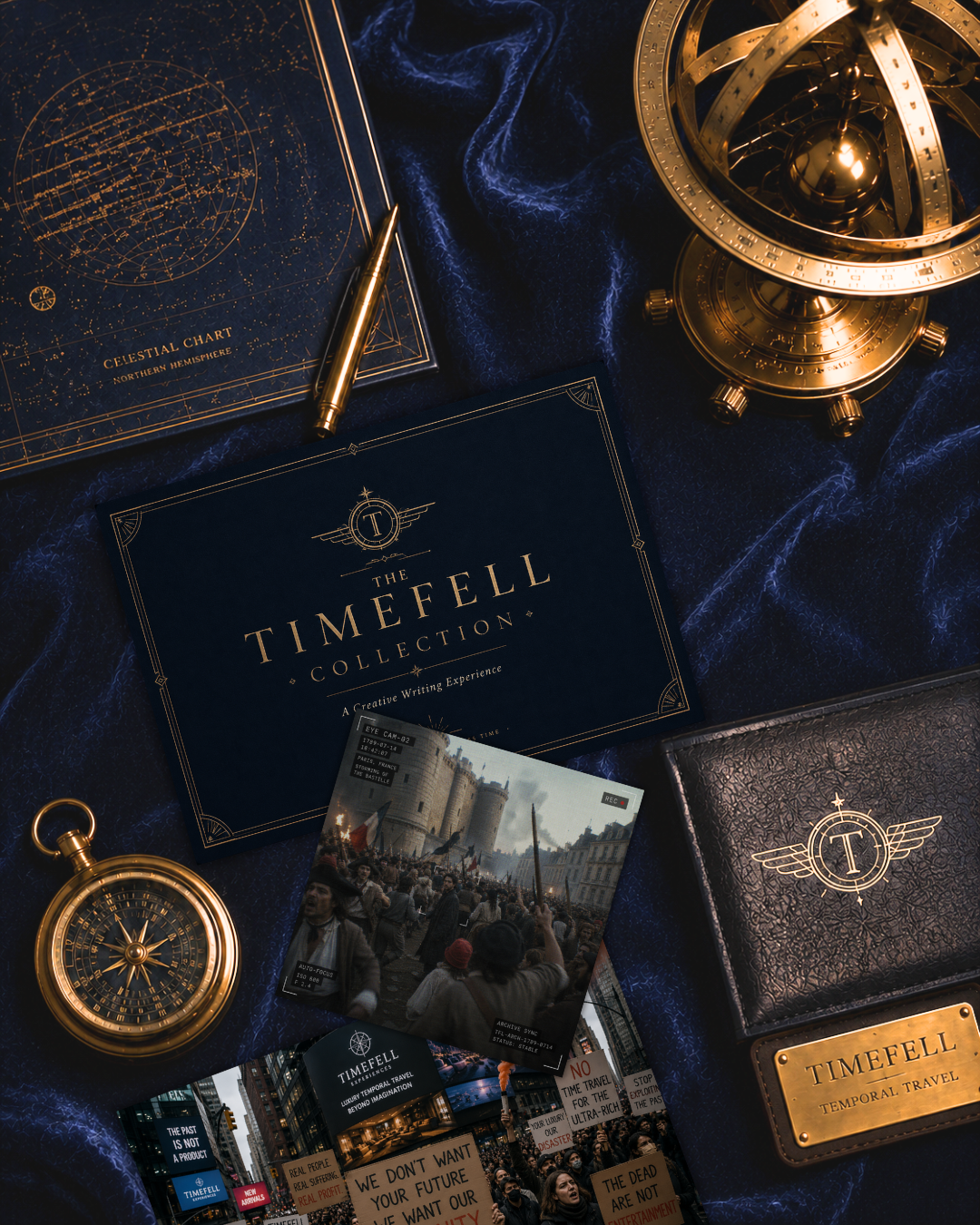
Travel Through Tomorrow with The Timefell Collection
Y2K futurism is fascinated by the future people once believed was waiting for them. Gleaming technology, effortless travel, extraordinary new experiences and a world transformed by scientific progress all promised that tomorrow would be bigger, faster and more exciting than today. In The Timefell Collection, humanity eventually achieves something even those visions of the future could barely imagine: commercial time travel.
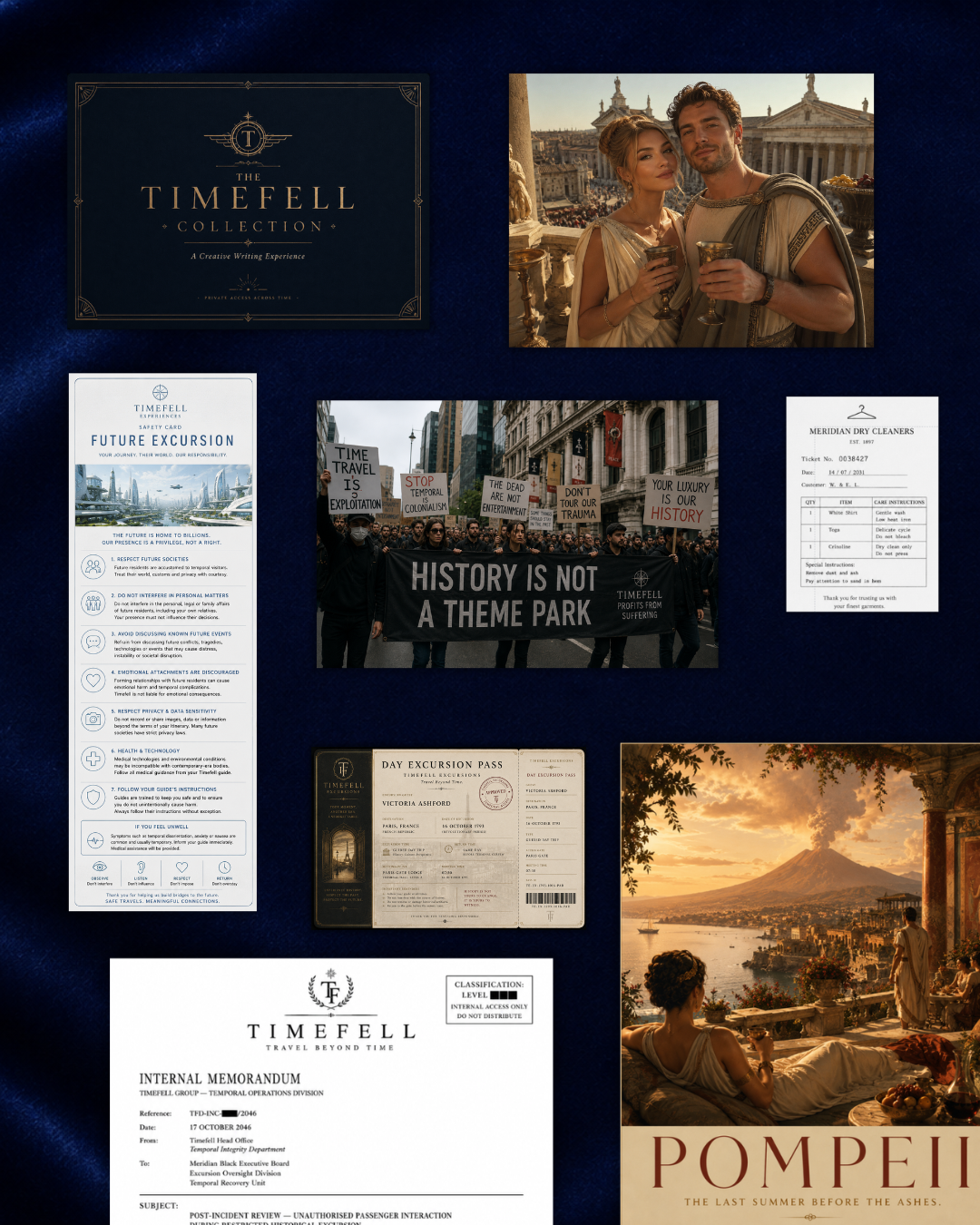
Time travel becomes public in 2020. By 2046, it has become an entire tourism industry. Travellers can visit ancient civilisations, encounter prehistoric worlds and journey forward to future societies that have opened their gates to carefully managed visitors from the past. Time itself has become somewhere you can book a holiday.
That makes Timefell a natural next step after exploring Y2K futurism. Imagine someone from the year 2000 seeing Timefell's 2046 for the first time. Which predictions would they recognise? Which technologies would seem impossible? What happened to all those glossy visions of the twenty-first century they were promised? And perhaps more intriguingly, what would happen if a time traveller deliberately sought out one of the futures that never came to exist?
Through more than 50 printable documents and artefacts, The Timefell Collection allows you to investigate this world for yourself. Travel posters, tickets, hotel records, newspaper articles, reviews, diary entries, private correspondence and handwritten notes reveal the polished face of temporal tourism — and the stranger stories hidden beneath it. There are missing excursions, exclusive experiences for Meridian Black members and travellers who return from their journeys somehow changed.
Y2K futurism asks us to imagine the tomorrow we once expected. Timefell asks a slightly more dangerous question: what if we could go looking for it?
◆ Explore The Timefell Collection and discover what happens when the future becomes a destination.
Final Thoughts
Y2K futurism gives science-fiction writers the chance to explore a future imagined before our present had fully taken shape. Its translucent technology, chrome surfaces, digital worlds and optimistic architecture are distinctive, but the real storytelling potential lies in the ideas beneath them: excitement about connectivity, uncertainty about increasingly computerised lives and the belief that technology was about to transform almost everything.
The most interesting Y2K-inspired worlds do not simply recreate the year 2000. Take those predictions and allow them to keep evolving. Build lunar colonies around millennium-era ideas of space travel, imagine cities where cyber cafés became essential infrastructure or create societies where physical devices remained central to digital life. Some predictions might prove remarkably accurate, while others could send your fictional future in a completely unexpected direction.
Use the prompts above to experiment with that tension between nostalgia and possibility. Combine a character with an unexpected setting, build a story around an obsolete piece of technology or imagine an alternate timeline where one forgotten invention became the foundation of modern civilisation. Your future can be bright and optimistic, strange and unsettling, or filled with the remnants of technological dreams that never quite came true.
For more speculative inspiration, explore the Science Fiction Writing Hub for sci-fi prompts, aesthetics, characters and worldbuilding ideas, or browse the Creative Writing Archive for hundreds of ideas across science fiction, fantasy, horror and more.
Choose Your Next Adventure