Notes from the Inkpot
Writing, teaching, creating - one ink-stained idea at a time.


The Call by Jessie Pope: Summary, Themes & Analysis
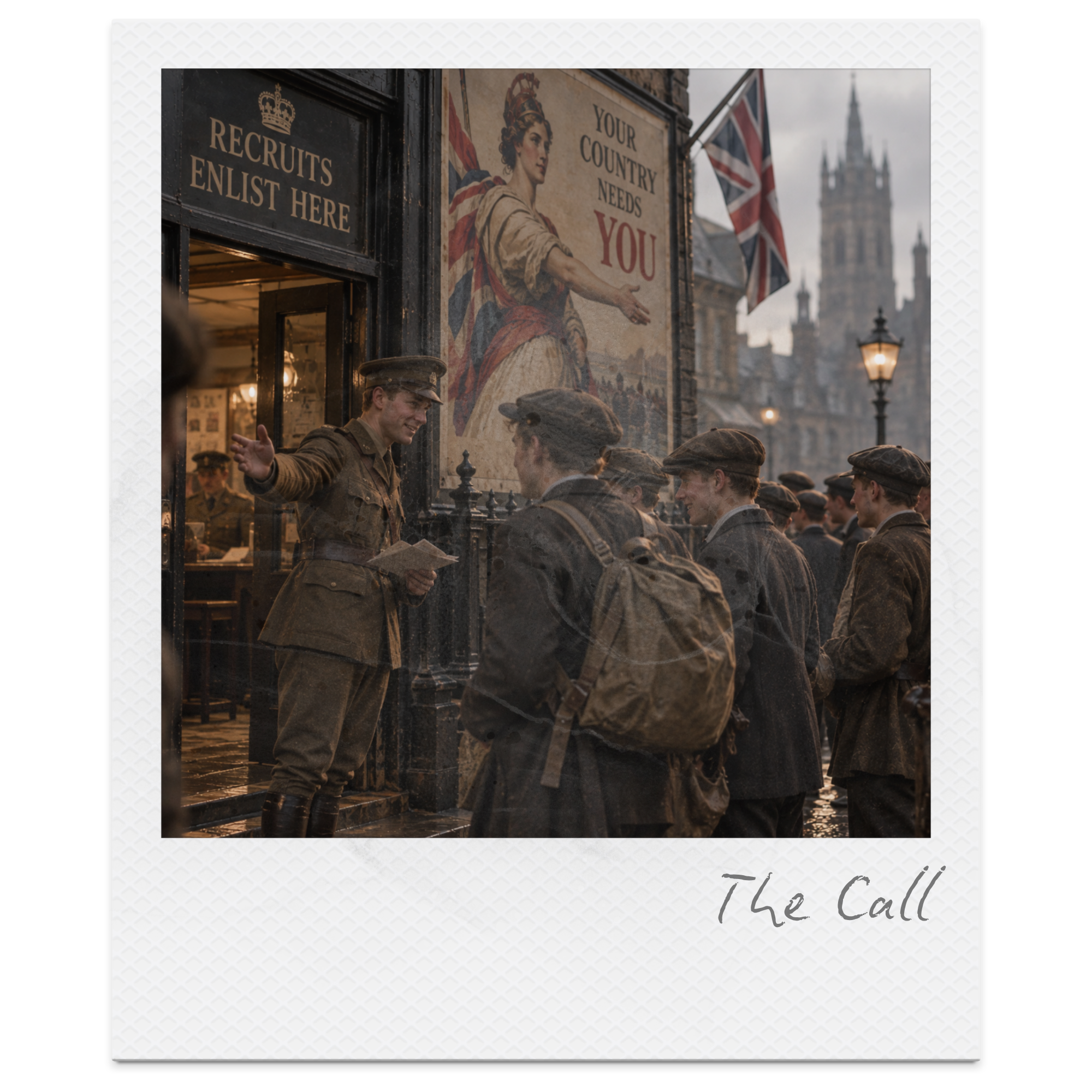
Explore The Call by Jessie Pope with a detailed analysis of its meaning, themes, symbolism and poetic techniques. Discover how Pope uses rhetorical questions, patriotism, masculine courage and social pressure to encourage enlistment during the First World War, with key quotations, alternative interpretations, comparisons and teaching resources.
The Time Machine by Ray Bradbury: Summary, Themes, Meaning & Analysis
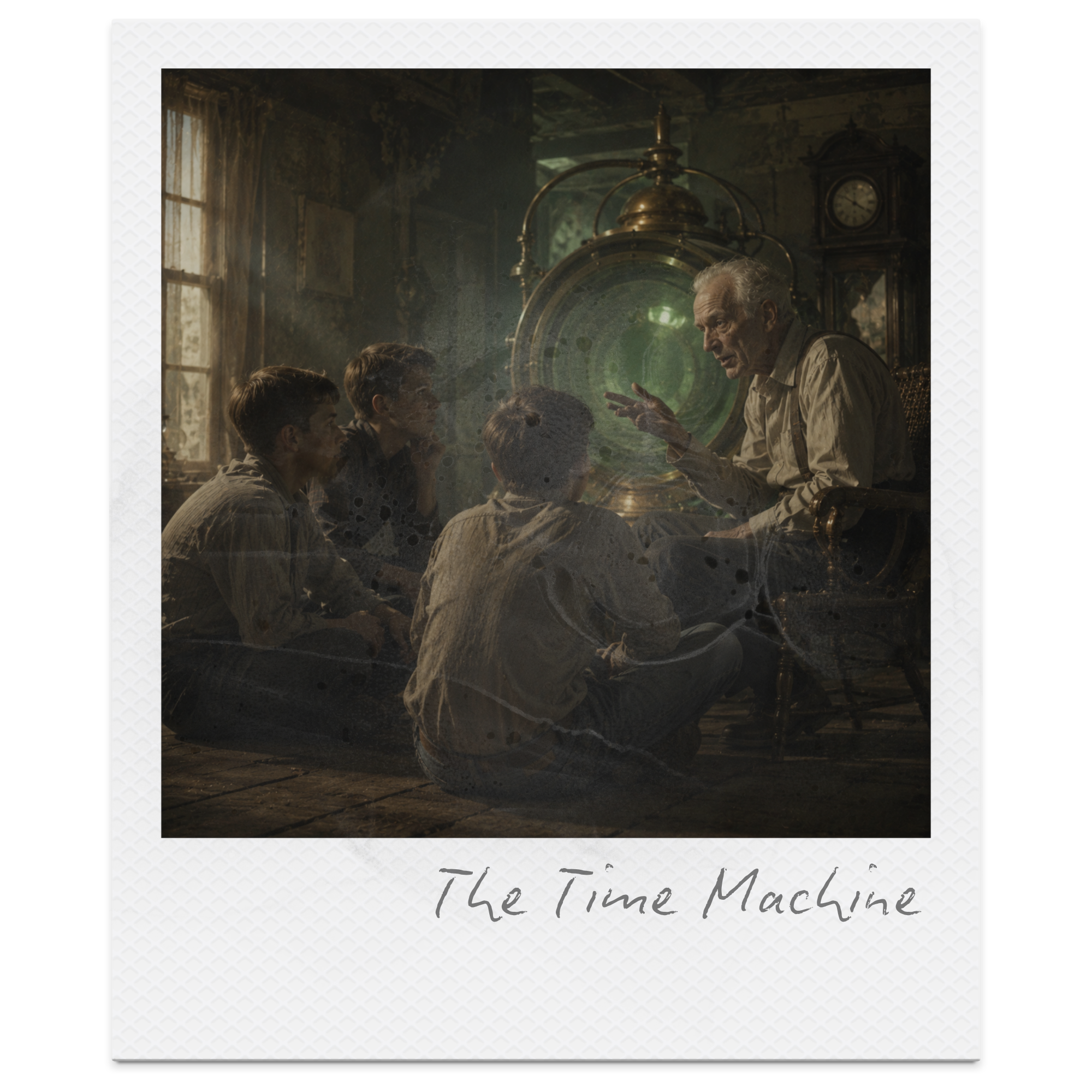
Explore our comprehensive The Time Machine analysis, featuring a clear summary, in-depth discussion of themes, characters, symbolism, structure, setting, important quotes, and literary techniques. Discover how Ray Bradbury transforms the idea of time travel into a moving exploration of memory, storytelling, history, and human connection, showing that the greatest journeys into the past are made through the experiences we preserve and the stories we choose to share.
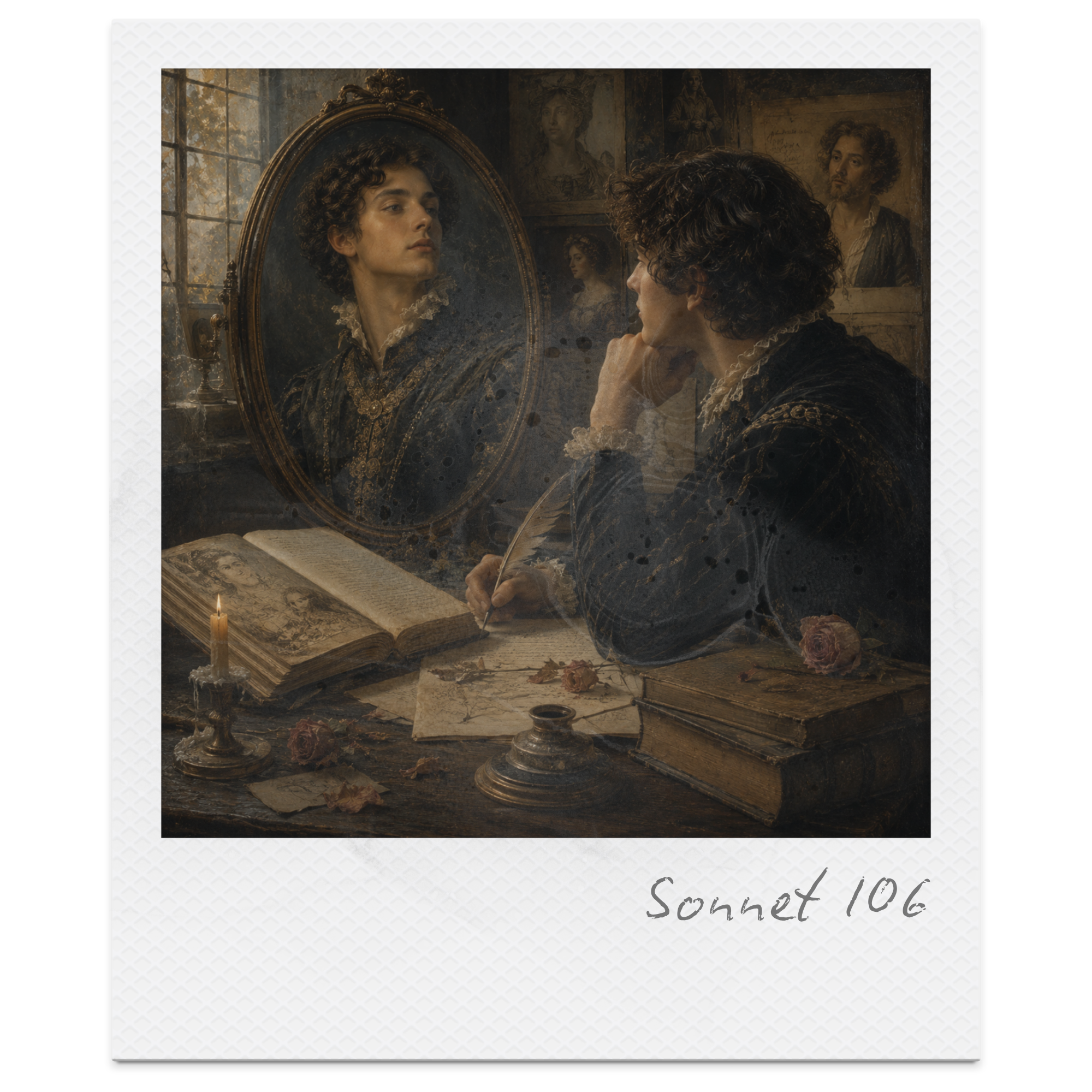
Sonnet 106 by William Shakespeare: Summary, Themes & Analysis of “When in the chronicle of wasted time”
William Shakespeare's Sonnet 106 is a reflective exploration of beauty, time, history, and the power of poetry. Through its elegant sonnet form, historical imagery, and thought-provoking conclusion, Shakespeare considers whether language can ever fully capture extraordinary human beauty or whether some experiences will always remain beyond words. This analysis explores the poem's summary, themes, language, structure, key quotations, and literary techniques, showing how Shakespeare transforms a traditional love sonnet into a profound meditation on artistic expression and the enduring relationship between the past and the present.
The Resurrection Collection: Writing Into the Dark History of Body Snatching
Edinburgh, 1828. Anatomy lectures are full. Graves are not staying closed. As medical knowledge advances, a quiet trade emerges in the shadows of churchyards and lecture rooms. Bodies are exhumed, sold, recorded, and forgotten — while institutions continue as normal. The Resurrection Collection is a document-led creative writing experience inspired by the real history of body snatching, anatomy, and institutional silence. Through fragmented records, personal writings, ledgers, adverts, and modern historical commentary, writers and students are invited to investigate what happened — and what was deliberately left unrecorded. This isn’t a single story or a guided prompt. It’s an archive. The documents don’t agree, some voices are missing, and the truth depends on what you choose to trust. Every reader uncovers a different version of events — shaped by inference, interpretation, and the uncomfortable spaces between evidence.