Notes from the Inkpot
Writing, teaching, creating - one ink-stained idea at a time.




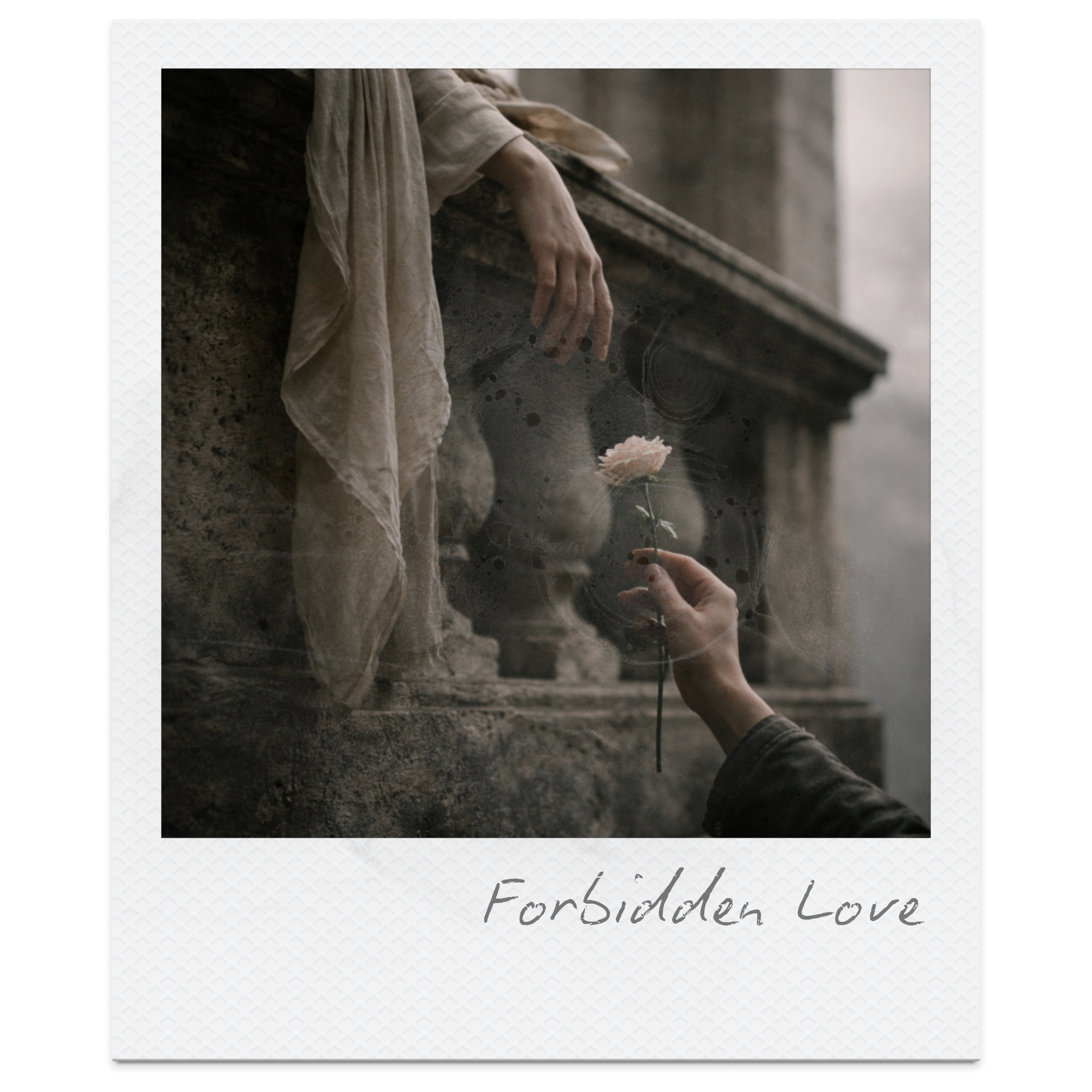
70 Forbidden Love Writing Prompts for Teens: Secret Relationships, Impossible Choices & Hidden Desire
Forbidden love stories explore what happens when desire collides with rules, expectations, or loyalty. Found throughout myth, folklore, and classic literature, this trope focuses less on romance itself and more on tension, secrecy, and consequence. Whether love is forbidden by family, duty, social boundaries, or unspoken rules, these narratives are shaped by restraint — what cannot be said, shown, or chosen without cost. This collection of 70 Forbidden Love Writing Prompts for Teens offers a structured set of story starters designed for classroom use, creative writing lessons, and independent writing. Combining plot hooks, opening and closing lines, character ideas, settings, and visual prompts, the collection encourages students to explore emotionally complex storytelling while remaining appropriate, thoughtful, and grounded in literary tradition.
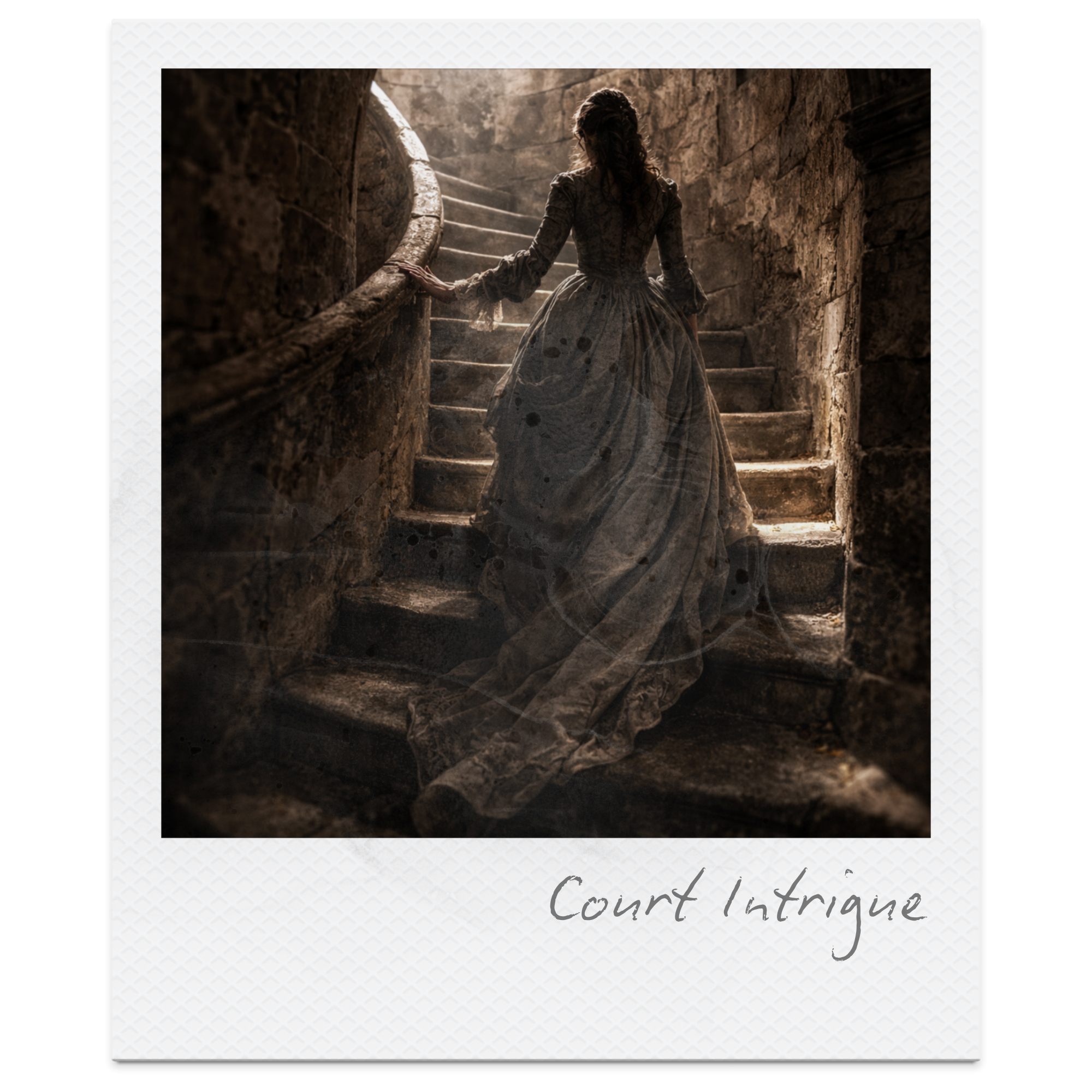
70 Court Intrigue Writing Prompts for Teens: Political Secrets, Power Struggles, Betrayal & Royal Schemes
Court intrigue stories explore power at its quietest and most dangerous. Set within royal courts, noble houses, councils, or controlled hierarchies, these narratives focus on secrecy, reputation, and moral compromise rather than open conflict. Authority is exercised through ceremony, silence, and strategy, where a single decision made behind closed doors can reshape lives far beyond the chamber walls. These court intrigue writing prompts invite teen writers to explore political tension across fantasy courts, dystopian regimes, and gothic power structures. Rather than relying on spectacle or violence, the prompts prioritise atmosphere, psychological pressure, and consequence-driven storytelling, making them ideal for classroom use, writing clubs, or longer YA projects rooted in restraint, ambiguity, and choice.
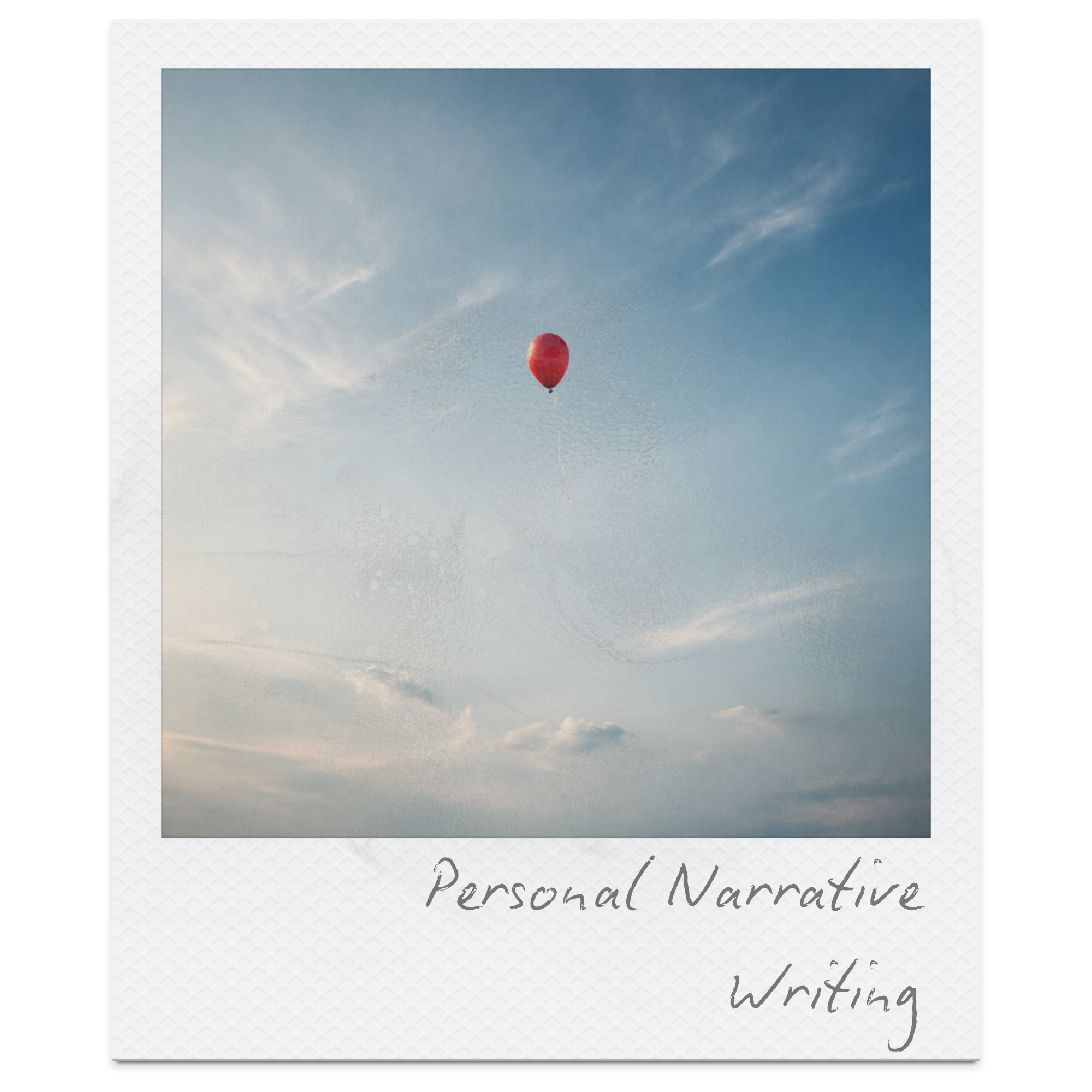
70 Personal Narrative Writing Prompts (With Images & Story Starters)
These personal narrative writing prompts are designed to help students shape real experiences into meaningful, reflective writing. Rather than focusing on journaling or simple recounts, this collection of 70 personal narrative prompts provides structured support through titles, opening lines, closing lines, settings, important people, and picture prompts, guiding writers toward clarity, purpose, and thoughtful reflection. Suitable for middle and high school students, as well as classroom use across KS3–KS5, these personal narrative writing prompts work well for creative writing lessons, exam-style tasks, bell ringers, and independent writing time. The prompts are flexible, classroom-safe, and designed to help writers develop voice, reflection, and narrative control while exploring memory, identity, and lived experience.

Famous First Lines as Writing Prompts: How to Spark Creativity Without Reinventing the Wheel
First lines are where everything begins -and for writers, they’re often the hardest part. That pressure to hook the reader immediately can be overwhelming. That’s exactly why I started collecting real first lines from published novels.
I use these with students to take the pressure off. Instead of staring at a blank screen, they start with something brilliant and build from there. It gives them structure and freedom all at once. It’s a reminder that writing isn’t about perfection. It’s about momentum.
Some lines are eerie. Some are emotional. Some are bold, jarring, or just weird enough to make you lean in. But the best ones all do the same thing: they open a door.
And that’s what these prompts are about. Opening the door, so the story can step through.
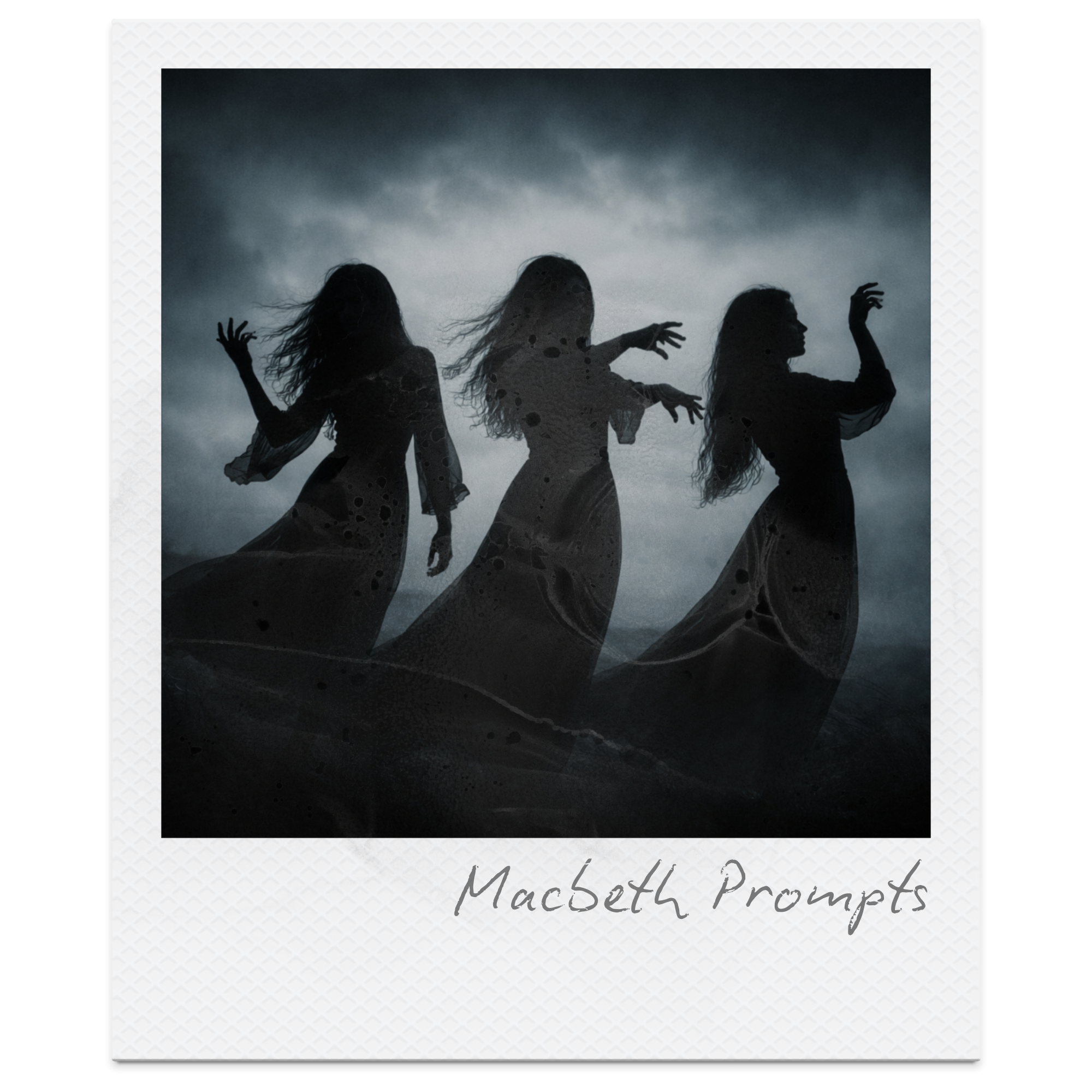
70 Creative Writing Prompts Inspired by Macbeth: Plot Hooks, Opening Lines, Characters & Visual Ideas
Explore 70 creative writing prompts inspired by Macbeth, designed to help teen writers engage with ambition, fate, guilt, and psychological conflict through original storytelling. This collection includes atmospheric plot hooks, book-style title ideas, opening and closing lines, character concepts, setting ideas, and visual prompt guidance — all inspired by Shakespeare’s play without retelling its plot. Ideal for classroom use, writing clubs, or independent creative practice, these Macbeth-inspired writing prompts encourage mood-driven, symbolic writing that builds confidence with voice, tone, and narrative structure. Writers can explore Shakespeare’s ideas creatively while developing skills in description, perspective, and thematic storytelling.
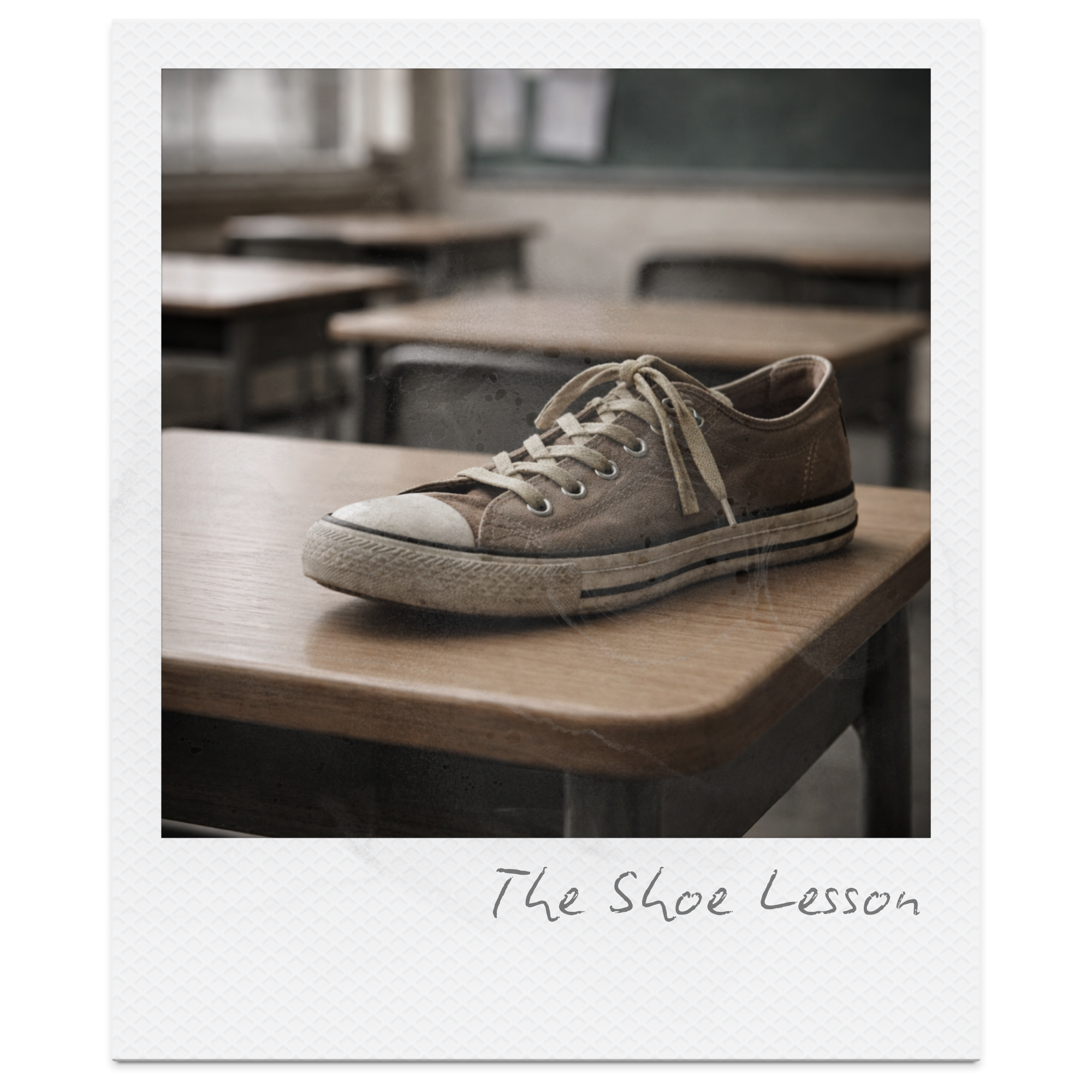
The Shoe Lesson: A Simple, Powerful Creative Writing Activity
The Shoe Lesson is a simple but powerful creative writing activity that helps students develop believable characters without the fear of the blank page. By giving students a single, ordinary object — a shoe — this lesson encourages close observation, inference, and thoughtful character development. It works particularly well in the secondary English classroom, where students often struggle to move beyond surface-level description or feel pressured to “be creative” on demand. Used at the start of a creative writing unit, the Shoe Lesson invites students to build characters from evidence rather than imagination alone. Scuffed soles, worn laces, and small details become clues to a life beyond the page, leading to writing that feels grounded, realistic, and human. It’s a low-stakes, high-impact approach that consistently engages even reluctant writers — and proves that the most powerful stories often begin with the most ordinary things.
70 Urban Legend–Inspired Writing Prompts for Teens: Modern Folklore, Myths & Unseen Threats
Urban legends live in the space between belief and denial — stories passed quietly, rarely confirmed, and shaped by repetition rather than proof. Rooted in modern folklore, these narratives attach unease to ordinary places and routines, transforming roads, buildings, and shared habits into sources of quiet tension. This collection of 70 Urban Legend–Inspired Writing Prompts for Teens brings together plot hooks, opening and closing lines, character ideas, settings, and visual inspiration designed for atmosphere-driven storytelling. Ideal for creative writing lessons, classrooms, and independent projects, the prompts encourage writers to explore modern myths, uncertainty, and consequence with restraint rather than spectacle.
70 Dark Fae & Folklore Writing Prompts: Fantasy Story Starters, Characters, Settings & Visual Ideas
Dark fae and folklore stories sit at the uneasy edges of fantasy — where beauty conceals danger, bargains carry consequences, and the supernatural follows rules that do not bend for human comfort. Rooted in fae mythology, folklore traditions, and dark fantasy, these stories explore power, temptation, and survival through atmosphere and implication rather than spectacle. This collection of 70 Dark Fae & Folklore Writing Prompts for Teens offers a complete creative toolkit, combining plot hooks, opening and closing lines, character ideas, setting prompts, and visual inspiration. Designed for creative writing lessons, English classrooms, and independent writing, the prompts encourage young writers to explore folklore-inspired fantasy with depth, restraint, and narrative control.

Why Creative Writing Boxes Aren’t Just for Kids (And Why You Might Need One Too)
Creative writing boxes aren’t just for kids—and the ones I’ve built were never meant to be. They’re for adults and older teens who want to reconnect with writing, rediscover their creativity, or get lost in a story built from fragments, mystery, and atmosphere. If you've ever needed a spark to write again, this might be it.

Velvet Shadows and Candlelight: Why Darkness Belongs in the Classroom
Why are teens drawn to dystopias, gothic settings, and grief-soaked poetry? The answer might be simpler than you think. In this post, we explore how darker stories offer emotional depth, powerful writing opportunities, and space for healing inside the classroom.
70 Folklore Writing Prompts for Teens: Myths, Legends, Warnings & Old Stories Reimagined
Folklore stories have been passed down for generations as warnings, explanations, and shared memory rather than entertainment. Rooted in myths, legends, and oral storytelling traditions, folklore explores unspoken rules, inherited beliefs, and the consequences of crossing boundaries that exist for a reason. These folklore writing prompts for teens invite writers to reimagine traditional stories through atmosphere, symbolism, and restraint rather than spectacle. This collection of 70 Folklore Writing Prompts for Teens includes plot hooks, opening and closing lines, character and setting ideas, and ekphrastic picture prompts inspired by global folklore traditions. Designed for creative writing lessons, classrooms, writing clubs, or independent practice, the prompts support original storytelling that treats folklore as living narrative — shaped by place, ritual, and memory.

Inside the Victoriana Collection: A Writing Box of Mystery, History, and Creative Intrigue
The Victoriana Collection isn’t a set of writing prompts. It’s a mystery told through forgotten photographs, torn letters, and eerie clues from another time. If you’re the kind of writer who finds inspiration in texture, mood, and fragments, this box was made for you. Gothic, atmospheric, and open-ended - this is where your next story begins.
100 Creative Writing Prompts Sorted by Genre: A Go-To List for Students & Teachers
Struggling to find creative writing ideas that genuinely engage students? This go-to list brings together 100 creative writing prompts sorted by genre, making it easy to match prompts to different writing styles, lesson goals, and student interests. From fantasy and science fiction to personal narrative, gothic, and contemporary fiction, each section offers clear inspiration without overwhelming choice. Designed for students and teachers, these prompts work as lesson starters, independent writing tasks, or creative warm-ups. The post also includes practical teaching ideas and links to deeper genre-based collections, supporting confident, imaginative writing across a wide range of contexts.
10 Celestial Poetry Prompts for Teens & Adults: Exploring Stars, Silence, and Scale
Celestial poetry uses stars, light, and distance to explore perspective, time, and quiet emotion. Rather than focusing on scientific detail, celestial poems draw on observation and restraint — using the night sky to reflect on small human moments set against vast scale. These celestial poetry prompts for teens and adults invite writers to work with atmosphere, silence, and imagery rather than narrative or explanation. This collection of 10 Celestial Poetry Prompts includes guided writing ideas, suggested opening lines, craft techniques, and ekphrastic image prompts inspired by the night sky. Designed for classrooms, writing groups, and independent practice, the prompts support thoughtful, craft-focused poetry writing that encourages reflection, curiosity, and emotional precision.

Creative Writing Prompts Reimagined: A Story in a Box
Creative writing prompts don’t have to be flat. These immersive, tactile storytelling boxes are designed for writers who crave atmosphere, mystery, and a spark of the unexpected — whether you’re writing alone, in a group, or just starting to explore your voice.
70 Twist-in-the-Tale Writing Prompts for Teens: Unexpected Endings, Reversals & Story Turns
Twist-in-the-tale stories rely on misdirection, withheld information, and narrative control rather than shock. These twist-in-the-tale writing prompts for teens help young writers explore unexpected endings, reversals, and narrative turns through carefully structured plot hooks, opening lines, character ideas, settings, and closing lines that reward hindsight rather than surprise. This collection of 70 Twist-in-the-Tale Writing Prompts is designed for English classrooms, creative writing lessons, and independent practice, supporting short fiction, flash narratives, and longer story projects. By focusing on perspective, reliability, and foreshadowing, the prompts encourage confident, craft-led storytelling where the ending reshapes meaning instead of explaining it.