Notes from the Inkpot
Writing, teaching, creating - one ink-stained idea at a time.


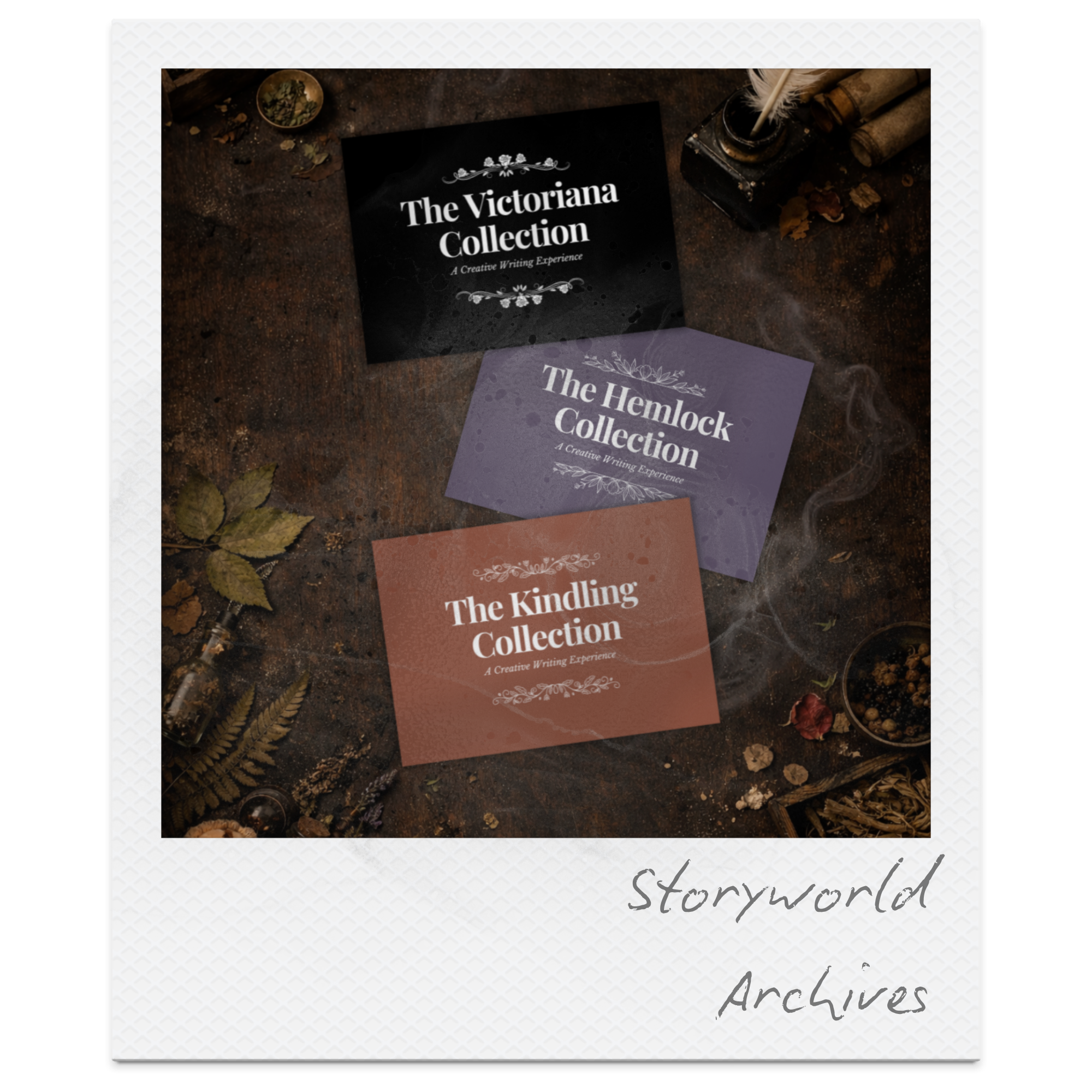

Creative Writing Lessons That Feel Like Time Travel: How I Use Writing Boxes in the Classroom
Tired of blank stares during creative writing lessons? These immersive story boxes turn students into detectives, poets, and storytellers. From séance invitations to village festivals with a secret, here’s how I use creative writing boxes to spark serious engagement (and save my sanity) in the classroom.
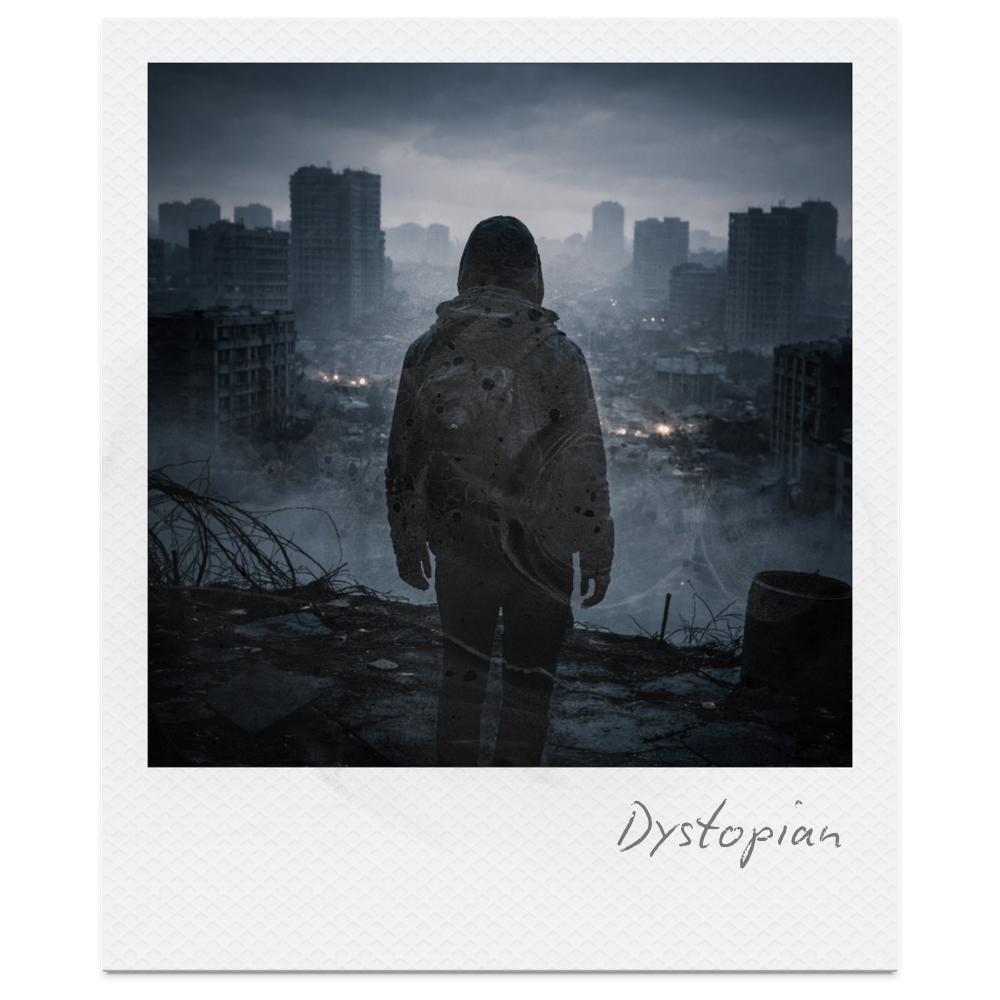
70 Dystopian Writing Prompts for Teen Writers
Dystopian writing prompts give teen writers a powerful way to explore control, resistance, survival, and imagined futures shaped by fear or authority. This collection of 70 dystopian story ideas includes picture prompts, opening lines, titles, and speculative scenarios designed to support creative writing lessons, independent writing, and classroom discussion. Ideal for students studying dystopian fiction or learning how to write a dystopian story, these prompts encourage critical thinking, worldbuilding, and meaningful storytelling.

Teacher Mental Health: What Helped When I Was Falling Apart
I was crying over emails, skipping meals, and burning out in silence, until I finally said, “I’m not okay.” This post isn’t a fix-all. It’s a look at what helped when I was falling apart: real boundaries, honest conversations, walking away from the pressure, and learning to build a life that fits me. If you’re in that dark place right now, you’re not alone.
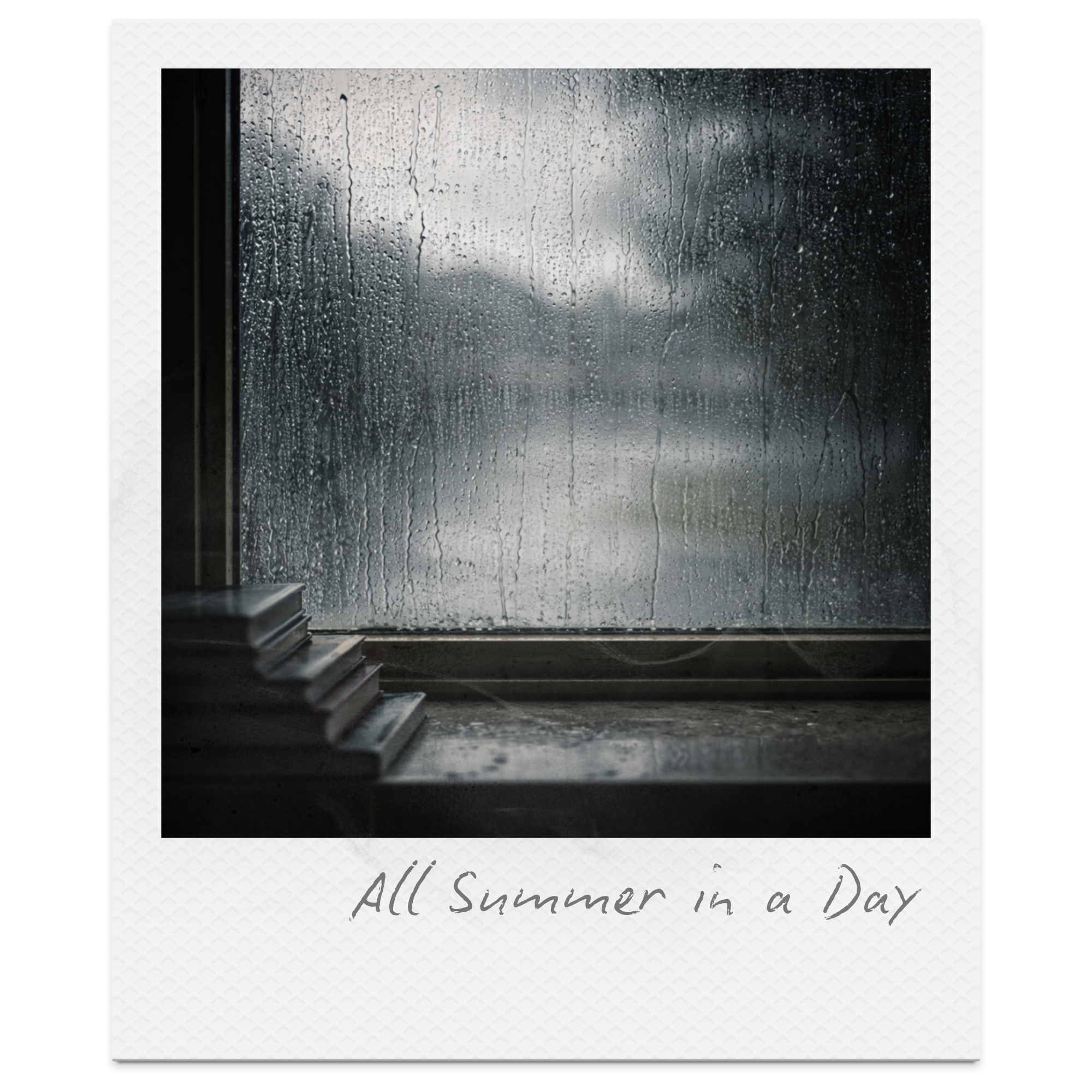
How to Teach All Summer in a Day (Including Discussion Ideas & Creative Writing Activities)
All Summer in a Day by Ray Bradbury is a powerful KS3 short story that explores conformity, bullying, empathy, and collective cruelty through a deceptively simple science-fiction setting. This classroom-focused guide shares practical teaching strategies, discussion ideas, and creative writing approaches to help students engage deeply with the text while encouraging thoughtful analysis and reflection. Drawing on literary context, lesson flow, and meaningful creative responses, this post shows how All Summer in a Day can be taught as more than a plot-driven story — and how it opens into wider conversations about responsibility, silence, and moral choice in both literature and the classroom.

The Back-to-School Writing Task That Helps Me Understand Every Student
One simple writing task. That’s all it takes to start building real relationships with your students. Here’s the first-week activity I always use to understand who’s in front of me, and why it works year after year.
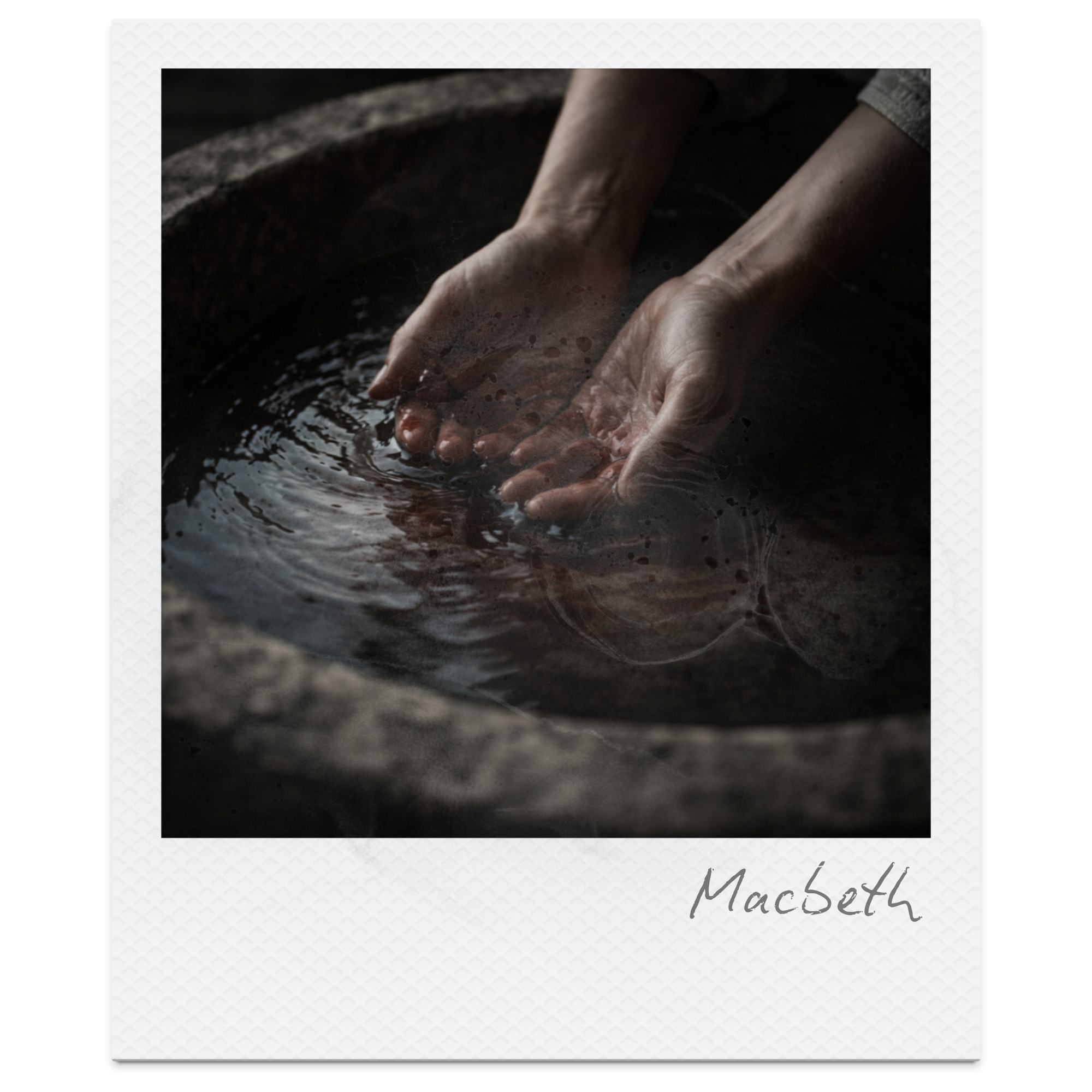
Why Macbeth Is the Only Shakespeare Play I’ll Never Get Sick Of (And Why It Works So Well in the Classroom)
Why is Macbeth still one of the most effective Shakespeare plays to teach? Because it refuses easy answers. Packed with ambition, power, guilt, and moral consequence, Macbeth invites students to interrogate responsibility, persuasion, and the slow erosion of ethical boundaries. Far from feeling dated, the play’s questions about decision-making and complicity remain deeply recognisable in modern classrooms. In this post, I explore why Macbeth continues to work so well with students, how its structure naturally invites debate and interpretation, and how creative and discussion-based approaches can deepen understanding without sacrificing rigour. I also share a free Macbeth classroom resource and explain how I use flexible, reusable teaching tools to support analysis, creative writing, and meaningful discussion across the play.
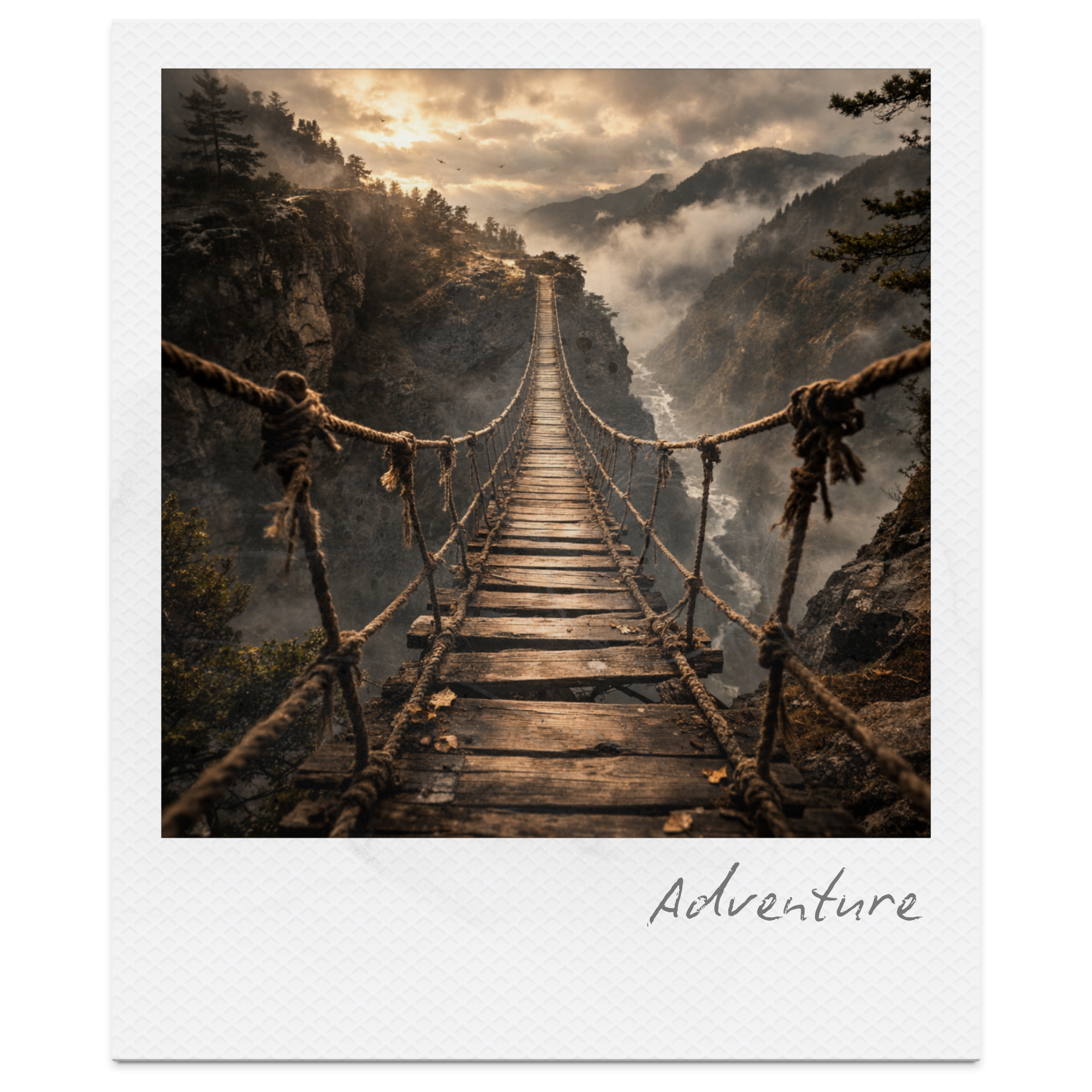
70 Adventure Writing Prompts for Teens: Plot Hooks, Characters, Settings & Story Starters
These adventure writing prompts for teens are designed to help students build exciting, purposeful stories driven by choice, risk, and consequence. This collection of 70 adventure writing prompts includes plot hooks, character ideas, settings, opening and closing lines, and picture prompts, giving writers structured support while still allowing creativity and originality. Suitable for middle and high school classrooms, these adventure writing prompts work well for creative writing lessons, warm-ups, independent projects, and extended narrative tasks. The prompts are flexible, classroom-safe, and ideal for developing story structure, tension, and character motivation across a wide range of adventure stories.
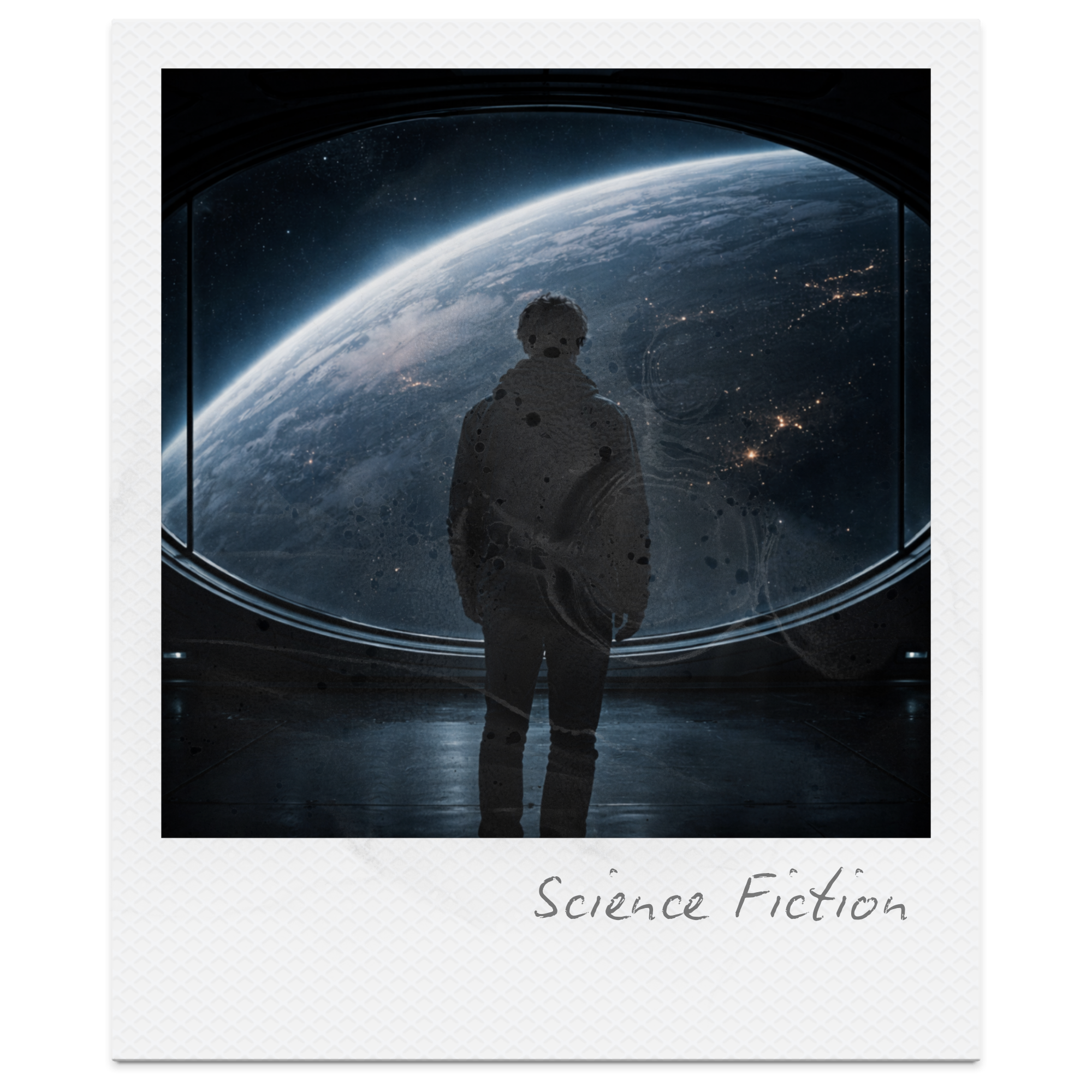
70 Sci-Fi Writing Prompts: Ideas, Openings, and Visual Starters for the English Classroom
Explore 70 science fiction writing prompts for teens designed to spark imagination, critical thinking, and original storytelling. This collection of science fiction creative writing prompts includes story starters, opening and closing lines, characters, settings, and visual prompts inspired by futures shaped by technology, power, and possibility. Ideal for classroom warm-ups, independent writing, creative clubs, and full sci-fi genre units, these prompts help students explore big ideas through engaging, age-appropriate science fiction stories.

7 Free English Classroom Resources I Actually Use (And Still Love)
Seven free English teaching resources I’ve actually used in real classrooms. From creative writing prompts to post-reading tasks, these are my go-to freebies that still hold up, and they’re all ready to download.

The Ashridge Collection: A Free Creative Writing Resource for Curious Students and Tired Teachers
Tired of worksheets? The Ashridge Collection is a free printable creative writing mystery designed for curious classrooms. Built from letters, diary entries, and eerie school documents, it invites students to step into a story, and shape it themselves.

What Writing Taught Me About My Own Emotions (And How It Can Help Students Too)
Writing has always helped me untangle what’s going on in my own head, and it can do the same for students. In this post, I’m sharing how I teach personal narrative early in the year, why it’s linked to SEL, and how writing has helped me understand myself better.

7 Surprisingly Creative Ways English Teachers Can Use AI (That Don’t Involve Marking Essays)
Most AI-in-education advice focuses on grading and admin. But in the English classroom, that’s not always the issue that needs to be solved. This post shares 7 genuinely creative ways to use AI that support writing, analysis, differentiation, and reading, all designed to save time without losing your voice as a teacher.

How to Teach English Language Skills Using Literature Texts (Free Prompts Included)
Combine language and literature in a meaningful way with chapter-by-chapter creative writing prompts. This post explores how you can build writing skills while deepening students’ understanding of the texts you teach - plus, you’ll find lots of free resources to download and try right away.

10 Creative Writing Challenges to Stretch Your Imagination
Looking for ways to spark fresh ideas? These 10 creative writing challenges are perfect for classrooms, workshops, or solo writing sessions. From genre mashups to story reversals, each quick challenge helps stretch imagination, build skills, and unlock unexpected stories.

How to Teach 1984: Context, Classroom Activities, and Real-World Connections
George Orwell’s 1984 remains one of the most powerful texts for exploring power, surveillance, and truth in the classroom. This teaching guide examines the novel’s political context, the totalitarian system of Oceania, and the mechanisms of control that shape Orwell’s dystopian world — from language manipulation to constant observation. Blending classroom experience with practical teaching strategies, this post explores how 1984 can be taught thoughtfully through discussion, real-world connections, and creative responses. It also includes a classroom social experiment, guidance on why the novel is often banned or challenged, and ideas for extending learning beyond the text — making 1984 accessible, relevant, and deeply engaging for students.
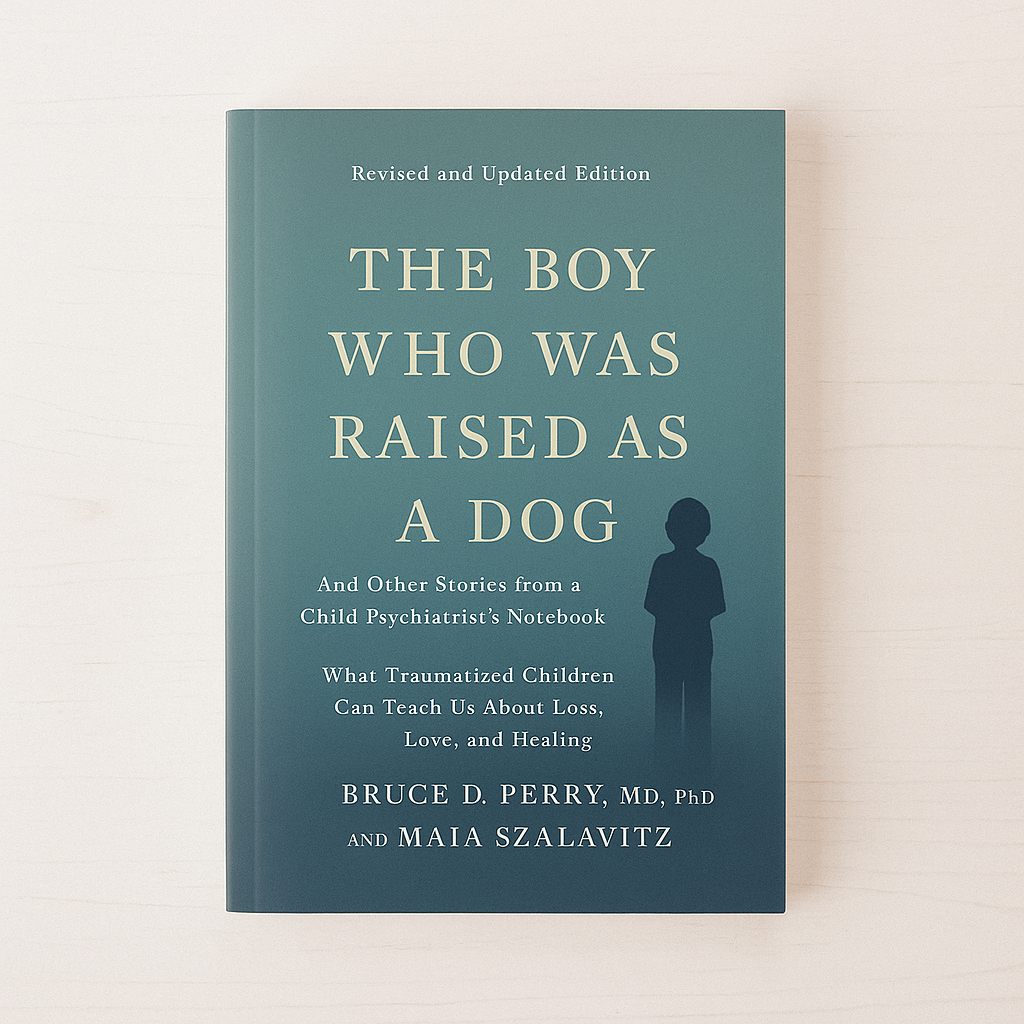
10 Books Every Teacher Should Read to Protect Mental Health and Prevent Burnout
Teaching is one of the most meaningful careers, but it can take a serious toll on mental health. In this post, I’m sharing 10 powerful books that every teacher should read to build resilience, protect their wellbeing, and reignite their passion for the classroom.
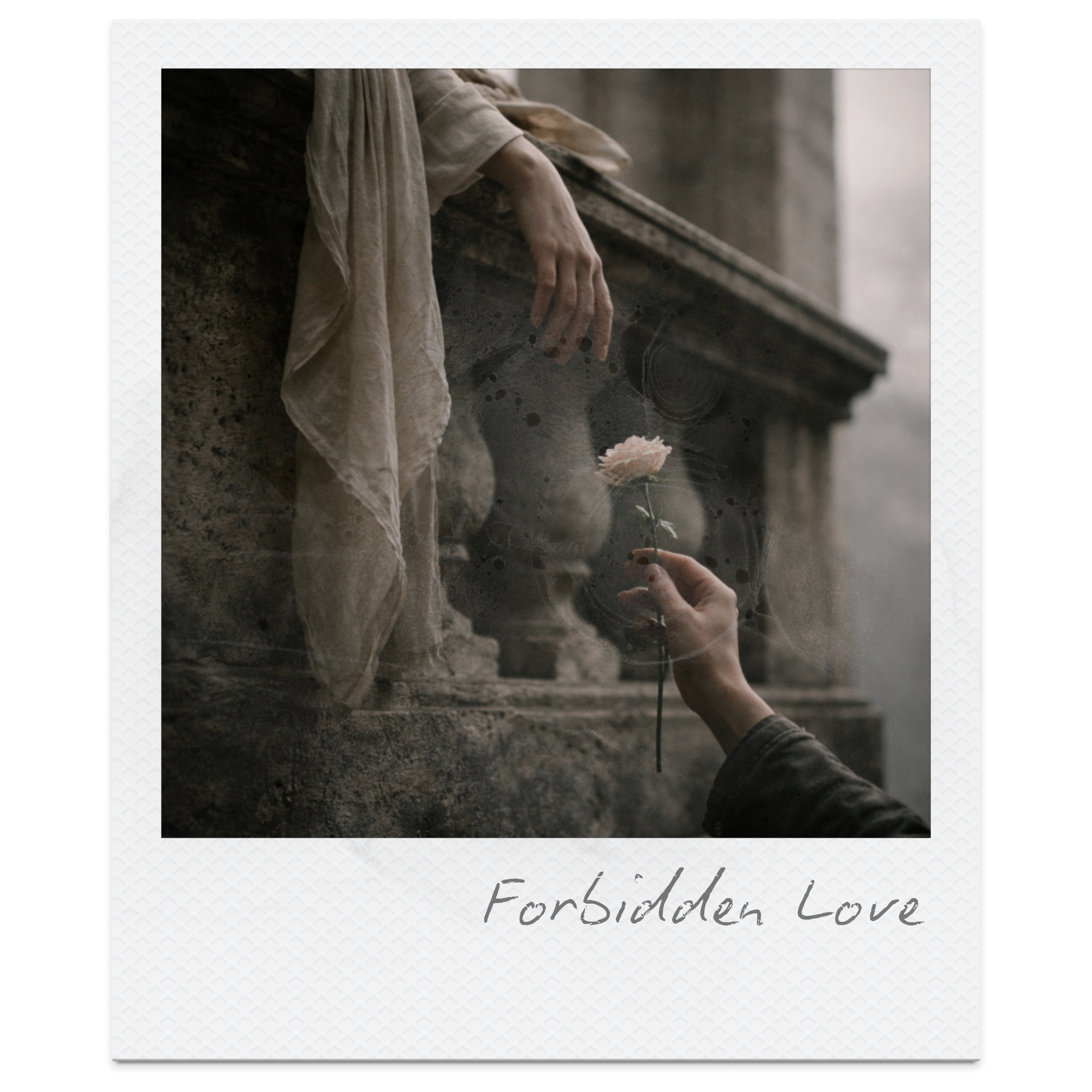
70 Forbidden Love Writing Prompts for Teens: Secret Relationships, Impossible Choices & Hidden Desire
Forbidden love stories explore what happens when desire collides with rules, expectations, or loyalty. Found throughout myth, folklore, and classic literature, this trope focuses less on romance itself and more on tension, secrecy, and consequence. Whether love is forbidden by family, duty, social boundaries, or unspoken rules, these narratives are shaped by restraint — what cannot be said, shown, or chosen without cost. This collection of 70 Forbidden Love Writing Prompts for Teens offers a structured set of story starters designed for classroom use, creative writing lessons, and independent writing. Combining plot hooks, opening and closing lines, character ideas, settings, and visual prompts, the collection encourages students to explore emotionally complex storytelling while remaining appropriate, thoughtful, and grounded in literary tradition.

Why Ray Bradbury Is the Original Black Mirror (and How to Teach Both in the Classroom)
Ray Bradbury might not have predicted Instagram likes or parental control implants, but his stories hold up like eerie reflections of our own tech-obsessed world. In this post, I pair classic Bradbury short stories with Black Mirror episodes to explore how both challenge our ideas about progress, power, and humanity. Perfect for teachers looking to spark meaningful discussions in the classroom.

Adolescence on Netflix: What It Reveals About Our Boys and Why Teachers Should Watch It
A gripping, real-time series, Adolescence doesn’t just tell a story, it forces us to confront one. Following the radicalisation of a 13-year-old boy who murders his classmate after she calls him an incel, this four-part drama explores how misogyny, isolation, and online influence can collide in devastating ways. In this post, I reflect on what the show gets right, how it mirrors the challenges in our schools, and why teachers should be paying close attention.
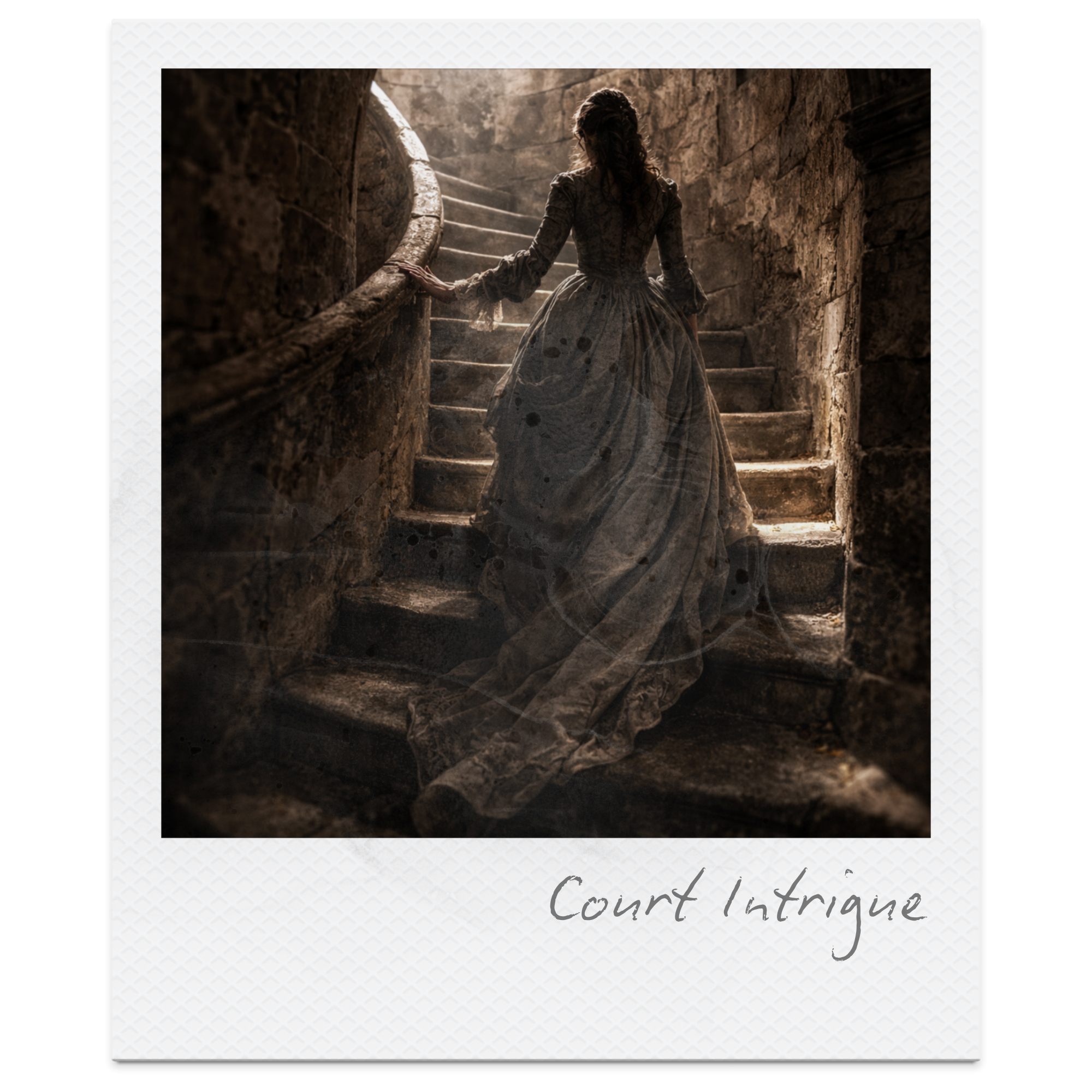
70 Court Intrigue Writing Prompts for Teens: Political Secrets, Power Struggles, Betrayal & Royal Schemes
Court intrigue stories explore power at its quietest and most dangerous. Set within royal courts, noble houses, councils, or controlled hierarchies, these narratives focus on secrecy, reputation, and moral compromise rather than open conflict. Authority is exercised through ceremony, silence, and strategy, where a single decision made behind closed doors can reshape lives far beyond the chamber walls. These court intrigue writing prompts invite teen writers to explore political tension across fantasy courts, dystopian regimes, and gothic power structures. Rather than relying on spectacle or violence, the prompts prioritise atmosphere, psychological pressure, and consequence-driven storytelling, making them ideal for classroom use, writing clubs, or longer YA projects rooted in restraint, ambiguity, and choice.