100 Victorian Occupations with Story Ideas for Historical Fiction Writers
Occupations shaped almost every aspect of life in Victorian Britain. A person's profession often determined where they lived, how they dressed, who they socialised with, the opportunities available to them, and even the way society judged their character. From wealthy industrialists and respected doctors to governesses, lighthouse keepers, railway engineers, and humble scullery maids, every occupation offered a unique perspective on a rapidly changing nineteenth-century world.
Some of the most memorable works of Victorian literature and modern historical fiction are defined by the professions of their characters. Sherlock Holmes investigates London's mysteries through the emerging science of detective work, Jane Eyre experiences Victorian society as a governess, North and South explores industrial Britain through mill owners and workers, while The Crimson Petal and the White reveals the lives of people from vastly different social classes. Occupations are far more than jobs—they shape ambitions, relationships, conflicts, and the stories that unfold around them.
This collection of 100 Victorian Occupations with Story Ideas is designed to help historical fiction writers build authentic characters and richer worlds. Each occupation includes historical context alongside character inspiration and original story ideas, helping you imagine not only what your characters do for a living, but how their work influences the people they become. Whether you're writing mysteries, romances, gothic fiction, family sagas, adventures, or literary historical novels, these occupations provide a foundation for creating believable nineteenth-century lives.
Many of these professions also create natural opportunities for storytelling. A lamplighter may witness suspicious activity on deserted streets after dark. A telegraph operator could intercept a coded message that changes the course of an investigation. A museum curator might uncover an artefact that rewrites local history, while a village schoolteacher discovers a forgotten family secret hidden within old parish records. By thinking carefully about occupation as well as personality, you can create characters whose daily lives naturally generate conflict, mystery, and opportunity.
If you're looking for even more inspiration, explore the Historical Fiction Writing Hub for story ideas, character names, opening lines, historical settings, and research resources spanning dozens of historical periods. You can also browse the Creative Writing Archive for hundreds of prompts, worldbuilding guides, and creative writing resources designed to help you craft richer characters, immersive settings, and unforgettable stories.

1. Domestic Service
Domestic service was the largest employer in Victorian Britain, with thousands of men and women working in country estates, townhouses, and grand country homes. Servants occupied every level of society, from influential housekeepers and butlers who managed entire households to young scullery maids beginning their first employment. Living and working under the same roof as wealthy families meant servants often witnessed the triumphs, tragedies, scandals, and secrets hidden behind respectable Victorian society. These occupations are perfect for historical fiction exploring family drama, hidden relationships, class divisions, and life behind the scenes of Britain's great houses.
1. Housekeeper
The Victorian housekeeper was responsible for overseeing the smooth running of a large household, supervising servants, managing supplies, organising budgets, and ensuring every room met the family's exacting standards. Often trusted more than distant relatives, an experienced housekeeper knew every member of the household better than anyone else. Their position allowed them to observe hidden romances, overhear confidential conversations, and quietly preserve generations of family secrets. This occupation is ideal for stories involving inheritance disputes, mysterious disappearances, and the hidden history of great houses.
2. Butler
A butler stood at the very top of the male domestic hierarchy, managing the wine cellar, valuable possessions, household staff, and formal entertaining while acting as the public face of the estate. Calm, discreet, and impeccably organised, butlers were expected to remain loyal regardless of what they witnessed. A butler might become the reluctant keeper of dangerous secrets, discover evidence concealed within the family silver, or find themselves protecting a household whose reputation is beginning to unravel. This occupation lends itself perfectly to historical mysteries, family dramas, and gothic fiction.
3. Cook
Victorian cooks worked long before dawn each day, preparing meals for households that could range from a modest family to elaborate aristocratic banquets. Their kitchens became the heart of the home, where servants exchanged gossip and family tensions often became impossible to ignore. A cook could overhear confidential discussions through open service doors, notice unusual ingredients arriving unexpectedly, or become suspicious when meals are repeatedly altered before reaching the dining room. This role is ideal for stories centred on domestic intrigue, poisoning mysteries, or life below stairs.
4. Governess
The governess occupied a unique and often lonely position within Victorian households, educated enough to teach the children yet never fully accepted by either the family or the servants. Responsible for lessons in languages, history, literature, music, and etiquette, she often formed close relationships with the children under her care. A governess may uncover hidden rooms, decipher forgotten journals, or become entangled in the family's most carefully guarded secrets. This occupation is perfect for gothic fiction, romance, psychological suspense, and coming-of-age stories.
5. Lady's Maid
A lady's maid served one mistress exclusively, assisting with clothing, jewellery, hairstyles, travel, and personal correspondence while becoming one of the few people permitted into her employer's private life. Trusted with intimate knowledge that even close relatives might never discover, she occupied a position requiring absolute discretion. When valuable heirlooms disappear or anonymous letters begin arriving, the lady's maid may know far more than anyone suspects. Her story could explore loyalty, betrayal, and the complicated relationships between women of different social classes.
6. Valet
The valet attended exclusively to a gentleman's clothing, grooming, travel arrangements, and personal belongings, ensuring every detail of his employer's appearance reflected status and respectability. Because he organised luggage, packed correspondence, and prepared clothing for every occasion, he frequently handled documents and possessions that revealed far more than intended. A valet might uncover evidence of secret meetings, hidden identities, or financial ruin concealed behind outward confidence. This occupation works beautifully in historical mysteries, espionage, and political dramas.
7. Housemaid
Housemaids spent their days cleaning bedrooms, lighting fires, carrying water, polishing furniture, and maintaining the countless rooms that made Victorian houses appear effortless and elegant. Their work took them into every corner of the home, often before anyone else had entered each morning. They might discover hidden compartments, overhear conversations through adjoining doors, or notice objects mysteriously disappearing between rooms. This role provides excellent opportunities for mysteries, ghost stories, and domestic historical fiction.
8. Footman
Recognisable by their smart uniforms, footmen welcomed guests, served formal dinners, carried luggage, answered the front door, and accompanied the family during travel. Their highly visible role placed them at the centre of important social occasions while allowing them to quietly observe influential visitors. A footman could witness political conspiracies discussed over dinner, recognise a guest travelling under a false identity, or become caught between rival households. This occupation is perfect for stories involving aristocratic society, espionage, and hidden loyalties.
9. Scullery Maid
Usually the youngest servant in the household, the scullery maid undertook the hardest and least glamorous work, scrubbing floors, washing dishes, cleaning cookware, and keeping the kitchen running smoothly. Although frequently overlooked, she moved throughout the servants' quarters unnoticed, hearing conversations others assumed she was too insignificant to understand. A scullery maid might accidentally discover evidence of theft, overhear plans for blackmail, or stumble upon a forgotten family secret while cleaning neglected rooms. Her story could explore resilience, ambition, and unexpected courage.
10. Coachman
The coachman was responsible for maintaining horses, carriages, harnesses, and transporting the family safely across towns and countryside alike. Spending countless hours travelling with employers, he often overheard private conversations and visited places far beyond the estate itself. A coachman might witness suspicious meetings on isolated roads, transport mysterious passengers under cover of darkness, or become the only person able to identify someone involved in a crime. This occupation is ideal for adventures, mysteries, romances, and stories that extend far beyond the walls of a single household.
2. Trades & Skilled Crafts
Victorian Britain depended upon skilled craftsmen whose knowledge was often learned through years of apprenticeship rather than formal education. From blacksmiths forging iron by hand to bookbinders preserving treasured libraries, these trades combined technical expertise with creativity, patience, and pride in workmanship. Many workshops became important centres of community life, where customers exchanged news, business was conducted, and generations of families worked side by side. These occupations are perfect for historical fiction exploring craftsmanship, entrepreneurship, family businesses, and the changing relationship between traditional trades and industrialisation.
11. Blacksmith
The blacksmith was one of the most respected figures in any Victorian community, producing horseshoes, gates, farming tools, carriage fittings, and countless everyday items essential to local life. Their forge welcomed customers from every social class, making it an ideal place for exchanging gossip and hearing the latest news. A blacksmith might notice unusual requests for custom-made locks or weapons, repair damaged objects connected to a crime, or uncover evidence hidden inside an old piece of ironwork. This occupation suits rural dramas, mysteries, and stories of community life.
12. Tailor
Victorian tailors created bespoke clothing for gentlemen, carefully measuring each client to produce garments that reflected wealth, status, and profession. Their workshops introduced them to aristocrats, politicians, businessmen, and military officers, allowing them to quietly observe the changing fashions and fortunes of Victorian society. A tailor could discover coded messages hidden inside coat linings, recognise a client disguising their identity, or become caught between rival families preparing for an important social event. This occupation works beautifully in historical mysteries, romances, and social dramas.
13. Dressmaker
Dressmakers transformed expensive fabrics into elegant gowns that allowed Victorian women to present themselves according to the strict expectations of society. They often worked closely with wealthy families, attending fittings inside grand houses while hearing conversations never intended for outsiders. A dressmaker may notice concealed pockets sewn into wedding dresses, repair clothing damaged during suspicious circumstances, or become unexpectedly involved in preparing outfits for a scandalous elopement. Her story could explore fashion, ambition, and the hidden lives of Victorian women.
14. Watchmaker
A Victorian watchmaker repaired intricate timepieces requiring extraordinary patience, steady hands, and remarkable precision. Wealthy customers entrusted valuable family heirlooms to their care, occasionally leaving behind engraved watches containing forgotten inscriptions or secret compartments. When several damaged pocket watches arrive bearing identical mysterious symbols, the watchmaker begins investigating connections stretching across decades. This occupation is ideal for detective fiction, family mysteries, and stories centred on memory, legacy, and time itself.
15. Cabinetmaker
Cabinetmakers produced handcrafted furniture ranging from elegant writing desks to magnificent library shelves, often working directly with architects and wealthy clients to furnish newly built houses. Their workshops required both artistic skill and technical knowledge, creating beautiful objects designed to last for generations. A cabinetmaker might be commissioned to construct a secret compartment, restore an antique with an unusual history, or discover hidden papers concealed inside old furniture brought in for repair. This occupation lends itself to gothic fiction, historical mysteries, and family sagas.
16. Silversmith
Silversmiths crafted exquisite tableware, jewellery, candlesticks, and ceremonial objects that often became treasured family heirlooms. Every commission required precision and complete trust, particularly when working with valuable metals and gemstones. A silversmith may recognise a supposedly lost family crest appearing on newly commissioned silver, uncover evidence of expertly forged heirlooms, or become involved in investigating stolen treasures. This role is perfect for stories of inheritance, deception, and aristocratic intrigue.
17. Bookbinder
Before mass-produced books became commonplace, skilled bookbinders repaired treasured family libraries and created beautifully bound volumes for collectors, scholars, and institutions. Their workshops handled everything from religious texts to private diaries, legal documents, and scientific journals. While restoring a damaged family Bible or forgotten journal, a bookbinder might discover hidden letters, erased names, or evidence deliberately concealed within the binding. This occupation is ideal for literary mysteries, historical research, and stories centred on forgotten knowledge.
18. Printer
Printers played a vital role in Victorian society, producing newspapers, books, pamphlets, political leaflets, posters, and advertisements that shaped public opinion. Working late into the night, they often handled controversial material before anyone else had read it. A printer could unknowingly publish coded messages, become caught between rival newspapers, or uncover anonymous writings that expose corruption among influential figures. This occupation suits political thrillers, investigative mysteries, and historical dramas.
19. Stonemason
Victorian stonemasons helped construct churches, bridges, railway stations, public buildings, monuments, and grand country houses that still define Britain's landscape today. Their knowledge of architecture and craftsmanship often took them to remarkable locations where history surrounded every project. While restoring an ancient church or manor, a stonemason might uncover forgotten tombs, hidden chambers, or centuries-old carvings overlooked by previous generations. This occupation works perfectly for archaeological mysteries, gothic fiction, and stories rooted in local history.
20. Cooper
The cooper specialised in making and repairing wooden barrels used for transporting everything from ale and whisky to flour, gunpowder, and imported goods. Because barrels travelled through docks, breweries, warehouses, and merchant businesses, coopers developed connections across many different industries. A cooper might discover contraband hidden inside an apparently ordinary shipment, notice unusual markings burned into a series of barrels, or become drawn into a smuggling operation stretching from the docks to the countryside. This occupation is perfect for maritime adventures, crime fiction, and stories exploring Victorian trade and commerce.
3. Industry & Manufacturing
The Industrial Revolution transformed Victorian Britain into the world's leading industrial nation. Vast textile mills, ironworks, coal mines, railway networks, engineering workshops, and busy docks created new opportunities while also introducing dangerous working conditions, rapid urbanisation, and dramatic social change. Whether they embraced progress or questioned its cost, the people working in these industries helped build modern Britain. These occupations are perfect for historical fiction exploring ambition, innovation, class conflict, industrial communities, and the human stories behind Victorian progress.
21. Mill Worker
Victorian textile mills employed thousands of men, women, and children, whose lives were shaped by long hours, deafening machinery, and strict factory discipline. Despite the demanding conditions, mills created close-knit communities where friendships, rivalries, romances, and acts of quiet resistance flourished. A mill worker might witness industrial sabotage, uncover corruption among factory managers, or become involved in the growing movement for workers' rights. This occupation is ideal for stories exploring resilience, social reform, and class divisions.
22. Factory Overseer
A factory overseer balanced the expectations of wealthy owners with the realities faced by the workforce, supervising production while maintaining discipline on the factory floor. Many struggled to reconcile business demands with genuine concern for the people under their care. An overseer may discover faulty machinery being deliberately ignored to increase profits, investigate a suspicious accident, or become caught between striking workers and powerful industrialists. This role lends itself to moral conflict, historical drama, and industrial mysteries.
23. Engineer
Victorian engineers stood at the forefront of innovation, designing bridges, railways, factories, steam engines, and public buildings that transformed the landscape of Britain. Their work demanded mathematical precision, creative problem-solving, and the confidence to attempt projects that had never been attempted before. An engineer might uncover dangerous flaws in a prestigious construction project, compete with ambitious rivals, or stumble across evidence hidden beneath the foundations of an old structure. This occupation is perfect for stories of invention, ambition, and engineering triumph.
24. Iron Founder
Iron founders managed roaring furnaces where molten metal was transformed into machinery, railway components, bridges, and architectural features that powered Victorian industry. Their foundries supplied the rapidly expanding railways and factories that defined the era. When valuable designs begin disappearing to rival businesses, an iron founder suspects industrial espionage is taking place within the workforce itself. This occupation could explore innovation, loyalty, and the fierce competition driving Victorian manufacturing.
25. Miner
Coal miners worked deep beneath the earth in some of Victorian Britain's most dangerous occupations, extracting the fuel that powered homes, factories, steamships, and locomotives. Underground communities developed extraordinary trust, relying upon one another for survival in difficult conditions. A miner might uncover forgotten tunnels leading to hidden chambers, discover evidence of a long-forgotten crime, or become involved in efforts to improve dangerous working practices. This occupation is ideal for historical adventures, survival stories, and community dramas.
26. Dock Labourer
Victorian docks never truly slept, with ships arriving daily carrying goods, passengers, and news from across the expanding British Empire. Dock labourers loaded cargo ranging from tea and silk to machinery and timber, often working alongside sailors from around the world. A labourer may notice suspicious cargo repeatedly arriving under false documentation, overhear conversations between smugglers, or become the unexpected witness to an international conspiracy. This occupation works beautifully for crime fiction, maritime adventures, and historical thrillers.
27. Railway Porter
The railway porter became one of the most recognisable figures of Victorian Britain, assisting passengers, handling luggage, and keeping bustling stations operating efficiently. Because they encountered thousands of travellers each week, porters often noticed unusual behaviour long before anyone else. A porter could recognise a missing person travelling under an assumed name, discover abandoned luggage containing mysterious documents, or witness a hurried exchange on a crowded platform. This occupation is perfect for mysteries, adventures, and stories of chance encounters.
28. Station Master
The station master oversaw every aspect of a Victorian railway station, coordinating timetables, supervising staff, ensuring passenger safety, and managing freight traffic. Their office became the nerve centre of a community increasingly connected by rail. When unexplained delays begin affecting only one particular train, the station master uncovers a carefully organised operation involving stolen cargo and falsified railway records. This occupation lends itself to detective stories, industrial intrigue, and railway adventures.
29. Telegraph Operator
Telegraph operators worked at the cutting edge of Victorian communication, transmitting messages across Britain in minutes rather than days. Skilled in Morse code and remarkable concentration, they often handled sensitive government, military, commercial, and personal correspondence. A telegraph operator may intercept an encrypted message warning of an assassination, recognise a pattern hidden within seemingly ordinary telegrams, or realise someone is manipulating communications for criminal purposes. This occupation is ideal for espionage, mystery, and political thrillers.
30. Engine Driver
Engine drivers commanded powerful steam locomotives that connected cities, villages, ports, and industries across Britain. Their work demanded technical expertise, discipline, and the ability to remain calm under immense pressure while travelling at unprecedented speeds. During a routine journey, an engine driver may notice unexplained signals along the track, transport a passenger fleeing danger, or uncover sabotage threatening hundreds of lives. This occupation is perfect for adventure stories, historical suspense, and novels celebrating the excitement of Victorian progress.
4. Law, Justice & Government
The Victorian era saw enormous changes in policing, law, and public administration. Professional police forces expanded, forensic methods slowly developed, and government became increasingly involved in recording, regulating, and governing everyday life. From crowded courtrooms and prison walls to quiet registry offices and customs houses, these occupations placed ordinary people at the centre of extraordinary events. They are ideal for historical fiction exploring crime, corruption, justice, political intrigue, and the complex moral questions faced by those responsible for upholding the law.
31. Police Inspector
A Victorian police inspector supervised criminal investigations, interviewed witnesses, organised constables, and attempted to solve crimes using observation and persistence rather than modern forensic science. Every case relied upon careful questioning, local knowledge, and piecing together small details that others overlooked. An inspector may find themselves investigating a murder involving one of London's wealthiest families, uncovering organised corruption, or pursuing a criminal who always appears one step ahead. This occupation is perfect for detective fiction, historical mysteries, and psychological thrillers.
32. Constable
Constables patrolled the streets on foot, maintaining public order, responding to disturbances, and becoming familiar with every alley, market, and neighbourhood within their district. Their daily rounds meant they noticed changing routines, unfamiliar faces, and suspicious activity long before anyone else. A constable might become the first person to discover a missing child, uncover a smuggling route hidden beneath ordinary city life, or question whether justice is always served by the law. This role is ideal for crime fiction, community dramas, and stories of everyday heroism.
33. Barrister
Barristers argued cases before judges and juries, relying upon persuasive speeches, detailed legal knowledge, and careful cross-examination rather than physical investigation. Many built reputations that could influence careers, fortunes, and entire families. A barrister may begin defending a client who appears unquestionably guilty, only to uncover evidence exposing a much larger conspiracy. This occupation works beautifully for courtroom dramas, historical mysteries, and stories exploring justice and morality.
34. Solicitor
Victorian solicitors prepared legal documents, advised clients, managed estates, drafted wills, and gathered evidence long before cases reached the courtroom. Their offices became repositories for family secrets, financial records, and generations of correspondence. A solicitor could discover conflicting wills hidden inside an old estate file, uncover forged property deeds, or become entrusted with documents that powerful people are desperate to recover. This occupation is perfect for inheritance mysteries, family sagas, and legal intrigue.
35. Magistrate
Magistrates presided over local courts, hearing disputes ranging from theft and disorderly conduct to licensing, debt, and public complaints. Often respected members of the community, they were expected to balance compassion with impartiality while navigating complex social pressures. When a prominent local landowner appears before the court accused of a serious crime, the magistrate must decide whether justice outweighs reputation and influence. This role lends itself to moral conflict, political drama, and historical courtroom fiction.
36. Coroner
Victorian coroners investigated sudden, unexplained, or suspicious deaths, conducting inquests that sought to establish how and why someone had died. Their work frequently brought together doctors, police officers, grieving families, and curious members of the public. A coroner might notice injuries inconsistent with official accounts, reopen a forgotten case, or uncover links between several apparently unrelated deaths. This occupation is ideal for gothic mysteries, detective novels, and medical historical fiction.
37. Prison Governor
A prison governor managed every aspect of a Victorian prison, overseeing discipline, staff, inmate welfare, and the implementation of government policy. Years spent observing prisoners often challenged simplistic ideas about guilt, punishment, and redemption. When an elderly inmate confesses to a crime committed decades earlier, the governor begins questioning one of the county's most celebrated convictions. This occupation could explore redemption, institutional power, and the search for truth.
38. Court Clerk
Court clerks recorded witness statements, organised legal documents, scheduled hearings, and maintained the official records upon which Victorian justice depended. Though rarely noticed by the public, they often possessed a remarkable understanding of cases unfolding before the courts. A clerk might discover missing evidence, recognise contradictory testimony across unrelated trials, or uncover records deliberately altered to protect influential individuals. This occupation suits legal mysteries, political intrigue, and historical thrillers.
39. Customs Officer
Customs officers inspected ships, cargo, and passengers arriving at Britain's ports, collecting duties while searching for smuggled goods, forged paperwork, and illegal imports. Their work brought them into contact with merchants, sailors, diplomats, and criminals from around the world. A customs officer could intercept an apparently ordinary shipment concealing priceless artefacts, coded correspondence, or evidence of international espionage. This occupation is perfect for maritime adventures, crime fiction, and stories set around Britain's busy ports.
40. Census Enumerator
Every ten years, census enumerators travelled from house to house recording the names, ages, occupations, and family relationships of every resident they encountered. Their work provided a rare glimpse inside homes belonging to every level of Victorian society. While compiling records, an enumerator may notice families using false names, discover children whose identities do not match official records, or uncover an entire household attempting to disappear from history. This occupation is ideal for historical mysteries, family dramas, and stories centred on hidden identities and forgotten lives.
5. Medicine, Science & Discovery
The Victorian era witnessed extraordinary advances in medicine, science, and technology. New hospitals, laboratories, museums, observatories, and universities expanded knowledge at an unprecedented rate, while discoveries in surgery, chemistry, biology, photography, and public health transformed everyday life. Yet scientific progress often challenged long-held beliefs and created fierce rivalries between researchers determined to leave their mark on history. These occupations are perfect for historical fiction exploring innovation, ethics, exploration, intellectual ambition, and the pursuit of knowledge.
41. Doctor
Victorian doctors treated patients from every level of society, making difficult decisions with far fewer medical resources than physicians today. Their work brought them into homes, factories, schools, and hospitals, allowing them to witness the realities of nineteenth-century life first-hand. A doctor may notice an unusual pattern behind a mysterious illness, uncover evidence of poisoning disguised as natural disease, or become entangled in a family's darkest secret. This occupation is perfect for medical mysteries, family dramas, and historical suspense.
42. Surgeon
Victorian surgeons stood at the forefront of medical progress, embracing revolutionary techniques that gradually transformed operations from desperate last resorts into increasingly successful procedures. Their profession demanded technical skill, courage, and the willingness to challenge accepted practice. A surgeon might become the target of criticism after introducing controversial methods, uncover evidence hidden within a patient's injuries, or investigate unexplained deaths inside a respected hospital. This occupation lends itself to stories of innovation, ethics, and personal sacrifice.
43. Nurse
Nurses became increasingly respected during the Victorian era as hospitals expanded and standards of care improved. Working long hours among the sick and injured, they often noticed changes in patients long before physicians arrived. A nurse could recognise that several unrelated patients share the same mysterious symptoms, uncover neglect hidden behind respectable hospital walls, or protect vulnerable patients from those seeking to exploit them. This occupation is ideal for stories exploring compassion, resilience, and medical reform.
44. Apothecary
Before pharmacies became commonplace, apothecaries prepared medicines, herbal remedies, tonics, and prescriptions for communities across Britain. Their shelves contained both life-saving treatments and dangerous poisons, making trust essential to the profession. An apothecary may realise valuable substances are disappearing without explanation, identify a rare ingredient used in a suspicious death, or inherit an old recipe book containing forgotten medical knowledge. This occupation works beautifully for historical mysteries, gothic fiction, and stories rooted in traditional medicine.
45. Chemist
Victorian chemists experimented with new compounds, manufactured medicines, analysed materials, and contributed to rapidly advancing scientific research. Their laboratories balanced careful observation with the constant possibility of failure—or unexpected discovery. A chemist might accidentally create an important breakthrough, investigate industrial contamination affecting an entire town, or become caught in a rivalry over a remarkable invention. This occupation is perfect for scientific mysteries, industrial dramas, and stories celebrating Victorian innovation.
46. Botanist
Botanists travelled the countryside and, increasingly, the wider world collecting, studying, and classifying plants that expanded scientific understanding of nature. Many maintained detailed journals documenting rare species and their habitats, creating invaluable records for future generations. A botanist may discover a previously unknown medicinal plant, uncover forgotten gardens hiding historical clues, or realise an apparently ordinary flower has been deliberately cultivated to conceal a secret. This occupation lends itself to adventure, mystery, and natural history.
47. Astronomer
Victorian astronomers spent long nights observing the heavens, charting stars, planets, comets, and eclipses with increasingly sophisticated telescopes. Their quiet dedication often led to discoveries that reshaped humanity's understanding of the universe. An astronomer could notice unusual celestial activity that attracts international attention, decode observations left behind by a predecessor, or become drawn into a rivalry between competing observatories. This occupation is ideal for stories exploring scientific ambition, patience, and discovery.
48. Photographer
Photography revolutionised Victorian society by preserving moments that previously existed only in memory or painted portraits. Photographers documented families, public events, architecture, scientific discoveries, and changing landscapes, creating visual records of an era undergoing extraordinary transformation. A photographer might unknowingly capture evidence of a crime, discover unusual details within an old glass plate negative, or become obsessed with identifying a mysterious figure appearing in multiple portraits. This occupation works perfectly for historical mysteries, family sagas, and investigative fiction.
49. Museum Curator
Museum curators organised collections of fossils, artefacts, manuscripts, natural history specimens, and treasures arriving from across Britain and the wider world. Responsible for preserving knowledge, they often uncovered forgotten histories while cataloguing new acquisitions. A curator may realise several artefacts have been deliberately mislabelled, uncover evidence of theft hidden within museum records, or investigate the mysterious origins of an object no one can explain. This occupation is ideal for archaeological adventures, scholarly mysteries, and stories celebrating history itself.
50. Veterinary Surgeon
Victorian veterinary surgeons cared for horses, livestock, working dogs, and other animals essential to daily life, particularly before widespread mechanisation. Their work took them from grand estates and cavalry barracks to remote farms and bustling city stables. A veterinary surgeon might notice animals falling ill before an unexplained outbreak reaches people, uncover deliberate sabotage targeting valuable racehorses, or discover that an injured animal holds the only clue to a missing person's fate. This occupation is perfect for rural mysteries, historical adventures, and stories exploring the close relationship between people and animals.
6. Arts, Literature & Education
Victorian Britain experienced an extraordinary cultural flourishing. Novels became hugely popular, newspapers reached millions of readers, theatres entertained packed audiences, and education gradually became more widely available than ever before. Writers, artists, musicians, actors, teachers, and publishers helped shape public opinion while preserving the stories, ideas, and imagination of an age defined by both rapid progress and deep social change. These occupations are perfect for historical fiction exploring creativity, ambition, education, performance, journalism, and the enduring power of storytelling.
51. Novelist
Victorian novelists captured every aspect of nineteenth-century society, from grand country houses and bustling cities to rural villages and industrial towns. Many drew inspiration from real events while quietly criticising injustice, inequality, and social expectations through fiction. A novelist may begin receiving anonymous letters describing crimes before they occur, discover their latest manuscript mirrors real events, or become determined to expose corruption through carefully disguised storytelling. This occupation is ideal for literary mysteries, historical drama, and character-driven fiction.
52. Journalist
Victorian journalists reported on everything from political debates and criminal trials to scientific discoveries and royal ceremonies, often working under immense pressure to publish the latest news. Investigative reporting gradually became more influential as newspapers expanded across Britain. A journalist might uncover evidence of government corruption, investigate a mysterious disappearance ignored by the police, or risk everything to publish a story powerful people desperately want suppressed. This occupation lends itself perfectly to mysteries, thrillers, and political drama.
53. Illustrator
Before photography became commonplace, illustrators brought books, newspapers, magazines, and advertisements to life through carefully observed drawings and engravings. Their work required imagination, technical precision, and the ability to transform words into compelling visual stories. An illustrator may notice unusual details while sketching a crime scene, discover coded messages hidden inside commissioned artwork, or become fascinated by an enigmatic subject appearing repeatedly throughout London's streets. This occupation is perfect for historical mysteries, artistic adventures, and literary fiction.
54. Theatre Actor
Victorian actors travelled between theatres across Britain, performing Shakespeare, melodramas, comedies, and spectacular productions before enthusiastic audiences. Life backstage was filled with fierce rivalries, financial uncertainty, elaborate costumes, and constant reinvention. An actor might witness suspicious meetings behind the stage curtains, become mistaken for someone else while in costume, or discover that a new play closely resembles an unsolved local crime. This occupation suits romances, mysteries, and stories exploring identity and performance.
55. Composer
Victorian composers created music for concert halls, churches, private homes, and theatres, helping define the soundtrack of nineteenth-century Britain. Their work required discipline, creativity, and the ability to appeal to changing public tastes. A composer may discover a forgotten manuscript attributed to a famous musician, compete for recognition against a celebrated rival, or uncover hidden messages woven into a mysterious musical score. This occupation works beautifully for historical drama, romance, and literary mysteries.
56. Schoolmaster
Victorian schoolmasters educated boys in subjects ranging from mathematics and history to Latin, science, and geography, preparing many for university or professional careers. Respected within their communities, they often balanced intellectual curiosity with strict discipline. A schoolmaster might discover one gifted pupil possesses knowledge impossible to explain, investigate strange events affecting the school, or uncover forgotten documents hidden within the school's oldest records. This occupation is ideal for coming-of-age stories, mysteries, and educational historical fiction.
57. Schoolmistress
Schoolmistresses played a vital role in educating girls during a period when opportunities for women were slowly expanding. Many believed education offered the chance to transform lives, despite working within restrictive social expectations. A schoolmistress may secretly encourage ambitious pupils to pursue careers beyond society's expectations, uncover family secrets through school admissions records, or become guardian to an orphan whose identity has been deliberately concealed. This occupation is perfect for stories of resilience, education, and social change.
58. Librarian
Victorian libraries became centres of learning where readers from many different backgrounds gained access to literature, science, history, and philosophy. Librarians carefully organised growing collections while preserving valuable manuscripts and rare books. A librarian might discover anonymous notes hidden inside borrowed volumes, uncover a missing manuscript thought lost for generations, or notice one reader repeatedly requesting books connected to a forgotten historical mystery. This occupation lends itself to literary adventures, detective fiction, and stories celebrating knowledge.
59. Bookseller
Booksellers introduced Victorian readers to new novels, poetry, scientific works, travel writing, and political pamphlets, often becoming trusted advisers within their communities. Their shops attracted authors, academics, students, and curious readers eager for the latest publications. A bookseller could receive a mysterious unpublished manuscript, recognise a rare first edition stolen years earlier, or become involved in distributing controversial books banned by influential authorities. This occupation is ideal for literary mysteries, historical thrillers, and stories about the power of ideas.
60. Music Teacher
Music teachers travelled between households or taught from their own studios, introducing students to piano, violin, singing, and music theory as accomplishments expected of respectable Victorian families. Lessons often revealed far more than musical ability, offering glimpses into household dynamics, family expectations, and hidden emotions. A music teacher might notice coded melodies appearing in a student's compositions, discover an unfinished concerto linked to a forgotten composer, or become unexpectedly involved in a family scandal unfolding behind elegant drawing room doors. This occupation is perfect for romances, family dramas, and historical mysteries.
7. Rural Life
Although Victorian Britain is often associated with factories, railways, and expanding cities, millions of people still lived and worked in the countryside. Farming, fishing, forestry, and estate management remained central to rural communities, where generations of families often followed the same occupations for decades. Life was shaped by the changing seasons, close-knit villages, and a deep connection to the land, creating rich opportunities for stories of tradition, survival, community, and hidden histories. These occupations are perfect for historical fiction exploring rural Britain, family legacies, local folklore, and life beyond the industrial cities.
61. Farmer
Victorian farmers balanced unpredictable weather, changing markets, and demanding physical labour while providing food for rapidly growing towns and cities. Their lives revolved around the seasons, with every harvest determining the fortunes of the coming year. A farmer might uncover ancient artefacts while ploughing a field, become caught in a long-forgotten boundary dispute, or discover strangers secretly crossing their land under cover of darkness. This occupation is ideal for family sagas, historical mysteries, and stories rooted in the changing countryside.
62. Shepherd
A shepherd spent long days guiding flocks across hillsides and open moorland, often working alone with only sheepdogs for company. Their isolation gave them an intimate knowledge of the landscape, allowing them to notice unfamiliar tracks, hidden paths, and subtle changes that others overlooked. A shepherd may discover a body on the moors, witness secret meetings in remote valleys, or stumble upon the ruins of a forgotten settlement. This occupation lends itself beautifully to mysteries, survival stories, and atmospheric historical fiction.
63. Gamekeeper
Responsible for protecting woodland, wildlife, and shooting estates, the Victorian gamekeeper knew every stream, forest path, and hidden corner of the countryside. Their duties often brought them into conflict with poachers, trespassers, and neighbouring estates competing over valuable land. A gamekeeper might uncover an illegal hunting operation, discover concealed evidence deep within ancient woodland, or become guardian of a secret hidden for generations. This occupation is perfect for adventures, rural mysteries, and gothic fiction.
64. Lighthouse Keeper
Lighthouse keepers lived isolated lives along Britain's rugged coastline, maintaining the lamps that guided ships safely through dangerous waters. Storms, shipwrecks, and long periods of solitude demanded remarkable resilience and discipline. A keeper may notice an unidentified vessel returning repeatedly to the same stretch of coast, rescue a mysterious survivor after a storm, or uncover smuggling activity hidden beneath the cover of darkness. This occupation is ideal for maritime adventures, psychological fiction, and coastal mysteries.
65. Ferryman
Before bridges connected many rural communities, ferrymen transported people, livestock, goods, and carriages safely across rivers and estuaries. Their work placed them at the crossroads of countless journeys, allowing them to meet travellers from every social class. A ferryman might overhear confidential conversations, transport a fugitive under an assumed name, or become the final witness to someone who mysteriously vanishes. This occupation works wonderfully for mysteries, romances, and stories of chance encounters.
66. Stable Master
Stable masters oversaw valuable horses used for farming, transport, hunting, and travel, ensuring every animal remained healthy and ready for work. Their expertise made them trusted members of large estates and coaching businesses alike. When a prized horse is deliberately injured before an important race or journey, the stable master begins investigating a conspiracy reaching far beyond the stables. This occupation suits sporting dramas, mysteries, and stories exploring loyalty and responsibility.
67. Groundskeeper
Groundskeepers maintained the magnificent gardens, lakes, woodlands, and ornamental landscapes surrounding country estates, preserving the beauty expected by wealthy landowners. Years spent caring for the land meant they often uncovered forgotten ruins, abandoned buildings, and unusual discoveries hidden beneath overgrown vegetation. A groundskeeper may reveal a concealed family cemetery, restore an ancient maze hiding important clues, or notice someone secretly using the estate after dark. This occupation is perfect for gothic fiction, historical mysteries, and family sagas.
68. Miller
The village miller ground grain into flour using the power of rivers or wind, serving farming communities that depended upon the mill throughout the year. Mills became gathering places where news, rumours, and business naturally converged alongside sacks of grain. A miller could discover coded messages hidden inside deliveries, uncover theft affecting local farmers, or investigate strange noises echoing through the old mill after sunset. This occupation lends itself to village mysteries, community dramas, and historical adventures.
69. Fisherman
Victorian fishermen faced dangerous seas, unpredictable weather, and physically demanding work to provide food for coastal communities. Their intimate understanding of tides and currents often made them the first to notice unusual activity along the shoreline. A fisherman might recover an abandoned boat drifting offshore, discover cargo washed ashore after a storm, or rescue a survivor carrying secrets powerful people would rather remain buried. This occupation is ideal for maritime thrillers, survival stories, and historical mysteries.
70. Beekeeper
Beekeepers carefully managed hives that supplied honey, beeswax, and pollinating insects essential to farms and gardens across Victorian Britain. Patient observation taught them to recognise subtle changes in the natural world long before others noticed. While tending remote hives placed deep within woodland, a beekeeper may uncover hidden camps, forgotten ruins, or evidence that someone has been using the forest in secret. This occupation is perfect for rural adventures, nature writing, and mysteries where careful observation becomes the key to solving the story.
8. Business & Commerce
Victorian Britain was a nation of shopkeepers, merchants, entrepreneurs, and expanding businesses. Bustling high streets, thriving markets, warehouses, breweries, banks, and department stores formed the commercial heart of towns and cities, creating new opportunities for ambition and wealth. Business owners often stood at the centre of their communities, building relationships with customers while navigating fierce competition, financial risk, and the changing economy. These occupations are perfect for historical fiction exploring entrepreneurship, social mobility, commerce, family businesses, and the rapidly changing Victorian marketplace.
71. Merchant
Victorian merchants imported and exported goods from across Britain and the expanding British Empire, trading everything from tea and spices to textiles, timber, and machinery. Success depended upon careful negotiation, trusted partnerships, and the ability to anticipate changing markets. A merchant might discover valuable cargo has disappeared during transit, become entangled in an international fraud, or uncover evidence hidden within seemingly ordinary shipping records. This occupation is ideal for adventure, historical mystery, and stories of global trade.
72. Bank Manager
A Victorian bank manager oversaw loans, investments, savings, and financial transactions that shaped the fortunes of families, businesses, and entire communities. Trusted with confidential information, they often knew long before anyone else which businesses were thriving and which stood on the brink of collapse. A manager may uncover forged signatures, investigate a series of suspicious withdrawals, or discover that a respected customer has been living under a false identity. This occupation lends itself to financial intrigue, family drama, and historical thrillers.
73. Publican
The publican managed one of the busiest meeting places in any Victorian town or village, welcoming labourers, travellers, businessmen, politicians, and local residents beneath the same roof. Every evening brought fresh conversations, rumours, and unexpected visitors through the inn's doors. A publican might overhear plans for a robbery, recognise a fugitive hiding among ordinary travellers, or find themselves protecting a regular customer caught in dangerous circumstances. This occupation is perfect for mysteries, community dramas, and historical adventures.
74. Auctioneer
Auctioneers sold everything from country estates and valuable antiques to livestock, furniture, libraries, and personal belongings accumulated over generations. Their work often took them inside grand houses following deaths, bankruptcies, or major family upheavals. An auctioneer may discover an overlooked heirloom hidden among ordinary household goods, witness bitter inheritance disputes, or unknowingly sell an object connected to a long-forgotten crime. This occupation is ideal for family sagas, historical mysteries, and stories centred on changing fortunes.
75. Warehouse Manager
Warehouse managers organised vast quantities of imported goods arriving from Britain's ports, ensuring shipments were stored, recorded, and distributed efficiently. Their work demanded exceptional organisation and close cooperation with merchants, railway companies, and dock workers. When valuable cargo repeatedly disappears despite careful record keeping, the manager begins suspecting someone inside the warehouse is assisting an organised criminal network. This occupation works beautifully for crime fiction, industrial dramas, and commercial mysteries.
76. Insurance Clerk
Insurance clerks assessed claims involving fires, floods, thefts, shipping losses, and industrial accidents, carefully documenting every detail before compensation could be approved. Their investigations often revealed the hidden financial pressures facing Victorian businesses and families. An insurance clerk might notice several suspicious claims linked to the same individuals, uncover deliberate fraud, or discover that one disastrous fire was no accident at all. This occupation is perfect for detective fiction, legal drama, and historical suspense.
77. Public House Owner
Owning a public house required far more than serving food and drink. Public house owners managed staff, negotiated with breweries, maintained accommodation for travellers, and acted as respected members of the local community. Their establishments frequently hosted business meetings, political discussions, celebrations, and village gatherings. A public house owner may realise several strangers have chosen the inn for reasons unrelated to hospitality, leading them into a mystery that threatens both their livelihood and their community. This occupation lends itself to romances, mysteries, and ensemble stories.
78. Department Store Manager
The rise of department stores transformed Victorian shopping, offering customers an unprecedented range of goods beneath a single roof. Managers supervised large teams of assistants while carefully balancing customer expectations, stock management, and commercial success. When expensive merchandise begins disappearing without any obvious signs of theft, the manager discovers a carefully organised scheme hidden within the store itself. This occupation is ideal for historical crime fiction, workplace drama, and stories of changing consumer culture.
79. Accountant
Victorian accountants maintained meticulous financial records for businesses, estates, charities, and wealthy families, quietly ensuring complex finances remained in order. Their careful attention to detail often revealed discrepancies invisible to everyone else. An accountant might uncover decades of embezzlement hidden inside apparently perfect ledgers, identify forged business accounts, or become the only person capable of proving an innocent client's financial honesty. This occupation suits legal mysteries, business dramas, and stories centred on truth hidden within numbers.
80. Shipping Agent
Shipping agents coordinated cargo, passengers, customs paperwork, insurance, and schedules for vessels travelling between Britain's ports and destinations across the world. Their offices became crossroads where commerce, exploration, diplomacy, and adventure intersected daily. A shipping agent may notice an entire vessel disappearing from official records, receive contradictory instructions from influential clients, or uncover evidence suggesting someone is using legitimate trade routes to conceal illegal activity. This occupation is perfect for maritime adventures, espionage, and historical thrillers.
9. Empire, Travel & Exploration
The Victorian era was an age of exploration, expanding trade, and global travel. Steamships, railways, and improved navigation connected Britain with distant continents, while explorers, diplomats, scientists, missionaries, and military officers travelled further than previous generations could have imagined. These journeys brought remarkable discoveries, new ideas, and cultural exchange, while also presenting difficult moral questions and dangerous adventures. These occupations are perfect for historical fiction exploring distant landscapes, archaeological discoveries, diplomacy, exploration, and lives shaped by travel.
81. Army Officer
Victorian army officers commanded soldiers across Britain and throughout the expanding British Empire, balancing leadership with the harsh realities of military life. Their careers often required years away from home, exposing them to unfamiliar cultures and challenging environments. An officer might uncover political conspiracies within the ranks, investigate the disappearance of a fellow soldier, or return home carrying secrets that continue to shape their future. This occupation is ideal for adventures, historical dramas, and stories exploring duty and honour.
82. Naval Officer
Naval officers served aboard powerful steamships and sailing vessels, protecting trade routes, escorting merchant convoys, and undertaking diplomatic missions around the world. Life at sea demanded discipline, resilience, and exceptional leadership during both routine voyages and dangerous storms. A naval officer may discover an abandoned vessel drifting without a crew, intercept coded messages hidden within official orders, or become responsible for transporting an unexpectedly important passenger. This occupation lends itself to maritime adventures, espionage, and historical thrillers.
83. Explorer
Victorian explorers ventured into regions that remained largely unfamiliar to European audiences, mapping landscapes, documenting wildlife, and recording their discoveries in detailed journals. Their expeditions required courage, curiosity, and careful planning, often lasting months or even years. An explorer might uncover the remains of a forgotten civilisation, disappear under mysterious circumstances, or return with discoveries that challenge accepted historical understanding. This occupation is perfect for adventure fiction, archaeological mysteries, and stories of discovery.
84. Archaeologist
Archaeology flourished during the Victorian era as excavations uncovered remarkable artefacts from Britain and across the wider world. Archaeologists carefully documented ancient ruins, inscriptions, and objects that transformed historical knowledge. While excavating a forgotten abbey or distant temple, an archaeologist might uncover evidence of a hidden burial, decode an inscription revealing a centuries-old mystery, or find themselves competing against rivals determined to claim the discovery first. This occupation works beautifully for historical adventures, mysteries, and scholarly fiction.
85. Missionary
Missionaries travelled across the globe establishing schools, churches, hospitals, and communities while learning about the people and cultures they encountered. Their experiences often challenged assumptions held by Victorian society and exposed them to extraordinary situations far beyond Britain. A missionary may inherit an unusual journal, become guardian of a valuable historical document, or uncover evidence connecting distant communities to forgotten events back home. This occupation lends itself to character-driven fiction, cultural encounters, and moral dilemmas.
86. Surveyor
Surveyors carefully measured landscapes, planned roads and railways, marked property boundaries, and produced the accurate maps needed to support Britain's rapid expansion. Their work frequently took them into isolated regions where few outsiders had travelled before. A surveyor might discover abandoned settlements hidden beneath woodland, uncover disputed land ownership, or realise that official maps have been deliberately altered. This occupation is ideal for mysteries, adventures, and stories rooted in landscape and history.
87. Cartographer
Cartographers transformed observations gathered by explorers and surveyors into detailed maps that guided travellers, merchants, and governments alike. Their work demanded patience, mathematical precision, and the ability to interpret incomplete information. A cartographer may receive conflicting reports about the same region, discover a forgotten map concealed inside an old archive, or notice someone secretly altering official records. This occupation is perfect for historical mysteries, exploration stories, and tales of hidden knowledge.
88. Naturalist
Naturalists dedicated their lives to observing animals, plants, geology, and ecosystems, carefully recording discoveries that expanded Victorian scientific understanding. Whether studying British wildlife or travelling abroad, they viewed the natural world with endless curiosity. A naturalist might identify an unknown species, uncover ecological changes linked to industrial development, or realise that local folklore preserves genuine scientific observations overlooked by others. This occupation works wonderfully for adventure, science, and environmental historical fiction.
89. Ship's Captain
A Victorian ship's captain carried enormous responsibility for crew, passengers, cargo, and the safe completion of every voyage. Navigating unpredictable weather, changing trade routes, and unfamiliar ports demanded experience, confidence, and calm decision-making. A captain might transport an artefact of international importance, investigate sabotage aboard their vessel, or become stranded after discovering their charts no longer match the coastline ahead. This occupation is ideal for maritime adventures, mysteries, and survival stories.
90. Diplomat
Diplomats represented British interests overseas, negotiating treaties, maintaining political relationships, and gathering information in an increasingly interconnected world. Their work relied upon diplomacy, observation, and careful judgement rather than public recognition. A diplomat may receive confidential intelligence capable of preventing an international crisis, uncover a spy operating within the embassy, or become caught between personal loyalty and official duty. This occupation is perfect for espionage, political intrigue, and sophisticated historical fiction.
10. Forgotten Victorian Occupations
The Victorian world was filled with professions that have almost disappeared today. Many existed only because nineteenth-century life demanded them, while others emerged from rapidly changing cities, expanding industries, and unique social customs. These unusual occupations offer fascinating opportunities for historical fiction because they immediately create distinctive characters and unusual perspectives on Victorian society. Whether your story leans towards mystery, gothic fiction, literary drama, or adventure, these forgotten professions can add authenticity while inspiring entirely original plots.
91. Lamplighter
Before electric street lighting, lamplighters walked the streets every evening carrying long poles to ignite hundreds of gas lamps before darkness fell. Their solitary work took them through quiet alleys, crowded markets, elegant squares, and deserted streets long after respectable society had gone indoors. A lamplighter might notice someone following the same route each night, witness a crime from a distance, or become the only person aware that an entire street has mysteriously remained unlit. This occupation is perfect for mysteries, gothic fiction, and atmospheric urban adventures.
92. Knocker-Up
Long before alarm clocks became common, knocker-ups earned their living waking workers by tapping on bedroom windows with long bamboo poles or shooting dried peas at upper-storey glass. They knew exactly who lived in every house and which families kept unusual hours. A knocker-up may realise one customer has suddenly vanished, notice strange activity before dawn, or become involved in an investigation after discovering an untouched bedroom where someone should have been waiting. This occupation is ideal for mysteries, working-class dramas, and historical suspense.
93. Rat Catcher
Rat catchers were employed by households, businesses, warehouses, and local authorities to control dangerous infestations threatening food supplies and public health. Their work took them into sewers, abandoned buildings, dockyards, and neglected neighbourhoods where few respectable people ventured willingly. A rat catcher might discover hidden tunnels beneath the city, uncover stolen goods concealed underground, or stumble upon evidence of a crime while working beneath London's streets. This occupation suits gothic fiction, crime stories, and urban adventures.
94. Mudlark
Mudlarks searched the banks of the River Thames during low tide, recovering coal, rope, pottery, coins, tools, and anything else that could be sold to survive. Patient observation and remarkable persistence often rewarded them with unexpected discoveries overlooked by everyone else. A mudlark may uncover a valuable family heirloom, recover evidence linked to a missing person, or find an object capable of changing everything historians believed about an important event. This occupation is perfect for historical mysteries, survival stories, and archaeological adventures.
95. Crossing Sweeper
Crossing sweepers cleared mud, horse manure, and standing water from busy street crossings in return for small coins from grateful pedestrians. Standing in one place throughout the day allowed them to observe hundreds of familiar faces while noticing anyone who did not belong. A crossing sweeper might witness an important exchange, recognise someone travelling under a false identity, or become the only reliable witness to a crime committed in broad daylight. This occupation is ideal for detective fiction, social history, and character-driven stories.
96. Resurrectionist
Before medical schools had reliable legal access to bodies for anatomical study, resurrectionists illegally exhumed recently buried corpses to sell to surgeons and anatomy schools. Their grim profession made them feared throughout Victorian society while placing them in constant danger of discovery. A resurrectionist may uncover evidence that a supposedly dead person was buried alive, disturb a grave hiding something entirely unexpected, or become hunted after stealing the wrong body. This occupation is perfect for gothic fiction, medical thrillers, and dark historical mysteries.
97. Leech Collector
Although their use was already beginning to decline, leeches remained an important medical treatment during parts of the Victorian era. Collectors gathered them from ponds, marshes, and wetlands before selling them to doctors and apothecaries. Long hours spent in isolated landscapes meant leech collectors often discovered abandoned buildings, hidden pathways, and forgotten histories. This occupation lends itself beautifully to atmospheric mysteries, rural adventures, and stories rooted in traditional medicine.
98. Mourning Dressmaker
Victorian mourning customs created an entire industry devoted to producing clothing for families following bereavement. Mourning dressmakers guided grieving clients through strict social expectations while creating garments that reflected both status and the stage of mourning. Their workshops became places where grief, family conflict, and hidden emotions often surfaced unexpectedly. A mourning dressmaker might uncover conflicting accounts surrounding a recent death, notice suspicious behaviour among relatives, or become drawn into a mystery surrounding a prominent family funeral. This occupation is perfect for gothic fiction, family dramas, and historical mysteries.
99. Penny Dreadful Publisher
Penny dreadful publishers produced cheap serialised stories filled with crime, adventure, mystery, and sensation for eager Victorian readers. Constantly searching for dramatic material, they often followed newspaper reports and criminal trials in search of fresh inspiration. A publisher may receive anonymous manuscripts describing crimes before they occur, realise one writer possesses impossible knowledge, or become entangled in the very mystery they hope to publish. This occupation is ideal for literary fiction, crime stories, and historical thrillers.
100. Town Crier
Although declining during the Victorian era, town criers still announced official notices, public meetings, auctions, celebrations, and important local news in many communities. Their booming voices and daily routines made them familiar figures whose knowledge of local events rivalled that of newspapers. A town crier might unknowingly spread false information planted by conspirators, become the first to announce a shocking disappearance, or discover that someone is deliberately manipulating the news reaching the public. This occupation is perfect for village mysteries, community dramas, and stories exploring the power of information.
Build Richer Victorian Worlds with The Victoriana Collection
Occupations tell you what a character does.
Documents reveal who they are.
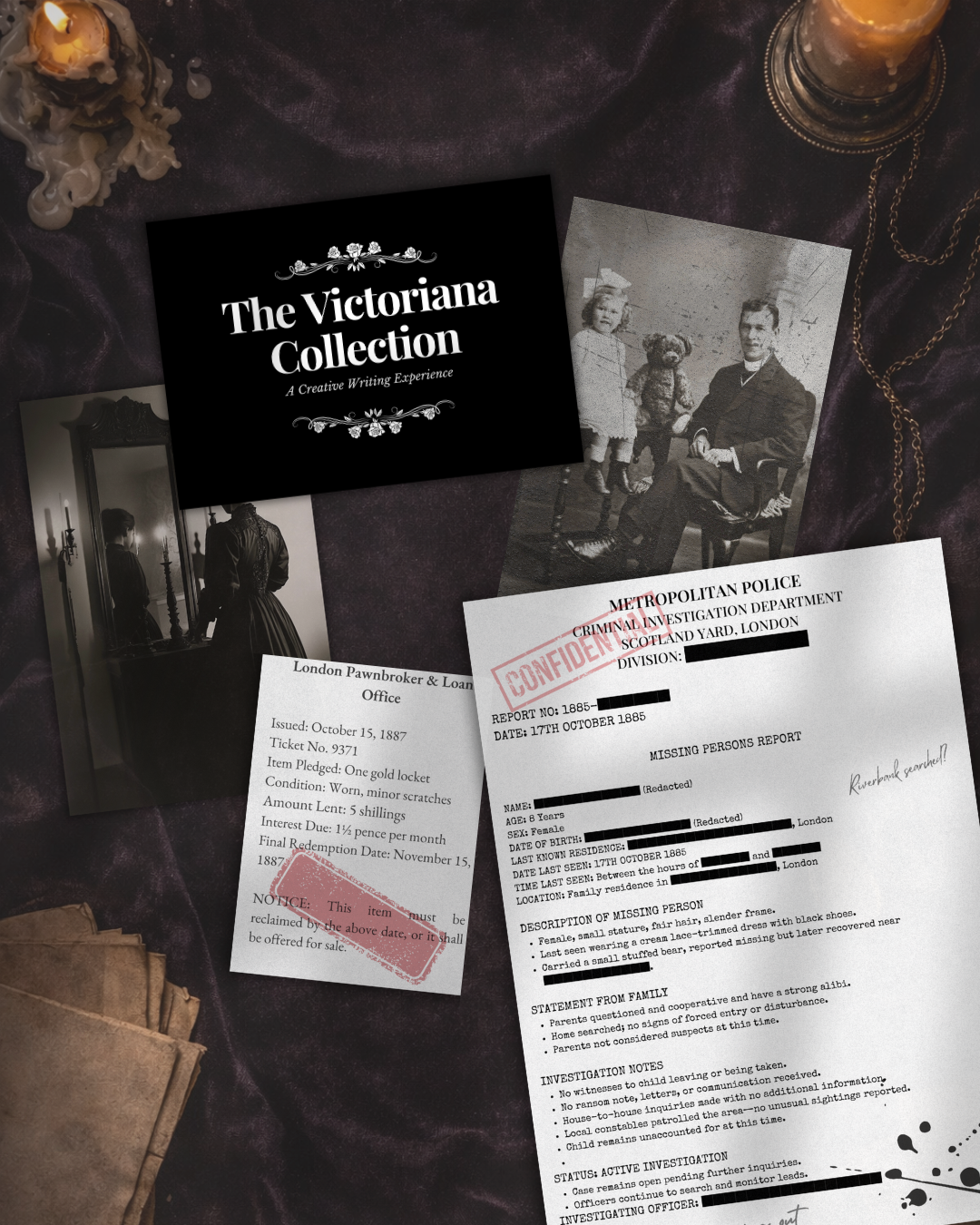
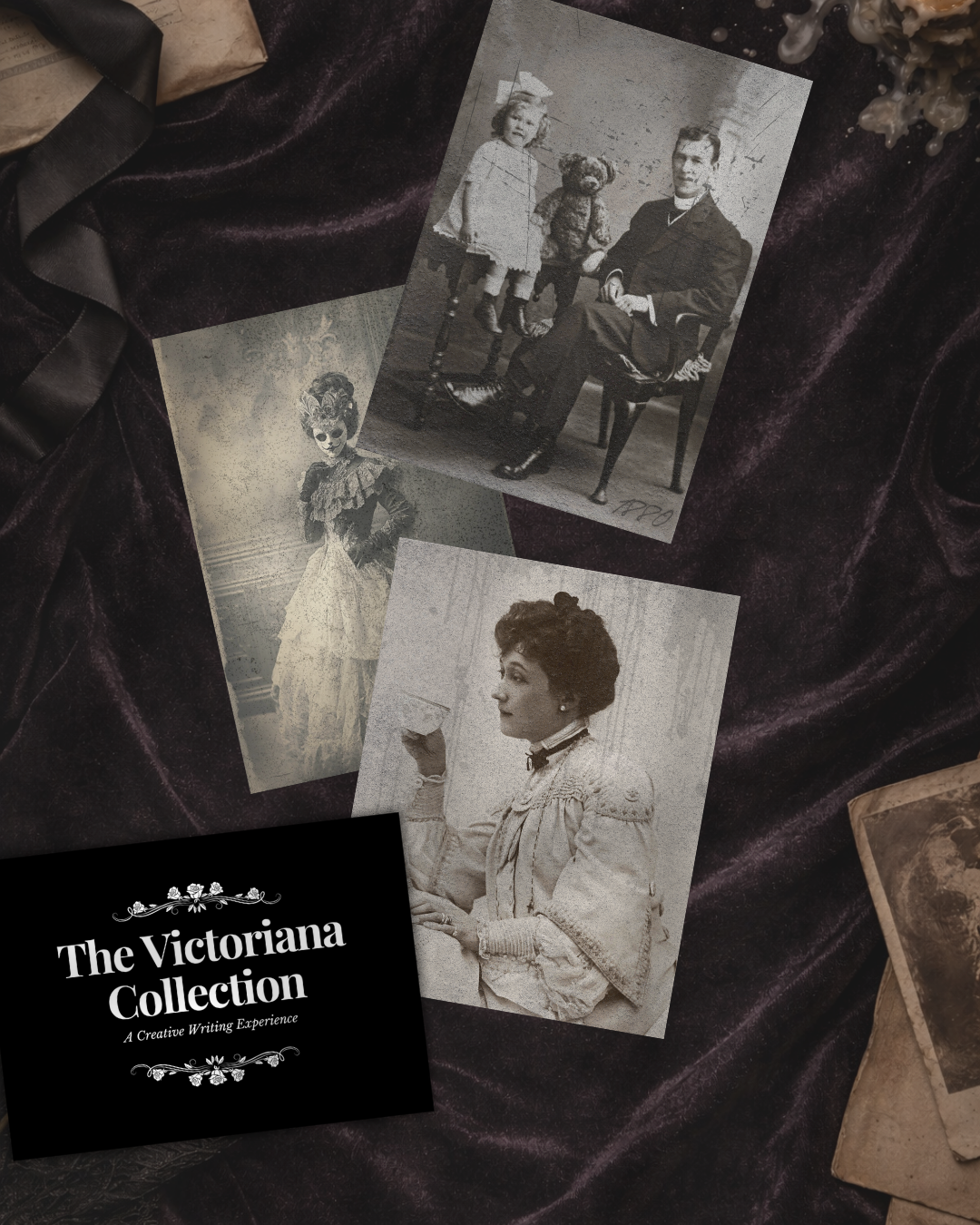
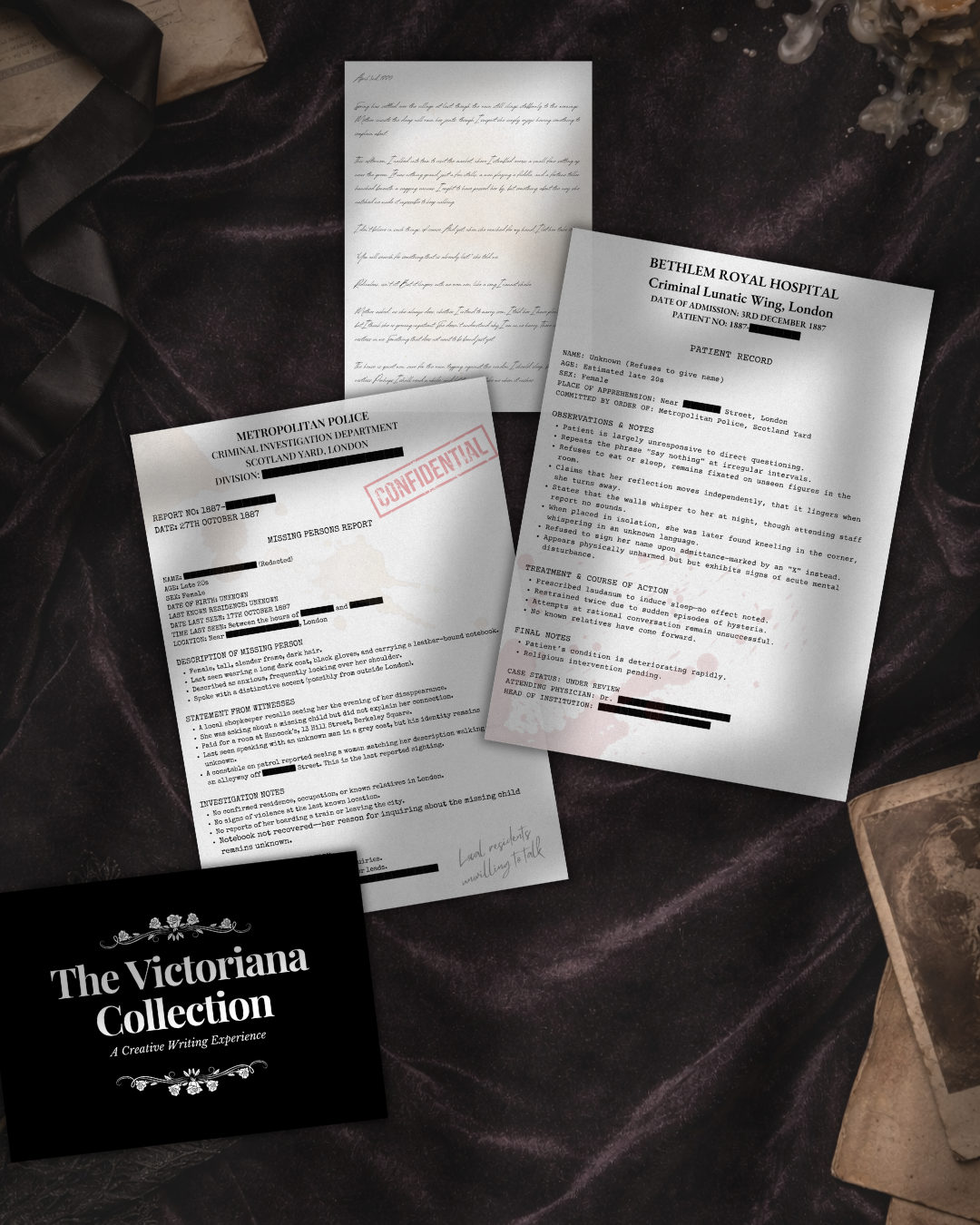
A housekeeper's diary. A solicitor's forgotten case file. A doctor's handwritten notes. A newspaper clipping reporting a suspicious disappearance. A faded photograph tucked inside a Bible. These are the kinds of everyday objects that transform historical fiction from simply feeling Victorian into feeling truly lived-in.
That's exactly what The Victoriana Collection was created to provide.
This immersive Storyworld Archive contains more than 50 beautifully designed Victorian-inspired documents and artefacts, including handwritten letters, diary entries, missing persons reports, spiritualist notes, official records, newspaper articles, photographs, calling cards, and personal mementoes. Rather than presenting a complete story, the collection invites you to explore the fragments of an unsolved mystery and imagine the lives behind every document.
For historical fiction writers, these papers become an endless source of inspiration. A governess may discover an unsigned letter hidden inside a schoolbook. A police inspector could reopen an old missing persons report. An apothecary might inherit a notebook filled with unusual remedies. A librarian could uncover a forgotten newspaper article that changes everything they thought they knew about a prominent family. Every occupation becomes richer when it is surrounded by authentic-looking pieces of everyday Victorian life.
Unlike a traditional writing guide, The Victoriana Collection encourages you to build stories through investigation. Each document raises new questions, introduces new possibilities, and helps you imagine how ordinary professions intersect with extraordinary events. Whether you're writing mysteries, romances, gothic fiction, literary historical novels, or family sagas, the archive offers realistic details that can inspire believable plots, characters, and settings.
Perfect for:
◆ Historical fiction writers creating authentic Victorian characters and professions
◆ Worldbuilders developing believable nineteenth-century settings
◆ Lovers of Victorian mystery, gothic fiction, and immersive storytelling
◆ Teachers, students, and researchers exploring everyday life in Victorian Britain
◆ Writers looking for original plot ideas hidden inside realistic historical documents
If you're building a Victorian world filled with memorable characters, authentic occupations, and compelling mysteries, The Victoriana Collection offers the kind of rich historical inspiration that helps every profession feel like part of a living, breathing nineteenth-century society.
Go Deeper into Victorian Worldbuilding
The most convincing historical fiction doesn't simply place modern characters in old-fashioned clothing. It creates people whose occupations influence every part of their lives—their routines, education, relationships, ambitions, speech, and understanding of the world around them. In Victorian Britain, a person's profession often determined where they lived, how others treated them, the opportunities available to them, and even the future they imagined for themselves.
As you develop your historical world, think beyond what your characters do for a living. Consider the places they work, the people they meet every day, the tools they use, the skills they have developed, and the problems they regularly face. A railway porter experiences Victorian Britain very differently from a governess, while a lighthouse keeper views the world through an entirely different lens than a newspaper editor or an apothecary. Occupation shapes perspective—and perspective creates memorable stories.
To create richer Victorian worlds, try exploring these ideas:
◆ Think about a character's daily routine. What time do they wake? Where do they work? Who do they interact with? Small details often reveal more about Victorian life than dramatic historical events.
◆ Connect occupations to your setting. A village blacksmith, London solicitor, Yorkshire mill worker, Cornish lighthouse keeper, or Scottish gamekeeper will each experience Victorian Britain in completely different ways. Let geography shape the profession as much as the profession shapes the character.
◆ Consider social class and opportunity. Occupation influenced income, education, housing, marriage prospects, and social status. Think about how your character's work affects the choices available to them and the people they encounter.
◆ Research the tools of the trade. Authentic details such as a telegraph key, a surgeon's instrument case, a station master's timetable, a dressmaker's measuring tape, or a printer's press immediately make historical settings feel more believable without overwhelming readers.
◆ Create natural conflicts through work. A doctor faces impossible medical decisions. A journalist uncovers dangerous truths. A publican overhears confidential conversations. A census enumerator notices an entire family using false identities. The strongest plots often emerge naturally from a character's profession.
◆ Remember that occupations connect people. Businesses, schools, hospitals, railway stations, theatres, docks, markets, churches, and country estates bring together characters from different backgrounds who might otherwise never meet. Workplaces are often where friendships begin, rivalries develop, mysteries unfold, and romances quietly grow.
The most immersive Victorian novels make readers feel as though they have stepped into a living world where every profession has its place. Whether your story follows an ambitious engineer, a village schoolmistress, a police inspector, a merchant, or a humble crossing sweeper, grounding your characters in authentic occupations will make your historical fiction feel richer, more believable, and far more memorable.
For even greater authenticity, combine these occupations with real Victorian locations, historical events, period documents, and fictional characters inspired by nineteenth-century Britain. When occupations, settings, and history work together, they create historical fiction that feels not only accurate, but truly alive.
Final Thoughts
Victorian occupations offer far more than historical accuracy—they provide the foundation for believable characters, compelling conflicts, and immersive worlds. Every profession carried its own routines, responsibilities, opportunities, and limitations, shaping how people viewed themselves and the society around them. Whether your protagonist is lighting London's gas lamps, defending clients in a crowded courtroom, managing a country estate, teaching in a village school, or exploring distant continents, their occupation should influence every decision they make.
These 100 Victorian Occupations with Story Ideas are designed to help you move beyond simple job titles and build characters whose work naturally generates plot, relationships, and historical authenticity. Use these occupations to inspire protagonists, antagonists, supporting characters, family businesses, communities, and entire novels. Combined with authentic settings and historical research, they can transform your Victorian stories into rich, believable worlds that readers will want to explore.
If you're looking for even more inspiration, visit the Historical Fiction Writing Hub, where you'll find hundreds of historical fiction prompts, opening lines, character names, worldbuilding guides, real historical events, and research resources covering dozens of different historical periods. You can also browse the Creative Writing Archive for story ideas, writing exercises, genre guides, and creative writing resources to help you develop stronger characters and more immersive settings.
Choose Your Next Adventure