70 Xenoarchaeology Writing Prompts: Alien Ruins, Artefacts & Lost Civilisations
What happens when humanity reaches another world and discovers that someone was there first?
Xenoarchaeology imagines the study of alien civilisations through the things they leave behind: ruined cities, abandoned spacecraft, monuments, tools, inscriptions, burial sites, machines and artefacts whose purposes may be almost impossible for humans to understand. Sometimes the civilisation has vanished millions of years before explorers arrive. Sometimes its descendants are still alive. And sometimes the most unsettling discovery is evidence suggesting that the aliens knew about humanity long before humanity knew about them.
Science fiction has explored these ideas in fascinating ways. Arthur C. Clarke's 2001: A Space Odyssey centres upon mysterious extraterrestrial artefacts that suggest an ancient intelligence has influenced humanity's development, while James P. Hogan's Inherit the Stars begins with the discovery of an apparently human body on the Moon that is tens of thousands of years old. The Expanse series by James S. A. Corey similarly builds an enormous mystery around the technology and remains of a civilisation that disappeared long before humans reached the stars.
But xenoarchaeology can involve much more than uncovering a mysterious alien machine. What would archaeology look like on a planet with no written language? How would humans recognise a temple built by a species without religion, a home designed for creatures that never sleep or a grave belonging to beings that did not understand death as we do? Even deciding that something is an artefact requires humans to interpret an alien world through assumptions shaped by our own.
These 70 Xenoarchaeology Writing Prompts explore alien ruins, lost civilisations, mysterious artefacts, extraterrestrial archaeology, ancient technology and discoveries that could rewrite human history. You'll find plot prompts, title ideas, opening lines, closing lines, characters, settings and picture prompts, whether you want to write a vast interstellar mystery or simply imagine what might be waiting beneath the dust of another world.
For even more inspiration, explore the Sci-Fi Writing Hub for science-fiction prompts, characters, settings and worldbuilding ideas, or browse the Creative Writing Archive for hundreds more prompts across different genres.
1. Plot Prompts
Xenoarchaeology stories often begin with a discovery that raises more questions than it answers. These prompts explore alien ruins, mysterious artefacts, vanished civilisations and archaeological discoveries that challenge what humanity thinks it knows about the universe.
Write about archaeologists excavating an alien city that appears to have been abandoned in the middle of an ordinary day, with meals still on tables and personal possessions left behind.
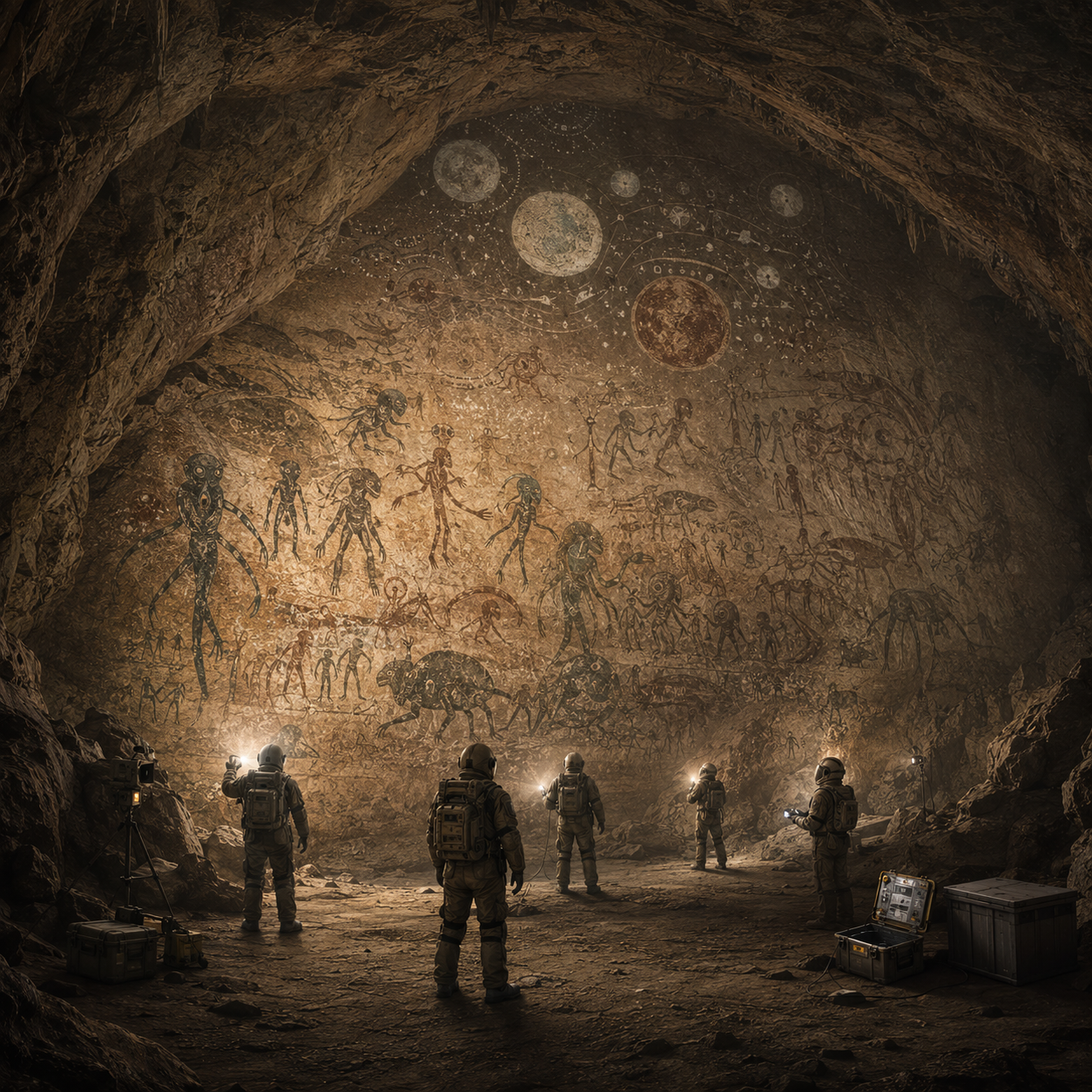
Write about a xenoarchaeologist who discovers a prehistoric alien cave painting containing an unmistakable image of a human astronaut.
Write about researchers uncovering identical monuments on twelve different planets, despite evidence that the civilisations responsible never encountered one another.
Write about an excavation beneath an alien desert that reveals an enormous city buried upside down beneath the sand.
Write about scientists translating an inscription found beside an ancient alien machine and slowly realising that it is not an instruction manual but a warning.
Write about an alien burial site where one grave contains objects manufactured on Earth thousands of years after the tomb was sealed.
Write about archaeologists studying an extinct civilisation that possessed surprisingly primitive technology, except for one device far more advanced than anything humanity can build.
Write about an expedition discovering that an apparently decorative pattern repeated throughout an alien city's architecture is actually a message intended to be visible from orbit.
Write about archaeologists finding the ruins of two completely different alien civilisations on the same planet, separated by millions of years — and evidence that the second deliberately tried to erase the first.
Write about the first excavation of an alien settlement believed to have been abandoned for ten thousand years, until fresh footprints begin appearing around the dig site every morning.
2. Title Prompts
A title can hint at an ancient mystery long before the reader understands what has been discovered. Choose one of these titles and imagine the civilisation, artefact or archaeological mystery hidden behind it.
The Ruins Beneath Two Suns
What We Found on Orpheus
The Last Excavation
A Catalogue of Impossible Things
The Civilisation Before Us
Beneath the Glass Desert
The Archaeologist of Dead Worlds
They Were Waiting Underground
The Museum at the Edge of the Galaxy
Before Humanity Had a Name
3. Opening Lines
Xenoarchaeology offers plenty of opportunities for opening lines built around impossible discoveries, strange artefacts and unsettling contradictions. Use one of these lines to begin a story and decide what has been found — and why it should not exist.
The skeleton was alien, but the gold ring around its finger had been made in Birmingham.
By the time we realised the ruins were not abandoned, we had already catalogued four thousand artefacts.
Nobody expected the dead civilisation to have left instructions for us.
The first doorway we uncovered was three hundred metres tall and barely ten centimetres wide.
Dr Sen had spent twenty-seven years searching for evidence of alien life and approximately six minutes wishing she had never found it.
There were seventeen statues in the temple, and every one of them had a human face.
The inscription had been carved into the stone eighty million years before the English language existed.
We found the city exactly where the alien map said Earth would be.
On the third day of the excavation, somebody returned every artefact we had removed to its original position.
The oldest object ever discovered in the universe contained a fingerprint.
4. Closing Lines
A closing line can transform everything that came before it. Work backwards from these endings and imagine what your characters discovered, what they misunderstood and what the final revelation means for humanity.
We had spent thirty years excavating their extinction and never once considered that they might be excavating ours.
She placed the artefact back inside the tomb and, for the first time in twelve thousand years, the door closed.
There was only one translation left to make: the alien word for Earth.
The final layer of sediment contained something no report would ever mention — human bones.
They had not built the monument to remember themselves; they had built it to remember us.
By sunrise, every ruin on the planet had disappeared beneath the sand again.
He deleted the photographs, sealed the excavation and told Earth they had found nothing.
The civilisation had vanished millions of years ago, but its museum was still accepting visitors.
Only when the ship left orbit did Mara understand why every statue had been facing the sky.
Humanity had finally discovered the oldest civilisation in the galaxy, and our name was already written in its history.
5. Character Prompts
Xenoarchaeology stories do not have to focus only on professional archaeologists. Linguists, salvagers, historians, engineers, corporate representatives and even alien researchers can all interpret the same ruins differently — and those disagreements can become part of the story.
Write about a xenoarchaeologist who has spent their entire career arguing that a supposedly primitive alien species possessed an advanced civilisation — and finally finds the evidence to prove it.
Write about a linguist recruited to translate an alien inscription who begins to suspect that the language was deliberately designed so humans would eventually be able to read it.
Write about an archaeological conservator whose job is to restore alien artefacts without ever activating them.
Write about a disgraced scientist who once fabricated an extraterrestrial discovery and is now the only person who recognises that humanity's greatest genuine archaeological find is a fake.
Write about a corporate salvage worker who secretly photographs and catalogues alien artefacts before they are dismantled and sold.
Write about an archaeologist specialising in alien burial practices who discovers a tomb that appears to have been prepared specifically for them.
Write about the child of famous xenoarchaeologists who grew up on excavation sites and can recognise patterns in alien architecture that experienced researchers consistently overlook.
Write about an alien archaeologist studying the abandoned remains of an early human colony and trying to understand why humans lived the way they did.
Write about a museum curator responsible for the largest collection of extraterrestrial artefacts on Earth who discovers that one exhibit has been quietly changing for decades.
Write about a field archaeologist who cares deeply about preserving alien heritage while their expedition's government views every discovery primarily as potential technology.
6. Setting Prompts
Alien archaeology allows you to build settings around the traces of lives that ended long before your characters arrived. Think about what remains, what has disappeared and how an environment has changed around the ruins over thousands or millions of years.
Describe an enormous alien city partially submerged beneath a shallow turquoise sea, with only the upper floors of its tallest structures remaining above the water.
Describe a ruined settlement carved into the walls of a canyon on a planet where enormous seasonal dust storms have gradually buried its lowest levels.
Describe an archaeological site inside a vast cave where thousands of alien handprints cover the walls, ceilings and surfaces too high for any known inhabitant to have reached.
Describe the remains of an orbital civilisation whose shattered stations now form an artificial ring around an otherwise uninhabited planet.
Describe an alien necropolis stretching across a frozen plain, where each tomb is positioned according to a constellation that no longer exists.
Describe a museum established beside humanity's first major alien excavation, where visitors can look through enormous windows directly into the active dig site.
Describe a ruined city inside a forest of towering translucent plants that have grown through buildings, streets and monuments without damaging them.
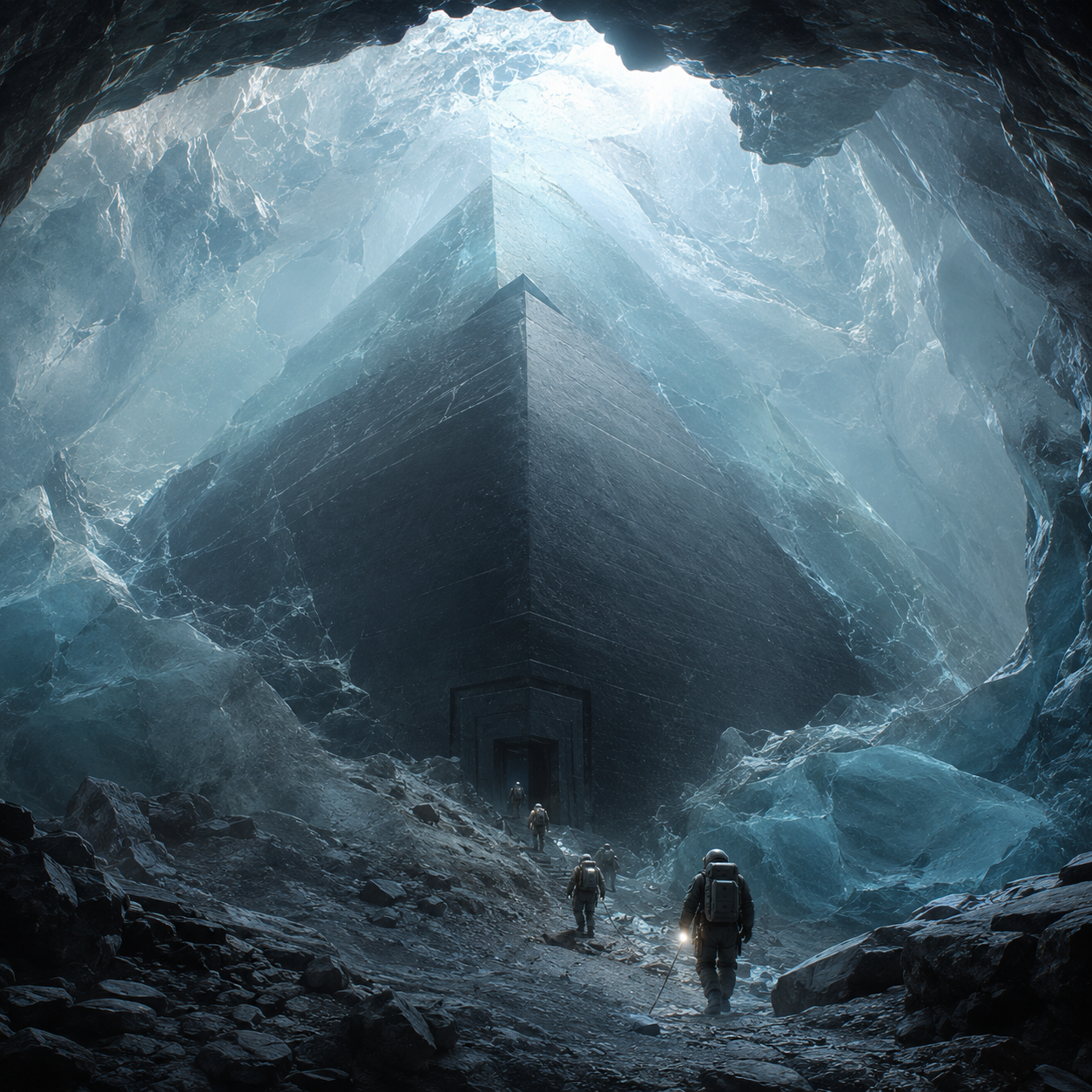
Describe an excavation beneath the ice of an alien moon where archaeologists have uncovered a perfectly preserved settlement sealed away for millions of years.
Describe a desert scattered with enormous fragments of alien statues, while the structures they once belonged to remain buried somewhere beneath the dunes.
Describe an abandoned generation ship discovered drifting between star systems, its interior preserved like an archaeological site belonging to a civilisation nobody has encountered anywhere else.
7. Picture Prompts
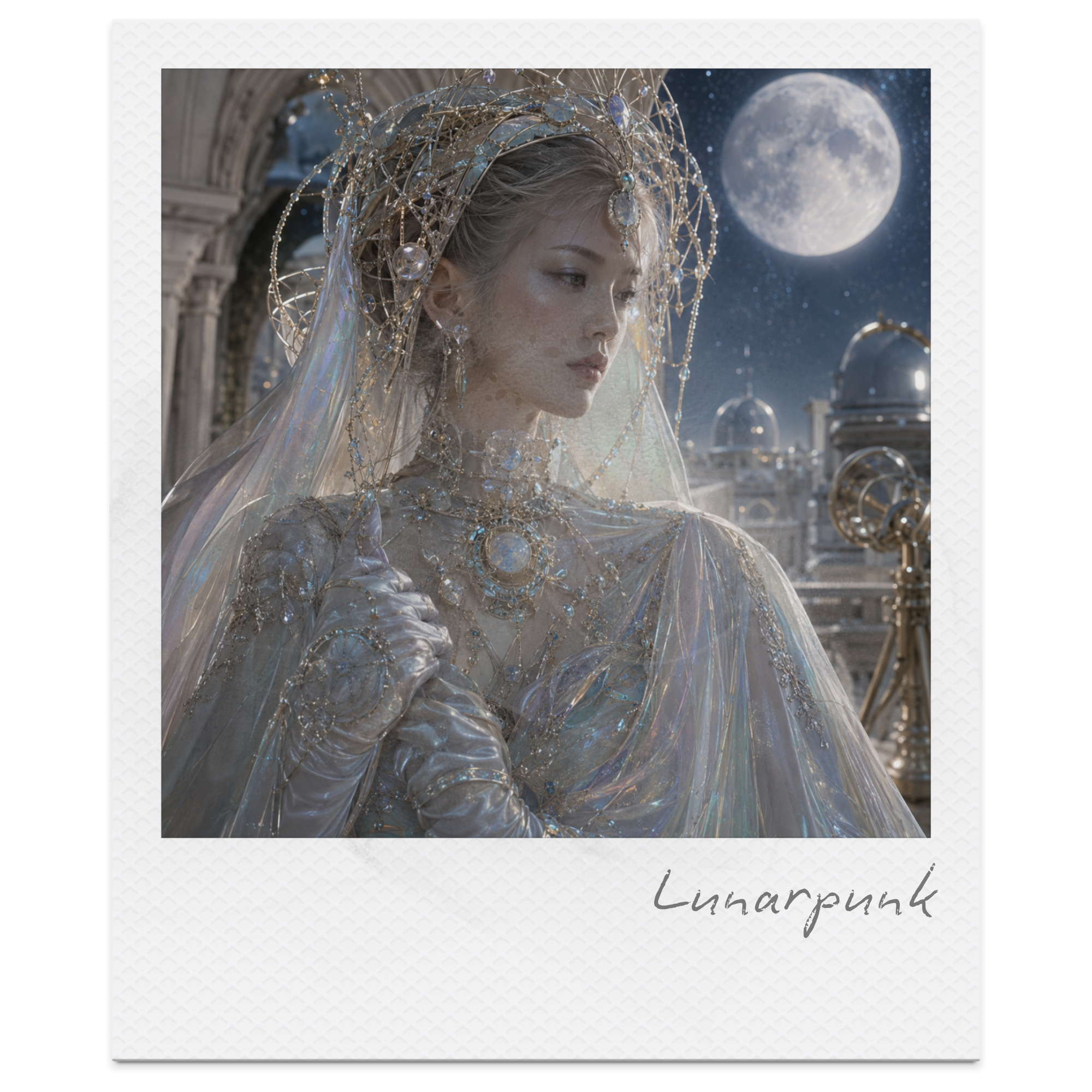
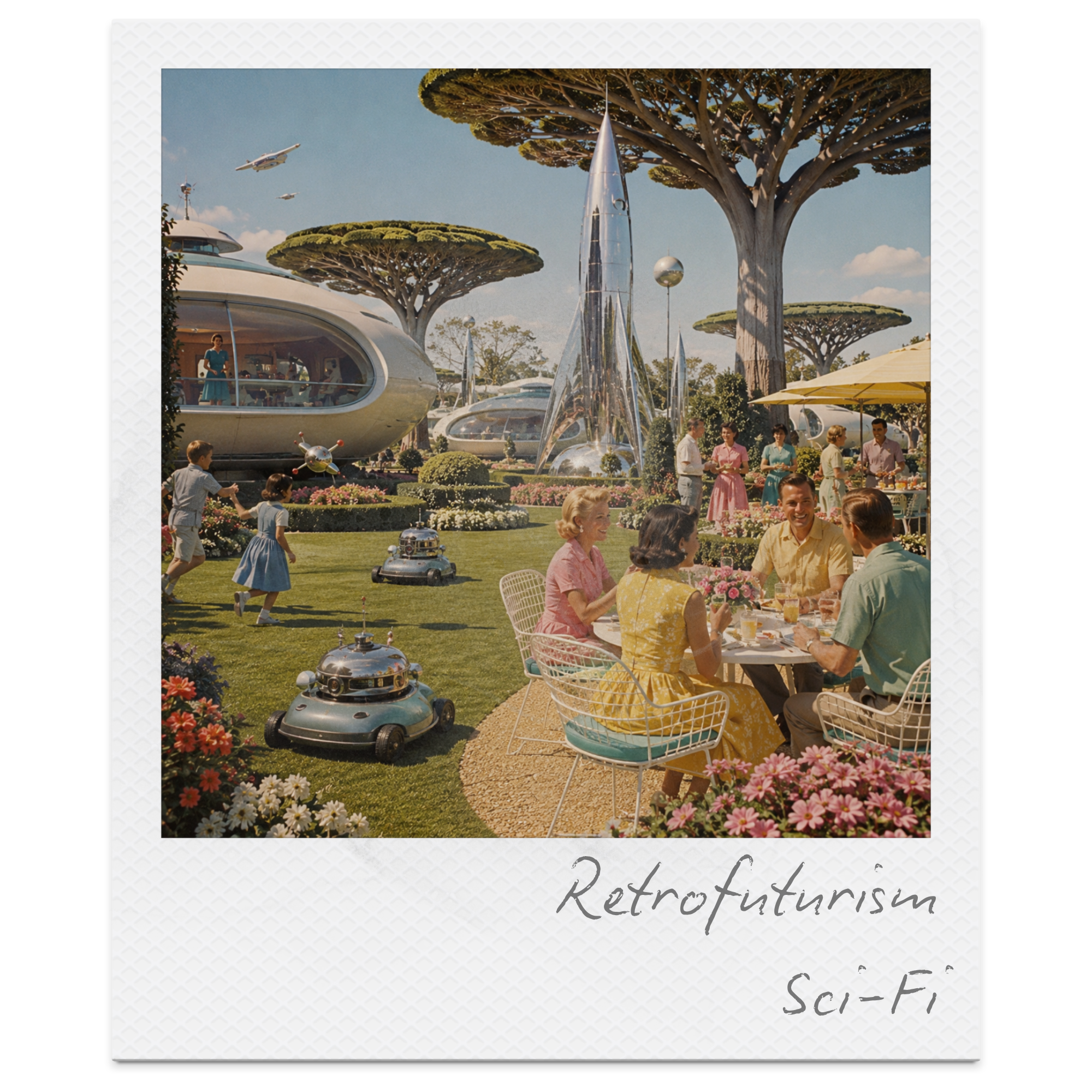
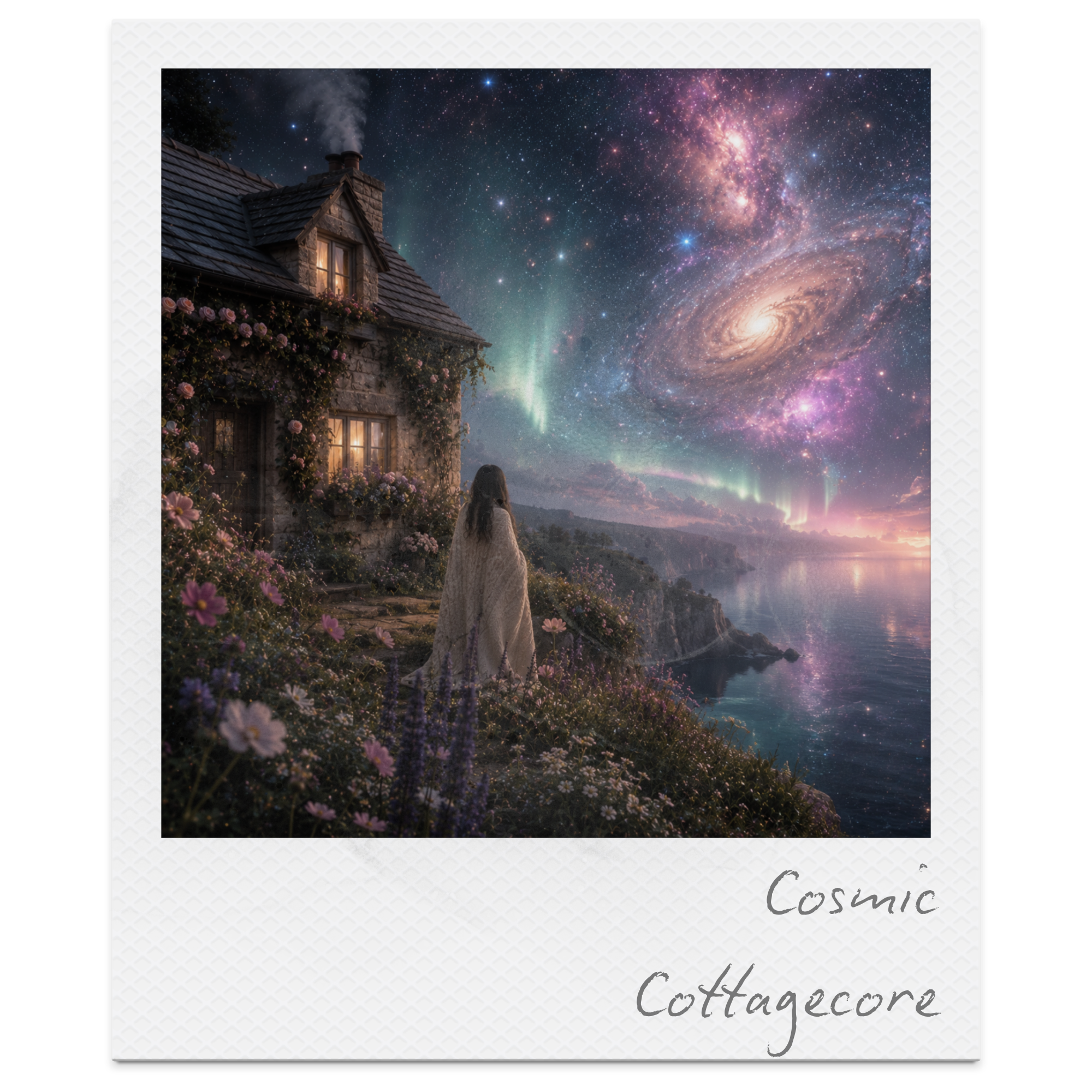
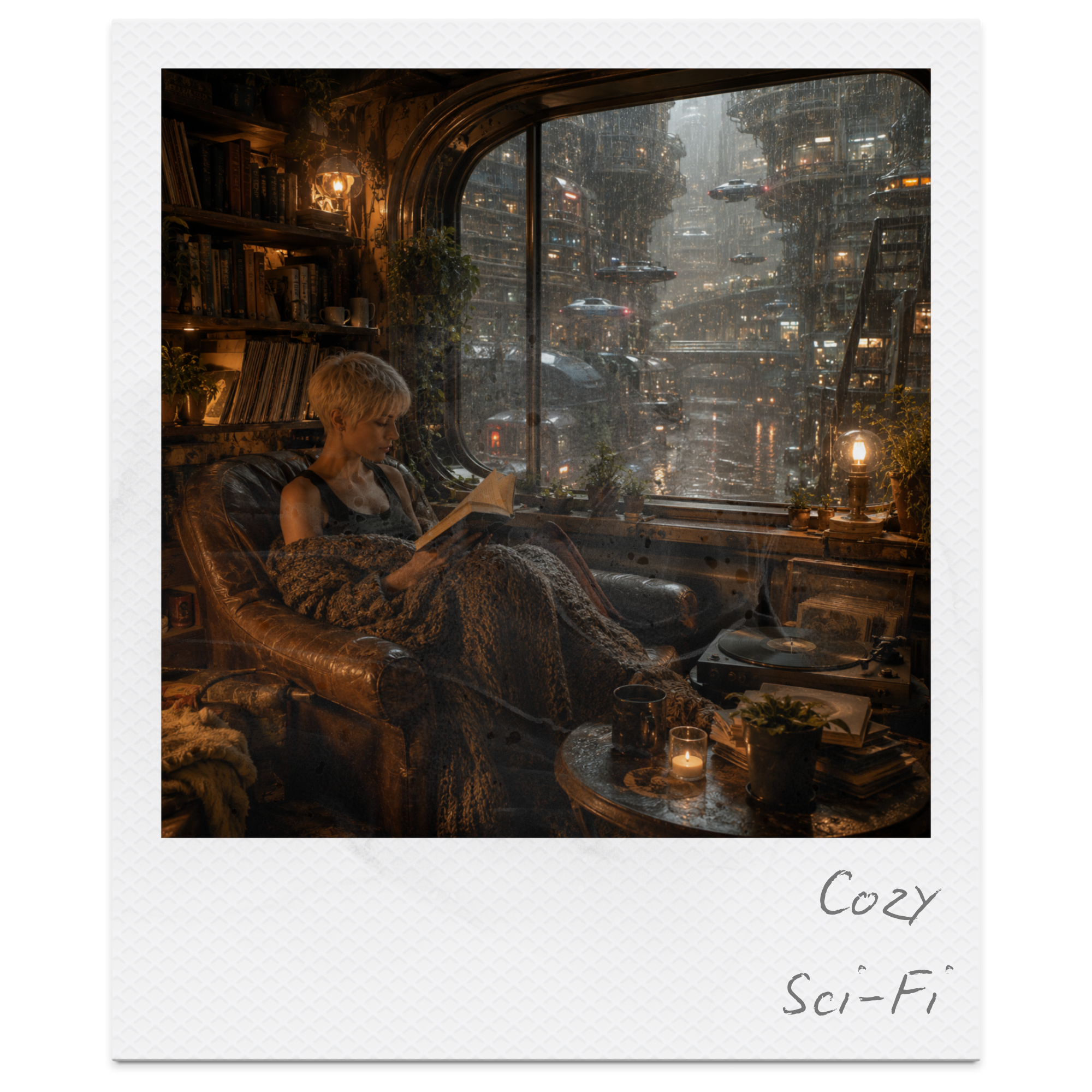
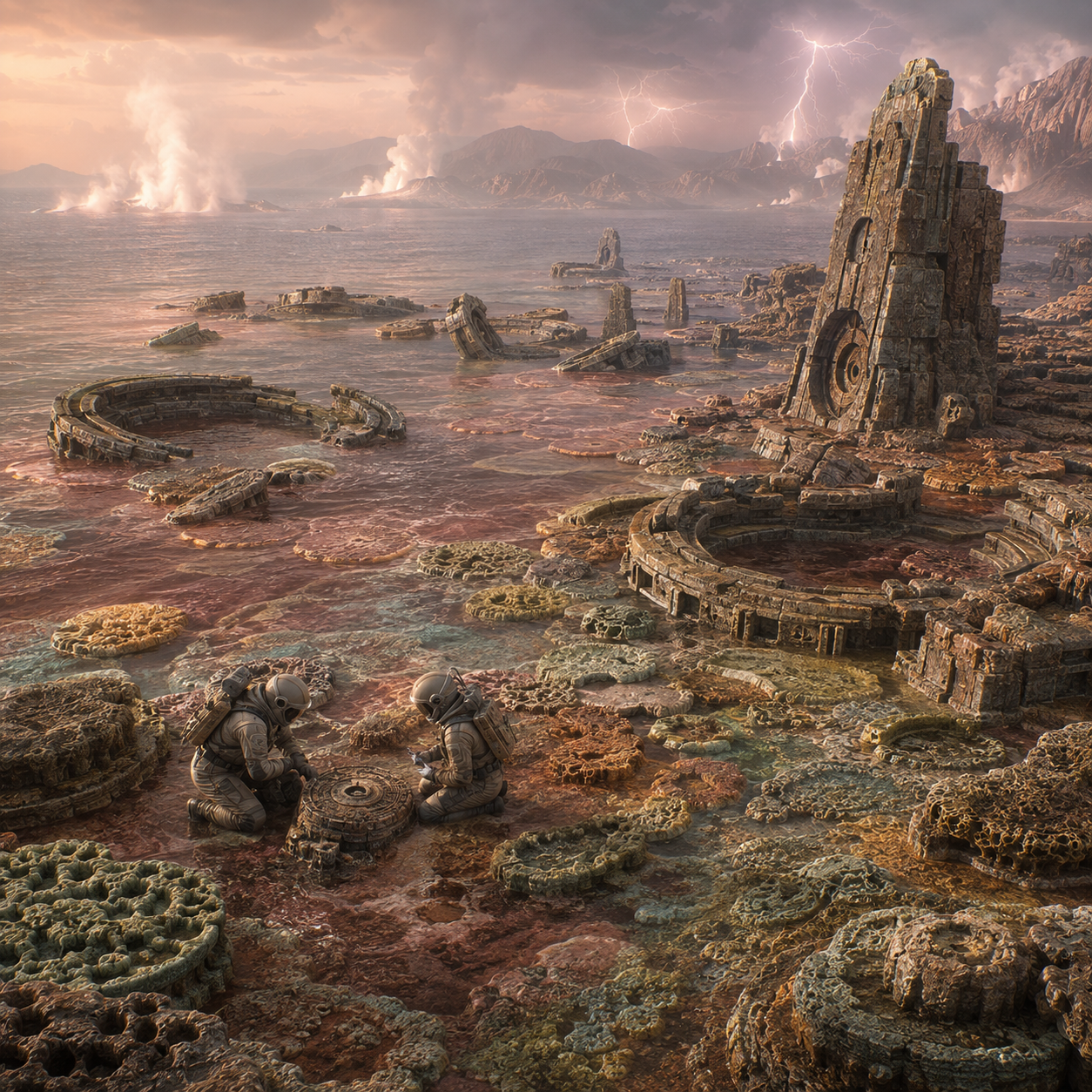
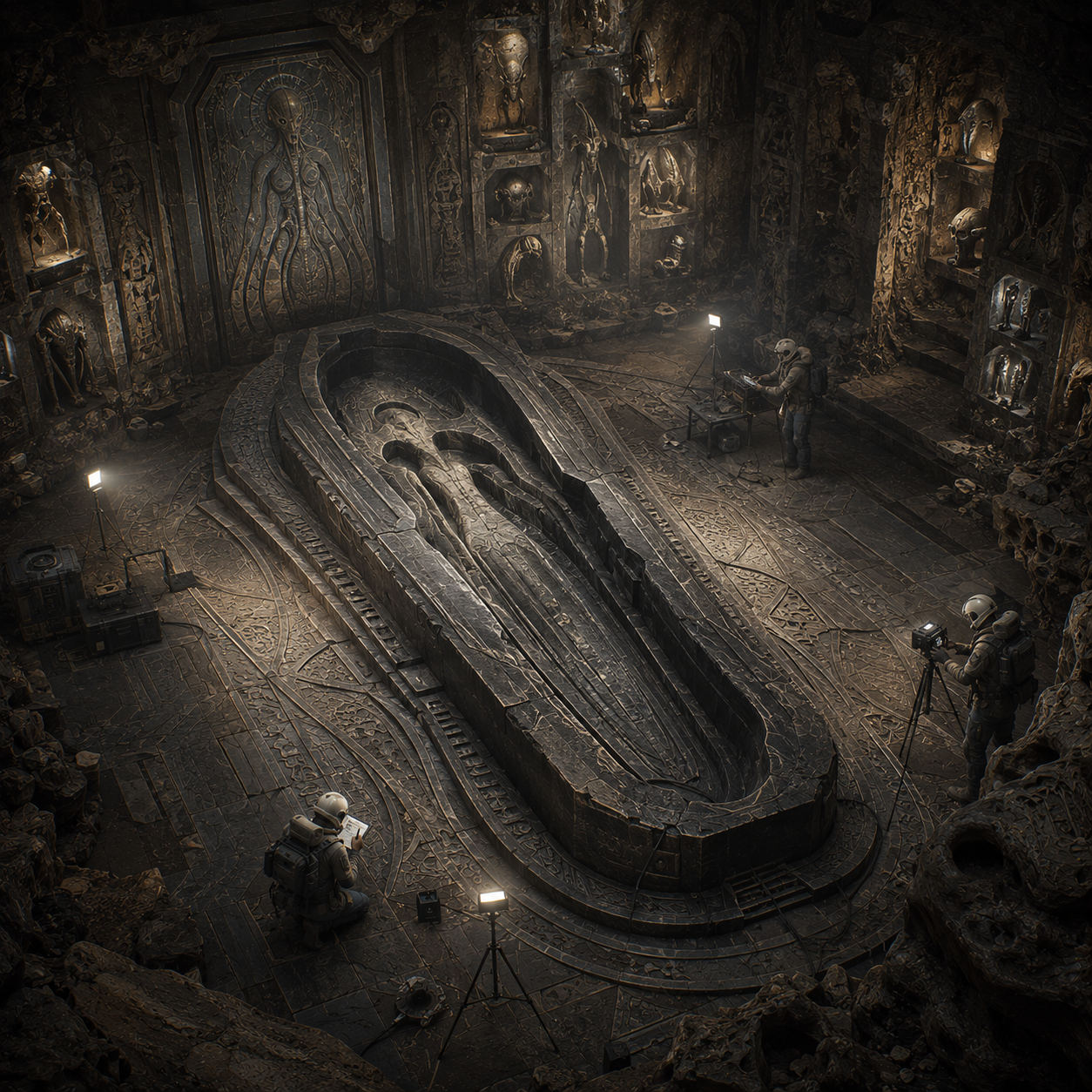
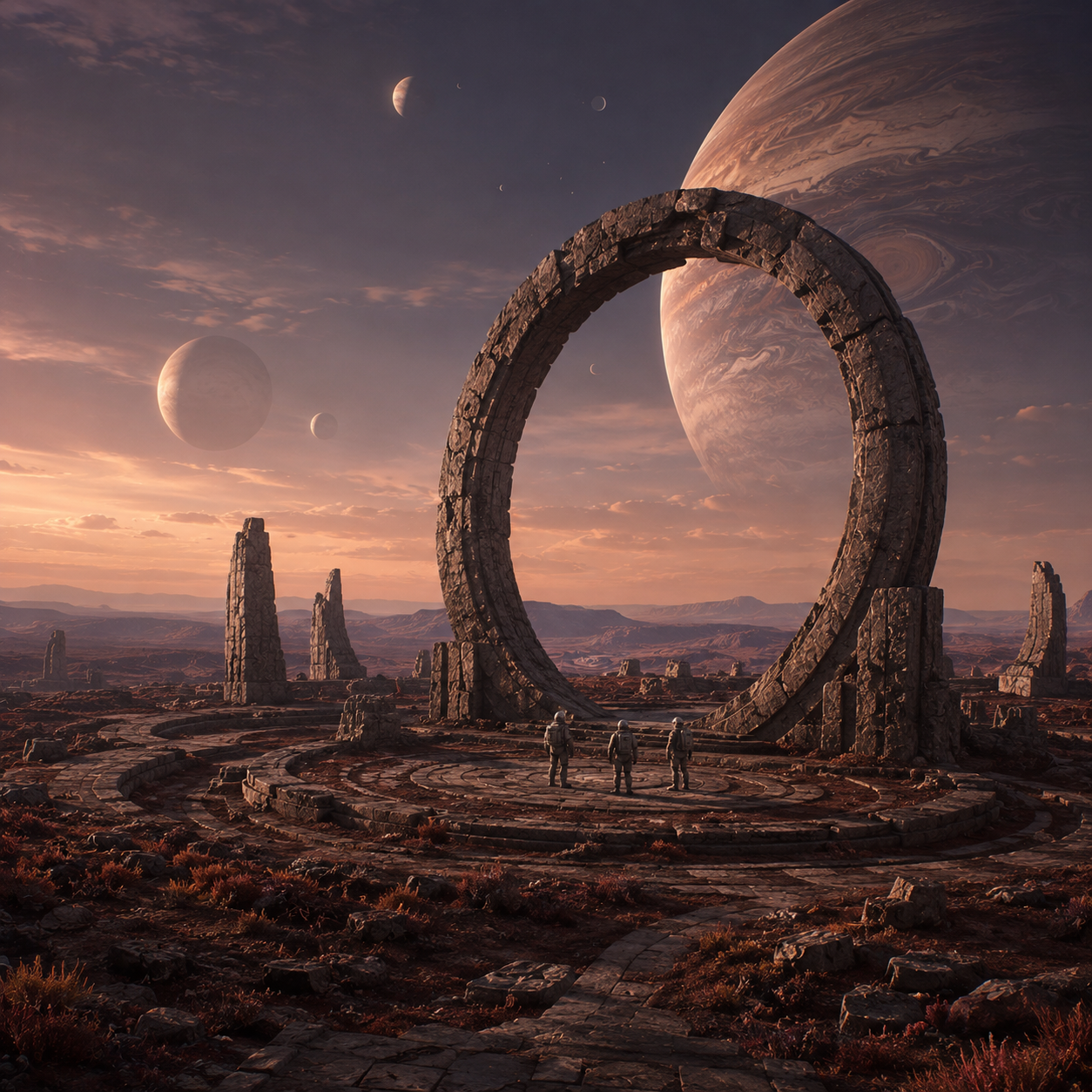
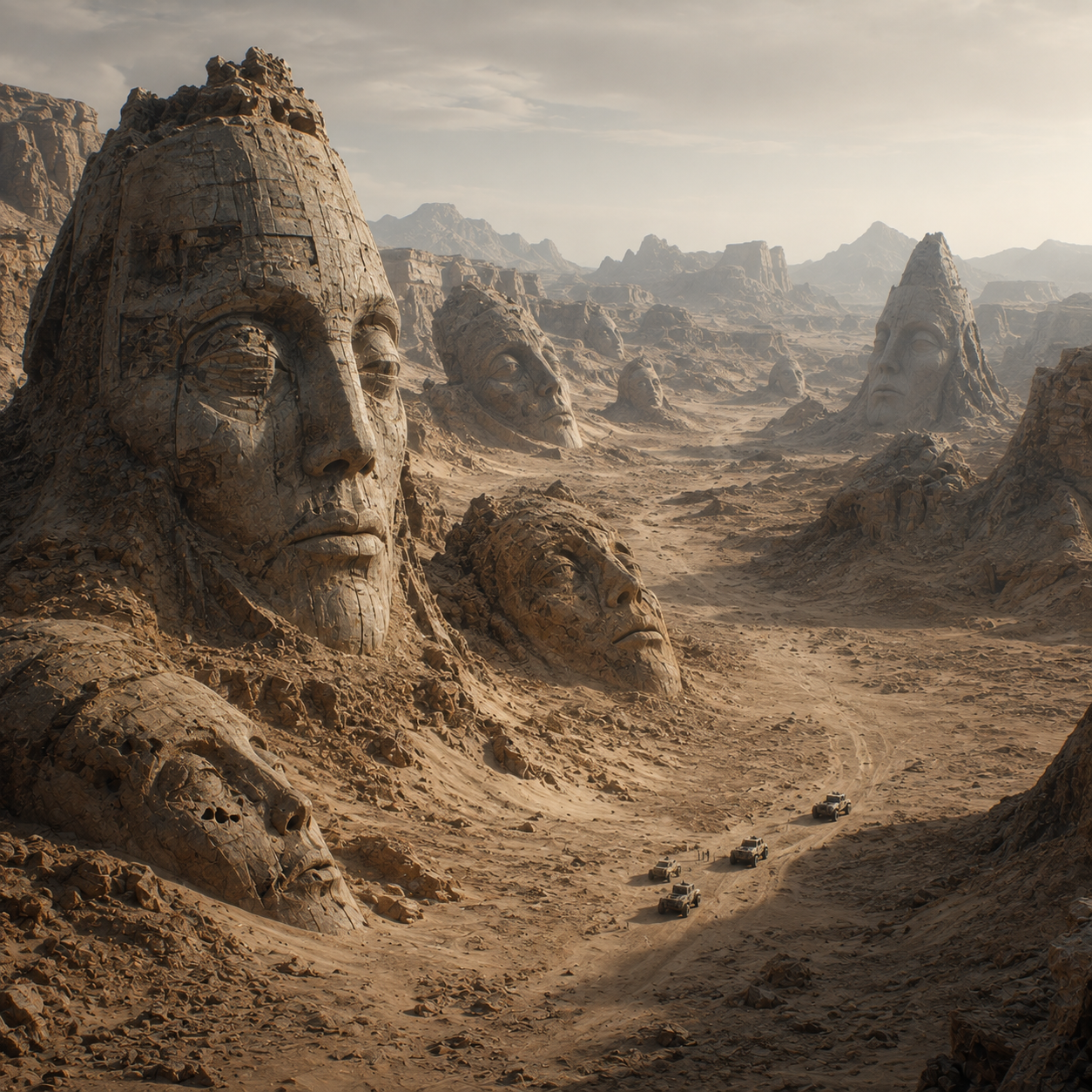
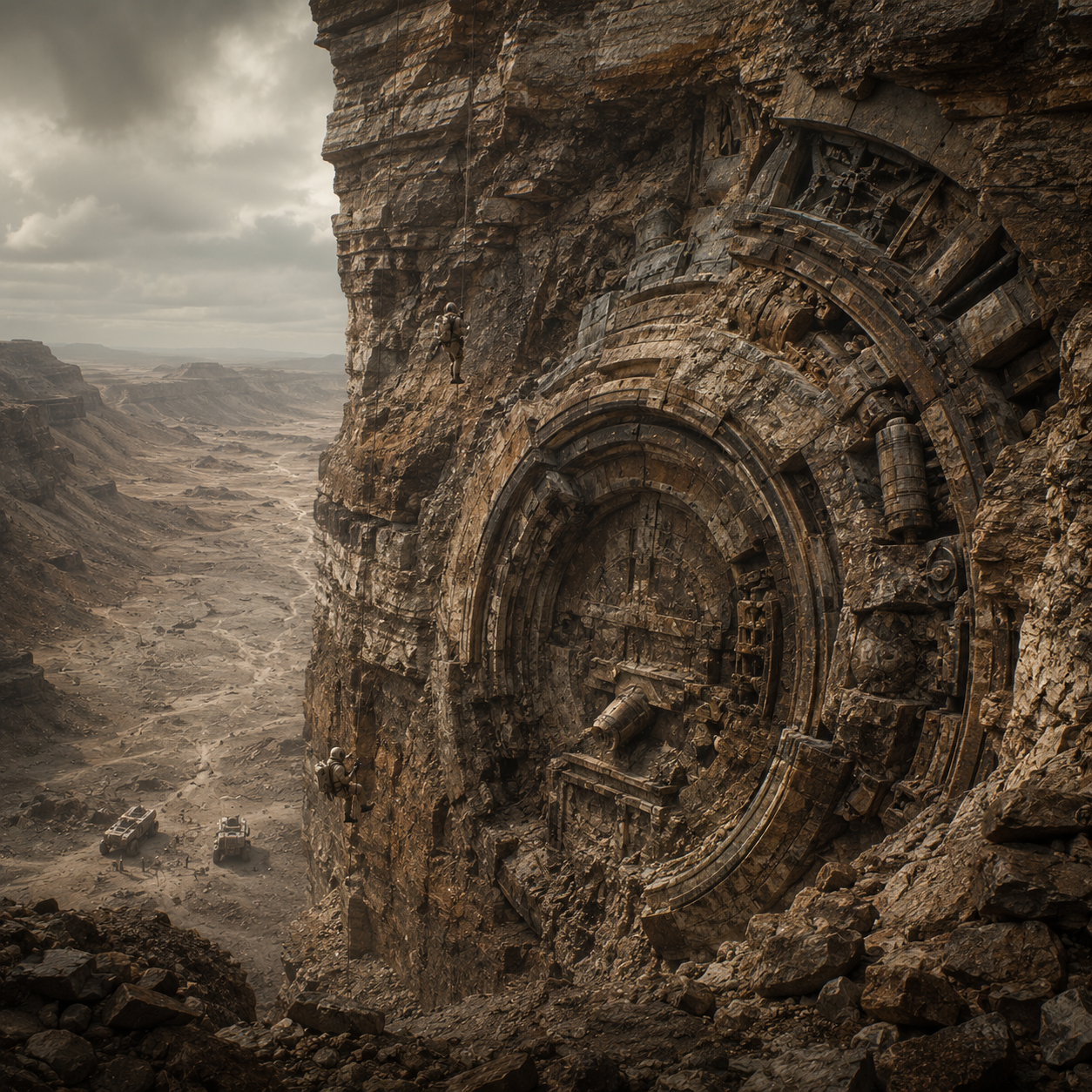
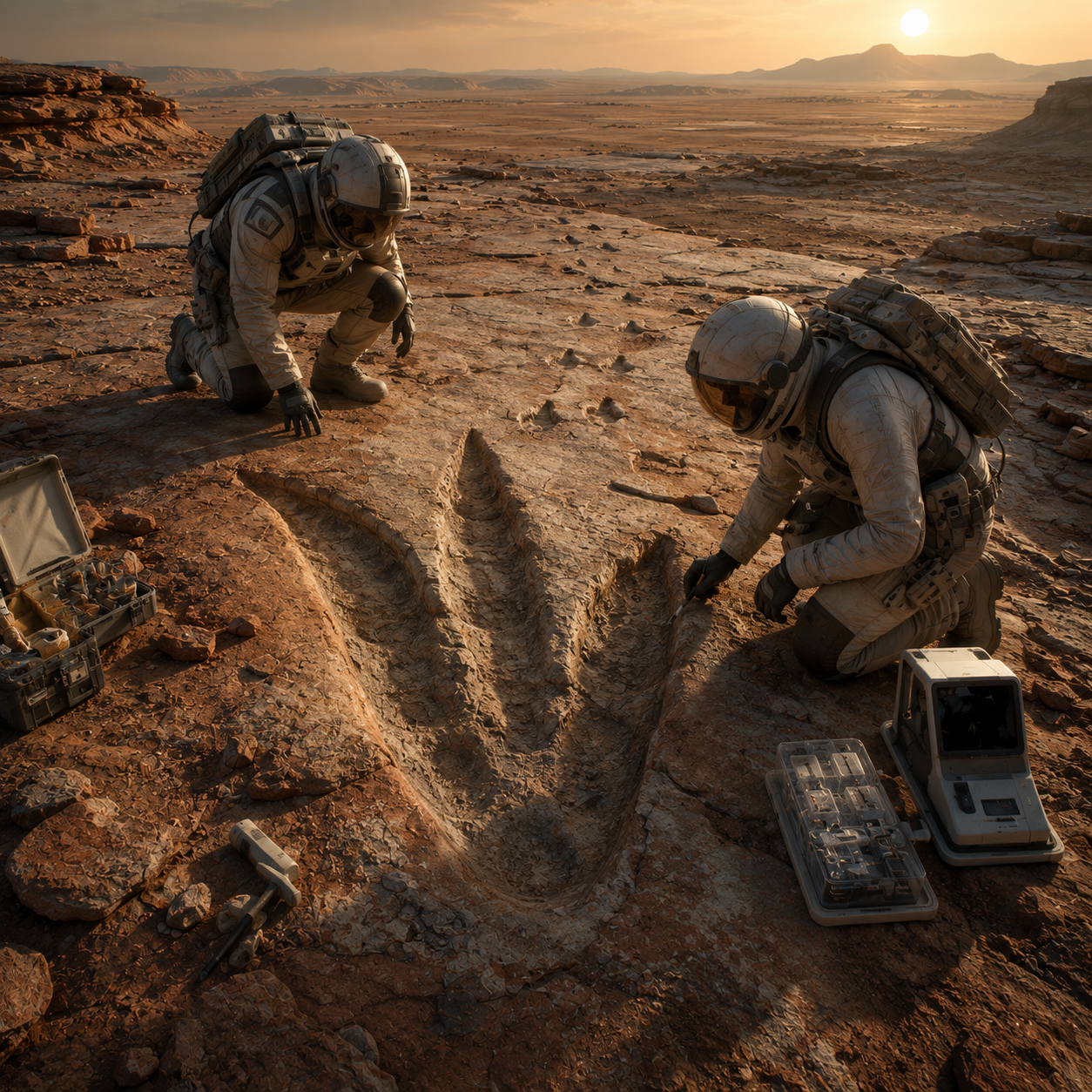
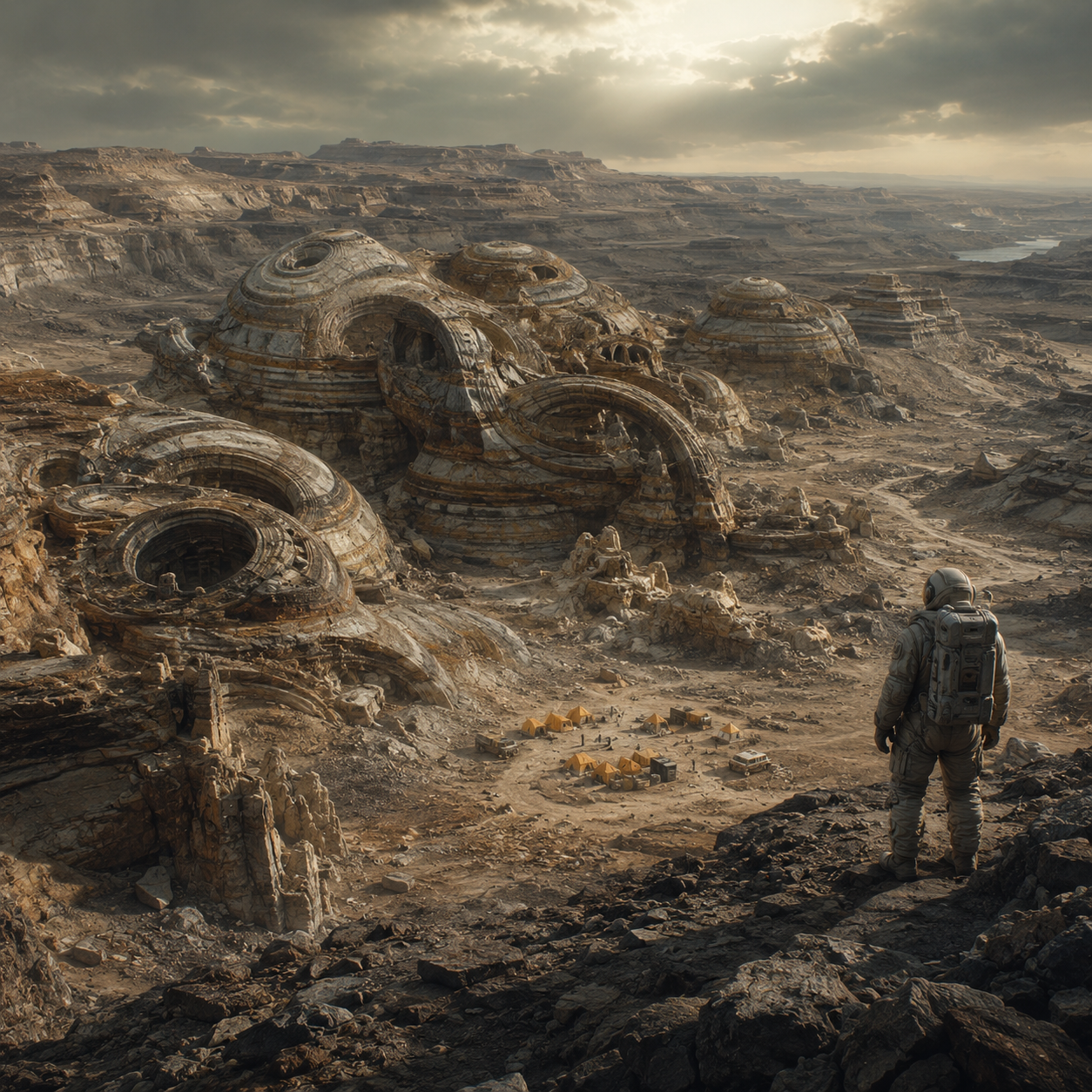
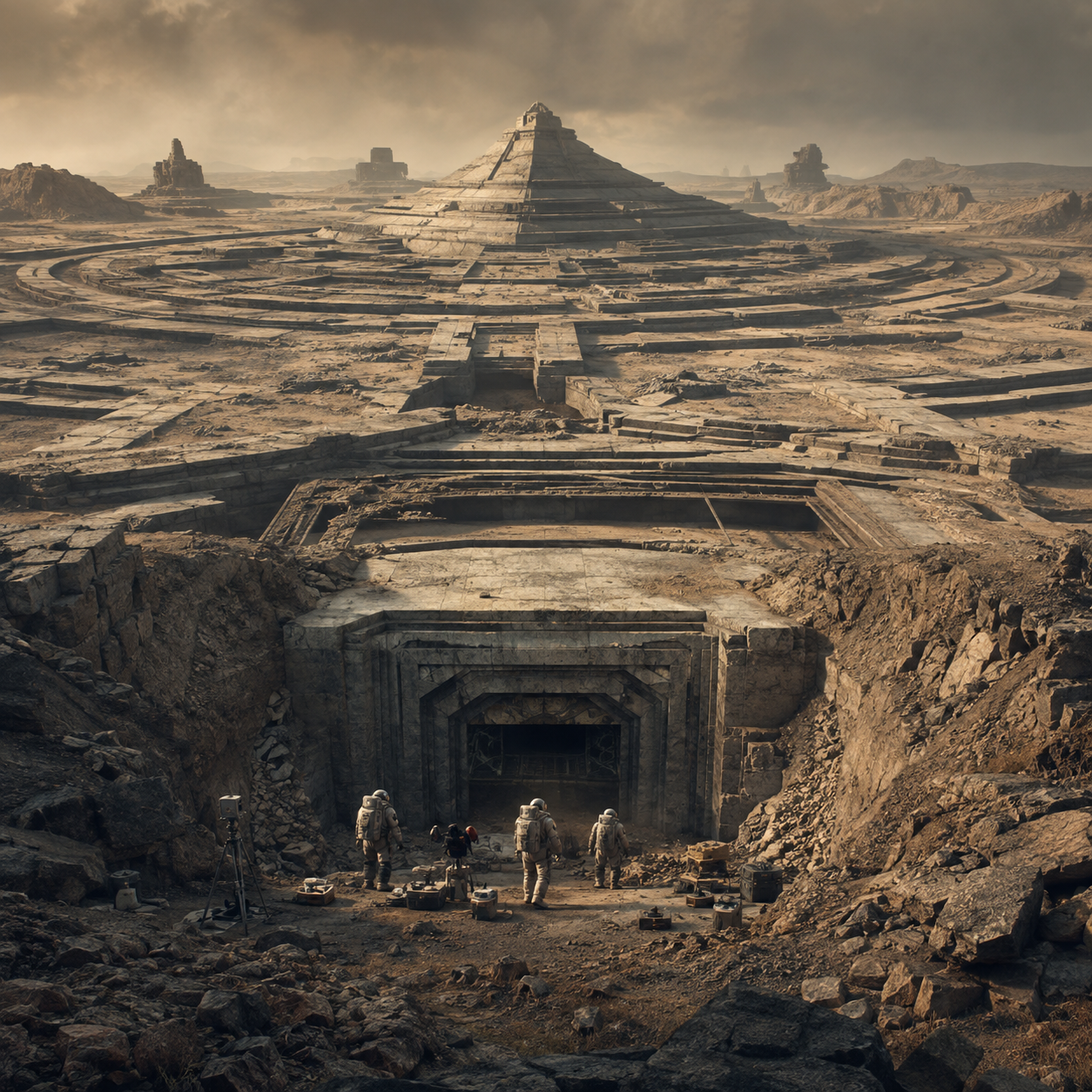
Xenoarchaeology is particularly suited to visual storytelling because a single object or ruin can suggest an entire civilisation beyond the edge of the image. Look closely at each scene and consider what archaeologists might initially assume about it, what evidence contradicts that interpretation and what the discovery could eventually reveal about the people who created it.
Go Deeper into Writing Xenoarchaeology
The most interesting xenoarchaeology stories are rarely just about discovering something old. They are about trying to understand a civilisation that experienced the universe differently from humanity. Archaeologists already reconstruct cultures from incomplete evidence; give them artefacts created by beings with unfamiliar bodies, senses, lifespans and beliefs, and almost every interpretation becomes uncertain.
◆ Decide what survived and why. An alien civilisation may have left enormous cities but almost no personal possessions, or millions of everyday objects but nothing explaining its political system. Climate, geology, deliberate destruction and the materials aliens used will determine what remains available for your archaeologists to study.
◆ Think beyond human-shaped ruins. Alien architecture does not need doors, stairs, bedrooms or streets. A flying species might build vertically. Aquatic beings could create structures designed around currents rather than corridors. Creatures that communicate through light might cover buildings with surfaces humans initially mistake for decoration. Let biology influence the civilisation your characters are reconstructing.
◆ Allow archaeologists to get things wrong. The enormous building classified as a temple might have been a sewage-processing facility. An object displayed as ceremonial jewellery could be a medical device. What researchers interpret as evidence of warfare might actually record a sporting event. Early theories should change as new evidence appears, just as interpretations of real archaeological sites do.
◆ Explore the ethics of alien archaeology. Who owns an artefact discovered on another planet? Does humanity have the right to excavate a burial site belonging to an extinct species? What if descendants of that civilisation still exist elsewhere? Governments, universities, museums, corporations, religious groups and collectors may all believe they have legitimate claims over the same discoveries.
◆ Give ordinary objects importance. A mysterious superweapon can drive a plot, but so can an alien child's toy, cooking vessel, handwritten equivalent of a shopping list or object repaired repeatedly by its owner. Small discoveries can reveal how people actually lived and make an extinct civilisation feel like something more than an archaeological mystery.
◆ Use technology carefully. Advanced alien technology does not automatically need to become a weapon or solve humanity's problems. Perhaps humans can activate an artefact without understanding what it does. Perhaps they understand its function but cannot reproduce the materials required to build another. The gap between using something and understanding it can create excellent conflict.
◆ Think about archaeological context. Where an artefact is found can matter as much as the object itself. Removing something from a tomb, laboratory or domestic building may destroy information researchers need to understand it. Salvagers searching for valuable technology and archaeologists trying to preserve an intact site therefore have very different priorities.
◆ Let discoveries rewrite existing history. One of the most powerful xenoarchaeological revelations is evidence that contradicts something everyone believed. Perhaps an extinct civilisation visited Earth, humanity is far older than expected, two supposedly unrelated species once communicated or an alien culture accurately mapped planets it could never have reached. Decide what your discovery changes beyond the excavation itself.
Most importantly, resist the temptation to explain the civilisation completely. Archaeology works through fragments. A broken monument, damaged recording, abandoned settlement and handful of personal possessions may each reveal something while leaving enormous gaps. Sometimes the mystery of what cannot be recovered is what makes a vanished civilisation feel truly ancient.
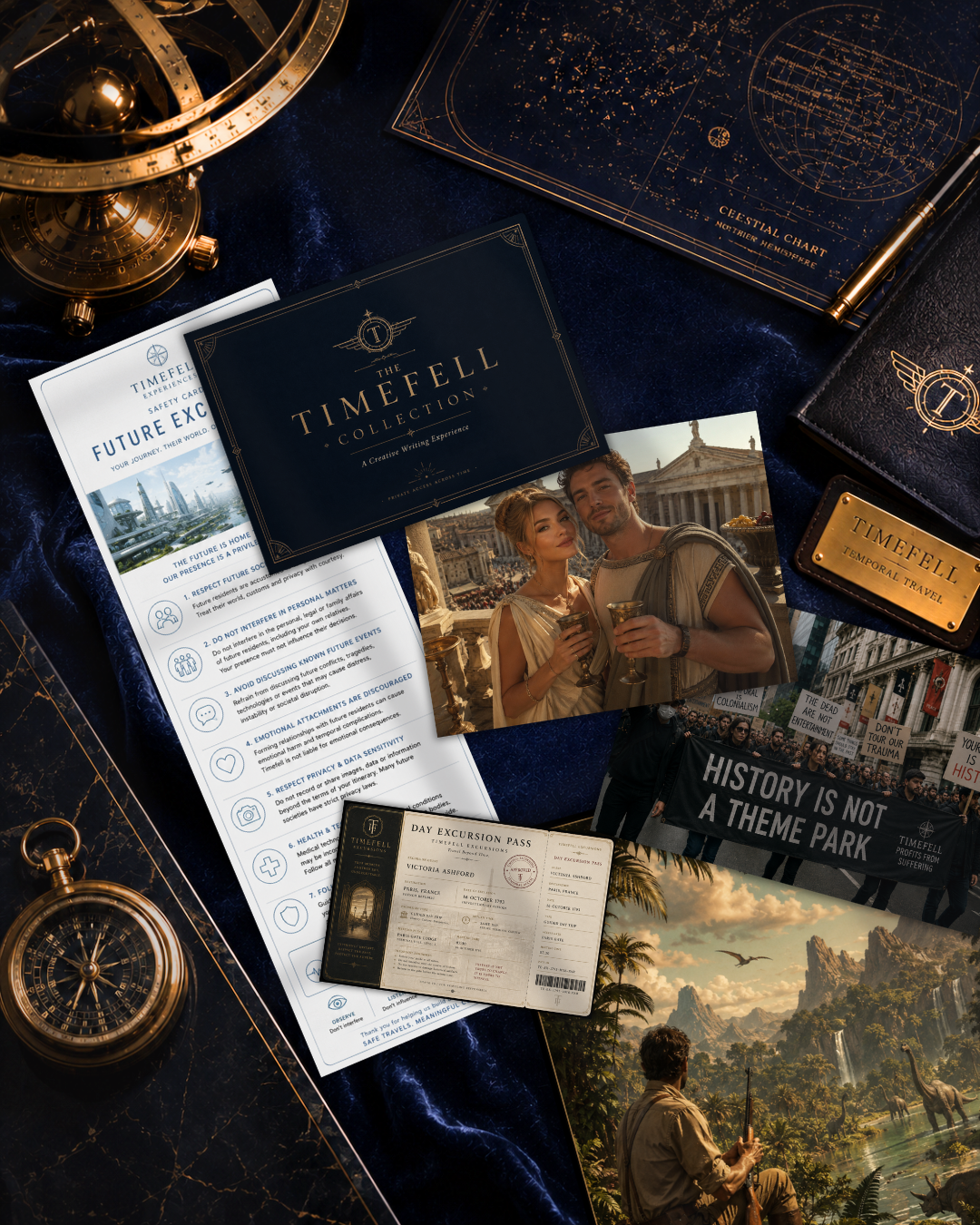
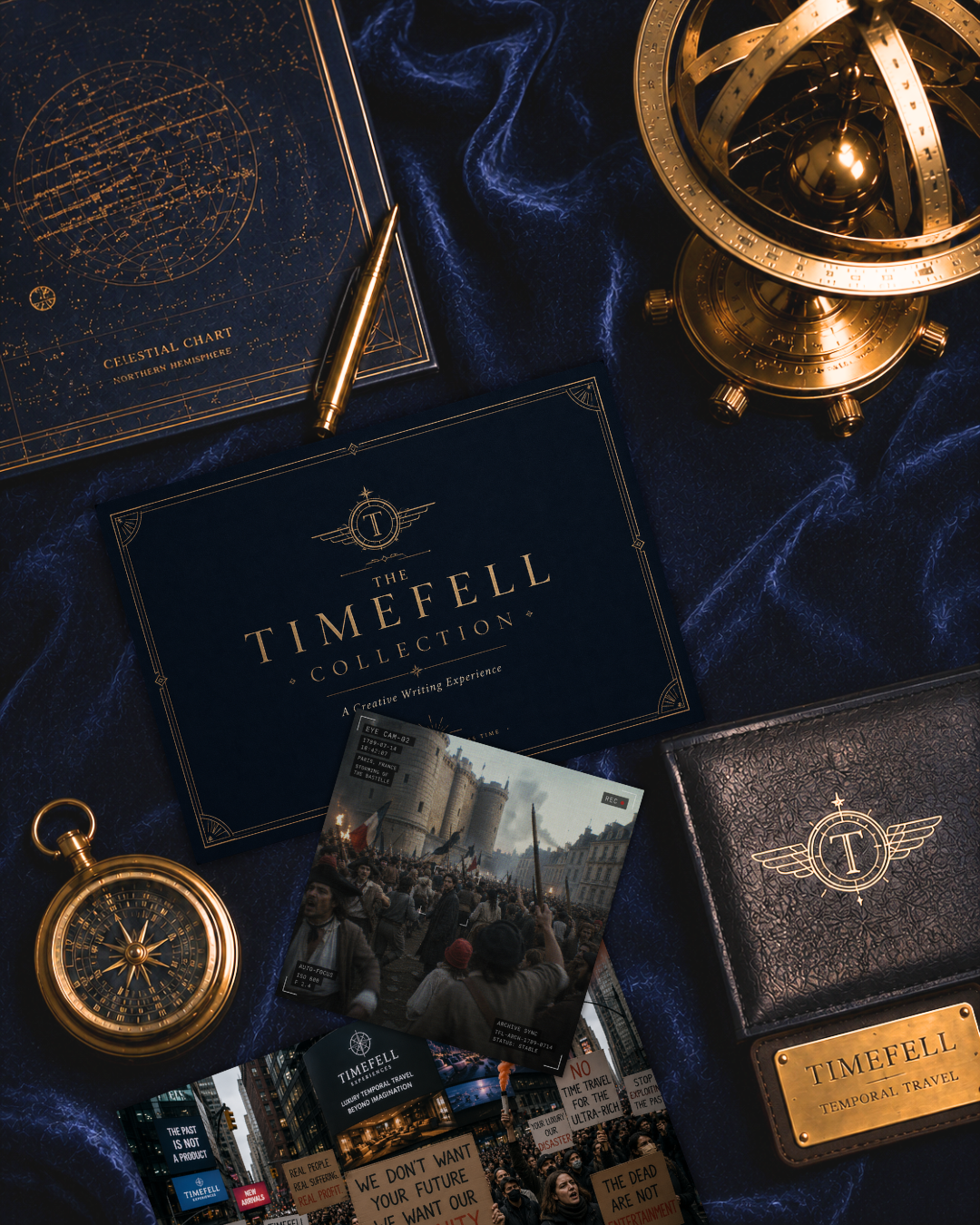
Explore the World of The Timefell Collection
If you're drawn to stories built from artefacts, incomplete records and fragments of lives that have disappeared into history, The Timefell Collection offers another way to explore that kind of storytelling.
Time travel became public in 2020.
By 2046, it had become a business.
Ancient cities welcome paying visitors. Dinosaurs roam protected reserves. Luxury cruises travel between centuries. Future societies open their gates to carefully managed excursions beyond the present day.
For those who can afford it, every era is a destination.
But not every story appears in the brochure.
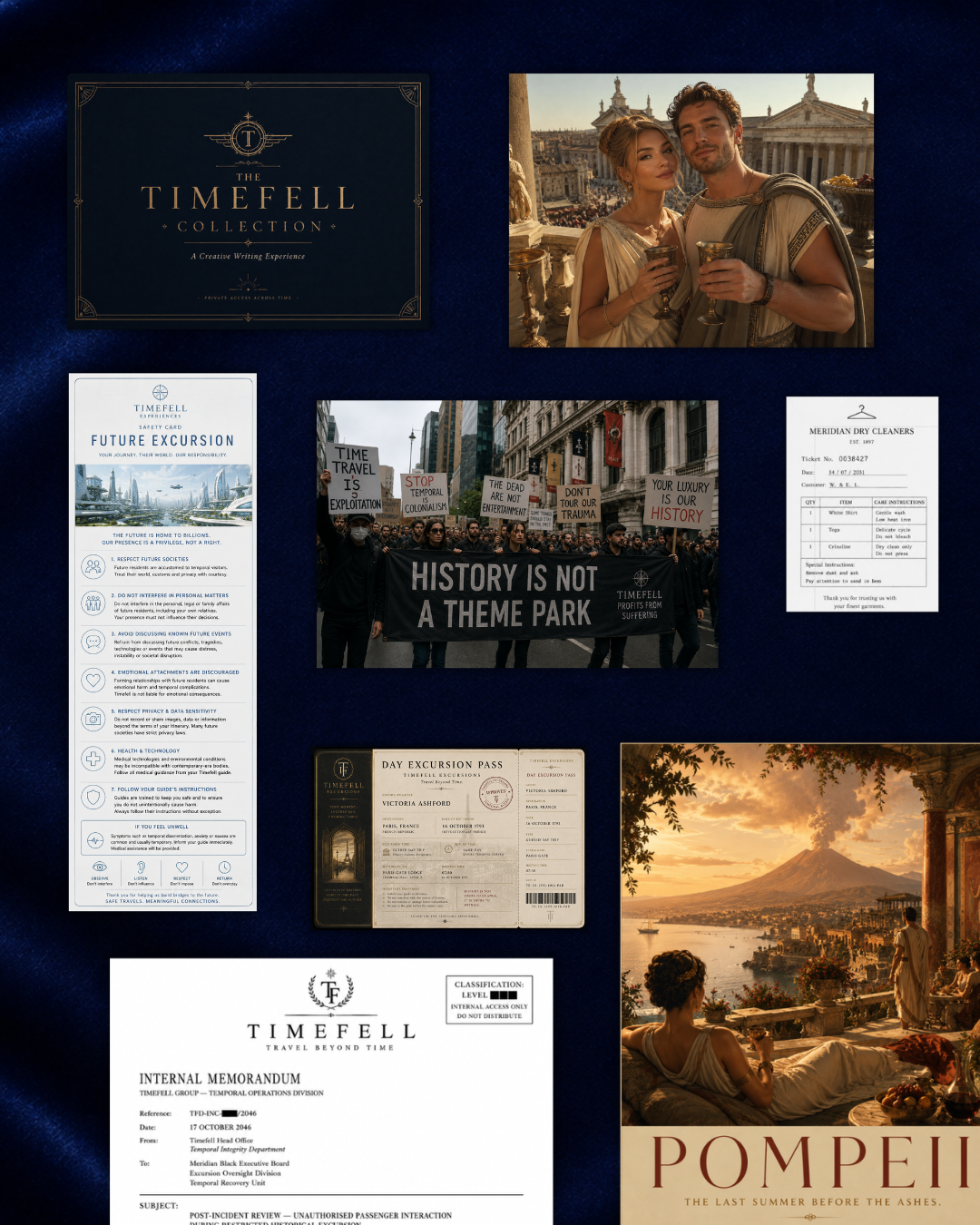
The Timefell Collection is an immersive archive from a world where history has become tourism. Instead of following a conventional narrative, you explore the evidence left behind by its travellers: 50+ printable documents and artefacts, including travel posters, boarding passes, newspaper articles, diary entries, hotel records, reviews, private correspondence and handwritten notes.
Some documents fit neatly together.
Others raise uncomfortable questions.
Why have certain excursions disappeared from public records? What experiences are reserved for Meridian Black members? Why do some travellers become obsessed with returning?
And why do some people come back... changed?
Like a xenoarchaeologist reconstructing an alien civilisation from incomplete evidence, you have to decide what these surviving fragments actually mean. There is no official explanation and no final page revealing the solution. You follow the details that interest you, make connections between documents and develop your own interpretation of the world behind them.
◆ 50+ printable documents and artefacts from the world of Timefell
◆ Travel posters, tickets, hotel records, reviews, newspaper articles, diaries, correspondence and notes
◆ A printable prompt card for further storytelling and exploration
◆ Instant digital PDF download
Explore The Timefell Collection → instant download
There is no single truth waiting to be uncovered.
Only the story hidden between the pages.
Final Thoughts
Xenoarchaeology gives science-fiction writers the chance to explore the universe through what has been left behind. A ruined city, fragment of writing, abandoned spacecraft or ordinary household object can become evidence of an entire civilisation — but your characters may never have enough information to know whether their interpretation is correct.
Use these 70 Xenoarchaeology Writing Prompts to uncover lost alien civilisations, investigate mysterious artefacts, explore abandoned worlds or create archaeological discoveries that challenge humanity's understanding of its own history. You could combine several prompts into one larger mystery: an expedition might discover an alien city beneath the ice, find human objects among its ruins and eventually realise that the civilisation disappeared while attempting to warn Earth about something still approaching.
And remember that not every discovery needs to reveal a galaxy-changing secret. Sometimes the most powerful archaeological find might be something incredibly ordinary: a child's toy, a family home, a scratched message or an object repaired so many times that someone clearly couldn't bear to throw it away. Those small traces can remind your characters that the mysterious beings they are studying were not simply an extinct civilisation. They had lives.
For even more inspiration, explore the Sci-Fi Writing Hub for science-fiction prompts, settings, characters and worldbuilding ideas, or browse the Creative Writing Archive for hundreds more creative writing prompts across different genres.
Choose Your Next Adventure