Notes from the Inkpot
Writing, teaching, creating - one ink-stained idea at a time.


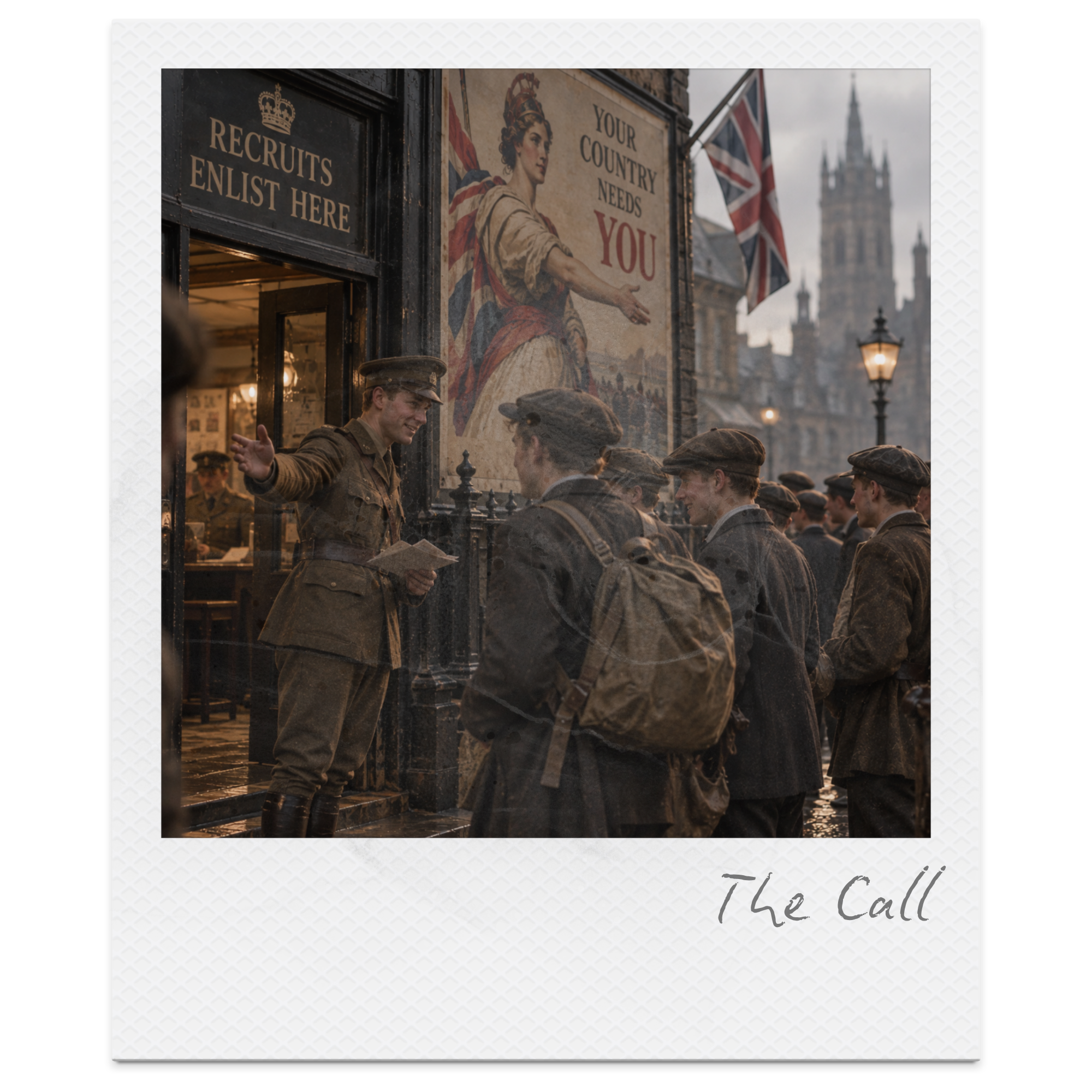
The Call by Jessie Pope: Summary, Themes & Analysis
Explore The Call by Jessie Pope with a detailed analysis of its meaning, themes, symbolism and poetic techniques. Discover how Pope uses rhetorical questions, patriotism, masculine courage and social pressure to encourage enlistment during the First World War, with key quotations, alternative interpretations, comparisons and teaching resources.

For the Fallen by Laurence Binyon: Summary, Themes & Analysis
Explore Laurence Binyon’s For the Fallen with a detailed guide to its meaning, context, themes, symbolism, key quotes, poetic techniques, structure and alternative interpretations. Discover how Binyon transforms grief and wartime loss into an enduring meditation on youth, sacrifice, remembrance, national identity and memory.
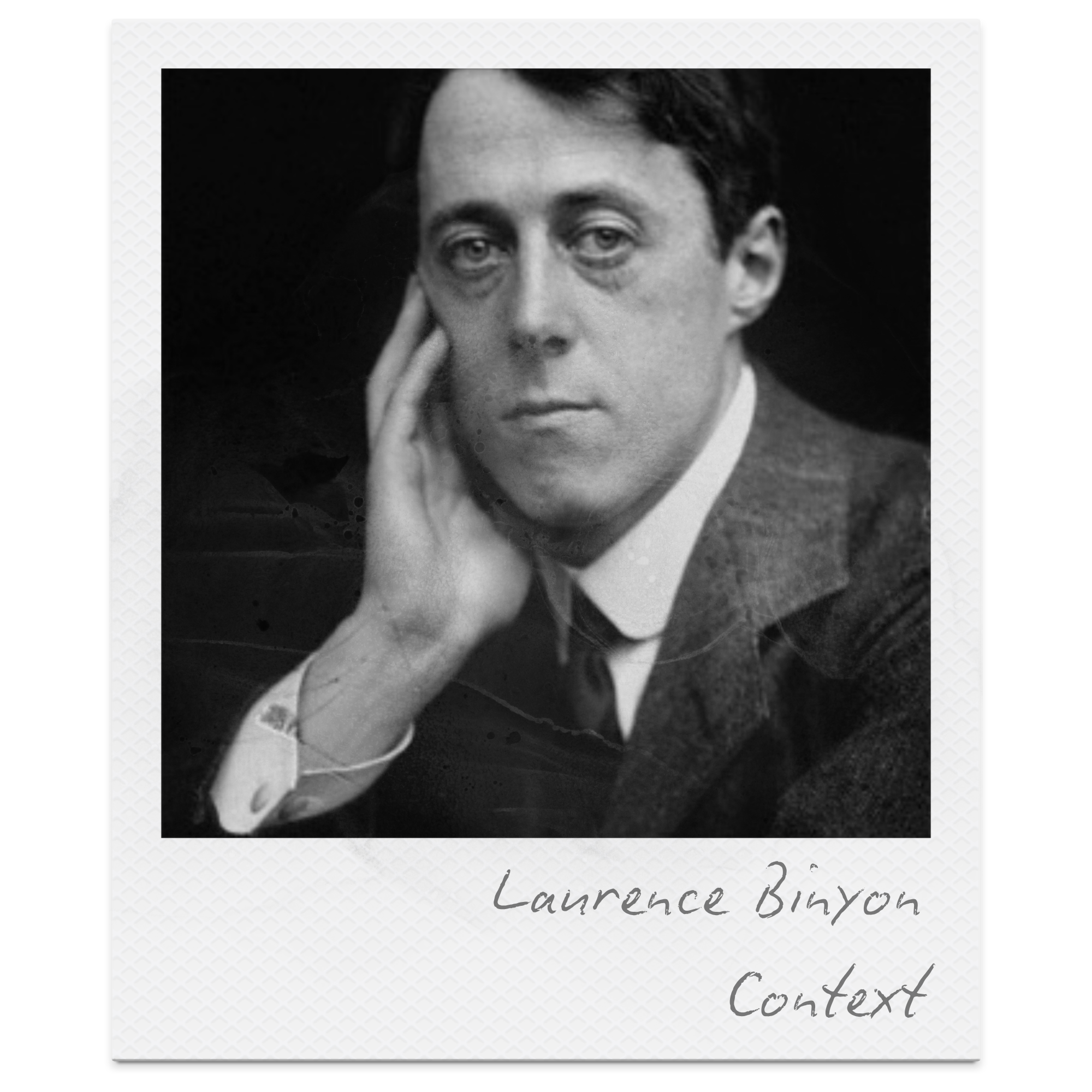
Laurence Binyon: Context, War Poetry, and Literary Significance
Explore the life, historical context, poetry and literary significance of Laurence Binyon, author of For the Fallen. Discover how remembrance, sacrifice, collective grief, mortality and cultural memory shaped his First World War poetry, and how the famous Ode of Remembrance became part of the enduring language of commemoration.
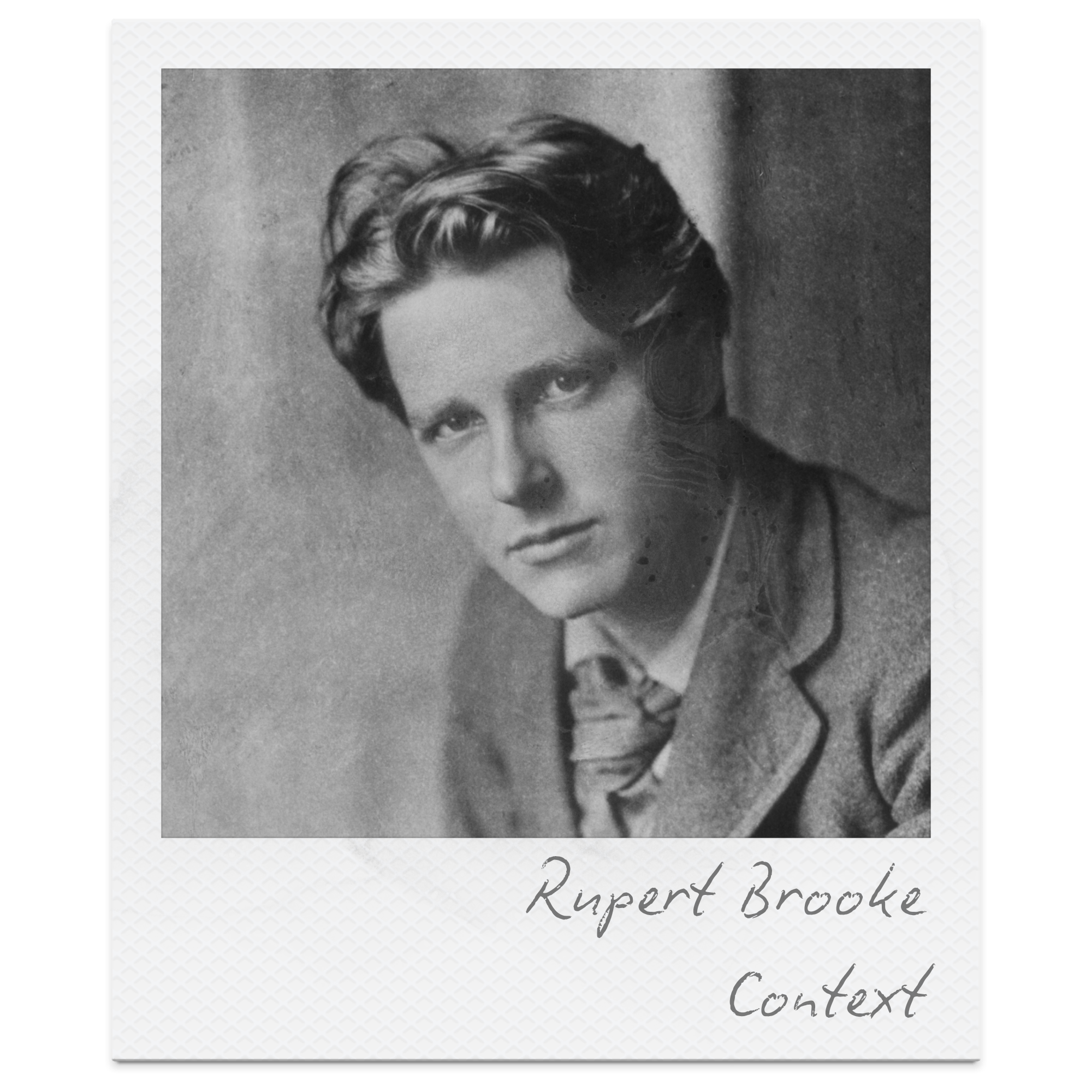
Rupert Brooke: Context, War Poetry, and Literary Significance
Explore the life, historical context, poetry, and literary significance of Rupert Brooke, one of the most famous voices of early First World War poetry. Discover how patriotism, sacrifice, Englishness, mortality, Georgian poetry, and the opening months of the war shaped his writing, and why poems such as “The Soldier” remain essential for understanding the changing literary representation of the First World War.
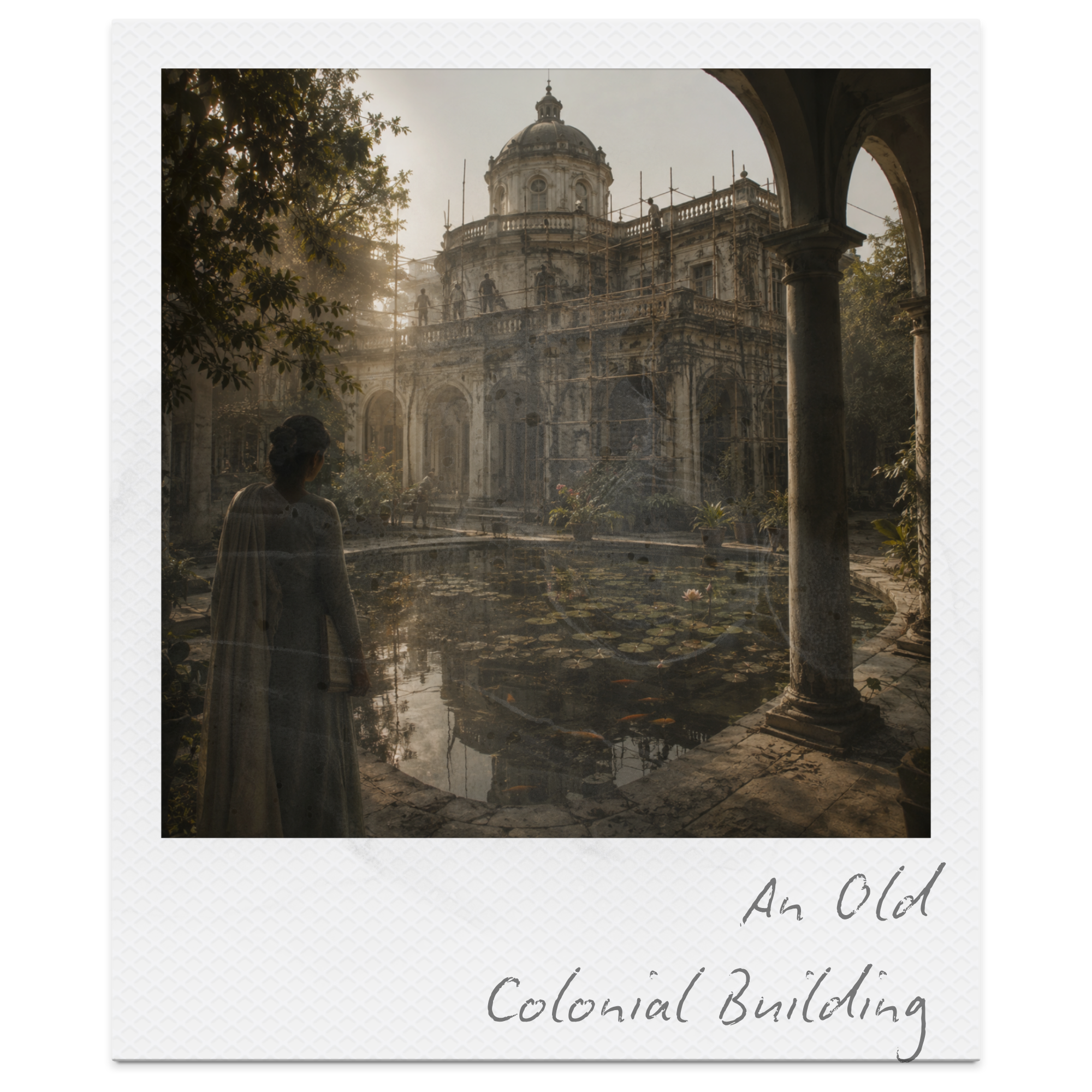
An Old Colonial Building by Leung Ping-Kwan: Summary, Themes & Analysis
Explore An Old Colonial Building by Leung Ping-Kwan with this detailed poetry analysis covering summary, context, themes, key quotes, language, imagery, structure, symbolism and alternative interpretations. Discover how Leung uses colonial architecture, shifting reflections and fragmented imagery to explore identity, history, political power, belonging and the complicated legacy of colonialism.