Notes from the Inkpot
Writing, teaching, creating - one ink-stained idea at a time.




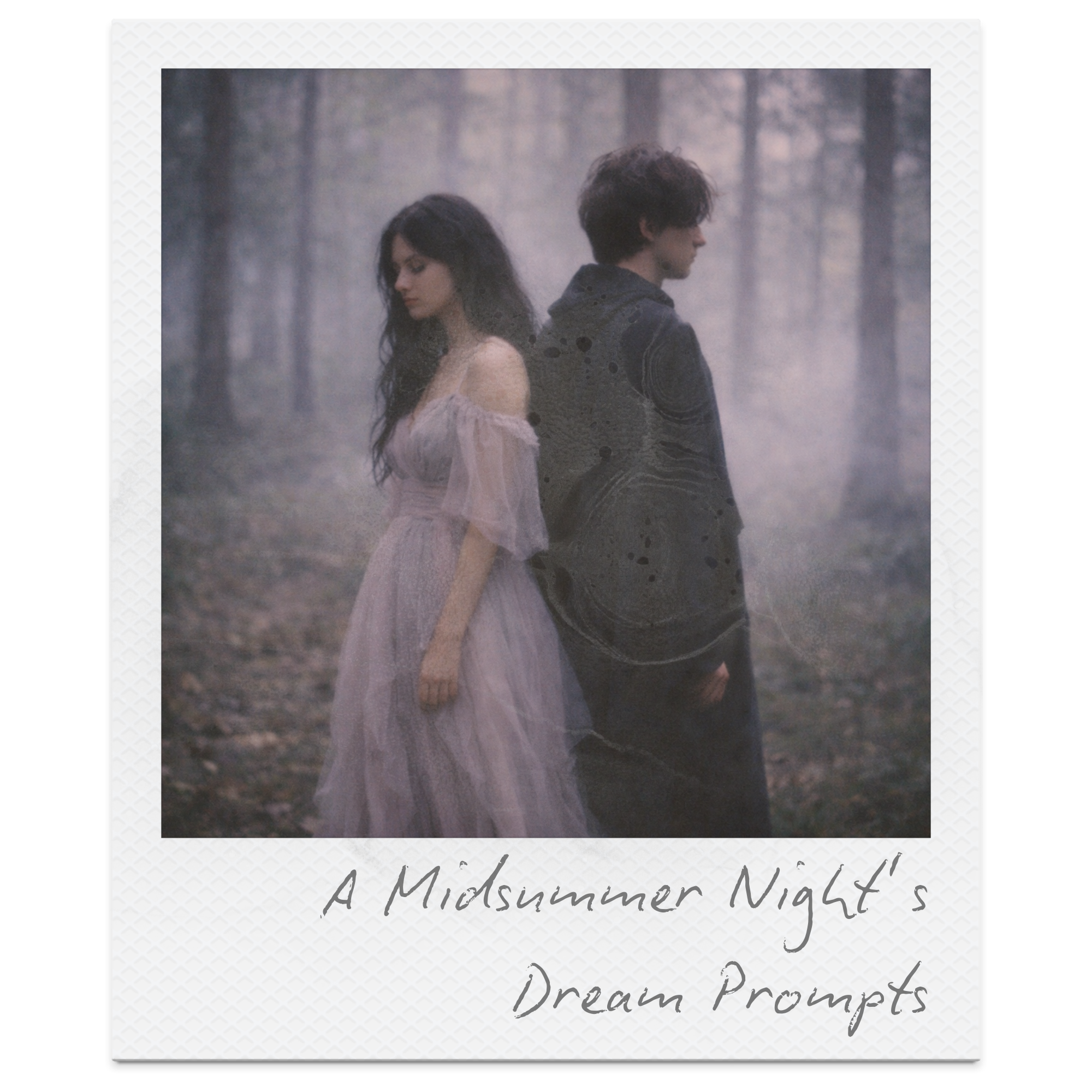
70 Creative Writing Prompts Inspired by A Midsummer Night’s Dream: Plot Hooks, Opening Lines, Characters & Visual Ideas
William Shakespeare’s A Midsummer Night’s Dream is a story where ordinary rules collapse under the influence of magic, imagination, and emotional confusion. Set between the ordered world of the city and the unpredictable freedom of the forest, the play explores how love, identity, and misunderstanding can shift when people step into unfamiliar spaces. Its mixture of enchantment, comedy, and transformation makes it an ideal starting point for creative writing. This collection of 70 creative writing prompts inspired by A Midsummer Night’s Dream invites young writers to explore enchanted forests, mischievous magic, mistaken identity, and dreamlike settings through original stories and poetry. Designed for classroom use, writing clubs, and independent practice, the prompts encourage students to experiment with atmosphere, character perspective, and imaginative storytelling while drawing inspiration from Shakespeare’s playful and magical world.
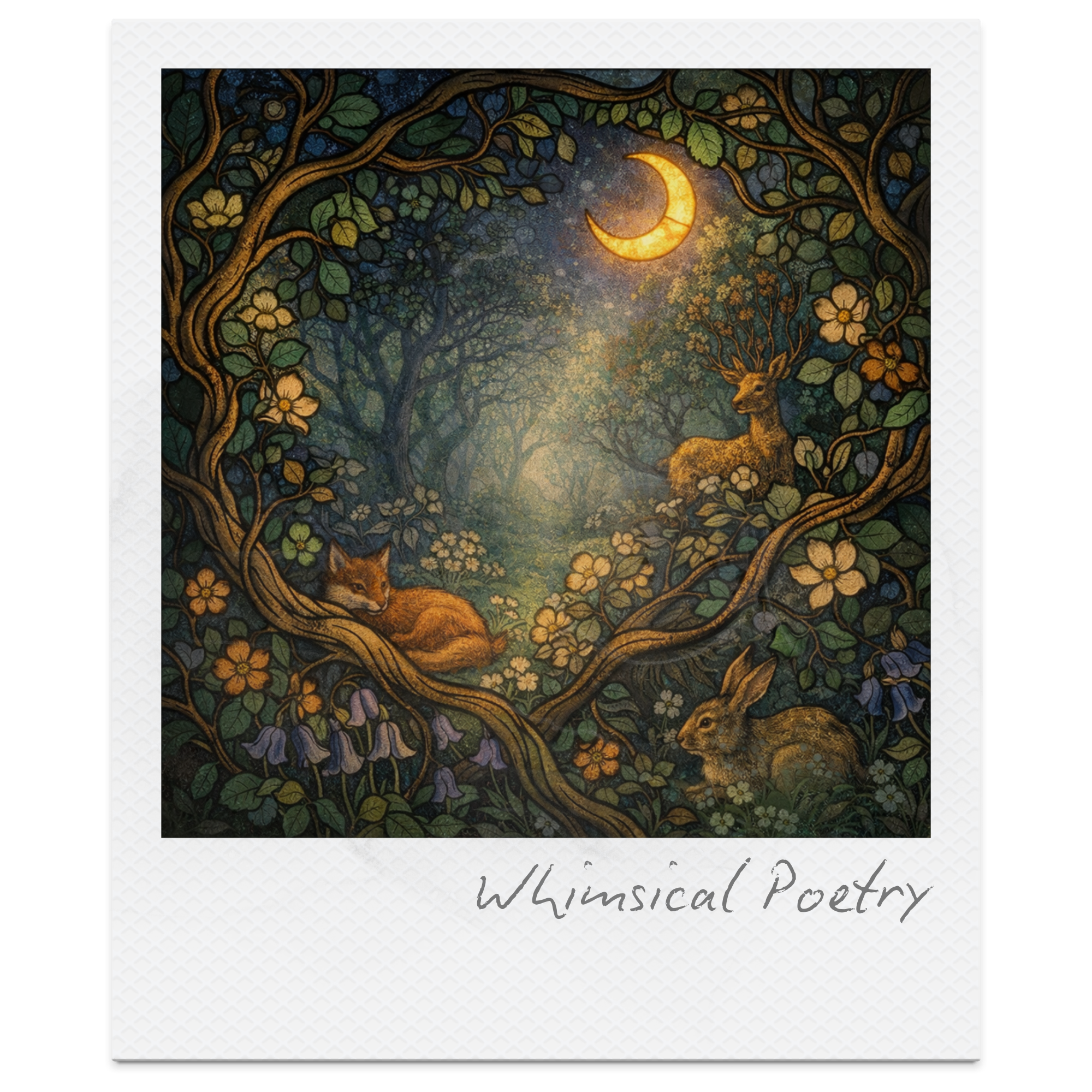
10 Whimsical Poetry Prompts for Teens & Adults: Imagination, Lightness, and Wonder
Whimsical poetry prompts invite writers to explore imagination, curiosity, and playful perspective through carefully crafted imagery and voice. Rather than relying on nonsense or randomness, whimsical poetry transforms ordinary moments into surprising possibilities — giving voice to objects, bending the rules of nature, or observing the world from unexpected angles. These 10 whimsical poetry prompts for teens and adults are designed for classrooms, creative writing practice, and independent writers. Each prompt focuses on craft techniques such as personification, imaginative metaphor, narrative voice, and gentle absurdity, helping writers develop imaginative poems that remain clear, thoughtful, and controlled.
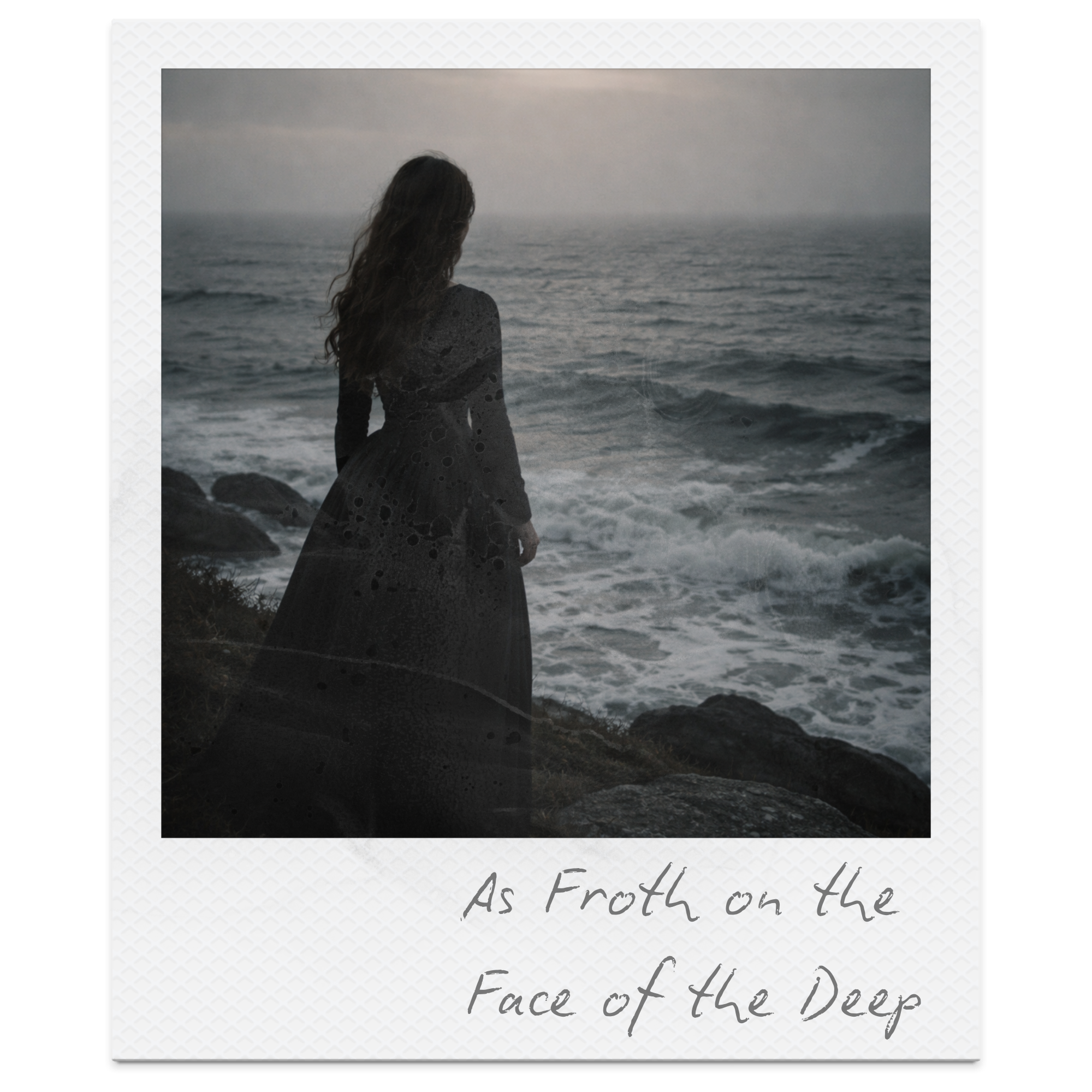
As Froth on the Face of the Deep by Christina Rossetti: Summary, Themes, Symbolism & Analysis
Christina Rossetti’s As Froth on the Face of the Deep is a reflective poem that explores the fragility and brevity of human life. Through the striking metaphor of foam appearing briefly on the surface of the ocean, the poem presents existence as something temporary and delicate when compared with the vast forces of nature. This analysis examines the poem’s imagery, symbolism, structure, and themes, exploring how Rossetti uses simple natural comparisons to reflect on mortality, impermanence, and spiritual perspective. The poem invites readers to consider the fleeting nature of human existence and the wider philosophical questions that arise from recognising life’s limited span.
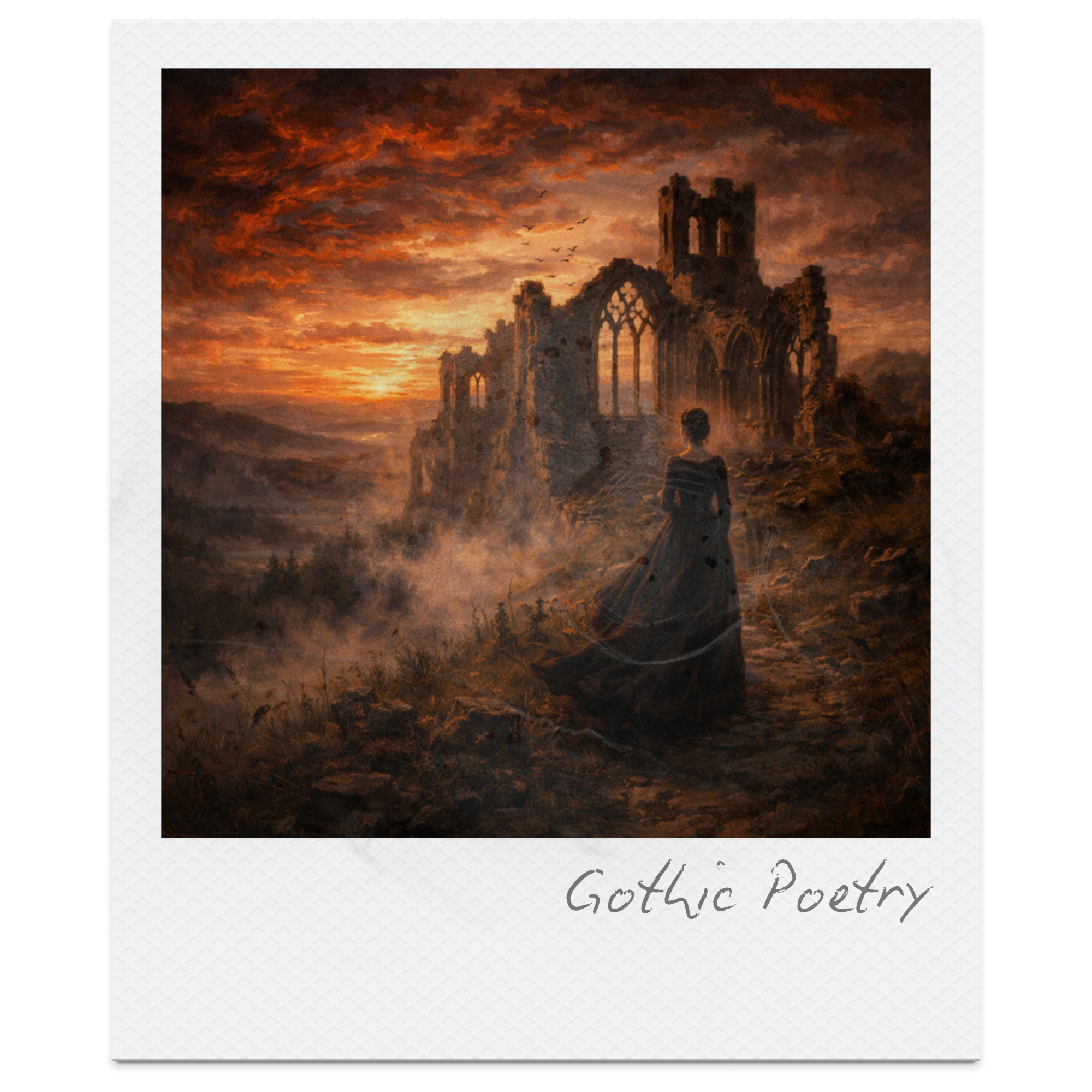
10 Gothic Poetry Prompts for Teens & Adults: Atmosphere, Obsession, and the Unseen
Gothic poetry explores atmosphere, memory, obsession, and the uneasy boundary between beauty and decay. Rather than relying on dramatic horror, many gothic poems build tension through symbolism, landscape, emotional restraint, and suggestion, allowing meaning to emerge slowly through image and voice. This collection of gothic poetry prompts for teens and adults encourages writers to experiment with mood, setting, and ambiguity while developing confidence in poetic craft. Each prompt includes a title, opening line, and craft focus designed to support creative writing in classrooms, writing groups, and independent practice. Whether you’re teaching gothic literature, exploring dark poetry themes, or looking for atmospheric poetry prompts, these ideas help writers move beyond the blank page and begin with imagery, atmosphere, and emotional depth.
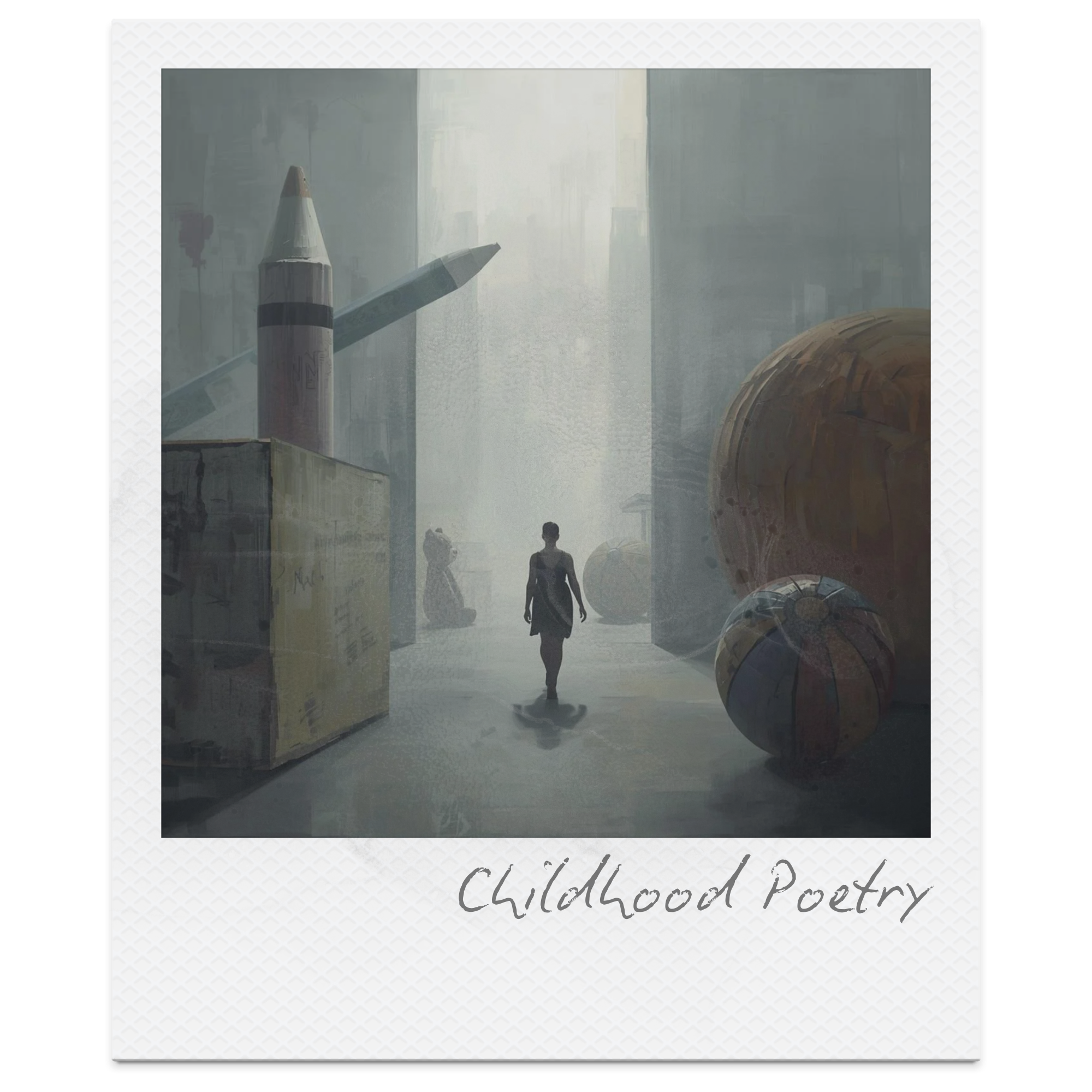
10 Childhood Poetry Prompts for Teens & Adults: Memory, Distance, and the Unreliable Past
Childhood poetry explores early experience not through nostalgia, but through reflection, distance, and restraint. These childhood poetry prompts for teens and adults encourage writers to examine formative moments, misunderstandings, and everyday details using craft-focused techniques, suggested opening lines, and image-led inspiration. Designed for classrooms and independent writers, this collection supports thoughtful poetry about childhood rooted in observation rather than retelling.
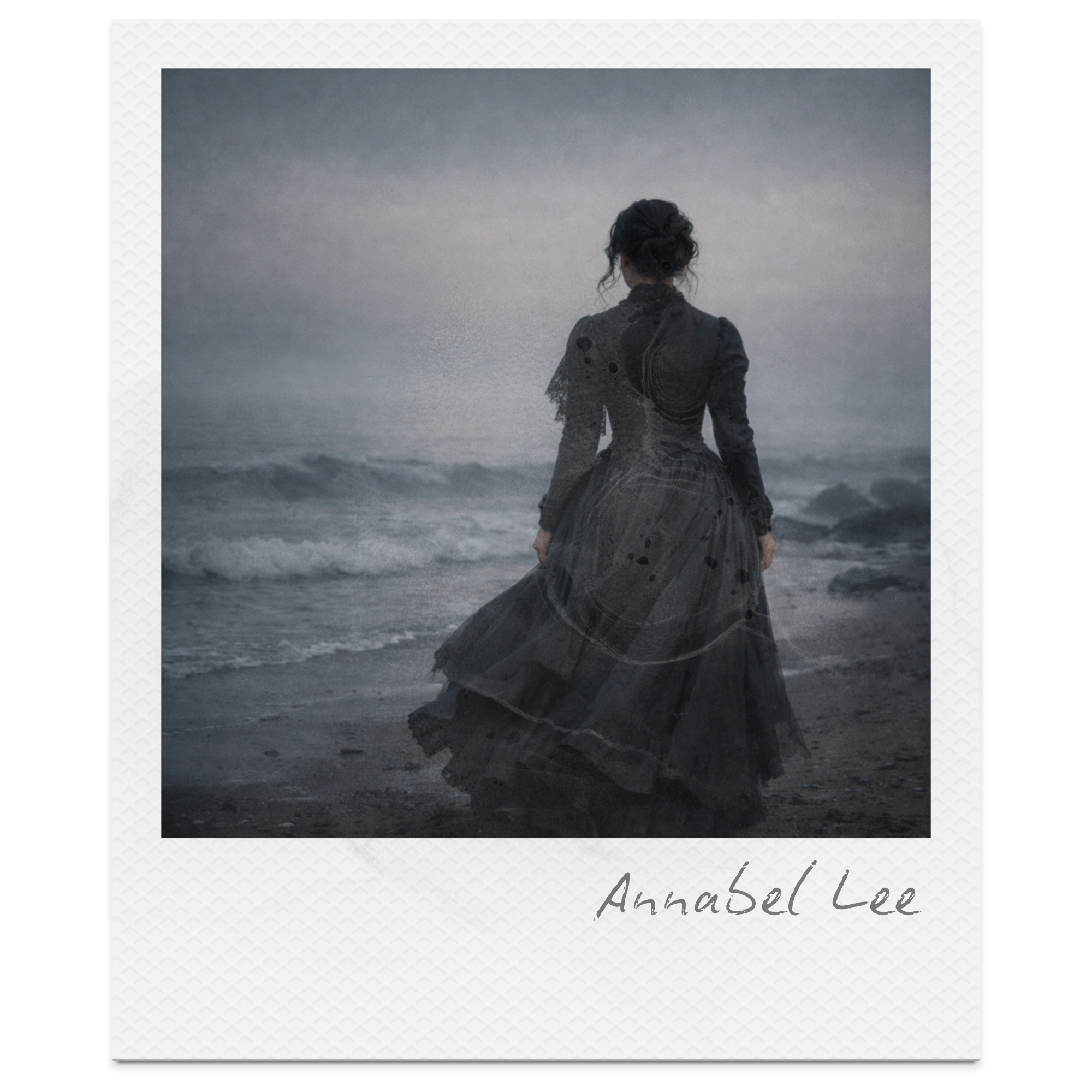
Annabel Lee by Edgar Allan Poe: Summary, Themes, Meaning & Analysis
Explore a clear and engaging analysis of Annabel Lee by Edgar Allan Poe, including summary, themes, symbolism, and key quotes. This guide explains the poem’s ideas about love and devotion beyond death, grief and mourning, romantic idealisation, and the persistence of memory, showing how Poe uses repetition, imagery, and ballad form to create one of his most haunting poems. This resource includes stanza-by-stanza analysis, key techniques, discussion ideas, and teaching activities, making it useful for middle and high school literature students and teachers worldwide. It is ideal for studying Poe’s gothic poetry and exploring how the poem presents love, loss, and emotional attachment.
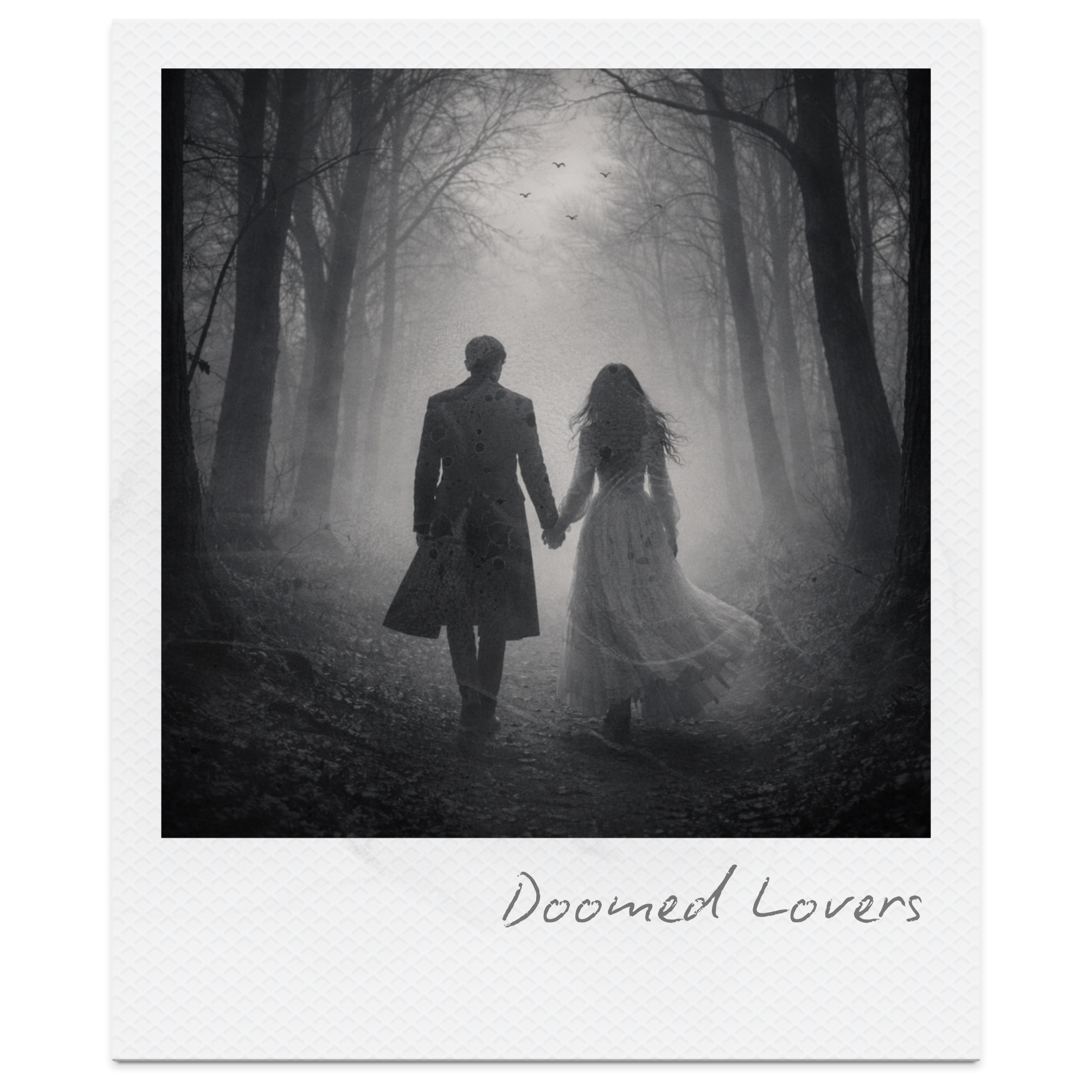
70 Doomed Lovers Writing Prompts: Tragic Romance, Forbidden Love & Fate
Doomed lovers are one of the most enduring storytelling tropes, appearing in Gothic fiction, tragic romance, and classic literature where love collides with fate, family expectations, or impossible circumstances. These 70 doomed lovers writing prompts explore forbidden relationships, emotional conflict, and the tension between devotion and consequence. From atmospheric plot hooks and evocative opening lines to character ideas, settings, and visual prompts, this collection helps writers create tragic love stories shaped by secrecy, destiny, and loss. Perfect for creative writing lessons, English classrooms, journaling, and longer fiction projects, these prompts encourage writers to explore how relationships are shaped by the pressures surrounding them. Whether you are writing about forbidden love, rival families, supernatural bonds, or relationships doomed by circumstance, these prompts provide a structured toolkit for crafting powerful tragic romance narratives.
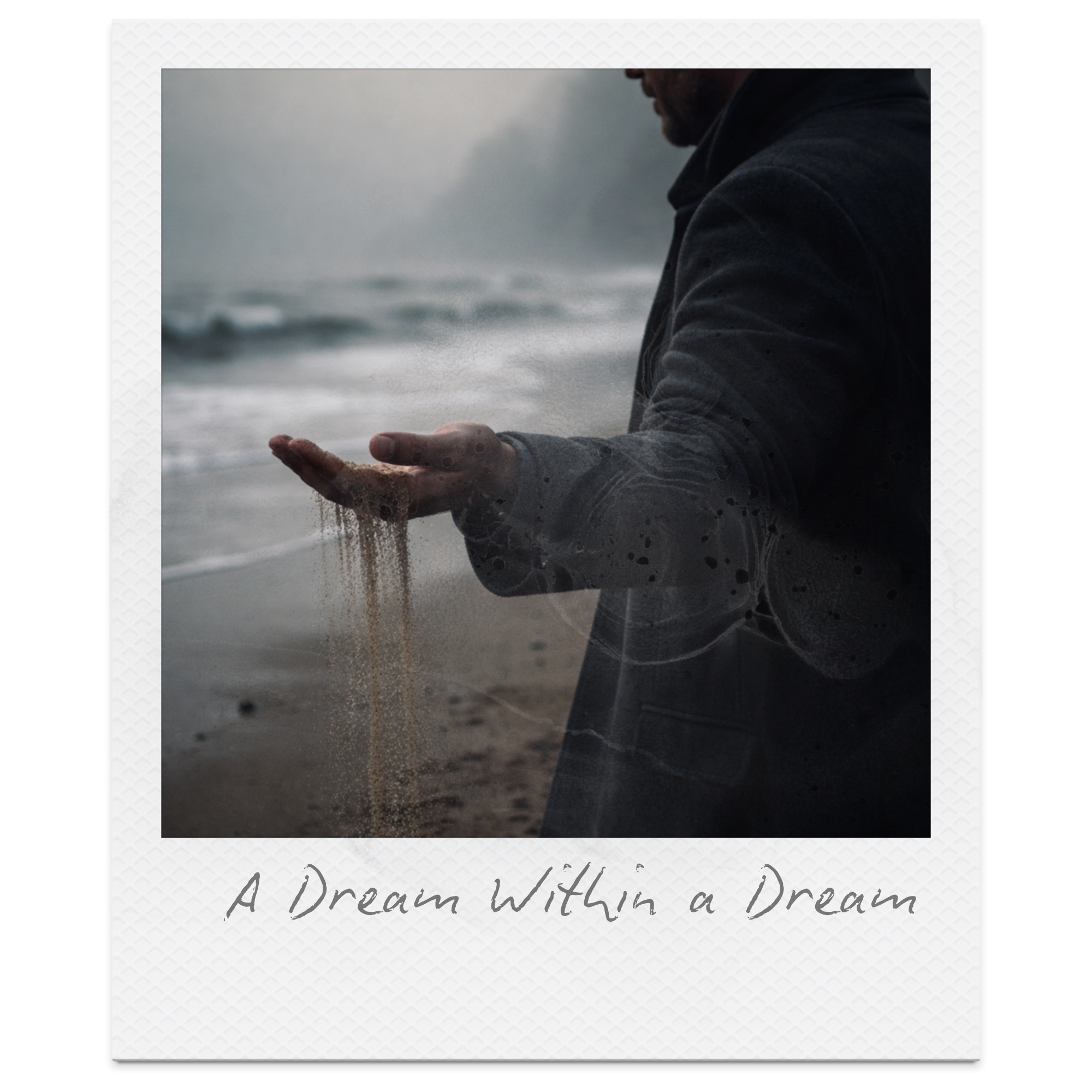
A Dream Within a Dream by Edgar Allan Poe: Summary, Themes, Meaning & Analysis
Explore a clear and accessible analysis of A Dream Within a Dream by Edgar Allan Poe, including a summary, themes, symbolism, and key quotations. This guide explains the poem’s central ideas about reality vs illusion, the passage of time, loss, existential uncertainty, and the limits of human control, showing how Poe uses imagery and symbolism to express the fragility of human experience. This resource includes stanza-by-stanza analysis, key techniques, discussion questions, and creative writing ideas, making it useful for secondary literature students and teachers worldwide. It is particularly suitable for middle and high school poetry study and for readers exploring Poe’s philosophical and gothic poetry.
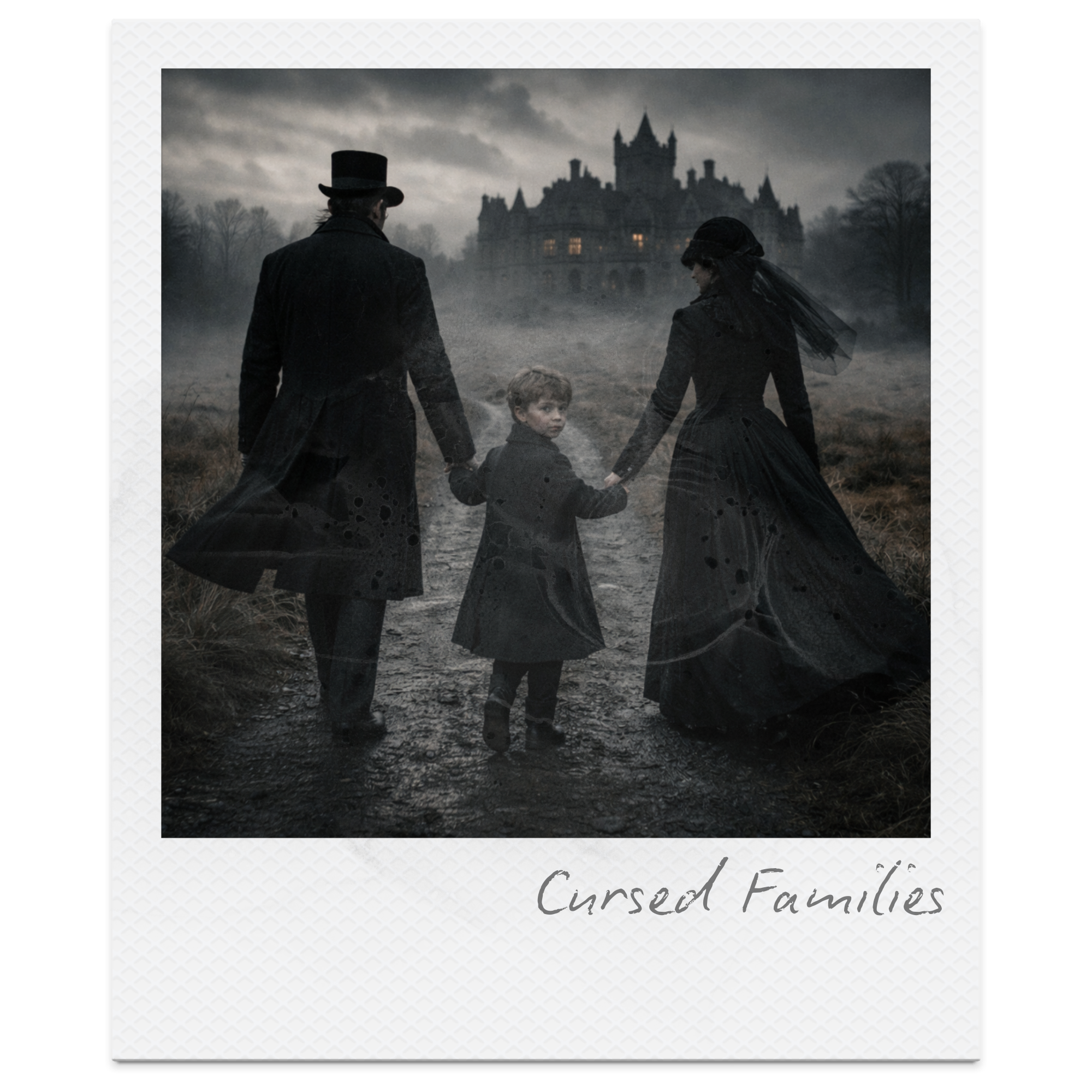
70 Gothic Family Curse Writing Prompts: Haunted Bloodlines, Ancestral Secrets & Dark Legacies
Family curses are one of the most enduring tropes in Gothic fiction, exploring haunted bloodlines, inherited guilt, and the idea that the past never truly stays buried. These 70 Gothic family curse writing prompts draw on classic Gothic literature themes such as ancestral secrets, decaying estates, cursed heirs, and forgotten crimes that echo across generations. From eerie plot hooks and atmospheric opening lines to character ideas, settings, and visual prompts, this collection helps writers explore the unsettling power of legacy and inherited fate. Perfect for creative writing lessons, Gothic storytelling, and dark fiction inspiration, these prompts encourage writers to build stories rooted in atmosphere, mystery, and psychological tension. Whether you are exploring haunted houses, cursed family histories, or hidden ancestral secrets, these prompts offer a structured toolkit for crafting Gothic stories that blur the line between supernatural curse and human consequence.
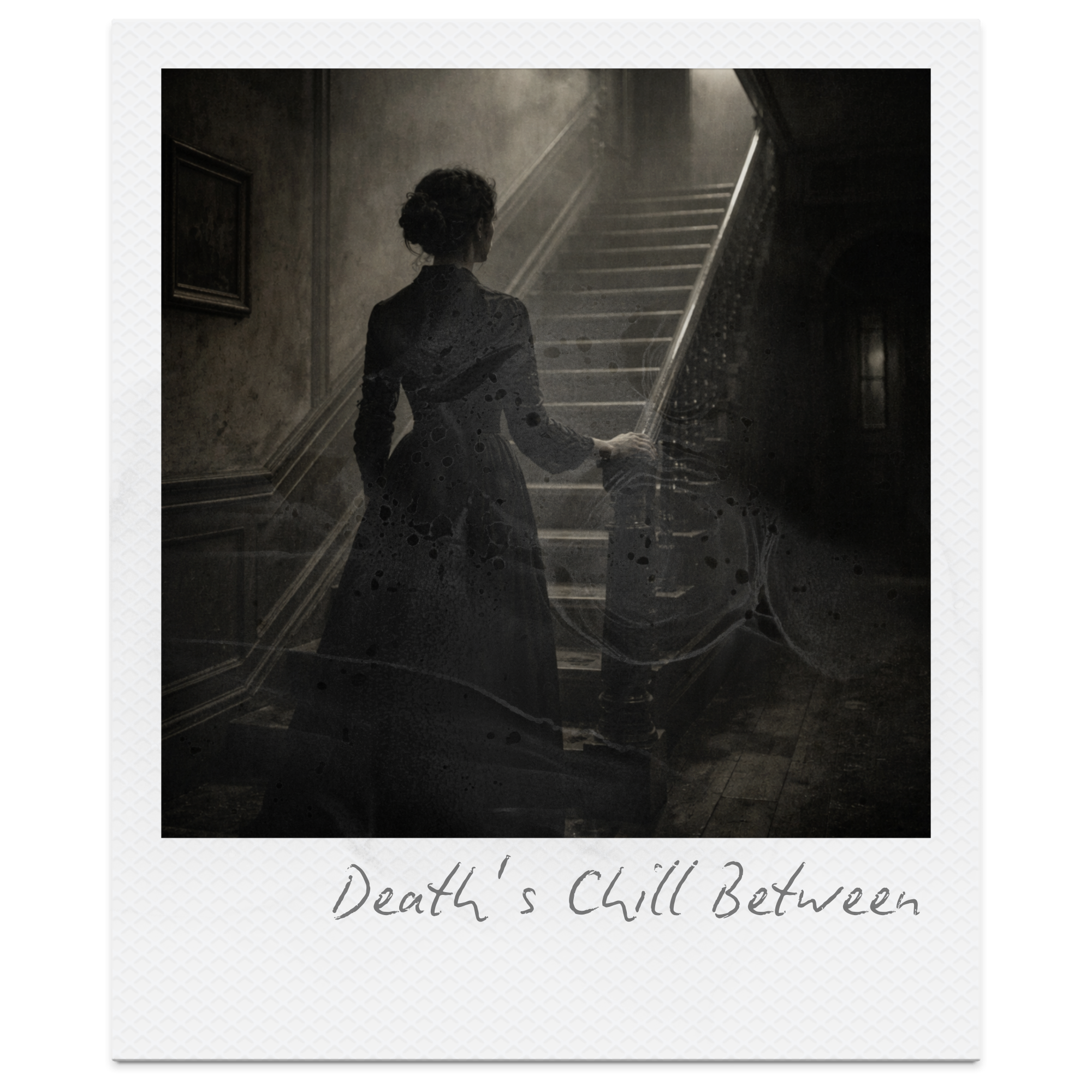
Death’s Chill Between by Christina Rossetti: Summary, Themes, Symbolism & Analysis
Christina Rossetti’s “Death’s Chill Between” explores the psychological complexity of grief, tracing a speaker’s journey from emotional restraint to imagined reunion and painful recognition of loss. Through vivid imagery, shifting tone, and carefully structured sestets, the poem examines how mourning can blur the boundary between memory, illusion, and reality. This analysis explores the poem’s themes, symbolism, structure, metre, and key techniques, alongside a stanza-by-stanza breakdown and classroom teaching ideas. The guide also situates the poem within Rossetti’s wider work, helping readers explore connections across her poetry and the Victorian context of mourning.
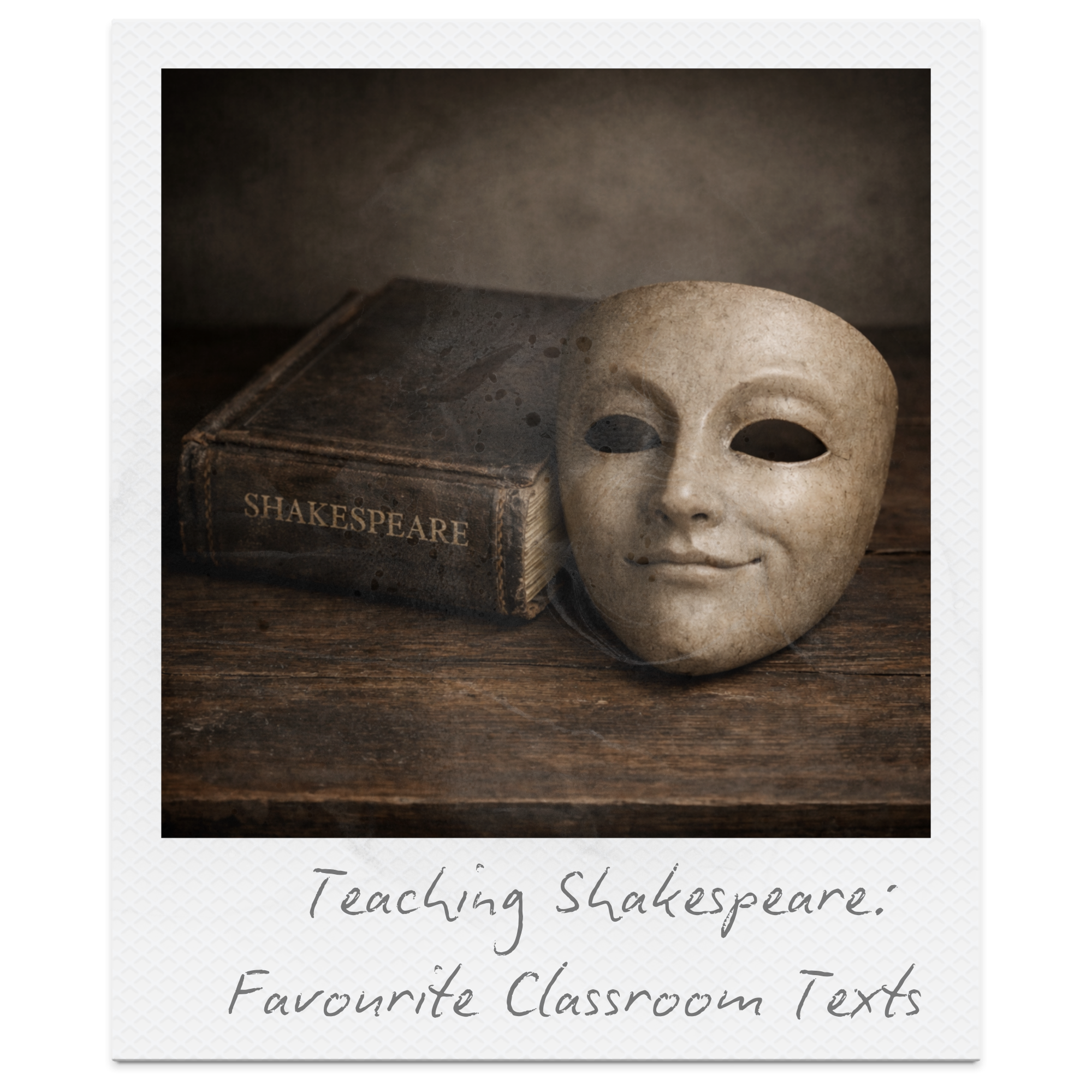
My Favourite Shakespeare Plays for the Classroom (And How I Teach Them)
Shakespeare’s plays remain some of the most rewarding — and most challenging — texts to teach in the classroom. Rather than treating his work as a checklist of required plays, this post explores the Shakespeare plays that genuinely work in the classroom, focusing on discussion, interpretation, and moral complexity rather than memorisation. From tragedy and comedy to romance and sonnets, these are the texts that consistently engage students and reward close reading. Drawing on classroom experience, this guide groups Shakespeare plays for teaching around key themes such as power, identity, justice, love, and consequence. Each section explains why the play works, how it sparks discussion, and what students gain from studying it. Whether you’re choosing your next Shakespeare text or rethinking how you teach a familiar one, this post offers a thoughtful, practical starting point.

70 Gothic Mystery Writing Prompts for Teens: Dark Secrets, Suspenseful Stories, Characters, Settings & Visual Ideas
Gothic mystery stories combine atmosphere, investigation, and hidden histories, drawing readers into worlds where secrets wait beneath the surface of quiet towns, abandoned estates, and forgotten archives. These stories focus on discovery and suspense, allowing writers to explore how the past can shape the present through clues, unexplained events, and long-buried truths. This collection of 70 Gothic Mystery Writing Prompts for Teens offers plot hooks, opening lines, characters, settings, and visual prompts designed to inspire eerie investigative storytelling. Whether used for creative writing lessons, journaling, or longer YA mystery projects, these prompts encourage writers to build suspense while uncovering the secrets hidden inside gothic worlds.
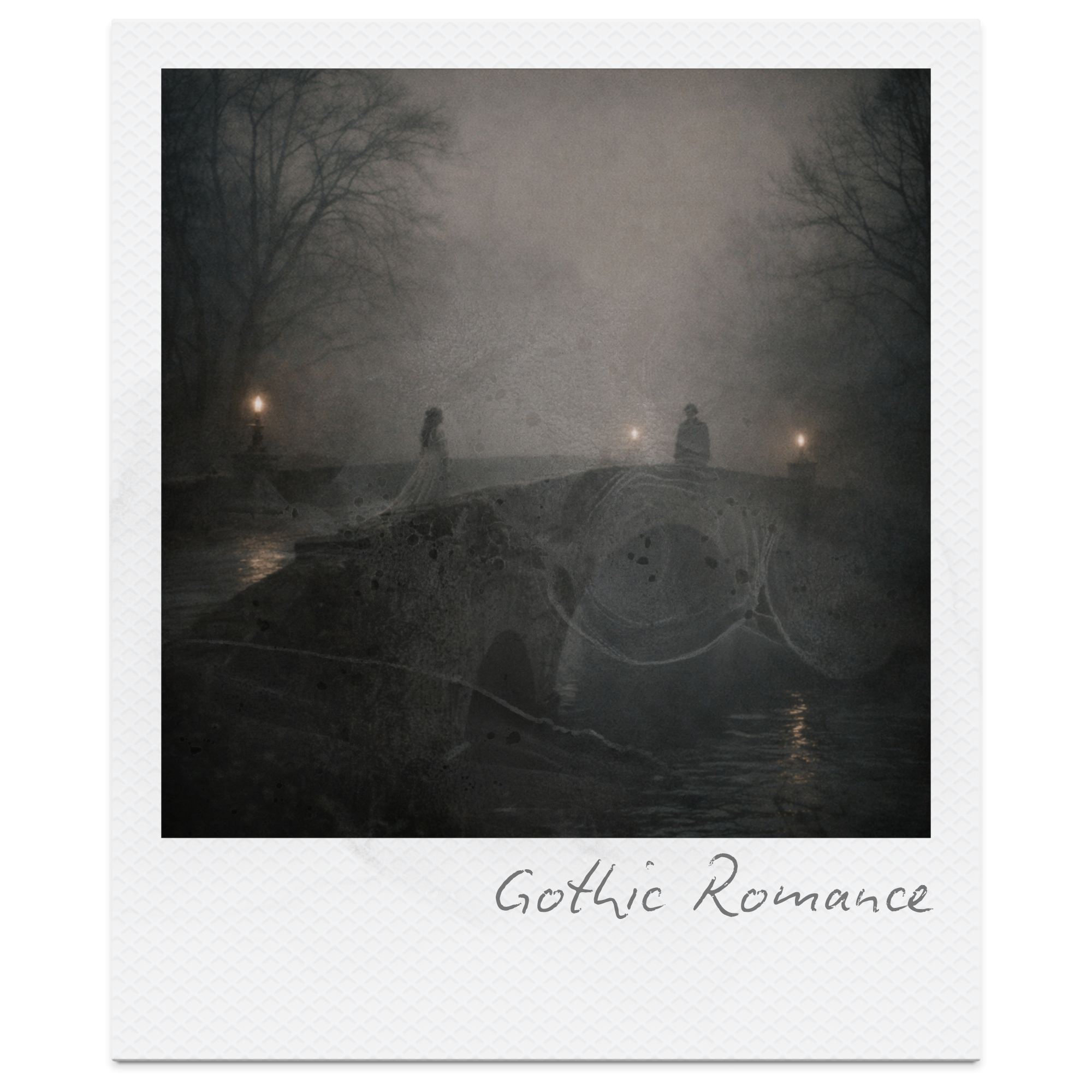
70 Gothic Romance Writing Prompts for Teens: Dark Love Stories, Characters, Settings & Visual Ideas
Gothic romance writing prompts invite writers into shadowed worlds where love and mystery intertwine. Inspired by gothic literature, these stories often unfold in crumbling mansions, fog-covered coastlines, forgotten gardens, and isolated estates where relationships are shaped by secrecy, longing, and hidden histories. Gothic romance explores emotional tension as much as atmosphere, revealing how desire, loyalty, and obsession can transform characters in unexpected ways. This collection of gothic romance writing prompts for teens includes dark story starters, plot hooks, opening lines, closing lines, character ideas, eerie settings, and visual inspiration designed to spark atmospheric storytelling. Perfect for creative writing lessons, journaling, writing clubs, and YA storytelling projects, these prompts help writers explore forbidden love, mysterious strangers, haunted places, and emotionally complex relationships within gothic worlds.
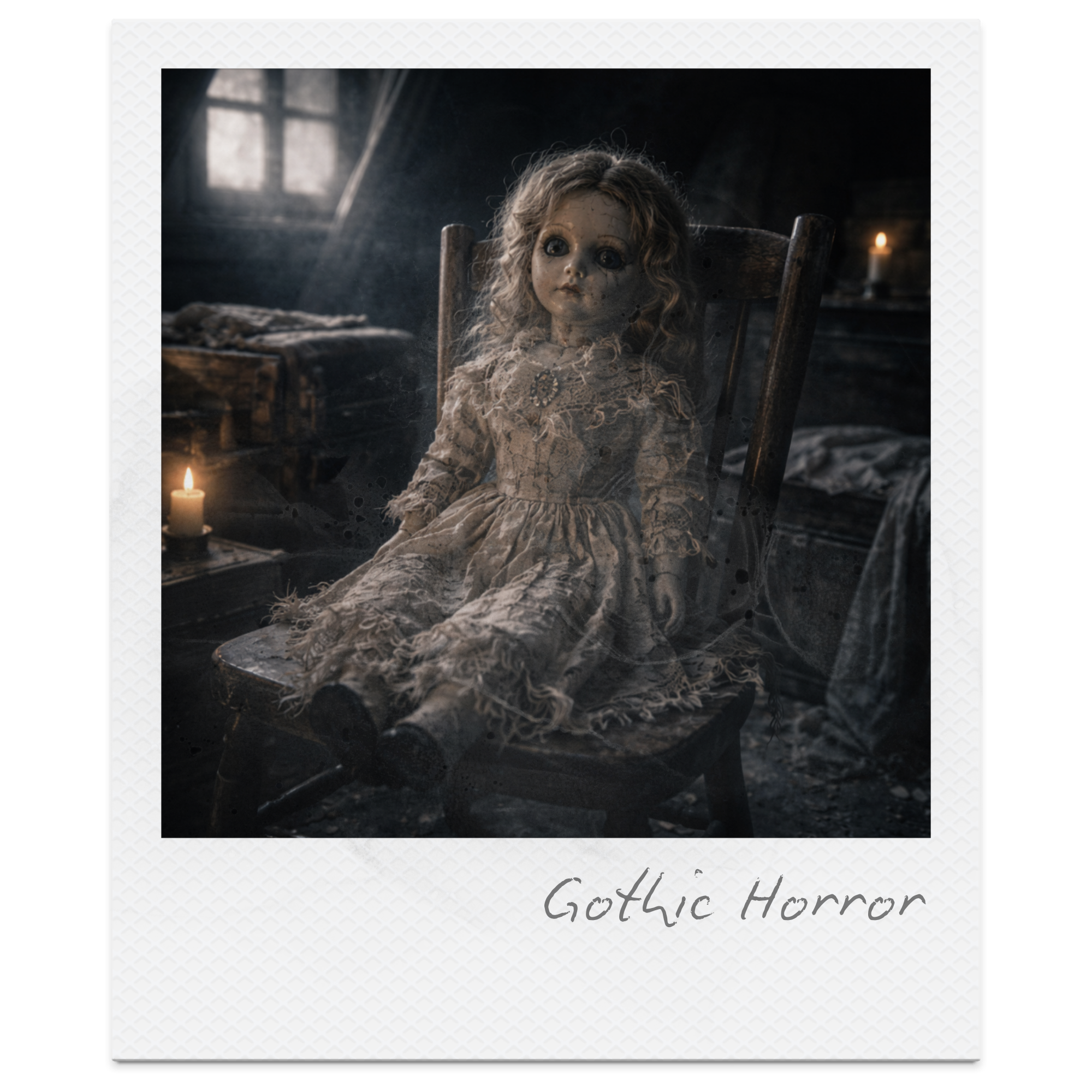
70 Gothic Horror Writing Prompts for Teens: Dark Story Starters, Characters, Settings & Visual Ideas
Gothic writing prompts invite writers into shadowed worlds of ruined mansions, mist-covered forests, forgotten villages, and secrets that refuse to remain buried. Rooted in the traditions of gothic literature, these stories blend mystery, atmosphere, and psychological tension, often exploring themes of isolation, hidden histories, haunting presences, and the lingering power of the past. This collection of gothic writing prompts for teens includes story starters, plot hooks, character ideas, eerie settings, opening lines, closing lines, and visual inspiration designed to help writers craft atmospheric gothic fiction, gothic horror, and gothic fantasy stories. Whether used for creative writing lessons, writing clubs, journaling, or longer storytelling projects, these prompts encourage imaginative worldbuilding and suspense-driven storytelling.
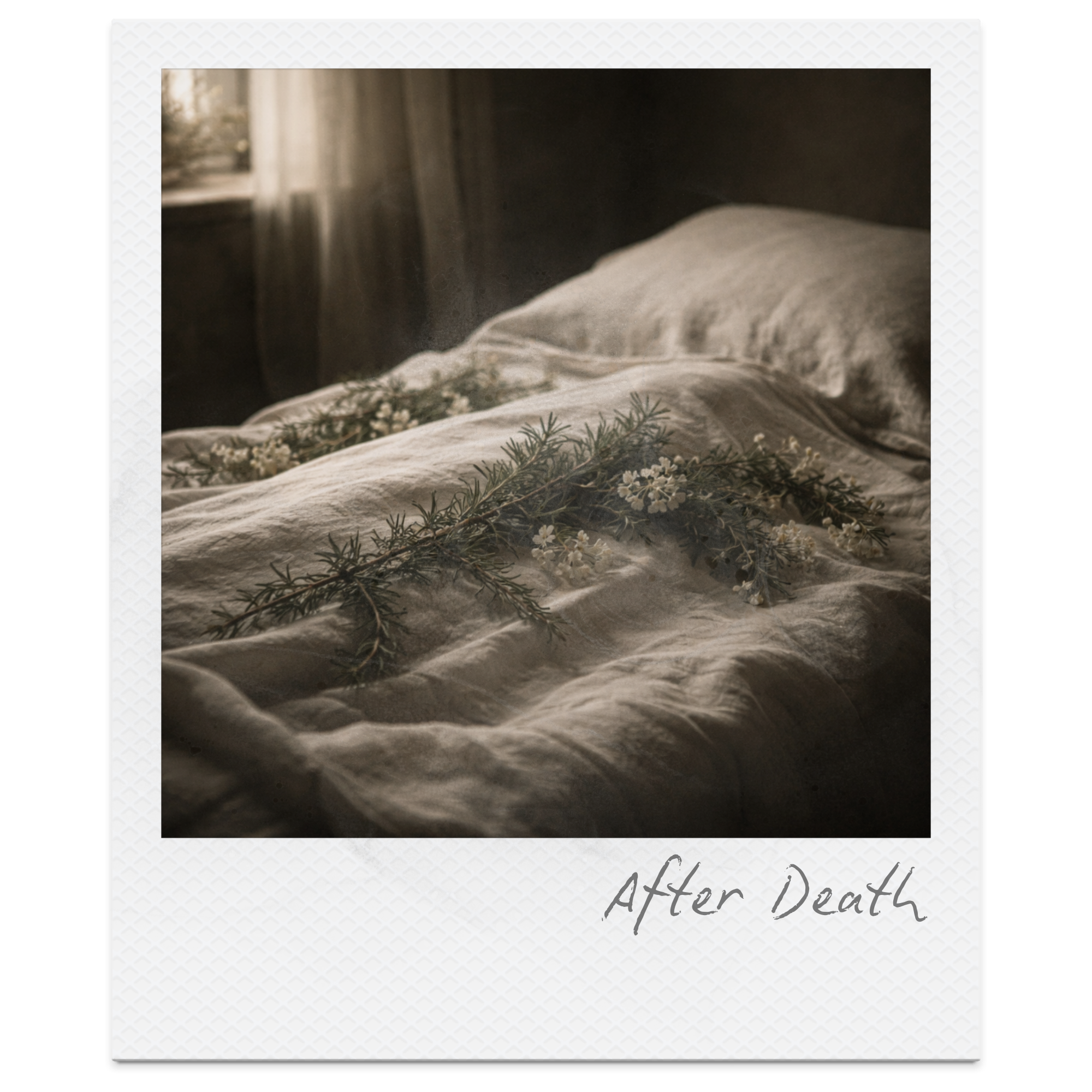
After Death by Christina Rossetti: Summary, Themes, Symbolism & Analysis
Christina Rossetti’s After Death explores the painful irony of love recognised too late. In this haunting sonnet, the speaker observes her own deathbed while the man she loved finally expresses tenderness and regret. Through quiet imagery, dramatic irony, and restrained emotion, the poem examines unreturned love, emotional blindness, and posthumous recognition. This analysis explores the poem’s themes, symbolism, structure, and key quotations, offering a detailed interpretation of Rossetti’s meditation on regret and delayed understanding. It also compares the poem to other Rossetti works to deepen insight into her recurring exploration of love, memory, and mortality.
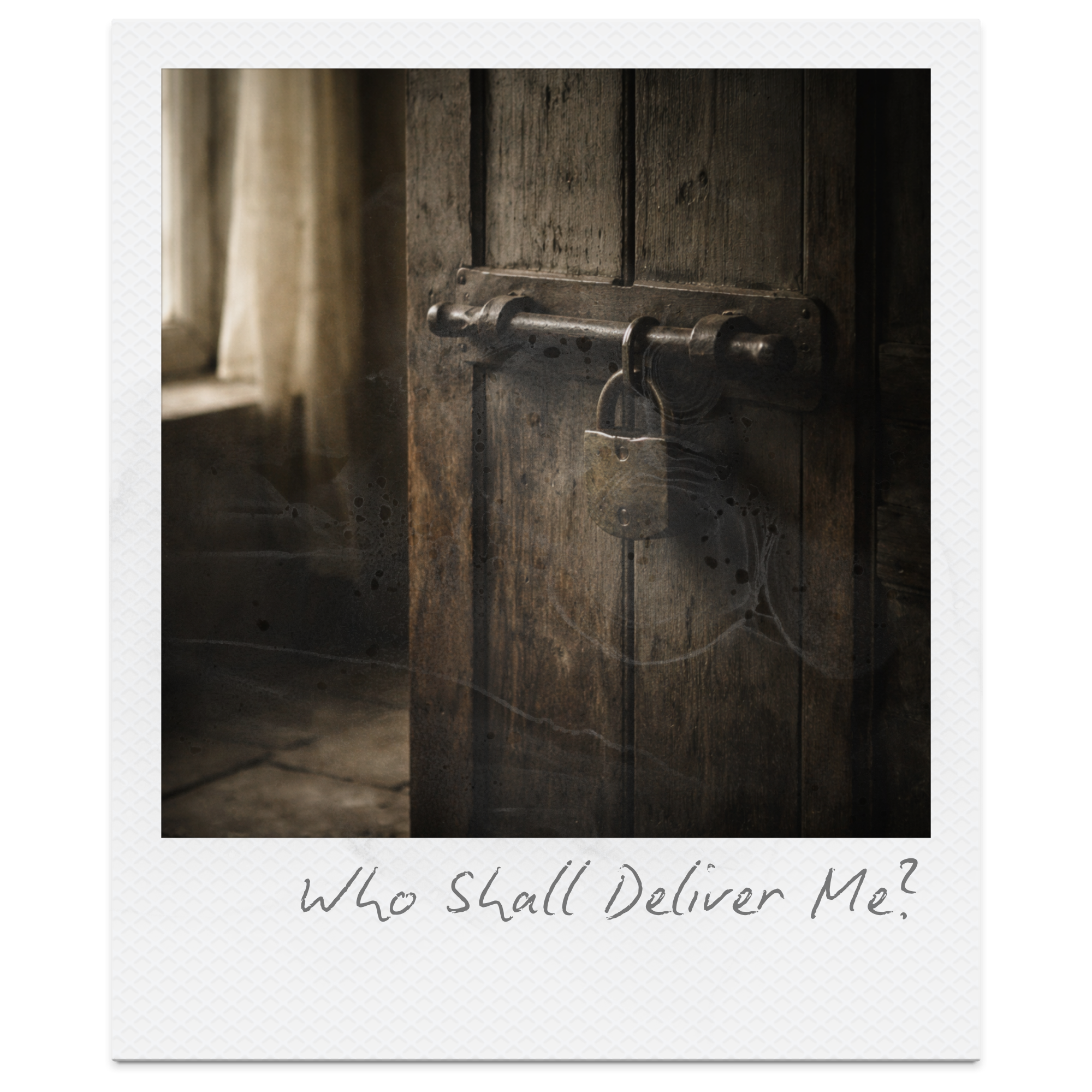
Who Shall Deliver Me? Poem Analysis: Themes, Symbolism, Structure & Meaning
Christina Rossetti’s Who Shall Deliver Me? explores the experience of inner conflict, self-division, and spiritual struggle. In this intense devotional lyric, the speaker presents the self as both burden and adversary, describing the exhausting task of living with one’s own weaknesses and moral failures. Through imagery of weight, confinement, and betrayal, Rossetti reveals how the greatest obstacles to peace may arise from within the self. This analysis explores the poem’s themes, symbolism, structure, and key techniques, with detailed stanza-by-stanza commentary and multiple interpretations. It examines how Rossetti presents the divided self, the demands of moral discipline, and the possibility of redemption through divine intervention.
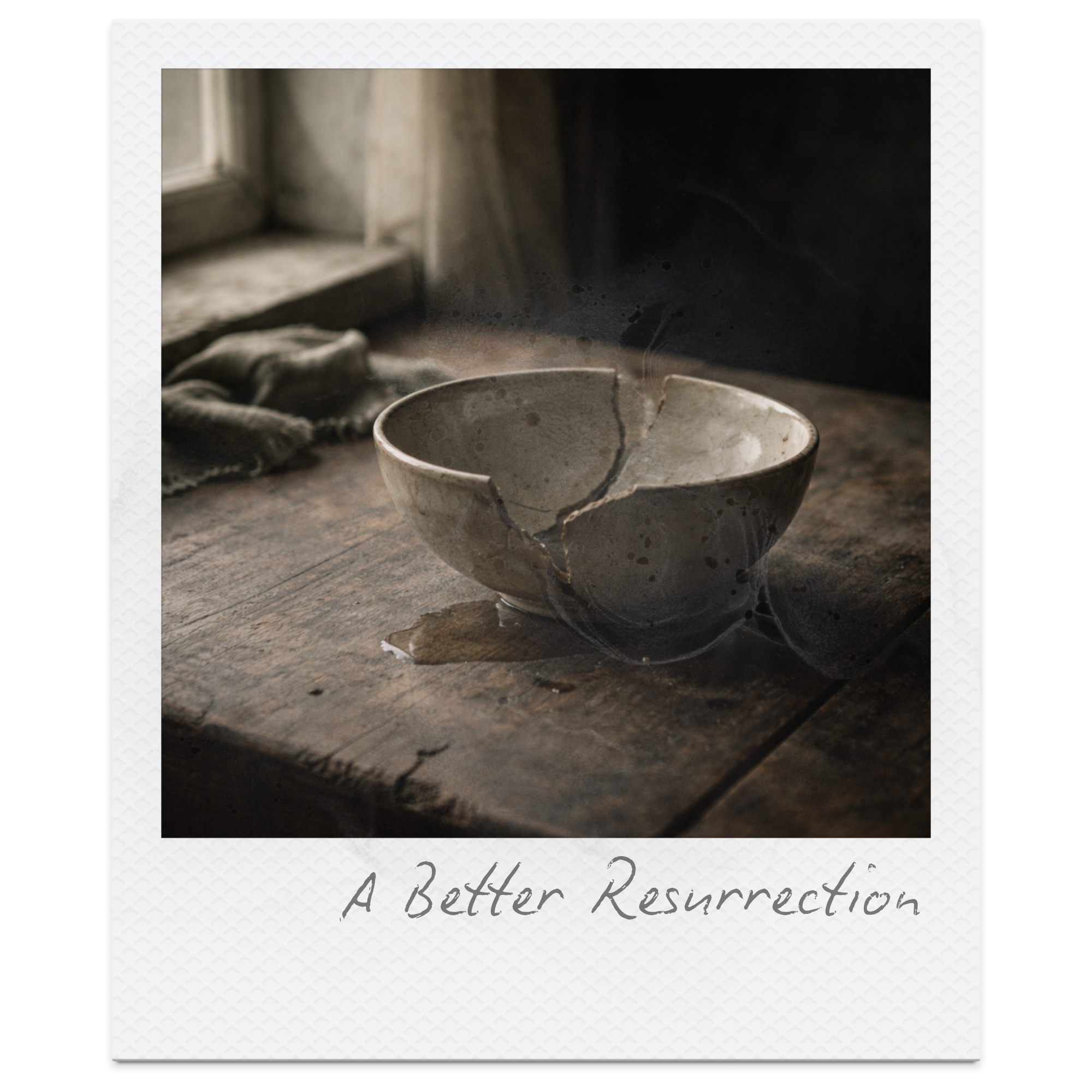
A Better Resurrection by Christina Rossetti: Summary, Themes, Symbolism & Analysis
Christina Rossetti’s A Better Resurrection is a powerful Victorian poem exploring spiritual exhaustion, faith, redemption, and inner renewal. Through striking imagery of faded leaves, frozen landscapes, and broken vessels, Rossetti presents a speaker who feels emotionally depleted yet continues to hope for transformation. The poem gradually moves from despair toward the possibility of spiritual rebirth and renewal. This analysis explores the poem’s themes, symbolism, structure, and key techniques, including its hymn-like refrain and extended metaphors. With stanza-by-stanza commentary, multiple interpretations, and teaching ideas, this guide helps readers examine how Rossetti presents the journey from spiritual emptiness to hopeful transformation.
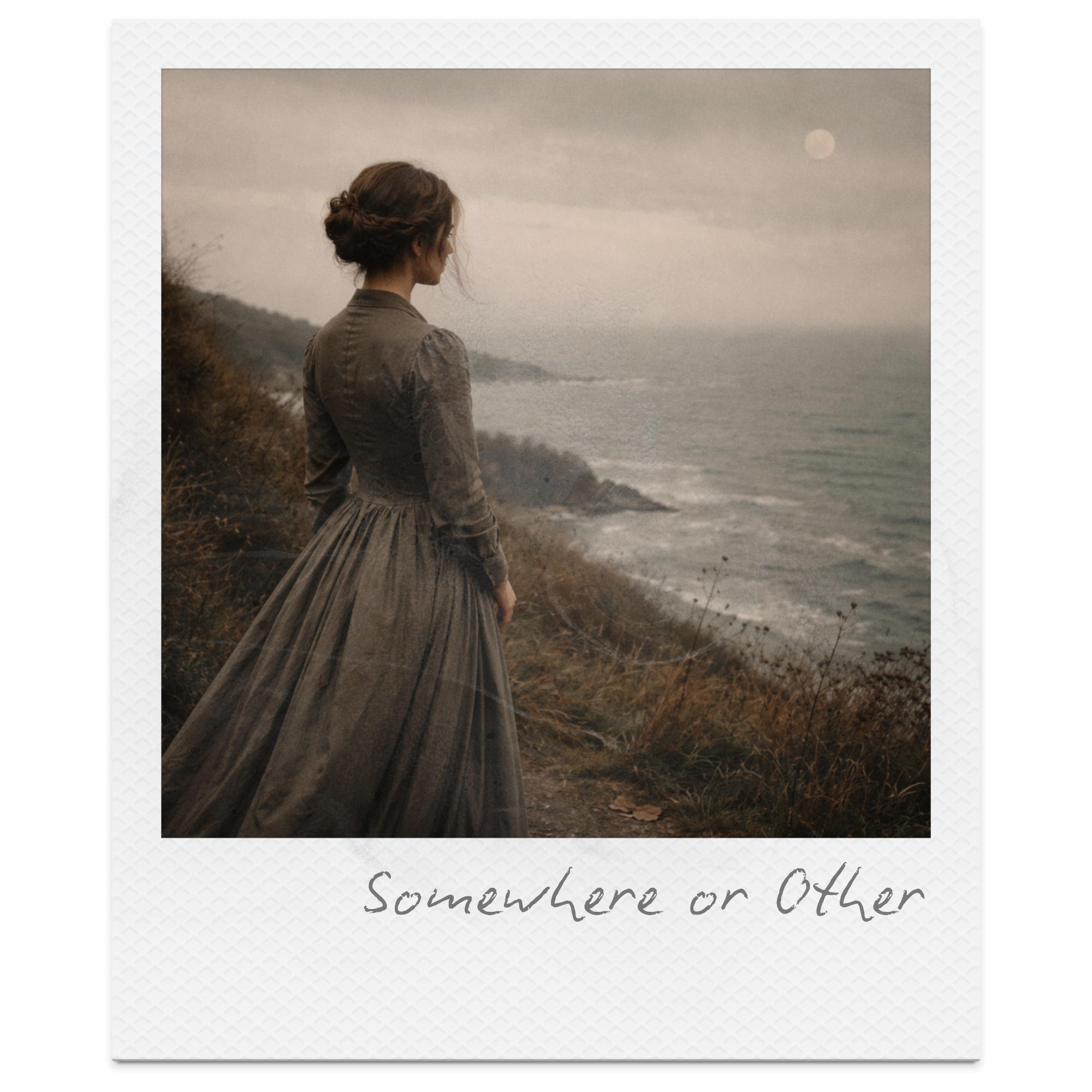
Somewhere or Other by Christina Rossetti: Summary, Themes, Symbolism & Analysis
Christina Rossetti’s Somewhere or Other is a reflective Victorian poem exploring longing, imagined love, destiny, and distance. Through repetition, celestial imagery, and shifting perspectives of scale, Rossetti presents a speaker who believes that somewhere in the world there exists a person destined to answer her words. The poem moves from images of vast distance — land, sea, moon, and stars — to the possibility that this connection may be far closer than expected. This analysis explores the summary, themes, symbolism, structure, and key techniques in Somewhere or Other, offering stanza-by-stanza commentary and multiple interpretations. The guide also includes teaching ideas, essay questions, and classroom discussion prompts, making it useful for students and teachers studying Christina Rossetti’s poetry.
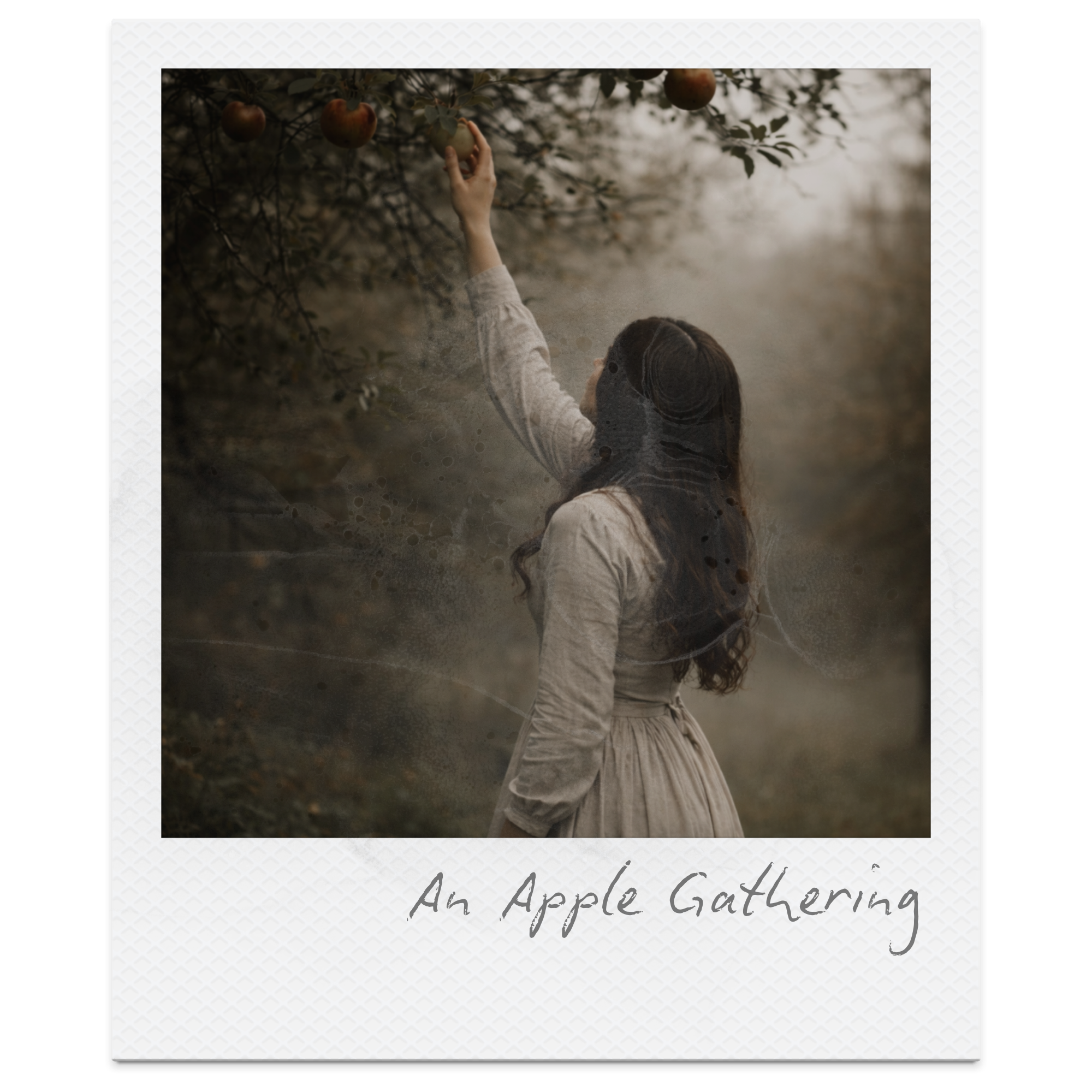
An Apple-Gathering by Christina Rossetti: Summary, Themes, and Detailed Analysis
Christina Rossetti’s An Apple-Gathering explores themes of lost opportunities, romantic regret, and emotional maturity through the powerful metaphor of an apple harvest. In this detailed analysis, we examine how Rossetti uses symbolism, structure, rhyme, and imagery to show how acting too quickly in love can prevent deeper fulfilment later in life. This guide includes a clear summary, stanza-by-stanza analysis, key quotations, themes, literary techniques, and teaching ideas, making it ideal for students studying poetry at GCSE or A-Level and teachers planning lessons on Rossetti’s work.
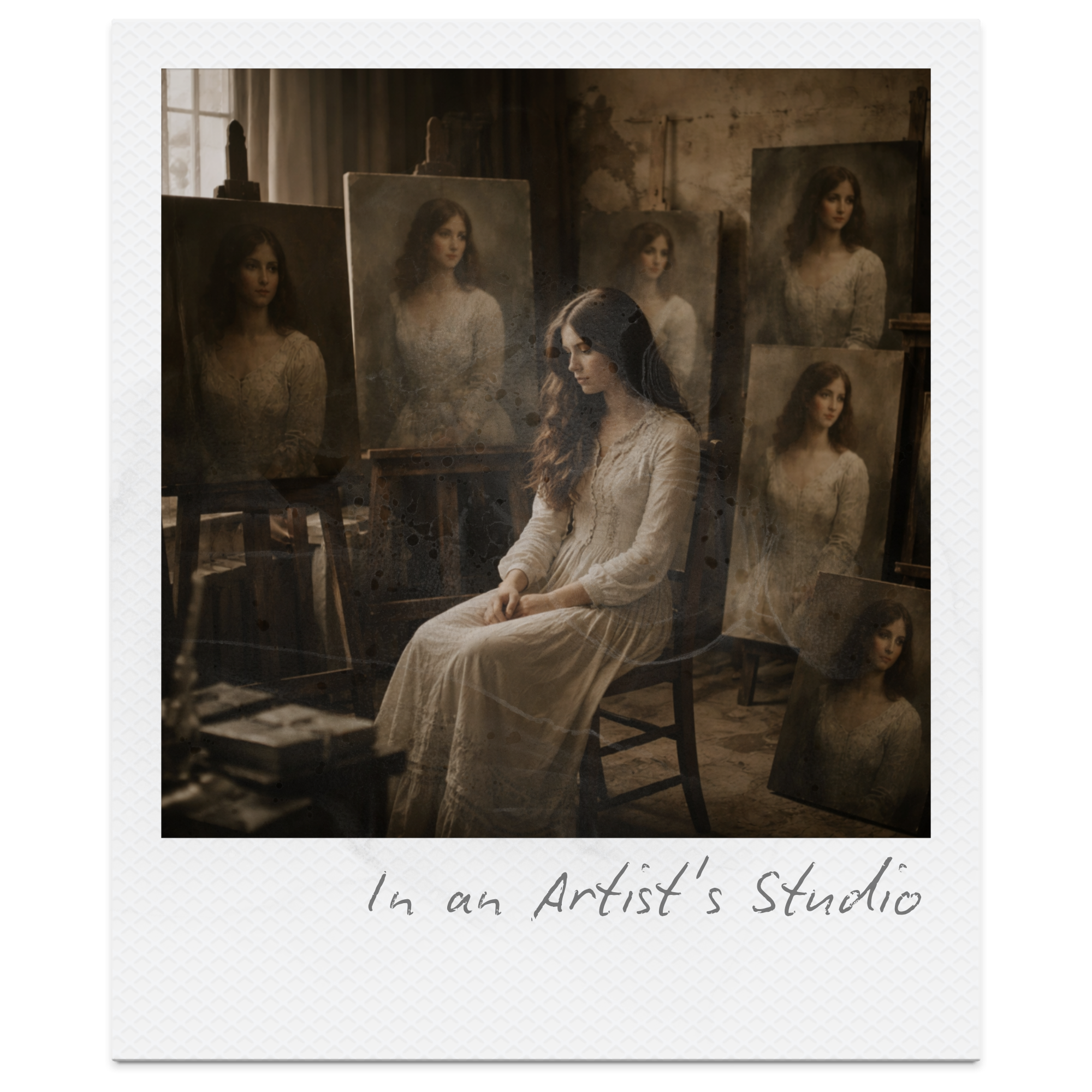
In an Artist’s Studio by Christina Rossetti: Summary, Themes, Symbolism & Analysis
Christina Rossetti’s In an Artist’s Studio explores how artistic representation can transform a real woman into an idealised figure shaped by imagination and desire. This detailed analysis examines how Rossetti uses Petrarchan sonnet form, repetition, symbolism, and imagery to reveal themes of objectification, identity, and the tension between reality and artistic fantasy. The guide includes a clear summary, close analysis of the octave and sestet, key quotes, literary techniques, themes, alternative interpretations, and teaching ideas, making it useful for students, teachers, and readers interested in Victorian poetry and literary analysis.