Notes from the Inkpot
Writing, teaching, creating - one ink-stained idea at a time.


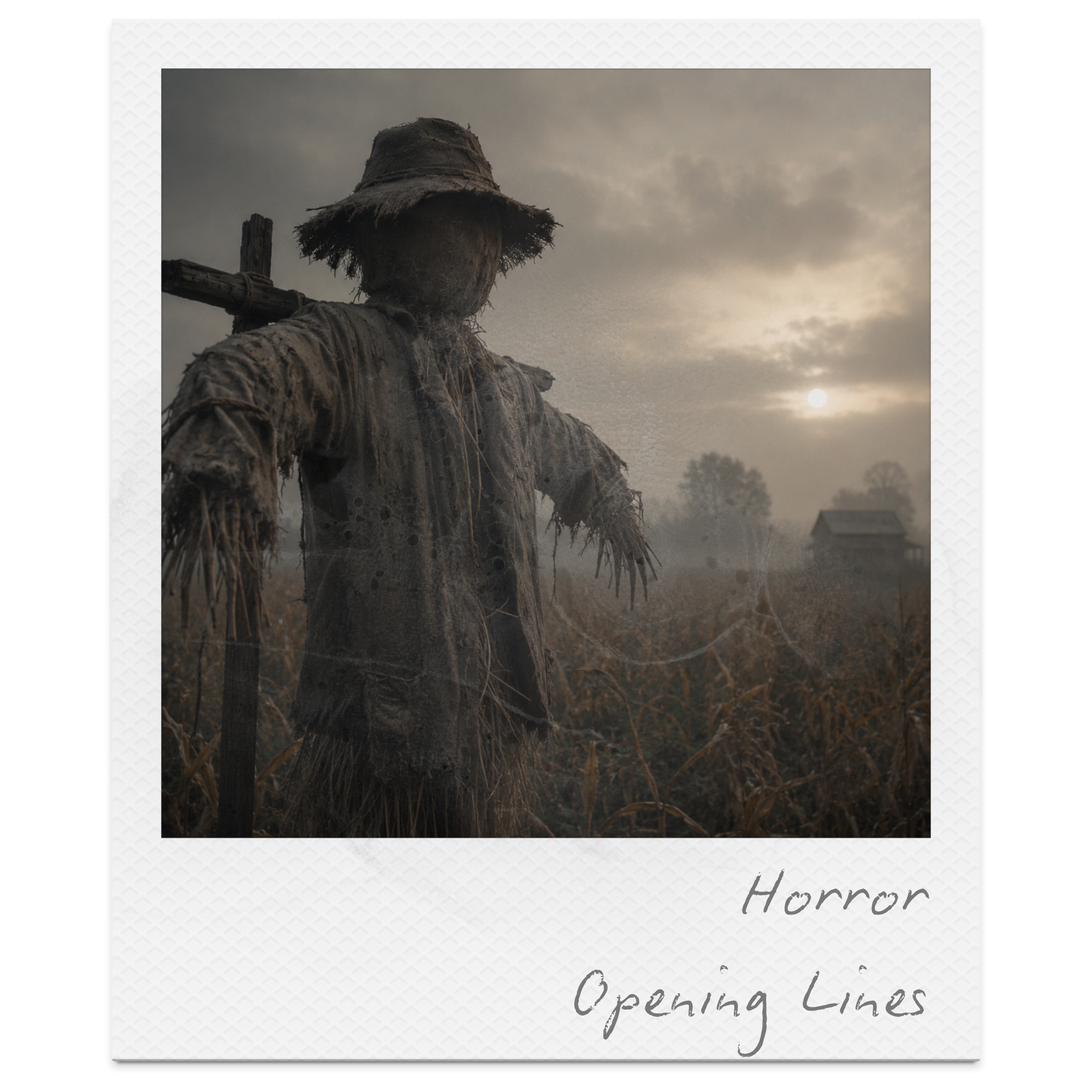
50 Horror Story Opening Lines: Creeping Dread, Unnatural Silence & Things Waiting in the Dark
Some horror stories begin with monsters, violence, or supernatural terror — but the most unsettling horror often begins quietly. A strange sound beneath the floorboards. A town that suddenly falls silent. A figure standing motionless at the edge of the woods. Horror opening lines work because they immediately create curiosity and dread, encouraging readers to continue before the full danger has even appeared. Stories such as The Haunting of Hill House, Dracula, The Shining, and Bird Box all establish fear through atmosphere, implication, isolation, and the terrifying feeling that something is deeply wrong beneath ordinary reality. This collection of 50 Horror Story Opening Lines explores haunted houses, disappearances, psychological dread, abandoned places, supernatural terror, and the quiet moments before fear fully reveals itself.
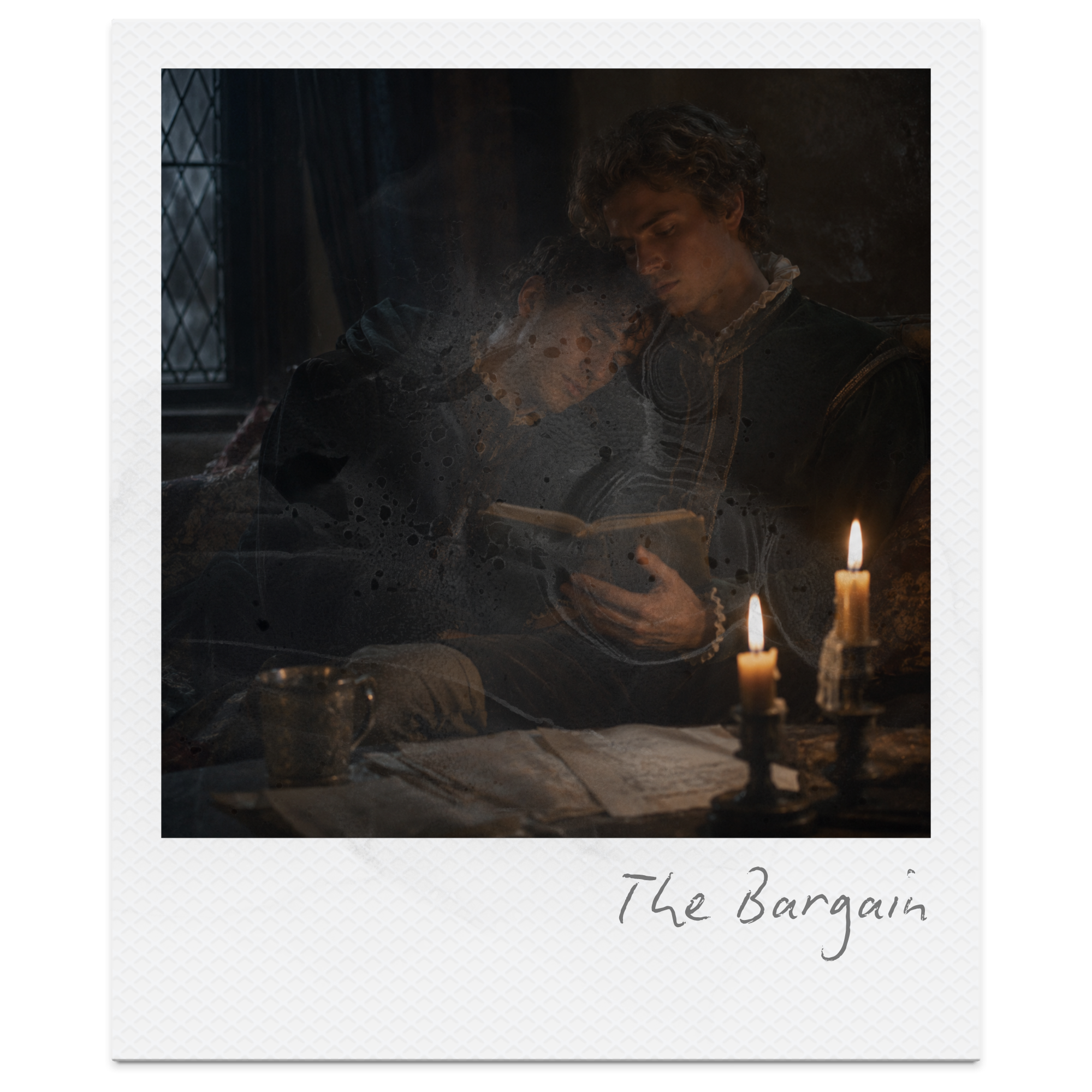
The Bargain by Sir Philip Sidney: Analysis of Love, Exchange and Emotional Equality
Explore The Bargain by Sir Philip Sidney through detailed analysis of love, emotional reciprocity, identity, and psychological vulnerability. This in-depth guide examines the poem’s structure, symbolism, exchange imagery, emotional tensions, and layered presentation of intimacy, revealing how Sidney transforms a seemingly balanced love lyric into a more complex exploration of dependence and shared suffering. Perfect for CIE AS Level Literature in English (9695), this analysis includes line-by-line commentary, key quotes and techniques, alternative interpretations, anthology comparisons, exam-ready insights, and teaching ideas designed to support advanced literary discussion and revision.
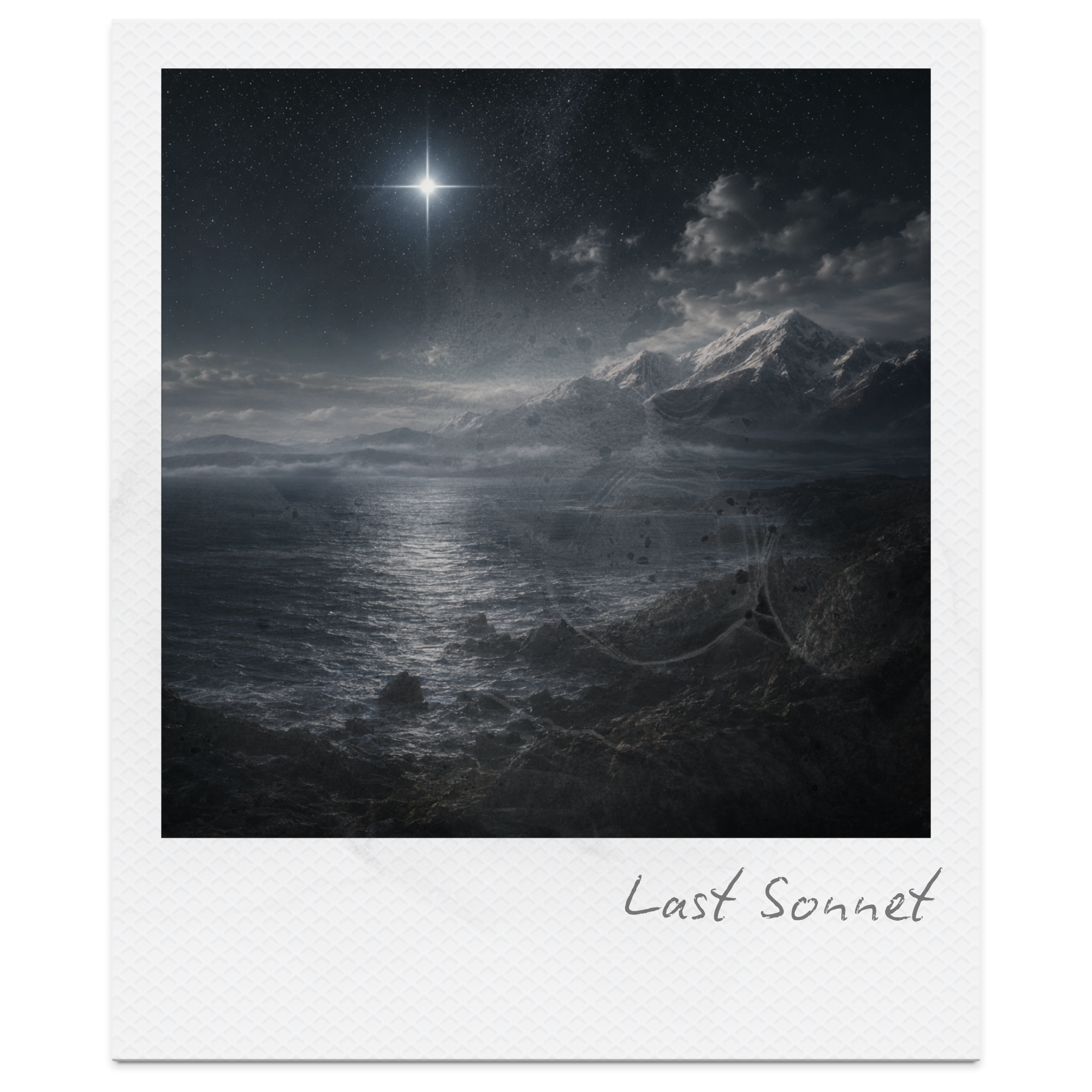
Last Sonnet by John Keats: Themes, Meaning and Analysis
Explore Last Sonnet by John Keats — widely known by its opening line, “Bright star, would I were stedfast as thou art” — through detailed analysis of love, mortality, permanence, and emotional vulnerability. This in-depth guide examines the poem’s imagery, symbolism, structure, sound, and shifting emotional tensions, while exploring how Keats contrasts eternal constancy with fragile human intimacy. Perfect for CIE AS Level Literature in English (9695), this analysis also includes close line-by-line commentary, key quotes and techniques, alternative interpretations, anthology comparisons, exam-ready insights, and teaching ideas designed to support advanced literary discussion and revision.

Fluke by Romesh Gunesekera: Summary, Themes & Analysis:::
Romesh Gunesekera’s Fluke is a darkly ironic and politically unsettling short story exploring memory, denial, capitalism, post-war identity, and collective amnesia in modern Sri Lanka. Through the reflective narration of Vasantha, a van driver transporting a motivational speaker to a luxury business seminar, Gunesekera gradually exposes the uneasy tension between commercial optimism and unresolved political violence. Although the story initially appears humorous and conversational, references to disappearances, war crimes, and forgetting slowly reveal a society attempting to bury trauma beneath tourism, branding, and economic growth. This detailed analysis explores the story’s symbolism, narrative voice, themes, structure, key quotes, and alternative interpretations while examining how Gunesekera uses irony, understatement, and reflective imagery to question whether genuine progress is possible without confronting the past.
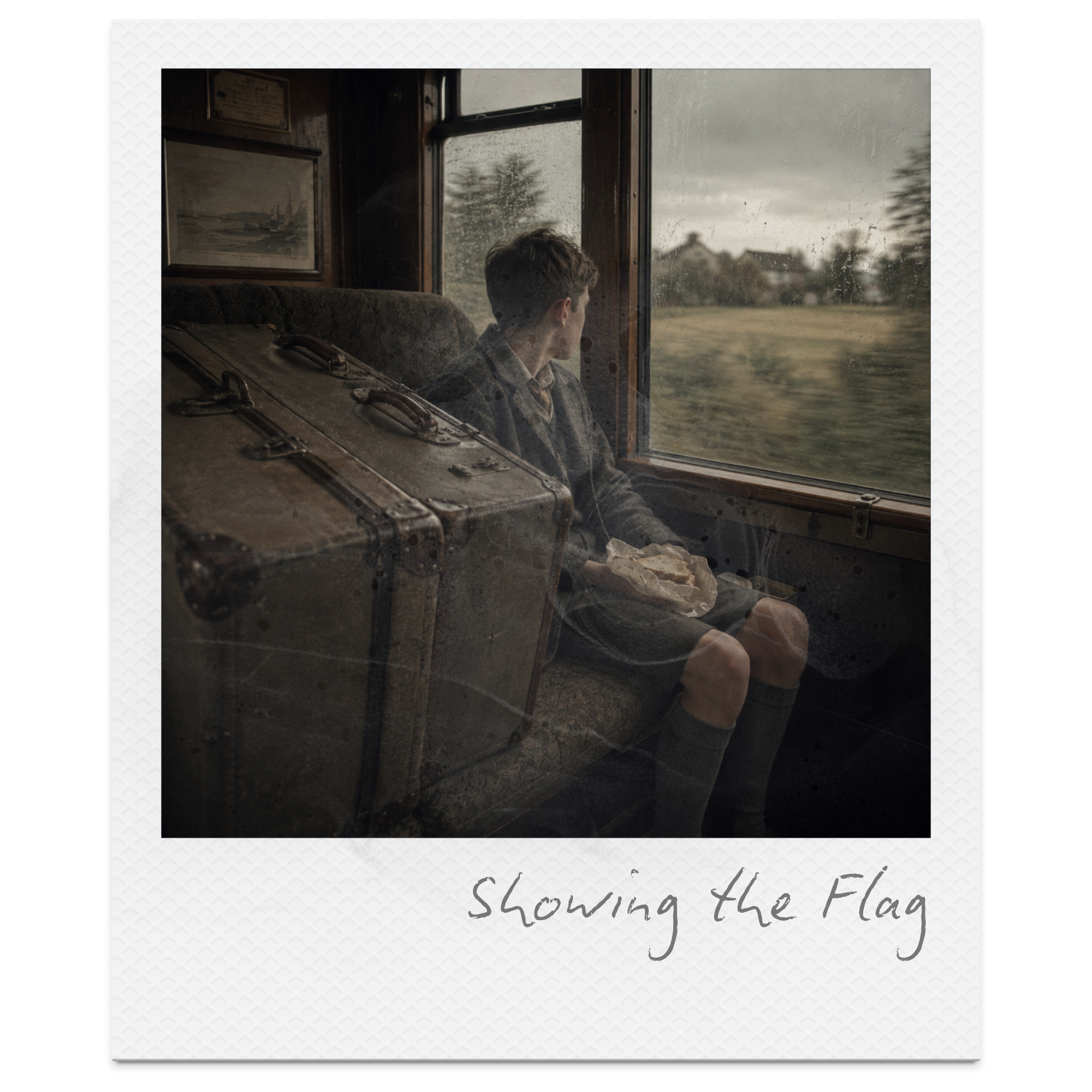
Showing the Flag by Jane Gardam: Summary, Themes & Analysis
Jane Gardam’s Showing the Flag is a psychologically rich short story exploring childhood insecurity, grief, emotional repression, and the fragile relationship between parents and children. Through Philip’s lonely journey from England to France shortly after his father’s death, Gardam reveals how fear and emotional misunderstanding can distort a child’s perception of love and belonging. This detailed analysis explores the story’s symbolism, themes, structure, narrative voice, key quotes, alternative interpretations, and exam-focused insights for CIE IGCSE English Literature (0475 & 0922), while examining how the seemingly simple image of a lost Union Jack becomes a powerful symbol of identity, emotional security, and hidden parental care.
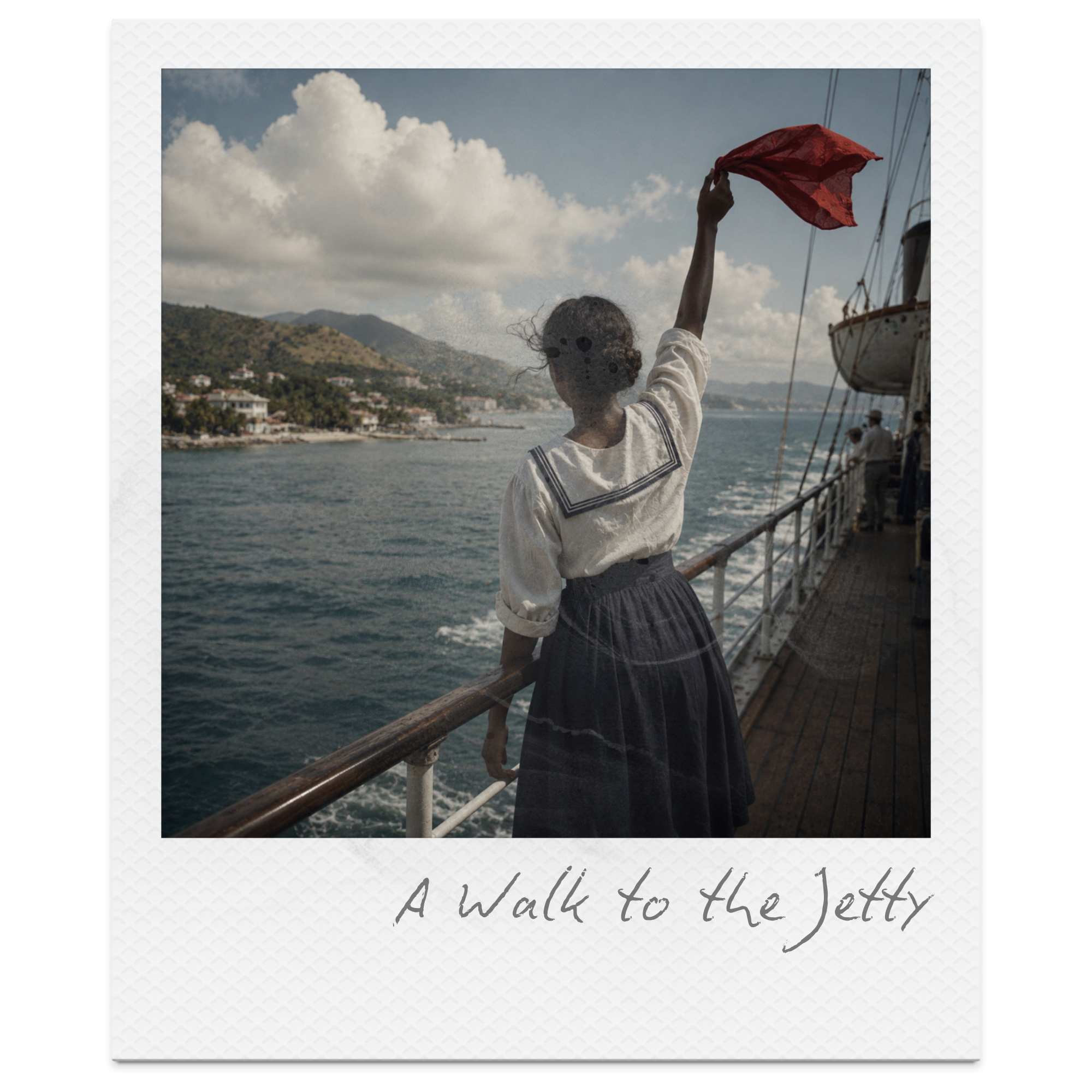
A Walk to the Jetty by Jamaica Kincaid: Summary, Themes & Analysis
Jamaica Kincaid’s A Walk to the Jetty is a deeply reflective short story exploring identity, separation, motherhood, migration, and the emotional conflict of leaving home. Through Annie John’s final journey from Antigua to the ship that will carry her to England, Kincaid examines the painful transition between childhood and adulthood, revealing how independence can feel both liberating and devastating at the same time. This detailed analysis explores the story’s themes, symbolism, structure, narrative voice, key quotes, alternative interpretations, and exam-focused insights for CIE IGCSE English Literature (0475 & 0922).
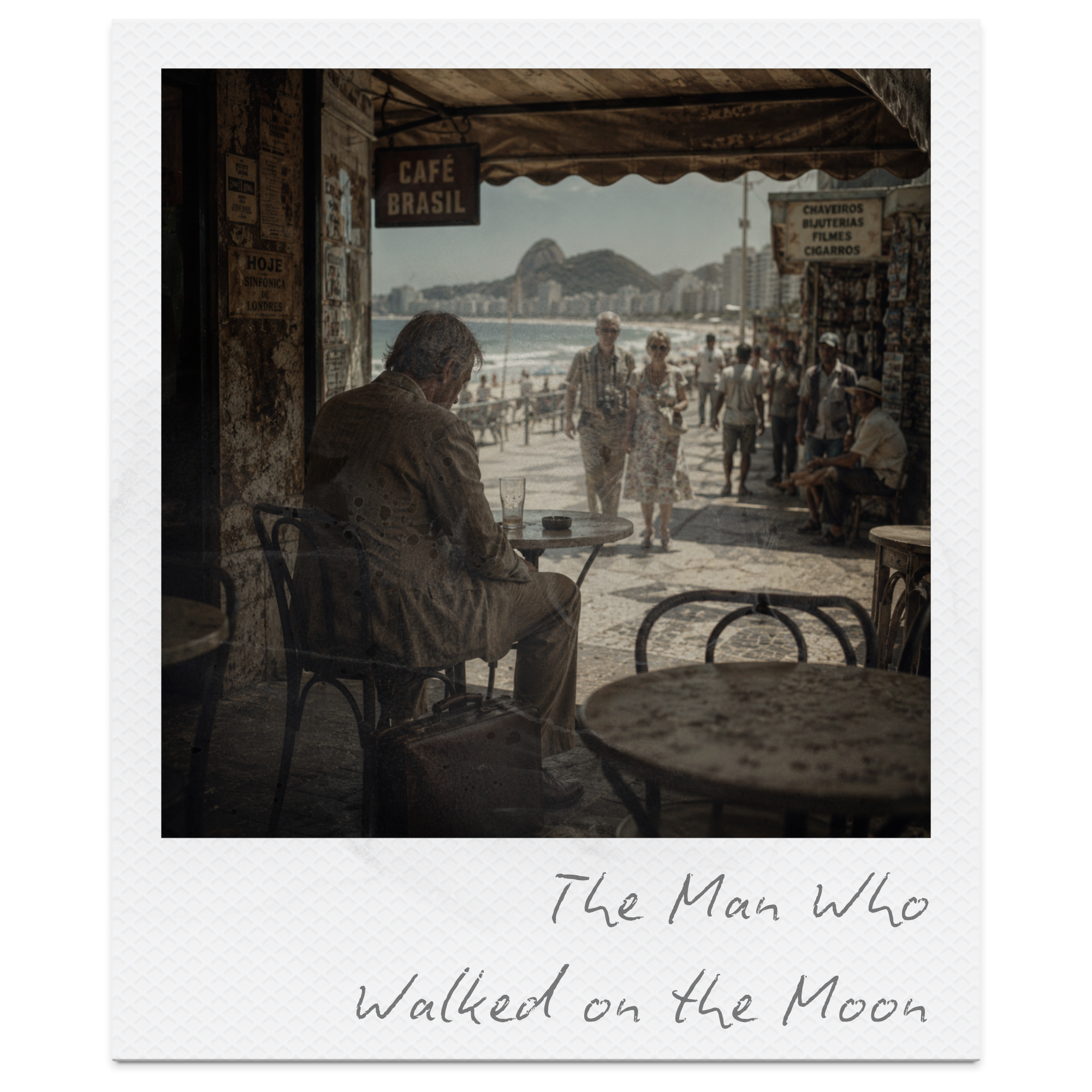
The Man Who Walked on the Moon by J.G. Ballard: Summary, Themes & Analysis
J.G. Ballard’s The Man Who Walked on the Moon is a psychologically unsettling short story exploring alienation, identity, loneliness, and the blurred boundary between fantasy and reality. Through the relationship between the unnamed narrator and Scranton — a failed American who falsely claims to have been an astronaut — Ballard examines how emotional isolation can gradually reshape a person’s understanding of truth, society, and selfhood. This detailed analysis explores the story’s themes, symbolism, structure, narrative voice, key quotes, alternative interpretations, and exam-focused insights for CIE IGCSE English Literature (0475 & 0922).
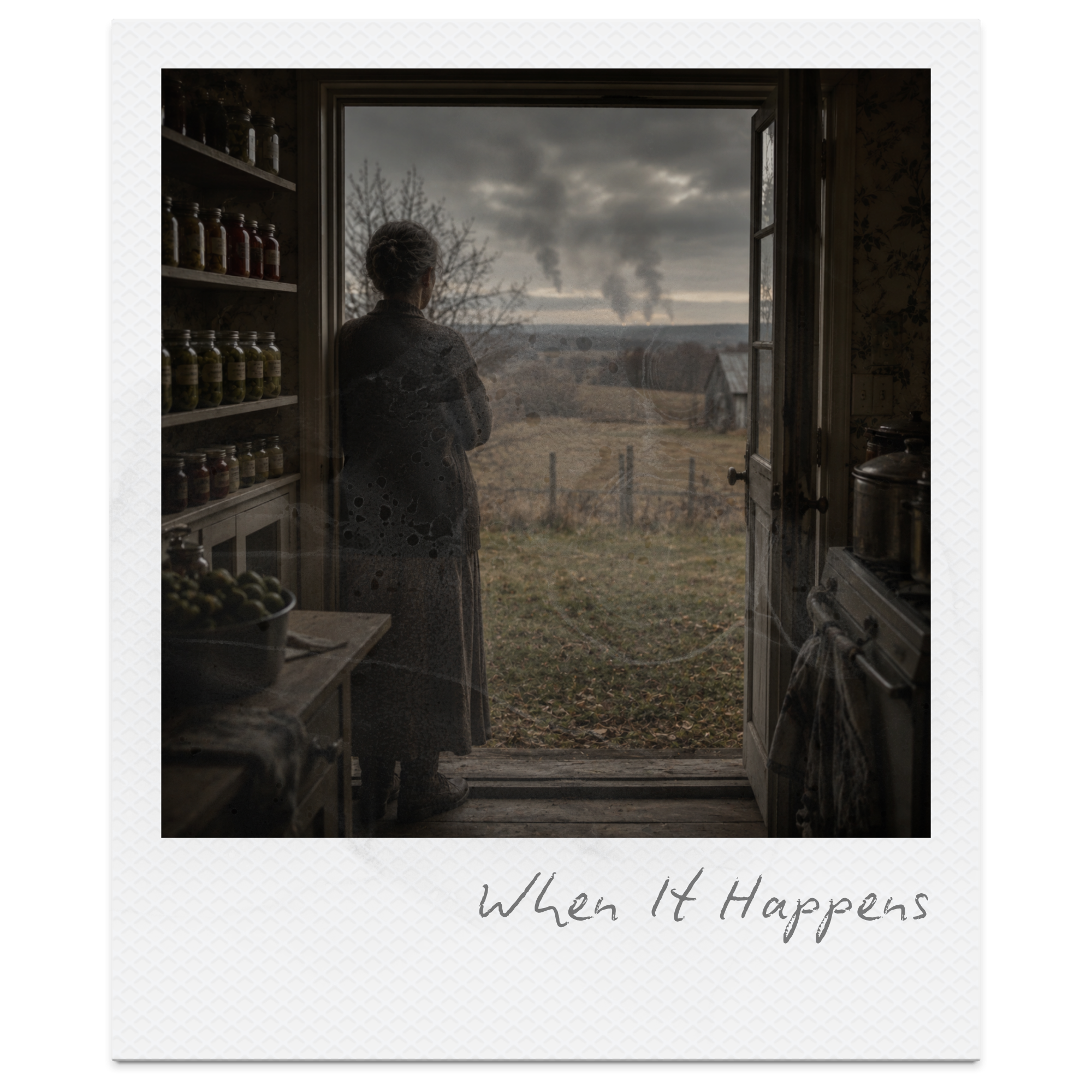
When It Happens by Margaret Atwood: Summary, Themes & Analysis
Margaret Atwood’s When It Happens is a haunting and psychologically tense short story exploring fear, survival, uncertainty, and the quiet collapse of ordinary life. Through the perspective of Mrs. Burridge, Atwood transforms domestic routines such as preserving food, writing shopping lists, and organising supplies into symbols of preparation and anxiety, gradually revealing a world overshadowed by the expectation of disaster. This detailed analysis explores the story’s themes, symbolism, structure, narrative voice, key quotes, and exam-focused interpretations for CIE IGCSE English Literature (0475 & 0922).
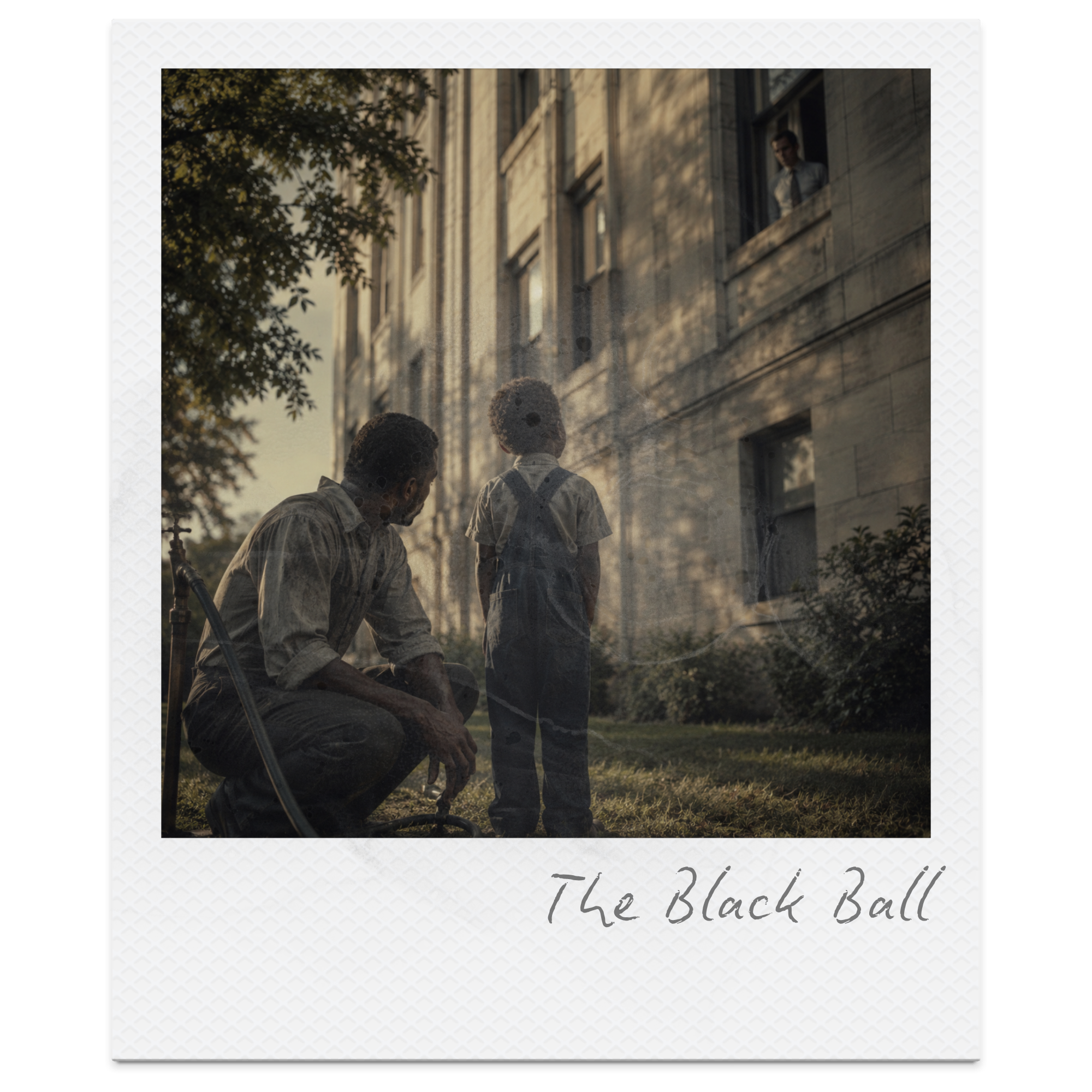
The Black Ball by Ralph Ellison: Summary, Themes & Analysis
Ralph Ellison’s The Black Ball is a powerful short story exploring racism, identity, fatherhood, and the painful loss of innocence within a deeply unequal society. Through the experiences of John and his young son, Ellison reveals how prejudice shapes ordinary daily life, using symbolism, dramatic irony, and reflective narration to expose the emotional pressure created by social inequality. This detailed analysis explores the story’s themes, characters, symbolism, structure, key quotes, and exam-focused interpretations for CIE IGCSE English Literature (0475 & 0922).
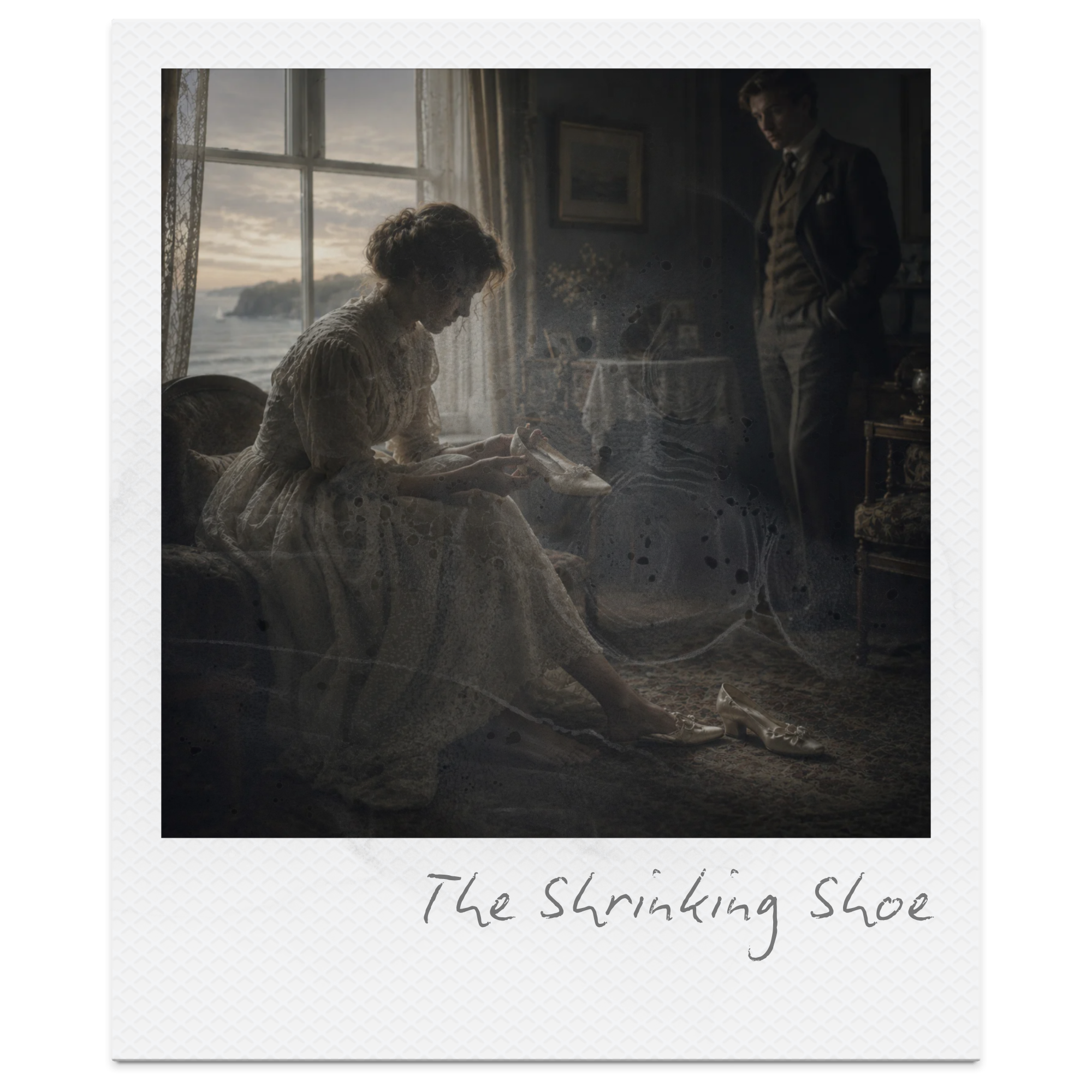
The Shrinking Shoe by Walter Besant: Summary, Themes & Analysis
Walter Besant’s The Shrinking Shoe is a reflective Victorian short story exploring ambition, idealism, wealth, emotional disappointment, and the tension between youthful dreams and adult reality. Inspired by the Cinderella fairy tale, the story follows Katie De Lisle and Geoffrey Armiger as romantic hope and heroic ambition gradually fade beneath comfort, idleness, and emotional compromise. Through symbolism, irony, and reflective narration, Besant transforms a familiar fairy-tale structure into a much more morally complex examination of identity, wasted potential, and self-improvement. This detailed analysis for CIE IGCSE World Literature (0408) explores the story’s themes, symbolism, structure, narrative voice, and key quotations, while examining how Besant uses the symbolic shrinking slipper to reflect fading ambition, emotional disillusionment, and the fragile possibility of renewal. The guide also includes alternative interpretations, exam-ready insights, and classroom-focused teaching ideas designed to support deeper literary analysis and discussion.
70 Fairytale Princess Writing Prompts: Magic, Destiny & Hidden Power
Step into enchanted kingdoms, hidden forests, magical castles, and ancient realms with these 70 Fairytale Princess Writing Prompts. Inspired by classic fairytales, folklore, and fantasy literature, this collection explores courageous princesses, royal secrets, powerful curses, magical creatures, forgotten heirs, enchanted crowns, and destinies waiting to unfold. Featuring plot hooks, title ideas, opening lines, closing lines, character concepts, setting inspiration, and visual story prompts, these ideas are perfect for writers who love fairy tales filled with adventure, wonder, mystery, and transformation. Whether your princess is battling dragons, uncovering ancient magic, breaking powerful curses, or discovering her true place in the world, these prompts offer endless inspiration for creating unforgettable fantasy stories.
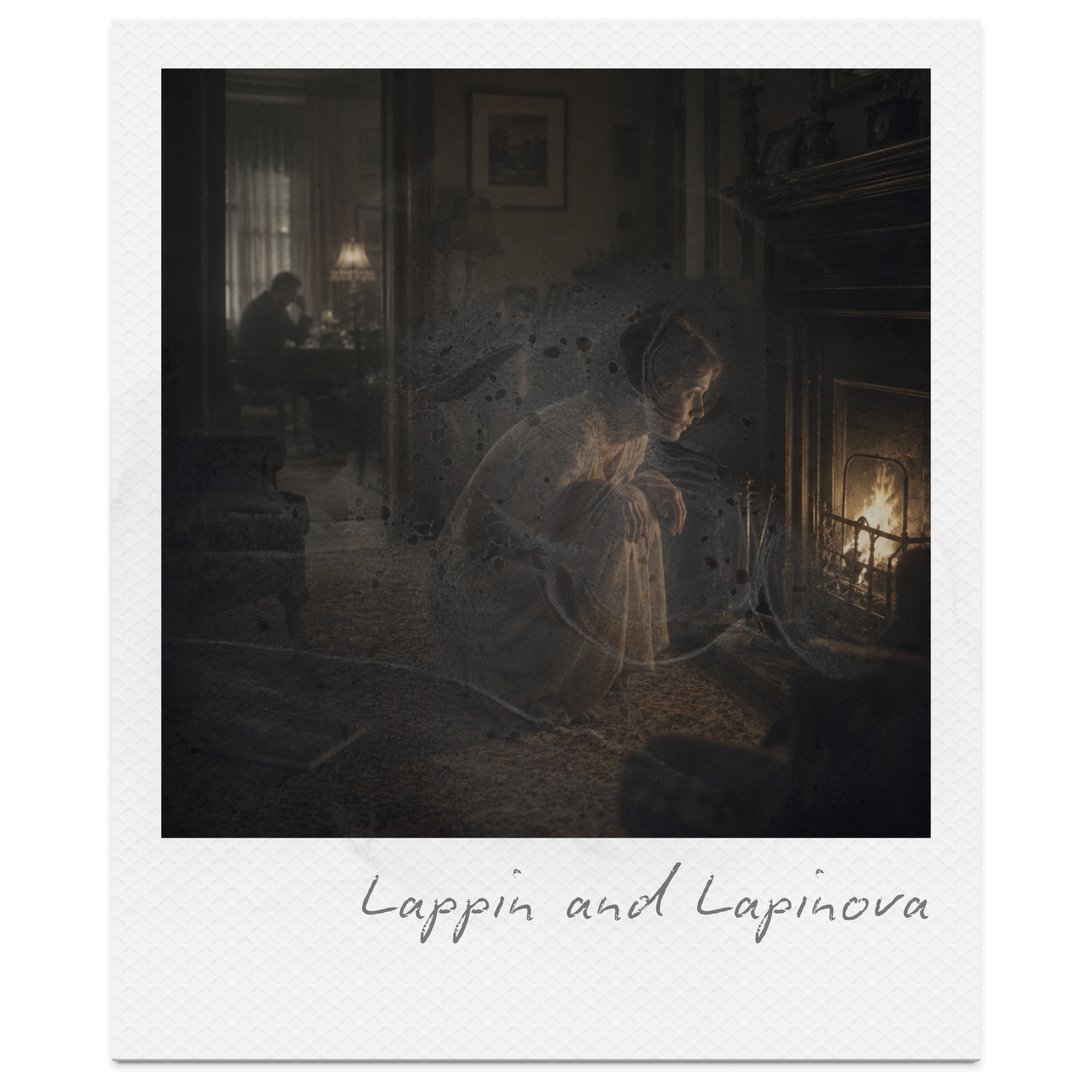
Lappin and Lapinova by Virginia Woolf: Summary, Themes & Analysis
Virginia Woolf’s Lappin and Lapinova is a psychologically rich short story exploring marriage, identity, imagination, and emotional isolation through symbolism, shifting atmosphere, and modernist narration. The story follows Rosalind and Ernest Thorburn as they create a private fantasy world in which they become King Lappin and Queen Lapinova — symbolic rabbit identities that allow them to escape ordinary domestic reality and form an intimate emotional language of their own. This detailed analysis for CIE IGCSE World Literature (0408) explores the story’s themes, symbolism, structure, narrative voice, and key quotations, while examining how Woolf uses rabbit imagery, psychological perspective, and the gradual collapse of fantasy to reveal the fragility of intimacy and the fear of losing identity within marriage. The guide also includes alternative interpretations, exam-ready insights, and classroom-focused teaching ideas designed to support deeper literary analysis and discussion.
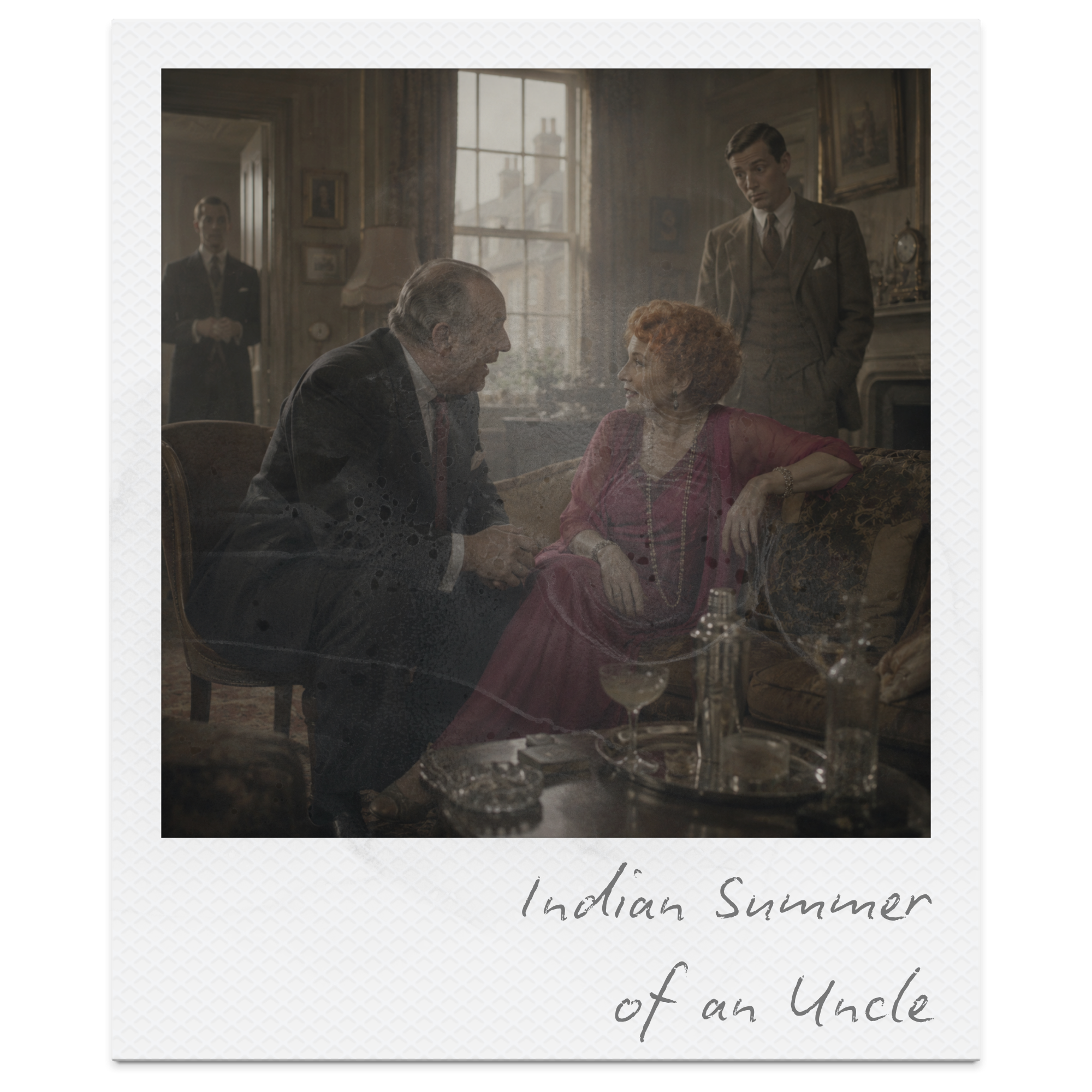
Indian Summer of an Uncle by P.G. Wodehouse: Summary, Themes & Analysis
P.G. Wodehouse’s Indian Summer of an Uncle is a comic short story exploring class, marriage, family pressure, romantic misunderstanding, and the absurdities of upper-class society through dramatic irony, exaggerated narration, and sharp social satire. Told through Bertie Wooster’s humorous first-person perspective, the story follows the chaos that erupts when the elderly Uncle George suddenly decides to marry a young waitress, horrifying his aristocratic family and forcing Bertie into a series of increasingly awkward situations. This detailed analysis for CIE IGCSE World Literature (0408) explores the story’s themes, symbolism, structure, narrative voice, and key quotations, while examining how Wodehouse creates humour through comic contrast, misunderstanding, and the gap between appearance and emotional reality. The guide also includes alternative interpretations, exam-ready insights, and classroom-focused teaching ideas designed to support deeper literary analysis and discussion.
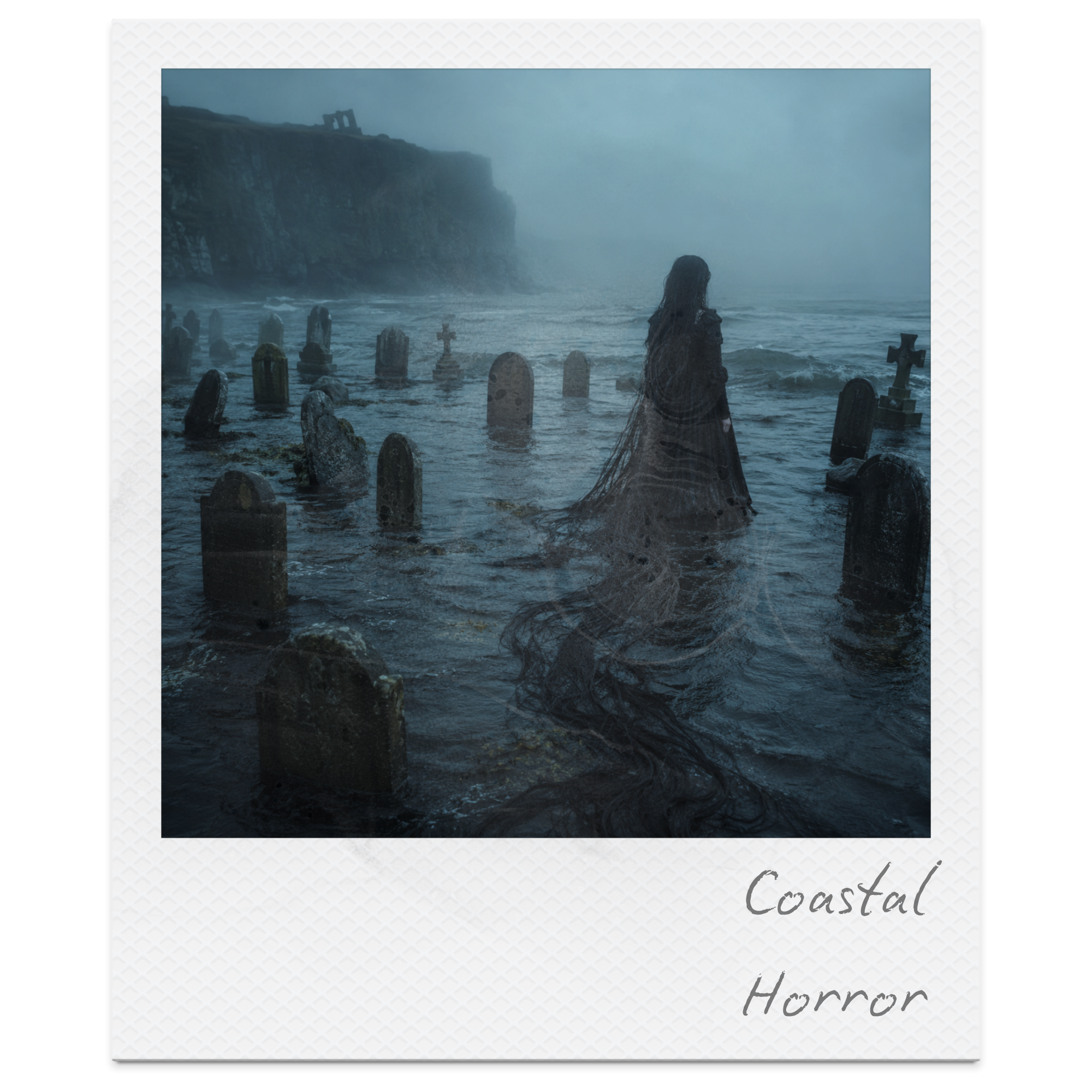
70 Coastal Horror Writing Prompts: Drowned Villages, Black Tides & Salt-Stained Secrets
Coastal horror transforms the sea into something ancient, hostile, and unknowable. Unlike coastal gothic, which often leans into melancholy ruins, windswept romance, isolated lighthouses, and decaying seaside beauty, coastal horror focuses on dread, inevitability, survival, and the terrifying feeling that the ocean is alive — and watching. These stories explore black tides, drowned villages, abandoned harbours, sea caves, shipwrecks, storm surges, coastal disappearances, and ancient things waiting beneath the waterline.
Some of the most effective coastal horror stories use atmosphere and environmental terror to create fear. The Shadow over Innsmouth by H. P. Lovecraft transforms an isolated fishing town into a place of corruption and ancient sea worship, while The Fog by John Carpenter turns rolling coastal mist into a supernatural threat carrying the dead ashore. Stories such as The Terror, Cold Skin, The Lighthouse, Dark Matter, and Dead Calm combine isolation, violent weather, maritime folklore, psychological collapse, and the terrifying indifference of the sea itself. Coastal horror frequently explores themes of obsession, survival, inherited curses, disappearing communities, drowned memory, and humanity’s helplessness against vast natural forces. These stories thrive in environments shaped by erosion, storms, and isolation — flooded graveyards, black cliffs, rusting shipwrecks, drowned forests, abandoned piers, offshore platforms, and harbours swallowed by fog. The coastline constantly changes, concealing evidence beneath tides and dragging forgotten things back to shore. In coastal horror, the sea is never just a setting. It becomes a force capable of watching, waiting, and reclaiming whatever belongs to it.
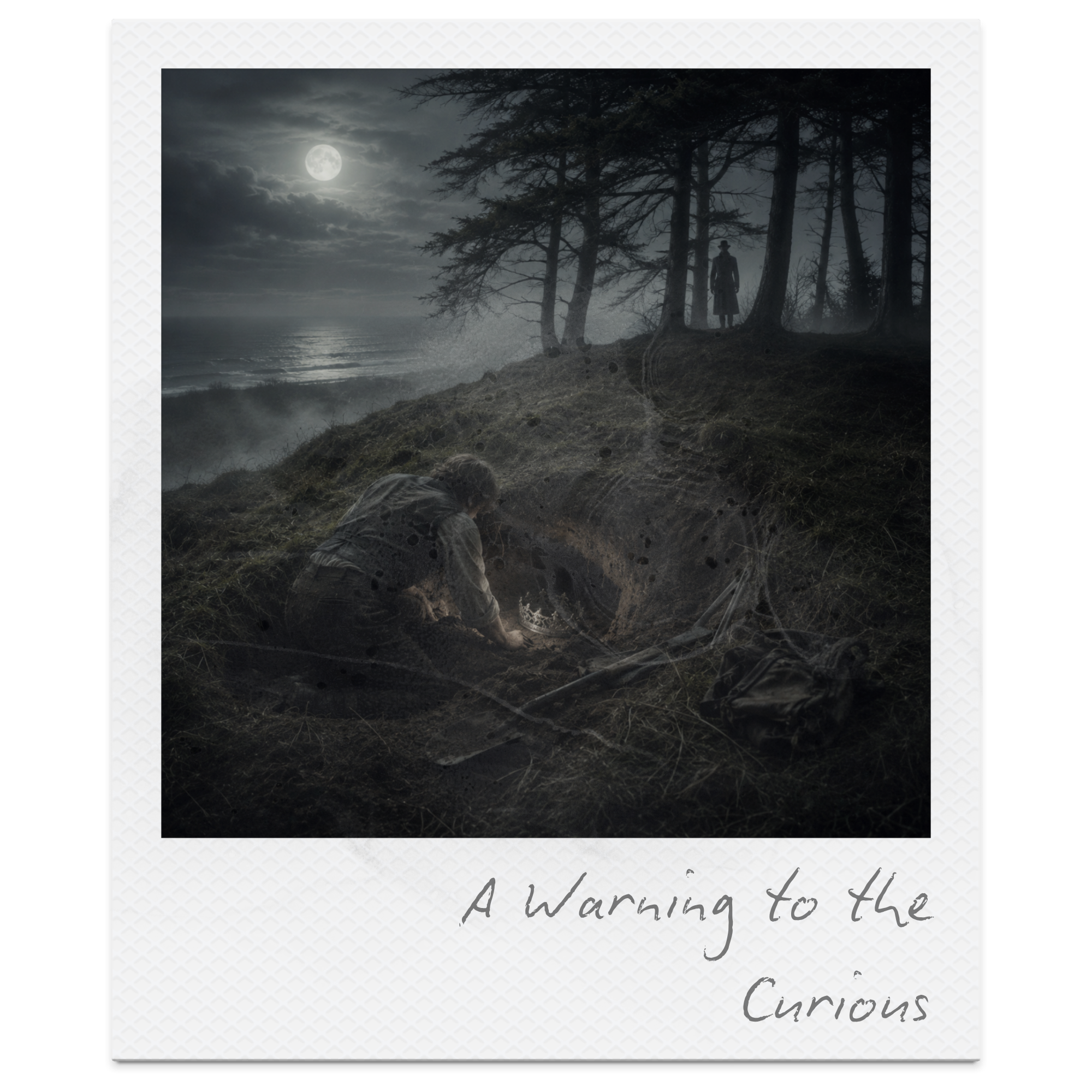
A Warning to the Curious by M.R. James: Summary, Themes & Analysis:::
M.R. James’s A Warning to the Curious is a chilling Gothic ghost story exploring curiosity, fear, historical memory, guilt, and the dangerous consequences of disturbing what should remain hidden. Through the isolated coastal setting of Seaburgh, the mysterious buried crown, and the increasingly terrified figure of Paxton, James gradually transforms scholarly curiosity into psychological horror and supernatural dread. This detailed analysis for CIE IGCSE World Literature (0408) explores the story’s themes, symbolism, structure, narrative voice, and key quotations, while examining how James creates fear through atmosphere, ambiguity, folklore, and Gothic tension. The guide also includes alternative interpretations, exam-ready insights, and classroom-focused teaching ideas designed to support deeper literary analysis and discussion.
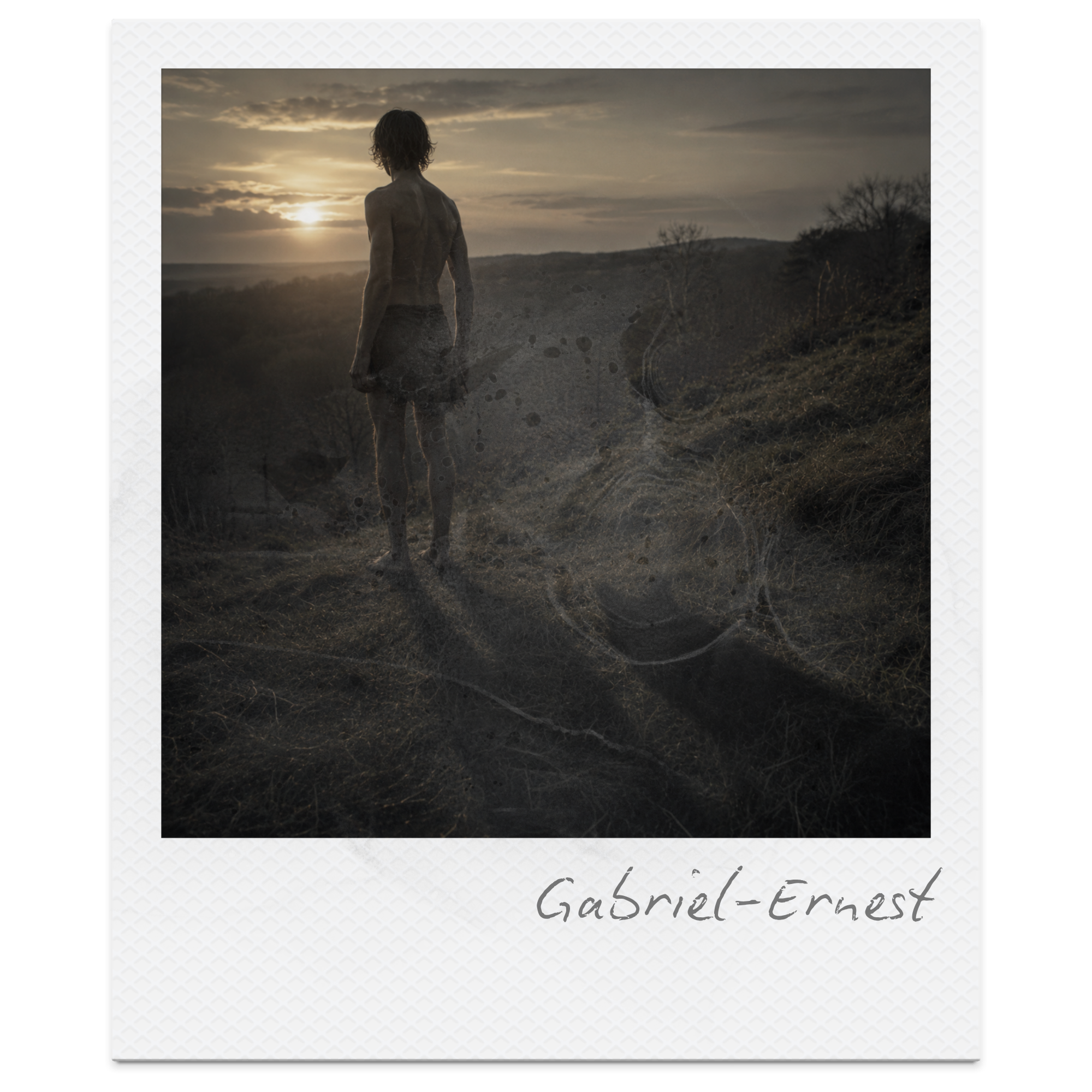
Gabriel-Ernest by Saki: Summary, Themes & Analysis
Saki’s Gabriel-Ernest is a dark and unsettling Gothic short story exploring civilisation versus savagery, hidden violence, fear of the unknown, and the dangerous instincts lurking beneath respectable society. Through the mysterious figure of Gabriel-Ernest, Saki gradually transforms an apparently ordinary rural setting into a landscape filled with supernatural tension, psychological unease, and growing horror. This detailed analysis for CIE IGCSE World Literature (0408) explores the story’s themes, symbolism, narrative voice, structure, and key quotations, while examining how Saki uses animalistic imagery, irony, and ambiguity to create suspense and fear. The guide also includes alternative interpretations, exam-ready insights, and classroom-focused teaching ideas designed to support deeper literary analysis and discussion.
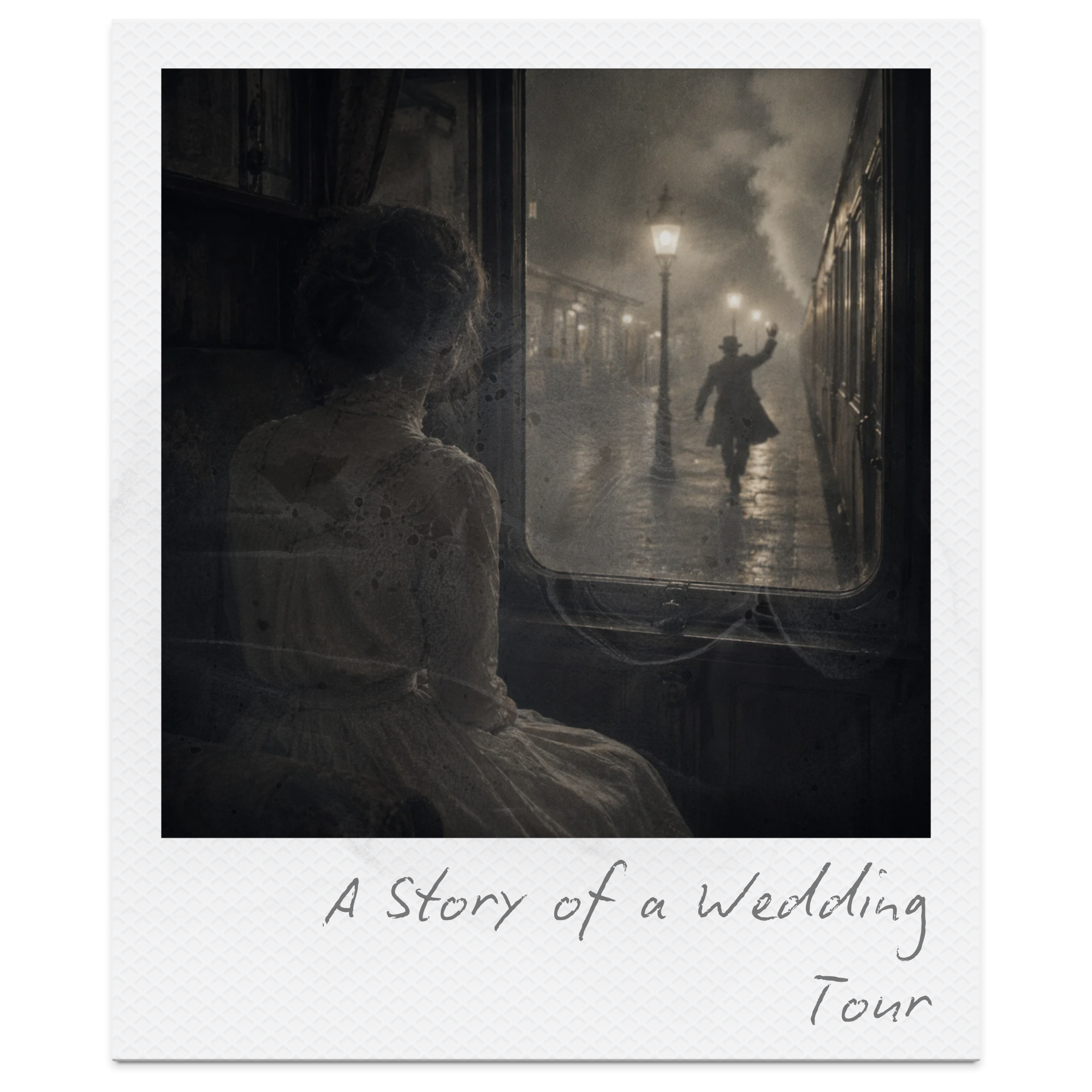
A Story of a Wedding-Tour by Margaret Oliphant: Summary, Themes & Analysis
Margaret Oliphant’s A Story of a Wedding-Tour is a psychologically complex Victorian short story exploring marriage, female autonomy, freedom, identity, and moral ambiguity through the story of Janey, a young bride who impulsively abandons her husband during their honeymoon journey through France. Combining emotional realism with powerful symbolism, Oliphant examines the suffocating realities hidden beneath romantic expectations while exploring the emotional consequences of escape and reinvention. This analysis explores the story’s themes, structure, symbolism, narrative voice, and key quotations, while examining how Oliphant uses trains, movement, and shifting settings to reflect Janey’s psychological transformation. Ideal for students studying Stories of Ourselves Volume 2 for CIE IGCSE World Literature (0408), the guide also includes exam-ready insights, alternative interpretations, and classroom-focused teaching ideas.
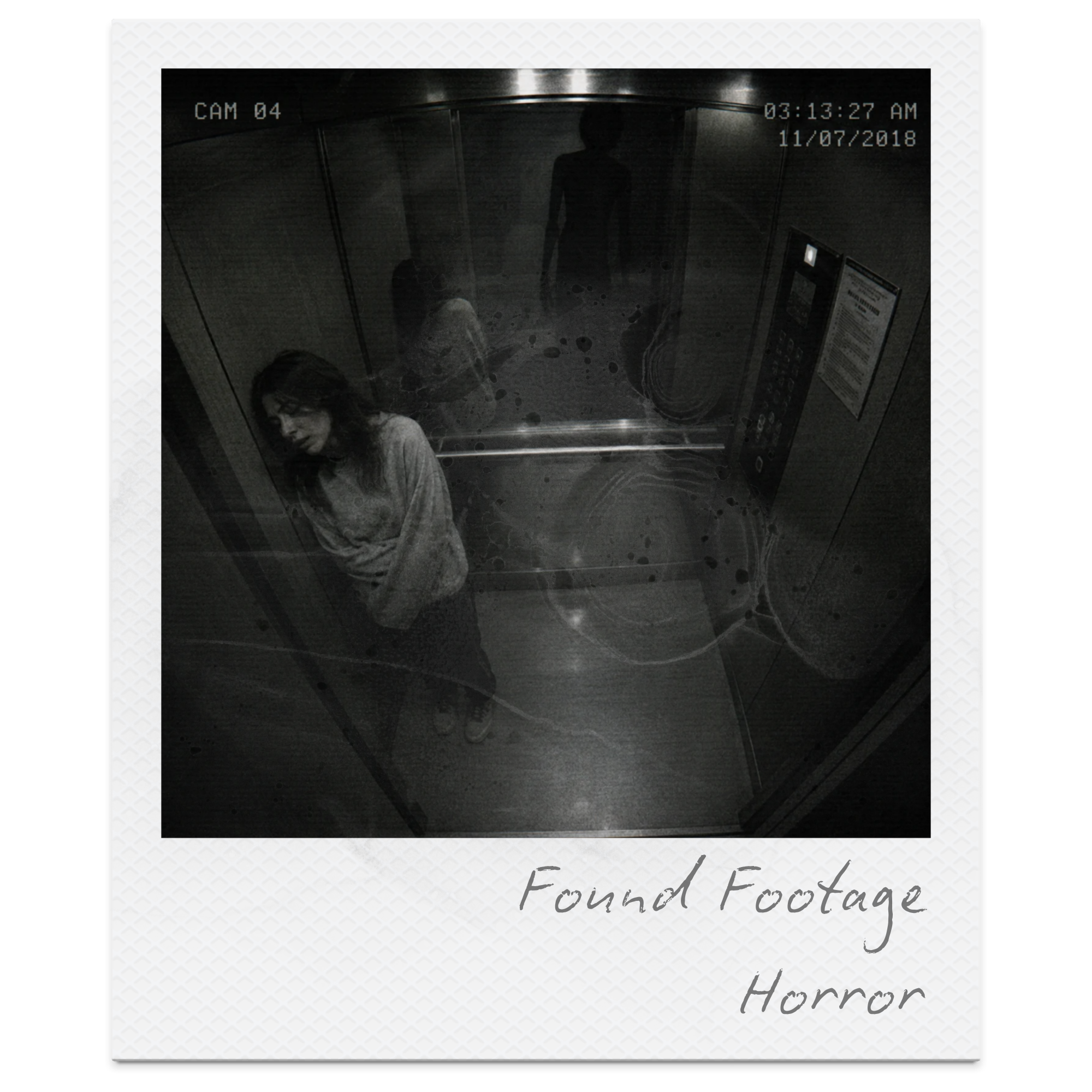
70 Found Footage Horror Writing Prompts: Lost Recordings, Corrupted Evidence & Fragmented Terror
Found footage horror uses recovered recordings, damaged tapes, surveillance footage, livestreams, and fragmented evidence to create fear through realism and uncertainty. From The Blair Witch Project and REC to Paranormal Activity and Lake Mungo, the genre builds terror through incomplete recordings, hidden details, corrupted media, and the terrifying sense that horrifying events were captured accidentally. These 70 Found Footage Horror Writing Prompts explore abandoned recordings, emergency broadcasts, paranormal investigations, missing expeditions, surveillance horror, analog terror, and fragmented storytelling through plot hooks, title ideas, opening lines, setting prompts, character concepts, and cinematic visual inspiration.
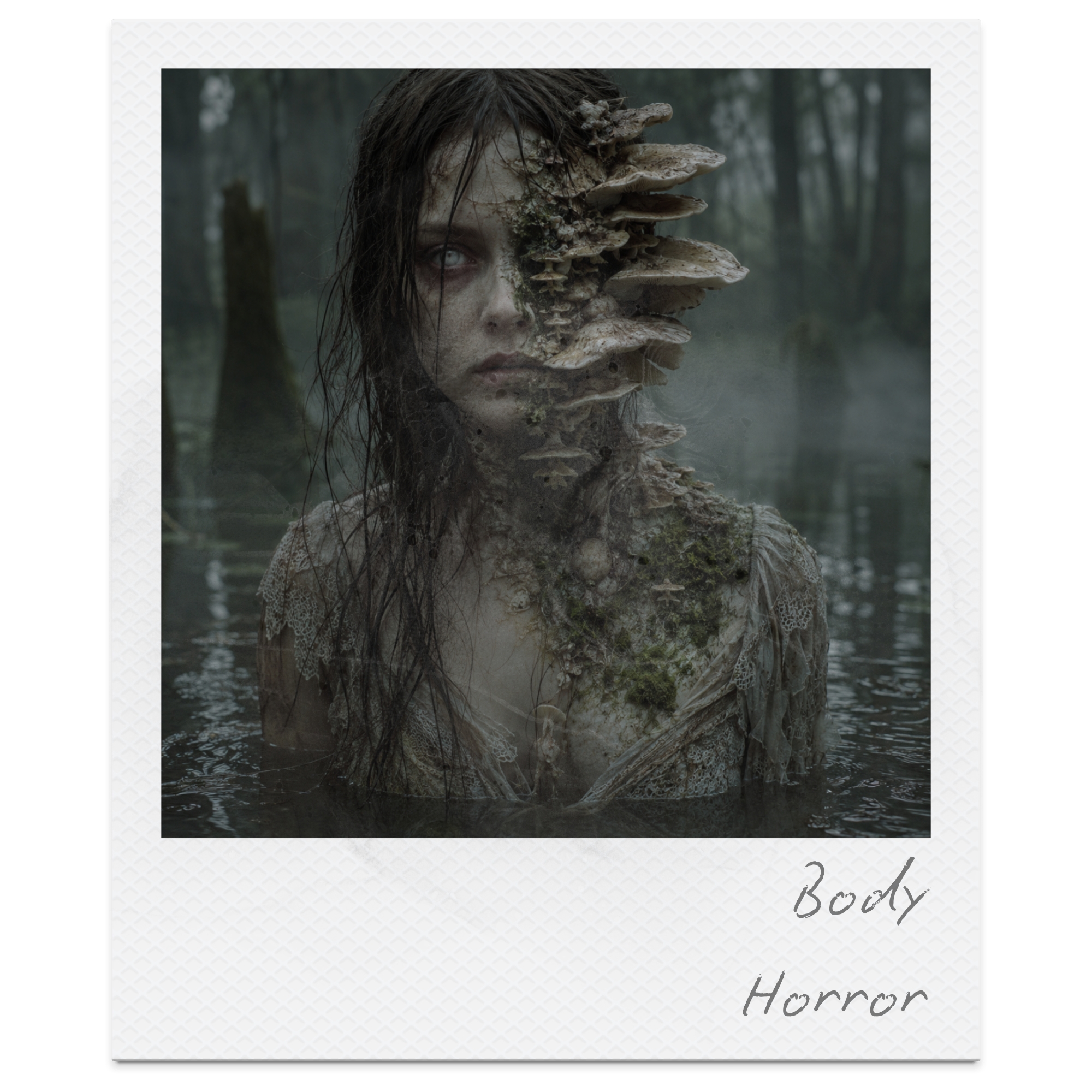
70 Body Horror Writing Prompts: Transformation, Mutation & Physical Terror
Body horror explores fear through physical transformation, mutation, disease, infection, and the terrifying loss of control over the human body. From Frankenstein and The Fly to Annihilation and The Thing, body horror uses flesh, anatomy, and biological corruption to create stories shaped by physical dread and psychological unease. These 70 Body Horror Writing Prompts explore mutation, parasitic infection, surgical horror, experimental science, bodily distortion, and the terrifying collapse of bodily autonomy through plot hooks, title ideas, opening lines, character concepts, settings, and cinematic visual prompts designed for unsettling horror storytelling.
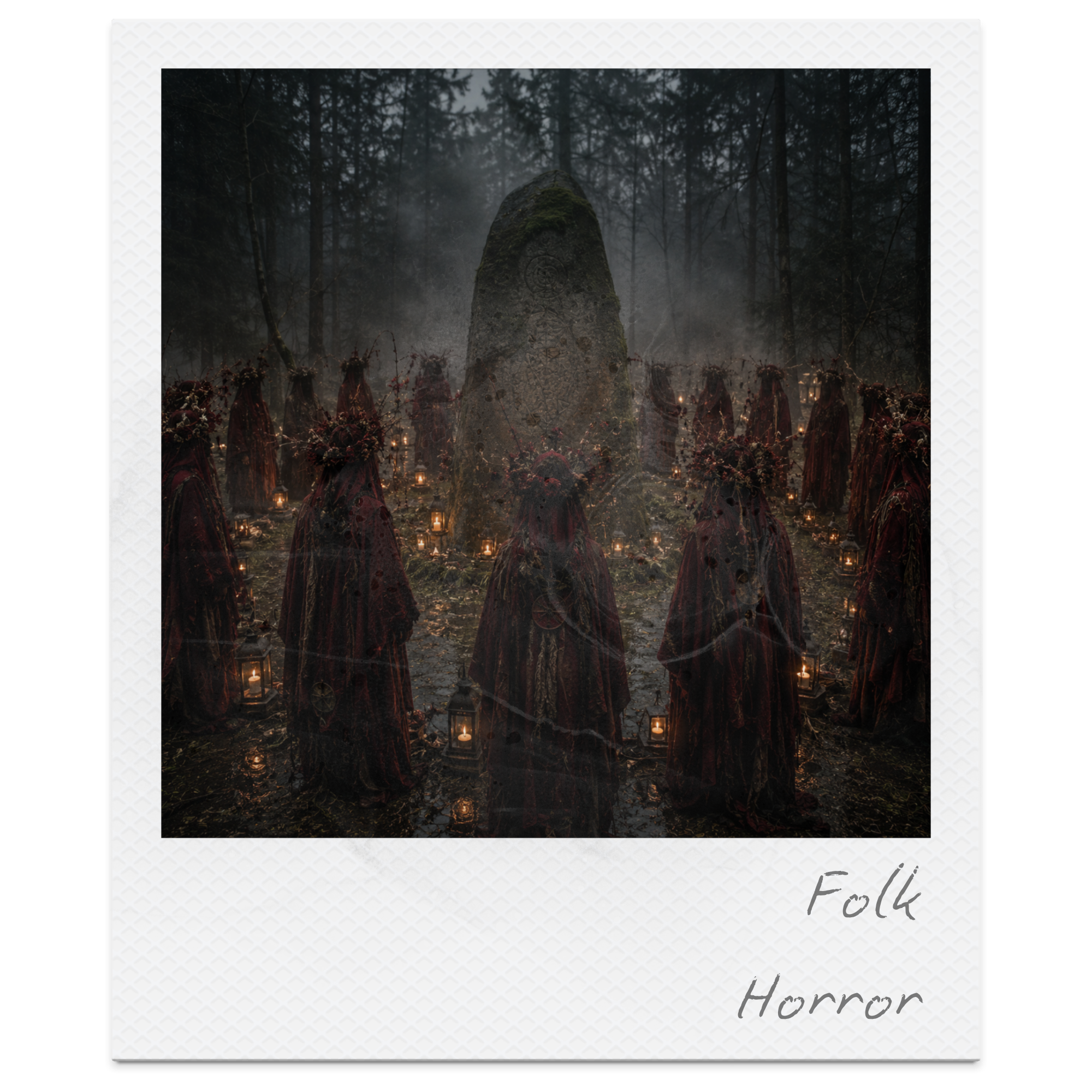
70 Folk Horror Writing Prompts: Rituals, Isolated Villages & Ancient Dread
Folk horror combines folklore, ritual, superstition, isolation, and landscape-driven terror to create stories shaped by ancient fears and collective belief. Unlike fast-paced modern horror, folk horror often unfolds slowly through atmosphere, rural settings, hidden traditions, strange ceremonies, and the growing sense that an isolated community is protecting something ancient and dangerous. These stories frequently explore the tension between modern rationality and older belief systems rooted in nature, sacrifice, seasonal ritual, and inherited violence. This collection of 70 Folk Horror Writing Prompts explores cult rituals, abandoned villages, antlered figures, standing stones, drowned churches, hidden gods, scarecrow effigies, harvest festivals, swamp rituals, and ancient traditions buried deep within isolated landscapes. Designed for atmospheric horror writers, folklore-inspired fiction, and dark speculative storytelling, these prompts combine plot ideas, opening lines, eerie settings, cinematic picture prompts, and unsettling character concepts to inspire haunting stories filled with ritual, dread, and psychological unease.